


Introduction: The Modern Dilemma and the AI Solution
In today’s fast-paced world, the demands on our time seem to constantly multiply. We juggle professional deadlines, personal appointments, family commitments, social engagements, and an ever-growing list of to-dos. The relentless pressure to manage it all often leads to overwhelming stress, forgotten tasks, missed opportunities, and a constant feeling of being behind. Traditional planning methods, whether a paper planner, a basic digital calendar, or a mental checklist, often fall short in keeping up with the dynamic, unpredictable nature of modern life. They require constant manual adjustment, careful prioritization, and a significant amount of mental energy that most of us simply don’t have to spare.
Imagine a world where your schedule doesn’t just sit passively, waiting for you to update it, but actively learns from your habits, adapts to changes, and even anticipates your needs. This isn’t a futuristic fantasy; it’s the present reality offered by AI-powered planners. These sophisticated tools are revolutionizing how we approach time management, transforming it from a source of anxiety into a pathway to greater productivity and, crucially, genuine work-life harmony. By harnessing the power of artificial intelligence, these planners promise to not only organize your tasks but to optimize your entire day, ensuring you allocate time effectively, reduce mental fatigue, and create space for what truly matters.
This comprehensive guide will delve deep into the world of AI-powered planners, exploring how they function, the incredible benefits they offer, practical examples of their impact, and what the future holds for this transformative technology. If you’re tired of feeling overwhelmed by your schedule and aspire to a life where efficiency and serenity coexist, then read on to discover how AI can be your ultimate ally in achieving work-life harmony.
Understanding the Core Problem: The Burden of Manual Scheduling
Before we dive into the solutions, it’s essential to fully grasp the inherent challenges of traditional, manual scheduling. For decades, we’ve relied on static methods that, while functional, demand a significant cognitive load and are inherently inflexible. Consider the following pain points that many individuals and professionals experience daily:
- Time-Consuming Setup and Maintenance: Creating a detailed schedule from scratch, transferring tasks, and manually inputting every appointment is a laborious process. This initial investment of time often discourages consistent use.
- Lack of Adaptability: Life is unpredictable. A sudden meeting, a sick child, an unexpected traffic jam – any of these can derail a meticulously planned day. Traditional planners offer no easy way to automatically adjust subsequent tasks or priorities, leading to a cascade of rescheduling efforts.
- Inefficient Prioritization: Deciding which task to tackle first, especially when everything feels urgent, is a major source of stress. Without an objective framework, we often fall back on tackling the easiest tasks, or the loudest ones, rather than the most impactful.
- Mental Overload and Context Switching: Constantly thinking about what needs to be done next, remembering deadlines, and recalling details about various projects consumes valuable mental energy. This ‘cognitive switching cost’ reduces focus and overall productivity.
- Forgetting Tasks and Deadlines: Despite our best efforts, it’s all too easy for important items to slip through the cracks, especially when dealing with multiple projects, clients, or personal commitments. Reminders often rely on manual setup, which can also be forgotten.
- Underestimating Task Duration: We are notoriously bad at estimating how long tasks will take. This leads to overbooking our days, rushing through activities, and feeling constantly behind, fueling a cycle of frustration and burnout.
- Lack of Insights: Traditional methods offer little in the way of actionable insights. You might know what you did, but not how efficiently you did it, where your time truly went, or how to improve your habits for the future.
- Poor Work-Life Boundaries: Without a clear, well-managed schedule, work often bleeds into personal time, and vice versa. This blurring of lines makes it difficult to disconnect, recharge, and maintain a healthy balance.
These challenges aren’t just minor inconveniences; they are significant barriers to productivity, well-being, and ultimately, achieving a balanced and fulfilling life. The modern professional, student, and parent desperately needs a system that does more than just list tasks; they need a partner that actively assists in navigating the complexities of their schedule. This is precisely where AI-powered planners step in to bridge the gap.
What Are AI-Powered Planners? Beyond Simple Calendars
At their core, AI-powered planners are intelligent scheduling tools that leverage artificial intelligence, machine learning (ML), and natural language processing (NLP) to automate, optimize, and personalize your time management experience. They are a significant leap beyond the static digital calendars or To-Do list applications many of us are familiar with. While a basic calendar merely stores events you input, an AI planner actively processes, learns from, and adapts to your unique workflow and life circumstances.
Here’s what truly sets them apart:
- Intelligent Automation: Instead of you manually dragging and dropping tasks, or guessing when to schedule an appointment, AI planners can automatically slot activities into your calendar based on a multitude of factors. These factors include your availability, task priority, estimated duration, deadlines, and even your personal energy levels, if the system learns them over time.
- Machine Learning for Personalization: This is where the “intelligence” truly shines. AI planners employ machine learning algorithms to observe your patterns and preferences. They learn:
- How long specific types of tasks typically take you.
- Your peak productivity hours (e.g., are you a morning person for complex tasks?).
- Your preferred break times.
- Recurring commitments and their importance.
- How often you reschedule certain types of tasks.
This continuous learning process allows the planner to create an increasingly accurate and personalized schedule that truly reflects your capabilities and needs.
- Natural Language Processing (NLP) for Intuitive Input: Many advanced AI planners allow you to add tasks and events using natural, conversational language. Instead of filling out rigid forms, you might simply type or speak, “Schedule a meeting with John for next Tuesday at 10 AM about the Q3 report,” or “Remind me to call Mom this evening when I get home.” The AI interprets your request and integrates it appropriately into your schedule.
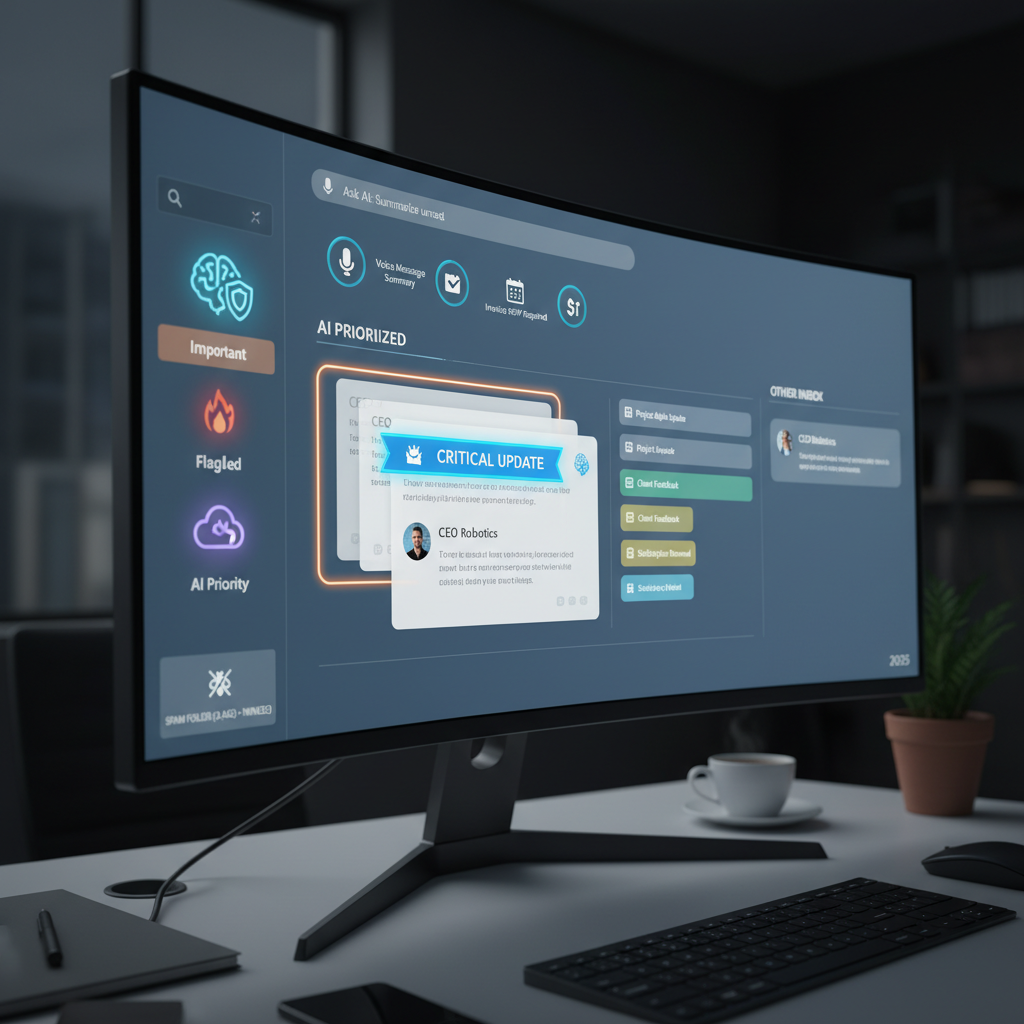
- Contextual Awareness and Integration: These planners often integrate with other digital tools and data sources. They can pull information from your email (e.g., identifying new appointments), project management software (e.g., new tasks assigned), weather apps (e.g., suggesting an indoor workout if it’s raining), and even location services (e.g., calculating travel time for appointments). This contextual understanding makes your schedule dynamic and responsive to your real-world conditions.
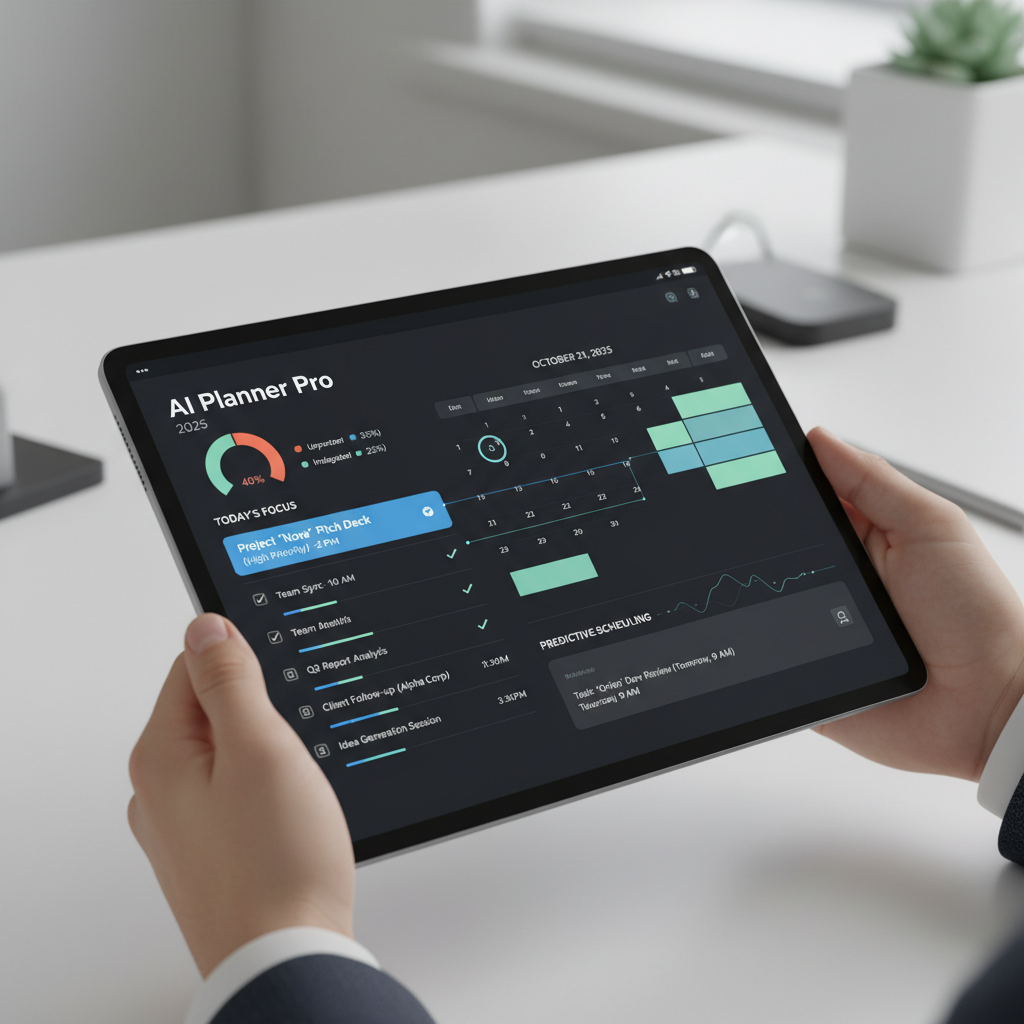
- Predictive Analytics: Some AI planners go further by using predictive analytics. They can flag potential scheduling conflicts before they arise, estimate project completion times more accurately based on historical data, or even suggest optimal times for tasks to minimize disruption or maximize focus.
In essence, an AI-powered planner acts like a highly efficient, tireless personal assistant. It doesn’t just record your schedule; it actively helps you build, maintain, and adapt it, freeing up your cognitive resources to focus on the tasks themselves, rather than the logistics of managing them.
Key Features and Capabilities That Set AI Planners Apart
The innovation in AI-powered planners goes far beyond simple automation. They integrate a suite of advanced features designed to tackle the most persistent scheduling challenges. Here are some of the standout capabilities:
Smart Scheduling and Dynamic Rescheduling
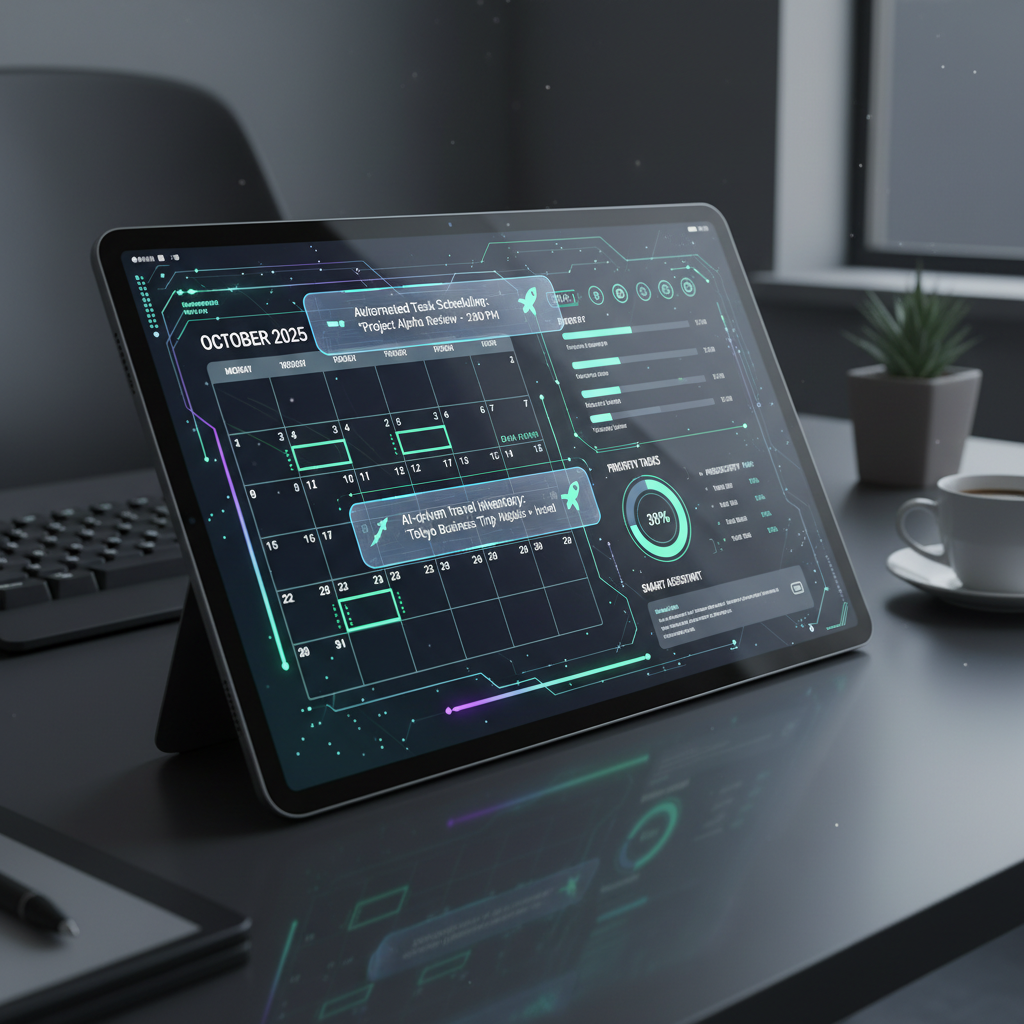
- Automatic Time Blocking: Based on your input (task duration, priority, deadline), the AI automatically allocates specific time slots in your calendar. This eliminates the guesswork and mental effort of planning your day hour by hour.
- Conflict Resolution: When new tasks or appointments arise, the AI can intelligently shift existing lower-priority items to accommodate the new ones, ensuring minimal disruption and preventing overbooking. It might even suggest alternative times or days if conflicts are unavoidable.
- Prioritization Algorithms: Leveraging user-defined priorities (e.g., “urgent,” “important,” “low priority”) alongside learned behaviors and deadlines, the AI determines the optimal sequence for tasks, ensuring critical items are addressed first.
- Contextual Availability: The planner doesn’t just look at open slots; it considers your known commitments, recurring meetings, and even personal preferences for specific types of tasks (e.g., “deep work requires a 2-hour uninterrupted block in the morning”).
Task Management and Prioritization
- AI-Driven Task Decomposition: For larger projects, some AI planners can suggest breaking them down into smaller, more manageable sub-tasks, making the planning process less intimidating and more actionable.
- Smart Reminders: Beyond simple alarms, AI can provide context-aware reminders, such as “You have a meeting with Sarah in 15 minutes; it’s a 5-minute walk from your current location,” or “Remember to follow up on the XYZ report after your lunch break.”
- Dependency Management: For complex projects, the AI can track task dependencies, ensuring that a prerequisite task is completed before its dependent task is scheduled.
Integration and Ecosystem Connectivity
- Calendar Synchronization: Seamless integration with popular calendar services (Google Calendar, Outlook Calendar, Apple Calendar) means all your appointments are in one place, updated in real-time.
- Email and Messaging Integration: Scan emails for actionable items, meeting invitations, and deadlines, automatically adding them to your schedule. Some can even identify follow-up tasks from conversations.
- Project Management Tool Links: Connects with tools like Asana, Trello, Jira, or Monday.com to pull project tasks directly into your personal schedule, ensuring nothing is missed.
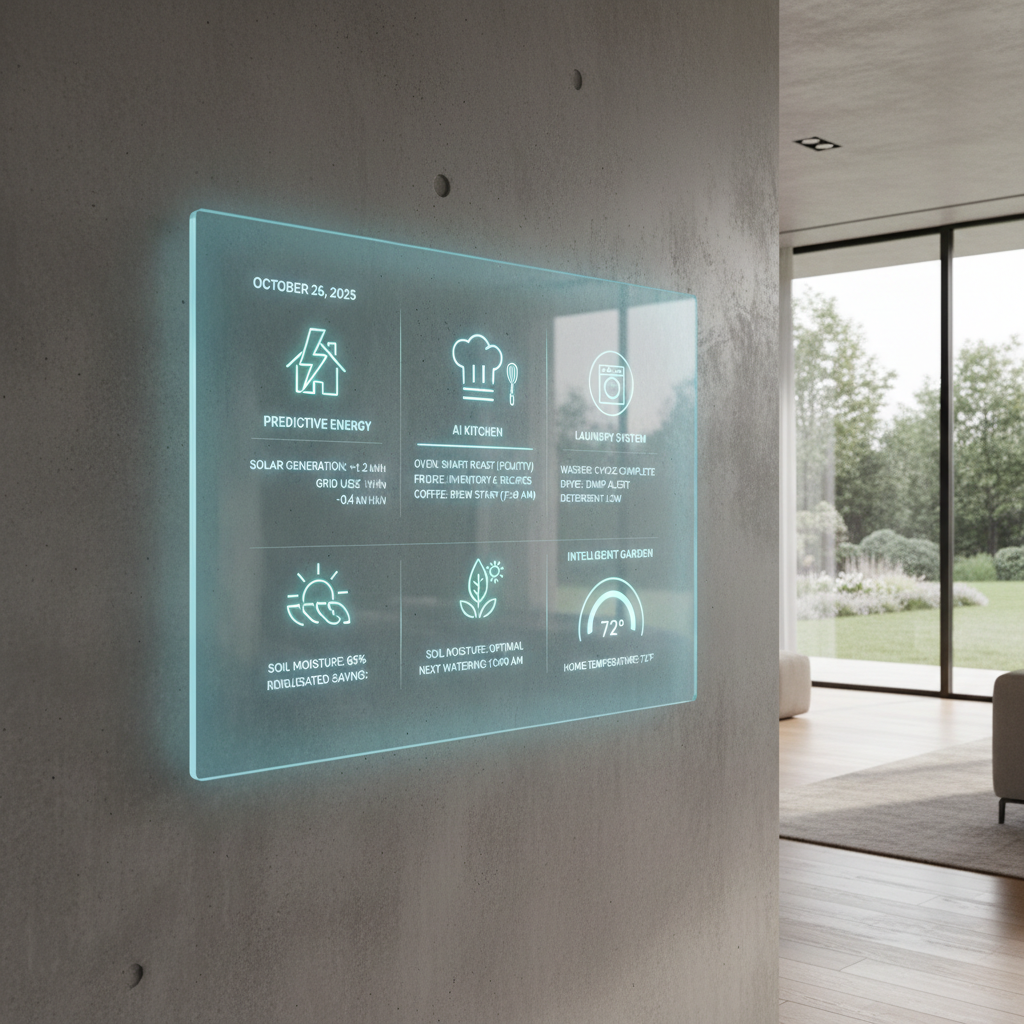
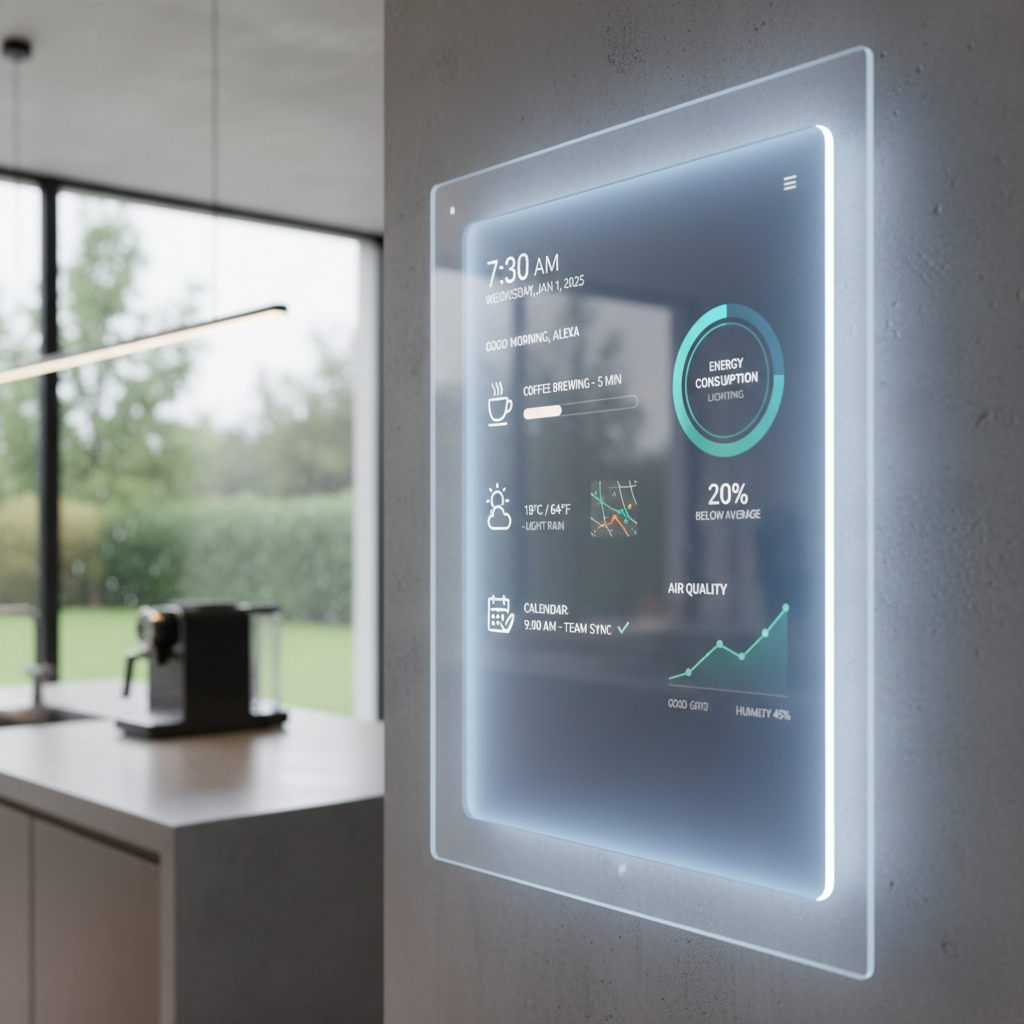
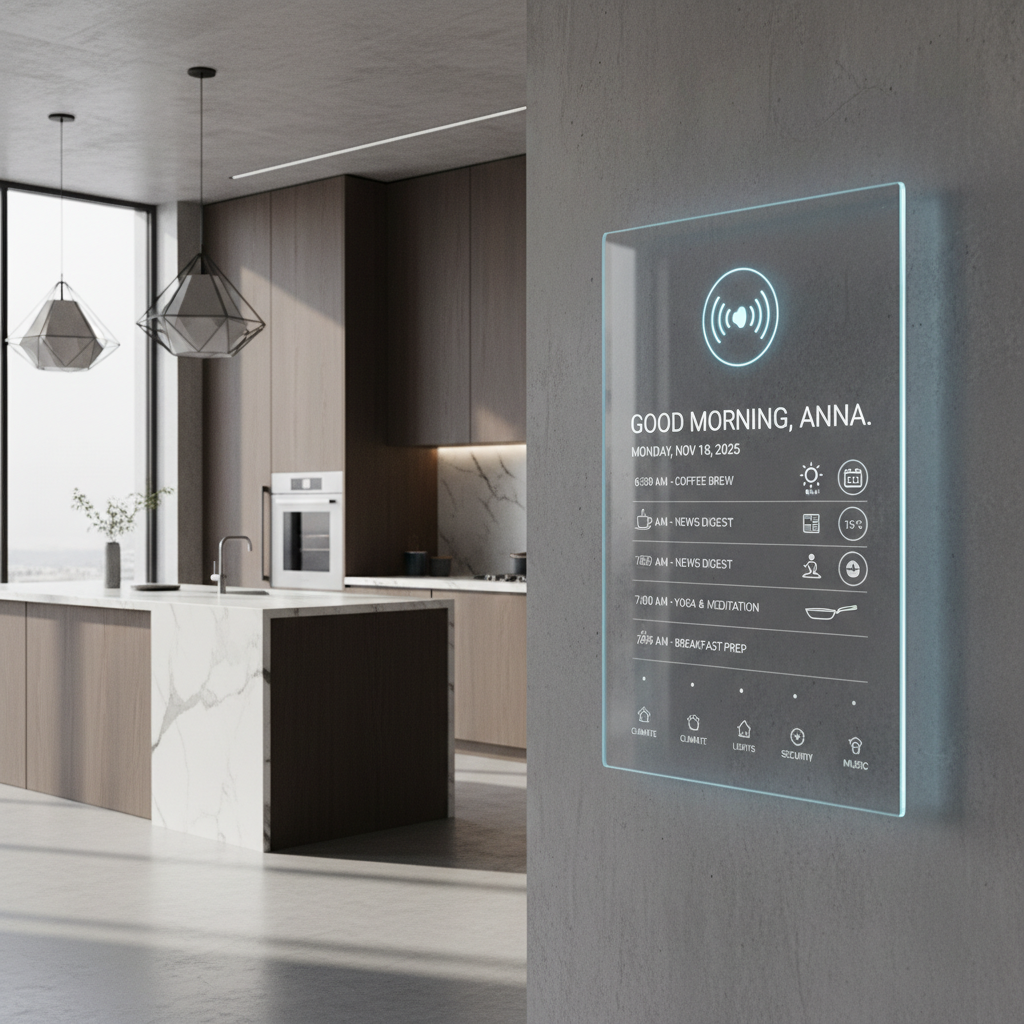
- Device and App Connectivity: Integration with smart home devices, wearables, and other productivity apps allows for a holistic view of your day and automatic adjustments based on your activity or environment.
Learning and Personalization
- Habit Tracking and Reinforcement: Monitor your progress on recurring habits (e.g., daily exercise, meditation) and intelligently schedule them for optimal adherence, potentially nudging you when you fall behind.
- Energy Level Optimization: Over time, some AI planners can learn your personal energy cycles and schedule demanding tasks during your peak productivity hours, reserving lighter tasks for periods of lower energy.
- Feedback Loops: Many systems allow you to provide feedback on task duration estimates or preferred scheduling, continuously refining the AI’s understanding of your workflow.
Insights and Analytics
- Time Allocation Reports: Visual reports showing exactly where your time is being spent across different categories (work, personal, projects, meetings), helping you identify time sinks.
- Productivity Trends: Track your productivity over days, weeks, or months, highlighting patterns and suggesting areas for improvement.
- Goal Progress Monitoring: Visualize your progress towards long-term goals by breaking them down into actionable steps and tracking their completion.
These advanced features combine to create a scheduling experience that is not only highly efficient but also deeply personal and adaptive, truly transforming how individuals manage their time and achieve their objectives.
The Transformative Benefits: How AI Planners Deliver Work-Life Harmony
The cumulative effect of these advanced features is a profound shift in how we experience our daily lives. AI-powered planners don’t just optimize schedules; they fundamentally enhance our well-being and productivity, paving the way for genuine work-life harmony. Here are the key transformative benefits:
1. Reduced Mental Load and Stress
- Elimination of Decision Fatigue: No longer do you need to spend precious mental energy deciding what to do next or how to fit everything in. The AI handles the intricate planning, freeing your mind to focus on the tasks themselves.
- Fewer Forgotten Tasks: With intelligent reminders and automated scheduling, the anxiety of forgetting an important deadline or appointment is significantly diminished.
- Proactive Problem Solving: By identifying potential conflicts before they arise, AI planners prevent many stressful last-minute rushes or compromises.
2. Optimized Time Allocation and Efficiency
- Maximizing Productive Hours: By learning your energy patterns, the AI can strategically place demanding tasks during your peak focus times, ensuring you make the most of your most productive hours.
- Eliminating Wasted Time: Intelligent routing, automated travel time calculation, and smart task batching minimize idle time and inefficient transitions between activities.
- Focus on High-Impact Work: By prioritizing tasks based on urgency and importance, the planner helps ensure you’re always working on what truly moves the needle, rather than getting caught in reactive low-value activities.
3. Enhanced Productivity and Focus
- Deep Work Facilitation: By intelligently blocking out uninterrupted time for complex tasks and protecting these blocks from distractions, AI planners foster environments conducive to deep, focused work.
- Consistent Progress: The continuous adjustment and optimization of your schedule ensure that you are consistently making progress on all your commitments, big and small.
- Better Task Estimation: Over time, the AI’s learning capabilities improve task duration estimates, leading to more realistic scheduling and fewer instances of overbooking or rushing.
4. Improved Work-Life Balance
- Dedicated Personal Time: AI planners can be configured to protect time for personal activities, hobbies, family, and self-care, ensuring that work doesn’t perpetually encroach on your private life.
- Boundary Setting: By clearly delineating work hours and personal hours, and actively scheduling downtime, the planner helps reinforce healthy boundaries, preventing burnout.
- Flexibility and Adaptability: When unexpected personal events occur, the AI can swiftly reconfigure your work schedule to accommodate them, reducing the guilt and stress often associated with needing time off.
5. Data-Driven Insights for Continuous Improvement
- Understanding Your Habits: Detailed reports on time usage, productivity peaks, and common distractions provide invaluable insights into your working style, allowing you to make informed decisions for improvement.
- Identifying Bottlenecks: Analytics can highlight where you consistently spend too much time or where delays frequently occur, enabling you to address underlying issues.
- Informed Goal Setting: By understanding your capacity and typical time allocation, you can set more realistic and achievable goals for yourself.
In essence, AI-powered planners empower you to reclaim control over your time, moving from a reactive approach to a proactive, optimized, and harmonious way of living. They become not just a tool, but a strategic partner in achieving your professional aspirations while safeguarding your personal well-being.
Choosing the Right AI Planner: Factors to Consider
With a growing number of AI-powered planners entering the market, selecting the one that best suits your needs can feel daunting. It’s not a one-size-fits-all solution, and what works perfectly for a busy freelancer might not be ideal for a student or a corporate executive. Here’s a guide to the crucial factors you should consider when making your choice:
1. Understand Your Primary Needs and Use Case
- Personal Productivity: Are you primarily looking to manage individual tasks, personal appointments, and hobbies? Focus on planners with strong personal scheduling, habit tracking, and work-life balance features.
- Team Collaboration: If you need to coordinate with a team, look for features like shared calendars, task assignment, project tracking, and integration with team communication platforms.
- Project Management: For managing complex projects with dependencies, milestones, and multiple stakeholders, prioritize planners that offer robust project views, Gantt charts (or similar), and integration with dedicated project management software.
- Specific Industry/Role: Some planners are tailored for specific industries (e.g., healthcare, education, sales) or roles (e.g., consultants, academics). Research if there are specialized tools that cater to your niche.
2. Key Features and AI Capabilities
- Level of Automation: How much do you want the AI to automate? Some offer full auto-scheduling, while others provide intelligent suggestions. Consider your comfort level with ceding control.
- Natural Language Processing (NLP): If you prefer quick, conversational input, ensure the planner has strong NLP capabilities.
- Integration Ecosystem: Check compatibility with your existing tools:
- Calendars (Google, Outlook, Apple)
- Email (Gmail, Outlook)
- Communication (Slack, Microsoft Teams)
- Project Management (Asana, Trello, Jira)
- CRM (Salesforce)
- Note-taking apps (Evernote, Notion)
- Learning and Personalization: Does it adapt to your habits, energy levels, and task duration estimates over time?
- Reporting and Analytics: Are the insights provided useful and easy to understand? Do they offer actionable recommendations?
- Mobile Accessibility: Ensure robust and intuitive mobile apps for on-the-go management.
3. Ease of Use and User Interface (UI)
- Intuitive Design: The planner should be easy to navigate, with a clean and uncluttered interface. A complex UI can negate the benefits of automation.
- Onboarding Process: Is there clear guidance for getting started and setting up your initial preferences?
- Learning Curve: While AI planners are powerful, they shouldn’t require extensive training to use effectively. Look for tools that balance features with simplicity.
4. Data Privacy and Security
- Data Handling Policies: Since you’ll be sharing sensitive information about your schedule and tasks, understand how the company handles your data. Look for clear privacy policies and robust security measures.
- Compliance: For professional use, ensure the planner complies with relevant industry standards (e.g., GDPR, HIPAA if applicable).
5. Pricing and Subscription Models
- Free vs. Paid Tiers: Many AI planners offer a free tier with basic features and paid subscriptions for advanced capabilities. Evaluate if the free version meets your needs or if the paid features justify the cost.
- Value for Money: Compare the features offered against the price. Does it genuinely save you enough time and reduce enough stress to be worth the investment?
- Trial Periods: Always take advantage of free trials to test the planner in your real-world scenarios before committing to a subscription.
6. Customer Support and Community
- Responsiveness: In case of issues, is customer support readily available and responsive?
- Resources: Look for extensive documentation, tutorials, and a knowledge base.
- Community: A vibrant user community can be helpful for tips, tricks, and troubleshooting.
By carefully evaluating these factors, you can choose an AI-powered planner that seamlessly integrates into your life, becoming a true partner in achieving your productivity and work-life harmony goals.
Navigating the Future: Trends and Developments in AI Planning
The field of AI-powered planning is continuously evolving, driven by rapid advancements in artificial intelligence, machine learning, and computational power. What we see today is just the beginning. The future promises even more sophisticated, intuitive, and seamlessly integrated scheduling experiences. Here are some key trends and developments we can anticipate:
1. Deeper Personalization and Predictive Capabilities
- Hyper-Personalized Scheduling: AI will move beyond just learning your general habits to understanding nuanced emotional states, cognitive load, and even subtle physiological signals (perhaps via wearables). This will allow planners to suggest not just *when* to do a task, but *how* to approach it for optimal performance and well-being.
- Proactive Risk Management: Future planners will be even better at identifying potential burnout risks or project delays before they become critical. They might proactively suggest a lighter schedule, recommend a break, or alert team members to potential bottlenecks with increased accuracy.
- Adaptive Learning Environments: The AI will continuously refine its models based on your direct feedback, indirect behavioral patterns, and even external data like weather, news, or market trends that could impact your schedule.
2. Enhanced Natural Language Interaction and Multimodal Interfaces
- Conversational AI Assistants: Planners will integrate with more advanced conversational AI, allowing for highly nuanced spoken or typed commands. Imagine simply saying, “Plan my upcoming business trip to Berlin, including flights, accommodation, and meetings with clients X and Y, making sure I have an hour for sightseeing each day.”
- Multimodal Input/Output: Beyond text and voice, future planners might incorporate visual inputs (e.g., scanning a handwritten note to add tasks) or even haptic feedback for reminders.
- Emotional Intelligence Integration: AI could potentially detect frustration or stress in your voice or typing patterns and offer to reschedule tasks or suggest mindfulness exercises.
3. Broader Integration and Ambient Intelligence
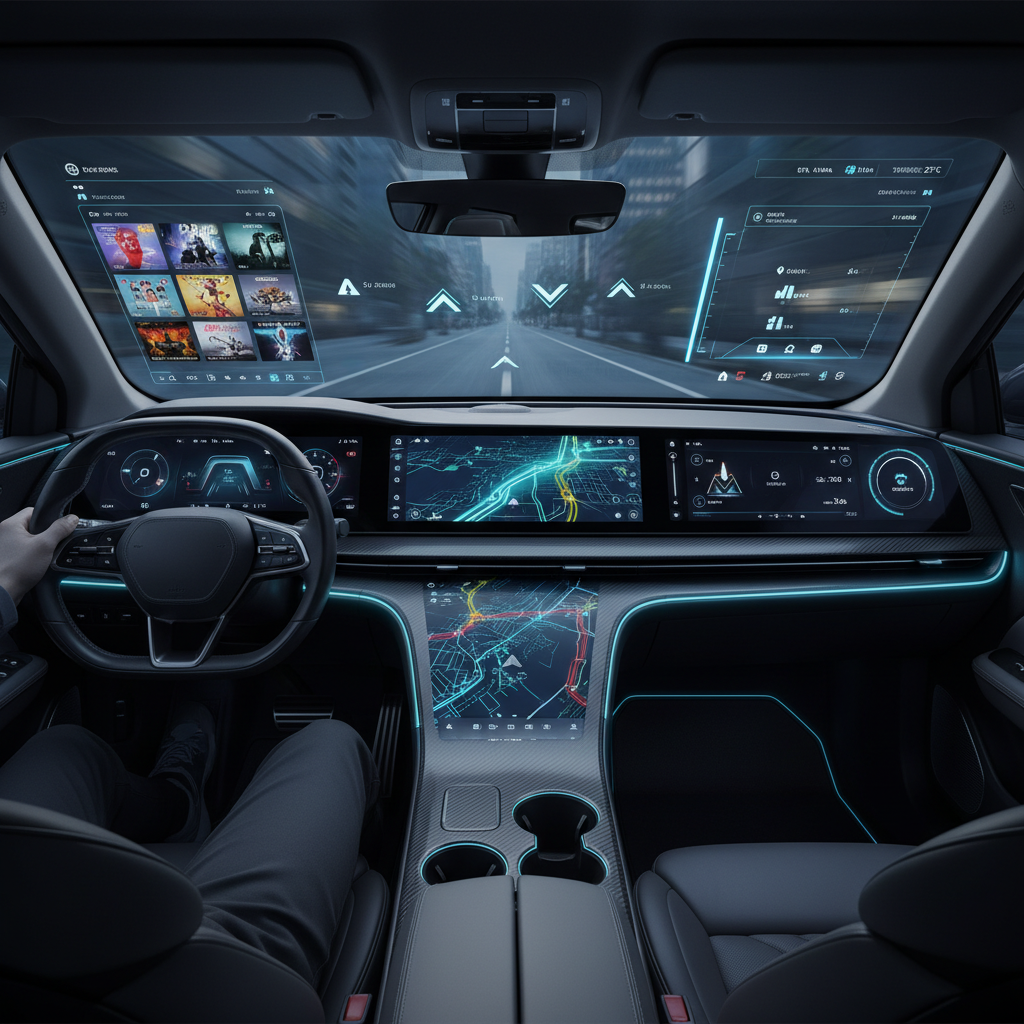
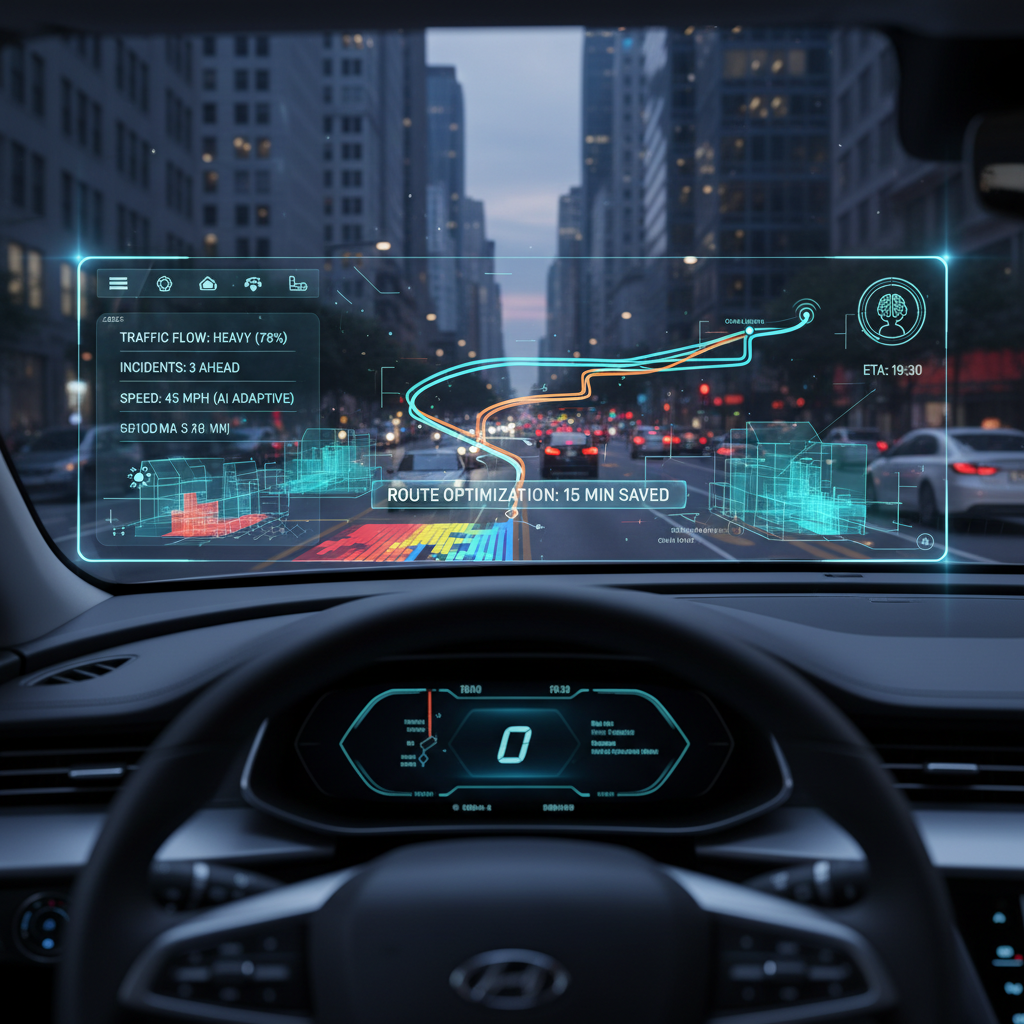
- Ubiquitous Connectivity: Seamless integration with an ever-expanding ecosystem of smart devices – from your car and smart home to IoT sensors in your office. Your schedule could dynamically adjust based on traffic conditions detected by your car, or environmental factors picked up by smart sensors.
- Contextual AI Beyond Calendars: AI planning capabilities will likely diffuse into other applications, meaning your email client, project management tool, or even your web browser could offer intelligent scheduling suggestions without needing to open a separate planner app.
- “Invisible” Planning: The ultimate goal for some systems might be to make the planning process almost invisible, with the AI working silently in the background, proactively optimizing your day based on your goals and external factors, only nudging you when necessary.
4. Focus on Ethical AI and Data Privacy
- Transparency and Control: As AI becomes more autonomous, there will be an increased demand for transparency in how algorithms make scheduling decisions and greater user control over personal data.
- Explainable AI (XAI): Planners will likely evolve to explain *why* a particular schedule was created or *why* a suggestion was made, building user trust.
- Robust Privacy Safeguards: With personal data being central to AI planning, enhanced encryption, anonymization techniques, and strict adherence to global data privacy regulations will be paramount.
5. AI Coaching and Habit Transformation
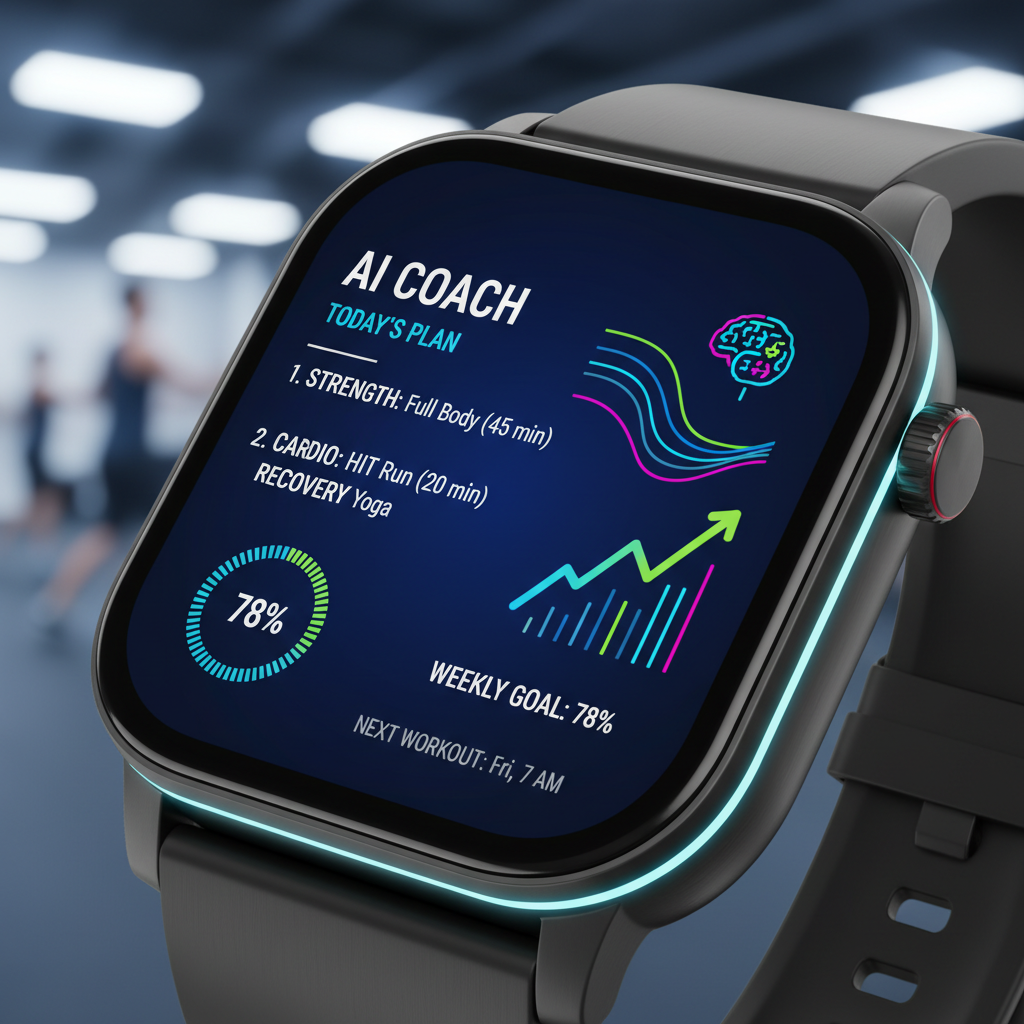
- Integrated Productivity Coaching: Beyond just scheduling, AI planners could evolve into full-fledged productivity coaches, offering personalized advice, setting smart goals, and providing strategies for overcoming procrastination or improving focus, based on your learned patterns.
- Behavioral Nudges: Intelligent nudges designed to foster positive habits (e.g., “It’s 5 PM, time to wrap up work and transition to personal activities”) or break bad ones.
The future of AI planning is exciting, pointing towards a world where our schedules are not just organized but are actively cultivated by intelligent agents, allowing us to live more productive, less stressful, and truly harmonious lives. Staying abreast of these developments will be key to harnessing the full potential of this technology.
Comparison Tables: A Closer Look
Table 1: Traditional vs. AI-Powered Planning
| Feature/Aspect | Traditional Planning (e.g., Paper Planner, Basic Digital Calendar) | AI-Powered Planning (e.g., Smart Scheduler, Intelligent Assistant) |
|---|---|---|
| Method of Operation | Manual input, static entries, reactive adjustments. Requires significant user effort for organization. | Automated input, dynamic scheduling, proactive adjustments. Learns from user behavior and context. |
| Adaptability to Change | Low. Requires complete manual rescheduling if priorities or events change. Prone to chaos. | High. Automatically re-prioritizes and reschedules tasks based on new inputs, conflicts, or external factors. |
| Task Prioritization | Manual. Relies on user’s judgment and memory, often leading to overwhelm or neglecting important tasks. | Intelligent. AI algorithms assess urgency, importance, dependencies, and deadlines to suggest optimal task order. |
| Mental Load Reduction | Minimal. User must constantly think about what’s next, remember details, and manage time manually. | Significant. AI handles the cognitive burden of planning, freeing the user’s mind for focused work. |
| Insights & Analytics | None. Offers a static record but no data on time usage, productivity patterns, or areas for improvement. | Comprehensive. Provides detailed reports on time allocation, productivity trends, and personalized recommendations. |
| Integration with Other Tools | Limited or none. Often siloed from email, project management, or communication apps. | Extensive. Seamlessly integrates with calendars, email, project management software, communication tools, and even smart devices. |
| Personalization | None. A generic template that must be manually customized. | Deep. Learns individual habits, peak productivity times, task durations, and preferences over time to optimize schedules. |
| Error Probability | High. Prone to human error (forgotten tasks, double-booking, misjudging time). | Low. AI minimizes errors through automated conflict detection, smart reminders, and contextual awareness. |
Table 2: Key Features of Modern AI Planning Tools (Conceptual Overview)
| Feature Category | Specific Capability | Benefit to User |
|---|---|---|
| Core Scheduling | Dynamic Time Blocking | Automatically allocates ideal time slots for tasks, reducing manual effort and decision fatigue. |
| Core Scheduling | Smart Rescheduling & Conflict Resolution | Automatically adjusts schedule when priorities or conflicts arise, ensuring adaptability and minimizing stress. |
| Task Management | AI-Driven Prioritization | Organizes tasks by urgency, importance, and dependencies, ensuring focus on high-impact activities. |
| Task Management | Natural Language Processing Input | Allows users to add tasks and events using conversational language, making input fast and intuitive. |
| Integration & Ecosystem | Cross-Platform Sync (Calendars, Email) | Unifies all commitments from various sources into a single, comprehensive view, preventing oversight. |
| Integration & Ecosystem | Project & CRM Tool Integration | Pulls tasks and deadlines directly from work management platforms, streamlining workflows. |
| Learning & Personalization | Behavioral Learning & Prediction | Learns personal work habits, energy levels, and task durations to create highly optimized schedules. |
| Learning & Personalization | Habit Tracking & Reinforcement | Monitors and encourages consistency for personal and professional habits, fostering positive routines. |
| Insights & Reporting | Time Allocation & Productivity Analytics | Provides visual reports on time usage and trends, offering insights for continuous improvement and goal setting. |
| Alerts & Reminders | Context-Aware Notifications | Delivers timely reminders based on location, proximity to events, or preceding tasks, enhancing effectiveness. |
Practical Examples: AI Planners in Action
Theory is one thing, but seeing AI-powered planners in real-world scenarios truly highlights their transformative potential. Let’s explore how different individuals can leverage these intelligent tools to conquer scheduling stress and achieve work-life harmony.
Case Study 1: The Freelancer’s Enhanced Productivity
Meet Sarah, a graphic designer who works independently with multiple clients. Her biggest challenge used to be juggling various project deadlines, client meetings, personal marketing, and administrative tasks, all while trying to maintain some semblance of a social life. Her traditional calendar was a mess of conflicting appointments and handwritten notes that often led to missed deadlines and client dissatisfaction.
- The Problem: Sarah constantly felt overwhelmed. She struggled to accurately estimate how long design tasks would take, often leading to overcommitment. Client A’s urgent request would throw off her schedule for Client B, and networking events were frequently forgotten amidst the chaos. Personal time, like going to the gym or meeting friends, was often sacrificed.
- The AI Solution: Sarah adopted an AI planner that integrated with her project management tool (Trello), her email, and her personal calendar.
- She inputs all her client projects, breaking them into smaller tasks (e.g., “Draft logo for XYZ Corp,” “Revise brochure for Alpha Ltd.”).
- She assigns priority levels and estimated durations. The AI quickly learns her actual speed for different design tasks based on past performance.
- When Client C sends an urgent request via email, the AI identifies it, prompts Sarah to approve adding it, and then intelligently reshuffles her existing tasks, prioritizing the urgent request while pushing less critical items for later in the week, ensuring no deadlines are missed.
- The planner also blocks out specific “deep work” hours in the morning, when Sarah is most creative, and schedules administrative tasks for the afternoon. It even reminds her to take short breaks to avoid burnout.
- Crucially, Sarah designated “personal time” slots on her calendar (gym, social outings), which the AI protects, scheduling work tasks around them.
- The Outcome: Sarah’s stress levels plummeted. She consistently meets deadlines, her clients are happier, and she no longer feels guilty about taking personal time. The AI provides weekly reports showing her billable hours, project progress, and even suggests areas where she tends to overcommit, helping her refine her client intake process. She now has a clear sense of control over her demanding schedule.
Case Study 2: The Busy Parent’s Seamless Family Management
David and Maria are parents of two school-aged children. Their lives revolve around school runs, extracurricular activities, doctor’s appointments, grocery shopping, household chores, and their demanding full-time jobs. Their shared family calendar was perpetually outdated, and miscommunications about who was picking up whom, or whose turn it was to make dinner, were a constant source of friction.
- The Problem: David and Maria were always feeling like they were just barely keeping their heads above water. One parent would assume the other had remembered a school event, only to find out it was forgotten. Meal planning was haphazard, leading to last-minute takeout. Coordinating childcare for an unexpected work meeting felt like a logistical nightmare.
- The AI Solution: They implemented a family-centric AI planner that synchronized across both their phones and integrated with their kids’ school calendar app.
- All school events, sports practices, and appointments are automatically pulled into the shared AI calendar.
- They input recurring tasks like “grocery shopping,” “dinner prep,” and “laundry,” assigning them to specific days and alternately to David or Maria. The AI sends clear reminders.
- When a new doctor’s appointment is scheduled, the AI automatically checks both parents’ work calendars for availability, suggests the best time, and once confirmed, sends invitations.
- The AI also learned that Tuesday evenings are for dance classes and Wednesday evenings for soccer, automatically blocking out travel time and sending reminders to pack necessary gear.
- On weekends, the planner suggests blocks for “family time” or “personal errands” based on remaining tasks and open slots, ensuring a balance between chores and quality time.
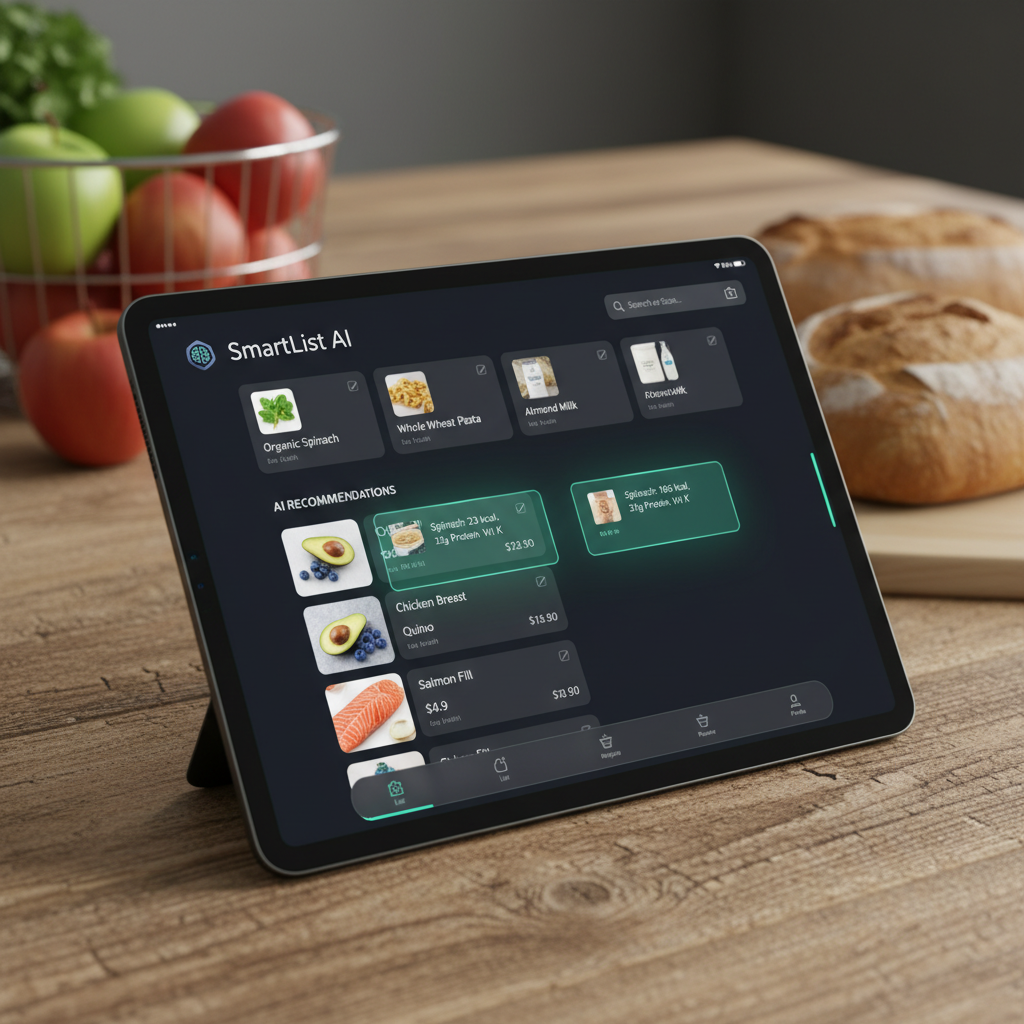
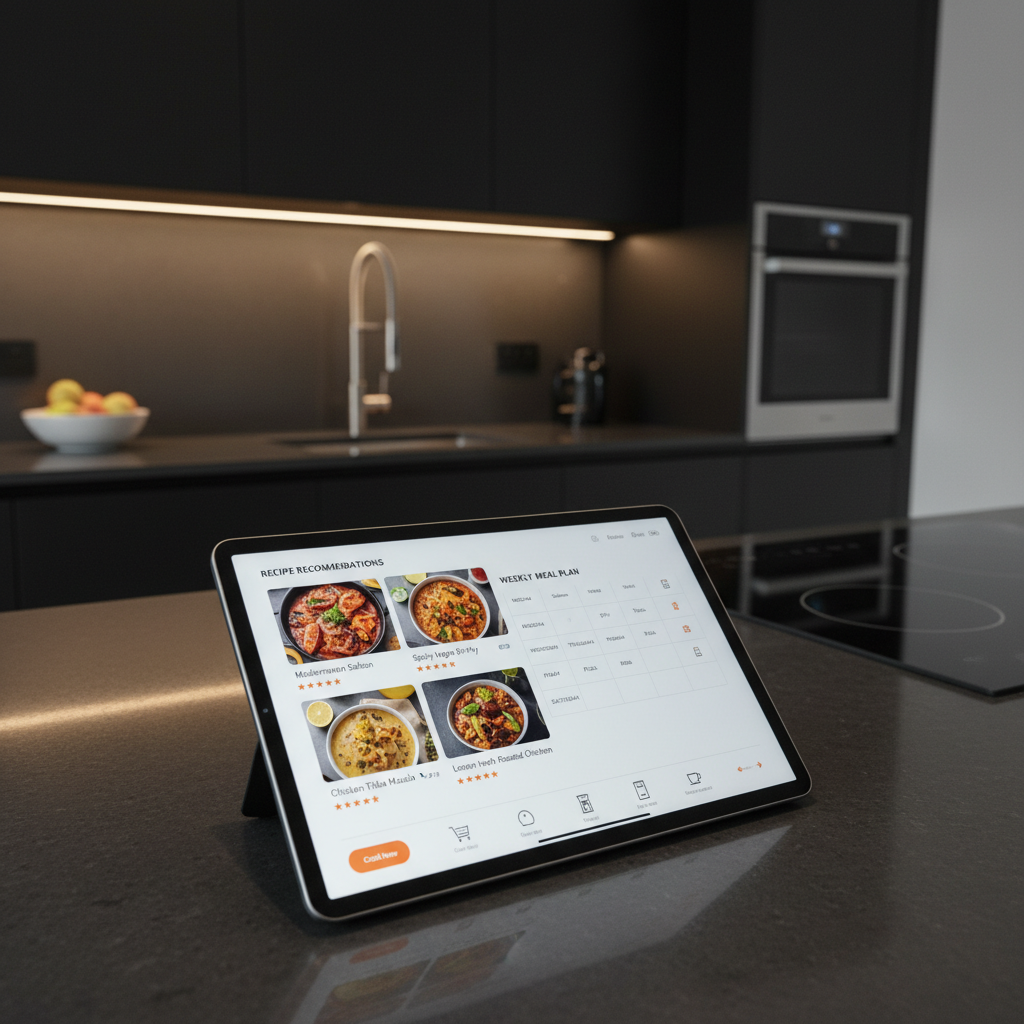
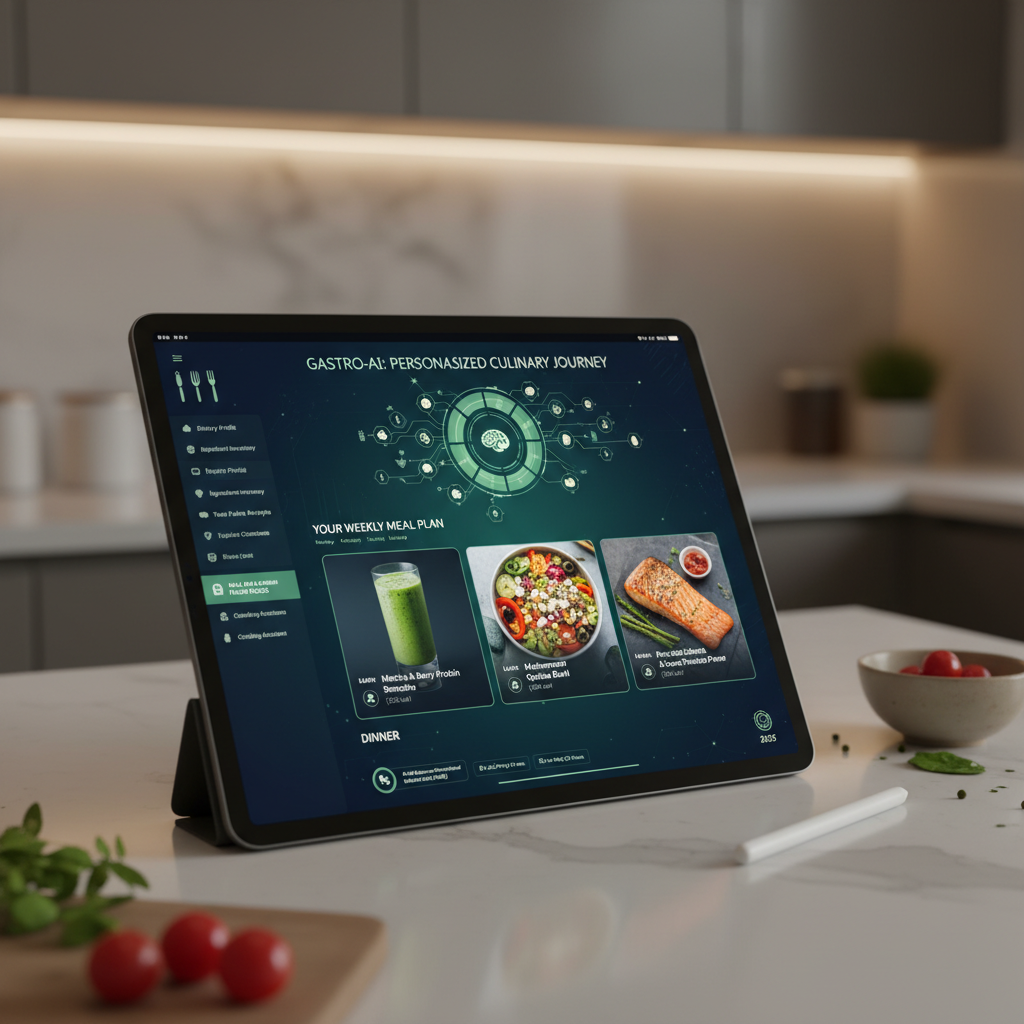
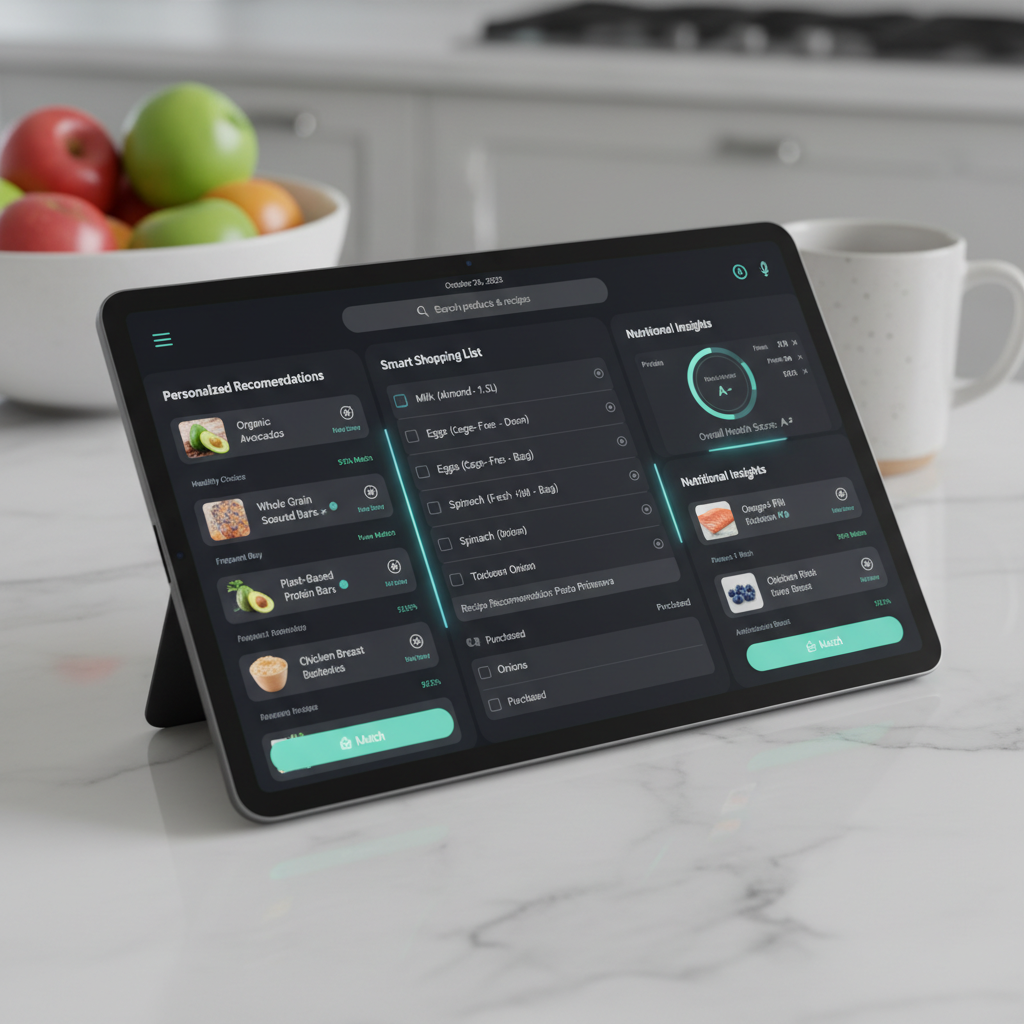
- The Outcome: Their household runs like a well-oiled machine. Miscommunications are rare, and they feel much more in control. The AI planner even suggests easy dinner recipes based on available ingredients (connected via a smart grocery list app). They now have dedicated family dinners and more predictable weekends, significantly reducing their overall stress and improving family harmony.
Case Study 3: The Student’s Academic Success and Social Life
Emily is a university student balancing a challenging course load, a part-time job, and a desire to maintain an active social life. Her old method of using a physical planner for assignments and a separate digital calendar for social events often led to missed deadlines, cramming sessions, and feelings of isolation.
- The Problem: Emily found it hard to visualize her entire week. A major essay deadline would suddenly appear, consuming all her free time, forcing her to cancel plans with friends. She would often underestimate the time needed for readings or research, leading to late-night study sessions that impacted her sleep and focus.
- The AI Solution: Emily adopted an AI planner that could integrate with her university’s learning management system (LMS) and her social calendar apps.
- The AI automatically imported all her course syllabi, identifying assignment due dates, exam schedules, and lecture times.
- For each major assignment, Emily inputs the project, and the AI helps her break it down into smaller, manageable tasks (e.g., “research topic,” “create outline,” “write introduction,” “proofread”). It then intelligently schedules these sub-tasks across her available study blocks.
- The planner learns her typical pace for reading textbooks or writing essays, adjusting future task duration estimates.
- Crucially, when her friends invite her to a movie, Emily inputs the event, and the AI automatically shifts less urgent study tasks to accommodate it, while still ensuring critical academic deadlines are met.
- It also schedules regular breaks, gym time, and even ‘social buffer’ periods to allow for spontaneous outings without derailing her academic progress.
- The Outcome: Emily’s grades improved because she was consistently working on assignments rather than cramming. Her stress decreased significantly, and she no longer felt forced to choose between academics and her social life. The AI provided insights into her study habits, helping her identify the best times for different types of academic work. She achieved a far healthier and more balanced student life.
These examples illustrate that AI-powered planners are not just for the hyper-organized; they are powerful allies for anyone seeking to bring order, efficiency, and peace to their busy lives, regardless of their specific demands.
Frequently Asked Questions
Q: What exactly is an AI-powered planner?
A: An AI-powered planner is an intelligent scheduling tool that uses artificial intelligence, machine learning, and natural language processing to automate, optimize, and personalize your time management. Unlike traditional calendars that simply record events, an AI planner actively learns from your habits, adapts to changes, prioritizes tasks, and automatically adjusts your schedule to maximize productivity and ensure work-life balance.
Q: How do AI planners differ from standard digital calendars or To-Do list apps?
A: The key difference lies in their intelligence and automation. Standard calendars are passive; you manually input everything, and they don’t adapt to changes. To-Do list apps help you track tasks but typically don’t integrate them into a dynamic schedule. AI planners are active and dynamic. They learn your preferences, automatically schedule tasks, prioritize based on importance and deadlines, resolve conflicts, and offer proactive suggestions and insights, significantly reducing your manual effort and cognitive load.
Q: Are AI planners difficult to learn or set up?
A: Most modern AI planners are designed with user-friendliness in mind. While there might be an initial setup phase to integrate your existing calendars, email, and preferences, many use intuitive interfaces and natural language input to make the process straightforward. The AI learns over time, becoming more accurate and personalized with continued use, often making the experience easier and more efficient over weeks and months.
Q: How do AI planners protect my privacy and data?
A: Data privacy and security are critical concerns for AI planner developers. Reputable AI planners employ robust security measures like encryption for data in transit and at rest. They typically have clear privacy policies outlining how your data is collected, used, and stored, often adhering to regulations like GDPR. It’s crucial to review a planner’s privacy policy before committing, especially if you’re dealing with sensitive personal or professional information.
Q: Can an AI planner truly understand my personal preferences, like my energy levels?
A: Yes, many advanced AI planners are designed to learn and adapt. Through consistent use, they observe patterns such as when you complete certain types of tasks most efficiently, your preferred break times, and even your stated energy levels for different parts of the day. This machine learning process allows the AI to develop a personalized profile, enabling it to schedule demanding tasks during your peak productivity hours and lighter tasks during periods of lower energy or focus.
Q: What if I don’t want the AI to fully automate my schedule? Can I still have control?
A: Absolutely. Most AI planners offer varying degrees of automation and control. You can often set parameters, block out specific times as non-negotiable, manually override AI suggestions, and provide feedback to refine its learning. The goal is to assist you, not to take complete control. You can choose to use the AI for suggestions and prioritization rather than full auto-scheduling if that suits your working style better.
Q: Are AI planners expensive? What are the typical pricing models?
A: Pricing varies widely. Many AI planners offer a freemium model, providing basic features for free and charging a monthly or annual subscription for advanced capabilities (e.g., unlimited integrations, advanced analytics, priority support). Prices for premium versions can range from a few dollars to tens of dollars per month, depending on the feature set and target audience (individual vs. team/enterprise). It’s worth comparing features to cost to ensure you’re getting good value.
Q: Can AI planners help with long-term goals and project management, not just daily tasks?
A: Yes, many AI planners excel at this. They can help you break down large long-term goals or projects into smaller, actionable tasks. By scheduling these sub-tasks over time, and factoring in dependencies and deadlines, the AI helps you make consistent progress towards your larger objectives, preventing overwhelming feelings and ensuring you stay on track for long-term success.
Q: What kind of insights can I expect from an AI planner?
A: AI planners often provide valuable analytics and reports. These can include:
- Time allocation breakdowns (e.g., how much time spent on work, personal, specific projects).
- Productivity trends (e.g., identifying your most productive days or hours).
- Completion rates for tasks and projects.
- Bottleneck identification (e.g., where tasks frequently get delayed).
- Suggestions for optimizing your schedule based on your habits.
These insights empower you to understand your time usage better and make informed decisions to improve efficiency and work-life balance.
Q: What should I look for when choosing an AI planner?
A: Consider your specific needs (personal, professional, team), the level of automation you prefer, integration capabilities with your existing tools (calendars, email, project management), ease of use, data privacy policies, and pricing structure. Look for a planner that offers a free trial so you can test its suitability for your unique workflow before committing.
Key Takeaways: Your Path to Enhanced Productivity and Harmony
The journey to conquering scheduling stress and achieving work-life harmony no longer has to be an uphill battle fought with outdated tools. AI-powered planners offer a compelling, intelligent, and transformative solution. Here are the main points to remember:
- Manual Scheduling is Inefficient: Traditional planning methods are time-consuming, inflexible, and contribute significantly to mental overload and stress in our complex modern lives.
- AI Planners are More Than Calendars: They leverage artificial intelligence, machine learning, and natural language processing to actively learn, adapt, prioritize, and automate your schedule, acting as a personal assistant.
- Core Capabilities are Game-Changers: Features like dynamic time blocking, smart rescheduling, AI-driven prioritization, contextual awareness, and seamless integration set them apart from basic tools.
- Benefits Span Productivity and Well-being: These planners drastically reduce mental load, optimize time allocation, boost focus, ensure better work-life boundaries, and provide actionable data-driven insights.
- Choosing Wisely is Crucial: When selecting an AI planner, consider your specific needs, the planner’s features, ease of use, data privacy policies, integration capabilities, and pricing model.
- The Future is Even Smarter: Expect deeper personalization, more intuitive natural language interaction, broader integration with ambient intelligence, and an increased focus on ethical AI and coaching capabilities.
- Real-World Impact is Evident: From freelancers managing multiple clients to busy parents coordinating family life and students balancing academics and social engagements, AI planners deliver tangible improvements in control and well-being.
- Embrace the Shift: Adopting an AI-powered planner is a strategic move towards a more organized, less stressful, and ultimately more fulfilling life, allowing you to focus on meaningful work and cherished personal moments.
Conclusion: Embrace the Future of Effortless Scheduling
The quest for balance in a world brimming with demands is a universal challenge. For too long, our approach to managing our time has been rudimentary, often adding to our stress rather than alleviating it. The advent of AI-powered planners marks a pivotal shift, moving us from reactive, manual, and often chaotic scheduling to a proactive, intelligent, and harmonious system.
These sophisticated tools are not just another app on your phone; they are digital partners designed to understand your unique rhythm, anticipate your needs, and intelligently optimize your most valuable resource: your time. By entrusting the complexities of scheduling to a smart AI, you reclaim precious mental energy, reduce the gnawing anxiety of forgotten tasks, and create genuine space for both your professional aspirations and your personal well-being. Imagine a day where your schedule flows seamlessly, adapting to the unexpected with grace, and consistently guiding you towards your goals without you having to micromanage every single minute. This is the promise of AI-powered planning.
Whether you are an ambitious professional, a dedicated student, a busy parent, or simply someone yearning for a calmer, more productive existence, the time to explore AI-powered planners is now. They represent the future of personal and professional organization, offering not just efficiency, but a profound sense of control and peace. Embrace this technology, and unlock a new era of work-life harmony, where your schedule works for you, not against you. The path to a less stressed, more fulfilling life is clearer than ever; it’s intelligently planned.





























































Leave a Reply