

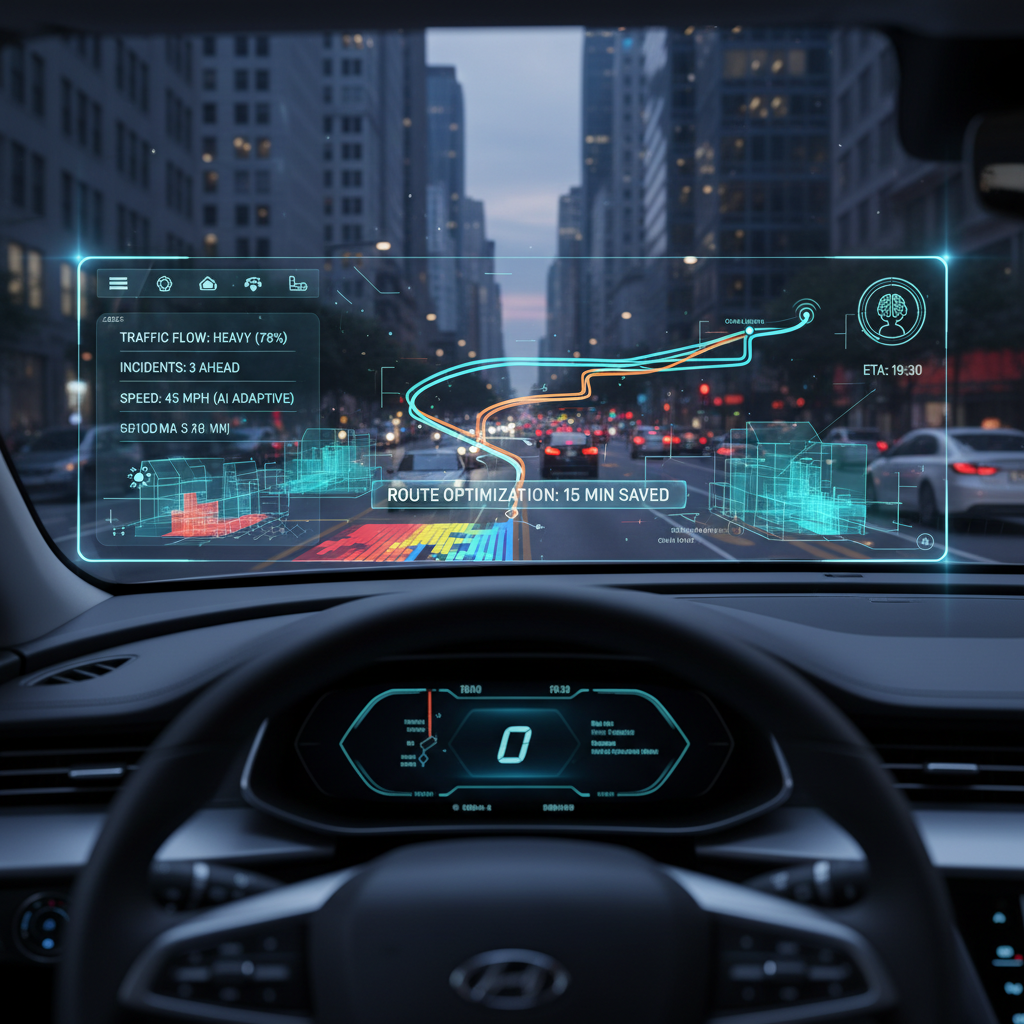
Enhancing Your Commute: AI Navigation and Entertainment Solutions
The daily commute is often cited as one of the most stressful parts of modern life. The unpredictable nature of traffic, the sudden appearance of roadblocks, and the perpetual race against the clock can turn what should be a simple journey into a frustrating ordeal. Imagine a world where your navigation system not only tells you the fastest route but also
In this comprehensive article, we will delve deep into how AI is revolutionizing our daily travel, transforming chaotic commutes into predictable, efficient, and even enjoyable experiences. We will explore the intricate mechanisms behind AI’s predictive power, the vast oceans of data it processes, the advanced algorithms it employs, and the profound benefits it delivers. From minimizing time spent in traffic to reducing stress and fostering a greener environment, AI is set to redefine urban mobility. Join us as we uncover the fascinating world of AI-driven commute optimization, offering practical insights and a glimpse into a smarter, smoother journey ahead.
The Persistent Problem with Traditional Commuting
For decades, commuting has remained largely a reactive exercise. Drivers have traditionally relied on static maps, radio traffic updates, or, more recently, basic GPS systems that offer real-time data but often struggle with foresight. This reactive approach inherently leads to frustration and inefficiency. When an accident occurs or congestion suddenly peaks, traditional systems typically notify drivers only once the problem is already in full swing, often too late to avoid being caught in the snarl.
Consider the average driver’s experience: leaving home, optimistic about the journey, only to encounter unexpected bumper-to-bumper traffic a few miles down the road. The initial frustration quickly escalates as minutes turn into an hour, leading to missed appointments, increased stress levels, and a significant drain on personal time and productivity. This unpredictability creates a ripple effect, impacting not just the individual but also businesses, public services, and the overall economic fabric of a city.
Furthermore, traditional commuting methods often contribute significantly to environmental degradation. Vehicles stuck in traffic consume more fuel, leading to higher emissions of greenhouse gases and air pollutants. The constant stop-and-go motion is inefficient and harmful. The mental toll is also substantial; prolonged exposure to traffic congestion has been linked to increased anxiety, road rage, and even negative impacts on long-term health. The inability to predict and adapt effectively to dynamic road conditions is the fundamental flaw that AI is now systematically addressing, paving the way for a more intelligent and humane approach to daily travel.
The Dawn of Predictive Commute AI
The advent of Artificial Intelligence marks a paradigm shift in how we approach the challenge of commuting. Predictive commute AI refers to the application of advanced machine learning algorithms and vast datasets to forecast traffic conditions, identify potential delays, and recommend optimal routes
At its core, predictive AI leverages sophisticated computational models to analyze massive amounts of information. These models are trained to recognize patterns and correlations that are imperceptible to humans or simpler software. For instance, an AI might learn that a particular stretch of highway experiences significant congestion every Tuesday morning between 7:45 AM and 8:15 AM, especially if it is raining. It can then use this learned pattern, combined with current weather forecasts and real-time traffic flow, to predict delays hours in advance for the upcoming Tuesday.
The transition from reactive to proactive navigation is revolutionary. Instead of being informed about a traffic jam you are already in, AI-powered systems can suggest leaving earlier, taking an entirely different route, or even utilizing an alternative mode of transport, such as public transit, long before your journey even begins. This foresight empowers commuters with choices, transforming a potential nightmare into a manageable adjustment. By integrating machine learning, deep learning, and advanced analytics, predictive commute AI stands as a testament to how technology can intelligently anticipate and mitigate the everyday obstacles of urban life.
Data Sources Fueling AI’s Insights
The unparalleled accuracy and foresight of AI in predicting commute delays stem directly from its ability to process and synthesize an extraordinary volume and variety of data. Think of AI as a perpetually learning entity, constantly absorbing information from countless sources to build an ever more precise understanding of the complex dynamics of urban mobility. Without robust and diverse data inputs, even the most advanced algorithms would be rendered ineffective. Here are the primary categories of data that fuel AI’s predictive power:
- Real-time GPS Data: This is arguably the backbone of modern traffic prediction. Millions of smartphones, connected vehicles, and fleet management systems constantly transmit anonymized location and speed data. AI aggregates this data to understand current traffic flow, identify slowdowns, and detect incidents the moment they occur. The sheer volume provides an unparalleled snapshot of live road conditions across vast geographical areas.
- Historical Traffic Patterns: AI learns from years of accumulated traffic data. This includes average speeds on specific roads at different times of day, days of the week, and months of the year. It accounts for seasonal variations, holiday traffic, and even predictable spikes during major events. By understanding these baseline patterns, AI can quickly identify deviations and predict future congestion based on past occurrences.
- Weather Conditions: Rain, snow, fog, ice, and strong winds significantly impact driving conditions and speed. AI systems integrate real-time and forecasted weather data from meteorological services. They learn how different weather phenomena affect traffic flow on various road types and then factor these predictions into route planning, often suggesting more conservative travel times or alternative routes that are less susceptible to adverse conditions.
-
Road Infrastructure and Event Data: This category includes a wide array of information.
- Construction Zones: Scheduled roadwork, lane closures, and maintenance activities are fed into the system, allowing AI to pre-emptively route around known bottlenecks.
- Accident Reports: Data from emergency services, police reports, and even user-generated incident reports (like those from Waze) provide immediate alerts about disruptions. AI can then analyze the typical duration of such incidents and their knock-on effects.
- Special Events: Large gatherings such as concerts, sporting events, parades, or political rallies can create significant localized traffic surges. AI integrates event calendars to anticipate these impacts and adjust routing accordingly.
- Public Transit Schedules & Disruptions: For multi-modal navigation, AI also incorporates data from buses, trains, and subways, including delays or service changes, to provide comprehensive commute advice.
- IoT Sensors and Cameras: Smart cities are increasingly deploying Internet of Things (IoT) sensors embedded in roads, traffic lights, and public infrastructure. These sensors monitor vehicle counts, average speeds, pedestrian movement, and even air quality. Surveillance cameras, analyzed by computer vision AI, can detect queues, accidents, and even potential hazards, feeding this rich visual information back into the predictive models.
- User-Generated Reports: Platforms like Waze demonstrate the power of crowdsourcing. Drivers actively report incidents, hazards, and speed traps, providing hyper-local, real-time insights that complement official data sources and accelerate AI’s ability to react to new, unforeseen events.
The ingenious aspect of AI is not just collecting these data points, but its ability to
Under the Hood: AI Algorithms and Models
The magic behind AI’s predictive capabilities lies in its sophisticated algorithms and machine learning models. These are the engines that ingest vast quantities of data, learn from them, and then generate accurate forecasts and optimal routing suggestions. Understanding these computational processes reveals the true depth of AI’s intelligence.
Machine Learning: The Foundation of Prediction
Machine Learning (ML) is a subset of AI that enables systems to learn from data without being explicitly programmed. For commute prediction, ML models are trained on historical and real-time data to identify patterns and make predictions. There are several key paradigms at play:
- Supervised Learning: This is the most common approach. Models are fed labeled data, meaning they see examples of inputs (e.g., time of day, weather, historical traffic speed) and their corresponding outputs (e.g., actual travel time, presence of congestion). The model learns to map these inputs to outputs. For instance, it learns that given certain conditions, a specific road segment takes 20 minutes to traverse. When new, unlabeled data comes in, it applies this learned mapping to predict the outcome. Algorithms like Random Forests, Gradient Boosting Machines, and Support Vector Machines are often used here for regression tasks (predicting a continuous value like travel time).
- Reinforcement Learning (RL): While supervised learning predicts what will happen, RL is about making decisions to achieve an optimal outcome. In the context of navigation, an RL agent might be trained to choose the best route by experimenting with different paths and receiving “rewards” (e.g., shorter travel time) or “penalties” (e.g., hitting traffic). Over time, the agent learns a policy that minimizes travel time under varying conditions. This is particularly useful for dynamic routing where the environment is constantly changing.
Neural Networks and Deep Learning: Unveiling Complex Patterns
For more complex and subtle patterns in traffic data, Deep Learning (DL) models, a subset of ML based on artificial neural networks, are employed. These networks consist of multiple layers, allowing them to learn hierarchical features from raw data.
- Recurrent Neural Networks (RNNs) and Long Short-Term Memory (LSTM) Networks: Traffic data is inherently sequential; what happens now often depends on what happened moments or minutes ago. RNNs and especially LSTMs are well-suited for processing sequences. They can remember past information and use it to make predictions about future states, making them highly effective for forecasting time-series data like traffic flow. An LSTM can, for example, identify how a surge in traffic at one point on a highway will propagate and cause congestion downstream over time.
- Convolutional Neural Networks (CNNs): While primarily known for image processing, CNNs can also be adapted for spatial-temporal data. Traffic flow across a city network can be represented as a grid, and CNNs can analyze the spatial relationships between different road segments and how congestion spreads geographically. This helps in understanding localized disruptions and their broader impact.
Predictive Analytics: Forecasting the Future
Beyond simply learning patterns, predictive analytics combines statistical modeling, machine learning, and data mining to make informed predictions about future events. In commute AI, this means:
- Time-Series Forecasting: Using historical data to predict future values in a sequence. This involves techniques like ARIMA (AutoRegressive Integrated Moving Average) models or Prophet by Facebook, which can account for trends, seasonality, and holidays in traffic data.
- Anomaly Detection: Identifying unusual patterns that deviate from the norm. If traffic suddenly slows down in an area that is usually free-flowing, AI can flag this as an anomaly, potentially indicating an unforeseen incident like an accident or sudden road hazard.
Big Data Processing Frameworks: Handling the Volume
All these sophisticated algorithms would be useless without the ability to process the immense volume, velocity, and variety of traffic data. Technologies like Apache Spark, Hadoop, and cloud-based data warehouses (e.g., AWS Redshift, Google BigQuery) are crucial for ingesting, cleaning, transforming, and serving this data to the ML models in real-time or near real-time. These frameworks enable the AI system to continuously learn and update its predictions, ensuring that the navigation advice is always based on the freshest and most comprehensive understanding of the road network.
In essence, AI’s ability to outsmart commute delays is a symphony of complex data collection, intelligent algorithms that learn from that data, and powerful computing infrastructure that keeps everything running seamlessly. This intricate interplay allows your navigation system to be not just a guide, but a truly intelligent co-pilot, anticipating challenges and optimizing your journey proactively.
Beyond Traffic Jams: Comprehensive Delay Avoidance
While alleviating traffic jams is a primary goal, AI’s influence extends far beyond simply finding alternate routes around congestion. Its comprehensive capabilities are transforming the entire ecosystem of urban mobility, offering a multifaceted approach to delay avoidance and optimization.
-
Proactive Accident Prediction and Rerouting: AI is increasingly capable of predicting areas prone to accidents based on factors like weather conditions, road geometry, historical accident data, and even driver behavior patterns. While it cannot prevent an accident from happening, it can
predict the likelihood of one and guide drivers away from high-risk zones or anticipate the downstream effects of an accident that has just occurred, re-routing vehicles before congestion builds up significantly. This is a leap from merely reporting an accident after it happens to predicting and mitigating its impact. - Dynamic Road Pricing and Lane Management (Smart City Context): In a smart city environment, AI can analyze real-time traffic flow and predict congestion levels to implement dynamic road pricing. This means tolls might increase during peak hours on congested routes to encourage drivers to use alternative paths or public transport, thus distributing traffic more evenly. Similarly, AI can control variable message signs and dynamic lane assignments (e.g., reversible lanes) to adapt road capacity to current demand, preventing bottlenecks before they fully form.
- Public Transport Optimization and Integration: AI is not just for private vehicles. It optimizes public transit networks by predicting ridership, adjusting bus and train schedules in real-time, and even optimizing route paths to improve efficiency and reduce wait times. For commuters, AI-powered navigation systems can seamlessly integrate multi-modal suggestions, advising when it’s faster to ditch the car for a train, or combine ride-sharing with public transport, all while accounting for potential delays in each segment of the journey.
- Personalized Routing Based on User Preferences: Beyond just the fastest route, AI can learn and adapt to individual driver preferences. Do you prefer a scenic drive, even if it adds a few minutes? Are you prioritizing fuel efficiency over speed? Do you want to avoid highways or areas with frequent construction? AI can factor in these nuanced preferences, drawing upon your past choices and implicit feedback to offer truly personalized route recommendations that optimize for your definition of an ideal commute, not just the fastest one.
- Integration with Smart Vehicles and Infrastructure: The future promises deeper integration. AI in autonomous vehicles will communicate directly with smart city infrastructure (Vehicle-to-Infrastructure or V2I) and other vehicles (Vehicle-to-Vehicle or V2V). This V2X communication will create a highly coordinated traffic flow, where vehicles can anticipate each other’s movements, receive real-time updates from traffic lights, and collectively optimize traffic patterns across entire networks. This level of coordination can virtually eliminate many forms of congestion and delay.
- Demand Prediction for Ride-Sharing and Delivery Services: AI helps ride-sharing companies (e.g., Uber, Lyft) and delivery services (e.g., Amazon, DoorDash) predict demand hotspots and optimal driver positioning. This reduces wait times for customers and improves efficiency for drivers, leading to faster service delivery and reduced operational costs, which indirectly contributes to smoother overall traffic flow by optimizing commercial vehicle movements.
- Parking Spot Prediction: A significant portion of urban delays comes from drivers circling for parking. AI can predict available parking spots in real-time, integrating data from smart parking sensors and historical occupancy rates, guiding drivers directly to an open space and significantly reducing search time and associated traffic congestion.
In essence, AI is moving us towards an
The Future of AI in Commuting: What’s Next?
The current advancements in AI for commute optimization are just the beginning. The horizon holds even more transformative possibilities, painting a picture of a truly seamless, intelligent, and personalized travel experience. The future of AI in commuting promises to be a dynamic landscape of integrated technologies and ever-smarter systems.
- Autonomous Vehicles and V2X Communication: The widespread adoption of fully autonomous vehicles will fundamentally reshape commuting. AI in these vehicles will communicate constantly with other cars (Vehicle-to-Vehicle, V2V) and with smart city infrastructure (Vehicle-to-Infrastructure, V2I), creating a highly coordinated, self-optimizing traffic network. This V2X communication will enable platooning (vehicles driving closely together at high speeds), dynamic lane allocation, and collision avoidance on an unprecedented scale, potentially eliminating human-error-induced delays and vastly improving traffic flow. Imagine intersections where vehicles smoothly glide through without ever needing to stop, orchestrated by a central AI.
- Hyper-Personalized, Multi-Modal Suggestions: Future AI will move beyond simple route suggestions. It will deeply understand individual preferences, schedules, and even biometric data. For example, knowing you prefer cycling on sunny days or need to pick up groceries before heading home, the AI could suggest a specific bike-sharing dock, a route that passes a preferred store, and even pre-order your items for pickup. It will seamlessly integrate all modes of transport – autonomous cars, public transit, e-scooters, ride-sharing, walking – into a single, cohesive, and adaptable journey plan, dynamically adjusting if a delay occurs in any segment.
- Proactive Infrastructure Management: AI will not just react to infrastructure issues but predict them. By analyzing sensor data from bridges, roads, and tunnels, AI could identify structural weaknesses or potential failures before they become critical. This allows for proactive maintenance, scheduling repairs during off-peak hours, and minimizing unexpected road closures. Traffic signal timing will become entirely dynamic, adapting in real-time to traffic flows, weather conditions, and emergency vehicle priority, further reducing idle times and congestion.
- Ethical Considerations and Privacy Enhancements: As AI becomes more integrated, ethical concerns, particularly around data privacy, will intensify. Future developments will likely include robust privacy-preserving AI techniques, such as federated learning, where models are trained on decentralized data without individual user data ever leaving their devices. Transparency in AI decision-making will also be crucial, allowing users to understand why a particular route or recommendation was made. Regulations will evolve to ensure responsible AI deployment in public infrastructure.
- Integration with Smart Home/Work Systems: Your commute AI could integrate with your smart home to adjust lighting, heating, or even start your coffee maker as you approach. Similarly, it could communicate with your workplace systems to automatically inform colleagues of your estimated arrival time if delays are unavoidable. This holistic integration creates a truly connected lifestyle, where your journey is just one seamless part of your daily routine.
- Emotion-Aware Commuting: Advanced AI could potentially monitor driver stress levels (via wearables or in-car sensors) and recommend routes that are known to be less stressful, perhaps more scenic, or even suggest a brief stop at a park. The goal would be to optimize not just for time but also for the driver’s well-being.
The future of commuting, powered by AI, promises to be more than just efficient; it will be intelligent, personalized, sustainable, and ultimately, a far more pleasant aspect of daily life. The transition will be gradual, but the trajectory is clear: less stress, more free time, and a cleaner environment, all thanks to smart algorithms anticipating our every move on the road.
Benefits Beyond Time-Saving
While the immediate allure of AI-powered commute solutions is the promise of saving time, its broader impact extends significantly beyond mere minutes shaved off a journey. The benefits ripple through various aspects of personal well-being, environmental sustainability, and economic efficiency, creating a much more holistic improvement to urban living.
Reduced Stress and Improved Well-being
The unpredictable nature of traffic is a significant source of daily stress. Constantly checking the clock, worrying about being late, and dealing with aggressive drivers takes a heavy toll. AI’s ability to provide predictive, proactive advice fundamentally changes this dynamic. Knowing that your system has already accounted for potential delays, and provided optimal alternatives, instills a sense of calm and control. This reduction in commute-related anxiety leads to:
- Improved mental health and reduced fatigue.
- Lower levels of road rage and aggressive driving, making roads safer.
- More pleasant starts and ends to the workday, impacting overall mood and productivity.
- Reclaimed mental space that would otherwise be consumed by commute worries, allowing for more focus on family, hobbies, or work.
Environmental Impact: A Greener Commute
Inefficient driving due to traffic congestion is a major contributor to air pollution. Vehicles stuck in stop-and-go traffic consume more fuel and emit higher levels of greenhouse gases and other harmful pollutants. AI helps mitigate this in several ways:
- Optimized Routes: By identifying the most efficient paths, AI minimizes mileage and reduces instances of idling and frequent braking/acceleration.
- Reduced Congestion: Distributing traffic more evenly across the network and avoiding bottlenecks means smoother flow and less fuel wasted.
- Encouraging Multi-modal Transport: AI’s ability to seamlessly integrate public transport and other eco-friendly options encourages users to choose greener alternatives when they are genuinely faster or more convenient.
- Lower Emissions: Less fuel consumption directly translates to a reduction in carbon dioxide, nitrogen oxides, and particulate matter, leading to cleaner air quality in urban areas.
Economic Benefits: Boosting Productivity and Savings
Time saved is money saved, and AI delivers substantial economic advantages on both individual and societal levels:
- Increased Productivity: Less time spent commuting means more time for work, family, or leisure. For businesses, employees arriving less stressed and on time translates to higher overall productivity.
- Fuel Savings: Shorter, more efficient routes and reduced idling directly lower fuel consumption for individual drivers and commercial fleets, leading to significant cost savings.
- Reduced Wear and Tear: Smoother driving conditions mean less stress on vehicles, potentially extending their lifespan and reducing maintenance costs.
- Optimized Logistics: For delivery services and logistics companies, AI-driven route optimization is a game-changer, leading to faster deliveries, lower operational costs, and improved customer satisfaction.
- Stimulated Local Economies: More predictable travel can encourage people to patronize local businesses more frequently, knowing they can reliably get there and back.
Enhanced Safety: A Safer Journey
While often overlooked, AI’s contributions to safety are significant:
- Accident Avoidance: By routing drivers away from high-congestion areas or zones with historically higher accident rates, AI indirectly contributes to safer driving.
- Hazard Warnings: Real-time alerts about road hazards, dangerous weather conditions, or unexpected obstacles help drivers prepare and react safely.
- Reduced Aggression: A less stressful commute environment leads to fewer instances of aggressive driving, which is a major factor in road accidents.
- Emergency Services Optimization: AI can help emergency services navigate congested areas more efficiently, reducing response times in critical situations.
In conclusion, the benefits of AI in outsmarting commute delays extend far beyond the clock. They encompass a holistic improvement in quality of life, environmental stewardship, economic vitality, and public safety, fundamentally reshaping our relationship with daily travel for the better.
Comparison Tables
Table 1: Traditional Navigation vs. AI-Powered Predictive Navigation
| Feature | Traditional Navigation (e.g., Early GPS, Basic Maps) | AI-Powered Predictive Navigation (e.g., Modern Google Maps, Waze) |
|---|---|---|
| Primary Data Source | Static maps, historical average speeds, limited real-time data from basic sensors. | Real-time GPS data, historical patterns (years), weather, incident reports, IoT sensors, event data, user reports, satellite imagery. |
| Traffic Awareness | Primarily reactive; indicates current traffic jams once they are formed. | Proactive and predictive; forecasts congestion and delays minutes to hours in advance based on complex modeling. |
| Route Adaptability | Offers static fastest/shortest routes; limited dynamic rerouting if a major incident occurs. | Continuously analyzes and re-optimizes routes in real-time, offering alternatives even before a delay impacts your current path. Learns from past choices. |
| Accuracy of ETA | Often inaccurate, especially during peak hours or unexpected events, due to lack of predictive capability. | Highly accurate ETA, constantly updated, reflecting predicted future conditions and potential disruptions. |
| User Experience | Can lead to stress and frustration due to unexpected delays; basic interface. | Reduces stress by providing foresight; offers personalized suggestions; intuitive interfaces with richer information. |
| Scope of Recommendation | Typically car-centric; limited multi-modal options. | Comprehensive multi-modal (car, public transport, bike, walk, ride-share) with personalized preferences. |
| Environmental Impact | Can contribute to increased idling and emissions due to less optimal routing. | Reduces fuel consumption and emissions through efficient routing and congestion avoidance. |
Table 2: Key AI Data Sources and Their Impact on Commute Prediction
| Data Source Category | Specific Data Type | Contribution to AI Prediction | Example Impact on Commute |
|---|---|---|---|
| Real-time Mobility Data | GPS signals from vehicles/smartphones | Provides immediate, granular understanding of current speeds and vehicle density across the network. | Identifies sudden slowdowns or accidents as they happen, allowing for instant rerouting around active incidents. |
| Historical Traffic Data | Archived speed and volume data over years (time of day, day of week, season) | Establishes baseline patterns and seasonality, crucial for forecasting predictable congestion. | Predicts that a specific highway will be congested on Friday afternoon, even before traffic builds, recommending an early departure or alternative route. |
| Environmental Data | Current and forecasted weather conditions (rain, snow, fog, temperature) | Quantifies how environmental factors impact road conditions, visibility, and average driving speeds. | Forecasts slower speeds on icy roads, adding buffer time to ETA, or suggests routes less affected by heavy fog. |
| Infrastructure & Event Data | Construction schedules, public events, road closures, traffic light timings | Integrates known future disruptions and fixed elements of the road network. | Reroutes around a planned parade or advises against a road with scheduled overnight maintenance. |
| Sensor & IoT Data | Road sensors (vehicle counts), smart camera feeds, parking sensors | Provides granular, localized traffic flow data and identifies specific bottlenecks or available resources. | Detects unusual queues at a specific intersection, adjusting signal timings automatically, or guides drivers to available parking. |
| User-Generated Reports | Crowdsourced incident reports (accidents, police, hazards) | Offers immediate, hyper-local verification of unexpected events and temporary conditions. | Confirms a stalled vehicle on a shoulder, allowing AI to factor in potential rubbernecking delays. |
Practical Examples
The power of AI in predicting and avoiding commute delays is not confined to theoretical models; it’s actively at work in practical, real-world applications that many of us interact with daily, often without fully realizing the sophisticated AI underpinning their functionality. These examples demonstrate the tangible benefits of predictive AI in various scenarios:
-
Google Maps and Waze’s Advanced Predictive Routing:
These ubiquitous navigation apps are perhaps the most common showcases of AI’s capabilities. While they both provide real-time traffic updates, their true strength lies in their
predictive algorithms . For example, when you input a destination into Google Maps, it doesn’t just calculate the current fastest route. It uses AI to:- Analyze Historical Data: It knows that on a Tuesday morning at 8:00 AM, a certain highway section typically experiences heavy traffic, even if it’s currently clear.
- Integrate Live Data: It simultaneously processes millions of anonymized GPS signals from other users, identifying current speeds and emerging congestion.
- Factor in External Variables: It pulls in weather forecasts, public holiday schedules, and local event calendars (like a major sporting event or concert).
- Forecast Future Conditions: Based on all this data, AI models predict what traffic will look like 15, 30, or even 60 minutes into your journey, dynamically adjusting your estimated arrival time (ETA) and suggesting alternative routes before you even encounter the delay.
Waze takes this a step further with its heavy reliance on
crowdsourced data . Users actively report accidents, police presence, road hazards, and even traffic jams. AI rapidly integrates this immediate, human-verified information into its routing, providing hyper-local, real-time alerts and rerouting capabilities that respond to unforeseen, dynamic conditions almost instantly. -
Logistics and Delivery Services (e.g., Amazon, UPS, FedEx):
For companies that manage vast fleets of vehicles, even minor delays can translate into significant financial losses and customer dissatisfaction. AI-powered route optimization software is indispensable here:
- Dynamic Route Optimization: AI plans the most efficient delivery routes for hundreds or thousands of packages, considering not just distance but also predicted traffic, delivery windows, vehicle capacity, and driver breaks.
- Real-time Re-optimization: If an unforeseen event (like a major accident or road closure) occurs, the AI system can instantly re-optimize routes for entire fleets, informing drivers of changes and ensuring deliveries remain on schedule or are minimally delayed.
- Predictive Maintenance: Some systems even use AI to predict vehicle maintenance needs based on driving patterns and sensor data, scheduling service proactively to avoid unexpected breakdowns that could cause delivery delays.
This allows these companies to maximize efficiency, reduce fuel costs, and ensure timely delivery, all while navigating complex urban landscapes.
-
Smart City Traffic Management Systems:
Many modern cities are deploying advanced Intelligent Transportation Systems (ITS) that leverage AI to manage traffic flow across the entire urban network:
- Adaptive Traffic Signals: AI analyzes real-time traffic sensor data (from cameras, road loops) to dynamically adjust traffic light timings. Instead of fixed schedules, signals adapt to current demand, allowing more green time for congested corridors and reducing wait times.
- Dynamic Message Signs: AI determines optimal messages to display on electronic road signs, informing drivers about congestion, estimated travel times to key destinations, or suggesting alternative routes during major incidents.
- Incident Detection and Response: AI-powered surveillance cameras can automatically detect accidents, stalled vehicles, or unusual traffic patterns, alerting traffic management centers faster than human monitoring alone, enabling quicker response times.
Cities like Los Angeles, Pittsburgh, and Singapore are at the forefront of implementing these AI-driven systems to reduce city-wide congestion and improve urban mobility.
-
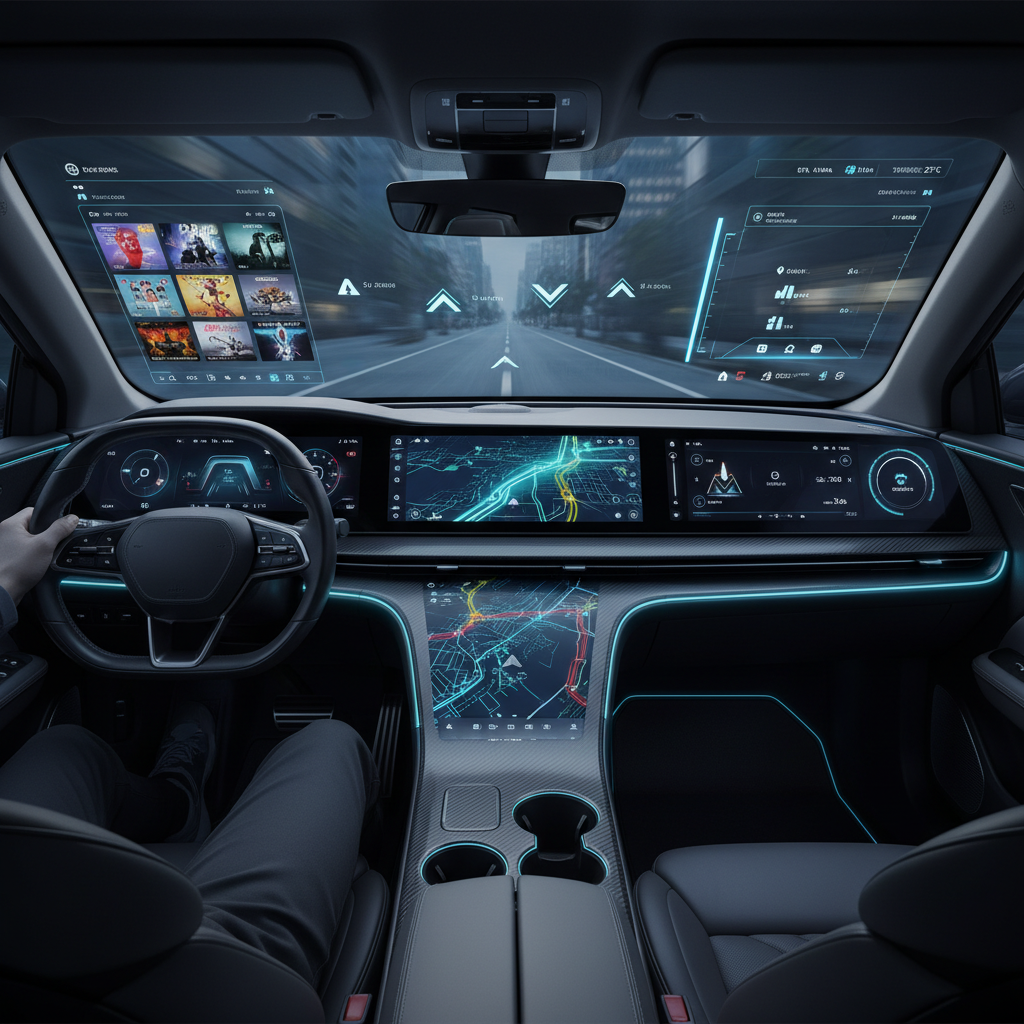
Personalized Commute Assistants in Modern Vehicles:
Newer vehicles, especially those with advanced infotainment systems, are integrating AI-powered commute assistance directly into the dashboard. These systems go beyond standard navigation:
- Proactive Departure Alerts: Based on your calendar appointments and predicted traffic, the car might suggest an optimal departure time.
- Learning Preferences: Over time, the AI learns your preferred routes (e.g., avoiding tolls, preferring highways), your typical stopping points (e.g., a specific coffee shop), and even your driving style, offering highly personalized recommendations.
- Multi-modal Integration: Some systems can suggest where to park and then switch to public transport for the remainder of a journey into a heavily congested city center.
These in-car AI systems aim to make the entire driving experience more seamless and less stressful, anticipating needs and mitigating delays before they become an issue.
These examples illustrate that AI is not just an academic concept but a practical tool profoundly impacting how we navigate our world, making our daily commutes smarter, more predictable, and significantly less frustrating.
Frequently Asked Questions
Q: How accurate are AI predictions for commute delays?
A: The accuracy of AI predictions for commute delays is remarkably high and continuously improving. Modern AI systems leverage vast quantities of real-time and historical data, sophisticated machine learning algorithms, and external factors like weather and event schedules. This allows them to predict traffic patterns with significant precision, often forecasting conditions minutes to hours in advance with greater reliability than traditional methods. While no system can be 100 percent accurate due to unforeseen, instantaneous events, current AI-powered navigation tools provide highly reliable estimated times of arrival (ETAs) and rerouting advice that minimize delays effectively.
Q: What kind of data does AI use to predict traffic?
A: AI uses a diverse and extensive array of data points to predict traffic. This includes anonymized real-time GPS data from millions of users (speed and location), historical traffic patterns (how traffic behaves on specific roads at different times, days, and seasons), current and forecasted weather conditions, road infrastructure data (construction zones, lane closures), public event calendars (concerts, sports games), and data from IoT sensors embedded in smart city infrastructure (vehicle counts, speed sensors, cameras). User-generated reports (e.g., accidents, hazards) also play a crucial role in providing immediate, hyper-local information.
Q: Is my privacy compromised when using AI navigation?
A: Reputable AI navigation providers typically employ robust privacy measures. While they collect location data to function, this data is usually anonymized and aggregated, meaning it’s stripped of personally identifiable information and combined with data from many other users. This prevents individual tracking. Furthermore, data is often encrypted, and companies adhere to strict data protection regulations (like GDPR or CCPA). However, it is always wise to review the privacy policy of any app or service you use to understand their data handling practices and adjust privacy settings as desired.
Q: Can AI systems learn my personal preferences for routes?
A: Yes, many advanced AI navigation systems are designed to learn and adapt to your personal preferences over time. By analyzing your past choices (e.g., consistently avoiding tolls, preferring scenic routes, or opting for specific types of roads), the AI can begin to offer more personalized route suggestions that align with your individual commuting style and priorities. This learning often happens implicitly through your interactions with the app, leading to a more tailored and satisfactory navigation experience.
Q: How does AI help reduce the environmental impact of commuting?
A: AI significantly reduces the environmental impact of commuting by promoting more efficient travel. By predicting and avoiding congestion, AI helps drivers choose shorter, smoother routes, which reduces fuel consumption and lowers emissions of greenhouse gases and pollutants from idling vehicles. Additionally, by providing seamless multi-modal transport options, AI can encourage users to opt for public transport, cycling, or walking when these are more efficient or eco-friendly alternatives to driving, further contributing to a greener commute.
Q: What are the main challenges in developing and deploying AI for commute optimization?
A: Several challenges exist, including:
- Data Volume and Quality: Handling immense amounts of diverse data and ensuring its accuracy and timeliness.
- Algorithmic Complexity: Developing robust AI models that can accurately predict highly dynamic and unpredictable traffic scenarios.
- Infrastructure Integration: Seamlessly integrating AI with existing and evolving smart city infrastructure, traffic lights, and public transport systems.
- Privacy Concerns: Balancing the need for data collection with user privacy and ensuring ethical data handling.
- Rapidly Changing Conditions: Adapting to sudden, unforeseen events (e.g., extreme weather, major accidents) that can quickly render previous predictions obsolete.
- Public Trust and Adoption: Building confidence in AI systems among users and overcoming resistance to new technologies.
Q: Will AI eventually eliminate traffic jams completely?
A: While AI can drastically reduce the frequency and severity of traffic jams, completely eliminating them is an ambitious goal with many variables. Factors like population growth, urban planning, human driving behavior, and the rate of autonomous vehicle adoption all play a significant role. However, as AI-powered intelligent transportation systems become more sophisticated and widely adopted, particularly with the advent of V2X communication and autonomous vehicles, we can expect a future with significantly smoother, more predictable, and substantially less congested roads, making major traffic jams a much rarer occurrence.
Q: How can I start using AI to improve my commute today?
A: You can start leveraging AI to improve your commute immediately by using popular navigation applications like Google Maps, Apple Maps, or Waze. Ensure you have the latest versions installed, as they are continuously updated with enhanced AI capabilities. Input your destination well in advance to benefit from predictive routing, pay attention to their suggested departure times, and be open to taking alternative routes when advised. Many modern vehicle infotainment systems also integrate similar AI-powered navigation features. By actively using these tools, you can experience the benefits of AI-driven commute optimization firsthand.
Q: Is AI commute technology accessible for everyone?
A: Largely, yes. The core AI navigation technologies are widely accessible through free smartphone apps, making them available to anyone with a smartphone and internet access. The advanced features, like hyper-personalization or multi-modal integration, are also increasingly becoming standard in these apps. However, certain cutting-edge applications, such as direct integration with smart city infrastructure or advanced in-car systems, might require newer vehicles or living in technologically advanced urban areas. The general trend is towards greater accessibility and inclusion of these technologies for the broader public.
Q: What role does machine learning play in AI commute solutions?
A: Machine learning (ML) is the fundamental engine behind AI commute solutions. It enables the systems to learn from vast datasets without being explicitly programmed for every scenario. ML algorithms analyze historical traffic patterns, real-time sensor data, weather forecasts, and event information to identify complex correlations and predict future traffic states. Techniques like supervised learning train models to map conditions to travel times, while reinforcement learning helps optimize routing decisions. Deep learning, a subset of ML, further enhances this by recognizing intricate patterns in sequential data, such as how congestion propagates over time and space, leading to highly accurate and dynamic predictions.
Key Takeaways
- AI Revolutionizes Commuting: Artificial Intelligence is transforming the daily commute from a reactive, stressful experience into a proactive, efficient, and predictable journey.
- Predictive Power is Key: Unlike traditional navigation, AI uses predictive analytics to forecast delays and congestion minutes to hours in advance, allowing for preemptive rerouting.
- Data is Fuel: AI’s accuracy stems from processing immense volumes of diverse data, including real-time GPS, historical patterns, weather, road infrastructure, events, IoT sensors, and user reports.
- Sophisticated Algorithms at Work: Machine learning, deep learning (RNNs, LSTMs), and predictive analytics models continuously learn from data to identify complex patterns and optimize routes.
- Beyond Traffic Jams: AI offers comprehensive delay avoidance, including accident prediction, dynamic road pricing, public transport optimization, personalized routing, and integration with smart vehicles and infrastructure.
- Future is Seamless: The future promises autonomous vehicles, hyper-personalized multi-modal suggestions, proactive infrastructure management, and deeper integration with smart home/work systems.
- Broad Benefits: Advantages extend beyond time-saving to include reduced stress, improved well-being, significant environmental benefits (lower emissions), economic gains (productivity, fuel savings), and enhanced road safety.
- Practical Applications Abound: AI is actively used in popular navigation apps (Google Maps, Waze), logistics and delivery services, and smart city traffic management systems.
- Challenges and Ethics: While powerful, challenges remain in data management, algorithmic complexity, privacy, and ensuring equitable access and ethical deployment.
Conclusion
The daily commute, once a source of unavoidable stress and lost time, is now on the precipice of a profound transformation, thanks to the relentless innovation in Artificial Intelligence. We have explored how AI, through its sophisticated ability to collect, process, and learn from a staggering amount of data, is empowering us to not just react to traffic, but to
The benefits are far-reaching and deeply impactful: reduced anxiety, more personal time, a lighter environmental footprint, and significant economic efficiencies. As we look ahead, the integration of autonomous vehicles, hyper-personalized journey planning, and smarter city infrastructure promises an even more seamless, safer, and enjoyable travel experience. The vision of a stress-free, efficient, and truly intelligent commute is not a distant dream but a rapidly approaching reality, driven by the ingenuity of AI.
Embracing these AI-powered solutions is more than just adopting new technology; it is about reclaiming our time, enhancing our well-being, and contributing to a more sustainable and efficient future for everyone. So, the next time you embark on your journey, remember that an unseen intelligence is working tirelessly to clear your path, making your daily voyage smoother, smarter, and infinitely more predictable.



































































Leave a Reply