


Introduction: Unlocking Peak Productivity with Intelligent Scheduling
In today’s fast-paced world, managing our time effectively feels like a constant battle. We juggle work commitments, personal appointments, family responsibilities, and the ever-present desire for personal growth and relaxation. The traditional approach to scheduling, often relying on manual calendars, to-do lists, and sheer willpower, frequently leads to overwhelm, missed deadlines, and a nagging sense that we could be doing things better. The quest for a truly optimized, stress-free schedule has long seemed an elusive dream. But what if there was a way to move beyond reactive planning and embrace a proactive, intelligent system that learns from your patterns, predicts potential roadblocks, and continuously optimizes your time based on real data?
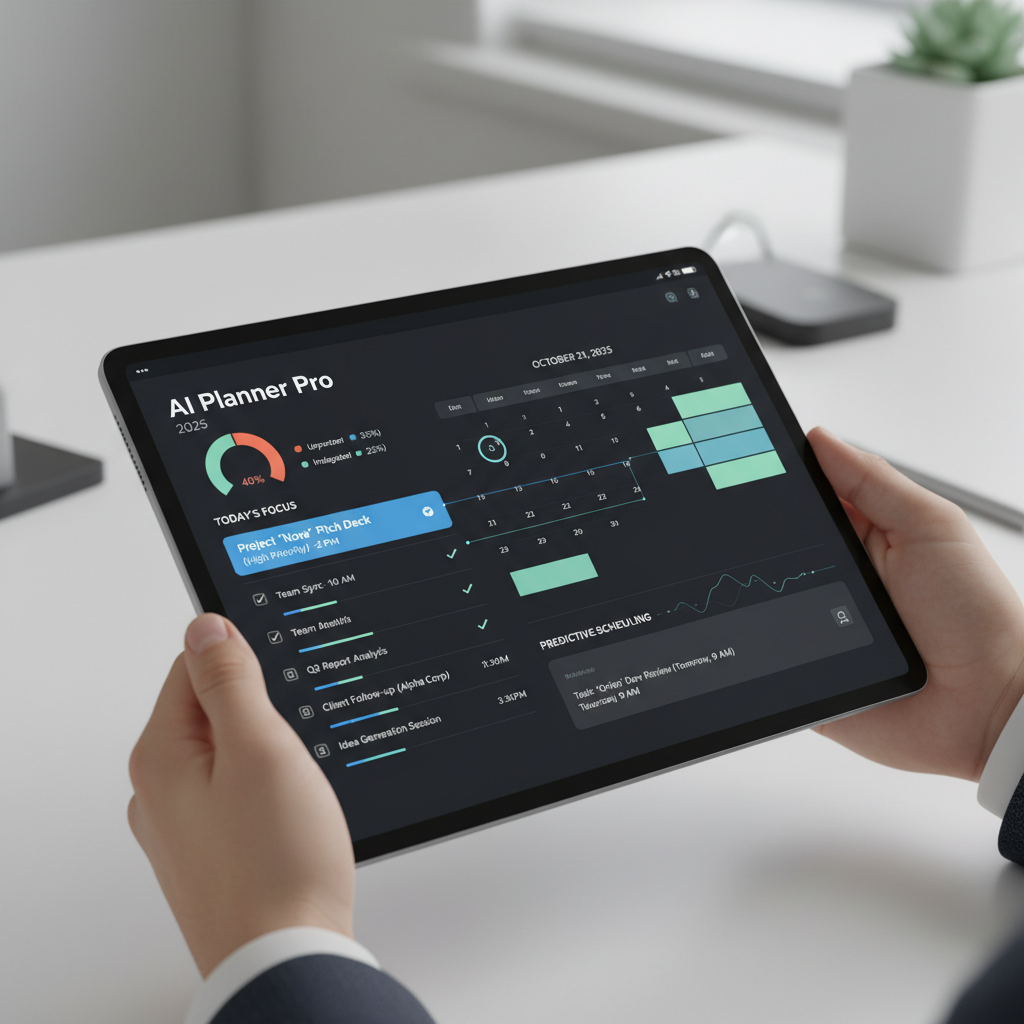
Enter AI-powered planning, a revolutionary approach that is fundamentally changing how we approach our daily schedules. Far from being just another digital calendar, AI planners leverage sophisticated algorithms, machine learning, and predictive analytics to transform chaotic timelines into harmonized, efficient, and deeply personalized blueprints for your day. They don’t just record tasks; they understand dependencies, estimate durations, factor in your energy levels, and even anticipate external variables like traffic or project delays. This results in schedules that are not only achievable but also strategically aligned with your goals, helping you achieve smarter days, every day. This comprehensive guide will delve into the mechanisms, benefits, challenges, and future of AI planning, demonstrating how data-backed scheduling decisions are empowering individuals and organizations to reach new heights of productivity and well-being.
The Scheduling Conundrum in the Digital Age
The modern era, despite its technological advancements, has ironically amplified the complexities of scheduling. With constant notifications, an always-on work culture, and an endless stream of information, our attention is fragmented, and our time feels perpetually scarce. The traditional tools we rely on – digital calendars, simple task managers, and handwritten notes – often fall short in addressing the multifaceted challenges of contemporary life.
- Information Overload: We are bombarded with tasks, requests, and commitments from multiple channels – email, messaging apps, project management software, and personal communications. Manually consolidating and prioritizing these is a monumental effort.
- Unrealistic Expectations: It is common to overestimate our capacity and underestimate task durations. This leads to overcommitment, tight deadlines, and the inevitable scramble to catch up, resulting in stress and burnout.
- Lack of Adaptability: Life is unpredictable. A sudden urgent task, an unexpected meeting, or a personal emergency can derail an entire meticulously planned day. Traditional schedules are rigid and require significant manual effort to adjust, causing a domino effect of delays and frustrations.
- Suboptimal Task Sequencing: We often schedule tasks based on a first-come, first-served basis or perceived urgency, rather than considering their dependencies, the ideal time of day for deep work, or their impact on overall objectives. This can lead to inefficient workflows and bottlenecks.
- Energy Management Neglect: Most schedules ignore our natural energy fluctuations throughout the day. We might schedule a cognitively demanding task during a period of low focus or a creative task when our minds are jaded, leading to subpar results and increased effort.
These challenges aren’t just minor inconveniences; they have significant implications for our productivity, mental health, and overall quality of life. The need for a more intelligent, adaptive, and data-driven approach to scheduling has never been more pressing. This is where AI-powered planners step in, offering a sophisticated solution to move beyond these conventional limitations.
Decoding AI Planning: More Than Just a Smart Calendar
To truly appreciate the power of AI planning, it’s crucial to understand that it extends far beyond the functionalities of a typical digital calendar or task manager. While those tools are excellent for recording events and listing tasks, an AI planner is an intelligent assistant designed to proactively manage and optimize your time based on a deep understanding of your work patterns, preferences, and the inherent nature of your tasks.
What Defines an AI Planner?
An AI planner isn’t simply automating existing scheduling rules; it’s learning and adapting. It uses advanced computational methods to solve complex scheduling problems that are impossible for humans to manage efficiently, especially at scale. Here are the core distinctions:
- Contextual Awareness: Unlike a static calendar, an AI planner understands the context surrounding your tasks. It considers not just the task itself, but also its priority, deadline, estimated duration, required resources, your historical performance, and even external factors like travel time or team availability.
- Dynamic Optimization: It doesn’t just slot tasks into available time. It continuously optimizes your schedule in real-time, adapting to new information, changes in priorities, or unexpected events. If a meeting is cancelled, it might automatically suggest bringing forward a high-priority task.
- Learning and Personalization: Through machine learning, the AI planner learns from your interactions and habits. It recognizes patterns in how long you take for certain types of tasks, your most productive hours, your preferred break times, and even your tendency to procrastinate on specific activities. This learning leads to increasingly personalized and accurate scheduling recommendations.
- Predictive Capabilities: Leveraging predictive analytics, an AI planner can anticipate potential bottlenecks, workload imbalances, or conflicts before they arise. It can warn you if you’re overcommitted for a particular day or suggest reallocating tasks to prevent future stress.
- Goal Alignment: Advanced AI planners can help align your daily activities with your broader personal and professional goals. By understanding your objectives, they can prioritize tasks that contribute most significantly to those goals, ensuring that your time is spent on what truly matters.
In essence, an AI planner acts as a strategic co-pilot for your time. It takes the cognitive load of scheduling off your shoulders, allowing you to focus on executing tasks rather than constantly managing them. This shift from reactive time management to proactive time optimization is the cornerstone of smarter, more effective daily living.
The Engine Room: Key AI Technologies Powering Smart Schedules
The magic behind AI-powered planning isn’t just one singular technology, but a sophisticated orchestration of several cutting-edge artificial intelligence disciplines working in concert. These technologies enable planners to collect, analyze, predict, and optimize, transforming raw data into actionable scheduling decisions.
Machine Learning (ML) for Personalized Insights
At the heart of any intelligent planner is Machine Learning. ML algorithms allow the system to learn from vast amounts of data without being explicitly programmed for every scenario. In scheduling, this means:
- Historical Data Analysis: The AI observes how long you typically take to complete certain types of tasks (e.g., writing a report, responding to emails, coding). Over time, it refines its estimates, making them incredibly accurate for your individual working style.
- Pattern Recognition: It identifies your personal productivity patterns – when you are most focused, when your energy dips, preferred work blocks, and even common procrastination triggers. This allows it to suggest optimal times for different types of activities.
- Feedback Loops: When you mark a task as completed earlier or later than estimated, or when you manually adjust a schedule, the ML model learns from this feedback, continuously improving its future recommendations. This iterative learning is crucial for personalization.
Predictive Analytics: Anticipating Tomorrow’s Demands
Predictive analytics uses historical data, statistical algorithms, and machine learning techniques to identify the likelihood of future outcomes based on past patterns. For AI scheduling, this translates into:
- Workload Forecasting: Predicting if you’re likely to be overbooked or underutilized in the coming days or weeks, allowing for proactive adjustments.
- Risk Assessment: Identifying potential scheduling conflicts, resource bottlenecks, or project delays before they become critical issues. For example, if two high-priority tasks with shared dependencies are scheduled too closely, the AI can flag this.
- Demand-Based Scheduling: In scenarios like customer service or sales, predictive analytics can forecast incoming demand, helping to optimally schedule staff to meet service level agreements and prevent customer wait times.
Optimization Algorithms: The Art of the Perfect Sequence
Optimization algorithms are the brains that construct the “best” possible schedule from a myriad of constraints and objectives. These algorithms are designed to find the most efficient solution, often considering multiple variables simultaneously:
- Constraint Satisfaction: Ensuring all rules are met (e.g., deadlines, resource availability, meeting times, no double-booking).
- Objective Functions: Minimizing travel time, maximizing deep work blocks, balancing workload across a team, or reducing overall project duration. The algorithm finds the schedule that best satisfies these objectives.
- Dynamic Programming: Breaking down complex scheduling problems into smaller, more manageable sub-problems, then combining their optimal solutions to achieve a global optimum for the entire schedule.
Natural Language Processing (NLP): Understanding Your Intent
NLP enables AI planners to understand, interpret, and generate human language. This makes interaction with the planner intuitive and seamless:
- Smart Input: You can simply type or speak commands like “Add a meeting with John for 30 minutes next Tuesday morning about the Q3 report” or “Reschedule my coding task for when I’m most focused today.” The AI processes this, extracts the relevant details, and integrates it into your schedule.
- Contextual Interpretation: NLP helps the planner understand nuances. “Next Tuesday morning” might be interpreted as after 9 AM and before 12 PM, with the AI checking your availability within that window.
Reinforcement Learning: Adapting and Improving
Reinforcement Learning (RL) involves an AI agent learning to make decisions by performing actions in an environment and receiving rewards or penalties. In scheduling:
- Continuous Improvement: The AI tries different scheduling strategies and observes the outcomes. If a schedule leads to higher task completion and user satisfaction (a “reward”), the AI reinforces that strategy. If it leads to conflicts or delays (a “penalty”), it learns to avoid similar approaches.
- Self-Correction: RL allows the planner to adapt its strategies over time, even to subtle changes in your work environment or personal preferences, making it incredibly resilient and effective in dynamic scenarios.
By synergistically combining these advanced AI technologies, modern planning tools are able to move beyond simple reminders and offer truly intelligent, personalized, and data-backed scheduling decisions that empower users to optimize their most valuable asset: time.
Data-Backed Decisions: How AI Optimizes Your Time and Energy
The core promise of AI planning lies in its ability to transcend gut feelings and subjective estimations, replacing them with objective, data-backed decisions. This transformation dramatically enhances the quality and effectiveness of your schedule. Here’s how AI achieves this granular optimization:
- Ingesting Diverse Data Points: An AI planner gathers information from various sources: your calendar, to-do lists, project management tools, communication platforms, historical performance data, user preferences, and even external data like weather or traffic. Some advanced systems can even integrate with wearables to understand your energy levels or sleep patterns.
- Sophisticated Analysis: This raw data is then fed into the AI’s machine learning models. The algorithms process this information to identify patterns, correlations, and causal relationships that a human would simply miss. For instance, it might learn that you consistently take 15% longer on client calls on Mondays compared to Fridays, or that your best deep-work sessions occur between 9 AM and 11 AM.
- Predictive Modeling: Based on the analysis, the AI builds predictive models. It can forecast how long a new task similar to past ones might take, predict potential future conflicts, or identify windows of high productivity for specific types of work.
- Optimal Schedule Generation: Using optimization algorithms, the AI then constructs a schedule that aims to achieve predefined objectives (e.g., meeting all deadlines, maximizing focus time, minimizing stress, balancing workload) while adhering to all known constraints (e.g., fixed meetings, resource availability, personal preferences).
- Dynamic Adaptation and Refinement: The process doesn’t end once a schedule is created. As new information arrives (a meeting is cancelled, a task takes longer, a new urgent item appears), the AI dynamically re-evaluates and reconstructs the optimal schedule in real-time, often without user intervention. This continuous feedback loop and adaptation are what make AI planning truly revolutionary.
Workload Balancing and Fatigue Management
One of the most significant advantages of data-backed scheduling is the AI’s ability to balance your workload not just by duration, but also by cognitive load and energy levels. Instead of simply packing tasks back-to-back, the AI can:
- Distribute Demanding Tasks: It intelligently spaces out high-focus or high-stress tasks, interspersing them with lighter activities or breaks, preventing mental fatigue and burnout.
- Align Tasks with Energy Cycles: Based on learned patterns, it can suggest scheduling creative brainstorming when your mind is most active and administrative tasks when your energy naturally dips.
- Prevent Overcommitment: By accurately estimating task durations and understanding your capacity, the AI can alert you if you’re trying to fit too much into a single day, offering suggestions to defer or delegate tasks.
Dependency Management and Critical Path Analysis
For complex projects, understanding task dependencies is crucial. An AI planner excels here by:
- Automatic Sequencing: It ensures that tasks are scheduled in a logical order, where prerequisites are completed before dependent tasks begin.
- Identifying Critical Paths: It can highlight the sequence of tasks that, if delayed, will directly impact the project’s overall completion time, allowing for focused attention on these critical activities.
- Proactive Adjustments: If a task on a critical path runs late, the AI can immediately identify the ripple effect and suggest adjustments to subsequent tasks or resources to mitigate the impact.
Dynamic Rescheduling and Adaptability
The real world is fluid, and schedules must be equally agile. AI planners offer unparalleled adaptability:
- Real-time Adjustments: If a meeting is postponed, a client calls with an urgent request, or you finish a task early, the AI can instantly re-optimize your entire schedule to incorporate the change and identify the next best use of your time.
- Scenario Planning: Some advanced tools allow you to explore “what-if” scenarios, seeing the impact of taking on a new project or deferring a deadline before committing to the change.
- External Factor Integration: By integrating with data sources like live traffic updates or public transit schedules, the AI can adjust travel times for appointments, ensuring you arrive on time and reducing stress.
By taking these data-backed decisions, AI planners transform scheduling from a burdensome administrative task into a strategic lever for maximizing productivity, preserving well-being, and achieving goals with greater precision and less effort.
Beyond Productivity: The Holistic Benefits of AI-Optimized Schedules
While increased productivity is an undeniable outcome of leveraging AI planning, its benefits extend far beyond simply getting more done. AI-optimized schedules contribute significantly to overall well-being, strategic clarity, and sustainable work practices, leading to a more balanced and fulfilling life.
- Reduced Stress and Burnout: The constant mental load of planning, prioritizing, and adapting to changes is a major source of stress. AI takes over this cognitive burden, providing a clear, achievable path forward. Knowing that your schedule is intelligently optimized reduces anxiety about missed deadlines or overcommitment, fostering a sense of control and calm.
- Enhanced Focus and Deep Work: By intelligently grouping similar tasks and carving out dedicated blocks for high-concentration work, AI planners protect you from constant context switching. This allows you to enter “flow states” more easily, leading to higher quality output and a greater sense of accomplishment.
- Improved Work-Life Balance: An AI that understands your capacity and personal commitments can help you set realistic boundaries. It can prevent you from scheduling work late into the evenings or during family time, promoting a healthier separation between professional and personal life. By optimizing work hours, it creates space for hobbies, exercise, and rest, which are crucial for long-term sustainability.
- Better Resource Allocation for Teams and Businesses: At an organizational level, AI planning optimizes the allocation of human resources, equipment, and even meeting rooms. It ensures that critical personnel aren’t double-booked, that specialized equipment is utilized efficiently, and that team members aren’t overworked, leading to higher morale and reduced turnover.
- Increased Adaptability and Resilience: In a world prone to disruptions, an AI-powered schedule acts as a dynamic safety net. When unforeseen events occur, the AI swiftly recalculates and presents a revised plan, minimizing chaos and allowing individuals and teams to adapt quickly without losing momentum. This resilience is invaluable in crisis management and agile project environments.
- Empowered Decision-Making: With a clear, data-backed understanding of current commitments and future capacity, individuals and leaders can make more informed decisions about taking on new projects, setting deadlines, or committing to new initiatives. This strategic clarity prevents overextension and ensures resources are directed towards the most impactful activities.
- Fairer Work Distribution: For teams, AI can help distribute workload more equitably, considering individual skills, availability, and historical performance. This can reduce feelings of unfairness or resentment that often arise from subjective manual assignment of tasks.
Ultimately, AI-optimized schedules allow us to move beyond simply “getting things done” to thriving in our daily lives. They free up mental energy, reduce emotional strain, and create the necessary space for creativity, learning, and personal fulfillment, making every day not just more productive, but profoundly smarter and more enjoyable.
Implementing AI Planning: A Strategic Approach for Success
Integrating AI planning into your daily routine or organizational workflow isn’t just about downloading an app; it’s a strategic shift that requires careful consideration and a thoughtful approach. A successful implementation ensures maximum benefit and smooth adoption.
- Define Your Needs and Goals: Before exploring tools, clearly articulate what problems you’re trying to solve. Are you looking to reduce personal stress, optimize team projects, manage client appointments, or balance a complex academic load? Your goals will dictate the features you prioritize.
- Start Small and Iterate: Don’t try to digitize your entire life or an entire organization’s workflow overnight. Begin with a specific area or a small pilot group. Gather feedback, learn what works and what doesn’t, and then gradually expand.
- Be Prepared to Provide Data: An AI planner is only as good as the data it receives. Initially, you’ll need to input your tasks, priorities, deadlines, fixed appointments, and possibly your working preferences. The more data it has, the faster it learns and the better its recommendations become.
- Trust, But Verify (Initially): While AI aims to automate, it’s wise to review its initial suggestions. Understand its reasoning. Over time, as it learns your patterns, your trust will grow, and you’ll find yourself relying on its recommendations more implicitly.
- Communicate and Train (for Teams): If implementing for a team or organization, transparent communication about the “why” and “how” is crucial. Provide adequate training and support to ensure everyone understands how to use the tool effectively and how it benefits them.
- Embrace Flexibility: Remember that an AI planner offers optimized suggestions, not rigid commands. There will always be instances where human judgment and flexibility are required. The AI is a powerful assistant, not a replacement for your decision-making.
Choosing the Right AI Planning Solution
The market for AI planning tools is growing rapidly, offering a range of solutions from personal productivity apps to enterprise-level resource management systems. Consider factors like:
- Core Functionality: Does it offer task management, calendar integration, project planning, resource allocation, time tracking, or all of the above?
- Integration Capabilities: Can it seamlessly connect with your existing tools like Google Calendar, Outlook, Slack, Asana, Jira, or CRM systems?
- User Interface and Experience: Is it intuitive, easy to learn, and enjoyable to use? A clunky interface will hinder adoption.
- Personalization and Learning: How quickly and effectively does it learn your preferences and adapt to your unique working style?
- Scalability: Can it grow with your needs, from individual use to managing complex team projects?
- Privacy and Security: What are the vendor’s data privacy policies? Where is your data stored, and how is it protected?
- Cost: Evaluate pricing models against the features offered and the expected return on investment.
Seamless Integration with Your Digital Ecosystem
The true power of an AI planner is unleashed when it becomes a central hub for your digital life. Look for tools that offer robust APIs and native integrations:
- Calendar Sync: Essential for pulling in fixed appointments and blocking out committed time.
- Task Manager Integration: Syncing with tools like Todoist, Notion, or Asana ensures all your tasks are visible to the AI.
- Communication Platforms: Integrating with Slack or Microsoft Teams can allow the AI to pull meeting requests or urgent tasks directly into your planning.
- Time Tracking Tools: If you use them, integration can provide valuable real-world data on task durations for the AI to learn from.
The Importance of Iterative Refinement and Feedback
AI planning is not a “set it and forget it” solution. It thrives on continuous feedback. Regularly review how the AI has scheduled your tasks, note any discrepancies, and provide explicit feedback within the tool where possible. Did a task take longer than estimated? Was the suggested timing for a creative task indeed your peak hour? This ongoing interaction fuels the AI’s learning algorithms, making your schedule progressively more accurate, optimized, and tailored to your evolving needs. By approaching implementation strategically and embracing an iterative mindset, you can successfully harness the full potential of AI planning to create smarter, more productive, and less stressful days.
Addressing the Hurdles: Navigating Challenges and Ethical Considerations
While the promise of AI planning is immense, it’s important to acknowledge and address the challenges and ethical considerations that accompany its adoption. A nuanced understanding of these aspects ensures responsible and effective implementation.
Data Privacy and Security: A Paramount Concern
AI planners rely heavily on personal and often sensitive data – task details, meeting schedules, historical performance, and even biometric data (if integrated with wearables). This raises significant privacy and security questions:
- Data Collection and Storage: How is your data collected, stored, and protected? Is it encrypted both in transit and at rest?
- Data Usage: How will your data be used by the AI provider? Is it used solely for personalizing your schedule, or could it be aggregated for broader analytics or even monetized? Transparent privacy policies are crucial.
- Compliance: Does the AI planning tool comply with relevant data protection regulations like GDPR, CCPA, or HIPAA (for healthcare contexts)?
- Breaches: What safeguards are in place to prevent data breaches, and what is the protocol if one occurs?
Users must carefully vet the privacy policies and security measures of any AI planning tool they consider. Opting for reputable providers with strong commitments to data protection is essential.
The Human Element: Trust, Control, and Over-reliance
Introducing an AI that dictates aspects of our daily routines can bring forth psychological challenges:
- Loss of Control: Some individuals may feel a loss of autonomy or agency if an AI is making significant scheduling decisions. This can lead to resistance or resentment.
- Over-reliance: Conversely, there’s a risk of becoming overly dependent on the AI, diminishing one’s own planning and critical thinking skills. What happens if the AI system fails or is unavailable?
- The “Human Touch”: Scheduling isn’t purely logical; it often involves negotiation, empathy, and intuitive understanding of social dynamics. An AI might optimize for efficiency but miss subtle interpersonal cues or opportunities for spontaneous collaboration.
The key here is balance. AI should be viewed as an intelligent assistant that augments human capabilities, not replaces them. Users should retain the ability to override AI suggestions and exercise their judgment when necessary.
Algorithmic Bias and Fairness
AI models are trained on data, and if that data is biased, the AI’s outputs will reflect that bias. In scheduling, this could manifest as:
- Unfair Work Distribution: If historical data shows certain individuals or groups were assigned more demanding tasks (due to existing human biases), the AI might perpetuate this imbalance.
- Reinforcing Inefficiencies: If the AI learns from a suboptimal past, it might optimize for that inefficiency rather than truly innovating the schedule.
Developers must rigorously audit their training data and algorithms for bias, and users should be vigilant for any patterns that suggest unfairness. Continuous monitoring and user feedback are vital to identify and correct such biases.
Complexity and Adoption Barriers
While AI aims to simplify, the underlying technology can be complex, and initially learning to use an advanced AI planner might feel daunting for some. This can be a barrier to adoption, especially in less tech-savvy environments.
- Learning Curve: Users need to invest time in learning how to interact with the AI, provide effective feedback, and leverage its advanced features.
- Integration Challenges: Integrating a new AI system into a complex existing IT ecosystem can be technically challenging and require significant resources.
To mitigate these, tools should offer intuitive interfaces, comprehensive onboarding, and responsive customer support. Phased rollouts and champion programs can also help drive adoption within organizations.
Navigating these hurdles requires a proactive and thoughtful approach, combining technological vigilance with a deep understanding of human psychology and ethical principles. By doing so, we can harness the transformative power of AI planning while mitigating its potential drawbacks, paving the way for a more intelligent and equitable future of scheduling.
The Road Ahead: Future Trends Shaping AI Scheduling
The field of AI planning is still in its nascent stages, yet its trajectory suggests an exciting and transformative future. As AI technologies become more sophisticated, integrated, and accessible, our daily schedules will evolve far beyond current capabilities, moving towards a truly intelligent, adaptive, and even proactive partnership.
- Hyper-Personalization and Contextual Awareness: Future AI planners will offer an unprecedented level of personalization. They will not only learn your work habits but also integrate data from an even wider array of sources: your biometric data (heart rate, sleep patterns, stress levels from wearables), environmental factors (weather, air quality), and even your emotional state (via sentiment analysis from communications or direct input). This will allow them to suggest optimal times for tasks based on your peak mental and physical readiness, not just your availability. Imagine an AI suggesting you defer a complex task because your sleep quality was poor the previous night, or recommending a walk outside when your stress levels are rising.
- Proactive and Autonomous Scheduling Agents: The next generation of AI planners will move from reactive optimization to proactive and even autonomous scheduling. Instead of waiting for you to input tasks, these agents will anticipate your needs based on your roles, projects, and goals. They might automatically block time for email processing before you even open your inbox, or schedule follow-ups based on communication patterns. Ultimately, they could create entire daily schedules with minimal input, presenting options for your approval and then dynamically managing them.
- Integration with Emerging Technologies: The convergence of AI planning with other cutting-edge technologies will unlock new possibilities:
- Augmented Reality (AR) and Virtual Reality (VR): Imagine your AI planner overlaying task reminders or progress bars directly onto your workspace through AR glasses, or creating virtual “focus rooms” in VR to minimize distractions during deep work sessions.
- Internet of Things (IoT): Integration with smart home devices could allow your planner to adjust lighting, temperature, or even brew coffee to align with your scheduled activities and energy levels.
- Voice Interfaces and Conversational AI: More natural and sophisticated voice commands will make scheduling as simple as speaking your thoughts, with the AI understanding complex requests and nuances.
- Emotion-Aware Scheduling: Beyond simply tracking productivity, future AI might be able to infer or learn about your emotional state. By analyzing communication patterns, voice tone, or even facial expressions (with user consent), it could suggest scheduling tasks that align with your mood or provide breaks when emotional fatigue is detected, promoting mental well-being alongside efficiency.
- Collaborative AI Planning Networks: For teams and organizations, AI planners will evolve into highly sophisticated, interconnected networks. They will not only optimize individual schedules but also coordinate entire teams, departments, and even cross-organizational projects. This could involve automatically finding the best time for a meeting across different time zones, optimizing resource allocation for complex projects with shared resources, and even intelligently distributing workload to prevent burnout across the workforce.
- Ethical AI and Explainability: As AI takes on more critical roles, there will be an increased focus on “explainable AI” (XAI). Users will demand to understand why the AI made a particular scheduling decision, fostering trust and allowing for informed overrides. Ethical guidelines and regulations around data privacy, bias, and human oversight will become even more stringent and integrated into the design of these tools.
The future of AI scheduling promises a world where time management is no longer a source of stress but a seamless, intelligent partnership that empowers us to live more productive, balanced, and fulfilling lives. It’s an exciting horizon where technology serves to amplify our human potential, making smarter days not just an aspiration, but an everyday reality.
Comparison Tables
Table 1: Manual vs. AI-Powered Scheduling
| Feature/Aspect | Manual Scheduling | AI-Powered Scheduling |
|---|---|---|
| Data Analysis & Insights | Limited, relies on human memory, intuition, and estimation. Often overlooks subtle patterns. | Comprehensive analysis of historical data, preferences, context, and external factors; provides objective, actionable insights. |
| Optimization & Efficiency | Suboptimal, prone to human error, limited ability to juggle complex variables and constraints simultaneously. | Optimizes for multiple objectives (e.g., time, energy, deadlines, resources) using complex algorithms, finding the most efficient path. |
| Adaptability to Change | Time-consuming and stressful to reschedule, ripple effects often overlooked, leading to new conflicts. | Dynamic, real-time rescheduling; automatically adjusts entire schedule for unforeseen events, new priorities, or task completions. |
| Personalization | Based on conscious self-awareness, often inconsistent or influenced by current mood/bias. | Learns individual work patterns, energy levels, cognitive load preferences, and actual task durations over time. |
| Proactive Suggestions | None, relies on manual foresight. | Suggests optimal times for tasks, identifies potential conflicts or overcommitment, flags overdue items before they’re critical. |
| Dependency Management | Manual tracking and sequencing, prone to oversight, especially with complex projects or many tasks. | Automatically identifies and manages task dependencies, ensuring logical flow and preventing bottlenecks. |
| Bias & Objectivity | Highly subjective, influenced by mood, recent events, personal biases, and perceived urgency. | Objective, data-driven decisions; can mitigate personal biases in task allocation and prioritization. | Learning & Improvement | Relies on conscious reflection and memory, often inconsistent. | Continuously learns from user interactions, feedback, and actual performance data to improve future suggestions. |
| Scalability | Difficult to scale for complex projects, numerous tasks, or large teams without significant effort and errors. | Easily scales to manage thousands of tasks, multiple users, complex interdependencies, and organizational resources. |
Table 2: Key Metrics and Impact of AI-Driven Scheduling
| Metric Category | Traditional Scheduling Impact | AI-Driven Scheduling Impact | Measurement Indicators |
|---|---|---|---|
| Productivity & Efficiency | Moderate, often bottlenecked by planning overhead, frequent context switching, and suboptimal sequencing. | Significant improvement (e.g., 15-30% increase in output). Tasks are prioritized and sequenced for optimal flow. | Tasks completed per day/week, project completion rates, throughput, time spent on planning activities. |
| Employee/User Well-being | Variable, often high stress due to perceived lack of control, overcommitment, and mental load of planning. | Improved, reduced burnout, better work-life balance, higher job satisfaction. Cognitive load is significantly reduced. | Reported stress levels, burnout rates, employee turnover, sick days, self-reported work-life balance scores. |
| Resource Utilization | Often inefficient; resources (human, technical, physical) may be idle or overbooked due to manual allocation. | Optimized utilization across all resources, leading to higher efficiency and cost savings. Minimizes waste and bottlenecks. | Resource allocation efficiency, capacity utilization rates, project overhead costs, meeting room occupancy. |
| Adaptability & Agility | Low; changes cause major disruptions, requiring time-consuming manual replanning and potentially missing dependencies. | High; rapid and automatic adaptation to new priorities, unforeseen events, or scope changes with minimal disruption. | Time to respond to schedule changes, successful project recovery rates, stakeholder satisfaction with agility. |
| Decision-Making Quality | Subjective, based on intuition, limited data, and prone to human biases or short-term thinking. | Objective, data-backed, leads to more strategic and effective decisions aligned with broader goals. | Accuracy of time estimates, adherence to deadlines, strategic alignment of tasks with key objectives. |
| Time Spent on Planning | High (manual creation, frequent adjustments, coordination, communication overhead). | Significantly reduced (automation handles routine planning, optimization, and dynamic adjustments). | Hours/minutes per week dedicated to schedule management and manual adjustments. |
| Goal Attainment | Variable, often hindered by suboptimal planning and reactive management. | Enhanced, as AI aligns daily tasks with long-term objectives and ensures progress on critical paths. | Percentage of key goals achieved, project success rates, strategic initiative completion. |
Practical Examples: AI Planning in Action
To truly grasp the transformative power of AI planning, let’s look at a few real-world scenarios where it makes a tangible difference:
Case Study 1: The Freelance Creative’s Optimized Week
Meet Anya, a freelance graphic designer juggling multiple client projects, marketing her own services, and trying to maintain a healthy work-life balance. Before AI, Anya’s week was a chaotic mix of client emergencies, self-imposed deadlines, and late nights. She’d often underestimate how long a design revision would take, leading to missed personal appointments and feelings of overwhelm. Her traditional calendar was merely a record of commitments, not a strategic tool.
Anya adopted an AI planning tool. She fed in her project deadlines, task breakdowns, estimated durations (which the AI quickly learned to refine based on her actual performance), her preferred working hours, and even noted that her creative peak was typically between 10 AM and 2 PM. The AI then:
- Optimized Task Placement: It automatically scheduled her most demanding design work during her creative peak hours, reserving administrative tasks and client calls for lower-energy periods.
- Managed Dependencies: It ensured that client feedback was received and processed before new design iterations were scheduled.
- Dynamic Rescheduling: When a client unexpectedly sent revised branding guidelines, forcing a major design overhaul, the AI immediately adjusted her entire week, extending the project deadline, rescheduling a lower-priority marketing task, and alerting her to the new, achievable timeline.
- Protected Personal Time: It proactively blocked out her Friday evenings and weekend mornings, ensuring she didn’t overcommit herself, and even suggested a mid-week afternoon walk when her cognitive load was projected to be high.
Result: Anya experienced a significant reduction in stress, met all her deadlines without last-minute panics, and consistently had time for her hobbies, leading to higher-quality work and greater personal satisfaction.
Case Study 2: Boosting a Software Development Team’s Agility
A mid-sized software company, “InnovateTech,” faced common challenges: sprint delays, resource bottlenecks, and team members feeling overworked. Their project managers spent countless hours manually assigning tasks in Jira, trying to balance developer skills with project priorities, often resulting in suboptimal task distribution and missed sprint goals. They implemented an AI-powered project planning and resource allocation system.
The AI system integrated with their Jira board, version control system (GitHub), and team members’ calendars. It was fed data on individual developer skills, historical task completion times, availability, and project priorities. Key impacts included:
- Intelligent Task Assignment: The AI automatically suggested assigning coding tasks to developers whose skills best matched the requirements, who had available capacity, and who had historically excelled in similar tasks.
- Proactive Bottleneck Identification: It identified if a critical developer was becoming a bottleneck across multiple projects and suggested reassigning lower-priority tasks or bringing in support before delays occurred.
- Sprint Optimization: It generated optimal sprint plans, ensuring that dependencies between coding, testing, and deployment were respected, and that team members’ workloads were balanced, leading to more accurate sprint predictions.
- Dynamic Re-prioritization: When an urgent security patch was needed, the AI instantly re-evaluated all ongoing sprints, identified the most efficient way to integrate the high-priority task, and updated team members’ schedules, minimizing disruption to other projects.
Result: InnovateTech saw a 20% increase in sprint completion rates, a significant reduction in project delays, and improved team morale due to fairer workload distribution and less firefighting.
Case Study 3: A University Student’s Integrated Study Plan
Maria, a university student, struggled to balance lectures, coursework, part-time work, social life, and personal well-being. Her traditional planner often became a daunting list of overwhelming tasks without clear guidance on when or how to tackle them effectively. She decided to use an AI study planner.
Maria input her course syllabi (including assignment due dates), lecture schedules, recurring club meetings, and her part-time work shifts. The AI then:
- Broke Down Large Tasks: It automatically broke down large assignments (e.g., “research paper”) into smaller, manageable chunks (e.g., “research topic X,” “outline,” “draft introduction”) with micro-deadlines.
- Optimized Study Blocks: Based on her input that she focused best on complex subjects in the morning and preferred review tasks in the afternoon, it scheduled her most challenging readings and writing during her peak hours.
- Interleaved Subjects: To prevent burnout and enhance learning retention, the AI suggested interleaving different subjects throughout the day rather than spending an entire day on one topic.
- Integrated Breaks and Social Time: It ensured regular breaks and blocked out specific times for exercise and social activities, making these non-negotiable parts of her holistic schedule.
Result: Maria felt more in control of her academic workload, reduced her procrastination, achieved better grades, and maintained a healthier social life, reducing her overall stress levels during exam periods.
Case Study 4: Enhancing Customer Service Operations
A large call center was struggling with fluctuating call volumes, leading to long customer wait times during peak hours and idle agents during slow periods. Their manual scheduling system was reactive and inefficient. They implemented an AI-driven workforce management system.
The AI system analyzed historical call data, including daily, weekly, and seasonal patterns, agent skill sets (e.g., language proficiency, technical support expertise), and individual agent preferences for shift times. It then:
- Predicted Call Volume: Using predictive analytics, it accurately forecasted incoming call volumes hour-by-hour, days in advance.
- Optimized Agent Staffing: Based on these predictions, it generated optimal staff schedules, ensuring the right number of agents with the correct skill sets were available to meet anticipated demand, minimizing both overstaffing and understaffing.
- Dynamic Adjustments: In real-time, if an unexpected surge in calls occurred, the AI could suggest reallocating agents from lower-priority tasks (like training) or offer overtime shifts to meet the immediate demand.
- Balanced Agent Workload: It also considered individual agent workloads and break times, ensuring fairness and preventing burnout for the agents.
Result: The call center reduced customer wait times by 30%, improved agent utilization by 15%, and saw a noticeable increase in customer satisfaction scores. Agent morale also improved due to more predictable and balanced shifts.
These examples illustrate that AI planning isn’t a futuristic concept; it’s a present-day solution delivering tangible benefits across diverse personal and professional contexts, making our days truly smarter and more manageable.
Frequently Asked Questions
Q: What exactly is AI planning, and how does it differ from a regular digital calendar?
A: AI planning goes far beyond simply logging events like a regular digital calendar. While a calendar merely records what you tell it, an AI planner is an intelligent system that uses machine learning, predictive analytics, and optimization algorithms to proactively create, manage, and optimize your schedule. It learns your habits, estimates task durations, understands dependencies, considers your energy levels, and dynamically adjusts your plan in real-time based on new information. It aims to generate the most efficient and effective schedule to help you achieve your goals, rather than just storing your appointments.
Q: Is AI planning only for complex business environments, or can individuals benefit?
A: Absolutely not! While AI planning is incredibly powerful for complex business environments like project management, resource allocation, and team coordination, it offers immense benefits to individuals as well. Freelancers, students, busy professionals, and anyone struggling with time management can leverage AI planners to optimize their daily routines, reduce stress, improve work-life balance, and ensure tasks are aligned with personal goals. The practical examples above showcase its applicability across various individual contexts.
Q: What kind of data does an AI planner typically use to optimize my schedule?
A: AI planners use a rich array of data to make informed decisions. This includes:
- Your explicit inputs: Tasks, deadlines, priorities, fixed appointments, preferred working hours.
- Historical performance data: How long you actually take to complete similar tasks, your peak productivity times.
- Calendar and task manager integrations: Existing meetings, appointments, and project tasks.
- Contextual data: Task dependencies, required resources, skill sets (for teams).
- Optional external data: Traffic information, weather, even biometric data from wearables (in advanced systems) to gauge energy levels.
The more data you provide and allow the AI to learn from, the more accurate and personalized its recommendations become.
Q: Are there significant privacy and security concerns when using AI scheduling tools?
A: Data privacy and security are indeed critical considerations. Since AI planners handle personal and potentially sensitive information, it’s crucial to choose reputable providers. Always review the tool’s privacy policy to understand how your data is collected, stored, used, and protected. Look for features like end-to-end encryption, compliance with data protection regulations (e.g., GDPR), and clear statements on whether your data will be used for purposes other than personalizing your schedule. Most legitimate AI planning tools prioritize user privacy and implement robust security measures.
Q: How does AI planning help improve work-life balance and reduce stress?
A: AI planning contributes to work-life balance and stress reduction in several ways:
- Prevents Overcommitment: By accurately estimating task durations and understanding your capacity, the AI helps you avoid scheduling too much, leading to more realistic expectations.
- Optimizes Energy Use: It schedules demanding tasks during your peak energy hours and allocates lighter activities or breaks during dips, preventing mental fatigue.
- Protects Personal Time: By automatically accounting for personal commitments and preferred off-hours, it helps create clearer boundaries between work and personal life.
- Reduces Cognitive Load: It takes away the constant mental effort of planning, prioritizing, and adapting to changes, freeing up mental energy for focused work or relaxation.
- Improves Adaptability: When unforeseen events occur, the AI quickly re-optimizes your schedule, minimizing chaos and reducing anxiety about getting back on track.
Q: Can AI planners integrate with my existing tools like email, project management software, or fitness trackers?
A: Yes, seamless integration is a key strength of many AI planning tools. Most offer integrations with popular platforms such as Google Calendar, Outlook Calendar, Microsoft Teams, Slack, Asana, Jira, Trello, and various email clients. Some advanced systems are starting to integrate with wearables and fitness trackers to incorporate biometric data (like sleep quality or heart rate) into scheduling decisions, providing an even more holistic approach to time and energy management. The extent of integration varies by product, so it’s a vital feature to check when choosing a tool.
Q: What are the main limitations or potential downsides of relying on AI for scheduling?
A: While powerful, AI planning does have limitations:
- Data Dependency: The AI’s effectiveness is limited by the quality and quantity of data it receives. Inaccurate initial data or insufficient learning can lead to suboptimal suggestions.
- Lack of Human Intuition: AI might struggle with highly nuanced social situations, spontaneous opportunities, or complex emotional factors that a human would intuitively understand.
- Over-reliance: There’s a risk of becoming overly dependent on the AI, potentially diminishing one’s own planning skills or critical thinking.
- Bias: If the training data contains biases, the AI might perpetuate those biases in its scheduling decisions.
- Technical Complexity: Some advanced features might have a learning curve, requiring an initial investment of time to master.
It’s best viewed as a powerful assistant that augments, rather than replaces, human judgment.
Q: How do I choose the best AI planning tool for my specific needs?
A: To choose the best tool, consider the following:
- Your specific needs: Are you an individual, a small team, or a large enterprise? What problems do you need to solve?
- Core features: Does it offer task management, project planning, calendar sync, resource allocation, and optimization capabilities?
- Integration ecosystem: Does it connect with the apps and platforms you already use?
- User interface and ease of use: Is it intuitive and enjoyable to interact with?
- Privacy and security: Are the data protection policies transparent and robust?
- Customization and learning: How well does it adapt to your unique preferences and learn over time?
- Cost: Does the pricing model align with your budget and expected value?
- Reviews and reputation: What do other users say about the tool?
Starting with a free trial is often a good way to test suitability.
Q: How long does it typically take to see the benefits of implementing an AI planning system?
A: The timeframe to see benefits can vary. You might experience immediate improvements in organization and reduced mental load within the first few days or weeks, especially if you actively input data. However, the AI’s true power lies in its learning capabilities. Significant, highly personalized optimization and prediction often emerge after several weeks to a few months of consistent use, as the AI gathers enough data to accurately understand your patterns, preferences, and task durations. The more you use it and provide feedback, the faster it learns and refines its recommendations.
Q: Will AI eventually replace the need for human discretion in scheduling?
A: It’s highly unlikely that AI will completely replace human discretion in scheduling. While AI can optimize for efficiency, logic, and data, human judgment remains indispensable for factors like empathy, spontaneous creativity, nuanced social interactions, strategic vision, and navigating unforeseen qualitative challenges. AI is best positioned as a powerful augmentation tool, freeing up human cognitive resources from mundane planning tasks so we can focus on higher-level strategic thinking, problem-solving, and creative endeavors. The future points towards a collaborative partnership between human intelligence and artificial intelligence for optimal scheduling outcomes.
Key Takeaways: Charting Your Course to Smarter Days
- AI planning transcends traditional calendars by leveraging advanced algorithms like machine learning, predictive analytics, and optimization to create dynamic, data-backed schedules, moving beyond mere task recording.
- It delivers tangible benefits extending beyond mere productivity, including significantly reduced stress, improved well-being, enhanced focus for deep work, better resource utilization, and increased adaptability to change.
- Data is the fuel for AI planning, encompassing historical task durations, personal energy levels, dependencies, deadlines, and external factors. The more data an AI planner processes, the more precise and beneficial its recommendations become.
- AI planning offers unparalleled adaptability, automatically adjusting schedules in real-time to unforeseen changes, new priorities, or emerging challenges, thereby minimizing disruption and cognitive load.
- Successful implementation requires careful consideration of privacy, data security, choosing the right tool, and ensuring a balance between algorithmic efficiency and human oversight and judgment.
- The future of AI scheduling is proactive and hyper-personalized, promising an era where schedules not only react to your inputs but anticipate your needs, integrate deeply with emerging technologies, and continuously learn to optimize for holistic well-being.
- Adopting AI planning empowers individuals and organizations to make more strategic, objective, and efficient scheduling decisions, leading to smarter days, improved outcomes, and a greater sense of control.
- The journey involves iterative refinement; the more data an AI planner gathers and the more feedback it receives, the more precise, accurate, and beneficial its recommendations become over time.
Conclusion: Embracing the Future of Optimized Living
The relentless pace of modern life often leaves us feeling overwhelmed, constantly chasing deadlines, and struggling to find balance. Traditional scheduling methods, while foundational, simply aren’t equipped to handle the sheer complexity and dynamism of our personal and professional lives. We are at a pivotal moment where artificial intelligence is not just a tool for automation, but a genuine partner in optimizing one of our most precious resources: time.
AI-powered planning offers a profound shift, moving us from reactive, guesswork-driven scheduling to proactive, data-backed decision-making. By harnessing the power of machine learning, predictive analytics, and sophisticated optimization algorithms, these intelligent systems learn from our past, anticipate our future, and craft schedules that are not only efficient but also deeply personalized, adaptive, and conducive to our overall well-being. From reducing stress and preventing burnout to enhancing focus and fostering better work-life balance, the benefits extend far beyond simple productivity gains.
While the journey towards fully integrated AI planning comes with its challenges, particularly around data privacy, ethical considerations, and the necessary balance between human intuition and algorithmic efficiency, the trajectory is clear. The future promises even smarter, more context-aware, and hyper-personalized scheduling agents that will seamlessly blend into our digital lives, anticipating our needs and empowering us to live more intentionally.
Embracing AI planning is not about relinquishing control; it’s about gaining clarity, efficiency, and a strategic advantage in managing your time. It’s about turning chaotic days into structured, purposeful experiences. If you’re seeking to unlock peak productivity, reduce stress, and cultivate a life that feels more balanced and in control, the time to explore AI-powered scheduling solutions is now. Step into the era of smarter days, where every moment is optimized for your success and well-being.


































































Leave a Reply