

In an era defined by rapid technological advancement, the landscape of education is undergoing a profound transformation. Gone are the days when a one-size-fits-all approach to learning was considered the norm. Today, we stand on the cusp of an educational revolution, one that promises to tailor the learning experience to the unique needs, pace, and preferences of every individual student. At the heart of this revolution lies Artificial Intelligence (AI) personalization technology, a powerful force capable of unlocking unprecedented levels of engagement, comprehension, and success. This article delves deep into how AI is not just augmenting, but fundamentally redefining, the learning journey, making it more dynamic, intuitive, and effective than ever before. We will explore the mechanics behind this paradigm shift, examine its multifaceted benefits, address the inherent challenges, and paint a vivid picture of what the future of learning truly holds with AI as its guiding star.
A New Dawn for Education: Understanding AI Personalization
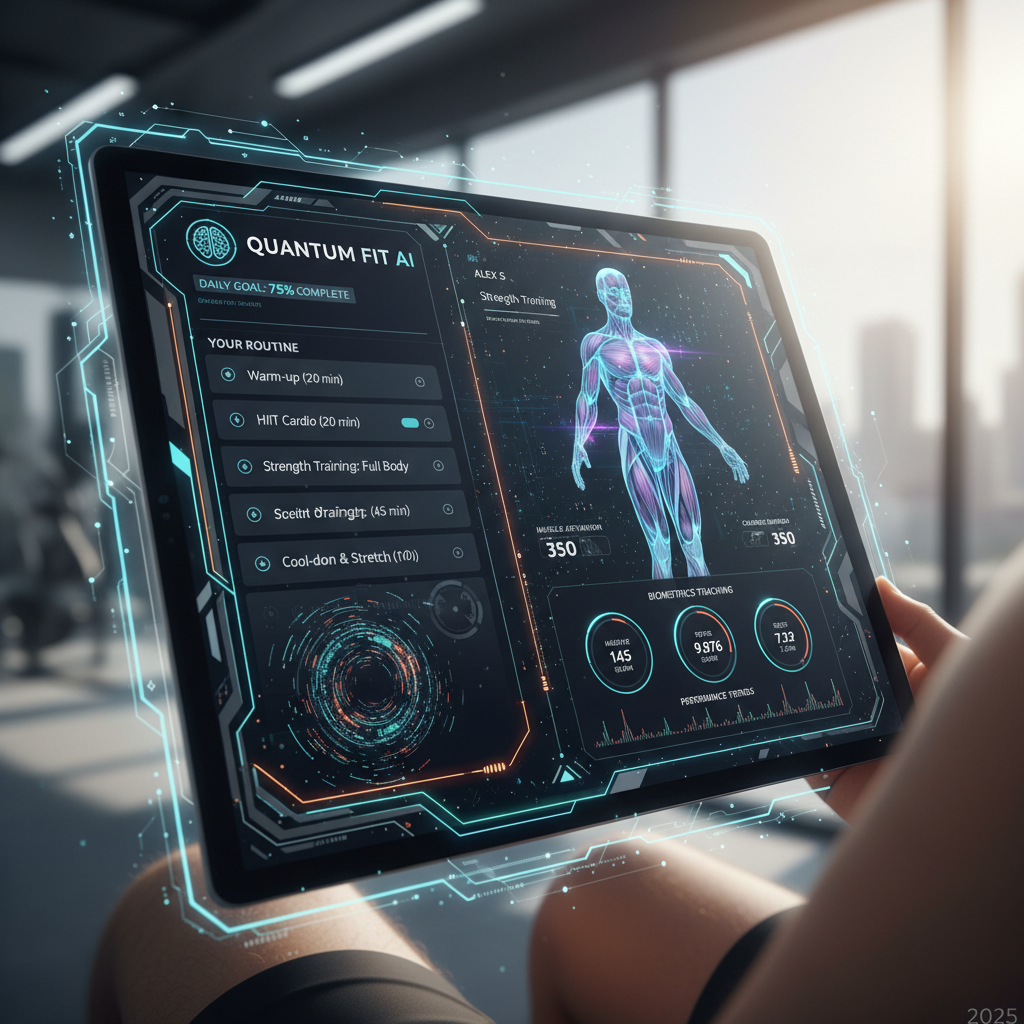
The concept of personalized learning is not entirely new; dedicated teachers have always strived to cater to individual student needs. However, the sheer scale and complexity of managing diverse learning styles, paces, and interests within a traditional classroom setting have always posed significant limitations. This is where AI steps in as a game-changer. AI personalization in education refers to the use of artificial intelligence algorithms and machine learning techniques to create highly customized learning experiences for students. Instead of delivering a standardized curriculum, AI systems analyze vast amounts of data related to a student’s learning patterns, strengths, weaknesses, engagement levels, and even emotional states, to dynamically adjust content, pace, and instructional methods.
Imagine a digital tutor that understands not just what you got wrong on a test, but why you got it wrong. It can identify misconceptions, pinpoint areas of confusion, and then recommend specific resources, exercises, or explanations tailored precisely to resolve those issues. This is the essence of AI personalization: a continuous feedback loop that adapts in real-time to optimize the learning process. It moves beyond simple adaptive questioning to truly understand the cognitive model of the learner, offering bespoke pathways that resonate deeply with their individual learning profile. This approach ensures that students are neither bored by concepts they already master nor overwhelmed by material beyond their current grasp. It fosters a sense of ownership over their education, transforming passive recipients of information into active participants in their own intellectual growth.
The goal is not to automate teaching entirely, but to empower both students and educators. For students, it means a more relevant, engaging, and effective learning journey. For educators, it means having an intelligent assistant that handles the tedious data analysis and differentiation, freeing them to focus on higher-order tasks like mentoring, fostering critical thinking, and addressing complex socio-emotional needs. The promise of AI personalization is nothing less than democratizing access to high-quality, individualized education, making it accessible and effective for learners across diverse backgrounds and abilities.
The Mechanics of AI-Powered Personalized Learning
To truly appreciate the transformative power of AI in education, it is crucial to understand the underlying mechanisms that enable this personalization. AI systems leverage various techniques to create an adaptive and responsive learning environment. These mechanisms are designed to understand the learner, adapt the content, and provide targeted support.
Adaptive Learning Paths
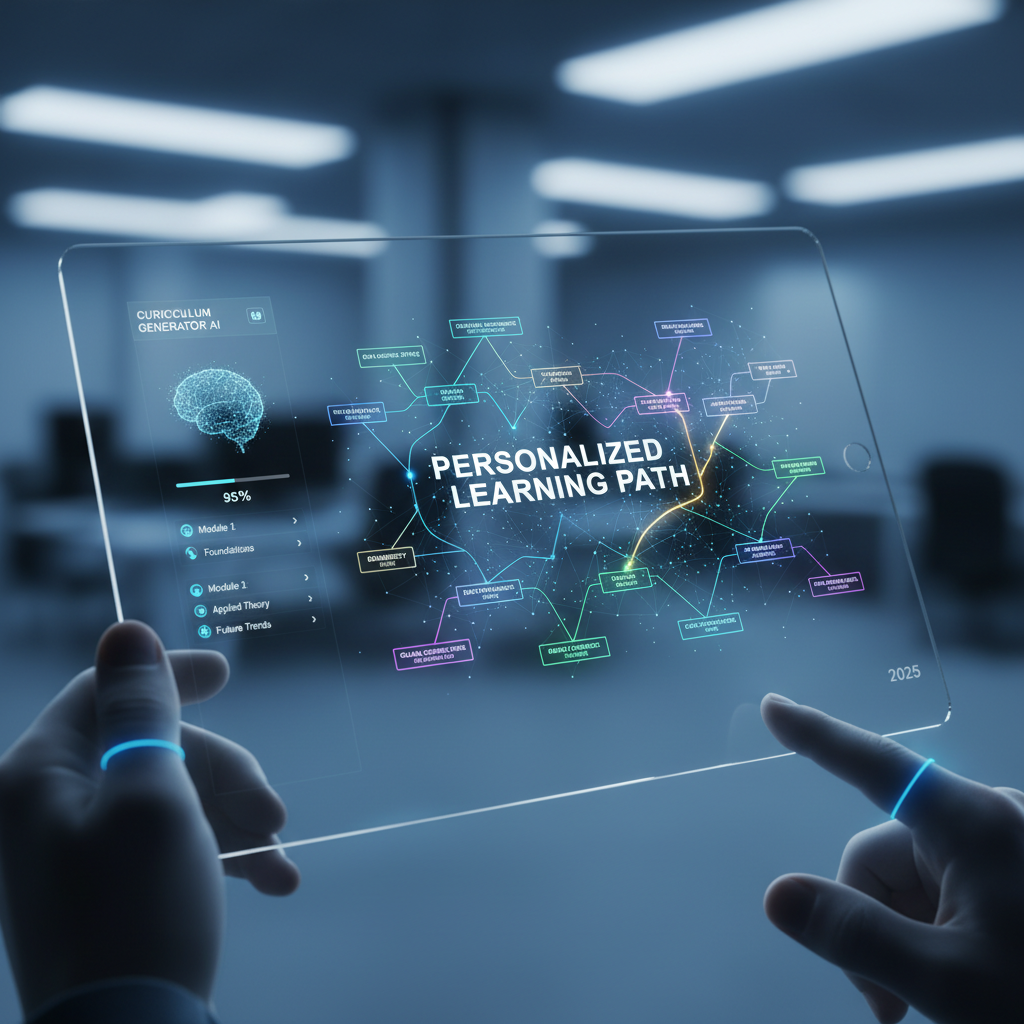
At its core, AI personalization creates dynamic, adaptive learning paths. Unlike a linear textbook or course, an AI-powered system assesses a student’s prior knowledge and then presents content that is at the optimal level of challenge. If a student demonstrates mastery, the system can skip ahead or introduce more complex concepts. Conversely, if they struggle, it can provide remedial material, different explanations, or break down concepts into smaller, more manageable chunks. This is often achieved through sophisticated algorithms that map learning objectives, assess student performance on tasks, and then dynamically select the next most appropriate learning activity or resource. Think of it as a GPS for learning, constantly re-routing based on traffic (student performance) and destination (learning goals).
- Pre-assessment and Placement: AI can quickly evaluate a student’s current skill level to place them in the appropriate starting point.
- Real-time Performance Tracking: Monitoring progress on assignments, quizzes, and interactions to identify areas of strength and weakness.
- Content Curation and Recommendation: AI algorithms suggest relevant videos, articles, interactive exercises, or simulations based on the student’s needs.
- Branching Scenarios: The learning path can diverge based on student choices and responses, offering different explanations or challenges.
Intelligent Tutoring Systems (ITS)
Intelligent Tutoring Systems are a more advanced form of AI personalization, acting as virtual tutors that provide one-on-one instruction and feedback. These systems build a sophisticated model of the student’s knowledge, misconceptions, and learning style. They can then engage in Socratic dialogue, answer specific questions, provide hints, explain concepts in multiple ways, and even adapt their pedagogical strategies based on how the student responds. ITS platforms often incorporate natural language processing (NLP) to understand student queries and generative AI to craft personalized explanations, making the interaction feel remarkably human-like. For instance, if a student is stuck on a math problem, an ITS might not just give the answer but guide them through the steps, asking probing questions to help them discover the solution independently.
Key features include:
- Student Modeling: Continuously building and updating a profile of the student’s knowledge and skill state.
- Domain Modeling: Representing the knowledge to be taught and potential misconceptions.
- Pedagogical Modeling: Strategies for how to teach and interact with the student effectively.
- User Interface: Facilitating natural interaction between the student and the system.
Predictive Analytics for Student Success
AI’s ability to process and analyze large datasets allows educational institutions to move from reactive to proactive intervention. Predictive analytics tools can identify students at risk of falling behind, dropping out, or struggling with specific concepts long before these issues become critical. By analyzing historical data (attendance, grades, engagement with learning platforms, demographic information) alongside real-time performance, AI can flag students who show early warning signs. This allows educators to intervene with targeted support, counseling, or additional resources, potentially preventing academic failure. For example, a university might use AI to predict which freshmen are most likely to struggle in their first semester, enabling advisors to reach out proactively.
Automated Assessment and Feedback
Assessment is a cornerstone of learning, but grading can be time-consuming and often delayed. AI revolutionizes this by offering instant, detailed, and personalized feedback. Beyond multiple-choice questions, AI can now assess written essays, code, and even complex problem-solving tasks. Natural Language Processing (NLP) can evaluate grammar, style, coherence, and argument structure in essays, while machine learning algorithms can identify common errors in programming assignments. The immediate feedback loop is invaluable for learning, allowing students to understand and correct their mistakes while the concepts are still fresh in their minds. This also frees up educators from routine grading, enabling them to focus on deeper, more qualitative assessments and individual student support.
Benefits Beyond the Classroom Walls
The integration of AI personalization technology into education brings forth a myriad of benefits that extend far beyond simply improving academic performance. These advantages ripple through various aspects of the learning experience, impacting student well-being, educator effectiveness, and preparedness for future challenges.
Enhanced Engagement and Motivation
One of the most significant challenges in education is maintaining student engagement. Monotonous lessons and irrelevant content can quickly lead to disinterest. AI personalization directly addresses this by making learning more relevant and engaging. When content is tailored to a student’s interests, learning style, and current skill level, it becomes inherently more captivating. AI can recommend gamified learning modules, interactive simulations, or real-world problem-solving scenarios that resonate with individual learners. This personalization fosters a sense of accomplishment and progress, boosting intrinsic motivation. Students are more likely to persevere through challenging material when they feel understood and supported by the learning system, making education a dynamic and exciting journey rather than a chore.
Addressing Learning Gaps Effectively
Every student has unique strengths and weaknesses. In traditional classrooms, identifying and addressing every individual learning gap is a monumental task for a single teacher. AI excels at precisely this. By continuously monitoring performance and understanding misconceptions, AI-powered systems can pinpoint specific areas where a student is struggling. It can then deliver targeted interventions, provide additional practice, or present alternative explanations until mastery is achieved. This ensures that foundational knowledge is solidified before moving on, preventing the accumulation of learning deficits that can derail a student’s progress later on. For instance, if a student consistently misunderstands a particular algebraic concept, the AI will keep presenting variations of that concept until the student demonstrates proficiency, rather than simply moving on with the rest of the class.
Fostering Self-Directed Learning
The ability to learn independently and take ownership of one’s educational journey is a critical skill in the 21st century. AI personalization tools are excellent at cultivating this. By providing students with adaptive resources, immediate feedback, and clear pathways for progress, AI empowers learners to explore topics at their own pace and pursue areas of interest. Students can review difficult concepts as many times as needed without feeling judged or rushed, and advanced learners can accelerate their pace, delving into more complex topics. This fosters metacognition, encouraging students to reflect on their own learning processes, identify what works best for them, and develop effective study habits. It transforms students into active agents of their education, a crucial foundation for lifelong learning.
Preparing for the Future Workforce
The job market of tomorrow demands a workforce equipped with adaptability, critical thinking, problem-solving skills, and a capacity for continuous learning. AI in education directly contributes to developing these competencies. By moving beyond rote memorization to deeper understanding and application, AI personalized learning helps students develop genuine mastery. Furthermore, exposure to advanced technological tools from an early age familiarizes students with the digital fluency required in virtually every modern profession. The analytical and problem-solving skills honed through engaging with adaptive AI systems are precisely what industries are looking for. It ensures that students are not just learning content, but are also developing the transferable skills necessary to thrive in an unpredictable and rapidly evolving professional landscape.
Current Innovations and Emerging Trends
The integration of AI into education is not a futuristic dream; it is happening now, with a growing number of innovative applications reshaping how we learn and teach. From language acquisition to advanced STEM concepts, AI is proving its versatility and efficacy.
AI in Language Learning
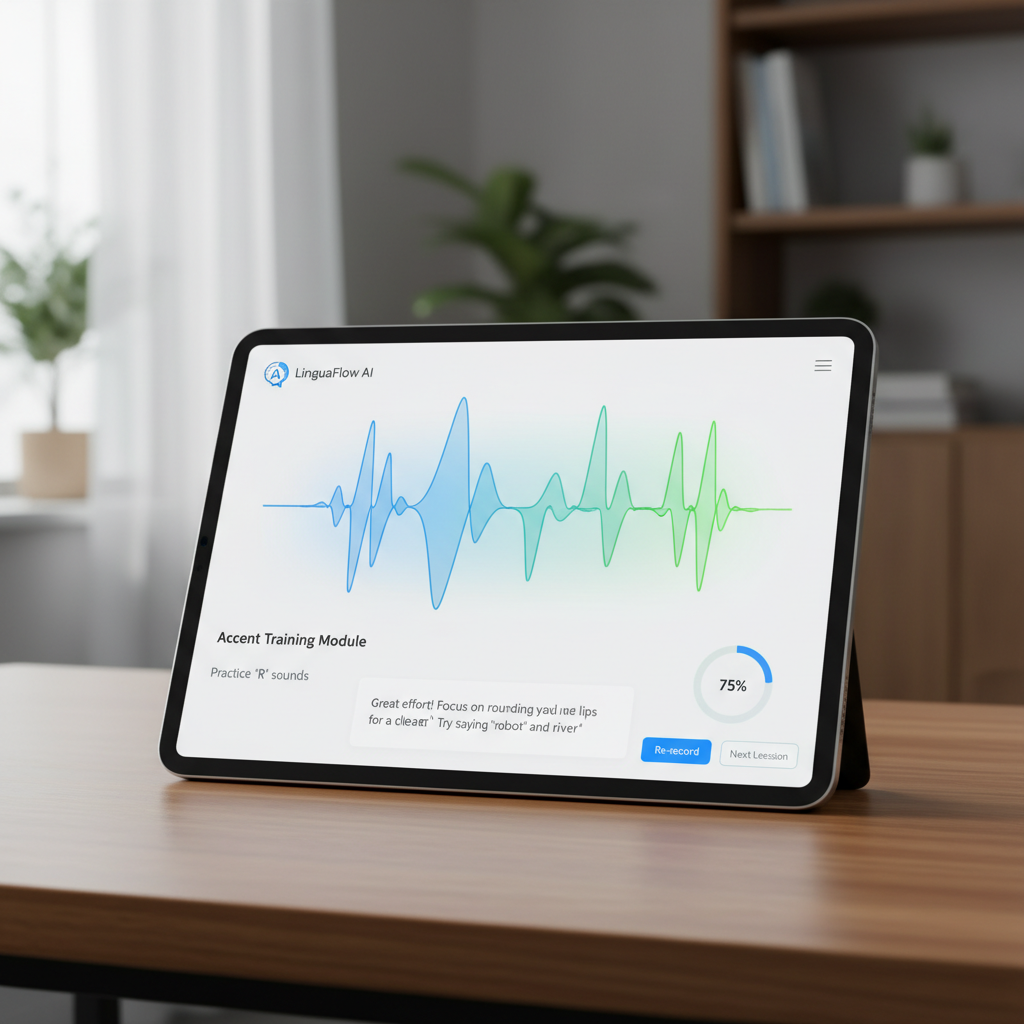
Perhaps one of the most prominent and successful applications of AI personalization is in language learning. Platforms like Duolingo leverage AI to create highly adaptive learning paths, predict vocabulary retention, and customize exercises based on a user’s performance. AI-powered chatbots allow learners to practice conversational skills in a low-pressure environment, providing instant feedback on grammar, pronunciation, and fluency. Speech recognition technology helps correct pronunciation in real-time, while natural language processing guides learners through complex grammatical structures. These tools make language acquisition more accessible, engaging, and personalized, allowing millions worldwide to learn new languages effectively outside traditional classroom settings.
AI in STEM Education
Science, Technology, Engineering, and Mathematics (STEM) subjects often require a strong grasp of foundational concepts and intricate problem-solving skills. AI tools are revolutionizing STEM education by providing intelligent tutoring and adaptive practice. Platforms like ALEKS (Assessment and Learning in Knowledge Spaces) use AI to continually assess a student’s knowledge state and provide personalized learning paths in mathematics and chemistry. Khan Academy, while not solely AI-driven, increasingly integrates AI features to recommend content and track progress. AI can present complex scientific simulations, provide step-by-step guidance on engineering problems, and offer immediate feedback on coding exercises, making abstract concepts more tangible and fostering a deeper understanding of scientific principles. These systems identify precisely where a student struggles with a mathematical concept or a scientific theory and then offers targeted explanations and practice, ensuring that no student is left behind due to a lack of foundational understanding.
AI for Special Education Needs
AI holds immense promise for students with special education needs (SEN). Personalized AI tools can adapt content presentation for students with dyslexia, offer auditory support for visually impaired learners, or break down instructions into simpler steps for those with cognitive challenges. For example, AI-powered speech-to-text and text-to-speech tools assist students with writing difficulties or reading impairments. Emotion detection AI can help identify when a student with autism spectrum disorder might be experiencing anxiety or frustration, allowing educators or the system itself to offer appropriate support. By providing highly individualized accommodations and interventions, AI can significantly enhance accessibility and inclusivity, ensuring that every student has the opportunity to reach their full potential, regardless of their learning differences.
Virtual and Augmented Reality Integration
The combination of AI with Virtual Reality (VR) and Augmented Reality (AR) is creating incredibly immersive and interactive learning experiences. AI can personalize the VR/AR environment by adapting scenarios, challenges, and instructional feedback based on the user’s actions and learning progress. Imagine medical students practicing surgical procedures in a VR environment where AI dynamically adjusts the difficulty of the case or provides real-time coaching based on their technique. Or history students exploring ancient Roman cities in AR, with AI highlighting relevant historical facts based on their interests and questions. This synergistic integration moves learning beyond passive consumption to active exploration and experimentation, making complex subjects more engaging and memorable. AI guides the learner through these virtual worlds, ensuring the experience is optimally tailored for their educational benefit.
Challenges and Ethical Considerations
While the potential of AI personalization in education is undeniably vast and exciting, it is crucial to approach its implementation with a clear understanding of the challenges and ethical considerations involved. Addressing these issues proactively is essential to ensure that AI serves as a truly beneficial force in learning.
Data Privacy and Security
AI personalized learning systems rely heavily on collecting and analyzing vast amounts of student data: performance metrics, interaction logs, engagement patterns, and even biometric data (e.g., eye-tracking for attention). This raises significant concerns about data privacy and security. Who owns this data? How is it stored and protected from breaches? What are the policies regarding data retention and sharing with third parties? Ensuring robust encryption, clear consent mechanisms, transparent data usage policies, and strict adherence to regulations like GDPR or FERPA is paramount. Without strong safeguards, there is a risk of sensitive student information being misused, leading to a loss of trust and potential harm to individuals.
Algorithmic Bias
AI algorithms are only as unbiased as the data they are trained on. If the datasets used to develop personalized learning systems are not diverse or contain inherent societal biases, the AI can inadvertently perpetuate or even amplify those biases. This could lead to discriminatory outcomes, such as certain student groups being consistently steered towards specific subjects, receiving less effective feedback, or being inaccurately assessed. For example, if an AI is trained primarily on data from a particular demographic, it might misinterpret the learning patterns of students from different cultural backgrounds. Mitigating algorithmic bias requires diverse training data, rigorous testing, continuous auditing of AI performance across different student populations, and involving diverse perspectives in the design and deployment of these systems.
The Role of the Human Educator
A common concern is whether AI will replace human teachers. While AI can automate many routine tasks and provide highly personalized content, it cannot replicate the unique human elements of teaching: empathy, emotional intelligence, mentorship, inspirational guidance, fostering creativity, and addressing complex socio-emotional needs. The challenge lies in redefining the educator’s role, shifting from being a primary content deliverer to a facilitator, mentor, and guide. Teachers will need to become adept at leveraging AI tools, interpreting AI-generated insights, and using them to inform their pedagogical strategies. The human touch remains irreplaceable for building relationships, inspiring curiosity, and nurturing the holistic development of students. The goal of AI is to augment, not replace, the human educator.
Digital Divide and Accessibility
The benefits of AI personalization are largely contingent on access to reliable internet, suitable devices, and digital literacy. There is a significant risk that the widespread adoption of AI in education could exacerbate the existing digital divide, widening the gap between students who have access to these advanced tools and those who do not. Students in underserved communities, rural areas, or developing nations might be left behind if they lack the necessary infrastructure and resources. Ensuring equitable access to AI-powered learning platforms, providing necessary hardware, and offering digital literacy training are crucial steps to prevent AI from becoming another barrier to educational equity. Accessibility for students with disabilities must also be a core design principle, not an afterthought, to ensure truly inclusive learning.
The Road Ahead: Shaping the Future of Learning
The journey towards a fully AI-integrated educational system is an ongoing evolution, not a destination. As AI technology continues to mature, its impact on learning will become even more pervasive and sophisticated. The road ahead involves not just technological advancement but also significant pedagogical shifts, policy reforms, and a collaborative effort among educators, technologists, policymakers, and parents.
One key trend is the increasing sophistication of AI in understanding human cognition and emotion. Future AI systems will likely move beyond merely tracking performance to inferring a student’s cognitive load, emotional state, and even their preferred mode of thinking. This deeper understanding will allow for even more nuanced personalization, perhaps even recommending a break when a student shows signs of cognitive fatigue, or offering motivational encouragement precisely when it’s most needed. The integration of biometrics and neurotechnology, while raising ethical questions, could provide AI with even richer data to adapt the learning environment in real-time, optimizing for focus and engagement.
Furthermore, AI will play a pivotal role in democratizing access to specialized knowledge and expert instruction. Imagine students in remote areas having access to AI-powered simulations of advanced science labs or receiving personalized coaching from virtual tutors embodying the expertise of world-renowned scholars. This will level the playing field, providing opportunities previously limited by geographical or socio-economic barriers. AI will also facilitate global collaborative learning, connecting students from different cultures and backgrounds to work on projects, with AI acting as an intelligent facilitator to manage communication and learning objectives.
The future also holds the promise of AI enabling truly lifelong learning. As individuals navigate multiple career changes and the continuous need for upskilling, AI platforms will serve as personal learning companions, recommending relevant courses, certifications, and resources based on career goals, current skill sets, and emerging industry demands. This continuous adaptation will ensure that learning remains relevant and accessible throughout an individual’s professional life, making continuous personal and professional development an inherent part of existence.
However, realizing this future demands a thoughtful and ethical approach. It requires ongoing research into AI fairness and transparency, continuous professional development for educators to effectively leverage these tools, and a societal commitment to ensuring equitable access. The future of learning, powered by AI personalization, is not about technology replacing humans, but about technology empowering humans to learn more effectively, efficiently, and joyfully, preparing them for a future we can only begin to imagine.
Comparison Tables
Table 1: Traditional Learning vs. AI-Personalized Learning
| Feature | Traditional Learning | AI-Personalized Learning |
|---|---|---|
| Pace | Fixed, dictated by class schedule | Adaptive, determined by individual student pace |
| Content Delivery | Standardized curriculum for all students | Tailored content based on student’s strengths, weaknesses, and learning style |
| Feedback | Delayed, often generic, limited by teacher’s capacity | Immediate, specific, actionable, and contextualized |
| Engagement | Varies, can be low if content is not relevant to individual | High, due to relevant, interactive, and challenging (but not overwhelming) content |
| Assessment | Summative (tests, exams), often retrospective | Formative and continuous, diagnostic, predictive, real-time adjustments |
| Role of Teacher | Primary content deliverer, assessor | Facilitator, mentor, guide, leveraging AI insights |
| Focus | Covering curriculum, uniform outcomes | Mastery, deep understanding, individual growth, skill development |
| Scalability of Personalization | Limited, difficult to achieve for large groups | Highly scalable, can personalize for thousands of students simultaneously |
Table 2: Popular AI Personalized Learning Tools Comparison
| Tool Name | Primary Focus | Key AI Features | Target Audience | Unique Selling Point |
|---|---|---|---|---|
| Duolingo | Language Learning | Adaptive learning paths, spaced repetition, speech recognition, gamification | Individuals of all ages learning new languages | Highly engaging gamified approach, free basic access, diverse language options |
| ALEKS | Mathematics, Chemistry, Statistics | AI-driven assessment, knowledge space theory, personalized learning paths, immediate feedback | K-12, Higher Education, Home School | Precise diagnosis of knowledge gaps, ensures mastery before advancing |
| Khan Academy | Wide Range (Math, Science, Humanities, etc.) | Adaptive practice exercises, progress tracking, content recommendations | K-12, College Students, Lifelong Learners | Vast library of free educational videos and practice, growing AI integration for recommendations |
| Schoology (with AI integrations) | Learning Management System (LMS) | AI for content recommendation, automated grading (e.g., Turnitin AI integration), analytics | K-12 Schools, Higher Education | Comprehensive platform for course management, enhanced by various AI plugins |
| Carnegie Learning’s MATHia | Mathematics (Middle & High School) | Cognitive tutoring system, personalized coaching, real-time feedback, deep student models | Middle School, High School Math Students | Intelligent 1:1 math coaching, deep understanding of student thinking, research-backed pedagogy |
| Coursera (with AI features) | Online Courses, Specializations, Degrees | Personalized course recommendations, AI-powered peer review, skill path generation, smart search | Adult Learners, Professionals, College Students | Partnerships with top universities/companies, AI assists in guiding career/learning paths |
| Quizlet (Q-Chat, Magic Notes) | Study Tools, Flashcards | Generative AI for creating study materials, Q-Chat for personalized tutoring questions, adaptive quizzes | Students of all levels | AI transforms notes into study guides, personalized practice sessions, AI tutor for instant help |
Practical Examples: Real-World Use Cases and Scenarios
The theoretical benefits of AI personalization in education come to life through numerous real-world applications. These examples demonstrate how schools, universities, and corporate training programs are already leveraging AI to create more effective and engaging learning environments.
Case Study 1: K-12 School Implementing Adaptive Learning Platforms
Consider “Harmony Elementary School,” a fictional but representative example of a K-12 institution embracing AI. Harmony Elementary adopted an AI-powered adaptive learning platform for its 3rd to 5th-grade math curriculum. Before the platform’s implementation, teachers struggled with the wide range of math abilities in their classrooms, often having to teach to the middle, leaving advanced students unchallenged and struggling students falling further behind. With the AI platform, each student began with a diagnostic assessment. The AI then created a personalized learning pathway for each child. For instance, Maya, who excelled in multiplication, was quickly advanced to more complex problem-solving involving fractions, while Liam, who struggled with basic addition, received targeted exercises and interactive tutorials that broke down concepts into simpler steps. The teachers, instead of spending hours on individual lesson planning for differentiation, could now use the AI’s real-time data dashboards to identify common class-wide misconceptions, pull small groups for direct instruction, and spend more one-on-one time with students needing specific emotional or conceptual support. The result? A significant improvement in student test scores across all ability levels, and crucially, a noticeable increase in student confidence and engagement in mathematics.
Case Study 2: Higher Education Leveraging AI for Student Retention
At “Unity University,” a large public institution, student retention, especially during the challenging first year, was a persistent issue. The university implemented an AI-driven predictive analytics system designed to identify at-risk students. The system analyzed various data points: high school grades, standardized test scores, early performance in college courses, attendance in online lectures, engagement with the learning management system (LMS), and even participation in campus activities. Within the first six weeks of the semester, the AI flagged students who exhibited patterns associated with a higher likelihood of struggling or dropping out. For example, the system identified Sarah, an engineering student who consistently scored low on early quizzes, rarely accessed the online course materials, and hadn’t joined any student organizations. This early warning allowed Sarah’s academic advisor to proactively reach out, offering tutoring services, connecting her with a peer mentor, and discussing her course load. Without the AI’s timely intervention, Sarah might have silently disengaged and eventually withdrawn. This predictive capability allowed Unity University to shift from reactive damage control to proactive student support, leading to a measurable increase in first-year retention rates and improved student success.
Case Study 3: Corporate Training with AI-Driven Skill Development
“Global Solutions Inc.,” a multinational tech company, faced the challenge of rapidly upskilling its global workforce in emerging technologies like cybersecurity and cloud computing. Traditional classroom training was expensive, difficult to scale, and often resulted in varying skill levels. They deployed an AI-powered corporate learning platform. Employees first took an AI-adaptive assessment to gauge their current proficiency in various tech domains. Based on individual skill gaps and career aspirations, the AI generated personalized learning paths comprising curated online courses, interactive labs, coding challenges, and virtual mentorship sessions. For instance, an employee aiming for a Senior Cloud Architect role might receive a pathway focused on advanced AWS services, while another aspiring to be a Cybersecurity Analyst would get resources on penetration testing and threat detection. The AI tracked progress, provided immediate feedback on coding assignments, and recommended next steps. It even used natural language processing to answer common technical questions, reducing the burden on human trainers. This approach not only made training more efficient and cost-effective but also ensured that each employee developed precisely the skills they needed, leading to a more competent and adaptable workforce capable of meeting the company’s evolving technological demands.
Frequently Asked Questions
Frequently Asked Questions
Q: What is AI personalization in education?
A: AI personalization in education refers to the use of artificial intelligence and machine learning algorithms to tailor the learning experience to the individual needs, preferences, and pace of each student. It involves analyzing data on student performance, engagement, and learning styles to adapt content, exercises, feedback, and instructional methods in real-time, creating a unique and optimized learning path for every learner.
Q: How does AI personalize learning for individual students?
A: AI personalizes learning through several mechanisms. It typically starts with an initial assessment to gauge prior knowledge. Then, it continuously tracks a student’s progress, identifies strengths and weaknesses, and uses this data to adjust the difficulty level, introduce remedial or advanced content, provide targeted explanations, and recommend specific resources (videos, articles, interactive exercises) that are most relevant to the student’s current learning needs. This dynamic adaptation ensures the student is always learning at their optimal challenge level.
Q: Is AI going to replace human teachers?
A: No, AI is not expected to replace human teachers. Instead, AI is designed to augment and empower educators. While AI can automate tasks like grading, data analysis, and content differentiation, it cannot replicate the nuanced human qualities essential to teaching, such as empathy, emotional intelligence, mentorship, inspirational guidance, fostering creativity, and addressing complex socio-emotional needs. AI will allow teachers to focus more on higher-order teaching tasks, personal interaction, and fostering critical thinking, transforming their role into that of a facilitator, guide, and mentor.
Q: What are the main benefits of AI personalized learning?
A: The main benefits include enhanced student engagement and motivation due to relevant content, more effective addressing of individual learning gaps, fostering self-directed learning skills, providing immediate and targeted feedback, and better preparing students for the skills required in the future workforce. It also allows educators to manage diverse classrooms more effectively and provides data-driven insights into student performance.
Q: Are there any ethical concerns with AI in education?
A: Yes, there are several ethical concerns. Key among them are data privacy and security, as AI systems collect vast amounts of sensitive student data. Algorithmic bias is another concern, where biased training data could lead to discriminatory outcomes for certain student groups. There are also questions about the potential for over-reliance on technology, the impact on critical thinking if learning becomes too prescriptive, and the exacerbation of the digital divide if equitable access to AI tools is not ensured.
Q: How can schools implement AI personalization effectively?
A: Effective implementation requires several steps: first, clearly defining educational goals and how AI can support them; second, selecting appropriate AI tools that align with the curriculum and student needs; third, providing comprehensive professional development for teachers to learn how to use and integrate AI tools effectively; fourth, establishing robust data privacy and security protocols; and finally, ensuring equitable access to technology and digital literacy training for all students.
Q: What role does data play in AI personalized learning?
A: Data is the foundation of AI personalized learning. AI systems collect and analyze various types of data, including student performance on assignments and tests, time spent on tasks, interaction patterns with learning platforms, types of errors made, and even emotional responses (where applicable). This data allows the AI to build a comprehensive model of each student’s learning profile, understand their strengths, weaknesses, and learning style, and then make intelligent, real-time adjustments to their learning path.
Q: Is AI personalization only for advanced learners?
A: Absolutely not. AI personalization benefits learners across the entire spectrum of abilities. For struggling students, AI can provide remedial support, break down complex concepts, and offer extra practice until mastery is achieved. For advanced learners, it can accelerate their pace, introduce more complex topics, and provide enrichment activities. The core purpose of AI personalization is to meet every student where they are, regardless of their current proficiency, ensuring optimal challenge and support for all.
Q: What are some examples of AI tools used today?
A: Many tools incorporate AI personalization. Examples include language learning apps like Duolingo, adaptive math platforms like ALEKS and Carnegie Learning’s MATHia, comprehensive learning management systems like Schoology and Canvas with AI integrations, and online course providers like Coursera that use AI for recommendations and feedback. Tools like Quizlet are also integrating generative AI for study material creation and personalized tutoring chats.
Q: How does AI address learning disabilities?
A: AI offers significant potential for supporting students with learning disabilities by providing highly individualized accommodations. For example, AI-powered tools can offer text-to-speech or speech-to-text functions for students with reading or writing difficulties, present information in multiple formats (visual, auditory, interactive), break down instructions into smaller, manageable steps, and adapt the pace and complexity of content. It can also help identify specific learning patterns associated with certain disabilities, enabling more targeted and effective interventions.
Key Takeaways
- AI personalization is revolutionizing education by creating adaptive learning experiences tailored to individual student needs and paces.
- It leverages sophisticated algorithms to track student performance, identify strengths and weaknesses, and dynamically adjust content and instructional methods.
- Key mechanisms include adaptive learning paths, intelligent tutoring systems, predictive analytics for student success, and automated, real-time assessment and feedback.
- The benefits extend to enhanced student engagement, effective addressing of learning gaps, fostering self-directed learning, and better preparation for future workforce skills.
- Current innovations showcase AI’s impact in language learning, STEM education, special education, and integration with immersive technologies like VR/AR.
- Critical challenges include ensuring data privacy and security, mitigating algorithmic bias, redefining the role of human educators, and addressing the digital divide.
- AI will not replace teachers but will empower them, shifting their role towards mentorship and higher-order instruction.
- The future of learning with AI involves more sophisticated cognitive and emotional understanding, democratized access to expert knowledge, and robust lifelong learning support.
- Ethical implementation, equitable access, and continuous professional development are crucial for realizing AI’s full potential in education.
Conclusion
The journey into the future of education, powered by AI personalization technology, is one filled with immense promise and transformative potential. We are moving away from a uniform, factory-model approach to learning towards a deeply personalized, student-centric paradigm where every learner’s unique journey is honored and optimized. AI is not merely a tool; it is becoming an intelligent partner in the educational ecosystem, capable of understanding, adapting, and responding to individual needs in ways that were once unimaginable.
From guiding a struggling student through foundational concepts with infinite patience to challenging a gifted learner with complex, cutting-edge material, AI ensures that no student is left behind or held back. It fosters a love for learning, cultivates critical 21st-century skills, and democratizes access to high-quality instruction. While the path ahead presents challenges related to data privacy, algorithmic bias, and equitable access, these are surmountable hurdles that demand thoughtful consideration, proactive policy-making, and continuous innovation.
Ultimately, the future of education is not about technology replacing the human element, but rather about technology enhancing it. AI empowers educators to be more effective, students to be more engaged, and learning to be more meaningful and impactful. By embracing AI personalization with a balanced perspective, focused on ethics and equity, we can unlock an educational revolution that prepares individuals not just for success in an ever-changing world, but also for a lifetime of curiosity, discovery, and growth. The era of truly personalized learning is here, and it promises to reshape human potential in profound and exciting ways.


































































Leave a Reply