

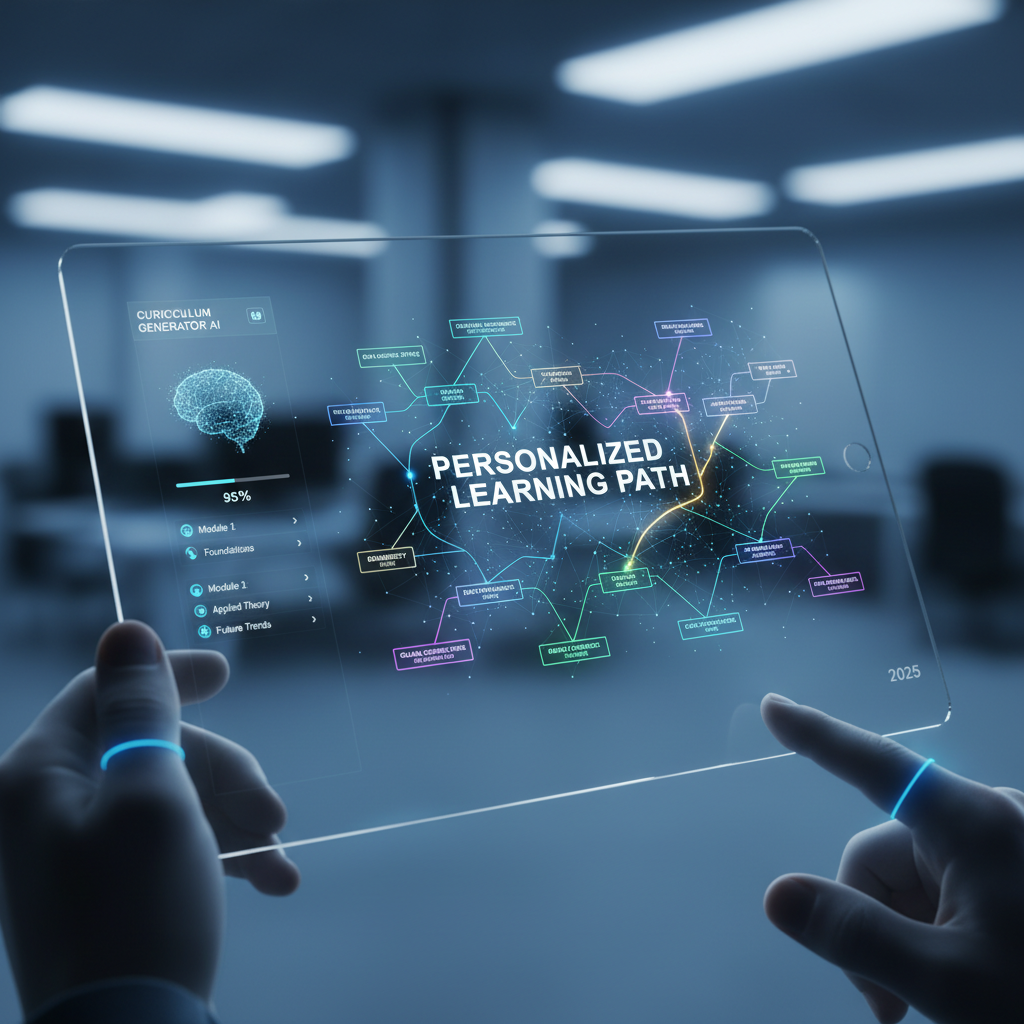
Discovering Hidden Gems: AI Tools for Personalized Learning
The landscape of education is undergoing a profound transformation, driven by an accelerating wave of technological innovation. At the forefront of this revolution is Artificial Intelligence (AI), which is rapidly moving beyond simple automation to enable deeply personalized, adaptive, and truly dynamic learning experiences. Imagine a world where every student, regardless of their background, pace, or learning style, receives an education perfectly tailored to their individual needs, evolving in real-time with their progress and interests. This is not a futuristic fantasy but a burgeoning reality, spearheaded by AI’s remarkable capacity to design and deliver ultra-customized educational content.
Traditional education, with its one-size-fits-all approach, often struggles to cater to the diverse needs of learners. Curricula are typically static, lesson plans rigid, and assessment standardized, leading to disengagement for some and frustration for others. However, the advent of sophisticated AI models, particularly those leveraging machine learning, natural language processing, and generative capabilities, is paving the way for a paradigm shift. This blog post delves into the exciting realm of designing dynamic curricula with AI, exploring how these intelligent systems are unlocking unprecedented levels of personalization in education, making learning more effective, engaging, and equitable for all.
The Paradigm Shift: From One-Size-Fits-All to Hyper-Personalization
For centuries, the educational model has largely remained consistent: a teacher delivers information to a group of students using a standardized curriculum. While this model has served its purpose, it inherently struggles with the heterogeneity of human learners. Every individual possesses a unique cognitive profile, prior knowledge base, emotional state, and preferred learning modality. A textbook chapter that captivates one student might bore another; a hands-on activity that elucidates a concept for some might confuse others.
This inherent limitation of traditional, static curricula has long been recognized as a significant barrier to maximizing learning outcomes. Students who fall behind struggle to catch up, while advanced learners often find themselves unchallenged, leading to disengagement and missed opportunities for deeper exploration. The aspiration for personalized learning has always been present, but the practicalities of delivering truly individualized instruction to a large number of students have historically been insurmountable for human educators alone.
Enter AI. The transformative power of Artificial Intelligence lies in its ability to process vast amounts of data, identify complex patterns, and make real-time decisions at a scale and speed impossible for humans. In the context of education, this translates into the capacity to understand each learner as an individual entity. AI systems can now continuously monitor a student’s interactions with learning material, track their performance on assignments, analyze their response times, and even infer their emotional state or level of confusion through subtle cues.
This deep, granular understanding forms the bedrock of hyper-personalization. Instead of a fixed path, AI can dynamically adjust the learning trajectory. If a student masters a concept quickly, the AI can immediately present more advanced material or related topics for enrichment. If a student struggles, the system can offer alternative explanations, different types of examples, remedial exercises, or even change the mode of delivery (e.g., from text to video, or vice-versa). This adaptive approach ensures that each learner is consistently challenged at their optimal level, preventing both boredom and overwhelm.
Furthermore, AI-driven hyper-personalization extends beyond just content difficulty. It encompasses tailoring the format, the pace, the types of feedback provided, and even the motivational strategies employed. Imagine an AI tutor that knows you learn best through visual metaphors, are motivated by collaborative challenges, and tend to procrastinate on essay writing. Such an AI could proactively suggest a visual project for a particular topic, pair you with a suitable study partner for a group assignment, and break down essay tasks into smaller, less daunting steps, providing encouraging feedback along the way. This shift represents not merely an upgrade to existing tools, but a fundamental rethinking of how education can be delivered, moving from an industrial, mass-production model to a bespoke, artisan-crafted learning journey for every single student.
Foundational AI Technologies Driving Dynamic Curricula
The capabilities of AI in designing dynamic curricula are built upon several sophisticated underlying technologies, each contributing a unique piece to the puzzle of ultra-customized education. Understanding these foundational elements helps to appreciate the complexity and potential of AI in this domain.
Machine Learning (ML) and Deep Learning
At the heart of any adaptive system is Machine Learning. ML algorithms enable computers to “learn” from data without being explicitly programmed. In educational AI, this means:
- Predictive Analytics: ML models can predict student performance, identify students at risk of falling behind, or forecast which topics a student might struggle with based on historical data patterns.
- Recommendation Systems: Similar to how streaming services suggest movies, ML can recommend specific learning resources, exercises, or even alternative explanations that are most likely to benefit a particular student.
- Adaptive Assessment: ML algorithms analyze student responses in real-time during quizzes or tests, adjusting the difficulty of subsequent questions based on performance, leading to more accurate and efficient assessment of true understanding.
- Pattern Recognition: Deep Learning, a subset of ML, is particularly adept at recognizing complex patterns in unstructured data, such as identifying common misconceptions in student free-text responses or detecting emotional cues in voice or facial expressions (with appropriate privacy considerations).
For example, an ML model might analyze thousands of student interactions with a math problem set. It could identify that students who struggle with “algebraic manipulation” in early stages are likely to face difficulties with “quadratic equations” later, prompting the system to provide targeted pre-emptive support.
Natural Language Processing (NLP)
NLP is crucial for AI systems to understand, interpret, and generate human language. Its applications in dynamic curricula are extensive:
- Content Analysis: NLP can parse textbooks, articles, and educational videos to extract key concepts, identify prerequisites, and create semantic relationships between topics. This allows AI to build a comprehensive knowledge graph of the subject matter.
- Automated Feedback: Advanced NLP models can analyze open-ended student responses (essays, short answers) to provide constructive feedback on grammar, coherence, logical flow, and conceptual understanding, significantly offloading grading tasks from human educators.
- Question Answering Systems: Students can ask questions in natural language, and AI can provide relevant, context-aware answers by drawing from its knowledge base or summarizing relevant sections of learning material. This acts as an instant, always-available tutor.
- Generative AI for Content Creation: With the rise of Large Language Models (LLMs) like GPT-4, NLP is now capable of generating entirely new educational content—explanations, practice problems, stories, or even interactive dialogues—tailored to a specific learning objective, complexity level, and student’s preferred style. This can dramatically expand the pool of personalized resources.
Consider an AI that can read a student’s explanation of photosynthesis, identify a common misconception regarding the role of water, and then generate a new, simple analogy or a short video script to clarify that specific point, all in real-time.
Knowledge Graphs and Ontologies
While ML and NLP handle the “learning” and “understanding” of content, knowledge graphs provide the structured framework for organizing and relating information.
- Semantic Web of Knowledge: A knowledge graph represents concepts (e.g., “photosynthesis,” “chlorophyll,” “cellular respiration”) as nodes and the relationships between them (e.g., “photosynthesis produces oxygen,” “chlorophyll is part of photosynthesis”) as edges.
- Prerequisite Mapping: These graphs allow AI to understand which concepts are foundational for others, ensuring that students are only presented with advanced topics once they have mastered the necessary prerequisites.
- Personalized Learning Paths: By overlaying a student’s knowledge profile onto the subject’s knowledge graph, the AI can dynamically chart the most efficient and effective learning path, identifying gaps and suggesting the next best concept to learn.
- Interdisciplinary Connections: Knowledge graphs can span multiple subjects, helping AI to draw connections between seemingly disparate topics and foster a more holistic understanding.
For instance, a knowledge graph could show that understanding “supply and demand” in economics is analogous to “homeostasis” in biology, enabling an AI to leverage a student’s existing strength in one area to explain a new concept in another.
By combining these powerful AI technologies, dynamic curricula can evolve continuously, offering an unprecedented level of personalization and responsiveness that profoundly impacts the effectiveness and enjoyment of the learning journey.
Real-time Learner Profiling and Adaptive Pathways
The core promise of AI in education lies in its ability to understand each learner intimately and adapt the learning journey in real-time. This capability stems from sophisticated learner profiling and the generation of adaptive pathways.
Constructing the Learner Profile
An AI-driven system begins by building a comprehensive digital profile for each student. This profile is not static; it is a living document that continuously evolves. It incorporates a wide array of data points:
- Prior Knowledge Assessment: Initial diagnostic tests or pre-assessments help establish a baseline understanding of a subject.
- Performance Data: Scores on quizzes, assignments, projects, and standardized tests provide objective measures of mastery.
- Interaction Data: This includes granular details such as time spent on specific topics, number of attempts at a problem, types of errors made, areas where the student sought help, and even their navigation patterns within a learning platform.
- Learning Style Preferences: While often inferred, some systems might ask students about their preferred learning modalities (visual, auditory, kinesthetic, reading/writing) or deduce them from interaction patterns (e.g., a student consistently opting for video explanations over text).
- Engagement Metrics: Indicators like login frequency, completion rates, participation in forums, and emotional responses (if monitored via sentiment analysis of text or, less commonly, facial expressions) can signal motivation and interest levels.
- Metacognitive Data: Some advanced systems might track how students reflect on their own learning, identify their own knowledge gaps, or plan their study approach.
By integrating these diverse data streams, AI creates a multi-dimensional picture of the student – not just what they know, but how they learn, what motivates them, and where their potential challenges lie.
Dynamic Adaptation of Learning Pathways
With a robust learner profile in hand, the AI system then dynamically curates and adjusts the educational pathway. This adaptation can occur at various levels:
- Content Sequence and Pacing: If the AI detects mastery, it can accelerate the student through a module or introduce more challenging concepts. Conversely, if a student struggles, the system can slow down, provide more scaffolding, offer prerequisite refreshers, or present the content in a different format.
- Resource Selection: Instead of a generic textbook, AI can recommend specific articles, videos, interactive simulations, podcasts, or external websites that are most likely to resonate with the student’s learning style and current understanding. For instance, a visual learner struggling with a concept might be directed to an animated explanation, while an auditory learner might receive a relevant podcast.
- Problem Generation and Practice: AI can generate an infinite array of practice problems tailored to the student’s current proficiency level, focusing on areas of weakness without being repetitive. These problems can increase in complexity incrementally, providing just the right amount of challenge.
- Feedback Mechanisms: Feedback becomes highly personalized. Instead of generic “incorrect” or “correct,” AI can offer specific pointers, explain the underlying principles for errors, suggest hints, or even provide positive reinforcement tailored to the student’s progress and effort.
- Intervention and Support: When a student consistently struggles despite adaptations, the AI can flag them for human intervention, recommending specific areas for the teacher to address, or suggest peer tutoring opportunities.
- Exploratory Learning: For advanced or highly engaged students, AI can open up pathways for deeper exploration, suggesting related interdisciplinary topics, advanced research papers, or creative projects that align with their emerging interests.
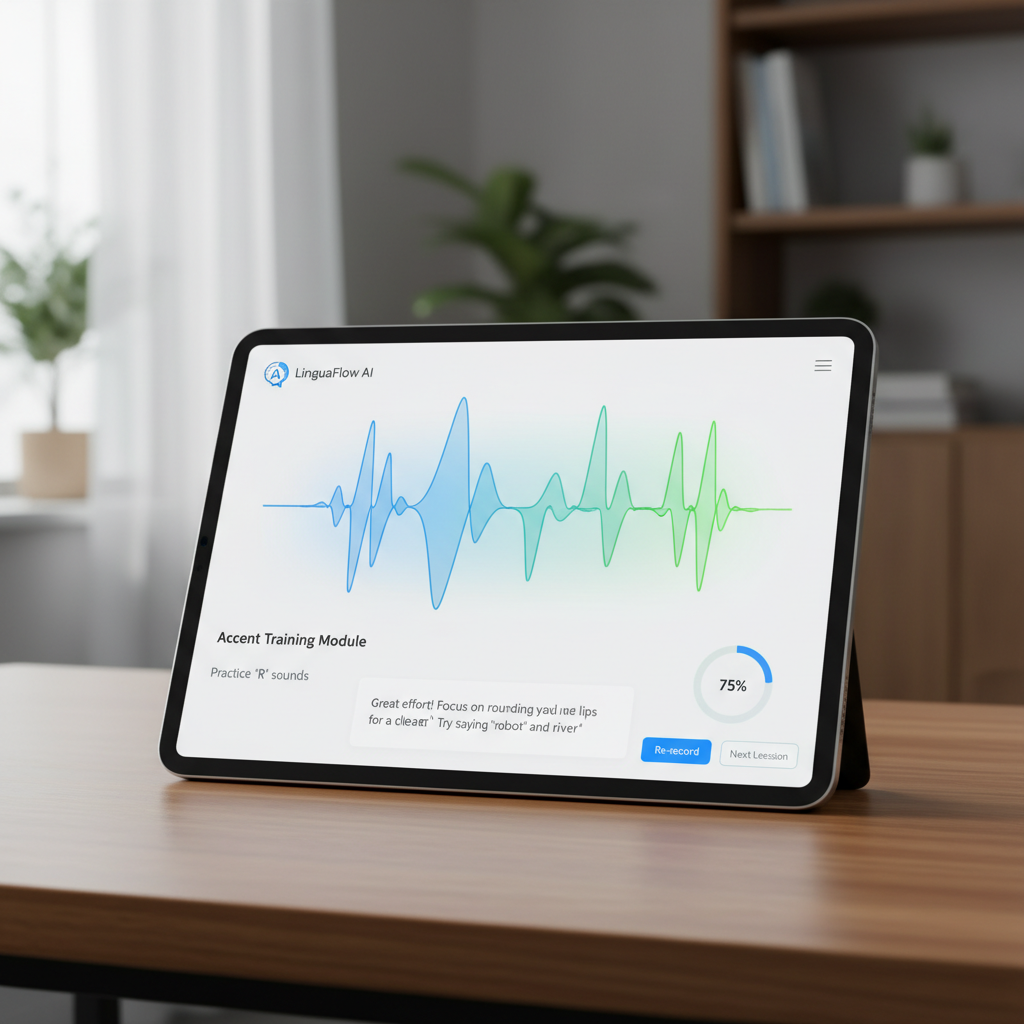
A practical example is an AI-powered language learning app. It tracks which vocabulary items a user struggles with, identifies grammatical structures they consistently misuse, and then creates custom lessons focusing on those specific challenges, using example sentences relevant to the user’s previously expressed interests (e.g., if they like cooking, examples might revolve around recipes). The system learns if the user prefers flashcards, listening exercises, or speaking practice, adjusting the mix of activities accordingly.
This dynamic adaptation is what truly differentiates AI-driven education. It moves beyond simply providing options to intelligently making the best option available at the right time for that particular student, fostering a truly individualized and highly effective learning experience.
Content Generation and Curation via AI
One of the most exciting and rapidly developing areas within AI-driven education is the ability of intelligent systems to not only recommend existing content but also to generate entirely new, bespoke learning materials and meticulously curate resources. This capability tackles the monumental task of creating enough diverse content to truly personalize learning at scale.
Generative AI: The New Frontier of Content Creation
The rise of generative AI, particularly Large Language Models (LLMs) and diffusion models for multimedia, has revolutionized the potential for educational content creation:
- Tailored Explanations and Analogies: An LLM can take a complex concept and rephrase it in simpler terms, create relatable analogies based on a student’s known interests, or explain it from multiple perspectives until understanding is achieved. For instance, explaining quantum mechanics using a culinary metaphor for a student interested in cooking.
- Dynamic Practice Problems and Quizzes: AI can generate an infinite number of unique practice problems, complete with varying difficulty levels, scenarios, and solution steps. This means students never run out of relevant practice, and the problems always match their current skill level, preventing rote memorization.
- Customized Scenarios and Case Studies: For subjects like business, law, or medicine, AI can generate hypothetical case studies, ethical dilemmas, or simulation scenarios that are highly relevant to a student’s chosen specialization or current learning objectives.
- Interactive Dialogues and Role-Playing: AI can act as a conversational partner, allowing students to practice language skills, negotiation techniques, or even therapeutic communication in a safe, judgment-free environment.
- Summarization and Condensation: AI can read lengthy texts, academic papers, or even entire textbooks and summarize them into digestible chunks, highlight key concepts, or extract relevant information based on a student’s specific query or learning goal.
- Multimedia Asset Generation: Beyond text, generative AI can create simple diagrams, illustrations, storyboards for videos, or even rudimentary audio explanations, adding visual and auditory dimensions to custom content.
The power here is not just in producing content, but in producing content that is contextually aware, learner-centric, and instantly available. This means less reliance on static textbooks and more on a dynamic, ever-evolving knowledge base.
Intelligent Content Curation
Beyond creation, AI excels at sifting through the immense volume of existing educational resources online and offline to find the most relevant, high-quality, and appropriate materials for an individual student:
- Resource Discovery and Recommendation: AI algorithms can search through vast digital libraries, MOOC platforms, open educational resources (OERs), and even academic journals to identify articles, videos, courses, or interactive tools pertinent to a student’s current learning objective, learning style, and proficiency level.
- Quality and Relevance Filtering: Using metrics like user engagement, expert ratings, and semantic analysis, AI can filter out low-quality or outdated resources, ensuring students are directed to credible and effective materials.
- Personalized Learning Playlists: Instead of a fixed syllabus, AI can curate a “playlist” of learning activities and resources drawn from various sources, presenting them in an optimal sequence for the student’s unique pathway.
- Contextual Integration: AI doesn’t just recommend standalone resources; it integrates them seamlessly into the learning flow. For example, after a student struggles with a concept, the AI might immediately provide a link to a specific Khan Academy video, followed by a practice quiz generated by the system, and then an interactive simulation from PhET.
- Trend Analysis and Timeliness: AI can monitor current events and emerging trends to suggest supplementary material that connects academic concepts to real-world applications, making learning more relevant and engaging.
Consider a university student researching for a paper. Instead of manually sifting through databases, an AI research assistant could, based on their existing knowledge and research questions, curate a list of relevant academic papers, summarize key findings from each, highlight conflicting viewpoints, and even suggest potential avenues for further inquiry, all while adapting to the student’s evolving understanding of the topic.
The combination of AI’s generative power and its meticulous curation capabilities signifies a profound shift. It moves education from a resource-constrained environment to one where highly personalized, relevant, and engaging learning content can be created and discovered on demand, for every learner, at every moment of their educational journey.
Gamification, Feedback, and Engagement Mechanisms
Effective learning is not just about content delivery; it’s also about motivation, retention, and sustained engagement. AI plays a crucial role in enhancing these aspects through intelligent gamification, personalized feedback, and sophisticated engagement mechanisms.
Intelligent Gamification
Gamification involves applying game-design elements and game principles in non-game contexts. When powered by AI, it becomes significantly more effective:
- Adaptive Challenges: AI can adjust the difficulty of gamified tasks, puzzles, or simulations to match a student’s current skill level. This “just right” challenge prevents both boredom (too easy) and frustration (too hard), keeping learners in their zone of proximal development.
- Personalized Rewards and Progress Tracking: Instead of generic badges, AI can tailor rewards to a student’s preferences. It can also visualize progress in a way that is most motivating to the individual, whether through leaderboards, skill trees, or personalized achievement narratives.
- Narrative and Story-driven Learning: AI can generate evolving storylines or quests that integrate educational content, making learning feel like an adventure. For instance, a history lesson could become an interactive mystery game where students uncover clues and solve historical puzzles.
- Collaborative Challenges: AI can intelligently pair students for team-based challenges, optimizing group dynamics and ensuring complementary skill sets, fostering healthy competition and cooperation.
- Real-time Feedback Integration: Gamified elements provide immediate feedback on actions, helping students understand the consequences of their choices and learn from mistakes in a low-stakes environment.
For example, an AI-driven coding platform might turn learning Python into a series of “missions” where students build increasingly complex programs to “save a digital world.” The AI would dynamically generate the next mission based on the student’s performance, offer hints if they get stuck, and celebrate specific achievements with tailored animations.
Comprehensive and Personalized Feedback
Feedback is paramount for learning, and AI elevates it from generic to deeply personal and actionable:
- Granular Error Analysis: Beyond simply marking an answer wrong, AI can explain why it was wrong, pinpointing specific misconceptions, faulty logic, or calculation errors. For an essay, it can highlight specific sentences needing improvement.
- Constructive and Actionable Suggestions: Instead of just identifying problems, AI can suggest concrete steps for improvement, linking to specific remedial resources, practice problems, or alternative explanations.
- Timely Delivery: AI provides immediate feedback, allowing students to correct misunderstandings before they become ingrained, which is far more effective than waiting days for a teacher’s review.
- Adaptive Tone and Encouragement: AI can learn to provide feedback in a tone that is most effective for a particular student – some may thrive on direct critique, while others require more gentle encouragement. It can also recognize effort and partial understanding, fostering a growth mindset.
- Metacognitive Prompts: AI can prompt students to reflect on their learning process, asking questions like “What did you find most challenging about this problem?” or “How would you approach this differently next time?”, thereby strengthening self-regulation skills.
Imagine an AI giving feedback on a geometry proof. It could not only point out a logical flaw but also explain the specific theorem that was misapplied, provide a visual example of its correct application, and then offer a similar, slightly simpler proof for practice, all while maintaining an encouraging tone.
Advanced Engagement Mechanisms
Beyond gamification and feedback, AI can employ other sophisticated strategies to keep learners engaged:
- Personalized Content Recommendations: As discussed, AI curates content, but it also proactively recommends supplementary materials based on expressed interests, even if not directly related to the current core curriculum. This makes learning feel more self-directed and relevant.
- Intelligent Tutoring Systems (ITS): AI can function as a 24/7 personalized tutor, initiating conversations, asking probing questions, offering hints, and guiding students through complex problems step-by-step, mimicking the interaction with a human tutor.
- Adaptive Scheduling and Reminders: AI can help students manage their study time, suggesting optimal study schedules based on their learning patterns and sending personalized reminders to keep them on track without being intrusive.
- Interactive Simulations and Virtual Labs: AI powers highly realistic simulations where students can experiment, make mistakes, and observe consequences in a safe, virtual environment, fostering experiential learning.
- Emotive and Affective Computing (Emerging): While still in early stages for broad educational deployment due to privacy concerns, AI that can detect a student’s emotional state (frustration, confusion, boredom) could adapt the content or pace to re-engage them, offering a break, a lighter task, or a motivational boost.
These AI-driven mechanisms transform education from a passive reception of information into an active, dynamic, and often delightful experience, intrinsically motivating learners and significantly improving retention and mastery.
Ethical Considerations and the Human Element in AI-Driven Education
While the potential of AI in designing dynamic curricula is immense, it is imperative to address the significant ethical considerations and to clarify the indispensable role of human educators. The goal is not to replace teachers but to augment their capabilities, making education more effective and equitable for all.
Key Ethical Considerations
- Data Privacy and Security: AI systems collect vast amounts of sensitive student data. Ensuring robust privacy protocols, anonymization techniques, and stringent cybersecurity measures is paramount to protect personal information from misuse or breaches. Clear policies on data ownership and usage must be established and communicated transparently to students and parents.
- Algorithmic Bias: AI models are only as unbiased as the data they are trained on. If training data reflects existing societal biases (e.g., gender, race, socioeconomic status), the AI might inadvertently perpetuate or even amplify these biases in its recommendations, assessments, or content generation, leading to unfair educational outcomes for certain groups. Rigorous testing and continuous auditing for bias are essential.
- Equity and Access: The benefits of advanced AI-driven education must be accessible to all, not just privileged demographics. Issues of digital divide, access to necessary hardware and internet connectivity, and the cost of sophisticated AI platforms need careful consideration to prevent exacerbating existing educational inequalities.
- Transparency and Explainability (XAI): It’s crucial for students, parents, and educators to understand how AI makes decisions about learning paths, assessments, or content recommendations. Black-box algorithms that lack transparency can erode trust and hinder effective intervention. Explainable AI (XAI) is vital for understanding “why” a student received a particular recommendation or grade.
- Over-reliance and Deskilling: There’s a risk that students might become overly reliant on AI for answers, potentially hindering their critical thinking, problem-solving, and independent research skills. Similarly, educators might become deskilled if they delegate too much core teaching responsibility to AI without understanding its limitations.
- Human Connection and Socio-emotional Development: Education is not solely about cognitive development; it’s also about socio-emotional growth, collaboration, empathy, and developing human relationships. AI cannot replicate the nuanced emotional intelligence, mentorship, and sense of community that human teachers foster.
The Indispensable Role of the Human Educator
Far from making teachers obsolete, AI liberates them to focus on the truly human aspects of education. The role of the human educator evolves, becoming even more critical and impactful:
- Mentor and Guide: Teachers can transition from content deliverers to facilitators, mentors, and coaches. With AI handling much of the personalization, teachers have more time for one-on-one guidance, discussing complex ideas, fostering critical thinking, and addressing emotional needs.
- Curriculum Designer and AI Manager: Educators will be responsible for setting learning objectives, overseeing the AI’s curriculum design, curating resources that complement AI-generated content, and critically evaluating the AI’s performance and output. They become sophisticated managers of intelligent learning systems.
- Emotional Support and Social Development: Teachers are uniquely positioned to provide empathy, build classroom community, resolve conflicts, and guide students through social and emotional challenges – areas where AI falls short.
- Intervention and Remediation: When AI flags a student struggling repeatedly, the human teacher steps in to provide the nuanced understanding and personalized, human-centric support that an algorithm cannot. They can diagnose deeper issues, provide emotional encouragement, and adapt strategies beyond what the AI can offer.
- Ethical Oversight and Bias Correction: Educators are crucial in monitoring AI systems for bias, ensuring fair treatment for all students, and advocating for ethical AI deployment. They act as the human ethical compass for the technological tools.
- Fostering Creativity and Higher-Order Thinking: While AI can generate content, human teachers inspire creativity, critical inquiry, and deep philosophical discussions. They design projects that encourage innovation and problem-solving in ways that go beyond algorithmic responses.
In essence, AI takes on the heavy lifting of data analysis, personalization, and content administration, allowing teachers to reclaim their primary role as inspirational leaders, compassionate mentors, and expert facilitators of human growth and potential. The most effective future of education will be a collaborative ecosystem where AI and human intelligence work in synergy, each leveraging their unique strengths for the ultimate benefit of the learner.
Future Trends: AI-Powered Mentors and Metaverse Learning Environments
The journey of AI in education is far from over; it is continuously evolving, with exciting new trends on the horizon that promise to push the boundaries of ultra-customized learning even further. Two particularly transformative areas are the development of sophisticated AI-powered mentors and the integration of learning within metaverse environments.
AI-Powered Mentors and Digital Tutors
We are moving beyond simple AI chatbots or recommendation engines towards truly intelligent, empathetic, and persistent AI mentors:
- Proactive and Context-Aware Guidance: Future AI mentors won’t just answer questions; they will anticipate a student’s needs, identify potential roadblocks before they occur, and offer proactive guidance. They will understand the student’s learning patterns so deeply that they can nudge them towards productive activities or offer emotional support when stress levels are high (based on behavioral cues).
- Socio-Emotional Learning (SEL) Integration: Advanced AI could be designed to support SEL, helping students develop self-awareness, self-management, social awareness, relationship skills, and responsible decision-making. This might involve generating personalized scenarios for ethical dilemmas, prompting self-reflection, or suggesting strategies for stress management, all within the context of academic learning.
- Personalized Career and Life Planning: Beyond academic subjects, AI mentors could assist with broader life skills, career exploration, and goal setting, leveraging a deep understanding of the student’s interests, strengths, and academic performance to suggest potential paths and connect them with relevant resources or human experts.
- Mimicking Human Pedagogy: Future AI will be trained on vast datasets of expert human tutoring sessions, allowing them to replicate complex pedagogical strategies such as Socratic questioning, scaffolding, metacognitive prompting, and motivational interviewing, making the AI interaction feel remarkably human-like.
- Cross-Disciplinary Connections: An AI mentor will be adept at drawing connections across disciplines, helping students see the interconnectedness of knowledge and fostering a more holistic understanding of the world, much like a seasoned academic advisor.
Imagine an AI mentor that helps a high school student not only master calculus but also understands their passion for environmental science, then proactively connects them to university programs in ecological engineering, recommends relevant online courses, and even helps them draft a personal statement for college applications, providing feedback on tone and content.
Metaverse Learning Environments
The metaverse, a persistent, shared, 3D virtual space, offers an immersive dimension for AI-driven education:
- Immersive and Experiential Learning: Instead of reading about ancient Rome, students can virtually “walk” through a meticulously reconstructed Roman Forum, interacting with AI-powered historical figures, exploring artifacts, and experiencing daily life. Learning becomes an active exploration rather than passive reception.
- Virtual Laboratories and Simulations: Complex scientific experiments, surgical procedures, or engineering challenges that are too dangerous, expensive, or impractical in the real world can be conducted safely and repeatedly in a metaverse lab. AI can dynamically adjust parameters, provide real-time feedback, and guide students through the experimental process.
- Collaborative and Social Learning Spaces: Students from anywhere in the world can gather in virtual classrooms, collaborate on projects, and interact with AI-powered tutors or even other students’ AI avatars. The AI can monitor group dynamics, facilitate discussions, and ensure equitable participation.
- Personalized and Adaptive Learning Worlds: Within the metaverse, AI can dynamically generate or modify learning environments to suit individual needs. A student struggling with geometry might find their virtual world populated with interactive geometric shapes and puzzles, while an advanced learner might be challenged with complex architectural design tasks.
- Enhanced Accessibility and Inclusivity: Metaverse environments, combined with AI, can offer unparalleled accessibility features, adapting interfaces, providing alternative input methods, or creating specialized learning spaces for students with diverse needs, potentially reducing barriers to education.
- Skill-Based Micro-Worlds: AI can create targeted “micro-worlds” within the metaverse designed for mastering specific skills, such as a virtual negotiation room for business students, a digital operating theatre for medical trainees, or a simulated foreign city for language learners, complete with AI-powered native speakers.
Consider a medical student learning anatomy. In a metaverse, they could virtually dissect a hyper-realistic 3D human body, guided by an AI tutor that points out structures, explains functions, and tests their knowledge with interactive quizzes, all within a fully immersive and safe environment.
These future trends highlight a trajectory where AI is not just a tool for content delivery but an integral part of an interactive, intelligent, and deeply immersive learning ecosystem, continually adapting and evolving to create the most impactful educational journey possible for every individual.
Comparison Tables
Table 1: Traditional vs. AI-Driven Curriculum Design
| Feature | Traditional Curriculum Design | AI-Driven Curriculum Design |
|---|---|---|
| Pacing | Fixed, standardized pace for all students. | Adaptive, individualized pacing based on student mastery and needs. |
| Content Delivery | Static textbooks, lectures, uniform materials. | Dynamic, personalized content (text, video, simulations) generated or curated in real-time. |
| Assessment | Standardized tests, infrequent, often summative. | Continuous, formative, adaptive assessments; real-time feedback. |
| Personalization Level | Low; one-size-fits-all approach. | High; ultra-customized to individual learning styles, strengths, and weaknesses. |
| Teacher Role | Primary content deliverer, assessor, classroom manager. | Mentor, facilitator, curator, emotional support provider, AI system manager. |
| Learner Experience | Passive, potentially disengaging for some, rote memorization. | Active, engaging, self-directed, inquiry-based, critical thinking. |
| Scalability of Customization | Very limited; difficult for a single teacher to personalize for many students. | Highly scalable; AI can personalize for thousands or millions of learners simultaneously. |
| Data Utilization | Limited to grades and attendance; often retrospective. | Extensive data collection and analysis; real-time insights and predictive analytics. |
Table 2: Key AI Technologies and Their Application in Curriculum Personalization
| AI Technology | Core Function | Application in Personalized Learning | Example Use Case |
|---|---|---|---|
| Machine Learning (ML) | Pattern recognition, prediction, classification from data. | Identifying learning gaps, predicting student success, recommending resources, adaptive testing. | An ML model predicts a student will struggle with fractions and recommends pre-algebra refreshers. |
| Natural Language Processing (NLP) | Understanding, interpreting, and generating human language. | Automated feedback on essays, generating explanations, semantic content analysis, question answering. | An NLP system provides instant feedback on a student’s open-ended science explanation. |
| Generative AI (e.g., LLMs) | Creating new content (text, images, audio, code) from prompts. | Generating custom practice problems, tailored analogies, unique case studies, interactive dialogues. | An LLM creates a personalized story to explain complex historical events to a student. |
| Knowledge Graphs | Structuring interconnected information, mapping concepts and relationships. | Mapping prerequisites, identifying concept dependencies, charting optimal learning paths, interdisciplinary connections. | A knowledge graph ensures a student understands basic physics before introducing advanced mechanics. |
| Reinforcement Learning (RL) | Training agents to make optimal decisions through trial and error in an environment. | Optimizing pedagogical strategies, dynamic difficulty adjustment in gamified learning. | An RL agent learns the most effective sequence of hints to help a student solve a specific type of math problem. |
| Computer Vision (CV) | Enabling computers to “see” and interpret visual information. | Analyzing student engagement via facial expressions (ethical concerns), interpreting handwritten answers, virtual lab interactions. | A CV system (with consent) might detect signs of frustration in a student’s expression during a virtual lab, triggering a personalized intervention. |
Practical Examples
To truly grasp the impact of AI in designing dynamic curricula, let us explore some real-world use cases and scenarios across different educational segments.
Case Study 1: K-12 Adaptive Learning Platforms
Scenario: A fourth-grade classroom using an AI-powered math curriculum like DreamBox Learning or ST Math.
AI in Action:
- Personalized Pathways: When students log in, the AI first assesses their current math proficiency, identifying specific strengths (e.g., geometry) and weaknesses (e.g., multiplication of fractions).
- Dynamic Content: If a student struggles with a concept like adding mixed numbers, the AI doesn’t just show them the same explanation again. Instead, it might present a new interactive game, a visual tutorial using pie charts, or a step-by-step guided practice with different numbers, always adapting the difficulty based on their responses.
- Real-time Feedback: Every click and answer provides data. If a student consistently makes a specific type of error, the AI provides immediate, targeted feedback explaining the underlying misconception, rather than just marking it wrong.
- Teacher Empowerment: The teacher receives a dashboard with real-time insights into each student’s progress, identifying who needs one-on-one help, which concepts are causing widespread difficulty, and how to group students for targeted instruction. The AI handles the differentiation, freeing the teacher to provide deep human support.
- Engagement: Gamified elements, earning virtual rewards, and seeing visible progress through a learning journey keep young learners motivated and engaged, making math less daunting and more enjoyable.
Impact: Students progress at their optimal pace, building a strong foundational understanding. Teachers gain unprecedented insights, enabling more effective interventions and a focus on critical thinking and problem-solving, rather than repetitive drills.
Case Study 2: Corporate Training and Skill Development
Scenario: A large enterprise implementing an AI-driven platform for upskilling its employees in data science, cybersecurity, or leadership.
AI in Action:
- Skills Gap Analysis: The AI platform first assesses an employee’s existing skills, job role requirements, and career aspirations. It identifies precise skill gaps that need to be addressed.
- Customized Learning Journeys: Based on the skills gap analysis, the AI designs a highly personalized learning path. For a data analyst aiming for a data scientist role, it might recommend specific modules on machine learning algorithms, SQL optimization, and Python libraries, tailored to their current knowledge and preferred learning style (e.g., hands-on coding challenges vs. theoretical videos).
- Content Curation and Generation: The AI curates relevant courses from internal training modules, external MOOCs, industry certifications, and even generates custom practice labs or case studies specific to the company’s projects. For instance, an employee learning cybersecurity might get a simulated scenario based on a recent company incident (anonymized, of course).
- Performance Support: Beyond formal training, the AI can act as an on-demand performance support tool, providing quick answers, code snippets, or procedural guidance when an employee encounters a challenge in their daily work.
- Progress Tracking and Certification: The AI continuously tracks skill acquisition, offering micro-certifications upon mastery of specific competencies, which can then be directly linked to career progression within the organization.
Impact: Employees gain highly relevant skills faster and more efficiently, directly impacting productivity and career growth. Companies benefit from a continuously upskilled workforce, reduced training costs, and enhanced organizational agility in a rapidly changing market.
Case Study 3: Higher Education Research and Tutoring Assistance
Scenario: A university student working on a complex research paper or preparing for a challenging graduate-level exam, leveraging an AI research assistant and intelligent tutor.
AI in Action:
- Research Augmentation: The student inputs their research question or topic. The AI, powered by advanced NLP, scans vast academic databases, journals, and repositories. It then summarizes relevant papers, identifies key arguments, highlights conflicting viewpoints, and suggests additional keywords or related topics the student might not have considered.
- Personalized Feedback on Drafts: As the student writes sections of their paper, they can submit them to the AI for feedback. The AI provides constructive criticism on logical flow, argument strength, academic style, citation consistency, and even checks for potential plagiarism, offering specific suggestions for improvement.
- Concept Clarification and Tutoring: If the student encounters a difficult concept (e.g., a complex statistical method or a philosophical theory), they can ask the AI for an explanation. The AI provides tailored clarifications, examples, and even links to external resources (videos, interactive simulations) if needed, functioning as an always-available subject matter expert.
- Exam Preparation: For exam prep, the AI generates practice questions modeled after past exams, focusing on the student’s identified weaknesses. It can explain solutions step-by-step, offer hints, and track progress, providing a confidence score and identifying areas still needing review.
- Time Management and Study Planning: The AI can help students create personalized study schedules, breaking down large tasks into manageable chunks and reminding them of deadlines, adapting based on their historical study habits and current workload.
Impact: Students can conduct more thorough research, write higher-quality papers, and prepare more effectively for exams, leading to improved academic performance and reduced stress. They develop stronger research and critical thinking skills with tailored, immediate support.
Frequently Asked Questions
Q: What exactly does “dynamic curriculum” mean in the context of AI?
A: A dynamic curriculum, powered by AI, refers to a learning path and content delivery system that continuously adapts and evolves in real-time based on an individual student’s interactions, progress, preferences, and needs. Unlike a static curriculum, which is fixed for all learners, a dynamic curriculum uses AI to personalize everything from the sequence of topics and the difficulty of material to the format of content and the type of feedback, ensuring optimal engagement and learning outcomes for each unique student. It’s like having a personalized, intelligent tutor and content creator working just for you, 24/7.
Q: How does AI actually know a student’s learning style or preferences?
A: AI infers a student’s learning style and preferences through several data points. Initially, it might use diagnostic assessments or even direct questions about preferred modalities (e.g., “Do you prefer videos or reading?”). More subtly, AI monitors interaction data: if a student consistently opts for visual explanations, spends more time on interactive simulations, or quickly grasps concepts presented through auditory means, the AI begins to build a profile of their preferred learning modalities. It can also track response times, errors, and engagement levels to gauge whether certain content types or pedagogical approaches are more effective for that particular learner. Over time, this data-driven inference becomes quite sophisticated.
Q: Is AI replacing human teachers in this personalized learning model?
A: Absolutely not. The goal of AI in dynamic curricula is to augment, not replace, human teachers. AI takes on the labor-intensive tasks of content personalization, data analysis, and basic feedback, freeing up teachers to focus on the inherently human aspects of education. Teachers can then dedicate more time to mentorship, addressing socio-emotional needs, fostering critical thinking through complex discussions, facilitating collaborative projects, and providing the nuanced support and inspiration that only a human can offer. The teacher’s role evolves from a content deliverer to a sophisticated guide, mentor, and manager of intelligent learning systems.
Q: What are the main challenges in implementing AI-driven dynamic curricula?
A: Several challenges exist. Firstly, data privacy and security are paramount, as AI systems handle vast amounts of sensitive student data. Secondly, algorithmic bias is a concern; if training data is biased, the AI might perpetuate inequalities. Thirdly, ensuring equitable access to these advanced technologies for all students, especially in underserved communities, is crucial. Other challenges include the high initial cost of development and deployment, the need for robust technical infrastructure, and the professional development required for educators to effectively integrate and manage AI tools in their teaching practices. Finally, ethical considerations around transparency and over-reliance on AI need constant vigilance.
Q: How can AI help with content generation for specific, niche subjects?
A: AI, especially advanced generative AI models (Large Language Models), can be remarkably effective for niche subjects. By “ingesting” a specialized body of knowledge (e.g., specific academic papers, technical manuals, historical archives for a niche historical period), the AI can learn the vocabulary, concepts, and relationships within that domain. It can then generate explanations, create unique practice problems, develop case studies, or even simulate scenarios relevant to that niche. This significantly reduces the burden on human experts to create every piece of specialized content, allowing for rapid expansion and deep customization of learning materials across a wide range of subjects, no matter how specialized.
Q: How do AI systems ensure the accuracy and quality of dynamically generated content?
A: Ensuring accuracy and quality is a critical ongoing process. Modern AI systems employ several mechanisms:
- Fact-Checking Algorithms: Some AI tools integrate with knowledge bases and fact-checking services to verify generated information.
- Human Oversight and Curation: Content generated by AI often goes through a review process by human subject matter experts, especially for critical educational materials.
- Feedback Loops: Student and teacher feedback on content accuracy and clarity is collected and used to refine the AI models over time.
- Training Data Quality: AI performance is heavily reliant on the quality and reliability of its training data. Developers focus on using high-quality, vetted educational resources for training.
- Guardrails and Filters: AI models are often programmed with guardrails to prevent them from generating inaccurate, biased, or inappropriate content.
While AI is powerful, it is still a tool, and human expertise remains vital for quality assurance.
Q: Can AI help identify and support students with learning disabilities?
A: Yes, AI can play a supportive role in identifying and assisting students with learning disabilities, though it should always complement expert human assessment and intervention. AI can track subtle patterns in student performance (e.g., consistent errors in specific phonics rules, unusual response times, difficulties with particular types of cognitive tasks) that might indicate a need for specialized support. It can then adapt the learning content by providing alternative formats (e.g., text-to-speech, simplified language, visual aids), offer more scaffolding, or recommend specific assistive technologies. Furthermore, AI can provide teachers with early warnings and data-driven insights to inform their professional assessment and development of individualized education plans (IEPs).
Q: What is the role of data in AI-driven curriculum design, and how is it used ethically?
A: Data is the fuel for AI-driven curriculum design. It includes student performance metrics, interaction logs, learning patterns, demographic information (if collected ethically), and content consumption data. This data allows AI to build comprehensive learner profiles, identify trends, predict outcomes, and personalize learning paths. Ethically, data use must adhere to strict privacy regulations (e.g., GDPR, FERPA), ensuring data is anonymized where possible, used only for educational improvement, and never shared or sold without explicit consent. Transparency with students and parents about what data is collected and how it’s used is crucial. Moreover, systems must be monitored for bias in data interpretation to ensure fair treatment for all students.
Q: How can AI ensure engagement for diverse learners, including those who are easily bored or easily overwhelmed?
A: AI addresses diverse engagement needs through its adaptive and personalized capabilities:
- For easily bored learners: AI identifies mastery quickly and immediately presents more challenging material, advanced topics, exploratory projects, or connections to real-world applications relevant to their interests, preventing disengagement. It can also introduce gamified challenges that test their limits.
- For easily overwhelmed learners: AI detects signs of struggle and slows down the pace, breaks down complex concepts into smaller, manageable chunks, offers alternative explanations or simpler analogies, provides more scaffolding, and offers frequent, encouraging feedback. It can also suggest breaks or guide them to foundational prerequisite material.
By constantly monitoring and adapting, AI keeps each student in their optimal zone of learning, where the challenge is just right to foster engagement without causing frustration or boredom.
Q: What does ‘interdisciplinary connections’ mean for AI curricula?
A: Interdisciplinary connections refer to AI’s ability to identify and highlight relationships between concepts from different academic subjects. For example, an AI could show how principles of physics apply to biological systems (biophysics), how historical events influenced economic theories, or how mathematical concepts underpin art and music. This is often achieved through knowledge graphs that map relationships across domains. For a student, this means AI can help them build a more holistic understanding of knowledge, showing them how different fields are interconnected. If a student excels in history but struggles with literature, AI might draw parallels between the historical context they understand and the literary themes, making the literature more accessible and meaningful by leveraging their existing strengths.
Key Takeaways
- Hyper-Personalization is Key: AI moves education from a one-size-fits-all model to ultra-customized learning experiences, adapting to each student’s unique needs, pace, and style.
- Foundational AI Technologies: Machine Learning, Natural Language Processing, Generative AI, and Knowledge Graphs are the pillars enabling dynamic curriculum design.
- Real-time Adaptation: AI continuously builds and updates learner profiles, allowing for instant adjustments to learning pathways, content difficulty, and resource recommendations.
- AI for Content Creation & Curation: Generative AI can create new, tailored learning materials (explanations, problems, scenarios), while curation systems effectively discover and integrate existing high-quality resources.
- Enhanced Engagement: AI drives intelligent gamification, provides comprehensive and personalized feedback, and employs advanced mechanisms to keep learners motivated and actively involved.
- Ethical Considerations are Paramount: Addressing data privacy, algorithmic bias, equity, and transparency is crucial for responsible AI deployment in education.
- Human Educators are Indispensable: AI empowers teachers to become mentors, guides, and facilitators, focusing on socio-emotional development and complex problem-solving, rather than replacing them.
- Future is Immersive: AI-powered mentors and metaverse learning environments promise even more engaging, proactive, and deeply personalized educational experiences.
Conclusion
The journey towards ultra-customized educational content delivery, powered by AI, represents one of the most exciting and impactful frontiers in modern learning. We stand at the precipice of a profound transformation, where the dream of truly personalized education, once limited by logistical constraints and human bandwidth, is now being realized through the relentless innovation of artificial intelligence. From adaptive pacing and real-time content generation to intelligent feedback and immersive learning environments, AI is meticulously crafting learning experiences that are uniquely suited to every individual, fostering deeper understanding, sustained engagement, and ultimately, greater success for all learners.
However, this powerful technological wave must be navigated with careful consideration. The ethical deployment of AI, with a strong emphasis on data privacy, algorithmic fairness, and equitable access, is paramount. Moreover, it is crucial to recognize and champion the evolving, indispensable role of the human educator. AI is not here to replace the warmth, empathy, and holistic guidance of a teacher, but rather to liberate them from administrative burdens and allow them to focus on the truly human aspects of mentoring and inspiring. By thoughtfully integrating AI into our educational ecosystems, we can create a synergistic partnership between human and artificial intelligence, unlocking an unprecedented era of personalized learning that is not only effective but also deeply enriching and equitable for generations to come. The hidden gems of AI are being unearthed, promising a future where every mind can shine brightly.










































































Leave a Reply