

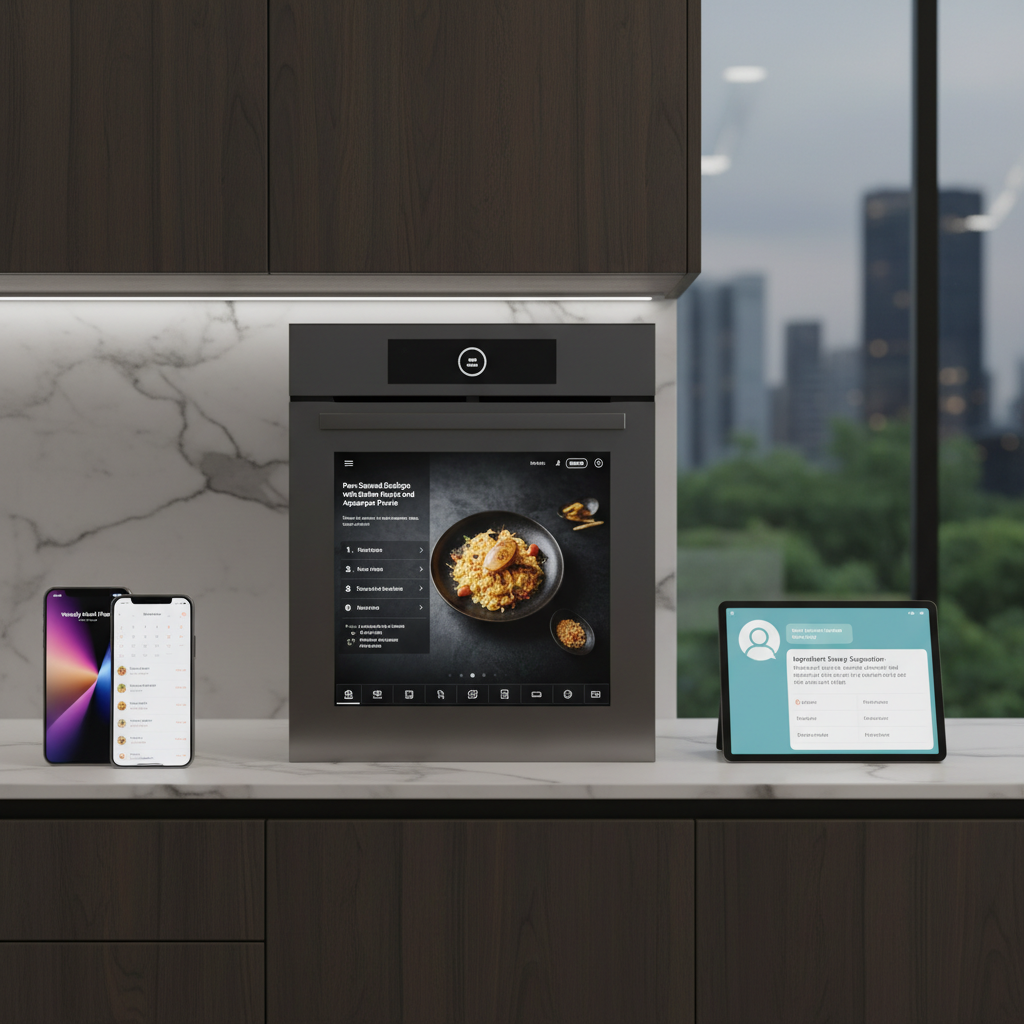
In the bustling rhythm of modern life, the kitchen, often considered the heart of the home, can sometimes feel like a demanding taskmaster rather than a sanctuary of creativity. From the daily grind of meal planning and grocery shopping to the intricate dance of cooking and cleaning, culinary chores can consume significant time and energy. However, just as artificial intelligence (AI) is transforming industries and daily routines worldwide, it is also making its way into our homes, specifically revolutionizing the way we approach cooking. This comprehensive guide explores how AI gadgets are not just making cooking easier, but smarter, more personalized, and ultimately, a more enjoyable experience. We’re stepping beyond mere convenience into an era where our kitchens anticipate our needs, guide our hands, and even expand our culinary horizons.
The vision of a fully automated kitchen, once relegated to science fiction, is rapidly becoming a tangible reality. Imagine a refrigerator that tells you what ingredients you have and suggests recipes based on them, an oven that perfectly cooks your meal without constant monitoring, or an assistant that walks you through a complex soufflé recipe step-by-step. These are not distant dreams but current applications of AI and machine learning that are steadily infiltrating our domestic spaces. By embracing these intelligent tools, we can reclaim precious time, reduce food waste, and even improve our health through more informed nutritional choices. Join us as we delve into the exciting world of AI-powered cooking, unraveling the technology, exploring practical applications, and peeking into the future of our smarter, more efficient kitchens.
The Evolution of Cooking: From Manual Endeavor to AI-Powered Precision
For millennia, cooking has been a fundamental human activity, evolving from open fires to intricate gas ranges and microwave ovens. Each technological leap brought greater convenience and efficiency, yet the core process – measuring, mixing, heating, and tasting – remained largely manual, reliant on human skill, intuition, and experience. Learning to cook well often required years of practice, countless trial-and-error moments, and an innate understanding of ingredients and techniques.
The dawn of the digital age introduced appliances with programmable timers and pre-set functions, offering a glimpse into automation. However, these were essentially mechanical enhancements, lacking the ‘intelligence’ to adapt, learn, or even respond to dynamic cooking conditions. The true paradigm shift began with the integration of sensors, connectivity (the Internet of Things, IoT), and crucially, artificial intelligence. AI imbues kitchen gadgets with the ability to perceive, reason, and act in ways that mimic human intelligence, but with far greater precision and consistency.
Consider the journey from a traditional oven to an AI-powered smart oven. A traditional oven simply maintains a set temperature. A smart oven, equipped with AI, can identify the type of food, calculate the optimal cooking time and temperature based on its weight and desired doneness, and even adjust settings mid-cycle if conditions change. It learns from past successful cooks and refines its algorithms, delivering consistent results every time. This evolution transforms cooking from a labor-intensive, often unpredictable chore into a streamlined, scientific process, democratizing gourmet meals for everyone, regardless of their culinary expertise. It shifts the burden of meticulous monitoring and guesswork from the cook to the intelligent appliance, freeing up time and reducing stress.
This leap isn’t just about speed; it’s about unparalleled precision, consistency, and a newfound capacity for personalization. AI systems can now understand not just generic recipes but your specific preferences, dietary restrictions, and even the nuances of your local grocery store inventory. This level of personalized interaction marks a significant departure from the ‘one-size-fits-all’ approach of conventional cooking methods, paving the way for truly bespoke culinary experiences tailored to the individual.
Understanding AI in the Kitchen: Beyond Smart Appliances
When we talk about AI in the kitchen, it’s easy to picture a futuristic robot chef. While robotic advancements are indeed part of the long-term vision, current AI applications are more subtle yet profoundly impactful. AI in cooking is essentially about leveraging data, algorithms, and machine learning to optimize every facet of the food preparation process. It extends far beyond simply connecting an appliance to your phone; it involves sophisticated computational intelligence at work.
At its core, AI in kitchen gadgets manifests in several key ways:
- Sensory Perception and Data Collection: Smart appliances are equipped with an array of sensors – temperature probes, humidity sensors, cameras, and even weight scales. AI algorithms analyze the continuous stream of data from these sensors to understand the real-time state of your food. For example, a smart oven’s internal camera might use computer vision to detect the browning level of a roast, while a smart scale can precisely measure ingredients and even calculate nutritional values.
- Predictive Analytics and Optimization: Based on collected data and extensive training datasets (thousands of recipes, cooking outcomes), AI can predict cooking times, recommend optimal temperatures, and even adjust settings automatically to achieve a desired outcome. This predictive capability minimizes errors and maximizes consistency. For instance, an AI-powered induction cooktop can maintain an exact temperature for delicate sauces without boiling over, predicting how external factors might influence the heat.
- Personalization and Learning: AI systems learn from your habits, preferences, and feedback. If you consistently prefer your steak medium-rare, your smart oven will remember this. If you mark certain recipes as favorites or frequently use specific ingredients, the AI will prioritize these in future recommendations. This learning process makes the technology increasingly intuitive and tailored to your unique culinary journey.
- Natural Language Processing (NLP): Voice-activated kitchen assistants (like those integrated into smart displays or standalone devices) use NLP to understand spoken commands, answer cooking questions, and guide you through recipes hands-free. This makes cooking more accessible and interactive, allowing you to multitask without needing to touch greasy screens or cookbooks.
- Recipe Generation and Adaptation: Advanced AI can not only suggest recipes but also adapt them based on available ingredients, dietary restrictions, or even modify proportions for different serving sizes. Some cutting-edge AI can even generate entirely new recipes by analyzing flavor profiles and ingredient compatibility, pushing the boundaries of culinary creativity.
The beauty of AI in the kitchen lies in its ability to handle complexity and variability. Unlike a simple timer, AI can adapt to different ingredient quantities, varying appliance performance, and individual preferences, making the cooking process more forgiving and results more reliable. It’s about creating a kitchen environment that actively assists, learns, and anticipates, turning daunting tasks into delightful experiences.
Key AI Gadgets Revolutionizing Home Cooking
The market for AI-powered kitchen gadgets is rapidly expanding, offering a diverse range of tools designed to simplify and enhance various aspects of cooking. These aren’t just incremental improvements; they represent fundamental shifts in how we interact with our food and our kitchens.
Smart Ovens and Cooktops: The Intelligent Heat Sources
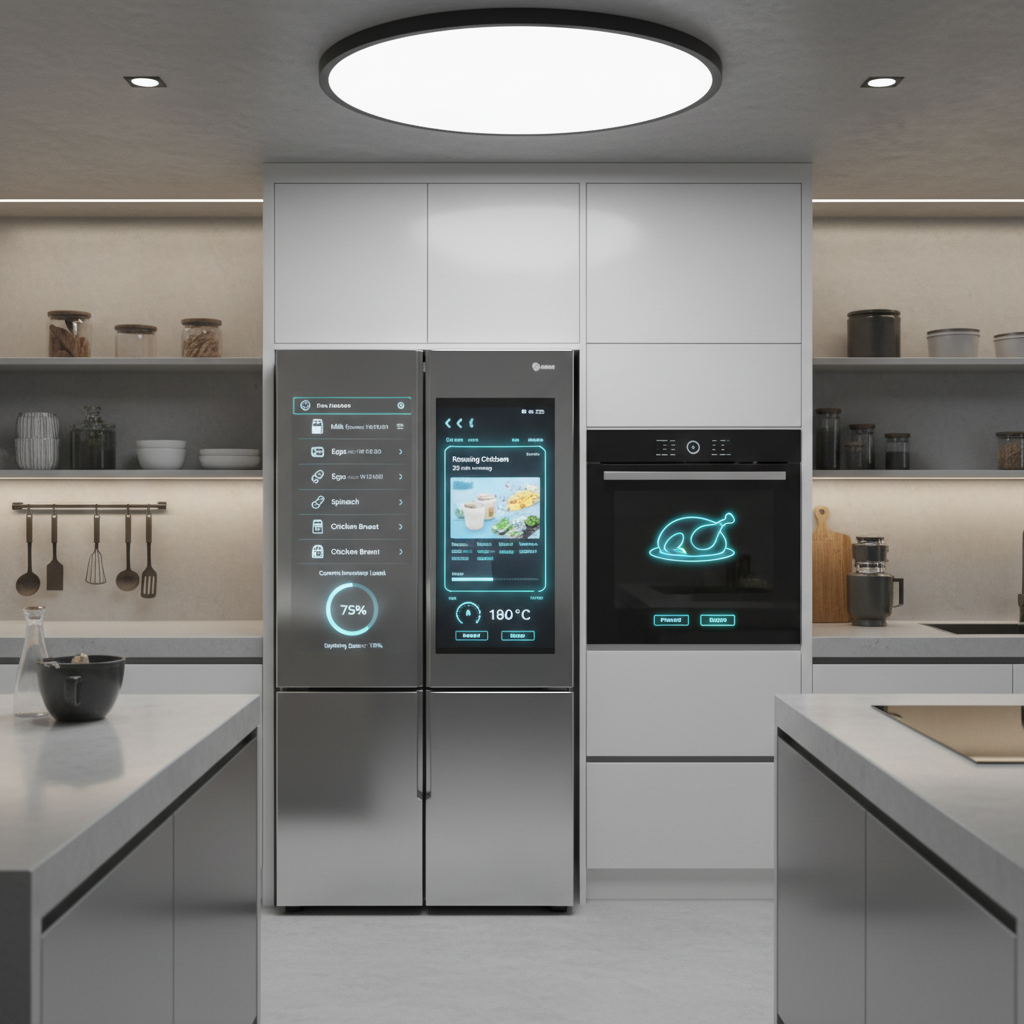
Smart ovens, such as the June Oven or the Tovala Smart Oven, integrate cameras, temperature probes, and AI algorithms to revolutionize baking and roasting. They can often identify the food you place inside, suggest optimal cooking programs, and then execute them with precision, adjusting temperature and time in real-time. The June Oven, for instance, boasts internal cameras that use computer vision to recognize over a hundred types of food, from frozen pizza to prime rib, and automatically suggest cooking presets. Tovala focuses on meal kit integration, where scanning a meal kit barcode tells the oven exactly how to cook the components to perfection. Similarly, smart induction cooktops offer unparalleled temperature control, with AI ensuring precise heat levels, preventing scorching or undercooking, especially critical for delicate dishes like hollandaise sauce or tempered chocolate. Some even have integrated scales and guided cooking features that tell you when to stir or add ingredients.
AI-Powered Food Processors and All-in-One Cookers
Devices like the Thermomix (with its latest models incorporating significant smart features) represent a class of all-in-one kitchen machines that blend, chop, weigh, sauté, steam, and even knead dough, often with integrated guided recipes. While not purely AI-driven in every aspect, their extensive recipe libraries, precise temperature control, and step-by-step digital guidance heavily leverage smart technology that learns and optimizes over time. Newcomers in this category are starting to incorporate more direct AI for ingredient recognition and dynamic recipe adjustments. For example, some devices might analyze the texture of dough or the consistency of a sauce and prompt you for adjustments or extend processing time automatically.
Smart Refrigerators: The Brains of Your Pantry
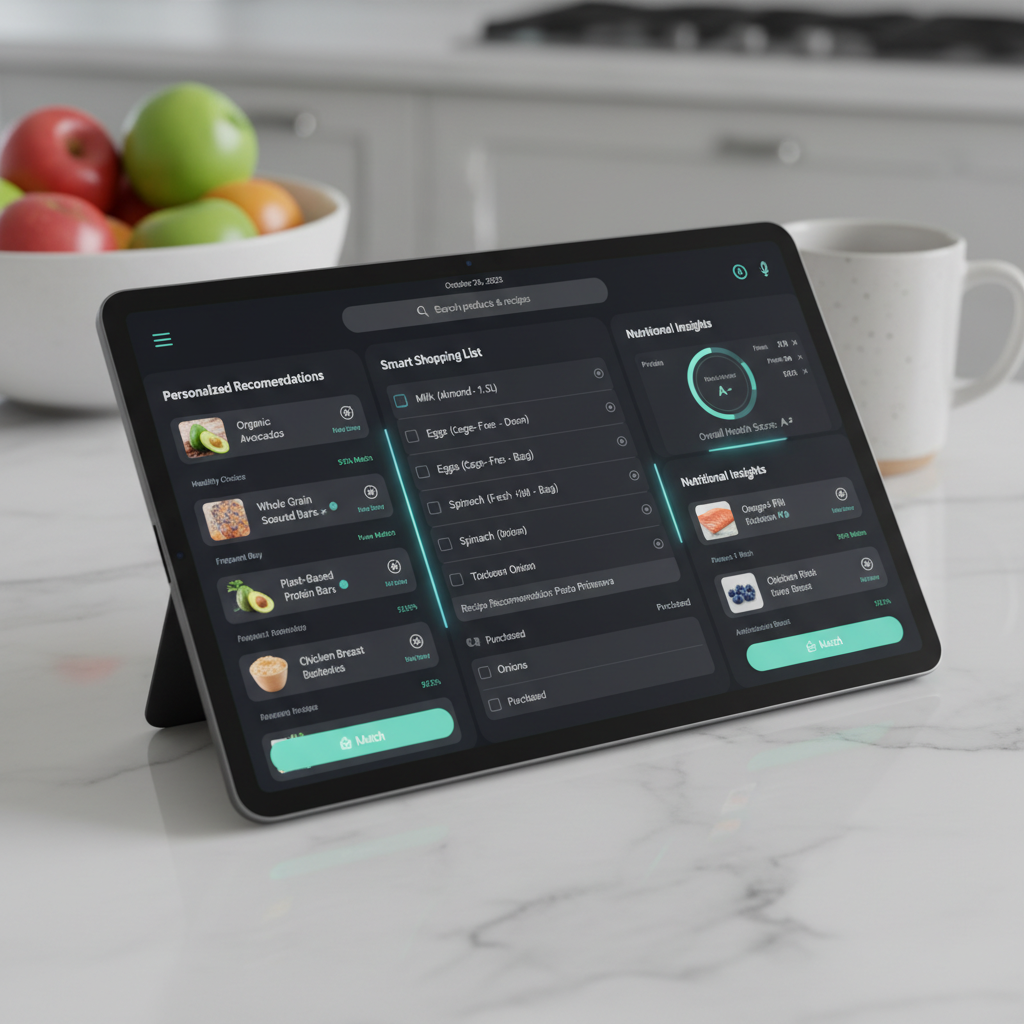
Modern smart refrigerators, particularly models from Samsung (Family Hub) and LG, go beyond mere cooling. They often feature internal cameras that allow you to see what’s inside from your phone, eliminating redundant grocery purchases. Crucially, their AI capabilities extend to inventory management, tracking expiration dates, and suggesting recipes based on available ingredients. Some models can even generate grocery lists automatically, linking directly to online shopping platforms. This dramatically reduces food waste and streamlines meal planning by making ingredient management an intelligent, automated process.
Voice-Activated Kitchen Assistants and Smart Displays
While not strictly cooking gadgets themselves, devices like the Amazon Echo Show or Google Nest Hub Max act as central AI hubs in the kitchen. They can pull up recipes with voice commands, convert measurements, set multiple timers, play cooking videos, and even control other smart kitchen appliances. Their AI-driven natural language processing makes them invaluable hands-free assistants, guiding you through complex recipes, offering substitutions, and answering culinary questions on the fly, all without you having to touch a screen with sticky fingers.
Specialized AI Cooking Aids: Scales and Food Scanners
Beyond the larger appliances, smaller AI-powered gadgets are also making an impact. Smart scales can not only measure ingredients precisely but also track nutritional information for complex recipes and integrate with health tracking apps. Future developments include handheld food scanners that use spectroscopic analysis to determine the nutritional content, ripeness, or even the presence of contaminants in food items, providing unprecedented insight into what we eat before it even enters the pan.
These gadgets, whether working individually or in concert, form a connected ecosystem that aims to remove the guesswork, reduce the effort, and elevate the joy of cooking, transforming our kitchens into truly smarter, more responsive environments.
How AI Elevates Meal Planning and Ingredient Management
One of the most tedious and time-consuming aspects of home cooking is often not the cooking itself, but the preceding steps: deciding what to make, checking if you have the ingredients, and then going shopping. This is where AI truly shines, transforming meal planning and ingredient management from a chore into an effortless, personalized experience.
Intelligent Meal Planning Algorithms
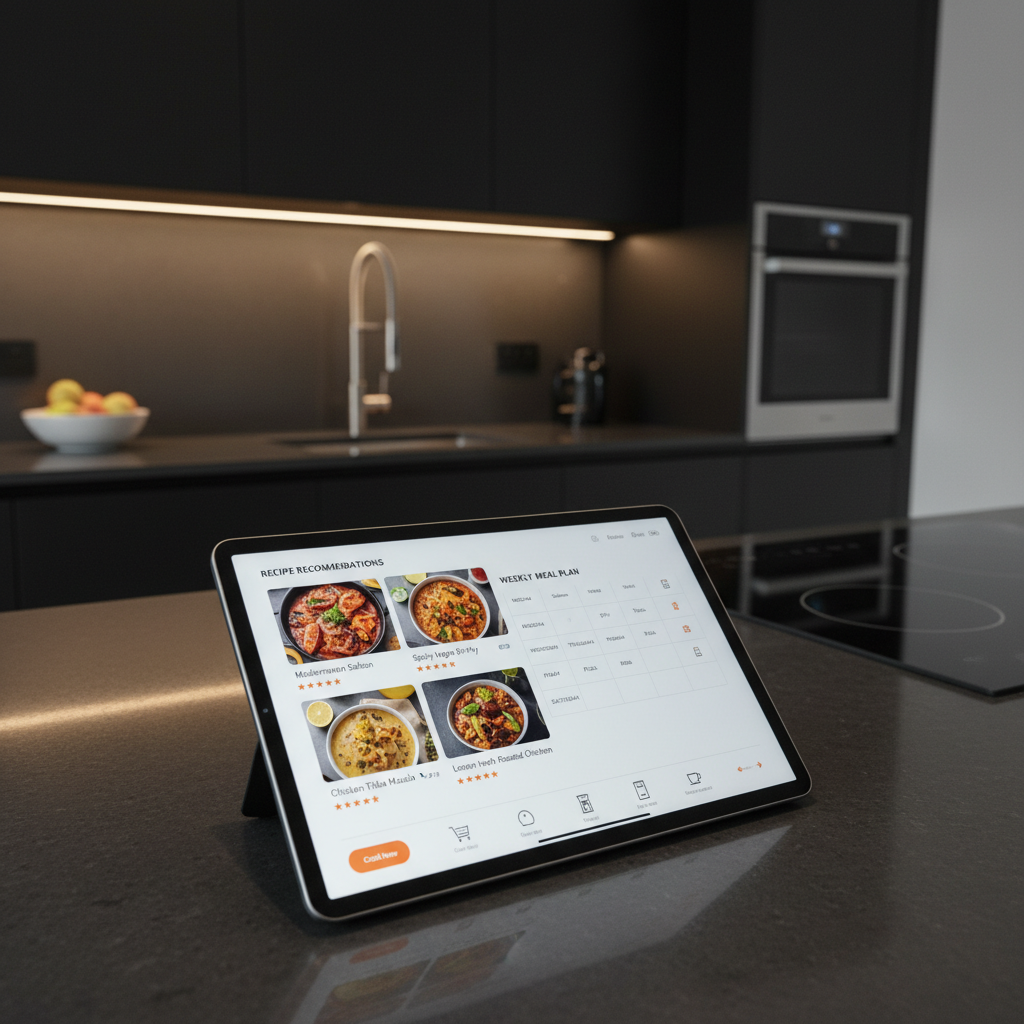
AI-powered meal planning apps and integrated refrigerator systems leverage machine learning to create customized meal plans tailored to your household. Instead of generic suggestions, these systems consider a multitude of factors:
- Dietary Preferences and Restrictions: Whether you’re vegetarian, vegan, gluten-free, keto, or managing allergies, AI can filter and suggest recipes that strictly adhere to your dietary needs, often cross-referencing ingredient lists with known allergens.
- Nutritional Goals: If you’re aiming for weight loss, muscle gain, or simply a balanced diet, AI can suggest meals optimized for caloric intake, macronutrient distribution (protein, carbs, fats), and micronutrient content. Some apps can even integrate with wearable fitness trackers to adjust recommendations based on your activity levels.
- Personalized Tastes: Over time, AI learns your family’s favorite cuisines, ingredients, and even specific dishes. It notes what recipes you make often and what you discard, refining its suggestions to match your palate perfectly.
- Budget and Sales Optimization: Advanced AI can scan local grocery store flyers and sales data, then suggest recipes that utilize ingredients currently on discount, helping you save money while still eating well.
This level of intelligent planning eliminates decision fatigue and ensures that every meal aligns with your lifestyle and health objectives, making healthy eating more sustainable and less daunting.
Automated Ingredient Tracking and Shopping Lists
The synergy between smart refrigerators and AI-powered pantry management systems is a game-changer for ingredient management. Smart fridges with internal cameras can identify items, track their quantities, and even monitor expiration dates. This data is then fed to an AI system that knows what you have on hand and how fresh it is.
- Real-time Inventory: No more guessing if you have enough milk or running out of a crucial spice mid-recipe. Your smart fridge or pantry app provides an up-to-date inventory.
- Reduced Food Waste: By tracking expiration dates, AI can suggest recipes that use ingredients nearing their sell-by date, significantly reducing food waste – a major environmental and economic benefit.
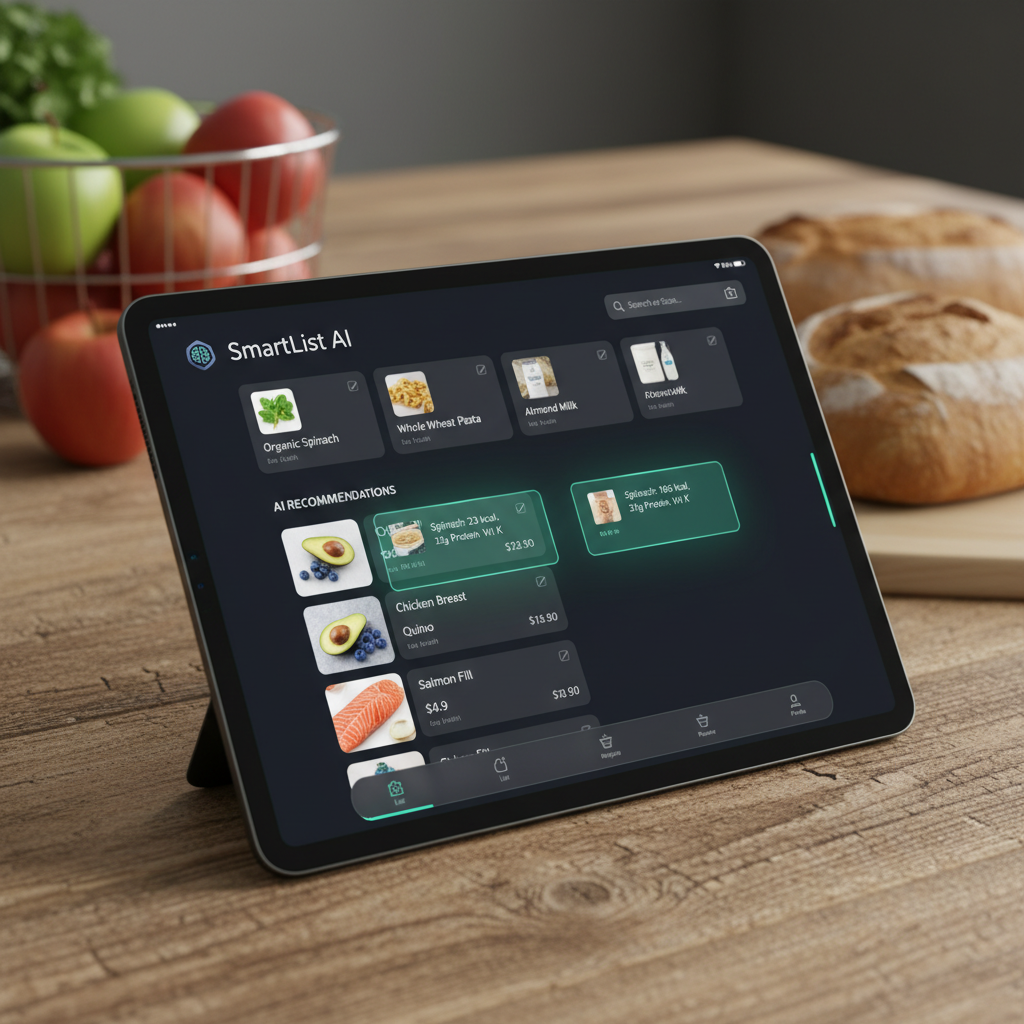
- Smart Shopping Lists: Based on your chosen meal plan and current inventory, the AI automatically generates a comprehensive shopping list. This list can be categorized by aisle, integrated with online grocery delivery services, or even optimized for specific stores where your preferred ingredients are on sale.
- Recipe Adjustments: If you’re missing a key ingredient for a planned meal, the AI can suggest smart substitutions or offer alternative recipes that use what you already have, saving you a last-minute trip to the store.
By automating these often-overlooked but crucial aspects of cooking, AI ensures that the journey from idea to plate is smooth, efficient, and surprisingly stress-free. It transforms the chaotic ritual of meal prep into a well-orchestrated ballet, giving you more time to enjoy the act of cooking and the company of those you share your meals with.
The Promise of Personalized Nutrition and Dietary Adherence
In an era where health and wellness are paramount, personalized nutrition stands out as a significant promise of AI in the kitchen. Generic dietary advice often falls short because individual metabolic responses, health goals, and genetic predispositions vary widely. AI bridges this gap, offering a highly tailored approach to what and how we eat, significantly improving dietary adherence and health outcomes.
Hyper-Personalized Dietary Recommendations
AI systems can analyze an unprecedented amount of personal data to generate truly individualized nutritional guidance. This data can come from various sources:
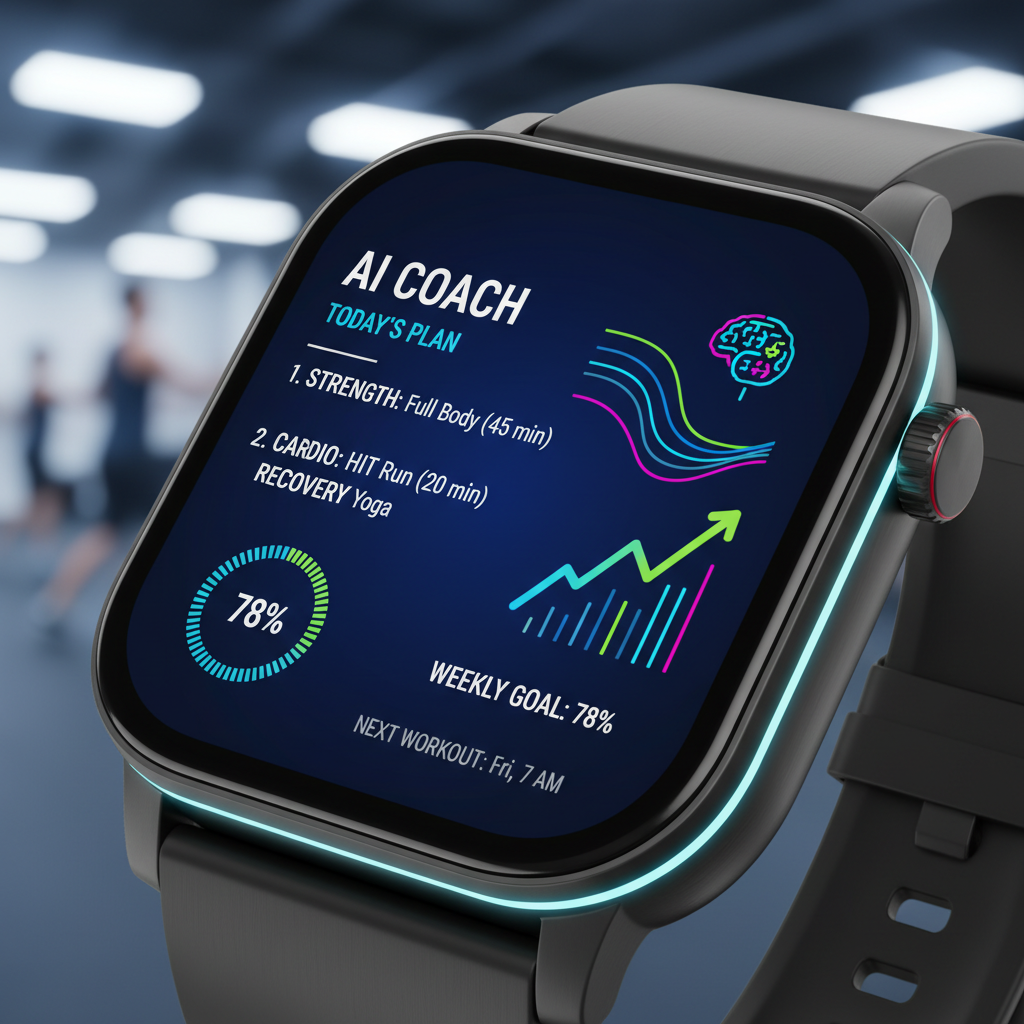
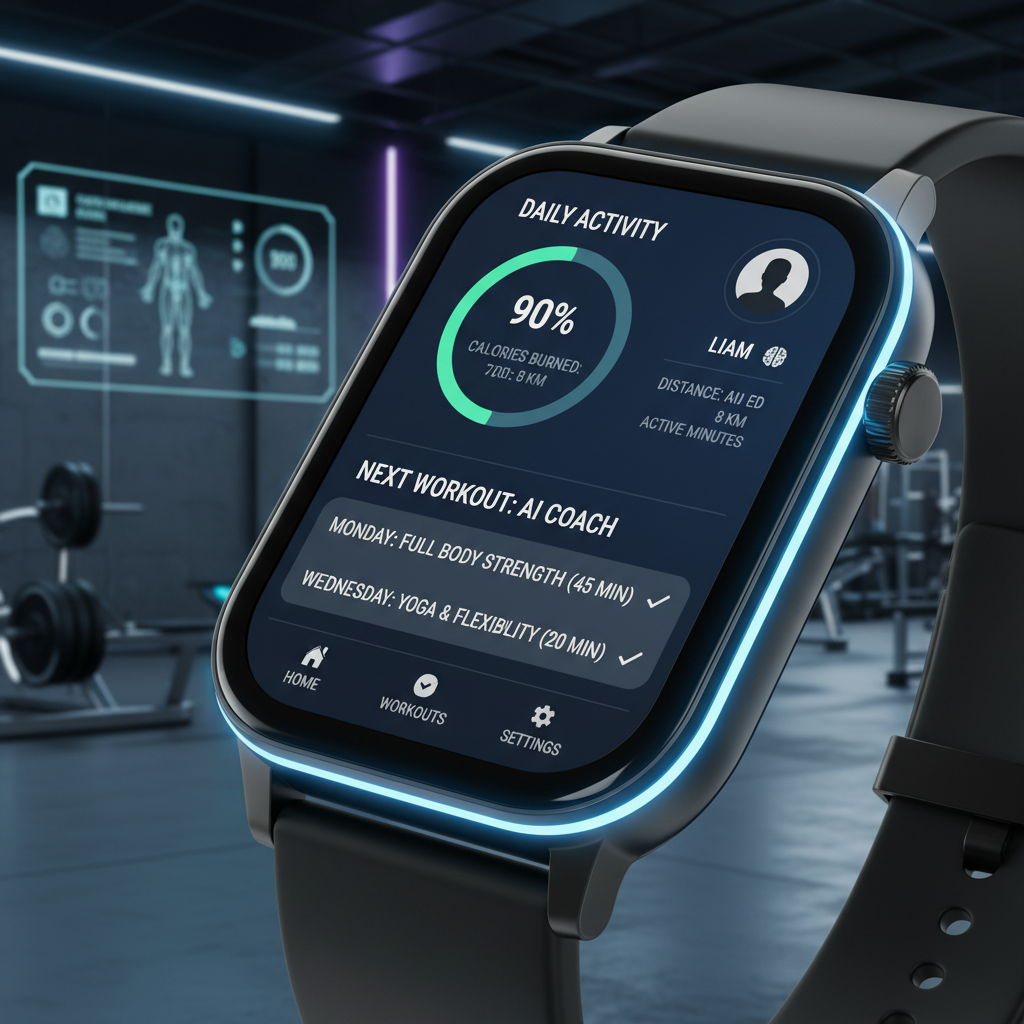
- Wearable Devices: Fitness trackers and smartwatches provide real-time data on activity levels, heart rate, sleep patterns, and even stress, allowing AI to dynamically adjust caloric and macronutrient recommendations.
- Dietary Trackers and Journals: AI can learn from your historical food intake, identifying patterns, nutrient gaps, and potential triggers for unhealthy eating habits.
- Health Records and Genetic Information (future potential): While still in early stages for consumer products, the integration of anonymized health records and genetic predispositions could allow AI to recommend foods that optimize specific biomarkers, prevent disease, or enhance performance based on individual biology. For example, suggesting foods rich in specific vitamins if your genetic profile indicates a predisposition to deficiency.
With this comprehensive understanding, AI can craft meal plans that not only cater to taste preferences and dietary restrictions but also actively contribute to specific health goals, whether it’s managing blood sugar for diabetics, reducing inflammation, or optimizing nutrient intake for athletes. The system can even account for daily variations, suggesting a higher protein meal after an intense workout or a lighter option on a rest day.
Enhancing Dietary Adherence through Smart Coaching
Adhering to a diet, especially a restrictive one, is notoriously difficult due to lack of motivation, complex meal prep, and the temptation of convenience foods. AI addresses these challenges through smart coaching and simplified execution:
- Simplified Meal Prep: As discussed, AI-powered gadgets automate and simplify cooking processes. If your diet requires precise portion control or specific cooking methods, smart scales and ovens ensure perfect execution, removing the barriers of culinary complexity.
- Real-time Nutritional Feedback: Some smart scales or chopping boards can provide instant nutritional breakdowns as you add ingredients, allowing you to stay within your targets without complex manual calculations.
- Automated Reminders and Encouragement: AI-powered apps can send gentle reminders about meal times, water intake, or even suggest healthy snack alternatives when hunger strikes, acting as a personal nutritionist.
- Adaptive Meal Plans: If you deviate from your plan, the AI can intelligently adjust subsequent meals to help you get back on track without feeling deprived or overwhelmed. For example, if you overate at lunch, it might suggest a lighter dinner option.
- Education and Insight: Beyond just telling you what to eat, AI can provide explanations about why certain foods are beneficial for your goals, enhancing your understanding of nutrition and fostering healthier long-term habits.
By integrating seamless planning, precise execution, and continuous support, AI transforms the often-challenging journey of dietary adherence into an empowering and achievable path towards better health. It moves beyond prescriptive diets to a truly holistic and adaptive approach to personal nutrition, making healthy eating not just a goal, but a sustainable way of life.
Addressing Concerns: Cost, Privacy, and Learning Curves
While the benefits of AI in the kitchen are compelling, it’s essential to address the practical concerns that potential users might have. Like any emerging technology, AI kitchen gadgets come with considerations regarding cost, data privacy, and the learning curve involved in integrating them into daily life.
The Cost of Innovation
Currently, many advanced AI kitchen appliances and integrated systems represent a significant investment. Smart ovens, high-end all-in-one cookers, and smart refrigerators often carry premium price tags compared to their conventional counterparts. This initial cost can be a barrier for many households. However, it’s crucial to view this from a broader perspective:
- Long-term Value: The investment can be offset by benefits such as reduced food waste, more efficient energy consumption (in some cases), and the potential for healthier eating, which can lead to fewer healthcare costs.
- Market Evolution: As with all technology, prices tend to decrease as adoption grows and manufacturing scales. What is premium today may become standard and more affordable tomorrow. Entry-level smart gadgets and subscription services for AI meal planning are already making the technology more accessible.
- Modular Approach: Consumers don’t need to overhaul their entire kitchen at once. They can start with a single AI-powered gadget, like a smart scale or a voice assistant, and gradually expand their smart kitchen ecosystem.
For budget-conscious consumers, it’s about weighing the upfront cost against the long-term savings and improvements in quality of life.
Data Privacy and Security
AI kitchen gadgets collect a wealth of data: your cooking habits, dietary preferences, ingredient inventory, and potentially even health goals. This raises legitimate concerns about data privacy and security.
- Data Collection: Manufacturers collect this data to improve algorithms, personalize recommendations, and potentially for marketing purposes. Users must be aware of what data is being collected and how it’s being used.
- Security Risks: Like any internet-connected device, smart kitchen gadgets can be vulnerable to cyber threats. A breach could expose personal information or even allow unauthorized control over appliances.
- Transparency and Control: Reputable manufacturers are increasingly transparent about their data policies and offer users more control over their data, including options to opt-out of certain data sharing or anonymize their information.
It’s imperative for consumers to read privacy policies carefully, choose products from trusted brands with strong security track records, and ensure their home networks are secure. The industry is also moving towards stronger data protection standards to build consumer trust.
The Learning Curve
Integrating new technology into daily routines can sometimes feel daunting. While AI aims to simplify, there’s often an initial learning curve:
- Setup and Configuration: Connecting devices, setting up apps, and configuring preferences can take time and some technical literacy.
- Adapting to New Workflows: Moving from traditional cooking methods to AI-guided processes requires a shift in habits. For example, relying on an oven to identify food rather than manually setting timers.
- Trusting the Technology: Initially, there might be a natural skepticism about trusting an algorithm to perfectly cook a meal or manage an entire pantry. Building this trust takes time and positive experiences.
Manufacturers are investing heavily in user-friendly interfaces, intuitive apps, and comprehensive tutorials to minimize this learning curve. The goal is for the technology to fade into the background, becoming a seamless and indispensable part of the cooking experience rather than an additional layer of complexity.
By proactively addressing these concerns, consumers can make informed decisions and embrace AI in the kitchen with confidence, ensuring that the benefits truly outweigh the challenges.
The Future of AI in Home Kitchens
The current state of AI in the kitchen, while impressive, is merely the appetizer for what’s to come. The trajectory of innovation suggests a future where our culinary spaces are even more intuitive, autonomous, and seamlessly integrated into our holistic well-being. This future promises to redefine not just how we cook, but our entire relationship with food.
Advanced Robotics and Automation
While today’s AI focuses on intelligence within existing appliances, the next frontier involves physical automation. Imagine robotic arms that can precisely chop vegetables, stir pots, or even plate meals. Companies like Moley Robotics are already demonstrating advanced robotic kitchen prototypes capable of replicating complex recipes with astonishing dexterity. In the future, smaller, more affordable versions of these robotic assistants could handle repetitive or intricate tasks, freeing up human cooks for creative aspects or simply to relax. These robots would not just follow instructions but learn from observations and refine their movements, making them increasingly efficient and adaptable.
Hyper-Personalization and Predictive Health
The personalization currently offered by AI will evolve to an extraordinary degree. Integrated sensors in wearables and smart home devices could provide real-time biomarkers, stress levels, and even gut microbiome data. AI could then proactively suggest meals that not only taste good but actively optimize your health, prevent potential ailments, or enhance cognitive function based on your precise biological state at any given moment. This goes beyond diet management to truly predictive health through food, potentially alerting you to nutritional deficiencies before symptoms appear and recommending specific ingredients or supplements.
Sustainable and Ethical Cooking
AI will play a pivotal role in fostering more sustainable and ethical cooking practices. By meticulously tracking ingredient inventory and predicting consumption patterns, AI can virtually eliminate food waste in the home. Furthermore, AI systems could recommend locally sourced, seasonal ingredients, reduce energy consumption during cooking, and even suggest plant-based alternatives to meat, aligning with environmental goals without compromising flavor or nutrition. Supply chain transparency, enabled by AI, could inform consumers about the ethical sourcing and environmental footprint of every ingredient, empowering more conscious culinary choices.
Interactive and Immersive Culinary Experiences
The kitchen of the future will be a hub of immersive culinary education and entertainment. Imagine augmented reality (AR) overlays on your smart counter, guiding you through a recipe with holographic instructions, showing exactly where to cut or how to fold dough. AI-powered chefs could offer virtual cooking classes, adapting to your skill level in real-time, providing feedback on technique, and even introducing you to global cuisines with cultural context. This transforms cooking from a solitary task into an engaging, interactive learning adventure.
Seamless Integration into the Smart Home Ecosystem
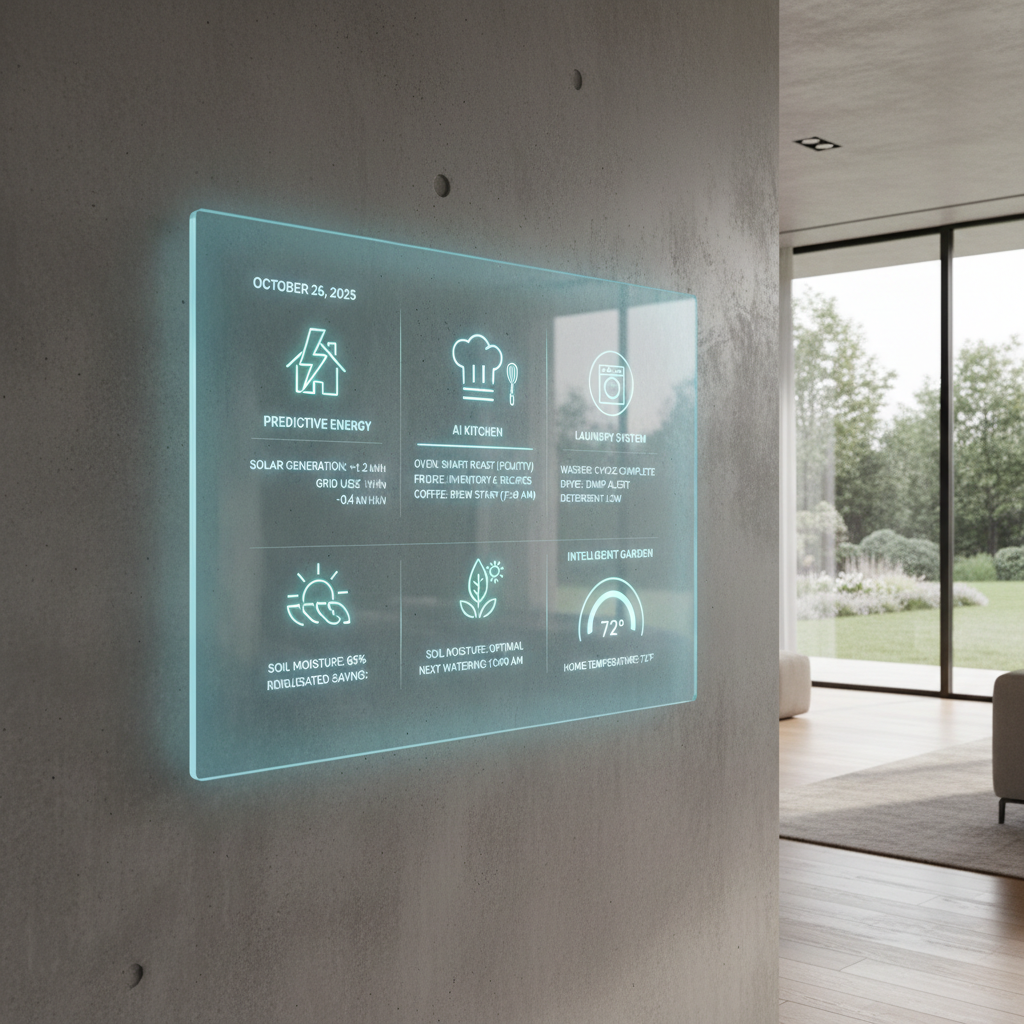
AI kitchen gadgets will not operate in isolation. They will be deeply integrated into the broader smart home ecosystem. Your kitchen might communicate with your smart garden to harvest fresh herbs, with your smart lighting to adjust ambiance for dinner, or with your entertainment system for background music while you cook. This creates a cohesive, intelligent living environment where every device contributes to your comfort, efficiency, and well-being, making the kitchen a truly smarter and more connected space.
The journey towards a fully AI-powered kitchen is one of continuous discovery and refinement. As technology advances and becomes more ubiquitous, our kitchens will cease to be just places where food is prepared; they will become intelligent partners in our quest for healthier, more enjoyable, and more sustainable living.
Comparison Tables
Table 1: AI-Powered Kitchen Gadgets – A Feature Comparison
| Gadget Category | Example Product(s) | Key AI/Smart Features | Primary Benefit | Typical Price Range |
|---|---|---|---|---|
| Smart Oven | June Oven, Tovala Smart Oven | Computer vision food recognition, predictive cooking algorithms, remote control, meal kit integration, self-adjusting temperatures. | Precision cooking, consistent results, simplified meal prep, hands-off operation. | $300 – $1500+ |
| All-in-One AI Cooker/Processor | Thermomix (with smart features), Cookidoo platform | Guided cooking, integrated scales, temperature control, recipe adaptation, automated chopping/blending/steaming. | Streamlined multi-step recipes, culinary skill elevation, time-saving, reduced kitchen clutter. | $1500 – $2500+ |
| Smart Refrigerator | Samsung Family Hub, LG InstaView | Internal cameras for inventory, expiration date tracking, AI recipe suggestions based on content, smart shopping lists, calendar/memo functions. | Reduced food waste, efficient meal planning, remote pantry check, family communication hub. | $2000 – $5000+ |
| Voice-Activated Kitchen Assistant | Amazon Echo Show, Google Nest Hub Max | Natural Language Processing (NLP) for voice commands, recipe display, step-by-step guidance, timers, unit conversion, smart appliance control. | Hands-free cooking assistance, quick answers to culinary questions, centralized control of smart kitchen. | $100 – $300 |
| Smart Scale / Nutritional Analyzer | Renpho Smart Scale (food scale), future food scanners | Precise weight measurement, nutritional breakdown (calories, macros), dietary tracking integration, portion control guidance. | Accurate ingredient measurement, personalized nutrition tracking, enhanced dietary adherence. | $30 – $150 |
Table 2: Traditional vs. AI-Assisted Cooking – A Comparative View
| Aspect | Traditional Cooking | AI-Assisted Cooking | Impact of AI |
|---|---|---|---|
| Meal Planning | Manual searching, checking cookbooks/websites, relies on memory for inventory. | AI suggests recipes based on inventory, diet, preferences, and sales; automates shopping lists. | Significantly reduces decision fatigue and time spent, optimizes nutrition and budget. |
| Ingredient Management | Visual inspection, manual tracking of expiration dates, often leads to waste. | Smart fridges/pantries track inventory, monitor freshness, suggest usage for expiring items. | Minimizes food waste, ensures fresh ingredients, streamlines grocery trips. |
| Cooking Process | Manual temperature/timer setting, constant monitoring, relies on cook’s skill/experience. | AI-powered appliances identify food, auto-adjust settings, provide real-time feedback, guided steps. | Increased precision, consistency, reduced human error, accessible to all skill levels. |
| Personalization | Limited to cook’s knowledge of preferences, difficult to track detailed dietary needs. | Learns preferences, adapts recipes for dietary needs, nutritional goals, health data integration. | Highly individualized meals, better health outcomes, sustainable dietary adherence. |
| Time & Effort | High effort in planning, prep, monitoring, and cleanup. | Reduced effort in planning/prep, automated cooking steps, less cleanup (e.g., all-in-one cookers). | Frees up significant time, reduces stress, makes cooking more enjoyable. |
| Learning Curve | Steep; requires extensive practice, often trial and error, mastering techniques. | Minimal for basic use, guided recipes, AI feedback helps learn complex techniques faster. | Democratizes complex cooking, empowers beginners, helps advanced cooks refine skills. |
| Cost (Initial) | Lower for basic appliances. | Higher for AI-integrated appliances. | Higher initial investment, but potential long-term savings and health benefits. |
| Environmental Impact | Can lead to food waste, less energy efficiency if not mindful. | Significantly reduces food waste, optimizes energy use, promotes sustainable ingredient choices. | Positive impact through efficiency and waste reduction. |
Practical Examples and Real-World Scenarios
To truly grasp the impact of AI in the kitchen, let’s look at some real-world scenarios where these gadgets transform everyday cooking challenges into seamless experiences.
Scenario 1: The Busy Professional’s Weeknight Dinner
Challenge: Sarah is a busy marketing manager. After a long day, the last thing she wants is to spend an hour meal planning and another hour cooking. She often resorts to unhealthy takeout or pre-packaged meals, feeling guilty about her nutrition and budget.
AI Solution: Sarah uses an AI meal planning app integrated with her smart refrigerator. On Sunday, the app scans her fridge’s contents (some chicken breasts, spinach, bell peppers) and her pantry, noting her preference for quick, healthy Mediterranean dishes and her goal to reduce red meat intake. It suggests a week’s worth of meals, including a sheet-pan chicken and veggie roast for Monday. The app automatically adds missing ingredients to her online grocery cart, which she orders for delivery.
On Monday evening, she preps the ingredients in minutes. Her Tovala Smart Oven recognizes the chicken and vegetables placed inside. It then suggests the optimal cooking program, considering the weight and desired doneness. Sarah places the tray in the oven, starts the program from her phone on her commute home, and the oven handles the rest, perfectly roasting the meal while she unwinds. Dinner is ready, perfectly cooked, healthy, and on time, without the usual stress or guesswork.
Scenario 2: The Aspiring Home Baker Tackling a Soufflé
Challenge: Mark loves baking but finds delicate recipes like a soufflé intimidating. He struggles with precise temperature control, timing, and knowing exactly when to fold ingredients without deflating the batter. His previous attempts have been inconsistent, often resulting in flat, dense soufflés.
AI Solution: Mark uses his voice-activated smart display and an AI-enabled smart stand mixer. He asks his Google Nest Hub Max for a soufflé recipe. The display pulls up a detailed, step-by-step video guide. As he follows along, the smart mixer, equipped with a scale, precisely measures out flour and sugar, and its AI guides him on whisking speeds and durations. When it comes to baking, his June Oven, with its internal camera, monitors the soufflé’s rise and browning in real-time. The AI adjusts the oven temperature slightly to prevent over-browning while ensuring the interior cooks perfectly. The smart display gives him verbal cues: “The soufflé is rising beautifully, Mark. It needs about 5 more minutes at this temperature.” For the first time, Mark produces a perfectly risen, golden-brown soufflé, gaining confidence to tackle more complex recipes.
Scenario 3: Managing Dietary Restrictions for a Family
Challenge: The Johnson family has diverse dietary needs: Dad is diabetic, their daughter is vegetarian, and their son has a nut allergy. Planning meals that cater to everyone while still being appealing and balanced is a constant struggle, often leading to multiple meals being cooked or limited variety.
AI Solution: The Johnson family utilizes a comprehensive AI meal planning platform. Each family member’s dietary profile (diabetes management, vegetarianism, nut allergy) is entered. The AI then cross-references these profiles against a vast database of recipes, suggesting meals that can either be universally enjoyed or easily adapted. For instance, it might suggest a lentil curry that can be served with rice for the vegetarian daughter, and with a lean protein (prepared separately in a smart pressure cooker) for Dad, ensuring all ingredients are nut-free. The system highlights which ingredients need specific attention for Dad’s blood sugar management and tracks their collective nutritional intake, ensuring everyone receives adequate nutrients while adhering to their restrictions. The shopping list is automatically generated, flagging nut-free products. This system not only simplifies meal planning but also brings peace of mind, knowing everyone’s health needs are being met safely and deliciously.
These examples illustrate how AI isn’t just a futuristic concept but a practical tool making a tangible difference in the daily lives of home cooks, fostering efficiency, health, and culinary exploration.
Frequently Asked Questions About AI in the Kitchen
Q: What exactly does AI do in kitchen gadgets?
A: AI in kitchen gadgets enables them to “think” and “learn.” This means they can perform tasks like recognizing food items, adjusting cooking parameters based on real-time conditions (like temperature or browning level), suggesting personalized recipes, managing inventory, and even learning your preferences over time. Essentially, AI helps appliances become more intelligent, adaptive, and helpful, moving beyond simple automation to genuine assistance.
Q: Are AI kitchen gadgets expensive, and are they worth the investment?
A: The initial cost of AI kitchen gadgets can indeed be higher than traditional appliances. High-end smart ovens or all-in-one cookers can range from hundreds to thousands of dollars. However, the value proposition includes reduced food waste (due to better inventory management), potential energy savings from optimized cooking, and the health benefits of personalized nutrition. For many, the time saved, reduction in cooking stress, and access to consistent, perfectly prepared meals make the investment worthwhile. As the technology matures and becomes more widespread, prices are also expected to become more competitive.
Q: How secure is my data with these AI kitchen devices?
A: Data security is a significant concern for any internet-connected device. AI kitchen gadgets collect data on your cooking habits, preferences, and potentially nutritional goals. Reputable manufacturers employ robust encryption and cybersecurity measures to protect this data. It’s crucial to choose products from trusted brands, use strong, unique passwords for your smart home network and device accounts, and regularly update device firmware. Always review the privacy policy of any gadget or app to understand what data is collected and how it’s used.
Q: Can AI help with specific diets or food allergies?
A: Absolutely, this is one of AI’s strongest advantages. AI meal planning apps and smart refrigerators can be programmed with specific dietary needs like vegetarian, vegan, keto, gluten-free, or specific food allergies (e.g., nut, dairy, shellfish). The AI then filters recipes, generates meal plans, and creates shopping lists that strictly adhere to these restrictions, often cross-referencing ingredients to avoid cross-contamination or allergens. This significantly simplifies managing complex dietary requirements for individuals and families.
Q: Do I need to be tech-savvy to use AI kitchen gadgets?
A: While an initial setup might require some familiarity with apps and Wi-Fi connections, most AI kitchen gadgets are designed with user-friendliness in mind. Manufacturers invest heavily in intuitive interfaces, guided setup processes, and voice controls to make the technology accessible to a wide audience. The goal of AI is to simplify, not complicate, so even those with limited tech experience can quickly learn to benefit from these intelligent tools.
Q: What are the main benefits of integrating AI into my cooking routine?
A: The primary benefits include: Time Savings (less planning, less monitoring), Reduced Stress (less guesswork, fewer cooking failures), Improved Consistency (perfectly cooked meals every time), Personalized Nutrition (meals tailored to health goals and preferences), Reduced Food Waste (intelligent inventory management), and Expanded Culinary Skills (guided cooking empowers beginners and advanced cooks alike).
Q: Are there any downsides or limitations to current AI cooking technology?
A: Yes, current limitations include the initial high cost, potential data privacy concerns if not managed correctly, a slight learning curve, and the fact that AI can sometimes lack the ‘intuition’ of an experienced human chef for highly nuanced, creative cooking. There’s also the reliance on connectivity; if your internet is down, some smart features might be limited. However, these limitations are continuously being addressed as the technology evolves.
Q: How does AI prevent burning food or overcooking?
A: AI prevents burning and overcooking through a combination of sophisticated sensors and predictive algorithms. Smart ovens use internal cameras and temperature probes to monitor the food’s real-time state, detecting browning levels or internal temperatures. The AI then compares this data to desired outcomes and adjusts cooking time or temperature accordingly, often making micro-adjustments that a human might miss. Voice assistants can also set precise timers and alert you proactively, minimizing the chances of culinary mishaps.
Q: Can AI help me learn new recipes or cooking techniques?
A: Absolutely! Many AI-powered kitchen assistants and smart displays offer step-by-step guided recipes, often with video tutorials. They can provide real-time feedback, answer questions about techniques, and even suggest substitutions if you’re missing an ingredient. This turns your kitchen into a personalized culinary school, empowering you to explore new cuisines and master complex techniques with confidence.
Q: Is AI going to replace human chefs or the joy of cooking?
A: While AI can automate many aspects of cooking, it’s highly unlikely to replace the human chef, especially in creative or professional contexts. Instead, AI serves as a powerful assistant, freeing up time, reducing mundane tasks, and enhancing precision. For home cooks, AI aims to reduce the burden of chores, allowing more time to enjoy the creative, social, and sensory aspects of cooking. It augments human skill and passion, rather than diminishing it, making the ‘joy of cooking’ more accessible and less stressful for everyone.
Key Takeaways: Savoring the Smarter Kitchen
The integration of Artificial Intelligence into our home kitchens is not just a passing fad but a profound shift in how we approach one of life’s most fundamental activities. As we’ve explored, AI gadgets are moving beyond mere novelty to become indispensable tools that enhance efficiency, health, and enjoyment in the culinary domain.
- AI Revolutionizes Every Stage: From intelligent meal planning and efficient grocery shopping to precise cooking and personalized nutrition, AI streamlines the entire food preparation lifecycle.
- Beyond Basic Automation: AI-powered appliances learn your preferences, adapt to real-time conditions, and offer predictive insights, providing a level of assistance far beyond traditional smart devices.
- Empowering Home Cooks: Whether you’re a seasoned chef or a kitchen novice, AI makes complex recipes accessible, ensures consistent results, and helps expand your culinary repertoire with confidence.
- Health and Sustainability Benefits: AI facilitates hyper-personalized nutrition tailored to individual health goals and significantly reduces food waste through intelligent inventory management and timely consumption suggestions.
- Addressing Challenges: While initial costs and data privacy are legitimate concerns, ongoing advancements are making the technology more affordable, secure, and user-friendly, minimizing the learning curve.
- A Glimpse into the Future: The evolution continues towards more advanced robotics, predictive health integration, sustainable culinary practices, and fully immersive, interactive cooking experiences.
- Enhancing, Not Replacing: AI serves as a powerful assistant, taking care of the tedious and technical aspects of cooking, thereby allowing us to focus more on the creativity, social connection, and sheer pleasure that cooking brings.
Embracing AI in the kitchen means embracing a future where home chores are genuinely simplified, where healthy eating is effortless, and where the heart of your home truly beats smarter.
Conclusion: The Smart Path to Culinary Bliss
The journey through the world of AI-powered cooking reveals a compelling vision for the future of our homes. Cooking, often perceived as a laborious daily obligation, is being radically transformed into an intelligent, intuitive, and deeply rewarding experience. By leveraging the power of artificial intelligence, our kitchens are evolving from mere functional spaces into smart, responsive environments that anticipate our needs, cater to our preferences, and actively contribute to our well-being.
We’ve moved beyond the rudimentary programmable timer to an era of computer vision-enabled ovens that identify food, refrigerators that manage your pantry, and voice assistants that guide you through gourmet recipes. This isn’t about eliminating the human element from cooking; rather, it’s about augmenting it. AI removes the mundane, the repetitive, and the anxiety-inducing aspects of meal preparation, allowing us to rediscover the joy and creativity inherent in cooking. It empowers us to eat healthier, reduce waste, and experiment with new flavors, all while reclaiming valuable time in our busy lives.
As these technologies become more sophisticated, accessible, and integrated, the line between science fiction and everyday reality will continue to blur. The kitchen of tomorrow will not just be a place where food is made; it will be a proactive partner in nurturing our health, our creativity, and our communal bonds. It’s a smart path to culinary bliss, where convenience meets consciousness, and every meal is an opportunity for innovation and enjoyment. The revolution is here, and it’s cooking up a storm.












































































Comments (1)
Simplifying Home Chores: AI Gadgets for a Smarter Household - The Revolution of AI and Cleaning - techswaraj.comsays:
November 10, 2025 at 2:21 pm[…] truly brings their value to light. Here are a few practical examples demonstrating how AI is simplifying home chores for different types of […]