
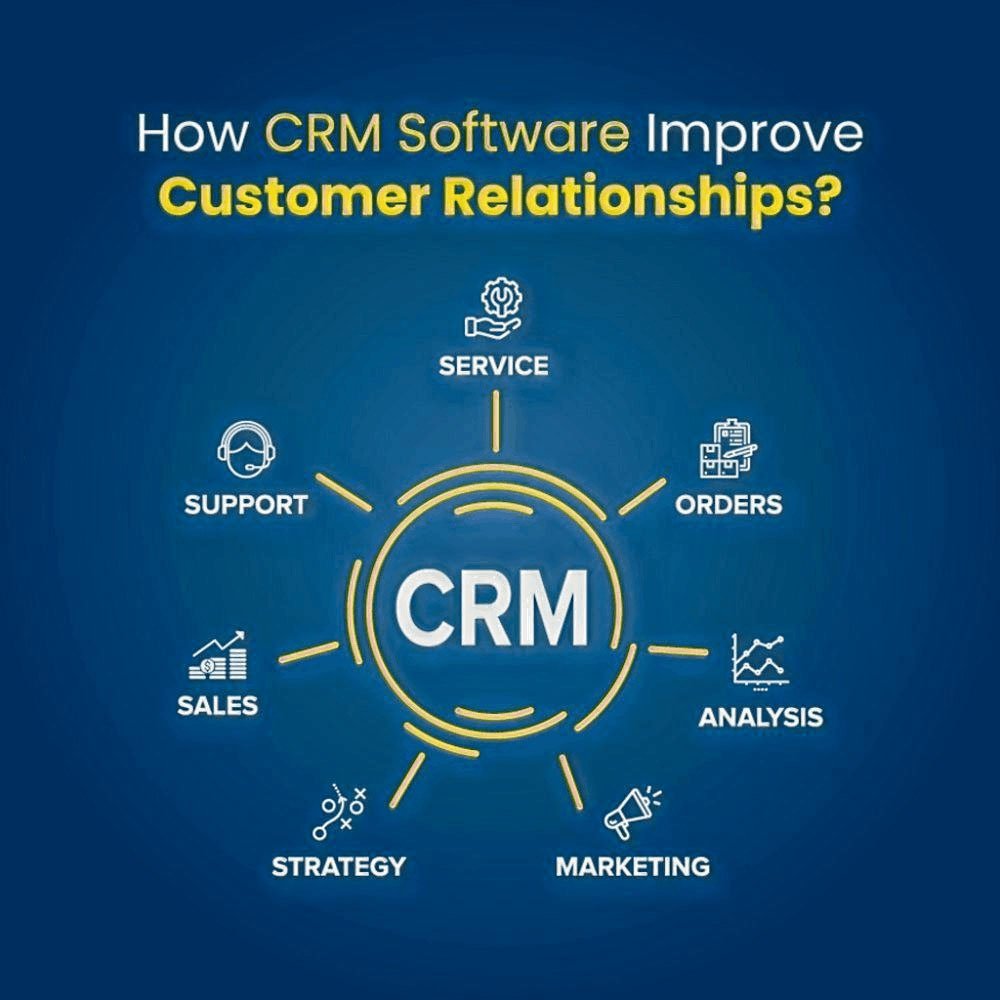
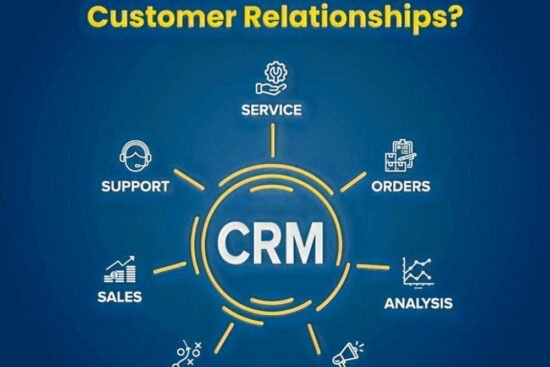
CRM, or Customer Relations Management (CRM) which is the term used to describe “Customer” in relation to Relationship Management It has grown from a simple contact management program to an advanced business intelligence platform. In 2026 the evolution of CRM software isn’t just about storing customer data, it’s about developing intelligent ecosystems that increase the customer experience as well as streamline engagement to enable long-term growth for businesses.
With the rapid development of cloud computing and artificial intelligence and the automation of data and analytics,, CRM platforms are becoming more sophisticated and accurate, as well as tightly integrated with enterprise processes. Businesses are investing massively on CRM innovation to improve customer retention, simplify sales funnels, and create seamless experiences across different platforms. As the increasing competition within different industries, CRM systems are now a vital tool instead of an alternative.
Let’s take a look at the most significant trends that will affect the evolution of CRM software by 2026.
AI-Driven CRM Intelligence
Artificial Intelligence will continue to lead CRM technology until 2026. Contemporary CRM software includes machines-learning algorithms which study the habits of clients, their purchases prior transactions, as well as their interactions. Instead of just keeping track of the past actions, CRM systems are capable of forecasting future outcomes.
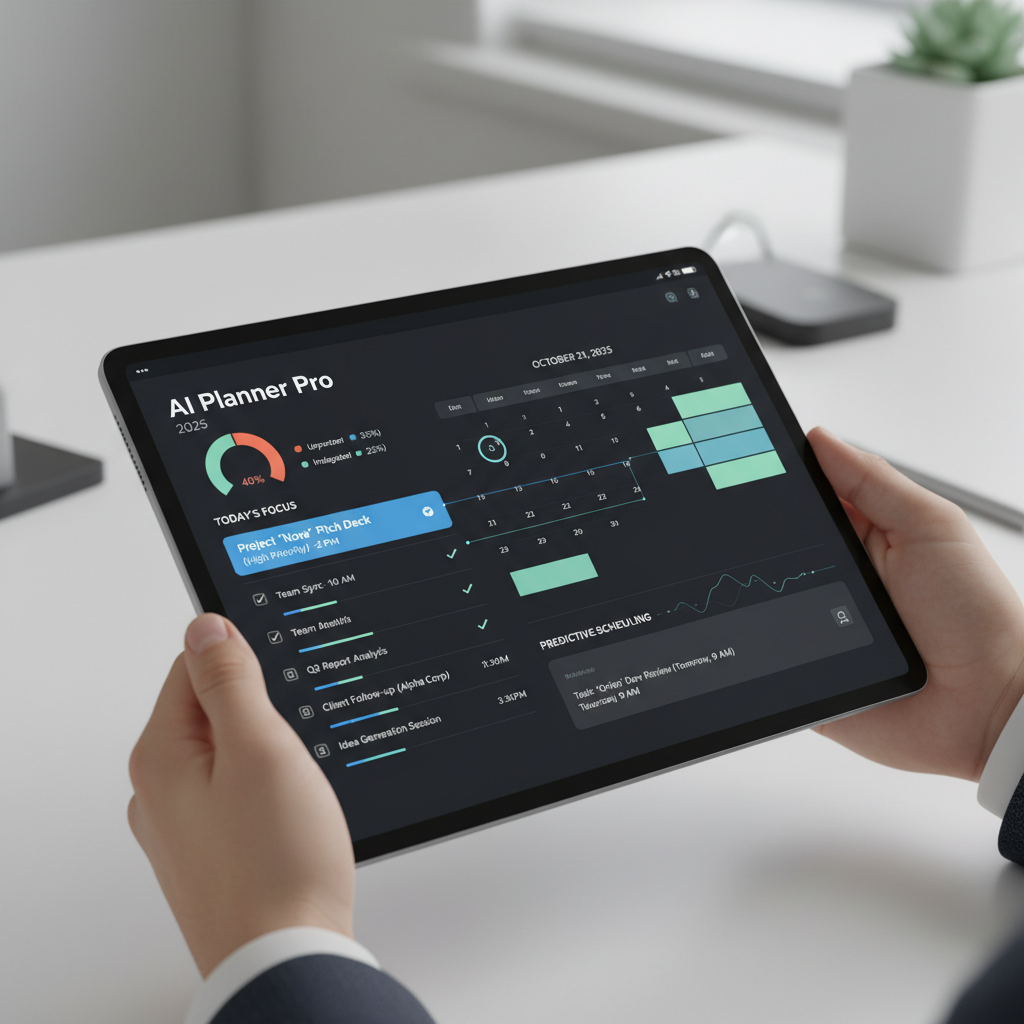
AI-powered CRM systems are able to forecast sales performance, identify the most valuable prospects and detect the possibility of churning before customers do. The predictive capabilities of CRM systems permit businesses to take proactive steps instead of reactive actions. The transition from descriptive analytics to predictive analytics is one of the most significant advancements in CRM this year.
Additionally, AI is helping automate routine tasks like email follow-up, task assignment and segmenting customers. This reduces manual effort and allows sales and marketing teams to focus on strategy and relationship-building.
Hyper-Personalization Through Data Insights
Personalization has moved beyond just addressing customers using their initials. In 2026 CRM development, CRM will concentrate on highly personalized experiences dependent on real-time information. Systems today monitor the actions of users via email and mobile apps for websites mobile websites and social networks to build dynamic profiles of customers.
This allows companies to offer customized recommendations, customized messages and offers that are customized. CRM software is able to change messages sent to users in accordance with their preferences as well as previous engagement. This type of personalization increases customer satisfaction and helps build the trust of your company’s brand.
The ability to create personalized customer journeys has become an advantage in the marketplace. Companies that make use of personalization in CRM are seeing higher conversion rates as well as increased retention of customers.
This CRM-specific customization requires low-code and without code.
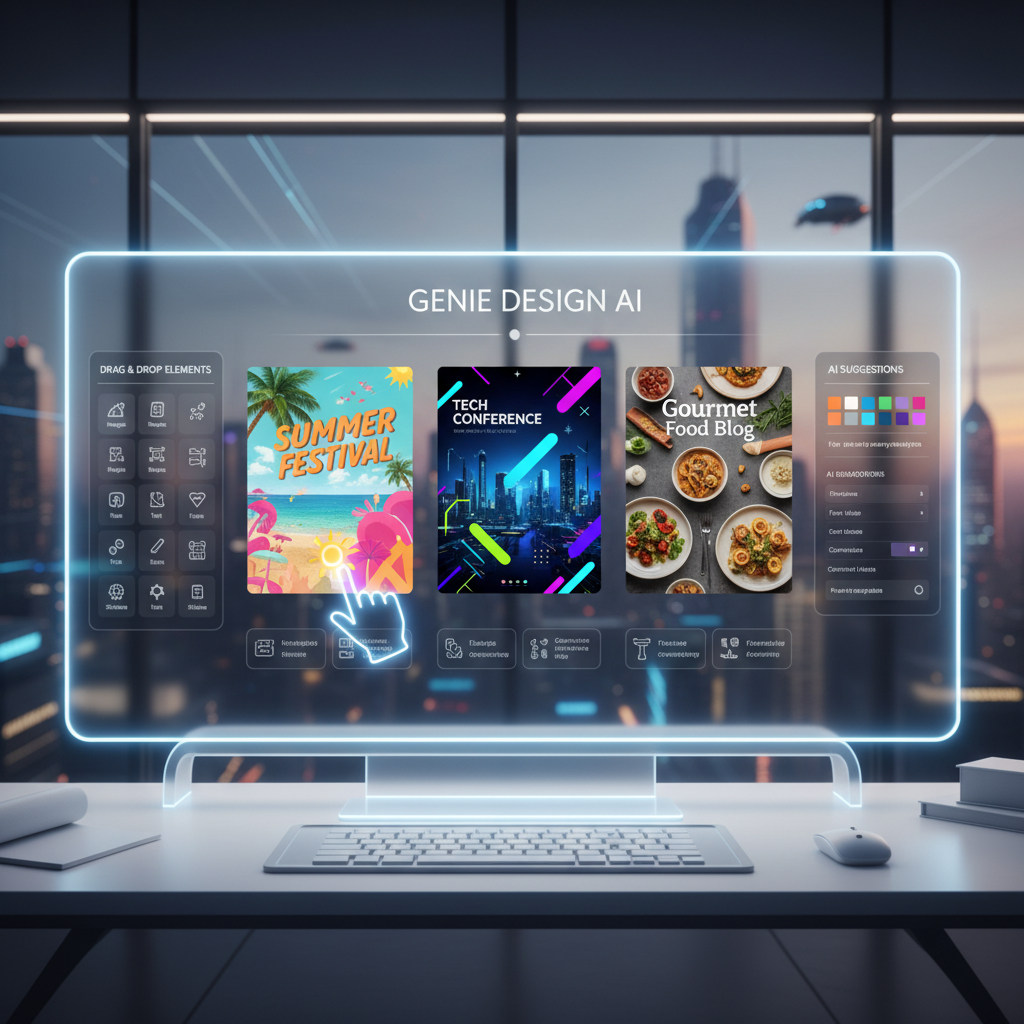
A further significant development in the development of CRM software for 2026 is the development of no-code and low-code solutions. Businesses do not require large development teams to create workflows or develop automated procedures. Modern CRM software offers visual builders, drag-and-drop programs and tools that allow people who are not technical edit dashboards, workflows and workflows as also dashboards and reporting systems.
The decentralization of CRM customization accelerates the pace for innovation. Sales managers can use CRM to design automated pipelines. Marketing departments can create nurturing sequences and support groups are able to design workflows to support service, without the need for IT department.
Because organizations are looking for flexible and agile CRM platforms that do not require code are getting more popular due to their speedy deployment and greater scaling.
Omnichannel Customer Engagement
Customers are now interacting with brands across a variety of platforms, including chat, email, social media, as well as mobile applications. The development of CRM in 2026 will concentrate on integrating these channels to provide a single interface.
The most modern CRM platforms keep track of interaction across every touchpoint, and blend them into one user profile. This makes certain that sales and support teams have an accurate overview of the customer’s past history, regardless of the location where the interaction occurred. If a customer initiates a live chat and continues to communicate by email The CRM will ensure continuity.
The seamless experience across all channels enhances customer satisfaction and strengthens the credibility of the brand. This also assists in eliminating data silos that have previously caused inefficiencies within companies.
The predictive Analytics and Intelligent Forecasting and Intelligent Analytics
Decision-making based on data is a crucial element to the advancement of CRM software. In 2026 software for predictive analysis CRM systems utilize are becoming more precise and sophisticated. Through the analysis of sales history as well as patterns in customer behavior, CRM platforms are able to predict trends in sales and identify opportunities for growth.
These insights will aid companies in making better use of their resources, and concentrate leads with the greatest likelihood of success. Predictive forecasting can boost the return on marketing by identifying the best time to engage customers with relevant offers.
In lieu of depending solely on guesswork Companies are now based upon strategic decisions that are made using AI-powered analytics which integrate directly into software for CRM.
Cloud-Native CRM Infrastructure
The cloud CRM system will continue to dominate the market through 2026. Businesses favor cloud-based solutions for their capacity to scale as in addition to their flexibility and efficiency. Contrary to traditional on-premise CRM systems, cloud CRM systems permit teams to access customer data any time, from anywhere and at any moment in real-time.
This is particularly important especially when you work remotely, or with hybrid systems. Cloud CRM gives you automatic updates, better security, as well as a more simple Integration with other programs. As the digital transformation accelerates, cloud infrastructure is fast becoming the norm for developing CRM.
Scalability is an additional benefit. Businesses can increase the storage capacity and incorporate new features, and add services without requiring major infrastructure modifications.
It’s now safer. Data Security and Compliance
With the ever-growing privacy demands for data around the globe, the advancement of CRM software by 2026 will be focused on security and safety. CRM systems currently incorporate the most recent encryption techniques that use role-based access control as well as AI-powered threat detection.
As businesses collect increasing amounts of customer information, ensuring data security for sensitive information is more vital. Modern CRM platforms detect unusual types of user access patterns and warn any security issues that could be present. Conformity with regulations like GDPR, as well as other laws governing data in various regions is incorporated into CRM systems in order to guarantee the transparency of data as well as accountability.
It is the basis of relationships with customers Secure CRM software aid in maintaining the trust of clients.
Integration with Business Ecosystems
CRM is no longer used as a stand-alone program. In 2026 the development of CRM software is focused on seamless interoperability with other systems used by businesses like ERP software for marketing automation accounting platforms, and also customer support applications.
Integrated ecosystems facilitate real-time data sync across departments. Sales teams are able to access data about finance and marketing teams. They can monitor the transactions of customers. support teams are able to review the purchase immediately. The unified data environment improves the efficiency of collaboration and productivity.
The ability to connect CRM systems with new technologies such as AI analytical tools, automatization and various platforms improves operational efficiency.
voice and conversational interfaces
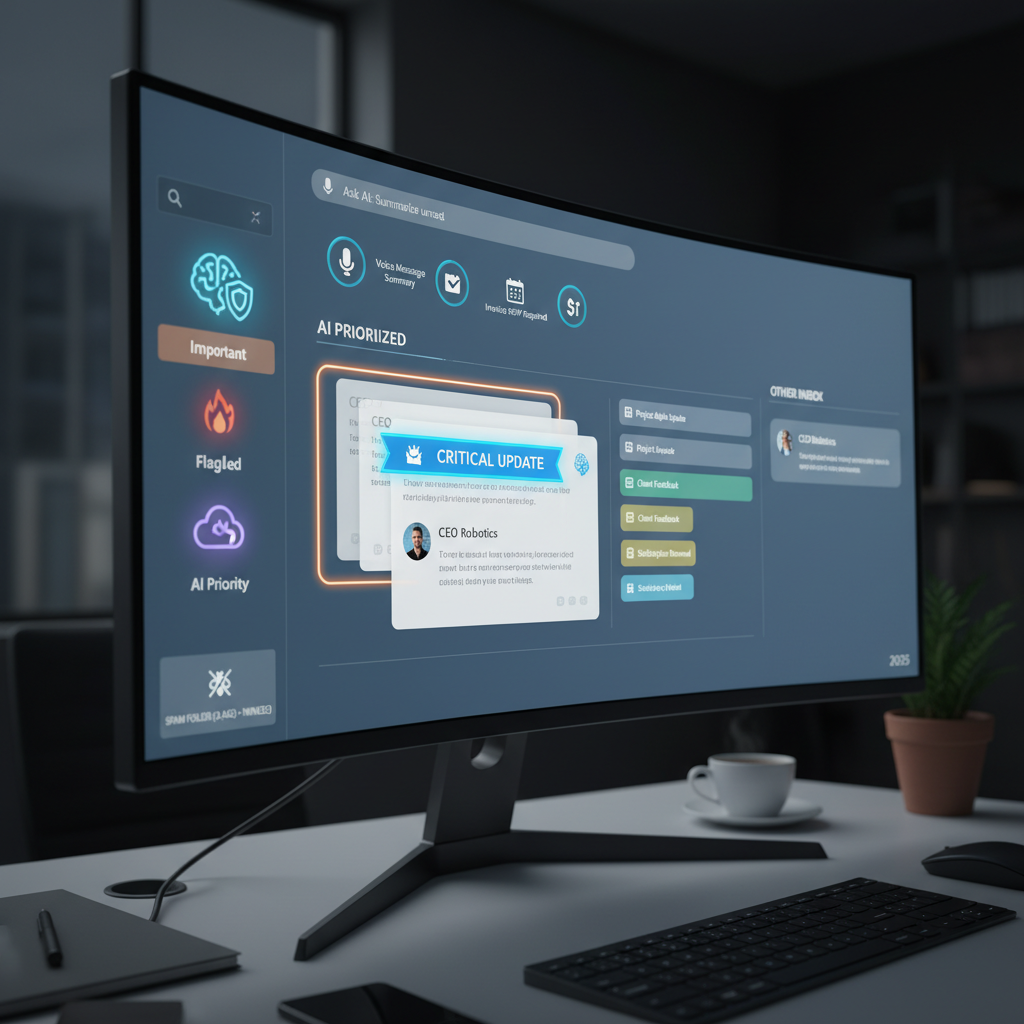
Experience for users is an essential aspect of the evolution of CRM. Modern CRM systems are incorporating chat-based interfaces as well as voice-controlled commands to simplify operations. Instead of having complicated dashboards, customers can now communicate with CRM systems by asking natural language questions.
CRM software that supports voice allows sales staff to make changes to their data, gain access to data on customers, and set up meetings using a few command. AI-driven chat interfaces give instant summary and data that reduce time needed to enter data manually.
The transition to intuitive interfaces increases the efficiency and accessibility, especially for people who aren’t technologically proficient.
AI-Assisted CRM Development
AI is revolutionizing the ways CRM software is designed. Developers are employing AI-assisted tools in order to develop codes to test features, and enhance the performance of their software. AI can identify potential problems and suggest improvements and speed up quality assurance processes.
This accelerates the development process for CRM and improves overall security of the software. In the future as AI tools continue to evolve, CRM platforms, they will be more adaptable and efficient in adapting to the changing requirements of the business.
Conclusion
The growth of CRM software by 2026 is a shift to an intelligent, automated and tech-based approach that is focused on customers. CRM systems transform into highly efficient platforms that include AI personalized analytics predictive analytics, seamlessly integrated and seamless integrations.
Businesses that embrace the latest trends in CRM will gain a significant competitive advantage. They are in a position to anticipate the needs of customers and develop strategies for engagement and streamline their operations more effectively than they ever have.
As we shift towards a more driven by data, CRM will play a significant role in determining the customer experience and the performance of businesses. Future CRM isn’t only about managing relationships. It’s about creating more effective fast and stronger connections supported by technologies.






































































Leave a Reply