


In an age where information is abundant but personalized guidance often feels scarce, the journey to optimal health can be overwhelming. We’re constantly bombarded with conflicting advice on diet, exercise, and lifestyle. Yet, at the core of all wellness lies a deep understanding and appreciation for our own unique body. Each of us possesses a distinct physiological blueprint, influenced by genetics, environment, lifestyle choices, and even our gut microbiome. Recognizing and responding to these individual nuances is the cornerstone of truly effective health management.
Historically, achieving a tailored approach to health required close, continuous consultation with multiple specialists – a luxury not always accessible or affordable. Today, however, a profound transformation is underway, driven by the remarkable advancements in Artificial Intelligence (AI). AI-powered applications are stepping into this gap, offering an unprecedented level of personalized health and wellness support, particularly concerning our physical body. They are moving us beyond one-size-fits-all recommendations to a future where health guidance is as unique as our fingerprints.
This comprehensive blog post will delve into the exciting world of personalized health and wellness, with a specific focus on how AI apps are empowering us to understand, optimize, and care for our bodies like never before. We will explore the various facets of body wellness that AI is revolutionizing, from precise tracking of vital metrics to customized nutrition plans, optimized exercise routines, and even proactive health monitoring. Prepare to discover how these intelligent tools are not just accessories but essential partners in building a healthier, more vibrant you.
Understanding Your Body: The Foundation of AI-Powered Wellness
Before we can optimize, we must first understand. Our body is a marvel of biological engineering, a complex interplay of systems that constantly adapt to our internal and external environments. True wellness begins with a foundational understanding of how these systems operate and how our daily choices impact them. For centuries, this understanding was often intuitive, passed down through generations, or gleaned through trial and error. Modern science has illuminated many of these intricacies, but translating that scientific knowledge into actionable, personal insights has always been a challenge.
This is where AI takes center stage. AI apps don’t just collect data; they analyze it, interpret it, and connect the dots in ways that reveal deep insights into our unique physiology. They help us move beyond a generic understanding of ‘the human body’ to a specific understanding of ‘my body.’ This foundational shift is crucial because what works for one person may not work for another. Factors like metabolic rate, genetic predispositions, stress response, sleep patterns, and even gut microbial composition vary wildly between individuals. AI platforms are designed to embrace and leverage this variability.
The Importance of Baselines and Individual Variability
One of the first steps in personalized body wellness is establishing a baseline. What are your typical heart rate, sleep duration, activity levels, or energy expenditure? Without this starting point, it’s impossible to measure progress or identify deviations. AI apps, especially those integrated with wearables, excel at continuously collecting this baseline data. Over time, they build a comprehensive profile of your normal physiological state. This is invaluable because what might be considered a ‘normal’ heart rate range for the general population might be slightly elevated or low for your specific body. AI learns your normal.
Furthermore, AI helps us appreciate and respond to individual variability. For example, some individuals might thrive on a higher carbohydrate diet for athletic performance, while others might experience better energy levels and weight management on a lower carbohydrate approach. AI can process inputs about your energy levels, workout performance, recovery times, and even digestive comfort to suggest dietary adjustments that are truly bespoke. It takes into account not just your goals, but also how your body responds to different inputs.
Connecting the Dots: Systems Thinking with AI
Our bodies are not a collection of isolated systems; they are an intricate network where everything is interconnected. Poor sleep can impact mood, which can affect eating habits, which in turn influences gut health and energy levels. Stress can elevate cortisol, impacting blood sugar and fat storage. Traditional health advice often tackles these issues in silos. AI, however, is adept at systems thinking. By analyzing data across multiple domains—sleep, activity, nutrition, mood, heart rate variability—AI can identify correlations and causal links that might otherwise be missed. For instance, an AI might detect that your afternoon energy slump is consistently linked to a specific type of breakfast, or that your recovery from workouts is suboptimal when your sleep quality dips below a certain threshold. This holistic view is paramount for sustainable, long-term body wellness.
AI-Powered Tracking: Beyond Steps and Calories
For years, fitness trackers focused primarily on steps taken and calories burned. While these metrics are useful, they offer only a superficial glimpse into our body’s true state. Today’s AI-powered tracking, fueled by sophisticated sensors in wearables and smart devices, delves much deeper, providing a rich tapestry of physiological data that offers profound insights into our health.
The Evolution of Wearable Technology
Modern wearables – from smartwatches and fitness bands to smart rings and even intelligent patches – are equipped with an array of sensors capable of continuously monitoring vital signs and bodily functions. These include:
- Heart Rate Variability (HRV): A key indicator of autonomic nervous system balance and recovery. Lower HRV often signals stress, fatigue, or potential illness, while higher HRV suggests better resilience. AI algorithms interpret HRV trends to assess your readiness for intense activity or the need for rest.
- Sleep Stages: Beyond just tracking sleep duration, advanced wearables differentiate between light, deep (SWS), and REM sleep. AI analyzes these patterns to identify sleep disturbances, assess sleep quality, and provide personalized recommendations for improving restorative sleep.
- Blood Oxygen Saturation (SpO2): Measures the oxygen levels in your blood, crucial for respiratory health and identifying potential issues like sleep apnea. AI can alert you to abnormal drops.
- Body Temperature: While wrist-based temperature isn’t a direct core body temperature, trending data can indicate illness, ovulation cycles, or changes in metabolic state, which AI can track and alert you to.
- Electrodermal Activity (EDA): Measures changes in skin conductivity, which can be indicative of stress levels and emotional arousal. AI uses this to help users understand their stress triggers.
- ECG/EKG: Some wearables can perform on-demand electrocardiograms, detecting signs of atrial fibrillation (AFib) or other heart rhythm abnormalities, with AI assisting in preliminary analysis.
The real power of AI isn’t just in collecting these individual metrics, but in its ability to synthesize them. For example, an AI might combine your low HRV, poor sleep quality, and elevated resting heart rate to suggest that you postpone a high-intensity workout and prioritize recovery instead. This contextual data analysis provides actionable insights that are far more sophisticated than simply aiming for 10,000 steps.
From Raw Data to Actionable Insights
Without AI, the sheer volume of data collected by wearables would be overwhelming and meaningless to the average user. AI algorithms are designed to:
- Filter and Clean Data: Removing noise and ensuring data accuracy.
- Identify Patterns and Trends: Recognizing subtle shifts over days, weeks, or months that human observation might miss.
- Contextualize Information: Relating your activity levels to your sleep quality, or your stress levels to your dietary choices.
- Provide Personalized Feedback: Offering specific, actionable recommendations rather than generic health advice. This could be anything from suggesting a specific breathing exercise when stress peaks, to recommending an earlier bedtime based on accumulated sleep debt.
- Predictive Analytics: In some advanced cases, AI can even predict potential health issues by identifying anomalous patterns before symptoms manifest, empowering proactive intervention.
By transforming complex physiological data into easy-to-understand metrics and practical advice, AI-powered tracking empowers individuals to become active participants in managing their own body health, moving from passive observation to informed action.
Personalized Nutrition and Hydration for Your Unique Body
What we fuel our bodies with is arguably the most impactful daily choice we make for our health. Yet, nutrition advice is notoriously complex and often contradictory. Diets that work wonders for one individual can be ineffective or even detrimental for another. This is precisely where AI-driven personalized nutrition and hydration plans shine, moving beyond generic dietary guidelines to a truly bespoke approach.
Understanding Your Metabolic Blueprint
Our bodies process food differently based on a multitude of factors: our genetics (how we metabolize certain nutrients), our gut microbiome (the billions of bacteria influencing digestion and nutrient absorption), our activity levels, stress, sleep patterns, and existing health conditions. AI apps leverage this complexity to create highly individualized meal plans.
How AI personalizes nutrition:
- Dietary Preferences and Restrictions: Users input allergies, intolerances (e.g., lactose, gluten), ethical choices (vegetarian, vegan), and taste preferences. AI filters recipes and meal suggestions accordingly.
- Health Goals: Whether it’s weight loss, muscle gain, managing blood sugar, improving energy, or simply maintaining overall health, AI tailors macronutrient ratios (carbs, proteins, fats) and calorie targets to align with specific objectives.
- Activity Integration: Syncing with fitness trackers, AI adjusts calorie and nutrient recommendations based on your daily energy expenditure. A high-intensity workout day will prompt different nutritional advice than a rest day.
- Metabolic Response (Emerging): Advanced AI is starting to integrate data from continuous glucose monitors (CGMs) for non-diabetics, observing how individual foods impact blood sugar levels. This allows AI to recommend foods that minimize glucose spikes, leading to more stable energy and better metabolic health.
- Gut Microbiome Insights: While still nascent, some apps are beginning to integrate insights from microbiome testing, recommending specific prebiotics, probiotics, and fiber-rich foods to cultivate a healthier gut, which is linked to everything from immunity to mood.
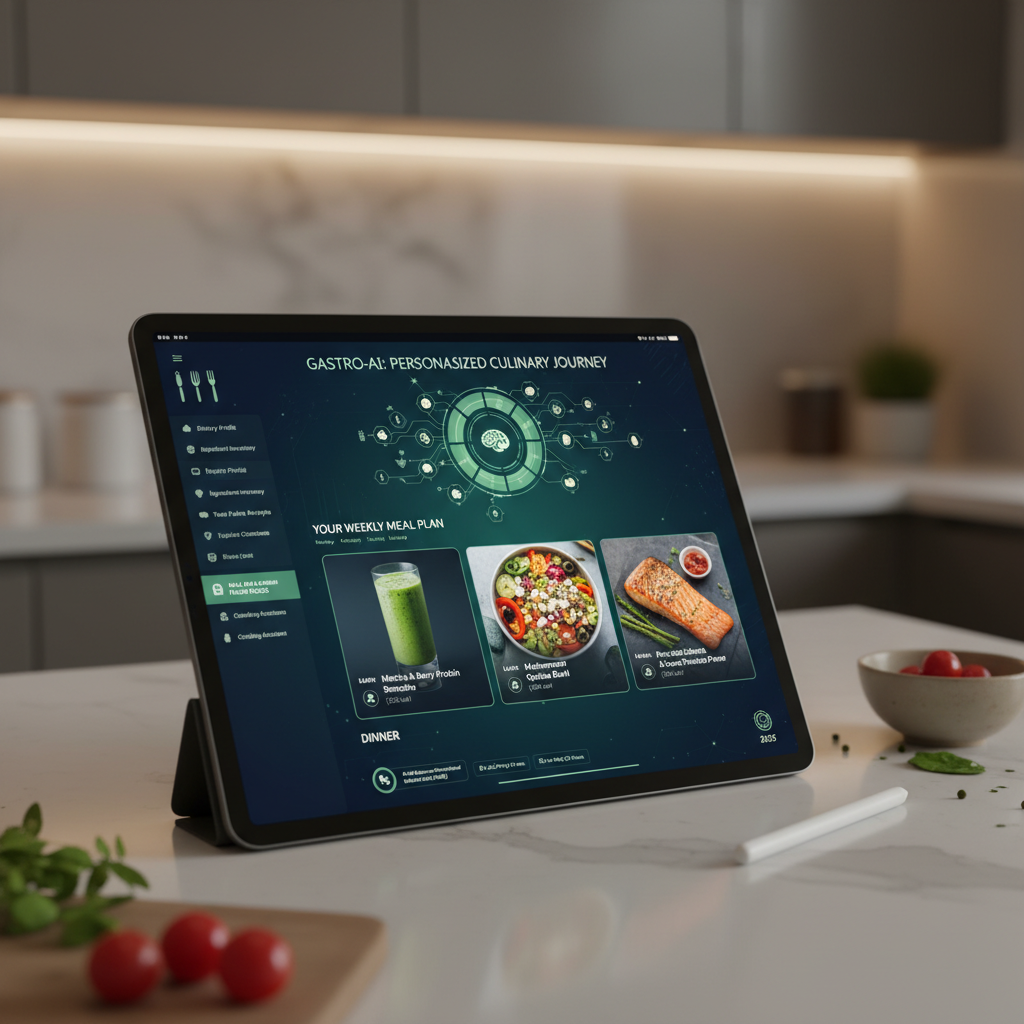
AI can generate daily meal plans, provide grocery lists, and even suggest restaurants with suitable options, making healthy eating convenient and sustainable. It moves beyond rigid diet rules, adapting and learning as your body responds.
Optimizing Hydration: More Than Just Water
Hydration is fundamental to virtually every bodily function, from regulating body temperature and transporting nutrients to lubricating joints and protecting organs. Despite its importance, many people are chronically under-hydrated. AI apps address this with intelligent hydration tracking and reminders.
- Personalized Targets: Instead of a generic “8 glasses a day,” AI calculates your optimal daily water intake based on your age, weight, activity level, climate, and even sweat loss during exercise (if integrated with activity trackers).
- Smart Reminders: AI apps send timely reminders to drink water, often integrating with your schedule to avoid interruptions during meetings or sleep.
- Fluid Balance Tracking: Some advanced apps allow users to log other beverages, understanding that not all fluids contribute equally to hydration and some (like caffeine) can even be dehydrating.
By taking the guesswork out of nutrition and hydration, AI empowers individuals to fuel their bodies optimally, enhancing energy, performance, and overall well-being.
Optimizing Movement and Exercise with AI
Exercise is a cornerstone of physical health, but finding the right workout regimen can be daunting. What type of exercise is best? How much is enough without overtraining? How do I ensure proper form to prevent injury? AI is transforming the fitness landscape by providing personalized, adaptive, and intelligent exercise guidance.
Customized Workout Plans and Adaptive Training
Gone are the days of generic workout plans designed for a generalized ‘average’ person. AI fitness apps build highly customized training programs based on:
- Current Fitness Level: Through initial assessments and continuous performance tracking, AI determines your baseline strength, endurance, and flexibility.
- Specific Goals: Whether you aim to run a marathon, build muscle, improve flexibility, lose weight, or recover from an injury, AI tailors the type, intensity, and volume of your workouts.
- Recovery Status: Integrating with HRV and sleep data from wearables, AI can detect signs of fatigue or overtraining. If your body needs more rest, it will recommend lighter workouts, active recovery, or a complete rest day, preventing burnout and injury.
- Injury History and Limitations: Users can input past injuries or physical limitations, and AI will modify exercises or suggest alternatives to ensure safe and effective training.
- Preferences and Equipment: AI considers your preferred exercise types (e.g., strength training, yoga, running), available equipment (gym, home weights, bodyweight), and time constraints.
The beauty of AI is its adaptiveness. As you get stronger, faster, or more flexible, the AI program evolves with you, progressively challenging your body to continue making gains. If you hit a plateau, AI can suggest modifications to break through it.
Real-time Feedback and Form Correction
One of the most innovative applications of AI in exercise is real-time form correction. Using computer vision technology via your smartphone or tablet camera, some apps can:
- Analyze Your Movement: During exercises like squats, push-ups, or yoga poses, AI tracks your body’s joint angles and movement patterns.
- Provide Instant Feedback: It offers immediate audio or visual cues if your form is incorrect, helping you make adjustments on the fly. For example, “knees over toes,” “lower your hips,” or “straighten your back.”
- Prevent Injury: Correct form is crucial for maximizing exercise effectiveness and, more importantly, preventing strains, sprains, and long-term injuries. AI acts as a virtual personal trainer, ensuring you move safely.
This level of personalized instruction, previously only available with expensive one-on-one coaching, is now accessible through AI, democratizing proper exercise technique and making workouts safer and more effective for everyone.
Sleep Optimization: The Body’s Recharge Cycle
Sleep is not merely a period of inactivity; it’s a vital, active process during which our bodies and minds repair, restore, and consolidate. Chronic sleep deprivation can profoundly impact physical health, leading to weakened immunity, hormonal imbalances, increased risk of chronic diseases, poor cognitive function, and impaired physical recovery. Despite its critical importance, many individuals struggle with sleep quality and quantity. AI apps are revolutionizing sleep by providing deep insights and personalized strategies to optimize this essential bodily function.
Unveiling Your Sleep Architecture
AI-powered sleep trackers, often integrated into smartwatches, rings, or bedside devices, go far beyond simply telling you how long you slept. They meticulously analyze your sleep architecture, identifying different sleep stages:
- Light Sleep: A transitional stage.
- Deep Sleep (Slow-Wave Sleep – SWS): Crucial for physical repair, cellular regeneration, hormone regulation (like growth hormone), and immune system strengthening.
- REM Sleep (Rapid Eye Movement): Essential for cognitive function, memory consolidation, emotional processing, and brain development.
- Awake Time and Disturbances: The number and duration of brief awakenings during the night.
By tracking heart rate, heart rate variability, movement, and sometimes even breathing patterns, AI algorithms can accurately infer these stages. The AI then compiles a comprehensive report, highlighting not just your sleep duration, but also the quality and proportion of each sleep stage. It can identify patterns like frequent awakenings, insufficient deep sleep, or irregular sleep schedules that might be undermining your recovery.
Personalized Sleep Hygiene Recommendations
Armed with this detailed sleep data, AI apps can offer highly personalized sleep hygiene recommendations:
- Optimal Bedtime Window: Based on your typical wake-up time and sleep needs, AI suggests a consistent bedtime to align with your circadian rhythm.
- Pre-Sleep Routines: Recommends activities like winding down with meditation (often AI-guided), reading, or warm baths, and advises against screens or heavy meals before bed.
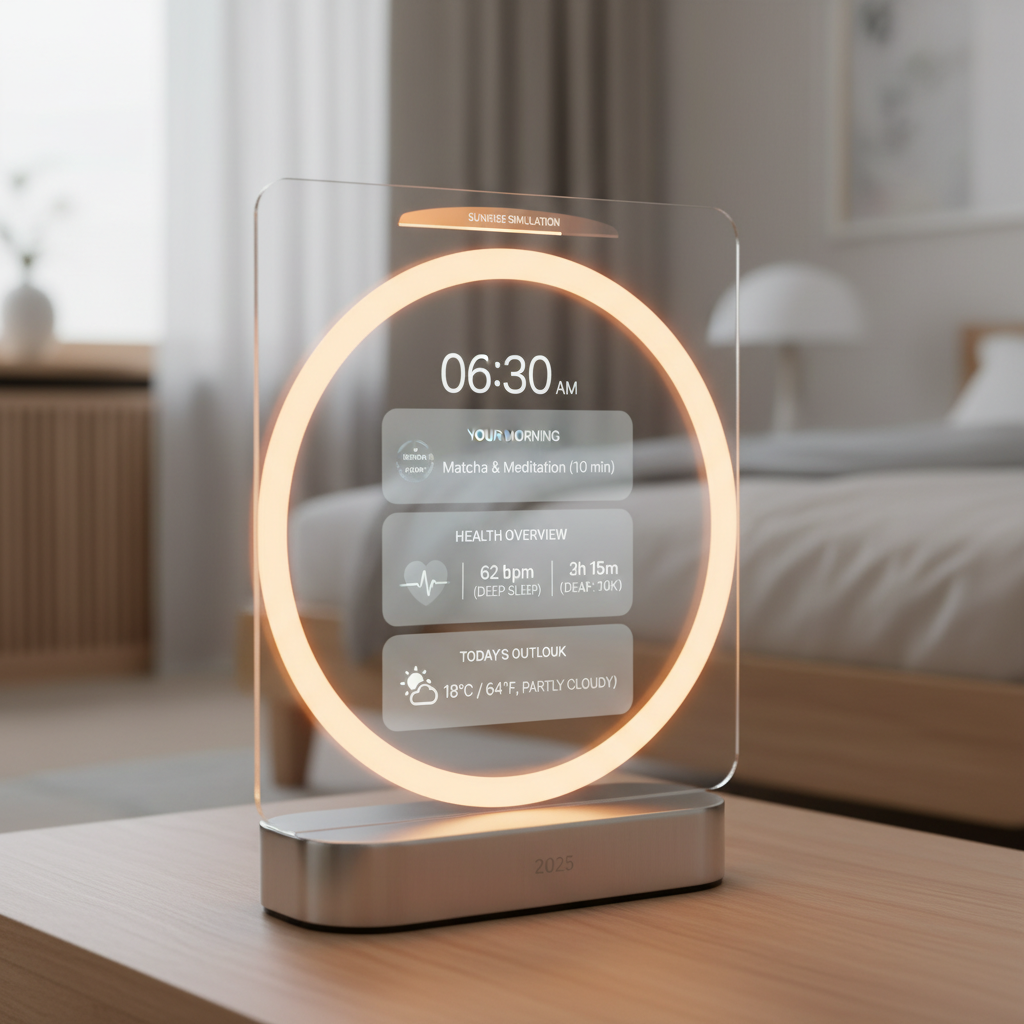
- Environmental Optimization: Suggests ideal room temperature, darkness, and noise levels for your personal sleep patterns. Some advanced apps can even integrate with smart home devices to automatically adjust lighting or thermostats.
- Identifying Disruptors: AI can correlate poor sleep with other tracked data, like late-night caffeine intake, intense evening workouts, or elevated stress levels, helping you identify and mitigate personal sleep disruptors.
- Smart Alarms: Many AI sleep apps feature smart alarms that gently wake you during a period of light sleep within a set window, preventing the jarring experience of being pulled out of deep sleep and promoting a more refreshed feeling.
By making invisible sleep patterns visible and offering actionable, data-driven advice, AI empowers individuals to truly master their sleep, ensuring their body gets the restorative rest it desperately needs for optimal function and longevity.
Stress Management and the Mental-Physical Connection
The intricate connection between our mind and body is undeniable. Chronic stress, anxiety, and mental fatigue don’t just affect our mood; they have profound physiological impacts on our body. Elevated cortisol levels, increased inflammation, disrupted sleep, digestive issues, and weakened immune function are all common bodily responses to prolonged psychological stress. Recognizing this powerful link, AI apps are increasingly incorporating tools for stress management, fostering a more holistic approach to body wellness.
Quantifying and Responding to Stress
One of the most significant contributions of AI is its ability to help quantify stress, making an often-abstract feeling more tangible. This is primarily achieved through wearables that monitor:
- Heart Rate Variability (HRV): As mentioned earlier, HRV is a highly sensitive indicator of autonomic nervous system activity. Lower HRV often correlates with increased physiological stress. AI apps track changes in your HRV baseline throughout the day and over time.
- Skin Conductance/Electrodermal Activity (EDA): Changes in the electrical conductivity of the skin can reflect sympathetic nervous system activation, a common response to stress.
- Resting Heart Rate (RHR): Persistently elevated RHR can be a sign of chronic stress or overtraining.
When AI detects significant deviations in these metrics, indicating elevated stress levels, it doesn’t just present the data; it offers immediate, actionable interventions. These might include:
- Guided Breathing Exercises: Short, evidence-based breathing techniques designed to activate the parasympathetic nervous system and induce a state of calm.
- Mindfulness and Meditation Prompts: Short, AI-guided meditation sessions or reminders to practice mindfulness during stressful moments.
- Journaling Prompts: Encouraging users to reflect on their feelings and identify potential stressors.
- Nature Sounds or Calming Music: Access to curated audio content scientifically shown to reduce stress.
By providing real-time feedback and immediate coping mechanisms, AI helps users build resilience to stress, preventing its harmful physiological effects on the body.
Holistic Integration: Mind, Body, and Data
The true power of AI in stress management lies in its ability to integrate stress data with other physiological information. For instance:
- An AI might observe that periods of high work-related stress consistently precede poor sleep quality and decreased physical activity. It can then recommend proactive stress-reduction techniques before the physical symptoms fully manifest.
- It might suggest that a persistent ache or feeling of fatigue is not just physical, but exacerbated by underlying psychological stress, prompting users to address both aspects.
- Some apps can correlate stress levels with dietary choices, identifying if emotional eating is contributing to an unhealthy cycle.
This holistic view reinforces the understanding that optimal body wellness cannot be achieved by addressing physical symptoms alone. By empowering individuals to understand and manage their mental and emotional states, AI apps contribute significantly to a healthier, more balanced physical body.
Proactive Health Monitoring and Early Detection
One of the most transformative potentials of AI in personalized health and wellness for the body lies in its capacity for proactive monitoring and early detection of potential health issues. Moving beyond reactive symptom management, AI aims to identify subtle deviations from a user’s health baseline, potentially signaling the onset of illness or chronic conditions long before overt symptoms appear.
Continuous Data Analysis and Trend Identification
AI apps, especially those integrated with an ecosystem of wearables and connected health devices, continuously collect and analyze a vast array of physiological data. This data includes:
- Vital Signs: Resting heart rate, heart rate variability, blood pressure (from connected cuffs), blood oxygen saturation, and body temperature.
- Activity Metrics: Step counts, active minutes, calories burned, workout intensity, and recovery times.
- Sleep Patterns: Sleep duration, quality, sleep stages, and disturbances.
- Biometric Data: Weight, body fat percentage (from smart scales), and in some cases, blood glucose levels (from CGMs).
The AI’s strength lies not in looking at individual data points, but in identifying trends and anomalies over time. For example, a single elevated resting heart rate might be attributed to stress, but a consistent upward trend over several days, coupled with lower HRV and disrupted sleep, could indicate the onset of an infection or significant fatigue. Similarly, subtle, persistent fluctuations in weight or blood glucose, even within a “normal” range, might signal an emerging metabolic issue that warrants attention.
Predictive Analytics and Risk Assessment
Advanced AI algorithms leverage machine learning to move beyond trend identification to predictive analytics. By comparing an individual’s ongoing data against their personal historical baseline and potentially anonymized population health data, AI can:
- Flag Potential Risks: Alert users to patterns that suggest an increased risk for conditions like type 2 diabetes, hypertension, or cardiovascular issues, based on early indicators.
- Suggest Proactive Measures: Recommend lifestyle adjustments (e.g., dietary changes, increased activity, stress reduction techniques) to mitigate identified risks.
- Facilitate Early Consultation: Advise users when a particular pattern or metric deviation warrants a consultation with a healthcare professional, complete with data to share. This bridges the gap between self-monitoring and professional medical care.
For example, an AI might detect a gradual increase in average blood pressure readings combined with a decrease in reported physical activity. It could then prompt the user to consult their doctor and provide a detailed report of these trends, enabling earlier intervention than waiting for symptomatic hypertension.
Data Security and Privacy Considerations
While the benefits of proactive monitoring are immense, it’s crucial to address the inherent concerns around data security and privacy. These AI apps handle highly sensitive personal health information. Reputable developers prioritize:
- Robust Encryption: Ensuring all data transmission and storage is securely encrypted.
- Data Anonymization: Where possible, using anonymized data for research and AI model improvement without compromising individual identity.
- GDPR and HIPAA Compliance: Adhering to strict global data protection regulations to safeguard user information.
- Clear Consent Policies: Ensuring users fully understand what data is collected, how it’s used, and providing options for data management and deletion.
By empowering individuals with timely, data-driven insights and facilitating earlier engagement with healthcare providers, AI-powered proactive health monitoring represents a significant leap towards preventive medicine and personalized body care.
The Future of Body Wellness: Advanced AI and Wearables
The current landscape of AI-powered personalized health and wellness for the body is already impressive, but it’s merely the beginning. The future promises even more sophisticated tools and deeper integration, pushing the boundaries of what’s possible in understanding and optimizing our physical selves.
Next-Generation Wearables and Non-Invasive Sensors
The evolution of wearable technology will continue to miniaturize devices, enhance accuracy, and expand the range of measurable biomarkers:
- Continuous Glucose Monitors (CGMs) for All: While currently primarily used by diabetics, CGMs are becoming more accessible and are poised to become mainstream for non-diabetics. AI will interpret these continuous blood sugar readings, helping individuals understand their unique metabolic response to different foods and activities, allowing for unparalleled dietary personalization and metabolic health optimization.
- Smart Clothing and Patches: Textiles embedded with sensors will seamlessly monitor vital signs, posture, muscle activity, and even biochemical markers from sweat, offering continuous, unobtrusive data collection without the need for traditional wearables. Smart patches could offer extended, multi-day monitoring of various parameters.
- Advanced Biosensors: Future wearables may incorporate non-invasive sensors for measuring lactates, ketones, hydration markers, and even stress hormones directly from sweat or interstitial fluid, providing real-time insights into our body’s chemistry.
AI-Driven Diagnostics and Predictive Health
AI’s ability to process and find patterns in vast datasets will enable more powerful diagnostic and predictive capabilities:
- AI for Skin Analysis: Apps using smartphone cameras and advanced computer vision could analyze skin for early signs of dermatological conditions, track changes in moles, or assess skin health and aging.
- Voice and Speech Analysis: Emerging research suggests that changes in voice patterns can indicate health conditions such as Parkinson’s disease, depression, or even heart disease. AI could potentially analyze subtle vocal biomarkers for early detection.
- Genomic and Microbiome Integration: As genetic and microbiome testing become more affordable and prevalent, AI will integrate this deep biological data with lifestyle and physiological data to offer truly hyper-personalized recommendations, from diet plans optimized for your genetic makeup to exercise routines tailored to your cellular efficiency.
- “Digital Twin” Models: Imagine an AI-powered digital replica of your own body, a “digital twin,” that constantly learns from your personal data. This twin could simulate the effects of different diets, exercise regimens, or even medications on your unique physiology before you implement them, optimizing health outcomes with unprecedented precision.
Ethical Considerations and Accessibility
As AI in body wellness advances, several ethical and societal considerations will become paramount:
- Data Ownership and Privacy: Ensuring individuals maintain control over their deeply personal health data.
- Algorithmic Bias: Guarding against biases in AI algorithms that could lead to less effective or even harmful recommendations for certain demographic groups.
- Accessibility and Equity: Ensuring these powerful tools are accessible to everyone, regardless of socioeconomic status, and not just a privilege for the few.
- Integration with Clinical Care: Defining the role of AI apps in supplementing, rather than replacing, professional medical advice and fostering seamless data sharing with healthcare providers (with patient consent).
The future vision is one where AI acts as a sophisticated, ever-present health guardian, continuously learning, adapting, and guiding us towards our optimal physical potential, turning proactive health management into an intuitive and seamless part of daily life.
Comparison Tables
Table 1: AI App Features for Body Wellness Categories
| App Category | Key AI Feature | Body Aspect Addressed | Primary Benefit |
|---|---|---|---|
| Fitness & Exercise | Adaptive Workout Planning (based on performance, recovery, injury history) | Muscular strength, cardiovascular health, flexibility, injury prevention | Optimized performance, reduced risk of overtraining, personalized progress |
| Nutrition & Diet | Personalized Meal & Recipe Suggestions (based on goals, allergies, metabolism) | Metabolic health, weight management, energy levels, gut health | Tailored diet for specific needs, sustained energy, chronic disease prevention |
| Sleep Optimization | Sleep Stage Analysis & Sleep Hygiene Recommendations (based on tracked patterns) | Restorative sleep, hormonal balance, cognitive function, physical recovery | Improved sleep quality, enhanced daytime alertness, better overall health |
| Stress & Mental Wellness | HRV/EDA Monitoring & Guided Breathing/Meditation | Autonomic nervous system balance, mental clarity, emotional regulation | Reduced stress, improved resilience, better mind-body connection |
| General Health Tracking | Trend Analysis & Anomaly Detection (across multiple vital signs) | Overall physiological stability, early detection of deviations | Proactive health management, awareness of potential health risks |
Table 2: Traditional vs. AI-Powered Body Tracking
| Body Metric/Aspect | Traditional Tracking Method | AI-Powered App Tracking | Key Advantages of AI |
|---|---|---|---|
| Activity & Exercise | Manual logbook, memory, generic gym plans, sporadic personal trainer sessions | Wearable integration (steps, distance, intensity), GPS, adaptive workout plans, real-time form correction, recovery guidance | Continuous, objective data; personalized adaptation; injury prevention; consistency; motivation |
| Nutrition & Diet | Dietary recall (often inaccurate), generic food pyramid, dietitian (infrequent visits) | Food logging with AI image recognition, personalized meal plans, macro/micro tracking, metabolic response insights (e.g., CGM integration), grocery lists | Precise, consistent tracking; highly personalized recommendations; dietary pattern recognition; ease of use; real-time adjustments |
| Sleep Quality | Subjective feeling, rough estimate of hours, sleep diary | Detailed sleep stage analysis (light, deep, REM), sleep disturbances, HRV, personalized sleep hygiene advice, smart alarms | Objective insight into sleep architecture; identification of issues; actionable improvement strategies; understanding sleep’s impact on daytime function |
| Stress Levels | Subjective perception, awareness of symptoms (headaches, irritability) | HRV monitoring, EDA (skin conductance), correlation with external factors, guided stress relief exercises, real-time feedback | Objective measurement of physiological stress; early detection; immediate coping tools; understanding personal triggers |
| Proactive Health | Annual doctor visits, symptom-driven reactions, self-diagnosis (often misinformed) | Continuous vital sign monitoring, trend analysis, anomaly detection, predictive risk assessment, alerts for potential issues, data for medical consultation | Early warning signs; preventive lifestyle changes; data-driven discussions with doctors; empowerment for self-management |
Practical Examples: AI in Action for Your Body
To truly grasp the power of AI in personalized health and wellness, let’s look at some real-world scenarios illustrating how these apps can make a tangible difference in people’s lives.
Case Study 1: Sarah’s Marathon Training Journey
Sarah, a 35-year-old amateur runner, decided to train for her first marathon. In the past, she struggled with overtraining, injuries, and inconsistent performance. This time, she opted for an AI-powered running coach app integrated with her GPS smartwatch.
- Personalized Training Plan: The AI app assessed her current fitness level, running history, and marathon goal. It then generated a weekly training schedule that gradually increased mileage and intensity, incorporating speed work, long runs, and cross-training.
- Recovery Optimization: Her smartwatch tracked her sleep quality (deep, REM, light sleep) and Heart Rate Variability (HRV) each night. If her HRV was low and sleep quality poor, indicating fatigue or high stress, the AI would suggest a lighter run, active recovery (like walking or gentle stretching), or a complete rest day instead of the scheduled intense workout. This prevented overtraining and reduced her injury risk.
- Real-time Feedback: During runs, the app provided real-time pace and heart rate zone guidance. For strength training exercises, it used her phone camera for basic form correction, ensuring she performed squats and lunges correctly.
- Nutrition Integration: The app linked with a nutrition tracker, adjusting calorie and macronutrient recommendations based on her daily run mileage and intensity, ensuring she was adequately fueled for recovery and performance.
Outcome: Sarah completed her marathon feeling strong, injury-free, and achieved her target time. The AI acted as her personal, intelligent coach, adapting to her body’s daily needs and ensuring she trained optimally without burning out.
Case Study 2: David’s Proactive Metabolic Health Management
David, a 48-year-old office worker, had a family history of type 2 diabetes and was concerned about his fluctuating energy levels and gradual weight gain. He started using an AI health platform that integrated data from a smart scale, a continuous glucose monitor (CGM), and a fitness tracker.
- Glucose Response Analysis: The CGM provided real-time data on how different foods and meals impacted his blood sugar. The AI analyzed this data, identifying that certain “healthy” foods (like oats) caused significant glucose spikes for David, while others he initially thought were less healthy (like avocados and nuts) provided stable energy.
- Personalized Dietary Recommendations: Based on his unique glucose response, the AI recommended specific food swaps, meal timings, and portion sizes to maintain stable blood sugar throughout the day, improving his energy and reducing cravings.
- Activity-Glucose Correlation: The AI also noted that even a short walk after meals significantly blunted his glucose response, prompting personalized reminders to take a post-meal stroll.
- Trend Monitoring: Over several months, the AI tracked his weight, waist circumference (manually input), and average glucose levels. It flagged a positive trend of stable blood sugar and gradual weight loss, providing motivating feedback and reinforcing his new habits.
Outcome: David significantly improved his metabolic health markers, lost weight, and experienced consistent energy levels. The AI provided an unparalleled understanding of how his unique body processed food, allowing him to take proactive steps to prevent diabetes.
Case Study 3: Emily’s Sleep Transformation
Emily, a 28-year-old graphic designer, constantly felt tired despite thinking she slept enough. Her sleep quality was poor, impacting her creativity and mood. She adopted an AI sleep tracking app with a compatible smart ring.
- Detailed Sleep Analysis: The smart ring accurately tracked her sleep stages (deep, REM, light), heart rate variability during sleep, and overnight body temperature. The AI quickly identified that while Emily slept for 7-8 hours, her deep sleep and REM sleep were consistently below optimal levels, and she had frequent, brief awakenings she wasn’t aware of.
- Identifying Disruptors: The AI also correlated her poorer sleep nights with late-night screen time and evening caffeine consumption, which she logged manually. It also noted that certain intense evening workouts made her sleep more restless.
- Personalized Interventions: The app recommended a consistent “wind-down” routine starting an hour before bed, including AI-guided meditation and avoiding screens. It also suggested shifting her intense workouts to the morning and trying herbal tea instead of coffee after 3 PM.
- Environmental Adjustment: Based on her temperature trends, the app suggested optimizing her bedroom temperature, and it integrated with her smart lights to automatically dim them in the evening.
Outcome: Within weeks, Emily saw a noticeable improvement in her sleep quality metrics. Her deep and REM sleep percentages increased, her awakenings decreased, and she woke up feeling genuinely refreshed and energized, leading to improved focus and creativity at work. The AI transformed her understanding and approach to sleep.
Frequently Asked Questions
Q: What exactly is personalized health and wellness in the context of the body?
A: Personalized health and wellness, in the context of the body, refers to an approach that tailors health recommendations, interventions, and strategies specifically to an individual’s unique biological makeup, lifestyle, preferences, and goals. Instead of generic advice, it considers your genetics, metabolism, activity levels, sleep patterns, stress response, and even your gut microbiome to create a bespoke plan for optimizing your physical well-being. AI apps play a crucial role by collecting and analyzing vast amounts of personal data to deliver these customized insights and recommendations, ensuring that the advice you receive is perfectly suited for your body’s specific needs and how it responds to various inputs.
Q: How do AI apps gather data about my body?
A: AI apps gather data about your body through several sophisticated mechanisms:
- Wearable Devices: The most common method involves syncing with smartwatches, fitness trackers, smart rings, or other wearables equipped with sensors (e.g., optical heart rate sensors, accelerometers, gyroscopes, skin temperature sensors, SpO2 sensors). These devices continuously monitor vital signs like heart rate, heart rate variability (HRV), sleep stages, activity levels, steps, and calories burned.
- Manual Input: Users often input data manually, such as dietary intake (meal logging, often with AI image recognition), hydration levels, mood, symptoms, and exercise details.
- Connected Health Devices: Integration with smart scales (for weight, body fat), smart blood pressure cuffs, or continuous glucose monitors (CGMs) provides additional biometric data.
- Computer Vision: Some advanced fitness apps use your smartphone camera to analyze your form during exercises, providing real-time feedback.
- User Questionnaires and Assessments: Initial setup often involves questionnaires about your health goals, preferences, medical history, and current fitness levels, which helps the AI create a foundational profile.
The AI then processes and integrates all this diverse data to build a comprehensive picture of your body’s current state and trends.
Q: Are AI health apps truly accurate and reliable?
A: The accuracy and reliability of AI health apps can vary significantly depending on the app, its underlying algorithms, the quality of its data sources (e.g., wearable sensors), and whether it’s been validated through scientific studies. Reputable apps from established companies often use clinically validated sensors and algorithms that demonstrate high accuracy for tracking metrics like heart rate, sleep stages, and activity. However, it’s important to understand their limitations:
- They are generally for wellness and general health monitoring, not medical diagnosis or treatment unless explicitly cleared by regulatory bodies (like the FDA).
- Sensor accuracy can be influenced by factors like skin tone, tattoo placement, and movement.
- The interpretation of data by AI is only as good as the models it’s trained on.
Always look for apps with transparent methodologies, positive user reviews, and ideally, those that cite scientific backing. They are powerful tools for self-awareness and motivation but should complement, not replace, professional medical advice.
Q: What are the privacy implications of sharing my body data with AI apps?
A: Sharing personal body data with AI apps raises significant privacy concerns. This data is highly sensitive and can reveal a great deal about your health status and lifestyle. Key implications include:
- Data Security: The risk of data breaches, where your personal health information could be accessed by unauthorized parties.
- Data Usage: How companies use your data. Is it sold to third parties (e.g., advertisers, insurance companies)? Is it anonymized and used for research?
- Profiling: Your data could be used to create detailed profiles that might influence services or even job prospects in the future.
- Consent and Control: Ensuring you have clear control over what data is collected, how it’s used, and the ability to delete your data.
To mitigate these risks, always read the privacy policy carefully, choose reputable apps with strong security protocols, and be mindful of what permissions you grant. Look for apps that comply with stringent data protection regulations like GDPR (Europe) and HIPAA (USA).
Q: Can AI apps replace doctors or professional medical advice?
A: Absolutely not. AI health apps are powerful tools for personalized health and wellness management, self-monitoring, and preventive care, but they are designed to complement, not replace, qualified medical professionals.
- Diagnosis and Treatment: Only a licensed doctor can diagnose medical conditions, prescribe medication, or provide clinical treatment.
- Complex Conditions: AI apps are generally not equipped to manage complex or acute medical conditions, which require nuanced clinical judgment.
- Nuance and Empathy: Healthcare involves human empathy, ethical considerations, and the ability to handle unforeseen complications that AI cannot replicate.
Think of AI apps as intelligent assistants that empower you with data and insights to have more informed conversations with your doctor, track your progress, and adopt healthier lifestyle habits. If an AI app flags a potential health concern, it should always prompt a visit to your physician for professional evaluation.
Q: How do I choose the right AI health app for my body’s needs?
A: Choosing the right AI health app involves considering several factors:
- Identify Your Primary Goal: Are you focused on fitness, nutrition, sleep, stress, or overall wellness? Some apps specialize, while others offer a broader suite of features.
- Compatibility: Check if the app is compatible with your existing wearables (smartwatch, fitness tracker) or if you need new hardware.
- Features and Personalization: Look for apps that offer the specific AI-powered features relevant to your goals (e.g., adaptive workouts, personalized meal plans, HRV analysis).
- User Interface and Experience: A cluttered or difficult-to-navigate app will hinder consistent use. Look for intuitive design.
- Accuracy and Reputation: Research reviews, look for apps from reputable developers, and ideally, those with scientific validation or transparent methodologies.
- Privacy Policy: Read how your data is collected, used, and protected.
- Cost: Many apps offer free basic versions, with premium features requiring a subscription. Consider your budget.
- Integration: Does it integrate with other health platforms or apps you use?
Start with free trials if available, and don’t be afraid to try a few before settling on one that best fits your lifestyle and needs.
Q: Is it safe for people with pre-existing conditions to use these apps?
A: For individuals with pre-existing medical conditions, it is absolutely crucial to consult with their doctor or healthcare provider before starting any new AI health app or making significant lifestyle changes based on app recommendations. While AI apps can provide valuable data and insights, they are not substitutes for professional medical guidance, especially when managing chronic diseases.
- Doctor’s Approval: Your doctor can advise if the app’s features (e.g., exercise intensity recommendations, dietary changes) are safe and appropriate for your specific condition.
- Data Sharing: Discuss if and how you can share the app’s data with your healthcare team to better inform your treatment plan.
- Potential Risks: In some cases, certain features might pose risks (e.g., intense exercise for heart conditions, specific dietary restrictions for diabetes).
Used judiciously and under medical supervision, AI apps can be excellent tools for monitoring progress and adherence to a doctor-approved health plan.
Q: How do AI apps help with specific body goals like weight loss or muscle gain?
A: AI apps excel at tailoring strategies for specific body goals:
- Weight Loss: AI analyzes your current weight, activity level, dietary intake, and metabolic rate to create a personalized calorie deficit and macronutrient breakdown. It recommends meal plans with suitable portion sizes, tracks progress, and adjusts recommendations as your body adapts. It can also identify patterns (e.g., emotional eating, lack of activity) contributing to weight gain.
- Muscle Gain: For muscle gain, AI focuses on optimizing protein intake, progressive overload in strength training, and adequate recovery. It generates workout plans with specific exercises, rep ranges, and sets, adapting intensity as you get stronger. It also monitors recovery metrics (HRV, sleep) to ensure you’re not overtraining and your muscles have time to repair and grow.
In both cases, AI provides continuous feedback, motivation, and adjustments based on your real-time performance and bodily responses, making the journey to your goals more efficient and sustainable.
Q: What is the cost associated with using AI personalized health apps?
A: The cost structure for AI personalized health apps varies widely:
- Free Basic Versions: Many apps offer a free tier with fundamental features like basic activity tracking, limited food logging, or generic wellness tips.
- Premium Subscriptions: The most comprehensive AI-powered features (personalized workout plans, advanced sleep analysis, custom meal plans, real-time coaching, deep data insights) typically require a monthly or annual subscription, ranging from a few dollars to $20-$50 per month, or $100-$300+ annually.
- Hardware Costs: Some apps require specific hardware (e.g., smartwatches, smart rings, continuous glucose monitors), which is an additional upfront cost.
- Bundled Services: Some platforms may offer bundles that include access to virtual coaches or premium content.
Consider the value you place on personalized insights and convenience against the subscription fees. Often, the investment in a good AI app can be significantly less than traditional personal training, dieticians, or specialist consultations, while offering more continuous support.
Q: How quickly can I expect to see results from using AI body wellness apps?
A: The speed at which you see results from using AI body wellness apps depends heavily on your specific goals, consistency, current health status, and the type of results you’re looking for.
- Subjective Improvements (e.g., energy, mood, sleep quality): You might start feeling better and notice small changes within a few days to a couple of weeks, especially with consistent adherence to sleep hygiene or stress management recommendations.
- Measurable Physiological Changes (e.g., HRV, blood pressure, stable blood sugar): These often require a few weeks to a few months of consistent tracking and adherence to see significant, sustained improvements.
- Body Composition Changes (e.g., weight loss, muscle gain): These are typically slower and require several months of dedicated effort, as physiological adaptation takes time. AI will help optimize the process, but patience and consistency are key.
The AI’s value isn’t just in rapid results but in providing a sustainable, data-driven path to long-term health and preventing setbacks. It’s a marathon, not a sprint, and the AI is there for every step of the journey, adapting and guiding you as you progress.
Key Takeaways
- AI apps are transforming personalized health by offering bespoke guidance for your unique body, moving beyond one-size-fits-all approaches.
- Advanced AI-powered tracking through wearables provides deep insights into metrics like HRV, sleep stages, and blood oxygen, far beyond basic steps and calories.
- Personalized nutrition and hydration plans, informed by your metabolism and activity, optimize fuel intake for energy, weight management, and overall health.
- AI-driven exercise programs offer customized workouts, adapt to your recovery, and even provide real-time form correction to prevent injury and maximize performance.
- Sleep optimization with AI goes beyond duration, analyzing sleep architecture and offering tailored recommendations for truly restorative rest.
- Stress management tools integrated into AI apps quantify stress through metrics like HRV and provide immediate, personalized coping mechanisms, connecting mind and body.
- Proactive health monitoring leverages AI to analyze trends in vital signs, identify anomalies, and potentially flag health risks early, facilitating preventive action.
- The future promises even more advanced wearables, non-invasive sensors, and deeper AI integration, including genomic insights and “digital twins,” for hyper-personalized body wellness.
- AI apps are powerful allies for body wellness, but they are complementary tools and should not replace professional medical advice, especially for pre-existing conditions.
- Choosing the right AI app involves considering your goals, compatibility, features, privacy policies, and the app’s reputation for accuracy and reliability.
Conclusion
Our bodies are our most valuable assets, the vessels through which we experience life. Nurturing them, understanding their intricate workings, and responding to their unique needs is fundamental to a life of vitality and well-being. For too long, the path to optimal physical health has been fraught with guesswork, generic advice, and a reactive approach to symptoms.
The advent of AI-powered personalized health and wellness applications marks a pivotal turning point. These intelligent tools are demystifying the complexities of our physiology, offering unprecedented levels of insight, guidance, and support. They empower us to move from a generic understanding of ‘the human body’ to a profound, data-driven comprehension of ‘my body.’
From the precise tracking of every heartbeat and sleep cycle to customized meal plans that respect our unique metabolism, and adaptive exercise routines that prevent injury while maximizing gains, AI is making personalized body care accessible, actionable, and incredibly effective. It’s helping us manage stress before it takes a toll, detect potential issues before they become critical, and foster a proactive, preventive mindset towards our health.
Embracing AI in our journey towards body wellness isn’t about surrendering control; it’s about gaining it. It’s about leveraging cutting-edge technology to become more self-aware, more resilient, and ultimately, healthier versions of ourselves. As these technologies continue to evolve, they will only deepen our connection to our physical being, enabling us to live richer, more vibrant lives. The future of body wellness is here, and it’s intelligent, personalized, and profoundly empowering.





















































































Leave a Reply