


The humble grocery basket, once a simple container for our weekly staples, is undergoing a profound transformation. What used to be a predictable, often mundane chore of navigating physical aisles or static online catalogs, is rapidly evolving into a dynamic, intuitive, and deeply personal journey. At the heart of this revolution lies Artificial Intelligence (AI), pushing the boundaries far beyond mere product recommendations to usher in an era of hyper-personalized grocery experiences. This isn’t just about suggesting a similar brand of coffee; it’s about understanding your lifestyle, dietary needs, culinary aspirations, budget, and even your mood, to curate a truly bespoke shopping experience that anticipates your needs before you even articulate them.
Imagine a world where your grocery list practically writes itself, where meal planning for a week of healthy, budget-friendly, and delicious dinners is effortless, and where discovering new products perfectly aligned with your preferences is a delightful surprise, not an endless scroll. This isn’t a distant fantasy; it’s the near future, powered by sophisticated AI recommendation engines that are meticulously learning, adapting, and innovating. From predicting your next purchase to optimizing delivery routes, AI is reshaping every facet of the grocery ecosystem, promising unparalleled convenience for consumers and significant operational efficiencies for retailers. Let’s dive deep into how AI is making your grocery basket smarter, more personal, and ultimately, more valuable.
The Evolution of Grocery: From Aisles to Algorithms
Grocery shopping has always been a fundamental part of human existence, evolving from local markets to expansive supermarkets, and more recently, to the burgeoning world of e-commerce. For centuries, the experience remained largely static: you’d physically visit a store, pick out items, and pay. The advent of supermarkets in the 20th century introduced scale, variety, and self-service, but the core interaction was still analog.
The late 20th and early 21st centuries saw the first significant digital shift. Online grocery delivery platforms emerged, offering the convenience of shopping from home. Initially, these platforms mirrored the physical store, presenting a digital catalog. Shoppers would manually search for items, build their lists, and schedule delivery. Basic recommendation systems soon followed, often employing simple heuristics like “customers who bought this also bought that.” While helpful, these early systems lacked true intelligence; they were reactive, based on aggregate data rather than individual nuances.
Today, we stand at the precipice of another, far more profound transformation, driven by AI. This isn’t just about moving the store online; it’s about imbuing the entire shopping process with intelligence. AI-driven recommendation engines are moving beyond generic suggestions, leveraging vast datasets and complex algorithms to understand each shopper as a unique individual. They are learning not just what you buy, but why you buy it, when you buy it, and how it fits into the broader context of your life. This paradigm shift marks the transition from mere digital convenience to a truly personalized, predictive, and proactive grocery experience that caters to modern demands for efficiency, health, and sustainability.
Defining Hyper-Personalization in Grocery
To truly appreciate the impact of AI, it’s crucial to distinguish between basic personalization and the emerging concept of hyper-personalization. Basic personalization in grocery might involve suggesting items based on your past purchases or showing you popular products in your area. It’s a broad brushstroke, often static and lacking deep insight.
Hyper-personalization, on the other hand, is a finely tuned, dynamic, and evolving understanding of your individual needs and preferences. It’s about creating a shopping journey that feels uniquely crafted for you, anticipating your desires and adapting in real-time. Here’s what it entails:
- Individualized Product Suggestions: Beyond “you bought eggs, here’s bacon,” hyper-personalization considers your dietary restrictions (vegan, gluten-free), allergies (nuts, dairy), health goals (low-carb, high-protein), and even your cooking skill level. It might recommend a specific brand of almond milk because you frequently buy organic, or suggest a new plant-based meat alternative from a local producer you’ve shown interest in.
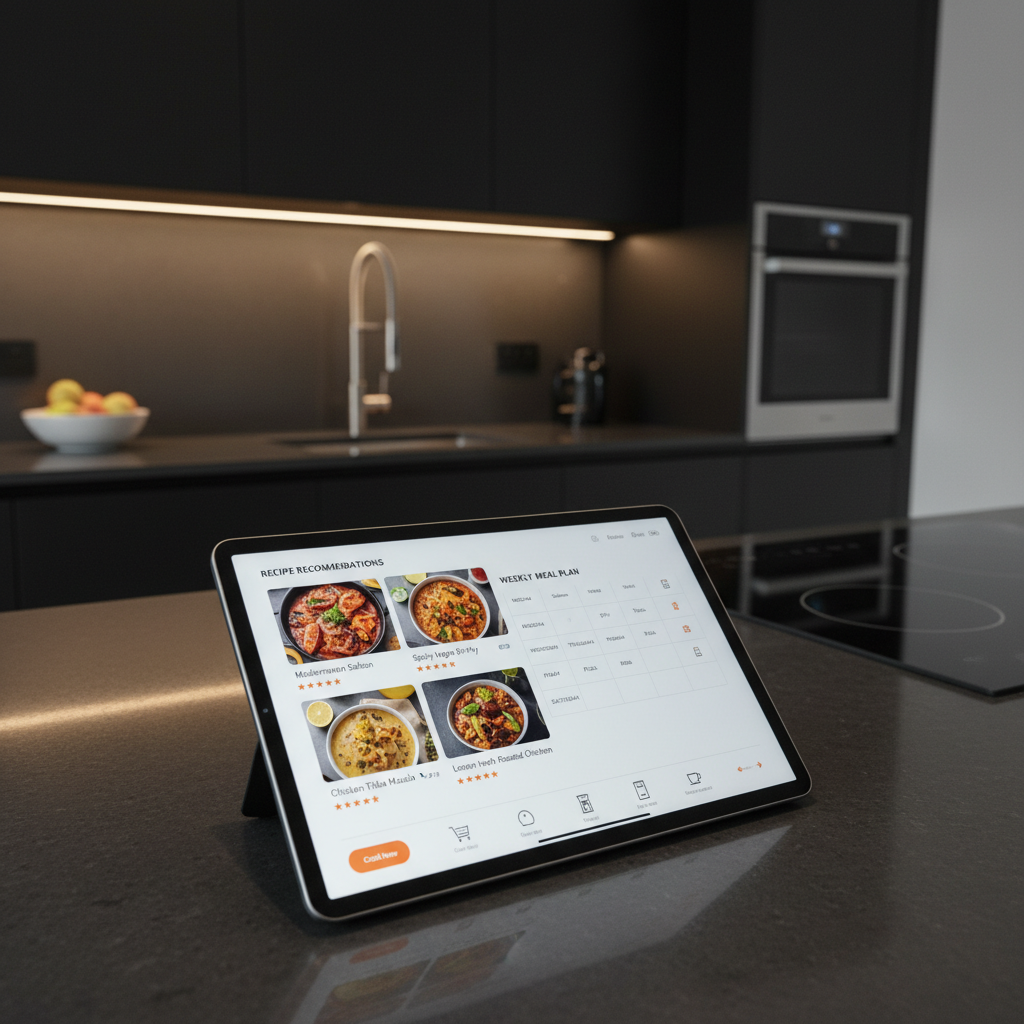
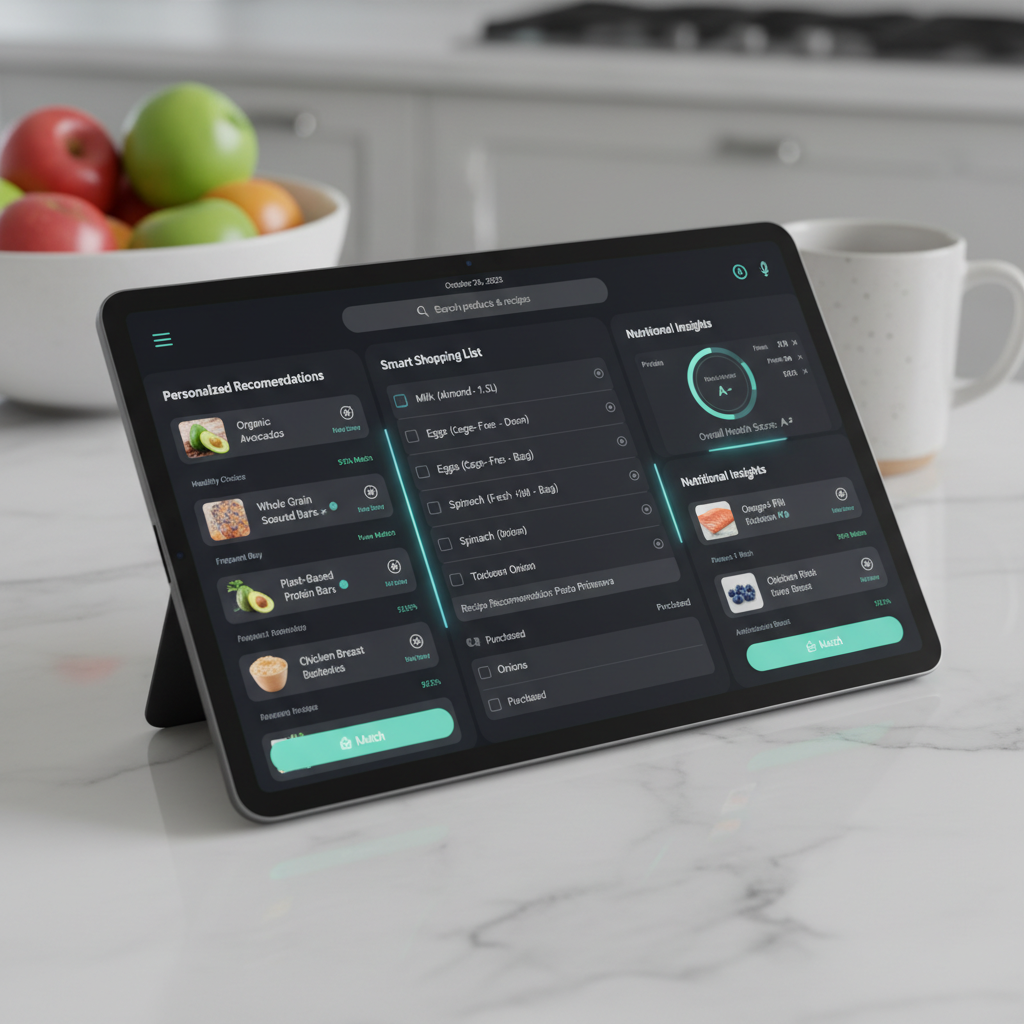
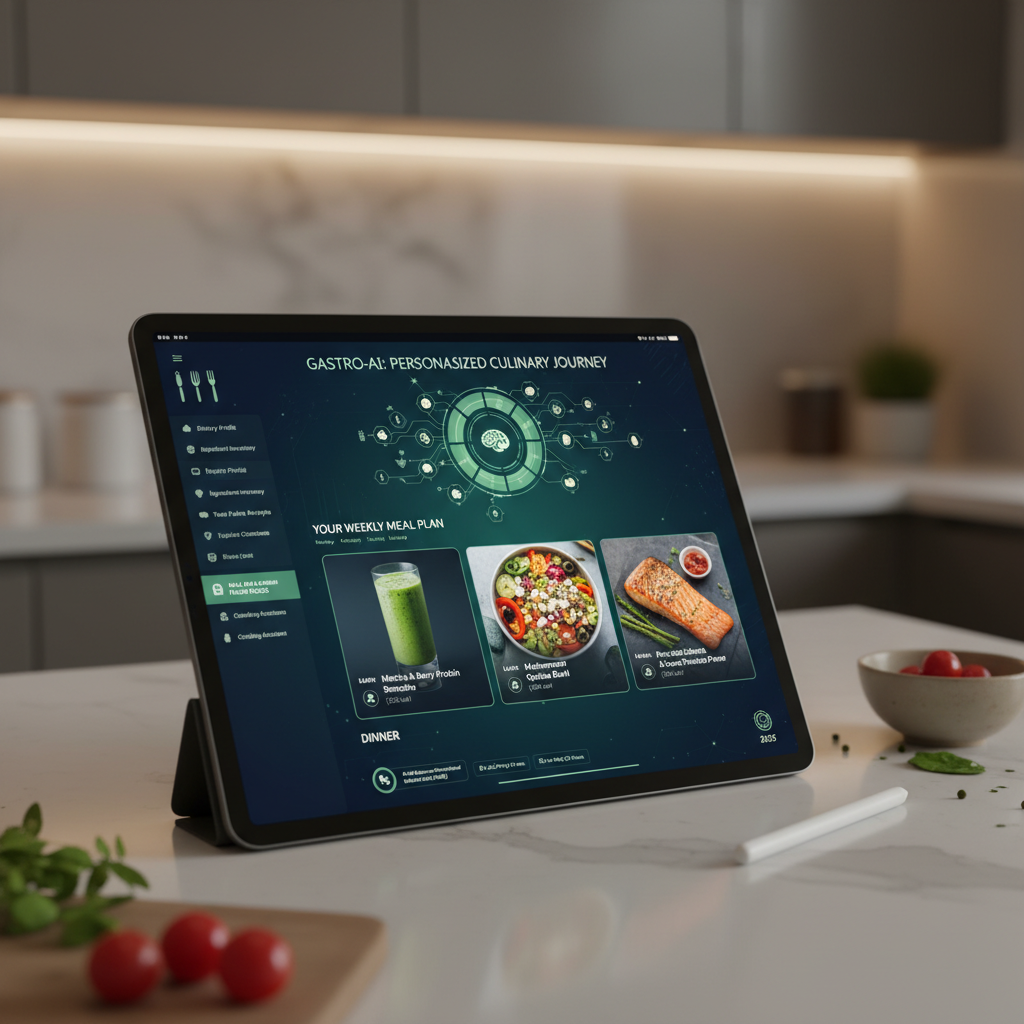
- Dynamic Meal Planning: Imagine an AI that, knowing your family size, dietary preferences, available cooking time, and current pantry inventory, generates a week’s worth of meal plans complete with recipes and a corresponding grocery list. It could suggest meals that utilize ingredients you already have, minimizing waste, or introduce you to new cuisines based on your flavor profile.
- Contextual Recommendations: AI considers external factors. Is it a holiday weekend? The system might suggest BBQ essentials. Is it flu season? Perhaps immune-boosting produce. Is there a heatwave? Recipes for refreshing salads and cool beverages could appear. Location, weather, time of day, and even local events can all influence personalized suggestions.
- Budget Optimization: For budget-conscious shoppers, hyper-personalization can highlight promotions on frequently purchased items, suggest store-brand alternatives, or recommend recipes that maximize value without compromising taste or nutrition.
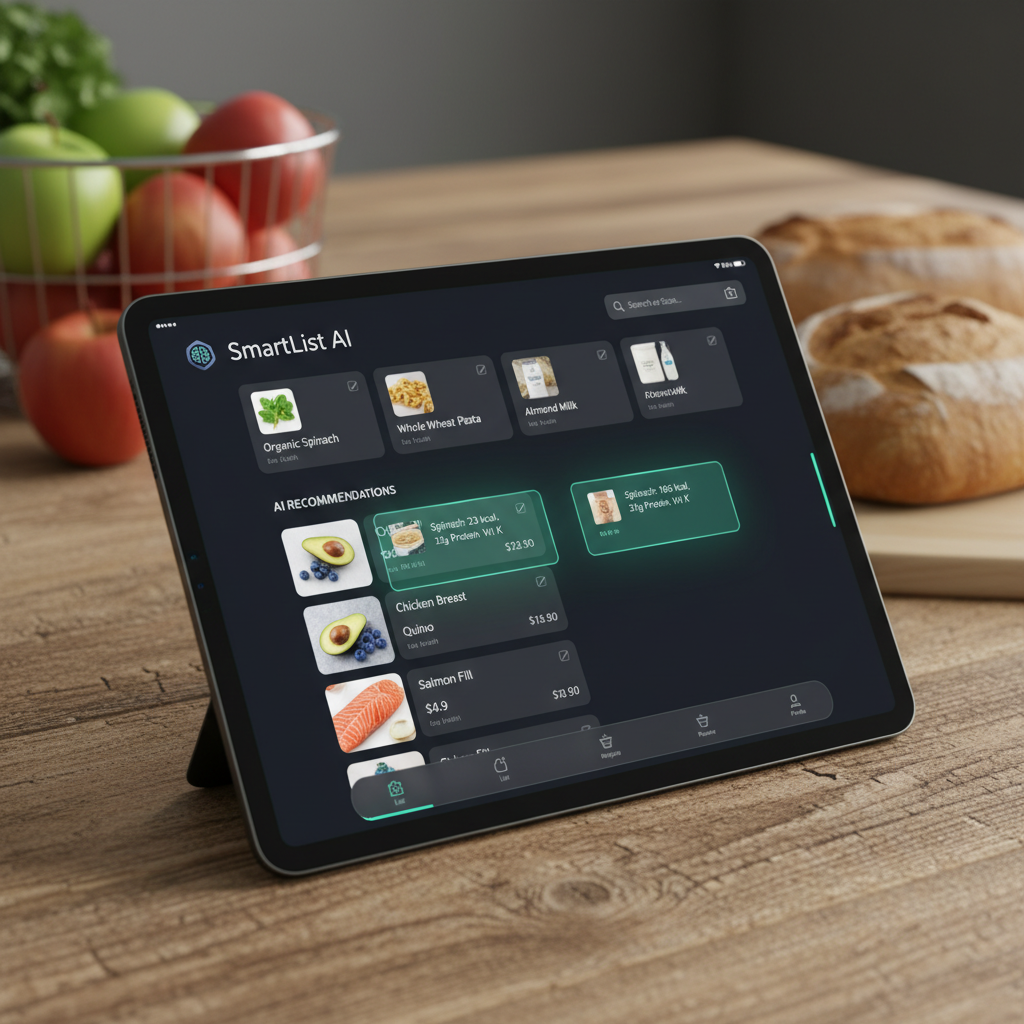
- Proactive Replenishment: AI learns your consumption patterns for staples like milk, bread, or coffee. It can then proactively remind you when you’re likely to run low, or even add them to your cart automatically for your next order, ensuring you never run out.
In essence, hyper-personalization transforms the grocery experience from a transactional necessity into a valuable, intelligent assistant that helps you eat better, save time, and manage your household more efficiently. It’s about moving from “what did you buy last time?” to “what do you need for a healthy and happy week, considering all your unique circumstances?”
The AI Engine: How it Drives Personalization
Achieving this level of hyper-personalization requires sophisticated AI technologies working in concert. It’s not a single algorithm but a complex interplay of various machine learning and deep learning techniques, processing vast amounts of data to infer patterns and make intelligent predictions.
Machine Learning (ML) Algorithms
ML forms the backbone of most recommendation engines, learning from data without explicit programming. Key techniques include:
- Collaborative Filtering: This is a foundational technique. It works on the principle that if two users share similar tastes on a few items, they are likely to have similar tastes on others.
- User-based: Finds users similar to you and recommends items they liked. For example, if User A and User B both bought organic whole milk and artisanal bread, and User A also bought a specific brand of fair-trade coffee, User B might be recommended that coffee.
- Item-based: Identifies items that are frequently bought together or highly rated by the same users. If spinach and feta cheese are often purchased together, buying one might prompt a recommendation for the other.
- Content-Based Filtering: This approach recommends items similar to those you’ve liked in the past based on item attributes. If you consistently buy gluten-free pasta, the system will recommend other gluten-free products or new pasta varieties with similar characteristics. It analyzes features like brand, ingredients, nutritional information, and category.
- Matrix Factorization: Techniques like Singular Value Decomposition (SVD) break down the user-item interaction matrix into smaller, latent factor matrices. These factors represent underlying characteristics of users and items that explain their interactions, leading to more nuanced recommendations than simple co-occurrence.
- Association Rule Mining: Algorithms like Apriori identify frequent itemsets and derive rules, such as “If a customer buys diapers and baby wipes, they are likely to also buy baby formula.” This is crucial for basket analysis and promotional bundling.
Deep Learning (DL) and Neural Networks
Deep learning, a subset of ML, utilizes neural networks with multiple layers to learn hierarchical representations of data. DL excels at uncovering complex, non-linear patterns that traditional ML might miss, especially with high-dimensional data like images, text, and sequences.
- Recurrent Neural Networks (RNNs) and Transformers: These are particularly effective for sequential data, like a shopper’s purchase history over time. They can understand the context and order of purchases, predicting what you’ll need next based on your evolving habits, rather than just isolated transactions. For instance, an RNN could learn that after buying spices for Indian cuisine, you typically buy basmati rice and lentils a few days later.
- Graph Neural Networks (GNNs): GNNs can model the relationships between users, items, and various attributes (e.g., dietary restrictions, recipes, brands) as a complex graph. This allows them to capture intricate connections and provide highly contextual and novel recommendations.
Natural Language Processing (NLP)
NLP is vital for understanding and processing human language, bridging the gap between user intent and AI suggestions.
- Voice Commerce: NLP enables seamless interaction with voice assistants (Alexa, Google Assistant) for adding items to lists, asking for recipe suggestions, or reordering. “Alexa, add organic almond milk to my cart and suggest a healthy dinner recipe for tonight.”
- Recipe Analysis: NLP can parse ingredient lists, cooking instructions, and nutritional information from millions of recipes, matching them to available grocery items and a user’s dietary profile.
- Customer Feedback Analysis: Analyzing reviews and feedback helps AI understand sentiment about products, refine recommendations, and even alert retailers to quality issues.
By combining these advanced AI techniques, grocery platforms can move beyond simple suggestions to create truly intelligent, predictive, and adaptable shopping experiences. The more data these systems consume and process, the smarter and more precise their recommendations become, continuously learning and improving with every interaction.
Data: The Fuel for Intelligent Grocery Experiences
The power of AI in grocery hyper-personalization is directly proportional to the quality and quantity of data it consumes. Data is the “new oil” for these intelligent systems, providing the raw material for algorithms to learn, identify patterns, and make accurate predictions. Collecting, processing, and analyzing diverse data points is paramount to unlocking truly personalized experiences.
Types of Data Collected:
- Purchase History: This is the foundational layer. What items do you buy, how frequently, in what quantities, and at what price points? This includes both online and, increasingly, in-store purchases linked to loyalty programs.
- Browsing Behavior: For online shoppers, this includes products viewed, items added to cart (even if not purchased), search queries, time spent on product pages, and categories explored. It reveals latent interest and intent.
- Demographic Information: While sensitive, aggregated and anonymized demographic data (age range, household size, general location) can help segment customers and understand broader trends.
- Dietary Preferences and Health Goals: Explicit input from users about allergies (e.g., nuts, gluten), dietary choices (e.g., vegan, keto, low-sodium), and health aspirations (e.g., weight loss, muscle gain) is invaluable.
- Lifestyle Data: Information about cooking habits (e.g., frequent cook, busy professional needing quick meals), family composition (e.g., presence of young children, empty nesters), and even pet ownership can refine recommendations.
- Location Data: Knowing a customer’s general location helps in suggesting local produce, store-specific promotions, or products trending in their geographical area.
- Time and Contextual Data: When do you shop? Are you a weekend bulk buyer or a weekday convenience shopper? Weather data, seasonal trends, and upcoming holidays can also influence shopping patterns.
- External Data Sources: Integration with recipe sites, health apps, smart kitchen appliances, and even social media (with user consent) can enrich the user profile and provide deeper insights into preferences and needs.
- Feedback and Ratings: Explicit ratings, reviews, and feedback on product quality, freshness, and satisfaction are direct signals for refining recommendations.
Ethical Data Collection and Usage:
While the volume of data is crucial, its ethical collection and transparent usage are paramount. Consumers are increasingly aware of their digital footprint, and trust is a non-negotiable currency. Retailers must adhere to strict data privacy regulations like GDPR and CCPA, ensuring:
- Transparency: Clearly communicate what data is being collected and how it will be used to enhance the shopping experience.
- Consent: Obtain explicit consent from users for data collection and sharing, particularly for sensitive information like health or dietary restrictions.
- Anonymization and Aggregation: Whenever possible, data should be anonymized and aggregated to protect individual privacy while still allowing for pattern identification.
- Security: Robust cybersecurity measures are essential to protect sensitive customer data from breaches and misuse.
- User Control: Empower users with control over their data, allowing them to review, modify, or delete their information and manage their privacy settings.
When handled responsibly, this rich tapestry of data, fueled by diverse sources and processed by intelligent AI algorithms, transforms the grocery store into a responsive, insightful partner in managing one’s household and lifestyle. It shifts the focus from simply selling products to truly serving the unique needs of each individual consumer.
Benefits for the Consumer: A Tailored Plate
The rise of AI-driven hyper-personalization in grocery shopping brings a multitude of tangible benefits directly to the consumer, transforming a transactional necessity into a truly valuable and enjoyable experience. These advantages span across convenience, health, savings, and discovery.
1. Unprecedented Convenience and Time Savings
- Automated Shopping Lists: AI learns your staples and consumption rate, proactively suggesting or even adding items to your cart when you’re likely to run low. No more last-minute dashes to the store for forgotten essentials.
- Effortless Meal Planning: Based on your dietary preferences, budget, family size, and ingredients already in your pantry, AI can generate complete meal plans for the week, along with corresponding grocery lists and easy-to-follow recipes. This eliminates the daily dilemma of “what’s for dinner?”
- Streamlined Navigation: For online shopping, AI can prioritize products relevant to you, reducing endless scrolling. In physical stores, future applications might include optimized in-app navigation routes based on your personalized list.
- Faster Checkout: With pre-filled carts and quick reordering options, the entire checkout process becomes significantly faster and smoother.
2. Healthier and More Informed Choices
- Personalized Nutritional Guidance: AI can filter products based on your specific dietary needs (e.g., low-sugar, high-fiber, allergen-free) and health goals, helping you avoid ingredients you’re trying to limit and prioritize those beneficial for your well-being.
- Ingredient Transparency: Systems can quickly flag products that conflict with your allergies or dietary restrictions, even suggesting suitable alternatives.
- Discovery of Healthy Alternatives: AI can introduce you to new, healthier products or brands you might not have discovered on your own, aligned with your preferences.
3. Cost Savings and Budget Management
- Personalized Discounts and Promotions: Instead of generic flyers, you receive offers on items you actually buy or are likely to try, maximizing your savings.
- Smart Substitutions: AI can suggest cheaper, yet equally suitable, alternatives for items on your list, helping you stick to your budget without compromising quality or necessity.
- Reduced Food Waste: By suggesting recipes that utilize ingredients already in your fridge or by prompting you to buy only what you need based on consumption patterns, AI helps minimize waste, saving money and benefiting the environment.
4. Enhanced Product Discovery and Culinary Exploration
- Tailored New Product Introductions: AI can highlight new items on the market that align perfectly with your past purchases and inferred preferences, making discovery exciting and relevant.
- Inspired Recipe Ideas: Beyond basic meal planning, AI can suggest adventurous recipes based on your profile, encouraging culinary exploration and helping you utilize unfamiliar ingredients creatively.
- Local and Sustainable Options: Depending on your preferences, AI can prioritize recommendations for locally sourced produce, ethically produced goods, or sustainable brands.
Ultimately, AI transforms grocery shopping from a chore into a highly personalized service that understands and caters to your unique life. It’s about more than just convenience; it’s about empowering consumers to make better choices, save valuable time, manage their household more efficiently, and even discover new joys in cooking and eating.
Benefits for Retailers: Smarter Operations, Stronger Loyalty
The advantages of AI-driven hyper-personalization are not exclusive to consumers; they offer a powerful suite of benefits for grocery retailers as well, fostering operational efficiencies, enhancing profitability, and cultivating stronger, more resilient customer relationships.
1. Enhanced Customer Loyalty and Retention
- Deeper Customer Understanding: By meticulously tracking preferences, behaviors, and feedback, retailers gain unparalleled insights into each customer, allowing them to forge more meaningful connections.
- Personalized Engagement: Tailored recommendations, promotions, and communications make customers feel valued and understood, significantly increasing their likelihood of returning.
- Reduced Churn: A highly personalized experience addresses individual needs, making it less likely for customers to seek alternatives from competitors.
2. Increased Sales and Basket Size
- Relevant Upselling and Cross-selling: AI recommends complementary products or premium versions that genuinely appeal to the customer, leading to larger, more valuable baskets.
- Optimized Promotions: Instead of blanket discounts, AI enables highly targeted promotions on items a specific customer is likely to buy, leading to higher conversion rates and reduced promotional waste.
- New Product Introduction: By accurately matching new products with relevant customer segments, retailers can accelerate adoption and reduce the risk of inventory stagnation for novel items.
3. Operational Efficiency and Cost Reduction
- Inventory Optimization: Predictive AI analyzes purchasing patterns, seasonality, and local trends to forecast demand with greater accuracy. This minimizes overstocking (reducing waste and carrying costs) and understocking (preventing lost sales).
- Reduced Food Waste: More accurate demand forecasting directly translates to less perishable goods expiring on shelves, a significant environmental and financial win for retailers.
- Optimized Supply Chain: Better demand predictions allow for more efficient ordering, stocking, and logistics, streamlining the entire supply chain from farm to shelf.
- Labor Optimization: With clearer demand signals and potentially automated processes for inventory management, staff can be deployed more effectively for customer service or other value-added tasks.
4. Targeted Marketing and Merchandising
- Precision Marketing: Retailers can move away from mass marketing campaigns to highly segmented, personalized campaigns that resonate with specific customer groups, leading to higher ROI.
- Dynamic Pricing: AI can analyze demand, competitor pricing, and individual customer price sensitivity to implement dynamic pricing strategies that maximize revenue while remaining competitive.
- Optimized Store Layout (for physical stores): Insights from online behavior can even inform physical store layouts, product placement, and promotional displays to enhance the in-store shopping journey.
5. Innovation and Competitive Advantage
- Data-Driven Product Development: AI provides insights into unmet needs and emerging trends, guiding retailers in developing new private-label products or sourcing unique items that will appeal to their customer base.
- Agility and Adaptability: Retailers equipped with AI can quickly adapt to changing market conditions, consumer preferences, and unforeseen events, maintaining a competitive edge.
In essence, AI transforms grocery retailers from passive providers of goods into agile, intelligent service providers. By leveraging data to understand and serve each customer individually, retailers can build deeper relationships, drive sustainable growth, and operate with unprecedented efficiency in an increasingly competitive landscape.
Navigating the Ethical Landscape and Implementation Challenges
While the promise of hyper-personalized grocery experiences is immense, realizing its full potential is not without significant hurdles. Both ethical considerations and practical implementation challenges demand careful attention to ensure that AI serves humanity responsibly and effectively.
Ethical Considerations:
- Data Privacy and Security: This is arguably the most critical concern. Hyper-personalization thrives on vast amounts of personal data, including purchase history, dietary restrictions, and location. Ensuring the robust security of this sensitive information and upholding strict privacy standards (like GDPR, CCPA) is paramount. A data breach could erode trust instantly and have severe reputational and financial consequences.
- Algorithmic Bias: AI algorithms learn from historical data, and if this data reflects existing societal biases (e.g., gender, race, socioeconomic status), the AI can perpetuate or even amplify them. This could lead to discriminatory recommendations, unequal access to promotions, or the exclusion of certain demographics from specific product suggestions. Regular auditing and ethical AI development practices are crucial to mitigate bias.
- Transparency and Explainability: The “black box” nature of some advanced AI models can make it difficult for users to understand why certain recommendations are made. Lack of transparency can lead to distrust. Consumers should have a clear understanding of how their data is being used and why they are seeing specific suggestions.
- Consumer Autonomy and “Filter Bubbles”: While personalization is beneficial, over-reliance on AI could lead to “filter bubbles,” where consumers are only exposed to products and ideas similar to what they already know. This could limit discovery and prevent consumers from exploring new options or challenging their habits. Striking a balance between personalization and serendipity is key.
- Digital Divide: Highly sophisticated AI-driven experiences might inadvertently exclude segments of the population who lack access to necessary technology (smartphones, internet) or digital literacy, widening the digital divide in access to convenient and cost-effective grocery shopping.
Implementation Challenges:
- Data Integration and Quality: Grocery retailers often have disparate data systems (e.g., loyalty programs, e-commerce platforms, in-store POS). Integrating these diverse sources into a unified, high-quality dataset suitable for AI processing is a massive undertaking. Data cleansing, normalization, and real-time updates are complex.
- Cost of Technology and Infrastructure: Implementing advanced AI solutions requires significant investment in cutting-edge hardware, software, cloud infrastructure, and specialized AI talent (data scientists, ML engineers). This can be prohibitive for smaller retailers.
- Talent Gap: There’s a global shortage of skilled AI professionals. Attracting and retaining top talent capable of designing, deploying, and maintaining these complex systems is a major challenge for many organizations.
- System Complexity and Maintenance: AI models are not “set it and forget it.” They require continuous monitoring, retraining, and updates as consumer behaviors evolve, new products emerge, and external factors change. Managing this complexity demands robust MLOps (Machine Learning Operations) practices.
- User Adoption and Trust: Even with the best technology, gaining user trust and encouraging adoption of new, AI-powered features is crucial. Users may be wary of sharing personal data or resistant to changes in their shopping habits. Clear communication about benefits and privacy is essential.
- Balancing Personalization with Business Goals: While individual personalization is key, retailers also need to manage inventory, promote specific brands, and achieve broader business objectives. The AI system must be designed to balance individual consumer needs with overarching retail strategies.
Addressing these ethical and practical challenges requires a multi-faceted approach involving robust governance, interdisciplinary teams, continuous innovation in AI ethics, and a strong commitment to transparency and user-centric design. Only then can the true transformative power of AI in grocery be harnessed responsibly and equitably.
The Future is Now: Emerging Trends in AI-Powered Grocery
The journey towards hyper-personalized grocery experiences is an ongoing evolution, with several exciting trends currently shaping its future. These emerging technologies and approaches promise to make shopping even more intuitive, integrated, and intelligent.
1. Predictive Shopping Lists and Proactive Replenishment
Beyond simply suggesting items, advanced AI will become increasingly adept at predicting your needs weeks in advance. By analyzing consumption rates, historical purchasing patterns, calendar events (e.g., birthdays, holidays), and even external factors like local school holidays, AI will generate highly accurate predictive shopping lists. Imagine your fridge being ‘smart’ enough to communicate with your grocery app, autonomously adding milk or eggs to your next order based on real-time inventory levels.
2. Augmented Reality (AR) and Virtual Reality (VR) Integration
- AR for In-Store Navigation and Product Information: Using your smartphone or AR glasses, you could navigate a physical store with overlayed directions to your personalized list items, see nutritional information pop up as you look at a product, or even visualize how ingredients would look in a recipe.
- VR for Immersive Online Shopping: While still nascent, VR could offer immersive virtual grocery store experiences, allowing shoppers to “walk” through aisles, examine products in 3D, and interact with personalized virtual assistants, bridging the gap between online convenience and in-store sensory experience.
3. Voice Commerce and Conversational AI at Scale
Voice assistants are already a part of many homes, but their integration into grocery will deepen. Conversational AI will allow for more natural and complex interactions: “Order the usual for the week, but swap out the dairy milk for oat milk, and suggest a healthy, kid-friendly dinner recipe that uses chicken and broccoli.” These systems will understand context, recall past conversations, and execute multi-step requests seamlessly, making shopping hands-free and highly intuitive.
4. Hyper-Personalized Meal Planning and Nutritional Coaching
AI will not just suggest ingredients but become an integrated meal planner and even a nutritional coach. Based on your health goals, fitness tracker data, dietary preferences, and even genetic information (with consent), AI could design entire meal plans, dynamically adjust grocery lists, and provide real-time nutritional feedback, ensuring your diet perfectly aligns with your well-being objectives.
5. AI-Driven In-Store Experiences
Physical stores will also benefit. AI-powered cameras could identify when shelves need restocking, track customer flow to optimize store layouts, and even detect perishable items nearing expiration to trigger immediate discounts. Smart carts could guide shoppers, display personalized promotions, and offer frictionless checkout. Robot assistants might help with inventory management or even offer sampling recommendations.
6. Ethical AI and Trust-Building
As AI becomes more pervasive, the emphasis on ethical AI development, transparency, and user control over data will intensify. Future AI systems will be designed with privacy-by-design principles, offering clear explanations for recommendations and giving users granular control over their preferences and data sharing, thereby fostering deeper trust and adoption.
These trends paint a picture of a grocery landscape where AI is not just a tool, but an invisible, intelligent partner that constantly works to make your life easier, healthier, and more enjoyable. The future of grocery shopping promises to be an exciting blend of technological innovation and deeply human-centric design.
Comparison Tables
Table 1: Traditional vs. AI-Powered Hyper-Personalized Grocery Shopping
| Feature | Traditional Grocery Shopping | AI-Powered Hyper-Personalized Grocery |
|---|---|---|
| Shopping List Creation | Manual, often from memory or basic list. | Predictive, AI-generated based on consumption, recipes, and preferences. |
| Product Discovery | Browsing aisles, advertisements, word-of-mouth. | Curated suggestions, new products aligned with personal profile, tailored dietary options. |
| Meal Planning | Manual, time-consuming research for recipes and ingredients. | Automated, AI-generated meal plans with recipes and integrated grocery lists based on preferences, pantry, and budget. |
| Promotions & Discounts | Generic flyers, coupon clipping, mass advertisements. | Personalized discounts on items you actually buy or are likely to try, optimized for maximum savings. |
| Dietary & Health Support | Self-monitoring of labels, manual ingredient checking. | Automatic filtering for allergies/diets, nutritional guidance, healthy alternative suggestions. |
| Time & Effort Required | Significant time for planning, shopping, and potential forgotten items. | Minimized effort, proactive suggestions, streamlined processes, reduced mental load. |
| Inventory Management (Consumer) | Manual tracking of pantry items, leading to waste or forgotten purchases. | Potential integration with smart home devices for real-time inventory tracking and replenishment alerts. |
Table 2: Key AI Technologies and Their Grocery Applications
| AI Technology | Description | Key Grocery Application(s) | Benefit(s) |
|---|---|---|---|
| Collaborative Filtering (ML) | Recommends items based on similar user tastes or item co-occurrence. | “Customers who bought X also bought Y” suggestions, related product bundles. | Increased basket size, discovery of relevant complementary products. |
| Content-Based Filtering (ML) | Recommends items similar to those previously liked by a user based on item attributes. | Suggesting organic produce if user frequently buys organic, recommending specific brand alternatives. | Higher relevance of recommendations, consistent with user’s specific tastes/needs. |
| Deep Learning (e.g., RNNs, Transformers) | Analyzes sequential data and complex patterns through neural networks. | Predictive shopping lists based on purchase history over time, dynamic meal planning, demand forecasting. | Highly accurate future predictions, proactive replenishment, sophisticated personalization. |
| Natural Language Processing (NLP) | Enables computers to understand, interpret, and generate human language. | Voice-activated shopping (e.g., “Alexa, add fresh spinach”), recipe analysis, customer service chatbots. | Hands-free convenience, intuitive interaction, efficient information retrieval. |
| Computer Vision (ML) | Enables machines to “see” and interpret visual data from the real world. | Automated shelf monitoring for restocking, quality control of produce, smart cart checkout. | Operational efficiency, reduced waste, improved in-store experience, faster checkout. |
| Reinforcement Learning (RL) | AI learns optimal actions through trial and error, maximizing a reward function. | Dynamic pricing optimization, personalized promotion strategies based on real-time user engagement. | Optimized revenue, highly effective individualized marketing campaigns. |
Practical Examples and Real-World Scenarios
To truly grasp the transformative power of AI in grocery, let’s explore some tangible, real-world examples and scenarios that illustrate how hyper-personalization is being implemented or envisioned.
1. The Morning Routine Made Effortless: Predictive Replenishment
Meet Sarah, a busy working mom. Her AI-powered grocery app knows she buys organic whole milk every Tuesday, eggs every other week, and a specific brand of fair-trade coffee monthly. This Tuesday morning, the app sends her a notification: “Looks like you’re low on organic whole milk and your usual coffee. Would you like to add them to your cart for tomorrow’s delivery?” It even suggests a fresh batch of sourdough bread from a local bakery she frequently buys from. Sarah approves with a single tap, saving her the mental load of checking her fridge and remembering to order.
2. Health Goals and Dietary Needs: The Intelligent Meal Planner
David is trying to reduce his sugar intake and follow a pescatarian diet. His grocery app, integrated with his fitness tracker, notices his activity levels. On Sunday, it presents him with a personalized weekly meal plan: three dinner recipes (e.g., baked salmon with roasted vegetables, lentil soup, shrimp stir-fry) that fit his dietary restrictions and sugar goals, along with a automatically generated shopping list. The app highlights ingredients on sale and suggests a low-sugar alternative for a particular sauce. This eliminates hours of meal planning and grocery list creation, ensuring David stays on track with his health objectives.
3. Dynamic Pricing and Personalized Promotions
Across town, Maria receives a notification from her preferred grocery chain: “Special offer just for you! Get 20% off ‘XYZ’ brand yogurt and a free bag of apples with any purchase over $50.” This isn’t a generic coupon; the AI knows Maria frequently buys this yogurt brand and often exceeds the $50 threshold. Meanwhile, John, a new customer, might receive a “First order free delivery” offer. The retailer uses AI to offer personalized, real-time discounts that are most likely to convert each individual customer, optimizing both sales and customer satisfaction.
4. In-Store Smart Navigation and Augmented Product Information
Imagine walking into a large supermarket with your AI-powered grocery app open. Instead of a static list, the app creates an optimal path through the aisles based on your items, minimizing backtracking. As you point your phone camera at a shelf, AR overlays pop up, highlighting specific products on your list, displaying their nutritional information, showing user reviews, or indicating whether they are part of a personalized promotion tailored just for you. For someone with allergies, it could instantly highlight allergens in ingredients.
5. Reducing Food Waste with AI-Powered Inventory Management
A local grocery store chain implements AI to analyze real-time sales data, local weather forecasts, and even social media trends (e.g., a viral recipe). The AI predicts demand for perishable goods like berries, fresh bakery items, or specialty cheeses with unprecedented accuracy. This leads to optimized ordering, reducing overstocking and significantly cutting down on food waste, benefiting both the environment and the store’s bottom line. If an item is still nearing its expiration, the AI can trigger an automated, personalized discount offer to customers who have previously purchased that item or similar products, ensuring it’s sold before it spoils.
6. Voice-Activated Shopping and Smart Kitchen Integration
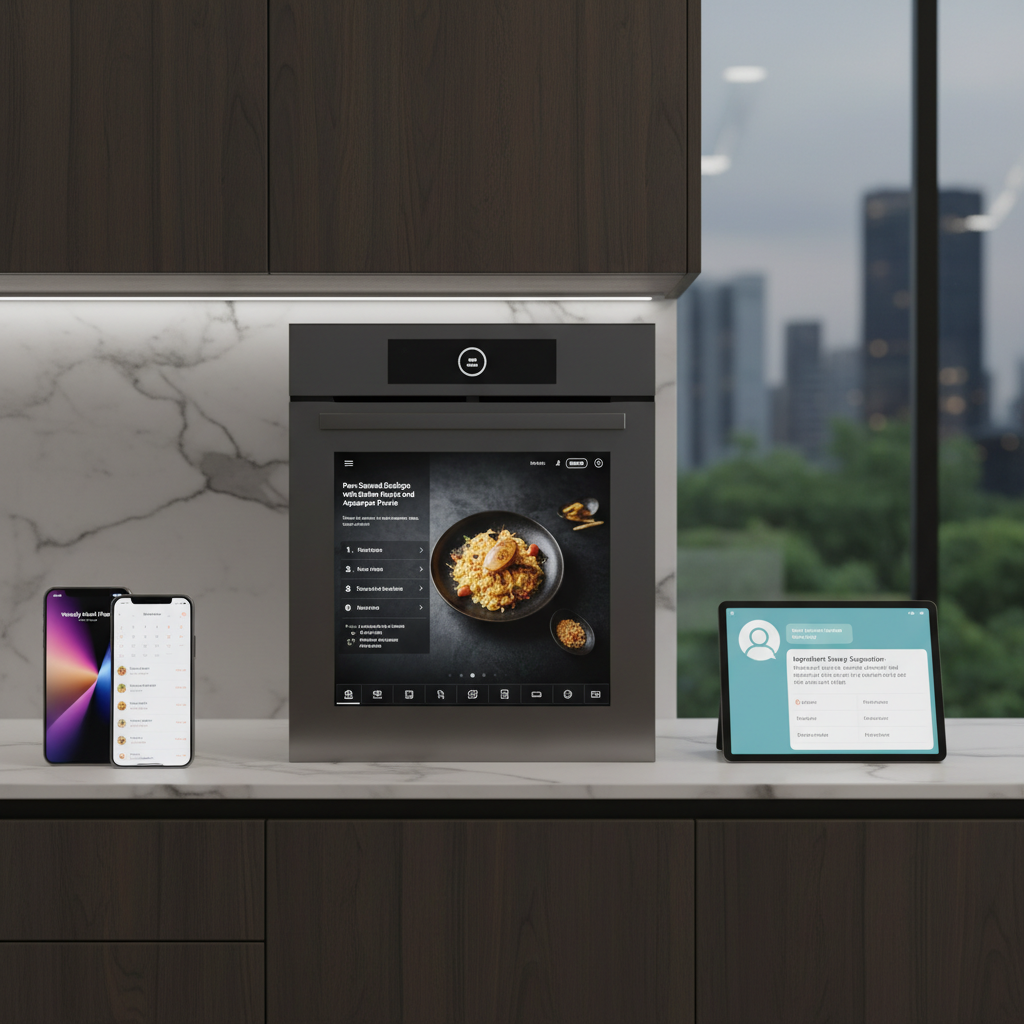
While cooking dinner, Mark realizes he’s out of olive oil. Instead of stopping, he simply says, “Hey Google, add extra virgin olive oil to my grocery list.” His smart kitchen assistant confirms, and the item is immediately added to his next online order. Later, his smart fridge detects low levels of orange juice and automatically adds it to the list, asking for Mark’s confirmation via an app notification. This seamless integration makes managing household staples almost entirely hands-free and proactive.
These examples illustrate how AI is shifting the grocery experience from reactive to proactive, from generic to profoundly personal, making shopping not just easier, but smarter, healthier, and more aligned with individual lifestyles.
Frequently Asked Questions
Q: What exactly is hyper-personalization in grocery, and how is it different from regular personalization?
A: Hyper-personalization in grocery goes far beyond basic product suggestions. While regular personalization might recommend items based on your past purchases or general demographic data, hyper-personalization leverages AI to understand your unique individual context. This includes your specific dietary restrictions (allergies, vegan, gluten-free), health goals, cooking habits, budget, family size, real-time location, and even external factors like weather. It aims to create a truly bespoke and dynamic shopping experience that anticipates your needs, provides intelligent meal planning, and offers perfectly tailored promotions, making the entire journey feel uniquely crafted for you.
Q: What kind of data does AI use to create these personalized experiences?
A: AI utilizes a rich tapestry of data points. This includes explicit data you provide (e.g., dietary preferences, allergies, health goals) and implicit data gathered from your interactions. Key data sources include your extensive purchase history (both online and in-store via loyalty programs), browsing behavior (products viewed, search queries), location data, time of day/week you shop, product ratings and reviews, and even data from connected devices like smart fridges or fitness trackers (with your consent). External data like weather patterns and seasonal trends also contribute to the AI’s understanding.
Q: How does AI help me save money on groceries?
A: AI helps you save money in several ways. Firstly, it offers personalized discounts and promotions on items you genuinely need or are likely to buy, ensuring your savings are relevant. Secondly, it can suggest cheaper, quality-controlled alternatives for items on your list. Thirdly, by accurately predicting your consumption and helping with meal planning, AI can reduce food waste by encouraging you to buy only what you need and suggesting recipes that utilize ingredients you already have, saving you from expired food costs. It also helps in budget management by highlighting cost-effective options.
Q: Is my personal data safe with AI-powered grocery services?
A: Data privacy and security are paramount concerns. Reputable grocery retailers and tech providers implementing AI are expected to adhere to strict data protection regulations like GDPR and CCPA. They should employ robust cybersecurity measures to protect your sensitive information. Furthermore, transparency about what data is collected and how it’s used, along with giving you control over your privacy settings and data sharing, are crucial ethical practices. Always review the privacy policy of any service you use.
Q: Can AI help me with meal planning if I have specific dietary restrictions or allergies?
A: Absolutely, this is one of AI’s strongest features in hyper-personalization. By inputting your dietary restrictions (e.g., gluten-free, dairy-free, nut allergies, vegan, keto, etc.), the AI can filter out unsuitable products, suggest appropriate alternatives, and generate meal plans and recipes that strictly adhere to your requirements. It can even cross-reference ingredients to flag potential allergens in new products you might consider.
Q: How accurate are AI’s predictions for my grocery needs?
A: The accuracy of AI’s predictions significantly improves over time as it gathers more data about your unique purchasing patterns, consumption rates, and preferences. Initially, it might make more general suggestions, but with continuous interaction and feedback, it becomes highly precise. Advanced AI, using deep learning models, can even predict your needs weeks in advance by understanding the subtle nuances of your evolving habits and lifestyle.
Q: What are the main benefits for grocery retailers implementing AI personalization?
A: For retailers, AI personalization leads to increased customer loyalty and retention, higher sales and average basket size through relevant upsells and cross-sells, and significant operational efficiencies. This includes more accurate demand forecasting, which reduces food waste and optimizes inventory. It also enables highly targeted marketing, improved supply chain management, and a deeper understanding of customer behavior, providing a strong competitive advantage.
Q: Will AI replace human grocery shoppers or store employees?
A: The goal of AI in grocery is to augment, not replace, human roles. While AI can automate mundane tasks like inventory checks or basic customer service, it frees up human employees to focus on more complex, value-added tasks such as personalized customer assistance, expert product recommendations, merchandising, and handling intricate logistics. Human empathy, creativity, and problem-solving skills remain irreplaceable. AI enhances the shopping experience for both consumers and employees.
Q: What is the environmental impact of AI-driven grocery services?
A: AI can have a significant positive environmental impact. By enabling more accurate demand forecasting and inventory management for retailers, it drastically reduces food waste, a major contributor to greenhouse gas emissions. For consumers, AI can suggest recipes that utilize existing ingredients, further minimizing household food waste. Optimized delivery routes powered by AI can also reduce fuel consumption and carbon footprint. However, the energy consumption of large AI models is also a consideration, emphasizing the need for energy-efficient AI development.
Q: Can AI help me discover new products or cuisines?
A: Yes! While AI excels at predicting your usual favorites, it’s also designed for discovery. By understanding your flavor profile, dietary preferences, and past explorations, AI can intelligently introduce you to new products, ingredients, or even entire cuisines that align with your tastes but you haven’t tried yet. It can suggest unique recipes or local artisanal products, encouraging culinary adventure while ensuring relevance.
Key Takeaways
- Hyper-personalization is the Future: AI is transforming grocery from basic recommendations to deeply personalized, predictive, and proactive experiences tailored to individual needs.
- Data is the Foundation: Vast amounts of diverse data – purchase history, browsing behavior, dietary preferences, external factors – fuel AI’s ability to understand and predict consumer needs.
- AI’s Technological Powerhouse: Machine Learning (collaborative filtering, content-based), Deep Learning (RNNs, GNNs for complex patterns), and Natural Language Processing (voice commerce, recipe analysis) are key enabling technologies.
- Benefits for Consumers are Extensive: Shoppers gain unprecedented convenience, save time and money, make healthier choices, reduce food waste, and enjoy enhanced product discovery.
- Retailers Also Win Big: AI drives increased customer loyalty, higher sales, optimized inventory, reduced food waste, efficient supply chains, and targeted marketing, leading to a strong competitive edge.
- Ethical Considerations are Crucial: Data privacy, algorithmic bias, transparency, and consumer autonomy must be carefully managed to build trust and ensure responsible AI implementation.
- Implementation Comes with Challenges: Data integration, high costs, talent gaps, and system complexity are significant hurdles that retailers must overcome.
- Emerging Trends are Exciting: Predictive shopping, AR/VR integration, advanced voice commerce, and AI-driven meal planning represent the next frontier in intelligent grocery shopping.
- AI Augments, Not Replaces: The aim is to empower both consumers and retail staff, making the entire grocery ecosystem more efficient, intelligent, and human-centric.
Conclusion
The journey from basic grocery baskets to hyper-personalized AI-driven experiences marks a monumental shift in how we approach one of life’s most fundamental necessities. What was once a chore is rapidly transforming into an intelligent, intuitive, and deeply integrated part of our daily lives. AI is no longer a futuristic concept but a present-day reality, meticulously learning our preferences, anticipating our needs, and curating a shopping journey that feels uniquely our own.
From effortlessly building shopping lists and planning healthy meals to receiving tailored discounts and discovering products perfectly suited to our tastes, the benefits for consumers are profound. Simultaneously, retailers are leveraging these advanced capabilities to optimize operations, minimize waste, and build stronger, more lasting relationships with their customers. While navigating the ethical complexities of data privacy and algorithmic bias, and overcoming the practical challenges of implementation, the trajectory is clear: AI is poised to redefine the very essence of grocery shopping.
As we look ahead, the integration of predictive intelligence, immersive technologies like AR/VR, and advanced conversational AI promises an even more seamless and enriching future. The grocery basket, once a simple vessel, has truly evolved into a powerful conduit for a smarter, more personalized, and ultimately more enjoyable way of living. Embracing this intelligent evolution is not just about keeping pace with technology; it’s about unlocking a future where grocery shopping genuinely works for you, understanding your needs beyond the basic basket, and delivering an experience that consistently exceeds expectations.













































































Leave a Reply