


The Future of Grocery Shopping: AI-Driven Recommendation Engines
In an increasingly fast-paced world, balancing a demanding lifestyle with the commitment to healthy eating often feels like an insurmountable challenge. The sheer volume of choices at the supermarket, combined with evolving dietary science, personal allergies, intolerances, and specific health goals, can make grocery shopping a source of significant stress rather than a simple chore. Many of us aspire to make healthier choices, to eat more nutritiously, and to cater to the unique needs of our bodies or families, but the path to achieving this is frequently obscured by a lack of time, knowledge, or clear guidance.
Imagine a world where your grocery list isn’t just a random collection of items, but a carefully curated selection tailored precisely to your individual health profile, dietary restrictions, taste preferences, and even your mood. This is no longer a futuristic fantasy but a rapidly unfolding reality, thanks to the revolutionary power of Artificial Intelligence. AI-powered grocery recommendation engines are emerging as game-changers, promising to transform the way we approach food, nutrition, and wellness. These sophisticated systems delve deep into complex data, learning from our past choices, understanding our explicit and implicit preferences, and cross-referencing this information with vast nutritional databases and medical guidelines.
This blog post will explore how these intelligent systems are moving beyond basic product suggestions to offer truly personalized dietary guidance. We will uncover the intricate technologies that power them, examine their myriad benefits from health improvements to reduced food waste, discuss the critical challenges and ethical considerations they present, and look at real-world applications and what the future holds for this exciting intersection of AI and nutrition. Prepare to discover how your next grocery run could be the smartest, healthiest, and most effortless one yet, all thanks to the discerning eye of artificial intelligence.
The Nutritional Dilemma in Modern Lifestyles
Modern life, for all its conveniences, presents a unique set of challenges when it comes to maintaining optimal nutrition. Our schedules are often packed, leaving little room for extensive meal planning, ingredient research, or scratch cooking. The allure of convenience foods, while time-saving, frequently comes at the cost of nutritional density, often being high in unhealthy fats, sugars, and sodium. This widespread reliance on processed options contributes significantly to a growing public health crisis, characterized by rising rates of obesity, type 2 diabetes, heart disease, and various other chronic conditions.
Beyond the time crunch, consumers face an overwhelming paradox of choice in grocery stores. Aisles are overflowing with thousands of products, each vying for attention, often with confusing or misleading labels. Deciphering nutritional information, understanding ingredient lists, and making informed decisions about which products genuinely align with health goals requires a level of expertise and dedication that many simply do not possess. Moreover, the constant influx of conflicting dietary advice from various sources can lead to confusion and decision fatigue, making it even harder for individuals to commit to a consistent, healthy eating pattern.
Adding another layer of complexity are specific dietary needs. Millions worldwide grapple with food allergies, such as peanuts, tree nuts, dairy, eggs, soy, wheat, fish, and shellfish, where even trace amounts can trigger severe, life-threatening reactions. Others manage food intolerances like lactose or gluten sensitivity, which, while not life-threatening, can cause significant discomfort and digestive issues. Furthermore, individuals managing chronic health conditions such as diabetes, high cholesterol, celiac disease, or kidney disease require highly specialized diets that meticulously control macronutrient ratios, sodium intake, or specific allergens. Expectant mothers, infants, growing children, and seniors also have distinct nutritional requirements that change over time, necessitating careful food selection. Navigating these complex dietary landscapes without expert guidance can feel like an impossible task, often leading to frustration, dietary non-compliance, or less-than-optimal health outcomes. This is precisely where AI steps in, offering a beacon of clarity and personalized support.
What Exactly are AI-Powered Grocery Recommendation Engines?
At their core, AI-powered grocery recommendation engines are sophisticated software systems designed to provide personalized suggestions for food products and ingredients to consumers. However, they are far more advanced than the simple “customers who bought this also bought that” algorithms we are familiar with from basic e-commerce sites. These engines harness the power of artificial intelligence, specifically machine learning (ML), natural language processing (NLP), and big data analytics, to understand individual user profiles in intricate detail and then match them with an extensive database of food products.
The process begins with data collection. These engines gather information from various sources. Explicit data comes directly from the user, such as stated dietary preferences (e.g., vegan, gluten-free, keto), allergies (e.g., dairy, nuts), health goals (e.g., weight loss, muscle gain, lowering cholesterol), and even taste preferences (e.g., spicy, sweet, savory). Implicit data is gathered through tracking user behavior: past purchases, items browsed, search queries, items saved to a wish list, frequency of buying certain brands, and even the time of day or week when shopping occurs. If integrated with wearable technology or health apps, these systems can also incorporate biometric data, activity levels, and other health metrics to refine their understanding of a user’s physiological needs.
Once data is collected, machine learning algorithms get to work. They analyze patterns, identify correlations, and predict future preferences. For instance, if a user consistently buys organic produce, leans towards plant-based alternatives, and searches for recipes low in saturated fat, the AI builds a profile suggesting a health-conscious, plant-forward diet. Natural Language Processing allows the AI to understand not just keywords, but the nuances of recipes, ingredient lists, and user feedback. It can parse complex nutritional information, detect hidden allergens in product descriptions, and even understand the sentiment behind a product review. By cross-referencing this deep understanding of the user with a vast, continually updated database of food products, including their nutritional content, ingredient lists, allergen warnings, and even sustainability scores, the AI can generate highly accurate and contextually relevant recommendations. These recommendations can range from suggesting specific brands of almond milk for a lactose-intolerant shopper, to proposing a full week’s meal plan tailored for a diabetic, complete with recipe links and exact ingredient quantities for purchase.
The evolution of these engines is moving towards predictive analytics, where the AI can anticipate needs even before the user expresses them. For example, knowing a user’s typical grocery cycle, coupled with their previous purchases, the AI might suggest restocking essentials before they run out, or recommend seasonal produce that aligns with their dietary preferences. This proactive, intelligent assistance transforms grocery shopping from a reactive chore into a strategic, health-optimizing experience, making healthy choices not just easier, but almost automatic.
Personalization at its Core: Tailoring to Individual Dietary Needs
The true power of AI-powered grocery recommendations lies in their unparalleled ability to personalize suggestions. Generic advice to “eat more vegetables” or “reduce sugar” is often unhelpful because it fails to address the unique complexities of individual health, lifestyle, and preferences. AI steps in to fill this gap, offering a granular level of tailoring that was previously only achievable through extensive consultation with a dedicated nutritionist or dietitian.
Consider the spectrum of specific dietary restrictions. For someone managing Celiac disease, the AI can rigorously filter out all products containing gluten, including hidden sources in sauces or processed foods, guiding them towards verified gluten-free alternatives and safe brands. A dairy-allergic individual will receive recommendations for plant-based milks, yogurts, and cheeses, ensuring their shopping list is entirely free from dairy. For those with severe nut allergies, the system can flag products that are not only nut-free but also manufactured in nut-free facilities, significantly reducing the risk of cross-contamination, a critical safety feature.
Beyond allergies and intolerances, AI excels at catering to specific health goals. An individual aiming for weight loss might receive suggestions for low-calorie, high-fiber foods, alongside portion control guidance and recipe ideas that support satiety. A fitness enthusiast focused on muscle gain could be directed towards high-protein foods, lean meats, plant-based protein sources, and supplements, with the AI potentially calculating macro-nutrient breakdowns for optimal results. For those looking to manage chronic conditions, the personalization becomes even more vital. A person with high cholesterol might receive recommendations for foods rich in soluble fiber and omega-3 fatty acids, while actively filtering out options high in saturated and trans fats. Diabetics can benefit from suggestions for low glycemic index foods, helping them regulate blood sugar levels more effectively.
The versatility extends to various lifecycle stages and ethical considerations. Pregnant women can receive suggestions for foods rich in folate, iron, and other essential nutrients for fetal development, while avoiding items like unpasteurized cheeses or certain types of fish. Parents of infants and young children can get age-appropriate food recommendations, ensuring balanced nutrition during crucial developmental phases. Seniors, who may have specific needs related to bone health, digestion, or medication interactions, can receive tailored advice for nutrient-dense, easy-to-prepare meals. Furthermore, the AI can incorporate ethical preferences, such as recommending sustainably sourced products, fair-trade items, or products from companies that align with specific social values. This depth of personalization transforms grocery shopping from a mere transactional activity into a powerful tool for achieving holistic health and wellness, making informed choices not just possible, but effortlessly integrated into daily life.
The Technology Behind Smarter Suggestions
The intelligence that powers these sophisticated grocery recommendation engines stems from a confluence of advanced artificial intelligence technologies. It is not a single algorithm but rather a complex interplay of several disciplines working in harmony to deliver truly personalized and effective suggestions.
At the forefront are Machine Learning Algorithms. These are the brains of the operation, constantly learning and adapting. Collaborative filtering is a common technique, where the system identifies users with similar tastes or dietary needs and recommends items that those “similar” users have enjoyed or purchased. Content-based filtering, on the other hand, recommends items similar to those a user has liked in the past, based on attributes like ingredients, nutritional profile, brand, or category. Many modern systems employ hybrid models, combining both approaches to overcome their individual limitations and provide more robust, diverse, and accurate recommendations. These algorithms are continuously trained on vast datasets of product information, user interactions, and nutritional science, allowing them to refine their predictive capabilities over time. For instance, if a user marks a specific recipe as disliked due to a particular ingredient, the ML model learns to de-prioritize that ingredient in future suggestions, not just for that user but potentially for other users with similar profiles.
Natural Language Processing (NLP) is another critical component. Grocery items, recipes, and dietary guidelines are rich in unstructured text data. NLP enables the AI to understand and interpret this language. It can parse complex ingredient lists to identify hidden allergens or specific additives, extract nutritional information from product descriptions, and even understand the nuances of a recipe’s instructions. More impressively, NLP allows the system to analyze user feedback, reviews, and dietary logs written in natural language, extracting valuable insights that might not be captured by simple checkboxes. This means if a user writes “I prefer organic, sustainably farmed vegetables and lean protein sources,” the NLP can translate this into actionable filters and preferences for the recommendation engine.
The scale of data involved necessitates robust Big Data Analytics. Every grocery product has dozens of attributes: ingredients, allergens, nutritional values (calories, fats, proteins, carbs, vitamins, minerals), certifications (organic, fair trade, non-GMO), price, brand, and availability. Couple this with the purchase history, browsing patterns, and explicit preferences of millions of users, and you have an immense, ever-growing dataset. Big data analytics platforms are essential for storing, processing, and analyzing this colossal amount of information efficiently. They allow the AI to identify subtle trends, discover new correlations between food groups and health outcomes, and maintain an up-to-date understanding of the market. Furthermore, the integration with external data sources like current scientific nutritional guidelines, medical research papers, and even local farmers’ market availability enhances the system’s ability to provide timely and relevant advice.
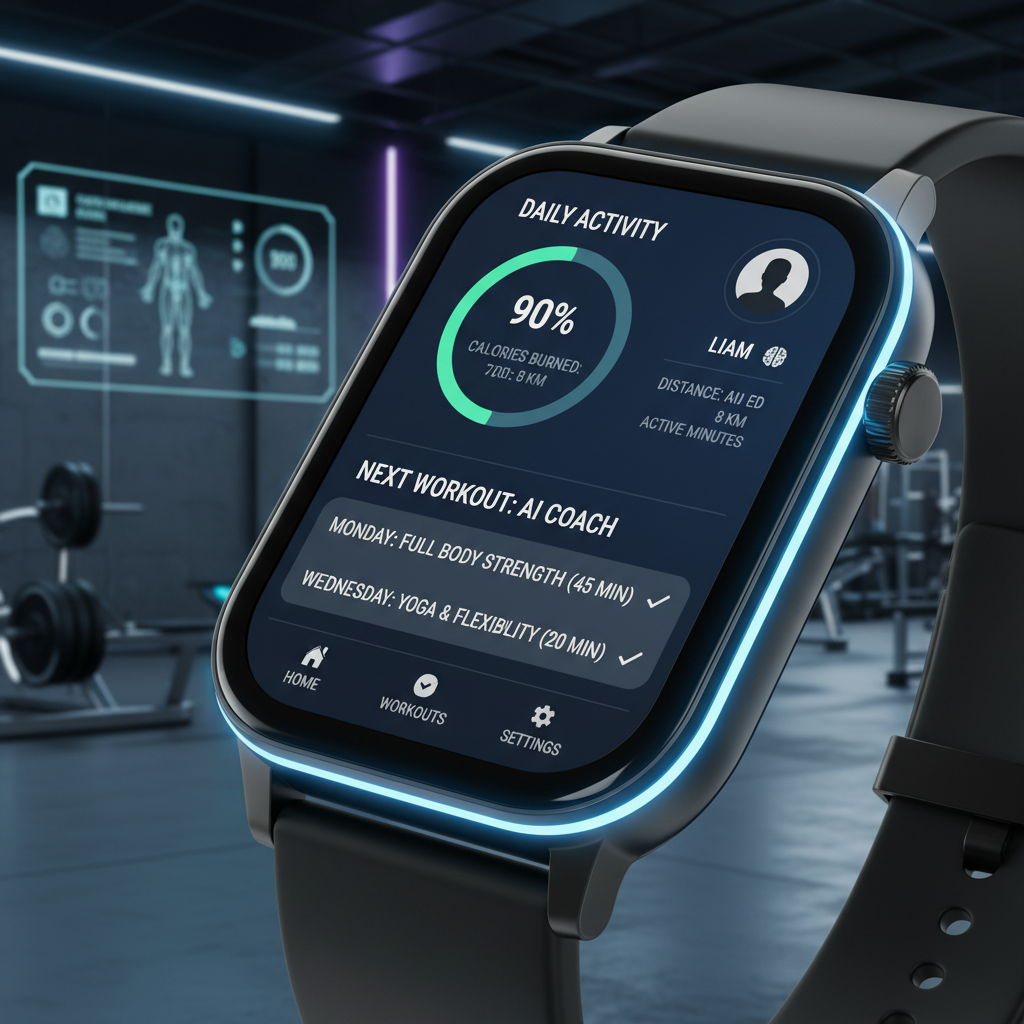
Looking ahead, the synergy between these engines and wearable technology or health apps represents a significant frontier. Imagine an AI grocery system that can access your recent activity levels from a fitness tracker, your sleep patterns, or even continuous glucose monitoring data. This physiological input could allow the AI to dynamically adjust meal recommendations, suggesting energy-boosting snacks after a long workout or lower-carb options on a less active day, thereby moving towards a truly holistic and responsive nutritional ecosystem. This deep technological foundation ensures that the recommendations are not just convenient, but genuinely intelligent and beneficial for individual health.
Benefits Beyond Just Healthier Eating
While the primary appeal of AI-powered grocery suggestions lies in their ability to foster healthier eating habits, their advantages extend far beyond the plate, touching upon aspects of convenience, sustainability, and financial prudence. These engines are designed to optimize the entire food procurement process, delivering a multifaceted value proposition to consumers.
One of the most immediate and appreciated benefits is significant time savings and unparalleled convenience. In today’s demanding world, time is a precious commodity. Traditional grocery shopping can be a laborious process involving meal planning, recipe searching, list creation, navigating crowded aisles, comparing labels, and waiting in checkout lines. AI streamlines this entire ordeal. By automatically generating personalized shopping lists, suggesting complete meal plans, and even offering one-click ordering options, these systems drastically cut down the time spent on food-related logistics. Users can dedicate more time to other priorities, knowing their nutritional needs are being intelligently managed in the background.
Another profound impact is the potential for reduced food waste. Food waste is a global environmental and economic issue, with vast quantities of edible food ending up in landfills, contributing to greenhouse gas emissions. AI can combat this by suggesting precise quantities of ingredients needed for specific recipes, helping users avoid over-purchasing. It can recommend using ingredients already in the pantry, suggesting recipes that incorporate items nearing their expiration date, or offering smart substitutions for ingredients that are unavailable or unneeded. This intelligent inventory management within the home, guided by AI, leads to more efficient consumption and less spoilage, benefitting both the user’s wallet and the planet.
Cost savings represent another compelling advantage. AI systems can identify and recommend products that are currently on sale or offer better value for money, without compromising on nutritional quality or dietary requirements. By preventing impulse buys of unhealthy, often more expensive, processed foods, and by facilitating more efficient use of groceries, these engines can help households stick to their food budgets more effectively. They can also suggest generic or store-brand alternatives that meet the same nutritional standards as premium brands, empowering consumers to make financially smarter choices without sacrificing health goals.
Furthermore, AI-powered systems foster discovery of new healthy foods and recipes. Many individuals tend to stick to a limited repertoire of familiar foods. AI, leveraging its vast database and understanding of flavor profiles and nutritional pairings, can introduce users to new ingredients, cuisines, and healthy recipes they might never have considered. This expands culinary horizons, prevents dietary boredom, and encourages a more diverse intake of nutrients. It acts like a personal chef or nutritionist, constantly inspiring and guiding users towards healthier and more adventurous eating experiences.
Ultimately, these benefits contribute to consumer empowerment and education. By providing clear, personalized, and actionable insights into food choices, AI demystifies nutrition. It helps users understand why certain foods are recommended, how they align with specific health goals, and what impact they have on the body. This educational aspect transforms passive consumers into informed decision-makers, equipping them with the knowledge to make healthier choices independently, even beyond the direct AI recommendations. It shifts the paradigm from blindly following a diet to genuinely understanding and proactively managing one’s nutritional well-being.
Challenges and Ethical Considerations
While the promise of AI-powered grocery suggestions is immense, their widespread adoption and impact are accompanied by a complex set of challenges and ethical considerations that must be carefully addressed. These hurdles span technical limitations, privacy concerns, potential biases, and accessibility issues, all of which require thoughtful solutions to ensure equitable and beneficial deployment of this technology.
Perhaps the most prominent concern revolves around data privacy and security. AI recommendation engines thrive on personal data, especially sensitive health information such as allergies, medical conditions, and biometric data from wearables. The collection, storage, and processing of such highly personal information raise significant privacy risks. Users need absolute assurance that their data is protected from breaches, unauthorized access, and misuse by third parties. Robust encryption, strict data governance policies, and clear, transparent consent mechanisms are paramount. The ethical responsibility of companies developing these systems to safeguard user information cannot be overstated, as a single breach could erode public trust and compromise sensitive personal details.
Another critical challenge is the potential for bias in algorithms. AI systems learn from the data they are fed. If the training data is skewed or unrepresentative of diverse populations, the algorithms can inadvertently perpetuate or even amplify existing biases. For example, if the data predominantly reflects the eating habits of a particular demographic, the recommendations might not be culturally relevant or nutritionally appropriate for other groups. This could lead to a ‘one-size-fits-most’ approach, undermining the very personalization these systems aim to achieve. Furthermore, biases could manifest in product recommendations that favor certain brands or price points, potentially disadvantaging smaller businesses or lower-income consumers. Continuous auditing of algorithms and diversification of training data are essential to mitigate these risks.
There is also a concern about over-reliance and the potential for ‘filter bubbles’ in food choices. While personalization is a strength, too much of it could lead to a narrow range of recommended foods, preventing users from exploring new options or diverse dietary patterns. If the AI consistently recommends foods based on past preferences, users might miss out on emerging healthy trends or novel ingredients that could further enrich their diet. This ‘nutritional echo chamber’ could stifle culinary creativity and limit exposure to a broad spectrum of nutrients. Striking a balance between personalization and serendipitous discovery is crucial, perhaps by occasionally introducing novel, yet still health-aligned, suggestions.
Accessibility for all demographics is another practical consideration. Not everyone has access to smartphones, reliable internet, or the digital literacy required to fully utilize these advanced AI tools. If AI-powered grocery shopping becomes the dominant mode, it risks exacerbating existing digital divides and creating disparities in access to healthy food choices for vulnerable populations. Efforts must be made to ensure these technologies are inclusive, perhaps through simplified interfaces, community-based support, or integration into public health programs. The cost of such services, if subscription-based, could also be a barrier for lower-income households, effectively making personalized nutrition a privilege rather than a universal benefit.
Finally, the question of the role of human oversight remains vital. While AI can process vast amounts of data, it lacks human intuition, empathy, and the ability to understand complex socio-economic factors influencing food choices. AI recommendations should ideally serve as a powerful tool to assist, not replace, the guidance of human dietitians, doctors, or even personal culinary exploration. Ensuring a feedback loop where users can easily override suggestions, provide detailed reasons for their choices, and interact with human support for complex dietary queries will be essential for building trust and maximizing the utility of these powerful, yet imperfect, systems. Navigating these challenges thoughtfully will be key to unlocking the full potential of AI in promoting public health.
Implementing AI in the Real World: Current Trends and Future Outlook
The vision of AI-powered grocery suggestions is rapidly moving from concept to concrete implementation across various platforms and services. Retailers and tech companies are investing heavily in integrating these intelligent systems into the everyday shopping experience, signaling a clear trajectory towards a future where personalized nutrition is seamlessly woven into our lives.
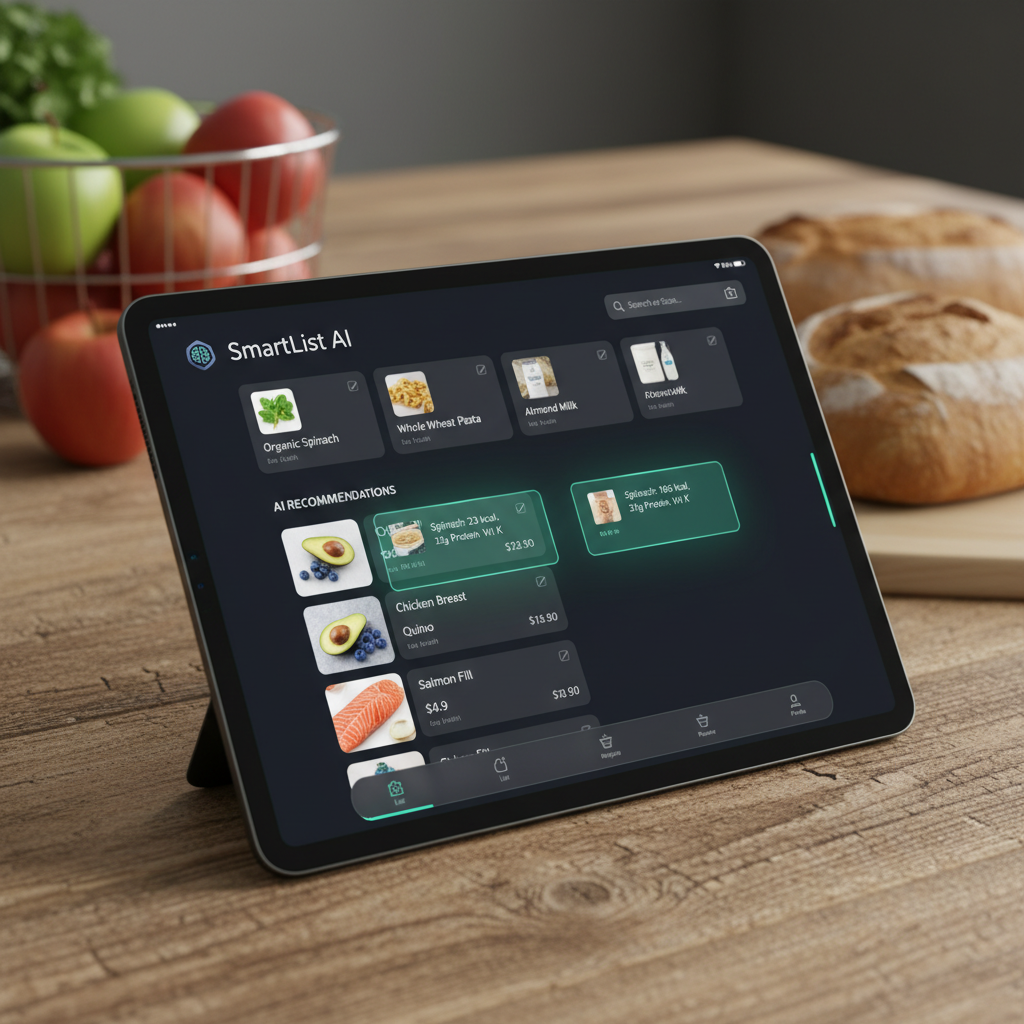
One of the most evident trends is the increasing integration within supermarket online platforms and mobile apps. Major grocery chains are enhancing their e-commerce sites with AI algorithms that analyze online purchase histories, frequently purchased items, and stated dietary preferences to suggest relevant products during the checkout process or for future shopping lists. Some are even experimenting with “smart carts” in physical stores, equipped with sensors and screens that offer real-time recommendations and nutritional information as shoppers navigate the aisles. This direct integration aims to bridge the gap between online convenience and the tangible experience of in-store shopping.
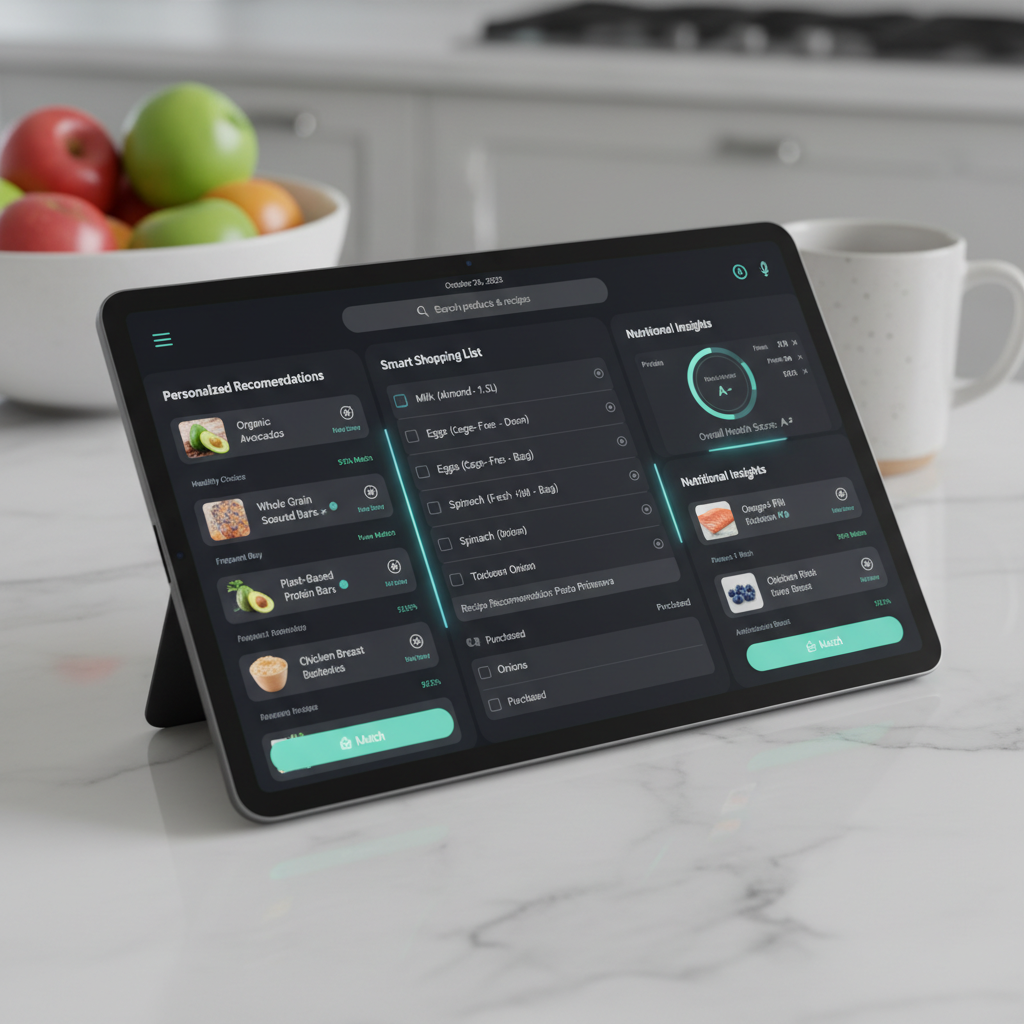
Beyond traditional retailers, a proliferation of third-party apps and subscription services are emerging, solely focused on leveraging AI for meal planning and grocery recommendations. These apps often go deeper, asking users comprehensive questions about their health goals, activity levels, allergies, cooking skills, and even their budget. They can then generate customized meal plans for the week, complete with recipes and a corresponding grocery list that can often be directly sent to a partner grocery delivery service. Services like Instacart, Amazon Fresh, and even smaller niche players are exploring or already implementing advanced AI to enhance their recommendation engines, making them more health-centric and personalized.
A particularly exciting development is the potential for partnerships with healthcare providers and dietitians. Imagine a scenario where your doctor or a registered dietitian can directly input your medical history, health goals, and specific therapeutic diet requirements into an AI grocery system. The AI then generates grocery lists and meal plans that are not only personalized but also medically sanctioned, making it easier for patients to adhere to complex dietary prescriptions for managing conditions like diabetes, heart disease, or kidney disease. This collaboration could significantly improve patient outcomes by providing practical, daily support for dietary compliance, a historically challenging aspect of chronic disease management.
Looking ahead, the future of AI in grocery shopping includes even more advanced capabilities. Predictive purchasing, where the AI anticipates when you’re likely to run out of staples and proactively suggests adding them to your cart, will become more refined. We may see an expansion of subscription boxes that are entirely AI-curated, delivering personalized ingredients or ready-to-cook meal kits tailored to evolving dietary needs and preferences. The concept of a “smart pantry” where connected devices track inventory and communicate directly with your AI grocery assistant is also on the horizon. Furthermore, the integration with smart home devices could allow for voice-activated grocery list management and recipe suggestions based on what’s available in your fridge.
The ultimate vision is a seamless, holistic health ecosystem where AI acts as an intelligent nutritional concierge, guiding individuals towards optimal wellness through informed food choices, reducing friction in the shopping process, and empowering healthier living for all. This transformative journey is just beginning, promising to redefine our relationship with food in profound and beneficial ways.
Comparison Tables: Traditional vs. AI-Powered Grocery Shopping & Levels of AI Personalization
Table 1: Traditional Grocery Shopping vs. AI-Powered Grocery Shopping
| Feature | Traditional Grocery Shopping | AI-Powered Grocery Shopping |
|---|---|---|
| Time Investment | High (meal planning, list making, store navigation, checkout) | Low (automated lists, one-click ordering, quick discovery) |
| Dietary Alignment | Manual effort to check labels, prone to errors, requires prior knowledge | Automatic filtering for allergies/restrictions, personalized health goal alignment |
| Meal Planning | Time-consuming research, often repetitive meals | Automated meal plans, diverse recipe suggestions, nutritional balance |
| Cost Management | Manual price comparisons, impulse buys common | Suggests deals, identifies cost-effective healthy options, reduces waste |
| Food Waste | Higher potential due to over-purchasing or lack of recipe inspiration | Lower potential due to precise quantity suggestions, ingredient utilization |
| Discovery & Variety | Limited to familiar items or visible store promotions | Introduces new, healthy foods and recipes tailored to preferences |
| Convenience Level | Requires physical presence, can be stressful | High; online ordering, delivery options, reduced decision fatigue |
| Health & Wellness Impact | Dependent on individual effort and knowledge, inconsistent | Consistent support for healthier choices, personalized guidance, sustained wellness |
Table 2: Levels of AI Personalization in Grocery Recommendations
| Personalization Level | Description | Data Input Examples | Recommendation Output Examples |
|---|---|---|---|
| Basic | Rule-based or simple collaborative filtering; general suggestions based on broad categories. | Purchase history, general browsing data (e.g., “likes organic food”). | “Customers who bought [Item A] also bought [Item B].” “Here are popular items in the dairy aisle.” |
| Advanced | Considers explicit user preferences and some implicit behavioral data for more tailored suggestions. | Stated allergies (e.g., “gluten-free”), dietary preferences (e.g., “vegetarian”), frequent purchases. | “Here are gluten-free pasta options based on your preference.” “You often buy organic produce, here are new arrivals.” |
| Hyper-personalized | Deep understanding of individual health goals, detailed dietary needs, lifestyle, and real-time context; often integrates external data. | Medical conditions (e.g., “diabetes type 2”), biometric data (from wearables), activity levels, cooking skills, budget, location, current inventory. | “Here’s a low-carb, high-protein meal plan for your workout recovery, considering your recent blood sugar levels and ingredients already in your fridge.” “Given your child’s nut allergy, this recipe for a birthday cake uses safe alternatives and is on sale this week.” |
| Predictive & Proactive | Anticipates future needs and offers suggestions before explicit requests, integrating inventory management and future planning. | Consumption patterns, typical shopping cycle, fridge inventory (via smart tech), calendar events (e.g., upcoming party). | “You’re likely to run out of milk in 3 days, add it to your next order.” “Considering your meal plans, here are seasonal vegetables that will be perfect for next week’s recipes.” |
Practical Examples: Real-World Use Cases and Scenarios
To truly grasp the transformative potential of AI-powered grocery suggestions, it helps to visualize how these systems operate in real-life scenarios. Here are a few examples illustrating how different individuals can leverage this technology to meet their unique dietary needs and health goals.
Scenario 1: Sarah, the Busy Working Mother with Complex Dietary Needs
Sarah is a working mother of two. Her eldest child, Leo, has a severe peanut and tree nut allergy, and her youngest, Mia, was recently diagnosed with Type 1 Diabetes, requiring careful carbohydrate counting. Sarah herself tries to eat a mostly plant-based diet for environmental reasons. Juggling work, school runs, and meal preparation for a family with such diverse and critical dietary requirements has always been a source of immense stress.
- How AI Helps: Sarah inputs all her family’s dietary profiles into her AI-powered grocery app: Leo’s severe nut allergies, Mia’s Type 1 Diabetes (including insulin-to-carb ratios), and Sarah’s plant-based preference. The AI immediately filters out all nut-containing products, even flagging those with “may contain traces” warnings. For Mia, it suggests low-carb, high-fiber options and calculates the carbohydrate content of recommended meals, helping Sarah easily plan and purchase ingredients that fit Mia’s daily insulin management. The system also suggests plant-based alternatives for family meals that satisfy Sarah’s dietary choices while being safe for Leo and suitable for Mia’s carb count. It even recommends kid-friendly, nut-free snacks that are naturally lower in sugar.
- Outcome: Sarah receives a perfectly curated shopping list and a weekly meal plan that is safe for Leo, manageable for Mia’s diabetes, and aligns with her own preferences. The time she previously spent meticulously checking every label and calculating carbs is now freed up, reducing her stress and ensuring her family’s health needs are met with confidence.
Scenario 2: Mark, the Fitness Enthusiast Aiming for Muscle Gain
Mark is 28, lives alone, and is dedicated to bodybuilding. He wants to optimize his diet for muscle gain, which means hitting specific macronutrient targets (high protein, moderate carbs, healthy fats) while keeping his meals varied and appealing. He often finds himself eating the same few meals due to a lack of inspiration and time to research new recipes that fit his macros.
- How AI Helps: Mark connects his fitness tracker to his AI grocery app and inputs his current weight, body fat percentage, activity level, and muscle gain goal. He also specifies his preference for lean meats, whole grains, and a desire for varied recipes. The AI analyzes his activity data to estimate his caloric and macronutrient needs for muscle synthesis.
- It then generates a daily meal plan with breakfast, lunch, dinner, and two snacks, complete with recipes and a precise grocery list of ingredients. For example, it might suggest a high-protein breakfast scramble, a quinoa and chicken salad for lunch, and a lean steak with roasted vegetables for dinner, along with protein shakes. The AI also tracks the nutritional breakdown of each meal, confirming it meets his protein, carb, and fat targets.
- Outcome: Mark no longer struggles with meal prep or dietary boredom. He receives fresh, high-protein meal ideas that are scientifically aligned with his fitness goals. His shopping is efficient, focused only on the ingredients he needs, preventing food waste and ensuring he stays on track with his rigorous training regimen.
Scenario 3: The Elderly Couple Managing Chronic Health Conditions
Eleanor and George, both in their late 70s, live together. Eleanor has high blood pressure, requiring a low-sodium diet, and George manages high cholesterol, necessitating heart-healthy food choices. They find grocery shopping increasingly challenging due to mobility issues and the difficulty of deciphering complex nutritional labels for their specific conditions.
- How AI Helps: Their daughter sets up their AI grocery account, inputting Eleanor’s low-sodium requirement and George’s need for cholesterol-lowering foods. The AI acts as a dual filter, ensuring all recommended products are suitable for both conditions. It suggests a variety of fresh produce, lean proteins, whole grains, and healthy fats while strictly excluding high-sodium processed foods, foods high in saturated or trans fats, and anything known to raise cholesterol.
- The system also provides simple, easy-to-prepare recipe ideas that meet their dietary restrictions, like baked salmon with steamed vegetables, or low-sodium lentil soup. It can even recommend local grocery delivery services that work with the AI, ensuring the groceries arrive at their doorstep without them needing to leave home.
- Outcome: Eleanor and George can maintain their health effectively without the burden of complex food choices or physical shopping trips. The AI provides peace of mind, knowing their meals are supporting their health conditions, and allows them to enjoy a wider variety of foods they might have previously avoided out of caution or confusion.
General Scenario: Navigating a New Diet or Exploring New Cuisines
Anyone starting a new dietary journey, such as transitioning to a ketogenic diet, exploring veganism, or simply trying to incorporate more Mediterranean foods, can benefit. The AI acts as an instant expert, guiding them through ingredient swaps, appropriate products, and delicious new recipes, making the transition smoother and more sustainable. This reduces the learning curve and provides immediate actionable steps for dietary change.
These examples highlight how AI is not just a convenience but a powerful, personalized tool that democratizes access to nutritional expertise, making healthier living more achievable and less overwhelming for everyone, regardless of their individual circumstances.
Frequently Asked Questions
Q: How accurate are AI grocery recommendations for specific dietary needs?
A: The accuracy of AI grocery recommendations for specific dietary needs is continuously improving and is generally very high, especially for well-defined restrictions like allergies, intolerances, and specific health goals. This accuracy stems from the AI’s ability to process vast databases of product information, including detailed ingredient lists and nutritional breakdowns, and cross-reference them with explicit user inputs (e.g., “gluten-free,” “nut allergy,” “low sodium”). Advanced systems use natural language processing to identify hidden allergens or ambiguous terms in ingredient lists, further enhancing precision. However, it’s always wise for users with severe allergies or medical conditions to double-check labels, as product formulations can change, and no AI is infallible. The more comprehensive and accurate the data you provide to the AI about your needs, the more precise and reliable its recommendations will be.
Q: Is my health data safe when using AI-powered grocery services?
A: Data privacy and security are paramount concerns for AI-powered services that handle sensitive health information. Reputable companies developing these tools implement robust security measures, including advanced encryption, secure servers, and strict access controls, to protect user data from unauthorized access or breaches. They are also typically bound by data protection regulations (like GDPR or HIPAA, depending on the region and specific service integration). Before using any service, it is crucial to review their privacy policy to understand how your data is collected, stored, used, and shared. Look for services that prioritize transparency, offer clear consent options, and do not share identifiable health data with third parties without explicit permission. While no system is entirely risk-free, choosing services from trusted providers that emphasize data protection is your best defense.
Q: Can AI help me manage complex food allergies or multiple dietary restrictions?
A: Absolutely, this is one of the most powerful applications of AI in grocery shopping. AI excels at managing complex and multiple dietary restrictions better than a human can manually. You can input multiple allergies (e.g., peanuts, dairy, soy), intolerances (e.g., gluten), and specific dietary choices (e.g., vegan) simultaneously. The AI will then rigorously filter its entire product database, only presenting options that comply with all your specified criteria. It can also identify cross-contamination risks based on manufacturing information where available. For families with diverse needs, AI can create a single shopping list that is safe and suitable for everyone. This significantly reduces the mental load and anxiety associated with ensuring every food item meets complex, overlapping requirements.
Q: Does AI-powered grocery shopping replace the need for a dietitian or nutritionist?
A: No, AI-powered grocery shopping tools are designed to complement, not replace, the expertise of a registered dietitian or nutritionist. While AI can provide excellent personalized recommendations based on your input, it cannot offer the nuanced, human-centric guidance, empathetic support, or medical diagnosis that a qualified health professional can. Dietitians can assess complex medical histories, interpret lab results, provide counseling for behavioral changes, and offer deep insights into very specific, often rare, dietary conditions or eating disorders. AI is a powerful tool for implementing dietary advice in a practical setting (grocery shopping and meal planning), but a dietitian provides the foundational, personalized health strategy and ongoing support. They work best in synergy: a dietitian sets the dietary goals, and AI helps you achieve them efficiently.
Q: Can AI help me save money on groceries?
A: Yes, AI can indeed help you save money on groceries in several ways. Firstly, by minimizing food waste: AI can suggest precise ingredient quantities for recipes and help you utilize ingredients you already have, preventing unnecessary purchases and spoilage. Secondly, by identifying deals: many AI engines can integrate with store promotions and coupons, recommending cost-effective alternatives that still meet your dietary needs. Thirdly, by preventing impulse buys: a curated, health-focused shopping list helps you stick to essentials and avoid expensive, often unhealthy, spontaneous purchases. Lastly, by optimizing for value: the AI can compare prices across brands and suggest private-label or generic options that offer similar nutritional quality at a lower cost, helping you make budget-conscious decisions without compromising on health.
Q: What if I don’t like the suggestions the AI provides? Can I give feedback?
A: Absolutely. User feedback is crucial for improving AI recommendation engines. Most well-designed AI systems include mechanisms for users to rate suggestions, indicate dislikes, swap out items, or even provide textual feedback on why a particular recommendation wasn’t suitable. The AI learns from this feedback, refining its understanding of your preferences over time. If you consistently dislike certain types of food or ingredients, the system will adjust its future recommendations to avoid them. This iterative learning process ensures that the more you interact with the AI and provide honest feedback, the more accurate and aligned with your tastes its suggestions become.
Q: Is this technology only for online shopping, or can it be used in physical stores?
A: While AI-powered grocery recommendations are most prevalent and easiest to implement within online shopping platforms and delivery services, the technology is increasingly finding its way into physical stores. This can manifest in several ways: for example, through mobile apps that guide you through a store with a personalized shopping list, highlighting where items are located and suggesting alternatives based on your profile. Some advanced concepts include “smart carts” equipped with tablets that display real-time recommendations as you add items, or digital kiosks that generate lists and recipe ideas. The future will likely see a hybrid model, where the intelligence of AI assists both your online and in-store grocery experiences, creating a seamless journey regardless of how you choose to shop.
Q: How can I start using AI for my groceries today?
A: To start using AI for your groceries, you can begin by exploring a few popular options:
- Online Supermarket Platforms: Many major grocery chains (e.g., Amazon Fresh, Walmart Grocery, Kroger, Instacart) have integrated AI into their online shopping experience. Start by using their platforms, creating an account, and filling in any dietary preference sections.
- Specialized Meal Planning Apps: Look for apps specifically designed for meal planning and recipe suggestions that connect to grocery delivery services. These often have robust AI behind them (e.g., Yummly, Mealime, PlateJoy). Download one, create your profile, and input your dietary needs.
- Health & Wellness Apps: Some broader health apps with food tracking capabilities are starting to integrate grocery recommendation features. Check if your current health app offers this.
The key is to create a detailed profile, provide accurate information about your allergies, dietary goals, and preferences, and then actively use the platform so the AI can learn from your choices and feedback.
Q: What are the biggest limitations of current AI grocery recommendation engines?
A: Current AI grocery recommendation engines, while powerful, do have limitations. These include:
- Data Dependency: They are only as good as the data they receive. Inaccurate user input or incomplete product databases can lead to suboptimal recommendations.
- Lack of Nuance: AI struggles with highly subjective or rapidly changing preferences (e.g., “I crave something salty but healthy tonight”). It lacks human intuition and context awareness that goes beyond structured data.
- Ethical Concerns: Issues like data privacy, potential algorithmic bias (if training data is skewed), and the risk of creating “filter bubbles” that limit food diversity are ongoing challenges.
- Integration Hurdles: Seamless integration with every local store’s inventory, pricing, and promotions can be complex and varies by region.
- Cost & Accessibility: Advanced features or premium services might be behind paywalls, and access requires digital literacy and internet connectivity, potentially excluding some demographics.
- Human Override: While feedback mechanisms exist, the ability for AI to truly understand and adapt to complex, unspoken human needs or spontaneous changes is still evolving.
Q: Will AI make me a better cook or more knowledgeable about nutrition?
A: While AI doesn’t directly teach you to cook in the traditional sense, it can certainly empower you to become a more confident and adventurous cook, and significantly enhance your nutritional knowledge. By consistently suggesting new recipes tailored to your skills and preferences, providing ingredient lists, and even offering step-by-step instructions, AI encourages culinary exploration. More importantly, it acts as a powerful educational tool for nutrition. By explaining why certain foods are recommended for your specific health goals, highlighting nutritional benefits, and breaking down ingredient lists, AI demystifies complex nutritional science. You’ll implicitly learn about macronutrients, micronutrients, food pairings, and the impact of different ingredients on your health, making you more knowledgeable and capable of making informed food choices independently.
Key Takeaways
- AI-powered grocery recommendation engines are revolutionizing healthy eating by offering unparalleled personalization, far beyond traditional e-commerce suggestions.
- These systems intelligently cater to a wide array of dietary needs, including allergies, intolerances, chronic health conditions, and specific health goals like weight management or muscle gain.
- Underlying technologies such as Machine Learning, Natural Language Processing, and Big Data Analytics enable deep understanding of user preferences and comprehensive product analysis.
- Beyond health, the benefits extend to significant time savings, reduced food waste, potential cost savings through smart purchasing, and the discovery of new, healthy culinary options.
- Critical challenges, including data privacy, algorithmic bias, potential for over-reliance, and accessibility, must be addressed thoughtfully for widespread and equitable adoption.
- Real-world applications are expanding from online supermarket integrations to specialized meal planning apps and future collaborations with healthcare providers.
- These AI tools act as intelligent nutritional concierges, empowering individuals to make informed, healthier food choices consistently and effortlessly, complementing human expertise rather than replacing it.
- The future promises even more predictive, proactive, and seamlessly integrated AI solutions that will redefine our relationship with food and wellness.
Conclusion
The journey to healthier eating, once fraught with confusion, time constraints, and the daunting task of navigating complex dietary requirements, is undergoing a profound transformation. Artificial intelligence, through its sophisticated recommendation engines, is emerging as a pivotal force, democratizing access to personalized nutritional guidance and making optimal health more attainable for everyone. We’ve explored how these intelligent systems move beyond simple algorithms, leveraging advanced machine learning, natural language processing, and big data to deeply understand individual needs – from severe allergies and chronic health conditions to ambitious fitness goals and ethical preferences.
The benefits are undeniable and far-reaching: from saving precious time and reducing the colossal problem of food waste, to empowering consumers with knowledge and helping them manage their budgets more effectively. AI acts as a tireless, informed assistant, curating not just shopping lists, but entire meal plans designed to nourish the body and mind, while constantly learning and adapting to evolving tastes and needs. However, as with all powerful technologies, the path forward requires careful consideration of critical challenges, particularly concerning data privacy, algorithmic bias, and ensuring equitable access for all segments of society. Addressing these ethical and practical hurdles will be crucial for building trust and ensuring that the benefits of this innovation are universally shared.
As AI continues to integrate seamlessly into our daily lives, from our online grocery carts to potentially our smart pantries and health trackers, its role in shaping our dietary futures will only grow. It stands not as a replacement for human wisdom or professional medical advice, but as a powerful amplifier, enabling us to translate complex nutritional science into practical, daily choices. The future of grocery shopping is intelligent, personalized, and profoundly focused on wellness, promising a healthier, more convenient, and more sustainable way to feed ourselves and our families. Embrace this revolution, for the age of effortless, AI-guided healthy eating is truly upon us.





















































































Leave a Reply