


Introduction: The Allure and Unease of Personalized Grocery Shopping
Imagine walking into your local grocery store, or perhaps browsing an online supermarket, only to find that every product suggestion, every special offer, and even the layout of the digital aisles seems to be perfectly tailored to your tastes, your dietary needs, and your family’s preferences. This vision, once a distant dream of science fiction, is rapidly becoming a reality thanks to the power of Artificial Intelligence (AI) and sophisticated recommendation engines. These intelligent systems analyze vast amounts of data to predict what you might want to buy next, aiming to make your shopping experience more convenient, efficient, and even enjoyable.
However, this era of hyper-personalization comes with a significant caveat: the data that fuels these AI systems is inherently personal. It includes details about your purchase history, browsing habits, location, demographics, and sometimes even your health-related choices. This brings us to the heart of what is often called the ‘privacy paradox.’ Consumers largely appreciate the convenience and benefits offered by personalized services, yet they simultaneously express significant concerns about their privacy and how their personal data is collected, stored, and used. This blog post delves into this complex relationship, exploring the incredible potential of AI in grocery recommendations alongside the critical privacy considerations that every consumer and retailer must navigate. We will unpack how these systems work, examine the data they rely on, discuss the benefits they offer, and critically analyze the privacy risks involved, ultimately providing insights into how we can empower ourselves to make informed choices in this evolving landscape.
The future of grocery shopping promises unprecedented levels of customization and ease. From reducing food waste through precise inventory management to suggesting healthier alternatives based on individual health profiles, AI has the potential to transform our relationship with food and shopping for the better. But this transformation hinges on a delicate balance: leveraging data for innovation while rigorously protecting individual privacy. Understanding this balance is not just for tech enthusiasts or industry professionals; it is crucial for every person who buys groceries.
Understanding AI-Driven Grocery Recommendations
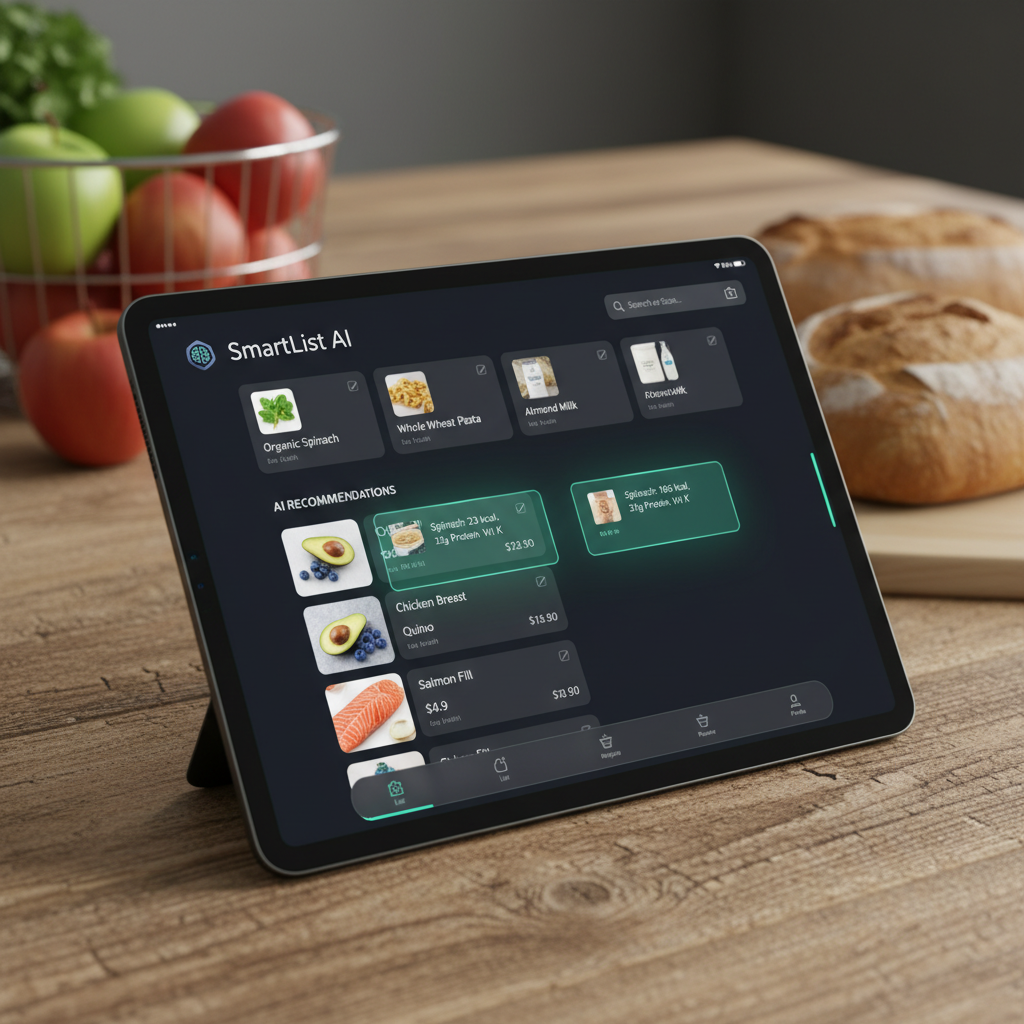
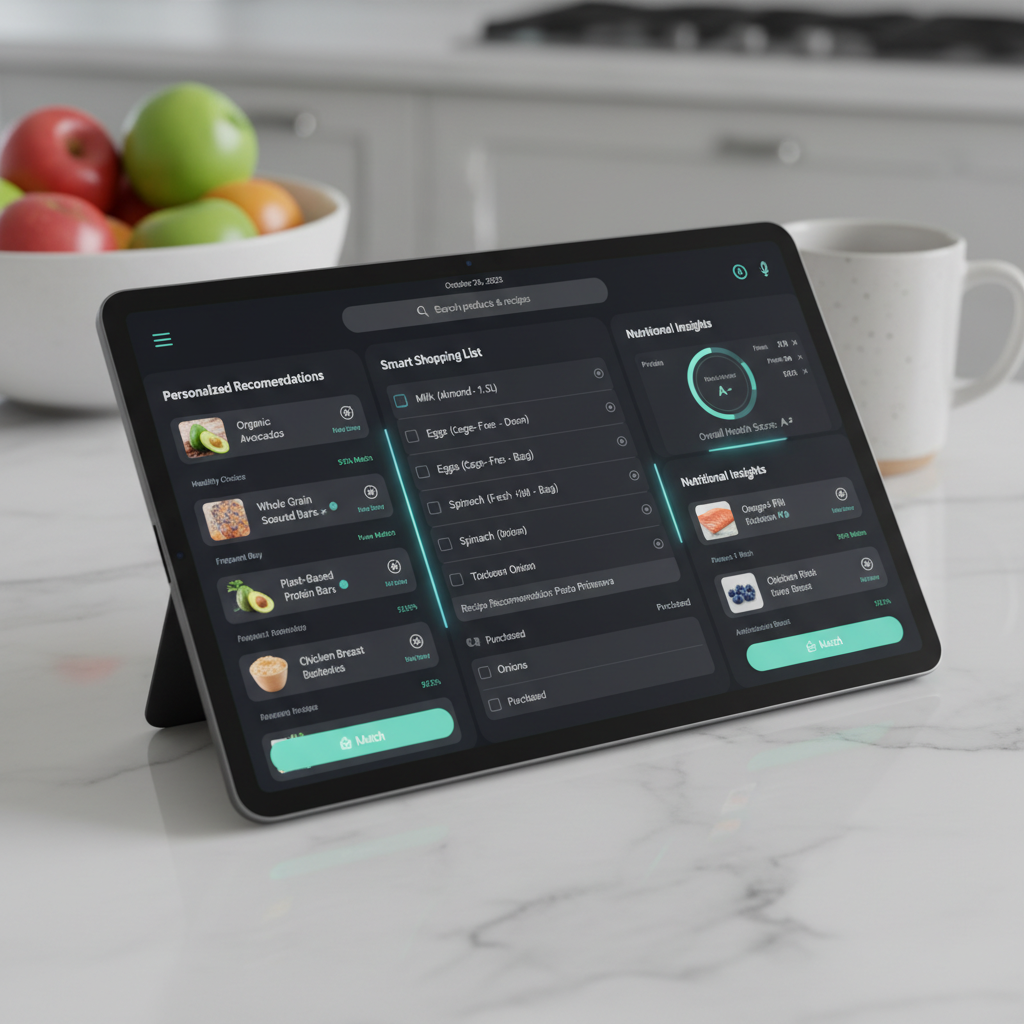
AI-driven grocery recommendations are sophisticated algorithms designed to predict consumer behavior and preferences. They leverage machine learning techniques to analyze data patterns, identify correlations, and generate highly personalized suggestions for products, promotions, and even recipes. These systems move far beyond simple ‘customers who bought this also bought that’ suggestions, delving into a deeper understanding of individual and household needs.
The core objective of these recommendation engines is multifaceted:
- Enhancing Customer Experience: By reducing decision fatigue, suggesting relevant items, and streamlining the shopping process.
- Increasing Sales and Basket Size: Encouraging customers to purchase more items or higher-margin products through targeted offers.
- Improving Inventory Management: Predicting demand for certain products, thereby reducing waste and ensuring availability.
- Fostering Loyalty: Creating a sense of being understood and valued by the retailer, leading to repeat business.
- Introducing New Products: Helping consumers discover items they might genuinely like but weren’t aware of.
These systems are constantly learning. Every purchase you make, every product you view, every search query you enter, and even how long you hover over certain items on an app contributes to a richer profile that the AI uses to refine its recommendations. This continuous feedback loop ensures that the suggestions become increasingly accurate and relevant over time, creating a powerful and often subconscious influence on shopping decisions. The accuracy of these systems is a direct result of the quantity and quality of data they process, which inevitably leads to questions about data collection practices.
The Mechanism: How AI Learns Your Preferences
At its heart, an AI recommendation engine functions like a super-smart, tirelessly observant personal shopper. It doesn’t just see what you buy; it sees how you buy, when you buy, and in relation to what else you buy. This goes far beyond the capabilities of human observation. The process involves several key stages:
- Data Collection: This is the foundational step. Every interaction a customer has with a grocery service, whether online or in-store, generates data. This includes explicit data (e.g., items added to a cart, wish lists, product reviews, dietary preferences shared) and implicit data (e.g., browsing history, clicks, time spent on product pages, search queries, location data from a mobile app, payment method). Loyalty programs, in particular, are rich sources of identifiable purchase data.
- Data Processing and Storage: Raw data is enormous and unstructured. It must be cleaned, organized, and stored in a way that AI algorithms can access and understand. This often involves large cloud-based data warehouses and specialized databases.
- Feature Engineering: Data scientists extract meaningful ‘features’ from the raw data. For example, instead of just a list of purchases, features might include ‘weekly spend on fresh produce,’ ‘frequency of buying organic,’ ‘preference for specific brands,’ or ‘tendency to buy on Tuesdays.’
- Algorithm Application: Various machine learning algorithms are then applied to this processed data. Common techniques include:
- Collaborative Filtering: This looks for users with similar tastes. If Person A and Person B both like certain products, and Person B likes a new product that Person A hasn’t tried, the system might recommend it to Person A.
- Content-Based Filtering: This recommends items similar to those a user has liked in the past. If you often buy gluten-free pasta, the system might recommend other gluten-free products or a new brand of gluten-free pasta.
- Hybrid Models: Most advanced systems combine multiple approaches to overcome the limitations of any single method, leading to more robust and accurate recommendations.
- Model Training and Evaluation: The algorithms are ‘trained’ on historical data to learn patterns. Their performance is continuously evaluated and refined based on new data and customer feedback (e.g., did the customer click on the recommendation? Did they buy it?).
- Recommendation Generation: Once trained, the model generates real-time recommendations for individual users, presenting them through website banners, app notifications, email campaigns, or even smart shelf displays in physical stores.
This intricate process allows AI to build a remarkably detailed profile of each shopper, enabling a level of personalization that was unimaginable just a few years ago. It’s this very depth of insight, however, that fuels the privacy paradox.
The Benefits: Convenience, Savings, and Discovery
The adoption of AI in grocery recommendations is not merely a technological advancement; it’s a strategic move by retailers to offer tangible benefits that resonate with modern consumers. The allure is strong, and for good reason:
- Unparalleled Convenience:
Imagine grocery shopping where your list is pre-populated with items you regularly buy, where meal kits are suggested based on your past preferences and dietary restrictions, and where out-of-stock alerts are personalized to your anticipated needs. AI dramatically reduces the mental load of grocery planning and shopping. It saves time by minimizing searching and decision-making, allowing shoppers to complete their errands more quickly and efficiently, whether online or in a smart store.
- Cost Savings and Personalized Promotions:
AI can identify opportunities for shoppers to save money by suggesting alternative brands that offer better value, alerting them to sales on their favorite items, or bundling products that are frequently purchased together. Instead of generic flyers filled with irrelevant deals, consumers receive personalized promotions tailored to their actual purchasing habits and potential future needs, leading to more effective budgeting and reduced spending on unwanted items.
- Discovery of New Products and Experiences:
Beyond simply recommending what you already like, AI excels at introducing you to new products or categories you might enjoy but haven’t yet considered. By analyzing patterns across millions of shoppers, AI can identify niche products, emerging trends, or complementary items that align with your taste profile. This opens up opportunities for culinary exploration and helps shoppers stay abreast of new offerings that genuinely enhance their lifestyle, from plant-based alternatives to international delicacies.
- Reduced Food Waste:
For individuals, AI can help in meal planning by suggesting recipes that utilize ingredients already in the pantry or predicting when certain fresh produce might be running low, encouraging more efficient consumption. For retailers, AI-driven demand forecasting, informed by individual and aggregate purchasing patterns, leads to more accurate stocking, reducing spoilage and waste significantly throughout the supply chain. This environmental benefit is a compelling, often overlooked, advantage.
- Healthier Choices and Dietary Support:
With explicit consent, AI can be integrated with health tracking apps or dietary preferences (e.g., vegan, gluten-free, diabetic-friendly) to recommend products that support specific health goals. It can highlight nutritional information, suggest healthier swaps, or identify potential allergens, making it easier for individuals to adhere to their dietary requirements and pursue healthier lifestyles without extensive manual research.
These benefits paint a compelling picture of a future where grocery shopping is not just a chore but a highly intuitive, rewarding, and even health-conscious experience. The value proposition for consumers is clear: more convenience, more savings, and a more personalized journey. However, achieving these benefits requires a continuous flow of personal data, which brings us to the core tension of the privacy paradox.
The Core Conflict: The Privacy Paradox Unveiled
The ‘privacy paradox’ is a fascinating psychological and behavioral phenomenon that perfectly encapsulates the modern consumer’s relationship with technology. In the context of AI grocery recommendations, it describes the apparent contradiction between consumers’ stated concerns about their privacy and their actual behavior, which often involves willingly sharing personal data in exchange for perceived benefits. On one hand, surveys consistently show that a vast majority of consumers express significant worries about how their personal data is collected, used, and secured by companies. They fear data breaches, misuse of information, and the erosion of personal autonomy.
On the other hand, these same consumers readily adopt apps and services that require extensive data sharing. They enroll in loyalty programs, accept cookies on websites, and use personalized recommendation features with little hesitation, all for the sake of convenience, discounts, or a smoother user experience. This isn’t necessarily a sign of indifference; rather, it often stems from a complex interplay of factors:
- Perceived Value Exchange: Consumers often feel that the benefits (e.g., savings, convenience, personalized experience) outweigh the perceived risks of sharing their data.
- Lack of Clear Alternatives: In many cases, opting out of data sharing means opting out of the service entirely, which might not be practical or desirable in a world increasingly reliant on digital tools.
- Information Asymmetry: Consumers may not fully understand the extent of data collection, how their data is processed, or the potential long-term implications. The terms of service are often lengthy and opaque.
- “What Have I Got to Hide?” Mentality: Some individuals may believe their data is not particularly interesting or valuable, underestimating its aggregate power.
- Technological Inertia: It takes effort to review privacy settings, understand policies, and manage data preferences across multiple platforms. Many opt for the path of least resistance.
This paradox presents a significant challenge for retailers and AI developers. They must build systems that respect user privacy while still delivering the personalized experiences that drive engagement and sales. It also places a burden on consumers to become more educated and proactive about their digital footprints. The very technologies designed to simplify our lives are simultaneously complicating our relationship with our own information, demanding a careful evaluation of what we gain versus what we give up.
The ethical tightrope for businesses involves maximizing the utility of data for business goals without crossing the line into practices that erode consumer trust or compromise fundamental privacy rights. It’s a continuous negotiation between innovation and responsibility.
Data Points: What AI Knows About You (And Why)
To deliver on its promise of hyper-personalization, AI in grocery retail gathers and analyzes a staggering array of data points. Understanding what information is collected is the first step in comprehending the privacy implications. Here’s a breakdown of common data types and their utility:
- Purchase History:
This is perhaps the most fundamental data point. It includes every item you’ve ever bought, the quantity, price, date, time, and frequency of purchase. It details brand preferences, product categories, and even whether you buy organic, vegan, or specific dietary items. Retailers use this to identify repeat purchases, suggest complementary items (e.g., pasta with sauce), and predict future demand. It can reveal dietary habits, household size, budget, and even health conditions if specific dietary products are regularly bought.
- Browsing Behavior (Online):
Every click, search query, product view, item added to a cart (and then removed), time spent on a page, and navigation path on a grocery website or app provides valuable insights. This data helps AI understand intent, interest, and hesitation. It can reveal what you consider buying even if you don’t purchase it, indicating potential future needs or brand interest.
- Location Data:
For mobile apps, location data can be highly granular. It might track which store you visit, how long you stay, and even your movement within the store if enabled (via Wi-Fi or Bluetooth beacons). This is used for targeted promotions when you’re near a store, optimizing store layouts, understanding traffic patterns, and even offering specific deals based on your geographic location or typical shopping routes.
- Demographic Information:
Data like age, gender, income range, marital status, and household size is often inferred or collected through surveys/loyalty program sign-ups. This helps segment customers and tailor offers to groups with similar profiles, for instance, family-sized packs for larger households or specific health products for older demographics.
- Payment Information:
While sensitive, AI often analyzes payment methods (credit card, debit card, digital wallet) and spending patterns to infer income levels or preferred payment channels. This data is usually tokenized and encrypted for security but still contributes to a holistic customer profile for behavioral analysis.
- Interaction Data:
This includes how you interact with marketing emails (open rates, click-throughs), customer service inquiries, product reviews you leave, and responses to surveys. This feedback helps AI understand your engagement levels and satisfaction, further refining future recommendations and communications.
- Third-Party Data:
Retailers may also augment their first-party data with information purchased from data brokers. This could include public records, social media activity, or even offline purchase data from other non-competing businesses. This helps create an even more comprehensive profile, connecting your grocery habits with other aspects of your life.
The sheer volume and variety of this data allow AI to construct a remarkably detailed digital twin of each consumer. While this offers incredible potential for personalized service, it also highlights the profound privacy implications, as these data points, when combined, can paint a very intimate picture of an individual’s life.
Navigating the Risks: Security Breaches and Misuse
While the benefits of AI-driven recommendations are compelling, the collection and processing of vast amounts of personal data introduce significant risks that consumers must be aware of. These risks extend beyond mere inconvenience, touching upon financial security, personal autonomy, and even psychological well-being.
- Data Breaches and Cyberattacks:
The most immediate and concerning risk is the possibility of data breaches. Grocery retailers, like any organization handling sensitive customer data, are targets for cybercriminals. A breach could expose your purchase history, contact information, payment details, and even loyalty program credentials. Such exposure can lead to identity theft, financial fraud, phishing scams, and other malicious activities. The more data collected, the larger the potential impact of a security failure.
- Unintended Data Sharing and Sale:
Despite privacy policies, there’s always a risk that your data might be shared with or sold to third parties beyond your explicit understanding or consent. This could include data brokers, advertisers, or even insurance companies, who might use this information to create targeted campaigns, infer sensitive health conditions, or even influence eligibility for services based on your purchasing habits (e.g., if you frequently buy unhealthy food items).
- Algorithmic Bias and Discrimination:
AI systems are only as unbiased as the data they are trained on. If historical data reflects societal biases or is incomplete for certain demographic groups, the AI could inadvertently perpetuate or even amplify discrimination. This might manifest as certain groups receiving fewer discounts, less healthy recommendations, or being excluded from specific promotions, leading to an unfair shopping experience.
- Filter Bubbles and Limited Choice:
While personalization is often seen as a benefit, it can also lead to a ‘filter bubble.’ By constantly showing you what it thinks you like, AI might inadvertently limit your exposure to new products, brands, or dietary alternatives. This could stifle discovery and even reinforce unhealthy habits if the AI continuously recommends items that are comfortable but not necessarily beneficial.
- Price Discrimination:
With a deep understanding of your spending habits and price sensitivity, AI could potentially implement dynamic pricing strategies. This means different customers might see different prices for the same item based on their perceived willingness to pay, their purchase history, or even their location. This practice raises ethical concerns about fairness and transparency.
- Psychological Manipulation:
AI’s ability to understand your preferences, habits, and even emotional triggers could be used to subtly influence your purchasing decisions. This might involve recommending impulse buys during moments of stress or suggesting specific products when the AI detects a pattern associated with emotional eating, blurring the lines between helpful suggestion and manipulative nudge.
These risks are not theoretical; they are real and evolving. As AI becomes more sophisticated, the need for robust security measures, transparent data practices, and ethical guidelines becomes paramount. Consumers, too, must develop a critical awareness and adopt proactive strategies to protect their digital privacy.
Regulatory Landscape: Protecting Consumer Data
Recognizing the growing concerns around data privacy, governments and regulatory bodies worldwide have begun to enact comprehensive legislation aimed at protecting consumer data. These regulations are critical in establishing a framework for how businesses collect, process, store, and share personal information, providing consumers with greater control and legal recourse. Two of the most prominent examples are the General Data Protection Regulation (GDPR) in Europe and the California Consumer Privacy Act (CCPA) in the United States.
- General Data Protection Regulation (GDPR):
Enforced since May 2018, the GDPR is a landmark piece of legislation that has significantly influenced data privacy laws globally. It applies to any organization, anywhere in the world, that processes the personal data of individuals in the European Union. Key principles of GDPR include:
- Lawfulness, Fairness, and Transparency: Data must be processed lawfully, fairly, and in a transparent manner.
- Purpose Limitation: Data must be collected for specified, explicit, and legitimate purposes and not further processed in a manner that is incompatible with those purposes.
- Data Minimization: Only data that is adequate, relevant, and limited to what is necessary for its purpose should be collected.
- Accuracy: Personal data must be accurate and kept up to date.
- Storage Limitation: Data should be kept for no longer than is necessary.
- Integrity and Confidentiality: Data must be processed in a manner that ensures appropriate security.
- Accountability: Organizations are responsible for demonstrating compliance with GDPR principles.
GDPR grants individuals several fundamental rights, including the right to access their data, the right to rectification, the right to erasure (the “right to be forgotten”), the right to restrict processing, the right to data portability, and the right to object to processing. For AI grocery recommendations, this means companies must obtain explicit consent for data collection, clearly explain how data is used for personalization, and provide easy mechanisms for consumers to access or delete their data.
- California Consumer Privacy Act (CCPA) and California Privacy Rights Act (CPRA):
The CCPA, effective January 2020, gives California consumers extensive new rights regarding their personal information. The subsequent CPRA, which built upon the CCPA and became fully effective in January 2023, further strengthens these protections. Similar to GDPR, the CCPA/CPRA provides consumers with:
- Right to Know: Consumers have the right to know what personal information is collected about them, the sources from which it’s collected, the purpose for collecting it, and the categories of third parties with whom it’s shared.
- Right to Delete: The right to request that a business delete any personal information collected from them.
- Right to Opt-Out: The right to opt-out of the sale or sharing of their personal information. The CPRA specifically added the right to opt-out of “sharing” for cross-context behavioral advertising.
- Right to Correct: The right to request correction of inaccurate personal information.
- Right to Limit Use and Disclosure of Sensitive Personal Information: A new right under CPRA allowing consumers to limit the use and disclosure of sensitive personal information (e.g., precise geolocation, health information).
For grocery retailers operating in California or serving Californian residents, these laws necessitate clear data practices, prominent “Do Not Sell or Share My Personal Information” links, and robust mechanisms for consumers to exercise their privacy rights.
- Other Global and Sector-Specific Regulations:
Beyond GDPR and CCPA/CPRA, many other countries (e.g., Canada with PIPEDA, Brazil with LGPD, India with the Digital Personal Data Protection Act) have introduced or are developing similar privacy laws. Additionally, sector-specific regulations, such as those governing health data, can impact how grocery retailers handle information related to dietary restrictions or health-focused purchases if that data is deemed sensitive.
These regulations are crucial in shifting the power dynamic from companies to consumers, making data privacy a fundamental consumer right rather than a mere corporate policy. They compel grocery retailers to be more transparent, accountable, and responsible in their use of AI for recommendations.
Empowering the Consumer: Strategies for Data Control
While regulations provide a legal framework, consumers themselves play a vital role in navigating the privacy paradox. Empowering oneself in the age of AI-driven recommendations means understanding your rights and actively employing strategies to control your data. Here are practical steps consumers can take:
- Read and Understand Privacy Policies (Critically):
It’s tempting to click “Accept” without reading, but privacy policies are crucial. While often lengthy, try to skim for key sections: what data is collected, how it’s used, with whom it’s shared, and how to opt-out or delete your data. Look for clear, plain language explanations rather than legal jargon.
- Manage Your Privacy Settings:
Most online grocery platforms and apps have a dedicated privacy or account settings section. Proactively review and adjust these settings. You can often control:
- Which notifications you receive.
- If and how your data is used for personalization.
- Whether your data is shared with third parties for marketing purposes.
- Location tracking permissions (turn off if not essential for the service).
Remember to check these settings periodically, as they can change with app updates or platform revisions.
- Be Selective with Loyalty Programs and App Permissions:
Loyalty programs offer discounts but often require extensive data sharing. Consider if the benefits genuinely outweigh the privacy cost. When downloading grocery apps, review the permissions requested (e.g., access to contacts, photos, microphone). Grant only those permissions absolutely necessary for the app’s core functionality.
- Utilize Opt-Out Options:
If a retailer provides an option to opt out of targeted advertising, data sharing, or specific recommendation features, use it. Look for phrases like “Do Not Sell My Personal Information” (especially in areas covered by CCPA/CPRA) or similar links in website footers or privacy dashboards.
- Request Your Data (Right to Access):
Exercise your “right to access” under regulations like GDPR or CCPA. Request a copy of the personal data a grocery retailer holds about you. This can be an eye-opening experience and help you understand the depth of their data collection. If you find inaccuracies, request correction (right to rectification).
- Consider Data Deletion (Right to Erasure):
If you stop using a particular grocery service or app, consider exercising your “right to erasure” or “right to be forgotten.” Request that the company delete your personal data. Be aware that some data might be retained for legal or operational reasons, but significant portions can often be removed.
- Use Privacy-Enhancing Tools:
For online browsing, consider using privacy-focused browsers, browser extensions that block trackers (e.g., uBlock Origin, Privacy Badger), or virtual private networks (VPNs) to mask your IP address. While these don’t stop explicit data sharing with grocery apps, they can reduce passive tracking across the web.
- Provide Limited or Anonymous Information Where Possible:
If a service allows it, provide minimal information during sign-up. Use strong, unique passwords for all accounts. When possible, opt for guest checkout if you prefer not to build a long-term profile with a specific retailer.
- Stay Informed and Advocate:
Keep abreast of new privacy regulations, data breaches in the news, and emerging best practices. Support advocacy groups that champion consumer privacy rights. Your collective voice can influence policy and corporate behavior.
By adopting these proactive strategies, consumers can shift from being passive recipients of AI recommendations to active participants who control their digital footprint, thereby fostering a more balanced and respectful relationship with technology in the grocery sector.
Comparison Tables
Table 1: Benefits vs. Risks of AI Grocery Recommendations for Consumers
This table provides a concise overview of the advantages AI grocery recommendations offer consumers, juxtaposed with the potential drawbacks and privacy concerns that arise from their implementation.
| Aspect | Benefits for Consumers | Risks for Consumers | Mitigation/Consideration |
|---|---|---|---|
| Personalization & Convenience | Tailored product suggestions, relevant promotions, faster shopping, meal planning assistance. | Filter bubbles, limited discovery, potential for overconsumption, habit reinforcement. | Actively seek new items, review recommendations critically, use ‘dislike’ features. |
| Cost & Savings | Personalized discounts, optimal deals, reduced impulse buying of irrelevant items. | Dynamic pricing based on perceived willingness to pay, potential for price discrimination. | Compare prices across retailers, use price tracking tools, be aware of loyalty program trade-offs. |
| Efficiency & Time Saving | Streamlined shopping lists, quick reordering of staples, less decision fatigue. | Increased reliance on automated choices, reduced engagement with shopping process. | Periodically review and adjust automated lists, consciously browse new categories. |
| Health & Wellness | Recommendations for healthier alternatives, allergy alerts, dietary support. | Inference of sensitive health data, potential for health insurance implications, privacy breaches of health info. | Only share health data with explicit consent, understand data sharing policies, regularly check privacy settings. |
| Data Collection & Use | Improved service, relevant ads, customized content. | Data breaches, unauthorized sharing, profiling, potential for psychological manipulation. | Read privacy policies, manage consent, exercise data rights (access, deletion), use privacy tools. |
| Discovery | Introduction to new products, brands, and culinary ideas aligned with tastes. | Algorithmic bias potentially limiting exposure to diverse products or cultural foods. | Explore manually, provide feedback on recommendations, seek independent reviews. |
Table 2: Data Types Used by AI in Grocery and Their Privacy Implications
This table illustrates the specific kinds of data AI grocery recommendation engines collect, how they utilize this data, and the inherent privacy concerns associated with each type. This provides clarity on the scope of information gathering.
| Data Type | Description & Examples | AI Application in Grocery | Privacy Implication |
|---|---|---|---|
| Purchase History | Items bought, frequency, quantity, price, brands (e.g., organic produce, specific dietary items, alcohol). | Identifying repeat purchases, recommending complementary items, predicting future demand, personalized discounts. | Reveals dietary habits, health conditions, income levels, household size, potential for profiling. |
| Browsing & Clickstream Data | Pages viewed, time on page, items added/removed from cart, search queries, click patterns on promotions. | Understanding product interest, gauging intent to purchase, optimizing website/app layout, targeted ad placement. | Inference of desires, hesitations, browsing habits, potential for psychological nudges based on online behavior. |
| Location Data | GPS data from mobile apps, in-store Wi-Fi/Bluetooth tracking (e.g., frequent visits to certain stores, routes). | Proximity-based offers, optimizing store visits, understanding commuting patterns, localized promotions. | Reveals home/work locations, daily routines, social habits, potential for real-world tracking and targeting. |
| Demographic Data | Age, gender, income range, marital status, household size (often inferred or from loyalty programs). | Customer segmentation, tailoring offers to life stages (e.g., baby products for new parents, retirement-focused promotions). | Potential for unfair targeting/exclusion, reinforces stereotypes, basis for algorithmic bias. |
| Payment Data | Payment method, transaction value, frequency of spending (not typically full card numbers). | Inferring budget, preferred payment channels, fraud detection, segmentation by spending habits. | Reveals spending capacity, financial habits, potential for financial profiling or targeting based on wealth. |
| Interaction Data | Email open rates, responses to surveys, customer service chat logs, product reviews left. | Gauging engagement, refining communication strategies, identifying satisfaction/dissatisfaction, improving recommendations. | Reveals opinions, sentiment, responsiveness to marketing, potential for subtle manipulation via tailored communication. |
| Third-Party Data | Data purchased from brokers: public records, social media activity, other non-competing purchase history. | Enriching customer profiles, connecting shopping habits with lifestyle, identifying broader consumer trends. | Creates a comprehensive, often opaque, profile of an individual, high potential for misuse, difficult to control. |
Practical Examples: AI in Action and Its Implications
Case Study 1: The ‘Smart Cart’ Experience
Imagine a smart shopping cart equipped with cameras and sensors that identifies items as you place them in the cart, automatically tallying your bill. Some advanced versions, like those being piloted in certain tech-forward grocery chains, can even make real-time recommendations. For example, if you pick up a bag of flour, the cart might display a notification for a discount on baking powder or suggest a popular cookie recipe if it detects sugar and chocolate chips. If you add ground beef, it might suggest taco seasoning or burger buns.
Implications:
- Convenience: This significantly speeds up checkout times and offers instant feedback on your spending.
- Personalization: Recommendations are hyper-contextual and real-time, influencing purchases right at the point of decision.
- Privacy Concern: The cart is constantly scanning and identifying your purchases. While the primary goal is efficiency, the system is essentially ‘seeing’ everything you buy. Data on your in-store movements, how long you deliberate over products, and what you pick up but then return to the shelf could also be collected. This level of physical tracking raises questions about individual anonymity in a public space, even if the data is anonymized on aggregation. Consumers might feel constantly monitored, eroding the sense of privacy they once had while browsing aisles.
Case Study 2: Personalized Health and Diet Plans
Several online grocery platforms are experimenting with integrating AI recommendations with health and wellness goals. For instance, a user might link their fitness tracker or explicitly state dietary preferences like “low-carb,” “vegan,” or “allergy to nuts and dairy.” The AI then sifts through product databases to suggest appropriate items, filters out unsuitable ones, and even recommends recipes. Some services go a step further, proposing full weekly meal plans and adding all necessary ingredients directly to your cart.
Implications:
- Health Benefits: This can be incredibly beneficial for individuals managing chronic conditions, allergies, or those committed to specific dietary regimes, simplifying what can otherwise be a complex and time-consuming process.
- Discovery: It helps users discover new products that fit their health criteria, broadening their culinary horizons safely.
- Privacy Concern: This system requires explicit sharing of highly sensitive personal health data. While consented, this data is invaluable and could be susceptible to breaches. Furthermore, if this health data is aggregated or inferred, there’s a risk of it being used in ways unintended by the consumer, perhaps even influencing third-party services like insurance providers. The potential for discrimination based on health profiles, even inadvertently through algorithmic bias, becomes a serious consideration.
Case Study 3: Dynamic Pricing and Stock Management
AI plays a crucial role in optimizing inventory and pricing strategies. For example, AI can analyze real-time sales data, weather forecasts, local events, and historical purchasing patterns to predict demand for specific items. If a heatwave is predicted, the AI might increase stock orders for ice cream and cold beverages. On the pricing front, AI can implement dynamic pricing, adjusting prices based on demand, competitor prices, inventory levels, and even individual customer profiles. A customer who consistently buys a specific brand, regardless of price fluctuations, might see a different offer than a price-sensitive shopper for the same item.
Implications:
- Efficiency for Retailers: Reduces waste, optimizes profits, and ensures product availability.
- Potential Savings: For some, dynamic pricing might lead to better deals on items nearing their expiration or during low-demand periods.
- Privacy Concern: When dynamic pricing is tailored to individual consumer profiles, it raises significant ethical questions. If the AI identifies you as a “high-value” or “less price-sensitive” customer based on your past behavior and demographic data, it might present you with higher prices for the same products compared to other shoppers. This lack of transparency and potential for differential treatment can erode trust and create an unfair shopping environment. Consumers effectively lose the ability to compare prices fairly if prices are personalized and hidden.
Frequently Asked Questions
Q: What is the privacy paradox in grocery shopping?
A: The privacy paradox refers to the apparent contradiction between consumers’ expressed concerns about data privacy and their actual behavior, which often involves sharing personal data in exchange for benefits like personalized recommendations, discounts, or convenience in grocery shopping. People say they value privacy, but often act in ways that suggest otherwise, accepting the trade-off for an enhanced shopping experience.
Q: How do AI grocery recommendations actually work?
A: AI grocery recommendations work by collecting vast amounts of data about your shopping habits, including purchase history, browsing behavior, location, and demographic information. Machine learning algorithms analyze these data points to identify patterns, predict your preferences, and then suggest products, promotions, or recipes that align with what they’ve learned about you. This process is continuous, with the AI learning and refining its suggestions with every new interaction.
Q: What types of personal data are collected for these recommendations?
A: A wide range of data types are collected. This includes explicit data like your purchase history (items, quantities, brands, dates), dietary preferences, and reviews. It also includes implicit data such as your browsing patterns on websites or apps, search queries, time spent on product pages, location data from your mobile device, and sometimes even demographic information inferred from your behavior or provided through loyalty programs.
Q: What are the main benefits of AI-driven grocery recommendations for consumers?
A: The primary benefits include increased convenience through personalized shopping lists and faster checkout, potential cost savings from tailored discounts and promotions, discovery of new products that genuinely match your tastes, and the ability to make healthier choices or adhere to specific dietary needs more easily. AI aims to make grocery shopping more efficient, enjoyable, and relevant to your individual lifestyle.
Q: What are the primary privacy risks associated with AI grocery recommendations?
A: Key privacy risks include data breaches (leading to identity theft or financial fraud), unintended sharing or sale of your data to third parties, algorithmic bias (leading to unfair treatment), creation of ‘filter bubbles’ that limit your choices, potential for dynamic pricing based on your profile, and the subtle psychological manipulation of purchasing decisions based on deep insights into your habits and preferences.
Q: Can my health data be inferred from my grocery purchases?
A: Yes, certainly. If you consistently purchase specific types of dietary items (e.g., gluten-free, sugar-free, diabetic-friendly, allergen-free products), an AI system can infer certain health conditions, dietary restrictions, or lifestyle choices. While this can be used beneficially for personalized health recommendations, it also raises significant privacy concerns if this sensitive health information is not adequately protected or is shared without explicit consent.
Q: How can I control or limit the data collected by grocery retailers?
A: You can take several steps: carefully review and adjust the privacy settings within grocery apps and websites; be selective about joining loyalty programs or granting app permissions; utilize opt-out options for targeted advertising or data sharing; request access to your data or its deletion under privacy regulations like GDPR or CCPA; and provide limited information where possible, using guest checkout for online orders when you prefer not to build a detailed profile.
Q: Do privacy regulations like GDPR or CCPA apply to AI grocery recommendations?
A: Absolutely. Regulations such as GDPR (General Data Protection Regulation) in Europe and CCPA/CPRA (California Consumer Privacy Act/Rights Act) in the US directly govern how grocery retailers collect, process, and store personal data. These laws mandate transparency, require explicit consent for data use, and grant consumers rights like the right to access, rectify, or delete their personal information, thereby directly impacting the operation of AI recommendation engines.
Q: Is it possible to get personalized recommendations without sacrificing all my privacy?
A: Yes, a balance is achievable. Retailers can implement privacy-by-design principles, using anonymized or aggregated data where possible, offering clear opt-in/opt-out choices, and providing granular control over specific data points. As a consumer, by actively managing your privacy settings, selectively sharing information, and utilizing your rights under privacy laws, you can influence the level of personalization you receive while maintaining a greater degree of data control.
Q: What role does ‘algorithmic bias’ play in grocery recommendations?
A: Algorithmic bias occurs when AI systems, trained on historical data that might reflect societal inequalities or stereotypes, produce unfair or prejudiced recommendations. In grocery, this could mean certain demographics receiving fewer discounts, being recommended less healthy options, or having limited access to diverse product suggestions, simply because the training data for the AI was skewed or incomplete for their group. It highlights the ethical responsibility in AI development.
Key Takeaways for Navigating AI Grocery Recommendations
- AI personalization offers significant benefits: Enjoy convenience, potential savings, and relevant product discovery that can genuinely enhance your shopping experience.
- Data is the fuel for AI: Understand that these benefits come from the extensive collection and analysis of your personal data, from purchase history to browsing behavior and location.
- The privacy paradox is real: Many consumers express privacy concerns but willingly share data for convenience. Be mindful of this trade-off.
- Awareness of risks is crucial: Be informed about potential data breaches, unauthorized data sharing, algorithmic bias, and subtle manipulation tactics.
- Regulatory protections are growing: Laws like GDPR and CCPA empower you with rights over your data, compelling retailers to be more transparent and accountable.
- You have control over your data: Actively manage privacy settings, exercise opt-out options, and utilize your rights to access or delete your data with grocery retailers.
- Read privacy policies: Take the time to understand what data is collected, how it’s used, and with whom it’s shared.
- Be selective with sharing: Only grant necessary permissions to apps and carefully consider the trade-offs of loyalty programs.
- Challenge the ‘filter bubble’: Consciously seek new products and ideas beyond AI’s recommendations to maintain diverse choices.
- Stay informed: Continuous education on data privacy trends and best practices is essential for navigating the evolving landscape of AI in retail.
Conclusion: Towards a Future of Informed and Empowered Grocery Shopping
The journey into the future of grocery shopping, powered by AI-driven recommendation engines, is undeniably exciting. The promise of an ultra-convenient, highly personalized, and even healthier shopping experience is a powerful draw for consumers worldwide. From smart carts that streamline your in-store visit to sophisticated online algorithms that anticipate your every need, AI is reshaping how we discover, select, and purchase our food.
However, this technological marvel is intrinsically linked to the delicate balance of the privacy paradox. The very data that fuels these intelligent systems – our habits, preferences, and personal details – is also the source of legitimate privacy concerns. Navigating this landscape requires a two-pronged approach: on the one hand, a commitment from retailers to ethical AI development, robust data security, and transparent privacy practices, bolstered by strong regulatory frameworks like GDPR and CCPA. On the other hand, it demands an active, informed stance from consumers. It means moving beyond passive acceptance to become empowered participants who understand their rights, critically evaluate the trade-offs, and proactively manage their digital footprint.
The ultimate goal is not to shy away from innovation but to embrace it responsibly. By fostering a culture of transparency, accountability, and user control, we can ensure that the future of grocery shopping truly serves our needs without compromising our fundamental right to privacy. As we move forward, the conversation around AI in retail will increasingly shift from simply “what can it do?” to “what should it do, and how can we ensure it does so ethically?” The answer lies in collaboration between technology developers, policymakers, and, most importantly, informed consumers, all working towards a future where convenience and privacy coexist harmoniously on our grocery aisles.





















































































Leave a Reply