


The culinary world is undergoing a profound transformation, not just in how we cook, but in how we plan and procure our ingredients. Gone are the days of painstakingly scribbling down shopping lists, cross-referencing recipes, and debating meal choices in the supermarket aisles. We stand at the precipice of a new era, one where artificial intelligence (AI) is not merely assisting, but actively orchestrating our entire meal planning and grocery shopping journey. This revolutionary shift is encapsulated in the concept of “Recipe to Cart” – a seamless integration of meal inspiration with automated grocery fulfillment, powered by sophisticated AI grocery engines.
Imagine a scenario where your dietary preferences, historical purchases, current pantry inventory, and even the weather forecast converge to suggest the perfect meal. With a simple tap or voice command, this suggested meal’s ingredients are instantly added to your online shopping cart, ready for delivery or pickup. This isn’t a futuristic fantasy; it’s the present and rapidly evolving reality brought to us by intelligent recommendation engines designed specifically for the grocery landscape. In this comprehensive exploration, we will delve deep into how these AI grocery engines are reshaping the future of grocery shopping, offering unparalleled convenience, efficiency, and personalization, making the journey from recipe ideation to a full shopping cart utterly effortless.
The Evolution of Grocery Shopping: From Manual Lists to Digital Convenience
Grocery shopping has always been a fundamental part of daily life, yet its methods have remained largely unchanged for centuries. From open-air markets and local butchers to the advent of the modern supermarket, the core process involved physical presence, manual selection, and often, an element of trial and error. The digital age began to chip away at this tradition, introducing new layers of convenience that set the stage for today’s AI-driven revolution.
From Paper to Pixels: The Dawn of Online Grocery
The late 20th and early 21st centuries saw the gradual rise of online grocery shopping. Initially, this involved manually browsing digital aisles, adding items to a virtual cart, and scheduling delivery. While a significant leap in convenience, it largely replicated the physical shopping experience online, offering little in the way of intelligent assistance. Consumers still had to decide what they wanted, remember what they needed, and navigate an often overwhelming array of choices. The cognitive load, though reduced by not physically walking the aisles, was still substantial.
- Early Online Retailers: Pioneering services offered basic online catalogs and delivery slots.
- Click-and-Collect: A hybrid model where customers ordered online and picked up their groceries at the store.
- Subscription Services: Recurring orders for staples, offering a degree of automation for predictable needs.
The Emergence of Smart Lists and Basic Recommendations
As e-commerce platforms matured, so too did the features designed to enhance the shopping experience. Basic recommendation engines started to appear, suggesting items based on past purchases or popular products. Smart shopping list apps emerged, allowing users to organize their needs digitally, often syncing across devices. These tools, while helpful, were still reactive rather than proactive. They streamlined existing processes but didn’t fundamentally alter the decision-making burden on the consumer.
However, these early innovations laid crucial groundwork. They habituated consumers to digital grocery interactions, generated vast datasets of purchasing behavior, and highlighted the potential for technology to simplify complex tasks. The stage was set for the next, more sophisticated evolution: the integration of artificial intelligence to truly anticipate and fulfill grocery needs, moving beyond simple automation to intelligent orchestration.
What are AI Grocery Engines? Defining the New Frontier
At its core, an AI grocery engine is a sophisticated software system that leverages artificial intelligence, particularly machine learning (ML), natural language processing (NLP), and sometimes computer vision, to personalize, optimize, and automate various aspects of the grocery shopping experience. Unlike traditional e-commerce platforms that merely display products and facilitate transactions, AI grocery engines understand consumer behavior, anticipate needs, and proactively offer solutions, effectively becoming intelligent personal shoppers.
The Technological Backbone of Intelligent Grocery
These engines are built upon several advanced AI technologies:
- Machine Learning (ML): This is the brain of the operation. ML algorithms analyze vast datasets, including past purchases, browsing history, dietary preferences, recipe selections, and even external factors like weather or seasonal availability. Through patterns and correlations, ML models learn individual consumer habits, predict future needs, and generate highly personalized recommendations. Supervised learning models can predict what a user might like based on their history and similar users, while unsupervised learning can identify clusters of products that are often bought together.
- Natural Language Processing (NLP): NLP enables the AI to understand and process human language, which is crucial for interacting with users via voice commands or textual input. It allows the engine to interpret recipes, identify ingredients, understand dietary restrictions expressed in natural language, and even parse complex queries like “suggest a healthy dinner recipe for four people that uses chicken and is low-carb.”
- Computer Vision (CV): While still an emerging application in consumer-facing grocery, computer vision holds immense potential. It could enable users to scan their pantry or fridge contents using their phone camera, allowing the AI to identify existing ingredients, assess quantities, and incorporate this real-time inventory into meal planning. This capability drastically reduces food waste and ensures accurate shopping lists.
- Predictive Analytics: Leveraging historical data and real-time inputs, predictive analytics forecasts demand, personalizes promotions, and optimizes inventory management for retailers. For consumers, it can predict when they might run out of a staple item and suggest adding it to their next order.
Beyond Simple Recommendations: A Holistic Approach
What differentiates an AI grocery engine from a basic recommendation system is its holistic approach. It doesn’t just suggest a product; it integrates into the entire meal planning lifecycle:
- Meal Ideation: Suggesting recipes based on personal data, dietary goals, and available ingredients.
- Ingredient Breakdown: Automatically identifying all necessary components for a chosen recipe.
- Pantry Integration: Cross-referencing ingredients with what the user already has at home.
- Shopping List Generation: Creating a comprehensive list of only the missing items.
- Product Matching: Suggesting specific brands, quantities, and even alternative products (e.g., organic, store-brand) based on preferences and budget.
- Cart Population: Seamlessly adding all selected items to an online grocery cart for purchase.
By orchestrating these complex steps, AI grocery engines transform a tedious, multi-stage process into a single, intuitive flow, empowering consumers to eat better, save time, and reduce waste, all while offering retailers unprecedented insights into consumer behavior and demand patterns.
How ‘Recipe to Cart’ Works: The Core Mechanism
The “Recipe to Cart” functionality is the crown jewel of AI grocery engines, representing the pinnacle of seamless meal planning and shopping. It’s an elegant dance of data processing, intelligent matching, and user-centric design that automates the most time-consuming aspects of grocery preparation. Let’s break down the step-by-step mechanism that brings this convenience to life.
1. Recipe Selection and Input
The journey begins with the user selecting a recipe or even expressing a culinary desire in natural language. This input can take several forms:
- Direct Recipe Selection: Users choose from a vast library of recipes provided by the AI platform, often curated based on their past preferences, dietary needs, or popular trends.
- Recipe Import: The user might paste a URL from an external food blog or cookbook, and the AI uses NLP to parse the recipe’s ingredients and instructions.
- Voice Command/Text Query: A user could simply say, “Suggest a quick vegetarian dinner recipe for two with pasta,” or type a similar request. The AI’s NLP capabilities interpret this request and present relevant options.
- Automated Suggestions: The engine might proactively suggest recipes based on expiring pantry items, previous meal ratings, or seasonal ingredients.
At this stage, the AI begins to understand the user’s intent and the core components of the desired meal.
2. Ingredient Analysis and Breakdown
Once a recipe is identified, the AI’s NLP engine goes to work, meticulously analyzing the recipe to extract every single ingredient, along with its precise quantity and unit of measure. This is a far more complex task than it might seem, as recipes often use informal language, varied units (e.g., “a pinch,” “to taste,” “1 can”), and implied ingredients (e.g., “broth” without specifying chicken or vegetable). The AI must standardize these entries into a structured format that can be matched with grocery products.
For example, “1 large onion, chopped” would be translated into “Onion: Quantity 1, Unit Each, Size Large.” “150g chicken breast” becomes “Chicken Breast: Quantity 150, Unit Grams.”
3. Pantry Integration and Inventory Check
This is where the magic of personalization truly shines and food waste is significantly reduced. The AI engine cross-references the required ingredients for the chosen recipe with the user’s current pantry inventory. This inventory can be maintained in several ways:
- Manual Input: Users manually add items they have on hand.
- Purchase History Sync: The engine automatically tracks items purchased through its platform and assumes they are in the pantry until consumed (based on estimated consumption rates).
- Smart Appliance Integration: (Future/Emerging) Integration with smart fridges or pantry cameras that automatically detect and track items.
- Barcode Scanning: Users scan items as they stock their pantry.
By comparing the recipe’s needs with the pantry’s contents, the AI intelligently identifies precisely which ingredients are missing. If a recipe calls for “2 tablespoons olive oil” and the pantry tracker shows “olive oil (500ml bottle, 300ml remaining)”, the AI understands that olive oil is not a missing item.
4. Personalized Product Recommendations and Substitutions
For the missing ingredients, the AI generates highly personalized product recommendations. This isn’t just about finding “a” product; it’s about finding the right product for the user, considering:
- Brand Preferences: If the user always buys a specific brand of pasta, the AI will prioritize that.
- Dietary Restrictions: Recommending gluten-free alternatives, vegan options, or organic produce if specified.
- Budget Constraints: Offering store-brand alternatives or value packs.
- Availability: Checking real-time stock levels at the user’s preferred grocery store or delivery service.
- User Reviews and Ratings: Incorporating feedback from other shoppers.
- Quantity Optimization: Suggesting the most economical or appropriate package size (e.g., buying a full head of lettuce even if only half is needed for the recipe, knowing the user typically uses lettuce for salads).
The system might also suggest suitable substitutions if a primary ingredient is unavailable or expensive, e.g., “No fresh basil? Consider dried basil or fresh parsley.”
5. Cart Generation, Review, and Checkout
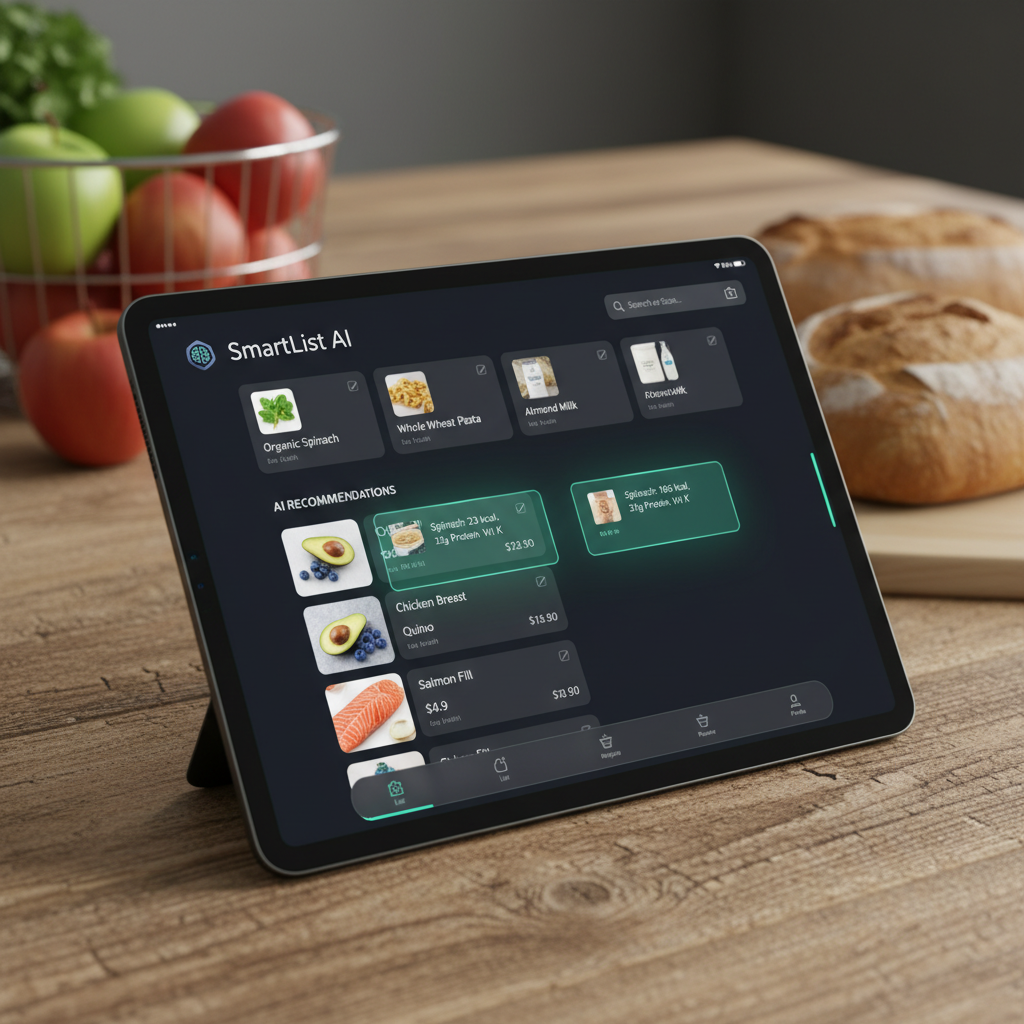
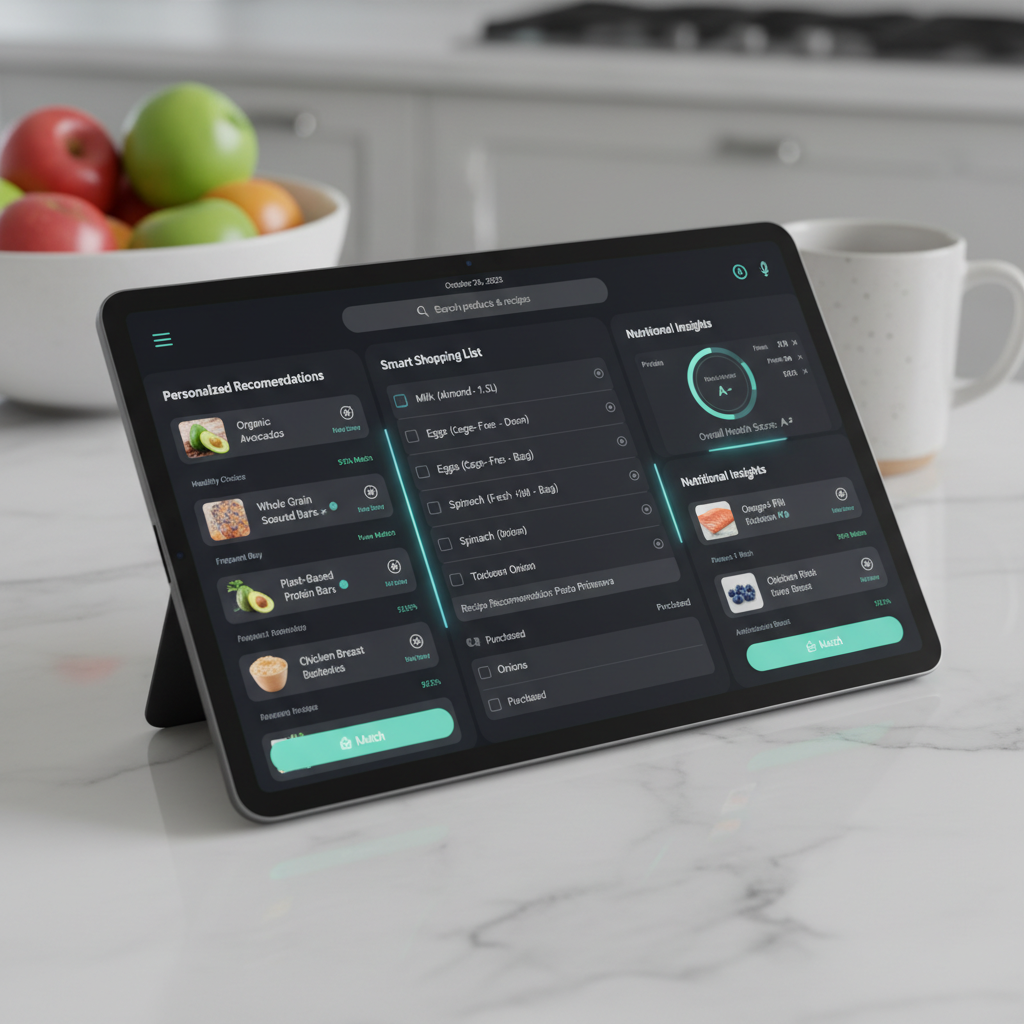
Once all missing ingredients have been identified and personalized products selected, the AI automatically populates the user’s virtual shopping cart. The user is then presented with a clear, editable list of all items, quantities, and estimated costs. At this stage, they can:
- Review and Adjust: Add extra items (e.g., non-recipe staples like toilet paper), remove products, or change quantities.
- Swap Products: Choose a different brand or size if the AI’s initial suggestion isn’t ideal.
- Confirm Dietary Needs: Double-check that all items align with their dietary requirements.
- Select Delivery/Pickup: Choose a preferred time slot and method.
With a final confirmation, the order is placed, transforming a simple recipe idea into a fully processed grocery order, ready to be picked, packed, and delivered. This entire process, which would traditionally involve significant mental effort and manual navigation, is condensed into a few clicks or voice commands, showcasing the profound efficiency of the “Recipe to Cart” mechanism.
Key Features and Technologies Driving AI Meal Planning
The success of “Recipe to Cart” and AI grocery engines hinges on a suite of advanced features and underlying technologies that work in concert to create a truly intelligent and personalized experience. These innovations extend far beyond simple product recommendations, delving into nuanced aspects of human behavior and dietary needs.
1. Advanced Machine Learning for Hyper-Personalization
While basic ML handles general recommendations, advanced algorithms delve deeper. This includes:
- Collaborative Filtering: Recommending items based on what similar users have purchased or liked. “Customers who bought X also bought Y.”
- Content-Based Filtering: Recommending items similar to those a user has liked in the past (e.g., if you like spicy Thai food, it suggests other spicy Thai recipes).
- Hybrid Recommendation Systems: Combining multiple approaches for robust and diverse suggestions.
- Reinforcement Learning: The system learns from user feedback (e.g., liking a recipe, discarding a suggested item) to refine future recommendations dynamically. This creates a feedback loop that continuously improves personalization.
- Contextual Awareness: Taking into account factors beyond past purchases, such as current weather, local events, seasonal ingredients, holidays, and even real-time promotions to offer highly relevant suggestions. For example, suggesting BBQ recipes on a sunny summer weekend.
2. Natural Language Processing (NLP) for Seamless Interaction
NLP is the bridge between human intent and machine understanding. Its sophisticated applications in AI grocery engines include:
- Semantic Search: Users can search for recipes or ingredients using natural, conversational language rather than precise keywords. “I want something quick and healthy for dinner tonight, maybe with fish and vegetables.”
- Ingredient Parsing and Standardization: As detailed previously, this is critical for breaking down complex recipe text into structured, actionable data. It handles synonyms, measurements, and descriptive terms.
- Dietary and Allergy Interpretation: Accurately understanding user-stated dietary restrictions (e.g., “vegan,” “keto,” “nut-free,” “lactose intolerant”) and filtering all recommendations and ingredient lists accordingly. This goes beyond simple checkboxes to interpreting more nuanced dietary nuances.
- Voice Assistant Integration: Enabling hands-free meal planning and shopping through devices like Amazon Echo or Google Home. Users can ask their smart speaker to find recipes, add ingredients to their cart, or check pantry inventory.
3. Computer Vision for Real-time Pantry Management
This is an exciting, rapidly developing area with transformative potential:
- Pantry/Fridge Scanning: Using a smartphone camera to scan shelves or the inside of a refrigerator. CV algorithms identify items, estimate quantities, and update the digital pantry inventory in real-time.
- Expiration Date Tracking: Identifying expiration dates on packaging to alert users to items nearing spoilage, prompting meal ideas to use them up and reducing food waste.
- Recipe Matching with Existing Ingredients: Suggesting recipes based on what the CV system identifies as being currently available and needing to be used soon.
While currently more advanced in dedicated smart kitchen appliances, the integration of CV into mainstream grocery apps is becoming increasingly feasible, offering unparalleled accuracy in inventory management.
4. Predictive Analytics for Optimal Stock and Savings
Beyond personalized recommendations, predictive analytics optimizes the entire supply chain and offers benefits to both consumers and retailers:
- Demand Forecasting: Retailers can accurately predict product demand based on seasonal trends, promotional campaigns, and AI-driven meal plan uptake, reducing stockouts and overstocking.
- Dynamic Pricing and Promotions: Tailoring discounts and offers to individual users based on their buying habits and price sensitivity.
- “Running Low” Alerts: Proactively notifying users when staple items they frequently purchase are likely running low, prompting them to add them to their next order before they actually run out.
- Optimized Delivery Routes: For retailers, predictive analytics can optimize delivery schedules and routes, leading to faster service and reduced operational costs.
5. Seamless Integration with Smart Home Ecosystems
The ultimate vision for AI grocery engines involves deep integration with the broader smart home environment:
- Smart Appliance Synchronization: As mentioned with computer vision, but also extends to ovens preheating for a specific recipe, or smart food scales communicating ingredient weights to the pantry inventory.
- Calendar and Schedule Integration: Understanding family schedules to suggest quick meals on busy weeknights or more elaborate ones for weekend gatherings.
- Wearable Tech Integration: Potentially receiving dietary recommendations based on health data from fitness trackers (e.g., suggesting protein-rich meals after a workout).
These features collectively create a powerful, intuitive, and highly responsive system that moves beyond a simple shopping list into a truly intelligent meal planning and procurement assistant, promising a future of unprecedented convenience and efficiency.
Benefits for Consumers and Retailers
The advent of “Recipe to Cart” functionality and AI grocery engines represents a paradigm shift with profound benefits cascading across the entire grocery ecosystem, impacting both individual consumers and large retail organizations.
Benefits for Consumers: A Revolution in Convenience and Well-being
For the end-user, AI grocery engines unlock a new level of ease and control over their diet and household management.
- Time-Saving and Reduced Cognitive Load: This is arguably the most immediate and significant benefit. The AI automates the tedious tasks of meal planning, recipe searching, ingredient cross-referencing, and list creation, freeing up valuable time and mental energy. No more staring blankly into the fridge or agonizing over what to cook for dinner.
- Cost Savings and Budget Management: By suggesting ingredients based on current sales, offering cheaper alternatives, and optimizing package sizes, AI helps consumers save money. The integration of pantry inventory also prevents duplicate purchases, reducing unnecessary spending.
- Reduced Food Waste: With real-time pantry tracking and expiration date alerts, AI promotes the use of ingredients before they spoil. By suggesting recipes specifically designed to utilize existing stock, it directly combats a major household issue.
- Healthier Eating and Dietary Adherence: AI can filter recipes and suggest ingredients that align with specific dietary goals (e.g., low-carb, high-protein, vegetarian, allergy-friendly). It can even suggest healthier substitutions for certain ingredients, making it easier to maintain a balanced diet.
- Expanded Culinary Horizons: By introducing users to new recipes, cuisines, and ingredients based on their preferences and exploratory behavior, AI fosters culinary adventure, encouraging people to try dishes they might not have discovered otherwise.
- Enhanced Personalization: Every recommendation, from recipes to specific product brands, is tailored to the individual’s unique tastes, dietary needs, budget, and purchasing history, creating a truly bespoke shopping experience.
- Convenience and Accessibility: The ability to manage meals and groceries from anywhere, at any time, via various devices, makes shopping more accessible for busy professionals, individuals with mobility challenges, and families.
Benefits for Retailers: Unlocking Growth and Efficiency
For grocery retailers, adopting AI grocery engines is not just about keeping up with trends; it’s a strategic imperative that drives growth, optimizes operations, and strengthens customer relationships.
- Increased Customer Loyalty and Engagement: By providing an unparalleled personalized experience, retailers can foster deeper relationships with their customers, leading to repeat purchases and higher lifetime value. A seamless experience translates directly into customer satisfaction.
- Higher Sales and Basket Size: Intelligent recommendations, cross-selling (e.g., suggesting a wine pairing for a meal), and up-selling (e.g., premium ingredients) lead to larger shopping carts. By making shopping effortless, customers are more likely to complete purchases rather than abandoning carts.
- Rich Data Insights and Analytics: Every interaction with an AI grocery engine generates invaluable data on customer preferences, meal trends, ingredient combinations, and even potential dietary shifts. This data can inform merchandising decisions, marketing strategies, product development, and inventory management.
- Optimized Inventory Management and Reduced Waste: Predictive analytics allow retailers to forecast demand more accurately, minimizing spoilage for perishable goods and reducing instances of stockouts for popular items. This leads to significant cost savings and improved efficiency.
- Streamlined Operations: Automated order fulfillment processes driven by AI reduce manual labor in picking and packing, leading to faster processing times and lower operational costs.
- Enhanced Marketing Effectiveness: AI enables hyper-targeted marketing campaigns. Retailers can send personalized offers, recipe suggestions, or promotions directly relevant to an individual’s buying habits and predicted needs, significantly improving conversion rates.
- Competitive Advantage: Early adopters of advanced AI grocery engines gain a significant edge over competitors, attracting tech-savvy consumers and setting new standards for the grocery shopping experience.
In essence, AI grocery engines transform the transactional nature of grocery shopping into a relational one, creating value and efficiency for every participant in the ecosystem.
Challenges and Future Outlook
While the promise of AI grocery engines is immense, the journey is not without its hurdles. Understanding these challenges is crucial for developing robust, ethical, and widely adopted solutions. Simultaneously, peering into the future reveals exciting possibilities that will continue to redefine our relationship with food and shopping.
Current Challenges and Obstacles
- Data Privacy and Security Concerns: For AI to be effective, it requires access to highly personal data – dietary restrictions, health goals, spending habits, and even pantry contents. Ensuring the security and ethical use of this sensitive information is paramount to building consumer trust. Breaches could severely undermine adoption.
- Accuracy and Reliability of Recommendations: While AI is powerful, it’s not infallible. Inaccurate recipe parsing, incorrect pantry inventory matching, or irrelevant product suggestions can quickly frustrate users and lead to distrust in the system. The quality of input data and the sophistication of algorithms are continuous areas of improvement.
- Integration Complexities: Seamless “Recipe to Cart” functionality often requires integration with multiple third-party recipe databases, grocery store APIs, payment gateways, and delivery services. Developing and maintaining these complex integrations is a significant technical challenge.
- User Adoption and Education: Not all consumers are equally tech-savvy or willing to relinquish control to an AI. Overcoming ingrained habits of manual meal planning and shopping requires effective user education, intuitive interfaces, and clear demonstrations of value.
- Algorithmic Bias: If the data used to train AI models reflects existing societal biases (e.g., favoring certain demographics, income levels, or culinary traditions), the recommendations could be skewed, alienating certain user groups. Ensuring fairness and inclusivity in AI design is critical.
- Maintenance of Pantry Data: The most significant hurdle for real-time pantry integration is keeping it up-to-date. Manual input is tedious, and while computer vision is promising, it’s still evolving for consumer use and requires consistent interaction.
The Future Outlook: Towards Hyper-Personalization and Automation
Despite the challenges, the trajectory for AI grocery engines is one of rapid innovation and increasing sophistication. Several key trends are expected to define the future:
- Hyper-Personalization and Predictive Health: AI will move beyond just dietary preferences to integrate with personal health data (from wearables, medical records – with explicit consent) to suggest meals that actively support health goals, manage chronic conditions, or optimize nutrition for specific activities. Imagine recipes tailored to your current blood sugar levels or energy needs.
- Seamless Smart Kitchen Integration: Future kitchens will feature deeply integrated AI. Smart ovens will receive recipe instructions directly from the planning engine, smart fridges will automatically reorder expiring items, and robotic kitchen assistants might even handle some prep work, all coordinated by a central AI.
- Augmented Reality (AR) Shopping: AR could transform the in-store experience. Imagine holding your phone up to a shelf, and the AR layer highlights recommended products, shows ingredient origins, or displays nutrition information relevant to your dietary needs.
- Proactive, Contextual Suggestions: AI will become even more adept at anticipating needs without explicit input. Based on your calendar, weather, local events, and even mood analysis (if ethical data sources are available), it could suggest “comfort food for a rainy evening” or “quick weeknight meal after a late meeting.”
- Sustainability Focus: Future AI engines will place a stronger emphasis on environmental impact, recommending locally sourced ingredients, products with minimal packaging, and recipes that help utilize ‘ugly’ produce or reduce carbon footprint.
- Subscription and Custom Meal Kits on Demand: AI will power highly customized meal kit subscriptions, dynamically adjusting recipes and ingredients based on weekly changes in preferences, pantry, and health goals, delivered just in time.
The future of grocery shopping with AI promises a level of personalization, convenience, and efficiency that will make today’s innovations seem rudimentary. The evolution will continue to be driven by advancements in AI, better data integration, and a persistent focus on solving real-world consumer problems while addressing ethical responsibilities.
Ethical Considerations and Data Privacy
As AI grocery engines become increasingly integrated into our daily lives, collecting vast amounts of personal information and influencing our choices, it becomes imperative to address the profound ethical considerations and stringent data privacy requirements. The trust placed in these systems is contingent upon their transparent, responsible, and secure operation.
The Imperative of Data Privacy
At the heart of an AI grocery engine’s functionality lies data. This includes:
- Personal Identifiable Information (PII): Names, addresses, payment information.
- Behavioral Data: Purchase history, browsing patterns, search queries, frequently viewed recipes.
- Preference Data: Dietary restrictions, allergies, brand loyalties, budget constraints.
- Health Data: (Potentially) Fitness goals, medical conditions, nutrient intake.
- Pantry Inventory Data: What you have in your home, its quantities, and expiration dates.
The sheer volume and sensitivity of this data raise critical privacy questions:
- Consent and Transparency: Users must be fully informed about what data is being collected, how it’s being used, and with whom it might be shared. Consent mechanisms should be clear, granular, and easily revocable. Terms of service should be understandable, not hidden in legalese.
- Data Security: Robust cybersecurity measures are essential to protect against breaches, hacks, and unauthorized access. Encryption, multi-factor authentication, and regular security audits are baseline requirements. Given the financial and health information involved, a breach could have severe consequences.
- Data Minimization: AI systems should collect only the data necessary to perform their stated functions. The principle of “least privilege” should apply to data access within the organization as well.
- Anonymization and Pseudonymization: Where possible, data should be anonymized or pseudonymized to protect individual identities, especially when used for broader analytical purposes or shared with third parties.
- User Control: Consumers should have clear mechanisms to access, correct, delete, or port their data. They should also be able to easily adjust their privacy settings and control the level of personalization they receive.
Addressing Algorithmic Bias
AI algorithms are trained on data, and if that data reflects existing biases in society, the algorithms can inadvertently perpetuate or even amplify them. In the context of grocery engines, this could manifest as:
- Dietary Bias: Recommending expensive or niche ingredients that are only accessible to certain income brackets, or promoting specific dietary trends without considering broader needs.
- Cultural Bias: Overlooking diverse culinary traditions or making assumptions about preferences based on demographics.
- Product Bias: Prioritizing certain brands or product types due to past commercial agreements or unbalanced training data, rather than what is truly optimal for the user.
- Health Inequality: If health data is used, recommendations might inadvertently reinforce health disparities if the underlying data is skewed or if the AI doesn’t account for socioeconomic determinants of health.
Mitigating algorithmic bias requires:
- Diverse and Representative Training Data: Actively seeking out and incorporating data from a wide range of demographics, cultures, and dietary practices.
- Fairness Metrics and Audits: Regularly evaluating AI models for fairness and bias, using specific metrics to detect and correct discriminatory outcomes.
- Human Oversight and Intervention: Maintaining a degree of human review and allowing users to provide feedback on recommendations they perceive as biased or irrelevant.
- Explainable AI (XAI): Developing AI systems that can explain their recommendations in an understandable way, building trust and allowing users to challenge biased suggestions.
Building Consumer Trust and Social Responsibility
Ultimately, the long-term success of AI grocery engines hinges on building and maintaining consumer trust. This goes beyond mere compliance with regulations; it involves a commitment to social responsibility:
- Ethical Guidelines: Companies developing these technologies should establish clear internal ethical guidelines that prioritize user well-being over purely commercial gains.
- Transparency in AI’s Role: Users should always be aware when they are interacting with AI, and the extent to which AI is influencing their choices.
- Impact on Food Choices: Considering the broader societal impact of steering dietary choices and ensuring that the AI promotes healthy, sustainable eating habits rather than unhealthy consumption patterns.
By proactively addressing these ethical and privacy considerations, developers and retailers can ensure that AI grocery engines truly serve humanity’s best interests, creating a future where convenience and intelligence are harmonized with trust and responsibility.
Comparison Tables
To further illustrate the impact and capabilities of AI grocery engines, let’s look at some comparative data.
Table 1: Traditional Meal Planning vs. AI-Powered Meal Planning
| Feature | Traditional Meal Planning | AI-Powered Meal Planning (Recipe to Cart) |
|---|---|---|
| Time Spent (Weekly Average) | 3-5 hours (recipe search, list creation, shopping) | 15-30 minutes (recipe selection, cart review) |
| Food Waste Reduction | Low (prone to impulse buys, forgotten ingredients) | High (pantry integration, optimized quantities, expiration alerts) |
| Cost Savings Potential | Medium (manual coupon clipping, price comparison) | High (sale item suggestions, budget optimization, no duplicate buys) |
| Dietary Adherence Ease | Challenging (manual ingredient checking, limited recipe search) | Easy (automated filtering, healthy substitutions, personalized recommendations) |
| Culinary Discovery | Limited (reliance on familiar recipes, cookbooks) | High (AI suggests new recipes based on preferences, trends) |
| Pantry Management | Manual (mental notes, physical checks) | Automated (digital inventory, expiration tracking, recipe matching) |
| Shopping List Generation | Manual (paper or basic digital list) | Automated and optimized (only missing items, correct quantities) |
| Personalization Level | Low (based on individual memory) | Hyper-personalized (ML-driven, contextual, evolving) |
Table 2: Evolution of Grocery Recommendation Systems
| Recommendation System Type | Technology Base | Key Functionality | Level of Personalization | Impact on User Experience |
|---|---|---|---|---|
| Basic “Customers Also Bought” | Simple Association Rules | Suggests popular items bought together; generic. | Low (broad, statistical patterns) | Minor convenience, some discovery for common items. |
| Past Purchase Based | Basic Collaborative Filtering | Remembers user’s past purchases and suggests repeat buys. | Medium (individual history focus) | Good for staples, but limited for new discovery or meal planning. |
| “Recipe to Cart” AI Engine | ML, NLP, CV, Predictive Analytics | Meal planning, pantry integration, ingredient matching, personalized product/recipe suggestions, automated cart filling. | High (dynamic, contextual, holistic) | Revolutionary convenience, significant time/cost savings, enhanced health and reduced waste. |
| Future Hyper-Personalized AI | Advanced ML (Reinforcement Learning), Deep NLP, Real-time CV, Smart Home Integration | Proactive, health-integrated meal planning, full smart kitchen automation, highly predictive and adaptive. | Extreme (predictive, prescriptive, multi-contextual) | Complete autonomy in meal planning, seamless lifestyle integration, ultimate convenience and optimization. |
Practical Examples: Real-World Use Cases and Scenarios
To truly grasp the transformative power of AI grocery engines, let’s explore a few real-world scenarios illustrating how “Recipe to Cart” capabilities can seamlessly integrate into various lifestyles.
Scenario 1: The Busy Professional’s Weeknight Dinner
Meet Sarah: A marketing manager working long hours, often too exhausted to think about dinner, let alone grocery shop.
Before AI: Sarah would get home, stare blankly into her fridge, often resort to takeout, or make a last-minute dash to a convenience store for overpriced, unhealthy options. Her shopping list was usually a chaotic scribble, and she frequently forgot key ingredients.
With AI Grocery Engine: On Sunday evening, Sarah opens her AI grocery app. It suggests “5-day Mediterranean Meal Plan” based on her stated preference for healthy, quick, and light meals. The app automatically checks her smart pantry (updated via past purchases and a quick scan of her fridge with her phone camera) and identifies she’s low on olive oil and fresh vegetables. She approves the meal plan. The AI immediately populates her cart with all the missing ingredients, optimizing for her preferred organic brands and selecting items on sale. Sarah reviews the cart, adds a few personal care items, and schedules a Monday evening delivery. Throughout the week, the app sends reminders for meal prep steps and suggests healthy snacks based on her fitness tracker data. By Friday, all ingredients are used, and there’s no waste. Sarah has enjoyed delicious, healthy meals without a single moment of stress over planning or shopping.
Scenario 2: Managing a Family’s Diverse Dietary Needs
Meet The Chen Family: Dad (vegetarian), Mom (gluten-intolerant), Teenage Son (athletic, high protein), and Young Daughter (picky eater). Mealtime is a constant negotiation.
Before AI: Meal planning was a nightmare. Mrs. Chen spent hours searching for recipes that could be adapted for everyone, checking multiple labels for gluten, and trying to appease her daughter. Grocery shopping involved separate lists and frequent ingredient substitutions in the store.
With AI Grocery Engine: The Chen family uses an AI-powered meal planning app. Each family member has a profile detailing their dietary restrictions and preferences. The AI suggests recipes like “Lentil Shepherd’s Pie with Cauliflower Mash” which naturally accommodates vegetarian and gluten-free needs, or “Sheet Pan Chicken and Veggies” with a vegetarian protein alternative suggested for Dad. For the teenage son, the AI highlights high-protein versions of ingredients or suggests protein supplements. For the daughter, it finds kid-friendly variations or simple sides. Once a recipe is chosen, the “Recipe to Cart” feature automatically adds all ingredients, ensuring gluten-free pasta, vegetarian broth, and appropriate protein sources are selected. If a recipe calls for dairy, it suggests a lactose-free alternative for Mrs. Chen. The family enjoys diverse meals that everyone can eat, and grocery shopping becomes a unified, conflict-free process.
Scenario 3: The Budget-Conscious Student with Specific Tastes
Meet Alex: A college student on a tight budget who loves to cook but needs to be careful with spending, and prefers sustainable, local produce.
Before AI: Alex would spend hours comparing prices at different stores, often compromising on quality or sustainability. He’d end up with too much of some ingredients and not enough of others, leading to food waste and budget overruns.
With AI Grocery Engine: Alex sets his budget and preference for local/organic produce in his AI grocery app. The app identifies local farmers’ market produce available for delivery and integrates current supermarket sales. He browses recipes, selecting “Spicy Peanut Noodles” and “Vegetable Curry” for the week. The AI automatically sources the ingredients, prioritizing local, seasonal vegetables and comparing prices for staples like rice and noodles across various retailers. It suggests a larger, more cost-effective jar of peanut butter, knowing he’ll use it up. Before checkout, Alex sees an estimated cost and can easily swap out an expensive spice for a more budget-friendly alternative. The AI also reminds him of ingredients in his dorm fridge (entered manually) that are nearing expiration, prompting him to plan a meal around them. Alex consistently stays within budget, enjoys his preferred foods, and supports local producers, all with minimal effort.
Scenario 4: Reducing Food Waste for an Eco-Conscious Couple
Meet David and Emily: A couple passionate about sustainability and minimizing their environmental footprint, especially food waste.
Before AI: Despite their best efforts, some produce inevitably wilted in the crisper, and half-used ingredients languished in the pantry. They often overbought due to lack of a clear plan.
With AI Grocery Engine: David and Emily consistently update their pantry inventory in their AI app (or use a combination of purchase history and occasional scans). When they have an abundance of nearing-expiration bell peppers and some leftover chicken, the AI proactively suggests recipes like “Chicken and Bell Pepper Stir-fry” or “Stuffed Bell Peppers.” If they buy a large bag of spinach for one recipe, the AI finds other recipes that use spinach to ensure it’s fully consumed. When they select a new recipe, the “Recipe to Cart” feature ensures only the exact missing quantities are added, preventing redundant purchases. The app also tracks their household’s food waste over time, providing insights and nudges to improve their habits. Their food waste drops dramatically, aligning with their eco-conscious values, and they feel more organized and efficient.
These examples underscore how AI grocery engines are not just about adding items to a cart; they are about intelligently managing the entire food lifecycle for individuals and families, making healthy, efficient, and sustainable eating an effortless reality.
Frequently Asked Questions
As the concept of AI grocery engines and “Recipe to Cart” technology gains traction, many questions naturally arise. Here, we address some of the most common inquiries to provide clarity and deeper understanding.
Q: What exactly is an AI grocery engine?
A: An AI grocery engine is a sophisticated software system that uses artificial intelligence, primarily machine learning and natural language processing, to personalize, optimize, and automate the grocery shopping experience. It goes beyond simple online shopping by understanding user preferences, tracking pantry inventory, suggesting recipes, generating shopping lists, and ultimately populating an online cart with relevant products, all with minimal user intervention.
Q: How does “Recipe to Cart” work?
A: “Recipe to Cart” is a core functionality of AI grocery engines. When a user selects or inputs a recipe, the AI uses natural language processing to break down the recipe into individual ingredients and quantities. It then cross-references these needs with the user’s existing pantry inventory. For any missing ingredients, it generates personalized product recommendations based on preferences, budget, and dietary needs. Finally, it automatically adds these selected products to the user’s online shopping cart for review and checkout.
Q: Is my personal data safe with these AI grocery engines?
A: Data privacy and security are paramount concerns. Reputable AI grocery engine providers implement robust security measures like encryption, secure servers, and multi-factor authentication. They should also adhere to strict data privacy regulations (e.g., GDPR, CCPA). Users should always review the privacy policy of any service they use and ensure they have control over their data, including what is collected and how it’s used.
Q: Can AI grocery engines help me save money?
A: Yes, absolutely. AI grocery engines can help save money in several ways: by suggesting products that are currently on sale, recommending budget-friendly alternatives, optimizing ingredient quantities to prevent overbuying, and most significantly, by integrating with your pantry to avoid duplicate purchases of items you already have. This proactive approach to planning reduces unnecessary spending and food waste, which directly translates to savings.
Q: How accurate are the recipe and product recommendations?
A: The accuracy of recommendations largely depends on the sophistication of the AI engine and the quality and volume of data it has processed. Modern AI engines, especially those employing advanced machine learning and reinforcement learning, can achieve high levels of accuracy. The more you interact with the system (liking recipes, approving or rejecting suggestions), the better it becomes at understanding your unique preferences and making highly relevant recommendations.
Q: What if I have specific dietary restrictions or allergies?
A: AI grocery engines are designed to handle complex dietary needs. Users can typically input specific dietary restrictions (e.g., vegetarian, vegan, keto, gluten-free, dairy-free) and allergies (e.g., nuts, shellfish). The AI will then filter all recipe suggestions and product recommendations to ensure they comply with these requirements, often highlighting suitable alternatives or warning about potential cross-contamination.
Q: Can I still choose my preferred brands with an AI grocery engine?
A: Yes. AI grocery engines are built for personalization. You can typically set your preferred brands for various products, and the AI will prioritize these when populating your cart. If your preferred brand isn’t available or is significantly more expensive, the AI might suggest alternatives while still respecting your general preferences.
Q: How does the AI know what’s in my pantry?
A: Pantry integration can occur through several methods. The most common include: 1) Users manually adding items; 2) The system tracking items purchased through its platform and assuming they are in stock; 3) (Emerging) Integration with smart kitchen appliances; 4) (Future) Computer vision allowing users to scan their pantry or fridge contents using a smartphone camera. This real-time inventory is crucial for avoiding duplicate purchases and suggesting recipes based on what you already have.
Q: Is this technology only for online grocery shopping?
A: While the “Recipe to Cart” functionality is most seamlessly integrated with online delivery or click-and-collect services, the core AI meal planning and list generation capabilities can still benefit traditional in-store shoppers. The AI can generate an optimized shopping list of only the missing ingredients, organized by aisle, for you to take to a physical store, enhancing efficiency even without direct online purchase.
Q: What is the future of AI grocery engines?
A: The future points towards even greater hyper-personalization, deeper integration with smart home ecosystems, and proactive, context-aware assistance. We can expect AI to integrate with health data (with consent) for personalized nutrition, facilitate AR-enhanced in-store shopping, and offer more precise demand forecasting for retailers. The ultimate goal is a completely seamless, invisible experience where meal planning and grocery procurement are effortlessly managed in the background of daily life.
Key Takeaways
The emergence of AI grocery engines and the “Recipe to Cart” functionality marks a pivotal moment in the evolution of how we approach meal planning and grocery shopping. Here are the main points to remember:
- Revolutionary Convenience: AI transforms tedious meal planning and shopping into a seamless, automated process, significantly reducing time and mental effort for consumers.
- Hyper-Personalization: Leveraging advanced Machine Learning and Natural Language Processing, these engines tailor recipe suggestions, product recommendations, and dietary considerations to each individual’s unique preferences, budget, and health goals.
- Core Mechanism: “Recipe to Cart” involves intelligent recipe parsing, real-time pantry integration, personalized product matching, and automated cart population, ensuring only necessary items are added for purchase.
- Dual Benefits: Consumers gain time savings, cost reductions, healthier eating habits, and reduced food waste. Retailers benefit from increased customer loyalty, higher sales, valuable data insights, and optimized inventory management.
- Key Technologies: Beyond ML and NLP, Computer Vision (for pantry scanning), Predictive Analytics (for demand forecasting and proactive alerts), and Voice Assistant Integration are driving innovation.
- Addressing Challenges: While data privacy, algorithmic bias, and integration complexities exist, ongoing advancements are focused on creating secure, fair, and user-friendly systems.
- Future Outlook: The trajectory is towards even deeper smart home integration, health-driven hyper-personalization, augmented reality shopping, and proactive, context-aware assistance, promising an almost invisible and entirely effortless food procurement experience.
- Ethical Responsibility: The responsible development and deployment of AI grocery engines demand stringent data privacy protocols, proactive mitigation of algorithmic bias, and a strong commitment to transparency and user control to build lasting trust.
Conclusion
The journey from a blank recipe book to a fully stocked kitchen has traditionally been fraught with decisions, lists, and time-consuming tasks. However, the landscape of grocery shopping is undergoing a profound and exciting metamorphosis, driven by the intelligence and predictive power of AI grocery engines. The “Recipe to Cart” phenomenon is not merely a feature; it represents a fundamental shift in how we interact with our food ecosystem, promising a future where convenience, efficiency, and personalization are not luxuries, but standard expectations.
These intelligent systems are empowering consumers to make healthier choices, reduce food waste, and reclaim valuable time, transforming the chore of meal planning into an enjoyable, almost effortless part of daily life. For retailers, AI offers an unprecedented opportunity to foster deeper customer relationships, optimize operations, and unlock new avenues for growth in an increasingly competitive market. While challenges surrounding data privacy, ethical considerations, and user adoption remain, the rapid pace of technological advancement and a growing commitment to responsible AI development suggest these hurdles are surmountable.
As we look ahead, the integration of AI will only deepen, making our kitchens smarter, our diets more aligned with our personal health goals, and our shopping experiences more seamless than ever envisioned. The era of reactive grocery shopping is drawing to a close, replaced by a proactive, intelligent, and deeply personalized journey. “Recipe to Cart” is just the beginning; the true future of grocery shopping is one where AI quietly, expertly, and ethically ensures that our pantries are always stocked, our meals are always inspired, and our lives are just a little bit easier.





















































































Leave a Reply