


The humble act of grocery shopping, a ritual for millennia, is on the cusp of a profound transformation. What once involved handwritten lists, manual aisle navigation, and perhaps a spontaneous impulse buy, is rapidly evolving into a hyper-personalized, intuitively predictive experience. At the heart of this revolution lies Artificial Intelligence (AI), moving beyond simple suggestions to anticipate your exact needs, desires, and even your next favorite food item before you even consciously think of it. Imagine a world where your digital grocery cart practically fills itself with everything you need for the week, perfectly tailored to your taste, dietary preferences, and even the weather outside. This isn’t science fiction; it’s the near-future reality powered by advanced AI-driven recommendation engines.
In this comprehensive exploration, we will delve into how AI is meticulously analyzing our behaviors, preferences, and even external factors to redefine the way we shop for food. We will uncover the intricate mechanisms behind these intelligent systems, highlight the manifold benefits for both consumers and retailers, and address the critical challenges and ethical considerations that accompany such powerful technology. Prepare to understand how your cravings are becoming quantifiable data points, seamlessly guiding your journey from contemplation to a fully stocked pantry.
The Evolution of Grocery Shopping: From General Stores to Personalized Aisles
To truly appreciate the seismic shift AI brings, it’s essential to understand the journey of grocery shopping itself. For centuries, shopping for food was a communal affair, centered around local markets and small general stores. Choices were limited, and personal relationships with shopkeepers often guided recommendations. The mid-20th century heralded the rise of the supermarket – a sprawling wonderland of abundance, self-service, and standardized products. This era prioritized convenience, variety, and competitive pricing, fundamentally changing consumer expectations.
The late 20th and early 21st centuries introduced online grocery shopping, offering unparalleled convenience with home delivery or click-and-collect options. Yet, even with these advancements, the online experience often mimicked the physical store’s layout, presenting vast inventories that could still feel overwhelming. Recommendations, while present, were often generic, based on broad categories or popular items, lacking true personal resonance. The core challenge remained: how to cut through the noise of thousands of products and present each individual shopper with precisely what they need and desire, making the experience efficient, enjoyable, and surprisingly intuitive.
This is where AI steps in, marking the most significant leap since the supermarket’s inception. It promises to transform a transactional activity into a dynamic, personalized dialogue. AI-driven systems are designed to bridge the gap between vast product catalogs and individual human preferences, effectively creating a “store of one” for every customer. It’s about moving beyond simply responding to explicit requests to proactively understanding and anticipating unspoken needs, making the shopping experience less about searching and more about effortless discovery.
Understanding AI in Grocery: More Than Just Algorithms
When we talk about Artificial Intelligence in the context of grocery shopping, we’re referring to a sophisticated amalgamation of technologies, primarily machine learning (ML), deep learning (DL), and natural language processing (NLP), applied to an enormous dataset of consumer information. It’s not a single magical program, but a complex ecosystem designed to learn, adapt, and predict.
At its core, AI in grocery aims to accomplish several key objectives:
- Data Collection and Aggregation: Gathering vast amounts of relevant data from various touchpoints, both online and offline.
- Pattern Recognition and Analysis: Identifying trends, correlations, and anomalies within this data that human analysts might miss.
- Predictive Modeling: Using identified patterns to forecast future behaviors, preferences, and demand.
- Recommendation Generation: Translating predictions into actionable suggestions, product placements, and personalized offers.
- Continuous Learning and Optimization: Adapting and improving the accuracy of its predictions based on new data and user feedback.
The goal isn’t just to sell more products, but to enhance the entire customer journey by making it more efficient, more enjoyable, and ultimately, more valuable. For retailers, it’s about optimizing operations, reducing waste, and building stronger, more loyal customer relationships. For consumers, it’s about saving time, discovering delightful new items, managing dietary needs effortlessly, and perhaps even reducing food waste in their own homes by buying smarter.
This intricate interplay of data, algorithms, and continuous learning forms the backbone of an intelligent grocery ecosystem, poised to revolutionize every aspect of how we interact with our food suppliers. It transforms a mundane chore into an experience that feels tailored just for you, often with surprising accuracy.
How AI Predicts Your Next Favorite: The Science Behind the Suggestions
The ability of AI to anticipate your grocery needs and even predict your next craving isn’t magic; it’s the result of sophisticated data science and powerful machine learning algorithms working in concert. These systems meticulously analyze a multitude of data points to construct a comprehensive profile of your shopping habits and preferences. Let’s break down the key components:
1. Comprehensive Data Sources
AI’s predictive power begins with data – lots of it. This data comes from various sources, painting a holistic picture of each individual shopper:
- Purchase History: The most fundamental data point. What you’ve bought, how frequently, in what quantities, and at what price. This includes specific brands, product categories, and even variations (e.g., organic vs. conventional, dairy vs. plant-based milk).
- Browsing Behavior: For online shoppers, this includes items viewed, search queries, categories explored, items added to cart but not purchased, and the time spent on product pages.
- Loyalty Program Data: Information linked to your loyalty card, often including demographic data, household size, and specific dietary preferences you might have shared.
- Customer Feedback and Reviews: Your ratings, written reviews, and responses to surveys provide qualitative insights into satisfaction and preferences.
- External Factors: AI can incorporate broader data like local weather patterns (e.g., recommending barbecue items before a sunny weekend, soup during a cold snap), seasonal trends (e.g., holiday baking ingredients), major events, and even local social media trends.
- Dietary Preferences and Health Goals: Information explicitly provided by the user (e.g., vegan, gluten-free, low-carb) or inferred from purchase patterns.
- Cross-Device Data: If permission is granted, AI can connect behavior across different devices, offering a more unified view of your shopping journey.
2. Advanced Machine Learning Algorithms
Once the data is collected, machine learning algorithms get to work, finding patterns and making predictions:
- Collaborative Filtering: This is a cornerstone of many recommendation engines.
- User-Based Collaborative Filtering: Identifies shoppers with similar tastes to yours and recommends items they have liked or purchased. “People like you bought X, so you might like it too.”
- Item-Based Collaborative Filtering: Recommends items that are frequently bought together or viewed sequentially. “Customers who bought X also bought Y.” Think of pairing wine with cheese or pasta with sauce.
- Content-Based Filtering: Recommends items similar to those you’ve previously shown interest in, based on their attributes. If you frequently buy organic produce, it will suggest other organic items. If you prefer a particular brand of coffee, it will suggest other products from that brand or similar roasts.
- Hybrid Recommendation Systems: Most modern systems combine collaborative and content-based filtering to overcome the limitations of each. This leads to more accurate and diverse recommendations, mitigating the “cold start” problem (when there’s not enough data for a new user or item) and preventing users from getting stuck in a “filter bubble” of only familiar items.
- Deep Learning: Subsets of machine learning, deep learning models (like neural networks) are particularly adept at processing unstructured data such as product images, customer reviews, and even sensory descriptions. They can uncover deeper, more nuanced preferences that might not be obvious from simple transactional data alone. For example, understanding that a customer who buys specific ethnic ingredients might appreciate recipes from that cuisine.
- Reinforcement Learning: This type of AI learns by trial and error. It observes how users interact with its recommendations – whether they click, add to cart, or ignore – and adjusts its strategy to maximize positive outcomes. This continuous feedback loop ensures the system constantly improves its predictive accuracy over time.
- Predictive Analytics: Beyond recommending individual items, AI uses predictive analytics to forecast broader trends. This can include anticipating demand for certain categories, predicting when a customer might run out of a staple item (e.g., milk, eggs) based on their purchase frequency, or even foreseeing seasonal surges in demand.
By constantly analyzing, learning, and adapting, these AI systems build an incredibly detailed and dynamic profile of each shopper. This allows them to not just suggest items, but to anticipate cravings, facilitate meal planning, and even identify potential gaps in your pantry, making your grocery experience feel effortlessly guided and surprisingly intuitive.
The Consumer’s Advantage: Unpacking the Benefits of AI-Driven Grocery Shopping
For the everyday shopper, the integration of AI into grocery retail translates into a multitude of tangible benefits that significantly enhance the entire shopping experience. It’s about more than just convenience; it’s about a smarter, more personalized, and ultimately more satisfying way to feed yourself and your family.
1. Unparalleled Convenience and Time Savings
Perhaps the most immediate and appreciated benefit is the sheer reduction in effort and time. AI can:
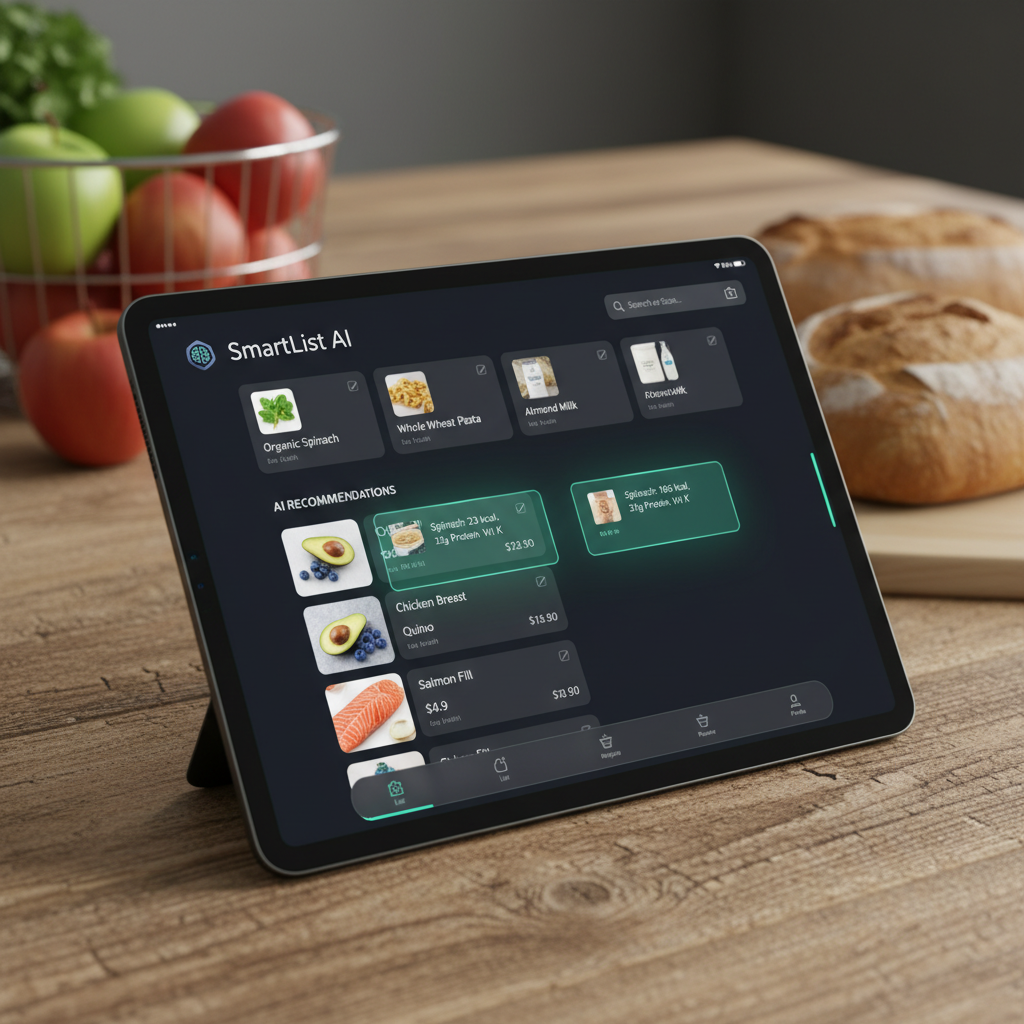
- Auto-Populate Carts: Based on your past purchases and typical shopping cycle, AI can pre-fill your online cart with staple items you regularly buy, leaving you only to review and adjust.
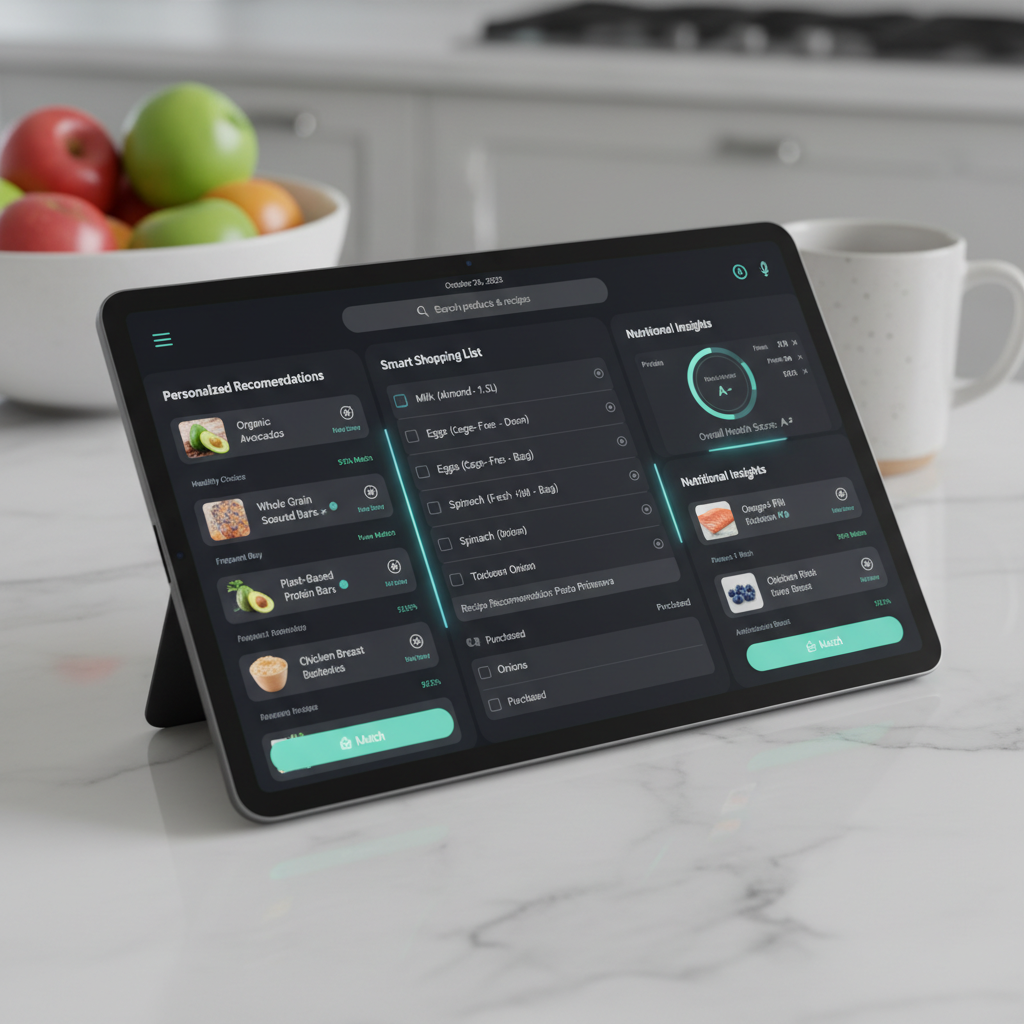
- Smart Shopping Lists: Beyond simple lists, AI can suggest items you might have forgotten, generate ingredient lists for meal plans, and even organize your list by aisle for in-store shopping efficiency.
- Seamless Discovery: Instead of endless scrolling, AI intelligently surfaces new products, limited-time offers, or seasonal items that genuinely align with your tastes, making discovery effortless.
2. Personalized Product Discovery and Diversification
One common concern with recommendation engines is the “filter bubble” – the idea that you’ll only be shown what you already like, stifling discovery. However, advanced AI systems are designed to balance familiarity with novelty:
- They introduce you to new brands or variations of products you enjoy.
- They suggest complementary items that might inspire new recipes or meal ideas (e.g., “If you bought this specific pasta, try this gourmet sauce or fresh herb”).
- They can recommend items based on what similar users with slightly different tastes are buying, gently expanding your palate.
This allows you to break out of routine while still ensuring that new suggestions are highly relevant and likely to be appreciated.
3. Enhanced Budget Management and Savings
AI can be a powerful ally in managing your grocery budget:
- Personalized Deals and Promotions: Instead of generic flyers, AI delivers coupons and discounts specifically for the products you buy most often or are likely to try, maximizing your savings.
- Smart Substitutions: If your preferred brand is out of stock or overpriced, AI can suggest an equally good or better alternative that fits your criteria and budget.
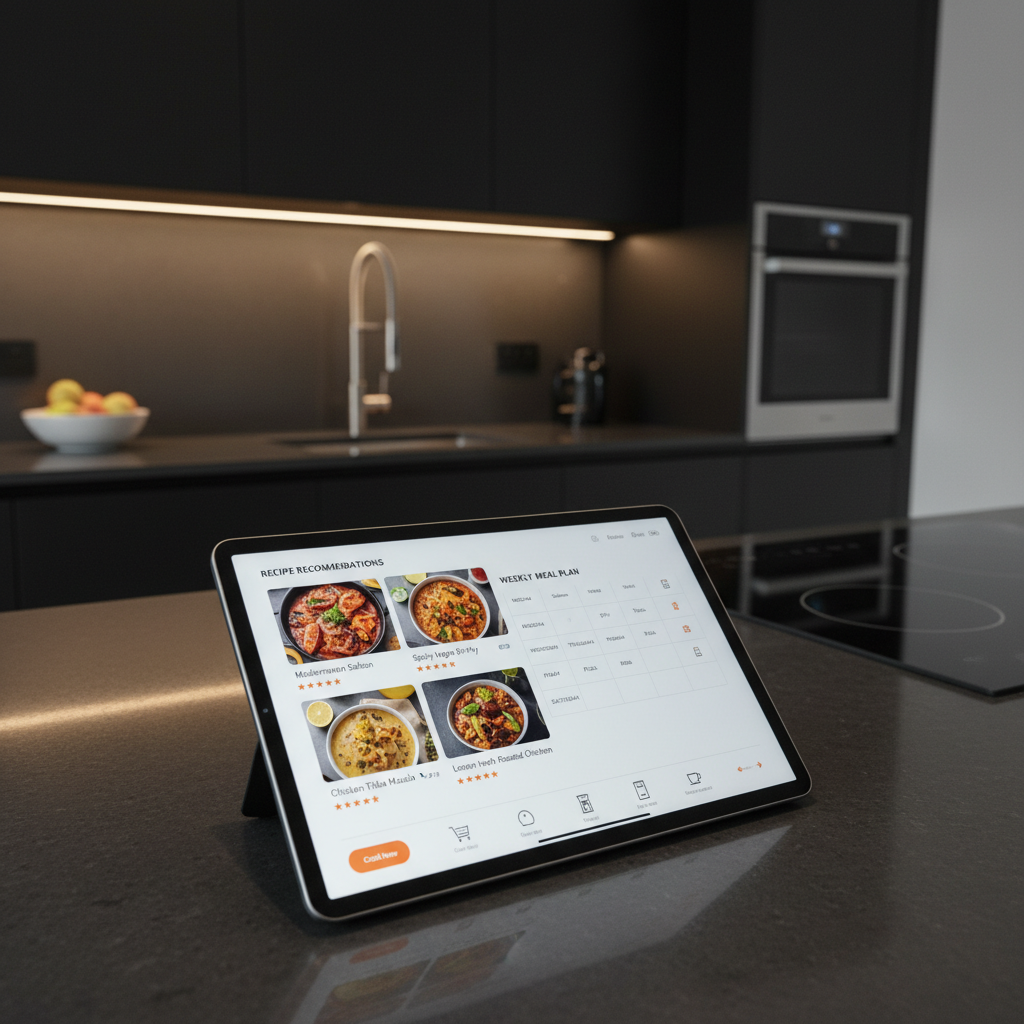
- Meal Planning Optimization: By recommending meals based on available ingredients, sales, and household preferences, AI can help reduce impulse buys and align spending with needs.
4. Tailored Dietary and Lifestyle Support
Navigating dietary restrictions, allergies, or health goals can be challenging. AI simplifies this considerably:
- Automated Filtering: Systems can automatically filter out products containing allergens (e.g., gluten, nuts, dairy) or ingredients unsuitable for your diet (e.g., high sugar, unhealthy fats).
- Health-Focused Recommendations: Based on stated goals (e.g., weight loss, muscle gain) or inferred dietary patterns, AI can suggest healthier alternatives, appropriate supplements, or meal kits.
- Nutritional Insights: Some advanced systems can provide nutritional breakdowns for entire shopping carts or meal plans, helping you make more informed choices.
5. Reduced Decision Fatigue and Stress
The sheer number of choices in a modern supermarket can be overwhelming. AI streamlines the decision-making process by pre-filtering, pre-sorting, and highlighting relevant options, turning a potentially stressful chore into a smoother, more enjoyable experience.
6. Minimizing Food Waste
By predicting exactly what you need and when you need it, and by suggesting meals based on ingredients you already have or are likely to use, AI can help reduce the amount of food that goes to waste both in the store and in your home. This leads to both economic and environmental benefits.
In essence, AI transforms grocery shopping from a task into a supportive partnership, ensuring that your pantry is stocked with exactly what you want and need, often before you even realize it yourself.
A Win for Retailers: Operational Efficiency and Enhanced Customer Loyalty
While consumers reap significant benefits, grocery retailers stand to gain even more from the strategic implementation of AI. The technology offers unprecedented opportunities to optimize operations, increase profitability, and build deeper, more lasting relationships with their customer base.
1. Optimized Inventory Management and Reduced Waste
One of the largest operational challenges for grocers is managing perishable inventory. AI provides sophisticated solutions:
- Precise Demand Forecasting: By analyzing historical sales data, seasonal trends, local events, weather patterns, and even social media sentiment, AI can predict demand for specific products with far greater accuracy than traditional methods. This minimizes both stockouts (lost sales) and overstocking (waste).
- Dynamic Replenishment: AI systems can automatically trigger reorders when stock levels reach a certain threshold, ensuring shelves are always optimally stocked.
- Perishable Inventory Control: For fresh produce, meats, and dairy, AI can track shelf life and suggest dynamic pricing adjustments or promotions to move items before they spoil, significantly reducing food waste.
2. Streamlined Supply Chain and Logistics
AI’s predictive capabilities extend throughout the supply chain, enhancing efficiency from farm to store shelf:
- Route Optimization: For delivery services, AI can calculate the most efficient delivery routes, saving fuel costs and delivery time.
- Warehouse Management: Optimizing picking paths, storage locations, and labor allocation within warehouses.
- Supplier Relations: Better demand forecasting allows retailers to negotiate more effectively with suppliers and ensure a consistent flow of goods.
3. Highly Personalized Marketing and Increased Conversion
Generic marketing campaigns yield diminishing returns. AI enables hyper-personalization:
- Targeted Promotions: Delivering personalized coupons, discounts, and product recommendations directly to individual customers based on their unique shopping history and predicted needs. This dramatically increases the likelihood of conversion.
- Basket Building: AI can suggest complementary items at checkout, increasing the average basket size.
- Customer Segmentation: AI can identify subtle customer segments and tailor marketing messages to their specific preferences, motivations, and shopping habits.
4. Insights for New Product Development and Merchandising
AI provides invaluable market intelligence:
- Identifying Trends: Spotting emerging food trends, ingredient preferences, or dietary shifts much faster than traditional market research.
- Product Gaps: Revealing unmet customer needs or categories where new products could thrive.
- Optimized Store Layouts: For physical stores, AI can analyze shopping patterns to optimize product placement, aisle configurations, and promotional displays to maximize sales and customer flow.
5. Enhanced Customer Lifetime Value (CLV)
By providing a consistently excellent, personalized experience, AI fosters greater customer satisfaction and loyalty. Loyal customers shop more frequently, spend more over time, and are more likely to recommend the retailer to others, significantly increasing their CLV.
6. Improved Labor Efficiency
While some fear job displacement, AI can also free up human employees from mundane, repetitive tasks (like manual inventory checks or basic customer service queries) allowing them to focus on higher-value activities such as providing personalized in-store assistance, managing complex operations, or creative problem-solving.
In essence, AI transforms grocery retail from a reactive business into a proactive, intelligent ecosystem, capable of anticipating market shifts, delighting individual customers, and operating with unprecedented levels of efficiency and profitability.
Comparison Tables
Table 1: Traditional vs. AI-Driven Grocery Shopping Experience
| Feature | Traditional Grocery Shopping | AI-Driven Grocery Shopping | Impact |
|---|---|---|---|
| Product Discovery | Manual browsing, word-of-mouth, generic promotions, store circulars. | Personalized recommendations, AI-curated new items, complementary product suggestions, tailored deals. | Effortless discovery of relevant items, reduced decision fatigue, exposure to new favorites. |
| Convenience & Time | Requires dedicated time for list creation, physical store navigation, manual searching. Online offers some convenience but still requires manual selection. | Auto-filled carts, smart shopping lists, predictive reordering of staples, optimized delivery/pickup slots. | Significant time savings, reduced mental load, streamlined and efficient process. |
| Personalization | Limited to general store layout, broad category sales, and basic loyalty discounts. | Hyper-personalized offers, dietary filtering, allergy alerts, customized meal suggestions, “store of one” experience. | Highly relevant shopping experience, catering to individual needs, tastes, and health goals. |
| Budget Management | Manual price comparisons, clipping physical coupons, general sales flyers. | Personalized discounts on frequently purchased items, smart substitution suggestions, AI-driven budget tracking. | Optimized spending, maximized savings on relevant items, better financial control. |
| Food Waste (Consumer) | Often leads to impulse buys, buying too much, or forgetting items needed for specific recipes. | Precisely predicted quantities, meal planning assistance, reduced forgotten items, smarter purchasing. | Reduced household food waste, more efficient pantry management. |
| Retailer Efficiency | Manual inventory checks, general demand forecasting, reactive supply chain management. | Predictive demand forecasting, dynamic inventory optimization, automated reordering, optimized logistics. | Reduced stockouts and overstock, lower operational costs, improved supply chain resilience. |
Table 2: Key AI Algorithms in Grocery Recommendation Systems
| AI Algorithm Type | Description | Primary Use Case in Grocery | Strengths | Limitations |
|---|---|---|---|---|
| Collaborative Filtering | Recommends items based on the behavior of similar users (user-based) or similarity between items (item-based). | “Customers who bought X also bought Y,” or “People with similar taste profiles enjoyed Z.” | Highly effective for finding unexpected but relevant items; good for diversified recommendations. | Suffers from the “cold start” problem (new users/items lack data); can be computationally intensive with large datasets. |
| Content-Based Filtering | Recommends items similar to those a user has liked or interacted with in the past, based on item attributes. | Recommending organic produce to a user who buys organic, or different flavors from a preferred brand. | Effective for users with clear preferences; doesn’t suffer from the “cold start” for new users if preferences are known. | Can create a “filter bubble” where users only see similar items, limiting discovery; over-specialization. |
| Hybrid Recommendation Systems | Combines elements of collaborative filtering and content-based filtering. | The most common approach in modern systems, e.g., combining purchase history with product attributes for nuanced suggestions. | Overcomes limitations of individual methods (cold start, filter bubble); highly accurate and diverse recommendations. | Increased complexity in design and implementation; requires robust data infrastructure. |
| Deep Learning (e.g., Neural Networks) | Utilizes multi-layered neural networks to learn complex patterns and representations from vast, often unstructured, data. | Analyzing customer reviews, product images, or complex demographic data to understand subtle preferences and sentiment. | Exceptional at discovering hidden patterns and nuanced relationships; handles large and complex datasets well. | Requires very large datasets for training; computationally expensive; can be a “black box” (difficult to interpret decisions). |
| Reinforcement Learning | Learns by trial and error, taking actions (recommendations) and receiving rewards (user interactions) to optimize future actions. | Optimizing the order of recommendations, fine-tuning the balance between exploration (new items) and exploitation (known preferences). | Continuously adapts and improves based on real-time user feedback; highly dynamic and context-aware. | Can be slow to converge to optimal strategies; careful design of reward function is critical. |
Practical Examples: AI in Action Across the Grocery Landscape
The concepts of AI-driven grocery shopping are not merely theoretical; they are being actively implemented and refined by leading retailers and innovative startups worldwide. These real-world applications showcase the tangible benefits and diverse capabilities of AI across the entire grocery ecosystem.
1. Amazon Fresh and Amazon Go: Pioneers in Predictive Shopping
Amazon, a behemoth in e-commerce, has been at the forefront of integrating AI into its grocery offerings. Amazon Fresh utilizes sophisticated AI algorithms to power its personalized recommendation engine, analyzing past purchases, browsing history, and even items in wish lists to suggest relevant products for your next order. Their “Subscribe & Save” feature, while not purely AI-driven, is augmented by AI to predict consumption rates and suggest optimal delivery frequencies for staple items. Amazon Go stores, with their “Just Walk Out” technology, leverage AI-powered computer vision and sensor fusion to track what customers pick up and put back, automating the entire checkout process and providing a seamless, frictionless shopping experience. While not directly about recommendations, the underlying AI infrastructure has the potential to feed back into understanding purchase patterns in unprecedented detail.
2. Kroger’s 84.51°: Data Science for Hyper-Personalization
Kroger, one of the largest grocery retailers in the United States, established 84.51°, a data science and insights company, specifically to leverage its vast trove of customer data. 84.51° uses advanced AI and machine learning to analyze shopping habits from millions of households, enabling Kroger to deliver highly personalized promotions, product recommendations, and loyalty program benefits. This means you might receive a coupon for a specific brand of yogurt you frequently buy, or a suggestion for a new plant-based alternative if your purchase history indicates a trend towards healthier eating. This level of personalization drives customer loyalty and significantly impacts sales by ensuring relevancy.
3. Walmart: AI for Inventory and Personalized Engagement
Walmart, with its immense scale, applies AI to tackle complex challenges from inventory management to personalized customer engagement. Their AI systems predict localized demand for products across thousands of stores, optimizing stock levels and reducing food waste. Furthermore, Walmart utilizes AI to power its online recommendation engine, personalize deals for app users, and even assist with in-store navigation via their app, helping shoppers quickly find items on their list. They are also investing in AI-powered robotics for tasks like shelf scanning and cleaning, freeing up human associates to focus on customer service.
4. Instacart: Smart Substitutions and Dynamic Pricing
As a leading grocery delivery service, Instacart relies heavily on AI. Its algorithms predict the best shoppers for specific orders, optimize delivery routes, and provide customers with smart substitutions when an item is out of stock. The AI suggests alternatives based on price, brand, and product attributes, improving the customer experience and reducing order cancellations. Instacart also uses AI for dynamic pricing and promotion strategies, ensuring competitive offers while maximizing profit margins for its retail partners.
5. Smaller Startups and Niche AI Solutions
Beyond the giants, numerous smaller companies are using AI to solve specific grocery problems:
- Meal Kit Services: Companies like Blue Apron or HelloFresh use AI to suggest personalized meal plans based on dietary preferences, past meal ratings, and even the ingredients they have in stock, minimizing waste and ensuring customer satisfaction.
- Dietary and Allergy-Focused Apps: Apps like Fig (Food Is Good) use AI to scan food labels and match ingredients against personal dietary restrictions or allergies, providing real-time guidance to shoppers.
- Food Waste Reduction Platforms: Apps like Too Good To Go partner with grocery stores to sell surplus food at a discount before it expires, using AI to identify eligible products and match them with interested consumers in their local area.
These examples illustrate that AI in grocery is a multifaceted tool, impacting everything from the back-end logistics of inventory and supply chain to the front-end customer experience, making shopping more efficient, personalized, and ultimately more enjoyable for everyone involved.
Frequently Asked Questions
Q: What exactly is AI in the context of grocery shopping?
A: In grocery shopping, AI (Artificial Intelligence) refers to computer systems that can simulate human intelligence to learn, reason, and solve problems. Specifically, it involves machine learning algorithms that analyze vast amounts of data – like your purchase history, browsing behavior, dietary preferences, and even external factors like weather – to predict what you might want to buy next. It goes beyond simple automation to provide personalized recommendations, optimize store operations, and enhance the overall shopping experience for both consumers and retailers.
Q: How does AI know what I like or anticipate my cravings?
A: AI learns your preferences by analyzing your past interactions. It looks at what you’ve purchased before (brands, categories, quantities, frequency), what products you’ve viewed online, items you’ve added to a wishlist, and even how you interact with previous recommendations. Using algorithms like collaborative filtering (identifying similar shoppers) and content-based filtering (finding similar product attributes), it builds a detailed profile. It can also incorporate external data like seasonal trends or local events to predict cravings, for instance, suggesting barbecue items before a sunny weekend or comfort food during a cold spell, making its predictions remarkably accurate.
Q: Is my data safe when AI grocery systems are collecting it?
A: Data privacy is a significant concern, and reputable grocery retailers and AI providers prioritize the security and ethical use of your data. They typically anonymize and aggregate data to protect individual identities. Strong encryption, robust cybersecurity measures, and compliance with data protection regulations (like GDPR or CCPA) are standard practices. However, it’s crucial for consumers to read privacy policies and understand how their data is being used. Many platforms offer options to control your data or opt-out of certain types of tracking and personalization.
Q: Can AI really help me save money on groceries?
A: Absolutely! AI can be a powerful tool for budget management. It delivers highly personalized deals and coupons directly relevant to the products you actually buy or are likely to try, maximizing your savings compared to generic promotions. AI can also suggest smart substitutions if your preferred item is out of stock or more expensive, helping you find better value. Furthermore, by assisting with meal planning and predicting your needs, AI can reduce impulse buys and prevent food waste at home, which indirectly saves money over time.
Q: Will AI replace human employees in grocery stores?
A: The goal of AI in grocery is generally to augment human capabilities, not entirely replace them. While AI can automate repetitive tasks like inventory management, shelf scanning, or basic customer service inquiries (chatbots), it frees human employees to focus on higher-value activities. This includes providing personalized in-store assistance, managing complex operations, handling unique customer requests, and ensuring a positive overall shopping atmosphere. AI transforms job roles rather than eliminating them entirely, requiring a shift in skill sets towards technology management and enhanced customer service.
Q: How do I discover new items if AI only recommends what I already like?
A: Advanced AI recommendation engines are designed to balance familiarity with novelty. While they prioritize items based on your known preferences, they also incorporate strategies to introduce new products. This often involves: 1) Leveraging hybrid models that combine your preferences with what similar users are buying, potentially exposing you to different but related items. 2) Including “exploration” algorithms that occasionally suggest items slightly outside your typical buying patterns, based on broader trends or attributes. 3) Recommending complementary items that could inspire new recipes or culinary adventures. This ensures you still experience delightful discoveries without being overwhelmed by irrelevant choices.
Q: What if I have specific dietary restrictions or allergies?
A: AI is incredibly beneficial for managing dietary restrictions and allergies. Most AI-driven grocery platforms allow you to input your specific dietary needs (e.g., vegan, gluten-free, low-carb) or allergies (e.g., nuts, dairy, soy). The system will then automatically filter out unsuitable products, highlight compliant options, and even suggest recipes that fit your criteria. Some advanced systems can even analyze nutritional information for your entire cart, helping you make healthier choices and avoid potential allergens with greater confidence and ease.
Q: Can AI predict when I’m running low on an item at home?
A: Yes, this is one of the emerging capabilities of AI in grocery. By analyzing your purchase frequency and typical consumption patterns for staple items (like milk, eggs, coffee, or toilet paper), AI can accurately predict when you are likely to run out. It can then send you proactive reminders or even pre-fill your online cart with those items, anticipating your needs before you even realize you’re low. This feature significantly enhances convenience, ensuring you never run out of household essentials unexpectedly.
Q: What are the main benefits of AI for grocery retailers?
A: For retailers, AI offers transformative benefits, including: 1) Optimized Inventory: Precise demand forecasting reduces waste from spoilage and lost sales from stockouts. 2) Streamlined Operations: Efficient supply chain management, optimized delivery routes, and automated tasks. 3) Increased Sales & Loyalty: Hyper-personalized marketing and product recommendations lead to higher conversion rates and stronger customer relationships. 4) Market Insights: Identification of emerging trends and product gaps, informing new product development and merchandising strategies. Ultimately, AI leads to greater profitability and a more competitive edge.
Q: How can I opt-out of AI recommendations if I prefer a traditional shopping experience?
A: The ability to opt-out of AI recommendations varies by platform and retailer. For online services, you can often disable personalized recommendations in your account settings, clear your browsing history, or use incognito/private browsing modes. For loyalty programs, you might be able to decline data sharing agreements or choose not to use your loyalty card. If you prefer a completely traditional experience, simply shopping in a physical store without engaging with digital apps or loyalty programs will largely bypass AI-driven personalization. However, some aspects of AI (like inventory management) operate silently in the background and cannot be opted out of by consumers.
Key Takeaways
- AI is Redefining Grocery: Artificial Intelligence is fundamentally transforming how we shop for food, moving from generic interactions to hyper-personalized, predictive experiences.
- Data is the Fuel: AI’s power stems from analyzing vast amounts of data, including purchase history, browsing behavior, external factors, and customer preferences.
- Algorithms are the Engine: Sophisticated machine learning algorithms like collaborative filtering, content-based filtering, and deep learning are crucial for accurate predictions and recommendations.
- Benefits for Consumers are Immense: Shoppers gain unparalleled convenience, personalized product discovery, better budget management, tailored dietary support, and reduced decision fatigue.
- Retailers Reap Significant Rewards: Grocers benefit from optimized inventory, streamlined supply chains, hyper-targeted marketing, invaluable market insights, and enhanced customer loyalty.
- Ethical Considerations are Crucial: Data privacy, algorithmic bias, and the “filter bubble” effect are important challenges that require careful attention and transparent practices.
- The Future is Proactive and Intelligent: Expect more advanced AI integration, including hyper-contextual recommendations, voice commerce, and fully autonomous shopping experiences.
- Balance is Key: The most successful AI implementations will balance technological efficiency with maintaining a human touch and respecting consumer autonomy.
Conclusion
From the fleeting thought of a forgotten ingredient to the joyous discovery of a new family favorite, AI is seamlessly integrating itself into every facet of the grocery shopping journey. It represents a paradigm shift from a reactive process to a proactive partnership, where technology anticipates our needs, streamlines our tasks, and enriches our culinary lives. The days of aimlessly wandering aisles or painstakingly crafting exhaustive lists are giving way to an era of intelligent assistance, where our digital carts are curated with remarkable precision, almost as if reading our minds.
The benefits are undeniable for both sides of the counter: consumers enjoy unparalleled convenience, personalization, and savings, while retailers achieve unprecedented operational efficiency, reduced waste, and profound customer loyalty. As AI continues to evolve, integrating even more data points and learning from our ever-changing habits, the grocery store of tomorrow will be an even more intuitive, responsive, and delightful place. We stand at the precipice of a grocery revolution, where the line between cravings and cart is blurred, and the future of food shopping is not just smart, but profoundly personal.















































































Leave a Reply