


In an era defined by ubiquitous connectivity, our digital lives are constantly expanding, creating an ever-larger footprint across the internet. From social media profiles and online shopping habits to cloud storage and smart home devices, every interaction leaves a trail. While this interconnectedness offers unparalleled convenience, it also exposes us to unprecedented risks. Data breaches, identity theft, phishing attacks, and targeted scams are no longer abstract threats; they are daily realities that can have devastating consequences. The question is no longer if your data might be exposed, but rather how much of it is already out there, and how can you proactively protect yourself?
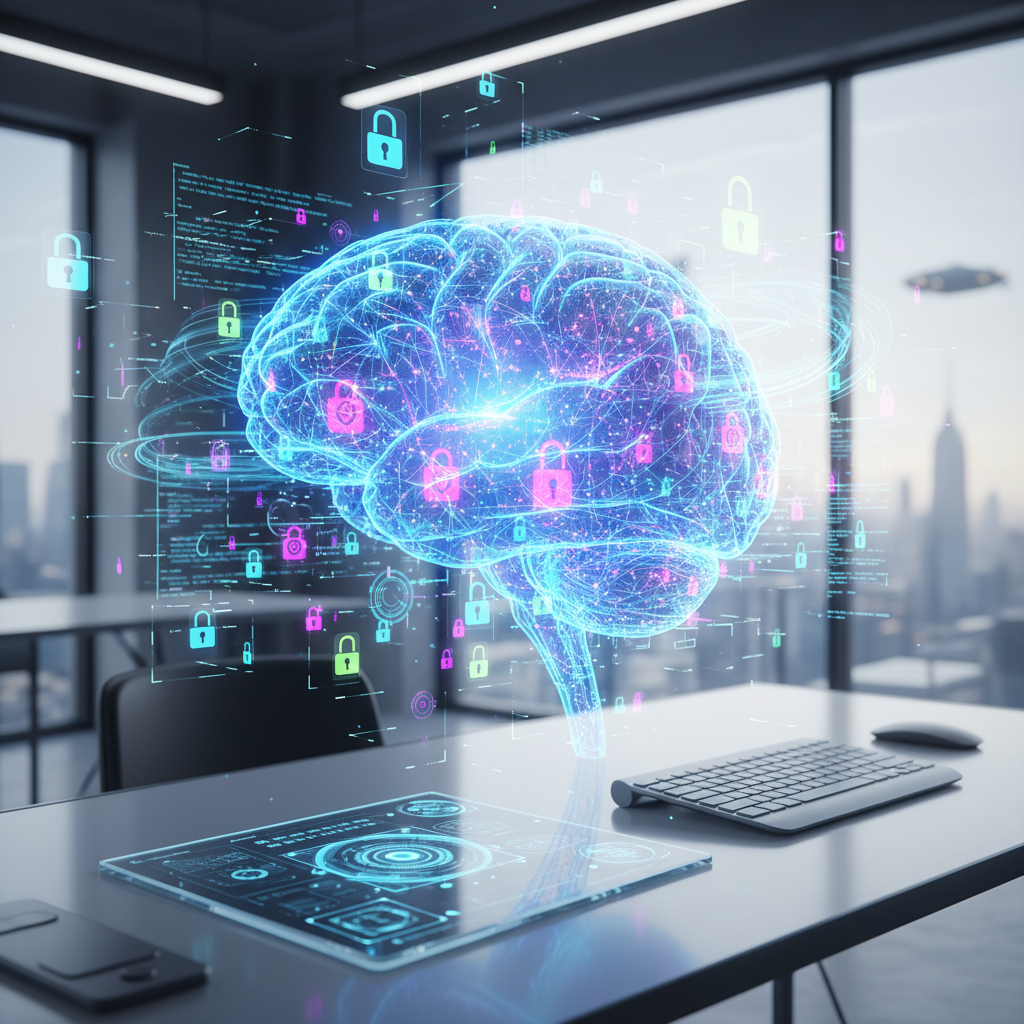
Traditional security measures, while essential, often react to threats after they have already occurred. Antivirus software detects known malware, firewalls block unauthorized access, but what about the subtle, often overlooked vulnerabilities in your personal digital ecosystem? What about your personal information already circulating on the dark web, or the privacy settings on your social media that inadvertently reveal too much? This is where the groundbreaking power of Artificial Intelligence (AI) comes into play. AI-powered scanners are emerging as crucial tools in the fight for digital privacy, offering a proactive, intelligent approach to monitoring and mitigating your digital vulnerabilities.
This comprehensive guide will delve into the world of AI scanners designed to safeguard your digital footprint. We will explore how these intelligent tools work, their key capabilities, real-world applications, and how you can leverage them to gain greater control over your online privacy. Understanding and utilizing these advancements is no longer a luxury, but a necessity for anyone navigating the complexities of the digital age.
The Expanding Digital Footprint and Its Inherent Risks
Our digital footprint encompasses all the unique, traceable data and activities we leave behind as we interact with the digital world. It is a constantly growing accumulation of information that, piece by piece, paints a comprehensive picture of who we are, what we do, and even what we think. This footprint isn’t just limited to your deliberate actions, like posting on social media or making an online purchase; it also includes passive data collection, such as website cookies, location tracking, and metadata from your communications.
What Constitutes Your Digital Footprint?
- Social Media Activity: Posts, likes, comments, photos, videos, profile information, connections, and even your reactions to others’ content.
- Online Shopping and Transactions: Purchase history, payment information, shipping addresses, browsing habits, and reviews on e-commerce sites.
- Email and Messaging: Content of emails, attachments, contact lists, metadata (sender, recipient, timestamp), and message history from various communication platforms.
- Cloud Services: Documents, photos, videos, backups stored on platforms like Google Drive, Dropbox, iCloud, or OneDrive.
- Web Browsing History: Websites visited, search queries, cookies, IP addresses, and information collected by analytics tools.
- Mobile App Usage: Permissions granted, location data, usage patterns, and interactions within various applications on your smartphone.
- Internet of Things (IoT) Devices: Data collected by smart home devices (thermostats, cameras, voice assistants), wearables, and connected vehicles.
- Public Records and Databases: Information like your name, address, phone number, and sometimes even professional licenses, often scraped and compiled by data brokers.
The Hidden Dangers of an Exposed Footprint
Each element of your digital footprint, if improperly secured or inadvertently exposed, represents a potential vulnerability. The risks are manifold and can range from minor annoyances to life-altering catastrophes:
- Data Breaches: Third-party services you use (banks, retailers, social media platforms) can suffer breaches, exposing your login credentials, personal details, or financial information. Once exposed, this data can be traded and exploited on the dark web.
- Identity Theft: Malicious actors can piece together enough information from your digital footprint to impersonate you, open new accounts, apply for credit, or even commit crimes in your name.
- Phishing and Social Engineering: Exposed personal details make you a prime target for highly personalized phishing attacks, where scammers use your own information to build trust and trick you into revealing more sensitive data or installing malware.
- Reputational Damage: Old social media posts or information taken out of context can resurface, leading to professional or personal embarrassment and affecting future opportunities.
- Targeted Advertising and Manipulation: Data collected on your habits and preferences is used by advertisers to influence your choices. In more extreme cases, this data can be used for political manipulation or to exploit psychological vulnerabilities.
- Physical Security Risks: Oversharing location data or details about your daily routine can potentially expose you to physical harm, such as home invasions when you are away.
The sheer volume and complexity of this data make it virtually impossible for individuals to manually track and secure their entire digital footprint. This is precisely why innovative solutions, particularly those powered by AI, are becoming indispensable.
Understanding AI-Powered Vulnerability Scanners
In the realm of cybersecurity, a vulnerability scanner is a tool designed to identify weaknesses and security flaws in systems, networks, and applications. Traditional scanners operate based on pre-programmed rules, known signatures, and established vulnerability databases. While effective for known threats, they often struggle with novel attacks, complex environments, and the sheer scale of modern data.
How AI Enhances Traditional Scanning
AI-powered vulnerability scanners elevate this process significantly by incorporating advanced algorithms from machine learning, deep learning, and natural language processing. Instead of merely matching patterns, AI scanners can:
- Learn and Adapt: Machine learning algorithms enable scanners to continuously learn from new data, identify emerging threat patterns, and adapt their detection capabilities without explicit programming updates for every new vulnerability.
- Detect Anomalies: AI can establish a baseline of “normal” behavior for your digital activity and quickly flag deviations, which might indicate a security breach, unauthorized access, or unusual data exposure.
- Prioritize Risks: By analyzing a vast array of factors, AI can assess the severity and potential impact of detected vulnerabilities, helping users prioritize which issues need immediate attention. This moves beyond a simple “found/not found” to an intelligent risk assessment.
- Process Unstructured Data: Natural Language Processing (NLP) allows AI scanners to analyze vast amounts of unstructured text data, such as forum discussions on the dark web, social media posts, or privacy policies, to uncover relevant exposures or threats.
- Predict Future Threats: Through predictive analytics, AI can analyze historical breach data and current trends to anticipate potential future vulnerabilities and suggest preventative measures.
Types of AI Scanners for Digital Privacy
While the core principle is AI-driven analysis, these scanners manifest in various forms, each specialized in monitoring different facets of your digital vulnerability:
- Dark Web Monitoring Scanners: These tools continuously scour underground forums, marketplaces, pastebins, and other illicit corners of the internet for your personal information (email addresses, passwords, credit card numbers, social security numbers). When your data is found, the scanner alerts you, enabling immediate action.
- Social Media Privacy Scanners: Focused on public social media profiles, these AI tools analyze your posts, photos, and privacy settings to identify potential oversharing, public exposure of sensitive information, or settings that leave you vulnerable to unwanted attention or data scraping.
- Identity Theft Protection Services (with AI): These comprehensive services often integrate dark web monitoring with credit monitoring, public records scanning, and even postal address monitoring to detect fraudulent activity or the opening of new accounts in your name.
- Data Leak Detection Tools: While often enterprise-focused, personal versions exist that scan public databases and data breach archives to see if any of your accounts have been compromised in past incidents.
- Network and Device Vulnerability Scanners (Consumer Grade): Some advanced antivirus suites or dedicated privacy apps now include AI-driven features to scan your home network for insecure IoT devices, weak router configurations, or outdated software that could be exploited.
The convergence of these specialized AI tools offers a multi-layered defense strategy, providing a much-needed protective shield against the myriad ways our digital data can be exposed.
Key Features and Capabilities of AI Scanners
The true power of AI scanners lies in their ability to automate, analyze, and act on vast amounts of data more effectively than any human or traditional software could. Here are some of their most crucial capabilities:
1. Automated Threat Detection and Analysis
- Speed and Efficiency: AI can sift through petabytes of data from various sources – dark web forums, public databases, social media feeds – in minutes, identifying patterns and anomalies that would take human analysts weeks or months. This dramatically reduces the time between a data exposure event and its detection.
- Reducing False Positives: While early AI systems sometimes generated numerous false alarms, modern machine learning models are trained on extensive datasets to distinguish between genuine threats and benign activities, leading to more accurate alerts.
- Multi-Vector Analysis: AI can correlate information from disparate sources. For instance, finding your email on the dark web and simultaneously noting suspicious login attempts from an unfamiliar location could trigger a high-priority alert, indicating an imminent threat.
2. Proactive Monitoring and Real-time Alerts
- Continuous Scanning: Unlike manual checks, AI scanners operate 24/7, constantly vigilant for new data exposures or changes in your digital footprint. This always-on monitoring is critical as threats can emerge at any moment.
- Instant Notifications: When a potential vulnerability or data exposure is detected, AI systems can send immediate alerts via email, SMS, or within a dedicated app. This allows you to take swift action, such as changing passwords or freezing credit, before significant damage occurs.
- Scheduled Scans and Reports: Beyond real-time alerts, many services provide regular summary reports outlining your digital privacy posture, new findings, and recommended actions, offering a holistic view of your security status.
3. Predictive Analysis: Anticipating Future Threats
- Trend Identification: AI algorithms can analyze historical data breaches, cyberattack methodologies, and vulnerability disclosures to identify emerging trends. This allows the scanner to anticipate where the next major threats might come from.
- Risk Scoring: By considering factors like the type of data exposed, the source of exposure, and the current threat landscape, AI can assign a risk score to different vulnerabilities, helping users understand the potential impact and urgency.
- Forecasting Exploitation: In some advanced scenarios, AI can even predict which types of exposed data are most likely to be exploited next, enabling users to prioritize protective measures.
4. Behavioral Analytics for Anomaly Detection
- Establishing Baselines: AI observes your typical online behavior – login locations, device usage, transaction patterns – to create a personalized behavioral baseline.
- Spotting Deviations: Any activity that deviates significantly from this baseline (e.g., a login from a new country, a large transaction you didn’t authorize, or a password change request you didn’t initiate) is flagged as suspicious, even if it uses valid credentials.
- User Profiling for Security: This deep understanding of user behavior makes it incredibly difficult for attackers to impersonate you effectively, even if they manage to steal your credentials, as their activity will likely trigger behavioral alerts.
5. Deep and Dark Web Monitoring
- Beyond Surface Web: AI scanners are equipped to venture beyond the regular internet indexed by search engines. They crawl the deep web (e.g., password-protected sites, online databases) and the dark web (requiring specific software like Tor) where stolen data is frequently traded.
- Language and Format Agnostic: AI, particularly with NLP capabilities, can process and understand data in various languages and formats (text files, images, encrypted messages) found on these illicit platforms, making it highly effective at uncovering your exposed details.
6. Social Media Privacy Checks
- Automated Privacy Setting Review: AI tools can analyze the privacy settings across your various social media accounts, highlighting areas where information might be publicly exposed or where default settings are too permissive.
- Oversharing Detection: Using image recognition and NLP, AI can flag posts, photos, or comments that inadvertently reveal sensitive personal information like addresses, phone numbers, birthdates, travel plans, or even identifying landmarks in your background.
- Warning Against Impersonation: Some AI tools can also detect instances of profile duplication or impersonation on social media platforms, alerting you to potential scam attempts using your likeness.
These combined capabilities transform AI scanners from simple detection tools into comprehensive, intelligent guardians of your digital privacy, offering a level of protection previously unavailable to the average individual.
How AI Scanners Identify and Mitigate Exposure
The process by which AI scanners identify and help mitigate digital exposure is multifaceted and involves sophisticated data collection, analysis, and actionable recommendations.
1. Scanning Public Databases and Breach Archives
- Data Collection: AI scanners continuously aggregate data from publicly reported data breaches, government agency disclosures, security researcher findings, and even private security feeds. This creates a massive, constantly updated database of compromised credentials and personal information.
- Cross-Referencing: When you input your email address or other identifying details into an AI scanner, it uses these as anchors to cross-reference against its vast breach databases. Machine learning algorithms optimize the search, looking for precise matches or even common variations that might link back to you.
- Revealing Old Breaches: Often, data from breaches that occurred years ago can still be exploited. AI scanners are adept at digging into these historical archives, alerting you to legacy exposures you might have long forgotten.
2. Analyzing Social Media Profiles for Privacy Settings and Oversharing
- Permission-Based Access: For a deep scan, some AI privacy tools require permission to access your social media accounts (or at least your public profile). They then analyze the settings you’ve chosen for visibility, audience, and data sharing.
- Content Analysis: Utilizing Natural Language Processing (NLP) and image recognition, AI can scan your posts, comments, and uploaded media. It looks for patterns and keywords indicative of sensitive information (e.g., “leaving for vacation,” “my home address is…”, photos containing identifiable documents).
- Contextual Understanding: Advanced AI can even interpret the context of your posts. For example, a picture of a house might be innocuous, but a picture of your house with a caption like “Just moved into [exact address]” would be flagged.
- Recommendation Engine: Based on its analysis, the AI provides specific, actionable recommendations, such as “Change your Facebook posts to ‘Friends Only'” or “Remove the geo-tag from your vacation photos.”
3. Detecting Vulnerable Software and Misconfigurations
- Device and Network Scanning: Certain AI-powered privacy tools can perform local network scans (with user permission) to identify all connected devices (computers, smartphones, IoT gadgets). They then check for known vulnerabilities in the operating systems, firmware, and applications running on these devices.
- Outdated Software Alerts: AI can identify if critical software is outdated, as old versions often contain known security flaws that hackers actively target.
- Configuration Checks: It can also flag insecure configurations, such as open ports on your router, weak Wi-Fi passwords, or default login credentials on smart devices that have not been changed.
- Cloud Configuration Review: For users with cloud storage, some AI tools can assess the privacy and sharing settings of folders and files, alerting you if sensitive data is accidentally made public.
4. Identifying Phishing Attempts and Malicious Links
- Email and Messaging Analysis: While not a primary function of all AI vulnerability scanners, many modern email clients and security suites integrate AI to analyze incoming messages for characteristics of phishing attempts: suspicious sender addresses, unusual grammar, urgent requests, and malicious links.
- URL Analysis: AI can rapidly scan URLs in real-time, checking them against known blacklists, analyzing their structure for deception (e.g., misspelled domain names), and even simulating clicks in a safe environment to detect malicious redirects.
- Content-Based Detection: Beyond links, AI can analyze the linguistic style and content of messages to detect social engineering tactics, even in brand new scam attempts that haven’t been cataloged yet.
5. Providing Actionable Recommendations
The true value of an AI scanner isn’t just in finding problems, but in guiding you to fix them. For every detected vulnerability or exposure, a good AI privacy tool will offer:
- Clear Explanations: Detailing what the vulnerability is and why it matters.
- Step-by-Step Solutions: Practical instructions on how to resolve the issue, such as changing a compromised password, adjusting privacy settings, or updating software.
- Prioritization: Guidance on which issues are most critical and require immediate attention versus those that are less urgent.
- Preventative Advice: Tips to avoid similar vulnerabilities in the future, fostering better long-term digital hygiene.
By combining advanced detection with clear, actionable advice, AI scanners empower individuals to take control of their digital security and significantly reduce their risk profile.
The Role of AI in Protecting Against Identity Theft
Identity theft is one of the most insidious and damaging consequences of data exposure. It can lead to severe financial loss, credit score damage, and immense emotional distress. AI plays an increasingly critical role in providing early warning systems and proactive defense against this growing threat.
Early Warning Systems for Compromised Credentials
The foundation of identity theft often begins with compromised login credentials. If your email and password combination is leaked in a data breach, criminals can attempt to use those same credentials across multiple services (a tactic known as “credential stuffing”).
- Dark Web Monitoring: AI-powered identity protection services continuously scan the deep and dark web. When an email address, password, or other personal identifier linked to you appears on these illicit marketplaces, the AI instantly flags it.
- Alerting on New Breaches: As soon as a major data breach is publicly reported, AI can rapidly cross-reference your registered information against the exposed datasets, informing you immediately if your data was part of the compromise.
- Proactive Password Changes: Receiving an alert that your email and password have been compromised gives you a crucial head start to change your password on that specific service and any other services where you might have reused the same credentials. This can effectively neutralize the threat before criminals even have a chance to exploit it.
Monitoring Financial Accounts for Suspicious Activity
Many identity theft protection services integrate AI-driven financial monitoring:
- Bank Account and Credit Card Monitoring: AI can analyze transaction patterns, spending habits, and typical login locations for your linked financial accounts. Any transaction that deviates significantly from your normal behavior, or any login from an unusual IP address, triggers an immediate alert.
- Credit File Monitoring: AI tools can track changes to your credit report from the three major credit bureaus (Experian, Equifax, TransUnion). This includes alerts for new credit inquiries, new accounts opened in your name, changes of address, or significant shifts in your credit score, all of which could indicate fraudulent activity.
- Investment Account Protection: For higher-value targets, AI can monitor investment accounts for unusual transfers or withdrawals, providing another layer of financial security.
Alerting to New Accounts Opened in Your Name
A sophisticated identity thief might open new lines of credit, apply for loans, or even start utility services in your name.
- Public Records Scanning: AI can scan public records for activity linked to your Social Security Number or other unique identifiers. This includes new loan applications, changes in address, court records, or even criminal activity associated with your identity.
- Synthetic Identity Fraud Detection: In complex cases, criminals might combine elements of real and fake information to create a “synthetic identity.” AI is becoming increasingly adept at detecting these sophisticated fraud schemes by analyzing inconsistent data points across various databases.
Proactive Steps and Remediation
Beyond detection, AI-powered services often provide guided remediation:
- Step-by-Step Guides: If identity theft is suspected, the service can provide clear instructions on how to contact banks, credit bureaus, and law enforcement, as well as how to place fraud alerts or freezes on your credit.
- Restoration Services: Some premium services offer direct assistance from identity theft specialists who can help you navigate the complex process of restoring your identity, making calls on your behalf, and completing necessary paperwork.
By leveraging AI’s ability to process vast amounts of data, detect subtle anomalies, and provide instant alerts, individuals can significantly enhance their defenses against identity theft, turning a reactive battle into a proactive defense.
Choosing the Right AI Privacy Tool
With a growing number of AI-powered privacy and security tools available, selecting the right one can feel daunting. The best choice depends on your specific needs, budget, and desired level of protection. Here are key factors to consider:
1. Scope of Protection: Personal, Family, or Business?
- Individual: If you are primarily concerned about your own digital footprint, a basic personal plan focusing on dark web monitoring and identity alerts might suffice.
- Family: Many services offer family plans that extend protection to spouses and children. This is crucial for monitoring minors’ online presence and protecting against child identity theft.
- Small Business: If you run a small business, you might need a more robust solution that also covers business emails, cloud storage, and employee data.
2. Key Features and Capabilities
Review the list of features we discussed earlier and determine which are most critical for you:
- Dark Web Monitoring: Essential for credential protection.
- Credit Monitoring: Important for financial identity theft prevention.
- Social Media Privacy Analysis: Crucial if you are very active on social platforms.
- Public Records Monitoring: For broader identity theft detection.
- Device/Network Vulnerability Scanning: If you want to secure your home network and IoT devices.
- VPN/Password Manager Integration: Some services bundle these additional privacy tools.
- Identity Theft Insurance/Restoration: A valuable safety net in case the worst happens.
3. Ease of Use and User Interface
- Dashboard Clarity: A good tool should have an intuitive dashboard that clearly presents your security status, any alerts, and actionable recommendations.
- Setup Process: How easy is it to onboard and link your various accounts and information?
- Notification System: Are alerts clear, timely, and easy to understand? Can you customize how you receive them?
4. Cost and Value Proposition
- Free vs. Paid: While some basic dark web scanning tools are free, comprehensive AI-powered services typically come with a monthly or annual subscription fee. Free tools often have limitations in scope or depth of monitoring.
- Tiered Plans: Many providers offer different tiers with varying features and price points. Assess whether the additional cost of a higher tier justifies the extra protection it offers for your specific situation.
- Trial Periods: Look for services that offer a free trial period, allowing you to test the tool’s effectiveness and usability before committing financially.
5. Reputation and Customer Support
- Reviews and Ratings: Research reviews from independent security experts and existing users. Look for consistency in positive feedback regarding accuracy, reliability, and customer service.
- Data Handling Practices: Since these tools handle your sensitive data, understand their privacy policy. How do they secure your data? Do they share it with third parties? Transparency is key.
- Customer Support: In case of an alert or an identity theft incident, responsive and knowledgeable customer support can be invaluable. Check their availability and methods of contact.
6. Integration and Compatibility
- Platform Support: Ensure the tool is compatible with your operating systems (Windows, macOS, Android, iOS) and web browsers.
- Existing Security Stack: Consider how the AI privacy tool integrates (or coexists) with your existing antivirus software, firewalls, and password managers. You want complementary tools, not conflicting ones.
By carefully evaluating these factors, you can make an informed decision and select an AI privacy tool that genuinely enhances your digital security posture without adding unnecessary complexity or cost.
Future Trends: AI and the Evolution of Digital Privacy
The landscape of digital privacy and cybersecurity is in constant flux, driven by both escalating threats and rapid technological innovation. AI’s role, already significant, is set to become even more central and sophisticated.
1. Explainable AI (XAI) in Cybersecurity
- Beyond Black Box: Current AI models can often deliver accurate threat detections but struggle to explain why a particular anomaly was flagged. XAI aims to make AI decisions transparent and understandable to human users.
- Increased Trust and Actionability: In privacy, XAI would mean a scanner not just saying “your data is exposed,” but explaining precisely how it deduced that, what the specific vulnerability is, and the reasoning behind its recommended solution. This fosters greater trust and empowers users to take more effective action.
- Regulatory Compliance: As privacy regulations tighten, XAI will be crucial for demonstrating how AI-driven systems process and protect personal data.
2. Federated Learning for Privacy-Preserving Threat Intelligence
- Collaborative Intelligence, Local Data: Federated learning allows AI models to be trained across multiple decentralized devices or servers holding local data samples, without exchanging the data itself. Only the learned model updates (weights) are shared.
- Enhanced Threat Detection: This approach could enable privacy tools to collectively learn from a wider range of global threats and vulnerabilities without compromising the privacy of individual users’ data, leading to a more robust and responsive threat intelligence network.
- Decentralized Security: It supports a future where security intelligence is shared and improved upon by a vast network of devices, making it harder for centralized attacks to succeed.
3. Integration with Personal Data Management Systems
- Centralized Privacy Hubs: Imagine a future where a personal AI assistant acts as a central hub for all your data. It could interact with websites on your behalf to manage cookie preferences, automatically review privacy policies for red flags, and manage data consent across various services.
- Automated Data Deletion Requests: AI could automate requests for data deletion from companies you no longer interact with, exercising your “right to be forgotten” much more efficiently.
- Personalized Privacy Settings: Based on your risk tolerance and digital activity, AI could dynamically adjust privacy settings across all your online accounts, optimizing your exposure level in real-time.
4. The Rise of Personal AI Privacy Assistants
- Voice-Activated Security: Conversational AI could become your personal privacy assistant, allowing you to ask questions like, “Alexa, scan my digital footprint for new exposures,” or “Siri, check if my latest social media post reveals too much.”
- Proactive Recommendations: These assistants could proactively suggest privacy improvements, offer insights into newly available privacy-enhancing technologies, or even act as a privacy coach.
- Context-Aware Protection: A truly intelligent assistant could understand your context (e.g., you’re about to travel) and offer immediate, relevant privacy advice (e.g., “Remember to disable location services on your camera”).
5. Ethical Considerations and Regulatory Frameworks
- Bias in AI: As AI takes on more responsibility for privacy, concerns about algorithmic bias (e.g., unfairly targeting certain demographics) will intensify, requiring robust ethical AI development.
- Data Sovereignty and Control: The increasing power of AI will necessitate stronger legal and ethical frameworks to ensure individuals retain ultimate control over their data, even when managed by AI.
- AI for Good vs. AI for Bad: As AI security tools advance, so too will AI-powered attack tools. The future of digital privacy will be an ongoing arms race between defensive and offensive AI, highlighting the constant need for innovation and vigilance.
The future promises a world where AI is not just a tool but an integral partner in managing and protecting our complex digital identities, making proactive privacy management more accessible and effective than ever before.
Practical Steps to Enhance Your Digital Privacy (Even Without AI Scanners)
While AI scanners offer unparalleled advantages, they are not a silver bullet. The most effective digital privacy strategy combines smart tools with fundamental, diligent personal practices. Here are essential steps you can take today, regardless of whether you use an AI scanner:
1. Implement Strong, Unique Passwords
- Complexity is Key: Use a combination of uppercase and lowercase letters, numbers, and symbols. Aim for at least 12-16 characters.
- Uniqueness: Never reuse passwords across different accounts. If one account is compromised, all others are immediately vulnerable.
- Password Managers: Utilize a reputable password manager (e.g., LastPass, 1Password, Bitwarden) to generate and securely store complex, unique passwords for all your accounts.
2. Enable Multi-Factor Authentication (MFA)
- The Extra Layer: MFA (also known as Two-Factor Authentication or 2FA) adds a second verification step beyond just a password, usually a code sent to your phone, a fingerprint scan, or a hardware key.
- Universal Application: Enable MFA on every account that offers it – email, social media, banking, cloud services. It’s one of the most effective deterrents against account takeovers.
3. Keep All Software and Operating Systems Updated
- Patching Vulnerabilities: Software updates often include security patches that fix newly discovered vulnerabilities. Running outdated software leaves you exposed to known exploits.
- Automate Updates: Where possible, enable automatic updates for your operating system, web browser, antivirus software, and all applications.
4. Regularly Review and Adjust Privacy Settings
- Social Media: Periodically check the privacy settings on all your social media accounts. Understand who can see your posts, photos, and personal information. Restrict sharing to “Friends Only” or “Private” where appropriate.
- Apps and Services: Review the permissions you grant to mobile apps. Do they really need access to your location, microphone, or contacts? Revoke unnecessary permissions.
- Web Browsers: Configure your browser’s privacy settings to block third-party cookies, control tracking, and manage permissions for websites.
5. Be Cautious with Public Wi-Fi Networks
- Insecurity of Open Networks: Public Wi-Fi (in cafes, airports, hotels) is often unsecured, making it easy for others on the same network to intercept your data.
- Use a VPN: If you must use public Wi-Fi, always connect through a reputable Virtual Private Network (VPN). A VPN encrypts your internet traffic, protecting it from prying eyes.
- Avoid Sensitive Transactions: Refrain from accessing banking websites, making online purchases, or handling sensitive information while on public Wi-Fi.
6. Exercise Digital Minimalism and Information Hygiene
- Think Before You Post: Consider the long-term implications of everything you share online. Once it’s out there, it’s very difficult to retract.
- Delete Unused Accounts: If you no longer use a service, deactivate or delete your account to reduce your digital footprint and the number of potential data exposure points.
- Be Wary of Links and Attachments: Phishing remains a primary attack vector. Always scrutinize emails and messages, especially those with links or attachments, even if they appear to come from a known sender.
7. Understand Data Broker Practices
- Your Data is a Commodity: Data brokers collect and sell vast amounts of personal information. While difficult, you can often opt-out of some data broker databases.
- Privacy-Focused Search Engines: Consider using search engines like DuckDuckGo or Brave Search, which prioritize user privacy and do not track your searches.
By integrating these fundamental practices into your daily digital routine, you build a strong foundation of privacy and security that complements and amplifies the benefits of any AI-powered protection tools you choose to employ.
Comparison Tables
Table 1: Traditional vs. AI-Powered Vulnerability Scanning
| Feature | Traditional Vulnerability Scanning | AI-Powered Vulnerability Scanning |
|---|---|---|
| Detection Method | Signature-based, rule-based, reliance on known vulnerabilities and pre-defined patterns. | Machine learning, deep learning, behavioral analytics, anomaly detection, predictive models. |
| Threat Landscape | Primarily effective against known threats and previously identified vulnerabilities. | Effective against both known and unknown (zero-day) threats, adapts to emerging attack vectors. |
| Speed & Efficiency | Can be slower, requiring manual updates to signature databases; limited scalability. | Automated, rapid analysis of vast datasets; highly scalable for continuous monitoring. |
| False Positives/Negatives | Higher likelihood of false positives (over-flagging) or false negatives (missing new threats). | Lower rate due to contextual understanding and learning capabilities; more accurate threat prioritization. |
| Data Analysis | Structured data analysis, keyword matching. | Structured and unstructured data analysis (NLP for dark web, social media content, images). |
| Learning & Adaptation | Limited to no learning; requires manual updates from security researchers. | Continuously learns from new data, improves detection accuracy over time without human intervention. |
| Proactive vs. Reactive | Mainly reactive, identifying issues after they are known or have occurred elsewhere. | Highly proactive, predictive analysis, real-time alerting, behavioral anomaly detection. |
| Contextual Understanding | Minimal context awareness; treats vulnerabilities in isolation. | High context awareness; correlates multiple data points to assess overall risk and impact. |
Table 2: Types of AI Privacy Scanners and Their Focus
| Scanner Type | Primary Focus | Key AI Capabilities Utilized | Typical Use Cases/Benefits |
|---|---|---|---|
| Dark Web Monitoring | Identifying exposed credentials and personal information on illicit internet sites. | NLP for text analysis, pattern recognition, anomaly detection in data dumps. | Early warning for account compromise, proactive password changes, preventing identity theft. |
| Social Media Privacy | Analyzing social media profiles for oversharing, privacy settings, and public exposure. | Image recognition, NLP for sentiment & content analysis, behavioral analysis for privacy defaults. | Preventing reputational damage, reducing phishing susceptibility, ensuring desired audience visibility. |
| Identity Theft Protection | Comprehensive monitoring for fraudulent activity across financial, credit, and public records. | Behavioral analytics for financial transactions, anomaly detection in credit reports, public record data correlation. | Detecting new accounts opened, fraudulent loans, credit score impact, full identity restoration assistance. |
| Data Leak Detection | Scanning public breach databases and archives for personal information exposure. | Large-scale data matching, indexing, and querying of known breach datasets. | Checking for historical data compromises, understanding past exposure, assessing overall risk profile. |
| Home Network & Device Vulnerability | Identifying insecure IoT devices, weak network configurations, and outdated software. | Network traffic analysis, device fingerprinting, signature matching for known device vulnerabilities. | Securing smart homes, preventing network intrusions, ensuring up-to-date software and firmware. |
Practical Examples: Real-World Use Cases and Scenarios
To truly appreciate the value of AI scanners, it helps to visualize them in action through practical, real-world scenarios. These examples highlight how individuals and even small entities can benefit from these intelligent tools.
Case Study 1: Preventing an Account Takeover Due to a Dark Web Leak
Scenario: Sarah, an avid online shopper, used the same email and a slightly varied password for several e-commerce sites. Unbeknownst to her, a small, lesser-known online store she once used suffered a data breach several years ago. Her email and password combination from that breach were eventually dumped onto a dark web forum.
AI Scanner’s Role: Sarah subscribed to an AI-powered identity protection service that included dark web monitoring. One morning, the AI scanner detected her email address and associated password appearing in a newly indexed data dump on the dark web. It immediately sent her an urgent alert via email and a notification through its mobile app.
Outcome: Upon receiving the alert, Sarah realized the potential danger. She followed the scanner’s recommendations: she immediately changed her password on the affected e-commerce site, and critically, updated the passwords on all other sites where she had used similar credentials. The AI’s timely intervention prevented potential criminals from using her leaked credentials to access her other more sensitive accounts, such as her banking or primary email, thereby averting a potentially disastrous account takeover. The scanner continued to monitor for her details, providing ongoing peace of mind.
Case Study 2: Identifying Oversharing on Social Media and Adjusting Privacy Settings
Scenario: Mark was enthusiastic about sharing his life on social media. He frequently posted photos of his children, updates about his travel plans, and even details about his workplace achievements. He thought his privacy settings were robust, but he hadn’t reviewed them in years, and platform updates had sometimes reverted settings to more public defaults.
AI Scanner’s Role: Mark decided to try a social media privacy AI scanner. After granting the tool permission to analyze his profiles, the scanner quickly identified several vulnerabilities. It flagged photos of his children with their full names visible in background school uniforms, posts where he publicly announced his family’s exact dates for a two-week vacation, and even a post from a previous job revealing his precise office address. The scanner also highlighted that his default photo albums were set to “Public” instead of “Friends.”
Outcome: The AI tool provided a detailed report with actionable steps. Mark followed its guidance, adjusting his photo album settings, editing past posts to remove sensitive information, and becoming more mindful of what he shared publicly. The scanner helped him understand the subtle ways he was oversharing, significantly reducing his exposure to potential stalkers, burglars (who might target his empty house during vacation), or individuals gathering information for social engineering attacks.
Case Study 3: A Small Business Secures Cloud Storage Against Misconfigurations
Scenario: A small graphic design agency, “Creative Canvas,” relied heavily on cloud storage (e.g., Google Drive, Dropbox) for sharing large design files with clients and collaborating internally. The agency owner, David, assumed their cloud setup was secure, but individual employees occasionally created public sharing links for client proofs, sometimes forgetting to revoke access later.
AI Scanner’s Role: David implemented an AI-powered cloud security scanner, which, with the team’s consent, integrated with their shared cloud drives. The AI tool continuously scanned the sharing permissions of all files and folders. It soon detected several instances where sensitive client design mock-ups and even internal project documents were accidentally shared with public access links that were still active months after project completion. It also identified a default setting that made new folders publicly discoverable by anyone with the link.
Outcome: The AI scanner immediately alerted David and his team to these critical misconfigurations. They were able to revoke public access to sensitive files, adjust default sharing settings to “Private” or “Team Only,” and educate employees on secure sharing protocols. This proactive detection by the AI scanner prevented potential intellectual property theft, client data leaks, and reputational damage that could have resulted from these seemingly minor but significant security oversights.
These examples illustrate how AI scanners move beyond theoretical protection, offering tangible, real-time value in protecting personal and professional digital assets against a constantly evolving threat landscape.
Frequently Asked Questions
Q: What exactly is an AI scanner for digital vulnerabilities?
A: An AI scanner for digital vulnerabilities is a sophisticated software tool that leverages Artificial Intelligence, particularly machine learning and deep learning algorithms, to proactively identify, analyze, and monitor potential weaknesses or exposures in your digital footprint. Unlike traditional scanners that rely on predefined rules and signatures, AI scanners can learn from data, detect anomalies, analyze vast amounts of structured and unstructured information (like dark web forums or social media posts), and even predict future threats. They aim to alert you to compromised personal data, insecure privacy settings, vulnerable devices, and other potential entry points for attackers before they can be exploited. This intelligent approach provides a more comprehensive and adaptive layer of protection for your online privacy.
Q: How do AI scanners differ from traditional antivirus software?
A: AI scanners and traditional antivirus software serve distinct but complementary roles in cybersecurity. Traditional antivirus primarily focuses on detecting and removing malware (viruses, worms, trojans, ransomware) from your devices by matching known signatures or observing suspicious file behavior. It’s largely focused on protecting the device itself from malicious software. AI scanners, on the other hand, cast a wider net. While some might include device scanning, their core function is to monitor your *digital footprint* across the internet. This includes looking for your data on the dark web, analyzing your social media privacy settings, checking for data breaches involving your information, and identifying broader vulnerabilities that might not involve malware directly but could lead to identity theft or data exposure. Essentially, antivirus protects your device from attacks, while AI scanners protect your identity and personal data from being exposed or exploited online, regardless of the device.
Q: Are AI privacy tools truly secure? Do they collect my data?
A: Reputable AI privacy tools prioritize security and are designed to protect your data, not expose it further. They employ strong encryption, secure servers, and strict access controls to safeguard any information you provide for monitoring (like your email address, phone number, or social security number). They typically only collect the minimal necessary data to perform their monitoring functions. Most high-quality services operate under transparent privacy policies, detailing exactly what data they collect, how it’s used, and how it’s protected. It’s crucial to choose a well-established provider with a strong reputation for security and privacy. Be wary of free or unknown tools that might have less transparent data handling practices. Always read their privacy policy and terms of service before committing your information.
Q: Can an AI scanner prevent all forms of data exposure?
A: While AI scanners significantly enhance your protection, no single tool can prevent all forms of data exposure. They are incredibly powerful at detecting existing exposures and identifying vulnerabilities, but they are not infallible. For instance, they cannot prevent a company you do business with from suffering a new, unannounced data breach if that company’s security is weak. They also cannot fully compensate for extremely poor personal habits, such as sharing highly sensitive information publicly or falling for sophisticated phishing scams despite warnings. Their effectiveness is maximized when combined with good digital hygiene practices (strong passwords, MFA, cautious online behavior) and keeping all your software updated. Think of AI scanners as a crucial early warning system and a vigilant monitor, not an impenetrable shield.
Q: How often should I use an AI privacy scanner?
A: Most AI privacy scanners are designed for continuous, automated monitoring. Once set up, they typically run in the background, constantly scanning for new exposures or vulnerabilities related to your digital footprint. Therefore, you don’t necessarily “use” them on a schedule like running a manual antivirus scan. Instead, they will send you real-time alerts whenever a new issue is detected. However, it is advisable to regularly (e.g., monthly or quarterly) review the scanner’s reports or dashboard to understand your overall privacy posture, acknowledge any resolved issues, and follow up on any recommendations for improving your security. This ensures you stay informed and proactive about your digital well-being.
Q: What should I do if an AI scanner finds a vulnerability or data exposure?
A: If an AI scanner alerts you to a vulnerability or data exposure, act immediately. The specific steps will depend on the nature of the alert:
- Compromised Password/Email: Change the password on the affected account immediately. If you used that same password (or a similar one) on other sites, change them too. Enable Multi-Factor Authentication (MFA) on those accounts if not already done.
- Credit/Identity Theft Concern: If the alert relates to your credit or identity, place a fraud alert or credit freeze with the major credit bureaus (Experian, Equifax, TransUnion). Monitor your bank and credit card statements closely for unauthorized activity.
- Oversharing on Social Media: Adjust your privacy settings on the respective social media platform. Edit or delete the problematic posts/photos. Be more mindful of what you share in the future.
- Vulnerable Software/Device: Update the software, firmware, or operating system immediately. If it’s a network configuration issue (like an open port), follow the instructions to secure it, possibly by consulting your router manual or IT support.
Always follow the specific, actionable recommendations provided by your AI scanner tool, as they are tailored to the detected issue.
Q: Are there any free AI privacy tools available?
A: Yes, there are some free AI-powered privacy tools available, though they often offer a more limited scope of features compared to paid, comprehensive services. For example, some websites allow you to check if your email address has appeared in known data breaches (like “Have I Been Pwned,” which integrates with some AI tools) or offer basic dark web monitoring for a single email. Some browser extensions use AI to identify trackers or analyze website privacy. However, these free options rarely provide the continuous, multi-faceted monitoring (e.g., credit monitoring, social media analysis, identity restoration services) that comes with a paid subscription. They can be a good starting point for a basic check, but for robust protection, a paid service is usually necessary.
Q: What are the main privacy concerns with using AI scanners?
A: While AI scanners are designed to enhance privacy, some legitimate concerns exist:
- Data Collection: To monitor your digital footprint, these tools need access to some of your personal information. Ensuring the provider has robust security measures and a transparent privacy policy is paramount.
- Third-Party Access: Some tools might require access to your social media or cloud accounts for deep analysis. This grants them a level of access that could be risky if the tool itself is compromised or misused.
- Accuracy and Bias: AI models can sometimes be prone to false positives or exhibit biases depending on their training data. While modern AI aims to reduce this, it’s a factor to be aware of.
- Vendor Trust: You are essentially trusting the AI scanner provider with very sensitive information. Thorough vetting of the company’s reputation, security practices, and compliance with privacy regulations (like GDPR or CCPA) is essential.
The benefits generally outweigh the risks when using reputable services that adhere to strong privacy and security standards.
Q: How do AI scanners monitor the dark web?
A: AI scanners monitor the dark web through several sophisticated methods:
- Crawling and Indexing: They utilize specialized bots and crawlers that navigate various dark web networks (like Tor) to access hidden websites, forums, and marketplaces. These crawlers are designed to bypass common dark web defenses.
- Data Scraping: Once access is gained, AI algorithms scrape vast amounts of data from these sites. This includes data dumps, forum discussions, illicit marketplaces where stolen credentials are traded, and paste sites where leaked information often appears.
- Natural Language Processing (NLP): NLP is critical here. The AI processes the unstructured, often cryptic, and informal language found on the dark web to identify relevant information, extract personal identifiers (emails, passwords, credit card numbers, etc.), and detect discussions around specific data breaches.
- Pattern Recognition: Machine learning identifies patterns in how stolen data is presented and traded, allowing it to quickly sort through noise and pinpoint actual compromised information related to the user.
- Cross-Referencing: The extracted data is then cross-referenced against the user’s registered personal information to see if any matches are found, triggering an alert.
This continuous, intelligent surveillance allows AI scanners to be highly effective at unearthing compromised data that would otherwise remain hidden and exploitable.
Q: Is it possible to completely remove my digital footprint?
A: No, it is practically impossible to completely remove your digital footprint, especially if you have been active online for an extended period. The internet has a long memory, and data, once published or collected, can be duplicated, archived, and stored in multiple locations beyond your control. Even deleting social media accounts or closing old online services does not guarantee that all associated data has been permanently erased from every corner of the web or from third-party data brokers. However, while complete removal is unrealistic, you can significantly shrink, control, and secure your digital footprint. AI scanners and diligent privacy practices help you identify exposed data, mitigate risks, and consciously manage what new information you put out into the digital world, thereby minimizing future exposure and enhancing your overall privacy.
Key Takeaways
- Expanding Footprint, Expanding Risk: Our digital lives are constantly growing, creating more opportunities for data exposure and identity theft. Traditional security measures are often insufficient for this evolving landscape.
- AI as a Proactive Guardian: AI-powered scanners offer a crucial advantage by providing proactive, intelligent monitoring of your digital vulnerabilities, extending beyond traditional malware protection.
- Diverse Capabilities: These scanners leverage machine learning, NLP, and behavioral analytics to detect threats from dark web leaks, social media oversharing, vulnerable devices, and more.
- Identity Theft Defense: AI plays a vital role in protecting against identity theft by offering early warnings for compromised credentials, monitoring financial accounts, and detecting fraudulent activity.
- Informed Choice is Key: When selecting an AI privacy tool, consider its scope, features, ease of use, cost, reputation, and transparency in data handling.
- Future is AI-Driven: The evolution of AI, including Explainable AI and federated learning, promises even more sophisticated and privacy-preserving security solutions.
- Combine Tools with Habits: The most robust digital privacy strategy integrates AI scanners with fundamental personal practices like strong passwords, MFA, regular updates, and cautious online behavior.
- Empowerment Through Awareness: Understanding your digital footprint and utilizing available tools empowers you to take control of your online privacy and secure your personal data in an increasingly complex digital world.
Conclusion
In the vast, interconnected expanse of the internet, our personal data is a valuable commodity, constantly sought after by malicious actors and inadvertently exposed through countless online interactions. The illusion of privacy is shattered daily by news of data breaches and the pervasive threat of identity theft. Relying solely on reactive security measures is no longer a viable strategy for safeguarding our digital lives.
The emergence of AI-powered scanners marks a pivotal shift in the battle for digital privacy. These intelligent tools, with their ability to learn, adapt, and analyze vast quantities of data from the dark web to your social media profiles, offer an unprecedented level of proactive protection. They empower individuals to peer into the hidden corners of the internet where their data might lurk, identify subtle vulnerabilities, and receive timely, actionable alerts before minor exposures escalate into major crises.
However, it is crucial to remember that technology, no matter how advanced, is only one part of the solution. The true strength of your digital defense lies in a synergistic approach: leveraging the power of AI scanners alongside diligent personal practices. By committing to strong password hygiene, enabling multi-factor authentication, being mindful of what you share online, and regularly reviewing your privacy settings, you amplify the protective capabilities of any AI tool.
As AI continues to evolve, promising even more sophisticated and integrated privacy solutions, the future of digital self-protection looks increasingly intelligent. Embrace these advancements, combine them with your own vigilance, and transform your approach from passively hoping for security to actively enforcing your digital privacy. Take control of your digital footprint today; your online safety depends on it.












































































Leave a Reply