


In the fast-paced world of social media, consistency is not just a virtue; it is the cornerstone of building a loyal audience, maintaining brand relevance, and driving meaningful engagement. However, the relentless demand for fresh, high-quality content across multiple platforms often leaves marketers, creators, and businesses feeling overwhelmed and stretched thin. From brainstorming compelling ideas to crafting engaging captions, designing captivating visuals, and optimizing posting times, the manual effort involved in managing a social media content calendar can be a monumental task, frequently leading to burnout and inconsistent publishing schedules.
Imagine a world where your content calendar practically manages itself, where fresh ideas flow effortlessly, and posts are scheduled with precision, all while your brand voice remains authentic and engaging. This is not a distant dream but a tangible reality, thanks to the revolutionary advancements in Artificial Intelligence (AI). AI-powered tools are transforming the way we approach social media content creation and management, offering unprecedented opportunities for efficiency, creativity, and strategic advantage.
Under the expansive umbrella of ‘AI-Powered Tools for Effortless Social Media Content Creation,’ this comprehensive blog post dives deep into how AI strategies can empower you to master your content calendar. We will explore how AI can streamline every stage of your content workflow, from ideation and generation to scheduling and performance analysis. Prepare to unlock the secrets to consistent, impactful social media publishing, fueled by the intelligence and efficiency of AI.
The Perpetual Challenge of Social Media Consistency
For any individual or organization striving for an impactful online presence, maintaining a consistent social media publishing schedule is paramount. Consistency signals reliability to your audience, keeps your brand top-of-mind, and is often rewarded by platform algorithms with increased visibility. An erratic posting schedule can lead to decreased engagement, a drop in follower count, and a diluted brand message.
However, the journey to consistency is fraught with challenges:
- Idea Generation Fatigue: Constantly needing new, relevant, and engaging content ideas can exhaust even the most creative minds.
- Time Constraints: The entire content creation process—research, writing, editing, graphic design, and scheduling—is incredibly time-consuming, especially for small teams or solo entrepreneurs.
- Platform-Specific Demands: Each social media platform (Facebook, Instagram, X/Twitter, LinkedIn, TikTok, Pinterest) has its unique content formats, best practices, and audience demographics, requiring tailored content.
- Trend Tracking: Social media trends emerge and dissipate at an alarming rate. Staying relevant means constantly monitoring for new hashtags, viral formats, and cultural shifts, then adapting your content strategy accordingly.
- Maintaining Brand Voice: Ensuring every piece of content aligns with the established brand voice, tone, and messaging across all platforms can be difficult, particularly with multiple contributors.
- Performance Analysis Paralysis: Understanding what content performs best and why requires diligent tracking and analysis, which often takes a backseat to content creation itself.
- Burnout: The cumulative effect of these challenges often leads to creative burnout, making it difficult to sustain momentum.
Traditionally, content calendars have been managed through spreadsheets, project management tools, and manual processes. While these methods provide structure, they often lack the dynamic adaptability and efficiency needed to thrive in today’s digital ecosystem. The manual content calendar, while a significant improvement over ad-hoc posting, still places a heavy burden on human resources, making scalability a constant uphill battle. This is precisely where AI steps in, not as a replacement, but as a powerful augmentation to human creativity and strategic thinking.
The Dawn of AI in Content Strategy and Planning
Artificial Intelligence is no longer a futuristic concept confined to science fiction; it is an active and evolving force reshaping industries, and social media content creation is at the forefront of this transformation. For years, marketers have leveraged basic automation tools for scheduling posts or simple analytics. However, the current generation of AI, particularly large language models (LLMs) and generative AI, takes us far beyond mere automation into the realm of intelligent creation and strategic optimization.
The journey of AI in content started with predictive analytics and recommendation engines, helping platforms suggest content to users. Now, with advancements in natural language processing (NLP), machine learning (ML), and deep learning, AI can:
- Understand Context: AI can comprehend the nuances of human language, allowing it to generate relevant and contextually appropriate content.
- Learn and Adapt: Through continuous training and feedback loops, AI models improve over time, refining their output based on performance data and user input.
- Generate Creativity: While not truly “creative” in the human sense, AI can synthesize vast amounts of data to produce novel ideas, text, and even images and videos that appear creative and original.
- Personalize at Scale: AI can analyze individual user data to tailor content, making interactions more relevant and impactful for specific audience segments.
- Automate Complex Tasks: From drafting entire blog posts to summarizing trends or generating ad copy, AI can perform tasks that traditionally required significant human effort.
For content strategy and planning, this means a paradigm shift. Instead of solely relying on human intuition and manual research, AI can provide data-driven insights into what content resonates with your audience, identify emerging trends before they peak, and even draft initial versions of your content. It transforms the content calendar from a static planning document into a dynamic, intelligent system that learns, adapts, and contributes actively to your social media success. By embracing AI, businesses can move from reactive content creation to proactive, data-informed, and highly efficient publishing strategies.
Core AI Capabilities Revolutionizing Your Content Calendar
The true power of AI in social media publishing lies in its diverse capabilities, each designed to address specific pain points in the content creation workflow. By understanding these core features, you can strategically integrate AI into your operations and unlock unprecedented levels of efficiency and impact.
Content Ideation and Brainstorming
One of the most persistent challenges for content creators is coming up with fresh, engaging ideas consistently. AI tools excel in this area by analyzing vast datasets of successful content, current trends, search queries, and competitor strategies. They can:
- Suggest Topics and Angles: Based on your niche, target audience, and current events, AI can propose hundreds of unique content ideas, complete with potential headlines and sub-themes.
- Identify Trending Keywords and Hashtags: AI algorithms can monitor social media platforms and search engines in real-time to pinpoint relevant, high-performing keywords and hashtags, helping your content gain visibility.
- Analyze Competitor Content: AI can deconstruct your competitors’ successful posts, identifying patterns, formats, and themes that resonate with their audience, offering insights you can adapt.
- Generate Content Pillars: AI can help define overarching themes or content pillars that align with your brand strategy, ensuring a cohesive and diverse content calendar.
For example, if you run a sustainable fashion brand, AI could suggest content ideas like “5 Eco-Friendly Fabrics You Need to Know,” “The Journey of a Recycled Polyester Dress,” or “Styling Tips for a Zero-Waste Wardrobe,” all tailored to current SEO trends and audience interests.
Automated Content Generation
Once ideas are in place, the actual creation process can be significantly accelerated by AI. Generative AI models can produce a variety of content formats, saving hours of manual writing and drafting.
- Drafting Social Media Captions: AI can write compelling, platform-specific captions that include emojis, relevant hashtags, and strong calls-to-action (CTAs). You can specify tone (e.g., informative, witty, empathetic) and length.
- Generating Headlines and Hooks: Crafting attention-grabbing headlines is crucial. AI can generate multiple variations, allowing you to choose the most impactful or even A/B test them.
- Creating Long-Form Content Outlines and Drafts: For more extensive pieces like blog posts that link to social media, AI can create detailed outlines, write introductory paragraphs, or even draft entire sections.
- Repurposing Content: AI can take a long-form piece (e.g., a blog post or video transcript) and automatically extract key points, quotes, and statistics to create multiple short social media posts for different platforms.
- Localizing Content: AI can translate and adapt content for different languages and cultural contexts, making global publishing more efficient.
Consider an e-commerce brand launching a new product. AI can generate 10 different Instagram captions, 5 X/Twitter threads, and a LinkedIn post, all emphasizing different aspects of the product and optimized for each platform, within minutes.
Smart Scheduling and Optimization
Publishing content at the right time is as crucial as the content itself. AI goes beyond simple scheduling by offering data-driven optimization.
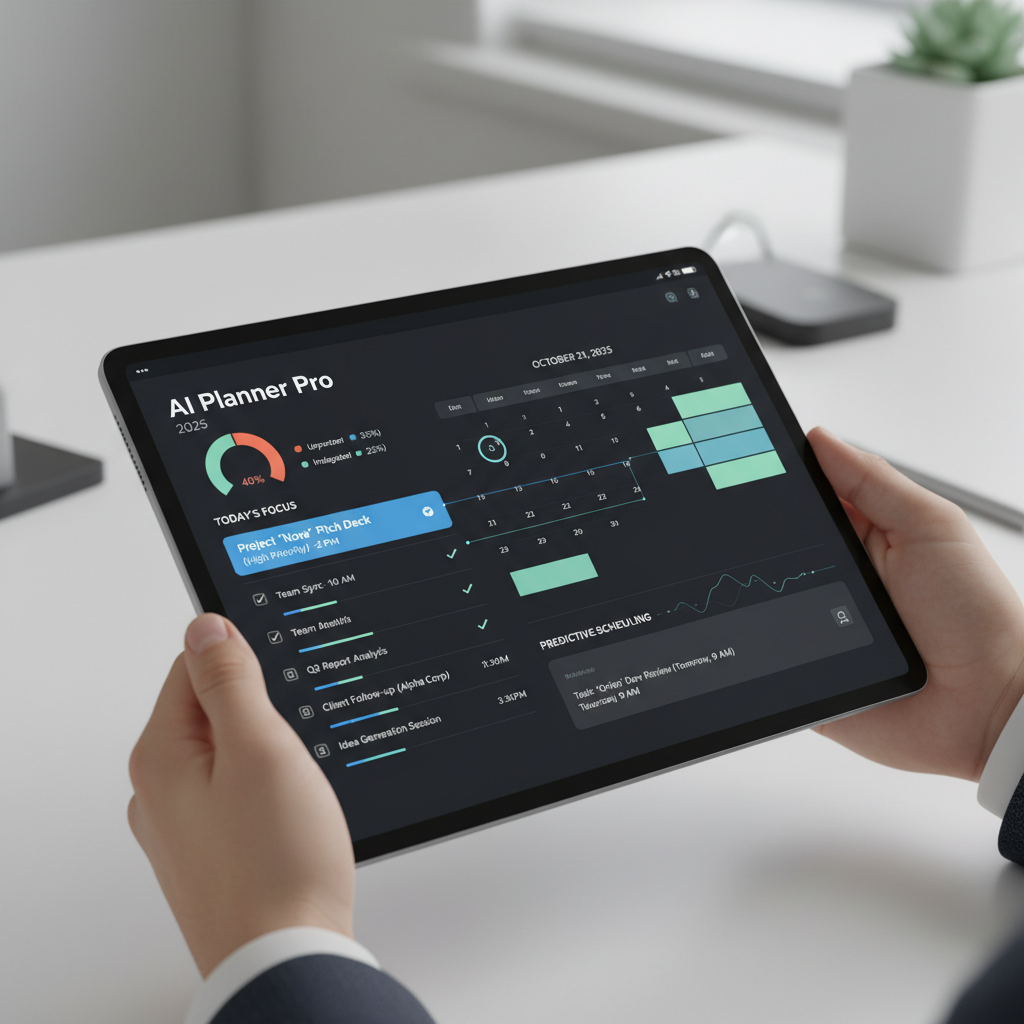
- Optimal Posting Time Recommendations: AI algorithms analyze your audience’s activity patterns, past engagement rates, and platform-specific algorithm behaviors to recommend the best times to publish for maximum reach and engagement.
- Cross-Platform Distribution: AI-powered schedulers can manage your content across various social media platforms, often adapting content formats or lengths automatically where feasible.
- Predictive Performance: Some advanced AI tools can even predict the potential performance of a post before it goes live, based on historical data and current trends, allowing you to make adjustments proactively.
Instead of guessing, an AI scheduler might inform you that your LinkedIn audience is most active on Tuesdays at 10 AM EST, while your Instagram audience peaks on Sundays at 7 PM PST, and automatically adjust your content calendar accordingly.
Trend Analysis and Adaptation
Staying current on social media is a constant battle. AI provides an invaluable advantage here.
- Real-Time Trend Monitoring: AI continuously scans social media, news sites, and other data sources for emerging topics, viral content, and trending discussions relevant to your niche.
- Gap Analysis: It can identify popular topics that your competitors are missing, creating opportunities for you to lead the conversation.
- Proactive Content Suggestions: Based on detected trends, AI can proactively suggest content ideas or modifications to your existing content calendar to capitalize on timely opportunities.
When a new meme format or a major industry event starts trending, AI can flag it and even generate draft content incorporating the trend, ensuring your brand stays relevant and responsive.
Audience Insights and Personalization
Understanding your audience is fundamental to effective content. AI takes this understanding to a deeper level.
- Detailed Audience Segmentation: AI can analyze vast amounts of demographic, psychographic, and behavioral data to segment your audience into highly specific groups, revealing their preferences, pain points, and interests.
- Content Personalization: Armed with these insights, AI can help tailor content for specific segments, ensuring messages resonate deeply with individual users, leading to higher engagement and conversions.
- Sentiment Analysis: AI can gauge the sentiment of comments and mentions about your brand, allowing you to understand public perception and respond appropriately.
For a travel agency, AI might identify a segment of your audience interested in eco-tourism in Southeast Asia and another segment focused on luxury European city breaks, then help generate personalized content for each.
Performance Prediction and Reporting
Beyond creation and scheduling, AI empowers you to understand and improve your content’s effectiveness.
- Predictive Analytics: Some AI tools can forecast the potential reach, engagement, or conversion rates of upcoming posts, helping you optimize before publishing.
- Automated Reporting: AI can generate comprehensive performance reports, highlighting key metrics, identifying top-performing content, and even explaining *why* certain posts succeeded or failed.
- A/B Testing Optimization: AI can help design and execute A/B tests for different headlines, visuals, or CTAs, and then automatically analyze the results to recommend the best variations for future use.
- Strategic Recommendations: Based on performance data, AI can suggest adjustments to your content strategy, such as doubling down on certain content types or exploring new platforms.
Instead of manually compiling data, AI can present a dashboard showing that image carousels perform 25% better on Instagram for your brand, prompting you to create more of them.
By leveraging these sophisticated AI capabilities, social media content calendar management evolves from a manual, often reactive process into a dynamic, intelligent, and highly strategic operation. It frees up human teams to focus on high-level strategy, creative direction, and meaningful community engagement, while AI handles the heavy lifting of data analysis, generation, and optimization.
Crafting Your AI-Powered Content Workflow: A Step-by-Step Guide
Integrating AI into your content calendar workflow is not about replacing human creativity but about augmenting it, allowing you to work smarter, not harder. Here’s a step-by-step guide to building an efficient, AI-powered system for consistent social media publishing:
Step 1: Define Your Goals and Understand Your Audience
Before deploying any AI tool, clarity on your objectives is paramount. AI needs direction.
- Articulate Your Social Media Goals: What do you want to achieve? (e.g., increase brand awareness by 20%, drive website traffic by 15%, boost engagement rates, generate leads).
- Refine Your Target Audience Profile: Who are you trying to reach? What are their demographics, psychographics, pain points, interests, and online behaviors? The more detailed your audience persona, the better AI can tailor content.
- Establish Your Brand Voice and Messaging: How do you want your brand to sound? (e.g., authoritative, witty, empathetic, informative). Provide examples of existing content that embodies your brand voice.
Why this matters: AI tools learn from the input you provide. Clear goals and audience understanding act as the guiding principles for AI to generate relevant and effective content. Without this foundation, AI output can be generic.
Step 2: Choose Your AI Tools Wisely
The market is flooded with AI tools, each with unique strengths. It’s crucial to select those that best fit your needs and budget.
- Categorize Your Needs: Do you primarily need help with ideation, writing, visual creation, scheduling, analytics, or a combination?
- Research and Test: Explore tools like ChatGPT/Bard (general text generation), Copy.ai/Jasper (marketing-specific copy), Midjourney/DALL-E 3 (image generation), Sprout Social/Buffer AI (integrated scheduling and AI assistance).
- Consider Integration: Look for tools that can integrate with your existing social media management platforms or project management software to create a seamless workflow.
Tip: Start with one or two key tools and expand as you become more comfortable and identify additional needs. Many offer free trials.
Step 3: Integrate AI into Your Ideation Phase
Leverage AI to overcome creative blocks and identify high-potential content topics.
- Prompt AI for Ideas: Provide your AI tool with your niche, target audience, and current goals. For example: “Generate 20 Instagram reel ideas for a sustainable fashion brand targeting Gen Z, focusing on eco-friendly living and style hacks.”
- Conduct AI-Powered Trend Analysis: Use AI to monitor social media for trending topics, hashtags, and keywords relevant to your industry. Tools can even predict emerging trends.
- Analyze Competitor Content with AI: Input competitor URLs or social profiles into AI tools to get insights into their top-performing content, engagement strategies, and content gaps.
- Generate Content Pillars and Calendars: Ask AI to suggest content pillars for the month or quarter, then use these to populate your initial content calendar framework.
Example: An AI tool might suggest that “upcycling old clothes” is a trending topic with high engagement among your target demographic, prompting you to schedule several posts around this theme.
Step 4: Leverage AI for Content Creation and Optimization
This is where AI does the heavy lifting in drafting and refining your content.
- Drafting Content: Use AI to generate initial drafts for social media captions, blog post outlines, video scripts, ad copy, and email newsletters. Be specific with your prompts, including desired tone, length, keywords, and CTAs.
- Repurposing Content: Feed AI a long-form article or video transcript and ask it to generate 5 X/Twitter posts, 3 LinkedIn updates, and an Instagram carousel script from it.
- A/B Testing Variations: Generate multiple versions of headlines, CTAs, or opening lines using AI and use them for A/B testing to see what resonates best with your audience.
- Image and Video Generation: Explore AI image generators (e.g., Midjourney, DALL-E 3) for unique visuals, or AI video tools (e.g., Synthesia) for quick explainer videos, reducing reliance on stock media or extensive graphic design.
- Review and Humanize: Always review AI-generated content. Edit for accuracy, inject your unique brand voice, add personal anecdotes, and ensure it sounds natural and authentic. AI is a co-pilot, not a complete replacement.
Remember: AI provides a strong foundation, but the human touch adds the crucial elements of authenticity, empathy, and unique brand personality.
Step 5: AI-Driven Scheduling and Publication
Optimize your publishing strategy with AI-informed scheduling.
- Smart Scheduling: Integrate AI capabilities into your social media management platform (e.g., Buffer, Sprout Social). These tools can analyze historical data and current trends to recommend optimal posting times for each platform to maximize reach and engagement.
- Automated Publishing: Set up your content calendar with AI-assisted scheduling features that automatically publish content at the recommended times.
- Content Adaptation: Some advanced tools can automatically adjust content (e.g., truncate text, resize images) for different platforms upon scheduling, reducing manual effort.
Benefit: This ensures your content reaches your audience when they are most active, without you having to be online at odd hours.
Step 6: Monitor, Analyze, and Refine with AI
The feedback loop is crucial for continuous improvement.
- AI-Powered Analytics: Use AI-integrated analytics dashboards to track key performance indicators (KPIs) like engagement rate, reach, click-through rates, and conversions. AI can often identify patterns and correlations that humans might miss.
- Performance Insights: Ask AI to summarize performance reports, highlighting what content types, formats, or topics performed best and why. For example, “Analyze my Instagram performance for the last month and suggest 3 content strategy improvements.”
- Iterative Refinement: Use AI-generated insights to inform your next content calendar cycle. If AI shows that interactive polls drive higher engagement on Instagram, schedule more of them.
- A/B Test Analysis: Let AI analyze your A/B test results to quickly determine winning variations and inform future content creation.
Continuous Improvement: AI makes the process of learning and adapting much faster and more data-driven, creating a powerful cycle of optimization.
By following these steps, you transform your content calendar from a manual chore into a dynamic, intelligent engine that consistently delivers engaging content, frees up your time, and keeps your social media strategy agile and effective.
Seamless Integration: Merging AI Tools with Your Existing Social Media Strategy
The introduction of AI into your social media strategy should be viewed as an enhancement, not a complete overhaul. The goal is to create a seamless workflow where AI tools complement human expertise, automating mundane tasks and providing data-driven insights so your team can focus on higher-level strategy, creativity, and authentic audience connection. Here’s how to effectively merge AI with your existing processes:
1. Augment, Don’t Replace
Understand that AI is a powerful assistant, not a replacement for human social media managers or content creators. Your unique brand voice, emotional intelligence, critical thinking, and ability to understand nuanced cultural contexts are irreplaceable. AI excels at processing data, generating ideas, and drafting content, but human oversight is essential to ensure authenticity, accuracy, and strategic alignment. Frame AI as a co-pilot that makes your team more efficient and strategic.
2. Start Small and Iterate
Don’t try to integrate every AI tool or automate every step at once. Begin by identifying one or two pain points in your current workflow where AI can make an immediate impact (e.g., brainstorming ideas, drafting captions, or optimizing posting times). Implement the chosen AI tool, monitor its effectiveness, gather feedback from your team, and make adjustments. As your team gains comfort and expertise, gradually expand AI’s role.
3. Define Clear AI Responsibilities
Clearly outline which tasks AI will handle and which will remain primarily human-driven. For example:
- AI Role: Generate content ideas based on trends, draft initial social media captions, suggest optimal posting times, analyze basic performance metrics, summarize long-form content.
- Human Role: Refine AI-generated content for brand voice and tone, add unique insights and personal stories, create original visual content, engage directly with the community, handle crisis communications, approve final content.
4. Establish a Prompt Engineering Protocol
The quality of AI output is directly proportional to the quality of your input. Develop guidelines for writing effective prompts. Train your team on how to:
- Be specific and detailed in their requests.
- Provide context (e.g., target audience, platform, desired tone).
- Include examples of successful content or brand voice.
- Iterate and refine prompts to get better results.
- Give AI feedback to steer its learning.
For instance, instead of “write an Instagram post,” a better prompt would be: “Write 3 Instagram carousel slide captions for a B2B SaaS company promoting a new feature for data analytics, targeting small business owners. Use a professional yet accessible tone, include emojis, and end with a call to action to ‘Learn more in bio’.”
5. Integrate AI Tools with Existing Platforms
Maximize efficiency by selecting AI tools that offer integrations with your current tech stack. Many AI writing assistants integrate with social media management platforms (e.g., Buffer, Hootsuite, Sprout Social), content management systems (CMS), or project management tools (e.g., Asana, Trello). This allows for a smoother flow of content from creation to scheduling and publication without constant switching between applications.
For example, you could use an AI writing tool to draft captions, then seamlessly push them into your social media scheduler, where AI-powered analytics help you optimize posting times.
6. Maintain Quality Control and Human Oversight
Never publish AI-generated content without human review and editing. AI can sometimes produce:
- Inaccurate information: Known as “hallucinations,” where AI fabricates facts.
- Generic or repetitive content: Lacking the unique spark or deep understanding of human nuances.
- Content that doesn’t align with brand voice: Requiring refinement to truly sound like your brand.
- Biased or insensitive content: Reflecting biases present in its training data.
Implement a robust review process where a human editor checks for factual accuracy, brand alignment, tone, grammar, and overall quality before anything goes live.
7. Continuous Learning and Adaptation
The AI landscape is rapidly evolving. Stay updated on new tools, features, and best practices. Encourage your team to experiment with different AI prompts and workflows. Collect feedback on AI’s performance and use those insights to refine your integration strategy. Treat your AI strategy as a living document that needs regular review and adaptation.
By thoughtfully integrating AI, you can transform your social media content calendar into a powerhouse of consistent, high-quality content that truly resonates with your audience, all while making your workflow more manageable and strategic.
Measuring Success and Iterating for Continuous Improvement
Implementing AI strategies into your content calendar is only half the battle; the other, equally critical half involves rigorously measuring the impact of these changes and using those insights to continuously refine your approach. Without a robust system for tracking performance, even the most advanced AI tools will struggle to deliver their full potential. This iterative process of measurement, analysis, and refinement is what truly drives long-term success in AI-powered social media publishing.
Key Performance Indicators (KPIs) to Track
Before you begin tracking, define the KPIs that align with your initial social media goals. These might include:
- Engagement Rate: Likes, comments, shares, saves per post. This indicates how well your content resonates with your audience.
- Reach and Impressions: How many unique users saw your content (reach) and the total number of times it was displayed (impressions). AI-optimized scheduling should ideally boost these metrics.
- Click-Through Rate (CTR): For posts with links, this measures how many people clicked on them. Crucial for driving website traffic or conversions.
- Follower Growth Rate: The rate at which your audience size increases. Consistent, high-quality content (partially AI-generated) should positively impact this.
- Conversion Rate: If your social media strategy includes direct calls to action (e.g., sign-ups, purchases), track how many people complete these actions after interacting with your social content.
- Time Saved (Internal Metric): Quantify the hours saved on ideation, drafting, and scheduling tasks due to AI. This directly demonstrates the efficiency gains.
- Content Velocity: The speed at which you can produce and publish content. AI should allow you to increase this without sacrificing quality.
How AI Helps in Tracking and Reporting
Modern social media management platforms often come equipped with AI-powered analytics capabilities that streamline the measurement process:
- Automated Data Collection and Visualization: AI tools can automatically gather data from various social platforms and present it in intuitive dashboards, eliminating manual data compilation.
- Pattern Recognition: AI algorithms can identify subtle patterns and correlations in your data that human analysts might miss. For example, it might detect that posts featuring user-generated content perform significantly better on weekends, or that specific keywords drive higher engagement for certain audience segments.
- Predictive Analytics: Some advanced AI systems can forecast future performance based on current trends and historical data, allowing you to proactively adjust your strategy.
- Customizable Reports: AI can generate comprehensive, customizable reports on demand, summarizing key findings, highlighting top-performing content, and even providing explanations for performance variations.
Using AI-Generated Insights to Refine Content Strategy
The real value of AI in measurement comes from its ability to translate data into actionable insights:
- Identify Top-Performing Content: AI can pinpoint which specific posts, formats, or topics achieved the highest engagement or conversion rates. Use this to inform your future content calendar – create more of what works.
- Uncover Underperforming Content: Similarly, AI can highlight content that didn’t resonate, helping you understand why and avoid similar mistakes. Was the topic saturated? Was the tone off? AI might offer clues.
- Optimize Posting Schedules: Beyond initial recommendations, AI continuously learns from your specific content’s performance. It can refine its suggestions for optimal posting times based on actual engagement data for your unique audience.
- Refine Content Types and Formats: If AI analytics show that video content consistently outperforms static images on Instagram for your brand, you know to allocate more resources to video creation (perhaps with AI video tools!).
- Adjust Brand Voice and Tone: Sentiment analysis by AI can gauge audience reactions to your content’s tone. If certain humorous posts receive negative sentiment, AI might suggest moderating the humor or testing different approaches.
- Target Audience Refinement: AI can help confirm or challenge your initial audience assumptions. If a particular demographic engages unexpectedly well with certain content, AI can flag this for further exploration.
- Budget and Resource Allocation: By understanding what content delivers the best ROI, AI insights can help you allocate your time, budget, and creative resources more effectively.
The Iterative Loop: Plan, Create, Publish, Analyze, Refine
This process creates a powerful, self-improving cycle:
- Plan: Use AI for ideation, trend analysis, and initial content calendar structuring.
- Create: Leverage AI for drafting, repurposing, and generating variations of content.
- Publish: Utilize AI-optimized scheduling for maximum reach.
- Analyze: Employ AI-powered analytics to track performance and generate insights.
- Refine: Feed these insights back into the planning phase for the next content cycle, making data-driven adjustments to your strategy.
By consistently engaging in this iterative loop, powered by AI at every stage, your social media content calendar becomes a dynamic, highly effective engine for growth and engagement, ensuring your strategy remains agile, relevant, and continuously improving.
Navigating Challenges and Ethical Considerations in AI Content Creation
While AI offers transformative benefits for social media content calendars, it is not without its challenges and ethical considerations. Acknowledging and proactively addressing these aspects is crucial for responsible and effective AI integration.
1. The Risk of Bias and Stereotypes
- Challenge: AI models are trained on vast datasets, and if these datasets contain inherent biases or reflect societal stereotypes, the AI’s output can perpetuate or even amplify them. This can lead to content that is insensitive, discriminatory, or exclusionary.
- Mitigation:
- Diverse Training Data: Advocate for AI developers to use more diverse and representative datasets.
- Human Review: Implement strict human oversight and review processes for all AI-generated content to catch and correct biases.
- Conscious Prompting: Be mindful of your prompts, ensuring they are inclusive and challenge stereotypes.
- Feedback Loops: Provide explicit feedback to AI models when biased content is generated to help them learn and improve.
2. Maintaining Originality and Uniqueness
- Challenge: If everyone uses similar AI tools with similar prompts, there’s a risk of producing generic, homogenized content that lacks a unique brand voice or fresh perspective. AI can also sometimes mimic existing content too closely.
- Mitigation:
- Strong Prompts: Use detailed and creative prompts that guide AI towards unique angles and perspectives.
- Humanization: Always edit and inject a unique human touch. Add personal anecdotes, specific brand nuances, and a distinct voice that AI cannot fully replicate.
- Combine AI with Original Research: Use AI for drafting, but base content on original research, interviews, or proprietary data that AI doesn’t have access to.
- Fact-Checking: Verify any statistics, facts, or claims generated by AI, as it can sometimes “hallucinate” information.
3. “Hallucinations” and Factual Inaccuracy
- Challenge: Generative AI models can sometimes produce confident-sounding but entirely false or nonsensical information, known as “hallucinations.” This can severely damage brand credibility if unverified content is published.
- Mitigation:
- Rigorous Fact-Checking: Treat all AI-generated factual claims as needing verification. Cross-reference with reliable sources.
- Avoid Over-Reliance: Do not use AI as your sole source of information, especially for sensitive or critical topics.
- Contextual Awareness: Understand the limitations of the AI model you are using. Some are better at creative writing, others at data synthesis.
4. Copyright and Ownership Concerns
- Challenge: The legal landscape surrounding AI-generated content and copyright is still evolving and varies by jurisdiction. Questions arise regarding who owns the copyright to content generated by AI, especially if it was trained on copyrighted material.
- Mitigation:
- Stay Informed: Keep abreast of legal developments regarding AI and copyright in your region.
- Transformative Use: Aim for transformative use of AI-generated content, where significant human editing and creative input are applied. This strengthens your claim to ownership.
- Review Terms of Service: Understand the terms of service of the AI tools you use, as they often outline ownership stipulations.
- Original Input: Provide AI with original source material (e.g., your own blog posts, research) rather than solely relying on its general knowledge base.
5. The Erosion of the “Human Touch”
- Challenge: Over-reliance on AI can lead to content that feels cold, impersonal, or formulaic, alienating an audience that values authentic connection and human interaction.
- Mitigation:
- Prioritize Authenticity: Always prioritize injecting human empathy, storytelling, and unique brand personality into AI-drafted content.
- Direct Engagement: Ensure that customer service, community management, and direct audience interaction remain primarily human-led.
- Strategic AI Use: Reserve AI for tasks that genuinely benefit from automation (e.g., first drafts, data analysis) and free up human resources for tasks requiring nuanced creativity and emotional intelligence.
- Ethical Transparency: Be transparent (where appropriate) about the use of AI, or at least ensure that AI-assisted content never misleads users into believing it’s purely human-created when it’s not.
By approaching AI integration with a critical mindset, focusing on human-AI collaboration, and adhering to ethical guidelines, businesses can harness the immense power of AI while mitigating its potential pitfalls. The goal is to create a synergy where AI handles the heavy lifting, allowing human creativity and judgment to truly shine, leading to a more consistent, engaging, and responsible social media presence.
The Horizon: Future Trends in AI for Social Media Publishing
The field of AI is evolving at an unprecedented pace, and its impact on social media publishing is only set to deepen. Looking ahead, we can anticipate several exciting trends that will further revolutionize how content calendars are managed and how brands interact with their audiences online.
1. Hyper-Personalization at Scale
Current AI can personalize content for segments, but the future promises hyper-personalization down to the individual user. AI will be able to analyze an individual’s specific engagement history, preferences, and even emotional state to deliver tailor-made content that resonates profoundly. Imagine social media feeds where every single post feels uniquely crafted for you, not just based on broad categories, but on your immediate context and evolving interests. This will lead to unprecedented levels of engagement and loyalty.
2. Multi-Modal Content Generation and Curation
Today, AI excels at text and is rapidly improving with images and basic video. The future will see AI seamlessly generating complex, multi-modal content – combining text, high-fidelity images, dynamic videos, and even audio in a cohesive and contextually appropriate manner. This means AI could generate entire social media campaigns, including visuals, captions, and calls to action, all perfectly aligned with your brand and target audience, across diverse platforms. Furthermore, AI will excel at curating existing content, identifying relevant pieces and repackaging them for maximum impact.
3. Proactive Trend Prediction and Content Creation
Beyond identifying current trends, future AI will be even more adept at *predicting* emerging trends with higher accuracy, giving brands a significant first-mover advantage. AI systems will analyze cultural shifts, consumer sentiment, and early indicators to suggest content topics and formats that are likely to go viral days or weeks before they peak. This allows for truly proactive content calendar planning, where content is ready to deploy as a trend begins to gain traction, rather than reacting to it once it’s already widespread.
4. AI-Powered Community Management and Interaction
While human interaction will remain crucial, AI will increasingly assist in community management. This could involve AI chatbots providing instant customer support, answering frequently asked questions, or even moderating comments to maintain brand safety and tone. AI will analyze sentiment in real-time, flagging urgent issues for human intervention and identifying opportunities for engagement, allowing social media managers to focus on high-value interactions and deeper relationship building.
5. Autonomous Campaign Management
Imagine setting high-level campaign goals (e.g., “increase brand awareness for new product X by 15% in Q3”) and having AI design, execute, and optimize the entire social media campaign autonomously. This includes everything from audience targeting and budget allocation to content generation, A/B testing, and real-time adjustments based on performance data. Human oversight will still be critical, but the day-to-day tactical execution could become largely self-sufficient.
6. Ethical AI and Transparency
As AI becomes more sophisticated, there will be a growing emphasis on ethical AI development and transparency. This includes robust frameworks to mitigate bias, ensure data privacy, and clearly communicate when content or interactions are AI-generated. Expect advancements in “explainable AI,” where models can articulate the reasoning behind their content suggestions or performance predictions, fostering greater trust and control for human users.
The future of social media publishing is undoubtedly intertwined with AI. These advancements promise to make content creation more intelligent, efficient, and impactful than ever before. Brands and creators who embrace these trends and learn to effectively collaborate with AI will be best positioned to thrive in the increasingly competitive digital landscape.
Comparison Tables
To highlight the stark contrast and significant advantages that AI brings to social media content calendar management, let’s compare traditional methods with an AI-powered approach across key operational aspects.
Table 1: Traditional vs. AI-Powered Content Calendar Management
| Feature/Aspect | Traditional Content Calendar Management | AI-Powered Content Calendar Management |
|---|---|---|
| Content Ideation | Manual brainstorming sessions, competitor analysis, keyword research, often slow and subjective. | AI-driven trend analysis, audience insights, competitor content deconstruction, rapid generation of tailored ideas. |
| Content Creation (Drafting) | Hours spent writing captions, headlines, descriptions, requiring significant human effort per piece. | AI generates first drafts of captions, headlines, posts, blog outlines, saving substantial writing time. |
| Visual Content Sourcing | Reliance on stock photos, in-house graphic design, manual editing, often time-consuming. | AI image generators create unique visuals, AI tools suggest optimal image types, basic video generation. |
| Scheduling & Timing | Manual scheduling, best guess posting times, limited ability to adapt to real-time audience activity. | AI analyzes audience activity and algorithm data to recommend optimal, dynamic posting times for maximum reach. |
| Trend Analysis | Manual monitoring of news, social feeds, slow to identify and react to emerging trends. | Real-time AI monitoring of social media for emerging trends, proactive content suggestions. |
| Audience Insights | Basic demographics, manual interpretation of engagement data, limited personalization. | Deep audience segmentation, sentiment analysis, hyper-personalization insights for tailored content. |
| Content Repurposing | Manual adaptation of content for different platforms, time-consuming and prone to inconsistencies. | AI automatically extracts key points and rephrases content for various platforms and formats. |
| Performance Analysis | Manual data compilation, basic reporting, subjective interpretation of results, slow feedback loop. | Automated, AI-powered dashboards, predictive analytics, actionable insights, rapid iterative learning. |
| Efficiency & Scalability | Labor-intensive, limited scalability without adding significant human resources. | Highly efficient, allows small teams to produce high volumes of content, easily scalable. |
| Cost-Effectiveness | High labor costs for content creation and management. | Reduced labor costs, higher ROI on content efforts through optimization. |
Beyond general comparisons, it’s also useful to look at specific AI tools that can power various aspects of your social media content calendar. The market is dynamic, but here’s a snapshot of common categories and examples.
Table 2: Popular AI Tools for Social Media Content Categories
| Tool Category | Example Tools | Primary AI Features | Typical Use Case for Content Calendar |
|---|---|---|---|
| Generative Text AI | ChatGPT, Google Bard (Gemini), Claude | Text generation, brainstorming, summarization, translation, Q&A. | Drafting captions, generating topic ideas, writing outlines, expanding short notes into full posts. |
| AI Copywriting Platforms | Jasper, Copy.ai, Writesonic | Specialized templates for marketing copy (social media posts, ads, emails, blogs). | Crafting persuasive social media ads, generating multiple caption variations for A/B testing, long-form content generation. |
| AI Social Media Management | Buffer AI Assistant, Sprout Social AI, Hootsuite AI Composer | Content generation within platform, optimal scheduling, performance insights, trend detection. | Integrated content creation and scheduling, data-driven publishing times, social listening, audience analysis. |
| AI Image/Art Generators | Midjourney, DALL-E 3, Stable Diffusion, Canva Magic Studio | Creating unique images from text prompts, image editing, background removal. | Generating custom visuals for social media posts, ads, hero images, and blog illustrations. |
| AI Video Generators | Synthesia, HeyGen, InVideo AI | Creating videos from text, AI avatars, voiceovers, script generation. | Producing short explainer videos, animated social ads, personalized video messages for specific campaigns. |
| AI for Trend/Audience Analysis | Brandwatch, Semrush (with AI features), Mention (AI-powered listening) | Sentiment analysis, trend spotting, audience segmentation, competitive analysis, social listening. | Identifying emerging topics, understanding audience sentiment, monitoring brand mentions, uncovering content gaps. |
| AI for Repurposing Content | Opus Clip (for video), Text-to-Social AI tools | Automatically extracts highlights from long content (videos, articles) to create short social snippets. | Transforming webinars into short video clips, blog posts into multiple social media updates, podcasts into quotes and graphics. |
Practical Examples: Real-World AI Content Calendar Scenarios
To illustrate how AI strategies translate into real-world benefits, let’s explore practical examples across various business types and content goals.
Case Study 1: Small Business – Local Artisan Bakery
Goal: Increase local brand awareness, drive foot traffic, and promote daily specials and seasonal offerings consistently.
- Traditional Challenge: Owner struggles to find time daily for fresh social media ideas and posting while managing baking operations. Posts are often inconsistent or generic.
- AI Solution:
- AI Ideation: The owner inputs keywords like “local bakery,” “seasonal treats,” “community events” into an AI tool (e.g., ChatGPT). AI suggests daily content themes: “Tuesday Treat Day,” “Behind the Scenes Baking,” “Weekend Brunch Spot.”
- Automated Content Generation: For “Tuesday Treat Day,” the owner tells AI: “Write 3 Instagram stories and 1 Facebook post promoting our new Lemon Raspberry Tart. Use a warm, inviting tone, include mouth-watering descriptions, and a call to action to ‘Visit us today!'” AI generates options in minutes.
- AI Visuals: Using AI image generation (e.g., Midjourney), the owner creates unique, stylized images of their bakery interior or beautifully arranged pastries that don’t look like generic stock photos.
- Smart Scheduling: An AI-powered social media scheduler (e.g., Buffer AI) recommends posting times based on when local customers are most active online (e.g., 8 AM for breakfast specials, 12 PM for lunch, 4 PM for after-work treats).
- Trend Adaptation: If AI detects a local hashtag trending (e.g., “#SupportLocalBham”), it suggests incorporating it into upcoming posts.
- Outcome: Consistent daily posts, relevant local content, increased engagement on specials, leading to a noticeable increase in daily sales and new customer foot traffic. The owner saves 1-2 hours daily on content creation.
Case Study 2: E-commerce Brand – Sustainable Activewear
Goal: Drive online sales, build a community around sustainability, and educate consumers about eco-friendly practices.
- Traditional Challenge: Marketing team needs to produce a high volume of diverse content (product launches, educational posts, lifestyle content) for Instagram, TikTok, and Pinterest, often struggling with repurposing and trend relevance.
- AI Solution:
- AI-Driven Content Pillars: AI analyzes competitor content and audience interests, suggesting content pillars like “Product Spotlights,” “Sustainable Living Tips,” “Behind the Seams (Ethical Production),” and “Athlete Features.”
- Automated Content Generation & Repurposing: For a new product launch, AI drafts 10 unique Instagram captions, 5 TikTok video scripts (short, engaging hooks), and 2 Pinterest pin descriptions, all optimized for platform and target audience. AI also takes a blog post on “Benefits of Recycled Materials” and generates bullet-point summaries and quotes for X/Twitter threads.
- AI Visuals: AI image generators create diverse lifestyle shots of models in activewear in various natural settings, reducing reliance on expensive photoshoots.
- Trend Analysis: AI constantly monitors TikTok for trending sounds or video formats relevant to fitness or sustainability. It then generates script ideas for short-form videos incorporating these trends.
- Personalized Campaigns: AI analyzes past purchase data to create personalized ad copy for different customer segments (e.g., “New Yoga Wear for Your Mindful Practice” vs. “High-Performance Gear for Your Next Trail Run”).
- Outcome: A consistently fresh and diverse content calendar across multiple platforms, higher engagement rates on trending content, increased website traffic, and a stronger brand identity around sustainability, ultimately boosting sales.
Case Study 3: B2B SaaS Company – Cloud-Based Project Management
Goal: Establish thought leadership, generate qualified leads, and nurture existing customer relationships through valuable content on LinkedIn and X/Twitter.
- Traditional Challenge: Content team struggles to consistently produce deep, insightful content that resonates with IT decision-makers and project managers, often missing key industry conversations.
- AI Solution:
- AI for Thought Leadership Ideation: AI analyzes industry reports, competitor whitepapers, and LinkedIn discussions to suggest topics for long-form articles (e.g., “The Future of Hybrid Work Management,” “AI’s Role in Project Efficiency”).
- Outline and Draft Generation: AI drafts comprehensive outlines for blog posts and whitepapers. It can also generate the first few paragraphs of complex articles, saving research and writing time.
- Repurposing for Social: AI takes a 2000-word blog post and automatically generates a 10-part LinkedIn carousel presentation, 5 X/Twitter threads, and 3 distinct LinkedIn posts targeting different aspects of the article.
- Trend & Sentiment Analysis: AI monitors LinkedIn for discussions around project management challenges (e.g., “burnout,” “agile methodology pitfalls”). It then suggests content that addresses these pain points, positioning the SaaS solution as an answer.
- Automated Engagement Prompts: AI generates questions or prompts for LinkedIn polls and discussion posts to spark conversations among followers.
- Outcome: Increased thought leadership presence on LinkedIn, higher engagement on complex topics, a steady stream of valuable content attracting qualified leads, and improved efficiency in content creation for a lean team.
These examples demonstrate that AI is not just a theoretical concept but a practical tool that can be tailored to various content goals and business contexts. By strategically integrating AI, businesses can overcome common challenges and achieve consistent, impactful social media publishing.
Frequently Asked Questions
Q: Is AI going to replace social media managers?
A: No, AI is highly unlikely to fully replace social media managers. Instead, it serves as a powerful co-pilot or assistant that augments human capabilities. AI excels at data analysis, trend identification, content generation (drafts), and optimizing scheduling, freeing up social media managers from repetitive and time-consuming tasks. This allows human professionals to focus on higher-level strategic thinking, building authentic community relationships, creative direction, brand storytelling, crisis management, and infusing content with unique human empathy and nuance that AI cannot replicate. The future is about human-AI collaboration, not replacement.
Q: How accurate are AI-generated trend predictions?
A: The accuracy of AI-generated trend predictions has significantly improved with advancements in machine learning and access to vast datasets. Many AI tools can identify emerging patterns, popular keywords, and viral content with high precision, often before they become mainstream. However, like all predictions, they are not 100% foolproof. Their accuracy depends on the quality of the data they are trained on, the sophistication of the algorithms, and the dynamism of the trend itself. It’s always best to use AI predictions as strong indicators rather than absolute certainties and to combine them with human intuition and cross-verification.
Q: Can AI maintain my unique brand voice?
A: AI can be trained to mimic and maintain a specific brand voice to a remarkable extent. By providing AI with clear guidelines, examples of your existing content, style guides, and specific tone preferences (e.g., witty, formal, empathetic), you can guide it to generate content that largely aligns with your brand’s personality. However, AI may struggle with subtle nuances, complex humor, or deeply personal storytelling. Therefore, while AI can generate a strong first draft, human review and editing are crucial to infuse the content with that undeniable, authentic brand voice and ensure it resonates perfectly with your audience.
Q: What’s the best way to start using AI for my content calendar?
A: The best way to start is small and strategically.
- Identify a pain point: Where do you struggle most? (e.g., brainstorming ideas, writing captions, finding optimal posting times).
- Choose one or two tools: Start with a general generative AI (like ChatGPT or Bard) for ideation and drafting, and maybe an AI-enhanced social media scheduler.
- Define your goals and brand voice: Give AI clear instructions.
- Experiment with prompts: Learn to write effective prompts to get the best output.
- Review and edit: Always refine AI-generated content before publishing.
- Measure and iterate: Track what works and adjust your AI strategy accordingly. Don’t try to automate everything at once.
Q: How do I ensure the content is original and not plagiarized?
A: While generative AI models create new text, they learn from existing data, so there’s always a theoretical (though often low) risk of outputting something similar to their training data. To ensure originality and avoid plagiarism:
- Provide unique prompts: Ask for content that’s specific to your brand, audience, or unique insights.
- Humanize and edit extensively: Transform AI-generated drafts into your own unique content by adding your distinct voice, examples, and perspectives. This makes it truly original.
- Use plagiarism checkers: Run AI-generated content through plagiarism detection tools if you have concerns, especially for longer-form content.
- Fact-check: AI can sometimes “hallucinate” facts or synthesize information in a way that sounds authoritative but is incorrect. Always verify any factual claims.
Q: What are the typical costs associated with AI content tools?
A: Costs for AI content tools vary widely based on their capabilities, features, and usage limits.
- Free Tiers: Many tools offer free plans with limited features or usage, great for getting started (e.g., basic ChatGPT, Canva’s AI features).
- Subscription Models: Most advanced tools operate on monthly or annual subscriptions, ranging from $10-$50 per month for basic individual plans to hundreds or thousands for enterprise solutions (e.g., Jasper, Copy.ai, Sprout Social with AI).
- Usage-Based Pricing: Some tools charge based on the number of words generated, images created, or API calls.
- Integrations: The cost might also increase if you need seamless integrations with other platforms.
It’s recommended to start with free trials to evaluate value before committing to a paid plan.
Q: Can AI help with visual content beyond text?
A: Absolutely! AI has made significant strides in visual content creation.
- AI Image Generators: Tools like Midjourney, DALL-E 3, and Stable Diffusion can create unique, high-quality images from simple text prompts, helping you generate custom visuals without relying solely on stock photos or graphic designers.
- AI Photo Editing: AI-powered features in tools like Canva or Adobe Photoshop can remove backgrounds, enhance images, upscale low-resolution photos, or apply complex filters with ease.
- AI Video Generators: Platforms like Synthesia or HeyGen can create short videos from text, complete with AI avatars and voiceovers, useful for quick explainers or social media ads.
- AI for Visual Optimization: Some AI tools can analyze your visuals and suggest improvements for better engagement or recommend optimal image sizes for different platforms.
This significantly diversifies your content calendar beyond just text posts.
Q: How often should I review AI-generated content?
A: You should review AI-generated content every single time before it is published. Treat AI-generated output as a draft that requires human vetting. This review process is critical to ensure:
- Accuracy: Verifying facts, statistics, and claims.
- Brand Voice & Tone: Ensuring alignment with your brand’s unique identity.
- Relevance: Making sure the content is truly useful and engaging for your specific audience.
- Originality & Nuance: Adding human insights, context, and flair.
- Compliance: Checking for any ethical, legal, or industry-specific guidelines.
While AI speeds up drafting, the final quality and responsibility always rest with the human editor.
Q: Are there any ethical concerns I should be aware of when using AI for content?
A: Yes, several ethical concerns warrant attention:
- Bias: AI can perpetuate biases present in its training data, leading to insensitive or discriminatory content.
- Misinformation/Hallucinations: AI can generate false information confidently.
- Copyright: The legal ownership of AI-generated content and potential infringement on training data is still being debated.
- Transparency: Should audiences know if content is AI-generated? Lack of transparency can erode trust.
- Deepfakes/Misleading Content: Advanced AI can create highly realistic but fake visual or audio content, raising concerns about authenticity and manipulation.
- Job Displacement: While AI creates new roles, it can also automate tasks traditionally performed by humans.
Responsible AI use requires active human oversight, ethical guidelines, and continuous critical evaluation.
Q: What if my audience is very niche? Can AI still help?
A: Yes, AI can still be incredibly helpful for niche audiences, and in some ways, even more so because it excels at processing large amounts of specific data.
- Data-Driven Insights: AI can analyze engagement patterns and interests within your niche to identify precisely what resonates.
- Specialized Ideation: By feeding AI specific keywords, industry jargon, and examples of successful content within your niche, it can generate highly relevant and tailored content ideas.
- Competitor Analysis: AI can pinpoint what niche competitors are doing well or where there are content gaps you can fill.
- Personalization: For very specific segments within your niche, AI can help craft highly personalized messages.
The key is to provide very precise, niche-specific prompts and data to the AI. While the AI’s general knowledge might be broad, its ability to synthesize and apply information from your specific inputs makes it a powerful tool for niche content creation.
Key Takeaways
- AI is a Game-Changer: Artificial Intelligence is fundamentally transforming social media content calendar management, moving beyond simple automation to intelligent creation and optimization.
- Overcome Consistency Challenges: AI effectively addresses common pain points like idea generation fatigue, time constraints, trend tracking, and performance analysis, ensuring more consistent publishing.
- Core Capabilities are Powerful: Leverage AI for content ideation, automated drafting, smart scheduling, real-time trend analysis, deep audience insights, and robust performance reporting.
- Build a Strategic Workflow: Integrate AI into a step-by-step process: define goals, choose tools, use AI for ideation, creation, smart scheduling, and continuous analysis.
- Human Oversight is Essential: AI augments, it doesn’t replace. Always maintain human review, editing, and strategic direction to preserve brand voice, authenticity, and accuracy.
- Measure and Iterate: Track key performance indicators (KPIs) and use AI-powered analytics to gain actionable insights. This iterative loop ensures continuous improvement of your content strategy.
- Navigate Challenges Proactively: Be aware of and actively mitigate risks such as bias, factual inaccuracies (“hallucinations”), copyright concerns, and the need to maintain the “human touch.”
- The Future is Intelligent: Anticipate trends like hyper-personalization, multi-modal content generation, proactive trend prediction, and AI-assisted community management.
- Practical Application: AI is applicable across various business types, from local bakeries to e-commerce brands and B2B SaaS companies, solving real-world content challenges.
Conclusion
The journey to mastering your social media content calendar, ensuring consistent publishing, and fostering authentic engagement has undeniably reached a new frontier with the advent of advanced AI strategies. No longer a luxury for tech giants, AI-powered tools are now accessible to businesses and creators of all sizes, offering the unprecedented ability to streamline workflows, amplify creativity, and drive data-informed decisions.
We’ve explored how AI can be your most diligent assistant, generating fresh ideas when inspiration wanes, drafting compelling content in moments, optimizing your posting schedule for maximum impact, and providing crucial insights into what truly resonates with your audience. By offloading the repetitive and analytical burdens to AI, you reclaim valuable time and mental energy, allowing your human team to focus on strategic thinking, fostering genuine connections, and injecting the unique personality that only a human can provide.
Embracing AI is not about succumbing to automation; it is about intelligent augmentation. It is about creating a symbiotic relationship where the precision and processing power of machines elevate the creativity and strategic prowess of humans. The businesses that will thrive in the increasingly competitive digital landscape are those that recognize AI not as a threat, but as a powerful partner in their content endeavors.
The time to integrate AI into your social media content calendar is now. Start small, experiment, learn from the data, and continuously refine your approach. By doing so, you will not only achieve unparalleled consistency in your social media publishing but also unlock new levels of efficiency, engagement, and strategic success. The future of social media is intelligent, strategic, and most importantly, incredibly exciting when powered by the synergy of human ingenuity and artificial intelligence.




















































































Leave a Reply