


Introduction: Beyond the Cookbook Conundrum
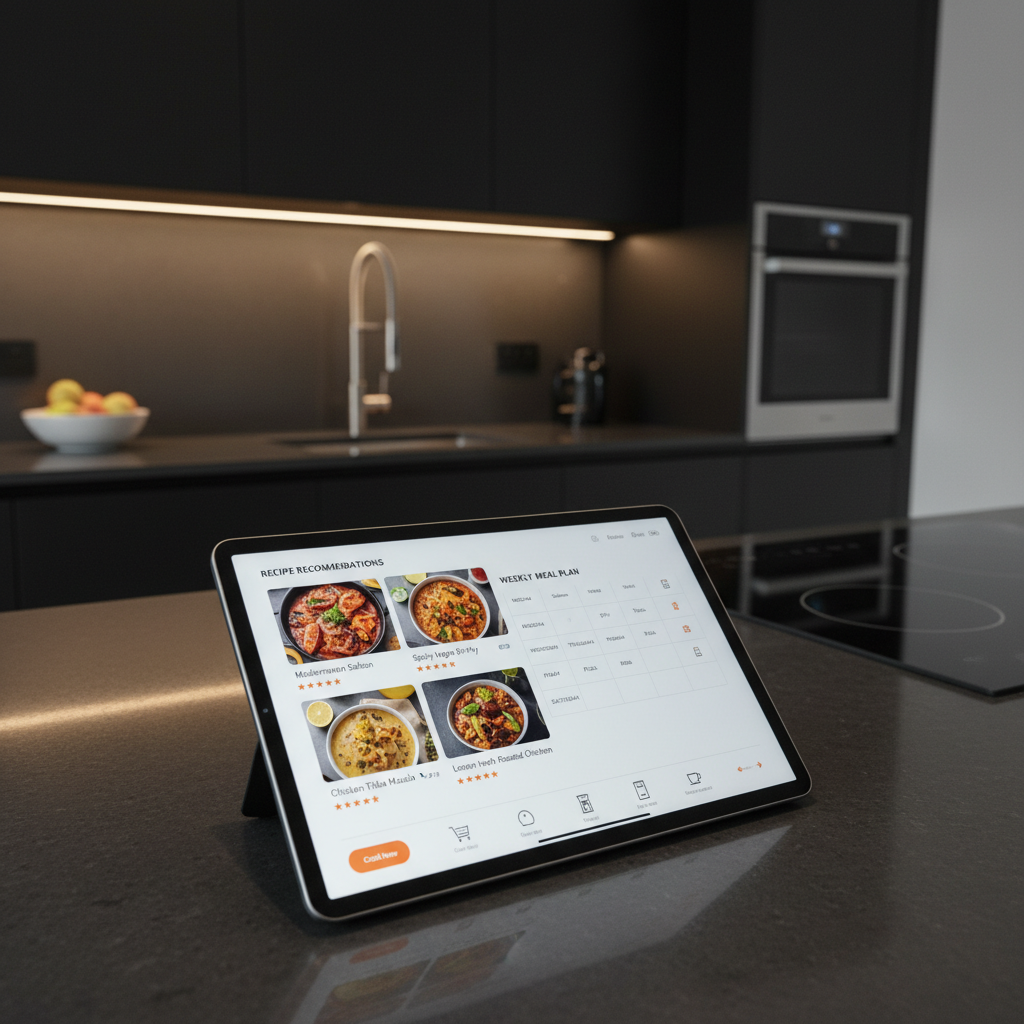
In an age of endless digital scrolls, the simple act of deciding what to cook for dinner can often feel like an overwhelming odyssey. We’ve all been there: staring blankly into the pantry, scrolling through countless generic recipe websites, or trying to reconcile our dietary restrictions with the ingredients on hand. The traditional approach to meal discovery, while comforting in its familiarity, is often inefficient, uninspiring, and frankly, a recipe for food waste and culinary fatigue. It’s a system that struggles to keep pace with the modern consumer’s dynamic lifestyle, evolving health goals, and highly specific taste preferences.
Imagine a world where your meal planning isn’t just about finding a recipe, but about discovering a culinary experience perfectly tailored to your unique palate, dietary needs, available ingredients, and even your mood. This isn’t a distant fantasy; it’s the present and future being shaped by artificial intelligence. AI is no longer confined to sci-fi films or complex data centers; it’s quietly, yet profoundly, revolutionizing the very fabric of our kitchens and how we interact with food.
This blog post will delve deep into the fascinating realm of hyper-personalized recipe discovery, exploring how cutting-edge AI technologies are transforming meal preparation from a chore into an intuitive, enjoyable, and sustainable practice. We will uncover the mechanisms by which AI learns your preferences, the myriad benefits it offers, practical applications, and the exciting future it promises for every home cook and food enthusiast. Get ready to embark on a journey that will redefine your understanding of meal discovery and unlock a world of culinary possibilities you never knew existed.
The Frustration of Traditional Meal Discovery and Planning
Before we dive into the AI revolution, it’s crucial to acknowledge the persistent pain points that many still experience with conventional recipe discovery and meal planning. These frustrations are precisely what AI aims to alleviate and overcome.
- Choice Overload and Decision Fatigue: With millions of recipes available online, the sheer volume can be paralyzing. Sifting through countless options to find one that fits can be incredibly time-consuming and mentally exhausting. The endless scrolling often leads to settling for familiar, uninspired dishes rather than exploring new culinary horizons.
- Mismatched Dietary Needs: Finding recipes that perfectly align with specific dietary restrictions (e.g., gluten-free, dairy-free, vegan, low-carb, keto) or allergies can be a monumental task. Generic searches often yield results that require extensive modifications or contain hidden ingredients that are problematic, leading to frustration and potential health risks.
- Ingredient Scarcity and Waste: How many times have you found a perfect recipe, only to realize you lack a crucial ingredient and don’t want to make an extra trip to the store? Conversely, unused ingredients lingering in the fridge often lead to significant food waste, both economically and environmentally. Traditional methods offer little to no guidance on utilizing what you already have.
- Inconsistent Taste and Skill Level: A recipe might look appealing, but does it truly match your family’s taste preferences? Is it too complex for a weeknight meal, or too basic for a special occasion? Traditional recipe platforms rarely account for individual skill levels or preferred flavor profiles, leading to hit-or-miss culinary experiments.
- Nutritional Tracking Challenges: For individuals with specific health or fitness goals, accurately tracking macronutrients and micronutrients can be arduous. Manually calculating nutritional values for every meal is tedious and prone to errors, often deterring consistent adherence to dietary plans.
- Time-Consuming Planning: From brainstorming meal ideas to creating grocery lists and budgeting, traditional meal planning can consume a significant amount of time each week. This effort often detracts from the enjoyment of cooking itself, turning it into another item on a never-ending to-do list.
These challenges highlight a significant gap in how we approach food preparation. We need a system that understands us, adapts to our circumstances, and anticipates our needs, moving beyond static databases to dynamic, intelligent culinary companions. This is where the power of AI truly shines, promising to transform these frustrations into seamless, personalized experiences.
What is Hyper-Personalization in Recipes?
Hyper-personalization goes far beyond simple filters like “vegetarian” or “quick weeknight meal.” It’s about creating a truly unique, dynamic, and evolving culinary profile for each user, leveraging vast amounts of data and advanced analytical capabilities to deliver recommendations that feel as if they were hand-picked just for you. This level of personalization is not merely about finding a recipe; it’s about anticipating your needs, understanding your desires, and optimizing every aspect of your meal journey.
Beyond Basic Filters: A Deep Dive into Your Culinary Persona
Traditional recipe sites might allow you to filter by cuisine, main ingredient, or dietary restriction. Hyper-personalization, powered by AI, takes this several steps further. It builds a comprehensive model of your culinary persona by considering a multitude of data points, both explicit and implicit:
- Dietary Needs and Restrictions: This includes not just broad categories (vegan, keto) but also specific allergies (peanut, shellfish), intolerances (lactose), and medical dietary requirements (low sodium, diabetic-friendly).
- Health and Fitness Goals: Are you aiming for weight loss, muscle gain, improved heart health, or just general wellness? AI can tailor recipes to meet specific macronutrient ratios (protein, carbs, fats), caloric targets, and micronutrient requirements.
- Taste Preferences and Flavor Profiles: Do you prefer spicy or mild? Sweet or savory? Do you like garlic, cilantro, or a particular spice blend? AI learns your favorite cuisines, ingredients you often use, and even flavor combinations you’ve enjoyed or disliked based on your past interactions.
- Available Ingredients and Pantry Inventory: This is a game-changer for reducing food waste. AI tools can analyze what you currently have in your fridge and pantry (either manually entered or via advanced imaging) and suggest recipes that utilize those items first.
- Cooking Skill Level and Time Availability: Are you a novice cook looking for simple, 30-minute meals, or an experienced chef seeking a gourmet challenge? AI understands your comfort level and time constraints, recommending appropriate recipes.
- Budget Constraints: AI can suggest recipes that prioritize cost-effective ingredients, seasonal produce, or leverage items already purchased, helping you manage your food budget more effectively.
- Environmental and Ethical Preferences: Some users prioritize sustainable ingredients, local produce, or ethically sourced components. AI can factor these preferences into its recommendations.
- Contextual Factors: AI can even consider external factors like the current season (suggesting warming soups in winter, light salads in summer), weather forecasts, or upcoming holidays to recommend themed meals.
By synthesizing these diverse data points, AI creates a truly dynamic and adaptive meal discovery experience. It’s not just recommending a recipe; it’s recommending your next perfect meal. This predictive capability and granular understanding elevate meal planning from a chore to a delightful, personalized journey, ensuring every recommendation is relevant, appealing, and perfectly suited to your life.
How AI Learns Your Palate and Preferences
The magic behind hyper-personalized recipes lies in AI’s sophisticated ability to learn, adapt, and predict your culinary desires. This learning process is multifaceted, drawing upon various branches of artificial intelligence and machine learning to build an increasingly accurate profile of your preferences.
The Core AI Technologies at Play:
-
Machine Learning Algorithms:
- Collaborative Filtering: This is akin to a “people who liked this also liked that” approach. AI analyzes patterns in user behavior, identifying individuals with similar tastes to yours. If other users with similar dietary needs and flavor preferences enjoyed a particular recipe, AI will likely recommend it to you. It looks for correlations across a large user base to find relevant suggestions.
- Content-Based Filtering: Here, AI focuses on the characteristics of the recipes themselves and your past interactions. If you frequently search for recipes with chicken, garlic, and Mediterranean flavors, the algorithm will prioritize recipes containing those elements. It dissects recipe components (ingredients, cooking methods, cuisine type, flavor profiles) and matches them to your explicit preferences and historical choices.
- Hybrid Recommendation Systems: Most advanced AI recipe platforms use a combination of both collaborative and content-based filtering to overcome the limitations of each. This leads to more robust and accurate recommendations, balancing novelty with familiarity.
-
Natural Language Processing (NLP):
NLP is crucial for understanding the textual data associated with recipes. It allows AI to:
- Parse Recipe Instructions: AI can break down complex instructions, identify cooking techniques, and understand ingredient preparation methods.
- Analyze User Reviews and Comments: By processing the sentiment and content of user feedback, AI can gauge not just a recipe’s popularity, but also specific aspects that users loved or disliked (e.g., “too salty,” “perfect spice level,” “easy to follow”).
- Understand Ingredient Nuances: NLP can differentiate between “fresh basil” and “dried basil,” or “spicy chili” and “mild paprika,” understanding the subtle differences that impact a dish’s flavor and suitability for a user’s profile.
- Extract Dietary Information: It can identify hidden allergens or dietary triggers within ingredient lists and instructions, ensuring that even complex requirements are met.
-
Computer Vision and Image Recognition:
While still evolving, computer vision holds immense promise in the culinary domain:
- Ingredient Identification: Imagine snapping a photo of your fridge contents, and AI instantly recognizing apples, bell peppers, and leftover chicken to suggest recipes. This technology helps bridge the gap between physical pantry inventory and digital recipe suggestions.
- Visual Preference Learning: AI can analyze images of dishes you’ve liked or saved, identifying common visual elements, plating styles, or ingredient combinations that appeal to you.
-
Reinforcement Learning:
This advanced AI technique allows the system to learn through trial and error, optimizing its recommendations over time. Every interaction you have with the platform—liking a recipe, saving it, cooking it, rating it, or even ignoring it—serves as feedback. The AI uses this feedback to refine its understanding of your preferences, making subsequent recommendations even more accurate. It literally “learns” from your culinary journey, rewarding successful suggestions and penalizing unsuccessful ones.
The synergy of these technologies allows AI to build a dynamic, ever-improving model of your palate. It’s a continuous learning loop where every interaction, every meal, and every piece of feedback contributes to a smarter, more intuitive culinary assistant that truly understands you.
Key AI Technologies Driving Recipe Transformation
The transformation of meal discovery is not attributable to a single AI breakthrough, but rather the synergistic application of several powerful technologies. Each plays a distinct yet interconnected role in making hyper-personalized recipes a reality.
-
Deep Learning for Complex Pattern Recognition:
As a subset of machine learning, deep learning utilizes neural networks with multiple layers to process vast amounts of data and recognize intricate patterns. In the context of recipes, deep learning excels at:
- Flavor Pairing: Identifying subtle chemical and taste relationships between ingredients that human intuition might miss, leading to novel and surprising yet delicious combinations.
- Ingredient Substitutions: Understanding the functional and flavor profiles of ingredients to suggest optimal replacements when an item is unavailable or undesirable.
- Predicting User Satisfaction: Based on a multitude of factors, deep learning models can predict how likely a user is to enjoy a particular recipe, moving beyond simple ingredient matching to a more holistic preference prediction.
-
Generative AI for Novel Recipe Creation:
Perhaps one of the most exciting recent developments, generative AI models (like large language models such as GPT-3/4) can do more than just recommend existing recipes. They can:
- Create Entirely New Recipes: Given a set of constraints (e.g., “vegetarian, Indian-inspired, uses chickpeas and spinach, 30-minute prep”), generative AI can invent a brand-new recipe, complete with ingredients, step-by-step instructions, and even nutritional estimates.
- Adapt Existing Recipes: It can take a classic recipe and modify it to fit new parameters, such as making a traditional dish gluten-free or low-carb without compromising its essence.
- Suggest Creative Ingredient Combinations: For adventurous cooks, it can offer unique and unexpected pairings to inspire culinary experimentation.
-
Recommendation Engines:
These are the core systems that power personalized suggestions across many digital platforms, from streaming services to e-commerce. In the culinary world, recommendation engines:
- Filter and Prioritize: They sift through enormous databases of recipes, filtering out irrelevant options based on your profile and prioritizing those most likely to appeal.
- Personalize Ranking: Each recipe is ranked not just by popularity, but by its relevance to your specific preferences, ensuring that what you see first is what you’re most likely to enjoy.
- Discover Hidden Gems: They can introduce you to recipes or cuisines you might not have explicitly searched for but are predicted to align with your evolving taste.
-
Voice Assistants and Conversational AI:
Integrating AI into smart speakers and kitchen appliances allows for a hands-free, intuitive cooking experience:
- Hands-Free Instructions: You can ask your smart assistant to read out recipe steps, set timers, or convert measurements while your hands are busy with cooking.
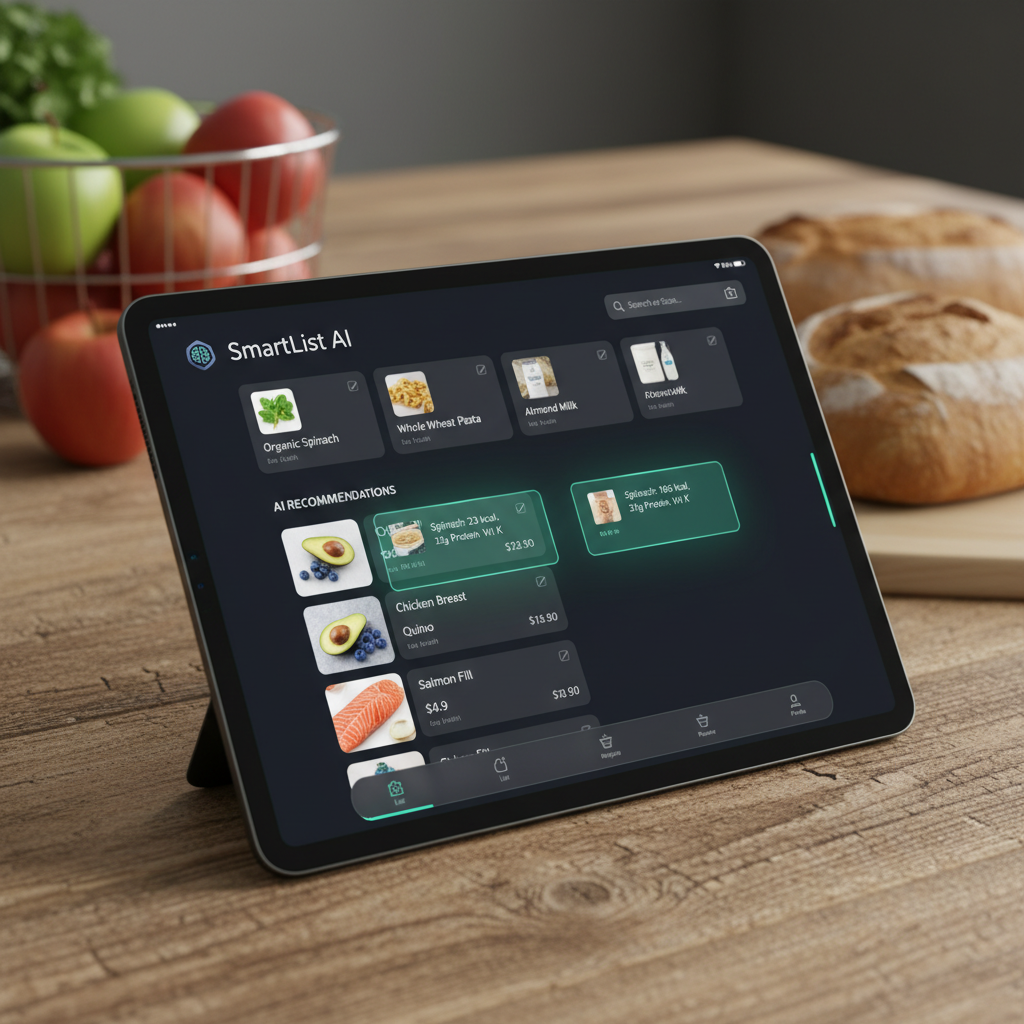
- Dynamic Shopping Lists: As you plan meals, the AI can automatically update your grocery list, and you can add items verbally.
- Interactive Recipe Adjustment: You can ask the AI to suggest substitutions (“What can I use instead of red wine?”), scale serving sizes, or look up cooking tips in real-time.
The ongoing advancements in these AI technologies continually push the boundaries of what’s possible in the kitchen, making meal discovery more intelligent, more personal, and ultimately, more enjoyable than ever before.
Benefits of AI-Powered Recipe Discovery for Users
The shift to AI-powered recipe discovery is not just about novelty; it delivers tangible, significant benefits that profoundly impact daily life, health, and sustainability. These advantages extend beyond mere convenience, fostering a more mindful and efficient approach to food.
-
Reduced Food Waste:
This is one of the most impactful benefits. By integrating with pantry management features or allowing users to input available ingredients, AI can suggest recipes that prioritize using what you already have. This minimizes the likelihood of fresh produce expiring or leftover ingredients going unused, saving money and reducing environmental impact. Imagine a world where that lonely zucchini in the crisper drawer always finds its culinary purpose.
-
Healthier Eating Habits:
AI excels at tailoring nutritional profiles. Whether you’re aiming for a specific calorie count, macronutrient ratio (e.g., high protein, low carb), or focusing on specific vitamins and minerals, AI can curate recipes that align perfectly with your health goals. It can even suggest healthier modifications to favorite dishes or recommend ingredient substitutions to boost nutritional value without sacrificing flavor. This personalized approach makes sticking to a healthy diet much more sustainable and enjoyable.
-
Significant Time Savings:
Gone are the days of endless scrolling and decision fatigue. AI rapidly sifts through millions of recipes, presenting only the most relevant and appealing options in seconds. This dramatically cuts down on the time spent planning meals, compiling grocery lists, and searching for suitable dishes, freeing up valuable time for other activities. The efficiency extends to grocery shopping, as AI-generated lists are precise and organized.
-
Expanded Culinary Horizons:
While personalization sounds like it might narrow your options, AI often does the opposite. By understanding your core preferences, it can subtly introduce you to new ingredients, cuisines, and cooking techniques that you’re statistically likely to enjoy but might not have discovered on your own. It offers a gentle nudge outside your comfort zone, preventing culinary ruts and encouraging exploration of diverse global flavors.
-
Budget Optimization:
AI can be a powerful tool for saving money on groceries. It can prioritize recipes that use seasonal produce (often cheaper), suggest dishes based on current supermarket sales (if integrated with shopping data), or help you plan meals around bulk-bought staples. By minimizing waste and optimizing ingredient usage, AI directly contributes to a more efficient and economical household food budget.
-
Enhanced Accessibility for Dietary Restrictions and Allergies:
For individuals with severe allergies or complex dietary needs, AI offers an unparalleled level of safety and convenience. It meticulously filters out recipes containing problematic ingredients, suggests safe substitutions, and can even provide cross-contamination warnings. This empowers individuals with dietary restrictions to explore a wider range of recipes confidently, reducing anxiety around meal preparation.
-
Stress Reduction and Enjoyment:
By streamlining the entire meal discovery and planning process, AI significantly reduces the mental load associated with feeding oneself or a family. This reduction in stress allows individuals to approach cooking with greater enthusiasm and enjoyment, transforming a daily necessity into a creative and fulfilling activity.
In essence, AI doesn’t just find recipes; it optimizes the entire culinary experience, making it smarter, healthier, more sustainable, and ultimately, more aligned with the individual user’s needs and aspirations.
AI for Meal Planning Beyond Just Recipes
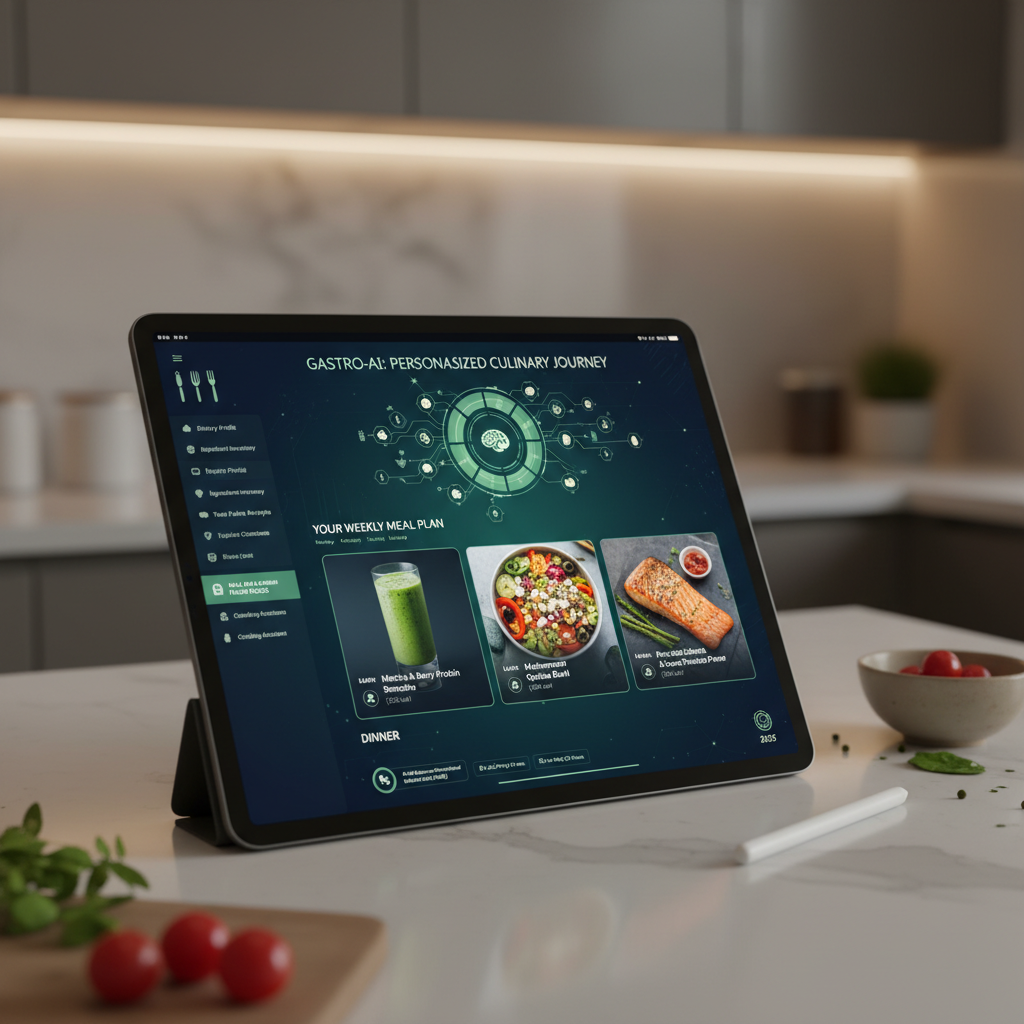
The true power of AI in the kitchen extends far beyond merely recommending individual dishes. It’s about orchestrating an entire culinary ecosystem, transforming meal planning from a fragmented, manual process into a cohesive, intelligent, and seamless experience. AI acts as your personal sous chef, nutritionist, and grocery manager rolled into one.
Comprehensive Meal Ecosystem Management:
-
Automated and Intelligent Grocery Lists:
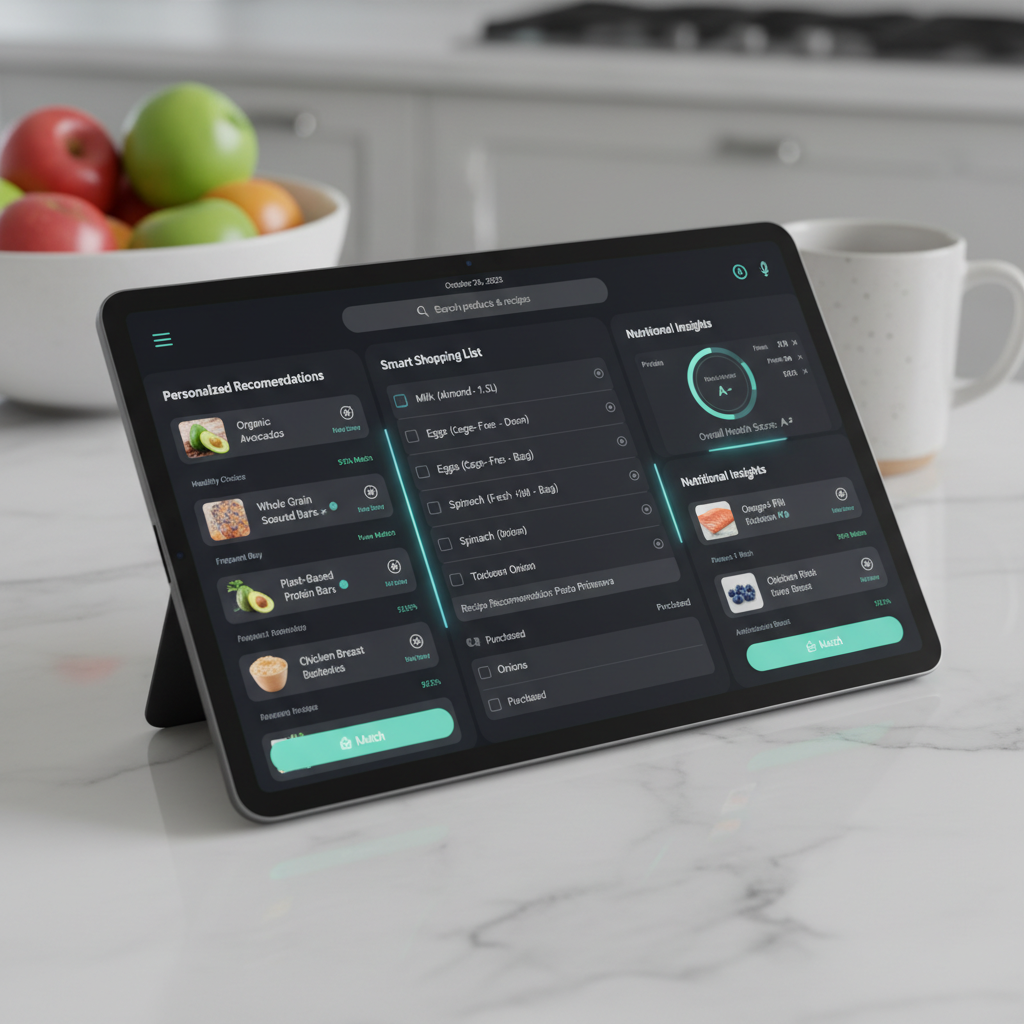
Once you’ve selected your weekly meal plan, AI can automatically generate a precise grocery list. This list isn’t just a basic aggregation; it’s optimized.
- It cross-references with your existing pantry inventory (if integrated), only listing items you truly need.
- It can suggest quantities based on serving sizes and even optimize for package sizes to reduce waste.
- Some advanced systems can even integrate with local store inventories or promotions, suggesting where to buy ingredients most affordably.
- Voice commands allow for easy additions to the list throughout the week as you notice items running low.
-
Dynamic Meal Schedules and Planning:
AI can help you create a meal schedule that adapts to your life, not the other way around.
- It can suggest quick, easy meals on busy weeknights and more elaborate options for weekends.
- It learns your typical eating patterns and preferences for specific days (e.g., “Meatless Monday,” “Taco Tuesday”).
- If integrated with your calendar, it can even account for social engagements, suggesting lighter meals before a dinner out or accommodating late arrivals.
- It can plan for leftovers, suggesting how to repurpose ingredients from one meal into another to prevent monotony and waste.
-
Nutritional Tracking and Goal Integration:
For those with specific health objectives, AI seamlessly integrates nutritional data.
- Every recipe comes with detailed nutritional information, and the meal plan as a whole is analyzed against your daily caloric and macronutrient goals.
- If you’re under or over a certain target, the AI can suggest adjustments to future meals or provide healthier snack recommendations to balance your intake.
- Integration with fitness trackers and health apps can create a holistic view of your diet and activity, offering truly personalized health insights.
-
Smart Ingredient Substitution Suggestions:
Ran out of buttermilk? Allergic to nuts? AI can instantly suggest appropriate and effective substitutions, offering alternatives that maintain the integrity of the dish’s flavor and texture profile. This prevents last-minute panics and unnecessary trips to the store, making cooking more flexible and less stressful.
-
Batch Cooking and Prep Optimization:
AI can identify opportunities for efficient meal prep.
- It can suggest recipes that share common ingredients, allowing you to prep them all at once.
- It might recommend cooking a larger batch of a staple (like rice or roasted vegetables) that can be used in multiple meals throughout the week.
- This minimizes time spent in the kitchen and maximizes the output of your cooking efforts.
By connecting all these disparate elements of meal planning, AI transforms a potentially daunting weekly task into an intelligent, adaptive, and highly efficient process. It elevates the entire culinary journey, empowering users to eat better, waste less, and enjoy cooking more.
Ethical Considerations and Data Privacy in AI Recipe Systems
While the benefits of AI in meal discovery are substantial, it’s crucial to address the ethical considerations and data privacy concerns inherent in any system that collects and processes personal information. As AI becomes more integrated into our daily lives, understanding these challenges is paramount.
Navigating the Ethical Landscape:
-
Algorithmic Bias:
AI systems learn from the data they are fed. If this data is biased or incomplete, the AI’s recommendations can perpetuate and amplify those biases. For example:
- If the training data predominantly features recipes from certain cultures or socio-economic backgrounds, the AI might inadvertently overlook or under-recommend diverse cuisines or budget-friendly options.
- Bias in health data could lead to recommendations that are not universally suitable or could even reinforce unhealthy stereotypes about body image or diet.
Mitigation: Developers must actively work to ensure diverse and representative datasets, implement fairness metrics, and regularly audit algorithms for unintended biases.
-
Data Privacy and Security:
To offer hyper-personalization, AI recipe platforms collect a wealth of personal data: dietary restrictions, health goals, taste preferences, pantry inventory, purchase history, and even potentially biometric data if integrated with wearables. This information is highly sensitive.
- Risk: Unauthorized access to this data could lead to privacy breaches, discrimination (e.g., insurance companies using dietary data), or targeted advertising based on sensitive health information.
- Mitigation: Strong data encryption, robust cybersecurity measures, strict adherence to data protection regulations (like GDPR and CCPA), clear privacy policies, and transparent communication about data usage are essential. Users should have control over their data and the ability to opt-out.
-
Transparency and Explainability:
The “black box” nature of some AI algorithms can make it difficult for users to understand why a particular recipe was recommended.
- Risk: Lack of transparency can erode user trust and make it difficult for users to critique or adjust recommendations if they don’t understand the underlying logic. It also makes it harder to identify and correct algorithmic errors or biases.
- Mitigation: AI systems should aim for greater explainability. This means providing reasons for recommendations (e.g., “Recommended because you liked similar Mediterranean dishes” or “Uses ingredients you have on hand”). This fosters trust and empowers users.
-
Dependency and Over-reliance:
As AI becomes more sophisticated, there’s a risk of users becoming overly reliant on its suggestions, potentially reducing their own culinary intuition or ability to make independent food choices.
- Risk: A diminished capacity for creative problem-solving in the kitchen or an inability to adapt when AI tools are unavailable.
- Mitigation: AI tools should be positioned as assistants and enhancers, not replacements for human creativity and judgment. They should encourage exploration and learning, not just passive acceptance.
Addressing these ethical considerations is not just about compliance; it’s about building responsible AI systems that genuinely serve humanity and enhance well-being without compromising fundamental rights or fostering unintended negative consequences. User education, ongoing dialogue, and thoughtful development are key to harnessing AI’s full potential in the culinary world responsibly.
The Future of AI in the Kitchen: Beyond Recipes
The current applications of AI in recipe discovery and meal planning are just the tip of the iceberg. As technology continues to evolve at an unprecedented pace, the kitchen of tomorrow will be a hyper-connected, intelligent, and intuitively responsive environment, with AI at its very heart. The future promises a seamless integration of digital intelligence with our physical culinary spaces, offering unprecedented levels of convenience, customization, and health optimization.
Envisioning the Smart Culinary Ecosystem:
-
Seamless Smart Appliance Integration:
Imagine a kitchen where every appliance communicates intelligently. Your smart fridge, equipped with internal cameras and AI vision, automatically tracks your inventory, flags expiring items, and even suggests recipes based on its contents. Once you choose a meal, the AI could automatically:
- Preheat your smart oven to the correct temperature.
- Send cooking instructions directly to your smart stovetop or air fryer.
- Control the cooking time and temperature of your smart pressure cooker.
This level of integration will minimize manual input, reduce errors, and ensure perfectly cooked meals every time.
-
Augmented Reality (AR) Cooking Guides:
Picture wearing AR glasses or using an AR-enabled tablet where virtual overlays guide you through each cooking step.
- Visual cues could show you exactly where to make a cut on a vegetable.
- Highlight the precise amount of an ingredient to add.
- Provide real-time feedback on cooking techniques, like whisking speed or kneading consistency.
- Overlay nutritional information directly onto your plate as you assemble it.
This immersive experience will democratize advanced cooking skills, making gourmet meals accessible to everyone.
-
Personalized Nutrition Plans Linked to Biometrics:
The future of food will be deeply intertwined with personal health data. AI will integrate with wearables and health monitoring devices to:
- Analyze your activity levels, sleep patterns, stress indicators, and even real-time blood sugar readings.
- Dynamically adjust meal recommendations to optimize energy levels, recovery, and overall well-being.
- For individuals with specific medical conditions, AI could monitor biomarkers and suggest meals to manage symptoms or improve health outcomes, all while adhering to taste preferences.
This moves beyond generic healthy eating to truly precision nutrition.
-
Hyper-Localized and Sustainable Ingredient Sourcing:
AI will optimize not just what you cook, but also where your ingredients come from.
- It could connect you with local farmers’ markets, community-supported agriculture (CSAs), or even your own smart garden system.
- Recommendations could prioritize ingredients with the lowest carbon footprint or those that support ethical farming practices.
- AI could even facilitate micro-delivery systems, where ingredients for your specific meal are delivered fresh, just-in-time, minimizing waste and packaging.
-
Personalized Food 3D Printing and Molecular Gastronomy:
Further down the line, AI could control food 3D printers, allowing for precise control over texture, shape, and nutrient composition, offering highly customized meals for specific dietary or medical needs. AI could also delve into molecular gastronomy, suggesting innovative techniques to extract flavors or create new culinary experiences.
The kitchen of the future, powered by AI, promises to be a hub of innovation, health, and sustainability. It will transform our relationship with food, making it more intuitive, delightful, and perfectly aligned with our individual aspirations for wellness and culinary enjoyment.
Comparison Tables
Table 1: Traditional vs. AI-Powered Recipe Discovery
| Feature | Traditional Recipe Discovery | AI-Powered Recipe Discovery | Impact on User |
|---|---|---|---|
| Method of Search | Manual browsing, static filters (cuisine, main ingredient), cookbooks, word-of-mouth. | Intelligent recommendation engines, natural language queries, image recognition, predictive analytics. | From passive searching to active, intuitive discovery. |
| Personalization Level | Basic; limited by predefined categories. “One-size-fits-most” approach. | Hyper-personalized; adapts to individual palate, dietary needs, health goals, skill, pantry, budget. | Recipes feel tailor-made, increasing satisfaction and relevance. |
| Data Utilization | Minimal or none; relies on broad categorizations. | Extensive; learns from explicit input (preferences) and implicit behavior (likes, skips, reviews). | System gets smarter and more accurate over time. |
| Ingredient Management | Requires user to check pantry manually against recipe. Leads to waste. | Integrates with pantry inventory, suggests recipes based on available ingredients, minimizes waste. | Reduces food waste and saves money on groceries. |
| Nutritional Guidance | Often generic or requires manual calculation. | Provides detailed, personalized nutritional breakdowns; aligns with specific health/fitness goals. | Facilitates healthier eating and adherence to dietary plans. |
| Time & Effort Required | High; significant time spent searching, planning, and grocery list compilation. | Low; streamlines discovery, automates planning, generates smart grocery lists. | Frees up valuable time, reduces decision fatigue. |
| Culinary Exploration | Limited by user’s existing knowledge or search terms. Often results in “recipe ruts.” | Suggests novel dishes, new cuisines, and creative ingredient pairings aligned with learned preferences. | Encourages culinary adventure, prevents boredom. |
| Adaptability | Static; difficult to adjust recipes for dietary needs or ingredient availability. | Dynamic; offers real-time ingredient substitutions, scales recipes, adapts to changing preferences. | Increases flexibility and reduces cooking stress. |
Table 2: Key Data Inputs for AI Recipe Personalization
| Data Category | Specific Data Points | Example Input/Collection Method | Impact on Recipe Recommendation |
|---|---|---|---|
| Dietary Preferences | Allergies, intolerances, vegan, vegetarian, keto, gluten-free, low-sodium, diabetic-friendly. | User profile setup, explicit selection, past recipe choices. | Filters out unsuitable recipes, prioritizes compliant options. |
| Health & Fitness Goals | Weight loss, muscle gain, energy boost, heart health, calorie targets, macro ratios. | Goal setting in app, integration with fitness trackers (wearables). | Suggests recipes optimizing for specific nutrient profiles and caloric intake. |
| Taste & Flavor Profile | Favorite cuisines, ingredients, spices, flavor notes (spicy, sweet, savory), disliked ingredients. | Recipe ratings, explicit likes/dislikes, browsing history, ingredient usage frequency. | Prioritizes preferred flavors, avoids disliked ones, introduces similar new tastes. |
| Pantry & Fridge Inventory | Available ingredients, quantities, expiry dates, recent purchases. | Manual input, grocery list syncing, smart fridge integration, computer vision (image scan). | Suggests “cook from what you have” recipes, minimizes food waste, optimizes shopping. |
| Cooking Skill & Time | Beginner, intermediate, advanced; prep time availability (e.g., 30-min meals). | User profile setting, past recipe complexity, stated time constraints. | Filters recipes by complexity and preparation time, ensuring achievable meals. |
| Budget Constraints | Low cost, medium, gourmet; preference for seasonal/sale items. | User profile setting, historical purchase data, local store sale integration. | Recommends recipes using cost-effective ingredients, suggests budget-friendly alternatives. |
| Cultural & Contextual | Seasonal preferences, holiday themes, regional cuisine interests, weather. | Location data, calendar integration, explicit cultural preference settings. | Suggests seasonal dishes, holiday meals, or culturally relevant options. |
| Feedback & Behavior | Recipe ratings, saves, shares, re-cooks, skips, modifications made, time spent on recipe. | Implicit tracking of user interaction with platform. | Continuously refines and improves future recommendations (reinforcement learning). |
Practical Examples and Real-World Scenarios
To truly appreciate the transformative power of AI in meal discovery, let’s explore several real-world scenarios where hyper-personalization makes a tangible difference in people’s lives. These examples highlight how AI seamlessly integrates into diverse lifestyles and addresses specific culinary challenges.
Scenario 1: The Busy Parent with Diverse Family Needs
Meet Sarah, a working mother of two. Her eldest child has a peanut allergy and is a picky eater who dislikes mushrooms. Her youngest is dairy-intolerant, and Sarah herself is trying to eat more plant-based meals during the week. Traditional meal planning is a nightmare, requiring endless cross-referencing and modifications.
- AI Solution: Sarah uses an AI-powered meal planner where she has input each family member’s dietary restrictions, allergies, and ingredient dislikes. The AI recommends a weekly meal plan that is entirely peanut-free and dairy-free, while also suggesting mushroom-free versions of dishes for her son and ensuring at least three plant-based dinners for Sarah. It optimizes ingredient usage across meals to minimize shopping trips and generates a single, coherent grocery list that avoids problematic items. When Sarah has a busy evening, the AI suggests a 20-minute, one-pot recipe, automatically preheating her smart oven.
- Impact: Sarah saves hours each week, reduces stress, and ensures her family eats safely and nutritiously without feeling deprived. Food waste from unused ingredients is dramatically cut.
Scenario 2: The Fitness Enthusiast Tracking Macros
David is an avid weightlifter focused on muscle gain. He needs to hit specific daily targets for protein, carbohydrates, and healthy fats, usually around 2500 calories. Manually logging and adjusting meals to fit these macros is a constant, time-consuming struggle.
- AI Solution: David integrates his fitness tracker and health goals directly into an AI recipe app. The AI learns his protein preferences (chicken, fish, legumes), preferred cooking methods, and disliked ingredients. It then suggests breakfast, lunch, and dinner recipes that collectively meet his daily macro and calorie targets. If he has a heavier workout day, the AI automatically adjusts the carb content upwards for his post-workout meal. He can verbally ask his smart speaker, “Hey AI, what’s a high-protein, low-fat dinner I can make with chicken breast?” and instantly receive a perfectly tailored recipe, complete with nutritional breakdown.
- Impact: David can consistently meet his fitness nutrition goals without tedious manual tracking, allowing him to focus more on his training and less on calorie counting.
Scenario 3: The Sustainable Home Cook Reducing Food Waste
Maria is passionate about sustainability and hates wasting food. She often finds herself with a few random ingredients left at the end of the week, like half an onion, two bell peppers, and some leftover cooked quinoa, unsure what to do with them.
- AI Solution: Maria uses an AI app with a “Pantry Scan” feature. She either manually inputs her leftover ingredients or, in advanced systems, snaps a picture of her fridge contents. The AI instantly generates several recipe ideas that specifically utilize those items, such as “Quinoa and Bell Pepper Stir-fry,” “Stuffed Bell Peppers,” or “Vegetable Frittata.” It also notes which ingredients are nearing their expiration date and prioritizes recipes using them.
- Impact: Maria significantly reduces her household food waste, saves money, and feels more creative and resourceful in the kitchen, contributing positively to her environmental values.
Scenario 4: The Culinary Explorer Seeking New Flavors
James loves cooking but finds himself in a “recipe rut,” constantly making the same few dishes. He wants to explore new cuisines but isn’t sure where to start.
- AI Solution: James uses an AI platform that has learned his basic preferences (likes spicy food, enjoys Asian and Mediterranean flavors, avoids overly complicated techniques). The AI doesn’t just recommend variations of his usual dishes; it intelligently suggests new cuisines or lesser-known dishes from his preferred regions. For example, it might recommend a lesser-known Malaysian curry or a specific type of North African tagine, explaining the flavor profile and suggesting where to find unique ingredients. It learns from his “likes” and “skips” on these new recommendations, continually refining its adventurous suggestions.
- Impact: James breaks out of his culinary rut, discovers exciting new flavors, and expands his cooking repertoire, making mealtime an ongoing adventure.
These examples demonstrate that AI is not just a theoretical concept in the culinary world; it’s a practical, powerful tool actively enhancing the daily lives of diverse users, making cooking more efficient, enjoyable, and tailored than ever before.
Frequently Asked Questions
Q: How exactly does AI know what recipes I like or dislike?
A: AI learns your preferences through a combination of explicit and implicit data. Explicit data includes information you directly provide, such as dietary restrictions, allergies, favorite cuisines, and ingredient preferences during setup. Implicit data is gathered from your interactions: which recipes you view, save, cook, rate, skip, or modify. If you consistently rate spicy Thai dishes highly, the AI learns you enjoy those flavors. If you always skip recipes with cilantro, it understands that’s a dislike. Advanced systems also use collaborative filtering (finding users with similar tastes and recommending what they liked) and content-based filtering (analyzing the attributes of recipes you’ve enjoyed). Over time, through a process called reinforcement learning, the AI’s understanding of your palate becomes increasingly refined and accurate.
Q: Can AI help me eat healthier, or will it just suggest indulgent recipes based on my past choices?
A: AI is incredibly effective at helping you eat healthier, provided you set your health goals clearly. During setup, you can specify objectives like weight loss, muscle gain, lower cholesterol, or simply a balanced diet. The AI will then prioritize recipes that align with these nutritional targets, suggesting dishes with appropriate calorie counts, macronutrient ratios (protein, carbs, fats), and beneficial ingredients. It can even suggest healthier substitutions for ingredients in existing recipes. While it does learn your taste preferences, it can balance those with your health objectives, pushing you towards nutritious options that you’re also likely to enjoy.
Q: What if I don’t have all the ingredients for an AI-suggested recipe?
A: This is one of AI’s strong suits! Many AI recipe platforms have “pantry-first” features. You can manually input the ingredients you have on hand, or some advanced apps allow you to scan your pantry/fridge with your phone’s camera. The AI will then prioritize recipes that use those exact ingredients. If a recommended recipe requires one or two missing items, the AI can often suggest intelligent substitutions (e.g., “use Greek yogurt instead of sour cream,” or “spinach instead of kale”). This dramatically reduces food waste and last-minute grocery runs.
Q: Is it expensive to use AI recipe tools?
A: The cost varies widely. Many basic AI-powered recipe discovery apps offer free versions with core personalization features. These free versions might have ads or offer premium features (like advanced meal planning, pantry integration, or nutritional tracking) as part of a paid subscription. Given the potential for reduced food waste and optimized grocery shopping, many users find that the cost of a premium AI recipe tool is often offset by the savings it provides in terms of food budget and time. There’s usually an option available for every budget.
Q: How accurate are the nutritional estimates provided by AI recipes?
A: The accuracy of nutritional estimates depends on the quality of the data the AI is trained on and the detail of the recipe. Most reputable AI recipe platforms use extensive nutritional databases (e.g., USDA data) and sophisticated algorithms to calculate estimates based on ingredient quantities and cooking methods. While they provide excellent estimates, they should generally be considered approximations rather than exact figures, as slight variations in ingredient brands, preparation, or actual portion sizes can occur. For extremely precise dietary needs, it’s always wise to consult a certified nutritionist. However, for general health tracking and goal setting, they are highly reliable.
Q: Can AI create entirely new recipes, or does it just find existing ones?
A: Yes, generative AI can indeed create entirely new recipes! This is one of the most exciting recent developments. You can give a generative AI model a set of constraints—for example, “create a vegetarian, gluten-free, low-carb pasta dish using zucchini, cherry tomatoes, and basil, ready in 30 minutes”—and it will generate a unique recipe, complete with ingredients, step-by-step instructions, and sometimes even estimated nutritional values. This capability opens up endless possibilities for culinary creativity and personalized meal invention beyond existing databases.
Q: What about data privacy? How safe is my personal information with these AI systems?
A: Data privacy is a critical concern for all AI systems. Reputable AI recipe platforms are expected to adhere to strict data protection regulations (like GDPR, CCPA). They typically implement robust encryption and cybersecurity measures to protect your personal information, such as dietary restrictions, health goals, and taste preferences. It’s crucial to read the privacy policy of any app you use to understand how your data is collected, stored, used, and shared. Many platforms anonymize data for analytical purposes and give users control over their data, allowing them to delete their profiles or opt out of certain data collection practices.
Q: Will AI replace traditional cookbooks and the joy of cooking from scratch?
A: It’s highly unlikely AI will replace traditional cookbooks or diminish the joy of cooking. Instead, AI serves as a powerful assistant and enhancer. Cookbooks still offer a tangible, curated experience, often rich with stories and cultural context that AI might struggle to replicate. The joy of cooking from scratch, experimenting, and relying on intuition is a deeply human experience. AI’s role is to remove the mundane, repetitive, and frustrating aspects of meal planning and discovery, allowing more time and mental energy for the creative, enjoyable parts of cooking. It empowers cooks to explore new horizons and master skills with greater ease, complementing rather than replacing traditional culinary arts.
Q: How can I start using AI for my meal discovery?
A: Getting started is easy! Many popular meal planning and recipe apps already incorporate AI features. You can download one from your device’s app store. When you first sign up, you’ll typically be prompted to answer questions about your dietary needs, allergies, preferred cuisines, and cooking skill level. The more information you provide, and the more you interact with the app (liking/disliking recipes, rating meals you’ve cooked), the better its AI will become at personalizing recommendations for you. Look for features like “pantry inventory,” “smart grocery list,” and “nutritional tracking” to maximize the AI’s benefits.
Q: Can AI help me deal with specific allergies or medical dietary requirements like managing diabetes?
A: Absolutely. AI excels at managing complex dietary needs, making it an invaluable tool for people with allergies or medical conditions. When you input specific allergies (e.g., tree nuts, shellfish) into an AI recipe app, it will meticulously filter out any recipes containing those ingredients, even if they are minor components. For medical conditions like diabetes, you can set parameters such as low glycemic index, carbohydrate limits, or specific sugar content, and the AI will tailor recipes to adhere strictly to those requirements. This level of precision and vigilance helps ensure that meals are not only delicious but also safe and beneficial for your health, significantly reducing the burden of manual checks and calculations.
Key Takeaways: Embracing the Future of Food
The integration of AI into meal discovery and planning is not merely a technological advancement; it’s a fundamental shift in how we approach our daily sustenance. As we’ve explored, the benefits are profound and far-reaching, transforming common culinary frustrations into seamless, personalized, and delightful experiences.
- Hyper-Personalization is Here: AI moves beyond basic filters to deeply understand your unique palate, dietary needs, health goals, skill level, and even available pantry ingredients, delivering truly tailored recipe recommendations.
- Diverse AI Technologies Power the Change: Machine learning algorithms (collaborative, content-based, hybrid), Natural Language Processing, Computer Vision, and Generative AI all work in concert to learn your preferences, understand recipes, identify ingredients, and even invent new dishes.
- Tangible Benefits for Everyday Life: Users experience reduced food waste, healthier eating habits, significant time savings, expanded culinary horizons, optimized budgets, and enhanced accessibility for dietary restrictions.
- Beyond Just Recipes: AI transforms the entire meal planning ecosystem, offering automated grocery lists, dynamic meal schedules, integrated nutritional tracking, smart ingredient substitutions, and optimized batch cooking.
- Ethical Considerations are Paramount: Addressing algorithmic bias, ensuring data privacy and security, promoting transparency, and preventing over-reliance are crucial for responsible AI development in the culinary space.
- A Glimpse into an Intelligent Future: The kitchen of tomorrow will see seamless integration with smart appliances, augmented reality cooking guides, biometric-linked personalized nutrition, and hyper-localized ingredient sourcing.
- Empowerment, Not Replacement: AI acts as an intelligent assistant, empowering home cooks to be more efficient, creative, and confident, rather than diminishing the joy and artistry of cooking.
Conclusion: Your Culinary Future, Personalized by AI
We stand at the precipice of a culinary revolution, one where the days of bland, uninspired meals and the endless scroll for the “perfect” recipe are rapidly fading into memory. Artificial intelligence is not just a tool; it’s becoming an indispensable partner in our kitchens, reshaping how we discover, plan, and prepare our food. It’s a technology that promises to make healthy eating effortless, reduce our environmental footprint through minimized food waste, and unlock a world of flavors we never knew existed.
The journey from a generic recipe search to hyper-personalized meal discovery is a testament to AI’s incredible potential to understand and cater to individual human needs at a granular level. From learning your nuanced taste preferences to seamlessly managing your pantry and optimizing your nutritional intake, AI is making every meal a bespoke experience.
As these technologies continue to mature and integrate more deeply into our smart homes and daily routines, the future of food promises to be more intuitive, more sustainable, and infinitely more delicious. The anxieties of “what’s for dinner?” will be replaced by the delightful anticipation of a meal perfectly crafted for you, by you, with a little help from your intelligent culinary assistant. Embrace this transformation, for the most exciting chapter in meal discovery has only just begun, and it’s perfectly personalized for you.


















































































Leave a Reply