


Revolutionizing Meal Prep: AI Tools for Recipe Discovery and Planning
In the hustle and bustle of modern life, finding the time and motivation to consistently prepare healthy, delicious meals can feel like a Herculean task. The dream of a well-stocked fridge, perfectly portioned meals, and a clear week ahead often clashes with the reality of rushed grocery runs, last-minute takeout orders, and the inevitable “what’s for dinner?” dilemma. For years, meal prep has been championed as the solution to these culinary woes, offering a path to better nutrition, reduced stress, and significant savings. However, traditional meal prep itself can be a time-consuming endeavor, requiring extensive planning, recipe hunting, and meticulous grocery list creation.
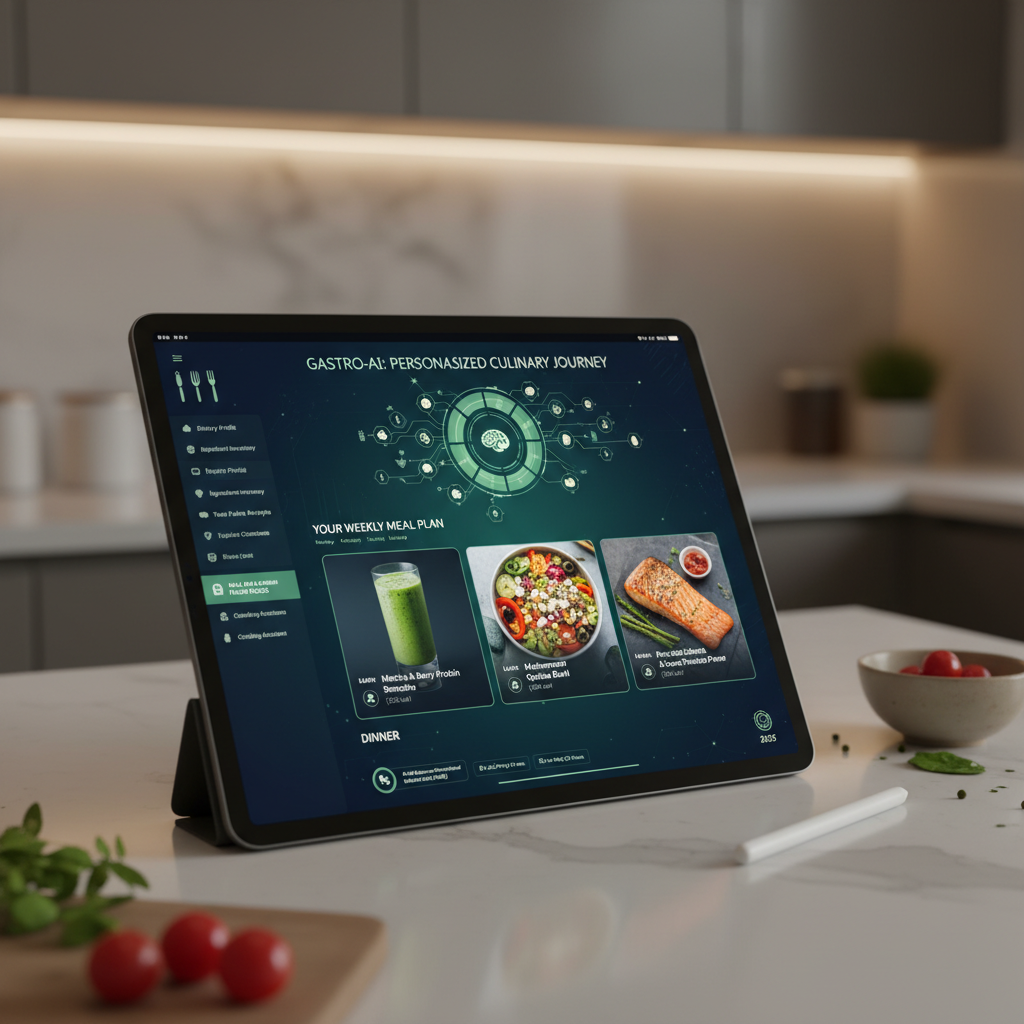
Enter Artificial Intelligence (AI), the game-changer poised to transform the way we approach food preparation. AI is no longer confined to science fiction or complex algorithms in Silicon Valley; it is rapidly integrating into our daily lives, and the kitchen is its next frontier. Imagine a world where your meal plan is automatically generated, tailored to your dietary needs, taste preferences, and even the ingredients already in your pantry. Picture a grocery list that materializes with a single click, optimized for your local store’s sales and delivered to your doorstep. This isn’t a futuristic fantasy; it’s the present reality offered by a new generation of AI-powered meal planning tools.
This comprehensive guide will delve deep into how AI is revolutionizing weekly meal prep, making it more efficient, personalized, and enjoyable than ever before. We will explore the myriad ways AI assists with everything from ingenious recipe discovery and adaptive planning to automated grocery lists and smart budget management. Prepare to unlock a new level of culinary mastery, allowing you to reclaim your time, nourish your body, and savor the art of cooking without the usual stress.
The Evolution of Meal Prep: From Manual Labor to AI-Driven Efficiency
For decades, meal preparation has been a cornerstone of healthy eating and efficient household management. From grandmothers meticulously planning weekly menus to fitness enthusiasts portioning out proteins and vegetables, the core idea has remained the same: dedicate time once to save time later. Initially, this involved physical cookbooks, handwritten lists, and a significant amount of guesswork and experience. People would often stick to a rotation of familiar recipes, leading to culinary boredom, or spend hours sifting through magazines and websites for new ideas.
The advent of the internet brought about the first major shift, with a proliferation of recipe blogs, online meal planning templates, and digital grocery lists. Tools like Pinterest and dedicated recipe apps made discovering new dishes easier, but the fundamental challenges persisted. Users still had to manually cross-reference ingredients, adjust for dietary restrictions, and build shopping lists from scratch. The process, while digitized, remained largely a manual and often tedious one.
The biggest hurdles in traditional meal prep can be summarized as:
- Time Investment: Hours spent planning, researching recipes, creating shopping lists, and then cooking.
- Lack of Variety: Falling into a rut of cooking the same few dishes, leading to culinary fatigue.
- Dietary Complexity: Struggling to accommodate multiple dietary needs (allergies, preferences, health goals) within a single meal plan.
- Food Waste: Overbuying ingredients, forgetting what’s in the pantry, or not having recipes for leftover produce.
- Budget Overruns: Impulse buys, lack of awareness of sales, and not optimizing grocery purchases.
- Decision Fatigue: The mental exhaustion of constantly deciding what to eat and how to prepare it.
This is where AI steps in, offering an elegant solution to these long-standing problems. Modern AI tools, powered by machine learning algorithms, are designed to learn, adapt, and predict. They analyze vast datasets of recipes, nutritional information, user preferences, and even local grocery prices to offer a level of personalization and automation previously unimaginable. AI transforms meal prep from a chore driven by manual labor into a seamless, intelligent process that actively works to simplify your life. It’s about moving beyond simply digitizing old methods and instead, fundamentally rethinking the entire workflow with smart, predictive technology at its core.
Unlocking Personalized Nutrition: AI’s Role in Tailoring Meal Plans
One of the most profound impacts of AI on meal prep is its ability to deliver truly personalized nutrition. Gone are the days of one-size-fits-all meal plans that rarely account for individual needs. AI-powered platforms can now create highly customized dietary roadmaps that align perfectly with your unique body, lifestyle, and health objectives. This level of tailoring goes far beyond basic calorie counting, delving into the nuances of specific nutritional requirements and personal preferences.
Understanding Your Unique Profile: The Foundation of AI Personalization
At its core, AI personalization begins by gathering comprehensive data about the user. This typically includes:
- Dietary Restrictions and Allergies: Whether you are gluten-intolerant, lactose-free, allergic to nuts, or follow specific diets like vegan, vegetarian, keto, paleo, or Whole30, AI algorithms can meticulously filter out unsuitable ingredients and suggest appropriate alternatives. For instance, if you mark “dairy allergy,” the AI will automatically exclude cheese, milk, and yogurt from all suggested recipes and recommend plant-based alternatives like almond milk or nutritional yeast.
- Nutritional Goals: Are you aiming for weight loss, muscle gain, improved cardiovascular health, or managing conditions like diabetes? AI tools can calculate your estimated daily caloric needs, macronutrient ratios (protein, carbs, fats), and micronutrient targets (vitamins, minerals) based on your age, gender, height, weight, activity level, and specific health objectives. The meal plans are then crafted to meet these precise targets, ensuring you’re getting the right balance of nutrients.
- Taste Preferences and Aversions: Beyond allergies, AI learns what you genuinely enjoy. Do you love Italian cuisine but dislike seafood? Are you a fan of spicy food but can’t stand cilantro? Through your ratings of past meals, explicit preferences, and even implicit signals (like how often you skip a certain type of recipe), AI refines its understanding of your palate. It can then suggest new recipes within your preferred flavor profiles and avoid ingredients you’ve marked as undesirable.
- Cooking Skill Level and Time Availability: Acknowledging that not everyone is a gourmet chef or has hours to spend in the kitchen, AI can factor in your cooking expertise and the amount of time you have available for meal preparation. It can suggest quick, simple meals for busy weeknights and more involved recipes for weekends.
- Equipment Availability: Some AI platforms can even consider the kitchen equipment you own. If you specify you have an Instant Pot or an air fryer, the AI can prioritize recipes that utilize these appliances, streamlining your cooking process even further.
How AI Algorithms Work Their Magic
The personalization process relies on sophisticated machine learning models. These models process your input data, cross-reference it with vast databases of recipes and nutritional information, and then employ various techniques:
- Collaborative Filtering: Similar to how streaming services suggest movies, AI can identify users with similar profiles and preferences, recommending recipes that those users enjoyed.
- Content-Based Filtering: The AI analyzes the characteristics of recipes you like (ingredients, cuisine, preparation time) and suggests other recipes with similar attributes.
- Constraint Satisfaction: This is crucial for dietary restrictions, where the AI ensures all suggested meals strictly adhere to your specified boundaries, preventing any unsuitable ingredients from appearing.
- Optimization Algorithms: These algorithms work to find the best possible meal plan that satisfies all your preferences, nutritional goals, and practical constraints (like budget or ingredient availability) simultaneously.
For example, imagine a user named David who is trying to build muscle, follows a pescatarian diet, and is allergic to peanuts. An AI tool would not only calculate his high-protein needs but also filter out all meat and poultry, suggest fish and plant-based protein sources, and ensure no peanut products are included. If David frequently rates Asian-inspired dishes highly, the AI will prioritize offering new pescatarian-friendly Asian recipes. This intricate dance of data analysis and predictive modeling results in a meal plan that feels custom-built just for David, making adherence to his goals far easier and more enjoyable.
Beyond Basic Recipes: AI for Creative Recipe Discovery and Adaptation
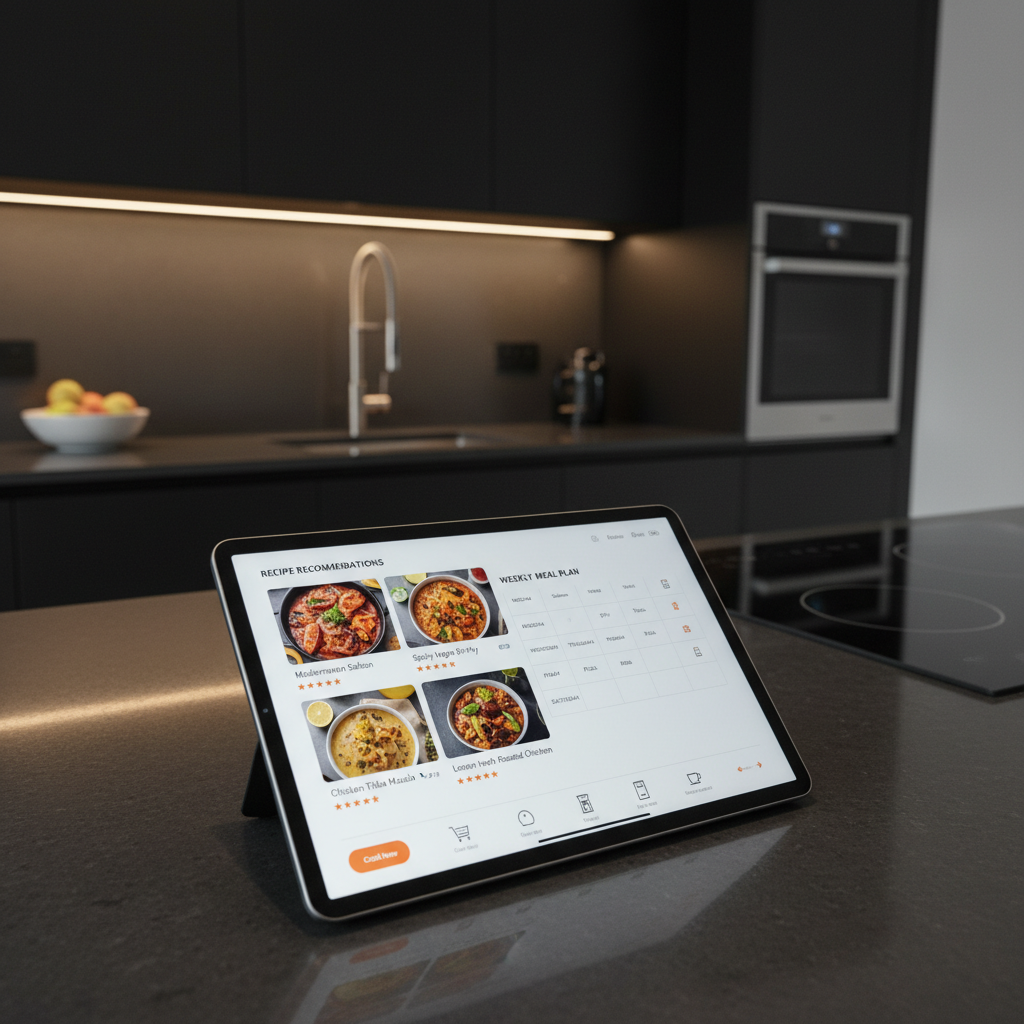
One of the perennial challenges of meal prep is the monotony that can set in. Eating the same chicken and broccoli every week, no matter how healthy, eventually leads to culinary boredom and a temptation to stray from your plan. AI offers a powerful antidote to this by transforming recipe discovery into an exciting, personalized adventure, moving far beyond simply browsing a static cookbook.
Intelligent Recipe Generation and Recommendation
AI-powered tools leverage massive databases of recipes, ingredient information, and culinary trends to suggest dishes that you might never have considered. But it’s not just about quantity; it’s about quality and relevance.
- Learning Your Preferences: As discussed, AI continually learns from your interactions. If you consistently rate Mediterranean dishes highly, the AI will prioritize suggesting new, highly-rated Mediterranean recipes. If you frequently search for “quick weeknight meals,” it will understand your need for efficiency.
- Seasonal and Local Produce Integration: Advanced AI platforms can tap into real-time data about seasonal produce availability in your region. This not only encourages fresh, flavorful eating but also helps reduce costs and supports local agriculture. Imagine getting recipe suggestions for delicious asparagus dishes in spring, or hearty root vegetable stews in winter, precisely when those ingredients are at their peak and most affordable.
- Ingredient-Based Discovery: Have a fridge full of disparate ingredients that need to be used up before they spoil? AI can be a lifesaver. You can input a list of ingredients you have on hand – say, chicken breast, bell peppers, quinoa, and a nearly-expired carton of coconut milk – and the AI will scour its database to find compelling recipes that incorporate those specific items. This capability is instrumental in reducing food waste and making the most of what you already have.
- Cuisine Exploration: Feeling adventurous? AI can introduce you to new cuisines based on your existing flavor profile or guide you through a culinary journey around the world, suggesting authentic dishes from different cultures, complete with preparation tips and ingredient explanations.
Adaptive Recipe Modification and Substitution
Beyond discovery, AI truly shines in its ability to adapt and modify existing recipes to suit your specific needs and current circumstances. This is where the “smart” aspect of AI really comes to the forefront.
- Dietary Adjustments: If a recipe calls for dairy and you’re lactose intolerant, the AI can instantly suggest suitable non-dairy alternatives like almond milk or oat milk, often with specific quantities to maintain the dish’s integrity. Similarly, it can swap out high-carb ingredients for low-carb options, or recommend gluten-free flours.
- Portion Scaling: Cooking for one versus a family of four requires different quantities. AI can automatically scale recipe ingredients up or down with precision, ensuring you have just the right amount and avoiding unnecessary leftovers or shortages. This is particularly useful for meal preppers who often cook in bulk for multiple days.
- Ingredient Substitutions: Ran out of an ingredient? AI can suggest viable substitutions based on flavor profile, texture, and function in the recipe. For instance, if you’re missing fresh basil, it might suggest dried basil with an adjusted quantity, or even parsley if the flavor profile allows. This saves you an extra trip to the grocery store.
- Nutritional Enhancements: Some AI tools can analyze a recipe and suggest ways to boost its nutritional value, such as adding extra vegetables, opting for whole grains, or using leaner protein sources, all while trying to maintain the original taste and structure of the dish.
- Difficulty and Time Adaptation: If a recipe seems too complex or time-consuming, AI might be able to suggest simplified versions or alternative cooking methods that achieve a similar result in less time or with less effort. For example, suggesting a slow-cooker version of a traditionally oven-baked dish.
Consider Sarah, a busy working mother who wants to make a healthy weeknight dinner but finds she’s out of chicken broth for a soup recipe. Instead of abandoning the idea, her AI meal planner immediately suggests vegetable broth as a substitute and adjusts the seasoning recommendations slightly to compensate for the flavor difference. This seamless adaptation prevents frustration, saves time, and ensures that healthy eating remains achievable even when plans hit a minor snag. AI transforms your kitchen into a flexible, responsive culinary laboratory, empowering you to create delicious meals under almost any circumstance.
Automating Your Grocery List: The End of Tedious Shopping
The weekly grocery trip is, for many, a necessary evil. It can be a source of stress, leading to forgotten items, impulse buys, and wasted time wandering aisles. The process of manually transcribing ingredients from a meal plan into a coherent shopping list is tedious and prone to error. This is another area where AI delivers substantial relief, essentially taking the mental load out of grocery planning and execution.
From Meal Plan to Automated List: A Seamless Transition
The primary function of AI in grocery list generation is its ability to directly translate your chosen meal plan into a comprehensive, itemized shopping list. Once your weekly meals are set, whether curated by you or suggested by the AI, the tool performs several crucial steps:
- Ingredient Aggregation: The AI scans all the recipes in your plan, identifies every ingredient required, and consolidates them. If multiple recipes call for, say, onions, it will sum the total quantity needed (e.g., “3 large onions” instead of “1 onion,” “1 onion,” “1 onion”).
- Portion Adjustment: If you’ve scaled recipes for a specific number of servings, the AI automatically adjusts the ingredient quantities on the list to reflect these changes. This ensures you buy just enough, minimizing both shortages and excess.
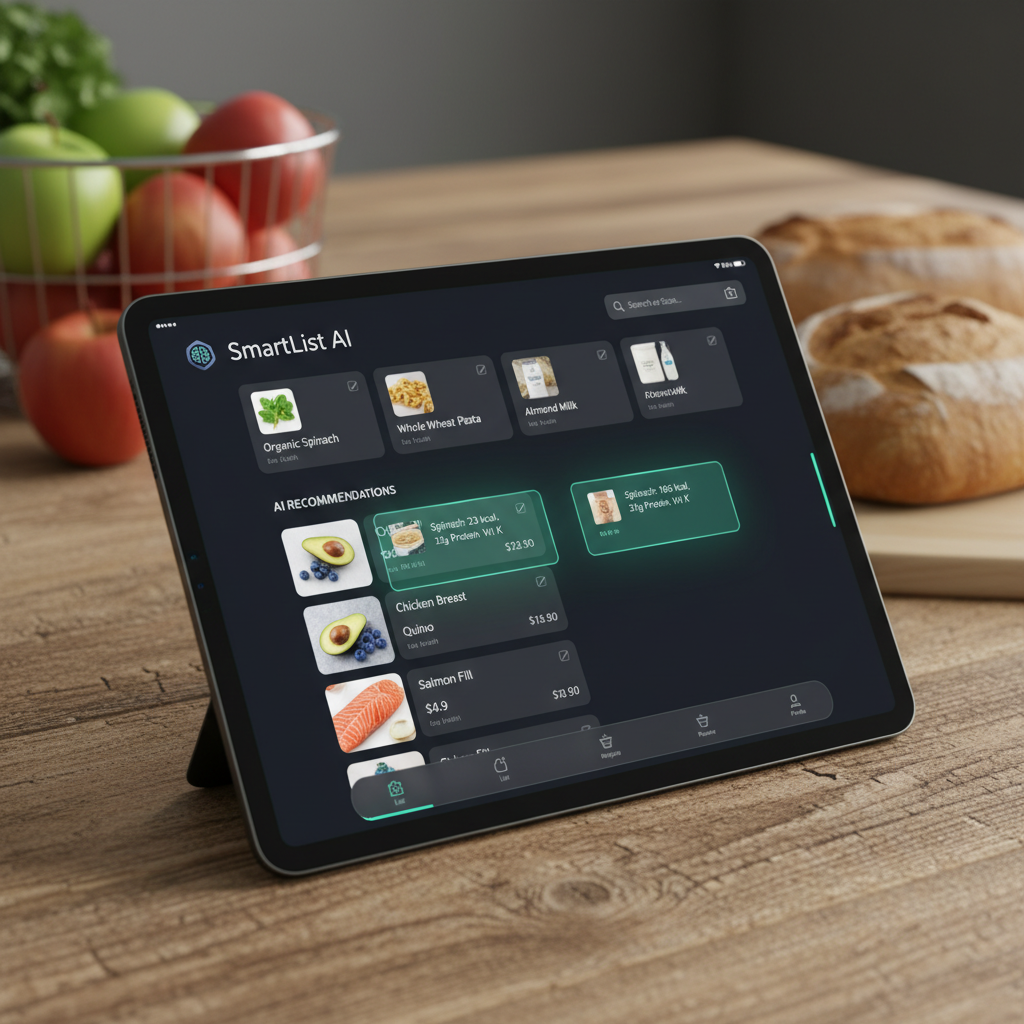
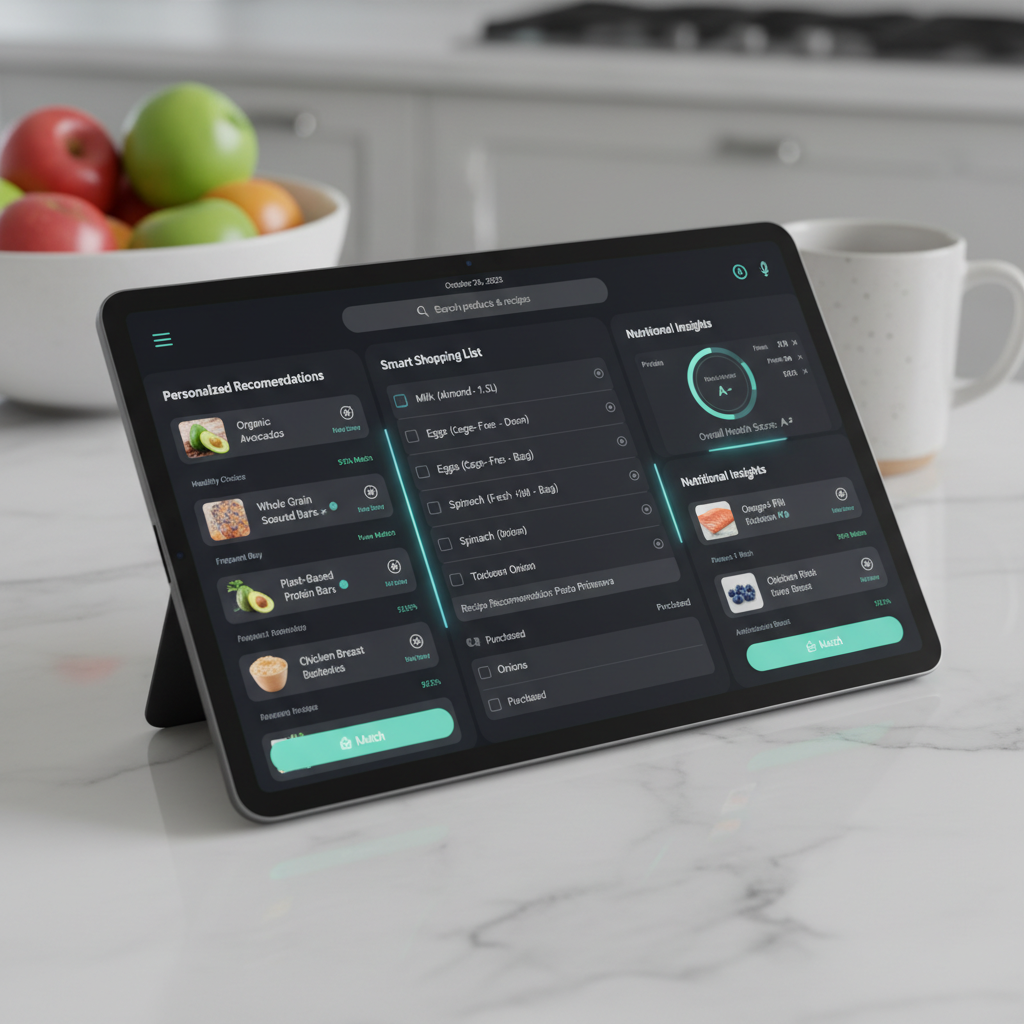
- Categorization and Organization: A good AI grocery list won’t just dump items randomly. It will automatically categorize ingredients by typical grocery store aisles (e.g., Produce, Dairy, Pantry, Meat, Frozen). This organized list significantly streamlines your shopping experience, reducing time spent searching for items and preventing backtracking.
- Pantry Inventory Integration (Advanced): Some sophisticated AI tools can integrate with smart pantry systems or allow manual input of current inventory. By knowing what you already have, the AI can intelligently remove those items from your shopping list, preventing duplicate purchases and ensuring you use up existing stock before buying more. Imagine scanning a barcode as you use an item, and your AI automatically updates its inventory, learning your consumption patterns over time.
Smart Shopping Features and Cost Optimization
Beyond basic list creation, AI tools offer advanced functionalities that make your grocery shopping smarter and more economical.
- Online Grocery Integration: Many AI meal planners now integrate directly with popular online grocery delivery services (e.g., Instacart, Amazon Fresh, Walmart Grocery). With a single click, your entire organized shopping list can be transferred to a virtual cart, ready for review and checkout. This eliminates the physical trip entirely, saving immense time and reducing the temptation for impulse purchases.
- Price Comparison and Sales Alerts: Some AI tools can compare prices across different local grocery stores for the items on your list. They can highlight which store offers the best deal for your overall shop or for specific key ingredients. More advanced systems might even track sales cycles, alerting you when a regularly purchased item is on discount, allowing you to stock up strategically.
- Brand Preferences: If you consistently buy a particular brand of olive oil or a specific type of pasta, AI can learn these preferences and ensure they are added to your list, or at least offered as the primary suggestion.
- Budget Tracking: As you build your list, some AI platforms can provide an estimated total cost, helping you stay within your budget before you even reach the checkout. They can also track your spending over time, offering insights into your grocery habits.
- Recipe Suggestions for Sale Items: Imagine your AI tool knowing that chicken breasts are on sale at your preferred grocery store this week and proactively suggesting new recipes that heavily feature chicken, allowing you to take advantage of the discount.
For instance, consider Mark, a student on a tight budget. His AI meal planner not only generates a list for his healthy, affordable meals but also highlights that rice is cheaper at the store across town this week and suggests swapping out an expensive cut of meat for a more budget-friendly legume, providing a quick, easy link to add these items to his chosen online grocery cart. This level of automation and intelligence not only saves time but also significantly reduces cognitive load, allowing users to focus on enjoying their food rather than dreading the grocery run. The result is fewer forgotten items, less overspending, and a more streamlined path from meal planning to plate.
Smart Kitchen Integration: The Future of Seamless Cooking
The vision of a fully connected, intelligent kitchen is rapidly moving from science fiction to everyday reality, and AI meal prep tools are at the forefront of this transformation. As smart appliances become more common, the integration of AI planners with these devices creates an ecosystem where cooking becomes not just efficient but truly seamless and intuitive. This synergy promises to elevate the entire culinary experience, automating tasks and providing real-time assistance.
Connecting Your Meal Plan to Your Appliances
The most exciting aspect of smart kitchen integration is the direct communication between your AI meal planner and your smart appliances.
- Smart Ovens and Cooktops: Imagine selecting a recipe from your AI meal plan, and with a single tap, your smart oven automatically preheats to the correct temperature and sets the precise cooking time and mode. Some advanced systems can even adjust settings based on the type and weight of food you’ve placed inside. This eliminates guesswork, reduces the risk of over or undercooking, and ensures consistent results. Your AI could even send notifications to your phone when the food is ready or if an intervention is needed.
- Smart Refrigerators and Pantry Systems: These devices are pivotal for inventory management. Smart refrigerators can use internal cameras and AI-powered image recognition to track what’s inside, identifying items, their quantities, and even their estimated expiry dates. When integrated with your AI meal planner, this means your shopping list automatically updates based on what you *actually* have, significantly reducing food waste and preventing duplicate purchases. As you use an ingredient, you can scan it, or the fridge might detect its removal, updating your virtual pantry in real-time.
- Voice Assistants (e.g., Alexa, Google Assistant): Integrating AI meal planners with voice assistants brings hands-free convenience to the kitchen. You can ask your assistant to “read me the next step in the lasagna recipe,” “set a timer for 10 minutes for the pasta,” or even “add milk to my grocery list.” This is invaluable when your hands are covered in flour or grease, allowing you to follow recipes, manage timers, and update your list without touching a screen.
- Smart Scales and Measuring Devices: While less common, the future could see AI-integrated smart scales that automatically measure ingredients and adjust for recipe scaling, ensuring precision in every dish.
Predictive Analytics and Proactive Assistance
Beyond direct control, AI in smart kitchens offers predictive and proactive capabilities:
- Expiry Date Alerts: Your smart fridge, powered by AI, can alert you when certain ingredients are nearing their expiry date. More impressively, your AI meal planner can then proactively suggest recipes that utilize those specific expiring items, ensuring nothing goes to waste. For example, if your yogurt is expiring tomorrow, the AI might suggest a smoothie or a yogurt-based marinade for your next meal.
- Optimized Cooking Sequences: For complex meals with multiple components, AI can suggest an optimized cooking sequence, telling you when to start preparing each dish so that everything finishes cooking at the same time, hot and ready to serve.
- Energy Efficiency: AI could learn your cooking habits and suggest times or methods for cooking that align with off-peak energy rates, potentially saving money on utility bills. It could also optimize oven usage by grouping dishes that require similar temperatures.
Imagine a scenario where your AI meal planner creates your weekly menu, automatically sends the grocery list to your preferred online store, and then, on cooking day, preheats your oven, guides you through the recipe step-by-step via voice commands, and alerts you to use the nearly-expiring spinach for a side dish. This level of seamless integration transforms the often-stressful act of cooking into a smooth, enjoyable, and incredibly efficient experience. The smart kitchen, powered by AI, isn’t just about convenience; it’s about creating a truly intelligent culinary assistant that learns, anticipates, and supports you every step of the way.
Budgeting and Waste Reduction: AI’s Impact on Your Wallet and the Planet
Two significant pain points associated with meal prep and general household management are controlling food budgets and minimizing food waste. Both have substantial financial and environmental implications. Fortunately, AI tools are proving to be powerful allies in tackling these issues, helping users save money and contribute to a more sustainable lifestyle.
Financial Savings: Smart Budgeting with AI
Traditional grocery shopping often leads to overspending due to impulse buys, lack of awareness about sales, and purchasing ingredients for recipes that are never made. AI streamlines the budgeting process in several ways:
- Optimized Grocery Lists: As discussed, AI generates precise grocery lists based on your meal plan, ensuring you only buy what you need. This eliminates the “just in case” purchases that often sit in the pantry until they expire.
- Price Comparison and Sales Integration: Advanced AI platforms can access real-time pricing data from multiple local grocery stores. They can highlight the most cost-effective options for items on your list, or even suggest alternative ingredients that are currently on sale. For example, if salmon is too expensive this week, the AI might suggest a more affordable cut of fish or a plant-based protein alternative that aligns with your nutritional goals and preferences. Some tools even proactively suggest meals built around specific items that are currently on discount.
- Seasonal Produce Advantage: Eating seasonally is generally more economical because produce is abundant and doesn’t incur high transportation or storage costs. AI can prioritize seasonal fruits and vegetables in its recipe suggestions, naturally guiding you towards more budget-friendly ingredients.
- Budget Tracking and Analysis: Many AI meal planning apps include features to track your grocery spending over time. By analyzing your purchase history, the AI can provide insights into where your money is going, identify patterns of overspending, and offer suggestions for cutting costs without compromising nutrition or taste. It can help you set and stick to a weekly or monthly grocery budget.
- “Cook-from-Pantry” Functionality: By intelligently suggesting recipes that utilize ingredients you already own, AI reduces the need for frequent, smaller grocery trips that often lead to buying more than necessary. This also helps in clearing out older stock.
Consider Maria, a mother of three who struggled to keep her grocery bill under control. Her AI meal planner not only helped her stick to a structured menu but also showed her that buying her preferred brand of almond milk was significantly cheaper at a different store, saving her nearly $10 a week on just that one item. Over a year, these small savings add up substantially.
Environmental Impact: Reducing Food Waste with AI
Food waste is a global crisis, with an estimated one-third of all food produced for human consumption going to waste annually. This not only represents a massive economic loss but also contributes significantly to greenhouse gas emissions (from production, transportation, and decomposition in landfills). AI offers powerful solutions to tackle food waste at the household level:
- Smart Inventory Management: As detailed in the smart kitchen section, AI-powered smart fridges and pantry trackers know exactly what you have and when it might expire. This real-time inventory prevents you from buying duplicates and ensures older items are used first.
- “Use-It-Up” Recipe Suggestions: The most direct way AI combats waste is by proactively suggesting recipes that incorporate ingredients nearing their expiry date. If your spinach is looking tired, the AI might suggest a spinach quiche, a smoothie, or a sautéed side dish. If you have leftover cooked chicken, it could recommend chicken salad, tacos, or a quick stir-fry.
- Portion Control: By accurately scaling recipes to the number of servings you need, AI minimizes cooked food waste. No more making too much and throwing half of it away because it wasn’t eaten.
- Minimizing Overbuying: Precise grocery lists generated by AI mean you buy only the quantities required for your planned meals, reducing the likelihood of having surplus perishable items that spoil before they can be used.
- Educational Insights: Some AI tools can provide users with insights into their food waste patterns, highlighting which ingredients are most frequently thrown out and offering tips on better storage or alternative uses. This helps cultivate more mindful consumption habits.
John, a single professional, used to throw away a significant amount of produce each week because he’d buy fresh ingredients with good intentions but never get around to cooking them. His AI meal planner, integrated with his smart fridge, started alerting him when items like lettuce or berries were about to expire, then immediately offered him simple recipes for salads or smoothies using those ingredients. This small change helped him reduce his food waste by over 70%, saving money and feeling better about his environmental footprint.
By intelligently optimizing purchases, proactively suggesting recipes for expiring ingredients, and ensuring precise portion control, AI meal prep tools are not just a convenience; they are becoming essential allies in our efforts to manage household budgets and contribute to a more sustainable planet.
Overcoming Challenges and Ethical Considerations
While the promise of AI in meal prep is immense, it’s crucial to approach this technology with a balanced perspective, acknowledging potential challenges and ethical considerations. Like any powerful tool, its responsible and effective use requires understanding its limitations and implications.
Data Privacy and Security
One of the most significant concerns revolves around data privacy. AI meal planners collect a wealth of personal information: dietary restrictions, health goals, taste preferences, grocery purchasing habits, and potentially even biometric data if integrated with fitness trackers. This data is incredibly valuable and sensitive.
- Risk: There’s a risk of this data being mishandled, breached, or used for purposes beyond personalized meal planning (e.g., targeted advertising without explicit consent, sale to third parties).
- Mitigation: Users should carefully review the privacy policies of AI meal prep apps. Look for companies that prioritize data encryption, anonymization where possible, and transparent data usage practices. Opt for tools that give you granular control over your data and clearly explain how it’s used and shared. Reputable developers often adhere to strict data protection regulations like GDPR or CCPA.
Over-Reliance on AI and Loss of Culinary Intuition
While AI streamlines decision-making, there’s a risk that users might become overly dependent on its suggestions, potentially stifling their own creativity and culinary intuition.
- Risk: Users might stop experimenting with new flavors, learning cooking techniques, or adapting recipes themselves, becoming passive recipients of AI suggestions. This could lead to a loss of basic cooking skills and confidence in the kitchen.
- Mitigation: View AI as an assistant, not a replacement for your own culinary journey. Actively engage with the suggestions: understand why certain combinations work, try tweaking AI-generated recipes, and use it as a springboard for your own creativity. Periodically challenge yourself to cook a meal without AI guidance, relying on your instincts and accumulated knowledge. The best use of AI is to free up mental space for creativity, not to replace it.
Bias in AI Recommendations
AI algorithms are only as unbiased as the data they are trained on. If the recipe databases are predominantly from a specific cuisine, cultural background, or economic demographic, the recommendations might inadvertently exclude others.
- Risk: AI might reinforce existing culinary biases, offer limited variety for diverse tastes, or even suggest ingredient combinations that are not culturally appropriate or available everywhere. For example, if a dataset is heavily skewed towards Western diets, it might struggle to offer authentic and varied options for Asian or African cuisines.
- Mitigation: Developers must strive for diverse and inclusive datasets when training their AI models. Users, in turn, should actively provide feedback to diversify their recommendations, consciously explore various cuisines within the app, and be aware of potential biases. Look for apps that actively solicit and incorporate user feedback to improve their recommendation engine’s breadth and fairness.
Accessibility and Digital Divide
Access to AI meal prep tools requires a smartphone or computer, internet access, and often a subscription fee. This creates a potential barrier for individuals in lower-income brackets or those without reliable digital access.
- Risk: The benefits of AI-powered efficient and healthy meal planning could disproportionately favor those with financial means and digital literacy, exacerbating existing inequalities in health and food access.
- Mitigation: Developers could explore tiered pricing models, free basic versions, or partnerships with community organizations to make these tools more accessible. Policymakers can also consider initiatives to bridge the digital divide and promote digital literacy.
The “Black Box” Problem and Explainability
Sometimes, AI makes recommendations without clearly explaining the reasoning behind them. This “black box” nature can be frustrating and lead to a lack of trust.
- Risk: Users might not understand why a particular ingredient was suggested as a substitute or why a specific meal was deemed “healthy,” leading to a feeling of being dictated to rather than advised.
- Mitigation: As AI technology advances, there’s a growing emphasis on “explainable AI” (XAI). Developers should aim to provide transparency, for example, by stating “We recommend this recipe because it meets your high-protein goal and uses ingredients you rated highly last week.” This builds trust and helps users learn from the AI’s logic.
By being aware of these challenges and actively seeking out ethical and transparent AI solutions, users can maximize the benefits of AI meal prep while minimizing its potential downsides. It’s about a collaborative future where human intelligence and AI capabilities work hand-in-hand to create a healthier, more efficient, and more enjoyable culinary landscape.
Choosing the Right AI Meal Prep Tool: Features to Look For
The market for AI-powered meal planning tools is growing rapidly, with new apps and platforms emerging regularly. Navigating this landscape to find the perfect fit for your needs can be daunting. To make an informed decision, it’s essential to understand the key features and functionalities that differentiate these tools. Here’s a comprehensive guide to what to look for:
- Level of Personalization and Dietary Support:
- Granularity: How detailed can you get with your preferences? Can you specify allergies, dislikes, preferred cuisines, and even specific ingredients to avoid?
- Dietary Modes: Does it support a wide range of diets (vegan, keto, paleo, gluten-free, low-carb, etc.) and specific health goals (weight loss, muscle gain, diabetes management)?
- Learning Capability: Does the AI learn from your feedback (recipe ratings, skipped meals) over time to refine its suggestions? This is crucial for long-term satisfaction.
- Recipe Database Size and Variety:
- Breadth: Does it offer a vast and diverse collection of recipes, spanning various cuisines and types of meals (breakfast, lunch, dinner, snacks)?
- Quality: Are the recipes well-tested, easy to follow, and appealing? Look for user reviews or sample recipes.
- Adaptability: Can the AI adapt recipes for substitutions, portion changes, and dietary restrictions on the fly?
- Grocery List Automation and Integration:
- Automatic Generation: Does it effortlessly create a consolidated grocery list from your meal plan?
- Categorization: Is the list organized by grocery store aisles for efficient shopping?
- Pantry Tracking: Does it allow you to input existing pantry items to avoid duplicate purchases?
- Online Store Integration: Can you send your list directly to online grocery delivery services like Instacart or Amazon Fresh?
- Price Comparison: Does it offer insights into ingredient prices across different stores or alert you to sales?
- User Interface and Experience (UI/UX):
- Intuitive Design: Is the app or website easy to navigate? Is the layout clean and uncluttered?
- Ease of Input: How simple is it to input your preferences, log meals, and provide feedback?
- Visual Appeal: Are the recipe images appealing? Is the overall design pleasant to use?
- Mobile Accessibility: Is there a robust mobile app that works well on your smartphone or tablet?
- Smart Kitchen Integration:
- Voice Assistant Compatibility: Does it integrate with Alexa or Google Assistant for hands-free cooking?
- Smart Appliance Connectivity: Can it communicate with smart ovens, refrigerators, or other kitchen gadgets?
- Inventory Management: How sophisticated is its ability to track what you have in your kitchen?
- Additional Features and Support:
- Meal Logging and Tracking: Does it allow you to log your food intake and track nutritional macros/micros?
- Community Features: Does it have a community forum or sharing options for recipes and tips?
- Meal Prep Focus: Does it specifically offer features like batch cooking instructions, freezer-friendly meal tags, or weekly prep schedules?
- Customer Support: Is there reliable customer support available if you encounter issues?
- Cost and Subscription Model:
- Pricing Structure: Is it a one-time purchase, a monthly/annual subscription, or freemium model?
- Value for Money: Does the price justify the features offered? Many offer a free trial, which is highly recommended.
Before committing to a long-term subscription, take advantage of free trials. Test the app’s core functionalities: create a meal plan, generate a grocery list, and try cooking a few AI-suggested recipes. Consider your personal workflow and how seamlessly the tool integrates into your daily routine. By prioritizing these features, you can select an AI meal prep tool that not only simplifies your cooking but truly enhances your entire food journey.
Comparison Tables
Table 1: Comparison of Popular AI Meal Planning Features (Illustrative Examples)
| AI Tool Name | Personalization Depth | Recipe Discovery & Adaptation | Grocery List Automation | Dietary & Health Support | Smart Home Integration | Price Range (Monthly) |
|---|---|---|---|---|---|---|
| PlateJoy | High: Detailed surveys, learns preferences, re-optimizes. | Extensive library, dynamic substitutions, smart leftover usage. | Auto-generated, optimized for shopping, pantry tracker. | Very High: 100+ filters for diets, allergies, macros, goals. | Limited: Primarily with fitness trackers. | $8 – $12 |
| Eat This Much | Medium-High: Goals, diet, food aversions, activity level. | Good variety, meal generator based on criteria, some substitutions. | Auto-generated, grouped by aisle. | High: Macro tracking, specific calorie targets, various diets. | None explicitly stated for cooking. | $5 – $9 |
| Whisk (Samsung Food) | Medium: Learns from saved recipes, limited explicit profile. | Vast community database, AI-powered “smart ingredients” for substitutions. | Advanced: Syncs to shopping apps, price comparison, loyalty cards. | Medium: Basic filters for diets, allergies. More recipe-focused. | High: Integrated with Samsung smart appliances (Family Hub fridge, SmartThings). | Free (with optional premium features) |
| Mealime (AI-Enhanced) | Medium: Preferences, dislikes, quick filters for common diets. | Curated recipes, new suggestions weekly, some ingredient swap. | Auto-generated, categorized, links to grocery apps. | Medium: Common diets (keto, paleo, gluten-free), vegetarian, vegan. | None. | Free (premium for advanced features) |
| ChefGPT (Conceptual/Emerging) | High: Free-form text input for specific needs and ingredients. | Generative AI creates unique recipes, sophisticated adaptations. | Good: Generates based on generated recipes, can be copied to other apps. | Very High: Interprets complex requests for diets, allergies, cuisine fusions. | Potential for future integration via APIs. | Varies (often a per-use or subscription for AI tokens) |
Note: This table represents illustrative examples and features can evolve rapidly. “AI-Enhanced” means the tool incorporates AI/ML for personalization, recommendations, or automation. “ChefGPT” is an example of emerging generative AI applications.
Table 2: Benefits of AI Meal Prep vs. Traditional Meal Prep
| Feature | Traditional Meal Prep | AI-Enhanced Meal Prep |
|---|---|---|
| Time Spent Planning | Hours researching, writing lists, adjusting recipes. Highly manual. | Minutes: Automated generation, smart suggestions, quick adjustments. |
| Recipe Variety & Discovery | Limited to familiar recipes or manual searching; prone to boredom. | Endless personalized suggestions, novel combinations, adaptive to taste & ingredients. |
| Personalization Level | Basic: Manual adjustments for diets; difficult to track complex needs. | Deep: Tailored to health goals, allergies, preferences, activity, skill level. |
| Grocery List Creation | Manual transcription, often unorganized, prone to errors & forgotten items. | Automatic, organized by aisle, aggregated quantities, pantry-aware. |
| Food Waste Reduction | High risk of overbuying, spoiled ingredients, or unused leftovers. | Low risk: Precise quantities, “use-it-up” suggestions, smart inventory. |
| Cost Efficiency | Hit or miss: Impulse buys, lack of sales awareness, budget difficult to track. | High: Sales alerts, price comparison, budget tracking, optimized lists. |
| Nutritional Tracking | Manual entry (if at all), tedious calculation, prone to inaccuracy. | Automatic calculation, macro/micro tracking, real-time feedback on goals. |
| Culinary Learning | Self-guided, trial and error. | Guided suggestions, alternative techniques, ingredient insights. |
| Stress & Decision Fatigue | High: Constant decisions, planning burden. | Low: Streamlined process, automated choices, mental freedom. |
| Adaptability to Change | Difficult: A single change can derail the entire plan. | High: AI quickly re-optimizes plans and lists for last-minute changes. |
Practical Examples: Real-World Use Cases and Scenarios
To truly appreciate the power of AI in meal prep, let’s explore a few real-world scenarios illustrating how different individuals can leverage these tools to transform their culinary lives.
Case Study 1: The Busy Professional – Sarah’s Stress-Free Weeknights
The Problem: Sarah is a marketing manager with demanding hours. By the time she gets home, she’s exhausted. Her evenings often consist of ordering takeout or throwing together quick, often unhealthy, microwave meals. She wants to eat healthier, save money, and feel more organized, but the thought of planning, shopping, and cooking after a long day is overwhelming. She struggles with decision fatigue and frequently ends up wasting fresh produce she bought with good intentions.
The AI Solution: Sarah subscribed to an AI meal planning tool that allowed her to input her dietary preferences (vegetarian-friendly, loves Mediterranean flavors), her fitness goal (maintain weight), and her cooking skill level (beginner-intermediate, prefers quick recipes). Every Sunday morning, the AI presents her with a curated weekly meal plan featuring easy-to-follow vegetarian Mediterranean recipes, with an average prep time of 30 minutes or less.
- The AI automatically generates a grocery list, grouping items by aisle, and even integrates with her local grocery store for pickup. Sarah simply reviews the list, makes a couple of quick swaps for items on sale suggested by the AI, and places her order.
- For weekdays, the AI plans for batch cooking on Sunday, where Sarah prepares components for 2-3 dinners, which the AI then helps her combine differently each night to prevent boredom.
- Mid-week, when Sarah realizes she has leftover quinoa and some expiring bell peppers, she inputs them into the app, and the AI suggests a quick quinoa-stuffed pepper recipe for lunch, preventing waste.
The Outcome: Sarah now enjoys delicious, healthy, home-cooked meals every night. Her grocery bill has decreased by 20% due to less takeout and reduced food waste. She feels energized, more organized, and less stressed about dinner, freeing up mental space for other activities she enjoys. The AI has become her indispensable kitchen assistant, making healthy living achievable even with a demanding schedule.
Case Study 2: The Family with Diverse Dietary Needs – The Lee Family’s Harmonious Meals
The Problem: The Lee family presents a classic culinary challenge: Dad is trying to follow a low-carb diet, Mom is vegetarian, their eldest daughter has a severe peanut allergy, and their youngest son is a notoriously picky eater who dislikes most vegetables. Meal planning used to be a weekly nightmare of juggling multiple recipes, ensuring cross-contamination didn’t occur, and facing constant complaints. They desperately needed a system that could cater to everyone without creating four separate meals.
The AI Solution: The Lee family adopted an advanced AI meal planner that allowed them to create individual profiles for each family member, detailing their specific dietary restrictions, allergies, and preferences. The AI’s strength lies in its ability to find common ground or suggest easily adaptable “base” recipes with simple variations.
- For example, the AI might suggest a “Build-Your-Own Taco Bowl” night. The base recipe provides seasoned ground turkey (for Dad and son), seasoned black beans (for Mom and daughter), and a variety of toppings (salsa, avocado, cheese, lettuce). The AI ensures that all components are peanut-free.
- For Dad, the AI suggests loading up on protein and healthy fats with extra avocado and skipping the rice or tortillas. For Mom, it’s a generous portion of black beans and fresh veggies. For the picky son, he can stick to the turkey and a few favorite toppings.
- The AI also keeps track of ingredients. If a recipe calls for an item like peanut butter for a snack, it will be flagged or automatically substituted with a safe alternative like sunflower seed butter for the entire family’s grocery list.
The Outcome: Mealtime stress has plummeted for the Lee family. Everyone feels heard and accommodated, leading to more harmonious dinners. The AI ensures safety from allergens and helps them maintain individual dietary goals without feeling deprived. The family now enjoys a wider variety of meals that they can all share, thanks to the AI’s clever adaptations and suggestions.
Case Study 3: The Budget-Conscious Student – Mark’s Smart Savings and Healthy Eating
The Problem: Mark is a university student living on a tight budget. He wants to eat healthy and avoid the expense of constant ramen or fast food, but he’s not very experienced in the kitchen and often finds himself buying ingredients that spoil before he can use them. He needs to stretch his dollar and minimize waste while still eating nutritious meals.
The AI Solution: Mark downloaded a freemium AI meal planning app with strong budgeting features. He input his weekly budget, selected “student-friendly,” “quick and easy,” and “high-protein” as his preferences.
- The AI generates a weekly meal plan primarily using affordable staples like rice, pasta, eggs, lentils, and seasonal vegetables. It also highlights specific protein sources (e.g., chicken thighs instead of breasts) or plant-based options that are more economical.
- Crucially, the app checks his local grocery store’s weekly flyers and suggests recipes built around current sale items. For instance, if ground beef is heavily discounted, the AI might suggest a chili or a bolognese recipe.
- Mark also uses the app’s “cook from pantry” feature. If he has leftover canned tomatoes and some expiring spinach, the AI immediately suggests a simple tomato and spinach pasta dish, preventing those items from going bad.
- The app provides an estimated cost for his grocery list, allowing him to tweak meals or swap ingredients if he’s exceeding his budget before he even leaves for the store.
The Outcome: Mark is now consistently eating healthy, home-cooked meals within his budget. His food waste is minimal, and he’s gained confidence in the kitchen by following the AI’s straightforward recipes. He feels healthier, has more disposable income for other student activities, and has developed valuable life skills, all thanks to his AI culinary mentor.
These examples demonstrate that AI meal prep tools are not just for a niche audience; they offer tangible benefits across a spectrum of lifestyles and needs, proving their versatility and transformative potential.
Frequently Asked Questions
Q: What exactly is AI meal prep?
A: AI meal prep refers to using Artificial Intelligence and machine learning algorithms to automate and personalize the entire meal planning process. This includes everything from suggesting recipes based on your unique profile (dietary needs, preferences, health goals), generating optimized grocery lists, managing pantry inventory, and even integrating with smart kitchen appliances for a seamless cooking experience. It takes the manual effort out of planning and decision-making, making healthy eating more accessible and efficient.
Q: How accurate are AI recipe suggestions and nutritional calculations?
A: The accuracy of AI suggestions depends on the quality of the data it’s trained on and the sophistication of its algorithms. Reputable AI meal prep tools use extensive, verified databases of recipes and nutritional information, making their calculations highly accurate. The more detailed information you provide about your profile and preferences, and the more feedback you give (e.g., rating recipes), the more precise and tailored the AI’s suggestions become over time.
Q: Can AI tools truly cater to specific allergies and dietary restrictions?
A: Yes, this is one of AI’s strongest capabilities. Advanced AI meal planners allow users to input a wide range of allergies (e.g., nuts, gluten, dairy) and dietary restrictions (e.g., vegan, keto, low-FODMAP). The AI rigorously filters its recipe database to exclude all unsuitable ingredients and can even suggest appropriate substitutions within recipes, ensuring your meal plan is safe and compliant with your specific needs. However, it’s always wise to double-check ingredients, especially for severe allergies.
Q: Are AI meal planners expensive, or are there free options available?
A: The pricing for AI meal planners varies significantly. Many popular tools offer a freemium model, providing basic meal planning and grocery list features for free, with advanced personalization, premium recipes, or integrations available through a paid subscription (typically monthly or annually). Some tools are entirely subscription-based, while others might be one-time purchases. It’s recommended to start with a free trial or a freemium version to assess if the tool meets your needs before committing to a paid plan.
Q: How do AI grocery lists work, and can they save me money?
A: AI grocery lists are generated automatically based on your chosen meal plan. The AI aggregates all necessary ingredients, sums up quantities, and often organizes them by grocery store aisle. Many advanced tools can also integrate with online grocery services, compare prices across stores, highlight sale items, and track your spending. By ensuring you only buy what you need, reducing impulse buys, and optimizing for deals, AI grocery lists can significantly reduce your weekly food budget and minimize waste.
Q: Can AI meal prep help me achieve my weight loss or fitness goals?
A: Absolutely. AI meal planners are excellent for weight loss and fitness goals. You can input your target weight, activity level, and desired macronutrient ratios (protein, carbs, fats), and the AI will generate meal plans that adhere to these parameters. It can suggest calorie-controlled recipes, portion sizes, and help you track your intake. Consistent use can lead to better adherence to your diet, making it easier to reach your fitness objectives.
Q: Is my personal data safe with these AI meal prep tools?
A: Data privacy is a valid concern. Reputable AI meal prep companies employ robust security measures, including data encryption and secure servers, to protect your personal and dietary information. They should also have clear privacy policies outlining how your data is collected, stored, and used. Always review a tool’s privacy policy before signing up. Look for apps that give you control over your data and do not sell it to third parties without your explicit consent.
Q: Do I still need to know how to cook if I use an AI meal planner?
A: While AI streamlines the planning process, you still need to execute the cooking! However, many AI tools are designed to be user-friendly for all skill levels. They often provide step-by-step instructions, video tutorials, and tips for beginners. If you’re new to cooking, you can often specify “beginner” or “quick and easy” preferences, and the AI will suggest simpler recipes. AI acts as your sous chef and guide, but the actual cooking is still up to you, offering a great way to build your culinary skills.
Q: What if I don’t like AI’s suggestions or want to make changes?
A: AI meal planners are designed to be flexible. If you don’t like a suggested recipe, you can typically “swap” it for another option with a single tap. Most tools allow you to manually add your own recipes, remove specific dishes, or make real-time ingredient substitutions. The more feedback you provide (e.g., rating recipes you liked or disliked), the better the AI will learn your preferences and improve its suggestions over time, making future recommendations more aligned with your tastes.
Q: How often should I use an AI meal planner to see benefits?
A: For best results, consistent weekly use is recommended. Planning your meals once a week (e.g., every Sunday) allows the AI to generate a comprehensive plan and grocery list for the days ahead. This rhythm helps establish a routine, maximize food waste reduction, and optimize your budget. However, you can use it daily for quick adjustments or inspiration as needed, making it adaptable to your lifestyle.
Key Takeaways
The integration of AI into meal prep is not just a passing trend; it represents a fundamental shift in how we approach healthy eating and kitchen management. Here are the core benefits and insights to remember:
- Unprecedented Personalization: AI tools create meal plans meticulously tailored to your unique dietary needs, allergies, health goals, taste preferences, and even cooking skill level.
- Effortless Recipe Discovery: Beyond basic searching, AI intelligently suggests new and exciting recipes, adapts them to your inventory, and helps you explore diverse cuisines, combating culinary boredom.
- Automated Grocery Shopping: AI transforms grocery list creation into a seamless process, consolidating ingredients, organizing by aisle, and often integrating with online delivery services for ultimate convenience.
- Significant Savings: By optimizing grocery lists for sales, managing pantry inventory, and preventing impulse buys, AI helps reduce food costs and minimizes waste, benefiting both your wallet and the environment.
- Smart Kitchen Connectivity: The future of meal prep includes AI integration with smart appliances like ovens and refrigerators, enabling automated cooking, real-time inventory tracking, and predictive insights.
- Time and Stress Reduction: AI dramatically cuts down on the hours spent planning, researching, and list-making, freeing up valuable time and reducing the mental load associated with daily meal decisions.
- Empowered Healthy Eating: By simplifying nutritious meal preparation, AI tools make it easier for individuals and families to stick to healthy eating habits and achieve their health and fitness goals.
- Conscious Usage is Key: While powerful, it’s important to be mindful of data privacy, avoid over-reliance, and understand the ethical implications to ensure a beneficial and balanced relationship with AI in your kitchen.
Conclusion
The era of manual, often frustrating, meal preparation is drawing to a close. With the advent of sophisticated AI tools, the landscape of home cooking is undergoing a profound transformation. What once required hours of meticulous planning, endless recipe hunting, and tedious list-making can now be achieved with remarkable efficiency and precision, guided by intelligent algorithms that learn, adapt, and predict your culinary needs.
From crafting bespoke meal plans that align perfectly with your dietary goals and taste preferences to generating optimized grocery lists that save you time and money, AI is empowering individuals and families to take control of their nutrition like never before. It’s a technology that not only simplifies your life but also helps you reduce food waste, manage your budget more effectively, and even expand your culinary horizons. The promise of the smart kitchen, where appliances seamlessly communicate with your meal planner, is no longer a distant dream but an exciting, evolving reality that is making cooking more intuitive and enjoyable.
Embracing AI in your meal prep routine is more than just adopting a new app; it’s investing in a healthier, more organized, and less stressful lifestyle. It’s about leveraging cutting-edge technology to reclaim your time, nourish your body, and rediscover the joy of cooking without the usual burdens. So, if you’re ready to bid farewell to last-minute takeout and welcome a world of personalized, efficient, and delicious home-cooked meals, the time to explore the power of AI meal prep is now. Let AI be your trusted kitchen companion, guiding you towards a future where mastering weekly meal prep is not just possible, but truly effortless.


















































































Leave a Reply