


In an increasingly health-conscious world, managing one’s diet has become a cornerstone of well-being. However, for many, the journey to optimal nutrition is fraught with complexities, particularly when navigating specific dietary restrictions, allergies, or health conditions. The traditional approach to meal planning—researching recipes, checking ingredients, ensuring nutritional balance, and grocery shopping—can be an overwhelming, time-consuming, and often frustrating endeavor. Imagine a world where this monumental task is not only simplified but also hyper-personalized, dynamic, and effortlessly integrated into your daily life. This is no longer a futuristic dream; it is the present reality being shaped by the power of Artificial Intelligence.
Welcome to a revolutionary era of meal preparation and dietary management, where AI acts as your personal nutritionist, chef, and grocery assistant all rolled into one. From intricate allergy management to precise macronutrient tracking for athletic performance, AI-powered platforms are transforming how we think about food. They promise not just convenience, but also a deeper, more accurate understanding of our individual nutritional needs, helping us to achieve health goals with unprecedented ease and precision. This comprehensive guide will explore how AI is not just discovering recipes, but actively crafting entire meal plans, meticulously tailored to any dietary restriction imaginable, thereby revolutionizing meal prep and bringing effortless dietary management within everyone’s reach.
The Dietary Dilemma: Why Meal Planning is a Challenge for Many
For countless individuals worldwide, the simple act of eating three meals a day is far from simple. Whether driven by medical necessity, ethical convictions, or personal wellness goals, adherence to a specific diet often presents a significant logistical and psychological challenge. The traditional methods of meal planning, involving manual research, careful label reading, and constant vigilance, can quickly lead to decision fatigue and nutritional anxiety. Let’s delve into the multifaceted reasons why managing a restrictive diet can be so demanding:
Navigating a Labyrinth of Restrictions and Requirements
- Food Allergies: Conditions like celiac disease (gluten allergy), peanut allergies, dairy allergies, or shellfish allergies demand absolute avoidance of specific ingredients. Even trace amounts can trigger severe, life-threatening reactions. This necessitates meticulous ingredient checking, avoidance of cross-contamination, and often, limiting dining options.
- Food Intolerances: Less severe than allergies but equally disruptive, intolerances such as lactose intolerance or FODMAP sensitivities require careful moderation or elimination of certain food groups to prevent digestive discomfort. Identifying trigger foods and finding suitable alternatives can be a lengthy process of trial and error.
- Medical Conditions: Chronic illnesses often come with strict dietary guidelines. Diabetics must manage carbohydrate intake to stabilize blood sugar; individuals with hypertension need low-sodium diets; and those with kidney disease face restrictions on protein, potassium, and phosphorus. Crafting meals that adhere to these complex nutritional profiles while remaining appetizing and varied is a monumental task.
- Ethical and Lifestyle Choices: Vegan, vegetarian, paleo, keto, and Whole30 diets are chosen for a myriad of reasons, from environmental concerns to fitness aspirations. While self-imposed, these choices still require careful planning to ensure complete nutrition and avoid deficiencies. For instance, vegans must actively seek out plant-based sources of iron, B12, and omega-3 fatty acids.
The Hidden Costs of Traditional Meal Planning
Beyond the direct restrictions, several other factors contribute to the difficulty of traditional meal planning:
- Time Consumption: From researching recipes that fit multiple criteria to creating shopping lists and cooking, the entire process can consume hours each week. This is particularly challenging for busy professionals, parents, or caregivers.
- Nutritional Imbalance: Without expert knowledge, it’s easy to inadvertently create meal plans that lack essential nutrients or are overly reliant on a few safe foods, leading to nutritional deficiencies or an imbalanced diet.
- Lack of Variety: Sticking to a limited repertoire of “safe” recipes can lead to culinary boredom, making it harder to maintain adherence to the diet long-term. The mental effort required to constantly innovate within restrictions is significant.
- Cross-Contamination Risks: For severe allergies, preventing cross-contamination during preparation, cooking, and storage is paramount. This adds another layer of complexity and anxiety, especially in shared kitchens or when eating out.
- Information Overload and Misinformation: The internet offers a vast amount of dietary advice, but sifting through it to find accurate, reliable, and personalized information can be overwhelming and confusing.
- Cost: Specialized ingredients for restrictive diets can often be more expensive, and without proper planning, food waste can also inflate grocery bills.
These challenges collectively make traditional dietary management a source of significant stress, often leading to inconsistency, frustration, and sometimes even compromising health goals. It’s a clear indication that a more intelligent, streamlined solution is desperately needed.
Enter AI: The New Culinary Co-Pilot
The advent of Artificial Intelligence marks a paradigm shift in how we approach complex problems, and dietary management is no exception. AI is not merely a tool; it is becoming an indispensable culinary co-pilot, capable of navigating the intricate landscape of dietary restrictions with unprecedented precision and personalization. By leveraging vast datasets, sophisticated algorithms, and continuous learning capabilities, AI transforms the daunting task of meal planning into an effortless, empowering experience.
What AI Brings to the Table
At its core, AI excels at processing and understanding vast amounts of data, identifying patterns, making predictions, and generating tailored outputs. In the context of meal planning, this translates to several key advantages:
- Data Processing Power: Traditional meal planning is limited by human capacity to remember and cross-reference information. AI, however, can instantly access and analyze millions of recipes, nutritional databases, ingredient lists, and scientific dietary guidelines. It can weigh thousands of factors simultaneously, from macronutrient ratios to allergen presence, budget constraints, and even taste preferences.
- Pattern Recognition: AI algorithms are adept at identifying subtle patterns in data that humans might miss. For instance, they can learn which food combinations are frequently enjoyed by individuals with similar profiles, or predict potential ingredient substitutions that maintain both nutritional value and palatability for specific restrictions.
- Personalization at Scale: Unlike a human dietitian who can only serve a limited number of clients, AI can provide hyper-personalized meal plans to millions simultaneously. Each plan is unique, reflecting the individual’s specific profile—not just general dietary advice.
- Continuous Learning and Adaptation: Modern AI systems are designed to learn from new data and user feedback. As you interact with an AI meal planner, providing feedback on recipes you enjoyed or ingredients you disliked, the system refines its understanding of your preferences and adapts future recommendations, becoming progressively more accurate and aligned with your tastes over time.
From Simple Counters to Smart AI: A Brief Evolution
The journey towards AI-powered dietary management began long before the current AI boom. Early iterations involved:
- Calorie Counters (1990s-early 2000s): Simple digital tools that allowed users to manually log food and track calorie intake, providing basic nutritional summaries.
- Database-Driven Recipe Sites (2000s-early 2010s): Websites offering vast recipe collections, often with filters for dietary needs (e.g., “vegetarian,” “gluten-free”). However, these required users to still do the work of finding, vetting, and combining recipes into a balanced plan.
- Personalized Meal Planning Apps (Mid-2010s): These apps started to introduce a level of automation, allowing users to input basic preferences and generating simple meal plans. However, their ability to handle complex, multi-layered restrictions or dynamically adapt was limited.
- Modern AI-Powered Platforms (Late 2010s-Present): The integration of advanced machine learning (ML) and natural language processing (NLP) has ushered in the current generation of AI tools. These platforms can understand complex queries, analyze intricate dietary requirements, learn from user behavior, and generate truly personalized, adaptive, and comprehensive meal plans, often interacting with users conversationally.
This evolution highlights a clear trend: moving from passive data presentation to active, intelligent guidance. AI is not just telling you what to eat; it’s actively helping you plan, prepare, and manage your entire dietary journey, making it a truly revolutionary advancement in personal health and wellness.
How AI Personalizes Your Plate: The Core Mechanics
The magic of AI in dietary management lies in its sophisticated ability to transform raw data into highly personalized and actionable meal plans. It’s a complex interplay of data input, algorithmic processing, and intelligent output generation, all designed to cater to your unique physiological and lifestyle profile. Understanding these core mechanics reveals why AI is so much more effective than traditional methods.
The Foundation: Comprehensive User Input
The journey begins with detailed information provided by the user. The more comprehensive and accurate this input, the more precise and effective the AI’s recommendations will be:
- Basic Demographics: Age, gender, height, weight, activity level—these fundamental data points are crucial for calculating basal metabolic rate (BMR) and total daily energy expenditure (TDEE), establishing a baseline for caloric needs.
- Health and Fitness Goals: Whether the goal is weight loss, muscle gain, maintenance, managing a chronic condition, or simply eating healthier, these objectives guide the AI in shaping macronutrient distribution and overall caloric targets.
- Dietary Restrictions and Allergies: This is the cornerstone of personalized meal planning. Users specify all known allergies (e.g., peanuts, gluten, dairy, soy, shellfish), intolerances (e.g., lactose, FODMAPs), and medical dietary requirements (e.g., diabetic, low-sodium, renal-friendly). Ethical and lifestyle choices like vegan, vegetarian, paleo, or keto are also inputted here.
- Food Preferences and Aversions: Beyond restrictions, AI can learn what foods you love and what you dislike. This includes preferred cuisines, ingredients, cooking methods, and even how adventurous you are with new foods.
- Lifestyle Factors: Information about cooking skill level, available kitchen equipment, budget constraints, meal frequency, and even time available for cooking can be incorporated to generate truly practical plans.
The Engine: AI Algorithms and Data Processing
Once the input is gathered, AI algorithms spring into action, sifting through vast databases to create a tailored plan:
- Extensive Food and Recipe Databases: AI platforms rely on massive databases containing nutritional information for thousands of ingredients and millions of recipes. These databases include detailed breakdowns of macronutrients (carbohydrates, proteins, fats), micronutrients (vitamins, minerals), allergens, and preparation instructions.
- Nutritional Science Integration: Algorithms are programmed with current nutritional science guidelines, recommended daily allowances (RDAs), and specific dietary protocols for various conditions (e.g., DASH diet for hypertension, ADA guidelines for diabetes).
- Pattern Recognition and Machine Learning:
- Collaborative Filtering: This technique identifies users with similar dietary profiles and preferences and recommends recipes or meal structures that have been popular or successful for those individuals.
- Content-Based Filtering: Based on your explicit preferences (e.g., “I like chicken, spinach, and sweet potatoes”), the AI finds recipes that match these ingredients or similar nutritional profiles.
- Constraint Satisfaction: This is critical for restrictions. The AI functions as a powerful solver, finding combinations of ingredients and recipes that satisfy all user-defined constraints (allergens, caloric limits, macro ratios, budget, etc.) simultaneously.
- Natural Language Processing (NLP): Advanced systems use NLP to understand free-text inputs from users, such as “I want a quick, low-carb dinner tonight that doesn’t use dairy,” and to analyze recipe instructions.
- Dynamic Adaptation and Feedback Loops: As users interact with the platform, rating meals, swapping ingredients, or reporting issues, the AI learns and refines its recommendations. This continuous feedback loop ensures that the plans become increasingly personalized and effective over time.
The Output: Comprehensive and Actionable Plans
The result of this intricate processing is a holistic dietary management solution:
- Tailored Meal Plans: A complete schedule of meals (breakfast, lunch, dinner, snacks) for a specified period (e.g., a week), meticulously designed to meet all dietary restrictions, nutritional goals, and preferences.
- Detailed Recipes: Each meal comes with clear, step-by-step cooking instructions, ingredient lists, and often preparation times.
- Nutritional Breakdowns: Comprehensive macro and micronutrient analysis for each meal and for the entire day/week, allowing users to track their intake against their goals.
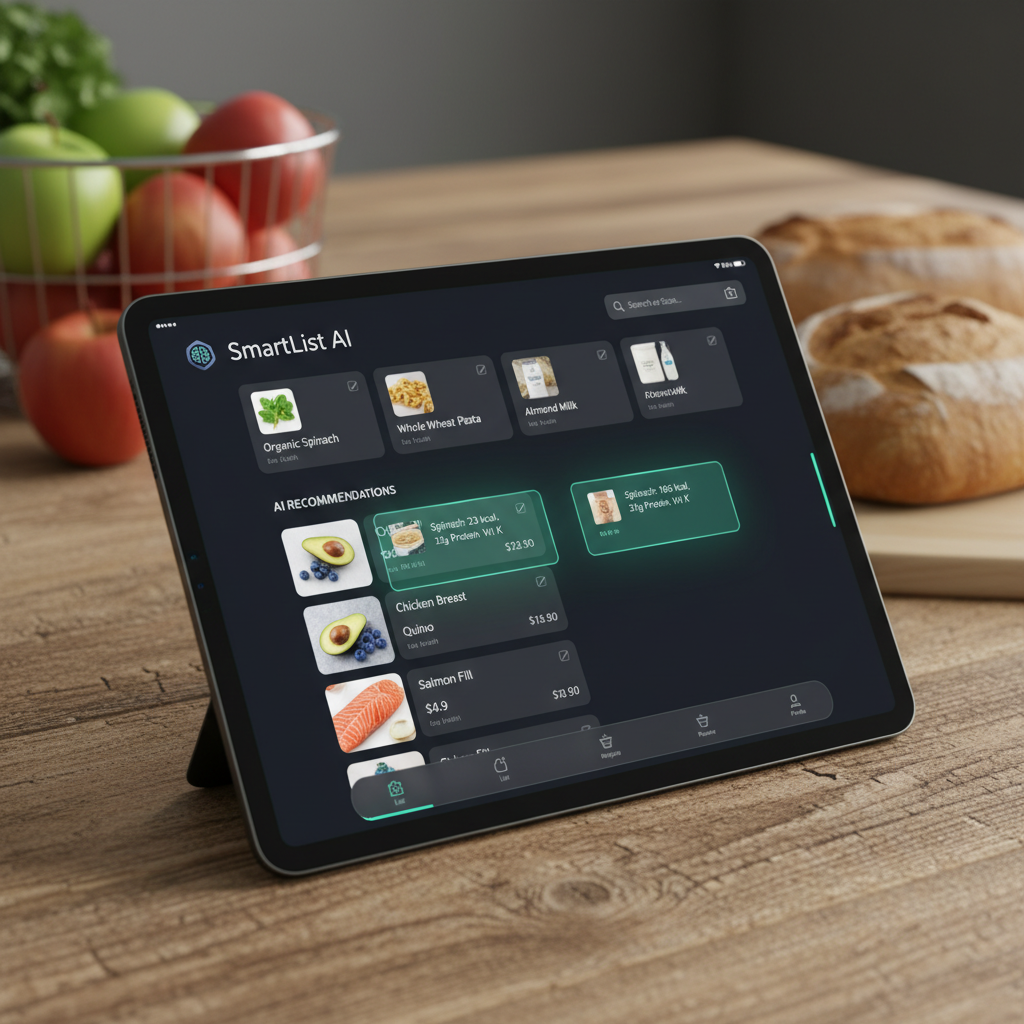
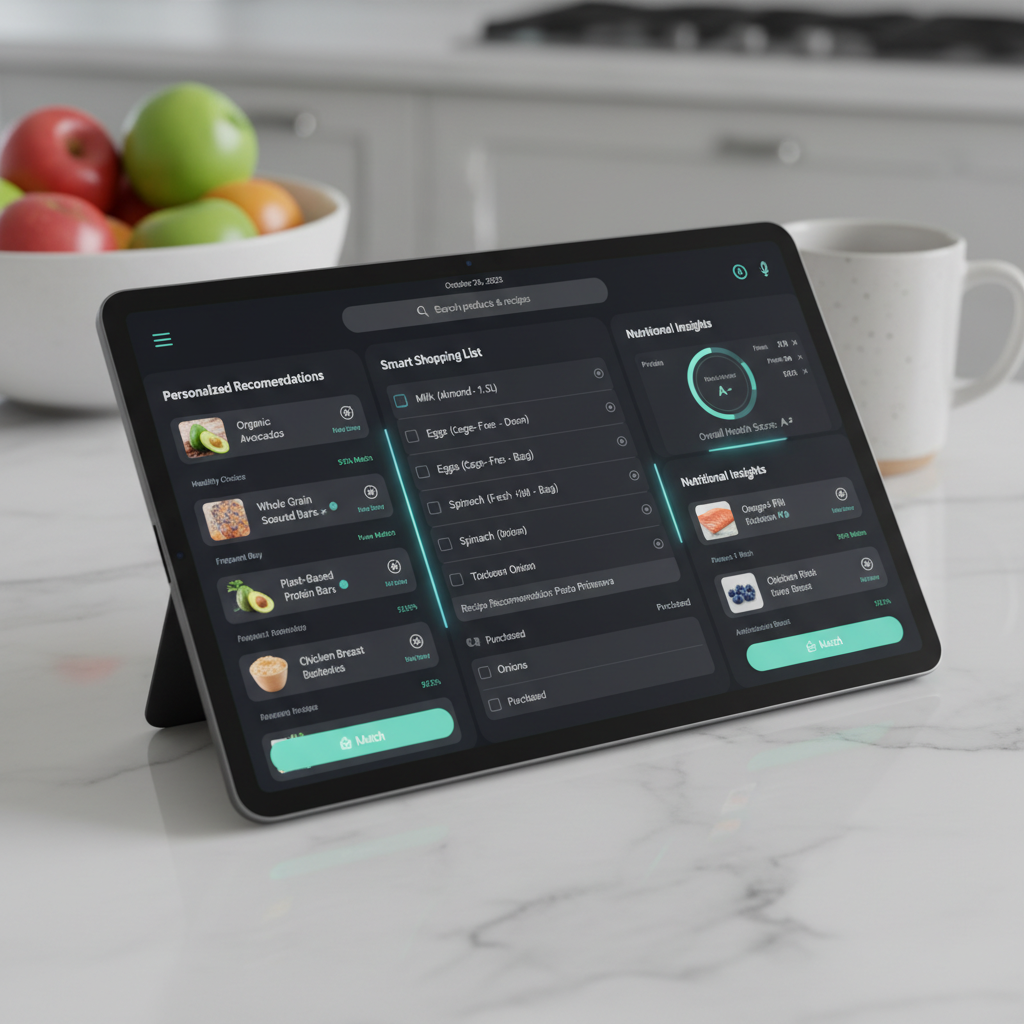
- Automated Grocery Lists: A consolidated list of all necessary ingredients, often organized by supermarket aisle for efficient shopping.
- Ingredient Swaps and Substitutions: AI can suggest safe and nutritionally equivalent alternatives for ingredients you don’t like or can’t find.
By automating and optimizing this entire process, AI empowers individuals to adhere to even the most complex dietary regimens with confidence and consistency, turning what was once a chore into a seamless aspect of healthy living.
Addressing Diverse Dietary Needs: Beyond the Basics
The true power of AI in dietary management lies not just in general healthy eating advice, but in its unparalleled capacity to cater to an incredibly diverse spectrum of specific and often challenging dietary requirements. Moving far beyond simple calorie counting, these intelligent systems are engineered to handle the nuances of complex allergies, chronic health conditions, and specialized lifestyle diets with precision and flexibility.
Precision for Allergies and Intolerances
- Severe Food Allergies (e.g., Peanut, Gluten, Dairy, Shellfish, Soy): For individuals with life-threatening allergies, AI acts as a vigilant gatekeeper.
- Ingredient Scrutiny: AI meticulously scans recipe databases and ingredient lists, cross-referencing against declared allergens. It can identify hidden allergens (e.g., lactose in processed foods) and flag potential cross-contamination risks.
- Safe Alternatives: If a recipe contains an allergen, the AI can suggest safe and nutritionally equivalent substitutions, such as almond flour instead of wheat flour for gluten allergies, or oat milk instead of dairy milk.
- Recipe Modification: Beyond simple swaps, advanced AI can intelligently modify an entire recipe to remove an allergen while maintaining taste and structural integrity.
- Food Intolerances (e.g., Lactose Intolerance, FODMAP Sensitivities): These require more nuanced management than outright avoidance.
- Trigger Identification: For FODMAPs, AI can identify high-FODMAP ingredients and suggest low-FODMAP alternatives, guiding users through elimination and reintroduction phases.
- Portion Control: For some intolerances, small amounts of a trigger food might be acceptable. AI can factor in tolerable thresholds when crafting meal plans.
Managing Medical Conditions with Dietary Protocols
AI’s ability to integrate complex medical dietary guidelines is revolutionary for chronic disease management:
- Type 2 Diabetes:
- Carbohydrate Management: AI plans meals with controlled carbohydrate portions, focusing on complex carbs and fiber to help stabilize blood sugar levels.
- Glycemic Index Awareness: It can prioritize foods with a lower glycemic index and suggest balanced meals to prevent post-meal sugar spikes.
- Weight Management: Often supporting weight loss, which is crucial for diabetes management, by setting appropriate calorie targets.
- Hypertension (High Blood Pressure):
- Low-Sodium Diets: AI scours ingredients for sodium content, recommending fresh, unprocessed foods and avoiding high-sodium additives.
- DASH Diet Adherence: It can generate meal plans strictly following the Dietary Approaches to Stop Hypertension (DASH) eating plan, emphasizing fruits, vegetables, whole grains, lean protein, and low-fat dairy.
- Kidney Disease:
- Protein, Potassium, Phosphorus Restriction: For certain stages of kidney disease, AI can craft meals that carefully limit intake of these specific nutrients, which can be challenging to manage manually.
- Fluid Management: While not directly meal-related, advanced AI could potentially integrate with fluid intake recommendations.
- Crohn’s Disease and IBS: AI can suggest meals that are low in fiber during flare-ups, or help identify individual trigger foods based on user feedback, offering gentle, easy-to-digest options.
Supporting Ethical and Lifestyle Choices
Beyond health needs, AI seamlessly integrates personal and ethical dietary preferences:
- Vegan and Vegetarian:
- Complete Protein Sources: Ensures a balanced intake of plant-based proteins, combining different sources to achieve complete amino acid profiles.
- Nutrient Fortification: Recommends foods rich in B12, iron, calcium, and omega-3s, which can be harder to obtain on plant-based diets.
- Variety and Innovation: Prevents meal fatigue by introducing diverse plant-based recipes and culinary styles.
- Paleo and Keto Diets:
- Strict Adherence: Ensures meal plans strictly follow the principles of these diets, eliminating specific food groups (grains, legumes, dairy for Paleo; high-carb foods for Keto).
- Macro Tracking: Provides precise macronutrient breakdowns to maintain ketosis for keto diets or specific protein/fat ratios for paleo.
- Cultural and Religious Diets: Some AI systems can also integrate requirements for Kosher, Halal, or other culturally specific dietary practices, ensuring adherence to religious laws regarding food preparation and consumption.
By processing these multi-layered requirements simultaneously, AI transcends the capabilities of traditional meal planning. It moves beyond simple filtering to intelligent creation, offering a truly bespoke nutritional journey for every individual, no matter how complex their dietary landscape.
Key Features of Advanced AI Meal Planners
Modern AI meal planning platforms are far more than just recipe generators; they are comprehensive dietary management ecosystems equipped with a suite of sophisticated features designed to simplify every aspect of food preparation and consumption. These features collectively deliver an unparalleled level of convenience, personalization, and effectiveness, truly revolutionizing how we interact with our food.
- Dynamic Adaptation and Learning from Feedback:
- Continuous Improvement: One of AI’s most powerful attributes is its ability to learn. As users provide feedback—rating meals, indicating dislikes, or making swaps—the AI analyzes this data.
- Personalized Refinement: Over time, the system refines its understanding of individual taste preferences, ingredient sensitivities, and even cooking habits, leading to increasingly accurate and enjoyable meal recommendations. This means your meal plan gets better the more you use it.
- Automated Grocery List Generation:
- Efficiency Boost: After a meal plan is generated, the AI automatically compiles a comprehensive grocery list of all necessary ingredients.
- Smart Organization: These lists are often organized logically, by supermarket aisle (e.g., produce, dairy, pantry staples), minimizing shopping time and effort.
- Waste Reduction: By planning ingredients for an entire week, the AI helps users buy exactly what they need, reducing food waste and potentially saving money.
- Recipe Modification and Substitution Intelligence:
- Tailored Recipes: If a preferred recipe contains an ingredient you dislike or are allergic to, the AI can intelligently suggest safe and palatable substitutions without compromising the dish’s overall integrity or nutritional balance.
- Portion Adjustment: Need to cook for more or fewer people? AI can instantly scale recipe ingredients and instructions to match your serving requirements.
- Culinary Exploration: It can even suggest variations of dishes you enjoy, helping you discover new flavors within your dietary constraints.
- Comprehensive Progress Tracking and Integration:
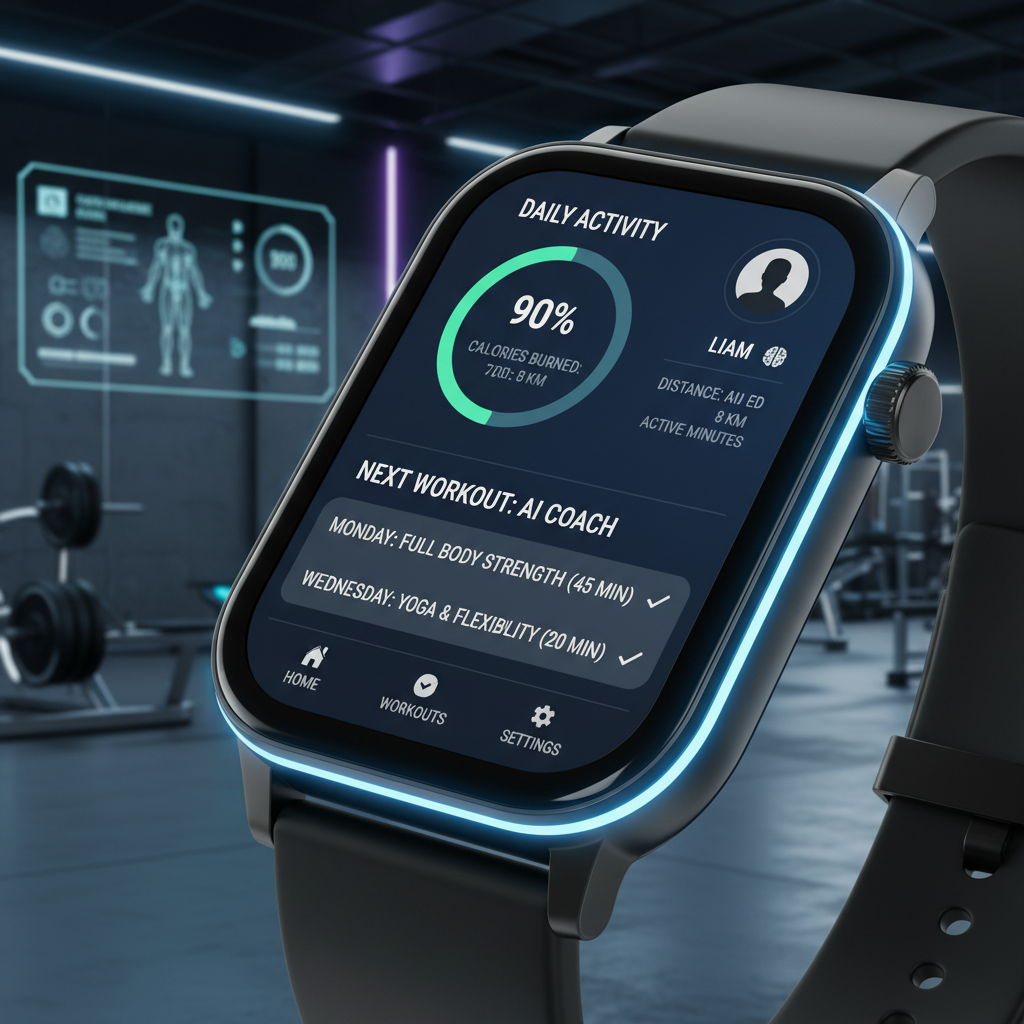
- Holistic View: Many AI platforms integrate with fitness trackers (like smartwatches or activity apps) and health monitoring devices. This allows the AI to factor in your actual activity levels and other biometric data (e.g., sleep, heart rate) when calculating caloric needs and adjusting meal plans.
- Goal Monitoring: Users can track their progress towards specific health goals (e.g., weight loss, muscle gain, blood sugar management) and see how their diet is contributing.
- Data-Driven Insights: AI can analyze trends in your eating habits and health metrics, providing personalized insights and suggestions for improvement.
- Vast and Verified Ingredient and Recipe Databases:
- Accuracy and Reliability: The backbone of any effective AI meal planner is a robust database. Advanced platforms use extensive, verified databases of ingredients with detailed nutritional breakdowns and allergen information.
- Diverse Recipe Collection: These databases include millions of recipes, spanning various cuisines and dietary styles, ensuring a wide variety of options for users.
- Regular Updates: Databases are continuously updated with new food products, nutritional research, and user-submitted recipes (after moderation) to maintain relevance and accuracy.
- Smart Kitchen Integration (Emerging Feature):
- Seamless Workflow: The future holds integration with smart kitchen appliances. Imagine an AI meal planner directly sending recipes and cooking instructions to your smart oven or pressure cooker, or automatically reordering ingredients from your smart refrigerator.
- Automated Cooking: While still nascent, this feature promises to further automate the cooking process, reducing manual effort and potential errors.
- Budget-Conscious Planning:
- Cost Optimization: Some AI systems can factor in budget constraints, prioritizing affordable ingredients and suggesting meal plans that minimize grocery expenses.
- Seasonal Ingredients: They can recommend using seasonal produce, which is often fresher and more cost-effective.
These advanced features transform AI meal planners from mere tools into intelligent personal assistants, capable of guiding users through their dietary journey with unprecedented ease, precision, and enjoyment. They empower individuals to achieve their health goals, manage complex restrictions, and discover a world of culinary possibilities, all while saving time and reducing stress.
The Benefits: Time, Health, and Peace of Mind
The integration of AI into dietary management offers a cascade of benefits that extend far beyond mere convenience. By automating and optimizing the intricate process of meal planning, AI empowers individuals to reclaim valuable time, achieve superior health outcomes, and experience a profound sense of peace regarding their food choices. These advantages are particularly pronounced for those navigating complex dietary restrictions or health conditions.
1. Significant Time-Saving
- Elimination of Manual Research: No more endless hours spent scouring cookbooks, blogs, or nutrition websites for suitable recipes. AI does the heavy lifting, instantly sifting through vast databases to find compliant and appealing options.
- Streamlined Grocery Shopping: Automated, organized shopping lists mean fewer trips to the store, less impulse buying, and a more efficient shopping experience. Knowing exactly what to buy prevents forgotten items and reduces the need for multiple store visits.
- Reduced Decision Fatigue: The mental load of deciding what to eat, especially with restrictions, can be exhausting. AI takes this burden off your shoulders, presenting a ready-made plan tailored to your needs.
2. Enhanced Nutritional Accuracy and Balance
- Optimal Macro and Micronutrient Intake: AI algorithms are programmed with deep nutritional knowledge, ensuring that meal plans provide a balanced intake of proteins, carbohydrates, healthy fats, vitamins, and minerals. This is crucial for preventing deficiencies and optimizing bodily functions.
- Precise Adherence to Dietary Guidelines: For conditions like diabetes or hypertension, AI ensures strict adherence to specific dietary protocols (e.g., carb limits, low sodium), significantly aiding in disease management and prevention of complications.
- Consistency in Healthy Eating: By providing structured, balanced plans, AI helps users maintain consistent healthy eating habits, avoiding the common pitfalls of haphazard meal choices.
3. Reduced Food Waste and Cost Efficiency
- Optimized Ingredient Usage: Meal plans are often designed to use common ingredients across multiple recipes, or to utilize an entire package of a perishable item, thereby minimizing leftovers that might otherwise go bad.
- Smarter Shopping: With a precise grocery list, you buy only what you need, reducing impulsive purchases and the likelihood of fresh produce or staples expiring before use. This translates directly into cost savings over time.
4. Alleviated Stress and Increased Peace of Mind
- Confidence in Food Choices: For those with allergies or medical conditions, the constant worry about unsafe ingredients is significantly reduced. AI-generated plans offer a vetted, safe eating pathway, providing immense psychological relief.
- Simplified Planning for Families: Managing diverse diets within a single household (e.g., one child is gluten-free, another vegetarian) becomes manageable, reducing domestic stress and making mealtime more harmonious.
- Empowerment for Complex Conditions: Individuals with complex health requirements often feel overwhelmed. AI empowers them by making healthy eating accessible and understandable, fostering a sense of control over their health journey.
5. Expanded Culinary Horizons and Enjoyment
- Introduction to New Recipes: AI, with its vast database, can introduce you to a wider variety of dishes and cuisines that fit your restrictions, preventing mealtime boredom and encouraging culinary exploration.
- Creative Substitutions: It helps users discover delicious and safe alternatives for ingredients they cannot eat, opening up possibilities for enjoying favorite dishes in a modified form.
- Enhanced Palatability: By learning user preferences, AI strives to recommend meals that are not just nutritious but also genuinely enjoyable, making healthy eating a pleasure rather than a chore.
In essence, AI-powered dietary management transforms a once-arduous task into an efficient, enjoyable, and effective component of a healthy lifestyle. It liberates individuals from the tyranny of dietary restrictions, allowing them to focus on living full, vibrant lives with the confidence that their nutritional needs are being expertly managed.
Challenges and the Future of AI in Dietary Management
While AI offers transformative potential for effortless dietary management, it is not without its limitations and evolving challenges. Understanding these aspects is crucial for setting realistic expectations and for guiding the future development of these powerful tools. As with any rapidly advancing technology, the journey of AI in nutrition is one of continuous improvement and adaptation.
Current Challenges and Considerations
- Data Privacy and Security: AI meal planners require sensitive personal data, including health conditions, allergies, weight, and activity levels. Ensuring the robust protection of this information against breaches and misuse is paramount. Users need to trust that their data is handled ethically and securely.
- AI Bias and Algorithm Limitations:
- Bias in Training Data: If the training data for AI models is biased (e.g., predominantly representing certain demographics or dietary patterns), the recommendations might not be optimal or culturally relevant for everyone.
- Ingredient Database Gaps: While vast, ingredient databases may not always contain every obscure ingredient, local produce, or specialty item, potentially limiting recommendations in certain regions or for niche diets.
- Nuance of Taste: While AI can learn preferences, the subtle nuances of human taste, texture preferences, and emotional connections to food are incredibly complex and difficult for algorithms to fully replicate.
- Cost and Accessibility: Advanced AI meal planning platforms often come with subscription fees, which might not be accessible to all socioeconomic groups, creating a potential digital divide in access to personalized nutrition.
- Over-Reliance and Loss of Intuitive Eating: There is a concern that excessive reliance on AI could diminish an individual’s ability to listen to their body’s hunger and fullness cues, or to intuitively make healthy food choices independently. It’s a tool, not a replacement for self-awareness.
- Lack of Human Touch and Empathy: AI cannot replace the empathetic guidance, psychological support, or motivational coaching that a human dietitian or nutritionist can provide. For complex eating disorders or deep-seated behavioral patterns, human intervention remains critical.
- Dynamic Nature of Food Science: Nutritional science is constantly evolving. AI systems need continuous updates to ensure they are incorporating the latest research and recommendations, which requires significant ongoing development effort.
The Exciting Future of AI in Dietary Management
Despite the challenges, the trajectory for AI in dietary management is incredibly promising, with several groundbreaking developments on the horizon:
- Hyper-Personalization via Biometric Data:
- Gut Microbiome Analysis: Future AI might integrate data from personal gut microbiome tests to recommend foods that optimize gut health, which is increasingly linked to overall well-being.
- Genomic Nutrition: Analyzing an individual’s genetic profile could allow AI to tailor diets based on genetic predispositions to nutrient absorption, metabolism, and disease risk.
- Real-Time Adaptation with Wearables: Integration with advanced wearables could allow AI to adjust meal plans in real-time based on immediate physiological responses, stress levels, sleep quality, and even blood glucose monitoring.
- Integration with Smart Kitchens and Supply Chains:
- Automated Ordering: Your AI meal planner could automatically add ingredients to your online grocery cart based on your plan, or even send shopping lists to smart refrigerators that detect low stock.
- Recipe Delivery Services: Seamless integration with meal kit or grocery delivery services, providing all the necessary ingredients pre-portioned for AI-generated recipes.
- Addressing Emotional and Behavioral Eating:
- Contextual Awareness: AI could move beyond just nutritional data to understand the psychological context of eating, offering support for stress-related eating, cravings, or portion control based on emotional states.
- Gamification and Behavioral Nudges: Using AI to create engaging experiences and gentle nudges that encourage healthier habits and long-term adherence.
- Advanced Culinary AI:
- AI-Assisted Cooking Devices: Kitchen appliances with integrated AI that guide users step-by-step, adjust cooking parameters, and even identify ingredients.
- Personalized Recipe Generation: AI could move from selecting existing recipes to generating entirely new, bespoke recipes from scratch, tailored to highly specific and unique individual profiles.
- AI as a Support for Healthcare Professionals: Rather than replacing dietitians, AI can serve as a powerful assistant, providing them with detailed patient data, efficient meal planning tools, and insights to enhance their professional guidance.
The journey of AI in dietary management is still in its early stages, but its potential to democratize access to personalized, precise, and effortless nutrition is undeniable. By continually addressing challenges and pushing the boundaries of innovation, AI promises a future where healthy eating is not just achievable, but truly integrated and enjoyable for everyone.
Comparison Tables
To further illustrate the transformative impact of AI in dietary management, let’s compare traditional meal planning methods with their AI-powered counterparts, and then look at how AI approaches different types of dietary restrictions.
Table 1: Traditional Meal Planning vs. AI-Powered Meal Planning
| Feature/Aspect | Traditional Meal Planning | AI-Powered Meal Planning |
|---|---|---|
| Effort & Time Investment | High; extensive research, manual calculation, list creation. | Low; automated generation, instant calculations, organized lists. |
| Personalization Level | Limited to user’s knowledge/time; often general advice. | Hyper-personalized; considers multiple health factors, preferences, real-time data. |
| Handling of Complex Restrictions | Very challenging; high risk of errors, cross-contamination, nutritional gaps. | Highly accurate; meticulous ingredient vetting, safe substitutions, nutrient balancing. |
| Nutritional Accuracy | Variable; depends heavily on user’s nutritional knowledge. | High; based on scientific databases, precise macro/micronutrient tracking. |
| Recipe Discovery & Variety | Limited to known sources; prone to culinary boredom. | Vast database exploration; suggests new, diverse, and compliant recipes. |
| Adaptability & Learning | Static; requires manual adjustments based on feedback. | Dynamic; learns from user feedback, preferences, and progress. |
| Grocery List Generation | Manual creation; often disorganized or incomplete. | Automated, optimized, often organized by store aisle. |
| Cost Efficiency (Ingredient Use) | Prone to food waste due to unoptimized purchasing. | Optimized ingredient use, minimizes waste, can suggest budget-friendly options. |
| Integration with Other Tools | Typically standalone; manual data transfer. | Integrates with fitness trackers, health apps, smart kitchen devices (emerging). |
| Stress & Anxiety Reduction | Often a source of stress, especially with severe restrictions. | Significantly reduces stress, provides confidence and peace of mind. |
Table 2: AI’s Approach to Diverse Dietary Restrictions
| Dietary Restriction/Condition | Key Challenges for Humans | How AI Addresses It | Example AI Feature |
|---|---|---|---|
| Celiac Disease (Gluten-Free) | Identifying hidden gluten, cross-contamination, limited food choices. | Scans all ingredients for gluten, suggests safe alternatives, flags cross-contamination risks. | Automated gluten-free recipe modification; “Certified GF” filter. |
| Type 2 Diabetes | Carb counting, managing glycemic index, balancing macros, preventing blood sugar spikes. | Generates carb-controlled meals, prioritizes low GI foods, provides precise macro breakdowns. | Daily carb targets with meal-by-meal tracking; blood sugar friendly recipes. |
| Vegan Diet | Ensuring complete protein, sufficient B12, iron, calcium, omega-3s; variety. | Combines plant proteins for complete amino acids, highlights fortified foods, offers diverse plant-based recipes. | “Vegan protein powerhouse” meal suggestions; B12-rich food reminders. |
| Food Intolerances (e.g., FODMAP) | Identifying trigger foods, managing portion sizes of tolerable foods, elimination diets. | Flags high-FODMAP ingredients, suggests low-FODMAP alternatives, tracks user reaction feedback. | Low-FODMAP meal plans; ingredient swap suggestions based on individual tolerance. |
| Kidney Disease | Restricting protein, potassium, phosphorus; managing fluid intake. | Crafts meals with precise limits on specific nutrients based on disease stage. | Low-protein, low-potassium recipe generator; nutrient summary per meal. |
| Weight Loss/Gain | Accurate calorie counting, macro management, sustainable deficit/surplus. | Calculates personalized caloric needs, balances macros for satiety/growth, adjusts based on progress. | Dynamic calorie targets; macro pie charts for daily intake; progress graph integration. |
| Multiple Allergies (e.g., Dairy & Soy) | Extremely difficult ingredient checking, very limited safe options. | Simultaneously filters for all specified allergens, finds multi-compliant recipes, suggests complex substitutions. | “Free From: Dairy, Soy” filter across all meal options; multi-allergen safe ingredient swap. |
Practical Examples and Real-World Scenarios
To truly appreciate the power and practicality of AI in dietary management, let’s explore a few real-world scenarios where this technology makes a tangible difference in people’s lives.
Case Study 1: Sarah, The Busy Professional with Complex Allergies
Sarah, a 32-year-old marketing manager, leads a demanding life. She’s also severely allergic to peanuts and shellfish, and recently discovered she has a significant intolerance to dairy. Traditional meal planning for her was a nightmare. She constantly worried about cross-contamination at restaurants, spent hours deciphering ingredient labels, and often felt limited to a small repertoire of safe, but boring, meals. Eating out was a source of anxiety, and preparing meals at home felt like a second job.
AI Solution: Sarah subscribed to an advanced AI meal planning platform.
- She inputted her age, activity level, and explicitly listed her peanut, shellfish, and dairy allergies/intolerances. She also indicated her preference for quick, weeknight meals.
- The AI immediately generated a 7-day meal plan. Each recipe was guaranteed free of her allergens. For example, for breakfast, it suggested an overnight oat parfait made with almond milk and berries, ensuring no dairy. For dinner, it suggested a chicken and vegetable stir-fry, specifying coconut aminos instead of soy sauce (which often contains dairy or cross-contaminants) and clearly labeling it peanut and shellfish-free.
- When a recipe she liked initially contained dairy (e.g., a creamy pasta dish), the AI instantly suggested a cashew-cream based alternative, complete with modified instructions.
- The automated grocery list was a game-changer, organized by store section, listing all the specific dairy-free and allergen-safe brands recommended by the AI.
Outcome: Sarah reported a dramatic reduction in meal-related stress. She no longer feared cross-contamination at home and even found new, delicious recipes she wouldn’t have dared to try before. Her meal prep time was cut in half, and she felt confident that her meals were both safe and nutritionally balanced, allowing her to focus her energy on her demanding career and personal life.
Case Study 2: Mark, Managing Type 2 Diabetes and Weight Loss
Mark, a 55-year-old accountant, was diagnosed with Type 2 Diabetes a year ago. His doctor advised a significant change in diet to manage his blood sugar and lose weight. Mark struggled with carb counting, understanding the glycemic index, and finding meals that were both suitable for his condition and satisfying. He often felt overwhelmed by the sheer volume of information and contradictory advice, leading to inconsistent adherence and frustration.
AI Solution: Mark opted for an AI meal planner specializing in chronic disease management.
- He provided his health metrics, diabetes diagnosis, current medication, and weight loss goal. He also mentioned his preference for hearty, savory meals.
- The AI calculated his optimal caloric intake and carbohydrate limits for weight loss and blood sugar control. It then generated daily meal plans focusing on lean proteins, complex carbohydrates, and plenty of vegetables.
- Each meal plan included detailed nutritional information, highlighting the total carbohydrates, sugars, and fiber per serving. For example, it might suggest a lentil soup with whole-grain bread for lunch, emphasizing the fiber content, and a baked salmon with roasted broccoli and quinoa for dinner, carefully portioned for carb control.
- When Mark felt like a snack, the AI suggested options like a handful of almonds or Greek yogurt, explaining why these choices were beneficial for his blood sugar.
- The platform also integrated with his smart scale and glucose monitor, allowing the AI to dynamically adjust future meal recommendations if his weight loss plateaued or blood sugar readings were consistently high.
Outcome: Mark successfully lost 15 pounds in three months and saw a significant improvement in his A1c levels. The AI removed the guesswork from his diet, making it easy to understand what to eat and why. He felt more in control of his health, less anxious about meals, and even discovered new healthy recipes he genuinely enjoyed.
Case Study 3: The Patel Family, Balancing Vegetarianism with a Child’s Nut Allergy
The Patel family consists of parents who are vegetarian, a teenage daughter who is also vegetarian, and a young son (age 7) who has a severe tree nut allergy. Meal preparation involved making two versions of many dishes to accommodate everyone, and the constant fear of cross-contamination for their son was a major concern. Finding family-friendly, nut-free vegetarian recipes was a huge challenge.
AI Solution: The Patels used an AI meal planner designed for family and multiple dietary profiles.
- The parents inputted their family’s collective preferences (vegetarian) and their son’s specific tree nut allergy. They also specified their desire for meals that could be adapted for both adults and a child.
- The AI generated weekly meal plans that were entirely vegetarian and guaranteed tree nut-free. It prioritized recipes that could be easily prepared in one go, with minor adaptations for adult portions if needed (e.g., adding chili flakes to the adult serving of a lentil curry).
- For snacks and school lunches, the AI provided a list of safe, pre-approved, nut-free vegetarian options for their son, easing the parents’ constant worry.
- The platform also offered a “cook once, eat twice” feature, suggesting larger batches of certain meals that could be repurposed or reheated for subsequent days, saving cooking time.
Outcome: The Patel family found meal times much less stressful. They were able to enjoy delicious, varied vegetarian meals that were safe for their son, reducing the need for separate cooking. The AI allowed them to explore new vegetarian cuisines confidently, strengthening their commitment to their chosen diet while ensuring their son’s safety and nutritional needs were fully met.
These examples highlight how AI’s precision, adaptability, and ability to handle complex, multi-layered requirements translate into practical, life-changing solutions for individuals and families grappling with dietary management challenges.
Frequently Asked Questions
Q: How accurate are AI meal plans regarding nutritional information and dietary restrictions?
A: Modern AI meal planning platforms strive for very high accuracy. They leverage extensive databases of ingredients and recipes, which are often curated and verified by nutrition experts and food scientists. These databases contain precise macronutrient (protein, carbs, fats) and micronutrient (vitamins, minerals) data, as well as detailed allergen information. When you input your specific dietary restrictions (allergies, intolerances, medical conditions), the AI algorithms meticulously cross-reference every ingredient in suggested recipes against your profile. This significantly reduces the risk of error compared to manual checking. However, it’s important that users provide accurate and complete information about their restrictions for the AI to function optimally. While highly accurate, AI should complement, not entirely replace, professional medical or dietary advice for severe conditions.
Q: Can AI truly account for individual taste preferences and food aversions?
A: Yes, advanced AI meal planners are designed to learn and adapt to individual taste preferences and aversions. When you first set up your profile, you typically provide input on cuisines you like, specific ingredients you dislike, and your general culinary adventurousness. Critically, AI systems often incorporate feedback loops. This means that as you use the platform—rating meals, swapping ingredients, or noting preferences—the AI gathers data on your choices. Over time, it learns your unique palate, prioritizing recipes that align with your likes and avoiding ingredients or dishes you’ve indicated you don’t enjoy. This dynamic learning process ensures that the meal plans become increasingly personalized and enjoyable.
Q: Is AI meal planning safe for individuals with severe, life-threatening allergies?
A: For individuals with severe, life-threatening allergies, AI meal planning can be a powerful tool for risk reduction, but it should be used with caution and often in conjunction with professional medical advice. AI can meticulously filter out known allergens from recipes and suggest safe substitutions. However, it relies on the accuracy of its database and the information provided by the user and recipe creators. It may not account for every potential cross-contamination risk in a non-certified kitchen or with unverified ingredients. Always double-check ingredient labels yourself, especially for pre-packaged foods, and consult with an allergist or registered dietitian to ensure comprehensive safety measures are in place. AI is an excellent support system, but vigilance is still key for severe allergies.
Q: How does AI handle budget restrictions or preferences for affordable ingredients?
A: Many advanced AI meal planning platforms incorporate features to accommodate budget restrictions. Users can often specify a general budget range or indicate a preference for “budget-friendly” meals. The AI then prioritizes recipes that utilize less expensive ingredients, seasonal produce (which is often cheaper), or common pantry staples. Some systems can even suggest meal plans that strategically use ingredients across multiple dishes to minimize waste and maximize cost-effectiveness. By optimizing grocery lists and suggesting affordable alternatives, AI can significantly help users manage their food budget while adhering to their dietary needs.
Q: What kind of data does AI need from me to create effective meal plans?
A: To create effective and personalized meal plans, AI typically requires a range of data, including:
- Demographics: Age, gender, height, weight.
- Activity Level: How often and intensely you exercise.
- Health Goals: Weight loss, muscle gain, maintenance, managing a specific condition (e.g., diabetes, high blood pressure).
- Dietary Restrictions: All known food allergies (e.g., gluten, dairy, nuts), intolerances (e.g., lactose, FODMAPs), and medical dietary requirements.
- Dietary Preferences: Vegan, vegetarian, paleo, keto, specific cuisines you enjoy, ingredients you like or dislike, and cooking skill level.
- Lifestyle Factors: How many meals/snacks you typically eat, how much time you have for cooking, and sometimes even kitchen equipment availability.
The more comprehensive and accurate the data you provide, the more tailored and effective your AI-generated meal plans will be.
Q: Can I override AI suggestions or swap ingredients in a plan?
A: Absolutely! Flexibility is a key feature of most AI meal planners. You are always in control. If the AI suggests a meal you don’t fancy or an ingredient you don’t have on hand, you can typically:
- Swap Meals: Choose a different meal for that slot from a list of AI-suggested alternatives that still fit your profile.
- Swap Ingredients: If a recipe calls for an ingredient you dislike or are allergic to (even if the AI missed it), you can often swap it for a safe and appropriate alternative, with the AI recalculating nutrition.
- Adjust Portions: Modify serving sizes to match your hunger levels or specific caloric goals for that meal.
This interaction further helps the AI learn your evolving preferences and adapts future recommendations.
Q: How often do AI meal plans update or adapt to new information?
A: The frequency of updates and adaptation varies by platform. Generally, AI meal plans are dynamic and can update in several ways:
- Scheduled Updates: Many platforms generate weekly or monthly meal plans, incorporating new recipes and learning from your past feedback.
- Real-time Adaptation: If you input new information (e.g., a change in weight, activity level, or a newly discovered allergy), the AI can often instantly re-evaluate and adjust your current and future meal plans.
- Continuous Learning: As you consistently provide feedback on meals (likes, dislikes, swaps), the AI’s underlying algorithms are continuously learning and refining their understanding of your preferences, meaning future plans will implicitly reflect these learnings.
- Database Updates: The core ingredient and recipe databases are regularly updated by the platform developers to include new foods, latest nutritional research, and improved allergen information.
This continuous evolution ensures that your meal plan remains relevant and optimized for your current needs.
Q: Is AI meal planning suitable for athletes or individuals with very specific macro requirements?
A: Yes, AI meal planning is highly suitable for athletes and individuals with specific macronutrient requirements. These platforms can be configured to calculate precise caloric needs based on intense activity levels and can generate meal plans with very specific macronutrient ratios (e.g., high protein for muscle growth, specific carb loading for endurance). They can track your daily intake of protein, carbs, and fats against your targets, ensuring you hit your goals consistently. Some advanced systems can even integrate with fitness trackers to dynamically adjust energy needs based on actual workout intensity, making them incredibly valuable tools for performance nutrition.
Q: Can AI meal planners help with eating out or social events?
A: While AI meal planners primarily focus on home cooking, some are beginning to offer features that assist with eating out or social events:
- Restaurant Recommendations: Some apps can suggest allergy-friendly restaurants in your area or provide general tips for navigating menus with restrictions.
- Dish Analysis: You might be able to search a database of common restaurant dishes and get an estimate of their nutritional content or allergen profile.
- “Safe” Food Lists: The AI can generate lists of general “safe” foods or ingredient combinations that comply with your restrictions, which you can use as a guide when choosing meals outside of home.
- Planning for Special Occasions: While it can’t cook for you at an event, it can help you plan what you might eat before or after an event to balance out potentially less controlled meals.
These features are still evolving, but they provide valuable support for managing dietary needs beyond the kitchen.
Q: Is AI meal planning a replacement for a registered dietitian or nutritionist?
A: No, AI meal planning is generally not a direct replacement for a registered dietitian (RD) or nutritionist, especially for complex medical conditions, eating disorders, or highly individualized health challenges. Think of AI as a powerful, intelligent tool that significantly aids in implementing dietary plans. An RD provides:
- Personalized Assessment: A deep understanding of your medical history, psychological factors, and lifestyle nuances that AI may not fully capture.
- Medical Advice: Diagnosis and management of nutrition-related diseases.
- Behavioral Counseling: Empathy, motivation, and support for behavior change, which is crucial for long-term success.
- Interpretation of Complex Data: The ability to interpret lab results, medication interactions, and other health data in the context of nutrition.
AI can be an excellent complement to professional guidance, helping you execute the plan designed by your dietitian more consistently and conveniently. For general healthy eating and straightforward restrictions, AI can be highly effective on its own.
Key Takeaways
The emergence of AI in dietary management marks a significant leap forward in personal health and wellness. Here are the main points to remember about this transformative technology:
- Simplifies Complex Dietary Needs: AI effortlessly handles multiple, intricate dietary restrictions, allergies, intolerances, and medical conditions simultaneously, eliminating the stress and guesswork of manual meal planning.
- Provides Hyper-Personalization: Through comprehensive user input and continuous learning, AI crafts meal plans precisely tailored to individual health goals, taste preferences, lifestyle, and unique physiological profiles.
- Enhances Nutritional Accuracy: Leveraging vast, verified databases and scientific algorithms, AI ensures meal plans are nutritionally balanced, meeting specific macronutrient and micronutrient targets with high precision.
- Saves Time and Reduces Effort: Automated meal generation, recipe adaptation, and grocery list creation significantly cut down on the time and mental energy typically associated with meal preparation and shopping.
- Reduces Stress and Increases Confidence: For individuals with severe allergies or chronic conditions, AI offers a vetted, safe pathway to healthy eating, bringing peace of mind and empowering them to manage their diets effectively.
- Promotes Culinary Exploration: AI introduces users to a wider variety of compliant recipes and cuisines, preventing meal fatigue and fostering a more enjoyable relationship with food.
- Faces Evolving Challenges: While powerful, AI still contends with issues like data privacy, potential biases, the nuanced nature of human taste, and the need for human empathy in complex cases.
- Promises an Exciting Future: Future advancements include hyper-personalization via gut microbiome and genetic data, seamless integration with smart kitchen devices, and enhanced support for behavioral eating patterns.
- Complements, Not Replaces, Experts: AI is a powerful tool and an excellent support system, but it generally complements, rather than replaces, the in-depth, empathetic guidance of registered dietitians for complex health scenarios.
Conclusion
The journey towards effortless dietary management has found an unprecedented ally in Artificial Intelligence. What was once a laborious, error-prone, and often anxiety-inducing process—especially for those with complex dietary restrictions, allergies, or chronic health conditions—is now being transformed into a seamless, intelligent, and highly personalized experience. AI-powered meal planners are no longer futuristic concepts; they are present-day realities that empower individuals to navigate their nutritional landscapes with confidence, precision, and ease.
From meticulously scanning ingredients for hidden allergens to scientifically balancing macronutrients for specific health goals, AI takes the guesswork out of eating. It saves invaluable time, reduces food waste, and introduces a world of culinary variety that might otherwise remain unexplored. More profoundly, it offers peace of mind, allowing individuals to focus on living full, vibrant lives, secure in the knowledge that their dietary needs are being expertly managed.
While the technology continues to evolve, addressing challenges and pushing the boundaries of what’s possible, its current impact is undeniably revolutionary. AI is not just changing how we discover recipes; it is fundamentally altering how we plan, prepare, and consume our food, making optimal nutrition accessible and achievable for everyone. As we look to the future, the promise of even deeper personalization—integrating genomic data, real-time biometric feedback, and smart kitchen ecosystems—suggests that our culinary co-pilot is only just beginning to unlock its full potential. Embrace this intelligent revolution; your journey to effortless and delicious dietary management starts now.


















































































Leave a Reply