


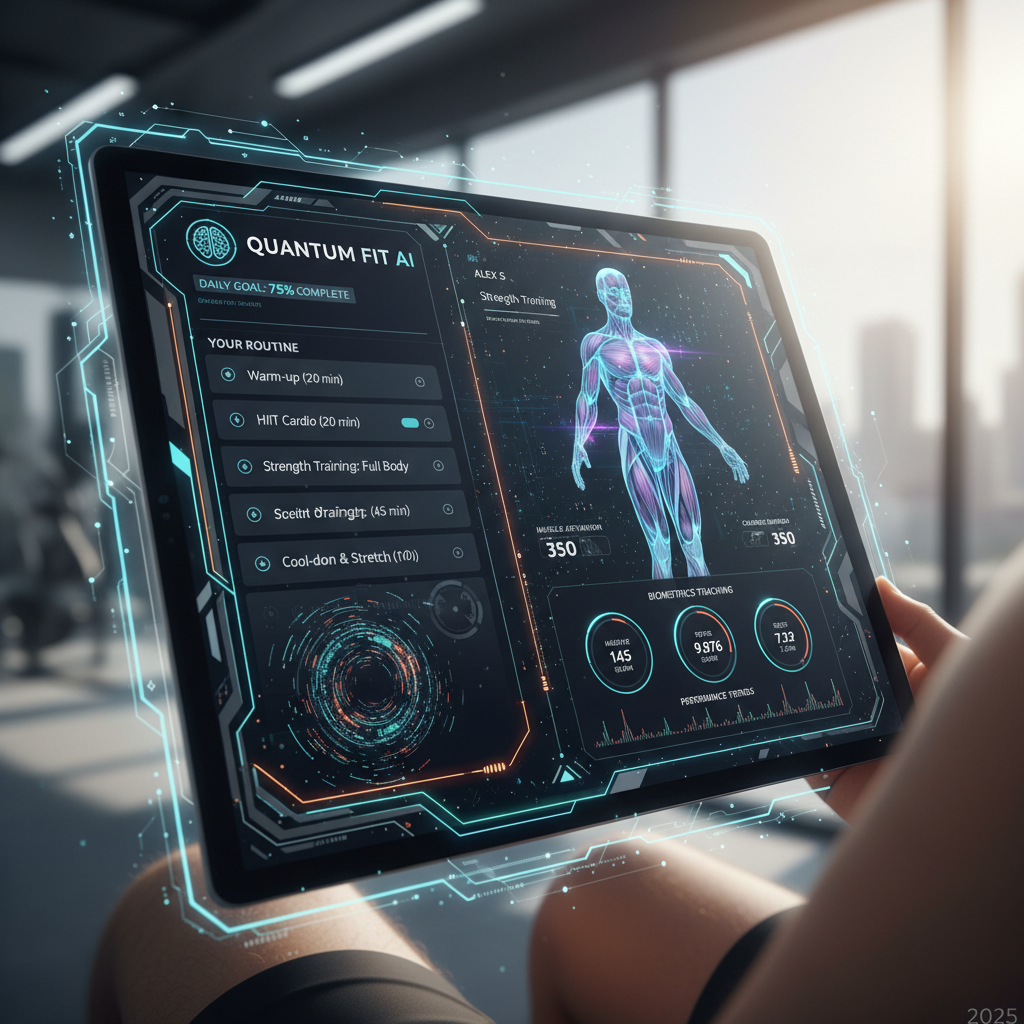
In a world increasingly driven by data and digital innovation, it was only a matter of time before artificial intelligence (AI) and machine learning (ML) began to reshape the landscape of personal fitness. Gone are the days of one-size-fits-all workout routines or static programs downloaded from the internet. Today, AI is ushering in an era of hyper-personalized fitness, crafting bespoke workout plans that evolve with you, adapting to your strengths, weaknesses, preferences, and even your mood on any given day. This isn’t science fiction; it’s the present reality for millions who are leveraging cutting-edge technology to optimize their health and fitness journeys.
The concept of a “custom workout plan” has traditionally meant hiring an expensive personal trainer who, over time, learns your body’s responses and adjusts your regimen. While invaluable, human trainers have limitations in processing the sheer volume of data points that modern wearables and smart gym equipment can generate. This is where AI steps in, acting as an omnipresent, indefatigable coach that analyzes every rep, every calorie, every heartbeat, and every hour of sleep to fine-tune your path to peak performance. From competitive athletes seeking marginal gains to beginners taking their first steps towards a healthier lifestyle, AI is democratizing access to elite-level personalization.
This comprehensive blog post will take you on a deep dive into the fascinating world of AI fitness. We’ll uncover the machine learning algorithms that are the brains behind these intelligent systems, explore the data they consume, and understand how they translate complex information into actionable, evolving workout strategies. Prepare to discover how AI is not just a tool but a transformative partner in your quest for a stronger, healthier you, making personalized fitness journeys truly accessible for every level.
The Dawn of Data-Driven Fitness: Understanding AI and Machine Learning
At its core, AI fitness is about making intelligent decisions based on vast amounts of data. Artificial Intelligence is a broad field of computer science that gives machines the ability to perform human-like cognitive functions, such as learning, problem-solving, and decision-making. Machine Learning, a subfield of AI, is particularly crucial here. It involves algorithms that allow systems to learn from data without being explicitly programmed for every scenario. Instead, they identify patterns, make predictions, and adapt their behavior over time.
How Machine Learning Transforms Workout Planning
Imagine a traditional workout plan: you might follow a fixed routine for weeks, perhaps adjusting it slightly if you notice a plateau or feel a specific muscle group is lagging. This process is often trial-and-error, guided by general principles of exercise science. Machine learning elevates this by providing an adaptive, proactive, and predictive approach. Here’s how:
- Pattern Recognition: ML algorithms can identify subtle patterns in your performance data that a human might miss. For example, they might correlate your sleep quality with your next day’s lifting capacity or notice a recurring drop in performance on specific days of the week.
- Predictive Analytics: Based on historical data, AI can predict how your body might respond to certain stimuli. It can foresee potential overtraining risks, suggest optimal recovery periods, or even estimate your likelihood of achieving a new personal best on a given exercise.
- Adaptive Learning: The most powerful aspect. As you continue to train, the AI system continuously learns from your new data. If an exercise is proving too easy or too difficult, the system doesn’t wait for you to report it; it senses it through your performance metrics (e.g., heart rate, reps completed, velocity of movement) and adjusts the next workout automatically. This real-time adaptation is where AI truly shines, offering a dynamic plan that mirrors a deeply engaged human coach but with far greater data processing capabilities.
This constant feedback loop, where data informs algorithms, which in turn inform your next workout, creates a highly optimized and personalized fitness journey. It moves beyond static plans to a living, breathing program that is uniquely yours.
How AI Personalizes Your Workout Plan: A Deep Dive
The magic of an AI-driven workout plan lies in its ability to synthesize diverse data points into a coherent, actionable strategy. It’s not just about counting calories or steps; it’s about understanding the intricate interplay of physiological responses, lifestyle factors, and specific fitness goals. Here’s a breakdown of the personalization process:
1. Initial Assessment and Goal Setting
Every personalized journey begins with understanding the individual. AI fitness platforms typically start with a comprehensive initial assessment, often involving:
- Questionnaires: Gathering information on your age, gender, weight, height, current fitness level, medical history, past injuries, dietary preferences, lifestyle (sedentary vs. active job), and most importantly, your specific fitness goals (e.g., weight loss, muscle gain, endurance improvement, marathon training).
- Fitness Tests: Some platforms may guide you through baseline fitness tests, such as timed planks, push-ups, a mile run, or even specific strength tests using smart equipment.
This initial data forms the foundation upon which the AI constructs its first iteration of your custom plan. It uses this information to establish your starting point and project a realistic trajectory toward your stated goals.
2. Continuous Data Collection and Analysis
Once you begin your fitness journey, the AI coach becomes a data sponge, continuously absorbing information from various sources:
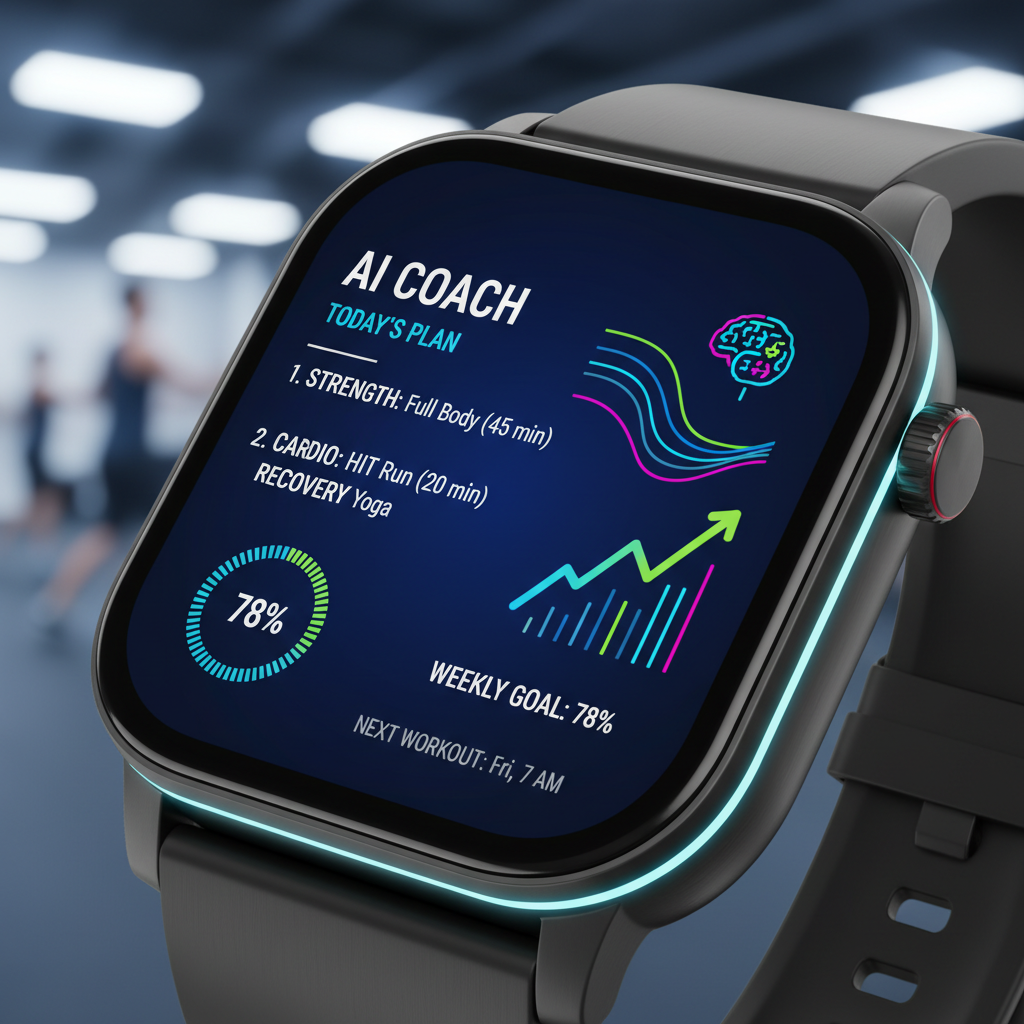
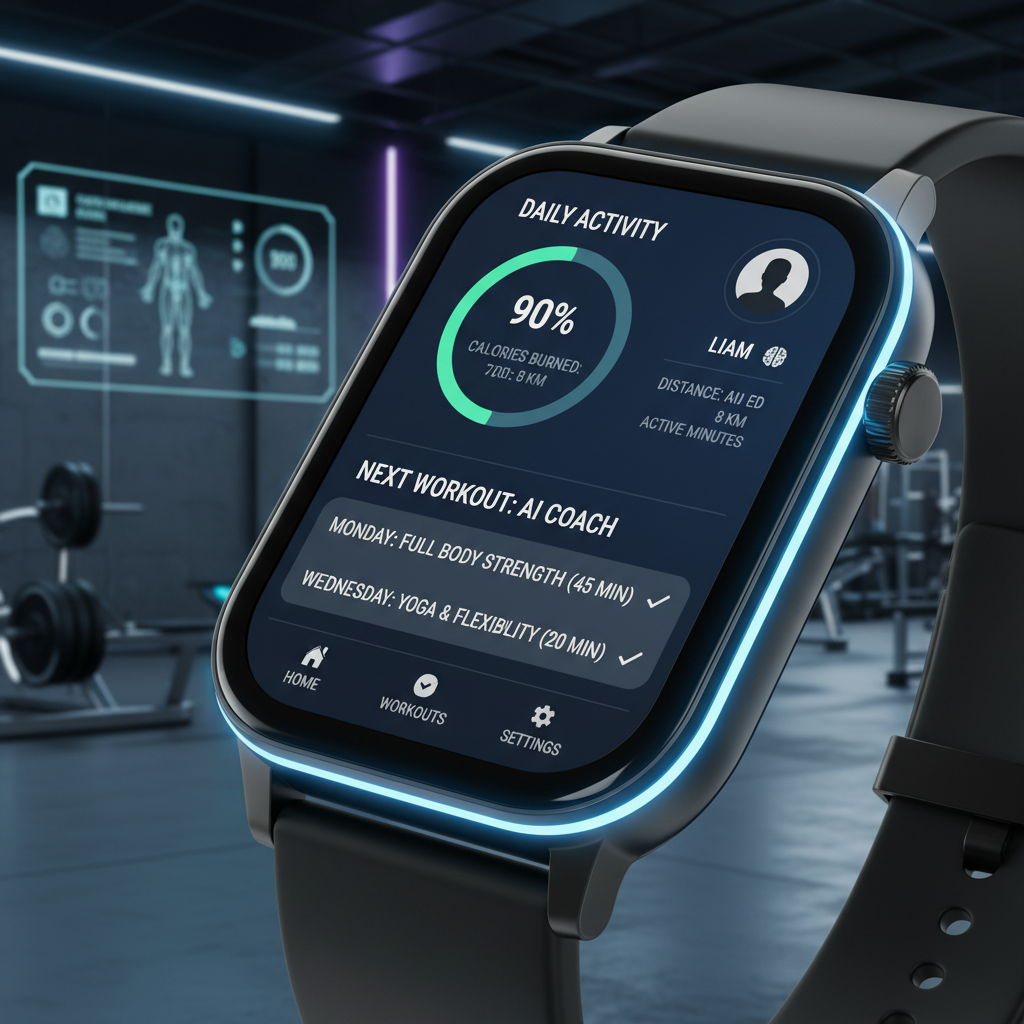
- Wearable Devices: Smartwatches, fitness trackers, and heart rate monitors provide a rich stream of data, including:
- Heart rate (resting, during exercise, recovery)
- Steps taken, distance covered
- Calories burned
- Sleep patterns and quality
- Blood oxygen levels (SpO2)
- Stress levels (often inferred from heart rate variability)
- Smart Gym Equipment: Connected treadmills, ellipticals, smart weights, and resistance machines can track:
- Repetitions and sets
- Weight lifted or resistance level
- Speed and velocity of movement
- Power output
- Range of motion
- User Input: You, the user, also play a critical role by logging:
- Perceived exertion (RPE – Rate of Perceived Exertion) for workouts
- Mood and energy levels
- Dietary intake (if the platform integrates nutrition tracking)
- Pain or discomfort experienced during exercises
- Personal bests and achievements
- Third-Party Integrations: Many platforms can pull data from other health apps, nutrition trackers, or even weather apps to factor in environmental influences on your performance.
These diverse data streams are fed into complex machine learning algorithms. Supervised learning models, for instance, might be trained on vast datasets of human performance and physiological responses to predict optimal training loads. Reinforcement learning, on the other hand, allows the AI to learn by trial and error, identifying which adjustments yield the best results for *your* specific body and goals.
3. Dynamic Plan Adjustment and Prescription
This is where the true power of AI unfolds. Based on the continuous influx of data, the AI system doesn’t just record your progress; it proactively adjusts your plan. If your heart rate recovery is consistently slow, indicating fatigue, the AI might recommend an active recovery day or reduce the intensity of your next workout. If you consistently smash your reps with perfect form, it might increase the weight or reps for the next session. This dynamic adjustment covers:
- Exercise Selection: Recommending different exercises to target lagging muscle groups, prevent overuse injuries, or introduce variety.
- Intensity and Volume: Adjusting weights, reps, sets, duration, or pace based on performance and recovery metrics.
- Rest and Recovery: Suggesting optimal rest periods between sets, recommending active recovery days, or prompting you to prioritize sleep.
- Progression and Periodization: Structuring your training into phases (e.g., strength, hypertrophy, endurance) and gradually increasing the challenge over time in a smart, sustainable way.
- Form Correction: Some advanced systems use computer vision (another AI subfield) via your device’s camera to analyze your exercise form, providing real-time feedback and corrections.
The result is a workout plan that is not only customized but also intelligent, responsive, and always optimized for your current state and long-term objectives. It’s like having a highly experienced personal trainer constantly monitoring and fine-tuning every aspect of your training, but with the analytical power of a supercomputer.
Key Technologies Powering AI Fitness
Behind every seamless AI fitness experience is a stack of sophisticated technologies working in harmony. Understanding these components helps appreciate the complexity and innovation driving this field.
1. Machine Learning Algorithms
- Supervised Learning: Used for tasks like predicting performance based on historical data or classifying movement patterns. Algorithms are trained on labeled datasets (e.g., “correct form” vs. “incorrect form”).
- Unsupervised Learning: Employed to find hidden patterns in data without explicit labels, such as clustering users with similar physiological responses to certain workouts or identifying novel biomarkers for fatigue.
- Reinforcement Learning: Crucial for adaptive systems. The AI learns through trial and error, optimizing its recommendations to maximize “rewards” (e.g., user progress, goal achievement) and minimize “penalties” (e.g., injury risk, plateaus).
- Deep Learning: A subset of ML that uses neural networks with multiple layers. This is particularly effective for processing complex data like sensor streams from wearables, video analysis for form correction, or even natural language processing for AI coaching interfaces.
2. Sensor Technology and Wearables
Modern wearables are the primary data collection agents. They integrate an array of sensors:
- Accelerometers and Gyroscopes: Detect movement, orientation, steps, and can analyze the quality of reps.
- Optical Heart Rate Sensors (PPG): Measure heart rate and heart rate variability (HRV), crucial indicators of stress, recovery, and fitness levels.
- GPS: Tracks distance, pace, and route for outdoor activities.
- Bioelectrical Impedance Analysis (BIA): Found in some smart scales and devices to estimate body composition (fat, muscle mass).
- Electromyography (EMG): Used in advanced smart clothing to measure muscle activation, providing deeper insights into muscle engagement and fatigue.
3. Computer Vision and AI Coaches
The rise of high-resolution cameras on smartphones and dedicated smart home devices has enabled computer vision applications in fitness:
- Form Correction: AI analyzes video feeds of your exercises, comparing your movements to ideal form models. It can provide real-time audio or visual cues to correct posture, depth, or speed. This is particularly transformative for solo workouts.
- Rep Counting: Automatically tracks repetitions without manual input, enhancing accuracy and focus.
- Range of Motion Analysis: Quantifies how effectively you’re executing movements, ensuring full engagement and preventing partial reps.
4. Cloud Computing and Big Data Analytics
Processing the enormous volume of data generated by millions of users and countless sensors requires robust infrastructure:
- Cloud Platforms: Services like AWS, Google Cloud, and Microsoft Azure provide scalable computing power and storage for AI models and user data.
- Big Data Analytics: Techniques are used to process, store, and analyze large datasets, identifying trends, correlations, and anomalies that inform individual and aggregate insights.
- Federated Learning: An emerging ML technique where models are trained on decentralized datasets (e.g., directly on your device) rather than requiring all data to be uploaded to a central server. This enhances privacy and reduces bandwidth needs, a crucial development for personal health data.
The Data Behind Your Custom Plan: What AI Sees
For an AI fitness system, your body is a rich source of information, and your daily life provides context. The more data it can access and analyze, the more precise and effective its recommendations become. Here’s a breakdown of the types of data AI processes:
1. Physiological Data
- Heart Rate: Resting heart rate, maximum heart rate, heart rate zones, and heart rate recovery. These are key indicators of cardiovascular fitness, intensity, and recovery status.
- Heart Rate Variability (HRV): The variation in time between heartbeats. A higher HRV generally indicates better recovery and readiness for training; a lower HRV can suggest stress, fatigue, or illness. AI uses HRV to fine-tune daily readiness assessments.
- Sleep Metrics: Duration, sleep stages (REM, deep, light), awakenings. Quality sleep is foundational to recovery and performance, and AI factors this heavily into workout scheduling.
- Blood Oxygen Saturation (SpO2): An indicator of respiratory function and overall health, important for endurance training.
- Body Composition: Weight, body fat percentage, muscle mass. While not real-time, changes over time inform the AI about the effectiveness of current programming.
2. Performance Data
- Exercise-Specific Metrics:
- Strength Training: Weight lifted, reps, sets, tempo, time under tension, perceived exertion.
- Cardio Training: Distance, pace, speed, elevation, power output (for cycling).
- Movement Patterns: Form analysis (e.g., squat depth, deadlift hinge), balance, stability.
- Progressive Overload: Tracking how you respond to increases in load, volume, or intensity.
- Recovery Time: How quickly your body returns to baseline after strenuous activity.
- Failure Points: Understanding when and why you fail a rep or hit a wall during a run helps the AI identify limits and adjust.
3. Lifestyle and Contextual Data
- Nutrition Intake: Calories, macronutrients (protein, carbs, fats), hydration (if tracked). Fuels performance and recovery.
- Stress Levels: Often inferred from HRV and user input. High stress impacts recovery and can lead to overtraining.
- Daily Activity: Non-exercise activity thermogenesis (NEAT) – steps, standing time. This impacts overall energy expenditure.
- Calendar/Schedule: Knowing your work schedule, travel plans, or upcoming events allows the AI to suggest workouts that fit your life, not just your fitness goals.
- Environmental Factors: Temperature, humidity, altitude (for outdoor activities).
- Subjective Feedback: Your input on how you felt during a workout, your energy levels, muscle soreness, or mood. This human element provides crucial qualitative data that complements objective physiological metrics.
By weaving together these disparate threads of data, AI creates an incredibly rich and dynamic profile of you, enabling truly individualized and responsive workout programming.
Benefits of AI-Driven Personalization in Fitness
The advantages of having an AI coach extend far beyond simply getting a new workout every day. They touch upon motivation, safety, efficiency, and ultimately, success.
- Unmatched Personalization and Adaptability: This is the paramount benefit. Unlike static plans, AI adapts in real-time to your progress, fatigue levels, recovery, and even subtle changes in your physiology. If you had a poor night’s sleep, the AI might suggest lighter weights or an active recovery session instead of a planned heavy lift. If you’re consistently excelling, it intelligently increases the challenge to ensure progressive overload.
- Optimized Performance and Faster Results: By constantly analyzing your data, AI can identify the most effective training stimuli for your body. It minimizes guesswork, ensures you’re training in optimal heart rate zones, and helps you achieve your goals more efficiently by eliminating ineffective exercises or overtraining.
- Reduced Risk of Injury and Overtraining: AI’s ability to monitor recovery metrics (like HRV and sleep quality) and your performance trends allows it to flag potential overtraining scenarios before they lead to injury or burnout. It can intelligently program deload weeks or rest days when your body needs them most, acting as a preventative measure.
- Enhanced Motivation and Engagement: A plan that continuously adapts to you, celebrating your successes and gently guiding you through plateaus, can be incredibly motivating. The feeling of having a smart system invested in your progress keeps users engaged and consistent. The variety introduced by AI also prevents boredom.
- Accessibility and Affordability: While high-end human personal training can be expensive and geographically limited, AI coaches make personalized, expert-level guidance accessible to a much broader audience at a fraction of the cost. This democratizes fitness, bringing sophisticated programming to anyone with a smartphone and a willingness to engage.
- Objective Feedback and Data-Driven Insights: AI removes subjectivity. It provides objective data on your performance, recovery, and progress. This allows users to understand their bodies better, identify what works for them, and make informed decisions about their health.
- Form Correction and Safety: With computer vision integration, some AI platforms can offer real-time feedback on your exercise technique, helping you perform movements correctly and safely, thereby reducing the risk of injury and ensuring exercises are effective.
Challenges and Ethical Considerations in AI Fitness
While the promise of AI fitness is immense, it’s not without its challenges and ethical considerations that need careful attention as the technology evolves.
1. Data Privacy and Security
AI fitness systems rely on highly personal and sensitive health data. Protecting this data from breaches and misuse is paramount. Users need assurances that their heart rate, sleep patterns, and workout history are secure and used only for their intended purpose. Developers must adhere to strict data protection regulations (e.g., GDPR, HIPAA) and implement robust encryption and anonymization techniques. Federated learning is a promising development here, allowing models to learn without centralizing all raw user data.
2. Algorithmic Bias
AI models are only as good as the data they are trained on. If training data disproportionately represents certain demographics, body types, or fitness levels, the AI’s recommendations might not be optimal or even safe for underrepresented groups. For example, an algorithm trained primarily on young, male athletes might give inappropriate advice to an older female beginner. Addressing algorithmic bias requires diverse and representative training datasets and continuous auditing of AI outputs.
3. Over-Reliance and Loss of Intuition
There’s a risk that users might become overly reliant on AI, losing the ability to listen to their own bodies and develop intuition about their fitness needs. While data-driven decisions are powerful, the human body often sends subtle signals that even the most advanced AI might miss. Encouraging users to also tune into their physical sensations and mental state is important.
4. The Human Touch and Motivation
While AI excels at data analysis and prescription, it currently struggles to replicate the empathy, motivational psychology, and personal connection that a good human coach provides. For some, the social interaction and encouragement from a human trainer are irreplaceable. Future AI coaches may integrate more sophisticated natural language processing and emotional intelligence, but the human element remains a unique challenge.
5. Technical Glitches and Sensor Accuracy
The efficacy of AI fitness depends heavily on the accuracy of data input. Inaccurate sensor readings from wearables, user error in logging data, or software glitches can lead to flawed recommendations. Continuous hardware and software improvement, along with user education on best practices for data collection, are essential.
Future Trends in AI Fitness: What’s Next?
The evolution of AI in fitness is relentless, with several exciting trends on the horizon that promise even more immersive and effective personalized experiences.
1. Hyper-Personalized Nutrition and Recovery Integration
Currently, many AI fitness apps focus on workouts. The future will see deeper integration with personalized nutrition plans (based on metabolic data, gut microbiome analysis, and genetic predispositions) and highly tailored recovery protocols (e.g., guided meditation, smart massage tools, biofeedback). Imagine an AI that adjusts your protein intake based on your last workout’s intensity and your next day’s recovery needs.
2. Advanced Wearables and Biosensors
Expect wearables to become even more sophisticated, moving beyond heart rate to include continuous glucose monitoring, lactate threshold detection, advanced hydration tracking, and even predictive analytics for illness onset based on subtle physiological changes. Smart textiles embedded with sensors will provide seamless, non-intrusive data collection.
3. Virtual and Augmented Reality (VR/AR) Workouts
VR and AR will transform home workouts into immersive experiences. AI will power virtual trainers within these environments, providing real-time feedback, adapting scenarios (e.g., dynamic virtual running routes based on real-world terrain and your fitness level), and making exercise more engaging and fun.
4. Predictive Health and Injury Prevention
AI will increasingly move from reactive adjustments to proactive health management. By analyzing long-term data trends, it could predict the likelihood of certain health issues or injuries well in advance, recommending preventative measures and personalized interventions before problems arise.
5. AI-Powered Mental Wellness Integration
Recognizing the strong link between mental and physical health, future AI fitness platforms will integrate mental wellness components. This includes AI-guided mindfulness exercises, stress management tools, and personalized recommendations for improving sleep hygiene, all tailored to your unique psychological profile and daily stressors.
These trends point towards a future where AI acts not just as a workout planner, but as a holistic health and wellness companion, constantly learning and evolving to help you achieve your full potential.
Comparison Tables
To further illustrate the unique value proposition of AI-driven fitness, let’s compare it with traditional methods and examine the data types it leverages.
Table 1: AI Fitness Coach vs. Traditional Human Personal Trainer
| Feature/Aspect | AI Fitness Coach | Traditional Human Personal Trainer |
|---|---|---|
| Personalization Level | Hyper-personalized, data-driven, real-time adaptive to physiological and performance metrics. Learns continuously from vast datasets. | Personalized based on observation, experience, and client feedback. Adaptations are typically manual and less data-intensive. |
| Cost | Generally lower (subscription model, one-time purchase) and more accessible. | Higher (hourly rates, package deals) and can be less accessible for many. |
| Availability | 24/7 access, anytime, anywhere. | Limited by trainer’s schedule and geographical location. |
| Data Analysis | Processes vast amounts of objective data (HR, HRV, sleep, reps, weight, speed) simultaneously and continuously. Predictive analytics. | Relies on client reporting, visual observation, and experience. Data analysis is more subjective and limited. |
| Feedback & Adjustments | Instant, data-driven, automated adjustments based on real-time performance and recovery. | Delayed, based on next session’s observation or client check-ins. More reliant on trainer’s subjective assessment. |
| Motivation & Human Connection | Lacks human empathy, social interaction, and nuanced psychological motivation (though some offer virtual community features). | Provides strong human connection, empathy, accountability, and psychological support. Tailored motivational strategies. |
| Injury Prevention | Predictive analysis based on performance trends and recovery metrics, potentially identifying risks before they manifest. | Relies on trainer’s expertise, client communication about pain, and visual assessment of form. |
| Variety & Novelty | Can introduce vast exercise variety, new movements, and creative programming to prevent boredom and plateaus. | Limited by trainer’s knowledge base and programming style, though good trainers offer variety. |
Table 2: Key Data Types Utilized by AI Fitness Platforms
| Data Category | Specific Data Points/Examples | Source Device/Method | AI Application/Insight |
|---|---|---|---|
| Physiological Metrics | Heart Rate (Resting, Max, Recovery), Heart Rate Variability (HRV), Sleep Stages & Duration, SpO2, Body Temperature | Smartwatches, Fitness Trackers, Chest Straps, Smart Rings | Assessing recovery readiness, identifying fatigue, optimizing training intensity zones, predicting illness. |
| Performance Metrics | Reps, Sets, Weight Lifted, Speed, Pace, Distance, Cadence, Power Output, Rep Velocity, Time Under Tension | Smart Gym Equipment, Wearables (accelerometers), GPS, Computer Vision | Tracking strength and endurance progress, calculating volume load, detecting plateaus, progressive overload adjustment. |
| Biometric & Anthropometric | Age, Gender, Height, Weight, Body Fat %, Muscle Mass, BMI | User Input, Smart Scales, Bioimpedance Devices | Personalizing calorie expenditure, calculating target heart rates, monitoring body composition changes towards goals. |
| Lifestyle & Contextual | Stress Levels (inferred/reported), Mood, Energy Levels, Dietary Intake, Hydration, Daily Activity (NEAT), Work Schedule | User Input, Wearables (HRV), Integrated Nutrition Apps, Calendar Sync | Adjusting workout intensity for stress, recommending appropriate meals for recovery, optimizing workout timing, general wellness insights. |
| Subjective Feedback | Rate of Perceived Exertion (RPE), Muscle Soreness, Pain/Discomfort, Motivation Level | User Input via App Interface | Calibrating objective data with personal feeling, fine-tuning workout difficulty, preventing injury, building user trust. |
| Movement & Form | Joint Angles, Movement Trajectory, Balance, Stability, Range of Motion | Computer Vision (device camera), Smart Mats, Motion Sensors | Real-time form correction, identifying faulty movement patterns, preventing injury, improving exercise effectiveness. |
Practical Examples and Real-World Scenarios
Let’s look at how AI fitness translates into tangible benefits for different types of users.
Scenario 1: The Busy Professional Aiming for General Fitness and Weight Management
Meet Sarah, a 35-year-old marketing manager. She sits most of the day, travels frequently, and struggles to find consistent time for workouts. Her goal is to lose 15 pounds and improve her energy levels.
- AI’s Role: Sarah inputs her schedule into an AI fitness app. If she has a packed day with back-to-back meetings, the AI might suggest a quick 20-minute bodyweight HIIT session she can do in her hotel room. On days she has more time, it might schedule a longer strength training workout at the gym.
- Data in Action: Sarah’s wearable tracks her sleep quality. If she had a particularly poor night’s sleep due to travel, the AI automatically adjusts her next workout from intense cardio to a restorative yoga session, preventing burnout. It also monitors her daily step count; if she’s been very sedentary, it prompts her with active breaks.
- Outcome: Sarah consistently fits in effective workouts that respect her demanding schedule and body’s recovery needs. The AI’s dynamic adjustments keep her motivated and prevent injuries, leading to sustainable weight loss and increased energy without feeling overwhelmed. She appreciates the variety and the fact that the plan adapts to her real life.
Scenario 2: The Aspiring Marathon Runner Looking for Performance Optimization
Meet David, a 42-year-old amateur runner. He wants to shave time off his personal best for his next marathon. He’s prone to overtraining if left to his own devices.
- AI’s Role: David connects his GPS watch and heart rate monitor to an AI running coach. The AI analyzes his historical race data, current pace, heart rate zones during training runs, and even weather conditions for outdoor runs.
- Data in Action: The AI identifies that David tends to start his long runs too fast, leading to early fatigue. It provides real-time audio cues during his runs to maintain his target pace and heart rate. It also monitors his Heart Rate Variability (HRV) and sleep. If his HRV drops significantly, indicating accumulated fatigue, the AI recommends an active recovery run or a full rest day, even if a tough speed workout was planned.
- Outcome: David’s training becomes more strategic and safer. He avoids overtraining and injuries that plagued previous cycles. The AI’s precise pacing guidance and recovery adjustments help him improve his endurance and speed, allowing him to achieve a new personal best in his marathon, feeling strong throughout the race.
Scenario 3: The Gym Enthusiast Seeking Muscle Gain and Form Improvement
Meet Emily, a 28-year-old who loves lifting weights. Her goal is to build muscle and ensure her lifting form is perfect to prevent injuries and maximize gains.
- AI’s Role: Emily uses an AI fitness app with computer vision capabilities. During her squat and deadlift sessions, she positions her phone so the camera can capture her form. The AI has pre-loaded biomechanical models for perfect form.
- Data in Action: As Emily squats, the AI provides immediate visual feedback on the screen: “Depth insufficient,” “Knees tracking too far forward,” or “Excellent form!” After each set, it gives her a score and highlights areas for improvement. It also tracks her rep velocity. If her velocity significantly drops for a given weight, the AI recommends reducing the weight or ending the set to prevent form breakdown and injury.
- Outcome: Emily’s lifting form improves dramatically, leading to safer and more effective workouts. She breaks through plateaus she previously faced by intelligently managing her training load based on objective velocity data, leading to consistent muscle gain and a newfound confidence in her technique.
These examples illustrate that AI fitness isn’t just for a niche group; it’s a versatile tool that can empower individuals across the entire fitness spectrum, making personalized, data-driven progress a reality.
Frequently Asked Questions
Q: What exactly is an AI fitness coach?
A: An AI fitness coach is a software system, often delivered via a mobile app or integrated into smart fitness equipment, that uses artificial intelligence and machine learning algorithms to create, adjust, and guide you through personalized workout plans. Unlike static plans, it continuously learns from your performance data, physiological metrics (like heart rate and sleep), and stated goals to provide dynamic, optimized recommendations for exercises, intensity, volume, and recovery.
Q: How is an AI fitness plan different from a standard workout program?
A: A standard workout program is typically a fixed set of exercises, reps, and sets designed for a general population or a specific goal (e.g., “beginner strength program”). It doesn’t adapt. An AI fitness plan, however, is highly dynamic and personalized. It changes in real-time based on your individual performance, recovery, sleep quality, stress levels, and progress. It’s like having a dedicated personal trainer who monitors every aspect of your fitness journey 24/7 and adjusts your plan accordingly.
Q: What kind of data does an AI fitness system collect? Is my data safe?
A: AI fitness systems collect a wide range of data, including physiological metrics (heart rate, HRV, sleep, calories burned), performance data (reps, sets, weight, speed, distance), biometric data (age, gender, weight), and lifestyle factors (mood, stress, nutrition if logged). Reputable platforms prioritize data privacy and security, often employing encryption, anonymization, and adhering to strict data protection regulations (like GDPR). It’s crucial to choose platforms with clear privacy policies and a strong track record of security.
Q: Can AI help me prevent injuries?
A: Yes, absolutely. AI can significantly reduce the risk of injury. By continuously monitoring your performance trends, recovery metrics (like sleep quality and HRV), and even exercise form (via computer vision), AI can identify early signs of fatigue, overtraining, or improper technique. It can then proactively recommend adjustments like reducing intensity, increasing rest days, or providing form corrections, preventing injuries before they occur.
Q: Is an AI coach suitable for beginners, or only for advanced athletes?
A: AI coaches are suitable for all levels. For beginners, they provide structured guidance, prevent common mistakes, and build healthy habits. For advanced athletes, they offer hyper-optimization, fine-tuning training variables for peak performance, precise periodization, and injury prevention at high training loads. The AI tailors its recommendations to your specific starting point and goals.
Q: Can AI replace a human personal trainer?
A: While AI offers unparalleled data analysis and personalized programming, it currently cannot fully replicate the human element of personal training. A human trainer provides empathy, emotional support, direct hands-on form correction, and a level of psychological motivation that AI has yet to master. AI is best viewed as a powerful complement to, or a more accessible alternative for, human coaching, rather than a direct replacement. Many find a hybrid approach beneficial.
Q: How accurate are the form correction features using computer vision?
A: The accuracy of computer vision for form correction has advanced significantly. Using high-resolution cameras and sophisticated algorithms trained on vast datasets of human movement, these systems can identify key joint angles, detect subtle deviations from optimal form, and provide real-time feedback. While highly effective, they may still have limitations compared to a human eye for very subtle nuances or in complex lighting conditions.
Q: Do I need special equipment to use an AI fitness coach?
A: Most AI fitness apps can function effectively with just a smartphone, utilizing its sensors and camera. However, to unlock the full potential of AI personalization, integrating with wearable devices (smartwatches, fitness trackers, heart rate monitors) and potentially smart gym equipment (smart scales, connected resistance machines) is highly recommended. The more data the AI has, the more accurate and tailored its recommendations will be.
Q: How does AI handle plateaus in my progress?
A: AI is particularly adept at identifying and addressing plateaus. When the system notices a stagnation in your progress (e.g., no strength gains for weeks, stalled weight loss), it will analyze all available data (training load, recovery, sleep, nutrition, perceived exertion) to identify potential causes. It might then suggest introducing new exercises, adjusting intensity, changing rep ranges, recommending a deload week, or even prompting you to reassess your nutrition or sleep habits to break through the plateau.
Q: What is the future of AI in fitness?
A: The future of AI in fitness is incredibly exciting. We can expect even deeper integration with nutrition and mental wellness, more advanced and non-invasive biosensors, hyper-realistic VR/AR workout experiences, and increasingly predictive health analytics to prevent illness and injury proactively. AI will evolve into a holistic health companion, offering highly individualized guidance across all facets of wellness.
Key Takeaways
As we conclude our exploration into the world of AI fitness, let’s recap the most important points:
- AI and Machine Learning are Transformative: They enable truly personalized, adaptive, and predictive workout plans that evolve with your body and goals in real-time.
- Data is the Core: AI thrives on a vast array of data from wearables, smart equipment, and user input, encompassing physiological, performance, and lifestyle metrics.
- Personalization Beyond Human Capability: AI processes immense data volumes to fine-tune every aspect of your training – exercise selection, intensity, volume, and recovery – in ways a human coach cannot match for speed and scale.
- Multifaceted Benefits: Key advantages include optimized performance, faster results, significantly reduced risk of injury and overtraining, enhanced motivation, and increased accessibility to expert-level guidance.
- Technological Backbone: Sophisticated ML algorithms (supervised, unsupervised, reinforcement, deep learning), advanced sensor technology, computer vision, and cloud computing power the AI fitness revolution.
- Ethical Considerations are Crucial: Data privacy, algorithmic bias, the potential for over-reliance, and the irreplaceable ‘human touch’ remain important challenges to address as the technology matures.
- The Future is Holistic: Upcoming trends point towards deeper integration with personalized nutrition, mental wellness, advanced biosensors, VR/AR experiences, and predictive health management.
- Accessible for All Levels: Whether you’re a beginner or an elite athlete, AI fitness offers tailored solutions to help you achieve your unique health and fitness objectives efficiently and safely.
Conclusion
The journey into ‘Inside AI Fitness’ reveals a landscape where technology is not just assisting but fundamentally reshaping how we approach our health. The machine learning algorithms at the heart of custom workout plans represent a paradigm shift, moving us from generalized advice to hyper-individualized strategies. This level of personalization, driven by continuous data analysis and adaptive intelligence, empowers individuals to unlock their full potential, optimize performance, and maintain a healthier lifestyle with unprecedented precision and efficiency.
As AI continues to advance, its role in fitness will only grow, becoming more intuitive, comprehensive, and seamlessly integrated into our daily lives. While the human element of coaching will always hold a special place, AI offers a powerful, accessible, and scientifically-driven companion for anyone committed to their fitness journey. It democratizes access to elite-level training principles, making personalized fitness no longer a luxury but a readily available tool for every body, every goal, and every level.
Embrace the future of fitness. Let the power of machine learning guide you towards a stronger, healthier, and more informed version of yourself. Your custom workout plan isn’t just a schedule of exercises; it’s a living, breathing blueprint for your optimal well-being, intelligently crafted by the cutting edge of artificial intelligence.




























































Leave a Reply