

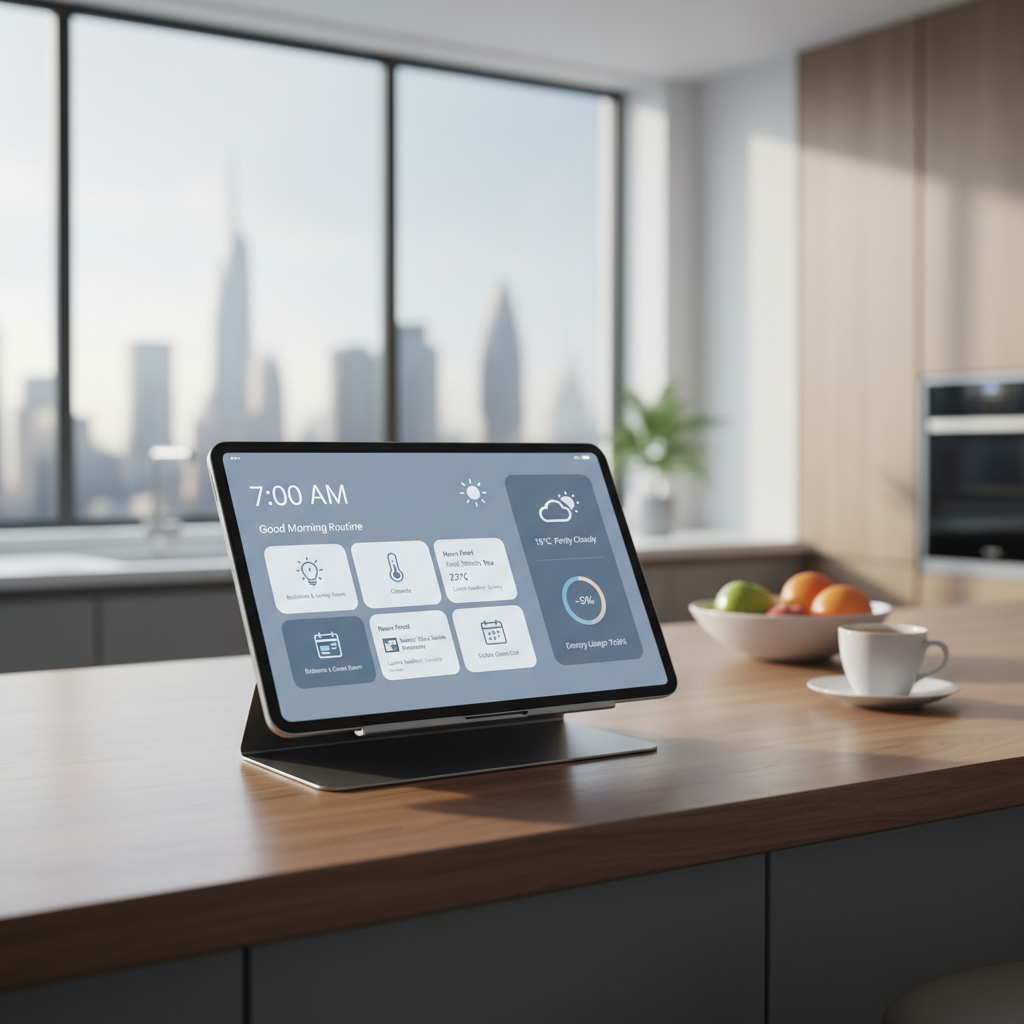
In our increasingly busy lives, the morning routine often feels like a race against the clock. From the jarring sound of a traditional alarm clock to the frantic search for coffee, getting out of bed can be a stressful ordeal. But what if your mornings could be transformed into a seamless, calming, and highly efficient experience? Welcome to the world of hands-free morning routines, powered by the incredible capabilities of Smart AI assistants. This comprehensive guide will delve into how artificial intelligence is revolutionizing the way we wake up and prepare for the day, making every morning a step towards greater productivity and peace.
The concept of a ‘smart home’ has been evolving rapidly, and its most impactful application might just be in the intimate realm of our personal daily habits. Imagine an environment where your wake-up call is a gentle, natural light simulation, followed by your favorite news briefing, and a perfectly brewed cup of coffee—all without lifting a finger. This isn’t science fiction; it’s the present reality thanks to the integration of AI-driven smart speakers, smart lights, thermostats, and a myriad of connected devices. By leveraging the power of these intelligent systems, we can design personalized morning routines that not only minimize stress but also optimize our time, energy, and overall well-being. Let’s explore the exciting possibilities that await when you invite AI to orchestrate your perfect start to the day.
The Dawn of Hands-Free Mornings: What Does It Really Mean?
A hands-free morning routine signifies a paradigm shift from manual, often chaotic, morning preparations to an automated, AI-orchestrated sequence of events. At its core, it means delegating repetitive tasks and information retrieval to intelligent systems, freeing up your mental and physical bandwidth for more important things, like a moment of mindfulness or simply enjoying your breakfast. It’s about proactive convenience, where your environment anticipates your needs rather than you reacting to them.
For decades, our alarms have been simple, often abrasive, tools designed to shock us awake. The immediate consequence is usually a jolt of adrenaline and a hurried scramble to begin the day. A hands-free approach, conversely, aims to foster a gradual, more natural awakening. This involves a symphony of smart devices working in concert: smart lighting that mimics a sunrise, a smart speaker that plays calming sounds or your preferred morning playlist, a smart thermostat that adjusts the room temperature to your comfort, and even a smart coffee maker that starts brewing at the perfect moment. The entire sequence is pre-programmed and triggered by your voice, a set schedule, or even biometric data, requiring minimal to no physical interaction from you.
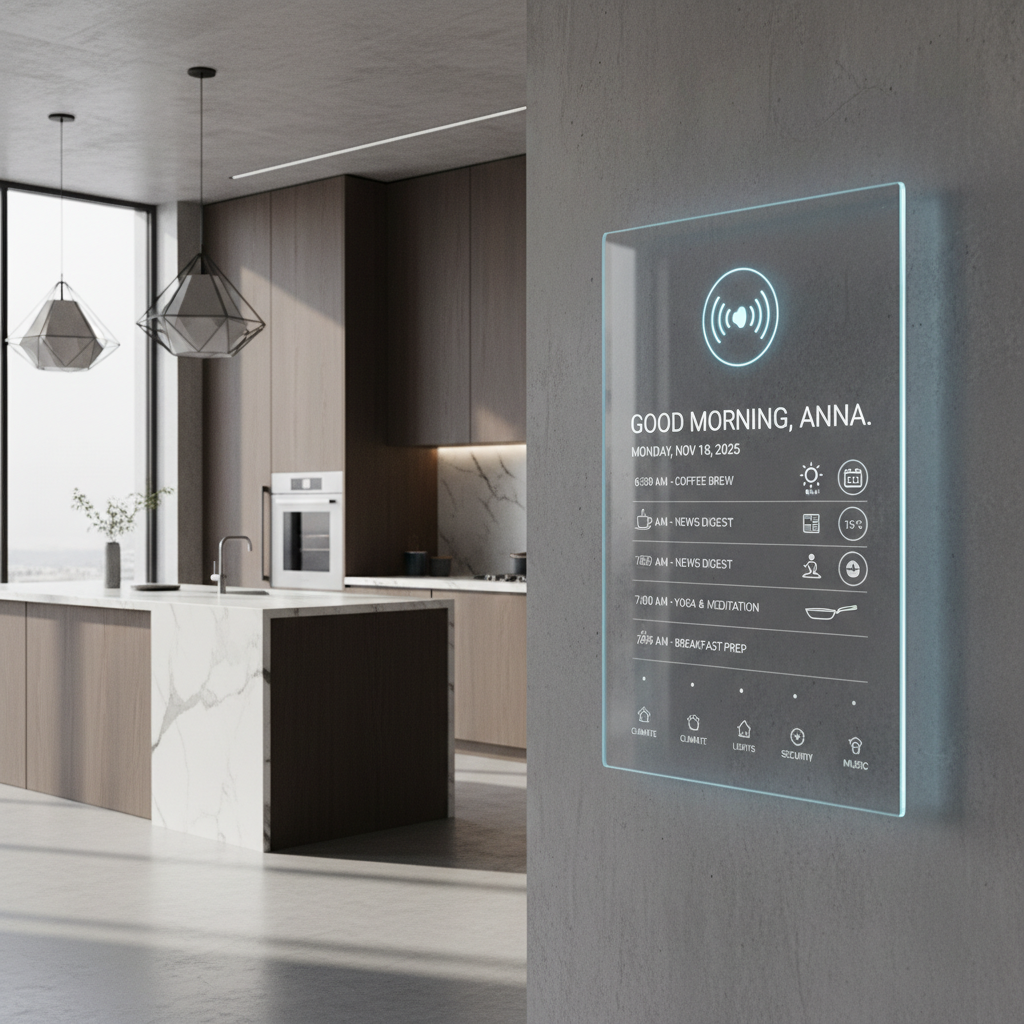
Beyond the initial wake-up, hands-free mornings extend to managing your early day information needs. Instead of fumbling for your phone to check weather, news, or your calendar, your AI assistant can deliver this information auditorily while you’re still in bed or getting ready. It can read out your top headlines, provide a personalized traffic update for your commute, remind you of your first appointment, or even suggest a healthy breakfast recipe based on ingredients it detects in your smart fridge. This seamless flow of information ensures you are well-informed and prepared, reducing decision fatigue and allowing for a smoother transition into your daily tasks. The emphasis is on creating a personalized, intuitive, and stress-reducing start, transforming the act of waking up from a chore into a delightful ritual.
Understanding Smart AI Assistants for Mornings
At the heart of any hands-free morning routine lies a robust smart AI assistant. These digital companions, embedded in smart speakers, displays, and various other devices, serve as the central command center for your automated morning. They interpret your commands, execute routines, and integrate with a vast ecosystem of smart home devices. Understanding their capabilities and limitations is crucial for building an effective system.
Popular AI Assistant Platforms:
- Amazon Alexa: Known for its vast skill library and strong device compatibility. Alexa powers devices like the Echo Dot, Echo Show, and integrates with thousands of third-party smart home products. Its ‘Routines’ feature allows for complex multi-device, multi-action sequences triggered by voice, time, or sensor input. For instance, a “Good Morning” routine can turn on lights, start coffee, and play news.
- Google Assistant: Renowned for its natural language processing and deep integration with Google services (Calendar, Maps, News). Google Assistant is found in Google Nest Hubs, Google Home speakers, and Android devices. Its ‘Routines’ are equally powerful, allowing users to string together actions like setting the thermostat, broadcasting messages to other speakers, and playing podcasts. It often excels at contextual queries.
- Apple Siri: Primarily focused on Apple’s ecosystem (HomePod, iPhone, Apple Watch), Siri offers seamless integration for users already invested in Apple products. Through the HomeKit framework, Siri can control a wide range of smart home devices. While its routine capabilities (via Shortcuts) might require a bit more setup than Alexa or Google Assistant for complex multi-device interactions, it provides robust privacy features and excellent device-to-device synergy within the Apple sphere.
- Samsung Bixby: Integrated into Samsung smart devices, including phones, smart TVs, and refrigerators. Bixby focuses on providing a unified experience across Samsung’s product line. While perhaps less ubiquitous in general smart speakers than Alexa or Google Assistant, its strength lies in controlling Samsung-specific appliances and offering personalized recommendations based on usage patterns within the Samsung ecosystem.
These AI assistants act as the brain of your smart morning. They listen for your voice commands, process them using natural language understanding, and then send signals to other connected smart devices. For example, when you say “Good morning,” the AI assistant doesn’t just hear the words; it understands the intent and triggers a pre-configured sequence of actions: dimming smart blinds, playing soft music, and turning on the kitchen lights. Recent advancements include improved contextual awareness, allowing the AI to understand follow-up questions without needing to repeat the wake word, and even adaptive learning, where the AI can suggest routine adjustments based on your usage patterns and external factors like traffic or weather forecasts.
The choice of AI assistant often depends on your existing tech ecosystem, privacy preferences, and the specific features you prioritize. Regardless of your choice, the core principle remains the same: a powerful, intelligent assistant orchestrating your morning to be as effortless and efficient as possible.
Core Components of an Automated Wake-Up System
To truly achieve a hands-free morning, you’ll need a collection of smart devices that can communicate with your chosen AI assistant. These components work together to create an integrated and responsive environment tailored to your waking needs. Building a robust system involves selecting devices that offer compatibility, reliability, and the features essential for your ideal morning.
- Smart Speakers/Displays (The Control Hub):
- Function: These are the primary interface for your AI assistant. They listen for commands, play audio (music, news, podcasts), and can display visual information (weather, calendar) if they have a screen.
- Examples: Amazon Echo (Dot, Show), Google Nest (Mini, Hub), Apple HomePod.
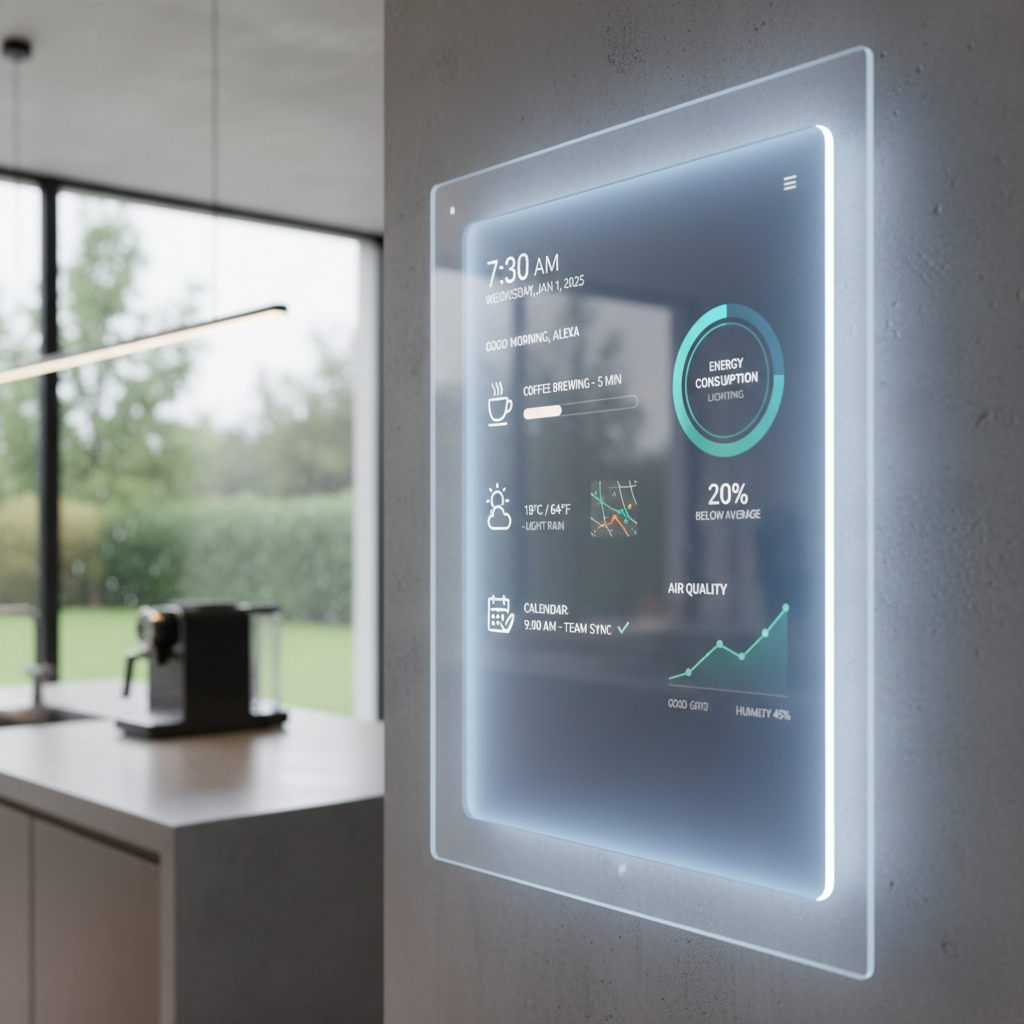
- Importance: Essential for voice control and audio feedback. A smart display adds visual cues, which can be particularly useful for morning briefings.
- Smart Lighting (The Gentle Awakening):
- Function: Gradually brighten your room, simulating a natural sunrise to ease you awake, rather than a sudden jolt. They can also be set to specific colors or brightness levels.
- Examples: Philips Hue, LIFX, Govee smart bulbs/strips.
- Importance: Crucial for regulating your circadian rhythm and making the wake-up process more pleasant and less stressful. Many lights offer tunable white light, which can shift from warm amber to cool blue throughout the day.
- Smart Thermostats (Comfort Control):
- Function: Adjust your home’s temperature before you wake up, ensuring your bedroom and other living areas are at your preferred comfort level when you get out of bed.
- Examples: Nest Thermostat, Ecobee, Honeywell Home.
- Importance: Enhances comfort and can contribute to energy savings by only heating/cooling when needed. Waking up to a comfortable temperature can significantly improve your morning mood.
- Smart Blinds/Curtains (Natural Light Integration):
- Function: Automatically open or close at scheduled times or upon voice command, allowing natural light to fill your room.
- Examples: Lutron Serena, Somfy, IKEA Fyrtur/Kadrilj smart blinds.
- Importance: Maximizes natural light, which is excellent for mood and energy levels. It works hand-in-hand with smart lighting for a truly natural wake-up simulation.
- Smart Coffee Makers/Kettles (The Aromatic Start):
- Function: Begin brewing your coffee or heating water for tea at a specific time or upon a voice command, so your beverage is ready when you are.
- Examples: Smarter Coffee, Hamilton Beach Smart Coffee Maker, smart plugs controlling traditional appliances.
- Importance: Provides instant gratification and saves precious minutes in the morning. Using a smart plug with a traditional appliance can be a cost-effective alternative.
- Smart Plugs (Extending Automation):
- Function: Turn any traditional appliance (like a lamp, fan, or even a hair straightener) into a smart device, allowing you to control it via your AI assistant.
- Examples: TP-Link Kasa, Meross, Wyze smart plugs.
- Importance: Highly versatile and cost-effective for automating devices not natively smart. You can plug in a bedside lamp, a phone charger, or even a small fan and integrate it into your morning routine.
- Smart Locks (Security and Convenience):
- Function: Can be integrated into morning routines to automatically lock or unlock doors at specific times, or to check their status before you leave.
- Examples: August Smart Lock, Yale Assure Lock, Kwikset Halo.
- Importance: Adds a layer of security and convenience, allowing you to confirm your home is secure with a simple voice command as you head out.
When selecting these components, always verify their compatibility with your chosen AI assistant platform. Most major brands support Alexa, Google Assistant, and often Apple HomeKit, but it’s always wise to double-check. A well-chosen ecosystem of devices creates a harmonious and truly automated morning experience, transforming mundane tasks into seamless interactions with your smart home.
Designing Your Personalized AI-Powered Morning Routine
The true power of AI in morning routines lies in its ability to be deeply personalized. No two individuals have the exact same morning needs or preferences. Designing your ideal routine involves understanding your habits, identifying pain points, and then creatively leveraging your smart devices and AI assistant’s capabilities. Here’s a step-by-step guide to crafting your perfect hands-free morning.
Step-by-Step Routine Creation:
- Analyze Your Current Morning:
- Identify Triggers: What currently wakes you up? (Alarm clock, sunlight, hunger, partner).
- Pinpoint Pain Points: What do you dislike most about your current morning? (Harsh alarm, cold room, fumbling for coffee, rushing to get information).
- List Desired Actions: What would make your morning better? (Gentle wake-up, warm room, fresh coffee, news briefing, meditation time).
- Choose Your AI Assistant and Core Devices:
- Select the AI assistant platform (Alexa, Google Assistant, Siri) that best fits your existing tech and preferences.
- Acquire essential devices: a smart speaker/display, smart lights, and perhaps a smart thermostat or plug for your coffee maker.
- Outline Your Ideal Sequence:
- Pre-Wake (e.g., 30-60 minutes before alarm):
- Thermostat adjusts to optimal temperature (e.g., from 68°F to 72°F).
- Smart lights begin a gradual sunrise simulation, slowly increasing brightness.
- Smart blinds slowly open to let in natural light.
- Wake-Up Call (The ‘Alarm’ Moment):
- Gentle, progressively louder music or ambient sounds begin to play from your smart speaker.
- Coffee maker starts brewing.
- Smart lights reach full desired brightness.
- AI assistant announces the time and a personalized greeting (e.g., “Good morning, [Name]! It’s 7:00 AM.”).
- Post-Wake (Getting Ready):
- AI assistant provides a custom news briefing (top headlines, specific topics).
- Weather forecast and traffic report for your commute are read aloud.
- Calendar events for the day are summarized.
- Positive affirmations or a short meditation guide can be played.
- Specific lights in the bathroom or kitchen turn on to your preferred settings as you move through the house.
- Pre-Wake (e.g., 30-60 minutes before alarm):
- Configure Routines in Your AI App:
- Open the app for your chosen AI assistant (Amazon Alexa app, Google Home app, Apple Home app).
- Navigate to the ‘Routines’ or ‘Automation’ section.
- Create a new routine.
- Set a Trigger: This could be a specific time (e.g., 6:30 AM), a voice command (e.g., “Alexa, start my day”), or even a sensor (e.g., motion detected in the bedroom).
- Add Actions: Systematically add each desired action from your outline. For each action, specify the device, the action itself (e.g., “set light to 50% brightness,” “play NPR news,” “set thermostat to 72 degrees”), and the timing (e.g., “wait 5 minutes then…” or “simultaneously”).
- Test and Refine: Run your routine multiple times, both manually and at its scheduled time. Adjust timings, volumes, and actions based on your experience. You might find you prefer the coffee to start 10 minutes earlier, or the news briefing to be slightly shorter.
Tips for Optimization:
- Layering: Don’t try to do everything at once. Start with a simple wake-up sequence and gradually add more complex actions.
- Voice Commands for Flexibility: Create secondary routines that can be triggered by specific voice commands, offering flexibility (e.g., “Alexa, snooze 10 minutes,” “Hey Google, skip news”).
- Conditional Logic (Advanced): Some platforms allow for more complex logic. For example, “if it’s raining, remind me to take an umbrella.”
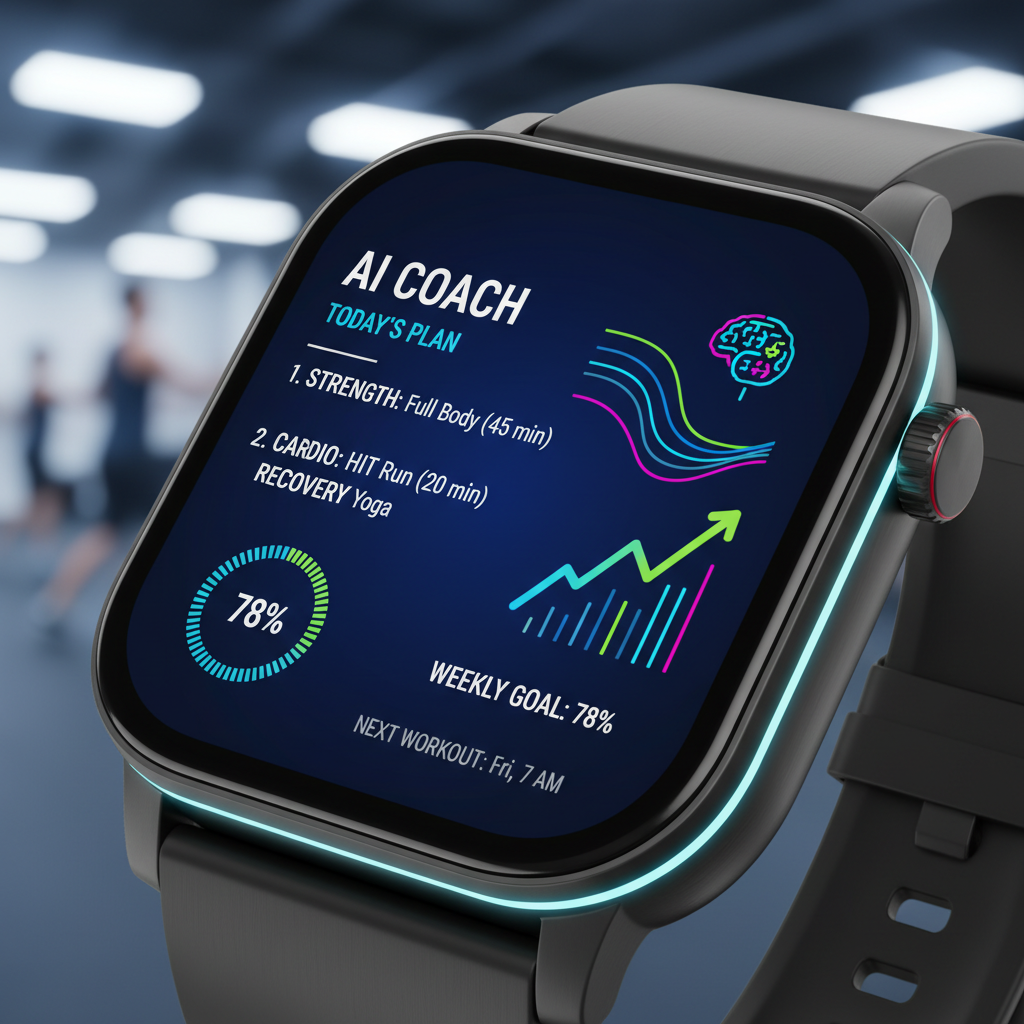
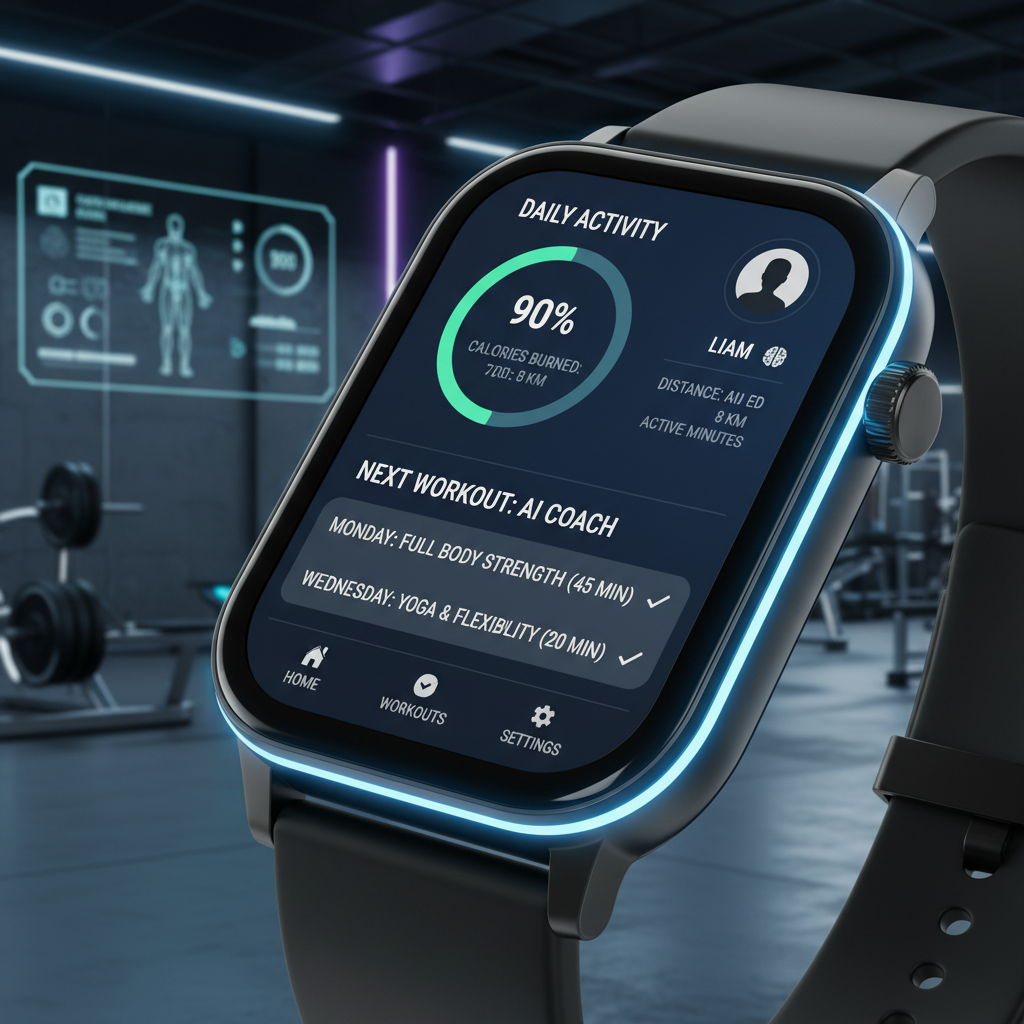
- Biometric Integration (Emerging): As wearables become more advanced, AI could potentially trigger routines based on sleep cycle data, waking you at the optimal point in your sleep.
- Feedback Loop: Pay attention to how the routine makes you feel. If it’s still stressful, identify which elements need adjustment. The goal is to create calm and efficiency.
By investing time in thoughtful design and iteration, your AI-powered morning routine will evolve into a truly personalized and invaluable asset, ensuring you start each day feeling refreshed, informed, and ready to tackle whatever comes your way.
Beyond the Wake-Up Call: Integrating AI into Your Full Morning Flow
While a hands-free wake-up is a phenomenal start, the true magic of AI lies in its ability to integrate seamlessly into your entire morning flow, extending far beyond the initial alarm. By leveraging contextual awareness, personalized preferences, and multi-device synchronization, AI assistants can transform every segment of your pre-work or pre-activity routine into an optimized, stress-free experience.
Expanding AI’s Role in Your Morning:
- Personalized News and Information Briefings: Instead of a generic news summary, your AI assistant can deliver headlines from your preferred sources, market updates relevant to your investments, sports scores for your favorite teams, or even updates on specific hobbies. This ensures you’re informed about what matters most to you, without sifting through irrelevant content. Google Assistant, for instance, allows deep customization of news sources within its daily briefing settings, and Alexa’s Flash Briefings offer a similar tailored experience from various skill providers.
- Dynamic Weather and Commute Updates: Before you even consider what to wear, your AI can provide the day’s weather forecast, including real-time precipitation alerts. More importantly, it can pull real-time traffic data, public transport delays, or estimated travel times for your specific commute, recommending the best departure time or alternative routes. This adaptive information helps you make informed decisions and avoid morning rush hour surprises. Modern AI can even integrate with smart calendars to automatically check commute times for your first appointment.
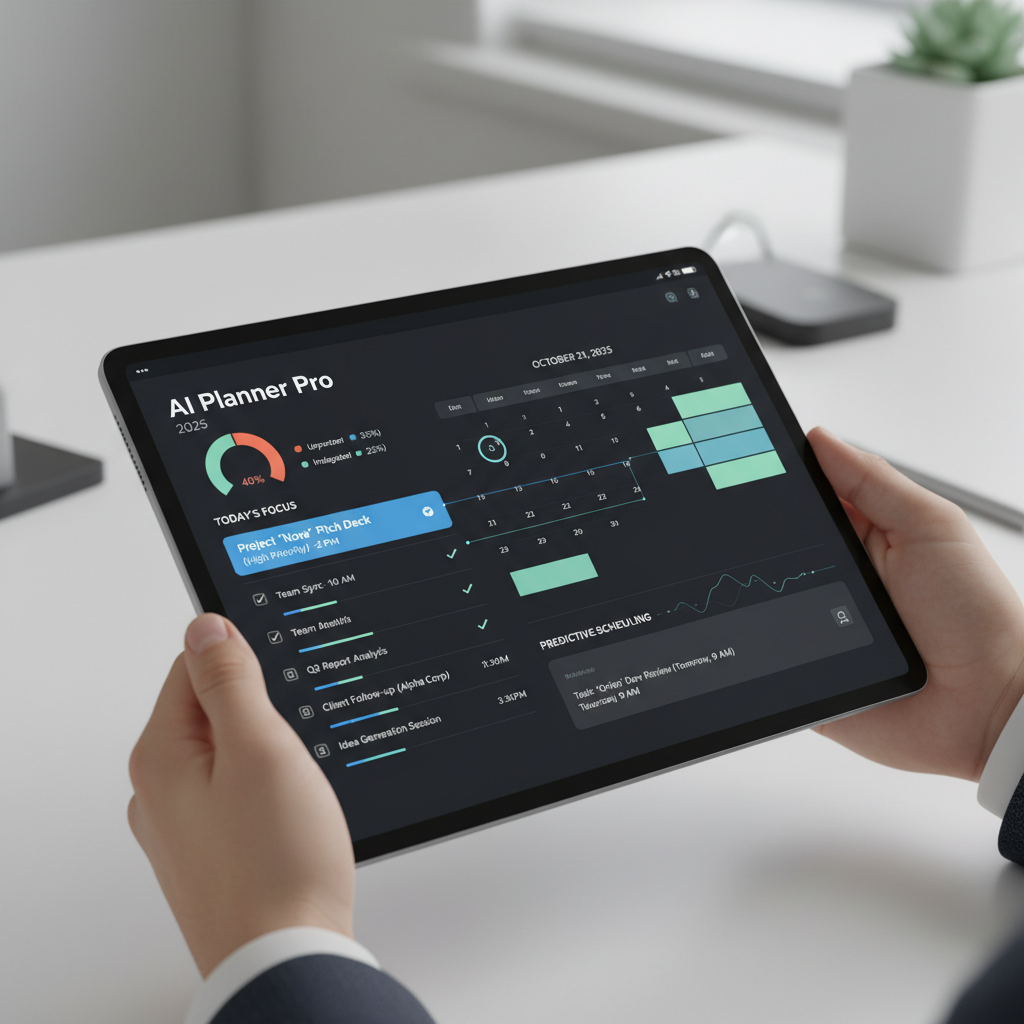
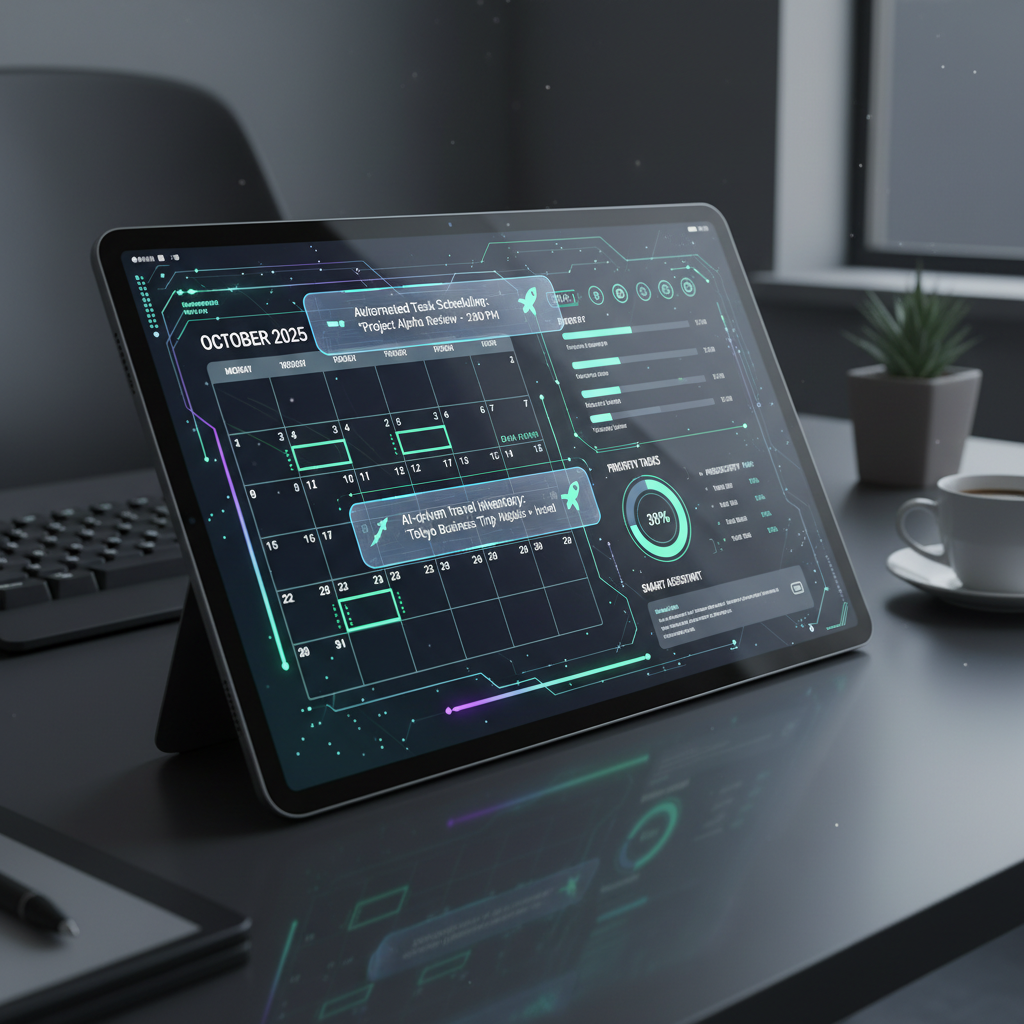
- Calendar and Task Management Integration: As you get ready, your AI can read out your calendar events for the day, remind you of important tasks from your to-do list, or even prompt you about recurring habits like taking medication. For busy professionals, this means starting the day with a clear overview of commitments, helping to prioritize and prepare mentally. Integrations with apps like Google Calendar, Outlook Calendar, and various task managers make this highly effective.
- Health and Wellness Prompts: AI can be a subtle coach for your morning wellness routine. It can remind you to hydrate, guide you through a quick meditation session, suggest a few stretches, or even read out a positive affirmation to set a mindful tone for the day. For those with smart scales or wearables, future integrations could allow AI to give personalized health insights or prompts based on your overnight data.
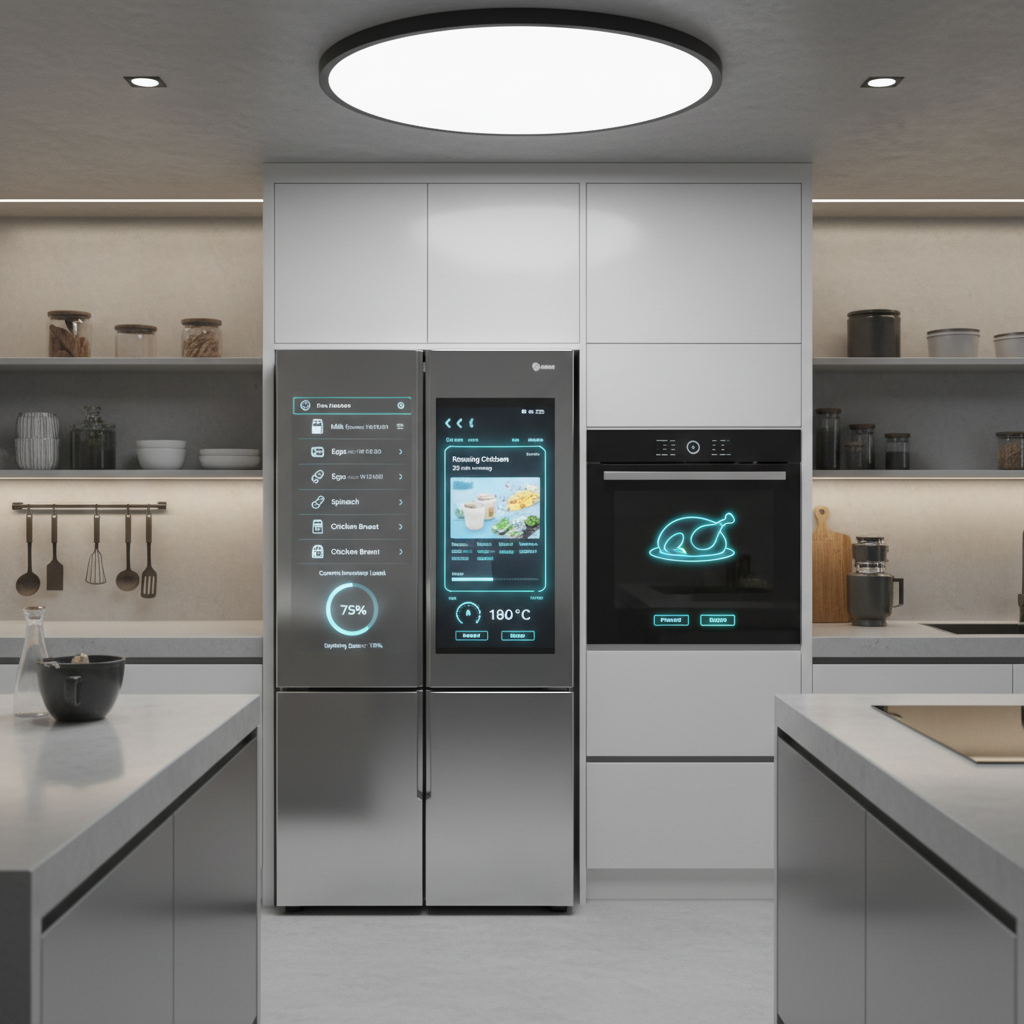
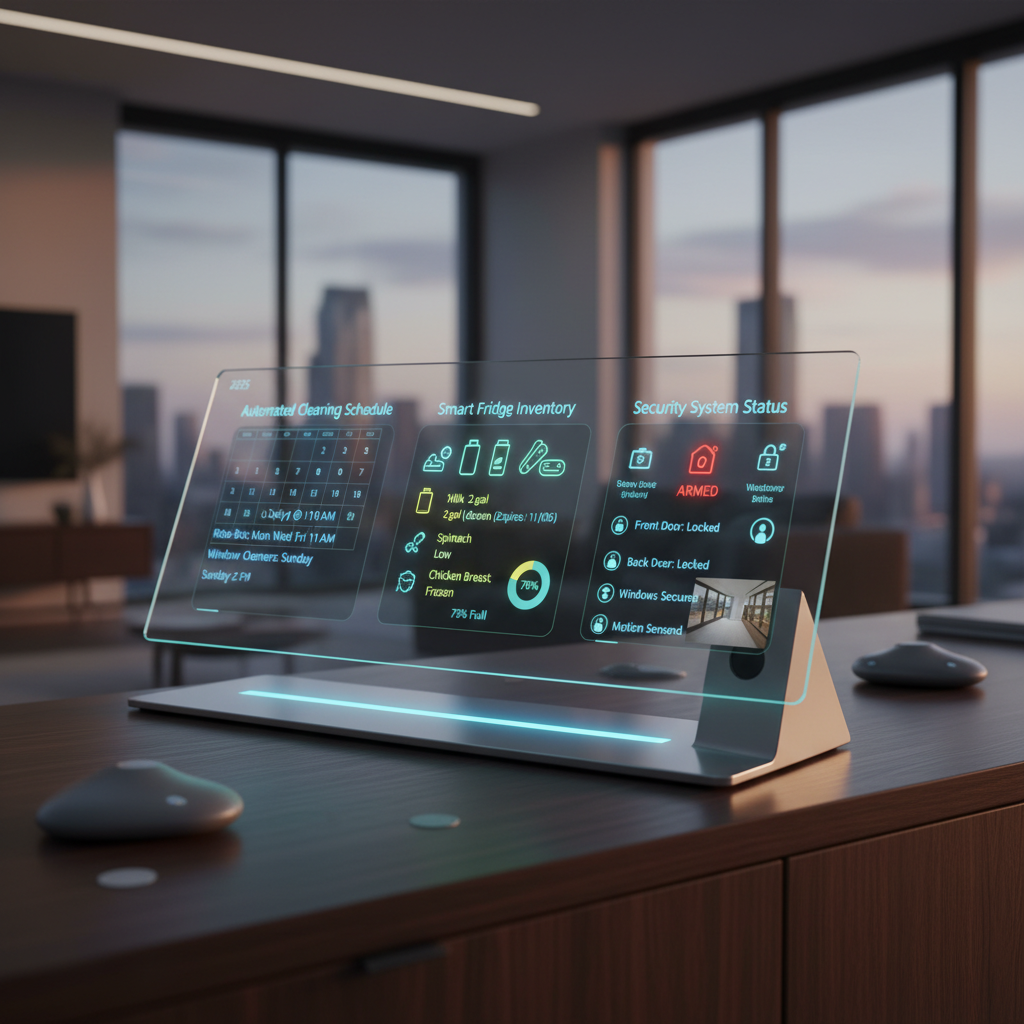
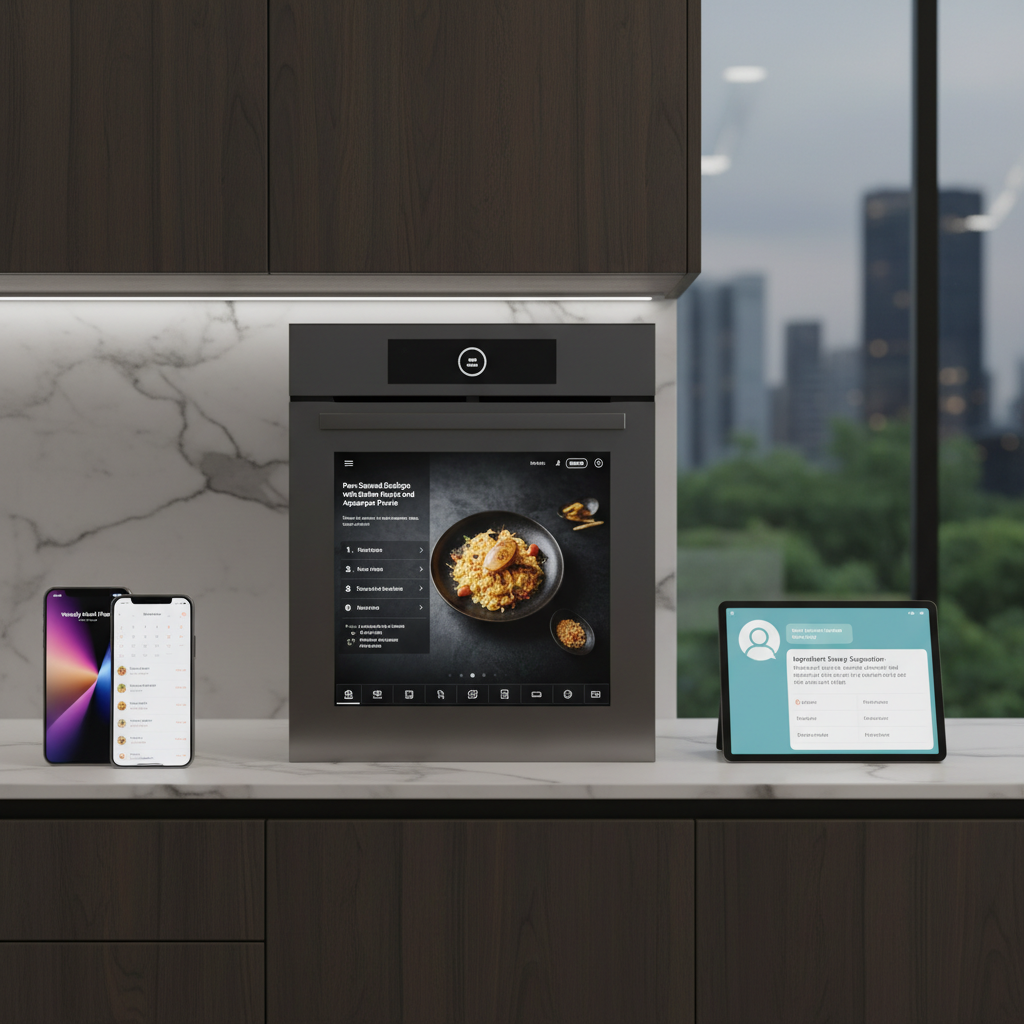
- Smart Kitchen Assistance: Beyond just coffee, AI can help with breakfast. “Alexa, what’s in the fridge?” combined with smart inventory systems can suggest recipes based on available ingredients. Smart ovens could preheat, and smart scales could guide precise ingredient measurements. This minimizes decision fatigue and optimizes meal prep time.
- Multi-Room Audio and Environmental Control: As you move from your bedroom to the bathroom or kitchen, your morning playlist or news briefing can follow you, seamlessly transitioning between smart speakers in different rooms. Lights can adjust, and thermostats can fine-tune temperatures in different zones of your home based on your movement or pre-set preferences, ensuring comfort and efficiency throughout your entire morning journey.
- Security Checks Before Leaving: Before you step out the door, a simple voice command like “Hey Google, is the house secure?” can trigger a check of all smart locks, windows, and garage doors, providing peace of mind. It can also arm your security system automatically as you depart.
The key to maximizing these integrations is to think holistically about your morning. Every small decision or manual action that can be automated or informed by AI contributes to a more streamlined and less stressful start. By weaving AI into the fabric of your entire morning flow, you’re not just automating a wake-up; you’re crafting a genuinely intelligent and responsive environment that supports your well-being and productivity from the moment you open your eyes.
Advanced AI Features for Enhanced Mornings
While basic automation provides significant convenience, the cutting edge of AI brings forth advanced features that elevate morning routines from merely hands-free to truly intelligent, adaptive, and predictive. These capabilities harness machine learning and sophisticated algorithms to make your mornings even more personalized and effortlessly integrated into your life.
Key Advanced Features:
- Predictive Routines and Adaptive Scheduling:
Modern AI assistants are moving beyond rigid, time-based triggers. They can analyze your historical data (e.g., when you typically wake up, when you leave for work, how long your commute takes), real-time external data (traffic, weather, public transport delays), and even calendar events to dynamically adjust your morning routine. For example, if your AI detects unusually heavy traffic on your usual route, it might wake you up 15 minutes earlier, suggest an alternative route, and adjust your news briefing to include detailed traffic reports. Similarly, if your calendar shows an early meeting, it can proactively shift your wake-up time. This adaptive scheduling ensures you’re always on time and prepared, even when external variables change.
- Contextual Awareness and Natural Language Understanding:
Advanced AI can maintain context across multiple interactions, making conversations feel more natural and less like a series of isolated commands. For instance, after asking “What’s the weather like?”, you can follow up with “And how about tomorrow?” without repeating the city name. Furthermore, AI is becoming adept at understanding nuances in speech, recognizing different voices (for personalized responses), and even interpreting emotional tone. This means your AI could potentially gauge your mood and adjust its responses or recommended actions accordingly, offering a more empathetic interaction.
- Bio-Feedback Integration and Sleep Cycle Optimization:
The future of morning AI is increasingly integrating with wearables and smart sleep trackers. By analyzing your sleep stages (light, deep, REM), AI could determine the optimal moment within a wake-up window to rouse you, ensuring you wake during a light sleep phase, making you feel more refreshed and less groggy. Devices like smart mattresses and advanced smartwatches can provide this data, allowing AI to trigger a simulated sunrise or gentle alarm at the most physiologically beneficial time. This moves beyond simple automation to truly intelligent, health-optimized waking.
- Personalized Content Curation:
Beyond standard news briefings, advanced AI can learn your content consumption habits across various platforms (news sites, podcasts, music services) and curate a highly personalized morning stream. It could suggest new podcasts based on your listening history, summarize articles you might find interesting, or even recommend specific music genres that align with your morning mood, rather than just playing a generic playlist. This transforms passive information delivery into active, intelligent curation.
- Proactive Problem Solving:
Imagine your AI assistant not just reporting traffic but also detecting a forgotten item. With the integration of smart tags (like Apple AirTags or Tile) and object recognition in smart cameras, your AI could potentially alert you if a crucial item (e.g., your keys, wallet) isn’t in its usual spot before you leave, saving you time and stress. Or, if it detects unusual energy consumption, it could proactively ask if you meant to leave a specific appliance on.
These advanced capabilities represent the next frontier in AI-driven morning routines. They transition from being purely reactive to your commands or schedule to being proactive, predictive, and deeply integrated with your personal well-being and daily flow. As AI continues to evolve, our mornings will become not just hands-free, but truly thought-free, allowing us to dedicate our mental energy to more meaningful pursuits.
Security and Privacy Considerations in Smart Home Automation
While the benefits of an AI-powered morning routine are immense, it’s crucial to address the inherent security and privacy considerations that come with connecting numerous devices and sharing personal data. A hands-free morning should never come at the cost of your digital safety or personal information. Understanding these risks and implementing best practices is paramount.
Key Security and Privacy Aspects:
- Data Collection and Usage:
Smart AI assistants and connected devices collect a vast amount of data: voice commands, usage patterns, location data, biometric information (if integrated with wearables), and even environmental data (temperature, light levels). This data is often used to improve services, personalize experiences, and, in some cases, for targeted advertising. It’s essential to understand what data is being collected, how it’s stored, and with whom it’s shared. Reviewing the privacy policies of each device manufacturer and AI platform is a critical first step.
- Voice Recordings and Transcripts:
AI assistants process voice commands by sending them to cloud servers for interpretation. While these recordings are typically anonymized and used for improving speech recognition, concerns about inadvertent recordings or access by human reviewers have been raised. Most platforms offer settings to review and delete your voice history, or even opt-out of human review. Utilize these features to maintain control over your voice data.
- Device Vulnerabilities and Network Security:
Every smart device connected to your home network represents a potential entry point for malicious actors. Weak default passwords, unpatched firmware, and insecure network configurations can expose your entire smart home ecosystem. Ensuring strong, unique passwords for all devices and your Wi-Fi network, enabling two-factor authentication (2FA) wherever possible, and regularly updating device firmware are fundamental security practices.
- Third-Party Integrations and Permissions:
Many smart routines involve integrating third-party services or ‘skills’ (e.g., a specific news provider, a weather app). When you grant these services access, you’re potentially sharing data with additional entities. Be judicious about which third-party integrations you enable and what permissions you grant them. Only enable skills from reputable developers and question any requests for excessive permissions.
- Physical Security of Devices:
Beyond digital threats, consider the physical security of your smart devices. A smart display showing your calendar events could be visible to guests. Smart locks and cameras, while enhancing security, also require robust protection against tampering or unauthorized access. Position cameras thoughtfully and ensure physical access to control hubs is restricted.
- User Control and Opt-Out Options:
Reputable AI platforms offer extensive privacy controls, allowing you to manage data retention, opt-out of certain data processing, and customize privacy settings. Familiarize yourself with these options within the settings of your AI assistant apps and adjust them to your comfort level. Regularly review these settings as platforms update their features and policies.
- AI Ethics and Bias:
As AI becomes more sophisticated, ethical considerations around algorithmic bias and decision-making come into play. While less critical for morning routines, being aware of the broader ethical implications of AI development is important as the technology integrates deeper into our lives.
A secure and private smart home is built on a foundation of awareness and proactive management. By being informed about the data collected, securing your network and devices, and actively managing your privacy settings, you can enjoy the unparalleled convenience of an AI-powered morning routine without compromising your digital safety or peace of mind.
The Future of Morning Automation: AI’s Evolving Role
The journey of AI in transforming our mornings is far from over; it’s merely accelerating. As AI technology continues to advance, we can anticipate even more sophisticated, intuitive, and seamlessly integrated morning routines. The future promises an evolution from programmable automation to truly intelligent, predictive, and adaptive environments that anticipate our needs before we even articulate them.
Anticipated Developments and Trends:
- Hyper-Personalization Driven by Advanced Machine Learning:
Future AI will excel at learning individual preferences and habits at an unprecedented depth. Beyond simple time-based schedules, AI will consider your specific sleep patterns, daily energy fluctuations, even your current health status (via integrated biosensors), and psychological state to craft a truly bespoke morning. It might suggest a different style of music based on your sleep quality, or offer a guided breathing exercise if it detects elevated stress markers.
- Enhanced Contextual Awareness and Multimodal Interaction:
AI assistants will become even better at understanding complex, nuanced requests and maintaining long conversational contexts. We’ll see more multimodal interactions where AI combines voice, gestures, eye-tracking, and even environmental cues. Imagine merely glancing at a smart display to see your calendar, then a subtle nod to confirm your first appointment, prompting your AI to pre-order your coffee on the way to work.
- Proactive and Predictive Autonomy:
The “hands-free” aspect will evolve into “thought-free.” AI will move beyond waiting for triggers to proactively managing your morning. Based on patterns and external data, it might suggest, “Given the rainy weather and your early meeting, I’ve adjusted your wake-up time by 10 minutes and opened your smart blinds earlier for natural light. Would you like me to preheat your car?” This predictive capability will significantly reduce cognitive load.
- Deeper Integration with Wearables and Health Ecosystems:
Wearable technology will become even more integral. AI will leverage real-time physiological data (heart rate variability, blood oxygen, glucose levels) from smart rings, watches, and even implantable sensors to optimize not just wake-up times but also morning nutrition advice, exercise suggestions, and stress management techniques, making your morning routine a cornerstone of preventative health.
- Smarter Home Appliances with Embedded AI:
More appliances will come with built-in AI capabilities, reducing the reliance on smart plugs. Refrigerators will not only suggest recipes based on inventory but also order groceries automatically. Ovens will learn your cooking preferences, and showers might adjust water temperature and pressure based on individual profiles, all orchestrated by a central AI.
- Ambient Intelligence and Invisible Computing:
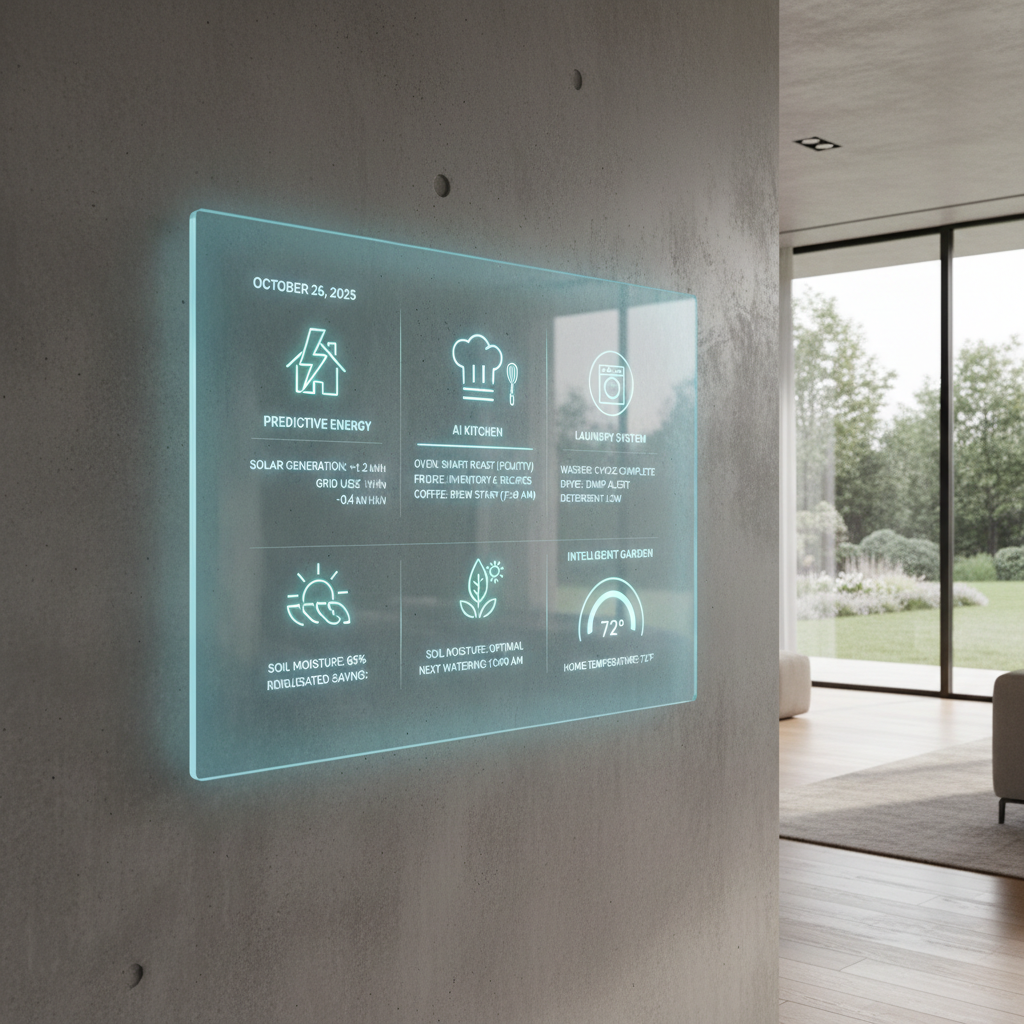
The ultimate vision of the smart home is one where technology fades into the background, becoming truly ambient. Sensors will be embedded everywhere – in walls, floors, furniture – making the interaction with technology almost invisible. Your home will intuitively know your location, your needs, and your preferences, adjusting the environment seamlessly without explicit commands, turning your entire home into an extension of your personalized morning routine.
- AI for Mental Well-being:
Beyond practical tasks, AI will play a greater role in supporting mental well-being. Morning routines could include AI-guided mindfulness sessions tailored to your current stress levels, personalized gratitude prompts, or even interactive therapy modules designed to improve mood and cognitive function, making the start of your day a truly holistic experience.
The future of morning automation with AI is one of increasing intelligence, seamless integration, and profound personalization. It’s about creating an environment that doesn’t just respond to your commands but anticipates your needs, supports your well-being, and empowers you to start each day in the most optimized and harmonious way possible. The journey from manual mornings to intelligently orchestrated awakenings is an exciting testament to AI’s transformative potential.
Comparison Tables
Table 1: Popular AI Assistants for Morning Routines
| Feature/Aspect | Amazon Alexa | Google Assistant | Apple Siri (HomeKit) | Samsung Bixby |
|---|---|---|---|---|
| Primary Devices | Echo devices, Fire TV, third-party speakers | Google Nest devices, Android phones, smart displays | HomePod, iPhone, Apple Watch, Apple TV | Samsung smart devices (phones, TVs, fridges) |
| Device Compatibility (Third-Party) | Extensive (thousands of brands) | Very good (hundreds of brands) | Good (HomeKit certified devices) | Limited to Samsung ecosystem and some partners |
| Routine/Automation Strength | Excellent, highly customizable ‘Routines’ with broad triggers and actions. | Excellent, ‘Routines’ are powerful, strong contextual understanding. | Good, via ‘Shortcuts’ app and HomeKit scenes. Can be more complex to set up. | Moderate, primarily for Samsung devices, ‘Quick Commands’. |
| Natural Language Processing | Very good, constantly improving, vast skill library. | Excellent, best-in-class for understanding complex queries and context. | Good, improves within Apple ecosystem, sometimes requires precise phrasing. | Good for basic commands, better with Samsung-specific interactions. |
| Information Retrieval (News, Weather, Traffic) | Customizable ‘Flash Briefings’, good weather/traffic. | Deep integration with Google services, very strong for personalized info. | Reliant on Apple News/Weather, good for basic info. | Basic info from pre-selected sources. |
| Privacy Focus | Good, with granular controls for data deletion and opt-out. | Good, with granular controls, extensive data management. | Excellent, strong emphasis on on-device processing and user privacy. | Good, primarily within Samsung’s own data policies. |
| Ecosystem Lock-in | Moderate (benefits from Amazon services) | Moderate (benefits from Google services) | High (best experience within Apple ecosystem) | High (best experience within Samsung ecosystem) |
Table 2: Smart Home Devices vs. Traditional Devices for Morning Tasks
| Task/Device | Traditional Device | Smart Home Device (AI Integrated) | Efficiency/Convenience Gain | Typical Cost Implications |
|---|---|---|---|---|
| Waking Up | Alarm clock | Smart Speaker + Smart Lights | Gradual, natural wake-up; personalized audio; no sudden jarring. | Higher initial investment, but long-term comfort and health benefits. |
| Lighting | Wall switch, regular bulbs | Smart Bulbs/Switches | Voice control, automation based on schedule/motion, dynamic brightness/color. | Higher per-bulb cost, but energy savings and versatility. |
| Climate Control | Manual thermostat | Smart Thermostat | Automated pre-heating/cooling; remote control; learning algorithms. | Higher initial cost, but significant energy savings and comfort. |
| Coffee/Tea Prep | Manual coffee maker/kettle | Smart Coffee Maker/Smart Plug + Traditional Maker | Beverage brewed automatically at desired time, ready on demand. | Moderate (smart plug) to High (smart appliance), saves time. |
| Blinds/Curtains | Manual blinds/curtains | Smart Blinds/Curtain Motors | Automated opening/closing for natural light control, privacy. | High initial investment, but significant convenience and light management. |
| News/Information | TV, radio, smartphone app | Smart Speaker/Display | Hands-free audio briefings, personalized news/weather/traffic. | Moderate (cost of smart speaker), saves mental effort and time. |
| Door Locking | Manual lock/key | Smart Lock | Voice command to check/lock, auto-locking, remote access. | Moderate to High, enhances security and peace of mind. |
Practical Examples: Real-World Use Cases and Scenarios
Theory is one thing, but seeing AI-powered morning routines in action truly brings their benefits to life. Here are a few practical examples showcasing how different individuals can leverage smart technology to revolutionize their start to the day.
Case Study 1: The Early Riser’s Seamless Start
Meet Sarah, a graphic designer who values a calm and focused start to her creative day.
Sarah’s ideal wake-up is gradual and free of sudden jolts. Her AI assistant, Amazon Alexa, orchestrates a routine that begins 45 minutes before her actual wake-up time of 6:30 AM. At 5:45 AM, her smart thermostat (Nest) gently raises the bedroom temperature by two degrees to take the chill out of the air. Five minutes later, her Philips Hue smart lights in the bedroom begin a slow, warm white glow, mimicking a sunrise. At 6:15 AM, her smart blinds (Lutron Serena) gradually open, letting in natural light. At 6:30 AM, instead of an alarm, Alexa plays a custom playlist of ambient instrumental music, starting quietly and slowly increasing in volume over five minutes. Simultaneously, her Smarter Coffee machine in the kitchen begins brewing her favorite French roast. As Sarah sits up in bed, she simply says, “Alexa, good morning briefing.” Alexa then provides her top three news headlines from The New York Times, followed by the weather forecast for her city, and then reads out her first two calendar appointments from her Google Calendar. By the time Sarah steps out of bed, her room is brightly lit, comfortably warm, and the aroma of fresh coffee fills the air. She walks into the kitchen to a freshly brewed cup and can listen to a podcast as she eats breakfast. This routine allows Sarah to gently transition from sleep to alertness, feeling prepared and refreshed for her creative work, without ever having to rush or manually interact with devices.
Case Study 2: The Commuter’s Optimized Prep
Meet Mark, a sales manager with a demanding schedule and a variable commute.
Mark needs a morning routine that adapts to external factors, especially traffic. He relies on Google Assistant. His core wake-up is set for 7:00 AM, but he has an adaptive routine. At 6:00 AM, Google Assistant checks his Google Calendar for his first appointment and cross-references it with real-time Google Maps traffic data for his commute. If an unusual delay is detected, Google Assistant will proactively wake him up 15 or 30 minutes earlier, announcing, “Good morning, Mark. It’s 6:45 AM. There’s heavy traffic on your route to today’s 9 AM meeting; you’ll need to leave earlier. I’ve adjusted your routine accordingly.” His smart lights (LIFX) will then turn on to a bright white, and his smart speaker (Google Nest Hub) will play a quick news summary and a personalized traffic report. As he gets ready, he can ask, “Hey Google, what’s the latest traffic to downtown?” and get an updated time. His smart coffee maker (controlled by a Wyze smart plug) starts brewing as soon as he acknowledges the wake-up, ensuring his coffee is ready regardless of the adjusted time. Before leaving, he says, “Hey Google, activate ‘Leaving Home’ routine.” This command locks his smart front door (August Smart Lock), turns off all lights in the house, adjusts the thermostat to an energy-saving setting, and arms his security camera system. Mark’s routine ensures he’s always on time, well-informed, and his home is secure, all managed hands-free.
Case Study 3: The Family’s Harmonized Morning
Meet the Chen family – parents Lisa and David, and their two teenage children, Emily and Tom.
Coordinating four busy schedules in the morning used to be chaotic. Now, they use a combination of Amazon Alexa and Google Assistant devices throughout their home, with personalized routines for each family member. At 6:00 AM, the kitchen and living room lights (GE Cync) gently brighten, and the smart thermostat (Ecobee) raises the downstairs temperature. Lisa’s personal Alexa in her bedroom starts a gentle classical music alarm at 6:30 AM, followed by a summary of her work emails and calendar. David’s Google Home Mini plays his preferred news podcast at 6:45 AM. Emily and Tom each have smart lights in their rooms that simulate a sunrise starting at 7:00 AM, followed by personalized Spotify playlists. At 7:30 AM, a broadcast message goes out to all smart speakers in the house: “Good morning, family! It’s 7:30 AM. Please head down for breakfast. Emily, remember your history test today. Tom, don’t forget your soccer gear.” The kitchen smart display (Google Nest Hub Max) shows a rotating display of their shared family calendar and a custom chore list. If a child is running late, Lisa can ask, “Alexa, is Emily awake?” and Alexa can report if her bedroom light has been turned off via her routine. As they leave, any family member can say, “Hey Google, goodbye,” which triggers a routine to lock the front door, adjust the downstairs thermostat, and turn off all non-essential lights, simplifying the morning exodus for everyone and reducing family friction.
Frequently Asked Questions
Q: How do I get started with an AI-powered morning routine?
A: The best way to start is by selecting a primary AI assistant platform that aligns with your existing technology ecosystem, such as Amazon Alexa (Echo devices), Google Assistant (Google Nest devices), or Apple Siri (HomePod, HomeKit). Begin with one core smart speaker and a few essential smart devices like smart lights and a smart plug for your coffee maker. Download the respective app (Amazon Alexa, Google Home, Apple Home) and explore the ‘Routines’ or ‘Automation’ section. Start with a simple routine, like setting a gentle wake-up with lights and music, then gradually add more complexity and devices as you become comfortable. Remember to test and refine your routines regularly.
Q: What smart devices are essential for a hands-free morning?
A: While a truly comprehensive setup can include many devices, the essentials typically include:
- A Smart Speaker or Display (e.g., Echo Dot, Google Nest Hub) as your central control hub.
- Smart Lights (e.g., Philips Hue, LIFX) for a gentle wake-up simulation.
- A Smart Plug to automate a traditional coffee maker or bedside lamp.
- A Smart Thermostat (e.g., Nest, Ecobee) for comfortable room temperature.
Optional but highly beneficial additions include smart blinds, smart locks, and smart security cameras.
Q: Is an AI-powered morning routine expensive to set up?
A: The cost can vary significantly depending on the depth of automation and the brands you choose. You can start relatively affordably with a basic smart speaker (around $30-50), a few smart bulbs ($15-25 each), and a smart plug ($10-20). This foundational setup can be quite effective. As you add more premium devices like smart thermostats ($150-250), smart blinds ($200+ per window), or high-end smart speakers, the cost will increase. However, many components offer long-term benefits like energy savings or increased home security, providing a return on investment over time. Many users build their smart home ecosystem gradually, adding devices as budget and needs allow.
Q: How secure and private are these smart home devices and AI assistants?
A: Security and privacy are paramount concerns. Major AI platforms (Amazon, Google, Apple) invest heavily in security measures, including encryption, secure data centers, and multi-factor authentication options. However, user vigilance is also crucial. Best practices include:
- Using strong, unique passwords for your Wi-Fi network and all smart devices.
- Enabling two-factor authentication (2FA) wherever available.
- Regularly updating device firmware to patch vulnerabilities.
- Reviewing the privacy settings in your AI assistant app and managing data retention/voice history.
- Being cautious about which third-party skills or integrations you enable and the permissions you grant them.
No system is entirely foolproof, but by following these guidelines, you can significantly mitigate risks.
Q: Can I customize my AI morning routine to be exactly how I want it?
A: Absolutely, customization is one of the biggest strengths of AI-powered morning routines. All major AI platforms offer robust ‘Routines’ or ‘Automation’ features that allow you to specify exact sequences of actions, timings, and triggers. You can choose specific music, news sources, light colors and brightness, thermostat settings, and integrate virtually any compatible smart device. You can even create multiple routines for different days (e.g., weekdays vs. weekends) or for different moods. The possibilities are nearly endless, allowing you to tailor your morning down to the smallest detail.
Q: What happens if my internet goes down? Will my routine still work?
A: The functionality of your routine during an internet outage depends on the specific devices and how they are configured.
- Local Control: Some smart devices (e.g., certain smart light hubs, Z-Wave/Zigbee devices) can maintain basic functionality and communicate with each other locally even without internet. If your routine is primarily managed by a local hub, some actions might still execute.
- Cloud-Dependent Features: Most AI assistant voice commands, cloud-based routines, news briefings, music streaming, and integration with external services (like traffic updates) rely heavily on an active internet connection. These features will likely be unavailable during an outage.
It’s wise to have a backup, like a traditional alarm clock, for critical wake-up times. Some smart devices offer “power-loss recovery” settings, meaning they’ll return to their last state (e.g., light on/off) when power is restored.
Q: Can AI learn my habits and adapt my routine automatically?
A: Yes, this is an area of significant advancement in AI. Many AI assistants are equipped with machine learning capabilities that allow them to learn your preferences and habits over time. For example, a smart thermostat might learn your preferred temperature at different times of the day. More advanced AI can analyze factors like your typical wake-up time, commute patterns, and calendar entries to suggest or even automatically adjust your routine. Some smart sleep trackers can integrate to wake you during an optimal sleep cycle phase. While fully autonomous “thought-free” adaptation is still evolving, current AI can definitely make intelligent suggestions and subtle adjustments based on your usage data and external real-time information.
Q: Are there any health or wellness benefits to automating my wake-up?
A: Absolutely. Automating your wake-up can have several positive health and wellness benefits:
- Reduced Stress: A gentle, gradual wake-up with simulated sunlight and calming sounds is less jarring than a traditional alarm, reducing cortisol levels.
- Improved Sleep Quality: Waking up in a lighter sleep stage (often facilitated by smart light alarms) can lead to feeling more refreshed and less groggy.
- Enhanced Circadian Rhythm: Consistent, light-based wake-ups can help regulate your body’s natural sleep-wake cycle.
- Increased Mindfulness: By automating mundane tasks, you free up mental space for meditation, stretching, or simply enjoying a peaceful start to your day.
- Better Preparedness: Instant access to news, weather, and calendar information reduces morning anxiety and helps you feel more in control.
Overall, it contributes to a more mindful, less rushed, and healthier start to your day.
Q: What are the best AI platforms for morning automation?
A: The “best” platform often depends on your existing ecosystem and personal preferences.
- Amazon Alexa: Excellent for a broad range of device compatibility and a vast skill library, making it highly versatile for various smart home devices.
- Google Assistant: Strongest in natural language processing and deep integration with Google services (Calendar, Maps, News), ideal for those heavily invested in the Google ecosystem.
- Apple Siri (HomeKit): Best for privacy and seamless integration within the Apple ecosystem, especially if you prioritize HomeKit-certified devices.
Consider which platform offers the most compatible devices you already own or plan to purchase, and which user interface you find most intuitive.
Q: How reliable are AI-powered routines, and what about troubleshooting?
A: AI-powered routines are generally very reliable, especially when using reputable brands and a stable internet connection. However, like any technology, occasional glitches can occur. Common troubleshooting steps include:
- Checking Internet Connection: Most issues stem from Wi-Fi problems.
- Device Status: Ensure all smart devices are powered on and connected to your network.
- App Updates: Keep your AI assistant app and device firmware up to date.
- Routine Configuration: Double-check the settings within your routine for correct timings, actions, and device selections.
- Restarting Devices: A simple reboot of your smart speaker or problem device can often resolve minor issues.
- Platform Support: Utilize the support resources provided by Amazon, Google, Apple, or the device manufacturers for more complex problems.
Consistency and a little patience often lead to a highly dependable automated morning.
Key Takeaways
- Transformative Experience: AI assistants fundamentally change morning routines from manual and rushed to automated, calm, and efficient.
- Core Components: A hands-free morning relies on smart speakers/displays, smart lighting, smart thermostats, and smart plugs, all integrated with an AI assistant.
- Deep Personalization: Routines can be meticulously tailored to individual preferences, from gentle wake-up sequences to personalized news and commute briefings.
- Beyond Wake-Up: AI extends its utility throughout the entire morning flow, assisting with information, health prompts, kitchen tasks, and home security.
- Advanced Capabilities: Emerging AI features include predictive routines, adaptive scheduling based on real-time data, bio-feedback integration, and enhanced contextual awareness.
- Security and Privacy are Key: Users must be vigilant about data collection, network security, and device vulnerabilities, actively managing privacy settings.
- Future is Brighter: The evolution of AI promises even more seamless, intuitive, and proactive morning automation, moving towards thought-free ambient intelligence.
- Practical Benefits: Reduced stress, improved sleep quality, enhanced productivity, and a more mindful start to the day are direct benefits.
- Gradual Implementation: Starting with basic devices and simple routines, then gradually expanding, is an effective way to build a robust system.
Conclusion
The vision of a perfectly orchestrated morning, once confined to the pages of science fiction, is now a tangible reality, thanks to the remarkable advancements in Smart AI. By embracing hands-free morning routines, we’re not just automating mundane tasks; we’re reclaiming precious time, reducing daily stress, and fostering an environment that supports our well-being and productivity from the moment we open our eyes. The integration of intelligent assistants like Alexa, Google Assistant, and Siri with an ecosystem of smart devices transforms the chaotic scramble of traditional mornings into a symphony of seamless convenience.
From the gentle glow of a simulated sunrise and the perfectly brewed coffee, to personalized news briefings and adaptive commute alerts, AI empowers us to design a morning experience that is uniquely our own. It’s about more than just convenience; it’s about starting each day feeling refreshed, informed, and in control, setting a positive tone for the hours ahead. While the journey into smart home automation requires thoughtful consideration of device compatibility, security, and privacy, the benefits far outweigh the initial effort. As AI continues its rapid evolution, we can anticipate even more intuitive, predictive, and deeply integrated mornings, where technology fades into the background, working tirelessly to enhance our lives.
Embrace the future of waking up. Explore the possibilities, experiment with routines, and allow the power of Smart AI to revolutionize your mornings. The dawn of a new, hands-free day awaits, promising not just a smarter start, but a better day, every day. It’s time to let AI take the reins, so you can truly wake up and live.

















































Leave a Reply