

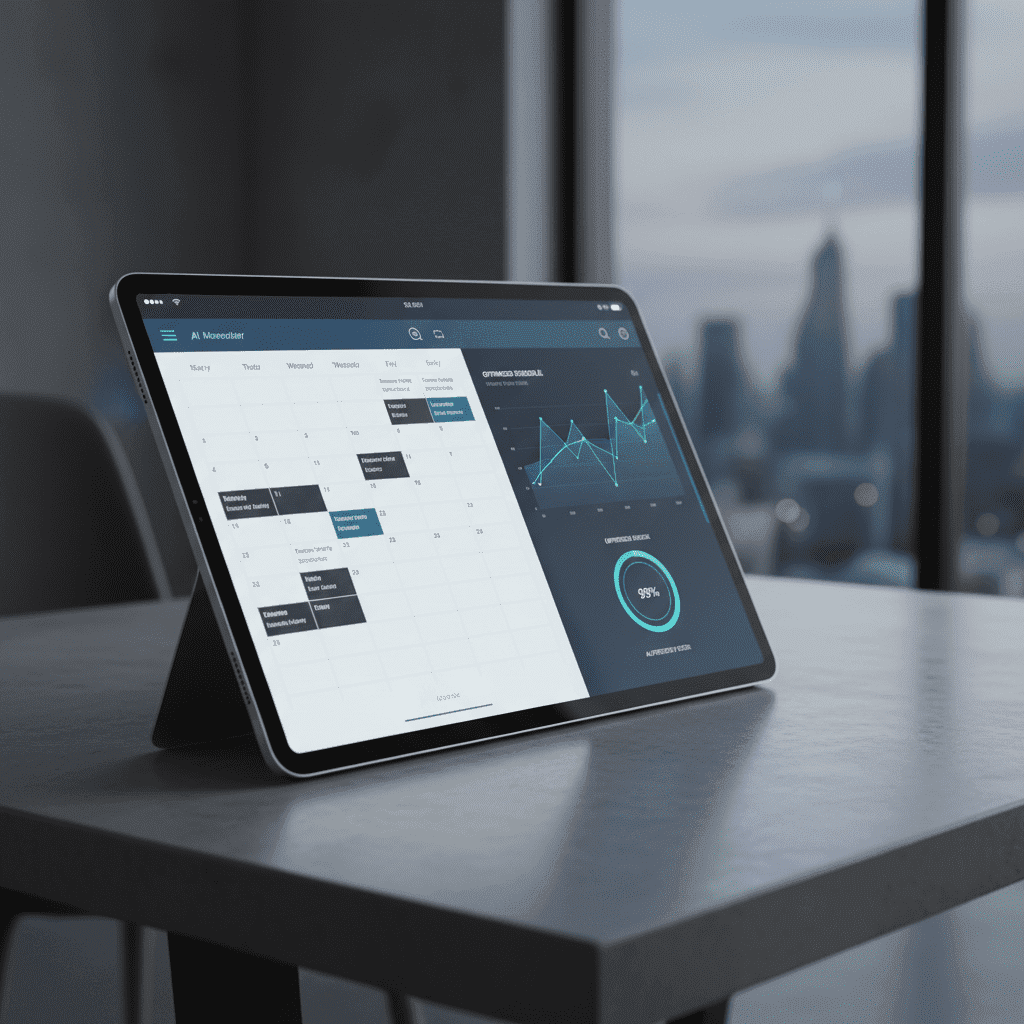
In an increasingly fast-paced and interconnected world, managing our time effectively has become more critical and, paradoxically, more challenging than ever before. For decades, paper diaries gave way to digital calendars, which offered convenience and basic synchronization. However, as our lives grew more complex, even these digital tools started to feel rudimentary, struggling to keep pace with the myriad of tasks, appointments, and unexpected disruptions that define modern existence. Enter Artificial Intelligence (AI), a transformative technology that is now fundamentally redefining how we plan, organize, and execute our daily schedules.
We are standing at the cusp of a scheduling revolution, where AI-powered planners are moving far beyond simple date and time entries. These intelligent systems are not just storing your appointments; they are actively learning from your habits, anticipating your needs, optimizing your time, and even helping you achieve a healthier work-life balance. This comprehensive guide will delve deep into the innovative ways AI is reshaping daily scheduling, exploring its core capabilities, practical applications, and the profound impact it has on productivity, well-being, and our overall quality of life. Get ready to discover a future where your calendar doesn’t just remind you of what’s next, but actively helps you shape your best day, every day.
The Evolution of Scheduling: From Analog to Digital to AI-Powered Intelligence
To truly appreciate the seismic shift brought about by AI in scheduling, it is essential to understand the journey we have undertaken. For centuries, humans relied on memory, scribbled notes, and eventually, paper calendars and diaries. These tools, while effective for their time, were inherently static and reactive. They merely recorded events, offering no insights or proactive assistance.
The advent of personal computers and the internet ushered in the era of digital calendars. Tools like Microsoft Outlook Calendar, Google Calendar, and Apple Calendar provided immense improvements. They allowed for easy entry, editing, and deletion of events, synchronization across devices, and the ability to share calendars with others. Reminders became automated, and recurring events were simplified. However, even these sophisticated digital tools remained largely passive. They waited for user input, processed it, and then presented it back. They didn’t learn, predict, or adapt.
The limitation of digital calendars became apparent as our lives became more dynamic. They couldn’t account for traffic delays, unexpected meeting overruns, personal energy levels, or the intricate dependencies between tasks. You might schedule a meeting, only for your calendar to remain oblivious to the 30-minute commute required, or the preparation time needed beforehand. This is where AI steps in, transforming the static schedule into a dynamic, intelligent, and truly personalized assistant.
AI-powered planners infuse intelligence into every aspect of scheduling. They leverage sophisticated algorithms, machine learning models, and natural language processing to understand not just what you need to do, but how, when, and where it can be done most effectively. This fundamental shift from passive recording to active optimization is what sets AI apart and unlocks unprecedented levels of efficiency and control over our time.
Core Capabilities of AI-Powered Planners
The magic of AI in scheduling lies in its ability to process vast amounts of data and apply advanced computational techniques to derive actionable insights. Here are some of the fundamental capabilities that empower AI-powered planners:
Natural Language Processing (NLP) for Intuitive Task Entry
One of the immediate benefits of AI in planning is the ability to interact with your schedule in a more human-like way. Traditional calendars require you to click through menus, select dates, times, and types of events. AI planners, powered by NLP, allow you to simply type or even speak commands like, “Schedule a meeting with Sarah next Tuesday at 10 AM about the Q3 report,” or “Remind me to call Mom this evening.” The AI interprets these natural language inputs, extracts the relevant details (date, time, attendees, topic), and automatically creates the event. This drastically reduces the friction of adding tasks and appointments, making scheduling a seamless part of your workflow rather than a separate chore.
Machine Learning (ML) for Predictive Scheduling and Optimization
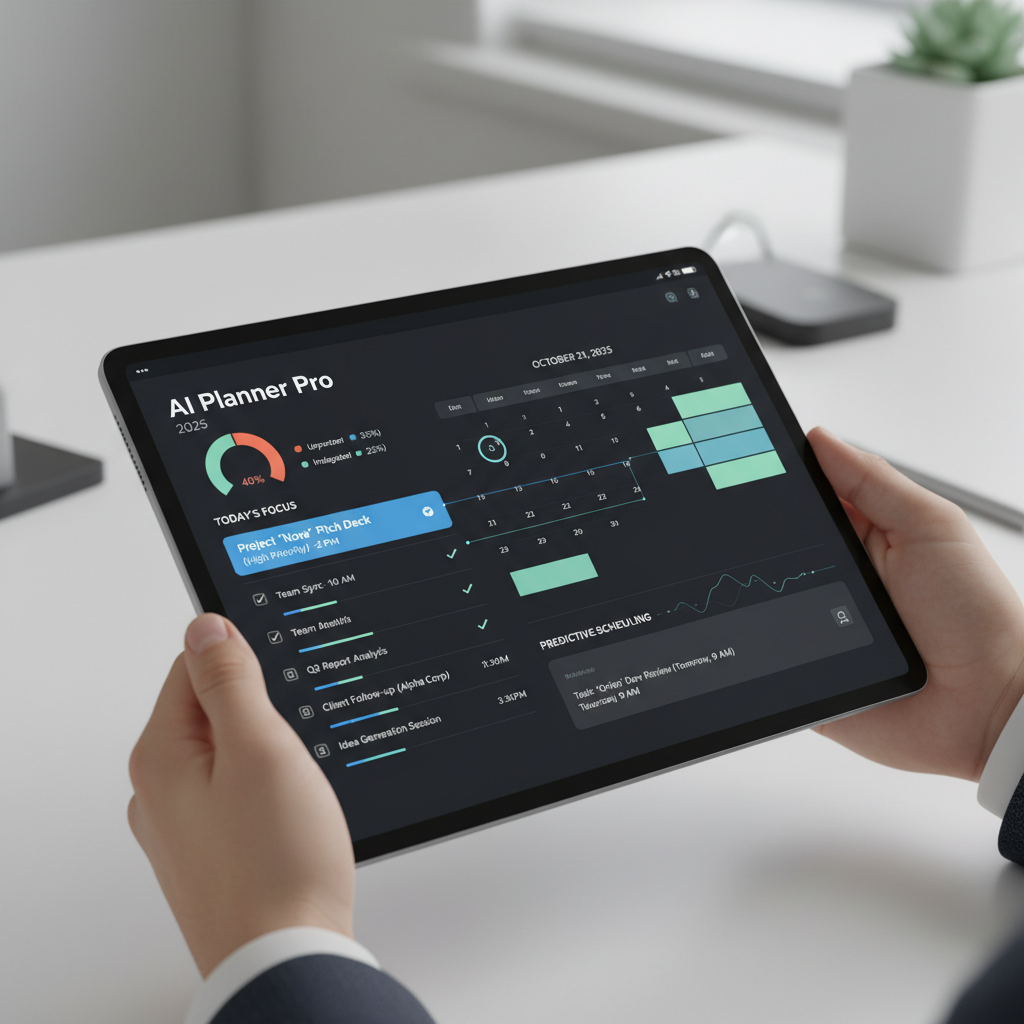
This is where AI truly shines. ML algorithms continuously learn from your past behavior, preferences, and patterns. For example, if you consistently take longer to complete certain types of tasks, the AI will learn to allocate more time for similar future tasks. If you always prefer to tackle creative work in the mornings and administrative tasks in the afternoons, the planner will begin to suggest scheduling accordingly. ML also powers:
- Predictive Time Allocation: Based on historical data, it estimates how long tasks will actually take, helping you avoid overbooking.
- Optimal Scheduling: It can analyze task dependencies, deadlines, and your availability to suggest the most efficient sequence and timing for your activities.
- Proactive Conflict Resolution: When a new event conflicts with an existing one, the AI doesn’t just flag it; it suggests alternative times or even reschedules less critical items based on your learned priorities.
Contextual Awareness and Intelligent Prioritization
AI-powered planners go beyond merely knowing what’s on your schedule; they understand the context surrounding your life. They can integrate with various data sources to gain a richer understanding:
- Location Data: By integrating with GPS, the AI can factor in commute times, suggesting optimal departure times or even rescheduling an appointment if it detects you’re stuck in traffic.
- External Calendars and Apps: Seamless integration with work calendars, personal calendars, project management tools, email, and communication platforms (like Slack or Teams) provides a holistic view of your commitments.
- Personal Preferences and Energy Levels: Some advanced AI planners can even learn your peak productivity hours, your preferred work environment, and when you typically take breaks, ensuring your schedule aligns with your natural rhythm for maximum efficiency and well-being.
This contextual understanding allows the AI to prioritize tasks intelligently, distinguishing between urgent and important, and adjusting your schedule to reflect real-world conditions and your personal effectiveness.
Predictive Scheduling and Proactive Problem Solving
One of the most profound benefits of AI in daily scheduling is its ability to move from reactive management to proactive problem-solving. Traditional calendars only tell you what you have scheduled; AI calendars anticipate what might happen and adjust accordingly.
Anticipating Disruptions
Imagine a scenario where you have an important meeting across town. A traditional calendar would simply show the meeting time. An AI-powered planner, however, can:
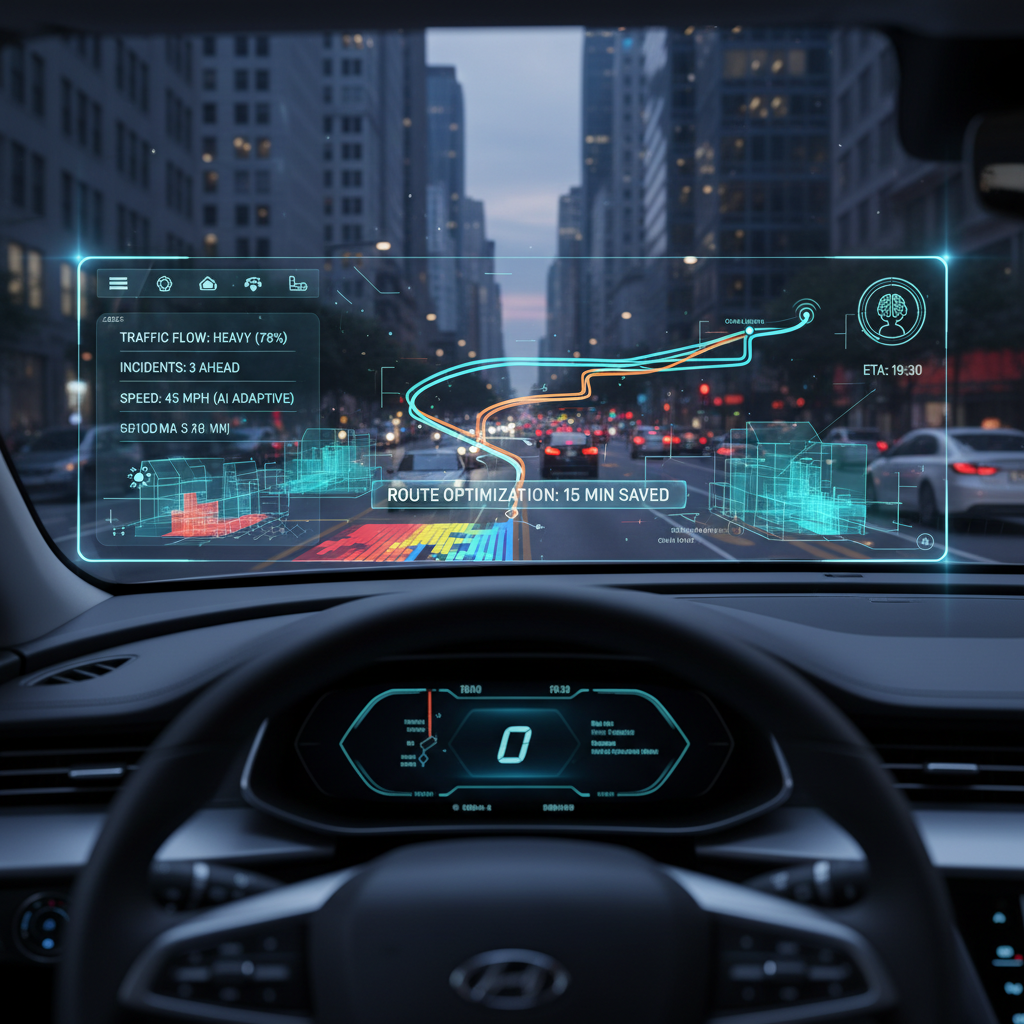
- Monitor Traffic Conditions: Integrate with real-time traffic data (e.g., Google Maps, Waze) and alert you to leave earlier if traffic is building up, automatically adjusting your travel block.
- Track Weather Forecasts: If heavy rain or snow is predicted, it might suggest an earlier departure or even recommend a virtual meeting if feasible, based on your preferences and the meeting’s nature.
- Account for Public Transport Delays: For users of public transit, it can monitor train or bus schedules and alert you to potential delays, recalculating your arrival time and suggesting alternatives.
This predictive capability means you are less likely to be late, stressed, or caught off guard by external factors that are beyond your immediate control but within the AI’s monitoring capabilities.
Dynamic Rescheduling and Optimization
Life is unpredictable. Meetings run over, new urgent tasks emerge, or a planned break gets interrupted. A basic calendar requires manual adjustment for every change. An AI planner, on the other hand, can dynamically reorganize your schedule in real-time. If a meeting extends by 15 minutes, the AI can:
- Automatically shift subsequent tasks or meetings.
- Identify if a less critical task can be moved to another day without impacting deadlines.
- Suggest re-prioritizing tasks based on urgency and importance.
- Even recommend taking a slightly shorter break to catch up, or nudging you to push a non-critical item to tomorrow.
This adaptability is crucial for maintaining flow and preventing a single disruption from derailing your entire day. It transforms your schedule from a rigid plan into a flexible, living document that adapts with you.
Contextual Awareness and Hyper-Personalization
AI-powered planners move beyond generic time slots to create a schedule that is uniquely tailored to you, your working style, and your personal context. This hyper-personalization is a game-changer for productivity and well-being.
Learning Your Habits and Preferences
Every individual has unique rhythms. Some are morning larks, others night owls. Some thrive on deep work blocks, while others prefer to intersperse tasks with short breaks. AI learns these nuances over time:
- Productivity Cycles: It identifies when you are most focused and energetic for complex tasks versus when you are better suited for routine administrative work.
- Preferred Work Modes: If you consistently use a specific tool or environment for certain tasks, the AI can learn to prompt you with relevant suggestions (e.g., “Time for creative writing, remember to open your distraction-free editor”).
- Meeting Preferences: It can learn your preferred meeting length, ideal number of meetings per day, and even who you prefer to meet with in person versus virtually.
This learning process makes the planner feel less like a tool and more like a personal assistant who truly understands how you work best.
Integrating Personal and Professional Life Seamlessly
The lines between work and personal life have blurred significantly for many. AI planners are adept at managing this complexity. They can:
- Balance Workload: Automatically ensure that your work schedule leaves adequate time for personal commitments, family events, and self-care activities.
- Contextual Notifications: Provide work-related notifications only during work hours and personal reminders during personal time, helping you maintain boundaries.
- Family Coordination: Some advanced planners can even integrate with family calendars, ensuring that school events, doctor’s appointments, and shared tasks are accounted for in everyone’s individual schedules without manual double-entry.
This integrated approach helps reduce mental load and ensures that no aspect of your life is neglected due to poor scheduling.
Beyond Time Management: Holistic Well-being
Traditional time management often focuses solely on squeezing more tasks into a day. AI-powered planners, however, recognize that true productivity is intertwined with overall well-being. They actively promote a balanced lifestyle.
Incorporating Breaks and Rest
Burnout is a significant issue in today’s demanding work environment. AI planners combat this by:
- Automating Breaks: Intelligently inserting short breaks between intensive work blocks, based on principles like the Pomodoro Technique or your learned fatigue patterns.
- Reminding of Rest: Nudging you to stand up, stretch, or take a walk if you’ve been sitting for too long.
- Ensuring Meal Times: Protecting your lunch and dinner slots, making sure they aren’t inadvertently consumed by meetings or tasks.
These seemingly small additions can have a profound impact on energy levels, focus, and long-term sustainability.
Promoting Mindfulness and Self-Care
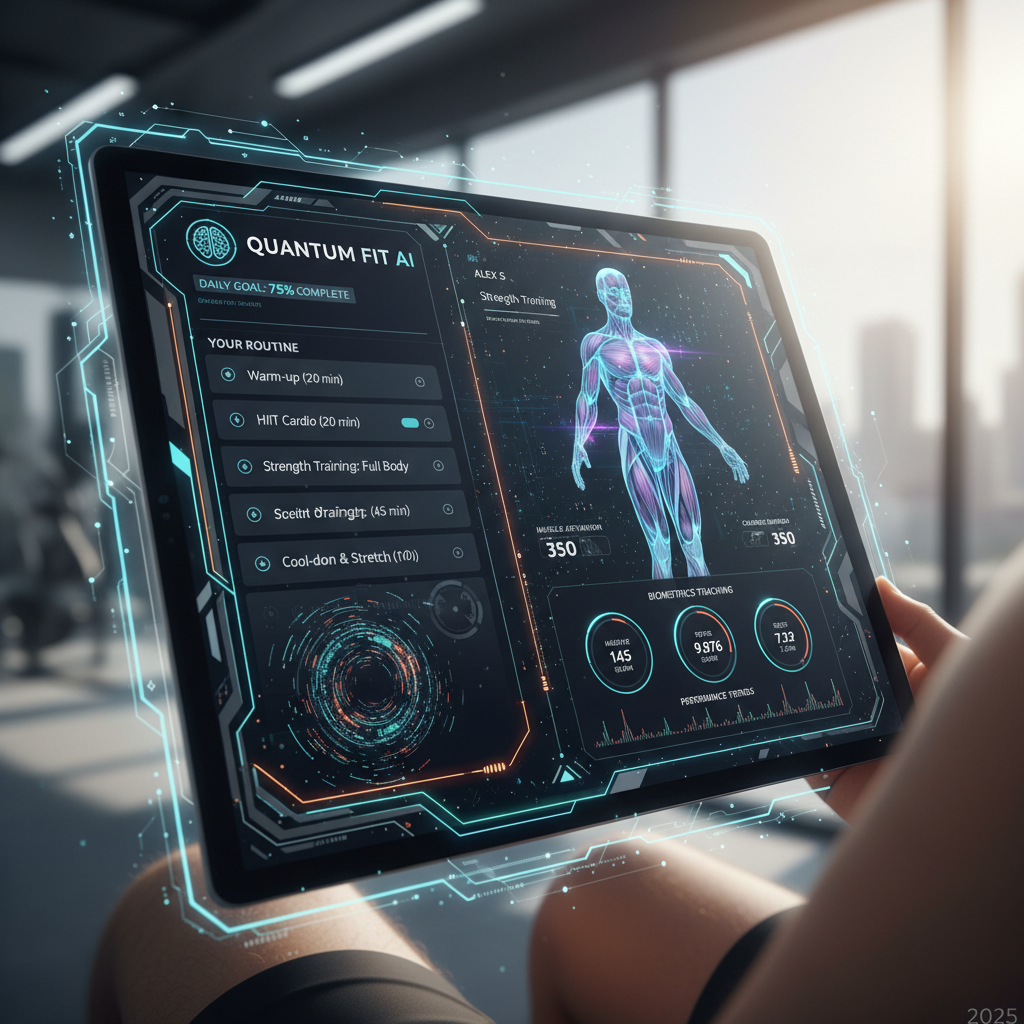
Some advanced AI scheduling tools are beginning to integrate features that actively encourage mindfulness and self-care:
- Scheduled Meditation/Mindfulness: Offering to schedule short meditation sessions or breathing exercises during stressful periods or at specific times of the day.
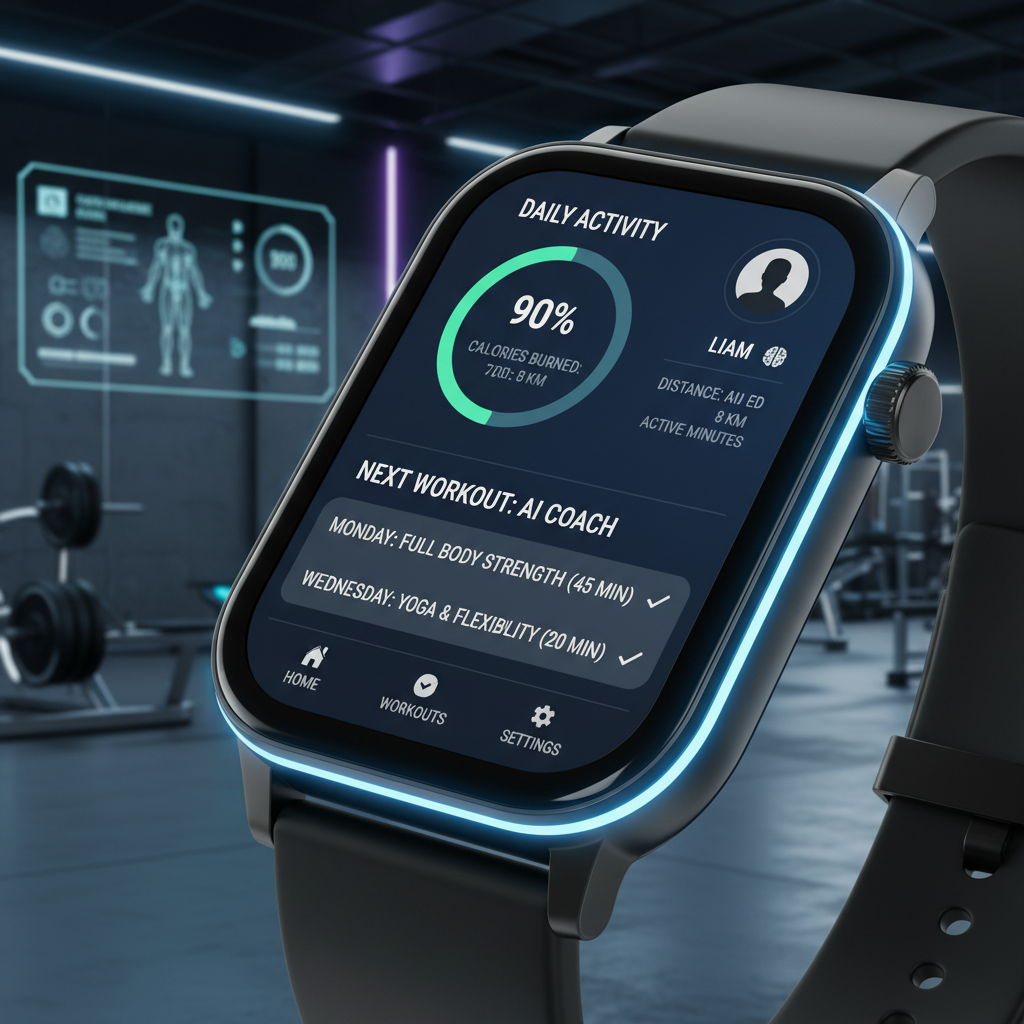
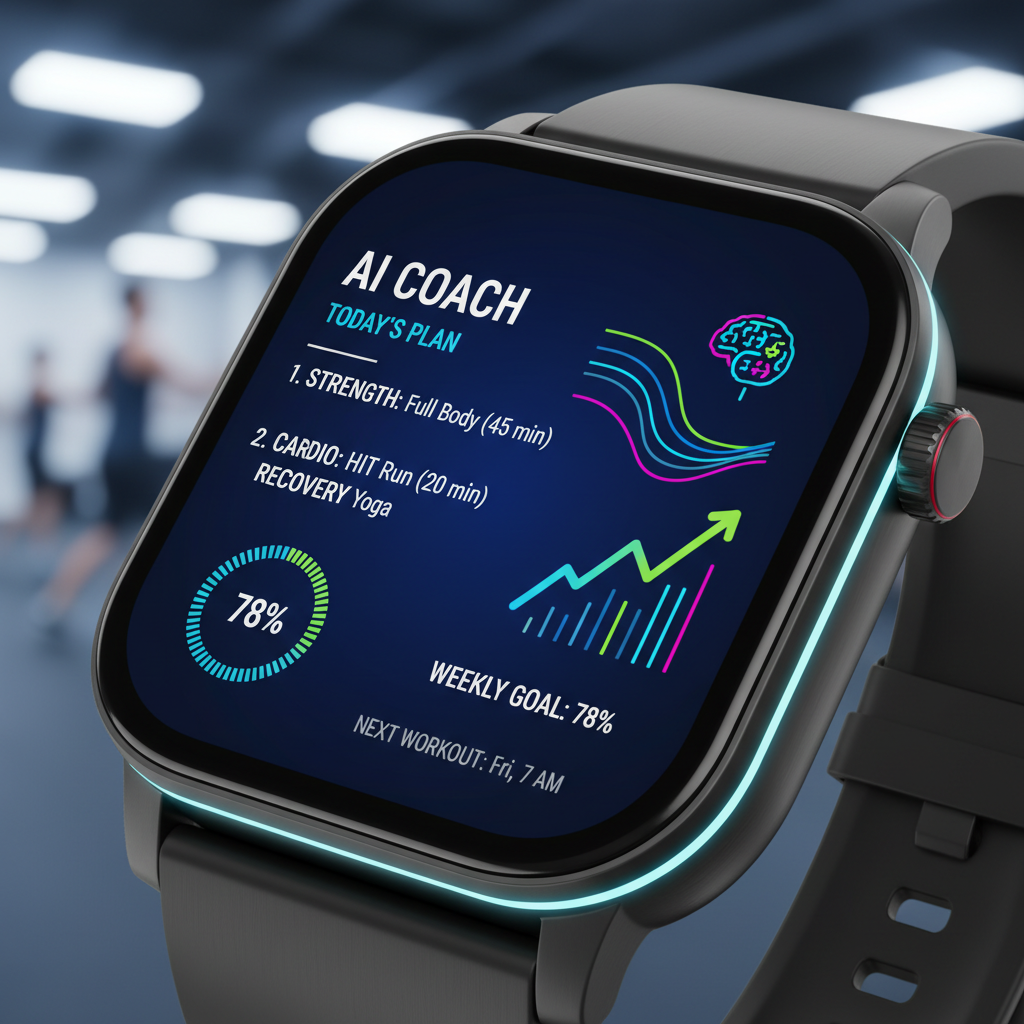
- Exercise Reminders: Integrating with fitness trackers to suggest workout times or simply remind you to get some physical activity.
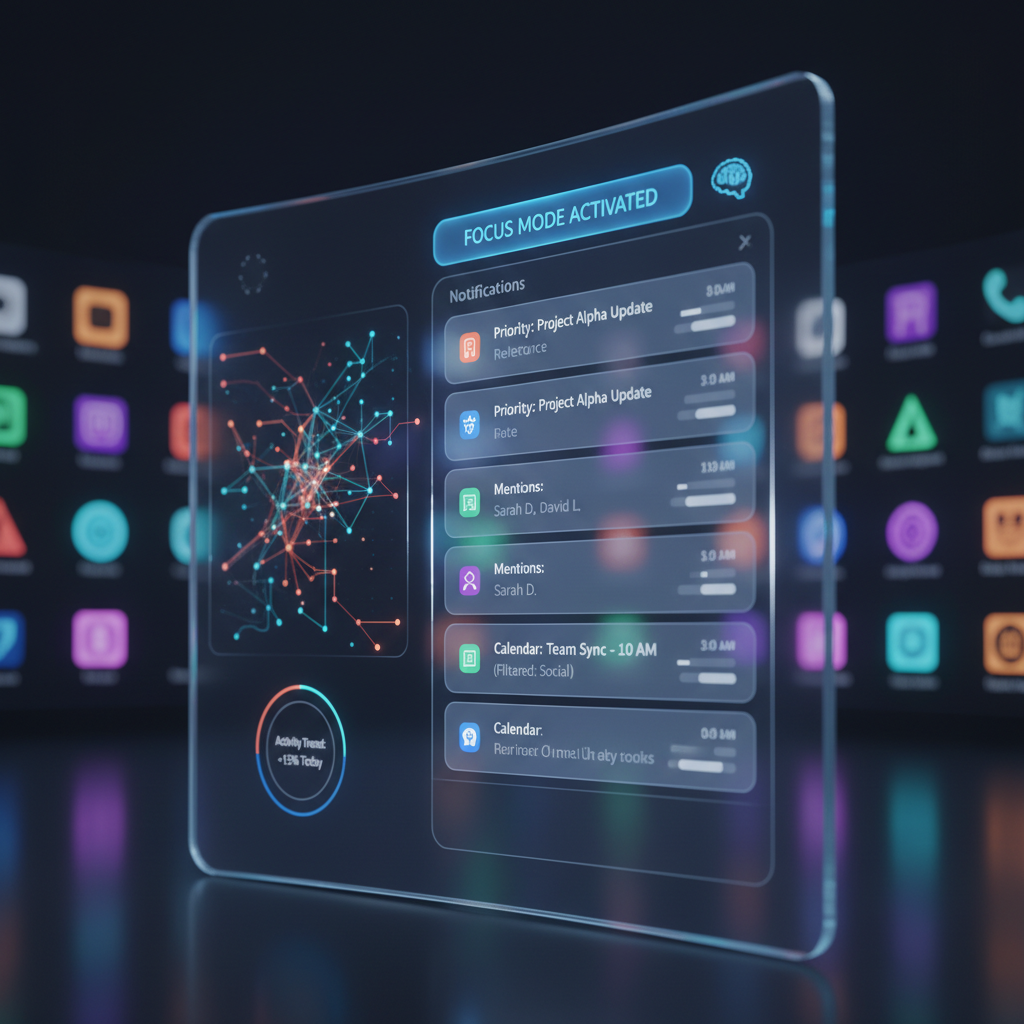
- Digital Detox: Recommending periods of “offline” time, potentially by temporarily pausing non-urgent notifications or scheduling device-free blocks.
By treating self-care as an integral part of a productive day, AI planners contribute to a healthier, more sustainable approach to life.
Seamless Integration with the Digital Ecosystem
The power of AI-powered planners is significantly amplified by their ability to seamlessly integrate with a wide array of other digital tools and platforms that we use daily. This creates a unified and intelligent hub for all your activities.
Connecting with Communication and Collaboration Tools
Modern work relies heavily on communication platforms. AI planners often integrate with:
- Email Clients (Gmail, Outlook): Automatically identifying potential meeting invites, task deadlines, or follow-up actions from emails and suggesting them for your schedule.
- Messaging Platforms (Slack, Microsoft Teams): Allowing you to create tasks or schedule meetings directly from conversations, and integrating your availability with colleagues’ calendars.
- Video Conferencing Tools (Zoom, Google Meet): Automatically adding meeting links and details to your calendar entries, and providing one-click access when it’s time to join.
This prevents information silos and ensures that important communications translate directly into actionable scheduled items.
Synchronization with Project Management and CRM Systems
For professionals managing complex projects or client relationships, integration is paramount:
- Project Management Software (Asana, Trello, Jira): Pulling tasks and deadlines from projects into your personal schedule, helping you prioritize and allocate time for project-specific work. When a task is completed in your planner, it can update the project board accordingly.
- Customer Relationship Management (CRM) Systems (Salesforce, HubSpot): Syncing client meetings, follow-up calls, and task deadlines related to sales opportunities or customer support, ensuring no client interaction is missed.
Such integrations ensure that your personal schedule remains aligned with team goals and organizational objectives, reducing manual data entry and potential errors.
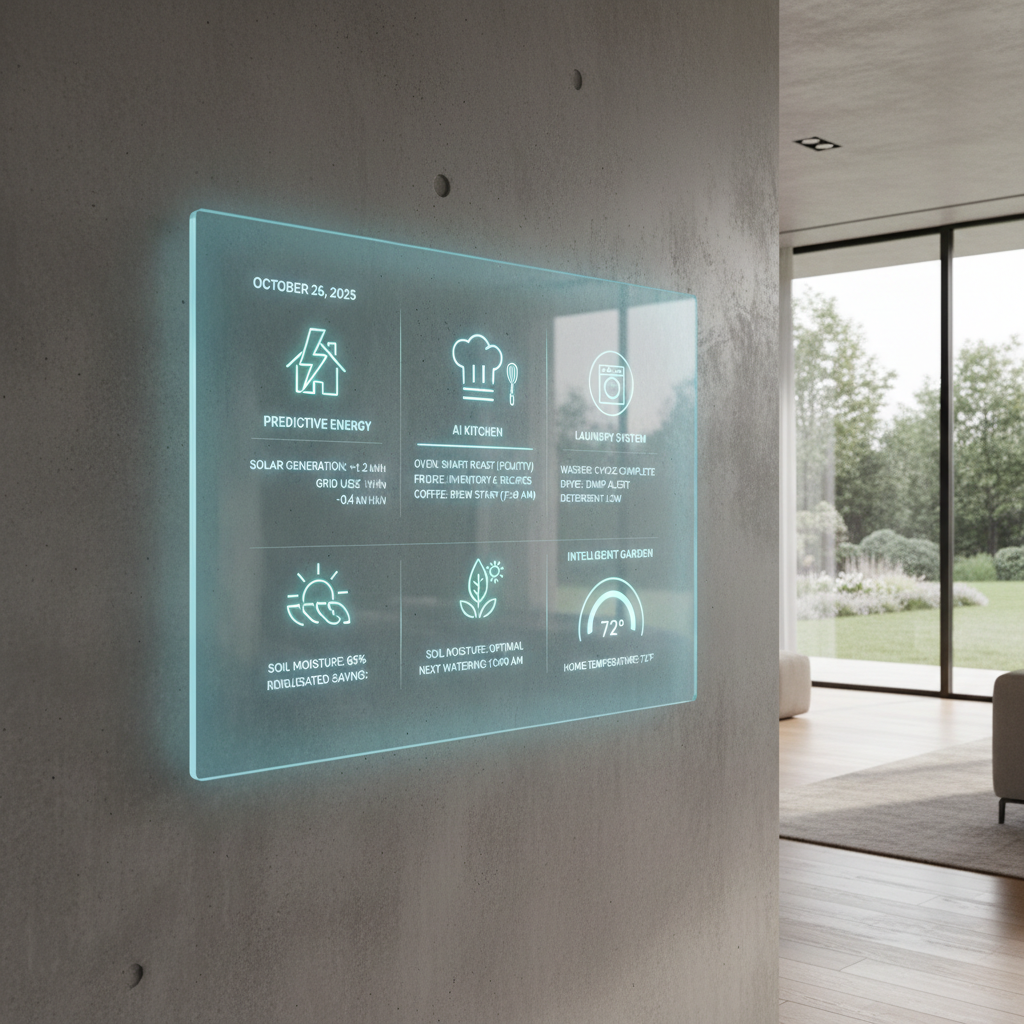
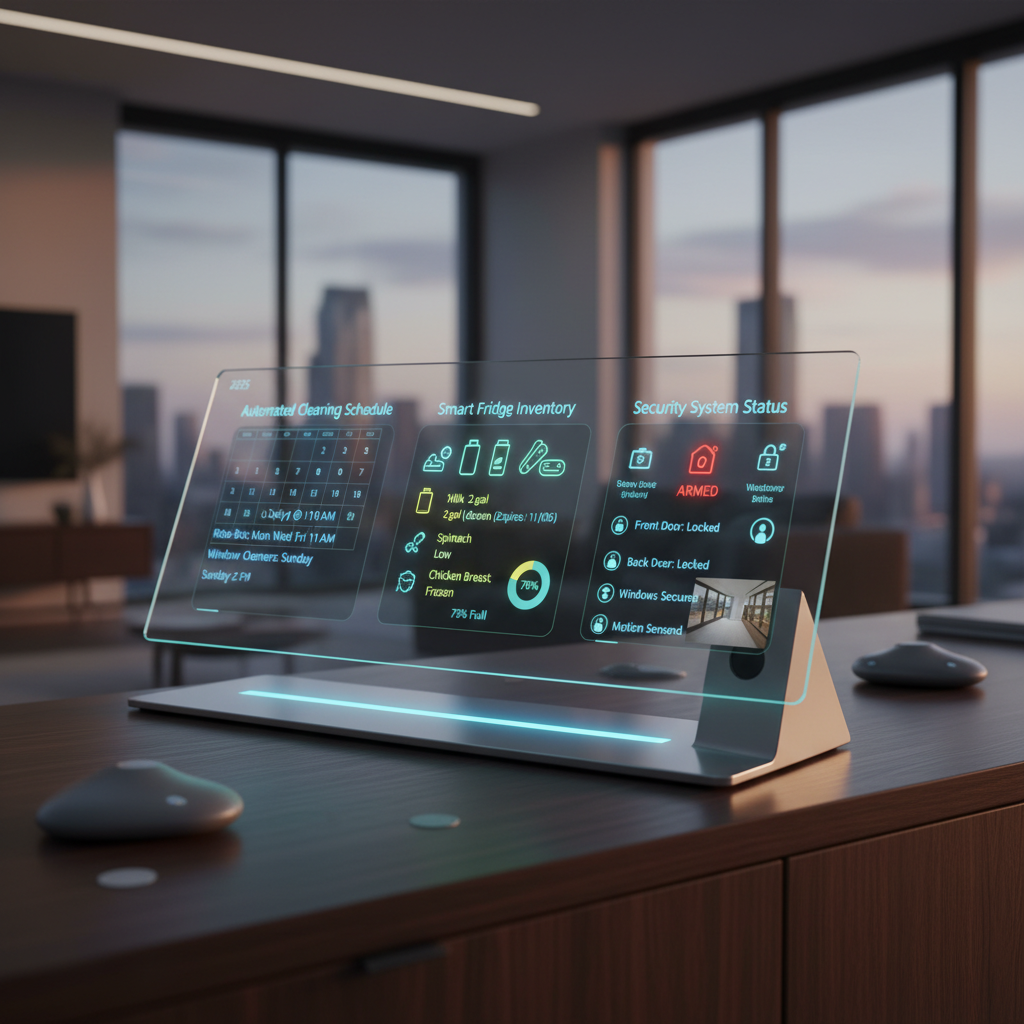
Integration with Smart Home Devices and IoT
While still nascent, the future promises even deeper integration with the Internet of Things (IoT) and smart home devices:
- Smart Lights/Thermostats: Adjusting lighting or temperature settings based on your scheduled “focus time” or “relaxation time.”
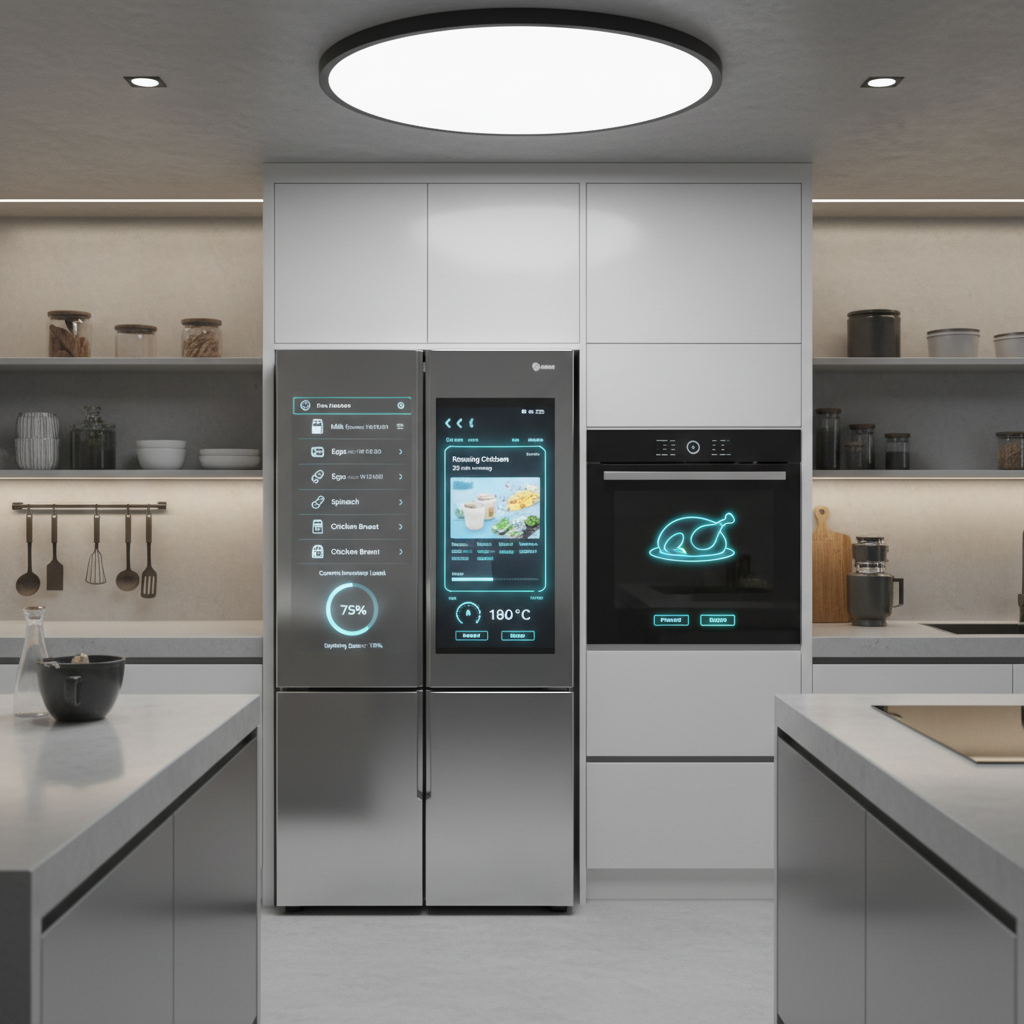
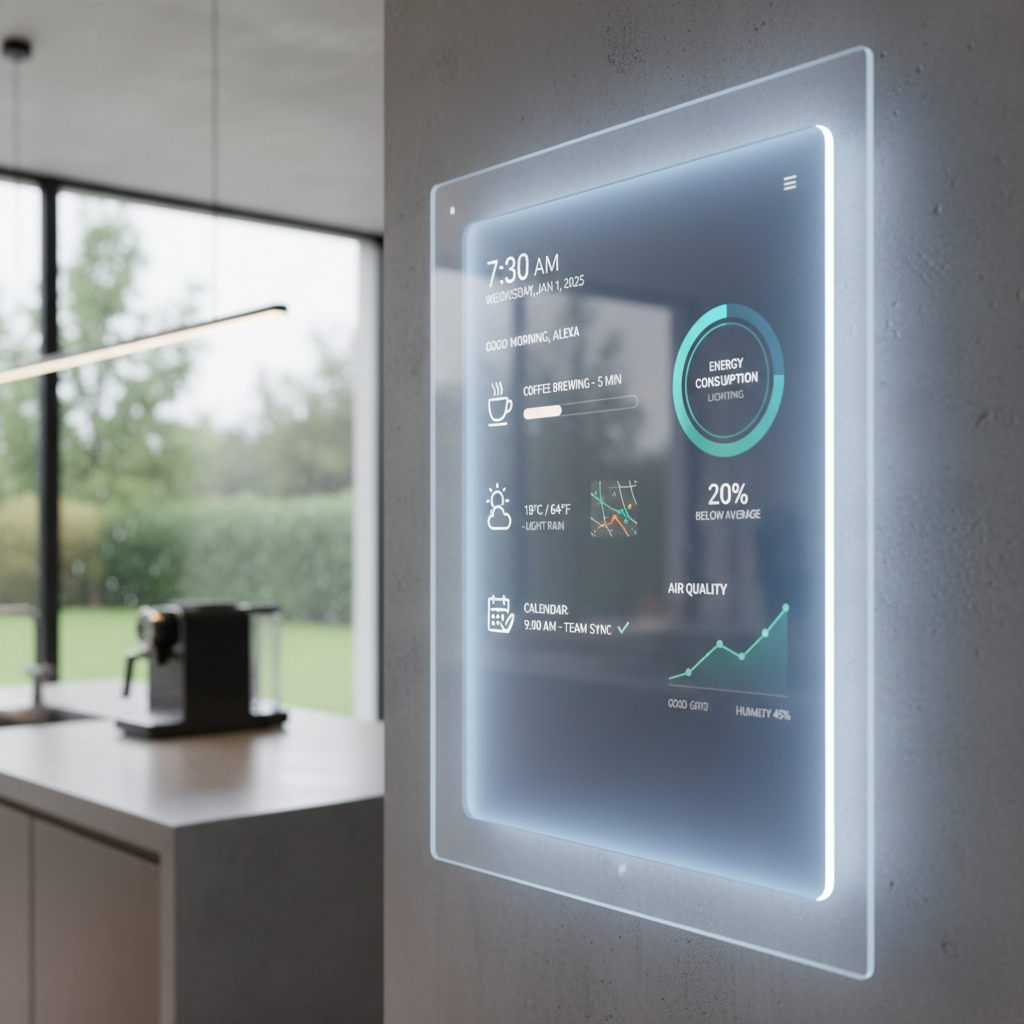
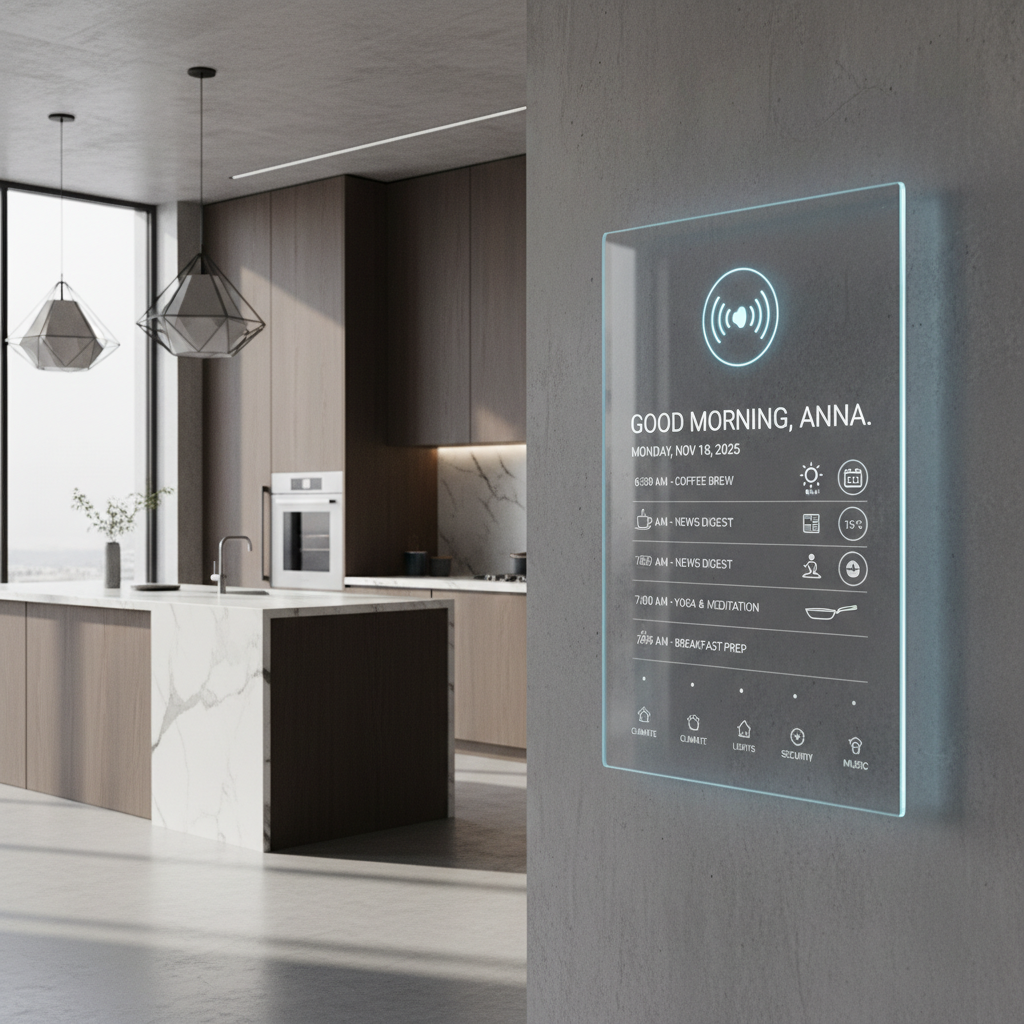
- Smart Appliances: Potentially coordinating with your schedule, e.g., starting your coffee maker 15 minutes before your first morning meeting.
- Location-Based Triggers: Your smart planner could notify your smart home system that you’re heading home after your last appointment, prompting it to adjust the environment for your arrival.
These futuristic integrations hint at a truly ambient and intelligent environment that anticipates and caters to your needs based on your schedule.
Data Privacy and Ethical Considerations
As AI-powered planners become more sophisticated and deeply integrated into our lives, the topic of data privacy and ethical usage becomes increasingly critical. These tools rely on collecting and analyzing personal data to provide their intelligent features, which raises important questions.
The Importance of Data Security and Encryption
AI planners process highly sensitive information: your location, meeting details, personal habits, health goals, and professional commitments. Robust data security measures are non-negotiable. Leading AI planner providers employ:
- End-to-End Encryption: Ensuring that your data is encrypted both in transit and at rest, protecting it from unauthorized access.
- Secure Servers: Hosting data on highly secure, compliant servers with regular audits and security updates.
- Strict Access Controls: Limiting who within the company can access user data, even for development or support purposes.
Users should always choose reputable providers who are transparent about their security practices and have a strong track record of protecting user information.
Transparency and User Control
Users need to understand what data is being collected, how it is being used, and crucially, have control over it. Ethical AI planners provide:
- Clear Privacy Policies: Explaining in plain language how data is handled.
- Granular Permissions: Allowing users to choose which data sources to connect (e.g., location, email, other calendars) and to revoke access at any time.
- Data Portability: The ability to export one’s data if they choose to switch services or cease using the planner.
The power of personalization should not come at the cost of personal autonomy. Users must remain in control of their digital footprint.
Avoiding Algorithmic Bias and Over-Reliance
While AI offers immense benefits, there are also potential pitfalls:
- Algorithmic Bias: If the AI is trained on biased data, it might inadvertently perpetuate or amplify existing societal biases in its recommendations, though this is less prevalent in scheduling tools compared to, say, hiring algorithms.
- Over-Reliance: Becoming overly dependent on AI for all scheduling decisions might diminish our own cognitive abilities for planning and critical thinking. It’s important to view AI as an assistant, not a replacement for human judgment.
- Privacy Concerns in Sharing: If an AI planner has access to detailed personal health data and also integrates with a professional network, there’s a theoretical risk of inadvertent data leakage or misuse, though stringent privacy controls aim to prevent this.
The development and deployment of AI in scheduling must be guided by ethical principles that prioritize user well-being, privacy, and autonomy. As these technologies evolve, ongoing dialogue about these ethical dimensions will be crucial.
Future Trends and the Road Ahead
The current state of AI-powered scheduling is already impressive, but the technology is continuously evolving. The future promises even more sophisticated and integrated solutions that will further enhance our ability to manage time, energy, and well-being.
Ubiquitous AI Assistants and Proactive Life Management
Imagine a future where your AI planner is less of an app and more of a seamless, omnipresent assistant. It will likely become deeply embedded in operating systems, smart devices, and even augmented reality interfaces. This future assistant will:
- Proactively Suggest Goals: Based on your long-term aspirations (e.g., learn a new language, run a marathon), the AI could proactively break these down into manageable, scheduled steps.
- Dynamic Skill Development: If it identifies a gap in your skillset relevant to a project, it might suggest online courses or learning blocks in your schedule.
- Predictive Health Management: Leveraging data from wearables, it could suggest rest periods, hydration reminders, or even modify your schedule to accommodate early signs of fatigue or illness.
The focus will shift from merely scheduling tasks to intelligently orchestrating your entire life for optimal outcomes.
Even Greater Personalization and Emotional Intelligence
Future AI planners will likely develop a higher degree of emotional intelligence. While not truly “feeling,” they will be able to infer your emotional state through various cues (e.g., typing speed, tone of voice in verbal commands, calendar density) and adjust recommendations accordingly. For instance:
- If detecting high stress, it might suggest rescheduling non-urgent tasks or inserting a short meditation break.
- It could learn to recognize when you’re feeling overwhelmed and offer to automate more mundane tasks, freeing up mental bandwidth.
The aim is to create a planner that doesn’t just manage your time, but truly supports your mental and emotional well-being.
Collaborative AI and Team Optimization
While individual AI planners are powerful, their true potential will be unleashed in collaborative environments. Future AI will:
- Optimize Team Schedules: Automatically find the best meeting times across multiple time zones and availability constraints, considering individual preferences and peak productivity hours.
- Resource Allocation: Intelligently allocate team members to projects based on their skills, availability, and current workload, dynamically adjusting as priorities shift.
- Project Milestones: Proactively identify potential bottlenecks in project timelines and suggest corrective actions to individuals or teams before they become critical.
This will move beyond personal productivity to enhance collective efficiency and collaboration on an unprecedented scale.
Comparison Tables
To highlight the significant advancements, let’s compare traditional digital calendars with their AI-powered counterparts.
Table 1: Traditional Digital Calendar vs. AI-Powered Planner
| Feature | Traditional Digital Calendar | AI-Powered Planner | Impact on User |
|---|---|---|---|
| Task Entry | Manual input (date, time, title, description via forms). | Natural Language Processing (type or speak instructions), automatic extraction of details. | Faster, more intuitive entry; reduced friction. |
| Scheduling Logic | User-defined fixed slots; passive storage. | Machine Learning for dynamic, optimized scheduling based on context, habits, and priorities. | Increased efficiency, reduced cognitive load for scheduling decisions. |
| Contextual Awareness | Limited (e.g., time zones). No external data integration. | Integrates with location (traffic, weather), email, project management, fitness trackers, etc. | Proactive adjustments for disruptions, holistic life management. |
| Conflict Resolution | Flags conflicts; user manually resolves. | Suggests optimal alternatives, automatically reschedules less critical items based on learned priorities. | Minimizes schedule disruptions, saves time on manual reordering. |
| Personalization | Basic customizable views, color coding. | Learns productivity patterns, preferences, energy levels, and integrates personal goals. | Tailored schedule that maximizes personal effectiveness and well-being. |
| Proactive Insights | None. | Predictive alerts (e.g., leave earlier due to traffic), suggestions for breaks, reminders for self-care. | Reduces stress, improves punctuality, promotes work-life balance. |
| Integration Depth | Basic calendar sharing, iCal imports. | Deep, bidirectional syncing with a wide range of apps (email, CRM, PM tools, smart home). | Unified workflow, eliminates data silos, automates cross-platform updates. |
The next table highlights the underlying AI technologies driving these advancements.
Table 2: Key AI Technologies in Smart Planners
| AI Technology | How it Works in Planners | Practical Application | Benefit to User |
|---|---|---|---|
| Natural Language Processing (NLP) | Interprets human language (text or voice) to extract events, dates, and commands. | “Schedule a dentist appointment next month.” Planner creates event automatically. | Faster, more intuitive task entry; hands-free scheduling. |
| Machine Learning (ML) | Analyzes past data (completion times, preferences, task types) to identify patterns and make predictions. | Learns you take 2 hours for report writing; automatically blocks 2 hours for similar tasks. | Accurate time estimates; optimized task allocation based on personal habits. |
| Optimization Algorithms | Finds the most efficient sequence and timing for tasks given constraints (deadlines, availability, dependencies). | Given 5 tasks and 3 deadlines, finds the optimal order to complete them with minimal stress. | Maximizes productivity; reduces task conflict and bottlenecks. |
| Contextual Computing / Sensor Fusion | Integrates data from various sources (GPS, weather APIs, other apps, device usage) to understand environment. | Detects heavy traffic on commute route and alerts you to leave earlier for a meeting. | Proactive problem-solving; adapts schedule to real-world conditions. |
| Reinforcement Learning (RL) | Learns through trial and error, adjusting its strategies based on feedback and outcomes. | Suggests a scheduling pattern; if ignored, it tries another approach; if accepted, it reinforces that pattern. | Continuously refines personalization; learns user’s true preferences over time. |
Practical Examples: AI Planners in Real-World Scenarios
To truly grasp the transformative power of AI-powered planners, let’s explore how they can positively impact different individuals in various life stages and professions.
The Busy Professional Managing Multiple Projects
Consider Anya, a marketing manager juggling campaigns for three different clients, managing a team, and attending numerous meetings. Her traditional digital calendar is a chaotic mess of overlapping events and manually added tasks.
- AI Intervention: Anya switches to an AI-powered planner. When she receives an email about an urgent client request, the AI automatically extracts the task and suggests a time slot in her schedule, factoring in her current workload and priority deadlines from her project management tool (which is integrated). If a meeting runs over, the AI dynamically shifts her next task, perhaps a less critical internal meeting, to later in the day, or suggests splitting a larger task into two smaller blocks.
- Outcome: Anya feels less overwhelmed, avoids missed deadlines, and can better manage her team’s workload because the AI provides a clearer, optimized view of everyone’s commitments. She also starts taking regular short breaks, as recommended by her planner, leading to improved focus throughout the day.
The University Student Balancing Academics, Work, and Social Life
Liam is a university student, working part-time, taking challenging courses, and trying to maintain a healthy social life. His life is a constant battle against procrastination and missed deadlines.
- AI Intervention: Liam uses an AI planner that integrates with his university’s learning management system. It automatically pulls in assignment deadlines, exam dates, and lecture schedules. When he adds a new assignment, the AI prompts him to break it down into smaller, manageable study blocks, scattering them across his free time, accounting for his work shifts and even his preferred study times (which it has learned are late mornings). If a friend invites him out, the AI can quickly check his available slots and suggest an optimal time without conflicting with his study plans or work, or offer alternative suggestions if his preferred time is truly booked.
- Outcome: Liam becomes more organized, completes assignments on time without last-minute cramming, and still finds time for social activities and his part-time job. His stress levels decrease, and his academic performance improves.
The Remote Team Coordinating Across Time Zones
A distributed team at a tech startup, with members in London, New York, and Bengaluru, struggles to find meeting times that work for everyone without causing extreme inconvenience to one region.
- AI Intervention: The team adopts a collaborative AI planner. Each member inputs their working hours, preferred meeting times, and individual availability. When a team lead needs to schedule a sync-up, they simply input the attendees and topic. The AI analyzes all team members’ schedules, factors in time zones, and suggests the optimal 3-4 time slots that minimize disruption for everyone, perhaps even suggesting a slightly longer meeting to combine two agenda items if it frees up more time later. It automatically adds the video conference link and agenda.
- Outcome: Meeting coordination time is drastically reduced. Team members are less fatigued by inconvenient meeting times, leading to more productive discussions and better overall team morale.
The Individual Focused on Holistic Well-being
Sarah wants to improve her overall health and well-being, balancing work, fitness, healthy eating, and mindfulness practices.
- AI Intervention: Sarah uses an AI planner that integrates with her fitness tracker, meal planning app, and a mindfulness app. She sets goals: 3 workouts a week, 30 minutes of meditation daily, and consistent meal prep. The AI planner intelligently weaves these activities into her schedule, making sure they don’t clash with her work meetings. If she skips a workout, the AI will gently suggest rescheduling it later in the week. It also reminds her to drink water during long work blocks and to take short breaks to stretch. It even blocks out time for grocery shopping and meal prep based on her learned habits.
- Outcome: Sarah consistently meets her wellness goals, feels more balanced, and experiences less stress. The AI acts as a gentle, intelligent coach, keeping her accountable without being overbearing.
These examples illustrate that AI-powered planners are not just about adding events; they are about intelligently orchestrating a more productive, balanced, and fulfilling life.
Frequently Asked Questions
Q: What exactly is an AI-powered planner, and how is it different from a regular digital calendar?
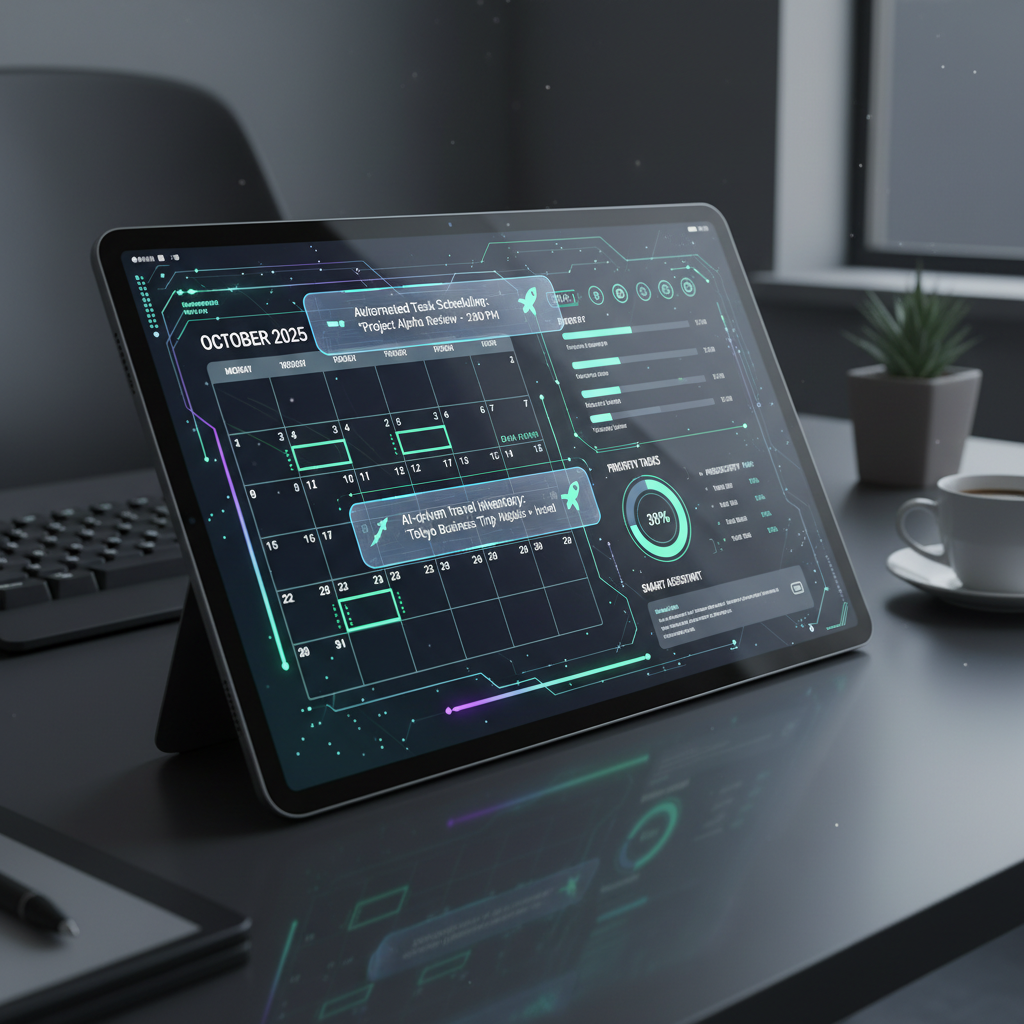
A: An AI-powered planner is a scheduling tool that uses artificial intelligence, including machine learning and natural language processing, to go beyond simple event storage. Unlike a basic digital calendar that passively records your entries, an AI planner actively learns from your habits, preferences, and external data (like traffic or weather). It can intelligently suggest optimal times for tasks, proactively resolve conflicts, dynamically reschedule based on real-time changes, and provide insights to improve your productivity and well-being. It transforms a static schedule into a dynamic, adaptive, and personalized assistant.
Q: How does AI make my schedule better or more efficient?
A: AI significantly enhances your schedule by introducing intelligence and automation. It learns your peak productivity times, estimates task durations more accurately based on your past performance, and can automatically slot tasks into the best available times. It predicts potential disruptions (e.g., traffic delays) and proactively suggests adjustments. Furthermore, it optimizes your schedule to balance workload, integrate breaks, and even coordinate across multiple personal and professional calendars, ensuring you maximize efficiency while minimizing stress.
Q: Is my data safe when I use an AI-powered planner?
A: Data security is a paramount concern for AI planners, as they handle highly personal information. Reputable AI planner providers employ robust security measures such as end-to-end encryption for data in transit and at rest, secure server infrastructure, and strict access controls. They also adhere to privacy regulations (like GDPR) and offer transparent privacy policies. However, it is always crucial to research and choose providers with a strong commitment to data protection and to be mindful of the permissions you grant to any application.
Q: Can AI planners integrate with my existing tools like email, project management software, or video conferencing?
A: Absolutely, seamless integration is one of the core strengths of AI-powered planners. They are designed to connect with a wide array of tools you already use daily. This often includes popular email clients (Gmail, Outlook), communication platforms (Slack, Microsoft Teams), video conferencing services (Zoom, Google Meet), and project management software (Asana, Trello, Jira). This allows for automatic task creation from emails, easy meeting scheduling with links, and synchronization of project deadlines, creating a unified and efficient workflow.
Q: What’s the main difference between an AI planner and just a smart assistant like Google Assistant or Siri scheduling for me?
A: While smart assistants like Google Assistant and Siri can schedule basic events via voice commands, their capabilities are typically more limited compared to a dedicated AI-powered planner. Smart assistants usually perform command-based scheduling (e.g., “Schedule a meeting tomorrow at 3 PM”). A dedicated AI planner, however, offers deeper learning, contextual awareness, and optimization algorithms. It learns your habits over time, proactively suggests rescheduling, integrates complex workflows, and focuses on holistic time and energy management, rather than just simple command execution.
Q: How do AI planners handle unexpected changes or emergencies in my schedule?
A: This is where AI planners truly excel over traditional methods. When an unexpected change occurs (e.g., a meeting runs over, a new urgent task arises, or an external factor like a flight delay impacts your plan), an AI planner can dynamically and intelligently reorganize your schedule in real-time. It doesn’t just flag a conflict; it identifies dependencies, prioritizes tasks based on urgency and importance, and suggests alternative time slots or even automatically shifts less critical items, minimizing the ripple effect of the disruption on your entire day.
Q: Can AI planners genuinely help with work-life balance, or are they just for maximizing work productivity?
A: AI planners are increasingly designed with holistic well-being in mind, not just work productivity. Many advanced AI planners actively promote work-life balance by incorporating features that prioritize personal time. They can schedule regular breaks, protect your lunch and dinner slots, remind you to engage in self-care activities (like exercise or mindfulness), and ensure that personal appointments and family time are adequately factored into your overall schedule. By optimizing your work tasks, they often free up mental space and actual time for personal pursuits, contributing to a healthier balance.
Q: Are there any downsides or potential risks to using AI-powered planners?
A: While beneficial, there are potential downsides. These include concerns about data privacy, as the planner requires access to sensitive personal information. There’s also the risk of over-reliance, where users might reduce their own critical thinking and planning skills. Algorithmic bias, though less common in scheduling, could theoretically lead to suboptimal suggestions. Additionally, the learning curve for some advanced features might be steeper, and there could be a cost associated with premium AI planner subscriptions. It’s important to choose reputable tools and maintain a degree of critical engagement with their suggestions.
Q: How do I choose the right AI planner for me, given so many options?
A: Choosing the right AI planner depends on your specific needs. Consider the following:
- Integration: What existing apps do you need it to connect with (email, PM tools, CRM)?
- Features: Do you need basic smart scheduling, or advanced features like well-being integration, team collaboration, or deep analytics?
- User Interface: Is it intuitive and easy to use for your workflow?
- Privacy Policy: Is the provider transparent about data handling and security?
- Cost: Are you looking for a free version, or are you willing to pay for premium features?
- Learning Curve: Are you comfortable investing time to learn a more complex tool?
Start with a free trial of a few promising options to see which best fits your lifestyle and work requirements.
Q: Will AI planners eventually replace human decision-making entirely when it comes to scheduling?
A: It’s highly unlikely that AI planners will entirely replace human decision-making. Instead, they are designed to augment and enhance our planning abilities. While AI can handle the logistical complexities, optimize time, and predict disruptions, human judgment remains crucial for setting overall goals, understanding nuanced priorities that AI might miss, and making intuitive decisions based on emotional or complex interpersonal factors. AI will act as a powerful assistant, freeing up our cognitive resources for higher-level strategic thinking and creativity, rather than supplanting our role entirely.
Key Takeaways
- AI-powered planners represent a significant leap beyond traditional digital calendars, offering dynamic, proactive, and personalized scheduling solutions.
- They leverage Natural Language Processing (NLP) for intuitive task entry and Machine Learning (ML) for predictive scheduling and optimization, learning from user habits and preferences.
- Contextual awareness, drawing data from various sources like traffic, weather, and integrated apps, allows AI planners to adapt schedules to real-world conditions.
- AI planners excel at proactive problem-solving, anticipating disruptions and dynamically reorganizing schedules to maintain flow and minimize stress.
- Beyond productivity, these tools increasingly focus on holistic well-being, incorporating breaks, self-care reminders, and promoting a balanced lifestyle.
- Seamless integration with communication, collaboration, project management, and CRM tools creates a unified and efficient digital ecosystem.
- Data privacy and ethical considerations are crucial, requiring transparent policies, robust security, and user control over personal information.
- The future of AI scheduling points towards ubiquitous AI assistants, greater emotional intelligence, and advanced collaborative optimization for teams.
- AI planners aim to augment human decision-making, acting as intelligent assistants rather than replacements for our strategic planning and nuanced judgment.
Conclusion
The journey from rudimentary paper diaries to sophisticated AI-powered planners illustrates a profound evolution in how we interact with time. We’ve moved from simply recording events to intelligently orchestrating our days, weeks, and lives. AI is not just a technological gimmick; it’s a fundamental shift that empowers us to reclaim control over our most precious resource: time.
By leveraging predictive analytics, contextual awareness, and personalized insights, AI-powered planners are enabling individuals and teams to navigate the complexities of modern life with unprecedented efficiency and reduced stress. They are not merely tools for scheduling meetings; they are partners in productivity, champions of well-being, and architects of a more balanced existence. They help us identify our most productive hours, ensure we take necessary breaks, and adapt seamlessly to life’s inevitable disruptions, all while keeping our personal and professional goals aligned.
As AI continues to advance, we can anticipate even more intuitive, integrated, and emotionally intelligent scheduling solutions that will further blur the lines between technology and a truly personalized assistant. Embracing these smart calendars means moving beyond the reactive management of your day and stepping into a future where your schedule is intelligently designed to support your aspirations, enhance your well-being, and ultimately, help you live your best life. The future of daily scheduling is here, and it’s smarter, more adaptive, and more human-centric than ever before.

















































Leave a Reply