


In today’s visually-driven market, the presentation of a product is almost as important as the product itself. High-quality product mockups are essential for grabbing attention, conveying value, and inspiring confidence in potential customers. For decades, achieving this level of visual excellence has been a labor-intensive, costly, and often time-consuming endeavor, reliant on expensive photography shoots, complex 3D rendering software, and skilled human expertise. However, a revolutionary shift is underway, ushering in an era where the creation of stunning, hyper-realistic product mockups is no longer confined by traditional limitations.
Welcome to the world of advanced Artificial Intelligence in product visualization. AI is transforming how businesses conceive, design, and market their products by enabling the effortless generation of incredibly lifelike mockups. This isn’t just about placing a logo on a generic template; it’s about crafting bespoke, contextually rich, and visually impeccable representations that can showcase a product in any imaginable scenario, with perfect lighting, shadows, and textures. This article will delve deep into how cutting-edge AI technologies are not only streamlining the mockup creation process but also opening up entirely new creative possibilities, providing a significant business advantage in an increasingly competitive landscape. We will explore the underlying AI, practical applications, the dramatic workflow changes, and answer your most pressing questions about this exciting frontier.
The Evolution of Product Mockups: From Manual to AI-Powered
The journey of product visualization has been a steady progression, driven by technological advancements and market demands. Initially, showcasing a product meant having a physical prototype or the final product itself, which was then photographed. This method, while authentic, was inherently slow and expensive, requiring physical logistics, professional photographers, and specific studio setups. Any design change necessitated a fresh shoot, making iteration a costly affair.
The advent of computer graphics brought about a significant leap with 3D rendering. Designers could create digital models of products and environments, then render them into realistic images. Software like Autodesk Maya, Blender, and Cinema 4D became indispensable tools. While 3D rendering offered immense flexibility compared to traditional photography, allowing for unlimited angles and virtual environments, it still demanded a high level of technical skill, significant computational power, and considerable time for modeling, texturing, lighting, and rendering complex scenes. The output quality was exceptional, but the barrier to entry and the time investment remained substantial, particularly for small businesses or rapid prototyping needs.
The limitations of these traditional methods – namely time, cost, skill dependency, and inflexibility – created a bottleneck in the creative and marketing pipelines. Businesses needed faster, more affordable ways to visualize their products in diverse scenarios without compromising on realism. This critical need set the stage for the disruptive entry of Artificial Intelligence.
AI’s impact on product mockups began subtly, with algorithms assisting in tasks like background removal or minor image enhancements. However, the true revolution commenced with the rise of generative AI, specifically machine learning models capable of creating entirely new images from scratch based on textual descriptions or simple inputs. These advanced models have learned from vast datasets of real-world images, understanding complex visual patterns, the interplay of light and shadow, material properties, and environmental contexts. They can now synthesize photorealistic images that were once the exclusive domain of highly skilled artists and expensive equipment, democratizing access to high-fidelity product visualization and fundamentally altering the landscape of product mockup creation.
Understanding the ‘Hyper-Realistic’ Factor in AI Mockups
When we talk about “hyper-realistic” AI mockups, we are referring to images that are virtually indistinguishable from professional photographs or high-end 3D renders. This level of realism goes far beyond simply looking “good”; it encompasses a meticulous attention to detail that captures the subtle nuances of the physical world. Several critical elements contribute to this hyper-realistic factor, and AI has mastered them:
- Accurate Lighting and Shadows: Proper lighting is paramount for realism. AI models can simulate complex lighting scenarios, including directional light, ambient light, reflections, and refractions. They accurately cast shadows that correspond to the light source, object geometry, and surface properties, adding depth and believability to the scene.
- Authentic Textures and Materials: The feel of a product is often conveyed through its visual texture. AI can generate materials that accurately represent their real-world counterparts – be it the subtle sheen of polished metal, the rough weave of fabric, the translucency of glass, or the matte finish of a plastic casing. This includes microscopic surface details that catch the light in specific ways.
- Environmental Context and Interaction: A product doesn’t exist in a vacuum. AI can place a product within a rich, believable environment, ensuring that the product interacts realistically with its surroundings. This means reflections of the environment appearing on shiny surfaces, subtle color casts from ambient light, and consistent perspective with other objects in the scene.
- Physically Plausible Reflections: For reflective surfaces, AI can generate reflections that accurately mirror the environment and other objects in the scene, contributing significantly to the illusion of reality. These aren’t just blurry blobs but detailed, coherent reflections that would be expected in a real photograph.
- Subtle Imperfections and Details: True realism often includes tiny, almost imperceptible imperfections – a slight dust particle, a fingerprint smudge, or a minute variation in a surface. While AI can create pristine images, the ability to introduce these subtle elements on demand can push realism to an even higher level, making the product feel more “real” and less “computer-generated.”
Early AI image generation attempts often produced images that looked “off” – with distorted elements, inconsistent lighting, or a general uncanny valley effect. The leap in quality seen in recent years is staggering. Modern AI models have been trained on unfathomably large datasets of high-quality images, allowing them to learn the intricate rules of visual perception, physics, and aesthetics. They don’t just mimic; they understand, at a statistical level, how light behaves, how materials look, and how objects exist within a space. This deep learning enables them to synthesize images where every pixel contributes to the overall illusion of reality, creating mockups that are beyond imagination.
Key AI Technologies Powering Next-Gen Mockups
The hyper-realistic product mockups we see today are the result of rapid advancements in several AI subfields, primarily within generative AI. Understanding the core technologies helps appreciate their capabilities and potential.
Generative Adversarial Networks (GANs)
GANs were among the first breakthrough technologies to generate impressively realistic images. Introduced by Ian Goodfellow and his colleagues in 2014, GANs operate on a competitive framework involving two neural networks: a Generator and a Discriminator. The Generator’s task is to create new data (e.g., product mockups) that mimic the training data. The Discriminator’s job is to distinguish between real images from the training set and fake images produced by the Generator. This adversarial process drives both networks to improve; the Generator learns to create increasingly convincing fakes, and the Discriminator learns to detect them better. This continues until the Generator can produce images so good that the Discriminator can no longer reliably tell them apart from real ones.
In the context of mockups, GANs can be trained on datasets of existing product images and then generate variations, different contextual scenes, or even entirely new product designs. While powerful, GANs can sometimes be difficult to train and control, and their outputs occasionally suffer from instability or artifacts, though recent improvements have significantly mitigated these issues.
Diffusion Models
Diffusion models represent the current state-of-the-art in generative AI, largely superseding GANs in terms of image quality, diversity, and controllability. Models like Stable Diffusion, Midjourney, and DALL-E 3 are all built upon diffusion principles. The core idea behind diffusion models is a two-step process:
- Forward Diffusion (Noising Process): The model gradually adds random noise to an image until it becomes pure noise, effectively destroying all original information. This process is deterministic.
- Reverse Diffusion (Denoising Process): The model is then trained to reverse this process, learning to gradually remove noise from a noisy image to reconstruct a clean, coherent image. This is where the “generation” happens; by starting with pure random noise and guiding the denoising process with a text prompt or other conditions, the model can synthesize entirely new images.
Diffusion models excel at generating fine details, maintaining coherence across complex scenes, and offering a high degree of control through text prompts (e.g., “a sleek smartphone on a rustic wooden table with soft morning light”). Their iterative denoising process allows for incredibly nuanced and realistic outputs, making them ideal for crafting hyper-realistic product mockups that can incorporate precise details regarding lighting, texture, and environmental context.
Neural Radiance Fields (NeRFs) and Gaussian Splatting
While GANs and diffusion models focus on 2D image synthesis, emerging technologies like Neural Radiance Fields (NeRFs) and Gaussian Splatting are pushing the boundaries into dynamic 3D scene representation. NeRFs can reconstruct a 3D scene from a collection of 2D images, allowing new views of that scene to be rendered from any angle. They learn a continuous volumetric scene representation that encodes color and density at every point in space. Gaussian Splatting is a more recent and often faster alternative that represents a 3D scene using millions of 3D Gaussians, offering similar capabilities with impressive real-time rendering performance.
These technologies hold immense potential for product mockups, enabling the creation of truly interactive, dynamic 3D mockups that users can rotate, zoom into, and experience from different perspectives, all generated from a few input images. Imagine a potential customer virtually “picking up” your product and examining it from every angle in a photorealistic environment, without any traditional 3D modeling involved. This is the cutting edge, promising a future of fully immersive product visualization.
Workflow Revolution: How AI Transforms Mockup Creation
The integration of advanced AI has not merely improved specific steps in mockup creation; it has fundamentally revolutionized the entire workflow. The shift is dramatic, moving from a multi-stage, resource-intensive process to one that is agile, intuitive, and remarkably efficient.
Traditional Mockup Workflow:
- Concept & Brief: Define product, target audience, and desired visual aesthetic.
- Product Photography (or 3D Modeling):
- Photography: Source physical product, hire photographers, rent studio space, set up lighting, multiple shots, post-production editing.
- 3D Modeling: Create a detailed 3D model of the product, apply textures and materials.
- Scene Creation:
- Photography: Source props, design physical set, arrange elements.
- 3D Rendering: Model a 3D environment, add lighting, cameras, and textures.
- Rendering/Shooting: Capture the image, often involving long render times for 3D or multiple takes for photography.
- Post-Processing: Extensive editing (color correction, retouching, compositing, adding branding) using software like Photoshop.
- Review & Iteration: Share with stakeholders, gather feedback, and repeat necessary steps, which could mean reshoots or re-renders.
This traditional workflow is linear, often sequential, and each stage carries its own set of costs, skill requirements, and time commitments. Iterations are expensive and time-consuming, hindering agility.
AI-Powered Mockup Workflow:
- Idea & Text Prompt / Basic Input:
- Start with a clear vision: “A minimalist ceramic coffee mug with a debossed logo, sitting on a sun-drenched oak table next to a steaming latte, with soft focus greenery in the background.”
- Upload a basic product image or 2D design. Some tools allow for rudimentary 3D models or even sketches as a starting point.
- AI Generation:
- Input the prompt/image into an AI generative tool (e.g., Midjourney, Stable Diffusion, DALL-E 3, Adobe Firefly).
- The AI instantly generates multiple variations of hyper-realistic mockups based on the input.
- Users can guide the generation with parameters: style, lighting, camera angle, environment, specific elements.
- Refinement & Iteration:
- Review the AI-generated options. Select the most promising ones.
- Refine results with further prompts (“make the background slightly blurrier,” “change the mug color to matte black,” “add a plant in the corner”).
- Use in-painting or out-painting features to modify specific areas or expand the scene.
- Minor post-processing might still be applied using traditional tools for final touches or specific brand guidelines (e.g., logo placement, color accuracy check).
- Deployment: Use the generated mockups for marketing, e-commerce, presentations, or internal review.
The benefits of this AI-driven workflow are profound. Speed is dramatically increased, with mockups generated in minutes or seconds, rather than days or weeks. Cost reduction is significant, as there’s less need for expensive equipment, studio rentals, or highly specialized manual labor for every iteration. Iteration speed reaches unprecedented levels, allowing designers and marketers to experiment with hundreds of variations to find the perfect visual. Furthermore, the accessibility of high-quality mockups is democratized, enabling smaller businesses and individual creators to compete with larger enterprises on visual appeal.
It’s crucial to note that AI doesn’t entirely remove the human element. Instead, it elevates it. The human is now the creative director, the prompt engineer, and the curator. Human designers guide the AI, provide the vision, make critical aesthetic choices, and ensure the final output aligns with brand identity and strategic goals. AI becomes an incredibly powerful co-creator, amplifying human creativity and efficiency.
Beyond Static Images: Dynamic and Interactive AI Mockups
While static, hyper-realistic images are a powerful tool, the capabilities of AI extend far beyond them, venturing into dynamic and interactive product visualizations that offer even richer customer experiences.
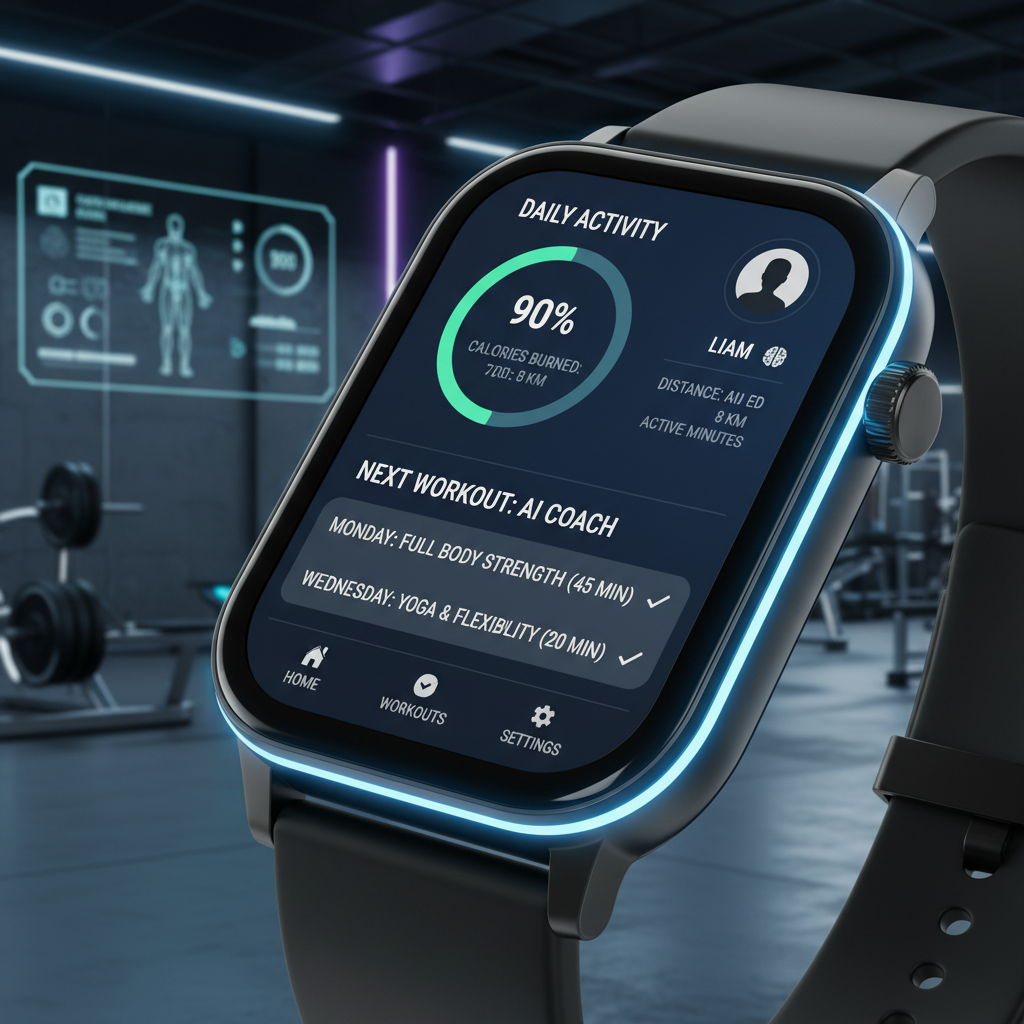
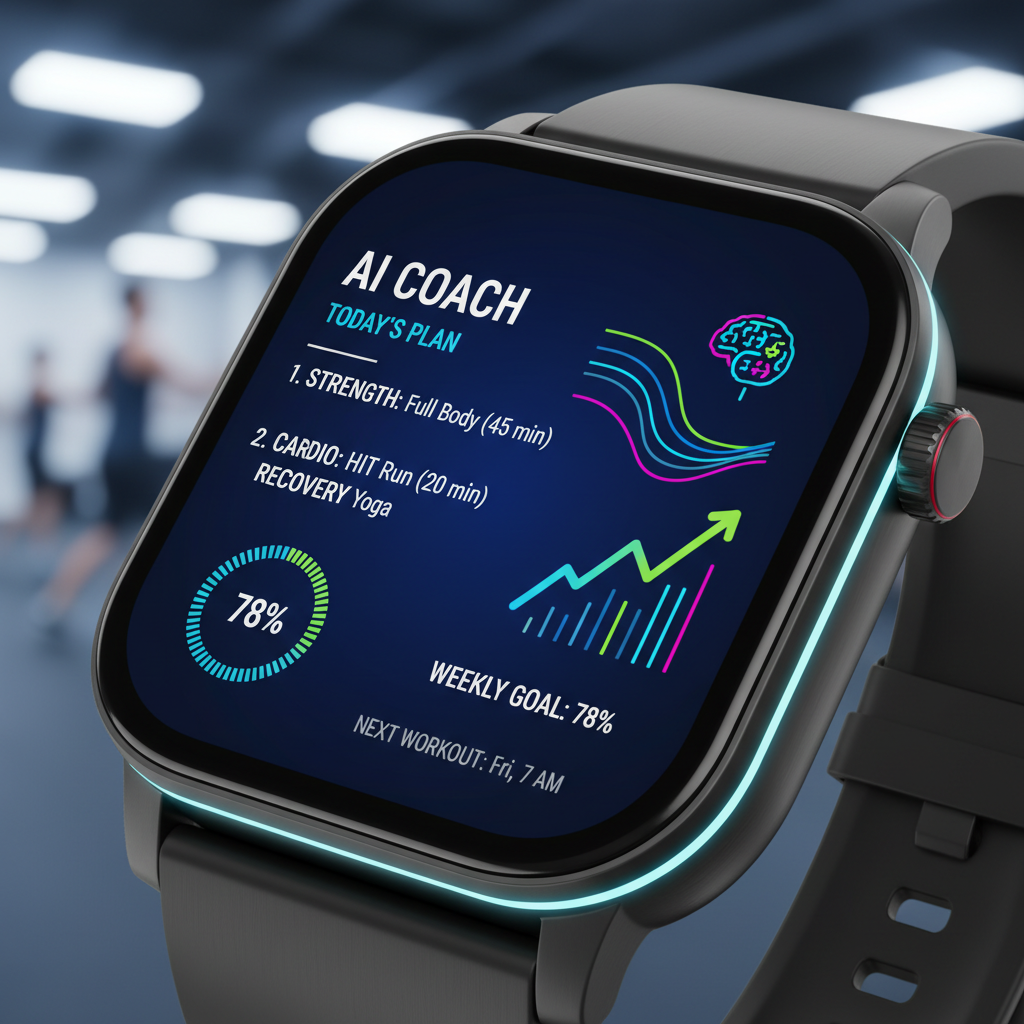
Video Mockups: Modern generative AI models are increasingly capable of producing short, high-quality video clips. Instead of just a static image of a product, AI can generate a product in motion, or a camera panning around it, showcasing its features dynamically. Imagine a new smartwatch being unboxed and worn, or a beverage bottle condensation forming and rolling down its sides – all generated by AI from a simple prompt. This is particularly valuable for social media marketing, where video content dominates engagement.
Augmented Reality (AR) and Virtual Reality (VR) Integration: The synergy between AI and immersive technologies is creating groundbreaking possibilities. AI can generate 3D models of products and environments that can then be seamlessly integrated into AR and VR experiences. For example, AI can create virtual “try-on” experiences for clothing, where customers can see how a garment looks on their own body using their smartphone camera. For furniture, AI can generate a realistic 3D model that users can place virtually in their living room to assess its fit and style. The realism achieved by AI makes these virtual experiences far more convincing and useful than ever before.
Customization on the Fly: One of the most exciting advancements is the ability for users to customize mockups in real-time. Imagine an e-commerce platform where a customer can select different colors, materials, or features for a product, and AI instantly generates a hyper-realistic mockup reflecting those choices. This real-time visualization capability empowers customers to personalize products and see exactly what they’re buying, significantly enhancing the online shopping experience and potentially reducing returns due to unmet expectations. This is not just a mockup tool for designers, but a direct sales and engagement tool for consumers.
These dynamic and interactive AI mockups move beyond mere presentation; they create engaging, immersive experiences that allow customers to truly envision themselves interacting with a product. This deeper level of engagement translates directly into stronger marketing campaigns and higher conversion rates, making AI an invaluable asset for future-forward businesses.
Business Advantages: Why AI Mockups are a Competitive Edge
Adopting AI for product mockup creation isn’t just about technological novelty; it’s about gaining tangible, strategic business advantages that directly impact profitability and market position. In a fiercely competitive global marketplace, these advantages can be the deciding factor for success.
Accelerated Time-to-Market
One of the most significant benefits is the dramatic reduction in the time required to bring a product from concept to market. Traditional mockup creation is a lengthy process, often involving external vendors, scheduling, and iterative feedback loops. AI compresses this timeline from weeks or days to mere minutes or hours. Designers can rapidly generate visuals for new product variations, packaging concepts, or marketing campaigns, allowing for quicker internal approvals and faster deployment. This agility means businesses can react more swiftly to market trends, launch products ahead of competitors, and capture fleeting opportunities.
Cost Efficiency
The financial savings associated with AI-powered mockups are substantial. Eliminating or significantly reducing the need for professional photography shoots (studio rental, photographers, models, props), expensive 3D artists, and high-end rendering software licenses translates into significant cost reductions. Even for businesses with in-house design teams, AI tools can free up resources, allowing highly skilled personnel to focus on more complex, strategic tasks rather than repetitive rendering work. This cost-effectiveness makes high-quality visualization accessible even to startups and small businesses with limited budgets.
Unparalleled Customization and Personalization
AI’s ability to generate countless variations instantly unlocks unprecedented levels of customization. A single product can be shown in hundreds of different environments, lighting conditions, or cultural contexts to appeal to diverse target audiences. This enables hyper-personalized marketing campaigns where visuals are tailored to individual consumer segments or even individual preferences. For instance, an e-commerce site could dynamically show a product mockup based on a user’s browsing history or demographic profile, increasing relevance and engagement. Mass personalization was once a dream, but AI makes it a commercial reality.
Enhanced Creativity and Experimentation
By automating the laborious aspects of visual creation, AI liberates designers to focus on pure creativity and experimentation. They can explore concepts that would have been too time-consuming or expensive to visualize traditionally. Want to see your product on the moon? Or in a futuristic cityscape? Or rendered in a cubist art style? AI makes these experiments feasible, pushing the boundaries of imagination and leading to innovative and eye-catching visual content that stands out in a crowded market. The barrier to “what if” scenarios is virtually eliminated.
Global Scalability
For businesses operating in multiple international markets, AI mockups offer unparalleled scalability. Without the need for physical shoots in different locations or culturally specific props, AI can generate region-specific mockups that resonate with local audiences. A product sold globally can have distinct visual marketing assets for each country, reflecting local aesthetics, environments, and even model diversity, all from a central design team. This ensures global brand consistency while allowing for local relevance, without the logistical nightmare.
Improved Marketing and Sales Performance
Ultimately, the goal of product mockups is to drive sales. Hyper-realistic, engaging, and diverse visuals created by AI directly contribute to improved marketing and sales performance. Better visuals lead to higher click-through rates, increased website engagement, longer dwell times, and ultimately, higher conversion rates. Products presented attractively and realistically are more likely to be trusted and purchased. AI also facilitates A/B testing of various visual approaches at scale, allowing marketers to quickly identify which mockups perform best with specific audiences, optimizing their campaigns for maximum impact.
In essence, AI-powered mockups provide a powerful competitive edge by making visual content creation faster, cheaper, more creative, more personal, and more effective, directly impacting a company’s bottom line and market standing.
Choosing the Right AI Tools for Your Mockup Needs
The landscape of AI generative tools is rapidly evolving, with new platforms and features emerging constantly. Selecting the right tool depends on your specific needs, desired level of control, budget, and integration requirements. Here’s an overview of popular options and considerations:
- Midjourney:
- Strengths: Renowned for its artistic flair and ability to generate visually stunning, often ethereal, and highly creative images. Excellent for conceptual mockups where aesthetic impact is paramount. Very good at interpreting complex prompts and generating diverse styles.
- Considerations: Primarily text-to-image. While it offers control, it can be less precise for specific, pixel-perfect adjustments compared to dedicated design software. Runs via Discord interface, which might be a learning curve for some.
- Ideal for: High-end lifestyle mockups, artistic product presentations, mood boards, concept exploration.
- Stable Diffusion (and its derivatives):
- Strengths: Open-source and highly customizable. Can be run locally (if you have sufficient hardware) or through various web interfaces (e.g., AUTOMATIC1111, DreamStudio, Hugging Face). Offers immense control via various parameters, ‘controlnets’ (for pose, depth, edge guidance), and in-painting/out-painting for precise editing.
- Considerations: Can have a steeper learning curve for advanced features. Requires technical understanding for local setup. Quality can vary depending on the model and prompts used.
- Ideal for: Users needing maximum control and customization, precise product placement, generating variations of an existing product, integrating with existing workflows, businesses with technical capabilities.
- DALL-E 3 (integrated into ChatGPT Plus/Enterprise):
- Strengths: Exceptional at understanding complex, lengthy, and nuanced natural language prompts. Excellent for scene generation and creating specific scenarios. Strong coherence in generated images.
- Considerations: Less direct control over specific artistic parameters compared to Stable Diffusion. Quality can be very high but might lean towards a more illustrative style at times.
- Ideal for: Users who prefer prompt-based generation with minimal technical fuss, marketers needing quick, high-quality conceptual mockups from complex descriptions.
- Adobe Firefly:
- Strengths: Deeply integrated into the Adobe ecosystem (Photoshop, Illustrator), making it seamless for designers already using these tools. Focuses on safe, commercially viable content. Strong features for text effects, generative fill, and recoloring.
- Considerations: Still relatively new and evolving. May not have the sheer creative breadth of Midjourney or the granular control of Stable Diffusion for every scenario.
- Ideal for: Adobe Creative Cloud users, design agencies, and businesses prioritizing seamless workflow integration and commercially safe content generation.
- Dedicated Mockup Platforms with AI (e.g., Placeit AI, Smartmockups AI, Veed.io):
- Strengths: User-friendly interfaces often designed specifically for mockup creation. Offer pre-designed templates where you simply upload your product image/logo and AI places it realistically. Minimal learning curve.
- Considerations: Less creative freedom and control over the generated scene compared to general-purpose generative AI. Limited to the available templates.
- Ideal for: Small businesses, marketers, or individuals needing quick, standardized mockups without deep AI knowledge, for specific use cases like t-shirts, mugs, phone cases, or social media posts.
When making your choice, consider the following:
- Ease of Use: How quickly can your team get up to speed?
- Control Features: Do you need pixel-level control or are broad creative directions sufficient?
- Output Quality and Style: Does the AI’s aesthetic align with your brand?
- Cost Model: Subscription, pay-per-use, or free tiers?
- Integration: Does it work well with your existing design and marketing tools?
- Commercial Rights: Crucially, ensure you understand the terms of use and commercial licensing for AI-generated assets.
Experimenting with free trials or entry-level subscriptions of a few tools can help determine which best fits your specific mockup creation needs and overall business strategy.
Comparison Tables
Table 1: Traditional Mockup Creation vs. AI-Powered Mockup Creation
| Feature | Traditional Mockup Creation | AI-Powered Mockup Creation |
|---|---|---|
| Time Investment | Weeks to days (for photography/3D rendering) | Minutes to hours |
| Cost per Mockup | High (studio, photographer, models, equipment, software, artist fees) | Low to moderate (tool subscription, computing resources) |
| Flexibility & Iteration Speed | Low; changes are costly and time-consuming, limited variations | Very high; rapid generation of countless variations, easy modifications |
| Skill Required | High (professional photography, 3D modeling, rendering, graphic design expertise) | Moderate (prompt engineering, basic graphic design for refinement, understanding AI tool features) |
| Realism Level | Excellent (via professional photography/high-end 3D) | Excellent to Hyper-Realistic (constantly improving, often indistinguishable from photos) |
| Scalability | Limited; scaling up requires significant resource increase | High; easily generate large volumes of diverse mockups globally |
| Accessibility | Low; costly and expertise-dependent | High; democratized access to high-quality visuals for all business sizes |
Table 2: Popular AI Tools for Hyper-Realistic Mockup Generation
| AI Tool | Primary Focus / Strength | Key Features for Mockups | Ease of Use | Ideal For | Cost Model (General) |
|---|---|---|---|---|---|
| Midjourney | Artistic, aesthetic, highly creative image generation | Stunning visual quality, diverse styles, strong conceptual output | Moderate (Discord interface, prompt learning) | Creative agencies, high-end lifestyle brands, concept exploration | Subscription (tiered) |
| Stable Diffusion | Customization, control, versatility (open-source) | ControlNets (pose, depth guidance), in-painting/out-painting, local execution, vast ecosystem | Moderate to High (can be technical) | Designers needing granular control, developers, custom workflows, existing product variations | Free (local), Subscription (cloud services) |
| DALL-E 3 | Natural language understanding, coherent scene generation | Excellent prompt interpretation, strong scene composition, integrated with ChatGPT | High (user-friendly prompt interface) | Marketers, content creators, quick conceptual mockups from complex descriptions | Subscription (via ChatGPT Plus) |
| Adobe Firefly | Seamless integration with Adobe Creative Suite, commercial safety | Generative Fill, Text to Image, Recolor artwork, focus on commercial assets | High (familiar Adobe UI) | Adobe users, graphic designers, agencies prioritizing workflow integration and IP safety | Included in Adobe Creative Cloud subscriptions |
| Placeit AI / Smartmockups AI | Template-based, quick and easy specific product mockups | Hundreds of pre-made templates, simple upload & AI placement, background generation | Very High (web-based, intuitive) | Small businesses, e-commerce stores, social media marketers needing rapid, specific product visuals | Subscription (tiered) |
Practical Examples: Real-World Use Cases and Scenarios
The theoretical benefits of AI-powered mockups come to life through practical applications across various industries. Here are some real-world scenarios demonstrating their transformative power:
- E-commerce & Retail:
- Scenario: An online clothing brand is launching a new line of sustainable t-shirts. They need to showcase the t-shirts on diverse models, in various lifestyle settings (urban, nature, casual home), and with different styling, for their website and social media.
- AI Solution: Instead of expensive photoshoots with multiple models and locations, the brand uses an AI tool. They upload the t-shirt design. The AI generates mockups featuring the t-shirt on models of different ethnicities, body types, and ages, placed in hyper-realistic scenes like a bustling city street, a serene forest, or a cozy cafe, all within minutes. They can even generate video mockups of models walking.
- Impact: Vastly diversified visual content, personalized product presentation for different customer segments, reduced marketing costs, and faster campaign launches.
- Packaging Design & Food Industry:
- Scenario: A food company is developing a new snack bar and exploring several packaging designs. They need to visualize how these packages will look on supermarket shelves, in different lighting, and next to competitor products.
- AI Solution: Designers create 2D mockups of the proposed packaging. Using AI, they input these designs and prompts like “new snack bar packaging on a brightly lit supermarket shelf, next to leading brands, with natural reflections.” The AI generates multiple images showing the different packaging options in a realistic retail environment.
- Impact: Rapid visualization of design options, enabling quicker feedback from stakeholders and market research without needing physical prototypes or elaborate store simulations. This accelerates the design iteration cycle significantly.
- Advertising Agencies & Marketing Campaigns:
- Scenario: An advertising agency needs to create compelling visuals for a new smartphone launch campaign, targeting different demographics with varied lifestyle associations. They need a high volume of diverse ad creatives for A/B testing across digital platforms.
- AI Solution: The agency provides AI with a 3D model or high-res images of the smartphone. They then use prompts to generate scenarios like “sleek smartphone held by a business professional in a modern office,” “smartphone on a beach towel next to sunglasses,” or “gamer using smartphone in a neon-lit room.” The AI generates hundreds of unique, high-quality images.
- Impact: Unprecedented speed in creative asset generation, allowing for extensive A/B testing to optimize campaign performance. Cost-effective creation of a massive library of visually distinct ad creatives for segmented audiences.
- Product Development & Industrial Design:
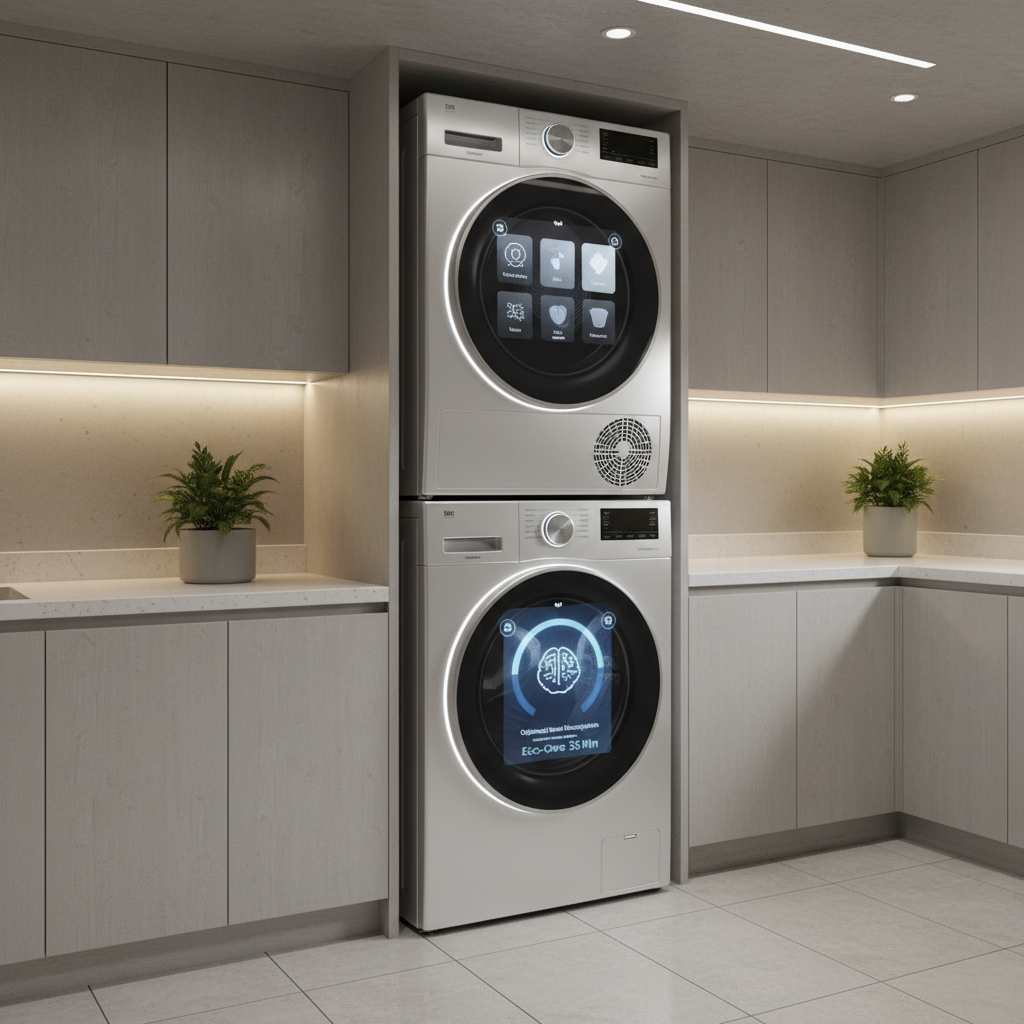
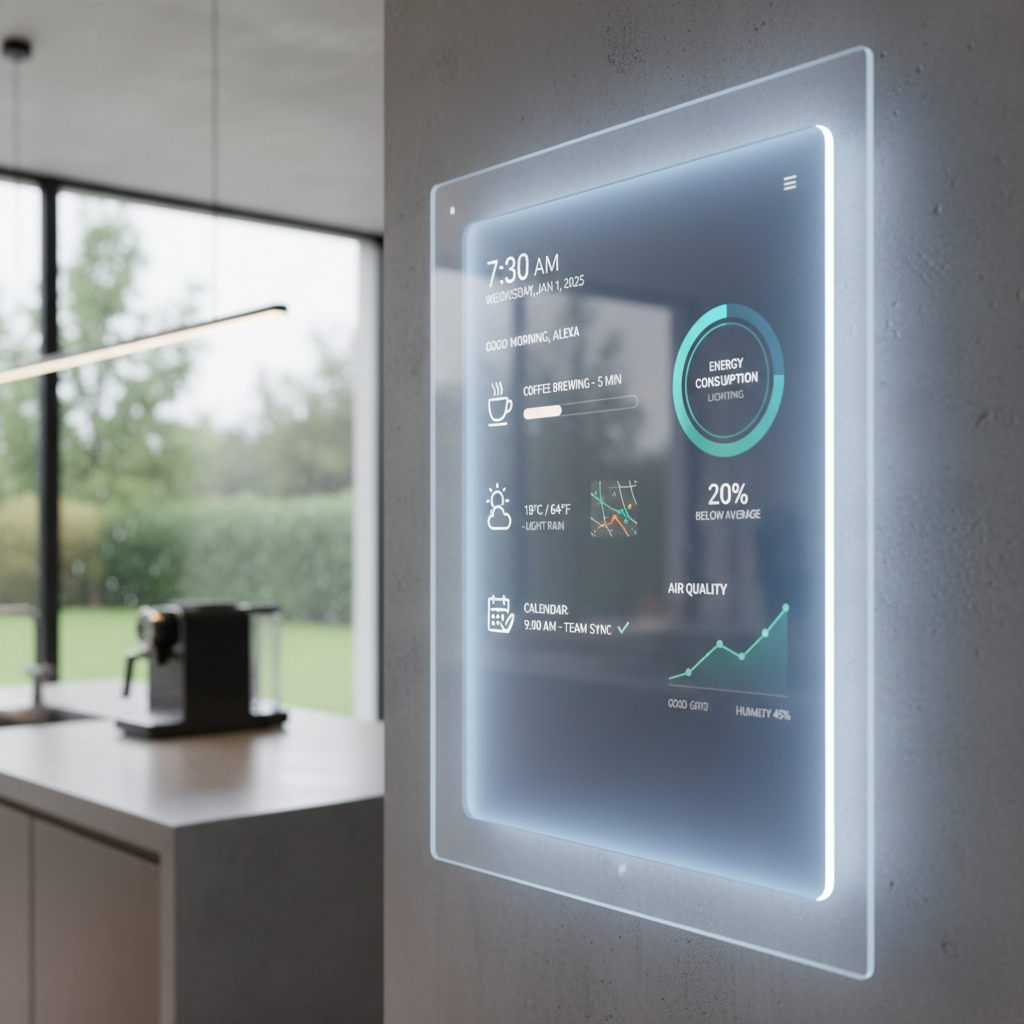
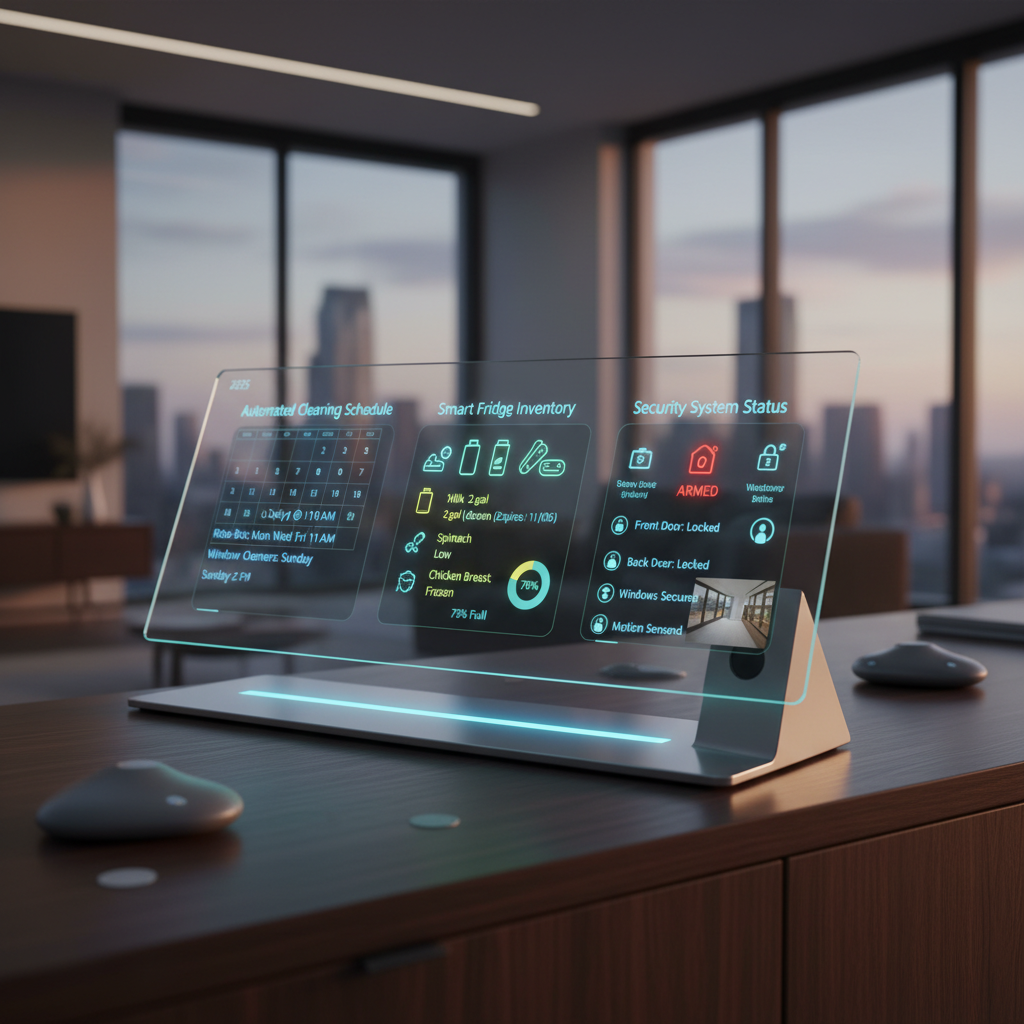
- Scenario: An industrial design firm is developing a new smart home device. They need to visualize early-stage concepts in various home environments to gather internal feedback and present to potential investors before manufacturing begins.
- AI Solution: Designers upload rough 3D models or even detailed sketches of the device. Using AI, they generate mockups showing the device integrated into a modern minimalist living room, a cozy traditional kitchen, or a futuristic bedroom, exploring different colorways and material finishes.
- Impact: Early visualization of concepts in context, facilitating faster design decisions, identifying potential aesthetic issues, and securing early buy-in from stakeholders without costly physical prototyping.
- Fashion Industry & Virtual Try-Ons:
- Scenario: A fashion brand wants to offer virtual try-on experiences for their new clothing collection, allowing customers to see how items look on them without visiting a physical store.
- AI Solution: Advanced AI (often combined with AR technology) can generate realistic digital garments from 2D designs. Customers can then use their smartphone cameras to “try on” these garments virtually, with AI adapting the clothing to their body shape and movements, displaying it in real-time.
- Impact: Enhanced online shopping experience, increased customer confidence in purchases, potentially reduced return rates, and a cutting-edge brand image.
These examples highlight how AI is not just a tool for creating pretty pictures, but a strategic asset that streamlines operations, reduces costs, accelerates innovation, and ultimately drives business growth across diverse sectors.
Frequently Asked Questions
Q: What exactly is an AI product mockup?
A: An AI product mockup is a photorealistic or hyper-realistic visual representation of a product, created using artificial intelligence algorithms. Instead of traditional photography or manual 3D rendering, an AI model generates the image based on text prompts, uploaded 2D designs, or basic 3D models. These mockups can place a product in any imaginable environment, with precise lighting, shadows, and textures, making it appear as if it were a real photograph.
Q: How do AI mockups achieve hyper-realism?
A: AI models achieve hyper-realism by being trained on vast datasets of real-world images. Through this training, they learn the intricate patterns of light physics, material properties, object interactions, and environmental context. When generating a mockup, these models synthesize these learned elements, accurately replicating factors like realistic reflections, ambient occlusion, consistent shadows, and fine textural details, making the generated image virtually indistinguishable from a professional photograph.
Q: Is it difficult to learn how to use AI tools for mockups?
A: The learning curve for AI mockup tools varies significantly. Basic template-based AI platforms (like Placeit AI) are extremely user-friendly, requiring little to no technical expertise. More advanced generative AI tools (like Midjourney or DALL-E 3) require learning “prompt engineering” – the art of writing effective text prompts – but are generally accessible. Tools like Stable Diffusion, which offer extensive customization, can have a steeper learning curve due to their numerous parameters and configurations, but also offer the most control.
Q: Can AI replace human designers or photographers?
A: No, AI is a powerful tool that augments and empowers human creativity, rather than replacing it. While AI automates the generation of visuals, human designers and photographers remain crucial for providing the creative vision, crafting effective prompts, curating the best outputs, ensuring brand consistency, and adding final artistic touches. AI frees up human experts from repetitive tasks, allowing them to focus on higher-level strategic and creative endeavors.
Q: What are the main limitations of AI product mockups?
A: Current limitations include: occasional inconsistencies or artifacts in generated images (though rare with advanced models), a potential “generic” look if not guided well, difficulties with highly complex product geometries or very specific branding elements without careful prompt engineering, and the need for robust hardware if running open-source models locally. Also, creative control can sometimes be less precise than manual 3D rendering for highly specialized, pixel-perfect requirements.
Q: How much do AI mockup tools cost?
A: Costs vary widely. Many advanced generative AI tools (Midjourney, DALL-E 3, Stable Diffusion cloud services, Adobe Firefly) operate on subscription models, ranging from around $10 to $60+ per month, often tiered by usage limits or features. Template-based platforms like Placeit AI also have monthly or annual subscriptions. Open-source models like Stable Diffusion can be free to run locally, but require significant computing power and electricity costs.
Q: Can I use AI-generated mockups for commercial purposes?
A: Generally, yes, but it is absolutely critical to check the specific licensing terms and conditions of each AI tool you use. Most commercial AI generative tools offer commercial use rights with their paid subscriptions. However, there can be nuances regarding intellectual property, copyright ownership of generated images, and specific restrictions. Always read the fine print to ensure compliance and avoid legal issues.
Q: What kind of products can benefit most from AI mockups?
A: Almost any product can benefit, but particularly those that require extensive visual diversity for marketing, rapid prototyping, or e-commerce. This includes fashion and apparel, consumer electronics, food and beverage packaging, home goods, cosmetics, and accessories. Products with many variations (colors, sizes, materials) or those needing to be shown in countless environmental contexts gain immense advantages from AI’s generative capabilities.
Q: How do I ensure brand consistency with AI-generated mockups?
A: Maintaining brand consistency with AI requires a human in the loop. This involves providing AI with reference images of your product and brand guidelines (e.g., specific color palettes, fonts, logo placement). You’ll need to carefully craft prompts that include brand-specific descriptors and then curate and refine the AI’s output to ensure it aligns with your brand’s aesthetic and messaging. Post-processing in traditional design software may still be necessary for precise logo integration or color correction to exact brand specifications.
Q: What is the future of AI in product visualization?
A: The future is incredibly promising. We can expect even more sophisticated models capable of generating highly detailed 3D assets directly from text, seamless integration with AR/VR for immersive product experiences, real-time customization interfaces for consumers, and AI-powered tools that can intelligently suggest design improvements based on market trends or user preferences. AI will continue to make product visualization faster, more realistic, more interactive, and highly personalized.
Key Takeaways
- Advanced AI, particularly generative models like diffusion models, has fundamentally transformed product mockup creation.
- AI enables the generation of hyper-realistic mockups that are often indistinguishable from professional photography or high-end 3D renders.
- The hyper-realistic factor comes from AI’s mastery of lighting, shadows, textures, reflections, and environmental context.
- The AI-powered workflow drastically accelerates time-to-market, reduces costs, and enhances creative experimentation compared to traditional methods.
- AI is pushing beyond static images, enabling dynamic video mockups, AR/VR integration, and real-time product customization for enhanced user engagement.
- Businesses gain significant competitive advantages through AI mockups, including cost efficiency, unparalleled customization, global scalability, and improved marketing performance.
- A wide range of AI tools exists, from artistic generators like Midjourney to highly controllable ones like Stable Diffusion, and integrated solutions like Adobe Firefly, each suiting different needs.
- Human creativity and expertise remain vital for guiding AI, curating outputs, and ensuring brand consistency.
- Understanding licensing terms for commercial use of AI-generated assets is crucial.
- The future promises even more immersive, interactive, and personalized product visualization experiences powered by AI.
Conclusion
The journey from rudimentary sketches to hyper-realistic product mockups has been a long and innovative one, but the advent of advanced AI marks its most revolutionary chapter yet. We are no longer limited by the constraints of physical photography or the complexities of traditional 3D rendering. Instead, we possess the power to conjure any product into existence within any imaginable scene, with breathtaking fidelity and at an unprecedented speed.
For businesses, this is more than just a technological upgrade; it’s a strategic imperative. The ability to rapidly visualize, iterate, customize, and scale product presentations offers a decisive competitive edge in a market where visual appeal and speed to market are paramount. From accelerating product development cycles to personalizing marketing campaigns at a global scale, AI-powered mockups are not merely improving existing processes, but creating entirely new avenues for creativity and engagement.
As AI continues to evolve, its capabilities will only become more sophisticated, offering even richer, more interactive, and truly immersive product visualization experiences. Embracing these advanced AI tools is not just about keeping pace with the future; it’s about actively shaping it, unlocking imagination, and crafting product stories that resonate deeply with audiences, propelling businesses beyond their wildest dreams. The era of beyond imagination product mockups is not just here; it’s just beginning.























Leave a Reply