

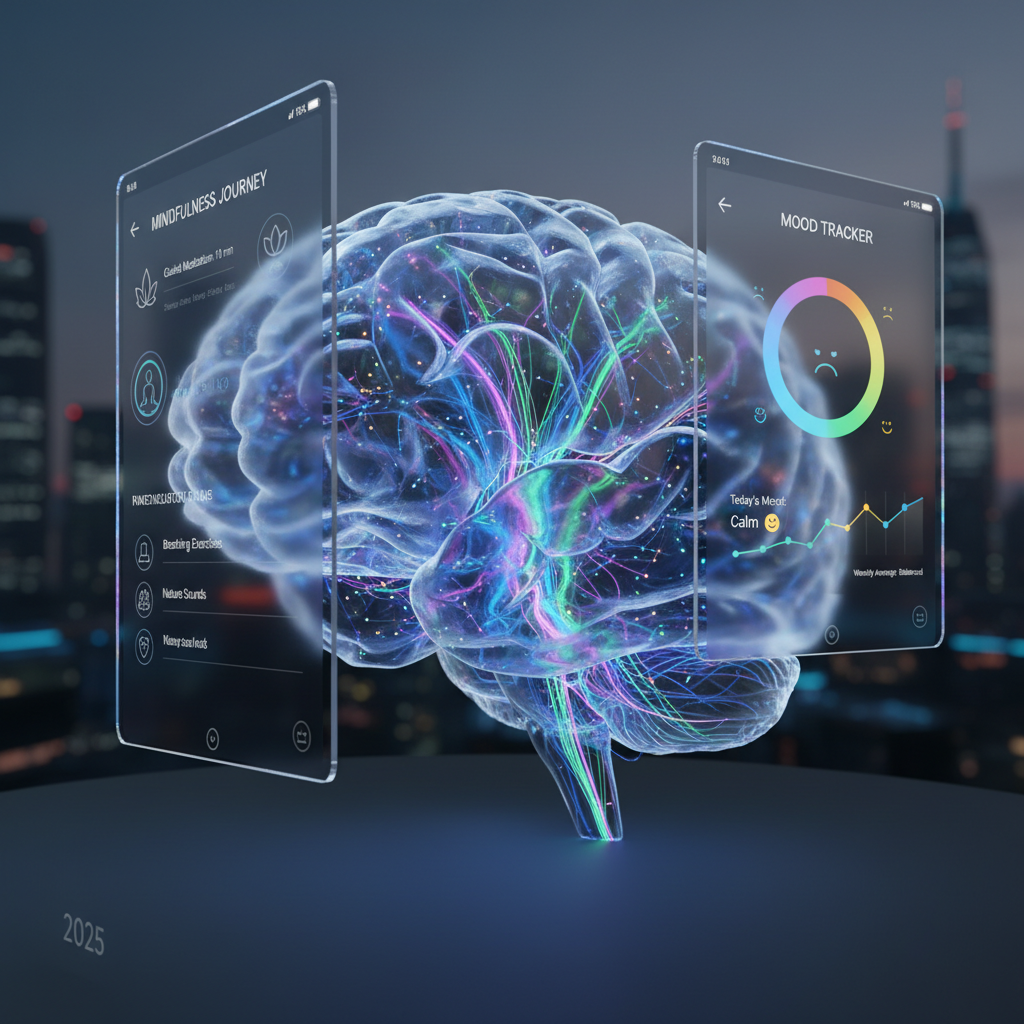
In our fast-paced, ever-connected world, maintaining optimal mental well-being has become a significant challenge for many. The pressures of modern life, from demanding careers to constant digital notifications, can often lead to increased stress, anxiety, and a feeling of disconnect from the present moment. Historically, seeking support for mental health often involved lengthy waiting lists, high costs, or the stigma associated with traditional therapy. However, we are now living through a transformative era where technology, specifically Artificial Intelligence (AI), is stepping in to bridge these gaps, offering innovative, accessible, and highly personalized solutions for mental well-being.
This comprehensive blog post delves into the exciting world of AI-powered applications designed to enhance your mental health. We will explore how these cutting-edge tools provide personalized stress relief and foster mindfulness, moving beyond generic advice to deliver tailored experiences that genuinely resonate with individual needs. From sophisticated mood tracking and sentiment analysis to AI-guided meditations and cognitive behavioral therapy (CBT) techniques, these apps are redefining how we approach self-care and mental resilience. Prepare to uncover the mechanisms, benefits, practical applications, and future potential of AI in cultivating a healthier, more balanced mind.
Understanding Mental Well-being in the Digital Age
Mental well-being is not merely the absence of mental illness; it is a state where individuals realize their own abilities, can cope with the normal stresses of life, can work productively and fruitfully, and are able to make a contribution to their community. In the digital age, however, several factors complicate this ideal. The relentless influx of information, the pressure to maintain a perfect online persona, cyberbullying, and the blurring lines between work and personal life contribute significantly to elevated stress levels and widespread feelings of overwhelm. Research consistently shows a rise in anxiety and depression symptoms, particularly among younger generations, often paralleling increased screen time and social media engagement.
The ubiquity of smartphones and other smart devices, while a source of potential distraction, also presents an unprecedented opportunity for intervention. Mental health support, traditionally confined to clinics and therapist offices, can now be delivered directly into the hands of those who need it, anytime and anywhere. This accessibility is crucial, especially for individuals in remote areas, those facing mobility issues, or those who might feel uncomfortable seeking face-to-face assistance due to social stigma or time constraints. The challenge lies in making this digital support effective, personalized, and truly beneficial, rather than just another source of digital noise. This is where AI truly shines, moving beyond static content to offer dynamic, responsive, and adaptive support that evolves with the user’s journey.
The Growing Need for Accessible Mental Health Solutions
Despite increased awareness, a significant portion of the global population still lacks adequate access to mental health services. Barriers include financial costs, geographical limitations, a shortage of qualified professionals, and the enduring stigma surrounding mental health issues. Waiting lists for therapists can stretch for months, and the cost of ongoing sessions can be prohibitive for many. This creates a critical gap between the demand for mental health support and its availability. AI-powered apps offer a scalable solution, capable of reaching millions simultaneously at a fraction of the cost, making mental well-being support more democratic and inclusive. They serve as a vital first line of defense, providing immediate resources and guidance that can prevent minor stresses from escalating into more serious conditions, and complementing professional care where it is available.
The Rise of AI in Mental Health Support
The integration of Artificial Intelligence into mental health applications represents one of the most exciting advancements in digital therapeutics. AI is no longer a futuristic concept; it is actively powering algorithms that understand human language, analyze emotional states, and deliver personalized interventions. At its core, AI allows applications to learn from vast amounts of data, adapt to individual user patterns, and offer responses that are far more sophisticated than rule-based programs. This capability transforms generic mindfulness exercises into deeply personalized journeys, and basic mood trackers into insightful analytical tools.
Key AI technologies underpinning these applications include:
- Natural Language Processing (NLP): This allows AI systems to understand, interpret, and generate human language. In mental health apps, NLP is used in conversational chatbots to comprehend user input, identify keywords related to mood or distress, and provide relevant, empathetic responses. It enables apps to engage in meaningful dialogue, whether it is journaling analysis or guided therapeutic conversations.
- Machine Learning (ML): ML algorithms analyze user data over time – including mood entries, activity levels, sleep patterns, and even linguistic nuances in text input – to identify trends, predict potential challenges, and recommend specific interventions. This is how an app learns that a particular user feels anxious on Monday mornings and suggests a calming exercise before their typical work start time.
- Sentiment Analysis: A subset of NLP, sentiment analysis identifies the emotional tone behind text. It helps apps gauge a user’s current emotional state from their journal entries or chat interactions, allowing the AI to tailor its responses and recommendations to be more supportive and appropriate.
- Personalized Recommendation Engines: Similar to how streaming services suggest movies, these engines use ML to recommend specific meditations, exercises, articles, or coping strategies based on a user’s past interactions, stated preferences, and current emotional state.
- Biometric Data Integration: Some advanced apps integrate with wearables (smartwatches, fitness trackers) to collect data like heart rate variability (HRV), sleep quality, and activity levels. AI then analyzes this data to provide a more holistic view of physical and mental well-being, correlating physiological markers with reported moods and stress levels.
The combination of these AI capabilities empowers apps to move beyond static content libraries, offering a dynamic and responsive ecosystem of support. This personalized approach is what makes AI apps particularly effective in helping individuals navigate their mental health journey, providing tools that feel genuinely tailored to their unique needs and challenges.
How AI Apps Offer Personalized Stress Relief and Mindfulness
The true power of AI in mental well-being lies in its ability to offer a deeply personalized experience. Unlike traditional approaches that might offer a one-size-fits-all solution, AI apps leverage data to understand individual users, adapting their offerings to meet specific needs, preferences, and progress. This personalization is critical for sustained engagement and effective outcomes.
Personalized Mood Tracking and Analysis
Many AI mental wellness apps begin with sophisticated mood tracking. Users log their feelings, energy levels, and contributing factors throughout the day. What sets AI apart is not just the logging, but the intelligent analysis that follows. AI algorithms can identify patterns over time: perhaps stress levels peak on certain days of the week, or anxiety correlates with specific activities or sleep deprivation. The app can then provide insights, such as “Your mood tends to dip on Wednesday afternoons; try a quick breathing exercise before your usual meeting,” or “You reported higher anxiety after consuming caffeine; consider reducing your intake.” This data-driven self-awareness empowers users to understand their triggers and proactively manage their emotional states.
AI-Powered Guided Meditations and Mindfulness Exercises
While many apps offer guided meditations, AI enhances this experience significantly. Instead of a fixed library, AI can dynamically select or even generate meditations based on your current mood, stress level, time availability, and past preferences. If you’ve reported high anxiety, the app might suggest a specific grounding meditation. If you’re struggling with sleep, it might offer a body scan designed for relaxation before bed. Some advanced systems can even adjust the pacing and tone of the guided voice based on biofeedback data, like heart rate, providing a truly adaptive mindfulness journey. This ensures that each session is maximally relevant and effective for the user’s immediate needs, fostering deeper engagement with mindfulness practices.
Cognitive Behavioral Therapy (CBT) and Dialectical Behavior Therapy (DBT) Techniques
AI apps are increasingly incorporating elements of evidence-based therapies like CBT and DBT. AI chatbots, often dubbed “digital therapists” or “AI companions,” can guide users through exercises designed to challenge negative thought patterns (CBT) or develop emotional regulation and distress tolerance skills (DBT). For example, an AI might prompt a user to identify distorted thoughts, reframe them, or practice gratitude. It can teach mindfulness techniques or provide step-by-step guidance on crisis coping skills. While not a replacement for human therapists, these AI tools provide accessible, on-demand support for practicing therapeutic techniques in daily life, reinforcing lessons learned and offering immediate support when a human therapist might not be available. They can help users build resilience and develop healthier coping mechanisms.
Real-time Emotional Support and Conversational AI
Perhaps one of the most innovative applications of AI is in providing real-time emotional support through conversational interfaces. Apps like Wysa or Woebot utilize advanced NLP to engage users in empathetic, non-judgmental conversations. They can detect subtle cues in a user’s language, ask open-ended questions, and offer comforting words or practical advice. These AI companions can help users articulate their feelings, process difficult emotions, and even act as a sounding board, fostering a sense of connection and understanding. For individuals who might feel isolated or hesitant to speak with another person, these AI tools offer a safe and private space to explore their thoughts and feelings, providing immediate comfort and guidance when needed most.
Sleep Improvement Programs
Sleep is a cornerstone of mental well-being. AI apps leverage this connection by offering personalized sleep improvement programs. By analyzing sleep patterns (often through wearable integration), user-reported difficulties, and daily routines, AI can recommend tailored interventions. This might include guided sleep meditations, progressive muscle relaxation exercises, soundscapes designed for sleep, or even personalized sleep hygiene tips. The app can adapt its suggestions based on what works best for the individual, helping them establish healthier sleep habits and improve the quality of their rest, which directly impacts mood, cognitive function, and stress resilience. These programs move beyond generic advice to provide data-driven, actionable insights for better sleep.
Gamification and Engagement Strategies
To ensure sustained engagement, many AI mental wellness apps incorporate gamification elements. This could include earning points for daily check-ins, completing mindfulness exercises, or achieving streaks. AI can personalize these motivational strategies based on what has proven most effective for the individual user in the past, understanding whether they respond better to positive reinforcement, gentle nudges, or challenge-based rewards. This makes the journey of self-improvement more enjoyable and encourages consistent interaction with the app’s features, turning mental well-being practices into rewarding daily habits rather than chores. Personalized nudges can remind users to take a break, meditate, or journal based on their historical patterns and current context.
Key Features to Look for in AI Mental Wellness Apps
When choosing an AI mental wellness app, it is important to consider a range of features that contribute to its effectiveness, personalization, and user experience. Not all apps are created equal, and understanding what distinguishes a good app can help you make an informed decision that aligns with your specific mental health goals.
- Personalized Assessment and Onboarding: A strong app will begin with an initial assessment to understand your mental health goals, current challenges (e.g., anxiety, stress, sleep issues), and preferences. AI should then use this information to tailor your initial experience and recommendations.
- Adaptive Content Delivery: Look for apps that don’t just offer a library of content, but dynamically suggest specific meditations, exercises, or articles based on your current mood, recent entries, and progress. This ensures the content is always relevant.
- Advanced Mood Tracking and Analytics: Beyond simple mood logging, the app should offer insightful analytics that identify patterns, triggers, and correlations between your activities, sleep, and emotional states. Visualizations and actionable insights are key.
- Conversational AI/Chatbot: If you value interactive support, choose an app with a sophisticated NLP-driven chatbot. It should be able to understand your input, offer empathetic responses, and guide you through therapeutic exercises.
- Evidence-Based Techniques: Ensure the app incorporates techniques from established psychological therapies like CBT, DBT, or ACT (Acceptance and Commitment Therapy). The AI should be designed to deliver these methods effectively.
- Integration with Wearables/Health Data: For a holistic approach, apps that can integrate with smartwatches or fitness trackers to incorporate biometric data (heart rate, sleep, activity) offer a more comprehensive view of your well-being.
- Customizable Reminders and Nudges: The ability to set personalized reminders for mindfulness practices, journaling, or mood check-ins, ideally intelligent enough to adapt to your schedule, enhances adherence.
- Progress Tracking and Reporting: The app should allow you to track your mental health journey over time, showing improvements in mood, reduction in stress, or better sleep quality. Some even offer shareable reports (with therapist consent).
- Strong Privacy and Data Security: Given the sensitive nature of mental health data, robust encryption, clear privacy policies, and adherence to data protection regulations (like GDPR, HIPAA) are paramount.
- User-Friendly Interface and Design: An intuitive, calming, and easy-to-navigate interface is crucial for regular engagement and a positive user experience.
Benefits of AI-Powered Mental Health Solutions
The advent of AI in mental well-being apps brings a host of significant benefits that are transforming how individuals approach self-care and seek support. These advantages address many of the traditional barriers to mental health care, making support more accessible, affordable, and effective.
- Enhanced Accessibility: AI apps break down geographical and logistical barriers. They are available 24/7, regardless of location, making mental health support available to anyone with a smartphone, including those in remote areas or with limited mobility.
- Reduced Stigma: Many individuals feel hesitant or embarrassed to seek traditional therapy due to social stigma. AI apps offer a private and discreet way to explore feelings and practice coping mechanisms, reducing the fear of judgment.
- Cost-Effectiveness: While some premium features require subscriptions, the cost of AI mental wellness apps is significantly lower than ongoing therapy sessions, making mental health support more financially viable for a broader population. Many also offer free basic versions.
- Personalized Interventions: This is perhaps the greatest strength. AI’s ability to learn from individual user data means interventions are tailored to specific needs, preferences, and progress, leading to more relevant and effective outcomes than generic approaches.
- Proactive Support and Early Intervention: By continuously monitoring mood patterns and user input, AI can often identify subtle shifts or potential triggers, allowing for proactive suggestions and early intervention before stress or anxiety escalates.
- Convenience and Flexibility: Users can engage with the apps on their own schedule, whether it’s a 5-minute meditation during a lunch break or a journaling session late at night. This flexibility integrates mental wellness seamlessly into daily life.
- Consistent Reinforcement of Healthy Habits: AI apps can provide consistent reminders and motivation, helping users build and maintain healthy habits like mindfulness, journaling, or regular check-ins, which are crucial for long-term well-being.
- Data-Driven Insights for Self-Awareness: The analytical capabilities of AI provide users with objective data about their emotional patterns, triggers, and progress. This increased self-awareness is fundamental for personal growth and effective coping.
- Complementary to Traditional Therapy: For those already in therapy, AI apps can serve as powerful complementary tools, allowing users to practice skills learned in sessions, track homework, and provide data for their therapist. They extend the reach of therapy beyond the session itself.
Challenges and Ethical Considerations
While AI offers immense promise for mental well-being, its implementation is not without challenges and significant ethical considerations that need careful attention. Addressing these issues is crucial for ensuring the responsible and effective development of future AI mental health tools.
- Data Privacy and Security: Mental health data is incredibly sensitive. Ensuring robust encryption, secure storage, and clear, transparent privacy policies is paramount. Users must trust that their personal emotional data will not be misused, breached, or shared without explicit consent.
- Algorithmic Bias: AI models are trained on data, and if this data is not diverse and representative, the algorithms can develop biases. This could lead to less effective or even harmful recommendations for certain demographic groups, exacerbating existing health disparities.
- Lack of Human Empathy and Nuance: While AI can simulate empathy, it lacks genuine human understanding, intuition, and the ability to pick up on subtle non-verbal cues. In complex or crisis situations, this limitation can be significant. AI cannot replace the deep connection and nuanced understanding a human therapist provides.
- Over-reliance and Misinformation: Users might over-rely on AI apps, potentially delaying or foregoing professional help when it’s truly needed. Additionally, if an AI provides incorrect or inappropriate advice, it could have detrimental effects on a user’s mental state.
- Regulation and Clinical Validation: The field is relatively new, and regulatory frameworks are still evolving. Ensuring that AI mental health apps are clinically validated, safe, and effective requires rigorous testing and oversight, especially for those making therapeutic claims.
- Crisis Intervention Limitations: AI apps are generally not equipped to handle severe mental health crises, such as suicidal ideation or acute psychotic episodes. They must have clear protocols for redirecting users to emergency services or human support in such critical situations.
- “Black Box” Problem: The inner workings of complex AI algorithms can sometimes be opaque, making it difficult to understand how certain recommendations are generated. This lack of transparency can be a concern, especially in a health context.
- Digital Divide: While accessible to many, AI apps still require smartphone ownership, internet access, and digital literacy, potentially excluding vulnerable populations who might benefit most from mental health support but lack these resources.
Addressing these challenges requires a multi-faceted approach involving developers, policymakers, healthcare professionals, and users to create an ecosystem where AI mental health tools are safe, ethical, and genuinely beneficial for everyone.
The Future of AI in Mental Well-being
The trajectory of AI in mental well-being is one of continuous innovation and deeper integration. We are only scratching the surface of what’s possible, and the coming years promise even more sophisticated, personalized, and impactful applications. Here are some anticipated developments:
- Hyper-Personalization and Predictive Analytics: Future AI will move beyond current personalization to anticipate needs with even greater accuracy. By integrating a wider array of data points – including genetic predispositions, environmental factors (e.g., weather, local news sentiment), and even real-time biometric and neuro-feedback – AI could offer highly customized, preventative interventions before stress or anxiety even manifest significantly. Imagine an app suggesting a specific breathing technique because it predicts, based on your sleep, calendar, and heart rate, that you’re likely to feel overwhelmed in the next hour.
- Integration with Augmented Reality (AR) and Virtual Reality (VR): Immersive technologies will likely combine with AI to create therapeutic environments. AI-powered VR experiences could offer exposure therapy for phobias, guided relaxation in serene virtual landscapes tailored to individual preferences, or even social skills training in safe, simulated environments. AR could overlay mindfulness prompts onto real-world surroundings, making mindfulness practice more integrated into daily life.
- Advanced Conversational AI with Emotional Intelligence: Chatbots will become even more sophisticated, not just understanding language but truly discerning subtle emotional nuances, tone, and intent with greater accuracy. Generative AI models will allow for more natural, free-flowing, and contextually aware conversations that mimic human interaction more closely, providing a deeper sense of connection and understanding.
- Seamless Integration into Daily Life and Smart Homes: Mental wellness AI won’t be confined to just apps. It will integrate seamlessly into smart home devices, wearables, and even cars, offering gentle nudges, ambient mood-setting lighting, or personalized soundscapes based on detected stress levels or upcoming schedule demands. For instance, your smart mirror might offer a guided meditation before a stressful day or your car might play calming music on your commute home if it detects elevated stress from your biometric data.
- Hybrid Models of Care: The future will likely see more robust “human-in-the-loop” models, where AI tools augment, rather than replace, human therapists. AI can handle routine check-ins, data collection, and skill reinforcement, freeing up therapists to focus on complex emotional processing and advanced therapeutic interventions. This creates a powerful synergy, combining the scalability and personalization of AI with the irreplaceable empathy and judgment of human professionals.
- Gamified Therapeutic Journeys with Adaptive Storytelling: AI could create interactive, personalized narratives where users navigate challenges, make choices, and develop coping skills within a compelling story, all tailored to their specific therapeutic goals and progress. This could make engaging with mental health exercises feel less like work and more like an engaging personal quest.
These advancements promise a future where mental well-being support is not just accessible, but deeply integrated, proactive, and continuously evolving to meet the complex and dynamic needs of each individual. The goal is to create a ubiquitous safety net of support, empowering everyone to cultivate greater resilience and emotional balance in their lives.
Comparison Tables
Table 1: Popular AI Mental Wellness Apps Comparison
| App Name | Primary Focus | Key AI Features | Personalization Level | Subscription Model |
|---|---|---|---|---|
| Calm | Meditation, Sleep, Relaxation | Personalized meditation recommendations, AI-curated sleep stories, mood check-ins influencing content. | High (based on goals, mood, usage history) | Freemium (Paid subscription for full access) |
| Headspace | Meditation, Mindfulness, Focus | Personalized meditation courses, AI-driven progress tracking, “SOS” meditations for immediate relief based on context. | High (based on specific needs, progress, and goals) | Freemium (Paid subscription for full access) |
| Wysa | AI Chatbot for Emotional Support, CBT/DBT Coaching | NLP-powered conversational AI, sentiment analysis, guided therapeutic exercises (CBT, DBT, mindfulness), mood tracking. | Very High (adaptive chatbot, personalized tool recommendations) | Freemium (Paid for access to human coaches) |
| Woebot | CBT-based AI Chatbot for Mood Management | CBT-focused conversational AI, mood tracking, guided exercises, identifies thought patterns, journaling prompts. | Very High (adaptive dialogue, tailored CBT exercises) | Mostly Free (some premium content may exist) |
| Sanvello | Anxiety, Depression, Stress Management (CBT/Mindfulness) | Personalized learning paths, guided meditations, mood tracking, goal setting, coping tools, community support. | High (tailored programs, trackable goals) | Freemium (Paid subscription for full access, some features covered by insurance) |
| Moodfit | Overall Mental Fitness, Mood Tracking, Tools | Personalized insights from mood tracking, AI-suggested tools (CBT, DBT, mindfulness) based on patterns, goal setting. | High (data-driven tool recommendations, habit building) | Freemium (Paid for advanced features) |
Table 2: AI Approaches to Stress Relief vs. Traditional Methods
| Aspect | AI-Powered App Approach | Traditional Method (e.g., Therapy, Self-help books) | Pros (AI) | Cons (AI) |
|---|---|---|---|---|
| Accessibility | 24/7 on smartphone, global reach, low cost. | Scheduled appointments, geographical limits, high cost. | Immediate, widespread availability, reduces stigma. | Requires device & internet, not suitable for crises. |
| Personalization | Data-driven tailored content, adaptive exercises, real-time feedback. | Therapist assesses & adapts, general advice in books. | Continuously adapts, objective pattern analysis. | Lacks human nuance, potential algorithmic bias. |
| Engagement & Adherence | Gamification, personalized nudges, habit building. | Self-discipline, external motivation (therapist). | Fun, convenient, fosters consistent practice. | Can lead to over-reliance, digital fatigue. |
| Emotional Support | Empathetic chatbots, conversational AI for processing feelings. | Human therapist’s empathy, social support networks. | Always available, non-judgmental, private. | Lacks genuine human connection, limited crisis response. |
| Cost | Freemium models, lower subscription fees. | High hourly rates, insurance complexities. | Highly affordable, democratizes access. | Premium features might be behind paywall. |
| Scalability | Can serve millions simultaneously. | Limited by therapist availability and time. | Massive reach, efficient distribution of resources. | Quality control challenges across vast user base. |
| Data Privacy | Requires robust security & clear policies. | Confidentiality ensured by ethical guidelines. | Potential for anonymous data aggregation for research. | Risk of data breaches, commercial use of data. |
Practical Examples: Real-World Use Cases and Scenarios
To truly understand the impact of AI apps on mental well-being, let’s explore a few practical, real-world scenarios where individuals are leveraging these tools to improve their daily lives.
Scenario 1: The Overwhelmed Professional Seeking Daily Stress Management
Meet Sarah, a 34-year-old marketing manager who often finds herself overwhelmed by deadlines and client demands. Her stress typically peaks mid-week, leading to irritability, poor concentration, and difficulty falling asleep. She knows she needs to manage her stress better but lacks the time for regular therapy sessions.
Sarah decided to try an AI mental wellness app focused on stress relief and mindfulness. After an initial onboarding questionnaire, the app identified her primary goal as reducing daily stress and improving focus. It suggested a personalized plan that included:
- Morning Ritual: A 5-minute AI-guided gratitude meditation, chosen because Sarah indicated she wanted to start her day on a positive note. The AI varied the meditation each day based on her previous feedback.
- Mid-day Break: A personalized “stress-buster” notification would appear on her phone around 2 PM, prompting a 2-minute breathwork exercise or a gentle stretching video. The AI learned that her stress spikes after lunch meetings.
- Evening Wind-down: A 10-minute guided relaxation session, sometimes a body scan, sometimes soothing music generated by AI based on her preferred soundscapes, designed to prepare her for sleep.
- Mood Tracking: Daily check-ins where she logged her mood, energy, and contributing factors. The app’s AI provided weekly insights, like, “You tend to report higher stress on Tuesdays, consider blocking off some ‘deep work’ time then.”
- CBT Nudges: If Sarah logged feeling particularly anxious, the app’s chatbot would engage her in a short CBT exercise, asking her to identify her automatic negative thoughts and helping her reframe them.
Over several weeks, Sarah noticed a significant reduction in her stress levels. She felt more in control, her concentration improved, and she started sleeping better. The app’s personalization kept her engaged, as it felt like the tools were truly designed just for her.
Scenario 2: The Anxious Student Preparing for Exams
David, a 20-year-old university student, experiences significant test anxiety. During exam periods, he struggles with intrusive thoughts, restlessness, and feels overwhelmed, often leading to procrastination and poor sleep, which further exacerbates his anxiety.
David turned to an AI app known for its CBT and anxiety management features. The app guided him through a series of exercises tailored to his exam-related stress:
- Anxiety Reduction Meditations: The AI identified his heightened anxiety and suggested specific meditations focused on grounding and present-moment awareness, particularly helpful before study sessions or exams.
- Thought Record Exercises: The app’s chatbot prompted David to complete digital thought records, helping him identify his anxious thoughts (e.g., “I’m going to fail this exam”), challenge their validity, and generate more balanced perspectives. The AI remembered his common thought distortions and helped him develop counter-arguments.
- Progressive Muscle Relaxation: The app provided AI-generated audio guides for progressive muscle relaxation, which David used nightly to combat restlessness and improve sleep, crucial for academic performance.
- Study Break Prompts: Based on his study schedule entries and self-reported fatigue, the AI would suggest short, invigorating mindfulness breaks, preventing burnout and improving focus during study blocks.
With the app’s consistent support, David learned to recognize and manage his anxiety more effectively. He felt less overwhelmed, slept better, and approached his exams with a calmer, more focused mindset, ultimately improving his academic performance and overall well-being during stressful periods.
Scenario 3: Improving Sleep Patterns and Morning Routine with AI Guidance
Maria, a 45-year-old remote worker, has struggled with chronic insomnia for years. She often wakes up feeling unrefreshed, which impacts her mood and productivity throughout the day. She’s tried various remedies but needs a more structured and personalized approach.
Maria downloaded an AI-powered sleep app that integrated with her smartwatch. The app began by analyzing her sleep data and daily routines:
- Sleep Analysis and Insights: The AI provided detailed reports on her sleep stages, duration, and disturbances, correlating these with her daily activities and caffeine intake as logged by Maria. It identified inconsistent bedtime as a major factor.
- Personalized Sleep Hygiene Plan: The app generated a tailored plan recommending a consistent bedtime, a specific wind-down routine, and suggested avoiding screens an hour before sleep. It adjusted these recommendations based on her adherence and sleep quality data.
- AI-Generated Soundscapes and Stories: Each night, based on her reported stress level and preferences (e.g., nature sounds, gentle music), the AI would create a unique soundscape or suggest a sleep story, designed to guide her into relaxation. It learned which sounds were most effective for her.
- Morning Wake-up Routine: The app also offered AI-powered “gentle wake-up” alarms that gradually increased in sound, along with a short, energizing morning meditation tailored to help her feel more refreshed and ready for the day.
Within a few weeks, Maria’s sleep quality improved dramatically. She consistently maintained a healthier sleep schedule, felt more rested, and her daytime mood and productivity soared. The AI’s ability to learn and adapt its suggestions based on her real-time data made the difference, transforming her sleep from a nightly battle into a consistent source of rejuvenation.
Frequently Asked Questions
Q: What exactly are AI mental wellness apps?
A: AI mental wellness apps are mobile applications that utilize Artificial Intelligence technologies like Natural Language Processing (NLP), Machine Learning (ML), and sentiment analysis to provide personalized support for stress relief, mindfulness, and overall mental well-being. They can offer features such as mood tracking with intelligent insights, AI-guided meditations, conversational chatbots for emotional support, and tools based on evidence-based therapies like CBT and DBT, all tailored to an individual user’s needs and patterns.
Q: Are these AI apps a substitute for professional therapy?
A: No, AI mental wellness apps are generally not a substitute for professional therapy, especially for individuals dealing with severe mental health conditions or crises. They serve as valuable tools for self-management, early intervention, skill-building, and complementary support to traditional therapy. For complex issues, a human therapist provides an invaluable level of empathy, nuanced understanding, and crisis intervention that AI currently cannot replicate. Think of them as a highly skilled assistant or coach rather than a replacement for a doctor.
Q: How do AI apps personalize mental health support?
A: AI apps personalize support by collecting and analyzing various data points from the user, including mood logs, journal entries, interactions with the chatbot, preferences, goals, and sometimes even biometric data from wearables. Using machine learning, the AI identifies patterns, triggers, and individual responses to different interventions. It then dynamically recommends specific meditations, coping strategies, therapeutic exercises, or conversational prompts that are most relevant and effective for that particular user at that specific moment.
Q: What are the main benefits of using AI for stress relief and mindfulness?
A: The main benefits include enhanced accessibility (24/7 availability), reduced stigma associated with seeking help, cost-effectiveness compared to traditional therapy, highly personalized interventions tailored to individual needs, data-driven insights for self-awareness, convenience, and the ability to proactively manage stress and cultivate mindfulness consistently. They empower individuals to take a more active role in their mental well-being journey.
Q: What are the potential risks or ethical concerns with these apps?
A: Key concerns include data privacy and security (given the sensitive nature of mental health data), the potential for algorithmic bias leading to ineffective or unfair recommendations, the inherent limitations of AI in providing genuine human empathy, the risk of users over-relying on apps and delaying professional help, and the need for robust clinical validation and regulatory oversight to ensure effectiveness and safety. Crisis intervention is also a limitation, as AI apps are not equipped to handle severe mental health emergencies.
Q: How accurate is the mood tracking and analysis offered by AI apps?
A: The accuracy of mood tracking and analysis in AI apps largely depends on the user’s honest and consistent input, as well as the sophistication of the app’s underlying AI algorithms. While AI can identify patterns and correlations (e.g., “stress often peaks on Mondays”), it’s an interpretation based on reported data. It’s a powerful tool for self-awareness and identifying trends, but it’s not a diagnostic instrument. The insights provided are meant to guide self-reflection and suggest interventions, not to replace professional mental health assessment.
Q: Can AI apps help with specific mental health conditions like anxiety or depression?
A: Many AI apps are designed with features that incorporate principles from evidence-based therapies (like CBT and DBT) which are effective in managing symptoms of mild to moderate anxiety and depression. They can teach coping skills, help challenge negative thought patterns, and promote mindfulness. However, for severe or clinical anxiety and depression, these apps should be used as supplementary tools under the guidance of a mental health professional, not as a standalone treatment. Always consult a doctor or therapist for diagnosis and treatment plans.
Q: How do I choose the right AI mental wellness app for me?
A: Consider your specific needs and goals (e.g., stress reduction, better sleep, anxiety management). Look for apps that offer personalized assessments, adaptive content, strong mood tracking with analytics, and, if desired, a sophisticated conversational AI. Check if it incorporates evidence-based techniques (CBT, DBT) and read user reviews. Prioritize apps with transparent privacy policies and robust data security. Many apps offer free trials or freemium models, allowing you to test them before committing to a subscription.
Q: Is my data safe with these AI mental wellness apps?
A: Data safety is a critical concern for mental wellness apps. Reputable apps employ strong encryption protocols, adhere to data protection regulations (like GDPR in Europe or HIPAA in the US for certain health data), and have clear, transparent privacy policies explaining how your data is collected, used, and stored. Always review an app’s privacy policy carefully before sharing sensitive personal information. If you have concerns, choose apps from well-known developers with a proven track record in privacy and security.
Q: Will AI apps eventually replace human therapists?
A: It is highly unlikely that AI apps will entirely replace human therapists. While AI can automate certain tasks, provide information, and offer basic emotional support, it cannot replicate the complex empathy, intuition, ethical judgment, and nuanced human connection that a trained therapist provides. The future will more likely involve a collaborative model, where AI apps augment and enhance human therapy, handling routine tasks and data collection, while therapists focus on deeper emotional processing, complex diagnoses, and personalized therapeutic relationships. AI will expand access, but not fully replace the human element.
Key Takeaways
- AI mental wellness apps are transforming mental health support by offering personalized, accessible, and convenient tools for stress relief and mindfulness.
- These apps leverage advanced AI technologies such as Natural Language Processing, Machine Learning, and sentiment analysis to understand and respond to individual user needs.
- Key features include personalized mood tracking, AI-powered guided meditations, conversational AI chatbots, and tools based on evidence-based therapies like CBT and DBT.
- Benefits include enhanced accessibility, reduced stigma, cost-effectiveness, personalized interventions, and proactive support for mental well-being.
- Significant challenges and ethical considerations exist, including data privacy, algorithmic bias, the limitations of AI in complex crises, and the need for robust regulation.
- The future of AI in mental well-being points towards hyper-personalization, integration with AR/VR, more emotionally intelligent AI, and hybrid models of care that augment human therapy.
- While powerful, AI apps are complementary tools and not a substitute for professional mental health care, especially for severe conditions.
- Choosing the right app involves considering personalization, evidence-based techniques, data security, and alignment with individual mental health goals.
Conclusion
The journey towards optimal mental well-being is a deeply personal one, and in the digital age, AI-powered applications are emerging as powerful allies in this quest. By harnessing the capabilities of machine learning, natural language processing, and advanced analytics, these apps provide an unprecedented level of personalized support for stress relief, anxiety management, and mindfulness practices. They offer a beacon of hope for many, breaking down barriers of access, cost, and stigma that have long hindered effective mental health care.
While the technology is rapidly evolving and presents its own set of challenges—particularly around data privacy and the limitations of artificial empathy—the trajectory is clear: AI will continue to play an increasingly vital role in supporting our mental resilience. These apps are not just tools; they are adaptive companions that learn with us, grow with us, and empower us to navigate the complexities of modern life with greater calm and clarity. As we look to the future, the synergy between human wisdom and artificial intelligence promises a more inclusive, proactive, and effective ecosystem for fostering a healthier mind for everyone. Embrace these innovations, and take a proactive step towards a more balanced and mindful you.























































































Leave a Reply