


The future of grocery shopping is here, and it is smarter, more personalized, and incredibly efficient thanks to Artificial Intelligence. In an increasingly competitive market, grocery retailers are constantly seeking innovative ways to not only attract but also retain customers, all while operating more profitably. This is where AI recommendation strategies emerge as a powerful game-changer, transforming everything from how products are displayed to how promotions are delivered.
The traditional grocery model, with its static promotions and one-size-fits-all approach, is rapidly becoming obsolete. Today’s consumers expect experiences tailored to their unique preferences, lifestyles, and purchase histories. They want convenience, value, and a seamless shopping journey, whether they are browsing online or pushing a cart through the aisles. AI recommendation engines are the digital architects behind this new era, enabling retailers to unlock unprecedented levels of personalization, operational efficiency, and, most importantly, sales growth.
This comprehensive guide will delve deep into the world of AI-driven recommendations in grocery retail. We will explore the various facets of these powerful technologies, examine their profound impact on sales and customer loyalty, provide practical examples, and address the common questions and challenges retailers face in their adoption. Prepare to discover how AI is not just enhancing, but fundamentally redefining the grocery shopping experience.
1. The Evolution of Grocery Retail and the AI Imperative
The grocery industry operates on notoriously thin margins, making efficiency and customer retention paramount. For decades, retailers relied on broad marketing campaigns, seasonal promotions, and loyalty programs that often offered generic discounts. While effective to a degree, these methods struggled to address the nuanced needs of individual shoppers.
The digital revolution, catalyzed further by recent global events, has accelerated the shift towards online grocery shopping. Consumers now have more choices than ever before, with competition coming from traditional supermarkets, online-only players, quick commerce platforms, and even meal kit delivery services. This landscape demands more than just competitive pricing; it requires an understanding of the individual customer at a granular level.
Enter Artificial Intelligence. AI is no longer a futuristic concept but a vital tool that allows retailers to process vast amounts of data – from past purchases and browsing history to demographic information and real-time behavioral cues. This data, once siloed and underutilized, can now be transformed into actionable insights that drive smarter business decisions. The imperative for AI adoption stems from several key factors:
- Intensified Competition: Differentiating from competitors requires superior customer understanding and tailored experiences.
- Shifting Consumer Expectations: Shoppers expect personalized experiences akin to what they receive from tech giants like Netflix or Amazon.
- Data Overload: Retailers collect immense amounts of data, which human analysis alone cannot fully leverage. AI provides the tools to extract value.
- Operational Efficiency: Beyond sales, AI optimizes inventory, reduces waste, and streamlines supply chains, directly impacting profitability.
- Demand for Convenience: AI-powered features like smart shopping lists and personalized product discovery make shopping easier and faster.
In essence, AI helps grocery retailers move beyond guesswork to data-driven precision, offering a compelling competitive advantage in a fiercely contested market.
2. Understanding AI Recommendation Engines: The Brains Behind the Boost
At the core of boosting grocery sales with AI are recommendation engines. These sophisticated algorithms analyze data to predict what a customer is likely to want or buy next. They are the digital assistants that suggest “items you might like” or “customers who bought this also bought…” The effectiveness of these engines lies in their ability to learn and adapt over time, becoming increasingly accurate with more data and interactions.
There are several primary types of AI recommendation engines, each with its own strengths and applications:
2.1. Collaborative Filtering
This is one of the most common and intuitive methods. It works on the principle that if two users share similar tastes in the past, they are likely to share similar tastes in the future.
- User-based Collaborative Filtering: Identifies users with similar historical preferences (e.g., if John and Jane both frequently buy organic produce and gluten-free items, and John just bought a new brand of almond milk, the system might recommend it to Jane).
- Item-based Collaborative Filtering: Identifies relationships between items themselves (e.g., if many people who buy coffee also buy sugar, the system recommends sugar to new coffee buyers). This is particularly effective in grocery for suggesting complementary items.
2.2. Content-Based Filtering
Unlike collaborative filtering, content-based methods focus on the attributes of the items themselves and a user’s past interactions with those attributes.
- For example, if a customer frequently purchases vegetarian, organic, and locally sourced items, the system will recommend other items that share these attributes, even if no other user has bought them yet.
- This approach is excellent for niche preferences or for new items that lack sufficient collaborative data.
2.3. Hybrid Recommendation Systems
The most advanced and often most effective recommendation engines are hybrids, combining elements of both collaborative and content-based filtering. By leveraging multiple approaches, they can overcome the limitations of individual methods, such as the “cold start problem” (difficulty recommending for new users or new items with limited data).
- A hybrid system might use content-based filtering for initial recommendations for a new user, then transition to collaborative filtering as more purchase history is accumulated.
- It can also use content attributes to enrich collaborative recommendations, leading to more relevant and diverse suggestions.
2.4. Deep Learning and Neural Networks
Modern AI recommendation systems often incorporate deep learning techniques. Neural networks can uncover complex, non-linear patterns in data that traditional methods might miss.
- They can process a wider variety of data inputs, including not just purchase history but also browsing behavior, search queries, click-through rates, time spent on pages, and even sensor data from physical stores.
- Deep learning models excel at understanding context and can adapt recommendations in real-time, for instance, suggesting picnic items on a sunny weekend morning or comfort food on a cold evening.
The continuous learning capability of these engines ensures that recommendations become progressively more accurate and valuable, directly impacting customer satisfaction and sales.
3. Personalized Product Recommendations: The Heart of Sales Growth
Personalization is the cornerstone of modern retail, and nowhere is it more impactful than in grocery. AI recommendation engines transform the generic shopping experience into a highly individualized journey, leading to increased basket sizes, higher conversion rates, and greater customer loyalty.
3.1. Real-time Online Suggestions
When a customer shops online, AI monitors their browsing and adds-to-cart actions in real time. It can then provide instant suggestions:
- “Customers who bought this also bought…” on product pages.
- “Complete your meal” suggestions based on ingredients in the cart.
- “Frequently bought together” bundles offered at checkout.
- Alternative suggestions if a chosen item is out of stock.
These timely and relevant prompts gently guide customers towards discovering new products or remembering items they might have forgotten, significantly boosting impulse purchases and overall spend.
3.2. In-Store Personalization with Mobile Apps
The AI experience extends into the physical store. Through a grocery retailer’s mobile app, AI can:
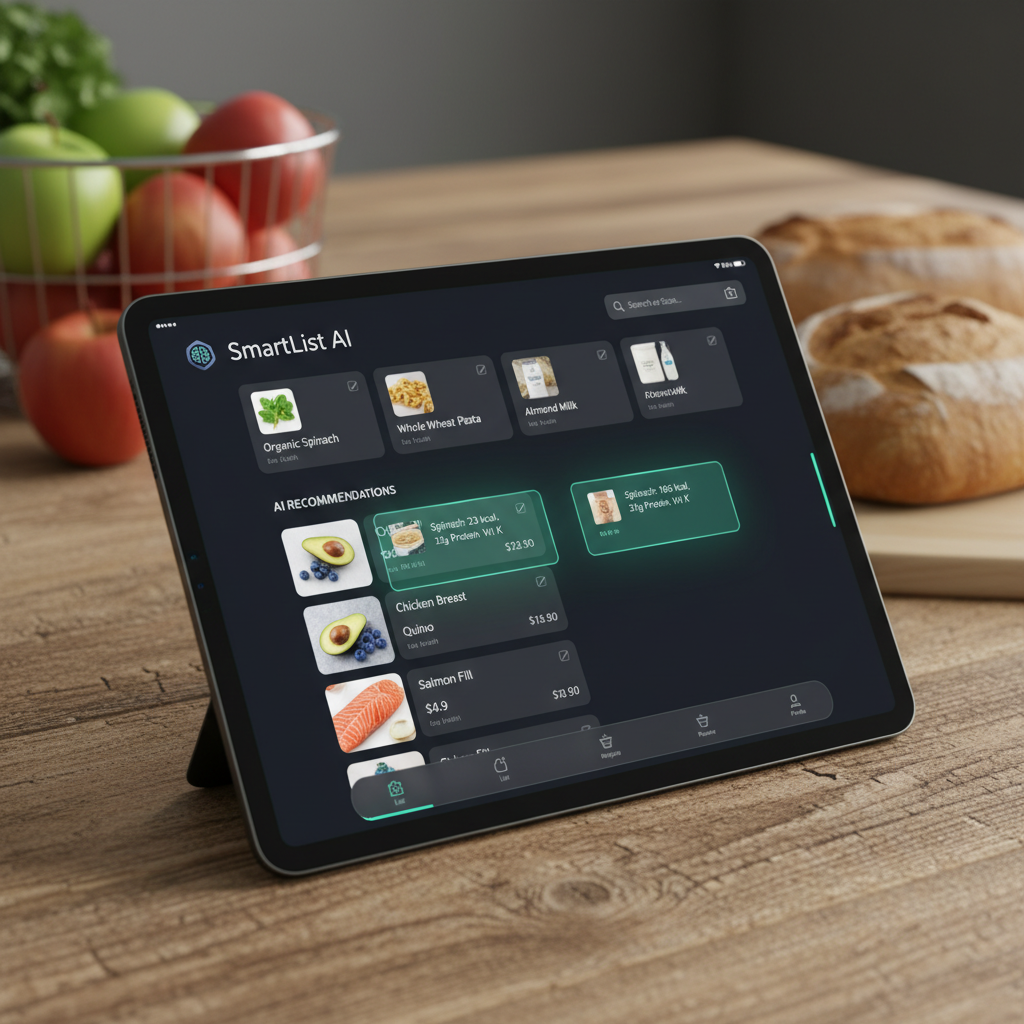
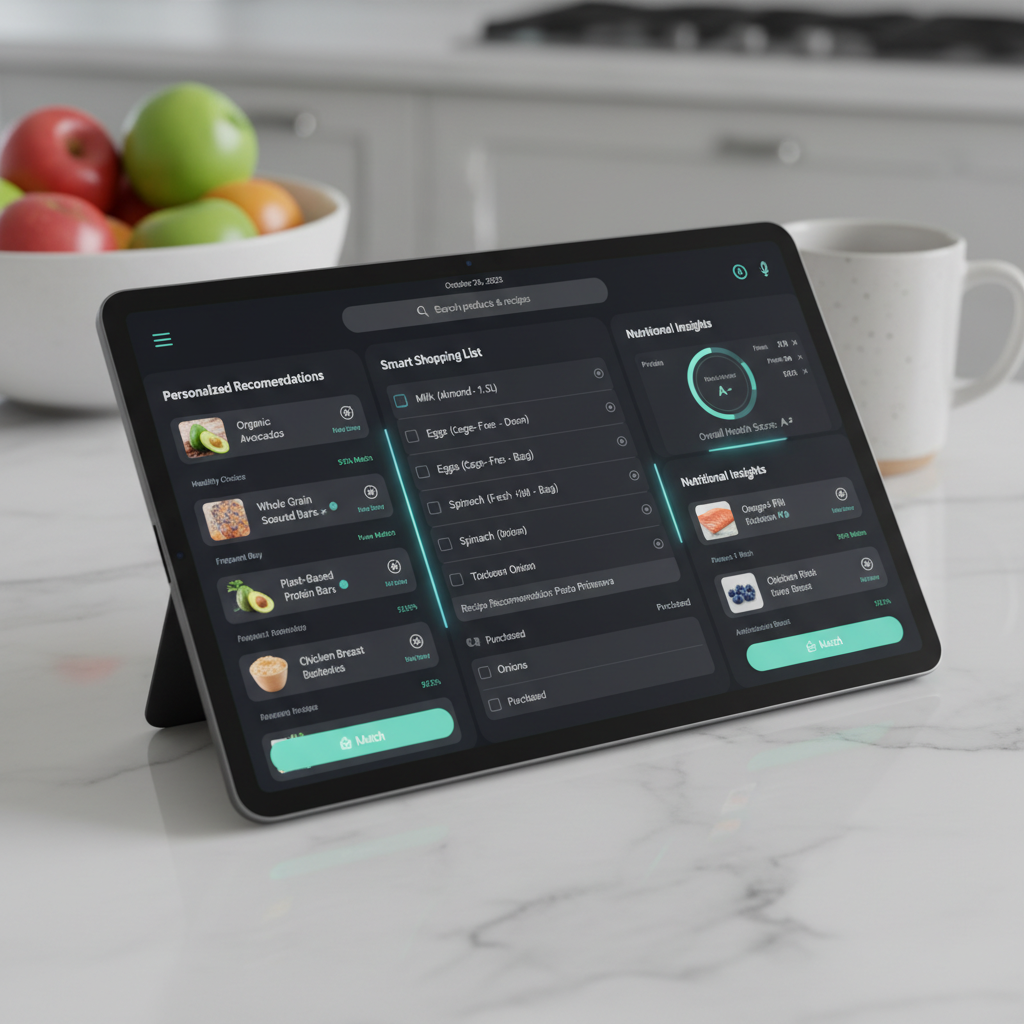
- Generate personalized shopping lists based on past purchases and predicted needs.
- Provide “smart maps” guiding shoppers to their frequently bought items or personalized recommendations within the store.
- Send push notifications for relevant promotions on items nearby (if location services are enabled).
- Suggest complementary items as the customer checks off their list (e.g., if they check off pasta, suggest sauce and Parmesan cheese).
This transforms the in-store experience from a mere transaction to a guided, efficient, and surprisingly personal journey.
3.3. Tailored Email and App Notifications
Beyond the active shopping session, AI keeps the engagement alive. It can:
- Send weekly emails featuring personalized discounts on favorite items or new products that align with past preferences.
- Remind customers about items they frequently purchase but haven’t bought in a while (e.g., “Time to restock your favorite coffee?”).
- Suggest recipes based on past purchases or dietary preferences, linking directly to ingredients the customer can add to their cart.
- Alert customers to sales on brands they prefer or categories they frequent.
This proactive engagement keeps the retailer top-of-mind and provides value even when the customer is not actively shopping, fostering long-term loyalty.
4. Dynamic Pricing and Promotions: Precision in Profitability
One of the most powerful applications of AI in grocery is its ability to implement dynamic pricing and highly personalized promotions. This moves beyond static price tags and generic coupons to a fluid, data-driven approach that maximizes both revenue and customer satisfaction.
4.1. Real-time Price Adjustments
AI algorithms can analyze a multitude of factors in real-time to adjust product prices:
- Demand Fluctuations: Higher prices for items in high demand, lower for items with less interest.
- Inventory Levels: Reduce prices on overstocked items or items nearing their expiry date to minimize waste.
- Competitor Pricing: Monitor competitor prices and adjust accordingly to remain competitive without sacrificing margin.
- Time of Day/Week: For perishable goods, prices might drop closer to closing time or end-of-week to clear stock.
- Weather Patterns: For example, increasing prices on ice cream during a heatwave or soup during a cold snap.
This agility allows retailers to optimize their pricing strategy moment by moment, ensuring they are always competitive while maximizing profitability.
4.2. Hyper-Personalized Promotions and Coupons
Instead of blanket discounts, AI enables retailers to offer promotions specifically relevant to each individual customer:
- Targeted Discounts: Offer a discount on a customer’s favorite brand of cereal or a product they frequently buy.
- “Next Best Offer”: Based on purchase history, AI identifies the most likely product a customer will buy next and offers a specific incentive for it.
- Basket-Based Promotions: Offer a discount on a specific category if a customer’s cart contains items from another category (e.g., “Buy fresh produce, get 10% off dairy”).
- Churn Prevention Offers: Identify customers who show signs of disengagement and offer personalized incentives to bring them back.
Such targeted promotions lead to higher redemption rates and a better perceived value by the customer, reducing wasted marketing spend and increasing conversion.
4.3. Optimizing Promotional Spend
AI doesn’t just create promotions; it also optimizes their impact. By analyzing the performance of past promotions, AI can predict which types of offers, for which products, to which customer segments, will yield the best ROI. This allows retailers to allocate their marketing budget more effectively, moving away from broad, untargeted campaigns that often result in minimal impact.
The ability to dynamically price and precisely promote items empowers grocery retailers to respond swiftly to market changes, manage inventory efficiently, and delight customers with offers that truly matter to them.
5. Inventory Optimization and Waste Reduction: Smarter Operations
Beyond direct sales, AI recommendation strategies play a crucial role in the operational efficiency of grocery retailers, particularly in managing inventory and significantly reducing food waste – a major challenge for the industry.
5.1. Predictive Demand Forecasting
Traditional demand forecasting often relies on historical sales data, which can be limited. AI, however, can analyze a vast array of influencing factors to predict demand with far greater accuracy:
- Historical Sales Data: Long-term patterns, seasonality, trends.
- External Factors: Weather forecasts, local events, public holidays, school calendars.
- Marketing Campaigns: Impact of planned promotions or advertising.
- Competitor Activities: Price changes or promotions by rivals.
- Social Media Trends: Emerging food trends or dietary fads.
- Online Browsing Data: Early indicators of consumer interest.
By accurately predicting which items will be in demand and when, retailers can optimize their ordering, ensuring they have enough stock to meet customer needs without overstocking. This reduces the likelihood of both costly stockouts and equally costly oversupply.
5.2. Fresh Produce Management and Waste Reduction
Fresh produce accounts for a significant portion of food waste in grocery. AI offers powerful solutions:
- Dynamic Markdown Recommendations: As items approach their expiry date, AI can suggest optimal price reductions to clear stock quickly, rather than discarding it. These recommendations can be personalized to specific shoppers identified as value-conscious or frequent buyers of the expiring product type.
- Optimized Ordering for Perishables: More accurate forecasting for highly perishable items reduces the initial over-ordering that leads to waste.
- Shelf Life Monitoring: Integration with IoT sensors can monitor real-time freshness, prompting staff for rotation or markdown actions.
Reducing food waste is not only a financial benefit for retailers (less spoilage, fewer write-offs) but also a significant win for sustainability and corporate social responsibility, appealing to increasingly eco-conscious consumers.
5.3. Supply Chain Optimization
AI extends its reach to the broader supply chain, optimizing logistics from farm to store shelf. By better predicting demand across various locations, AI can:
- Route delivery trucks more efficiently, reducing fuel costs and emissions.
- Optimize warehouse stocking and picking processes.
- Alert suppliers to impending demand spikes, allowing them to adjust their production schedules.
This holistic approach to inventory and supply chain management ensures that products are available when and where customers want them, at the freshest possible state, while minimizing operational costs and environmental impact.
6. Enhanced Customer Experience and Loyalty: Building Lasting Relationships
In the highly competitive grocery market, a superior customer experience is no longer a luxury but a necessity for building lasting loyalty. AI recommendation strategies are pivotal in creating seamless, intuitive, and highly satisfying shopping journeys that keep customers coming back.
6.1. Streamlined Product Discovery and Navigation
For online shoppers, AI vastly improves the search and discovery process:
- Personalized Search Results: Prioritizing products or brands a customer frequently buys, even if they use generic search terms.
- Intelligent Filters: Allowing customers to filter by dietary needs, preferences, or values (e.g., organic, vegan, local) with AI understanding nuances.
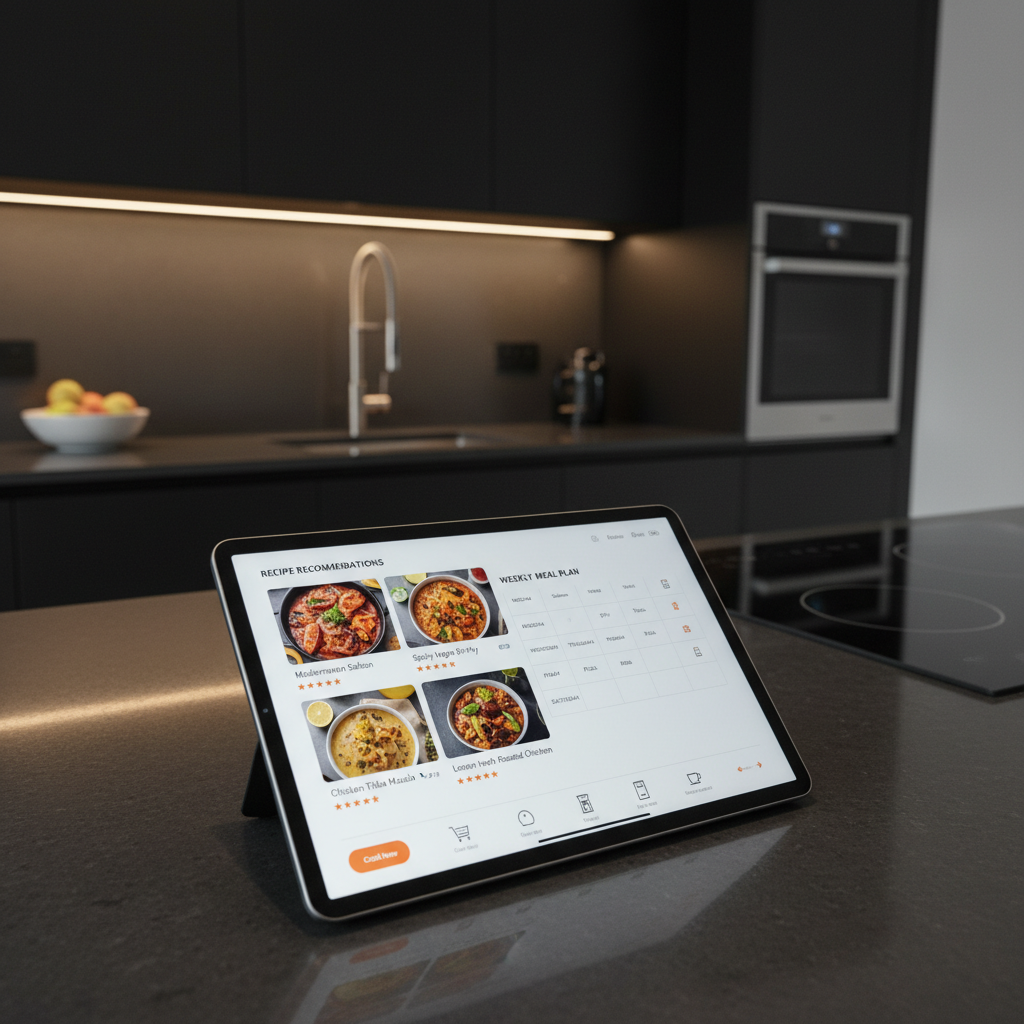
- “Shop by Recipe” or “Meal Planner” Tools: AI can suggest entire meal plans based on dietary restrictions, past purchases, or trending recipes, then allow customers to add all ingredients to their cart with a single click.
This makes finding desired items effortless and encourages exploration of new products that genuinely align with their preferences, reducing friction and frustration.
6.2. Proactive Customer Service and Support
AI can anticipate customer needs and address potential issues before they escalate:
- Out-of-Stock Alternatives: If a preferred item is unavailable, AI can instantly suggest the best alternative based on previous purchases and similar product attributes, preventing cart abandonment.
- Order Fulfillment Updates: Predicting potential delays or issues with an order and proactively communicating with the customer, offering solutions.
- Chatbot Assistance: AI-powered chatbots can answer common questions about product availability, store hours, or loyalty points, providing instant support.
By demonstrating an understanding of the customer’s needs and offering solutions, retailers can significantly enhance satisfaction and build trust.
6.3. Creating “Surprise and Delight” Moments
AI’s ability to understand customer preferences at a deep level allows retailers to go beyond basic recommendations and create memorable experiences:
- Personalized Samples/Freebies: Offer a free sample of a new product that perfectly aligns with a customer’s known tastes.
- Birthday/Anniversary Offers: Send highly personalized discounts or small gifts to loyalty program members on special occasions.
- Recognition of Milestones: Acknowledging “100th order” or “Loyal Customer for 5 Years” with a special token of appreciation.
These thoughtful gestures, enabled by AI’s insights, make customers feel valued and understood, fostering emotional connections that drive repeat business and advocacy.
7. Omnichannel Integration and Data Synergy: A Unified Experience
The modern grocery shopper moves fluidly between online and physical channels. An effective AI strategy recognizes this and aims to create a cohesive, unified experience regardless of how or where a customer chooses to shop. This requires robust omnichannel integration and the synergy of data collected from every touchpoint.
7.1. Seamless Cross-Channel Experience
AI recommendation engines are at their most powerful when they can pull data from all customer interactions:
- Online to In-Store: A customer might browse items online, add them to a wish list, and then receive a notification in-store about promotions on those very items as they walk by.
- In-Store to Online: A shopper using a digital loyalty card in-store builds a purchase history that AI then uses to populate personalized recommendations on the retailer’s app or website for their next online order.
- Click-and-Collect Enhancement: AI can optimize the picking process for staff, suggest complementary impulse purchases at pickup, or remind customers of forgotten items based on past orders.
The goal is for the customer to feel that the retailer “knows” them, irrespective of the channel, eliminating fragmented experiences that can frustrate and disengage.
7.2. Unified Customer Profiles and Data Lakes
To achieve true omnichannel personalization, retailers must break down data silos. AI thrives on a centralized “data lake” where all customer interaction data resides, including:
- Online browsing history and search queries.
- Purchase history (both online and in-store via loyalty programs).
- Interactions with marketing emails and app notifications.
- Customer service inquiries.
- Demographic information and stated preferences.
By consolidating this information into a single, comprehensive customer profile, AI can generate far more accurate and relevant recommendations. This holistic view enables a deeper understanding of customer behavior patterns and lifecycle stages.
7.3. Real-time Data Activation
The power of omnichannel AI lies in its ability to activate data in real-time across channels. If a customer adds a specific item to their online cart but doesn’t complete the purchase, AI can trigger a personalized email reminder with a small incentive, or if they enter the physical store, send a push notification about that item’s location and any current deals. This immediate responsiveness closes potential sales gaps and reinforces the personalized experience.
Ultimately, omnichannel integration fueled by AI recommendations ensures that every customer touchpoint is an opportunity to reinforce loyalty and drive sales, creating a truly unified and intelligent grocery shopping ecosystem.
8. Challenges and Ethical Considerations: Navigating the AI Landscape
While the benefits of AI recommendation strategies in grocery are undeniable, their implementation is not without challenges and ethical considerations. Retailers must navigate these complexities carefully to build trust and ensure sustainable success.
8.1. Data Privacy and Security
AI systems rely heavily on customer data, making privacy a paramount concern. Retailers must adhere strictly to regulations like GDPR, CCPA, and other local data protection laws. This includes:
- Transparent Data Collection: Clearly informing customers what data is being collected and how it will be used.
- Consent Management: Obtaining explicit consent for data usage, especially for personalized marketing.
- Robust Security Measures: Protecting sensitive customer data from breaches and unauthorized access.
- Anonymization and Aggregation: Where possible, using anonymized or aggregated data to derive insights without identifying individuals.
Failing to prioritize data privacy can lead to severe reputational damage, fines, and a loss of customer trust.
8.2. Algorithmic Bias
AI algorithms are only as unbiased as the data they are trained on. If historical data reflects existing societal biases or past marketing strategies, the AI might inadvertently perpetuate them. This could lead to:
- Exclusion of Certain Groups: Recommending products only to certain demographics based on past, potentially biased, purchasing patterns.
- Limited Discovery: Over-personalization can create “filter bubbles,” where customers are only shown what they already like, preventing discovery of new products or categories.
- Reinforcement of Stereotypes: Assuming purchasing patterns based on gender, ethnicity, or income level rather than individual preference.
Retailers must actively monitor and audit their AI systems for bias, ensuring fairness and broad product exposure for all customers.
8.3. Implementation Costs and Technical Expertise
Deploying sophisticated AI recommendation engines requires significant investment in technology, infrastructure, and specialized talent. Challenges include:
- Upfront Investment: Costs associated with AI software licenses, cloud infrastructure, and data integration.
- Data Integration Complexity: Consolidating data from disparate legacy systems into a unified platform.
- Talent Gap: Shortage of data scientists, AI engineers, and machine learning specialists needed to build, deploy, and maintain these systems.
- Change Management: Training existing staff to understand and leverage AI insights in their daily operations.
For smaller retailers, this can be a daunting barrier, though the rise of AI-as-a-service platforms is making these technologies more accessible.
8.4. Maintaining the Human Touch
While AI offers unparalleled efficiency and personalization, there is a risk of losing the authentic human connection that many customers value. Retailers must find a balance:
- Empowering Staff: Use AI insights to inform and empower store associates to provide more knowledgeable and helpful service, rather than replacing human interaction.
- Strategic Automation: Automate routine tasks with AI, freeing up human staff to focus on complex problem-solving and relationship building.
- Customer Choice: Allow customers to opt-out of certain levels of personalization if they prefer a less intrusive experience.
The goal is to augment, not replace, human interaction, using AI to enhance the overall customer experience while preserving the warmth and empathy that only humans can provide.
Comparison Tables
Table 1: AI Recommendation Strategies vs. Traditional Marketing in Grocery
| Feature | AI Recommendation Strategies | Traditional Marketing (Generic) | Impact on Grocery Retail |
|---|---|---|---|
| Personalization Level | Hyper-individualized; tailored to each customer’s unique preferences, history, and real-time behavior. | Broad segments (e.g., ‘families with children’), one-size-fits-all promotions. | Higher conversion, increased basket size, stronger loyalty, reduced marketing waste. |
| Targeting Precision | Predictive targeting; ‘next best offer’ identified by algorithms based on deep data analysis. | Demographic targeting; blanket discounts or promotions for large groups. | Maximizes ROI on promotions, avoids annoying irrelevant offers, higher customer engagement. |
| Response to Change | Dynamic and real-time; adapts instantly to shifting demand, inventory, competitor actions, or weather. | Static; campaigns planned weeks/months in advance, slow to react to market changes. | Reduces waste (perishables), optimizes pricing for peak demand, agile competition. |
| Data Utilization | Leverages big data from all touchpoints (online, in-store, mobile) for deep insights. | Relies on limited sales data, surveys, or general market research. | Unlocks hidden patterns, drives informed decision-making across the business. |
| Customer Experience | Seamless, intuitive, predictive; customers feel understood and valued. | Often generic, can be frustrating if irrelevant; requires more effort from the customer. | Enhanced satisfaction, emotional connection, reduced churn, increased lifetime value. |
| Operational Efficiency | Optimizes inventory, reduces waste, streamlines supply chain and store operations. | Limited direct impact on operational efficiencies beyond sales tracking. | Significant cost savings, improved sustainability, better resource allocation. |
Table 2: Types of AI Recommendation Engines for Grocery Retailers
| Engine Type | How It Works | Strengths for Grocery | Limitations/Challenges | Best Use Case Example |
|---|---|---|---|---|
| Collaborative Filtering (User-based) | Recommends items that similar users (based on past purchases) have liked. | Good for discovering trends across user groups; “people like you bought…” | “Cold start” for new users; scalability issues with huge user bases. | Suggesting a new organic snack to a customer based on similar healthy eaters’ purchases. |
| Collaborative Filtering (Item-based) | Recommends items similar to those a user has already liked/purchased. | Excellent for cross-selling complementary items; “often bought together.” | Limited ability to recommend truly novel items; can create filter bubbles. | Suggesting pasta sauce and Parmesan cheese when a customer adds pasta to their cart. |
| Content-Based Filtering | Recommends items based on attributes of products a user has liked (e.g., brand, category, dietary label). | Good for niche preferences (e.g., vegan, gluten-free); handles “cold start” for new items. | Can over-specialize recommendations; may miss serendipitous discoveries. | Recommending a new brand of organic, fair-trade coffee to a customer who buys similar attributes. |
| Hybrid Systems | Combines multiple recommendation techniques (e.g., collaborative and content-based). | High accuracy, mitigates “cold start” issues, offers diverse recommendations. | More complex to design and implement; higher computational cost. | Suggesting a new gourmet cheese (content-based) while also showing what other foodies purchased (collaborative). |
| Deep Learning/Neural Networks | Uses multi-layered neural networks to learn complex patterns from vast, diverse data. | Handles huge datasets, real-time adaptation, understands context (time, location, weather). | Requires massive amounts of data and computational power; “black box” interpretability. | Recommending specific ingredients for a BBQ based on current weather, time of day, and past purchases, delivered via in-app notification. |
Practical Examples: AI in Action in Grocery Retail
To truly understand the impact of AI recommendation strategies, let’s look at some real-world scenarios and how they translate into tangible benefits for both retailers and customers.
Example 1: The Personalized Meal Planner
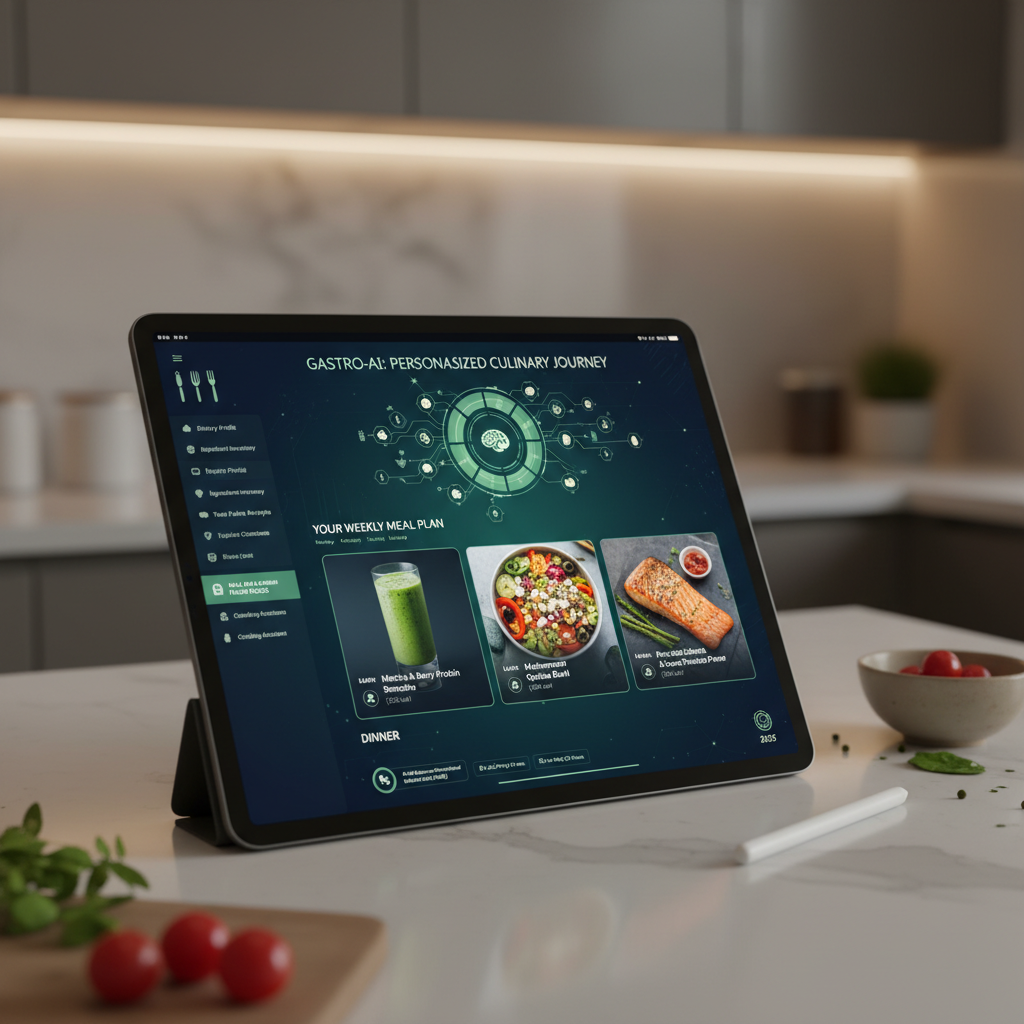
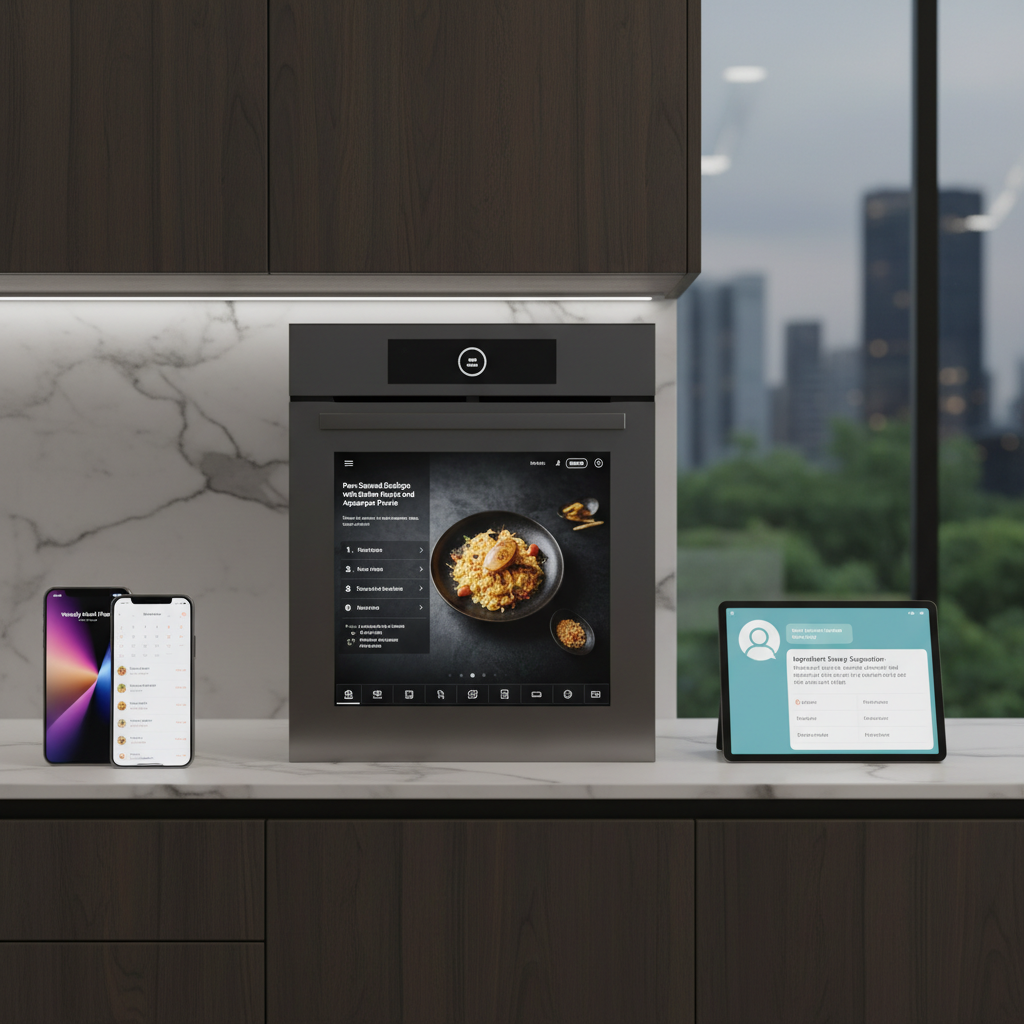
Imagine Sarah, a busy working mother, logs into her favorite grocery store’s app. The AI, having analyzed her past purchases (frequent buys of chicken, vegetables, gluten-free pasta), her browsing history (searches for quick dinner ideas), and her declared dietary preference (pescatarian on Fridays), immediately suggests a personalized weekly meal plan. For Monday, it recommends a “Quick Lemon Herb Chicken with Roasted Asparagus,” offering all ingredients with one click. For Friday, it suggests a “Baked Salmon with Quinoa Salad.” The AI also notes that she hasn’t bought fresh berries in a while and offers a 15% discount on strawberries, a fruit she frequently purchased in the past. This not only makes Sarah’s life easier but also increases her basket size and reinforces her loyalty.
- AI Strategy Applied: Content-based filtering (dietary preference, ingredients), collaborative filtering (popular quick meals), predictive analytics (restock reminder, discount).
- Benefit for Retailer: Increased average order value, higher conversion rate, enhanced customer engagement, reduced marketing spend due to targeted offer.
- Benefit for Customer: Time saving, reduced decision fatigue, personalized value, discovery of relevant new products.
Example 2: Dynamic In-Store Pricing and Waste Reduction
At “FreshMart,” a popular grocery chain, AI is integrated with smart shelf sensors. It’s Tuesday afternoon, and a batch of organic avocados is nearing its peak ripeness, with a predicted expiry in two days. The AI system, noticing the slower-than-expected sales for this specific batch, automatically adjusts the price on the digital shelf labels by 25%. Simultaneously, for customers identified through their loyalty app as frequent avocado buyers who are currently in the produce aisle, the app sends a push notification highlighting the discount. By the end of the day, most of the avocados are sold, drastically reducing potential waste.
- AI Strategy Applied: Dynamic pricing, inventory optimization, predictive demand forecasting, real-time personalized promotions.
- Benefit for Retailer: Significant reduction in food waste, improved profitability on perishable goods, optimized inventory turnover, enhanced brand image for sustainability.
- Benefit for Customer: Access to fresh produce at a better value, timely notification for relevant discounts.
Example 3: Omnichannel Personalization from Cart to Counter
Mark starts an online order for his weekly groceries but gets distracted and doesn’t complete it. The next morning, he visits his local “Grocer’s Best” store. As he enters, his loyalty app receives a notification: “Welcome back, Mark! Don’t forget your items from yesterday’s online cart – you can easily find them using our in-store navigation.” As he walks past the cereal aisle, the app pings again, offering a 10% discount on a new brand of granola that AI knows aligns with his health-conscious preferences, based on his past purchases of similar items. When he checks out, the AI at the self-checkout offers a small discount on a specific brand of coffee creamer, a product he buys every other week but has missed this time.
- AI Strategy Applied: Omnichannel integration, personalized notifications, abandoned cart recovery, predictive product recommendations, dynamic loyalty offers.
- Benefit for Retailer: Increased sales from abandoned carts, impulse purchases, higher customer retention, seamless cross-channel experience, maximized customer lifetime value.
- Benefit for Customer: Enhanced convenience, relevant reminders, discovery of new favored products, feeling valued by personalized offers.
These examples illustrate how AI recommendation strategies move beyond simple suggestions to create an intelligent, responsive, and highly profitable ecosystem for grocery retailers.
Frequently Asked Questions
Q: What exactly is an AI recommendation engine in the context of grocery retail?
A: An AI recommendation engine is a sophisticated software system that uses artificial intelligence algorithms to predict what products a customer is most likely to buy or prefer. In grocery, this means analyzing vast amounts of data—such as past purchases, browsing history, demographics, real-time behavior, and even external factors like weather—to suggest specific items, offer personalized promotions, or optimize shopping experiences both online and in-store. It moves beyond generic suggestions to hyper-personalized insights, aiming to increase sales and customer satisfaction.
Q: How does AI help grocery retailers increase sales?
A: AI boosts sales in several key ways. Firstly, it drives personalized product recommendations, increasing average basket size and conversion rates. Secondly, it enables dynamic pricing and promotions, ensuring offers are relevant and maximize profit margins. Thirdly, by optimizing inventory and reducing waste, AI ensures products are available, fresh, and priced competitively. Lastly, it creates a superior, more efficient customer experience that fosters loyalty and encourages repeat purchases, ultimately contributing to higher revenue and customer lifetime value.
Q: Is implementing AI expensive for small grocery businesses?
A: Historically, AI implementation required significant investment in infrastructure and specialized talent, making it challenging for smaller businesses. However, the landscape is evolving. Many AI-as-a-service (AIaaS) platforms and cloud-based solutions are emerging, offering more affordable and scalable options. These solutions often provide pre-built recommendation engines that can be integrated with existing e-commerce platforms or point-of-sale systems with less upfront cost and technical expertise. Small businesses can start with focused AI applications, measure ROI, and scale up incrementally.
Q: How does AI handle customer data privacy and security?
A: Data privacy and security are critical. Reputable AI solutions and retailers prioritize compliance with data protection regulations like GDPR, CCPA, and others. This involves obtaining explicit customer consent for data collection and usage, anonymizing or aggregating data where personal identification isn’t necessary, and implementing robust cybersecurity measures to protect sensitive information. Transparency about data practices and offering customers control over their data are essential for building and maintaining trust.
Q: Can AI significantly reduce food waste in groceries?
A: Absolutely. AI plays a transformative role in reducing food waste. By leveraging predictive demand forecasting, AI can more accurately predict how much of a particular item will sell, reducing over-ordering and subsequent spoilage. For items nearing their expiry date, AI can trigger dynamic pricing adjustments or targeted promotions to move stock quickly, preventing it from being discarded. This not only saves money for retailers but also contributes to environmental sustainability and responsible business practices.
Q: What is the ‘cold start’ problem in AI recommendations, and how is it addressed?
A: The ‘cold start’ problem refers to the difficulty AI recommendation engines face when they have insufficient data to make accurate recommendations for a new user (who has no purchase history) or a new item (which has no sales history). This is addressed using several strategies: content-based filtering (recommending based on item attributes or initial user preferences), hybrid models (combining different techniques), asking new users for basic preferences, or showing popular/trending items until more data is collected. For new products, retailers might initially promote them widely to generate initial sales data for the AI.
Q: How does AI integrate with the in-store shopping experience?
A: AI seamlessly integrates with in-store shopping through various touchpoints. Mobile apps can provide personalized shopping lists, in-store navigation, and push notifications for relevant offers based on a customer’s location within the store (via geofencing or beacons). Smart shelves with IoT sensors can monitor inventory levels and customer interactions, while AI-powered digital signage can display dynamic, personalized promotions. AI also enhances self-checkout with personalized upsell suggestions or issue resolution, making the physical shopping journey more efficient and engaging.
Q: Will AI replace human interaction in grocery stores?
A: The goal of AI in grocery is not to replace human interaction but to augment and enhance it. AI handles repetitive tasks, provides data-driven insights, and streamlines operations, freeing up human staff to focus on more complex customer service, relationship building, and problem-solving. Store associates can use AI-powered insights to offer more knowledgeable recommendations, provide personalized assistance, and create a warmer, more engaging shopping environment. AI should empower employees, not displace them, by making their jobs more efficient and impactful.
Q: What are the future trends for AI in grocery retail?
A: Future trends include even deeper personalization through emotion AI (analyzing facial expressions or voice tones for sentiment), hyper-localization of recommendations down to individual store aisles, widespread adoption of augmented reality (AR) apps for product information and virtual try-ons, and increased use of computer vision for automated shelf monitoring and customer behavior analysis. We will also see more sophisticated AI for ethical sourcing and supply chain transparency, alongside predictive analytics for health and wellness recommendations tailored to individual biological data (with user consent).
Q: How do I measure the Return on Investment (ROI) of AI recommendations?
A: Measuring ROI involves tracking several key metrics. Direct impacts include increased average order value (AOV), higher conversion rates, and growth in customer lifetime value (CLTV). Indirect benefits include reduced food waste, optimized inventory costs, decreased marketing spend (due to better targeting), and improved customer satisfaction scores (CSAT). Retailers should conduct A/B testing of AI-powered recommendations versus control groups to quantify the uplift in sales and profitability attributable to the AI system.
Key Takeaways
- Personalization is Paramount: AI enables hyper-individualized shopping experiences, moving beyond generic marketing to truly understand and cater to each customer’s unique needs.
- Sales Growth Driver: AI recommendations directly boost sales by increasing average basket sizes, improving conversion rates, and encouraging repeat purchases through relevant suggestions.
- Operational Excellence: Beyond sales, AI optimizes inventory management, significantly reduces food waste, and streamlines supply chain logistics, leading to substantial cost savings.
- Enhanced Customer Loyalty: A seamless, intuitive, and predictive shopping journey, both online and in-store, fosters deeper customer relationships and builds lasting loyalty.
- Omnichannel Harmony: AI unifies data across all customer touchpoints, creating a consistent and personalized experience whether a customer shops online, on mobile, or in a physical store.
- Strategic Advantage: In a highly competitive market, AI provides grocery retailers with a critical edge, allowing them to react dynamically to market changes and consumer demands.
- Ethical Implementation is Key: While powerful, AI adoption requires careful consideration of data privacy, algorithmic bias, and maintaining the human touch to build and retain customer trust.
- Future is Now: AI is not just a future trend but a present necessity for grocery retailers looking to thrive in the evolving retail landscape.
Conclusion
The grocery industry stands at the precipice of a new era, one defined by intelligence, personalization, and unprecedented efficiency. AI recommendation strategies are not merely tools for optimization; they are the architects of this transformation, reshaping how retailers interact with their customers, manage their operations, and drive their growth.
From predicting Sarah’s next meal to dynamically pricing avocados to prevent waste, AI brings a level of precision and responsiveness that traditional methods simply cannot match. It empowers retailers to move beyond guessing what their customers want, to knowing it, often before the customer themselves realizes it. This deep understanding translates into more relevant offers, more satisfying shopping experiences, and ultimately, a healthier bottom line.
However, the journey towards an AI-powered future requires strategic investment, a commitment to data integrity, and a careful balance between technological advancement and human connection. Retailers who embrace these challenges and ethically harness the power of AI will not only boost their sales significantly but also build enduring relationships with their customers, creating a grocery shopping experience that is truly future-ready, deeply personal, and inherently valuable. The future of grocery is intelligent, and it is imperative for retailers to be a part of it.














































































Leave a Reply