


In our increasingly fast-paced world, the morning often sets the tone for the entire day. For many, however, it’s less about a serene start and more about a frantic scramble against the clock. The alarm blares, you rush through a mental checklist of urgent tasks, perhaps forget something crucial, and arrive at work feeling already drained. This morning chaos isn’t just an inconvenience; it’s a significant source of stress that impacts our well-being, focus, and overall productivity. This constant rush to catch up from the moment we wake can lead to anxiety, decreased cognitive function, and a feeling of being perpetually overwhelmed, setting a negative precedent for the entire day ahead. But what if there was a way to reclaim your mornings, transforming them from a battlefield into a launching pad for a successful day?
Enter the era of Artificial Intelligence (AI) assistants, powerful digital companions designed to streamline, personalize, and optimize every aspect of your morning routine. These intelligent tools are revolutionizing how we interact with our environment, manage our time, and cultivate habits, promising a future where stress-free productivity is not just an aspiration, but an achievable reality. By offloading mundane tasks and providing proactive support, AI assistants empower us to start each day with greater calm, clarity, and control.
This comprehensive guide will delve deep into how AI assistants are revolutionizing the way we start our days. We’ll explore their capabilities, from intelligent alarm clocks and personalized news briefings to smart home automation and wellness integration. Through practical examples, detailed comparisons of leading platforms, and a thorough FAQ section, you’ll discover how to leverage these smart tools to build a morning routine that is not only stress-free but also inherently productive, setting you up for success, day after day. Get ready to bid farewell to morning mayhem and embrace the calm, controlled, and efficient start you deserve, truly transforming your mornings with smart AI assistants.
The Morning Mayhem: Why Our Mornings are So Stressful
Before we dive into the solutions, let’s acknowledge the pervasive problem. For countless individuals across the globe, the morning is less a gentle awakening and more a high-stakes race against an invisible clock. The moment we open our eyes, a cascade of responsibilities, anxieties, and deadlines begins to flood our minds. This isn’t just about feeling tired; it’s about the significant cognitive load and emotional strain that an unmanaged, reactive morning routine imposes. Understanding these stressors is the first step towards conquering them.
- The Tyranny of the Jarring Alarm Clock: A sudden, loud, and intrusive sound rips us from sleep, forcing an abrupt transition from deep rest to immediate readiness. This shock to the system can trigger the release of stress hormones like cortisol, immediately putting the body into a state of physiological and psychological stress before the day has even properly begun. It disrupts the natural sleep cycle and leaves us feeling groggy and on edge.
- Decision Fatigue from the Get-Go: From the seemingly simple choice of what to wear or what to eat for breakfast, to the more complex task of prioritizing the day’s tasks and emails, our mornings are riddled with small decisions. Each of these micro-decisions, collectively, drains our mental energy and willpower before we even leave the house. This early depletion of cognitive resources can negatively impact our ability to make sound decisions later in the day.
- Information Overload and Digital Distraction: The almost instinctive urge to check emails, news headlines, and social media notifications as soon as we wake up can overwhelm our senses and minds. This immediate exposure to external demands and often negative news cycles can lead to distraction, heightened anxiety, and a feeling of being constantly behind, pulling our focus away from personal well-being.
- Lack of Structure and Proactive Planning: Without a clear, established, and personalized routine, mornings can feel reactive, chaotic, and disorganized. We’re constantly playing catch-up, responding to immediate demands and putting out fires, rather than strategically planning our time and focusing on our priorities. This reactive mode diminishes our sense of control and amplifies stress.
- Missed Opportunities for Wellness and Self-Care: The pervasive morning rush often means sacrificing crucial moments for mindfulness, exercise, or a healthy, unrushed breakfast. These activities are not luxuries; they are fundamental for physical and mental well-being, providing the foundation for a productive day. Skipping them due to time constraints contributes to long-term stress and burnout.
- Manual Management of Smart Home Devices: Ironically, if you already have smart lights, thermostats, or coffee makers, managing each device individually through separate apps or manual interactions can add another layer of mental and physical effort. Instead of simplifying your morning, it can become another source of micro-tasks that consume your precious attention.
The cumulative effect of these factors is a morning characterized by chronic stress, pervasive inefficiency, and a feeling of being constantly behind. This negative start can then ripple through the rest of the day, impacting our mood, concentration, social interactions, productivity, and overall sense of control. This is precisely where the strategic integration of AI assistants can make a profound and transformative difference, offering a clear path to reclaiming our mornings.
Enter the AI Assistant: A New Era of Morning Management
AI assistants, such as Amazon Alexa, Google Assistant, Apple Siri, and Microsoft Cortana, have evolved far beyond simple voice commands. They are sophisticated software agents designed to understand natural language, learn from user behavior, and perform a wide array of tasks across various devices and platforms. Their core strength lies in their ability to automate, personalize, and integrate, creating a seamless and intelligent ecosystem around your daily activities, particularly your morning routine. They act as a central nervous system for your digital and smart home life.
At their heart, AI assistants leverage advanced algorithms, machine learning (ML), and natural language processing (NLP) to interpret your requests and execute complex actions. NLP allows them to understand the nuances of human speech, even colloquialisms and context, transforming spoken words into actionable commands. Machine learning enables them to learn from your patterns, preferences, and interactions over time, becoming more intuitive and proactive with each use. They can connect with thousands of smart home devices, integrate with countless apps and online services, and even anticipate your needs based on learned routines and external data (like traffic or weather). This means they can orchestrate multiple tasks simultaneously, transforming a series of manual actions into a single, effortless voice command or a pre-programmed automated routine.
Key Capabilities of Modern AI Assistants:
- Advanced Natural Language Understanding: They can comprehend spoken and written commands with increasing accuracy, even nuanced requests and multi-turn conversations, making interaction intuitive, hands-free, and remarkably human-like. This allows for complex instructions to be executed with ease.
- Contextual Awareness and Memory: Many advanced AI assistants can maintain context across multiple turns of conversation, remembering previous interactions and preferences to provide more relevant and personalized responses. For example, if you ask “What’s the weather?” and then “How about tomorrow?”, it understands you’re still inquiring about the weather.
- Deep Personalization and Learning: They continuously learn your individual preferences, daily habits, calendar schedules, and even media tastes over time. This continuous learning enables them to tailor information, suggestions, and actions specifically to you, making their assistance genuinely unique and valuable.
- Extensive Integration Prowess: They act as central hubs, connecting and controlling a vast and ever-expanding ecosystem of smart devices (lights, thermostats, locks, speakers) and digital services (calendars, email, news, music, streaming platforms, task managers). This interoperability is crucial for creating comprehensive routines.
- Robust Automation and Custom Routines: This is arguably the most impactful capability for mornings. Users can set up custom routines (often called “skills” on Alexa, “routines” on Google Assistant, or “shortcuts” on Siri) that trigger a sequence of multiple actions based on a single voice command, a specific time of day, a geofence trigger (e.g., arriving home), or even external events (e.g., sunrise).
- Instant Information Retrieval: Provides immediate, hands-free access to a wealth of information, including real-time weather forecasts, news headlines, traffic updates, calendar reminders, general knowledge questions, currency conversions, and much more, all without needing to pick up a phone or open a computer.
By harnessing these powerful capabilities, AI assistants move beyond mere convenience; they become proactive, intelligent partners in managing your time, significantly reducing your cognitive load, and fostering a more harmonious and productive start to your day. They are not just passively responding to commands; they are actively working to make your life smoother, more efficient, and ultimately, less stressful from the moment you wake up.
Personalized Wake-Up Calls and Smart Schedules
Imagine waking up gently, not to a sudden, jarring alarm, but to a simulated sunrise, gradually brightening your room with warm light while your favorite calming music or an inspiring podcast softly fills the air. This isn’t a scene from a futuristic film; it’s a tangible reality made possible by AI assistants integrated with smart home devices. The concept of a personalized wake-up call goes far beyond a simple buzzer; it’s about optimizing your physiological transition from sleep to wakefulness and immediately engaging your mind in a positive and productive way.
Optimizing Your Sleep-Wake Cycle with AI:
- Circadian Rhythm Alignment with Smart Lighting: Many AI assistants can integrate seamlessly with smart lights (e.g., Philips Hue, LIFX, C by GE) to mimic natural daylight cycles. You can program your routine to gradually increase light intensity in your bedroom 15-30 minutes before your actual wake-up time. This gentle illumination cues your body to naturally produce less melatonin (the sleep hormone) and more cortisol (the wake-up hormone), facilitating a smoother, less abrupt, and more natural awakening. The result is a significant reduction in morning grogginess and an enhanced feeling of being truly rested.
- Adaptive and Intelligent Alarms: Some advanced systems and apps connected to AI assistants can monitor your sleep cycles (via wearables like Fitbit or Apple Watch, or even smart beds). These intelligent alarms are designed to wake you during a light sleep phase within a specified window (e.g., 6:30 AM – 7:00 AM), ensuring you wake up feeling more refreshed and less disoriented, rather than being pulled abruptly from deep sleep. This deep integration turns your AI assistant into a proactive sleep coach.
- Personalized Soundscapes and Auditory Cues: Instead of a harsh, blaring alarm tone, you have the freedom to opt for highly customized audio experiences. This could include a curated playlist of your favorite morning music, soothing nature sounds (like birdsong or ocean waves), or even a calm, verbal summary of the day’s positive affirmations delivered in a gentle voice. This thoughtful auditory transition contributes significantly to a peaceful and positive mental state upon waking.
Dynamic Scheduling and Pre-emptive Reminders with AI:
Beyond the act of waking you up, AI assistants excel at managing your morning schedule, ensuring you’re fully aware of your commitments and have ample time and resources to prepare, thereby eliminating last-minute rushes and stress.
- Proactive and Contextual Reminders: Your AI assistant can tap into your calendar and real-time data to provide truly smart reminders. For example, it can notify you of your first appointment, “Good morning! Your first meeting is at 9 AM in the city center. Traffic is heavier than usual this morning due to roadworks. You should leave by 8:05 AM to arrive comfortably on time, rather than your usual 8:15 AM departure.” This proactive guidance allows for dynamic adjustments to your plan.
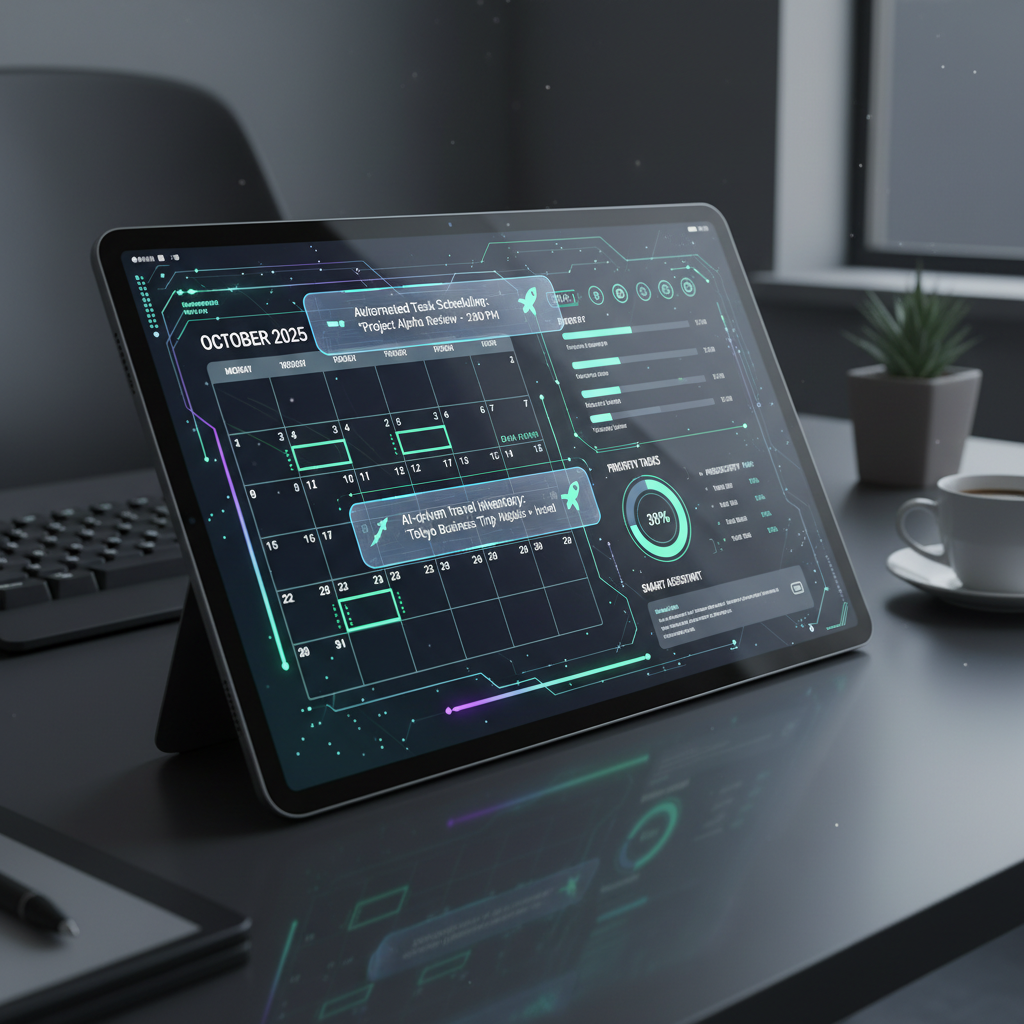
- Seamless Calendar Integration and Briefings: Connect your Google Calendar, Outlook Calendar, or Apple Calendar for a truly integrated experience. Your assistant can provide a concise daily briefing of your schedule, highlight important meetings or events, and even remind you to prepare specific documents, files, or items necessary for those commitments. “Don’t forget the revised project proposal for your 10 AM review.”
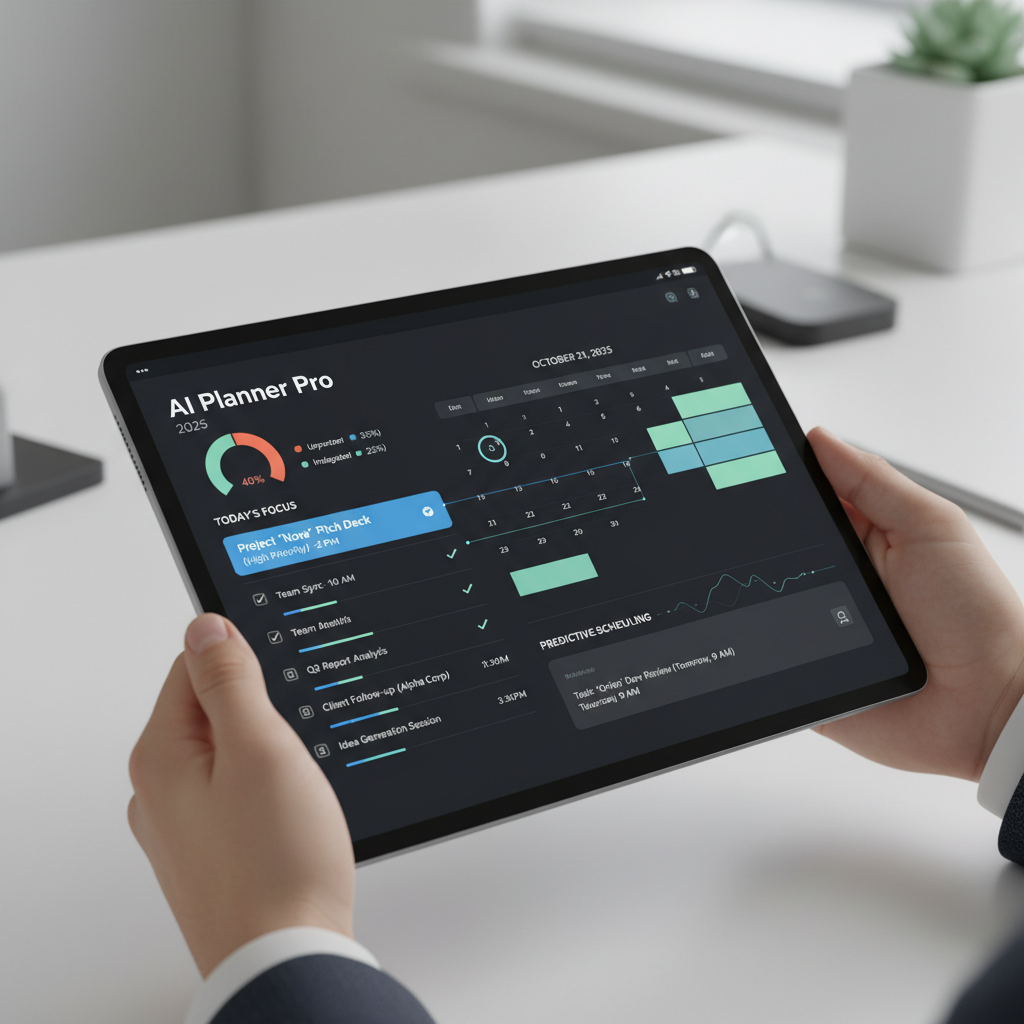
- Intelligent Task Prioritization: By integrating with popular task management apps (like Todoist, Trello, or Microsoft To Do), your AI assistant can read out your top three high-priority tasks for the day, or even those due in the morning. This helps you mentally orient yourself and focus your immediate morning efforts on what truly matters, preventing valuable time from being wasted on low-impact activities.
- Orchestrated Multi-Step Routines: This is where AI’s power to create a frictionless morning truly shines. You can set up a custom “Good Morning” routine that, upon your voice command (“Alexa, start my day!”) or at a scheduled time (e.g., 6:45 AM daily), executes a precise sequence of actions without any manual input from you:
- Gradually turn on bedroom smart lights to 60% brightness over 10 minutes, mimicking sunrise.
- Start brewing coffee in the smart coffee maker in the kitchen.
- Play your personalized morning news briefing from your preferred sources on the living room smart speaker.
- Adjust the smart thermostat to your preferred comfortable morning temperature.
- Verbal reminder: “Your yoga mat is ready for your 7 AM stretching session, and don’t forget to pack your lunch for work.”
- Open smart blinds in the living room to let in natural light.
This comprehensive level of personalized scheduling and gentle, intelligent wake-up calls dramatically reduces decision fatigue, minimizes the feeling of being rushed, and creates a sense of proactive control over your day. It allows you to wake up calmly and purposefully, knowing that the initial steps of your day are already orchestrated, freeing your mental energy for more important and creative tasks, rather than getting bogged down in mundane logistics.
Automating Routine Tasks: The Gift of Time
One of the most profound and tangible benefits of integrating AI assistants into your morning is the automation of mundane, repetitive tasks. Think about all the little things you instinctively do every morning that collectively consume precious minutes and significant mental bandwidth – checking the weather on your phone, glancing at news headlines, manually adjusting lights, fumbling with the coffee machine, or toggling various smart home devices. Each of these small, individual actions adds up to a considerable drain on your time and cognitive resources. AI assistants, through their sophisticated and highly customizable routines, consolidate these disparate tasks into effortless, unified commands or time-based triggers, effectively gifting you back invaluable time and preserving your mental space.
Streamlining Essential Information Consumption:
- Personalized News Briefings, On-Demand: Instead of mindlessly scrolling through endless news feeds or waiting for a TV news program, your AI assistant can deliver a curated, concise summary of news from your preferred sources, covering topics you care about most. A simple command like “Alexa, what’s my flash briefing?” can instantly provide headlines from the Wall Street Journal, an update from your local news channel, and a sports recap in a matter of minutes, tailored to your interests. This allows you to stay informed without becoming overwhelmed or distracted.
- Real-Time Weather and Traffic Updates: Before you even consider stepping out the door, get accurate, real-time weather forecasts for your location and the latest traffic conditions for your commute. This allows you to plan your outfit accordingly, select the most efficient travel route, and precisely time your departure without the need to juggle multiple apps on your phone. “Hey Google, what’s the traffic like to the office?” can save you significant frustration and time.
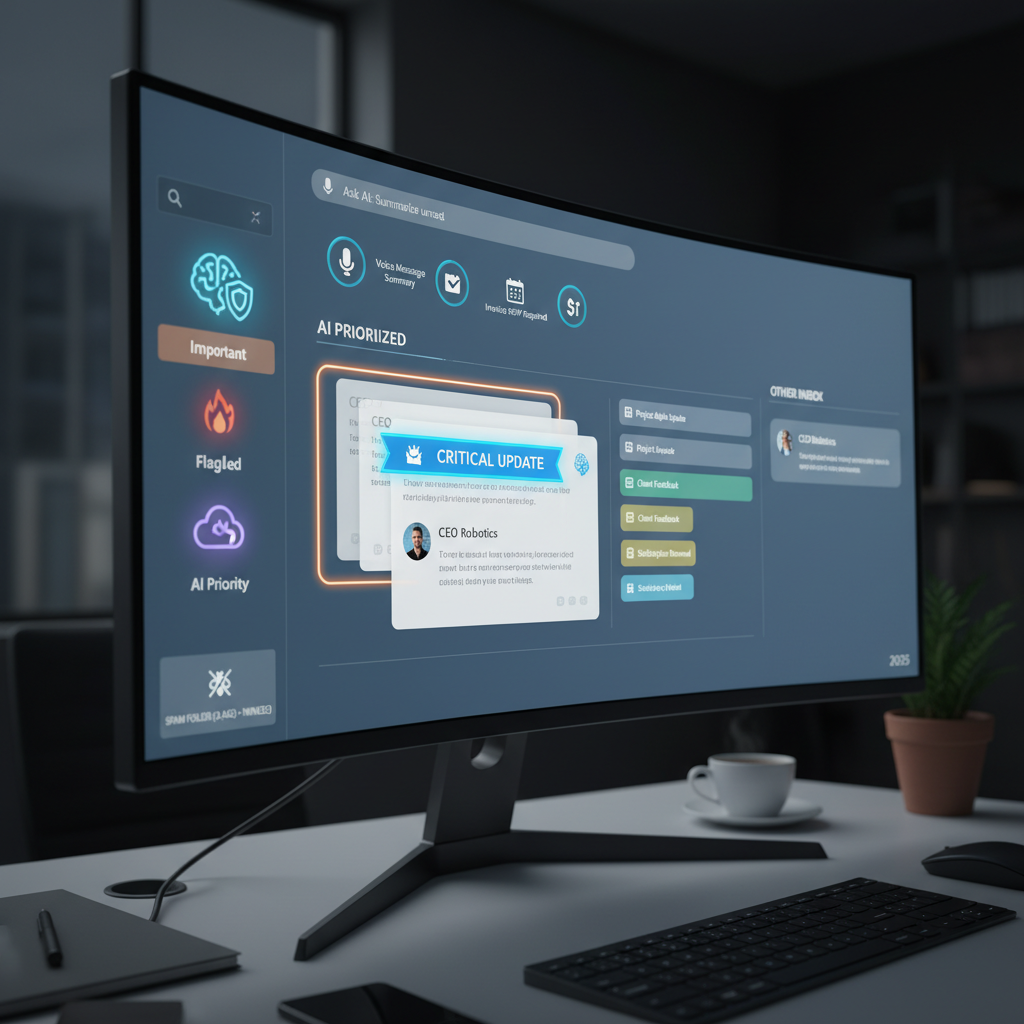
- Critical Email and Calendar Summaries: For crucial updates that demand immediate attention, your assistant can be configured to read out urgent emails from specific senders or provide a focused summary of your most pressing calendar appointments. This ensures you’re always informed about critical developments without having to manually open your email client or calendar, allowing you to prioritize effectively.
Seamless Smart Home Control and Environmental Setup:
The synergy between AI assistants and a growing ecosystem of smart home devices is where automation truly shines, transforming your physical environment to match your needs and preferences without any manual effort.
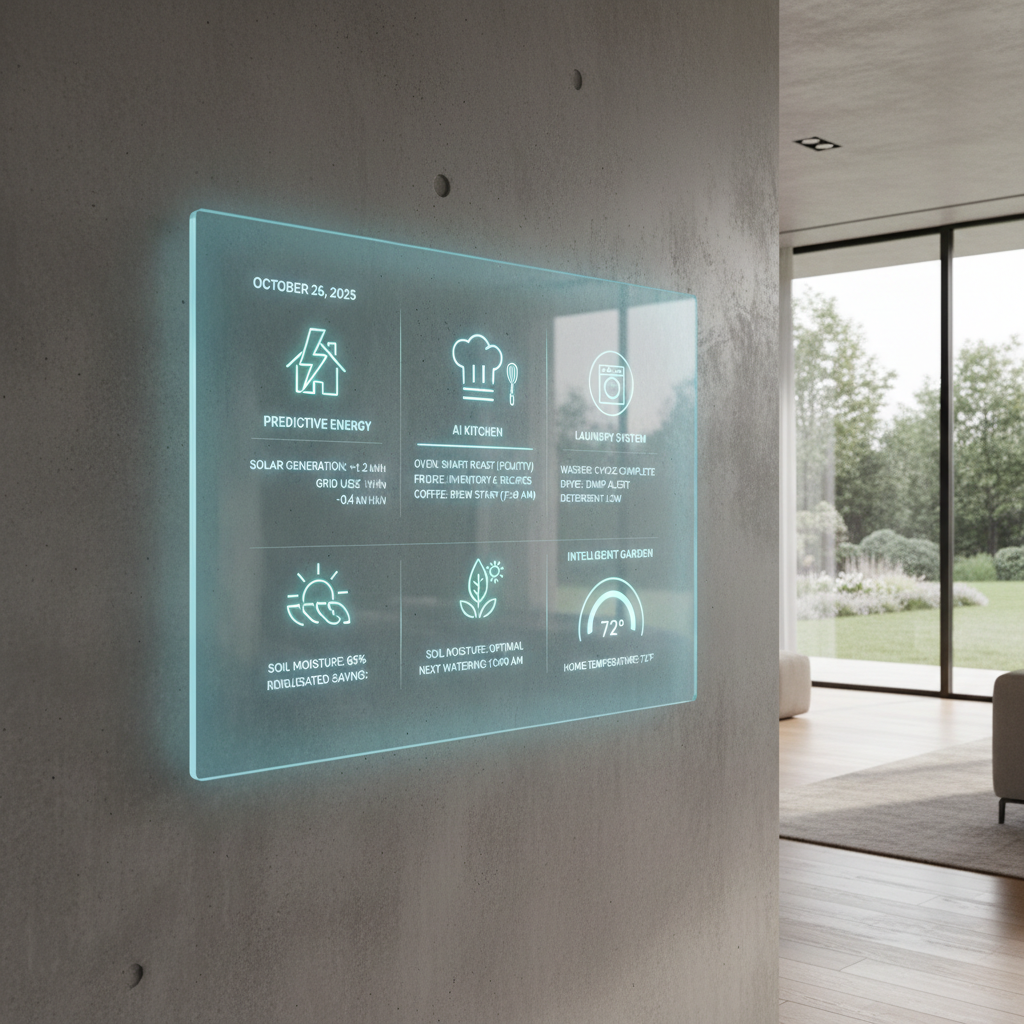
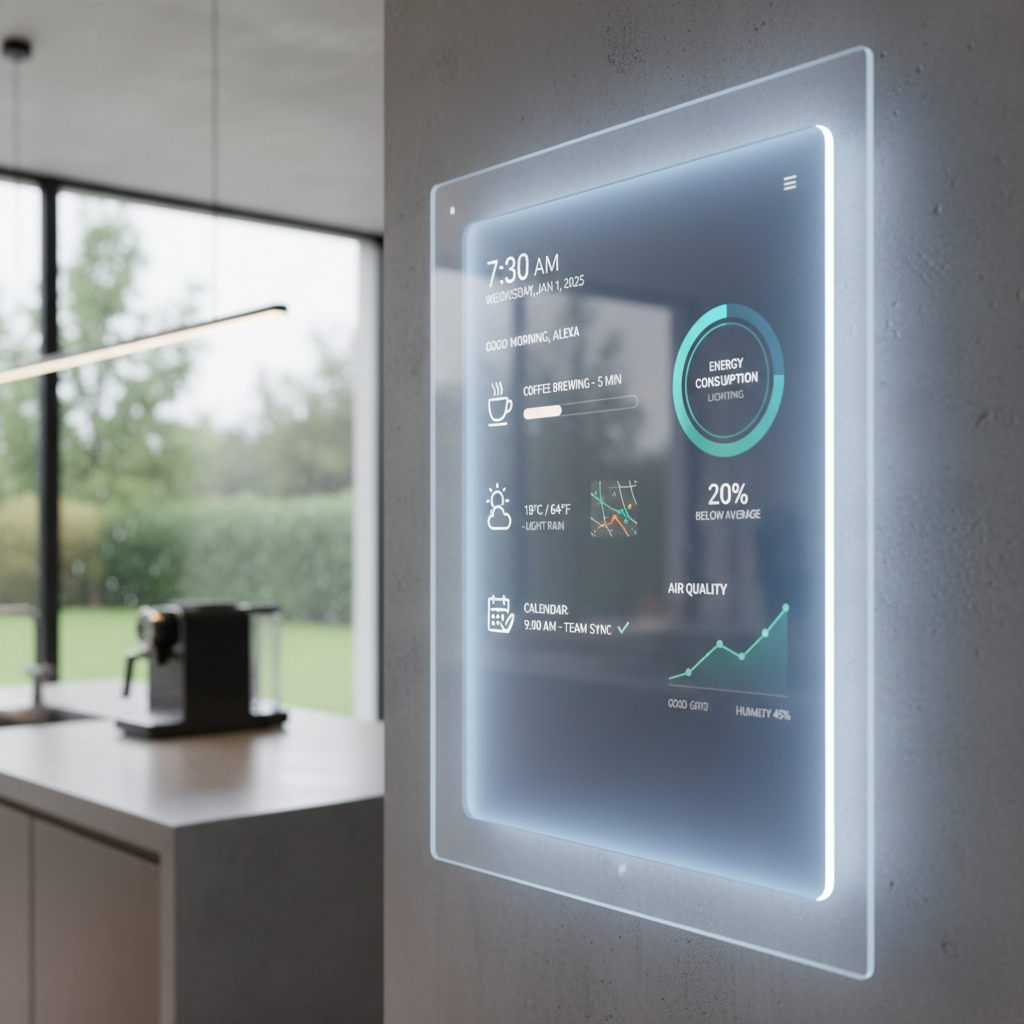
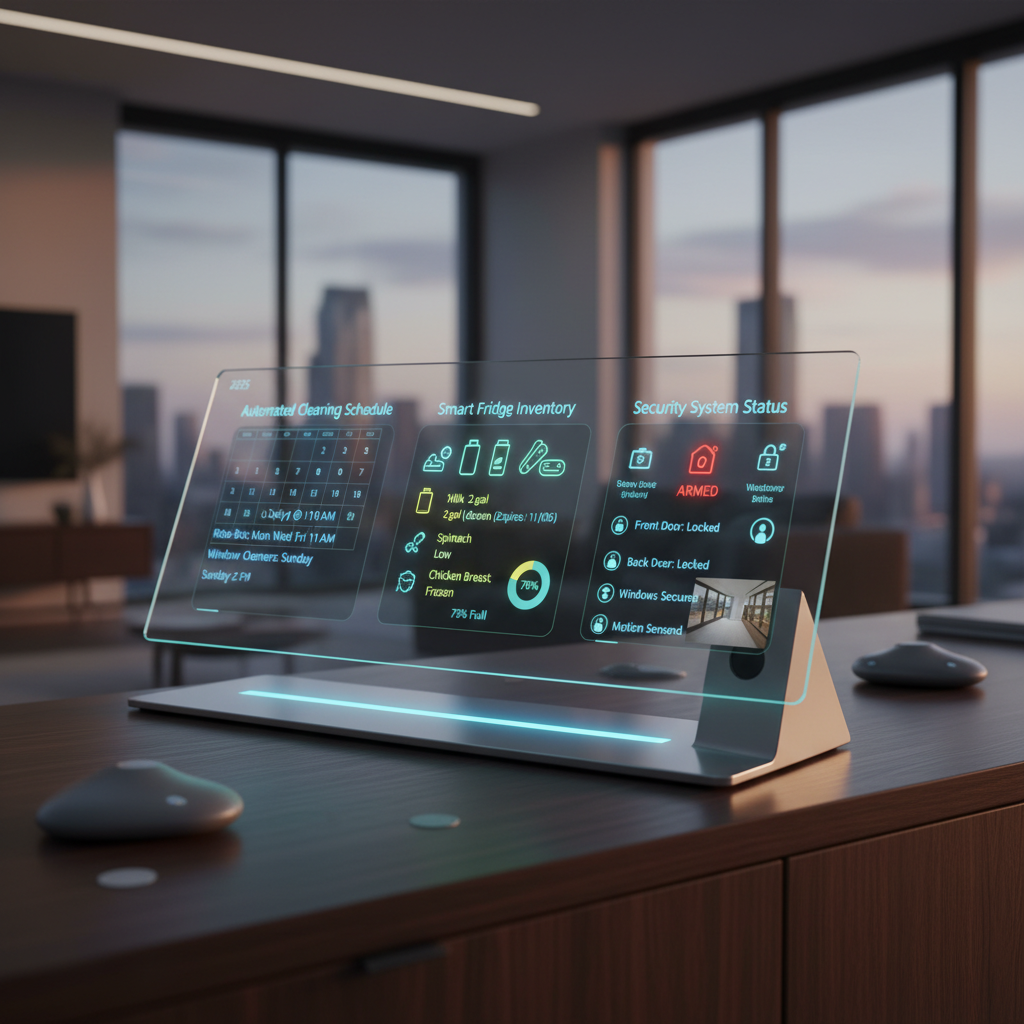
- Intelligent Lighting Automation: Program your smart lights to gradually brighten your bedroom as part of your wake-up routine, then automatically switch on the kitchen lights as you enter for breakfast. As you prepare to leave the house, a single, intuitive command (“Hey Google, I’m leaving”) can activate a pre-programmed “away” routine that turns off all lights, engages smart door locks, and adjusts the thermostat to an energy-saving mode, all in one swift action.
- Personalized Temperature Control: Imagine your smart thermostat adjusting to your preferred morning temperature before you even get out of bed. Advanced AI-powered thermostats can even learn your daily preferences and pre-heat or pre-cool your home based on your schedule, local weather conditions, and even your presence, ensuring maximum comfort and energy efficiency.
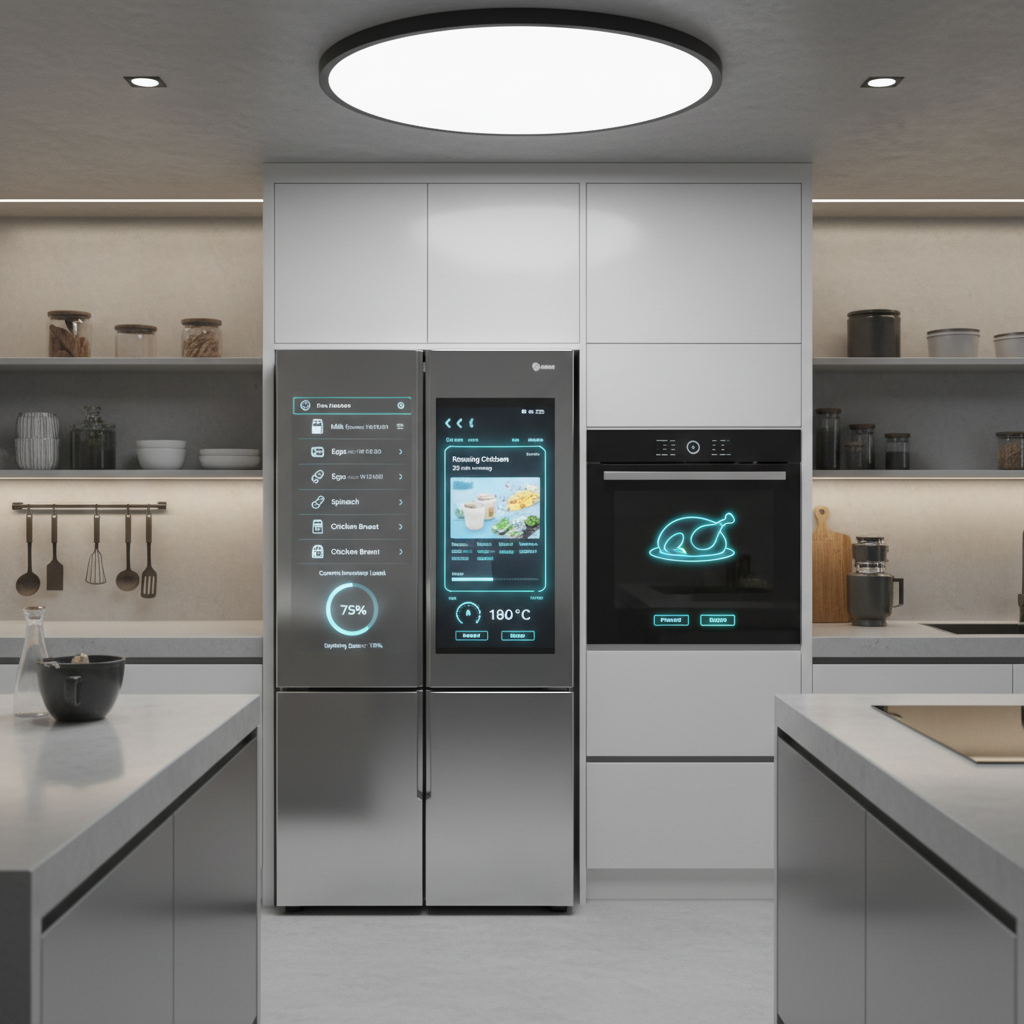
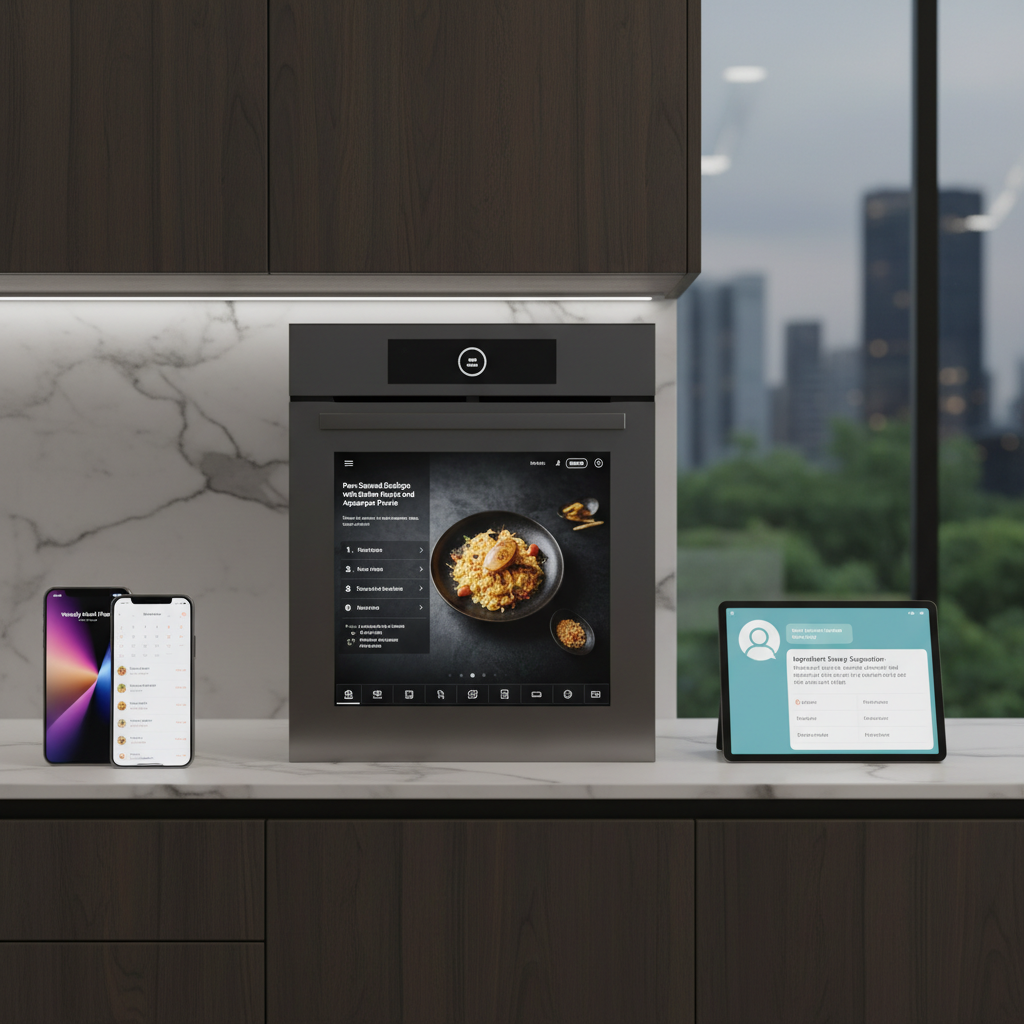
- Automated Coffee & Kitchen Appliances: Connect your smart coffee maker to your AI assistant to start brewing your favorite cup the exact moment your alarm goes off. Imagine the delightful aroma filling your kitchen as you step out of the shower. Beyond coffee, some smart ovens can preheat themselves based on your meal plan for the day, and smart toasters can remember your preferred level of crispness.
- Curated Entertainment and Ambiance: Automatically play your personalized morning playlist, a calming classical music station, or an engaging podcast as you get ready. This creates a consistent, positive, and motivating ambiance, helping to set a great mood for the day without you having to manually select music or switch on devices.
Example of an Advanced “Good Morning” Routine:
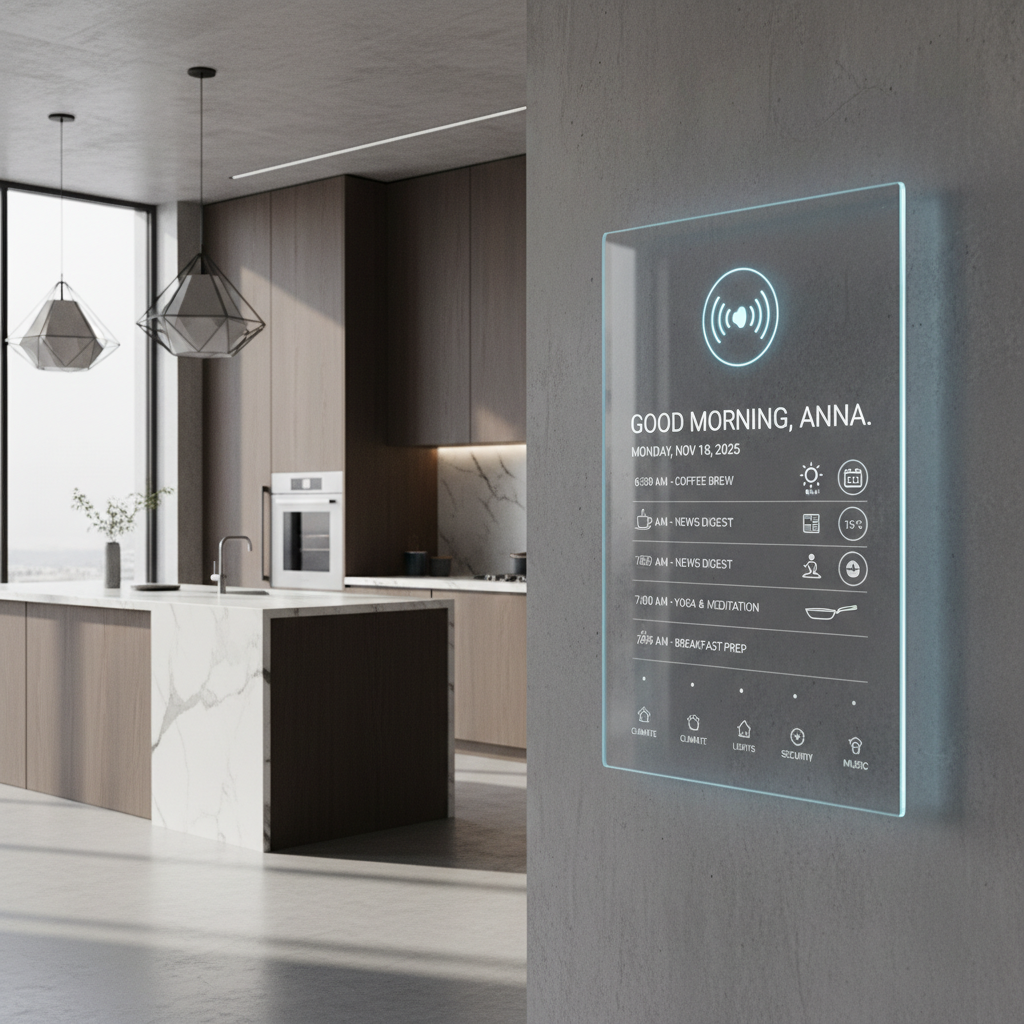
Upon hearing your voice command, “Hey Alexa, good morning,” or at a precisely scheduled time (e.g., 6:45 AM daily):
- Smart lights in the bedroom gradually increase from 10% to 80% brightness over 15 minutes, with a warm color temperature.
- The smart thermostat adjusts from its night-time energy-saving setting to a comfortable 72°F (22°C).
- The smart coffee maker in the kitchen begins brewing a double shot of espresso.
- Alexa plays your personalized news briefing (BBC News, followed by local weather) on the living room smart speaker, then transitions to your “Morning Motivation” playlist on Spotify.
- Alexa announces your top three calendar appointments for the day, a real-time traffic estimate for your commute, and reminds you to take your vitamins.
- If motion is detected in the kitchen, the kitchen lights automatically turn on to 100% brightness.
- Smart blinds in the kitchen and living room automatically open to let in natural light.
This robust level of automation means fewer decisions to make, fewer manual interactions with individual devices, and significantly more mental energy preserved for what truly matters. It’s about letting technology intelligently handle the routine and mundane, so you can focus on self-care, strategic thinking, and preparing yourself fully for the day ahead, rather than getting caught in a web of trivial tasks.
Health and Wellness Integration: Nurturing Your Morning
A truly stress-free and productive morning isn’t just about maximizing efficiency or automating tasks; it’s fundamentally about nurturing your physical and mental well-being. Modern AI assistants are increasingly playing a vital, proactive role in seamlessly integrating health and wellness practices directly into your morning routine, making it significantly easier to prioritize self-care and establish positive, sustainable habits. They transform wellness from an often-skipped chore into an effortless, integral part of your daily rhythm.
Guided Mindfulness and Meditation for Mental Clarity:
- Personalized Morning Meditation Sessions: Many AI assistants offer deep integrations with popular mindfulness and meditation apps (e.g., Calm, Headspace, Insight Timer) or come with built-in guided meditations. You can simply utter a command like, “Hey Google, start a five-minute morning meditation,” and a calming, guided voice will lead you through exercises designed to reduce anxiety, enhance focus, and set a peaceful, centered tone for your entire day. This removes the friction of opening apps or searching for content.
- On-Demand Breathing Exercises: For moments when you need a quick reset or to calm your nervous system, short, guided breathing exercises are readily available. A command such as “Alexa, guide me through a square breathing exercise” can instantly help you regulate your breath, reduce immediate stress, and improve your ability to concentrate before tackling your day’s demands.
- Positive Affirmations and Gratitude Prompts: Program your AI assistant to play daily positive affirmations or prompt you to articulate what you’re grateful for as part of your morning routine. This simple yet powerful practice can significantly boost your mood, cultivate a positive mindset, and enhance self-confidence right from the very start of your day, replacing negative self-talk with empowering thoughts.
Fitness and Activity Prompts for Physical Vitality:
- Workout Reminders and Guided Routines: If you’ve planned a morning workout, your AI assistant can provide timely and encouraging reminders: “Don’t forget your morning jog, David!” or even guide you through a quick bodyweight routine from a pre-loaded skill. “Alexa, start a 7-minute full-body workout.” This removes the mental effort of remembering and initiating your exercise.
- Seamless Health and Fitness Tracking Integration: Connect your fitness trackers (e.g., Fitbit, Apple Watch, Garmin) to your AI ecosystem. Your assistant can then provide a verbal summary of your sleep quality from the night before, your step count, or your calorie burn. This integration offers valuable insights and encourages adherence to healthier habits by keeping your goals top of mind.
- Hydration Reminders: A simple yet profoundly effective habit for improved energy, cognitive function, and overall well-being is drinking water upon waking. Program your AI assistant to gently remind you, “Remember to drink a large glass of water, it’s great for kickstarting your metabolism.”
Nutrition and Meal Planning Support for a Healthy Start:
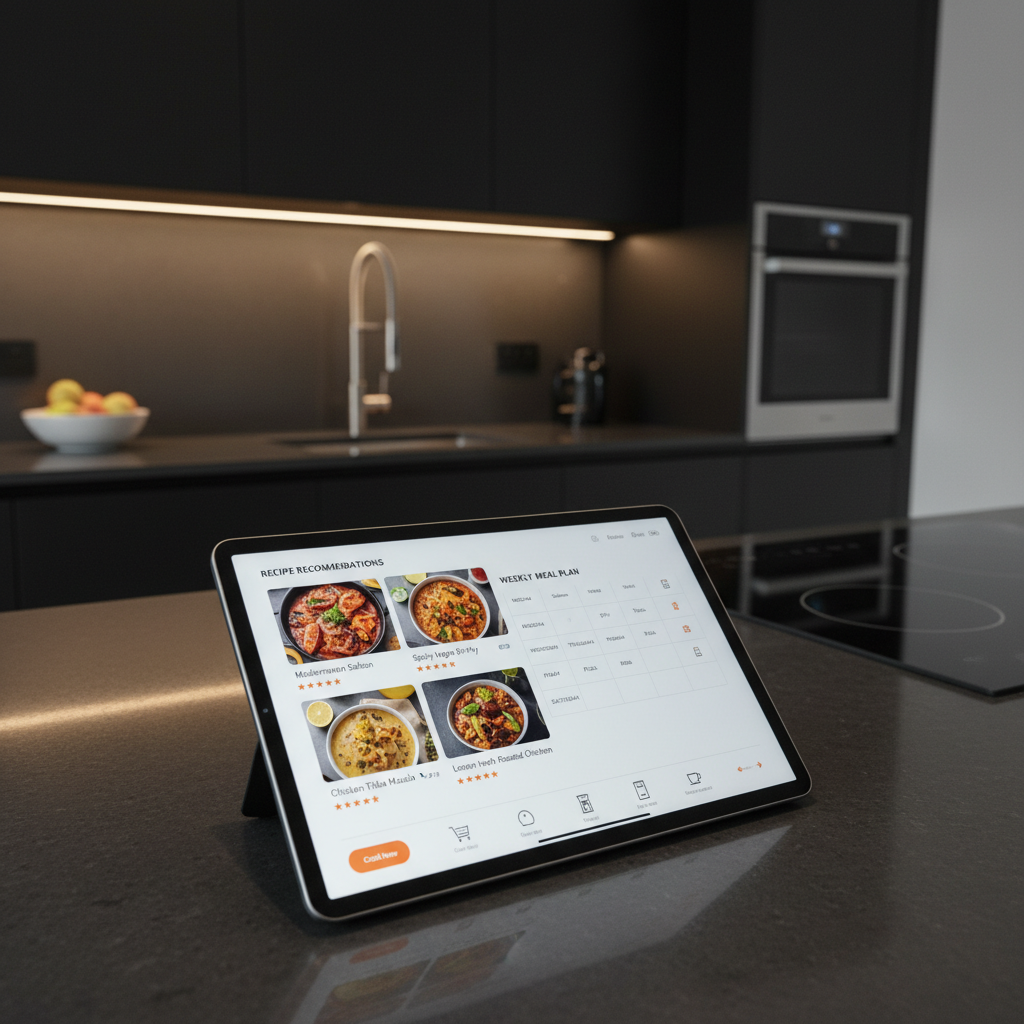
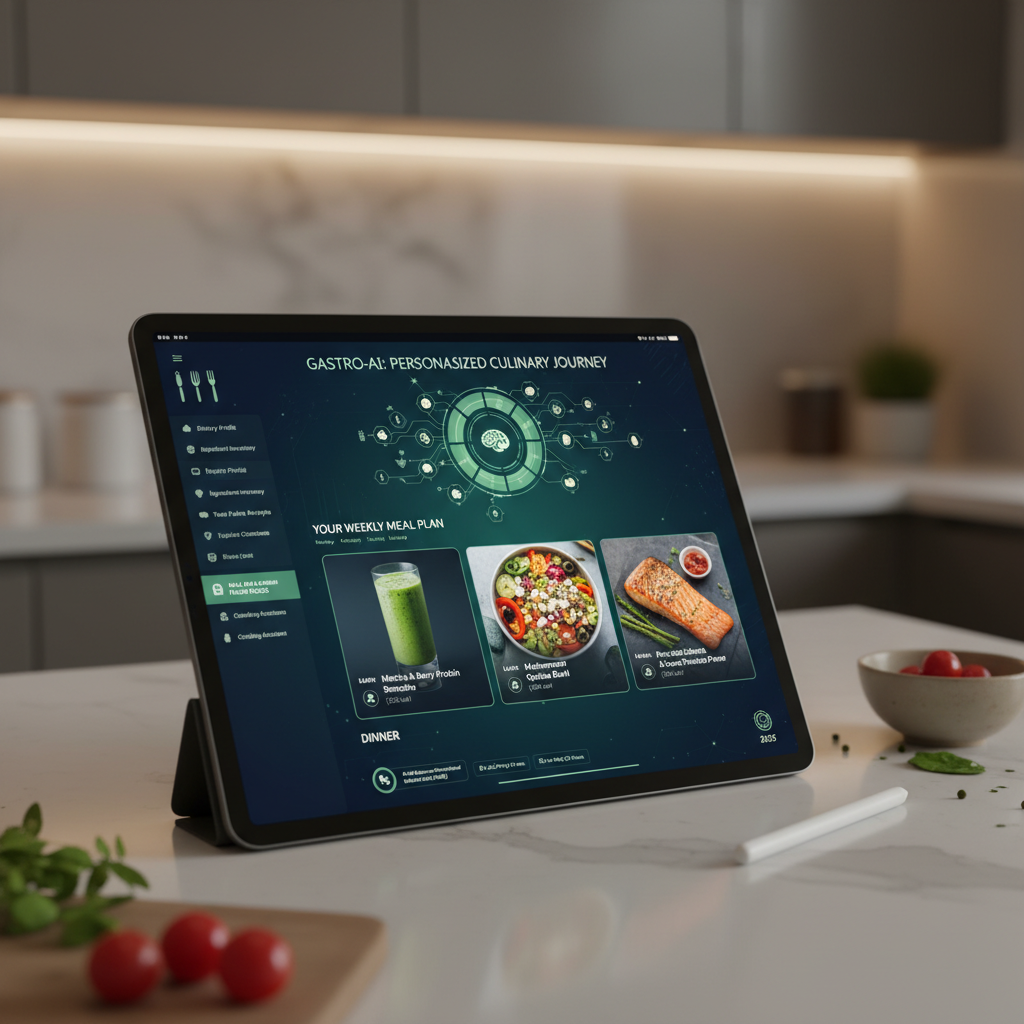
- Healthy Breakfast Inspiration and Recipe Ideas: Eliminate breakfast decision fatigue by asking your AI assistant for quick, healthy breakfast recipes based on ingredients you have on hand or dietary preferences. “Siri, what’s a quick high-protein breakfast I can make with eggs and spinach?” or “Hey Google, give me a gluten-free smoothie recipe.”
- Instant Nutritional Information: Get instant nutritional facts about your food choices as you’re preparing them. “Google, how many calories are in an avocado?” or “Alexa, what’s the fiber content of oatmeal?” This helps you make informed dietary decisions effortlessly.
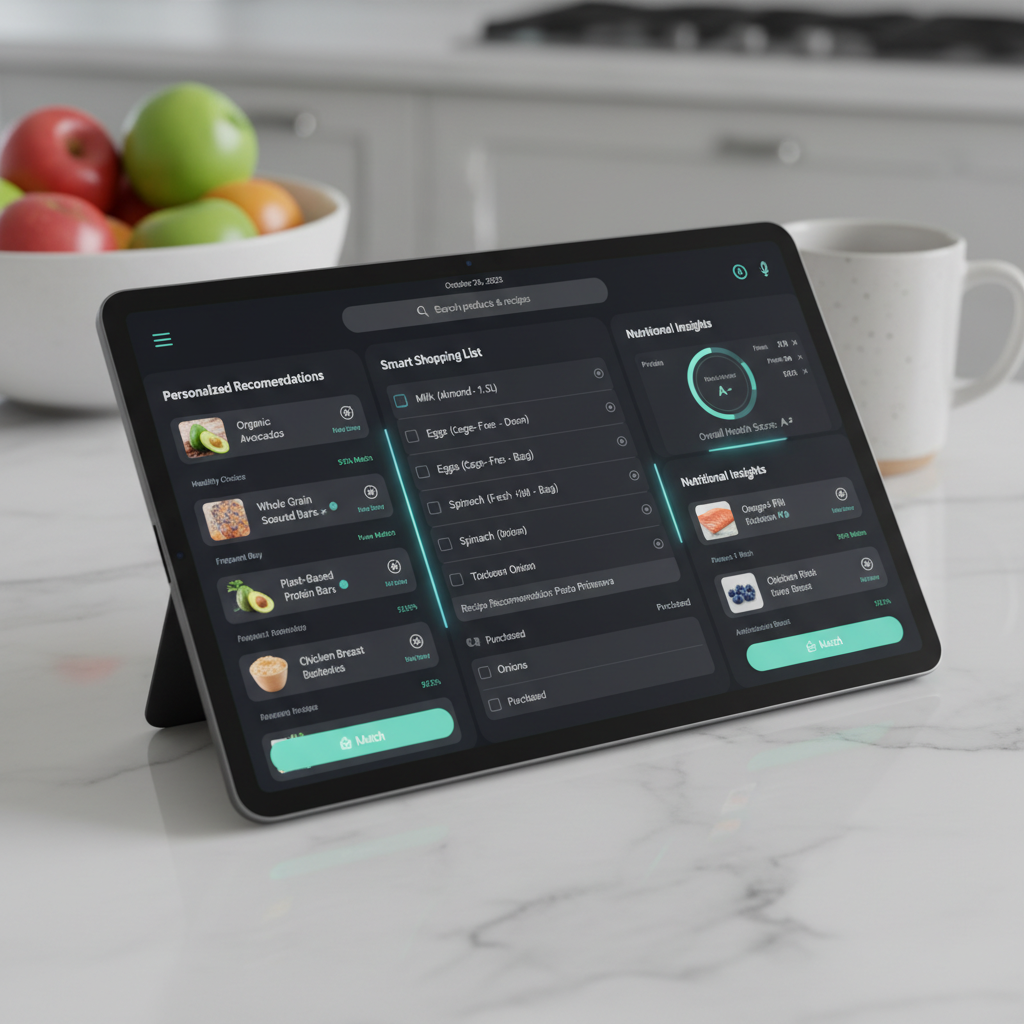
- Integrated Grocery List Management: As you plan your meals or notice you’re running low on ingredients, you can instantly add items directly to your shared digital grocery list using simple voice commands. This ensures you’re always prepared for healthy eating and avoids last-minute trips to the store.
By making these crucial wellness activities easily accessible, integrated directly into your daily flow, and requiring minimal effort, AI assistants effectively remove common barriers to self-care, such as “lack of time,” “forgetting,” or “not knowing where to start.” They transform wellness from an extra chore into an effortless, integral part of your stress-free morning ritual, paving the way for sustained physical vitality, mental clarity, and emotional balance throughout your entire day. This proactive nurturing of self is a cornerstone of true productivity.
Enhanced Focus and Productivity Tools
Beyond simply automating tasks and integrating wellness, AI assistants can actively contribute to a more focused and productive morning by intelligently minimizing digital distractions and strategically helping you prioritize your cognitive efforts. They become a highly personalized digital concierge for your attention, shielding you from unnecessary interruptions while ensuring you stay firmly on track with your most important goals and tasks. This level of active focus management is crucial in today’s always-on world.
Minimizing Digital Distractions for Undivided Attention:
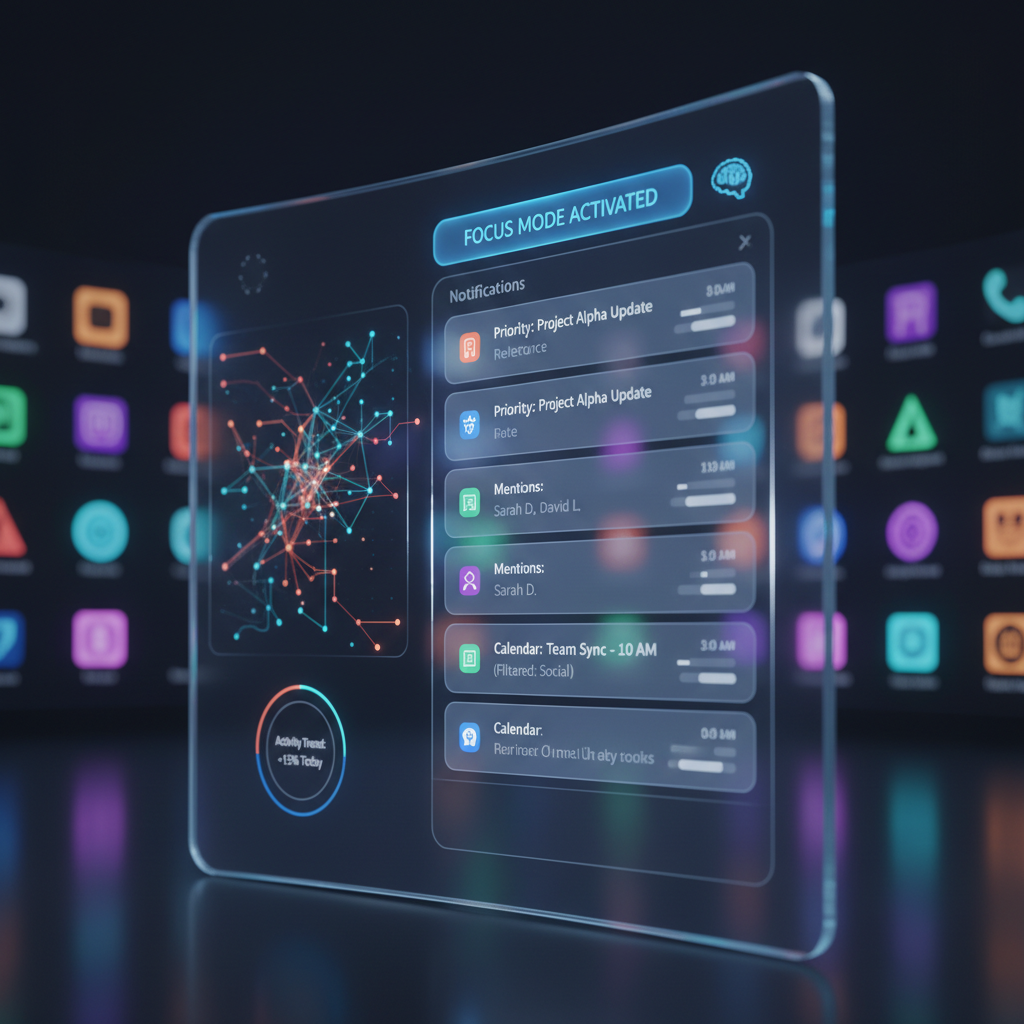
- Intelligent Notification Management: Instead of instinctively reaching for your phone and getting sucked into a vortex of notifications, configure your AI assistant to filter your digital inputs. It can be set to alert you only to critical messages, calls from specific contacts, or urgent work-related communications, allowing you to control precisely when and how you engage with digital input, rather than being at its mercy.
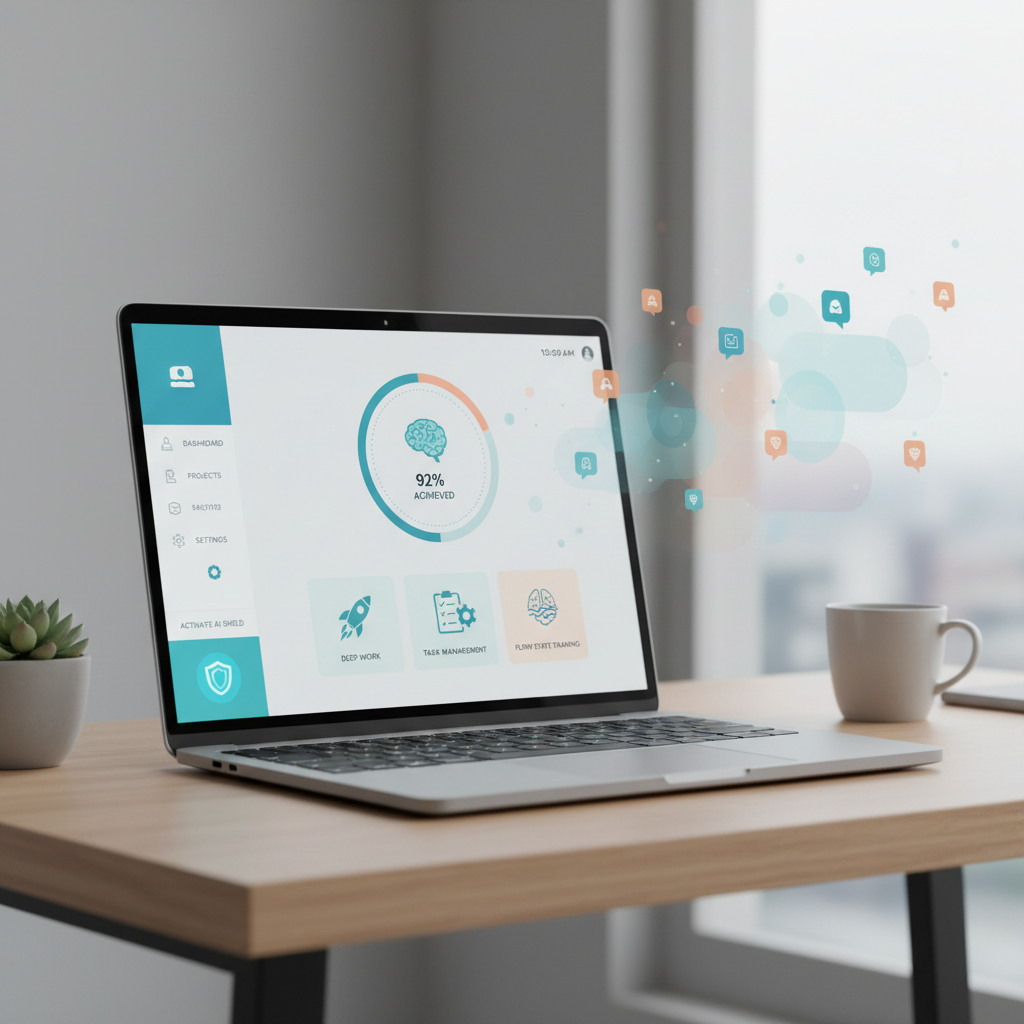
- Scheduled “Do Not Disturb” and Focus Modes: Leverage your AI assistant to schedule specific “Do Not Disturb” periods in the morning. During these times, your assistant and all connected devices will hold non-essential notifications and suppress interruptions, creating a quiet, uninterrupted window for deep work, focused creative tasks, or undisturbed personal reflection. This dedicated focus time is invaluable for high-impact activities.
- Proactive Content Filtering and Prioritization: Some advanced AI platforms can learn your professional and personal preferences and proactively suggest or prioritize information that is highly relevant to your morning focus (e.g., industry news, market updates, project-specific articles), rather than presenting general, potentially distracting social media feeds or clickbait. This ensures you consume only what genuinely aids your productivity.
Smart Task Prioritization and Goal Setting with AI:
- Focused Daily Briefings with MITs: Your personalized morning briefing can be customized to not just list tasks, but to highlight your “Most Important Task” (MIT) for the day. This MIT can be identified based on your input, integrations with project management tools (like Asana or Trello), or your calendar. By verbally identifying your MIT first thing, it helps you immediately identify and tackle your highest priority item, building crucial momentum for the day.
- Verbal Goal Reinforcement and Accountability: Use your AI assistant to verbally articulate and reinforce your daily goals or intentions. This auditory reinforcement can significantly increase commitment and focus. You can ask, “Alexa, what are my goals for today?” and it can respond with a brief, pre-programmed summary of your chosen objectives, keeping them front and center in your mind.
- Micro-Task Reminders for Complex Projects: For larger, more daunting projects, break them down into smaller, actionable micro-tasks. Your AI assistant can then provide timed reminders for these smaller steps, keeping you on schedule and preventing overwhelm. For example, “Google, remind me in 20 minutes to start drafting the project outline for Section 1,” followed by “Siri, remind me in 45 minutes to review the initial draft.”
Time Management Techniques Supercharged by AI:
- Seamless Pomodoro Technique Integration: The Pomodoro Technique, a popular time management method, involves working in focused 25-minute intervals separated by short breaks. Your AI assistant can effortlessly manage these timers for you. “Siri, start a 25-minute Pomodoro timer.” It can then audibly notify you when it’s time for a break and when to return to work, helping you maintain consistent, focused work intervals without needing to watch a clock.
- Voice-Activated Time Blocking Assistance: Verbally block out specific time slots in your digital calendar for specific activities or “deep work.” “Hey Google, block 9 AM to 10 AM for focused work on the quarterly marketing report, and mark it as ‘Busy’.” This makes disciplined time allocation incredibly easy and immediate.
- Environment Control for Optimal Focus: Beyond just turning devices on or off, your AI assistant can create an optimal focus environment. This might involve dimming smart lights to a specific setting, playing instrumental focus music or white noise, and simultaneously setting “do not disturb” modes on all connected devices for a defined period, creating a personal productivity zone.
By intelligently managing information flow, proactively assisting with task prioritization, and seamlessly supporting proven time management techniques, AI assistants transform your morning from a reactive scramble into a highly intentional, focused, and deeply productive period. This leads to not just getting things done, but getting the right things done with greater clarity, less mental effort, and a profound sense of accomplishment, setting a robust foundation for a successful day.
The Future is Now: Emerging AI Capabilities in Morning Routines
The landscape of AI assistants is dynamically evolving at an exponential pace, with new capabilities constantly emerging that promise even more sophisticated, seamless, and intelligent integration into our morning routines. We are rapidly moving beyond mere reactive command execution towards a future of proactive, deeply contextually aware, and even emotionally intelligent assistance. The ambition is for AI to become less of a tool and more of a truly intuitive and helpful partner.
Proactive Suggestions and Anticipatory AI:
- Advanced Learning of Preferences and Subtle Patterns: Future AI assistants will become even more adept at anticipating your needs, often before you even consciously realize them. If your smart scale detects a slight weight gain after a weekend, your assistant might subtly suggest a healthier breakfast option. If you regularly go for a run on Tuesdays and Wednesdays, it might proactively suggest a new running route based on real-time weather patterns, air quality data, or even remind you to hydrate extra on particularly warm days. If it learns you always have a specific podcast while showering, it might start playing it precisely when it detects you’ve entered the bathroom.
- Deep Contextual Understanding Beyond Fixed Schedules: Imagine your assistant knowing you have a critical, high-stakes presentation because it has scanned your calendar, reviewed related emails, and perhaps even picked up on recent voice cues (e.g., you mentioned practicing your speech). It could then proactively suggest relevant news articles for background, offer to queue up calming music 30 minutes before you leave, or even remind you to pack throat lozenges or a water bottle for a dry throat during your talk – all without any explicit prompting from you.
- Predictive Health Reminders and Adaptive Wellness: Based on comprehensive data from sleep tracking, activity levels, heart rate monitoring, and even dietary inputs, AI could offer highly personalized and predictive health reminders. For example, “Your sleep quality was below average last night, and your heart rate variability is low. Perhaps try a gentle stretching routine and a nutrient-dense smoothie instead of an intense cardio workout this morning to prioritize recovery.”
Emotional Intelligence and Hyper-Personalized Wellness:
- Mood Detection and Empathetic Adaptation: While still in early stages, AI is being actively developed to detect emotional cues from nuanced voice tone, speech patterns, and even facial expressions (via integrated smart display cameras, with strict privacy controls). An assistant could, in theory, detect signs of stress, fatigue, or anxiety in your voice and respond by adapting its output – perhaps by suggesting a specific guided meditation, playing particularly calming music, or simply asking if you’d like a moment of quiet, rather than rushing through the news briefing.
- Tailored Mental Well-being Support: Moving beyond generic meditations, AI could offer more deeply tailored support based on your expressed emotions, observed behavioral patterns, or even integration with mental health apps. It could connect you with specific stress-reduction techniques, recommend journaling prompts, or even provide resources for professional help if it detects prolonged periods of stress, low mood, or anxiety, acting as a discreet, supportive presence.
- Adaptive Communication Style: The assistant’s tone, pace of delivery, and word choice could adapt dynamically to your perceived morning state. It might be more gentle and soothing if it detects you’ve had a restless night, or more energetic and encouraging if you’re already buzzing with enthusiasm, mirroring human empathy and intuition.
Advanced Integration and Seamless Cross-Platform Orchestration:
- Seamless Device Hand-off and Continuity: Imagine starting an immersive audiobook on your smart speaker in the bedroom as you wake up, then seamlessly continuing it from the exact same point on your car’s infotainment system as you drive to work, and finally picking it up effortlessly on your smartphone with your Bluetooth earbuds during your walk from the parking lot to the office. This level of cross-device continuity will become the norm.
- Unified Digital Identity and Ecosystems: As AI ecosystems mature and become more open, your digital identity, preferences, and permissions will be more seamlessly recognized and respected across different platforms, brands, and devices. This ensures a consistent, personalized, and friction-free experience regardless of which specific AI assistant or smart device you’re interacting with at any given moment.
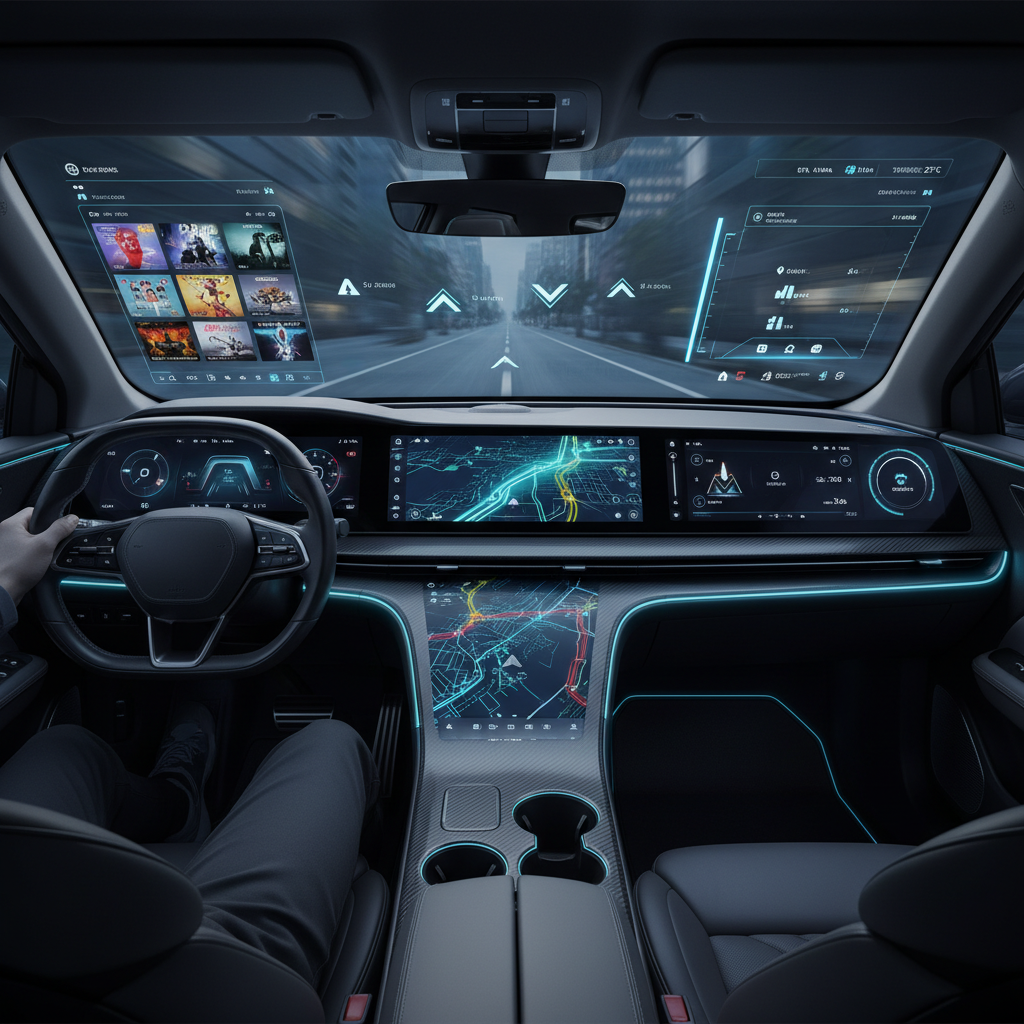
- AI-Powered Companions in Vehicles and Beyond: Your car’s integrated AI will deepen its connection with your home AI, not just for navigation but for pre-setting in-car ambiance based on your mood, continuing your morning podcast from home, or summarizing work priorities for your commute. AI will extend into wearables, smart clothing, and potentially even ambient computing within environments, anticipating needs even more subtly.
These emerging capabilities signal a profound shift from AI as merely a functional tool to AI as an intelligent, empathetic, and truly anticipatory partner in navigating your daily life, especially during the critical morning hours. The future of morning routines is not just automated; it’s intelligently optimized, deeply personally tailored, and proactively supportive, creating a truly harmonious and productive start to every day.
Choosing Your AI Companion: What to Look For
With an ever-expanding market of AI assistants and smart devices, selecting the right AI companion to integrate into your morning routine can seem like a significant decision. The “best” assistant isn’t a universal solution; rather, it depends heavily on your existing technological ecosystem, your personal lifestyle, and your specific priorities for morning transformation. Making an informed choice is crucial to ensure seamless integration and maximum benefit.
1. Ecosystem Compatibility and Existing Devices:
- Current Smart Devices: The most practical starting point is to assess your existing smart home devices. Do you already own smart lights, thermostats, security cameras, or smart speakers from a particular brand? Choose an AI assistant that offers native and seamless integration with your current devices. For instance, if your home is predominantly equipped with Google Nest devices, Google Assistant will provide the most cohesive and intuitive experience. Similarly, if you’re deeply invested in the Apple ecosystem with HomeKit-enabled devices, Siri on your HomePod or iPhone will offer the most native and secure experience. Amazon Alexa boasts the broadest compatibility across a vast array of third-party brands and devices.
- Smartphone Operating System: Your smartphone often serves as the primary hub for managing and setting up your AI assistant and its associated routines. An iPhone user might naturally find Siri more intuitive due to deep iOS integration, while Android users often gravitate towards Google Assistant for similar reasons. Consider the ease of management through your primary mobile device.
2. Core Capabilities and Recognized Strengths:
- Voice Recognition and Natural Language Processing (NLP): Test how accurately and efficiently each assistant understands your spoken commands, nuances, and conversational queries. Google Assistant is widely praised for its ability to handle complex, multi-turn questions and its contextual understanding, often feeling more like a conversation. Alexa is renowned for its robust smart home control capabilities and its vast library of third-party “skills” or apps. Siri is deeply integrated into Apple’s services and applications, offering strong personal assistant features within that ecosystem.
- Breadth of Smart Home Integration: If extensive home automation (controlling lights, thermostats, locks, blinds, appliances) is a top priority for your morning routine, compare the sheer breadth and depth of devices each assistant supports. Alexa generally boasts the widest and most diverse compatibility, followed closely by Google Assistant.
- Personalization and Proactive Intelligence: Evaluate how well the assistant learns your habits, anticipates your needs, and offers genuinely proactive suggestions rather than just responding to commands. Google Assistant, with its deep integration with your Google Calendar, Maps, and Email, often excels in offering contextual and anticipatory assistance.
3. Privacy and Data Handling Policies:
- Transparency of Data Collection: It is paramount to research and understand how each company collects, stores, and utilizes your voice data and other personal information. Thoroughly review their privacy policies and terms of service to make an informed decision.
- User Control Over Data: Can you easily review, delete, and manage your voice recordings? Do the platforms offer clear options for limiting data sharing, opting out of human review processes, or adjusting data retention periods? Apple is generally perceived to have one of the stronger stances on user privacy, often prioritizing on-device processing, but all major players are increasingly offering more granular control over user data.
- “Always-On” Listening Functionality: Understand how “wake words” (e.g., “Hey Alexa,” “Hey Google”) function and whether the device is constantly listening and processing audio or only activating once the wake word is detected.
4. Cost Considerations and Device Options:
- Initial Device Investment: Consider the upfront cost of smart speakers, smart displays, or other necessary hardware required to fully utilize the AI assistant. There are many budget-friendly entry points (e.g., Amazon Echo Dot, Google Nest Mini) that provide core functionality, up to more premium smart displays (e.g., Echo Show, Google Nest Hub) with integrated screens.
- Subscription Services and Premium Features: While the core AI assistant services are generally free to use, some advanced features, premium integrations with specific apps (e.g., meditation apps, music streaming services), or certain third-party “skills” might require separate paid subscriptions, which should be factored into your overall cost.
5. Specific Features for Morning Routines:
- Routine Customization Flexibility: How powerful, flexible, and easy-to-use are the routine-building capabilities? Can you easily create multi-step routines with conditional logic (e.g., “If it’s raining, remind me to take an umbrella”)?
- Wellness and Health Integrations: Does the assistant support your preferred fitness apps, guided meditation platforms, or health trackers, allowing for seamless integration into your morning wellness regimen?
- Information Briefing Customization: Can you precisely customize your morning news, weather, traffic, and calendar briefings to your exact preferences, ensuring you receive only the most relevant and desired information?
By carefully evaluating these comprehensive factors against your personal needs, your existing technological landscape, and your specific morning goals, you can confidently select an AI assistant that seamlessly integrates into your life and truly helps you conquer morning chaos, rather than inadvertently adding to it. Remember to start small, experiment with foundational routines, and gradually expand its role as you become more comfortable and discover new ways it can enhance your daily life.
Comparison Tables
Table 1: Popular AI Assistants for Morning Productivity – Feature Comparison
| Feature | Amazon Alexa | Google Assistant | Apple Siri (HomePod/iPhone) | Microsoft Cortana (Legacy/Specific Use) |
|---|---|---|---|---|
| Smart Home Integration | Extensive: Largest ecosystem of compatible third-party devices. Excellent for broad smart home control. | Very Good: Strong integration with Google Nest devices, growing third-party support. Excellent for complex routines. | Good: Best within Apple HomeKit ecosystem. More limited direct third-party device compatibility outside HomeKit. | Limited: Primarily focused on Windows devices and select smart devices like Harman Kardon Invoke (now discontinued). |
| Natural Language Processing (NLP) | Good: Excellent for executing specific commands, activating skills, and basic queries. | Excellent: Industry-leading for complex, multi-turn queries and contextual understanding. Feels most conversational. | Good: Excellent for Apple services (Mail, Calendar, Music). Can sometimes struggle with open-ended or complex questions outside its native domain. | Good: Best within Microsoft applications and for web search via Bing. |
| Routine/Automation Creation | Excellent: “Routines” are powerful, highly customizable, and easy to set up with many triggers and actions. | Excellent: “Routines” are robust, deeply integrated with Google’s services, and offer great flexibility with conditional logic. | Good: “Shortcuts” offer strong automation capabilities but typically have a steeper learning curve for advanced users. | Basic: Primarily focused on simple reminders and calendar events within the Microsoft ecosystem. |
| Personalized News Briefings | Excellent: Offers a vast array of customizable “Flash Briefing” sources from news, sports, podcasts, etc. | Excellent: Integrates deeply with Google News, allowing for highly customized topics and sources. | Good: Provides news primarily from Apple News and limited other sources. Less customizable breadth. | Fair: Integrates with Bing News, providing general news summaries. |
| Calendar/Email Integration | Good: Integrates with Google Calendar, Outlook Calendar, and Apple Calendar for scheduling and reminders. | Excellent: Deep, seamless integration with Google Calendar and Gmail, offering proactive insights. | Excellent: Deep, native integration with Apple Calendar and Apple Mail. | Excellent: Deep, native integration with Outlook Calendar and Microsoft Exchange for enterprise users. |
| Wellness/Meditation Support | Good: Many third-party skills available for guided meditation (e.g., Headspace, Calm), workouts, and health tracking. | Good: Integrates with popular wellness apps, offers built-in guided meditations, and health insights. | Fair: Strong focus on Apple Health data. Limited direct voice integration with third-party meditation apps compared to others. | Limited: Basic health and wellness features, less emphasis on third-party app integration. |
| Proactive Suggestions & Anticipation | Fair: Primarily routine-based or triggered by specific events. Less predictive unless explicitly programmed. | Excellent: Highly contextual and predictive, leveraging vast amounts of data from the entire Google ecosystem (Calendar, Maps, Search). | Good: Offers intelligent suggestions based on user habits, calendar events, and location data within the Apple ecosystem. | Fair: Some basic proactive reminders within the Microsoft ecosystem. |
| Privacy Focus | Moderate: Provides transparency and opt-out options for data collection. | Moderate: Provides transparency and opt-out options for data collection. | High: Strong emphasis on on-device processing, data minimization, and user control over data. | Moderate: Data policies aligned with Microsoft’s broader services. |
Table 2: Impact of AI Assistant Integration on Morning Routine Metrics (Illustrative Data)
Note: These figures are illustrative and based on anecdotal user feedback, generalized observations, and industry reports rather than specific large-scale scientific studies. They highlight the potential impact and transformative benefits of effective AI assistant integration. Actual results may vary significantly based on individual usage patterns, starting routine disorganization, and specific AI setup.
| Metric | Morning Routine Without AI Assistant | Morning Routine With AI Assistant Integration | Illustrative % Change / Impact | Key AI Assistant Contribution |
|---|---|---|---|---|
| Time Spent on Manual Tasks (e.g., checking weather, turning lights on, manually starting coffee, browsing news) | ~15-25 minutes | ~2-7 minutes | Up to 80% Reduction | Multi-step routine automation, voice control for smart devices, instant information retrieval. |
| Perceived Stress Levels During Morning (Subjective Scale of 1-10, 10 being highest) | ~7-9 | ~2-4 | ~60-70% Reduction | Reduced decision fatigue, proactive reminders, gentle and personalized wake-up calls, sense of control. |
| Morning Readiness/Focus (Subjective feeling of preparedness and mental clarity) | Moderate to Low | High to Very High | Significant Improvement | Personalized information briefings, structured task prioritization, guided mindfulness prompts. |
| Consistency of Healthy Habits (e.g., meditation, exercise, healthy breakfast adherence) | Inconsistent (30-50% adherence) | Consistent (75-90% adherence) | ~100-200% Improvement | Scheduled reminders, guided wellness sessions, effortless integration of habits into routine. |
| Decision Fatigue Score (Subjective feeling of mental drain from small choices) | High to Very High | Low to Moderate | Substantial Reduction | Pre-programmed choices via routines, streamlined access to information, reduced manual interactions. |
| Number of Distinct Devices Manually Accessed (e.g., phone, computer, light switches, physical coffee maker controls) | 3-7 devices | 1-2 (primarily smart speaker/display for voice) | 60-85% Reduction | Centralized control via voice, multi-device routines, information consolidation. |
| Feeling of Being in Control of Your Morning | Low to Moderate | High to Very High | Profound Increase | Empowerment through automation, predictable structure, and personalized support. |
Practical Examples: Real-World Use Cases and Scenarios
To truly grasp the transformative power of AI assistants and visualize how they can specifically simplify and enhance different types of morning routines, let’s explore some detailed real-life scenarios. These examples illustrate the versatility and adaptability of AI in addressing diverse morning challenges.
Scenario 1: The Busy Professional’s Seamless and Informed Start
Meet Alex: A marketing manager living in a bustling city, Alex has a demanding job that often requires early client meetings and quick decision-making. His mornings used to be a blur of hitting snooze, frantically checking emails on his phone, rushing through a grab-and-go breakfast, and battling unpredictable city traffic, leaving him feeling stressed before he even reached the office.
AI Transformation with Google Assistant:
- Gentle, Intelligent Awakening: Alex’s Google Assistant, linked to his Philips Hue smart lights, gradually brightens his bedroom 20 minutes before his 6:45 AM alarm, simulating a natural sunrise. Instead of a jarring sound, his Google Nest Hub plays a custom playlist of calming instrumental jazz, gently coaxing him awake.
- Automated Coffee & Personalized News: At precisely 6:45 AM, his smart coffee machine (connected via a smart plug) automatically begins brewing his preferred medium roast. Simultaneously, his Google Nest Hub delivers his personalized morning briefing: “Good morning, Alex. It’s Tuesday, October 26th. The weather today will be partly cloudy with a high of 68 degrees Fahrenheit. Here are your top three headlines from the Wall Street Journal and TechCrunch. Your first client presentation is at 8:30 AM downtown.”
- Proactive Traffic and Calendar Reminders: As Alex is getting dressed, Google Assistant chimes in, “Reminder, Alex: your 8:30 AM client presentation requires the revised Q4 strategy deck. And, just to note, traffic to downtown is heavier than usual on the I-5. You should plan to leave by 7:50 AM to arrive comfortably on time, which is 15 minutes earlier than your usual departure.” This proactive guidance allows Alex to adjust his plan without anxiety.
- One-Touch Departure & Home Security: As Alex grabs his briefcase and keys, he simply says, “Hey Google, I’m leaving.” This single command triggers a pre-programmed routine: all smart lights in the apartment turn off, the smart thermostat adjusts to an energy-saving “away” mode, his smart lock engages, and the smart security camera in the living room activates.
Outcome: Alex arrives at work feeling calm, fully informed, and thoroughly prepared, having saved valuable minutes and preserved significant mental energy during his entire morning routine. He can now use his commute to mentally prepare for his presentation, rather than feeling stressed about traffic or forgetting details.
Scenario 2: The Health Enthusiast’s Optimized Wellness Routine
Meet Maya: A dedicated health enthusiast who strives to integrate more mindfulness, consistent exercise, and healthy eating into her daily life. She often struggles with maintaining consistency, especially on busy mornings, feeling guilty when she skips her meditation or healthy breakfast.
AI Transformation with Amazon Alexa:
- Mindful, Gradual Wake-Up: Maya’s Alexa, connected to her LIFX smart bulbs, wakes her with a gradual simulated sunrise starting at 6:00 AM, along with the calming sounds of a flowing river. Once the light fully brightens, she says, “Alexa, start my morning meditation.” A 15-minute guided meditation skill from Headspace then plays through her Echo Studio, helping her center herself before the day begins.
- Integrated Workout & Hydration: After her meditation, Alexa reminds her, “Time for your morning yoga session, Maya! Remember to grab your water bottle.” Alexa then plays her favorite curated yoga flow playlist. Post-yoga, as she heads to the kitchen, Alexa gently prompts, “Don’t forget to drink a large glass of water to rehydrate and kickstart your metabolism.”
- Health Tracking & Nutritional Support: Maya then asks, “Alexa, what was my sleep score from Fitbit last night?” and receives an instant verbal summary. While preparing her breakfast, she asks, “Alexa, what’s a quick, high-fiber, gluten-free breakfast recipe I can make with berries and oats?” She then uses voice commands to add “flax seeds” and “almond milk” to her shared grocery list as she realizes she’s running low.
- Mindful Eating Reminder: As she sits down to eat, Alexa reminds her, “Remember to practice mindful eating, Maya. Take a moment to appreciate your food.”
Outcome: Maya consistently follows her comprehensive wellness routine, feels more connected to her physical and mental health goals, and starts her day with abundant energy, mental clarity, and a profound sense of self-care. Alexa acts as her personalized, gentle health and mindfulness coach, removing friction from habit formation.
Scenario 3: The Family Coordinator’s Harmonious Household
Meet Maria: A busy mother of two school-aged children (Leo, 9, and Sofia, 6), her mornings used to be a whirlwind of shouting instructions, chasing down forgotten backpacks, preparing multiple lunches, and managing breakfast chaos. Stress levels were often high for everyone involved.
AI Transformation with Google Nest Hub Max & Google Assistant:
- Personalized Child Wake-Up Routines: Each child has a personalized wake-up routine. For Leo, at 7:00 AM, his room’s smart lights gently brighten, and an upbeat pop song plays quietly. For Sofia, at 7:15 AM, her light comes on, and an audiobook from her favorite series begins playing.
- Family Central Briefing: At 7:30 AM, Maria’s Google Nest Hub Max in the kitchen displays the family’s shared calendar, highlighting school drop-off times, after-school activities (Leo has soccer, Sofia has art class), and a quick weather forecast for the day (“Don’t forget umbrellas for everyone today!”). Google Assistant verbally reminds her, “Leo needs his soccer cleats for practice, and Sofia requires a nut-free snack for her art class.”
- Automated Kitchen & Task Delegation: While Maria prepares a healthy breakfast, she asks, “Hey Google, set a timer for 8 minutes for the eggs,” and “Hey Google, play the local news radio.” As the kids trickle into the kitchen, she can say, “Hey Google, remind Leo to get his backpack ready in 5 minutes,” which broadcasts a gentle reminder to his room. She also adds “more milk” to the family grocery list hands-free.
- School Departure Routine: At 8:15 AM, Google Assistant announces, “Time to leave for school! Ensure you have your lunches and backpacks.” As they walk out the door, Maria says, “Hey Google, bye for now.” This command turns off all main house lights, adjusts the thermostat to an energy-saving mode, and locks the front door.
Outcome: Maria’s family mornings are significantly less chaotic, more predictable, and filled with less stress for both parents and children. Everyone knows their schedule, tasks are remembered through gentle prompts, and the household runs far more smoothly, freeing Maria to enjoy a calm breakfast with her children rather than constantly managing logistics.
These diverse examples vividly highlight the versatility, power, and adaptability of AI assistants. Whether you’re a single professional navigating a demanding career, a health-conscious individual committed to wellness, or a parent coordinating a busy household, AI can be tailored with remarkable precision to address your specific morning challenges and create a routine that is not just efficient and automated, but genuinely stress-free, harmonious, and deeply enriching.
Frequently Asked Questions
Q: What exactly is an AI assistant, and how does it fundamentally work to help me?
A: An AI assistant, often interchangeably called a virtual assistant or smart assistant (like Amazon Alexa, Google Assistant, Apple Siri), is a sophisticated software agent designed to perform tasks or services for an individual based on various inputs, primarily voice commands or text. At its core, it leverages advanced artificial intelligence technologies. Firstly, Natural Language Processing (NLP) allows it to understand and interpret human speech or written text, extracting your intent even from complex or nuanced phrases. Secondly, Machine Learning (ML) enables it to learn from your interactions, preferences, habits, and patterns over time, becoming more personalized and predictive. Thirdly, it integrates with a vast ecosystem of smart devices (lights, thermostats, speakers) and online services (calendars, email, news, music streaming). When you issue a command, the assistant processes your request using NLP, accesses relevant information or device controls, and then executes the appropriate action, whether it’s playing music, setting a reminder, controlling a smart home device, or fetching real-time information from the internet. It acts as a central, intelligent interface for your digital and physical world.
Q: How can an AI assistant specifically help to reduce my morning stress and improve my productivity?
A: AI assistants are uniquely positioned to significantly reduce morning stress and boost productivity by systematically addressing common pain points. They achieve this primarily through automation, personalization, and intelligent support. Stress Reduction: They minimize decision fatigue by pre-automating many routine choices (e.g., smart lighting, coffee brewing). They provide personalized, gentle wake-up calls (simulated sunrises, calming music) instead of jarring alarms, improving your physiological start to the day. Proactive reminders for appointments or necessary items prevent last-minute rushes. By consolidating information (weather, news, traffic) into a concise briefing, they prevent information overload and the need to juggle multiple apps. Productivity Boost: They enhance productivity by delivering structured daily briefings of your schedule, prioritizing tasks from connected apps, and offering timely, contextual reminders. They can guide you through mindfulness exercises or quick workouts, ensuring you start the day mentally sharp and physically energized. By offloading mundane, repetitive tasks, your mental energy is preserved for higher-level thinking, creativity, and important decisions, leading to a more focused and effective morning.
Q: Are AI assistants truly secure and private, especially concerning my voice data and personal information?
A: Security and privacy are paramount concerns for AI assistants, and major providers are continually investing in these areas. They implement various security measures, including robust encryption for data in transit and at rest, secure cloud storage, and stringent access controls. Regarding privacy, while they do collect voice data (often anonymized and aggregated) to improve their speech recognition and service capabilities, users typically have significant control over this data. Most platforms allow you to: 1) Review and delete your voice recordings at any time. 2) Opt-out of human review of recordings (though this might impact service improvement). 3) Manage privacy settings to limit data sharing with third-party apps or for personalized advertising. Apple, for instance, emphasizes strong on-device processing for many Siri requests to minimize data leaving your device. To further enhance your security, always use strong, unique passwords for linked accounts, enable two-factor authentication wherever possible, and regularly review your privacy settings. Being informed and proactive about your settings is key.
Q: Which AI assistant is best suited for optimizing morning productivity and routines, given the options?
A: The “best” AI assistant is subjective and highly dependent on your individual circumstances, existing technology ecosystem, and specific priorities. Google Assistant is often praised for its superior natural language processing, ability to handle complex, multi-turn queries, and deep, proactive integration with Google’s vast suite of services (Calendar, Gmail, Maps), making it excellent for intelligent scheduling, contextual reminders, and personalized information. Amazon Alexa excels in smart home compatibility, boasting the widest range of supported third-party devices and a massive library of “skills” (apps) for diverse automation tasks, making it ideal for comprehensive home control. Apple Siri is the best choice for users deeply integrated into the Apple ecosystem (iPhone, HomeKit devices), offering seamless, privacy-focused interaction within that environment. Microsoft Cortana, while less prominent in smart homes, integrates well with Microsoft 365 services for business users. To choose, evaluate your current smart devices, your smartphone’s operating system, your preferred email/calendar provider, and prioritize features like smart home control, advanced scheduling, or specific wellness app integrations.
Q: Can AI assistants genuinely understand my unique needs and preferences over time, or are they just reactive?
A: Yes, modern AI assistants are built with sophisticated machine learning capabilities specifically designed to allow them to learn and adapt to your unique needs, preferences, and patterns over time. They go beyond mere reactivity. Through continuous interaction, they observe your: 1) Daily habits (e.g., when you typically wake, leave for work, exercise). 2) The types of questions you ask and information you seek. 3) Your media preferences (music genres, news sources, podcasts). 4) Your calendar and task management routines. This continuous, iterative learning enables them to provide increasingly personalized responses, offer more relevant proactive suggestions (e.g., suggesting a new route based on learned commute patterns and real-time traffic), and refine their automated actions to better suit your evolving lifestyle. The more consistently you interact with and customize your assistant, the more accurately and intuitively it can anticipate and fulfill your specific requirements, making its assistance truly bespoke and deeply valuable.
Q: What if I don’t have a smart home setup? Can AI assistants still be beneficial for my morning routine?
A: Absolutely! While extensive smart home integration significantly enhances the AI assistant experience by automating physical environment control, AI assistants are incredibly beneficial even without a full smart home setup. A basic, affordable smart speaker (like an Amazon Echo Dot or Google Nest Mini) can serve as a powerful hub for many morning-transforming functions. Without smart devices, an AI assistant can still: 1) Provide personalized news, weather, and traffic briefings. 2) Manage your calendar, set alarms, and deliver timely reminders. 3) Play your preferred music, podcasts, or audiobooks. 4) Guide you through meditation or breathing exercises. 5) Help manage grocery lists and provide recipe ideas. 6) Perform quick calculations or answer general knowledge questions. These core functionalities alone can significantly streamline your morning, reduce decision fatigue, and free up mental space, demonstrating immense value even in a non-smart home environment.
Q: How do I effectively integrate an AI assistant into my existing, perhaps disorganized, morning routine?
A: The most effective approach is to start small and build incrementally, rather than attempting a complete overhaul. 1) Identify Pain Points: Begin by pinpointing one or two specific areas of your current morning routine that cause the most stress or inefficiency (e.g., the jarring alarm, constantly checking your phone for news, forgetting something important). 2) Get a Basic Device: Invest in an entry-level smart speaker. 3) Create a Simple Routine: Start with one simple “Good Morning” routine. This could involve a gentle alarm, a weather report, and a news briefing. 4) Gradually Expand: Once comfortable with the first routine, add one more automated step or reminder. This might be starting your coffee (if you add a smart plug), playing a specific podcast, or a reminder for your daily vitamins. 5) Integrate Smart Devices (if applicable): If you acquire smart lights or a thermostat, integrate them one by one. 6) Personalize and Refine: Continuously refine your routines based on what works best for you. Let the AI learn your habits, and don’t be afraid to experiment. The key is to make gradual, sustainable changes, allowing yourself and the AI to adapt and integrate naturally over time.
Q: Are there any downsides or potential issues of over-reliance when using AI for morning routines?
A: While beneficial, it’s important to be aware of potential downsides. 1) Over-Reliance and Skill Atrophy: Delegating too many cognitive tasks might lead to a subtle reduction in independent problem-solving skills or memory recall if not balanced. 2) Privacy Concerns: Despite safeguards, ongoing concerns about data collection and potential misuse of personal information persist, necessitating user vigilance. 3) Technical Glitches: AI systems and smart home devices are technology; they can experience outages, connectivity issues, or software bugs, potentially disrupting a highly automated routine and causing frustration. 4) Loss of Spontaneity: A rigidly automated morning, if not balanced, might inadvertently reduce opportunities for spontaneous decision-making or mindful engagement with your surroundings. 5) Cost: While entry-level devices are cheap, a comprehensive smart home setup can become an expensive investment. The solution is to use AI as a powerful *assistant* to augment your capabilities, not to entirely replace your critical thinking, personal agency, or human connection. Maintain a conscious balance and prioritize your digital well-being.
Q: What are the typical costs associated with setting up an AI-powered morning routine, from basic to advanced?
A: The costs for setting up an AI-powered morning routine can vary significantly, ranging from very affordable to a more substantial investment, depending on the desired level of automation and device integration. 1) Basic Setup (Under $100): You can start very affordably with a basic smart speaker like an Amazon Echo Dot or Google Nest Mini, which typically cost between $30-$50. These devices provide core AI assistant functionalities (news, weather, music, alarms, reminders) without needing other smart home devices. 2) Mid-Range Setup ($100-$300): To add basic smart home control, you might include a few smart bulbs ($10-$25 each), smart plugs for regular appliances like a coffee maker ($15-$30 each), or a smart thermostat ($100-$250). A smart display (Echo Show 5 or Nest Hub) offers visual feedback and costs around $50-$100. 3) Advanced Setup ($300+): A fully integrated smart home might include multiple smart speakers/displays, more smart lights, smart locks, smart blinds, advanced thermostats, smart kitchen appliances, and security cameras. These investments can quickly accumulate. Additionally, while core AI services are free, premium subscriptions to music streaming, meditation apps (e.g., Headspace, Calm), or specific high-end “skills” might add to your monthly expenses. It’s recommended to build your setup incrementally based on your budget and evolving needs.
Q: Can AI assistants genuinely help with my mental well-being in the morning, beyond just efficiency?
A: Yes, absolutely and profoundly. Beyond mere efficiency, AI assistants can make significant contributions to your mental well-being in the morning. 1) Reduced Stress & Anxiety: By automating mundane tasks, providing structured routines, and delivering proactive reminders, they significantly reduce cognitive load, decision fatigue, and the feeling of being rushed, which are major sources of morning stress and anxiety. 2) Enhanced Mindfulness: By seamlessly integrating guided meditation, breathing exercises, and positive affirmations into your routine, they make mindfulness easily accessible and habitual, fostering a calmer, more present state of mind. 3) Positive Start: Gentle, personalized wake-up calls and positive informational briefings help to set a positive tone for your day, preventing a jarring or overwhelming start. 4) Sense of Control: Feeling prepared, organized, and in control of your morning thanks to AI’s assistance instills a strong sense of accomplishment and reduces feelings of overwhelm. 5) Habit Formation: They act as gentle nudges for beneficial habits (hydration, exercise, healthy eating), which are fundamental for sustained mental and physical health. The overall effect is a morning that supports mental clarity, emotional balance, and a positive outlook, laying a robust foundation for your entire day.
Key Takeaways
- Morning Chaos is a Solvable Problem: The traditional morning rush, characterized by decision fatigue, information overload, and a lack of structure, is a significant source of stress. AI assistants offer powerful, intelligent solutions to these widespread challenges.
- Automation is the Cornerstone of Efficiency: AI assistants excel at automating mundane and repetitive tasks, from controlling smart lighting and brewing coffee to delivering personalized news briefings, thereby significantly freeing up mental energy and valuable time.
- Personalization and Learning are Crucial: Modern AI assistants continuously learn your unique habits, preferences, and schedule, enabling them to offer highly tailored wake-up routines, dynamic scheduling, and relevant information that genuinely aligns with your individual lifestyle.
- Wellness Integration is Transformative: AI makes it effortlessly easy to incorporate vital wellness practices such as guided meditation, fitness reminders, hydration prompts, and healthy eating support directly into your morning routine, nurturing both your physical and mental well-being.
- Enhanced Focus Leads to Greater Productivity: AI tools help manage digital distractions, strategically prioritize your most important tasks, and seamlessly support proven time management techniques, ensuring a more intentional, focused, and ultimately productive start to your day.
- The Future Holds Even Greater Potential: Emerging AI capabilities promise even more proactive, contextually aware, and emotionally intelligent assistance, further enhancing and refining the morning experience to be even more seamless and supportive.
- Choose Wisely and Implement Incrementally: Select an AI assistant based on its compatibility with your existing ecosystem, your privacy preferences, and your specific needs. Begin with simple routines and gradually expand its role as you become more comfortable and discover new benefits.
- AI is an Empowering Assistant, Not a Replacement: Utilize AI to augment your abilities, offload cognitive burdens, and streamline processes, but maintain your awareness, critical thinking, and personal agency to ensure a balanced, fulfilling, and consciously chosen morning routine.
Conclusion
The quest for a stress-free and truly productive morning has long been a universal challenge, often feeling like an unattainable ideal amidst the relentless demands of modern life. However, with the remarkable and accelerating advancements in Artificial Intelligence, this cherished ideal is now firmly within reach for everyone. AI assistants are no longer futuristic concepts confined to science fiction; they are sophisticated, accessible tools that can genuinely transform the most critical part of our day – the beginning.
By intelligently automating mundane, repetitive tasks, meticulously personalizing our wake-up experiences and daily scheduling, seamlessly integrating vital wellness practices, and actively fostering deep focus and proactive productivity, AI assistants empower us to fundamentally reclaim our mornings. They liberate us from the tyranny of the jarring alarm clock, the overwhelming burden of endless micro-decisions, the anxiety of forgotten tasks, and the constant feeling of being behind. Instead, they offer a clear, actionable pathway to a morning routine characterized by profound calm, deliberate control, and unwavering efficiency.
Embracing an AI assistant is far more than just adopting a new gadget; it’s a strategic investment in your personal well-being, your mental clarity, and your sustained productivity. It’s about consciously creating an environment where you can wake up gently and mindfully, feel thoroughly informed without being overwhelmed by information overload, dedicate sacred time to essential self-care, and confidently launch into your day with unparalleled clarity, unwavering purpose, and a strong sense of personal agency. As these intelligent technologies continue to evolve at an incredible pace, becoming even more intuitive, predictive, and proactively supportive, their immense potential to fundamentally enhance and enrich our daily lives will only continue to grow.
So, take that crucial first step. Explore the vast possibilities these technologies offer, choose your AI companion wisely based on your unique needs, and enthusiastically begin the journey of building a morning routine that not only decisively conquers chaos but also lays a robust, unshakeable foundation for a successful, deeply fulfilling, and genuinely stress-free life. Your mornings, and consequently your entire day, will undoubtedly thank you for this transformative decision.

















































Leave a Reply