


In our hyper-connected, always-on world, maintaining mental clarity and sustained focus has become an increasingly elusive quest. The constant barrage of notifications, endless to-do lists, and the pervasive fear of missing out (FOMO) create a chaotic mental landscape, making deep work and genuine calm feel like luxuries. Yet, the very technology that often fuels these distractions is now offering a powerful antidote: Artificial Intelligence (AI).
AI-powered applications are emerging as revolutionary tools in our pursuit of sustained mental clarity and enhanced focus. They are not merely digital assistants; they are intelligent companions capable of personalizing our productivity workflows, guiding our mindfulness practices, and even training our cognitive abilities. This comprehensive guide will delve into the transformative potential of AI apps, exploring how they can help us navigate the modern distraction landscape, cultivate deeper states of calm, and unlock our full cognitive potential. We will examine various categories of these innovative tools, discuss their underlying scientific principles, provide practical examples for integration, and address important considerations for their effective and ethical use.
Understanding the Modern Distraction Landscape and Its Impact
Before we explore how AI can help, it is crucial to understand the environment we are trying to navigate. The digital age, while offering unprecedented connectivity and information access, has also ushered in an era of unparalleled distraction. From the moment we wake up, our devices vie for our attention, presenting a never-ending stream of emails, social media updates, news alerts, and instant messages. This constant context-switching and fragmented attention come at a significant cost to our mental well-being and productivity.
The Pervasiveness of Digital Overload
- Notification Overload: Every app on our phone and computer seems to demand our immediate attention, creating a continuous loop of interruptions that break our concentration.
- Infinite Scroll: Social media platforms and content feeds are designed to be addictive, leveraging algorithms to keep us engaged for as long as possible, often at the expense of more meaningful tasks.
- Multitasking Myth: The belief that we can effectively juggle multiple tasks simultaneously is a pervasive myth. Research consistently shows that multitasking actually reduces efficiency, increases errors, and drains cognitive resources. True multitasking is a rapid switching between tasks, which incurs a “switching cost” each time.
- Work-Life Blurring: With remote work and digital tools, the boundaries between professional and personal life have become increasingly blurred, making it difficult to fully disconnect and truly rest our minds.
The Cognitive and Emotional Toll
This relentless assault on our attention has profound implications for our cognitive functions and emotional states:
- Reduced Attention Span: Our capacity for sustained attention diminishes as our brains become accustomed to short bursts of information and constant novelty.
- Increased Stress and Anxiety: The feeling of being constantly “on” and the pressure to respond immediately can lead to chronic stress, anxiety, and even burnout.
- Decreased Productivity and Quality of Work: When focus is fragmented, it takes longer to complete tasks, and the quality of output often suffers. Deep, creative work becomes nearly impossible.
- Impaired Decision-Making: A cluttered mind struggles to process information effectively, leading to poor decision-making and a lack of critical thinking.
- Difficulty with Emotional Regulation: Without mental clarity, it becomes harder to observe and manage our emotional responses, potentially leading to increased irritability and frustration.
Recognizing the severity of this modern challenge is the first step towards finding effective solutions. AI, with its capacity for personalization, pattern recognition, and automation, offers a promising pathway to reclaiming our attention and cultivating lasting calm.
How AI Enhances Mental Clarity and Focus: Core Mechanisms
Artificial Intelligence is not just about complex algorithms; it is about creating smarter tools that adapt to our unique needs and behaviors. When applied to mental clarity and focus, AI’s capabilities become particularly powerful, offering tailored support that goes beyond what traditional apps can provide. Here are the core mechanisms through which AI helps us achieve sustained mental clarity and enhanced focus:
Personalized Learning and Adaptive Algorithms
One of AI’s greatest strengths is its ability to learn from individual user behavior and preferences. Unlike generic apps, AI-powered tools can:
- Tailor Content: For mindfulness apps, AI can recommend specific meditation exercises, soundscapes, or breathing techniques based on your mood, stress levels, or even biometric data (if integrated).
- Adjust Difficulty: In cognitive training apps, AI adapts the complexity of exercises in real-time, ensuring you are always challenged at the optimal level for learning and improvement, preventing boredom or frustration.
- Optimize Schedules: AI productivity tools learn your work patterns, peak productivity times, and task dependencies to create highly optimized schedules that maximize focus blocks and minimize interruptions.
Pattern Recognition and Predictive Analytics
AI excels at identifying patterns that might be invisible to the human eye. This capability is invaluable for understanding and managing distractions:
- Identifying Distraction Triggers: AI can analyze your digital habits (e.g., specific apps used, times of day) to pinpoint what habitually pulls your attention away from tasks. It might then suggest proactive measures like blocking certain apps during focus times.
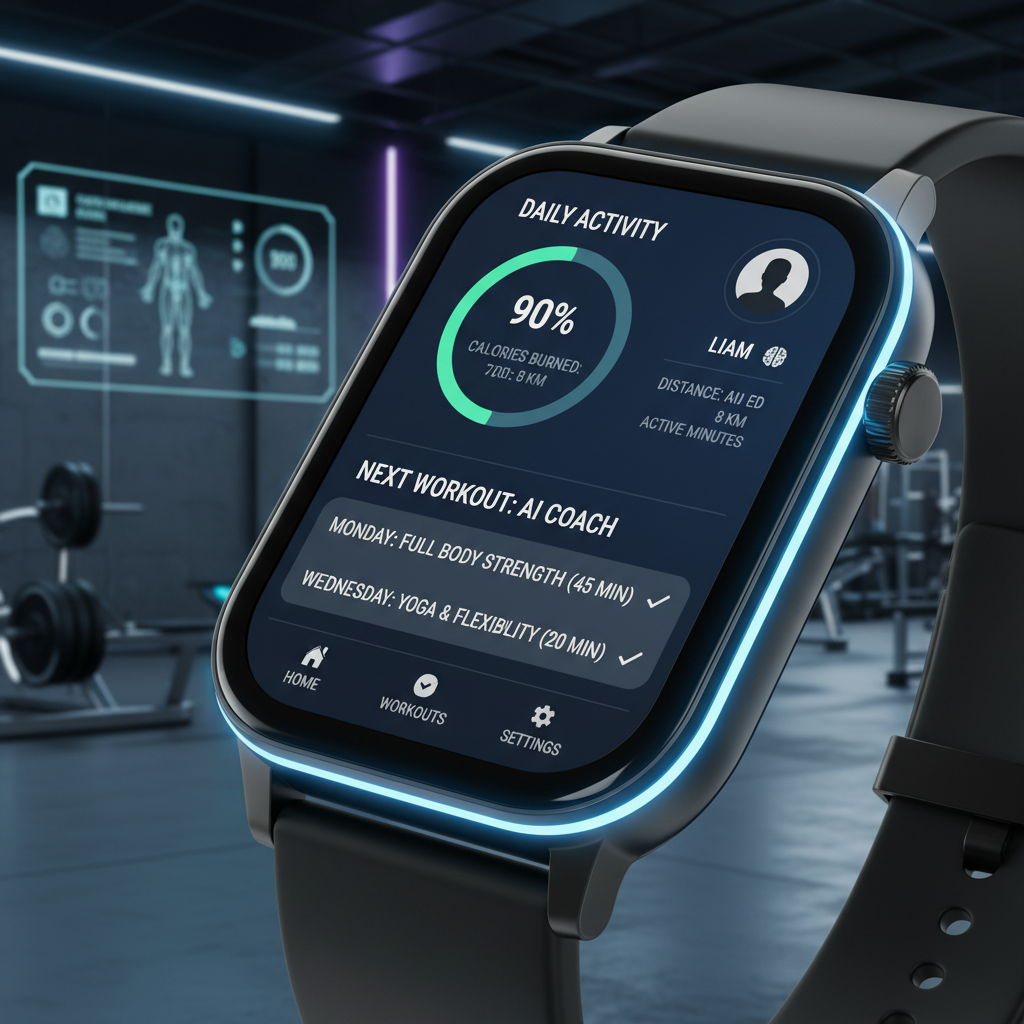
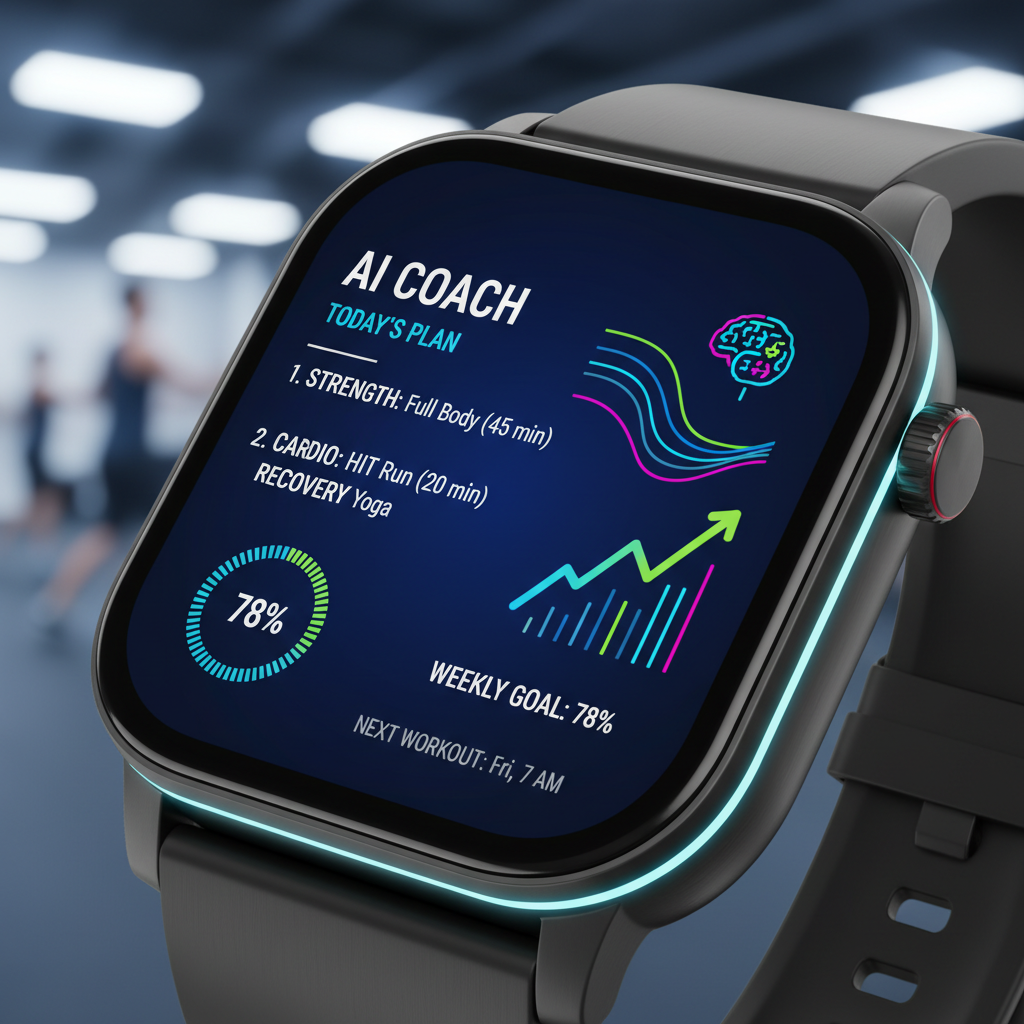
- Predicting Mental States: Some advanced AI systems, especially those integrated with wearables, can analyze heart rate variability, sleep patterns, and activity levels to predict states of fatigue or stress, prompting timely breaks or mindfulness interventions.
- Optimizing Workflows: AI can predict when a task is likely to overrun or when you might need a break, intelligently adjusting your schedule to prevent burnout and maintain momentum.
Automation of Mundane Tasks
Many daily distractions stem from the mental overhead of managing routine tasks. AI can step in to automate these, freeing up cognitive space for more important work:
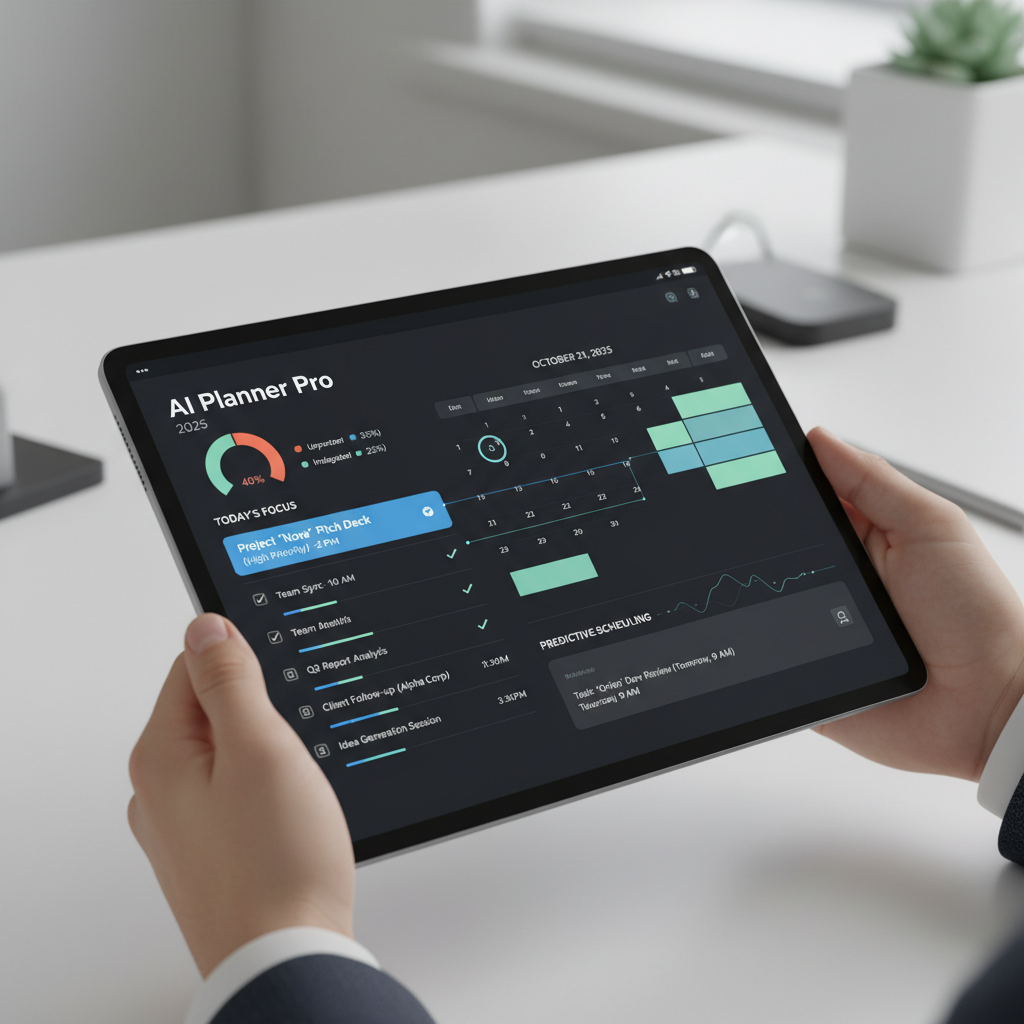
- Smart Scheduling: AI schedulers can automatically block out focus time, schedule meetings optimally, and even re-prioritize tasks based on new inputs without human intervention.
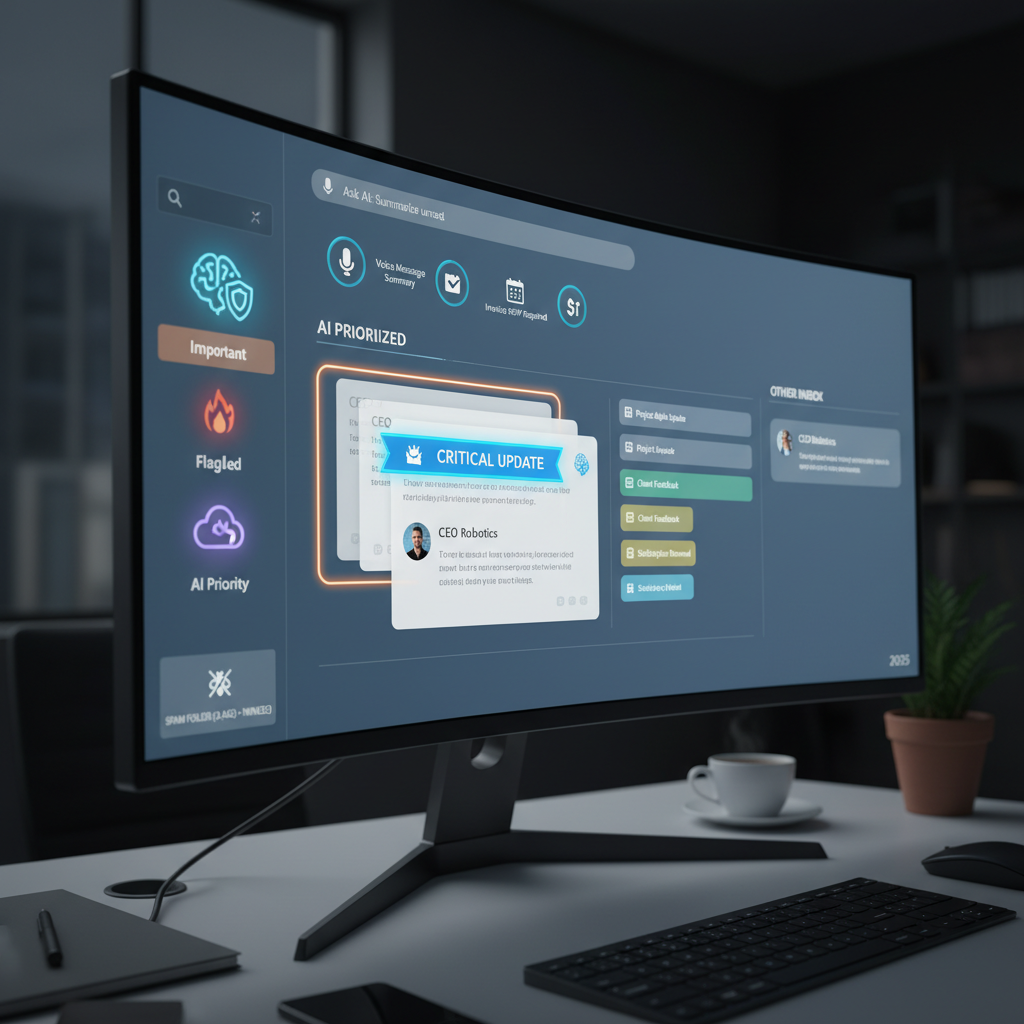
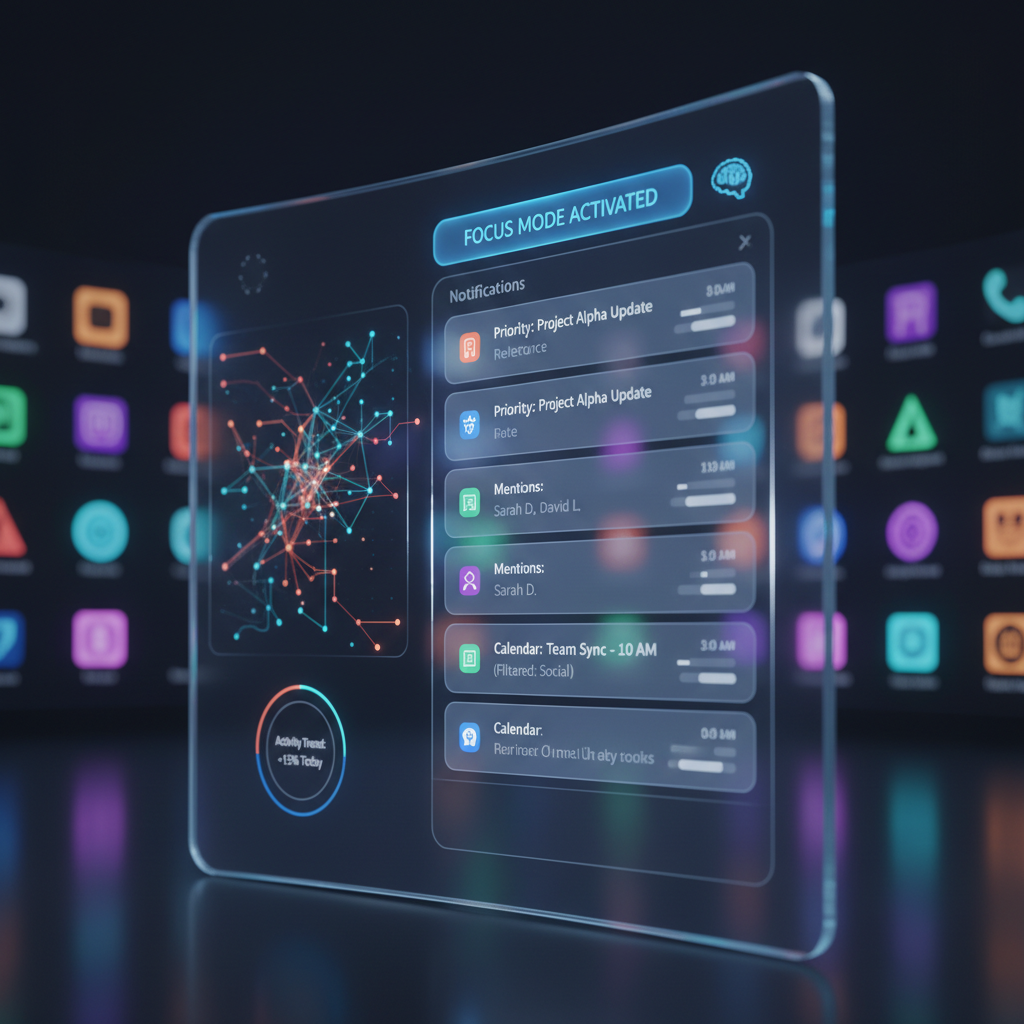
- Email and Notification Management: AI can intelligently filter emails, summarize long threads, and prioritize notifications, ensuring that only truly urgent information reaches you during critical focus periods.
- Data Organization: For researchers or knowledge workers, AI can automatically categorize, tag, and summarize information, reducing the time spent on administrative tasks and allowing more time for analysis and creative thought.
Real-time Feedback and Progress Tracking
Understanding our progress and receiving immediate feedback is crucial for motivation and self-improvement. AI provides this with unmatched precision:
- Performance Metrics: AI apps track metrics like time spent in focused states, completion rates, or improvements in cognitive scores, offering tangible proof of progress.
- Instant Adjustments: If an AI meditation guide detects restlessness through biofeedback (e.g., via a smart watch), it can immediately adjust its guidance or suggest a different technique.
- Personalized Insights: Beyond just data, AI can interpret trends and offer actionable insights, such as “You focus best between 9 AM and 11 AM, try scheduling your most demanding tasks then.”
Adaptive Challenges and Cognitive Training
AI can act as a personal cognitive trainer, pushing you to expand your mental capacities:
- Brain Training Games: Apps like Lumosity or Elevate use AI to create personalized exercise regimens that target specific cognitive functions like memory, attention, or problem-solving, adjusting to your performance in real-time.
- Micro-learning Modules: AI can deliver short, targeted learning modules or mental exercises tailored to your current cognitive load and learning goals, making improvement feel less daunting.
By leveraging these sophisticated capabilities, AI apps move beyond simple self-help tools, becoming dynamic, responsive partners in our journey towards greater mental clarity, sustained focus, and an overall calmer existence.
Categorizing AI Apps for Focus Enhancement
The landscape of AI apps designed to boost focus and mental clarity is diverse, with tools addressing different aspects of cognitive function and personal well-being. Understanding these categories can help you identify the right tools for your specific needs. Here, we break down the primary types of AI focus apps and their distinct contributions.
1. Mindfulness and Meditation Apps with AI Integration
These apps leverage AI to personalize the ancient practices of mindfulness and meditation, making them more accessible and effective for modern users.
- AI Capabilities:
- Personalized Guided Sessions: AI analyzes user preferences, mood, and even biometric data (if available) to recommend specific meditation types, lengths, or themes (e.g., stress reduction, sleep, focus).
- Adaptive Soundscapes: AI generates dynamic background sounds or music that adjusts in real-time based on your mental state or activity, promoting relaxation or concentration.
- Progress Tracking and Insights: AI monitors consistency, preferred content, and reported mood changes to offer insights into your meditation journey and suggest ways to deepen your practice.
- Examples: Headspace, Calm, Endel.
- Benefits: Reduces stress and anxiety, improves emotional regulation, enhances self-awareness, and fosters a calmer mental state conducive to focus.
2. Productivity and Task Management Apps with AI
These tools move beyond simple to-do lists, using AI to intelligently manage tasks, optimize schedules, and streamline workflows.
- AI Capabilities:
- Smart Scheduling: AI learns your typical work patterns, deadlines, and energy levels to automatically schedule tasks, block out focus time, and re-prioritize based on urgency and importance.
- Contextual Reminders: AI provides reminders that are not just time-based but context-aware, prompting you only when it deems appropriate based on your current activity or location.
- Prioritization Engines: AI algorithms can analyze task dependencies, deadlines, and your perceived difficulty to suggest the most optimal sequence for completing tasks.
- Meeting Summarization and Action Item Extraction: Some advanced AI tools can listen to meetings (with consent) and automatically summarize discussions, extract action items, and assign them.
- Examples: Motion, Sunsama, Todoist (with smart scheduling features), Reclaim.ai.
- Benefits: Maximizes productive hours, reduces mental load from planning, ensures important tasks are completed, and helps maintain a structured, distraction-free workday.
3. Cognitive Training and Brain Games with AI
These apps are designed to actively improve specific cognitive functions, using AI to create personalized training regimens.
- AI Capabilities:
- Adaptive Difficulty: AI adjusts the complexity and type of exercises in real-time based on your performance, ensuring optimal challenge for cognitive growth.
- Personalized Training Plans: AI identifies your cognitive strengths and weaknesses and generates a tailored program to target areas needing improvement (e.g., memory, attention, problem-solving).
- Performance Tracking and Benchmarking: AI provides detailed reports on your progress, showing improvements in various cognitive areas and sometimes benchmarking against age groups.
- Examples: Lumosity, Elevate, Peak.
- Benefits: Enhances memory, sharpens attention, improves problem-solving skills, and boosts overall cognitive agility.
4. Digital Well-being and Screen Time Management Apps with AI
These apps help users regain control over their digital habits by intelligently managing screen time and blocking distractions.
- AI Capabilities:
- Intelligent Blocking: AI learns which apps or websites are most distracting during specific times or tasks and can automatically block them, or prompt you before accessing them.
- Usage Insights: AI provides detailed analytics on screen time, app usage patterns, and how these correlate with your self-reported focus or mood.
- Gamified Incentives: AI-driven gamification encourages adherence to focus goals, such as growing a virtual forest by staying off your phone.
- Examples: Forest, Freedom, Moment, Digital Detox.
- Benefits: Reduces digital addiction, fosters healthier screen habits, and creates a more conducive environment for focused work.
5. AI-Powered Noise Cancellation and Focus Sound Apps
These applications utilize AI to create optimal auditory environments for concentration, even in noisy surroundings.
- AI Capabilities:
- Real-time Noise Filtering: AI algorithms can distinguish human speech from background noise in real-time during calls or recordings, ensuring clarity.
- Adaptive Soundscapes: AI generates unique, non-distracting sound environments designed to enhance focus, often adapting subtly based on user input or detected environmental factors.
- Examples: Krisp, Brain.fm, Endel (also fits here).
- Benefits: Minimizes auditory distractions, creates a personal “focus bubble,” and helps induce states of deep concentration.
By understanding these distinct categories, individuals can strategically select and combine AI tools that directly address their personal challenges in maintaining mental clarity and focus. The strength of AI lies in its ability to offer a personalized and adaptive approach to these universal human needs.
Deep Dive into Prominent AI Focus Applications
Now, let’s explore some of the leading AI applications in detail, highlighting their unique features and how they leverage artificial intelligence to help users achieve sustained mental clarity and enhanced focus. These examples span various categories, showcasing the breadth of innovation in this space.
Motion: The AI Scheduling Powerhouse
Motion positions itself as a new kind of productivity tool, going beyond a simple calendar or task manager. Its core strength lies in its sophisticated AI scheduling engine.
- Key AI Features:
- Autonomous Scheduling: Motion’s AI takes your tasks, projects, meetings, and even personal appointments, and intelligently schedules them into your calendar. It considers deadlines, priority levels, estimated task duration, and your available time slots.
- Dynamic Rescheduling: If a new urgent task comes in, or a meeting gets moved, Motion’s AI automatically shuffles your entire schedule, finding the optimal new arrangement to ensure everything still gets done.
- Focus Time Blocks: The AI actively carves out “focus time” on your calendar for deep work, protecting it from interruptions and ensuring you have dedicated periods for concentration.
- Meeting Coordination: It intelligently suggests the best times for internal and external meetings, considering everyone’s availability and preferences.
- Benefit for Focus: By automating the complex, time-consuming process of scheduling and rescheduling, Motion frees up significant mental overhead. Users no longer waste energy planning their day; they simply execute the AI-optimized schedule, allowing for deeper focus on the tasks themselves. It proactively creates the conditions for focus.
Sunsama: Daily Planning with Intentional Focus
Sunsama focuses on creating a calm, intentional daily workflow, integrating tasks from various sources and using AI to help users prioritize and plan effectively.
- Key AI Features (subtler but impactful):
- Intelligent Task Import: While not fully autonomous like Motion, Sunsama uses AI-driven insights to help you consolidate tasks from tools like Jira, Asana, Slack, and email, making it easier to see everything in one place.
- Time Estimation Learning: Over time, it can learn how long you typically take for certain types of tasks, helping you make more realistic daily plans and preventing overcommitment.
- Focus Mode Prompts: It encourages users to enter a “focus mode” by asking them to set clear intentions for their work block, and offers gentle nudges to stay on track.
- Benefit for Focus: Sunsama’s AI assists in creating a clear, manageable daily plan, reducing decision fatigue and the feeling of being overwhelmed. It helps users define their “must-do” tasks, allocate realistic time, and thus approach their day with greater clarity and a defined path to focused work.
Headspace / Calm: AI-Guided Mindfulness and Meditation
These pioneers in the mindfulness space are increasingly integrating AI to personalize the meditation experience.
- Key AI Features:
- Personalized Recommendations: Based on user input (mood, goals, stress levels) and historical usage, AI suggests specific meditation courses, sleep stories, or sound programs.
- Adaptive Soundscapes: Calm’s “Daily Calm” or Headspace’s “Sleepcasts” can use AI to subtly adapt audio elements based on user preferences or real-time feedback.
- Progress and Habit Tracking: AI analyzes your meditation streaks, preferred session types, and consistency, providing insights and encouraging continued practice.
- Benefit for Focus: By fostering a consistent mindfulness practice, these apps help users develop greater self-awareness, improve emotional regulation, and reduce mental clutter. A calmer, more centered mind is naturally better equipped for sustained focus and clarity.
Krisp: AI-Powered Noise Cancellation
Krisp is a unique AI app that targets one of the most common external distractions: background noise during calls and online meetings.
- Key AI Features:
- Real-time Voice Isolation: Krisp’s AI uses deep neural networks to distinguish human voices from all other sounds (pets, children, traffic, keyboard clicks) in real-time.
- Two-Way Cancellation: It not only cleans your outgoing audio but also filters out noise coming from other participants in a call, ensuring a pristine audio experience for everyone.
- Benefit for Focus: For anyone working remotely or in an open office, Krisp creates an auditory bubble, eliminating distracting noises that would otherwise break concentration during important calls or when trying to listen intently. It significantly reduces auditory cognitive load.
Forest: Gamified Digital Well-being for Focus
Forest uses a clever, gamified approach to help users stay off their phones and focus on productive tasks.
- Key AI Features (behavioral AI):
- Commitment Device: While not explicit deep learning, Forest uses behavioral AI principles by creating a “commitment device.” When you start a focus session, a virtual tree begins to grow. If you leave the app, the tree withers. This simple AI-driven mechanism taps into psychological principles of loss aversion and accomplishment.
- Usage Insights: It tracks your focus sessions, helping you visualize how much time you’ve spent productive and away from distractions, offering data-driven motivation.
- Benefit for Focus: Forest provides a tangible, positive incentive to avoid digital distractions. By creating a playful yet effective barrier against phone use, it helps users build habits of sustained concentration during dedicated work blocks.
Brain.fm: Functional Music for Focus and Relaxation
Brain.fm offers scientifically engineered music designed to alter brain states for improved focus, relaxation, or sleep.
- Key AI Features:
- Patented AI-Generated Music: Brain.fm’s AI creates unique auditory experiences designed to synchronize with brainwaves, promoting desired mental states (e.g., alpha waves for focus). This isn’t just ambient music; it’s architected specifically for brain engagement.
- Adaptive Playlists: While less dynamic than some other apps, the AI ensures the generated music aligns with the user’s selected goal (focus, relax, sleep) and offers various intensity levels.
- Benefit for Focus: By providing a non-distracting, neurologically optimized audio environment, Brain.fm helps users enter and sustain states of deep concentration, blocking out external noise and internal mental chatter. It’s a powerful tool for creating an immediate “focus zone.”
These examples illustrate the diverse ways AI is being harnessed to combat modern distractions. From intelligent scheduling and noise cancellation to personalized mindfulness and cognitive training, AI apps are becoming indispensable allies in our quest for sustained mental clarity and enhanced focus.
The Science Behind AI, Focus, and Cognitive Enhancement
The effectiveness of AI apps in cultivating calm and boosting focus is not merely anecdotal; it is increasingly backed by principles from cognitive psychology, neuroscience, and behavioral science. AI acts as a sophisticated tool to apply these scientific insights in a personalized and adaptive manner. Let’s explore the scientific underpinnings.
Neuroplasticity: The Brain’s Capacity for Change
At the heart of cognitive enhancement lies neuroplasticity – the brain’s remarkable ability to reorganize itself by forming new neural connections throughout life. AI-powered cognitive training apps leverage this principle:
- Targeted Training: AI algorithms in apps like Lumosity or Elevate identify specific cognitive domains (e.g., working memory, processing speed, attention) where a user can improve. They then generate exercises that specifically challenge these areas.
- Adaptive Difficulty: Crucially, AI constantly adjusts the difficulty of these tasks. Research shows that learning and neuroplasticity are maximized when challenges are neither too easy (leading to boredom) nor too hard (leading to frustration and disengagement). AI finds this optimal “zone of proximal development” for each individual, pushing the brain to adapt and grow.
- Pattern Repetition: Just like physical exercise strengthens muscles, consistent mental exercise builds neural pathways. AI ensures consistent, varied, and challenging repetition, which is key for lasting neuroplastic changes.
By engaging in these AI-driven cognitive exercises, users can strengthen their neural networks responsible for attention, memory, and executive function, thereby enhancing their intrinsic capacity for focus.
Dopamine Reward Systems and Gamification
Many AI focus apps, particularly those focused on digital well-being or productivity, tap into the brain’s dopamine reward system through gamification. Dopamine is a neurotransmitter associated with pleasure, motivation, and learning.
- Positive Reinforcement: Apps like Forest (growing a tree) or productivity tools that offer visual progress bars and completion streaks provide immediate, positive feedback. This triggers dopamine release, reinforcing the desired behavior (e.g., staying focused).
- Goal Setting and Achievement: AI can help break down large goals into smaller, manageable chunks, making achievement more frequent. Each small win provides a dopamine boost, sustaining motivation for longer, more complex tasks.
- Personalized Challenges: AI can offer personalized challenges or virtual rewards that are tailored to keep the user engaged, preventing habit fatigue and maintaining the reinforcing loop.
By intelligently structuring these reward systems, AI apps help users build and sustain healthy focus habits, making the process of staying disciplined feel less like a chore and more like a game.
Cognitive Load Theory and Intelligent Automation
Cognitive load theory suggests that our working memory has a limited capacity. When we are forced to process too much information or manage too many tasks simultaneously, our performance suffers. AI apps help by reducing this cognitive load:
- Offloading Mental Tasks: AI scheduling tools (like Motion) take over the complex mental computations required for planning, prioritization, and rescheduling. This frees up working memory, allowing the user to dedicate more cognitive resources to the actual tasks.
- Filtering and Summarization: AI can intelligently filter emails, summarize documents, or prioritize notifications. This reduces the amount of extraneous information that vies for our attention, preventing cognitive overload and allowing for clearer focus.
- Minimizing Context Switching: By creating seamless workflows and managing transitions between tasks, AI helps minimize the “switching cost” associated with context switching, preserving precious cognitive energy.
Biofeedback Mechanisms and Real-time Adaptation
Advanced AI apps are starting to integrate with wearables and biofeedback sensors to provide an even more responsive and personalized experience. Biofeedback is the process of gaining greater awareness of many physiological functions primarily by using instruments that provide information on the activity of those same systems, with a goal of being able to manipulate them at will.
- Stress Detection: AI can analyze data from heart rate variability (HRV), skin conductance, or even facial expressions (via camera) to detect rising stress levels or waning focus.
- Proactive Interventions: Upon detecting these shifts, the AI can then trigger interventions—a gentle reminder to take a break, a suggestion for a short breathing exercise, or an adjustment to an ambient soundscape.
- Adaptive Meditation: In mindfulness apps, AI could, in theory, subtly adjust the pace or guidance of a meditation based on the user’s real-time physiological response, optimizing for deeper relaxation or concentration.
This real-time, biologically informed feedback loop allows AI apps to adapt to the user’s current mental and physiological state, providing support precisely when and where it’s needed most to maintain calm and focus.
In essence, AI acts as an intelligent coach, a personalized trainer, and a meticulous assistant, all rolled into one. By leveraging deep scientific understanding of the human mind and brain, these apps are empowering us to not just manage distractions, but to fundamentally enhance our innate capacities for attention, clarity, and mental resilience.
Integrating AI Apps into Your Daily Routine for Maximum Impact
Simply downloading an AI app is only the first step; the real magic happens when you thoughtfully integrate it into your daily routine. Effective integration ensures that these tools become empowering aids rather than just another source of digital noise. Here’s a strategic approach to maximizing their impact:
1. Identify Your Specific Focus Challenges
Before diving into a multitude of apps, take an honest assessment of your primary focus hurdles. Are you struggling with:
- Task Overload and Prioritization? (Consider AI schedulers/task managers)
- Constant Digital Distractions from your phone/computer? (Look at digital well-being apps)
- Mental Clutter and Stress? (Mindfulness/meditation apps are key)
- Auditory Distractions in your environment? (Noise cancellation/focus sound apps)
- Sustaining Attention during long tasks? (Cognitive training or functional music)
Starting with a clear understanding of your pain points will guide you to the most relevant tools.
2. Start Small and Iterate
Do not try to overhaul your entire routine with five new AI apps at once. This often leads to overwhelm and abandonment. Instead:
- Choose One or Two Apps: Select one app that addresses your most pressing challenge.
- Experiment for a Week: Give yourself time to learn its features and observe its impact.
- Adjust and Add: Based on your experience, fine-tune your usage or consider adding another complementary app.
For example, start with a smart scheduler like Motion for a week to see how it structures your day. If you find yourself still getting distracted by social media during your focus blocks, then introduce Forest in the following week.
3. Create Dedicated “Focus Blocks”
AI scheduling apps are excellent for this, but even without one, consciously designate periods for deep, uninterrupted work. During these blocks:
- Silence Notifications: Use your phone’s “Do Not Disturb” mode or the app’s blocking features.
- Close Unnecessary Tabs: Minimize visual clutter.
- Engage Your Chosen AI App: Whether it is Brain.fm for background music, a meditation app for a quick break, or your AI scheduler guiding your tasks, fully commit to using the tool.
4. Combine Complementary Apps Strategically
The true power often lies in combining different types of AI tools to create a holistic focus ecosystem.
- Example 1 (Productivity + Digital Detox): Use Motion to schedule your tasks and focus blocks, then activate Forest during those blocks to prevent phone distractions.
- Example 2 (Mindfulness + Auditory Focus): Start your day with a personalized meditation from Headspace, and then use Brain.fm to sustain focus during your work tasks.
- Example 3 (Meeting Focus + Task Management): Utilize Krisp for crystal-clear audio during virtual meetings, and then use Sunsama to immediately process action items identified during the meeting.
The goal is a synergistic effect, where each app enhances another, leading to a more robust focus environment.
5. Leverage AI for Micro-Breaks and Recovery
Sustained focus isn’t about working non-stop; it’s about alternating intense focus with intentional recovery. AI can help here too:
- AI-Suggested Breaks: Some AI productivity tools can remind you to take short breaks based on your work patterns.
- Guided Micro-Meditations: Use a mindfulness app for a 5-minute guided meditation during a break to reset your mind.
- Adaptive Sound for Relaxation: Employ an app like Endel or Calm to generate calming soundscapes during your recovery periods.
6. Review and Adjust Regularly
Your needs and routines will evolve. Regularly check the insights provided by your AI apps:
- Analyze Usage Data: Are you consistently hitting your focus goals? Are there specific times you struggle?
- Reflect on Effectiveness: How do you feel after using an app? Is it genuinely helping, or is it becoming another distraction?
- Don’t Be Afraid to Switch: If an app isn’t serving you, explore alternatives. The AI focus landscape is constantly evolving.
By approaching AI app integration with intention and flexibility, you can transform them from simple tools into powerful allies that consistently support your journey towards sustained mental clarity and profound focus.
Potential Challenges and Ethical Considerations
While AI apps offer unprecedented potential for enhancing mental clarity and focus, it is crucial to approach their adoption with a critical perspective, acknowledging potential challenges and ethical considerations. Thoughtful engagement ensures that we leverage these powerful tools responsibly and sustainably.
1. Data Privacy and Security Concerns
Many AI apps, especially those that personalize recommendations, collect significant amounts of user data. This can include usage patterns, preferences, location data, and even biometric information if integrated with wearables.
- Risk: Unauthorized access to sensitive personal data, potential sale of data to third parties, or use of data for purposes beyond improving the app experience.
- Mitigation: Users must carefully review privacy policies, understand what data is collected and how it is used, and choose apps from reputable developers with strong security protocols. Opt for apps that prioritize on-device processing where possible to minimize data transmission.
2. Over-reliance and Diminished Intrinsic Motivation
The convenience and effectiveness of AI can, paradoxically, lead to over-reliance, where users feel incapable of focusing or managing tasks without the AI’s direct assistance.
- Risk: A potential atrophy of intrinsic skills like planning, self-discipline, and natural focus. If the AI “thinks” for you too much, you might stop thinking for yourself.
- Mitigation: Use AI as a tool to build habits and enhance skills, not to replace them entirely. Regularly practice tasks without AI assistance to maintain your innate cognitive abilities. View AI as a mentor, not a crutch.
3. Algorithm Bias and Lack of Nuance
AI algorithms are only as good as the data they are trained on. If the data contains biases, the AI’s recommendations or analyses might reflect those biases, or simply lack the nuance of human understanding.
- Risk: AI might oversimplify complex human emotions or cognitive states, leading to inappropriate recommendations or a one-size-fits-all approach that doesn’t truly fit diverse individual needs.
- Mitigation: Be aware that AI offers suggestions, not definitive truths. Trust your intuition and critically evaluate recommendations. If an app’s advice doesn’t resonate, it might not be suitable for you.
4. The Digital Divide and Accessibility
Access to advanced AI apps often requires modern smartphones or computers, reliable internet access, and typically subscription fees. This can exacerbate existing inequalities.
- Risk: The benefits of AI-enhanced focus might be exclusively available to those with financial means and technological access, widening the productivity and well-being gap.
- Mitigation: Advocates should push for more affordable or freely accessible AI tools, and developers should prioritize inclusive design. In the meantime, users should explore free alternatives or open-source projects.
5. The Illusion of Productivity
Just because an AI app is managing your schedule or blocking distractions doesn’t automatically mean you are deeply focused or doing high-quality work. There is a risk of confusing activity with true productivity.
- Risk: Users might feel a false sense of accomplishment simply by using the tools, without engaging in genuine deep work or reflective practice.
- Mitigation: Regularly reflect on the *quality* of your work and your mental state, not just the quantity of tasks completed or focus time logged. Use AI as a foundation, but actively engage your mind in meaningful tasks.
6. Ethical Implications of Cognitive Enhancement
As AI becomes more sophisticated, especially in cognitive training, questions arise about what it means to “enhance” human cognition. Where do we draw the line between assistance and alteration?
- Risk: Societal pressure to optimize cognitive function beyond natural levels, potential for “cognitive doping,” and questions about fairness if access to advanced enhancement tools is unequal.
- Mitigation: Open discussions are needed about the long-term societal impacts and ethical boundaries of AI-driven cognitive enhancement. Users should focus on using AI to restore natural balance and overcome current limitations, rather than pushing for artificial superiority.
By remaining informed and mindful of these potential pitfalls, we can ensure that AI apps serve as empowering tools for our mental well-being and productivity, rather than creating new dependencies or ethical dilemmas. Critical engagement is key to unlocking their full, positive potential.
Comparison Tables
To further illustrate the diverse applications and features of AI-powered focus tools, here are two comparison tables. The first categorizes apps by their primary function and AI approach, while the second provides a snapshot of specific leading applications.
Table 1: Comparison of AI Focus App Categories
| Category | Primary AI Function | Key Benefit for Focus | Ideal User Scenario |
|---|---|---|---|
| Mindfulness & Meditation | Personalized session recommendations, adaptive soundscapes based on user state. | Reduces mental clutter, improves emotional regulation, fosters a calm baseline. | Individuals struggling with stress, anxiety, or general mental noise; those seeking emotional balance. |
| Productivity & Task Management | Intelligent scheduling, dynamic task prioritization, automated workflow optimization. | Minimizes planning overhead, creates protected focus blocks, ensures task completion. | Professionals overwhelmed by tasks, frequent context-switching, or difficulty prioritizing work. |
| Cognitive Training & Brain Games | Adaptive difficulty algorithms, personalized training plans for specific cognitive skills. | Enhances core cognitive functions like memory, attention, and processing speed. | Anyone looking to actively sharpen their brain, improve mental agility, or recover cognitive function. |
| Digital Well-being & Screen Time | Behavioral AI for gamified commitment devices, intelligent app blocking, usage insights. | Reduces digital distractions, builds healthier screen habits, promotes digital detox. | Individuals struggling with phone addiction, social media overuse, or general digital overstimulation. |
| Noise Cancellation & Focus Sounds | Real-time voice isolation, AI-generated functional music for brain state alteration. | Eliminates auditory distractions, creates an optimal sound environment for concentration. | Remote workers, open-office dwellers, students, or anyone needing to concentrate in noisy settings. |
Table 2: Features of Leading AI Focus Apps
| App Name | Core AI Feature | Primary Use Case | Pricing Model (Typical) | Notable Strength |
|---|---|---|---|---|
| Motion | AI-powered autonomous scheduling, dynamic rescheduling. | Automating entire workday planning & task execution. | Subscription (premium) | Proactive, intelligent calendar management. |
| Sunsama | Intelligent task consolidation, time estimation learning. | Intentional daily planning, managing focused work blocks. | Subscription | Structured daily workflow, integration with many tools. |
| Headspace / Calm | Personalized meditation/sleep recommendations, adaptive audio. | Mindfulness, stress reduction, sleep improvement, calm focus. | Subscription (free basic content) | Leading guided meditation, vast content library. |
| Krisp | Real-time AI voice isolation for noise cancellation. | Eliminating background noise in calls/meetings. | Freemium / Subscription | Unparalleled audio clarity for communication. |
| Forest | Gamified behavioral AI for digital detox. | Staying off phone during focused work/study. | One-time purchase / In-app purchases | Simple, effective, and visually rewarding digital well-being. |
| Brain.fm | Patented AI-generated functional music for brain states. | Immediate entry into focus, relaxation, or sleep states. | Subscription | Scientifically engineered audio for cognitive alteration. |
| Lumosity / Elevate | Adaptive cognitive training algorithms, personalized exercises. | Improving memory, attention, and problem-solving skills. | Freemium / Subscription | Data-driven brain training, measurable cognitive improvement. |
Practical Examples and Real-World Use Cases
To truly understand the impact of AI apps on mental clarity and focus, let’s look at some real-world scenarios illustrating how different individuals and professionals can integrate these tools into their daily lives.
Case Study 1: The Overwhelmed Project Manager
User: Sarah, a project manager juggling multiple deadlines, team meetings, and unexpected client requests. She often feels stressed, struggles to prioritize, and finds herself working late into the evening due to fragmented attention.
AI Solution: Sarah decides to integrate Motion and Krisp into her routine.
- Morning Ritual: She inputs all her tasks, meetings, and project dependencies into Motion. The AI instantly generates an optimized daily schedule, blocking out specific “focus time” for deep work on critical project components and strategically placing meetings.
- During Meetings: For her daily stand-ups and client calls, Sarah uses Krisp. This ensures that even when her team members are working from noisy home environments or coffee shops, she can hear them clearly without distraction, allowing her to process information more effectively and make better decisions.
- Deep Work Blocks: During the AI-scheduled focus times, Sarah silences her phone and closes unnecessary browser tabs. Motion’s proactive scheduling means she doesn’t waste mental energy deciding what to do next, allowing her to dive straight into analytical tasks.
Outcome: Sarah reports feeling significantly less overwhelmed. She consistently hits deadlines, her decision-making improves due to reduced cognitive load, and she finds herself leaving work on time, with a clearer mind, as the AI handles the scheduling complexities.
Case Study 2: The Student Battling Digital Distractions
User: Ben, a university student who struggles to concentrate on his readings and assignments. He constantly checks social media, falls into YouTube rabbit holes, and feels guilt over procrastination.
AI Solution: Ben integrates Forest and Brain.fm.
- Study Sessions: When Ben sits down to study, he opens Forest and plants a virtual tree, setting a timer for 45 minutes. He then launches Brain.fm, selecting its “Focus” category, and puts on his headphones.
- Digital Detox: The gamified aspect of Forest provides a strong incentive not to pick up his phone; the thought of his virtual tree withering is enough to keep him focused on his textbook. Brain.fm’s algorithmically generated music helps to block out dorm noise and internal mental chatter, guiding his brain into a focused state.
- Breaks: After a successful 45-minute focus block, Ben takes a planned 15-minute break, checking his social media or relaxing, before starting a new Forest session.
Outcome: Ben experiences a noticeable increase in study efficiency and comprehension. He completes assignments earlier, feels less anxious about looming deadlines, and gains a sense of accomplishment from his growing virtual forest. He’s learning to control his digital habits proactively.
Case Study 3: The Creative Professional Seeking Flow
User: Leo, a graphic designer who often gets stuck in creative blocks or finds his ideas fragmented due to internal mental noise and external interruptions. He craves sustained periods of “flow state.”
AI Solution: Leo uses Headspace and a combination of Sunsama for planning and occasional Elevate training.
- Morning Reset: Leo starts his day with a 10-minute AI-guided meditation on Headspace, choosing a session focused on creativity or clarity. This helps clear his mind and set an intention for his work.
- Intentional Planning: He uses Sunsama to lay out his key design tasks for the day, consciously estimating time for each and setting up “focus blocks.” This structured approach, guided by Sunsama’s gentle nudges, helps him avoid decision fatigue and direct his creative energy.
- Cognitive Boost: On days when he feels mentally sluggish, Leo spends 15-20 minutes with Elevate, engaging in AI-adaptive brain games designed to improve attention and processing speed, priming his mind for creative problem-solving.
Outcome: Leo finds it easier to enter and sustain creative flow states. The morning meditation reduces his mental clutter, Sunsama keeps his project work organized, and Elevate occasionally provides a cognitive “warm-up.” His designs become more cohesive, and he feels more creatively fulfilled.
Case Study 4: The Remote Team Member with Context Switching Fatigue
User: Emily, a marketing specialist working remotely, constantly switching between messaging apps, emails, project management tools, and virtual meetings, leading to mental exhaustion and decreased focus.
AI Solution: Emily integrates Reclaim.ai (similar to Motion for scheduling), Krisp, and dedicates time for Endel.
- Smart Scheduling & Habits: Reclaim.ai syncs her calendar with her to-do list, automatically scheduling “buffer time” between meetings and creating recurring “deep work” and “admin” blocks. It even schedules “habit” blocks for lunch and exercise.
- Seamless Communication: For all her virtual calls, she relies on Krisp to ensure clear communication, minimizing the distraction of background noise for herself and her colleagues.
- Auditory Support: During her deep work blocks, Emily uses Endel to generate personalized, AI-driven soundscapes designed to enhance focus. During breaks, she switches to Endel’s relaxation mode to help her mind reset quickly.
Outcome: Emily’s context switching fatigue is significantly reduced. Her schedule is more structured yet flexible, thanks to Reclaim.ai. She experiences fewer auditory distractions with Krisp, and Endel helps her transition smoothly between focused work and recovery, leading to sustained energy and clarity throughout her remote workday.
These examples highlight the versatility of AI apps in addressing diverse focus challenges. By intelligently applying these tools, individuals across various walks of life can cultivate greater calm, enhance their mental clarity, and achieve more meaningful, focused output.
Frequently Asked Questions
Q: What exactly are AI apps for focus, and how do they differ from regular productivity apps?
A: AI apps for focus leverage Artificial Intelligence (AI) to personalize, adapt, and automate processes in ways that traditional apps cannot. While regular productivity apps might offer static features like to-do lists or timers, AI apps use algorithms to learn from your behavior, preferences, and even biometric data. They can dynamically adjust schedules, recommend personalized meditation sessions, adapt cognitive training exercises, filter distractions intelligently, or generate unique soundscapes tailored to your current mental state. This personalized and adaptive nature is their key differentiator, making them more effective at sustaining mental clarity and focus over time.
Q: How do AI apps specifically help with minimizing daily distractions?
A: AI apps minimize distractions through several mechanisms:
- Intelligent Blocking: They learn which apps or websites distract you and can block them during designated focus times.
- Automated Scheduling: AI-powered schedulers free your mind from the distraction of planning by automatically organizing your tasks and creating protected focus blocks.
- Noise Cancellation: AI filters out background noise in real-time, creating a quiet environment for calls and concentration.
- Personalized Prompts: They can send context-aware reminders or nudges to help you stay on track, without being overly intrusive.
- Auditory Focus: AI-generated music or soundscapes help to tune out external distractions and guide your brain into a state of concentration.
By addressing both internal and external sources of distraction, AI creates a more conducive environment for deep work.
Q: Are these AI apps suitable for everyone, or only for specific professions/individuals?
A: While certain apps might appeal more to specific professions (e.g., Motion for project managers, Krisp for remote workers), the underlying need for mental clarity and focus is universal. Therefore, AI apps for focus are suitable for virtually anyone looking to improve their concentration, reduce stress, and enhance productivity. Students, creatives, entrepreneurs, parents, and retirees can all find value in these tools, whether it’s for studying, creative pursuits, managing household tasks, or simply cultivating a calmer mind.
Q: What about data privacy and security when using AI focus apps?
A: Data privacy and security are significant considerations. Many AI apps collect data on your usage patterns, preferences, and potentially even sensitive information like mood or biometric data to offer personalized experiences. It’s crucial to:
- Read Privacy Policies: Understand exactly what data is collected, how it’s used, and whether it’s shared with third parties.
- Choose Reputable Developers: Opt for apps from established companies with transparent privacy practices and a strong track record of data security.
- Limit Permissions: Only grant necessary permissions to the app.
- Be Mindful: Be aware of the data you’re inputting and balance the benefits of personalization against your comfort level with data sharing.
Some apps may offer on-device processing to reduce data transmission risks.
Q: Can AI apps replace human coaching or therapy for focus issues or ADHD?
A: No, AI apps are powerful tools for support and enhancement, but they are generally not designed to replace professional human coaching or therapy, especially for clinical conditions like ADHD, anxiety disorders, or depression. For significant focus challenges or mental health concerns, professional diagnosis and treatment are essential. AI apps can serve as valuable complements to therapy, helping individuals practice techniques learned in therapy, manage daily tasks, or build habits, but they should not be seen as a substitute for professional medical or psychological advice.
Q: How do I choose the right AI focus app for me with so many options available?
A: To choose the right app:
- Identify Your Core Challenge: Are you most bothered by task overwhelm, digital distractions, mental noise, or noise in your environment?
- Research Categories: Refer to the app categories discussed (mindfulness, productivity, digital well-being, etc.) to narrow down options.
- Read Reviews: Look for user reviews and expert recommendations.
- Try Free Trials/Versions: Many apps offer free trials or basic versions. Test a few to see which interface and features resonate with you.
- Consider Integration: Think about how well the app integrates with your existing tools and workflow.
- Evaluate Pricing: Compare subscription models and features.
Start with one or two apps that address your most pressing need, and then expand as needed.
Q: Are there free AI focus apps available, or are they all subscription-based?
A: While many advanced AI apps operate on a subscription model, there are definitely free options or apps with robust free tiers. Some apps offer basic functionality for free, with premium features unlocked via subscription. Others, like Forest, might have a one-time purchase. Open-source projects are also emerging. You can often find free digital well-being features built into operating systems (like iOS Screen Time or Android Digital Wellbeing) that use AI-like insights. It requires a bit of searching, but effective free tools exist.
Q: Can using too many AI apps for focus lead to feeling overwhelmed or creating new distractions?
A: Yes, ironically, trying to use too many apps can lead to digital fatigue and new distractions. This is why a strategic approach is crucial:
- Start Small: Introduce one or two apps at a time.
- Integrate Thoughtfully: Ensure apps complement each other rather than duplicating efforts or creating conflicting notifications.
- Regularly Review: Periodically assess if each app is genuinely adding value or becoming another burden. Don’t hesitate to remove apps that aren’t serving you.
- Set Boundaries: Even with AI apps, you need to set personal boundaries for their usage, just as you would with other digital tools.
The goal is simplicity and effectiveness, not collecting every available tool.
Q: What are some of the latest developments or trends in AI for focus and mental clarity?
A: Recent developments include:
- Deeper Biometric Integration: More AI apps are integrating with wearables (smartwatches, smart rings) to use real-time heart rate, sleep data, and even brainwave patterns to offer ultra-personalized insights and interventions.
- Contextual AI Assistants: AI is becoming more proactive in predicting your needs based on context (location, calendar events, current tasks) and offering assistance without explicit prompting.
- Generative AI for Personalized Content: Large Language Models (LLMs) are being used to generate highly personalized meditation scripts, cognitive exercises, or even motivational content on the fly.
- AI for Emotional Regulation: Beyond simple mood tracking, AI is being explored to identify emotional patterns and suggest specific techniques for emotional regulation in real-time.
- Neurofeedback and Brain-Computer Interfaces (BCIs): While still nascent for general consumer use, these technologies are exploring how AI can directly interpret brain activity to guide focus or relaxation.
The trend is towards increasingly adaptive, predictive, and seamlessly integrated AI experiences.
Q: How can I integrate multiple AI apps without feeling overwhelmed?
A: Integration without overwhelm involves strategic planning:
- Define Roles: Assign a clear, primary role to each app (e.g., Motion for scheduling, Forest for digital detox, Headspace for mindfulness). Avoid using multiple apps for the same core function.
- Create a Workflow: Think about the natural flow of your day. Which app do you use first? Which during deep work? Which for breaks?
- Leverage Integrations: Many AI apps offer integrations with other tools (e.g., Sunsama pulls tasks from Asana). Use these to centralize information and reduce manual effort.
- Consolidate Notifications: Manage notification settings carefully. Allow only essential notifications from your AI apps, and silence others during focus times.
- Regular Review: Every few weeks, review your app usage. Are they truly helping? Are there redundant apps you can remove? Simplify whenever possible.
The goal is a cohesive ecosystem that supports your focus, not a collection of isolated tools.
Key Takeaways: Harnessing AI for a Focused and Calm Life
The journey to sustained mental clarity and enhanced focus in our distraction-laden world is challenging, but AI apps offer a powerful and personalized pathway forward. Here are the key takeaways from our exploration:
- AI is a Personalized Ally: Unlike generic tools, AI apps adapt to your unique habits, preferences, and physiological states, offering tailored support for focus and calm.
- Diverse Solutions for Diverse Needs: From smart scheduling and cognitive training to mindfulness guidance and digital detox, a wide array of AI apps addresses various aspects of distraction and cognitive function.
- Scientific Principles Underpin Effectiveness: AI leverages insights from neuroplasticity, cognitive load theory, and behavioral psychology to create tools that genuinely enhance our brain’s capacity for attention and learning.
- Strategic Integration is Key: Simply downloading apps isn’t enough. Thoughtful integration into daily routines, starting small, and combining complementary tools maximizes their impact.
- Conscious Use is Paramount: While powerful, AI tools require critical engagement. Awareness of data privacy, potential over-reliance, and ethical considerations ensures responsible and beneficial use.
- Reclaiming Mental Space: By automating mundane tasks, filtering distractions, and guiding us through practices like meditation, AI apps free up cognitive resources, allowing for deeper thought, creativity, and genuine mental peace.
- Continual Evolution: The field of AI for mental clarity is rapidly advancing, promising even more sophisticated and seamlessly integrated solutions in the future.
Conclusion: Embracing an Era of Intelligent Focus
We stand at the cusp of an exciting new era where technology, traditionally seen as a primary source of distraction, is now being ingeniously harnessed to restore our most precious cognitive assets: mental clarity and sustained focus. AI apps are not just gadgets; they are intelligent companions offering personalized support to navigate the complexities of modern life. They empower us to transcend the endless cycle of notifications and demands, guiding us towards a more intentional, productive, and ultimately calmer existence.
By thoughtfully embracing these AI-powered tools, we gain the ability to proactively manage distractions, cultivate deeper states of concentration, and unlock our full cognitive potential. The journey towards sustained calm and enhanced focus is deeply personal, but with AI as our guide, we are better equipped than ever to embark on it. The future of productivity and well-being isn’t about working harder; it’s about working smarter and living more mindfully, with the intelligent assistance of AI helping us every step of the way. It is time to cultivate our calm, one intelligently guided moment at a time.













































































Leave a Reply