


In a world bustling with endless choices and demanding schedules, one aspect of daily life often falls into a monotonous rut: our meals. The dreaded question, “What’s for dinner?”, frequently leads to a sigh and the same old rotation of familiar dishes. This culinary inertia, or meal boredom, isn’t just a minor inconvenience; it can stifle creativity, impact our nutritional intake, and even diminish the joy of eating. But what if there was a way to effortlessly break free from this cycle, to discover a universe of new flavors tailored precisely to your preferences, pantry, and palate?
Enter Artificial Intelligence. Far from being a futuristic concept confined to sci-fi films, AI is already revolutionizing countless aspects of our lives, and the kitchen is no exception. This isn’t about robots cooking for you (not yet, anyway!), but about intelligent algorithms that can analyze vast amounts of culinary data, understand your unique needs, and generate innovative, delicious recipes on demand. From personalized dietary plans to creative solutions for leftover ingredients, AI is poised to transform the way we approach food, turning meal prep from a chore into an exciting journey of discovery. Join us as we explore how AI is becoming your ultimate sous chef, ready to inject unparalleled excitement and variety into your daily meals.
The Ubiquitous Problem of Meal Boredom: A Culinary Rut
Meal boredom is a universal experience, an invisible culinary cage that many of us find ourselves trapped in. It’s the feeling of uninspired familiarity, the lack of excitement when contemplating the next meal, or the sigh of resignation when you realize you’re cooking the same five dishes yet again this week. Understanding the roots and impacts of this phenomenon is the first step toward appreciating the revolutionary potential of AI.
Understanding the Cycle of Repetition
Why do we fall into meal ruts? Several factors contribute to this culinary stagnation. Firstly, time constraints play a significant role. After a long day, the mental energy required to plan a new, exciting meal, research recipes, and then execute them can feel overwhelming. It’s simply easier and quicker to revert to tried-and-true dishes that require minimal thought.
Secondly, lack of inspiration is a major culprit. Our brains are wired for efficiency, and once we find a few recipes that work, we tend to stick with them. Breaking out of this pattern requires novelty, which often demands exposure to new ingredients, techniques, or cultural cuisines – something not always readily available in our immediate environments or cooking repertoires. Furthermore, the sheer volume of online recipes can be paralyzing; sifting through millions of options to find something truly new and appealing can feel like searching for a needle in a haystack.
Thirdly, ingredient fatigue occurs when we repeatedly buy the same items at the grocery store. We cook what we know how to cook with what we know how to buy. This creates a self-reinforcing loop where our pantry dictates our meals, rather than our culinary desires.
The Impact on Health and Enjoyment
The consequences of meal boredom extend beyond a mere lack of excitement. From a nutritional standpoint, a limited rotation of meals can lead to a lack of dietary diversity. While your favorite chicken and broccoli might be healthy, relying on it too often means missing out on the vast spectrum of vitamins, minerals, and phytonutrients found in other ingredients. A varied diet is crucial for optimal gut health, immune function, and overall well-being. Monotony can also make it harder to hit specific macro- or micronutrient targets if you’re trying to manage weight, build muscle, or address specific health concerns.
Psychologically, meal boredom can diminish the joy of eating. Food is not just fuel; it’s a source of pleasure, comfort, and cultural connection. When meals become predictable and uninspiring, eating can feel like a chore rather than an experience to look forward to. This can even lead to unhealthy eating patterns, such as overeating out of dissatisfaction or seeking out less healthy, hyper-palatable convenience foods for a quick burst of flavor excitement. The creativity and exploration inherent in cooking can be a powerful stress reliever and a fulfilling hobby, but meal boredom strips away these positive aspects, leaving behind a sense of culinary drudgery. AI offers a powerful antidote, transforming this drudgery into delight.
How AI Emerges as the Culinary Game-Changer: Beyond Simple Searches
For decades, finding new recipes meant flipping through cookbooks, asking friends, or more recently, typing keywords into a search engine. While these methods have their merits, they are inherently passive and often lead back to familiar territory. AI, however, introduces an entirely new paradigm: active, intelligent, and personalized recipe generation that transcends the limitations of traditional discovery methods.
The Power of Algorithmic Creativity
Unlike a simple search engine that matches your keywords to existing recipes, AI-powered recipe generators don’t just “find” recipes; they create them. Imagine you have a few disparate ingredients in your fridge – say, some leftover cooked quinoa, a bell pepper, and a can of chickpeas. A traditional search might yield a few recipes that happen to use all three, but an AI can go much further. It can analyze those ingredients, understand their flavor profiles, textures, and common culinary pairings, and then creatively combine them with other pantry staples to propose an entirely novel dish.
This algorithmic creativity isn’t about random combinations; it’s built upon a sophisticated understanding derived from training on millions of existing recipes, culinary traditions, and food science data. The AI learns what makes a dish “good” – balanced flavors, complementary textures, appropriate cooking methods. It can then apply these learned principles to generate truly innovative ideas, such as “Spiced Chickpea and Quinoa Stuffed Bell Peppers with a Lemon-Tahini Drizzle,” complete with instructions and suggested accompaniments. This ability to synthesize and innovate is what sets AI apart, turning your kitchen into a limitless culinary laboratory.
Beyond Ingredient Matching: Understanding Flavor Profiles
One of the most remarkable capabilities of AI in recipe generation is its ability to understand and manipulate flavor profiles. Traditional recipe search often focuses on exact ingredient matches. If a recipe doesn’t call for exactly what you have, it’s irrelevant. AI operates on a deeper level, recognizing that ingredients are more than just their names; they are carriers of specific tastes (sweet, sour, salty, bitter, umami), aromas, and textures. It understands, for example, that ginger and garlic are aromatic bases, that citrus adds acidity, and that nuts provide crunch and richness.
This understanding allows AI to suggest intelligent substitutions when you’re missing an ingredient or to create entirely new dishes by combining flavors that might not traditionally be found together but create a harmonious result. For instance, an AI might suggest pairing blueberries with rosemary in a savory dish, or combining miso with chocolate for a surprising dessert, based on a vast knowledge base of flavor compounds and their interactions. This capacity for nuanced flavor combination empowers cooks to experiment with confidence, pushing culinary boundaries without fear of disastrous outcomes, and truly ending the reign of meal boredom.
The Technology Under the Hood: How AI Crafts Your Next Meal
To truly appreciate the magic of AI-generated recipes, it’s helpful to understand the sophisticated technologies that power them. It’s not just a simple program; it’s a complex interplay of advanced computational methods, constantly learning and evolving.
Natural Language Processing (NLP) for Recipe Understanding
At its core, much of the culinary world is expressed through language: recipe titles, ingredient lists, cooking instructions, and user reviews. Natural Language Processing (NLP) is the branch of AI that enables computers to understand, interpret, and generate human language. In the context of recipes, NLP allows AI systems to:
- Parse Ingredients: Deconstruct ingredient lists, distinguishing quantities, units, preparation methods (e.g., “1 cup chopped onion” vs. “1 large onion, thinly sliced”). This allows for precise calculation and substitution.
- Interpret Instructions: Understand the sequence of steps (“sauté,” “simmer,” “bake”), the actions involved, and the desired outcomes.
- Extract Metadata: Identify cuisine types, dietary restrictions, cooking times, difficulty levels, and other attributes from recipe descriptions and user comments.
- Generate Coherent Text: Crucially, after deciding on a recipe concept, NLP models can write clear, step-by-step instructions and appealing descriptions, making the generated recipes usable for humans.
Machine Learning (ML) for Pattern Recognition and Prediction
While NLP helps the AI understand existing recipes, Machine Learning (ML) is what allows it to learn from this data and make intelligent predictions and generations. ML algorithms are trained on massive datasets of recipes, often numbering in the millions, sourced from culinary websites, cookbooks, and even scientific papers on food chemistry. Through this training, ML models:
- Identify Flavor Pairings: Discover statistically significant co-occurrences of ingredients and flavor compounds that are deemed palatable. This helps the AI understand why basil and tomato work, or why lemon brightens a dish.
- Predict Outcomes: Based on ingredient combinations and cooking methods, the AI can predict likely textures, aromas, and tastes. This is vital for generating recipes that actually taste good.
- Recognize Ingredient Substitutions: Learn which ingredients can effectively replace others based on shared characteristics (e.g., spinach for kale, apple cider vinegar for lemon juice).
- Optimize for Preferences: As users interact with the AI (rating recipes, indicating likes/dislikes), ML algorithms continually refine their understanding of individual preferences, leading to increasingly personalized recommendations.
Large Language Models (LLMs) and Generative AI
Recent advancements, particularly in Large Language Models (LLMs) such as OpenAI’s GPT series or Google’s Gemini, have supercharged AI’s generative capabilities. These models are trained on colossal amounts of text data from the internet, giving them a broad understanding of language, facts, and creative writing. When applied to culinary data, LLMs can:
- Creatively Ideate: Generate entirely novel recipe concepts, fusion dishes, or twists on classics, sometimes in response to highly abstract prompts (e.g., “a dessert that evokes a summer garden”).
- Contextualize and Elaborate: Not just list ingredients, but explain *why* certain combinations work, offer plating suggestions, or provide historical context for a dish.
- Adapt to Style: Generate recipes in different tones, from a simple bulleted list for a beginner to a gourmet description for an experienced chef.
The ability of LLMs to understand nuance and context means they can often “reason” through culinary challenges, such as how to make a dish gluten-free without sacrificing texture, or how to use a specific seasonal ingredient in an unexpected way.
Data Sources and Continuous Learning
The intelligence of these AI systems is directly proportional to the quality and volume of data they consume. This data includes:
- Recipe Databases: Millions of recipes from culinary websites, digital cookbooks, and food blogs.
- Food Science Databases: Information on flavor compounds, nutritional values, ingredient interactions, and cooking chemistry.
- User Feedback: Ratings, reviews, modifications, and dietary preferences provided by users, which help the AI fine-tune its personalization algorithms.
- Sensory Data: In some advanced research, AI is even being trained on data that links chemical compounds to perceived tastes and aromas, pushing the boundaries of true “flavor generation.”
This continuous learning loop ensures that as more data is processed and more users interact with the system, the AI becomes progressively smarter, more creative, and more attuned to diverse culinary needs and tastes.
Personalized Palates: AI Catering to Every Dietary Need
One of the most significant pain points for many home cooks is catering to specific dietary requirements. Whether it’s managing allergies, adhering to lifestyle diets, or optimizing for health goals, finding suitable and varied recipes can be a monumental challenge. AI shines brilliantly in this area, offering unparalleled personalization and ease.
Accommodating Allergies and Intolerances
Food allergies and intolerances are not just preferences; they can be serious health concerns. Traditional recipe searches require meticulous checking of ingredient lists, a process prone to human error and time-consuming. AI takes the guesswork out of this. Users can input specific allergens (e.g., peanuts, dairy, gluten, shellfish, soy) and the AI will:
- Generate Exclusionary Recipes: Create dishes that inherently do not contain the specified allergens.
- Suggest Substitutions: If a recipe calls for an allergen, the AI can propose safe and effective substitutes (e.g., almond milk for dairy milk, gluten-free flour blends).
- Cross-Contamination Awareness: While not fully foolproof for severe allergies, advanced systems can even consider potential cross-contamination risks or advise on ingredient sourcing.
This capability provides immense peace of mind for individuals and families managing conditions like celiac disease, lactose intolerance, or severe nut allergies, opening up a wider, safer world of culinary exploration.
Navigating Complex Dietary Lifestyles
Beyond allergies, many individuals adhere to specific dietary lifestyles for health, ethical, or personal reasons. These can include:
- Vegan/Vegetarian: AI can create plant-based recipes that are rich in protein and nutrients, going beyond simple salads to suggest innovative meat alternatives and diverse vegetable preparations.
- Keto/Paleo/Low-Carb: For those following specific macro-nutrient targets, AI can generate recipes strictly adhering to these guidelines, ensuring low-carb, high-fat, or ancestral ingredient use.
- Mediterranean/DASH: AI can formulate meals that emphasize whole grains, lean proteins, healthy fats, and abundant fruits and vegetables, aligning with heart-healthy eating patterns.
- Halal/Kosher: While more complex due to specific preparation and sourcing rules, some AI tools are beginning to integrate these considerations, generating culturally and religiously compliant meal ideas.
The AI’s deep understanding of ingredient properties and dietary rules allows it to craft meals that are not only compliant but also delicious and varied, preventing the “diet fatigue” that often leads to abandonment of these lifestyles.
Optimizing for Nutrition and Health Goals
For individuals focused on specific health and fitness goals, AI acts as a sophisticated nutritional coach. Users can input desired metrics such as:
- Calorie Targets: Generate recipes that fit within a daily caloric intake for weight management.
- Macronutrient Ratios: Create meals optimized for specific protein, carbohydrate, and fat percentages for athletic performance or dietary needs.
- Micronutrient Density: Suggest recipes rich in specific vitamins (e.g., Vitamin C for immunity, Iron for energy) or minerals.
- Disease Management: Generate recipes suitable for managing conditions like diabetes (low glycemic index), hypertension (low sodium), or high cholesterol (low saturated fat).
Some advanced AI platforms can even integrate with wearable fitness trackers or health apps, allowing for dynamic adjustments to meal plans based on activity levels or biometric data. This level of personalized nutritional guidance, once the exclusive domain of expensive dieticians, is now accessible to anyone with an internet connection, transforming health management through the power of food.
From Recipe Generation to Full Meal Ecosystems: AI’s Broader Impact
The utility of AI in the kitchen extends far beyond merely generating individual recipes. It’s evolving into a comprehensive meal ecosystem, intelligently assisting with every stage of the culinary journey, from planning to plate and even to pantry management.
Smart Meal Planning and Schedule Integration
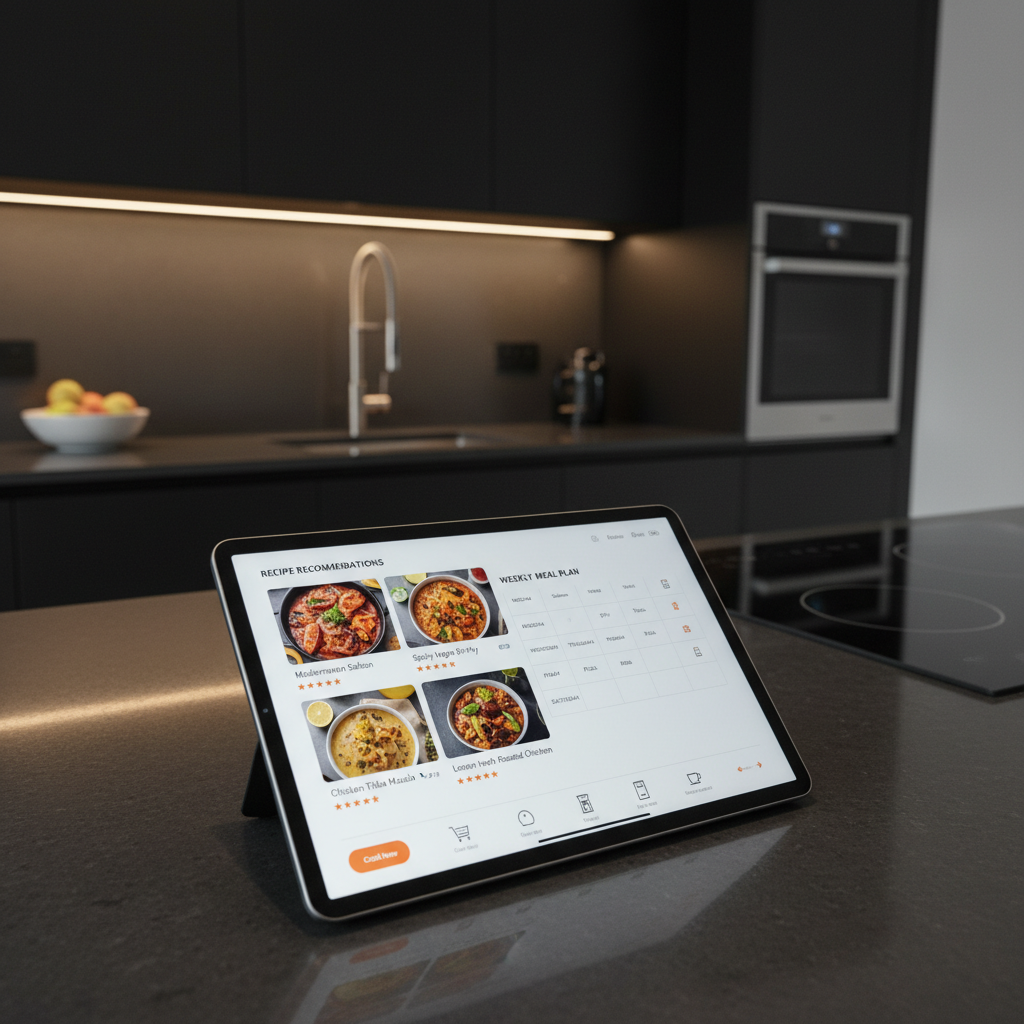
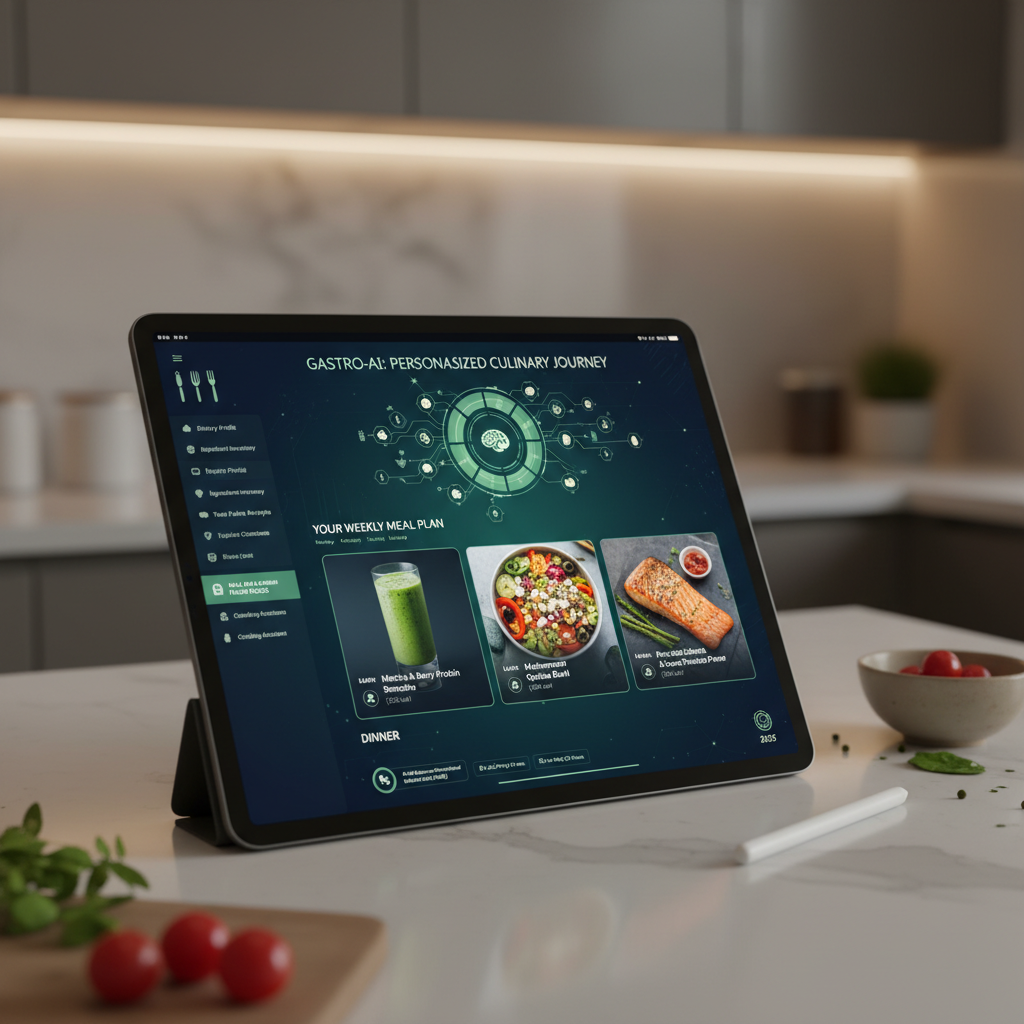
The age-old dilemma of “what to cook all week” is effectively addressed by AI. Instead of generating a single recipe, many AI platforms can create entire weekly meal plans tailored to your preferences, dietary needs, and even your schedule. Imagine an AI that knows you have a busy Tuesday evening, so it suggests a quick one-pot meal. Or it knows you love baking on weekends, so it schedules a more involved project. Key features include:
- Dynamic Scheduling: Adapts meal suggestions based on your calendar availability, indicating quick meals for busy days and more elaborate options for leisure time.
- Cuisine Rotation: Ensures variety throughout the week, preventing back-to-back similar meals.
- Leftover Integration: Plans meals that intentionally create leftovers for future lunches, or incorporate leftover ingredients into subsequent dinners, significantly reducing prep time.
- Theme Nights: Allows users to specify themes like “Taco Tuesday” or “Meatless Monday” and integrates them seamlessly.
This holistic approach transforms meal planning from a daunting task into an automated, personalized service, freeing up mental bandwidth and ensuring consistent, enjoyable eating.
Automated Grocery Lists and Cost Optimization
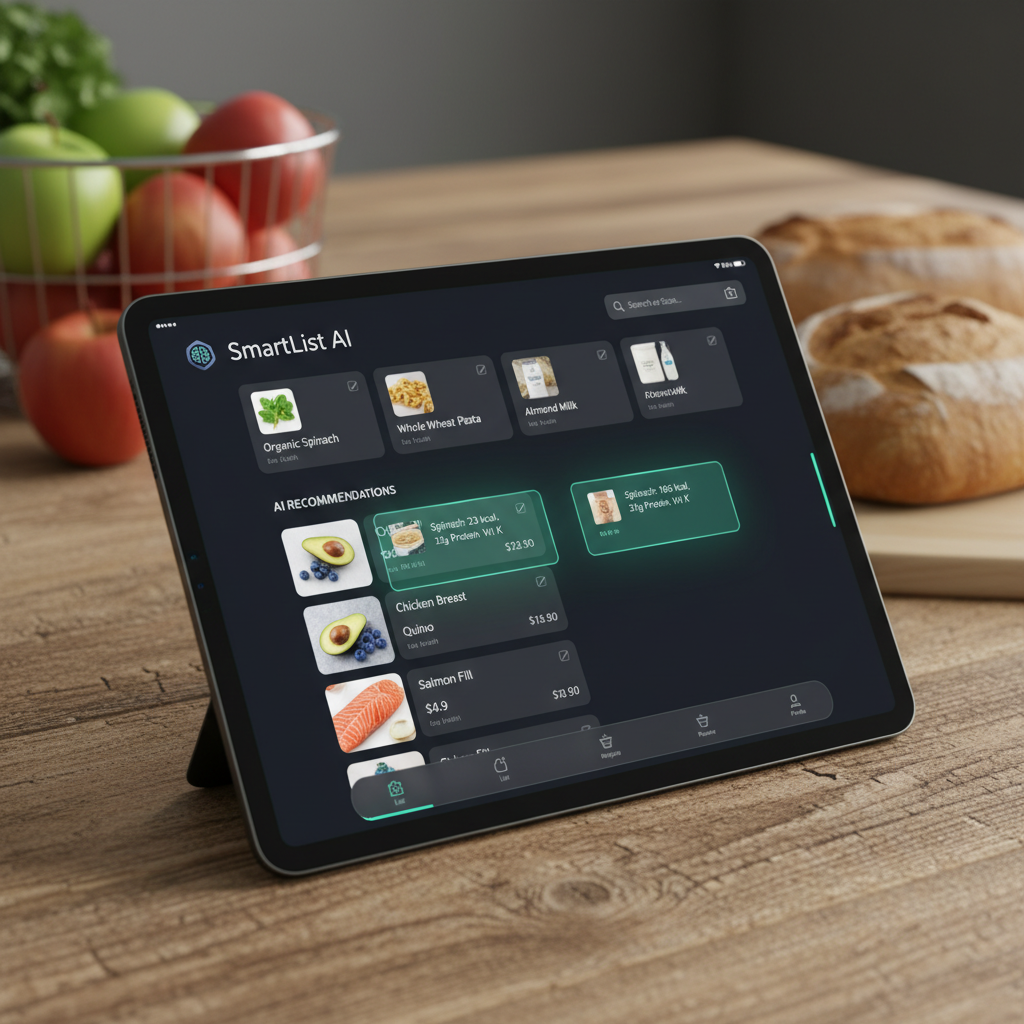
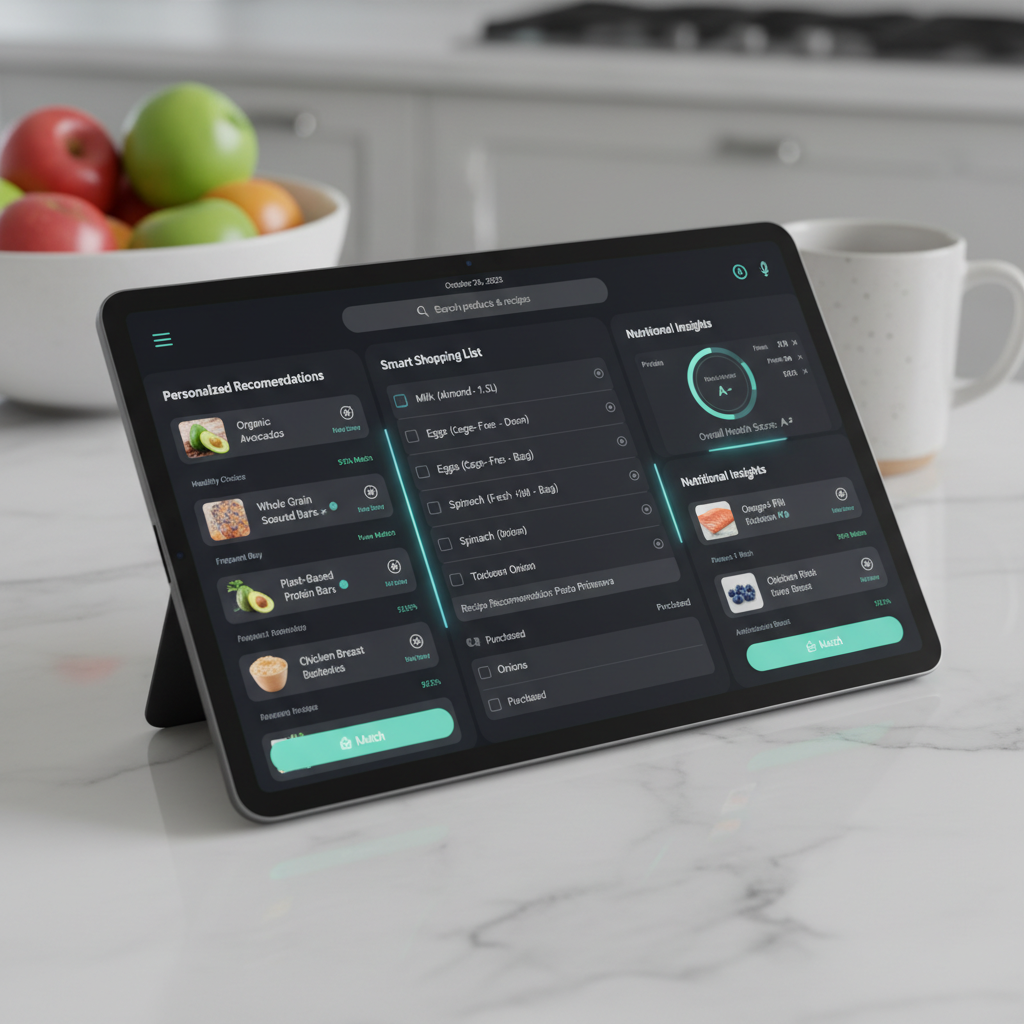
Once a meal plan is generated, the next logical step is procuring the ingredients. AI takes the tediousness out of grocery shopping by automatically compiling optimized grocery lists. These lists are not just simple enumerations; they can be:
- Categorized: Grouped by aisle (produce, dairy, pantry) for efficient shopping.
- Quantity-Adjusted: Calculate precise quantities needed for multiple recipes, avoiding over-buying.
- Pantry-Aware: Integrate with smart pantry systems (or manual input) to exclude items you already have, preventing duplicate purchases and waste.
- Cost-Optimized: Some advanced AIs can even suggest ingredient swaps based on current sales or seasonal availability to help save money, or recommend recipes that utilize cheaper, more accessible ingredients.
- Direct-to-Cart Integration: Many platforms offer direct integration with online grocery stores, allowing users to populate their virtual shopping carts with a single click.
This level of automation streamlines the entire process, making healthy and varied eating more accessible and budget-friendly for everyone.
Minimizing Food Waste Through Intelligent Inventory Management
Food waste is a global crisis, and a significant portion occurs at the household level. AI offers powerful tools to combat this by transforming how we manage our food inventory. By linking to smart refrigerators or allowing manual input of expiring ingredients, AI can:
- “Use It Up” Recipe Suggestions: Prioritize recipes that utilize ingredients nearing their expiration date, ensuring nothing goes to waste. For example, if you have half a head of cabbage and some wilting cilantro, the AI might suggest a vibrant slaw or a quick stir-fry.
- Dynamic Meal Adjustments: If you unexpectedly acquire an ingredient (e.g., a friend gives you excess zucchini from their garden), the AI can dynamically adjust your meal plan to incorporate it.
- Inventory Tracking: Keep a running log of what’s in your pantry, fridge, and freezer, complete with estimated shelf lives, providing a comprehensive overview to inform your cooking decisions.
This intelligent inventory management not only saves money but also contributes positively to environmental sustainability, making every meal a conscious step towards a more resourceful lifestyle.
Emerging Trends and The Future of AI in Our Kitchens
The current capabilities of AI in recipe generation and meal planning are just the tip of the iceberg. As technology advances, we can anticipate even more sophisticated and integrated AI solutions transforming our kitchens and culinary experiences.
Hyper-Personalization and Predictive Cooking
The future promises a level of personalization that goes beyond dietary restrictions and preferences. Imagine an AI that learns your mood, your activity levels, even your local weather patterns, and suggests meals accordingly. On a cold, rainy day, it might suggest a hearty stew; after an intense workout, a protein-rich recovery meal. This hyper-personalization could extend to:
- Nutrigenomics Integration: AI could potentially integrate with personal genetic data to recommend foods optimized for individual metabolic pathways and predispositions.
- Microbiome-Focused Meals: As our understanding of the gut microbiome grows, AI might generate recipes designed to foster a healthy, diverse gut flora tailored to your specific profile.
- Sensory Preference Mapping: Advanced AI could map your specific preferences for texture (crispy, creamy), aroma, and even specific flavor compounds, creating truly bespoke culinary experiences.
This predictive cooking will anticipate your needs before you even articulate them, making every meal feel intuitively right.
Integration with Smart Kitchen Appliances
The isolated AI recipe generator will likely evolve into a central hub for a fully connected smart kitchen. Imagine:
- Fridge-to-Plate Automation: Your smart refrigerator detects dwindling ingredients and proactively suggests recipes or adds items to your grocery list. It could even identify “expiring soon” items and prompt the AI for “use-it-up” recipes.
- Automated Cooking Instructions: Once a recipe is chosen, the AI could send precise cooking parameters (temperature, time, cooking mode) directly to your smart oven, air fryer, or slow cooker, ensuring perfect execution.
- Interactive Cooking Assistance: AI-powered smart displays could offer real-time, voice-guided cooking instructions, visual cues for preparation steps, and even troubleshooting tips if something goes awry.
- Self-Correction and Learning: Appliances could feed data back to the AI about cooking success, helping it refine recipes for better outcomes in your specific kitchen environment.
This seamless integration will reduce human error, simplify complex cooking techniques, and make high-quality home cooking accessible to everyone, regardless of skill level.
AI as a Culinary Educator and Skill Enhancer
Beyond simply providing recipes, AI has the potential to become an incredible tool for culinary education. It could:
- Explain Techniques: Provide detailed explanations and even video links for specific cooking techniques (e.g., how to properly julienne vegetables, emulsify a sauce).
- Offer Substitutions and Alternatives: Go beyond simple swaps to explain the “why” behind ingredient choices and the impact of substitutions on flavor and texture.
- Encourage Experimentation: Suggest “culinary challenges” or guided experiments to help users develop their intuition and creativity in the kitchen.
- Provide Feedback: With multimodal AI (processing images and video), a future AI could potentially analyze a dish you’ve made and offer constructive feedback on plating, doneness, or technique.
This transforms AI from a mere recipe source into a personalized cooking mentor, helping individuals not just to cook, but to truly understand and master culinary arts.
The Metaverse of Food: Virtual Taste Experiences
While still largely conceptual, the idea of “virtual taste” or “digital aroma” in the metaverse is being explored. AI could play a role in creating highly realistic simulations of food experiences, allowing users to “taste” or “smell” ingredients and dishes virtually. While not a substitute for real food, this could be a novel way to explore cuisines, plan menus, or even train culinary professionals in a digital environment. The future of food, powered by AI, promises to be as diverse, innovative, and delightful as our imaginations allow.
Navigating the Challenges and Ethical Considerations
While the potential benefits of AI in the kitchen are vast and exciting, it’s crucial to approach this technological revolution with a mindful awareness of the challenges and ethical considerations it presents. Like any powerful tool, AI must be developed and utilized responsibly.
Data Privacy and Security
AI recipe generators and meal planners thrive on personal data: dietary restrictions, allergies, health goals, ingredient preferences, shopping habits, and even calendar availability. This information is highly sensitive. Key concerns include:
- Secure Data Storage: Ensuring that personal data is stored securely and protected from breaches.
- Anonymization: Using anonymized data where possible to train models without compromising individual identities.
- Transparent Data Usage: Clear policies outlining how user data is collected, used, and shared. Users should have control over their data.
- Third-Party Sharing: Risks associated with sharing data with third-party partners (e.g., grocery delivery services, health apps).
As these systems become more integrated into our lives, robust data protection measures and transparent user agreements will be paramount to building trust.
Maintaining Culinary Authenticity and Human Creativity
AI is excellent at pattern recognition and generation based on existing data. However, there’s a debate about whether it truly possesses “creativity” or simply sophisticated mimicry. Concerns arise around:
- Cultural Appropriation: If AI generates a recipe inspired by a specific culture, without understanding the historical context, techniques, or ingredients, could it lead to diluted or inaccurately represented dishes? Ensuring AI respects culinary traditions and acknowledges sources is important.
- Stifling Human Innovation: Will an over-reliance on AI diminish our own culinary curiosity, experimentation, and the development of cooking skills? The joy of spontaneous cooking, adapting a recipe on the fly, or inventing something truly unique could be lost if we always defer to AI.
- The “Soul” of Cooking: Many believe that cooking is an art form, deeply tied to human emotion, intuition, and experience. Can AI truly replicate the “soul” of a home-cooked meal or a chef’s signature dish?
The goal should be to use AI as an enhancement, a source of inspiration, rather than a complete replacement for human ingenuity in the kitchen.
Bias in AI and Representation of Cuisines
AI models are only as good as the data they are trained on. If the training data is predominantly from Western cuisines, or if certain ingredients or cooking styles are underrepresented, the AI’s output can reflect these biases. This could lead to:
- Limited Culinary Scope: AI might struggle to generate authentic or innovative recipes from less represented global cuisines.
- Reinforcement of Stereotypes: Perpetuating stereotypical notions about certain foods or cultures.
- Exclusion of Dietary Needs: If data on specific regional ingredients or traditional dietary practices is scarce, the AI might not adequately cater to those needs.
Developers must actively work to diversify their training datasets to ensure a broad, equitable, and culturally sensitive representation of global cuisines and dietary practices.
Over-Reliance and Skill Erosion
While AI can simplify cooking, there’s a risk of becoming overly dependent on it. If every meal is AI-generated, and every step is dictated, individuals might:
- Lose Basic Cooking Skills: The ability to improvise, troubleshoot, or cook without a recipe might diminish.
- Reduced Food Literacy: Less understanding of ingredient properties, flavor pairings, or nutritional science, as the AI does all the “thinking.”
- Decreased Culinary Confidence: A feeling of helplessness without the AI’s guidance, potentially leading to increased reliance on ready-made meals if the AI system is unavailable.
Encouraging users to understand the principles behind AI suggestions, to experiment with modifications, and to view AI as a learning tool rather than a crutch, will be vital for a balanced relationship with this technology.
Revolutionizing Your Culinary Journey: AI vs. Traditional Methods
To truly grasp the transformative power of AI in the culinary space, it’s insightful to compare its capabilities against the traditional methods of recipe discovery and meal planning that most of us have relied upon for years.
| Feature | Traditional Methods (Cookbooks, Search Engines, Word-of-Mouth) | AI-Powered Recipe Generation & Planning | Impact on User Experience |
|---|---|---|---|
| Personalization | Limited to searching for specific keywords (e.g., “vegan pasta”). Manual filtering required. | Highly personalized based on dietary needs, preferences, available ingredients, health goals, and even past ratings. | From generic to hyper-tailored: Meals feel custom-made, increasing enjoyment and adherence to diets. |
| Novelty & Creativity | Relies on existing published recipes. Finding truly novel ideas can be time-consuming and often leads to familiar dishes. | Generates entirely new recipe combinations, fusion dishes, and creative uses for ingredients based on flavor science and vast culinary data. | From repetition to innovation: Breaks meal boredom, encourages culinary adventure, and expands palate. |
| Efficiency & Time Saving | Significant time spent searching, filtering, compiling grocery lists, and planning meals for the week. | Automates meal planning, grocery list generation, and can suggest recipes in seconds based on real-time input. | From chore to streamlined: Reduces mental load and time spent on meal prep logistics, freeing up time. |
| Dietary Adaptation | Manual checking of ingredients for allergies/restrictions. Limited options for complex dietary needs or multi-diet households. | Automatically excludes allergens, adheres to specific dietary lifestyles (Keto, Vegan, Gluten-Free), and optimizes for nutrition. | From restrictive to inclusive: Makes healthy eating and managing dietary needs easier and more varied for everyone. |
| Ingredient Utilization | Often leads to unused ingredients or food waste if recipes don’t fully utilize pantry items. | Prioritizes using existing pantry ingredients, suggests “use-it-up” recipes, and minimizes food waste. | From wasteful to resourceful: Saves money, reduces environmental impact, and ensures every ingredient finds its purpose. |
| Skill Level Support | Cookbooks provide varying levels of detail. Online recipes vary widely; difficult to filter by skill. | Can generate recipes tailored to beginner, intermediate, or advanced cooks, with adaptable instructions. | From frustrating to empowering: Encourages cooking at all levels, fostering growth and confidence. |
Exploring AI Recipe Generation Tools: Feature Comparison
The landscape of AI recipe tools is rapidly expanding, with various platforms offering unique features and approaches. While the underlying AI principles are similar, their user interfaces, specific functionalities, and target audiences can differ significantly. Below is a comparative overview of common features you might encounter when exploring these innovative tools.
| Feature Category | Basic AI Recipe Generators (e.g., simple web apps, chatbot plugins) | Advanced AI Meal Planning & Recipe Ecosystems (e.g., dedicated apps, subscription services) | Benefit to User |
|---|---|---|---|
| Ingredient Input | Simple text input for 3-5 ingredients. | Text input, voice input, image recognition (scan pantry/fridge), “what’s in my fridge” inventory. | Flexibility and ease: Quicker to generate ideas from current inventory. |
| Dietary & Allergy Filters | Basic filters (e.g., Vegetarian, Gluten-Free, Dairy-Free). | Comprehensive filters for multiple allergies, complex diets (Keto, Paleo, Mediterranean), ethical choices (sustainable), nutritional targets. | Precision and safety: Tailored meals that strictly adhere to health and lifestyle requirements. |
| Cuisine & Flavor Exploration | Limited to widely known cuisines; may offer simple fusion ideas. | Extensive global cuisine options, fusion creation, “adventure mode” for novel flavor combinations, ingredient pairing suggestions. | Expand horizons: Discover new favorite dishes and culinary traditions. |
| Meal Planning & Scheduling | Generates single recipes on demand. | Weekly/monthly meal plans, dynamic scheduling based on calendar, integrated grocery lists, leftover planning, budget considerations. | Organization and efficiency: Streamlines entire meal prep process from planning to shopping. |
| Nutritional Analysis | Basic estimates of calories, protein, fat, carbs. | Detailed breakdown of macros, micros (vitamins/minerals), suitability for health conditions (diabetes, heart health), integration with fitness trackers. | Health management: Supports specific health goals and informed dietary choices. |
| User Experience & Interface | Minimalist interface, text-based output, sometimes less visual. | Intuitive mobile apps, visually rich with high-quality images, interactive cooking guides, voice assistance, recipe saving and rating. | Engagement and ease of use: Makes the cooking journey more enjoyable and accessible. |
| Cost & Accessibility | Often free or part of larger free AI services (e.g., ChatGPT prompt). | Typically subscription-based models, sometimes with a free trial or limited free version. | Value for investment: Advanced features usually come with a premium for enhanced utility and support. |
Practical Examples: AI in Your Everyday Kitchen
The theoretical capabilities of AI are impressive, but how does this technology translate into tangible benefits in a real-world kitchen? Let’s look at a few practical scenarios that highlight AI’s versatility.
The Busy Professional: Quick, Healthy Weeknight Meals
Sarah is a marketing executive with demanding hours. By the time she gets home, she’s exhausted and often defaults to takeout or a frozen pizza. She’s also trying to eat healthier but struggles with meal planning. She signs up for an AI meal planning app.
- AI Solution: Sarah inputs her preferences for quick, healthy, low-prep meals that can be made in under 30 minutes. She also specifies no red meat and a preference for meals that can yield leftovers for lunch. The AI generates a weekly plan, scheduling simple stir-fries, sheet pan dinners, and hearty salads for weeknights. It even suggests a batch-cooking recipe for Sunday that will provide meals for Monday and Tuesday.
- Outcome: Sarah now has a clear plan, an automated grocery list, and no more agonizing “what’s for dinner” decisions. She saves money on takeout, eats healthier, and has more free time in the evenings.
The Culinary Adventurer: Exploring Global Flavors
Mark loves cooking and experimenting with new cuisines but often feels limited by his existing cookbook collection and the difficulty of sourcing exotic ingredients locally. He uses an AI recipe generator to push his boundaries.
- AI Solution: Mark challenges the AI: “Generate a fusion recipe combining Korean and Italian flavors, using gochujang and parmesan, and tell me how to make it gluten-free.” The AI responds with “Gochujang Parmesan Risotto with Kimchi-Infused Arborio Rice,” complete with instructions, ingredient sourcing tips, and explanations of the flavor profiles. Another day, he asks for a recipe using an unusual ingredient he found at an Asian market, “Szechuan peppercorns and lotus root.” The AI suggests a “Spicy Lotus Root and Peanut Stir-fry” and educates him on balancing Szechuan heat.
- Outcome: Mark discovers novel and delicious dishes he would never have conceived on his own. The AI acts as his personal culinary guide, broadening his horizons and deepening his understanding of flavor.
The Health-Conscious Individual: Tailored Nutrition Plans
Elena is training for a marathon and needs to meticulously track her macronutrients (carbs, protein, fats) while also ensuring sufficient micronutrient intake. She has a dairy intolerance and a preference for whole, unprocessed foods. She uses an advanced AI nutrition planner.
- AI Solution: Elena inputs her daily caloric target, desired macro split (e.g., 50% carbs, 30% protein, 20% fat), dairy intolerance, and a goal to increase iron intake. The AI generates a daily meal plan (breakfast, lunch, dinner, snacks) that precisely meets her nutritional goals, ensures it’s dairy-free, and highlights iron-rich ingredients. It even provides alternatives if she can’t find a specific ingredient.
- Outcome: Elena confidently fuels her training with perfectly balanced meals, without the tedious manual calculation and constant ingredient checking. Her energy levels improve, and she feels assured that her diet supports her athletic ambitions.
The Sustainable Cook: Zero-Waste Recipe Ideas
David is passionate about reducing food waste and wants to make the most of every ingredient in his fridge. He takes a picture of his nearly empty fridge and a half-full fruit bowl with an AI app.
- AI Solution: The AI identifies a single bell pepper, some wilting spinach, a few sad-looking tomatoes, and overripe bananas. It suggests: “Banana Bread Muffins” for the bananas, and a “Roasted Bell Pepper and Spinach Frittata with a Tomato Compote” for the vegetables. It even offers tips on how to use the bell pepper stems for vegetable broth.
- Outcome: David transforms ingredients that would have otherwise gone to waste into delicious and healthy meals and snacks. He saves money, reduces his environmental footprint, and gains satisfaction from his resourceful cooking.
Frequently Asked Questions
Q: How exactly does AI generate new recipes?
A: AI generates new recipes through a sophisticated process involving Natural Language Processing (NLP) and Machine Learning (ML), often leveraging Large Language Models (LLMs). It’s trained on vast datasets of existing recipes, culinary science, and flavor profiles. The AI analyzes patterns, understands ingredient relationships, and learns what makes a dish palatable. When given a prompt (e.g., ingredients, cuisine type, dietary restrictions), it uses this learned knowledge to creatively combine elements, extrapolate new ideas, and then articulates a unique recipe with instructions, just like a human chef would, but on a much larger scale and with incredible speed.
Q: Can AI really be “creative” in generating recipes?
A: While AI doesn’t experience creativity in the human sense (it doesn’t have emotions or intuition), its ability to synthesize information and generate novel combinations from vast datasets often produces results that humans perceive as highly creative. It can identify unexpected yet harmonious flavor pairings, blend cuisines in innovative ways, and suggest ingredient substitutions that are both surprising and delicious. Many users report that AI has introduced them to combinations they would never have thought of, effectively breaking them out of culinary ruts and expanding their creative cooking.
Q: How accurate are the nutritional estimates provided by AI recipe generators?
A: The accuracy of nutritional estimates from AI generators depends on the quality of their underlying data and algorithms. Many advanced platforms integrate with comprehensive nutritional databases, providing quite accurate estimations for calories, macronutrients, and often key micronutrients. However, these are typically estimates based on standard ingredient values. Actual nutritional content can vary slightly based on specific brands, preparation methods, and ingredient ripeness. They are excellent guides but should not replace professional medical or dietary advice for critical health conditions.
Q: Can AI replace a professional chef or culinary expert?
A: Not entirely. AI is a powerful tool for ideation, planning, and providing information, but it currently lacks the intuitive touch, sensory experience, and artistic judgment of a human chef. A chef brings years of hands-on experience, an understanding of subtle nuances in taste and texture, the ability to adapt instantly to unexpected cooking variables, and the emotional connection that goes into preparing food. AI serves best as an assistant, a source of inspiration, and a way to streamline processes, rather than a full replacement for human culinary artistry and expertise.
Q: What if I have rare or unusual ingredients? Can AI still help?
A: Yes, in many cases! Modern AI models, especially Large Language Models, are trained on incredibly vast amounts of text, including niche culinary blogs, traditional recipes, and ingredient databases. If you input a rare or unusual ingredient, the AI can often provide suggestions for its use, common pairings, and even propose entirely new recipes. Its ability to draw connections between flavor compounds and cultural contexts means it can often find creative and appropriate ways to incorporate even less common items into your cooking, turning a pantry challenge into a culinary triumph.
Q: Is my personal data (dietary restrictions, preferences) safe with these AI tools?
A: Data privacy and security are critical concerns. Reputable AI recipe platforms typically implement robust security measures to protect user data, including encryption and strict access controls. They should also have clear privacy policies that explain how your data is collected, used, and shared. However, as with any online service, it’s essential to read these policies carefully, understand what you’re consenting to, and choose platforms that prioritize user privacy. Always be mindful of the information you share and consider the platform’s reputation.
Q: How do I get started using AI for recipes and meal planning?
A: Getting started is easy! You can begin by trying readily available AI chatbots like ChatGPT or Google Gemini by simply asking them to “generate a recipe for [ingredients/cuisine/dietary need]”. For more integrated and feature-rich experiences, explore dedicated AI meal planning apps and websites. Many offer free trials or basic free versions. Download an app, create an account, input your dietary preferences and available ingredients, and start experimenting with recipe generation. The key is to interact with the AI and provide feedback to help it learn your tastes.
Q: Are there free AI recipe generators available, or are they all subscription-based?
A: There’s a good mix! Many general-purpose AI chatbots (like ChatGPT, Google Gemini) offer free versions that can generate recipes effectively based on your prompts. There are also various websites and apps that offer basic AI recipe generation for free, often with limitations on the number of recipes or advanced features. More comprehensive AI meal planning ecosystems, which include advanced personalization, integrated grocery lists, and detailed nutritional analysis, typically operate on a subscription model, offering a higher level of service and functionality for a recurring fee.
Q: Can AI consider my cooking skill level when generating recipes?
A: Yes, many AI recipe generators can take your cooking skill level into account. When you set up your profile or provide a prompt, you can often specify whether you’re a beginner, intermediate, or advanced cook. The AI will then generate recipes with instructions tailored to that level, suggesting simpler techniques and fewer ingredients for beginners, or more complex methods and adventurous combinations for experienced cooks. This helps ensure that the recipes are both enjoyable to make and within your capabilities.
Q: Does AI help with food sustainability and reducing waste?
A: Absolutely! AI can be a powerful ally in promoting food sustainability and reducing household waste. By intelligently analyzing your current pantry inventory and ingredients nearing expiration, AI can prioritize generating “use-it-up” recipes. This proactive approach helps prevent food from going bad and ending up in the trash. Furthermore, by creating optimized grocery lists, AI helps you buy only what you need, reducing impulsive purchases and the likelihood of over-stocking, thus contributing to a more sustainable kitchen environment.
Key Takeaways: Embracing AI for a Richer Culinary Life
- End Meal Boredom: AI is a powerful tool for generating innovative, personalized recipes, effortlessly breaking you out of culinary ruts and introducing you to new flavors.
- Unprecedented Personalization: AI caters precisely to individual dietary needs, allergies, health goals, and taste preferences with remarkable accuracy.
- Beyond Recipes: AI offers comprehensive meal planning, automated grocery list generation, and intelligent inventory management, streamlining the entire food journey.
- Advanced Technology: Driven by NLP, Machine Learning, and LLMs, AI understands culinary concepts deeply and can creatively synthesize new dishes.
- Future-Forward Kitchens: Anticipate hyper-personalization, seamless integration with smart appliances, and AI acting as a personal culinary educator.
- Mindful Adoption: While transformative, it’s crucial to address challenges like data privacy, cultural authenticity, and the importance of maintaining human culinary skills.
- Practical & Accessible: From busy professionals to adventurous foodies, AI provides real-world solutions that are increasingly accessible through various apps and platforms.
- Empowerment Through Food: Ultimately, AI empowers individuals to eat healthier, explore diverse cuisines, reduce waste, and find renewed joy in cooking and eating.
Conclusion: The Future of Flavor is Intelligent
The journey from meal boredom to culinary excitement no longer requires endless hours of searching or the purchase of countless cookbooks. With the advent of Artificial Intelligence, a new era of food discovery has dawned, one where your personal preferences, dietary needs, and even the contents of your fridge are the guiding stars. AI-powered recipe generators and meal planners are not just tools; they are intelligent companions that learn with you, adapt to your life, and constantly inspire you to explore the vast, delicious world of food.
From crafting novel fusion dishes and perfectly balanced nutritional plans to minimizing food waste and simplifying your weekly grocery run, AI is revolutionizing every facet of our culinary lives. It’s about making healthy, varied, and exciting eating accessible to everyone, regardless of skill level or time constraints. While we must navigate the ethical considerations and potential challenges with thoughtful design and responsible use, the promise of an AI-enhanced kitchen is undeniably bright. So, embrace this innovative technology, let AI be your guide, and prepare to unlock a future where every meal is an opportunity to discover new flavors and truly savor the joy of eating.


















































































Leave a Reply