

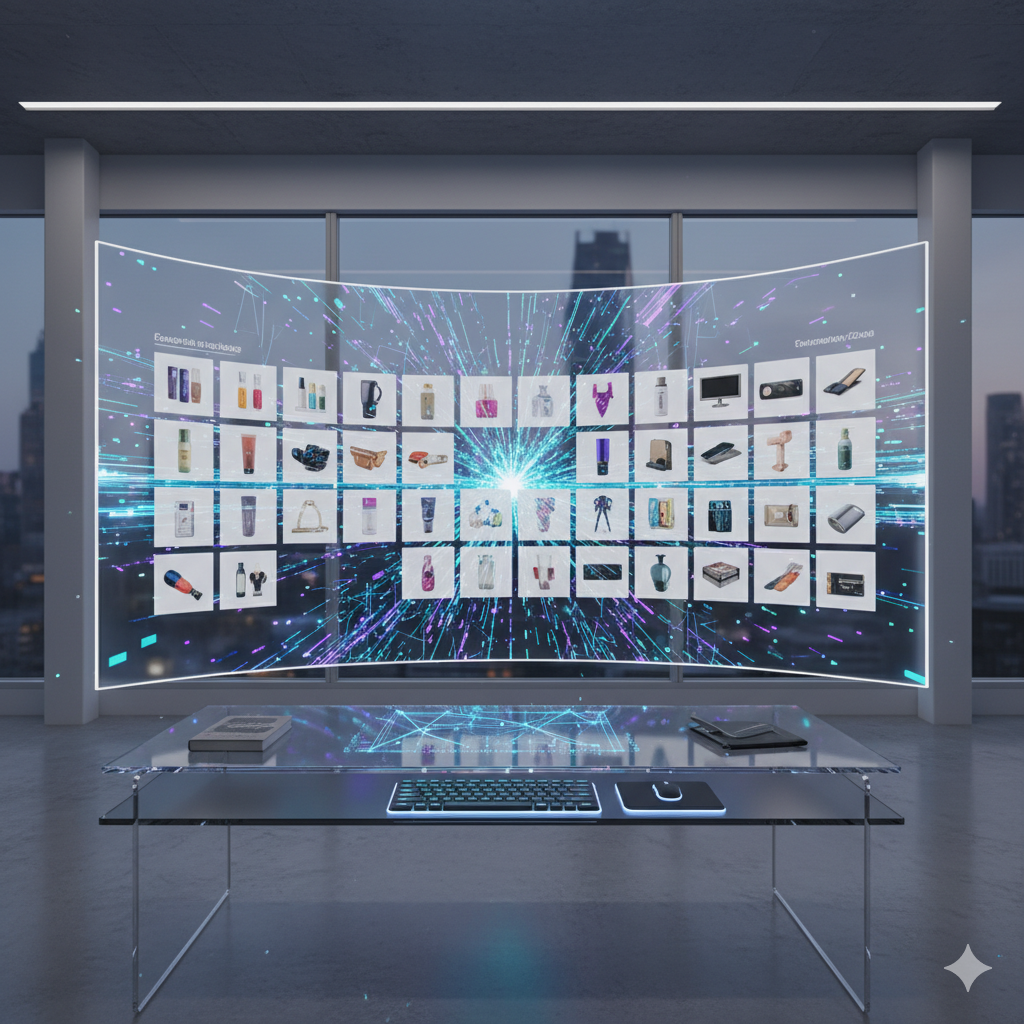
In today’s fiercely competitive digital marketplace, captivating visuals are not just an advantage; they are a fundamental necessity for market leadership. The human brain processes images 60,000 times faster than text, and 90 percent of information transmitted to the brain is visual. This inherent preference for visual content means that how a product looks online can be the difference between a sale and a missed opportunity. Brands are constantly striving to present their products in the most appealing, relevant, and unique ways possible, yet traditional methods of creating high-quality product mockups often come with significant hurdles: exorbitant costs, time-consuming processes, and a frequent struggle for true originality.
Enter Artificial Intelligence, a transformative force that is rapidly reshaping the landscape of product visualization. AI is no longer a futuristic concept but a practical, accessible tool empowering businesses of all sizes to generate stunning, unique product mockups with unprecedented speed and efficiency. This groundbreaking shift allows companies to move beyond generic templates and expensive photoshohoots, providing an endless canvas for creativity that resonates deeply with target audiences. By leveraging AI, businesses can craft compelling narratives around their products, ensuring they not only stand out in a crowded market but also forge a stronger, more memorable connection with their customers. This article will delve deep into how AI is revolutionizing product mockup creation, exploring its mechanisms, practical benefits, and strategic implications for achieving and maintaining market dominance.
The Evolving Landscape of Product Visualization
For decades, product visualization has been a cornerstone of marketing and sales. From early hand-drawn sketches to elaborate studio photography and sophisticated 3D rendering, the goal has always been consistent: to present a product in its best light, conveying its features, benefits, and emotional appeal to potential buyers. However, the methods employed have undergone profound transformations, each driven by technological advancements and evolving consumer expectations.
From Analog to Digital: A Brief History
Initially, product visualization relied heavily on physical prototypes, professional photographers, and graphic designers. A single product shoot could involve significant logistical planning, studio rental, model fees, and post-production editing, making it an expensive and time-consuming endeavor. The output, while often high-quality, was inherently limited by the physical constraints of the shoot. Changing a background, model, or lighting scenario often meant an entirely new shoot, a luxury few businesses could afford repeatedly.
The advent of 3D modeling and rendering software revolutionized this process, allowing designers to create virtual representations of products that could be manipulated and placed into various digital scenes. This offered greater flexibility and reduced the need for physical prototypes, but it still required highly specialized skills, expensive software licenses, and considerable processing power. While 3D rendering provided a degree of freedom, achieving photorealism and contextual variety remained a challenge for many, particularly small to medium-sized businesses.
Current Market Demands: Speed, Personalization, and Authenticity
The rise of e-commerce, social media, and direct-to-consumer (DTC) brands has fundamentally altered consumer expectations. Today’s buyers are bombarded with content and expect:
- Instant Gratification: New products and marketing campaigns need to launch rapidly. Waiting weeks for mockups is no longer tenable.
- Personalization: Consumers respond better to visuals that reflect their own lifestyles, demographics, and cultural contexts. One-size-fits-all visuals are losing their impact.
- Authenticity: While highly polished, generic stock photos can feel impersonal. Brands need to connect with customers through visuals that feel genuine and unique to their brand story.
- Volume and Variety: A single product often requires dozens of different mockups for various marketing channels, A/B testing, and diverse audience segments.
Traditional methods struggle to meet these demands effectively. The costs associated with creating a vast library of unique, personalized, and high-quality visuals are prohibitive for most. This gap between market demand and traditional production capabilities has created a fertile ground for innovation, where AI is emerging as the ultimate problem-solver.
What is AI-Powered Product Mockup Generation?
AI-powered product mockup generation is a cutting-edge application of generative artificial intelligence that enables the creation of highly realistic, unique, and contextually relevant visual representations of products without the need for traditional photography or extensive manual design. At its core, this technology harnesses sophisticated AI models to interpret inputs and synthesize new, never-before-seen images that seamlessly integrate a product into a desired scene or environment.
The Generative AI Engine: How It Works
The magic behind AI-powered mockups lies primarily in advanced generative AI models, such as Diffusion Models and Generative Adversarial Networks (GANs). These models are trained on vast datasets of images, learning intricate patterns, styles, and relationships between objects, scenes, and visual aesthetics. When prompted, they can then generate entirely new images that adhere to these learned principles.
- Input: The process typically begins with two main types of input:
- Product Image: A clear, high-resolution image of the product itself, often with a transparent background.
- Text Prompt (or Reference Image): A detailed textual description of the desired scene, mood, style, and context for the mockup. This could be something like “a minimalist cosmetic bottle on a marble countertop with soft natural light” or “a dynamic running shoe worn by an athlete on a forest trail at sunset.” Some tools also allow users to provide a reference image as a style guide.
- Interpretation and Synthesis: The AI model takes these inputs. It analyzes the product’s shape, texture, and characteristics, then interprets the text prompt to understand the requested environment, lighting, shadows, and overall aesthetic. Using its vast internal knowledge base, the AI then “hallucinates” or synthesizes a completely new image where the product is seamlessly integrated into the described scene.
- Refinement and Output: The initial output might undergo further refinement, either automatically by the AI or through user adjustments (e.g., changing prompts, adjusting strength parameters). The final output is a photorealistic image that looks as if the product was professionally photographed in that exact setting.
Key Capabilities and Features
Modern AI mockup tools offer a range of powerful capabilities:
- Contextual Placement: Placing a product in a bedroom, kitchen, office, outdoor environment, or even an abstract artistic setting.
- Stylistic Variety: Generating mockups in different artistic styles (e.g., minimalist, rustic, futuristic, vintage) or photographic styles (e.g., bright and airy, moody and dark, high contrast).
- Shadow and Lighting Integration: Realistically rendering shadows and lighting that match the generated environment, making the product appear truly “part of” the scene.
- Reflection and Material Fidelity: Accurately depicting how light interacts with different product materials, such as glass, metal, plastic, or fabric, enhancing realism.
- Object Interaction: Some advanced models can even create subtle interactions, like a hand holding the product or the product resting on a specific surface with realistic distortions.
- Iterative Generation: The ability to generate multiple variations from a single prompt or refine existing mockups with new instructions, fostering an iterative design process.
By abstracting away the complexities of traditional rendering and photography, AI empowers anyone, regardless of their design background, to produce visually stunning and highly effective product mockups, fundamentally democratizing high-quality visual content creation.
Unlocking Unprecedented Creativity and Uniqueness
One of the most profound impacts of AI on product visualization is its capacity to unleash an unprecedented level of creativity and originality. For businesses striving for market leadership, standing out visually is paramount, and AI provides the tools to achieve true brand differentiation beyond what was previously possible.
Beyond Templates: The Power of Generative Design
Traditional mockup generators often rely on pre-designed templates or stock photos, which, while convenient, inherently limit uniqueness. If multiple brands use the same template, their products risk blending into the background. AI fundamentally changes this paradigm. Instead of fitting a product into an existing mold, AI creates a new mold around the product, tailored to specific prompts and artistic visions.
Imagine a cosmetics brand wanting to showcase a new moisturizer. With traditional methods, they might choose from a few studio shots or stock lifestyle images. With AI, they can generate:
- A photorealistic image of the bottle elegantly placed on a dew-kissed leaf in a fantastical rainforest.
- A sleek shot of the product glowing subtly on a futuristic vanity table with holographic elements.
- A warm, inviting scene of the moisturizer next to a steaming cup of tea in a rustic, sun-drenched cottage.
Each of these scenarios is not only unique but also entirely generated on demand, reflecting a specific brand aesthetic or campaign theme. This capability moves beyond mere aesthetics; it allows brands to tell richer, more imaginative stories about their products, appealing to diverse customer segments with highly targeted visuals.
Brand Differentiation Through Novel Visual Narratives
In a saturated market, a brand’s visual identity is a powerful differentiator. AI enables businesses to move past conventional product shots and craft visuals that are truly reflective of their unique brand personality and values. This can be particularly impactful for:
- Emerging Brands: Small businesses or startups can create a premium, distinctive visual presence without the prohibitive costs of traditional agencies.
- Niche Markets: Brands targeting specific subcultures or highly specialized interests can generate mockups that speak directly to their audience’s unique aesthetic preferences and contexts.
- Campaign Specificity: For every new marketing campaign, AI can rapidly produce a fresh set of visuals that perfectly align with the campaign’s theme, messaging, and target demographics, ensuring maximum impact.
The ability to generate visuals that are literally “one of a kind” means that a brand’s product imagery can become an integral part of its competitive advantage, making it instantly recognizable and memorable to consumers.
Iterative Design and Creative Exploration
AI also supercharges the creative process through rapid iteration. Designers and marketers can experiment with countless visual concepts in a fraction of the time it would take manually. A simple change in a text prompt—altering the time of day, the material of a surface, the overall mood—can generate an entirely new series of mockups. This iterative capability encourages bolder experimentation, allowing teams to push creative boundaries without the fear of wasted resources.
Instead of choosing from a limited set of options, AI empowers an expansive ideation process where designers can explore hundreds of visual directions, test them against target audiences, and quickly converge on the most effective and unique visual narrative. This agile approach to visual content creation is not just efficient; it’s a catalyst for groundbreaking marketing and product presentation strategies.
Speed, Efficiency, and Cost Reduction
Beyond its unparalleled creative potential, AI-powered product mockup generation delivers substantial benefits in terms of operational speed, efficiency, and significant cost reductions. These advantages are particularly critical for businesses operating in fast-paced markets where time-to-market and budget optimization are key drivers of success.
Unprecedented Speed in Content Production
Traditional methods of creating high-quality product visuals are notoriously time-intensive:
- Photography: Requires scheduling, location scouting, setup, shooting, culling, and extensive post-production editing. This entire process can span days, weeks, or even months for complex projects.
- 3D Rendering: While more flexible than photography, 3D modeling and rendering still demand significant time for asset creation, scene setup, lighting adjustments, material development, and rendering processing, which can take hours per image even on powerful machines.
AI dramatically compresses this timeline. A well-crafted text prompt combined with a product image can generate multiple high-resolution mockups in mere seconds or minutes. This allows marketing teams to:
- Launch campaigns faster: Get new products or promotions to market with compelling visuals almost instantly.
- Respond to trends: Quickly create topical or trend-aligned mockups to capitalize on fleeting social media moments or market shifts.
- Scale content production: Generate hundreds or thousands of unique mockups for extensive A/B testing, large product catalogs, or diverse international markets without delay.
Significant Reduction in Operational Costs
The financial implications of traditional product visualization are often substantial. Costs can include:
- Professional photographers, videographers, and stylists.
- Studio rental, equipment hire, and prop procurement.
- Models and talent fees.
- Travel and logistical expenses.
- Specialized software licenses (e.g., Photoshop, 3D rendering suites) and ongoing training.
- Post-production editing and retouching services.
AI-powered mockup tools drastically cut these expenditures. While there might be a subscription fee for AI platforms, it is typically a fraction of the cost associated with even a single professional photoshoot. Businesses can:
- Minimize external vendor reliance: Reduce or eliminate the need for expensive third-party photography and design services.
- Optimize internal resources: Empower existing marketing or design teams to produce a higher volume of content without expanding headcount.
- Reallocate budgets: Free up funds from visual production to invest in other critical areas like advertising spend, product development, or customer experience enhancements.
For startups and small to medium-sized enterprises (SMEs), this cost efficiency is a game-changer, leveling the playing field against larger competitors who traditionally dominated with superior visual content budgets.
Enhanced Efficiency Through Automation and Iteration
Beyond just speed and cost, AI enhances overall efficiency by automating repetitive tasks and streamlining the iteration process. Instead of manually cropping, resizing, or adjusting elements across dozens of images, AI can perform these functions contextually. The ability to generate multiple variations from a single input prompt means that marketers can test different visual angles, emotional appeals, and demographic targeting strategies with unprecedented ease and speed. This iterative efficiency leads to:
- Data-driven visual choices: Quickly generate diverse visuals, test their performance, and use data to refine future content creation, leading to higher conversion rates.
- Reduced manual workload: Free up creative teams from mundane tasks, allowing them to focus on higher-level strategy and truly unique, conceptual design work that AI might not fully replicate (yet).
- Consistent brand presence: While unique, AI can be guided to maintain specific brand style guidelines, ensuring consistency across a vast array of generated content without manual oversight for every single image.
Ultimately, AI makes high-quality visual content production not just faster and cheaper, but also smarter and more strategic, empowering businesses to allocate resources more effectively and achieve superior marketing outcomes.
Personalization and Hyper-Targeted Marketing
In the era of individualized consumer experiences, generic marketing messages and visuals are increasingly ineffective. Consumers expect brands to understand their unique needs, preferences, and cultural contexts. AI-powered product mockups offer an unparalleled ability to facilitate personalization and enable hyper-targeted marketing strategies, a critical component for market leaders seeking to forge deeper connections with their audiences.
Tailoring Visuals for Specific Demographics and Contexts
One of the most powerful features of AI generation is its capacity to produce mockups that resonate with extremely specific audience segments. Instead of showing a product in a single, universal setting, AI allows for endless variations:
- Geographic and Cultural Nuances: A clothing brand can show the same garment being worn by models of diverse ethnicities in settings relevant to different geographical regions (e.g., a bustling Tokyo street, a serene Nordic landscape, a vibrant market in Mumbai).
- Age and Lifestyle Targeting: A tech gadget can be shown in the hands of a young professional in a modern office, a student in a university dorm, or an active senior enjoying a hobby.
- Income and Social Status: Products can be depicted in scenes that suggest varying levels of luxury, practicality, or aspirational lifestyles, tailored to different economic segments.
- Values and Interests: An eco-friendly product can be shown against a backdrop of natural conservation, while a fitness product might be placed in a high-energy gym or during an outdoor adventure.
This level of contextual personalization ensures that when a potential customer encounters an ad or product listing, they see themselves reflected in the visual, making the product immediately more relatable and desirable. It moves beyond superficial diversity to genuine, empathetic representation.
AI-Driven A/B Testing for Optimal Engagement
Hyper-targeted marketing thrives on data and optimization. AI significantly accelerates the process of A/B testing visual content. Instead of painstakingly creating a few variations manually, marketers can generate dozens, even hundreds, of distinct mockups with varying elements:
- Backgrounds and Environments: Test whether a product performs better in a minimalist white setting versus a warm, cluttered lifestyle shot.
- Lighting and Mood: Compare how an item is received with bright, natural lighting versus a more dramatic, moody presentation.
- Call-to-Action Integration: Experiment with subtle textual overlays or graphic elements within the mockup itself.
- Model Presentation: For products requiring models, AI can generate diverse representations to test which demographic or style of model yields the highest engagement.
By rapidly deploying and testing a multitude of visual hypotheses, businesses can quickly identify which mockups resonate most effectively with specific audience segments, channels, or campaign goals. This data-driven approach allows for continuous optimization, leading to higher click-through rates, increased conversions, and ultimately, a more efficient allocation of marketing resources.
Tailoring Visuals for Diverse Marketing Channels
Different marketing channels often require different visual approaches. A polished, high-resolution image suitable for an e-commerce product page might not be as effective for a fast-scrolling social media feed. AI enables brands to tailor visuals specifically for each platform:
- E-commerce Websites: Generate clean, detailed mockups with white backgrounds for product listings, alongside lifestyle shots for category pages.
- Social Media (Instagram, TikTok): Create dynamic, attention-grabbing visuals with trending aesthetics, short video-style mockups, or even meme-inspired designs.
- Email Marketing: Produce personalized visuals for different segments of an email list, showing products in contexts relevant to individual subscriber preferences.
- Print Advertising: Develop high-fidelity mockups suitable for magazines or billboards, focusing on crisp detail and impactful composition.
This ability to generate channel-optimized content at scale ensures that a brand’s visual message is consistently effective, regardless of where the customer encounters it. By embracing personalization and hyper-targeting through AI, businesses can move beyond broad strokes to connect with customers on a deeply individual level, fostering loyalty and driving sustained market leadership.
Overcoming Challenges and Ethical Considerations
While AI-powered product mockup generation offers revolutionary benefits, its adoption is not without challenges and important ethical considerations. Addressing these proactively is crucial for businesses to harness AI’s potential responsibly and effectively, ensuring long-term success and trust.
Potential Pitfalls and Limitations
- Maintaining Brand Consistency and Quality Control: While AI can follow prompts, ensuring every generated image perfectly aligns with a brand’s specific style guide, color palette, and visual tone requires careful oversight. AI might occasionally produce artifacts, inconsistencies, or visuals that deviate from the brand’s aesthetic without strong prompting and human review.
- Prompt Engineering Complexity: Achieving truly unique and high-quality results from generative AI often requires skilled “prompt engineering”—the art and science of crafting precise and effective text commands. This can have a learning curve and may require experimentation to get desired outcomes, potentially frustrating users initially.
- The “Uncanny Valley” Effect: In some instances, AI-generated images, particularly those involving human figures or complex interactions, can fall into the “uncanny valley,” where they look almost real but possess subtle imperfections that make them unsettling or artificial. This can detract from product appeal.
- Technical Resource Requirements: While more accessible, running powerful AI models locally can still require significant computing power. Cloud-based solutions mitigate this but involve subscription costs and reliance on external services.
- Lack of Physical Interaction Data: AI generates visual representations. It cannot replicate the tactile feel, weight, or true scale of a product in a way that physical interaction or detailed 3D models can sometimes convey.
Ethical Considerations and Responsible AI Use
The rapid advancement of generative AI brings forth several ethical dilemmas that businesses must navigate:
- Bias in Training Data: AI models are only as unbiased as the data they are trained on. If training data disproportionately represents certain demographics, styles, or perspectives, the AI might inadvertently perpetuate these biases, leading to non-inclusive or stereotypical mockups. This could harm brand reputation and alienate diverse customer segments.
- Copyright and Ownership: The legal landscape around AI-generated content is still evolving. Questions arise about who owns the copyright to an AI-generated image (the user, the AI provider, or the AI itself), especially if the AI’s training data included copyrighted works. Businesses must ensure they have proper usage rights for any AI-generated content used commercially.
- Authenticity and Misinformation: The ability to create photorealistic images from scratch raises concerns about authenticity. Could AI be used to create misleading product representations or even generate fake reviews? Transparency about AI usage and adherence to ethical marketing principles are paramount.
- Job Displacement Concerns: While AI automates tasks, it also sparks fears about job displacement for photographers, graphic designers, and other creative professionals. It’s crucial to frame AI as a tool that augments human creativity and efficiency rather than replacing it entirely, fostering collaboration between AI and human talent.
- Environmental Impact: Training and running large AI models consume significant computational resources and energy, contributing to carbon emissions. Responsible AI usage includes considering the environmental footprint of these technologies.
Best Practices for Responsible AI Integration
To mitigate these challenges and ensure ethical AI adoption:
- Human in the Loop: Always involve human designers and marketers in the review and refinement process. AI is a powerful assistant, but human oversight is essential for quality control, brand alignment, and ethical considerations.
- Clear Prompt Engineering Guidelines: Develop internal best practices and training for crafting effective prompts to achieve desired outcomes consistently.
- Diversity and Inclusion Checks: Actively review AI-generated content for unintended biases and ensure it aligns with diversity and inclusion goals. Supplement with human-created content where necessary.
- Transparency and Attribution: Consider being transparent with your audience when AI is used to generate visuals, especially if it creates hyper-realistic scenes that could be mistaken for actual photography.
- Stay Informed on Legalities: Keep abreast of evolving copyright laws and usage guidelines for AI-generated content to ensure compliance.
- Focus on Augmentation, Not Replacement: Position AI tools as enhancers of creative output, empowering teams to do more and experiment further, rather than seeing them as substitutes for human talent.
By proactively addressing these challenges and adhering to ethical guidelines, businesses can leverage AI’s immense power for product mockups while building trust and maintaining a responsible market presence.
Future Trends: The Road Ahead for AI in Visuals
The current capabilities of AI in product mockup generation are just the beginning. The field is evolving at an astonishing pace, promising even more sophisticated and integrated solutions that will further redefine how products are visualized and marketed. Understanding these emerging trends is key for businesses aiming to stay at the forefront of innovation and maintain market leadership.
1. Hyper-Realistic and Dynamic Content Generation
While current AI can produce highly realistic static images, the future points towards even greater fidelity and the generation of dynamic content:
- Real-Time 3D Mockups: AI will increasingly generate not just 2D images, but fully interactive 3D models of products placed in AI-generated environments, allowing users to rotate, zoom, and even customize elements in real-time.
- AI-Generated Video and Animations: Moving beyond static images, AI will be able to produce short product videos and animations (e.g., a product being unboxed, demonstrated in use) based on text prompts, adding another layer of engagement to visual marketing.
- Physically Accurate Simulations: Advanced AI could simulate physics to show how a product reacts to different forces or environments, for example, how a fabric drapes or how a liquid flows within a container, making mockups even more convincing.
2. Seamless Integration with AR/VR and Metaverse Environments
The convergence of AI with Augmented Reality (AR) and Virtual Reality (VR) promises truly immersive product visualization experiences:
- AI-Powered AR Try-Ons: Imagine AI generating hyper-realistic mockups of clothing, jewelry, or makeup directly onto a customer’s live camera feed, adapting to their body shape and lighting conditions with unprecedented accuracy.
- Virtual Showrooms and Stores: AI will be instrumental in populating metaverse environments with diverse product mockups, allowing customers to “browse” and “interact” with AI-generated representations of products in fully immersive virtual stores.
- Dynamic Environmental Adaptation: AR/VR systems, enhanced by AI, could dynamically alter product mockups to fit a user’s real-world environment or a virtual scene, adjusting lighting, reflections, and context in real-time.
3. AI-Driven Trend Analysis and Predictive Visual Design
Beyond generating content, future AI will play a more strategic role in informing visual design decisions:
- Predictive Aesthetic Trends: AI will analyze vast amounts of data (social media trends, fashion magazines, e-commerce analytics) to identify emerging aesthetic preferences and visual styles, then generate mockups that are proactively aligned with future trends.
- Personalized Visual Recommendations: Based on individual user browsing history, purchase behavior, and demographic data, AI could dynamically present product mockups tailored to what is most likely to appeal to that specific customer.
- Automated A/B Testing and Optimization: AI will not only generate variations but also automatically run A/B tests, analyze performance metrics, and iteratively refine mockups for optimal engagement and conversion, requiring minimal human intervention.
4. Voice-Activated and Conversational UI for Content Creation
The interface for generating mockups will become more intuitive and natural:
- Conversational AI: Users will be able to describe their desired mockups using natural language conversations with an AI assistant, rather than complex text prompts. “Show me my new watch on a diver’s wrist, underwater, with sunlight filtering through.”
- Visual Editing via Voice: Imagine being able to refine generated images by saying “make the background slightly darker” or “add a touch more warmth to the lighting.”
5. Ethical AI for Inclusive and Responsible Visualization
As AI advances, so too will the tools and frameworks for addressing ethical concerns:
- Bias Detection and Mitigation: More sophisticated AI tools will incorporate built-in mechanisms to detect and correct biases in generated content, ensuring inclusivity across all representations.
- Ethical Watermarking and Provenance: AI-generated content might incorporate invisible watermarks or blockchain-based provenance tracking to verify its AI origin, helping to combat misinformation and clarify copyright.
The future of AI in product visualization is one of boundless creativity, hyper-personalization, and seamless integration into every facet of marketing and customer experience. Businesses that embrace these trends will not just adapt; they will define the next generation of visual market leadership.
Implementing AI Mockup Generation in Your Business
Adopting AI for product mockup generation might seem daunting, but with a structured approach, businesses of any size can successfully integrate this powerful technology. The key is to start strategically, choose the right tools, and continuously learn and adapt.
1. Assess Your Current Needs and Challenges
Before diving into tools, understand your specific pain points:
- Current Mockup Workflow: How are you currently creating product visuals? What are the associated costs, timeframes, and bottlenecks?
- Volume and Variety Required: How many unique mockups do you need per product? For how many products? What level of diversity (backgrounds, models, styles) is essential for your marketing strategy?
- Budget and Resources: What is your allocated budget for visual content creation? Do you have in-house designers, or do you rely entirely on external agencies?
- Brand Aesthetic: Do you have a clear brand style guide that AI needs to adhere to?
Understanding these aspects will help you define your objectives and evaluate AI solutions more effectively.
2. Research and Choose the Right AI Tools/Platforms
The market for AI generative tools is expanding rapidly. Consider the following factors when selecting a platform:
- Ease of Use: Look for intuitive interfaces, clear prompting guides, and features that don’t require deep technical knowledge.
- Output Quality: Evaluate the realism, resolution, and artistic quality of the mockups generated by the platform. Many offer free trials or example galleries.
- Customization Options: Can you fine-tune generated images? Does it offer control over lighting, angles, reflections, and specific styles?
- Integration Capabilities: Does it integrate with your existing e-commerce platforms, design software, or digital asset management (DAM) systems?
- Pricing Model: Understand the costs associated with usage (e.g., subscription, per-generation credits) and ensure it aligns with your budget.
- Support and Community: A strong user community or responsive customer support can be invaluable for troubleshooting and learning best practices.
- Ethical and Copyright Policies: Review the platform’s terms of service regarding data privacy, training data sources, and user ownership of generated content.
Popular categories of tools include general-purpose generative AI (like Midjourney, DALL-E 3) which can be adapted for mockups, or more specialized platforms specifically designed for product visualization that might offer product-centric features like shadow casting, background removal, and diverse scene generation. Some platforms are evolving rapidly, so it is important to check their current features and pricing.
3. Start Small, Learn, and Iterate
Don’t try to overhaul your entire visual content strategy overnight. Begin with a pilot project:
- Test with a Single Product Line: Apply AI mockup generation to a specific product or a small collection to understand its capabilities and limitations within your context.
- Experiment with Prompts: Dedicate time to learning “prompt engineering.” Experiment with different keywords, styles, and instructions to discover what yields the best results for your products.
- Involve Your Team: Get your marketing, design, and even product development teams involved. Their diverse perspectives will help in generating creative prompts and evaluating outputs.
- Gather Feedback: Share AI-generated mockups internally and with a small group of target customers to gather feedback on realism, appeal, and brand alignment.
4. Develop Internal Guidelines and Workflows
As you gain experience, formalize your AI mockup process:
- Prompt Library: Create a shared library of effective prompts that produce brand-consistent and high-quality results.
- Quality Control Process: Establish a clear review process for AI-generated images to ensure they meet brand standards and ethical guidelines. Remember the “human in the loop.”
- Integration with Existing Tools: Define how AI-generated mockups will fit into your existing content management, design, and marketing workflows.
- Training and Upskilling: Provide training for your team members on using the chosen AI tools and best practices for prompt engineering. This empowers them rather than replaces them.
5. Measure Impact and Scale Up
Continuously monitor the performance of your AI-generated visuals:
- Track Key Metrics: Monitor engagement rates, click-through rates, conversion rates, and time-on-page for content using AI mockups versus traditional visuals.
- Cost Savings: Quantify the reduction in photography, design, and stock image costs.
- Time Savings: Measure the reduction in content creation timelines.
- ROI Analysis: Calculate the return on investment for your AI tool subscriptions and internal training efforts.
Based on these insights, you can confidently scale up your AI adoption, integrate it into more product lines, and leverage it for broader marketing initiatives. By following these steps, businesses can effectively leverage AI to generate unique product mockups, gain a significant competitive edge, and ultimately lead their market segment with superior visual storytelling.
Comparison Tables
To further illustrate the advantages, let’s compare traditional mockup creation methods with AI-powered generation, and then look at the benefits for different business sizes.
| Feature | Traditional Mockup Creation | AI-Powered Mockup Generation |
|---|---|---|
| Cost per Mockup | High (photography, 3D artists, studio, models, post-production) | Low to Moderate (subscription fee, per-generation credits) |
| Time to Produce | Days to weeks (logistics, shooting, rendering, editing) | Seconds to minutes (prompting, generating, minor adjustments) |
| Creativity & Uniqueness | Limited by budget, resources, and available templates; risk of generic feel | Virtually limitless; novel scenes, styles, and contexts on demand |
| Scalability | Difficult and expensive to scale for large volumes or variations | Highly scalable; easy to generate hundreds/thousands of variations |
| Skill Required | High (photography, 3D modeling, graphic design, editing expertise) | Moderate (learning prompt engineering, basic image editing) |
| Iteration Speed | Slow and costly to make significant changes or variations | Extremely fast; rapid generation of alternative concepts |
| Personalization | Challenging and expensive to tailor for diverse segments | Easy to customize for specific demographics, cultures, or contexts |
| Dependency | Reliance on external vendors or specialized internal teams | Reliance on AI platform (cloud-based) and internal prompt skills |
| Business Size | Primary Benefits for AI Mockups | Strategic Impact on Market Leadership |
|---|---|---|
| Small Businesses / Startups | Significant cost savings on photography/design; rapid market entry; professional visual quality without large budget. | Levels playing field with larger competitors; enables premium brand image from day one; faster pivot/iteration of marketing. |
| Mid-sized Companies | Enhanced content volume for growing product lines; improved A/B testing capabilities; greater agility in campaign launches. | Optimized marketing spend for higher ROI; deeper insights into visual performance; stronger brand presence across diverse channels. |
| Large Enterprises | Massive scalability for global campaigns and vast product catalogs; hyper-personalization for diverse international markets; accelerated trend response. | Maintains cutting-edge visual presence; fosters innovation in marketing; consolidates market dominance through localized and targeted content at scale. |
| E-commerce Businesses | High volume of unique product shots; diverse lifestyle imagery; reduced returns due to better visual context. | Increased conversion rates; improved customer experience; reduced operational overhead for visual asset management. |
| Creative Agencies | Faster ideation and concept generation; ability to present more diverse options to clients; reduced production costs for visual assets. | Enhanced client satisfaction and retention; increased profitability per project; ability to take on more creative, complex challenges. |
Practical Examples: Real-World Use Cases and Scenarios
The theoretical advantages of AI-powered product mockups become powerfully evident when seen through real-world applications. Here are several practical examples demonstrating how businesses can leverage this technology to gain a competitive edge.
1. E-commerce Apparel Brand: Endless Model and Scene Combinations
Imagine an online clothing retailer launching a new dress. Traditionally, they would hire a model, photographer, stylist, and rent a studio for a photoshoot, producing a limited set of images. With AI:
- Problem: High cost and time for diverse model representation and contextual shots.
- AI Solution: Upload a clear image of the dress. Use prompts to generate mockups showing the dress on:
- Models of varying body types, ethnicities, and ages.
- In diverse settings: a bustling city street, a serene park, a sophisticated restaurant, a casual home environment.
- Under different lighting conditions: bright daylight, soft evening glow, dramatic indoor lighting.
- Outcome: Hundreds of unique, highly personalized mockups are generated in minutes, allowing the brand to target diverse customer segments with relevant visuals, significantly increasing appeal and conversion rates without additional photoshoot costs.
2. Food & Beverage Company: Lifestyle Shots for Every Occasion
A snack brand introduces a new healthy granola bar. How do they show it being enjoyed in multiple, appealing scenarios?
- Problem: Difficulty and expense in staging numerous lifestyle scenes (gym, office, picnic, travel) for a single product.
- AI Solution: Provide an image of the granola bar. Generate mockups depicting it:
- Next to a water bottle and weights at a gym.
- On a desk next to a laptop during a workday.
- In a hiker’s backpack, peeking out against a mountain backdrop.
- On a picnic blanket with fresh fruit and sunshine.
- Outcome: The brand can create a comprehensive visual library for its social media, website, and advertising campaigns, showcasing the granola bar as a versatile snack for various consumer lifestyles, engaging a broader audience more effectively.
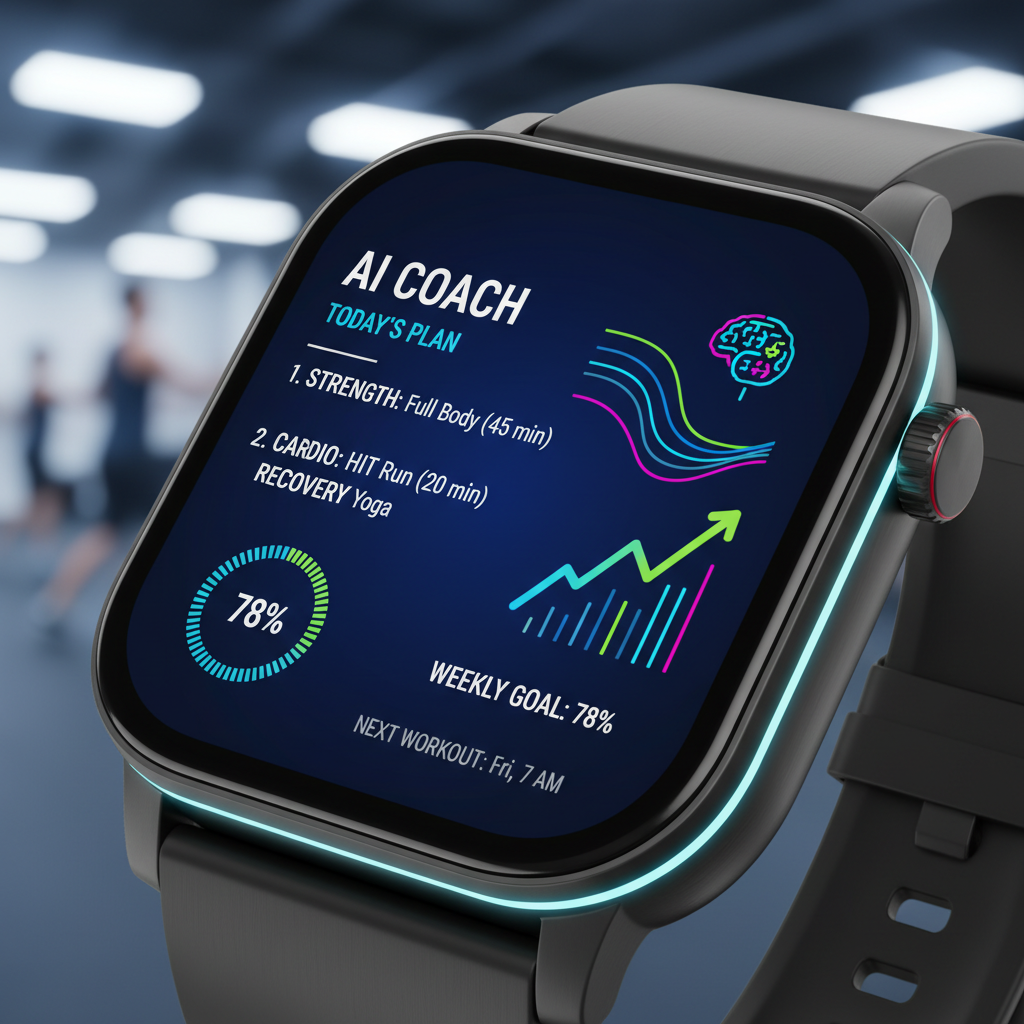
3. Tech Gadget Manufacturer: High-Concept Product Visualization
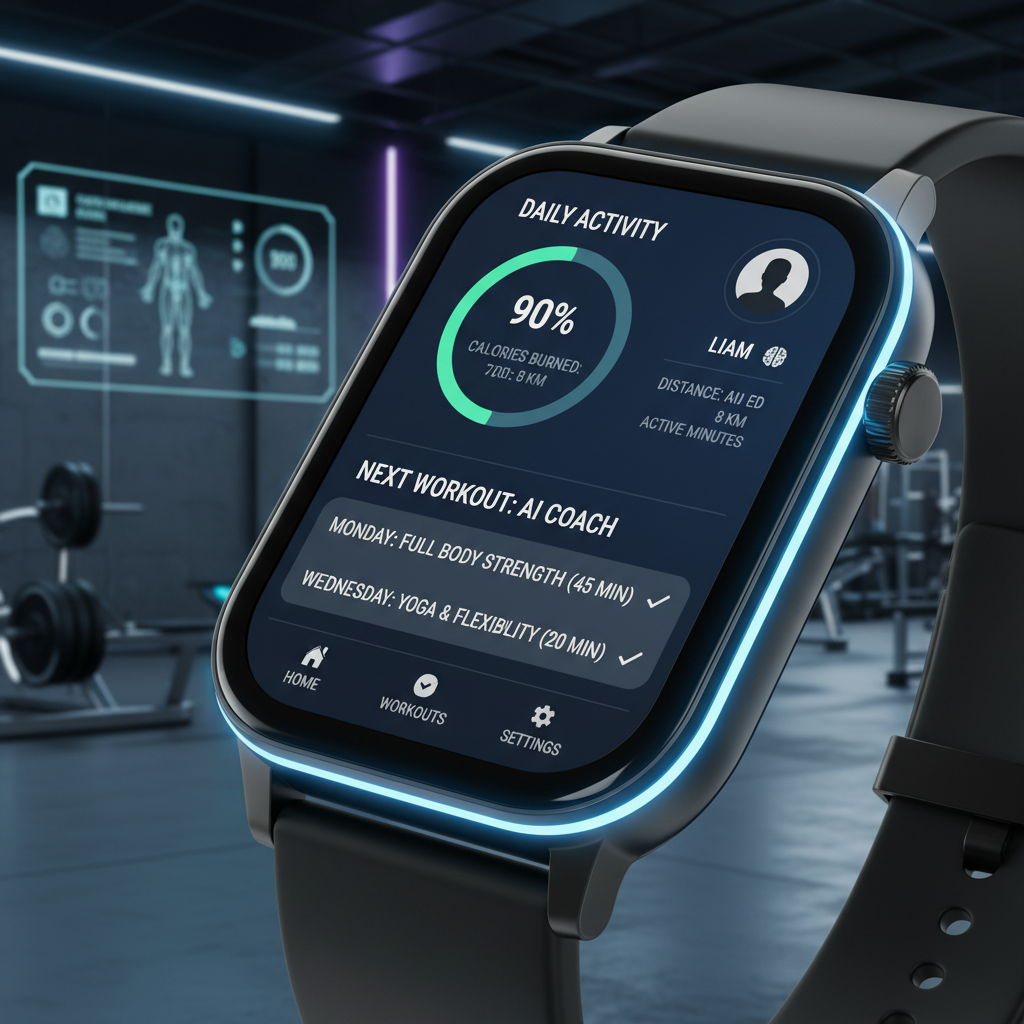
A company launches a revolutionary new smartwatch. They need visuals that convey both its sleek design and advanced functionality in cutting-edge environments.
- Problem: Traditional photography might struggle to capture futuristic concepts or require expensive CGI.
- AI Solution: Upload the smartwatch image. Prompt for mockups that place the watch:
- On a wrist against a backdrop of glowing digital interfaces.
- Subtly integrated into a smart home environment, interacting with virtual elements.
- Reflecting ambient light in a sleek, minimalist sci-fi setting.
- Being worn by an explorer in a rugged, technologically advanced outdoor scene.
- Outcome: The manufacturer can quickly generate high-concept, aspirational visuals that perfectly match the innovative nature of their product, resonating with early adopters and tech enthusiasts, helping to position the product as a market leader.
4. Indie Book Publisher: Rapid Cover Concept Generation
An independent author needs a unique and compelling cover for their fantasy novel.
- Problem: Limited budget for hiring illustrators or extensive stock image purchases, and slow iteration for design concepts.
- AI Solution: Provide the book title, genre, and key themes (e.g., “enchanted forest,” “ancient runes,” “mysterious wizard”). Generate hundreds of distinct visual concepts for the cover, ranging in style from painterly to graphic novel, magical realism to dark fantasy.
- Outcome: The author or publisher can rapidly explore a vast array of creative directions, select the most promising options, and refine them quickly based on feedback, leading to a standout book cover that captures the essence of the story and attracts readers more efficiently than traditional methods.
5. Home Decor Retailer: Visualizing Furniture in Diverse Interiors
An online store sells a unique modern sofa. Customers want to see how it would look in various home styles.
- Problem: Staging multiple physical room sets is costly and impractical. Limited stock photos make it hard for customers to imagine the product in their own homes.
- AI Solution: Upload a clean image of the sofa. Generate mockups placing it in:
- A minimalist Scandinavian living room.
- A bohemian apartment with lush plants.
- A luxurious, classic contemporary space.
- A cozy, rustic farmhouse setting.
- Outcome: The retailer provides a rich visual experience that helps customers visualize the sofa in different contexts, reducing purchase hesitation and potentially lowering return rates due to mismatched expectations, thus enhancing customer satisfaction and sales.
These examples underscore AI’s versatility and transformative power across various industries. By providing rapid, cost-effective, and endlessly creative visual solutions, AI empowers businesses to connect with their audiences in more meaningful and impactful ways, paving the path to market leadership.
Frequently Asked Questions
Q: What exactly is generative AI in the context of product mockups?
A: Generative AI, specifically models like Diffusion Models or GANs (Generative Adversarial Networks), are advanced artificial intelligence systems capable of creating new, original content, such as images, text, or audio, from scratch. In the context of product mockups, you provide the AI with an image of your product and a text description (a “prompt”) of the desired scene, style, and context. The AI then “generates” a completely new, photorealistic image where your product is seamlessly integrated into that described environment, complete with appropriate lighting, shadows, and reflections, without requiring a physical photoshoot or manual graphic design.
Q: Is AI replacing human designers and photographers?
A: Not entirely, but it is certainly augmenting and changing their roles. AI automates the mundane, repetitive, and time-consuming aspects of visual content creation, freeing up human creatives to focus on higher-level strategic thinking, artistic direction, and complex conceptual work. Human designers become “AI whisperers” or “prompt engineers,” guiding the AI to achieve specific creative visions. Photographers can focus on capturing initial product assets or creating highly specialized, artistic shots that AI might struggle with. AI should be viewed as a powerful tool that expands human creative capabilities, rather than a direct replacement.
Q: What are the typical costs associated with AI mockup tools?
A: Costs vary widely depending on the platform and its capabilities. Many AI mockup tools operate on a subscription model, offering different tiers based on the number of image generations, features, and support. Some might also have a credit-based system where you purchase credits to generate images. Prices can range from free basic tiers for limited use to hundreds of dollars per month for professional, high-volume usage. Compared to the cost of professional photography shoots (which can easily run into thousands for a single project), AI tools are generally significantly more cost-effective.
Q: How quickly can AI generate mockups?
A: The speed of AI mockup generation is one of its most compelling advantages. Once you’ve uploaded your product image and crafted your prompt, the AI can generate multiple high-resolution mockups in a matter of seconds to a few minutes. This rapid iteration allows for extensive experimentation and content production at a scale previously unimaginable with traditional methods.
Q: Can AI maintain brand consistency across different mockups?
A: Yes, with proper guidance. While AI can generate highly diverse visuals, you can train or guide it to adhere to your brand’s specific style guidelines. This involves using consistent keywords in your prompts (e.g., “minimalist aesthetic,” “bright and airy lighting,” “premium look”), and some advanced platforms even allow you to upload style references or train the AI on your existing brand assets. However, human review remains crucial to ensure that all AI-generated content perfectly aligns with your brand’s unique voice and visual identity.
Q: What kind of input does AI need to create a mockup?
A: Typically, AI mockup generators require two primary inputs:
- A clean image of your product: This should ideally be a high-resolution image of the product on a neutral or transparent background, allowing the AI to easily “cut out” the product and place it into new scenes.
- A detailed text prompt: This describes the desired scene, environment, lighting, mood, style, and any specific elements you want to include (e.g., “a luxury watch on a dark wooden table with warm ambient light and a subtle reflection”).
Some tools also allow you to use reference images to guide the style or composition.
Q: Are there any copyright issues with AI-generated visuals?
A: The legal landscape around AI-generated content, particularly regarding copyright, is still evolving and varies by jurisdiction. Generally, if you create an image using an AI tool, you typically own the copyright to that specific output, especially if you subscribe to a commercial license. However, questions arise concerning the copyrighted works that were used to train the AI model. It’s crucial to check the terms of service of the specific AI platform you use for their stance on copyright and commercial usage. Always be transparent and consult legal advice for specific concerns, especially for high-stakes commercial applications.
Q: How can I ensure my AI-generated mockups look realistic?
A: To ensure realism, focus on a few key areas:
- High-Quality Product Image: Start with a sharp, well-lit image of your actual product.
- Specific Prompts: Be very detailed in your prompts, describing not just the scene but also lighting conditions, textures, reflections, and shadows (e.g., “soft natural sunlight,” “realistic water droplets,” “subtle cast shadow”).
- Iterate and Refine: Generate multiple versions and choose the most realistic ones. Don’t be afraid to tweak prompts to improve realism.
- Post-Production Touch-ups: A human designer can perform minor edits (color correction, subtle blending, removing small artifacts) in traditional image editing software to enhance realism further.
The quality of AI models is constantly improving, making photorealism more achievable than ever.
Q: What are the limitations of current AI mockup technology?
A: While powerful, AI still has limitations:
- Complexity in Human Figures: While improving, AI can sometimes struggle with perfectly rendering human hands, faces, or complex body poses realistically without some “uncanny valley” effects.
- Fine Detail Control: Achieving extremely precise control over every minute detail or specific brand elements can sometimes be challenging without extensive prompt engineering or post-editing.
- Understanding Nuance: AI can generate amazing visuals but might not always fully grasp the subtle nuances of human emotion, cultural context, or highly abstract artistic concepts without very careful prompting.
- Lack of Tactile/Physical Interaction: AI generates visual representations, but cannot convey the physical feel, weight, or true material properties in a way that holding a product or seeing a detailed 3D render might.
Q: Is AI suitable for all types of products?
A: AI is suitable for a vast majority of product types, especially physical goods that can be clearly photographed. It excels with products like cosmetics, apparel, electronics, food items, home goods, and packaging. However, for products that require very intricate mechanical explanations, highly precise engineering visuals, or direct human interaction where subtle movements are critical (e.g., medical devices in surgical use), AI might currently serve best as a starting point for ideation, requiring human expertise for final, critical representations.
Key Takeaways
- Visuals Drive Market Leadership: In today’s digital economy, unique and compelling product visuals are paramount for standing out and connecting with consumers.
- AI Revolutionizes Visual Creation: Generative AI offers a paradigm shift in how product mockups are created, moving beyond traditional limitations.
- Unprecedented Creativity: AI enables businesses to generate truly unique, imaginative, and brand-differentiating visuals on demand, fostering novel storytelling.
- Speed, Efficiency, and Cost Savings: AI dramatically reduces the time and expense associated with producing high-quality product visuals, democratizing access to premium content.
- Hyper-Personalization at Scale: AI facilitates the creation of targeted mockups for diverse demographics, cultures, and marketing channels, driving deeper engagement and conversions.
- Strategic Implementation is Key: Adopting AI requires careful planning, selecting the right tools, training teams, and establishing clear workflows and quality control.
- Address Ethical Considerations: Businesses must proactively navigate challenges such as bias, copyright, and authenticity to ensure responsible AI usage.
- Future is Immersive and Dynamic: Upcoming trends include real-time 3D, AI-generated video, AR/VR integration, and predictive visual design, further expanding AI’s impact.
- AI Augments Human Creativity: AI is a powerful assistant that empowers designers and marketers to achieve more, not a wholesale replacement for human ingenuity.
Conclusion
The journey towards market leadership in the digital age is paved with compelling visual narratives, and Artificial Intelligence is rapidly becoming the indispensable engine driving this visual revolution. The ability to generate unique, high-quality product mockups with unprecedented speed, efficiency, and cost-effectiveness is no longer a futuristic concept but a tangible competitive advantage available today. From empowering small startups to cultivate a premium brand image to enabling large enterprises to execute hyper-personalized global campaigns, AI is fundamentally transforming how products are presented and perceived.
As we have explored, AI not only unlocks a boundless realm of creative possibilities, moving far beyond the confines of generic templates, but also offers substantial operational benefits that directly impact the bottom line. While navigating the nascent ethical landscape and technological limitations requires thoughtful consideration and a “human in the loop” approach, the strategic advantages are undeniable. Businesses that embrace AI for their product visualization needs are not just adopting a new tool; they are investing in agility, differentiation, and a deeper connection with their audience.
The future of product visualization is dynamic, personalized, and deeply integrated with AI. By intelligently leveraging this transformative technology, businesses can not only dominate the visual landscape of today but also proactively shape the market leadership of tomorrow. The time to harness the power of AI to create unique product mockups and capture market advantage is now.

































Leave a Reply