

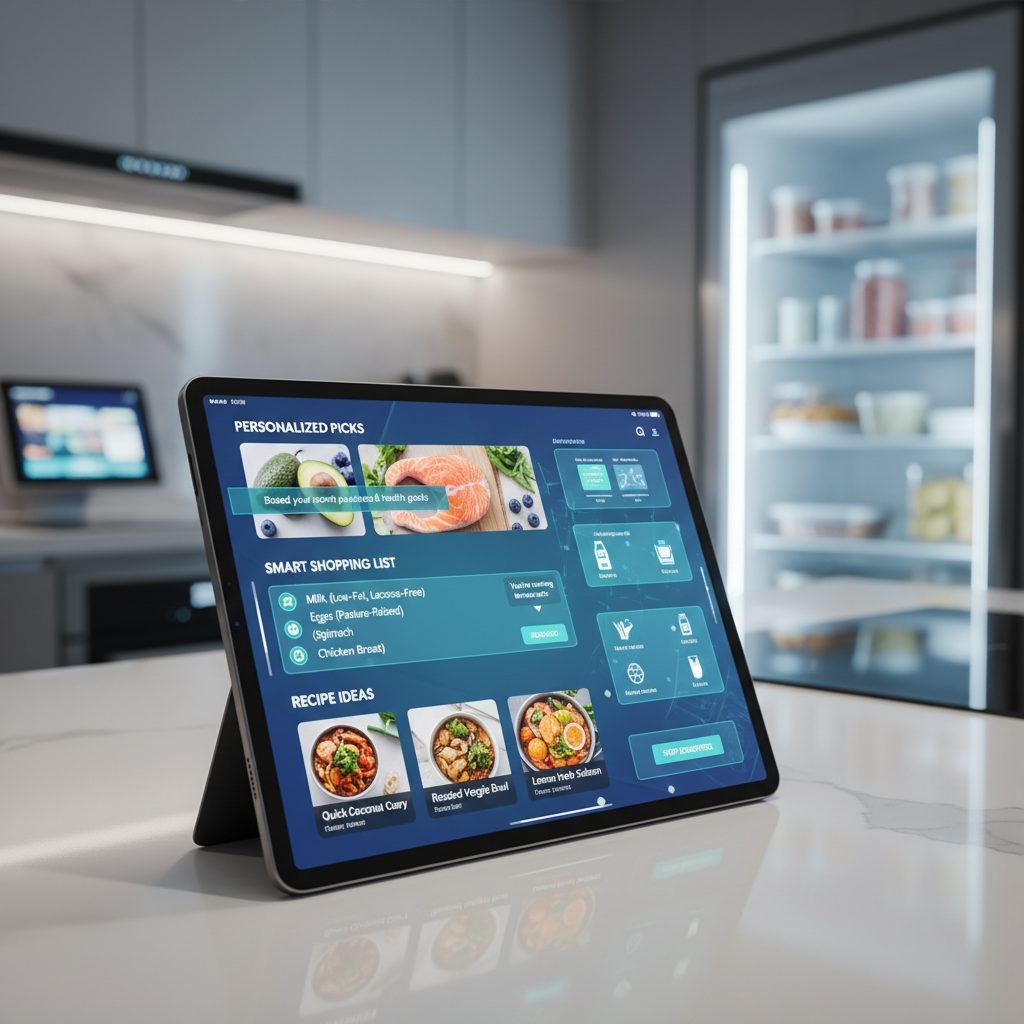
The weekly grocery run: for many, it conjures images of meandering aisles, forgotten items, impulse buys, and the eternal question, “What’s for dinner?” It’s a fundamental part of household management, yet it often feels like a tedious chore. What if, instead of a burden, it became an intelligent, almost magical process, perfectly aligned with your needs, preferences, and even your mood? Welcome to the future of grocery shopping, where Artificial Intelligence (AI) isn’t just recommending movies; it’s meticulously curating your kitchen stock-up, transforming the mundane into the magnificent.
In an era defined by convenience and personalization, the grocery industry is finally catching up. AI-driven recommendation engines are at the forefront of this revolution, moving beyond simple purchase history to deeply understand consumer behavior, dietary requirements, lifestyle choices, and even external factors like weather or upcoming holidays. This isn’t just about suggesting items you might like; it’s about anticipating your needs, optimizing your budget, minimizing food waste, and ensuring your pantry is always perfectly stocked for a healthy, vibrant life. This comprehensive guide will delve into how AI is making grocery runs effortless, efficient, and profoundly personalized, offering a glimpse into a future where your kitchen practically stocks itself.
The Traditional Grocery Gauntlet: A Relic of the Past
Before we dive into the AI-powered future, it’s crucial to acknowledge the inherent challenges and inefficiencies that have long plagued traditional grocery shopping. These pain points are precisely what AI aims to alleviate, making our lives simpler and our kitchens smarter.
The Time Sink and Mental Load
Creating a grocery list from scratch involves a significant mental load. You need to survey your pantry, check expiration dates, recall upcoming meals, consider family preferences, and mentally map out store aisles. Then comes the actual trip: navigating crowded stores, waiting in lines, and often making multiple trips because something was forgotten. This entire process can consume valuable hours each week, hours that could be better spent on other activities. The mental energy expended in planning and executing these tasks can be surprisingly draining, contributing to decision fatigue.
Impulse Buys and Forgotten Essentials
How many times have you returned from the store with a cart full of tempting snacks and ready-meals, only to realize you forgot the milk or eggs? Traditional shopping environments are designed to encourage impulse purchases, leading to unnecessary spending and often, unhealthy choices. Conversely, the lack of a smart system means essential items often slip through the cracks, necessitating urgent, unplanned trips that disrupt routines and add to frustration. This cycle leads to both financial waste and a less organized kitchen.
The Challenge of Dietary Needs and Preferences
Navigating dietary restrictions, allergies, and specific preferences (vegetarian, vegan, gluten-free, low-carb, etc.) in a traditional grocery store can be a nightmare. Reading labels, cross-referencing ingredients, and constantly worrying about potential allergens adds a layer of stress to an already complex task. For families with diverse needs, this challenge is amplified, often leading to compromises or extensive research before each shopping trip. Finding specific, compliant products among thousands can feel like searching for a needle in a haystack.
Enter AI: The Smart Shopping Assistant You Never Knew You Needed
The advent of AI is fundamentally reshaping how we interact with the world, and grocery shopping is no exception. Imagine an intelligent assistant that not only remembers your past purchases but anticipates your future needs, learns your culinary habits, and even suggests new items perfectly aligned with your palate and values. This is the promise of AI-driven personalization in grocery retail.
Understanding the Core of AI Personalization
At its heart, AI personalization in grocery relies on sophisticated algorithms that analyze vast amounts of data. This data isn’t just your purchase history; it includes browsing behavior, recipes saved, meal plans created, dietary preferences indicated, product ratings, real-time inventory, pricing, promotions, and even external factors like local weather, seasonal produce availability, and holiday calendars. The AI then uses this multi-faceted understanding to provide highly relevant and timely recommendations. It moves beyond simple “customers who bought this also bought that” to a much deeper, more contextualized understanding of your household’s unique rhythm.
How AI Learns Your Habits
AI systems learn through a continuous feedback loop. Every interaction, every purchase, every skipped recommendation, every item added or removed from a list, contributes to a more refined profile.
- Initial Data Collection: When you first start using an AI-powered grocery service, you might input basic preferences like dietary restrictions, family size, and preferred stores.
- Purchase History Analysis: The system immediately begins analyzing your past transactions to identify frequently bought items, brand loyalties, and typical quantities.
- Behavioral Tracking: Beyond purchases, AI observes what you browse, what recipes you click on, items you add to your cart but don’t buy, and how often you engage with promotional offers.
- Implicit vs. Explicit Feedback: Explicit feedback includes direct ratings or thumbs-up/down. Implicit feedback is inferred from your actions – buying an item implies you liked it, consistently skipping a recommendation implies you don’t.
- Contextual Learning: AI integrates external data. For example, if a heatwave is predicted, it might suggest ingredients for cold salads or hydration drinks. If it’s nearing a holiday, it might suggest traditional items for that occasion.
- Adaptation and Evolution: The system continuously updates its understanding. If your family grows, or you adopt a new diet, the AI adjusts its recommendations accordingly, making it a truly dynamic and adaptive personal assistant.
This constant learning ensures that the recommendations become increasingly accurate and useful over time, making your shopping experience genuinely effortless.
Key Features of AI-Driven Grocery Personalization
The application of AI in grocery shopping extends far beyond simple product suggestions. It encompasses a suite of intelligent features designed to streamline every aspect of kitchen management.
1. Predictive Shopping Lists
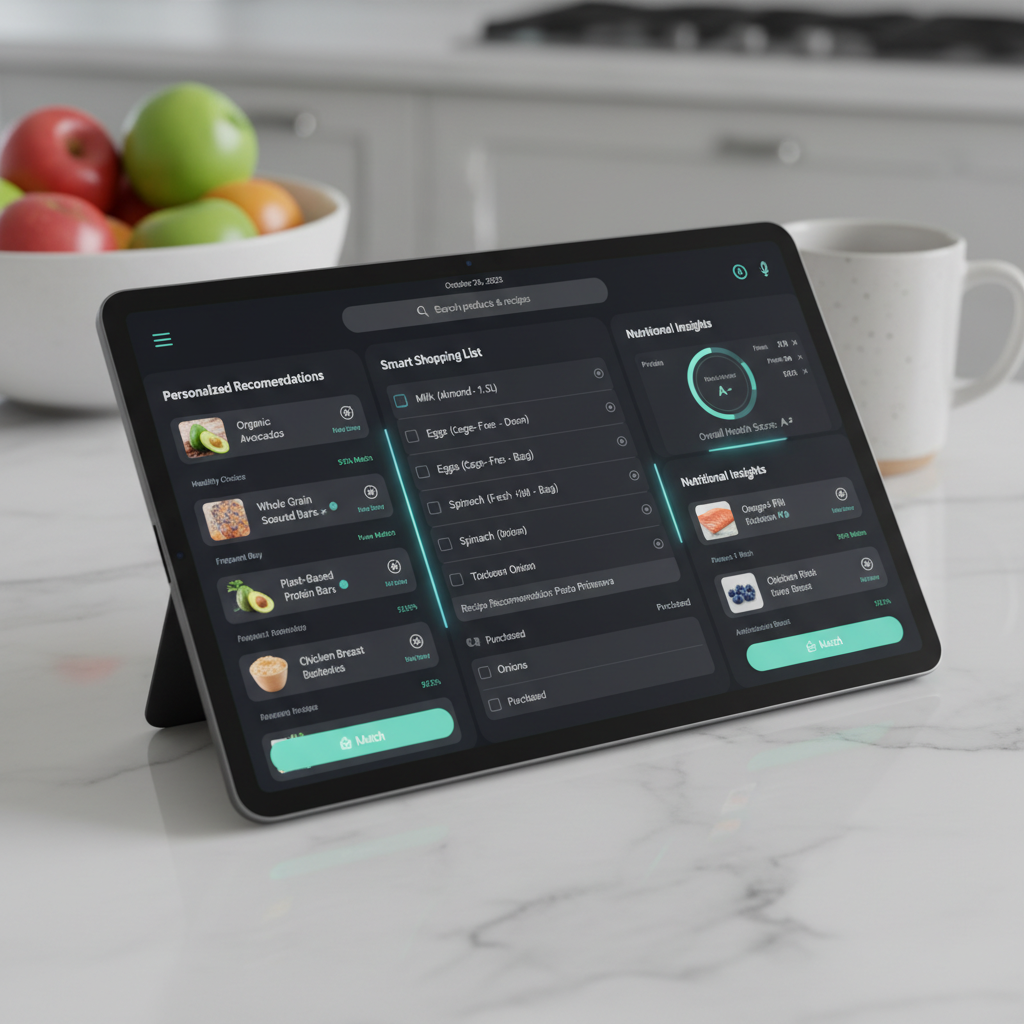
Imagine opening your grocery app and finding a pre-populated list that’s 90% accurate before you even lift a finger. AI can predict what items you’re likely to need based on:
- Purchase Frequency: Recognizing how often you buy staples like milk, bread, or fresh produce.
- Current Inventory (if connected to smart pantry): Knowing what you already have in your smart fridge or pantry.
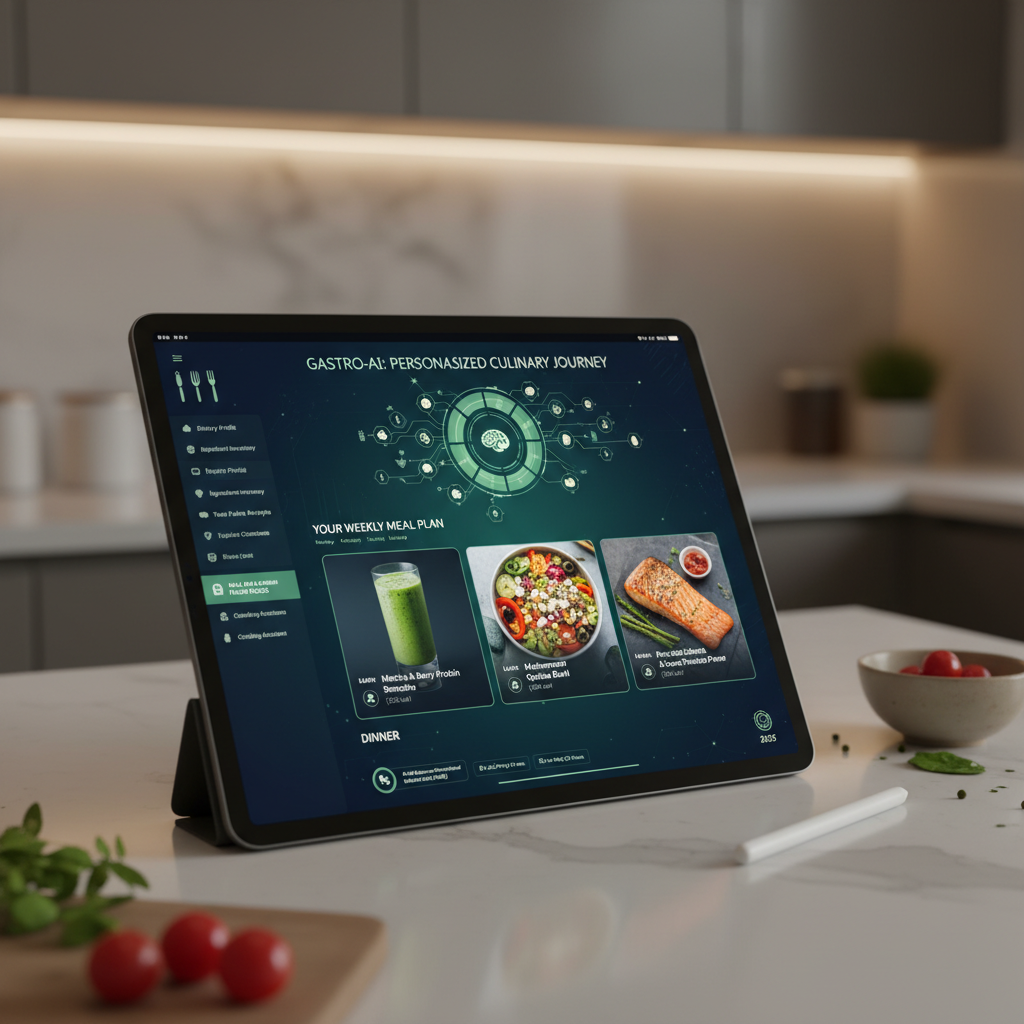
- Upcoming Meal Plans: If you use a meal planning feature, the AI will automatically add necessary ingredients.
- Seasonal Trends and Events: Suggesting items for BBQ season, holiday baking, or back-to-school lunches.
This feature drastically cuts down on planning time and ensures you rarely forget an essential item.
2. Recipe-Based Ingredient Recommendations
This is where AI truly shines for home cooks.
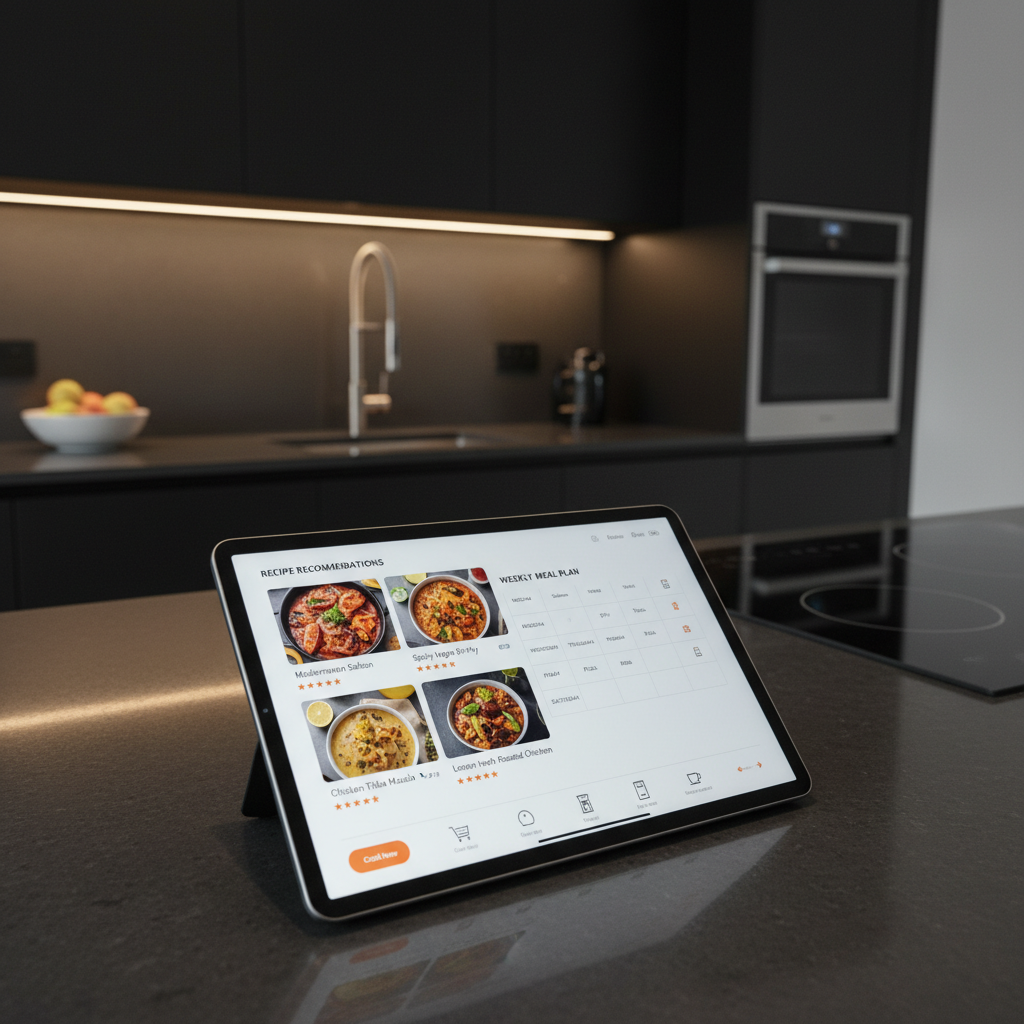
- Smart Recipe Suggestions: Based on your past purchases, dietary preferences, and even what ingredients you currently have on hand, AI can suggest recipes you’re likely to enjoy and are easy to prepare.
- One-Click Ingredient Adds: Once you choose a recipe, all the necessary ingredients can be added to your shopping list with a single click, automatically deducting items you already possess.
- Substitution Suggestions: If a recipe calls for an ingredient you don’t like or can’t find, the AI can suggest suitable alternatives based on flavor profiles and dietary needs.
This transforms meal planning from a chore into an inspiring culinary journey.
3. Dietary and Allergen Compliance
For individuals or families with specific dietary needs, AI offers an invaluable safety net.
- Allergen Filtering: Once you input allergies (e.g., peanuts, gluten, dairy), the system will automatically filter out non-compliant products and warn you if an item in your cart contains an allergen.
- Nutritional Goal Tracking: If you’re aiming for low-sugar, high-protein, or specific micronutrient intake, the AI can recommend products and recipes that align with your health goals, often even integrating with wearable fitness trackers to give a holistic view.
- Preference Enforcement: Whether you’re vegetarian, vegan, kosher, or halal, the AI ensures that all recommendations and additions to your cart adhere strictly to your chosen lifestyle.
This feature provides peace of mind and significantly simplifies healthy eating.
4. Smart Replenishment Schedules
Beyond predicting what you need, AI can also predict when you’ll need it.
By analyzing consumption patterns, the system can:
- Automatic Reordering: For frequently consumed staples, the AI can prompt you to reorder just as you’re about to run out, or even automatically place orders for recurring subscriptions.
- Expiration Date Tracking: If integrated with smart pantry technology, AI can monitor expiration dates of items you own and suggest using them in recipes before they spoil, or add replacements to your next list.
- Usage-Based Replenishment: If you buy coffee beans every two weeks, the AI notes this and reminds you accordingly. If your consumption of certain items spikes (e.g., during exam season for students), the AI adjusts its predictions.
This proactive approach minimizes last-minute dashes to the store and ensures a consistently well-stocked home.
5. Price Optimization and Deals
AI is a powerful tool for budget-conscious shoppers.
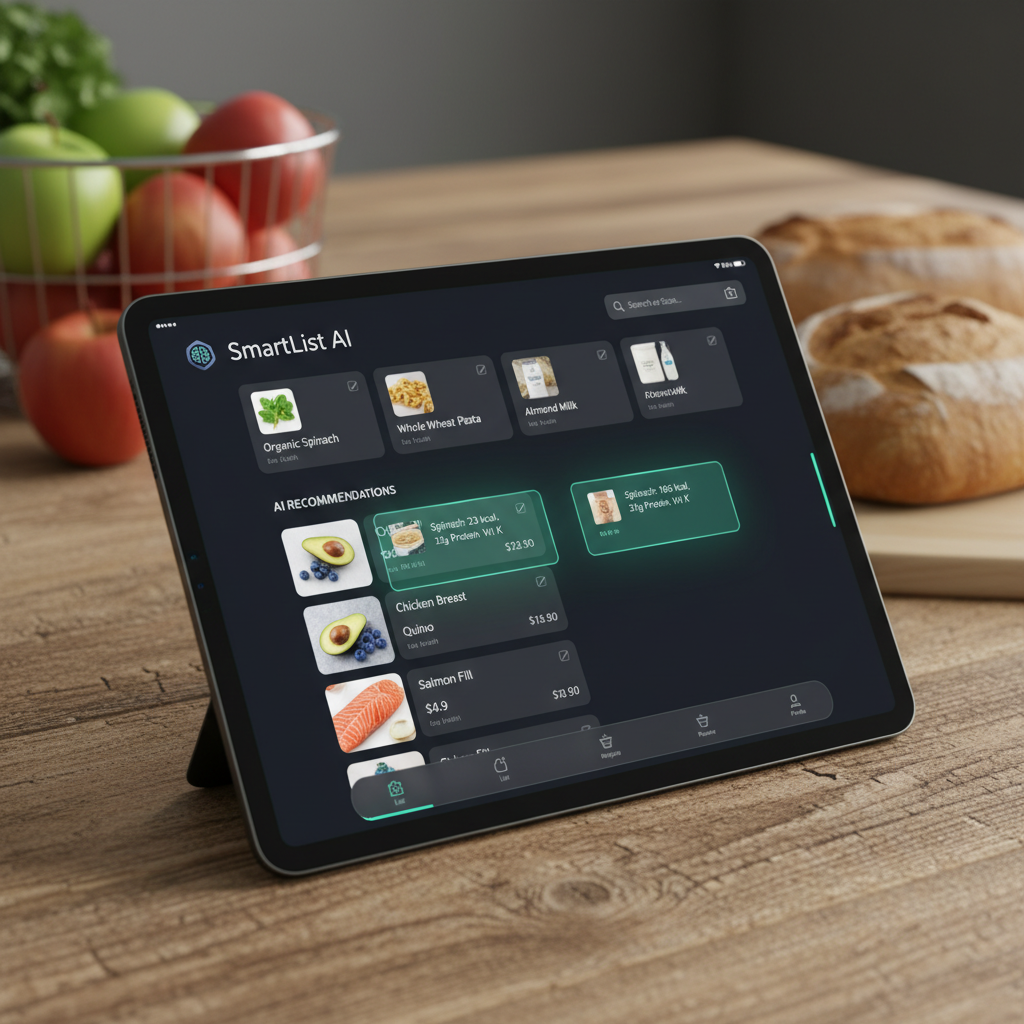
- Personalized Deals: Instead of generic flyers, AI delivers deals and coupons specifically on items you frequently buy or items that fit your dietary preferences.
- Price Comparison: The system can compare prices across different retailers (if you allow it) or within the same store for different brands, helping you choose the most cost-effective options.
- Optimal Shopping Times: AI can analyze sales cycles and suggest the best time to purchase non-perishable items to maximize savings.
- Basket Optimization: It can even suggest adding a few extra items to reach a free delivery threshold or qualify for a larger discount.
This ensures you get the most value for your money without having to hunt for deals manually.
6. Sustainable Choices and Waste Reduction
AI plays a critical role in promoting sustainability within the household.
- Reduced Food Waste: By accurately predicting needs, tracking inventory, and suggesting recipes for expiring items, AI significantly reduces the amount of food that goes to waste.
- Eco-Friendly Recommendations: AI can highlight products with sustainable packaging, lower carbon footprints, or those from ethical local producers.
- Portion Control Advice: When suggesting recipes, AI can provide guidance on appropriate portion sizes based on your family size, further reducing leftovers and waste.
This empowers consumers to make more environmentally conscious decisions effortlessly.
7. Local Sourcing and Freshness Alerts
For those who prioritize freshness and supporting local economies, AI offers targeted assistance.
- Local Produce Recommendations: The system can identify seasonal fruits and vegetables available from local farms or markets, providing information on their origin.
- Freshness Prioritization: When selecting items for delivery or pickup, AI can factor in freshness data, ensuring you receive produce with longer shelf lives.
- Farm-to-Table Integration: In some advanced systems, AI might even connect directly with local producers, allowing you to easily order fresh, hyper-local ingredients.
This ensures higher quality, fresher ingredients make it into your kitchen.
The Mechanics Behind the Magic: AI Technologies at Play
The sophisticated personalization described above is not the result of a single AI technique but rather a synergistic combination of various cutting-edge technologies. Understanding these underlying mechanisms helps demystify how AI achieves such precise and useful recommendations.
Machine Learning Algorithms
Machine Learning (ML) is the backbone of AI personalization. Algorithms like collaborative filtering, content-based filtering, and hybrid models analyze vast datasets to identify patterns and make predictions.
- Collaborative Filtering: This technique makes recommendations based on the preferences of similar users. If “User A” and “User B” have similar tastes, and “User A” bought “Product X,” the system might recommend “Product X” to “User B.”
- Content-Based Filtering: This method recommends items similar to those you’ve liked in the past. If you frequently buy organic produce, the system will recommend other organic items.
- Hybrid Approaches: Most modern systems combine these methods to overcome their individual limitations, offering more robust and accurate recommendations. For instance, combining your past purchases (content-based) with what similar shoppers buy (collaborative) provides a powerful recommendation engine.
These algorithms constantly learn and adapt as new data becomes available, refining their understanding of your preferences over time.
Natural Language Processing (NLP)
NLP enables AI systems to understand and process human language, which is crucial for interacting with users and interpreting unstructured data.
- Voice Assistants: NLP powers voice-activated grocery lists, allowing you to simply tell your smart speaker or phone what you need.
- Recipe Analysis: AI can parse complex recipe instructions and ingredient lists, breaking them down into actionable shopping items.
- Customer Feedback Analysis: NLP can analyze reviews and comments to understand sentiment towards products, helping refine recommendations.
- Dietary Query Understanding: Users can simply type or speak their dietary requirements (“keto-friendly,” “low-sodium for heart health”), and NLP helps the AI interpret and apply these filters.
This makes the interaction with AI grocery systems intuitive and user-friendly.
Computer Vision (for Inventory/Expiration)
While less common currently, computer vision is poised to play a significant role in smart kitchen integration.
- Smart Refrigerators: Cameras inside smart fridges can identify items, track quantities, and monitor expiration dates, relaying this information to your AI grocery assistant.
- Pantry Scanning: Imagine scanning your pantry with your phone, and AI automatically cataloging your inventory.
- Quality Assessment: In the future, computer vision might even assess the ripeness or quality of fresh produce, both in your home and at the store level, ensuring you receive the freshest items.
This technology moves us closer to a truly automated and intelligent kitchen.
Collaborative Filtering
As mentioned under Machine Learning, collaborative filtering is a powerful technique. It works by collecting preferences or taste information from many users (collaborating) and making predictions about what a user might like based on the tastes of similar users.
- User-based: Identifies users who are similar to you and recommends items they liked.
- Item-based: Identifies items that are similar to the ones you liked in the past and recommends them.
This is why grocery apps can suggest items you’ve never bought but are popular among people with similar shopping habits.
Reinforcement Learning
Reinforcement Learning (RL) allows AI systems to learn through trial and error, optimizing their recommendations over time to achieve specific goals, such as maximizing customer satisfaction or reducing food waste.
- Dynamic Pricing: RL can help optimize promotional offers to find the sweet spot that encourages purchases while maintaining profitability.
- Personalized Journeys: The AI learns which types of recommendations (e.g., recipe-based, deal-focused, health-oriented) you respond to best, tailoring the entire user experience.
- Optimizing Delivery Routes: While not direct personalization, RL is used behind the scenes to make grocery delivery more efficient, impacting the overall cost and speed of service for customers.
RL continuously refines the system’s ability to provide the most effective and appealing suggestions.
Benefits Beyond Convenience: A Holistic Transformation
The impact of AI-driven personalization in grocery shopping extends far beyond merely making shopping lists easier. It catalyzes a holistic transformation in how we manage our households, eat, and even contribute to a more sustainable world.
Time and Stress Savings
This is perhaps the most immediate and tangible benefit. By automating list creation, suggesting recipes, and streamlining the ordering process, AI liberates significant amounts of time and mental energy. The dread of the weekly grocery trip can be replaced with the ease of a few clicks or voice commands, allowing individuals and families to reclaim precious hours for work, hobbies, or quality time together. The reduction in decision fatigue alone contributes to a less stressful daily life.
Budget Management and Cost Efficiency
AI acts as a financial guardian for your grocery budget.
- It identifies personalized deals, preventing you from overpaying.
- It helps avoid impulse purchases by sticking to a needs-based, AI-curated list.
- By tracking consumption, it prevents overstocking and subsequent spoilage, which is a hidden cost for many households.
- It can even suggest cheaper alternatives for items on your list, without compromising on quality or dietary compliance.
This smart management ensures you get more value for every dollar spent on groceries.
Healthier Eating Habits
For many, healthy eating is a goal that often falls by the wayside due to time constraints or lack of inspiration. AI addresses this directly:
- Personalized Healthy Recipes: AI suggests nutritious recipes that fit your dietary profile and cooking skill level.
- Nutritional Guidance: It can highlight the nutritional information of products and guide you towards healthier choices.
- Allergen Alerts: Critical for those with sensitivities, preventing accidental consumption of harmful ingredients.
- Consistency: By making healthy meal planning and ingredient sourcing easy, AI helps establish and maintain healthier eating routines.
It becomes an invisible nutritionist, guiding you towards better food choices.
Reduced Food Waste
Food waste is a global environmental and economic crisis. Households contribute significantly to this problem. AI is a powerful antidote:
- Accurate Quantity Prediction: Ensures you buy only what you need, based on past consumption and upcoming meal plans.
- Expiration Management: With smart pantry integration, AI tracks use-by dates and suggests recipes to consume items before they spoil.
- Ingredient Optimization: Recommends recipes that utilize leftover ingredients from previous meals, ensuring nothing goes unused.
This conscious approach to consumption not only saves money but also contributes positively to environmental sustainability.
Enhanced Discovery and Variety
While personalization implies sticking to what you know, AI is also adept at introducing you to new experiences.
- Smart Discovery: Based on your past preferences, AI can suggest new brands, international cuisines, or unique ingredients you might love but wouldn’t typically discover on your own.
- “Adventurous” Mode: Some systems might offer an option to introduce a certain percentage of novel items into your recommendations, encouraging culinary exploration within your comfort zone.
- Seasonal Delights: AI highlights in-season produce, encouraging varied and fresh ingredients in your diet.
It balances familiarity with exciting new possibilities, keeping your meals interesting.
Accessibility and Inclusivity
AI-driven grocery personalization also has profound implications for accessibility.
- For the Elderly or Mobility Impaired: The ease of online ordering with personalized lists removes the physical challenge of navigating large stores.
- For Individuals with Cognitive Impairments: Automated lists and simple interfaces can reduce the mental burden of shopping.
- Language Barriers: NLP can assist users in their native language, breaking down communication barriers in shopping.
This technology makes nutritious food more accessible to a broader demographic, fostering greater independence.
Challenges and Future Outlook
While the future of AI in grocery shopping is overwhelmingly positive, it’s essential to acknowledge the current challenges and consider the trajectory of future developments.
Data Privacy and Security Concerns
The foundation of AI personalization is data – a lot of it. Consumers rightly have concerns about how their personal purchasing habits, dietary restrictions, and even health goals are collected, stored, and used.
- Trust and Transparency: Companies must be absolutely transparent about their data practices and ensure robust security measures are in place to protect sensitive information.
- User Control: Giving users fine-grained control over their data, including the ability to opt-out of certain data collection or delete their profiles, is crucial for building trust.
- Ethical AI: Ensuring AI models are fair, unbiased, and don’t lead to discriminatory practices (e.g., price discrimination) is a continuous challenge.
Addressing these concerns head-on will be paramount for widespread adoption.
The Need for User Trust and Adoption
Despite the benefits, there’s a natural human tendency to resist change. Users need to be convinced that AI is truly helpful, not intrusive, and that it genuinely understands their needs.
- Onboarding: Effective onboarding processes that gently guide users through personalization settings are critical.
- Personalization Sweet Spot: Finding the right balance between helpful suggestions and overwhelming the user with too many options or overly aggressive recommendations is key.
- Demonstrating Value: Clearly illustrating the time, money, and waste saved through testimonials and clear metrics will drive adoption.
Building this trust takes time, consistent positive experiences, and clear communication.
Integration with Smart Kitchen Appliances
The vision of a truly effortless kitchen stock-up relies heavily on seamless integration between AI grocery platforms and smart kitchen appliances (fridges, pantries, ovens).
- Standardization: Currently, there’s a lack of universal standards for how these devices communicate, creating fragmentation.
- Interoperability: Ensuring that an AI grocery app can seamlessly talk to a Samsung fridge, a Bosch oven, and a smart pantry sensor from a different manufacturer is a significant technical hurdle.
- Cost: Smart kitchen appliances are still a luxury for many, limiting the reach of fully integrated solutions.
As these technologies mature and become more affordable, deeper integration will unlock the full potential of AI-driven grocery.
Hyper-Personalization and Proactive Shopping
The future will see AI move beyond reactive recommendations to truly proactive shopping.
- Anticipatory Ordering: Your fridge detects you’re low on milk, notices you’re hosting guests this weekend, and automatically orders more milk, along with ingredients for a recommended appetizer, without you having to explicitly approve each item.
- Health Monitoring Integration: AI could integrate with health wearables, personal genetics data (with consent), and real-time biometric data to offer ultra-personalized dietary recommendations for optimal health and performance.
- Dynamic Meal Planning: Meal plans that adapt not just to your preferences but also to your fluctuating schedule, energy levels, and even local air quality warnings.
This level of hyper-personalization transforms the kitchen into a health and wellness hub.
The Metaverse and Immersive Shopping Experiences
Looking further ahead, the metaverse could offer entirely new ways to grocery shop.
- Virtual Store Tours: Walk through a digital twin of your local grocery store, virtually picking up items, inspecting produce, and adding them to your real-world cart.
- Interactive Recipe Experiences: Learn to cook a meal in a virtual kitchen, with AI guiding you through the steps and then seamlessly adding missing ingredients to your shopping list.
- Gamified Shopping: Earning rewards, discovering virtual coupons, or engaging in interactive games while planning your grocery run.
While these concepts are still nascent, they represent the ultimate fusion of technology and daily tasks, making grocery shopping an engaging and personalized adventure.
Comparison Tables
To highlight the transformative impact of AI, let’s compare traditional grocery shopping methods with the AI-driven personalized approach.
| Feature | Traditional Grocery Shopping | AI-Driven Personalized Grocery Shopping | Impact |
|---|---|---|---|
| List Creation | Manual, often handwritten; prone to forgotten items. | Auto-generated, predictive lists based on consumption, recipes, and pantry inventory. | Significant time saving, reduced forgotten items, less mental load. |
| Meal Planning | Manual recipe search, ingredient checking, often disconnected from shopping list. | AI-suggested recipes based on preferences & ingredients, one-click list additions, substitution options. | Streamlined meal prep, increased variety, less food waste from unused ingredients. |
| Dietary Needs | Requires careful label reading, constant vigilance; prone to errors. | Automatic filtering for allergies/diets, nutritional goal tracking, safety alerts. | Peace of mind, supports healthier eating, accommodates complex dietary requirements effortlessly. |
| Budget Management | Coupon clipping, manual price comparisons, impulse buys often occur. | Personalized deals, automated price comparisons, prevention of impulse buys. | Optimized spending, significant cost savings, better financial control. |
| Food Waste | High potential due to overbuying, forgotten items, expired goods. | Minimized through predictive ordering, expiration tracking, and recipe suggestions for expiring items. | Environmental benefit, financial savings, more sustainable household. |
| Discovery | Limited to what’s seen on shelves or familiar brands. | Intelligent recommendations for new products, local produce, and diverse cuisines based on preferences. | Broadened culinary horizons, introduction to new favorites, supporting local. |
| Convenience | Time-consuming trips, crowded aisles, checkout lines. | Effortless online ordering, scheduled deliveries, seamless integration with daily life. | Maximum convenience, reduced stress, more free time. |
The next table illustrates different types of AI personalization strategies and their primary impacts on the grocery shopping experience.
| AI Strategy/Type | Mechanism | Primary Impact on Shopper | Example |
|---|---|---|---|
| Predictive Analytics | Analyzes past purchases, consumption frequency, and external factors (e.g., season, weather) to forecast future needs. | Automatic list generation, reduced forgotten items, proactive replenishment. | Your app adds milk and bread to your list every Thursday, or suggests BBQ items before a sunny weekend. |
| Recommendation Engines (Collaborative/Content-based) | Suggests products based on your past preferences or what similar users have bought. | Discovery of new products, relevant alternatives, personalized promotions. | “Customers who bought this organic pasta also enjoyed this artisanal sauce.” |
| Natural Language Processing (NLP) | Enables understanding of human language (text/voice) for queries, recipe analysis, and feedback. | Hands-free list creation, easy recipe ingredient parsing, enhanced search functionality. | “Hey Google, add almond milk to my shopping list.” Or searching for “gluten-free dinner ideas.” |
| Computer Vision (CV) | Processes images/video to identify objects, quantities, and expiration dates. | Smart pantry inventory tracking, automatic reorder prompts based on fridge contents. | Your smart fridge detects low levels of yogurt and adds it to your next list. |
| Personalized Pricing & Promotions | Dynamically offers discounts or bundles based on individual buying habits and elasticity. | Maximized savings, targeted deals on preferred items, optimized budget. | Receiving a 15% off coupon for your favorite brand of coffee because AI knows you frequently buy it. |
| Dietary & Health Filtering | Filters products and recipes based on user-defined dietary restrictions, allergies, or health goals. | Safe and compliant choices, effortless adherence to health regimes, peace of mind. | App highlights vegan-friendly options or warns against allergens in a chosen product. |
| Sustainability Recommendations | Identifies products with lower environmental impact, local sourcing, or waste reduction potential. | Informed ethical choices, reduced carbon footprint, support for sustainable brands. | Suggesting locally sourced organic vegetables or products with reduced plastic packaging. |
Practical Examples: Real-World Use Cases and Scenarios
To truly grasp the power of AI in grocery personalization, let’s explore a few real-world scenarios illustrating its practical benefits for diverse individuals.
Scenario 1: The Busy Parent, Sarah
Sarah is a working mother of two active children. Her biggest challenge is finding time for grocery shopping and meal planning amidst school runs, extracurriculars, and work deadlines.
- Before AI: Sarah spends an hour on Sunday creating a fragmented list, often forgets essentials like lunchbox snacks, and succumbs to takeout twice a week due to lack of ingredients or meal ideas.
- With AI: Sarah’s grocery app, powered by AI, knows her family’s typical consumption of milk, eggs, fruits, and kid-friendly snacks. It auto-populates a list on Friday evenings, reminding her of staples. It suggests 3-4 healthy, quick dinner recipes based on her past preferences (e.g., 30-minute chicken stir-fry, pasta bake), automatically adding missing ingredients to her list. When her daughter’s school announces a “no nuts” policy, Sarah updates her profile, and the AI instantly filters out all nut-containing products, suggesting alternatives for baking. She simply reviews the AI-generated list, adds a couple of new items she saw a recipe for, and schedules delivery for Monday morning.
- Outcome: Sarah saves 2-3 hours a week, significantly reduces forgotten items, ensures healthy and compliant meals, and minimizes last-minute stress, enjoying more quality time with her children.
Scenario 2: The Health-Conscious Individual, Mark
Mark is dedicated to a high-protein, low-carb diet to support his fitness goals. He finds it time-consuming to find compliant products and meals.
- Before AI: Mark meticulously reads every label, searches for specific ingredients, and struggles to find varied recipes that fit his macros. He often gets bored with repetitive meals.
- With AI: Mark has set his dietary preferences (high protein, low carb) in his AI grocery app. The app not only filters out non-compliant items but actively suggests new protein sources (e.g., different cuts of lean meat, plant-based protein powders he hasn’t tried) and low-carb vegetables. It recommends a weekly meal plan with diverse high-protein, low-carb recipes, complete with nutritional breakdowns for each dish. If he searches for a protein bar, the AI compares brands based on sugar content and protein per serving, highlighting the best options. When he adds a new protein powder to his list, the AI suggests complementary ingredients like specific types of berries or unsweetened almond milk.
- Outcome: Mark effortlessly maintains his dietary regimen, discovers new and exciting healthy foods, reduces the time spent on nutritional research, and enjoys greater variety in his meals.
Scenario 3: The Budget-Minded Student, Chloe
Chloe is a university student living on a tight budget. She needs to stretch every dollar and avoid food waste.
- Before AI: Chloe often buys whatever looks cheap, leading to uninspired meals or purchasing items that eventually spoil because she didn’t have a plan for them. She misses out on deals.
- With AI: Chloe’s AI grocery app learns her staple purchases (ramen, pasta, frozen vegetables). It highlights current promotions on these items and suggests similar, cheaper store-brand alternatives. Critically, it also recommends simple, budget-friendly recipes using ingredients already in her pantry or items that are currently on deep discount. If she adds chicken breasts, the AI might suggest a “buy one get one free” deal on a larger pack and then provide recipes that use both portions, preventing waste. It also alerts her to “reduced to clear” items that are still perfectly good.
- Outcome: Chloe consistently stays within her grocery budget, eats more varied and healthier meals, and significantly reduces the amount of food she throws away, making her limited funds go much further.
Scenario 4: The Person with Allergies, David
David has severe nut and shellfish allergies, making grocery shopping a constant source of anxiety.
- Before AI: David meticulously reads every single ingredient label, often needing to double-check with customer service for cross-contamination risks. Eating out or trying new foods is incredibly stressful.
- With AI: David registers his nut and shellfish allergies in his grocery app. From that moment on, all product recommendations, recipe suggestions, and search results are automatically filtered to exclude any items containing these allergens, or items manufactured on shared lines if he indicates a high sensitivity. If he accidentally adds an item with a hidden nut derivative to his cart, the AI immediately flags it with a prominent warning, explaining why it’s unsafe. He can explore new recipes and ingredients with a much higher degree of confidence.
- Outcome: David’s anxiety around food shopping and consumption is drastically reduced. He gains access to a wider range of safe products and recipes, improving his quality of life and culinary exploration.
Scenario 5: The Sustainable Shopper, Emily
Emily is passionate about sustainability and wants her grocery choices to reflect her values, from reducing plastic to supporting ethical brands.
- Before AI: Emily spends extra time researching brands, checking packaging, and trying to find local farmers’ markets, which is often inconvenient.
- With AI: Emily sets her preferences for “organic,” “local,” “plastic-free packaging,” and “ethically sourced” in her app. The AI prioritizes these factors in all recommendations. When she builds her list, it highlights products meeting these criteria, suggests package-free alternatives (e.g., bulk bins for grains if available for delivery), and shows her what local seasonal produce is available that week. If a product she frequently buys has an unsustainable alternative, the AI gently suggests it. It also reminds her to bring reusable bags for pickup orders.
- Outcome: Emily effortlessly aligns her shopping with her environmental and ethical values, making a tangible positive impact with her choices without added effort.
Frequently Asked Questions
As AI becomes more integrated into our daily lives, many questions arise about its practical application and implications in grocery shopping. Here are some of the most common inquiries, answered in detail.
Q: What exactly is AI-driven personalization in grocery shopping?
A: AI-driven personalization in grocery shopping refers to the use of Artificial Intelligence technologies to tailor the shopping experience specifically to an individual consumer’s needs, preferences, and behaviors. It goes beyond generic recommendations by analyzing vast amounts of data – including past purchases, browsing history, dietary restrictions, preferred brands, recipes, and even external factors like weather or time of year – to provide highly relevant and timely suggestions. This could involve auto-generating shopping lists, recommending recipes, filtering for allergies, suggesting personalized deals, and optimizing delivery schedules. The goal is to make grocery runs effortless, efficient, and perfectly aligned with the unique lifestyle of each shopper.
Q: How does AI learn my preferences and habits?
A: AI systems learn through a continuous process of data collection and analysis. Initially, you might provide explicit information like dietary restrictions, family size, or favorite cuisines. However, the AI primarily learns through your interactions:
- Purchase History: It identifies items you buy regularly, brands you prefer, and typical quantities.
- Browsing Behavior: What products you view, items you add to your cart (even if you don’t buy them), and what you search for.
- Engagement: Which recommendations you click on, what deals you use, and what recipes you save.
- Feedback: If you rate products or provide direct feedback.
- Contextual Data: Integrating external information like seasonal trends, local events, or even your location (with your consent) to understand broader patterns.
This ongoing learning allows the AI to adapt and become increasingly accurate in predicting your needs and preferences over time.
Q: Is my personal data safe with these AI grocery systems?
A: Data privacy and security are critical concerns. Reputable AI grocery platforms are legally and ethically obligated to implement robust security measures to protect your personal information. This typically includes:
- Encryption: Protecting your data during transmission and storage.
- Anonymization/Pseudonymization: Using techniques to remove or obscure personally identifiable information when analyzing large datasets.
- Strict Access Controls: Limiting who can access your data within the company.
- Compliance with Regulations: Adhering to data protection laws like GDPR (Europe) or CCPA (California).
However, it’s always advisable to read a service’s privacy policy, understand what data is collected, how it’s used, and what control you have over it. You should also use strong, unique passwords for your accounts.
Q: Can AI really help me stick to a budget?
A: Absolutely. AI is a powerful tool for budget management in grocery shopping. It can:
- Personalized Deals: Identify and present discounts and coupons specifically for items you frequently buy or that fit your needs, rather than generic promotions.
- Price Comparison: Compare prices across different brands or even different stores (if integrated) to help you choose the most cost-effective options.
- Prevent Impulse Buys: By providing a pre-populated, needs-based list, it helps you avoid buying unnecessary items.
- Reduce Waste: By accurately predicting needs and suggesting recipes for expiring items, it minimizes food spoilage, which is a significant hidden cost.
These features collectively help optimize your spending and prevent budget overruns.
Q: What if I have specific dietary restrictions or allergies?
A: This is one of the most impactful areas of AI personalization. You can typically input all your dietary restrictions, allergies (e.g., gluten-free, vegan, nut allergy, lactose intolerant), and even health goals (e.g., low-sodium, high-fiber) into the system. The AI will then:
- Filter Products: Automatically remove non-compliant items from recommendations and search results.
- Provide Warnings: Alert you if an item in your cart contains a specified allergen or conflicts with your diet.
- Suggest Alternatives: Recommend suitable substitutes for ingredients that don’t meet your criteria.
- Curate Recipes: Offer recipes that strictly adhere to your dietary needs.
This greatly reduces the mental load and anxiety associated with finding safe and appropriate foods.
Q: Will AI replace the human element of shopping, like interacting with store staff or browsing?
A: While AI streamlines many aspects of shopping, it’s designed to augment, not entirely replace, the human element. For many, browsing aisles and discovering new items is still an enjoyable part of the experience. AI aims to free up time from the tedious parts, allowing you to engage more deeply with the aspects you enjoy. In physical stores, AI can empower staff with better inventory data, leading to more efficient stocking and less time spent searching for items. It can also provide in-store guidance via apps. Ultimately, the choice to browse or rely on AI for efficiency remains with the consumer. It offers an alternative, not necessarily a replacement for all.
Q: How does AI help reduce food waste in households?
A: AI contributes significantly to reducing household food waste in several ways:
- Accurate Prediction: By analyzing your consumption patterns, AI helps you buy only what you realistically need, preventing over-purchasing.
- Smart Inventory Management: If integrated with smart pantry/fridge systems, AI can track what you have and when items expire.
- “Use-It-Up” Recipes: It can suggest recipes that specifically utilize ingredients you have on hand or items nearing their expiration date.
- Portion Control: Recommendations can include guidance on appropriate portion sizes for recipes to minimize leftovers.
By optimizing what you buy and how you use it, AI can lead to a substantial reduction in food waste.
Q: What kind of companies are currently using this technology?
A: A wide range of companies, from large multinational grocery chains to online-only delivery services and even smaller, specialized food retailers, are adopting AI personalization. Examples include:
- Major Retailers: Walmart, Target, Kroger, Tesco, Carrefour are leveraging AI for their online platforms and loyalty programs.
- Online Grocers: Instacart, Amazon Fresh, Ocado (in the UK) are heavily invested in AI for personalized shopping and logistics.
- Meal Kit Services: Companies like HelloFresh or Blue Apron use AI for recipe recommendations based on dietary preferences.
- Emerging Startups: Many smaller tech companies are developing niche AI solutions for smart pantries, recipe discovery, and dietary management that can integrate with existing grocery platforms.
The trend is global and accelerating, as retailers recognize the competitive advantage of offering highly personalized experiences.
Q: Is this technology only for online shopping, or can it be used in physical stores too?
A: While AI personalization is most prominently seen in online grocery platforms due to the ease of data collection and digital interaction, its principles are increasingly being applied to physical stores as well.
- In-Store Navigation: Apps can use AI to guide you to specific items on your personalized list.
- Personalized Offers: Beacons or mobile apps can deliver real-time, personalized coupons or product suggestions as you walk through aisles.
- Smart Carts: Some stores are experimenting with smart shopping carts that scan items as you add them and offer recommendations or special deals.
- Predictive Stocking: AI helps store managers optimize inventory, ensuring your favorite items are always in stock.
The aim is to create a seamless, integrated shopping experience that bridges the gap between digital and physical realms.
Q: What’s the future of AI in grocery shopping?
A: The future of AI in grocery shopping promises even deeper integration and proactive assistance. We can expect:
- Hyper-Personalization: Recommendations based on mood, health data from wearables, or even genetic predispositions (with consent).
- Autonomous Ordering: Your smart kitchen systems automatically reordering staples as they run low, with minimal human intervention.
- Immersive Experiences: Virtual or augmented reality shopping, allowing you to explore products in a lifelike digital environment.
- Waste-Free Ecosystems: AI optimizing supply chains from farm to fork to virtually eliminate food waste.
- Integrated Wellness: Grocery recommendations aligning with holistic health and fitness goals, potentially linking with personal trainers or nutritionists.
The ultimate goal is to make grocery management so intuitive and effortless that it fades into the background, allowing you to focus on enjoying food and living well.
Key Takeaways
The revolution of AI-driven personalization in grocery shopping is already underway, bringing with it a multitude of benefits that extend far beyond simple convenience. Here are the core insights:
- Effortless Planning: AI transforms the tedious chore of grocery list creation and meal planning into a seamless, intuitive experience.
- Hyper-Personalization: Recommendations are deeply tailored to individual preferences, dietary needs, health goals, and even contextual factors.
- Significant Savings: Shoppers benefit from personalized deals, optimized pricing, and reduced impulse purchases, leading to substantial cost efficiency.
- Reduced Food Waste: AI’s predictive capabilities, inventory tracking, and recipe suggestions are powerful tools against household food waste, promoting sustainability.
- Healthier Choices: The technology acts as a personalized nutritionist, guiding users towards healthier products and recipes that align with their wellness objectives.
- Time Reclaimed: Automation of routine tasks frees up valuable hours, allowing individuals and families to focus on more meaningful activities.
- Enhanced Discovery: AI introduces users to new products, brands, and cuisines they might love but wouldn’t typically find on their own.
- Accessibility and Inclusivity: The simplified process makes grocery shopping more manageable for individuals with mobility challenges, cognitive impairments, or complex dietary needs.
- Continuous Learning: AI systems constantly adapt and improve based on user interactions, ensuring recommendations remain relevant and useful over time.
- Challenges to Address: While promising, widespread adoption hinges on addressing data privacy concerns, building user trust, and fostering greater integration with smart home technologies.
Conclusion
The days of dreading your weekly grocery run are rapidly becoming a relic of the past. AI-driven personalization is not just a technological fad; it’s a fundamental shift in how we approach one of life’s most essential tasks. By understanding our habits, anticipating our needs, and meticulously curating our culinary journey, AI is transforming grocery shopping from a mundane necessity into an effortless, efficient, and even enjoyable part of our lives.
From intelligently generated shopping lists and recipe recommendations tailored to your exact dietary needs, to proactive alerts that reduce food waste and personalized deals that keep you on budget, the benefits are profound and far-reaching. As this technology continues to evolve, integrating with our smart homes and offering even more intuitive, proactive assistance, the vision of a kitchen that practically stocks itself will become an everyday reality. Embracing this AI revolution means reclaiming your time, empowering healthier choices, and contributing to a more sustainable future, one perfectly stocked pantry at a time. The kitchen of tomorrow is smart, personal, and ready for you.


















































































Leave a Reply