


The pursuit of peak physical performance is a journey marked by dedication, discipline, and an unyielding desire for improvement. For advanced athletes and fitness enthusiasts, this journey often leads to complex training regimens, meticulous recovery protocols, and a constant battle against plateaus. In this demanding landscape, the emergence of Artificial Intelligence (AI) fitness coaches is not just a technological marvel but a game-changer. Moving beyond generic workout plans, AI is now capable of delivering a level of personalization, precision, and dynamic adaptation that was once the exclusive domain of elite, expensive human coaches. This article delves deep into how AI fitness coaches are not only assisting but fundamentally optimizing advanced training programs, pushing the boundaries of what athletes can achieve.
Under the broader topic of ‘Personalized Fitness Journeys: AI Coaches for Every Level’, we hone in on the advanced spectrum. Here, the stakes are higher, the margins for error are smaller, and the need for intelligent, responsive coaching is paramount. AI, with its capacity for processing vast datasets and learning from individual responses, is uniquely positioned to meet these challenges, offering a sophisticated pathway to elevate performance to unprecedented levels.
The Evolution of Fitness Coaching: From Human to Hybrid AI
For decades, the gold standard in advanced training has been the human coach. Their experience, intuition, and ability to observe subtle cues were invaluable. However, even the most dedicated human coach has limitations in terms of data processing, real-time physiological monitoring, and instantaneous program adaptation across a large client base. This is where AI steps in, not to replace, but to augment and enhance the coaching paradigm.
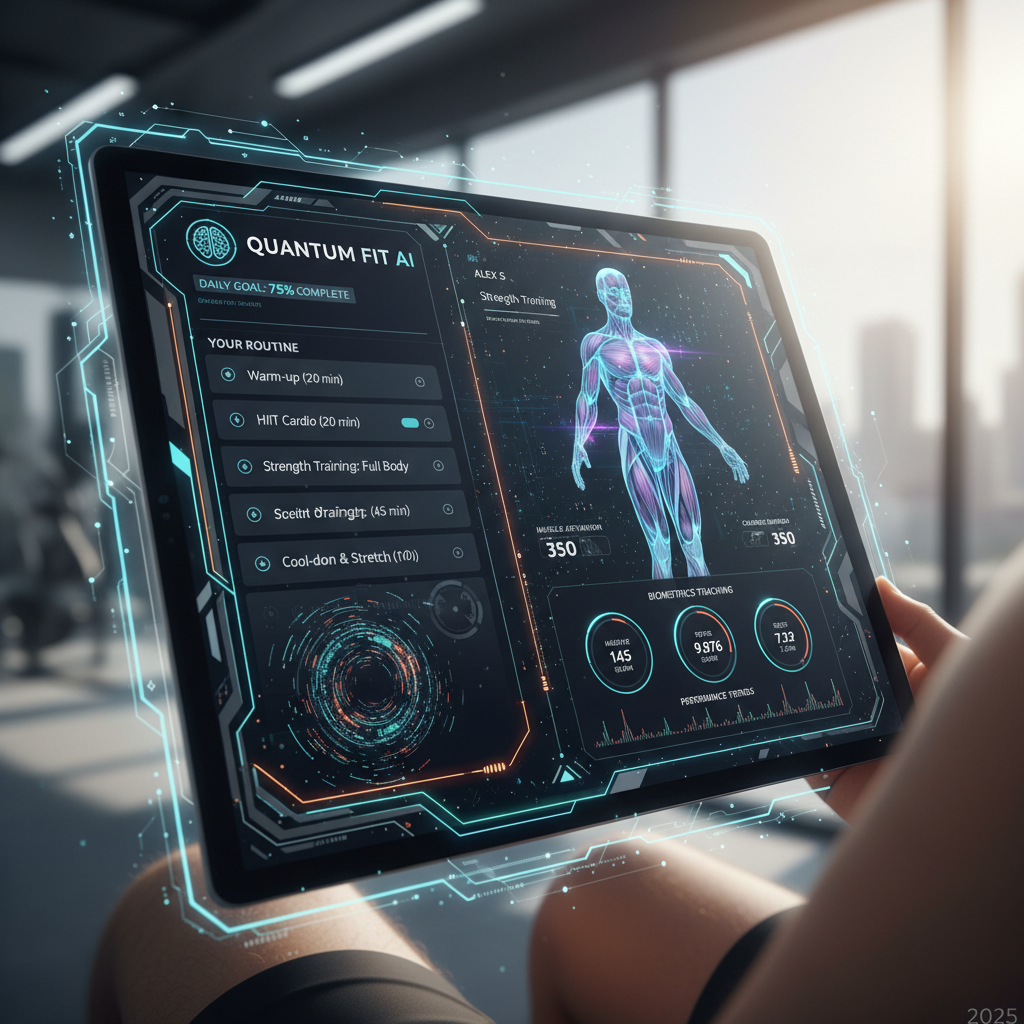
AI fitness coaches leverage machine learning algorithms, predictive analytics, and often large language models (LLMs) to create a hybrid coaching model. This model combines the analytical prowess of AI with the personalized touch and motivational aspects that are often still delivered by human interaction (either directly or simulated by the AI). For advanced athletes, this means access to an ‘always-on’ coach that can analyze every data point from wearables, training logs, and even subjective feedback, providing insights far beyond what a human eye could discern in isolation.
- Data Aggregation and Analysis: AI systems can ingest and correlate data from smartwatches, heart rate monitors, GPS trackers, power meters, sleep trackers, and even blood glucose monitors.
- Pattern Recognition: Advanced algorithms identify subtle patterns in performance, recovery, and physiological responses that indicate readiness, fatigue, or an impending plateau.
- Predictive Modeling: Based on historical data, AI can predict future performance trends, identify potential injury risks, and forecast optimal training loads for specific goals.
- Personalized Feedback Loops: AI provides actionable feedback, adjusting training parameters in real-time or recommending specific recovery interventions.
Understanding Advanced Training: Beyond the Basics
Advanced training is fundamentally different from beginner or intermediate fitness routines. It’s characterized by:
- Higher Intensities and Volumes: Workouts push physiological limits more frequently.
- Specific Goal Orientation: Training is often geared towards very particular athletic events, strength goals, or aesthetic targets.
- Complex Periodization: Training is structured in cycles (macro, meso, micro) to manage fatigue, optimize adaptation, and peak for performance.
- Focus on Niche Skills and Metrics: For example, power output in cycling, specific lifting techniques, lactate threshold in running, or agility in team sports.
- Acute Awareness of Recovery: Recovery strategies (sleep, nutrition, active recovery, mobility) become as crucial as the training itself.
- Psychological Fortitude: Dealing with discomfort, maintaining motivation, and performing under pressure are key mental components.
These complexities make advanced training a prime candidate for AI intervention. Generic programs fail miserably at this level because the body’s adaptive capacity is finely tuned, and small missteps can lead to injury, burnout, or stagnation. AI’s ability to micro-manage these variables provides a significant advantage.
How AI Pinpoints Performance Plateaus and Prevents Overtraining
One of the most frustrating aspects of advanced training is hitting a plateau where progress stalls despite continued effort. Equally dangerous is overtraining, which can lead to decreased performance, increased injury risk, hormonal imbalances, and psychological burnout. AI excels in both identifying these critical points and providing actionable solutions.
Identifying Plateaus with Data Analytics
Traditional methods of identifying plateaus often rely on subjective feelings or weekly performance logs, which can be lagging indicators. AI, however, continuously analyzes a myriad of metrics:
- Training Load (TRIMP, CTL, ATL): Tracking the cumulative stress over time.
- Power Output/Speed/Weight Lifted: Monitoring for stagnation in key performance indicators.
- Heart Rate Variability (HRV): A crucial marker of autonomic nervous system balance, indicating recovery status and readiness to train. A decreasing trend in HRV often precedes a plateau or overtraining.
- Sleep Quality and Quantity: Correlating sleep patterns with daily performance.
- Subjective Wellness Scores: Integrating athlete-reported feelings of fatigue, mood, and muscle soreness.
By cross-referencing these data points, AI can detect subtle shifts that signify an impending plateau or overreaching state long before the athlete might consciously recognize it. For instance, if power output remains stagnant for several sessions despite increased effort, and HRV shows a downward trend, the AI can flag this as a potential plateau, recommending a deload week or a change in training stimulus.
Preventing Overtraining Through Predictive Models
AI employs predictive models to anticipate overtraining. It learns an individual’s unique response to stress and recovery. If the AI detects that an athlete’s recovery metrics (e.g., elevated resting heart rate, consistently low HRV, poor sleep quality) are consistently deteriorating relative to their training load, it will recommend interventions.
Practical examples of AI-driven interventions include:
- Automated Deload Weeks: The AI can automatically adjust the training program to incorporate reduced volume and intensity when signs of overreaching appear.
- Personalized Recovery Days: Suggesting specific active recovery protocols (e.g., light yoga, walking) or complete rest, rather than generic recommendations.
- Nutritional Adjustments: Recommending increased caloric intake or specific macronutrient ratios to support recovery.
- Sleep Optimization Strategies: Providing tips or integrating with smart sleep devices to improve sleep hygiene.
Hyper-Personalization: Tailoring Every Rep and Set
At the advanced level, one-size-fits-all programming is detrimental. AI’s core strength lies in its ability to create hyper-personalized training programs that adapt not just week-to-week, but sometimes even session-to-session, or even within a single workout.
Dynamic Load Management
AI can dynamically adjust resistance, repetitions, sets, and rest times based on the athlete’s real-time performance and readiness. For example, in a strength training session, if an athlete is struggling with their prescribed 5×5 at 80% of their 1RM, the AI, through connected smart gym equipment or by analyzing bar speed/velocity-based training (VBT) data, can suggest reducing the weight for subsequent sets or lowering the rep count to maintain optimal stimulus without risking injury or excessive fatigue. Conversely, if an athlete is performing exceptionally well, the AI might suggest slightly increasing the load or reps to maximize adaptation.
Specificity in Program Design
AI coaches excel at designing programs that are exquisitely specific to the athlete’s goals, sport, and individual biomechanics.
- Sport-Specific Conditioning: For a basketball player, the AI might prioritize plyometrics, agility drills, and vertical jump training while managing lower body strength to prevent overtraining.
- Addressing Weaknesses: By analyzing past performance data (e.g., imbalances detected through force plates, slower recovery in certain muscle groups), AI can create targeted exercises to strengthen weak links, thereby improving overall performance and reducing injury risk.
- Technique Refinement: While not fully developed for all sports, AI platforms are emerging that use computer vision to analyze exercise form, providing real-time feedback on technique for complex movements like squats, deadlifts, or running gait, thus optimizing efficiency and safety.
Real-time Adaptive Programming: The Dynamic Advantage
The true power of AI in advanced training lies in its real-time adaptiveness. Unlike static PDF programs or even human coaches who might only check in once a week, an AI coach is constantly monitoring, learning, and adjusting.
Scenario-Based Adaptations
Consider a marathon runner training for a race. If they suddenly face a particularly stressful week at work, leading to poor sleep and elevated stress markers (detected via HRV and subjective input), a traditional plan might push them through a high-intensity long run. An AI coach, however, would immediately recognize the compromised state and might:
- Suggest a lower intensity for the long run, or replace it with active recovery.
- Recommend a nap or extended sleep period.
- Adjust subsequent workouts to ensure adequate recovery before the next hard session.
- Provide psychological coping mechanisms or mindfulness exercises through its interface.
This dynamic adaptation ensures that training stimulus is always optimal for the athlete’s current physiological and psychological state, minimizing wasted effort and maximizing productive gains. It’s like having a highly experienced coach making minute-by-minute decisions based on an unprecedented amount of data.
Integration with Wearables and Biometric Data
Modern AI fitness coaches are intrinsically linked with a wide array of wearables and smart devices. This integration provides a continuous stream of biometric data that forms the backbone of adaptive programming.
- Heart Rate and HRV: Continuously monitor cardiovascular strain and recovery.
- Sleep Trackers: Provide insights into sleep stages, duration, and disturbances, crucial for recovery.
- GPS and Accelerometers: Track distance, pace, speed, cadence, and power in running and cycling.
- Blood Glucose Monitors (CGM): For some advanced users, AI can integrate CGM data to optimize fueling strategies and understand metabolic responses to training.
- Smart Scales and Body Composition Analyzers: Track changes in body weight and composition, vital for physique athletes or those managing weight categories.
The AI sifts through this torrent of information, identifies anomalies, and adjusts the training prescription accordingly. This proactive approach ensures that the athlete is always training within their adaptive capacity, pushing limits without crossing into overtraining.
Injury Prevention and Recovery Optimization with AI
For advanced athletes, injury is a constant threat that can derail years of hard work. Recovery, often underestimated, is where adaptations truly occur. AI plays a transformative role in both these critical areas.
Proactive Injury Risk Assessment
AI’s predictive capabilities are invaluable in foreseeing potential injuries. By analyzing patterns of movement, training load, fatigue markers, and even biomechanical data (from motion capture or smart sensors), AI can identify increased risk factors.
- Load Management: As mentioned, preventing overtraining is key. AI ensures consistent load progression without sudden spikes that could lead to soft tissue injuries.
- Asymmetry Detection: Some advanced platforms can detect imbalances in force production (e.g., between left and right legs in running or squatting) or range of motion, which are common precursors to injury. The AI can then prescribe corrective exercises.
- Fatigue Monitoring: High levels of cumulative fatigue compromise form and decision-making, increasing injury risk. AI’s constant vigilance helps mitigate this.
If the AI detects an elevated risk, it can trigger alerts and recommend specific pre-habilitation exercises, modify training volume, or suggest a consultation with a physical therapist.
Optimized Recovery Protocols
Recovery is not just rest; it’s an active process. AI can tailor recovery strategies with incredible precision.
- Personalized Sleep Recommendations: Based on an individual’s sleep patterns and training load, AI can suggest optimal bedtimes, sleep environments, and techniques to improve sleep quality.
- Active Recovery Suggestions: Recommending specific low-intensity activities (e.g., foam rolling routines, dynamic stretching, light cycling) that promote blood flow and waste removal without adding undue stress.
- Nutritional Timing and Supplementation: AI can correlate training intensity with caloric expenditure and nutrient needs, advising on optimal post-workout nutrition for glycogen replenishment and muscle repair, and suggesting evidence-based supplements tailored to the athlete’s needs and goals.
- Stress Management Techniques: Integrating with mindfulness apps or guiding breathing exercises to lower stress hormones and promote parasympathetic nervous system activity, crucial for recovery.
Data-Driven Nutrition and Supplementation Guidance
Nutrition is the cornerstone of advanced performance, often as important as the training itself. AI fitness coaches can provide highly sophisticated, data-driven nutritional guidance that adapts to training demands, recovery needs, and individual metabolic responses.
Dynamic Caloric and Macronutrient Adjustments
Gone are the days of static meal plans. An AI coach can:
- Calculate Energy Expenditure: Using training data (duration, intensity, heart rate, power output), AI can accurately estimate daily caloric expenditure and adjust intake recommendations accordingly. On a heavy training day, it might suggest higher carbs and overall calories; on a rest day, it might lower caloric intake slightly and adjust macronutrient ratios.
- Optimize Macronutrient Ratios: For specific goals (e.g., muscle gain, fat loss, endurance performance), AI can recommend precise protein, carbohydrate, and fat ratios, adapting them based on the phase of training (e.g., higher carbs pre-race, higher protein post-workout).
- Meal Timing: Suggest optimal timing for meals and snacks around workouts to maximize energy availability and recovery.
Personalized Supplementation Strategies
The supplement market is vast and often confusing. AI can cut through the noise by recommending evidence-based supplements relevant to the athlete’s specific goals, deficiencies (if known via blood tests which some platforms integrate), and training demands.
For instance, an AI might recommend:
- Creatine for a strength athlete.
- Beta-alanine for a high-intensity interval athlete.
- Electrolytes for an endurance athlete training in hot conditions.
- Vitamin D for someone with limited sun exposure.
This guidance is based on current scientific literature and the individual’s profile, moving beyond generic advice to truly targeted recommendations.
Integrating Wearables and Biometric Data for Deeper Insights
The synergy between AI and wearable technology is perhaps the most defining feature of advanced AI fitness coaching. These devices collect a continuous stream of biometric data, providing the AI with an unparalleled view into an athlete’s physiological state.
The Data Ecosystem
An advanced AI fitness coach operates within a rich data ecosystem, drawing information from various sources:
- Smartwatches and Fitness Trackers: (e.g., Apple Watch, Garmin, Whoop, Oura Ring) providing heart rate, HRV, sleep metrics, activity levels, skin temperature, and more.
- Smart Gym Equipment: (e.g., smart barbells, resistance machines, treadmills) tracking force, velocity, range of motion, and repetition quality.
- GPS Devices: For outdoor activities, providing detailed metrics on pace, elevation, distance, and routes.
- Power Meters: Crucial for cyclists and runners, measuring watts for precise workload quantification.
- Blood Biomarkers: While not fully mainstream, some platforms are exploring integration with at-home blood tests or Continuous Glucose Monitors (CGMs) for deeper metabolic insights.
- Manual Inputs: Subjective feedback on mood, soreness, stress, and energy levels.
The AI platform acts as the central hub, aggregating and analyzing this disparate data. It can detect correlations and causations that would be impossible for a human to track manually. For example, it might notice that a particular type of strength workout consistently leads to a drop in HRV two days later, indicating a need for more recovery or a modification of that specific workout.
Real-Time Biofeedback and Adjustments
Some advanced systems can provide real-time biofeedback during a workout. Imagine a smart weightlifting system that tells you, based on bar speed, that your current set is becoming too slow, signaling fatigue, and suggests ending the set or lowering the weight to maintain power output, thus optimizing the training stimulus on the fly. This level of responsiveness makes every single rep count and prevents wasted effort or overreaching.
Mental Toughness and Performance Psychology with AI Support
Advanced performance isn’t just physical; it’s profoundly mental. Motivation, focus, resilience, and the ability to handle pressure are critical. While AI cannot replicate the empathy of a human sports psychologist, it can offer significant support in fostering mental toughness.
Motivational and Accountability Features
AI coaches use sophisticated algorithms to keep athletes engaged and motivated:
- Progress Visualization: Clearly showcasing improvements over time through graphs and statistics, which is a powerful motivator.
- Goal Setting and Tracking: Helping athletes set realistic yet challenging goals and providing constant feedback on their proximity to achieving them.
- Positive Reinforcement: Offering encouraging messages and celebrating milestones.
- Streak Tracking: Gamifying consistency to maintain adherence.
Stress and Anxiety Management
AI can monitor physiological markers of stress (e.g., elevated resting heart rate, changes in HRV) and recommend interventions:
- Guided Meditation and Mindfulness: Integrating with or recommending apps for stress reduction.
- Breathing Exercises: Guiding athletes through structured breathing patterns to calm the nervous system.
- Sleep Hygiene Prompts: Reminding athletes about habits that improve sleep quality, which is crucial for mental recovery.
Performance Under Pressure
For competitive athletes, performing under pressure is key. While direct AI coaching during a competition is limited, AI can help in preparation:
- Pre-Competition Routines: Suggesting optimal warm-up, nutrition, and mental preparation routines based on past successful performances.
- Feedback on “Choking” Incidents: Analyzing data around underperformance during high-stress situations (e.g., comparing power output in training vs. race day) to identify potential areas for psychological intervention.
By addressing both the physical and psychological components, AI creates a more holistic and robust training environment for advanced athletes.
The Future of Advanced Training: AI as a Constant Companion
The trajectory of AI in fitness is towards becoming an even more integrated, intuitive, and indispensable companion for advanced athletes. We can expect further advancements in several key areas:
- Deeper Genomic Integration: Tailoring training and nutrition based on an individual’s genetic predispositions for muscle fiber type, recovery speed, nutrient metabolism, and injury susceptibility.
- Advanced Biomechanical Analysis: More sophisticated computer vision and sensor technology offering real-time, highly granular feedback on movement patterns, identifying subtle inefficiencies or injury risks.
- Neuro-Adaptive Training: Exploring brain-computer interfaces or neurofeedback mechanisms to optimize focus, reaction time, and motor learning.
- Augmented Reality (AR) and Virtual Reality (VR) Integration: Creating immersive training environments and providing overlay feedback during workouts, making training more engaging and precise.
- Enhanced Predictive Health Analytics: Going beyond injury prediction to broader health monitoring, potentially integrating with clinical data for a comprehensive health and performance profile.
- Personalized Pharmacological Guidance (Ethical AI): While speculative and highly regulated, future AI might be able to provide ultra-personalized recommendations on specific compounds or supplements based on an individual’s unique biological and training profile, always within ethical and legal boundaries.
The goal is not to remove the human element but to empower athletes with data-driven insights and adaptive programs that allow them to reach their absolute potential, safely and sustainably. AI will continue to democratize access to elite-level coaching, making it available to anyone committed to elevating their performance.
Comparison Tables
Table 1: AI Fitness Coach vs. Traditional Human Coach for Advanced Athletes
| Feature | AI Fitness Coach | Traditional Human Coach |
|---|---|---|
| Data Processing & Analysis | Processes vast amounts of biometric data (HRV, sleep, power, etc.) 24/7. Identifies subtle patterns and correlations. | Relies on observed cues, athlete feedback, and manual data review. Limited by human capacity for data aggregation. |
| Real-time Adaptation | Programs dynamically adjust based on live performance, recovery metrics, and immediate athlete state. Instant feedback. | Adaptations typically occur during scheduled check-ins (weekly/monthly) or based on acute observations, slower response time. |
| Hyper-Personalization | Algorithms tailor every aspect of training, nutrition, and recovery to individual physiological responses and goals. | High degree of personalization based on experience and relationship, but limited by inability to process continuous real-time data. |
| Cost Effectiveness | Generally more affordable for a continuous, high-level service, especially for advanced data analysis. | Elite human coaches specializing in advanced athletes can be very expensive, often with limited availability. |
| Injury Prevention | Predictive analytics based on fatigue, load, and biomechanics identifies risk factors proactively. | Relies on coach’s experience, athlete communication, and visual assessment of form/fatigue. |
| Emotional Support & Empathy | Limited to programmed motivational messages, data visualization, and AI-driven conversational interfaces. | Provides strong emotional support, empathy, accountability, and psychological guidance through direct human connection. |
| Accessibility | Accessible anywhere, anytime via smart devices. ‘Always-on’ coaching. | Availability constrained by coach’s schedule, location, and client load. |
| Scope of Expertise | Excels in data-driven programming, physiological optimization, and structured adaptation. | Broad expertise including technique, strategy, psychological aspects, and in-person correction. |
Table 2: Key Features of Advanced AI Fitness Coaching Platforms (Illustrative)
| Feature Category | Specific AI Capability | Benefit for Advanced Athletes | Example Metrics/Data Used |
|---|---|---|---|
| Training Optimization | Velocity-Based Training (VBT) integration | Ensures optimal training stimulus by adjusting load based on bar speed, preventing over/under training. | Barbell velocity, force output, power. |
| Recovery Management | Predictive Recovery Advisor | Proactively recommends rest or specific recovery protocols based on physiological readiness. | HRV, resting HR, sleep quality, training load. |
| Nutritional Guidance | Dynamic Macronutrient Allocation | Adjusts calorie and macro intake in real-time based on daily energy expenditure and recovery status. | Activity calories burned, logged food intake, body weight, training intensity. |
| Injury Prevention | Asymmetry & Form Analysis | Identifies muscular imbalances or technical flaws that increase injury risk, suggesting corrective exercises. | Force plate data, motion capture, smart sensor data, range of motion. |
| Performance Analysis | Advanced Periodization Planning | Automatically designs and adjusts macro/meso/micro cycles to peak performance for specific events. | Competition dates, historical performance, fatigue levels, goal metrics. |
| Progress Tracking | Comprehensive Longitudinal Data Visualization | Provides clear, actionable insights into long-term trends in performance, fitness, and health markers. | All aggregated biometric data, training logs, body composition, bloodwork (if integrated). |
| Mental Fortitude | Personalized Motivational Feedback | Offers targeted encouragement, goal reminders, and streak tracking to maintain adherence and focus. | Subjective mood scores, goal progress, consistency data. |
Practical Examples of AI Fitness Coaches in Action
To truly grasp the impact of AI fitness coaches, let’s look at a few real-world scenarios:
Case Study 1: The Marathon Runner Seeking a Personal Best
Sarah, an experienced marathon runner, consistently hits sub-4-hour finishes but aims for a sub-3:30 personal best. She uses an AI fitness coach integrated with her Garmin watch and an Oura Ring.
- Initial Phase: The AI analyzes her past race results, training logs, and current fitness levels to design a 16-week periodized plan focusing on lactate threshold, VO2 max, and long-run endurance.
-
During Training:
- One week, Sarah reports feeling unusually fatigued and her Oura Ring shows low HRV and poor sleep quality. The AI immediately recommends converting her planned high-intensity interval session into an easy recovery run and pushes her long run back by two days, maintaining the overall training stimulus but allowing for more recovery.
- During a tempo run, her pace unexpectedly drops significantly for two consecutive miles despite consistent heart rate. The AI flags this as potential overreaching and suggests a short deload period before resuming intensity.
- The AI also provides dynamic nutrition advice, suggesting increased carbohydrate intake on heavy training days and recommending specific electrolytes to compensate for sweat losses during long runs in warmer weather.
- Pre-Race Peak: The AI meticulously guides her through a tapering phase, gradually reducing volume while maintaining intensity, ensuring she arrives at the starting line fresh and optimally prepared, predicting her race pace with high accuracy based on her training data.
Outcome: Sarah smashes her personal best, finishing the marathon in 3:25, attributing her success to the AI’s intelligent adaptations that prevented burnout and optimized her peak.
Case Study 2: The Powerlifter Battling a Strength Plateau
Mark, a competitive powerlifter, has been stuck on a 400lb deadlift for months. He uses an AI coach with integrated smart sensors on his barbell and a platform that tracks his subjective wellness.
- Analysis Phase: The AI analyzes his lift videos (via computer vision on some platforms), bar path, velocity data, and past training logs. It identifies that his bar speed significantly decreases on his third rep of heavy sets, indicating a breakdown in technique or excessive fatigue accumulation in specific muscle groups.
-
Program Adjustment: The AI modifies his program:
- It introduces more specific accessory exercises targeting his weak points (e.g., glute ham raises for posterior chain, pause deadlifts for technique).
- It implements Velocity-Based Training (VBT) for his main lifts, instructing him to stop sets once bar velocity drops below a certain threshold, ensuring he trains with optimal intensity without accumulating excessive fatigue.
- On days with lower perceived recovery (based on his subjective input and HRV), the AI might suggest reducing his working sets or swapping a heavy session for a lighter technique-focused day.
- Nutrition and Recovery: The AI adjusts his caloric intake to support muscle growth and provides detailed recommendations for protein timing and specific stretches for hip mobility, a known limiter for his deadlift.
Outcome: Within three months, Mark breaks his plateau, successfully deadlifting 425lbs, thanks to the AI’s precise identification of his weaknesses and dynamic adjustments to his training.
Case Study 3: The Cross-Fit Athlete Optimizing Recovery and Performance
Jessica is a busy Cross-Fit athlete who struggles to balance intense training with a demanding job and family life. She uses an AI coach that integrates with her Whoop strap and a food logging app.
- Initial Setup: The AI collects data on her daily activity, sleep, HRV, and strain from her Whoop strap. It also understands her Cross-Fit competition schedule.
-
Daily Optimization:
- Each morning, based on her Whoop recovery score, the AI recommends whether she should push hard in her WOD (Workout of the Day), opt for a scaled version, or prioritize active recovery.
- If her sleep is poor and HRV is low, the AI might suggest a lower intensity for her strength session and recommend a guided meditation session through an integrated app to improve mental recovery.
- The AI correlates her training intensity with her food logs, flagging days where her carbohydrate intake might be insufficient for her high energy expenditure, and suggesting adjustments for optimal fueling.
- It also flags potential overtraining if her strain levels are consistently high without adequate recovery, suggesting a mandatory rest day or an easier session.
- Competition Prep: Leading up to a competition, the AI helps manage her training load meticulously, ensuring she is peaking physically and mentally, avoiding last-minute fatigue.
Outcome: Jessica finds a sustainable way to train intensely while managing recovery effectively, leading to consistent performance improvements in her Cross-Fit competitions and a significant reduction in overall fatigue and stress.
These examples highlight how AI fitness coaches are not just about algorithms but about creating a responsive, personalized, and highly effective training ecosystem that empowers advanced athletes to surpass their limits safely and efficiently.
Frequently Asked Questions
Q: What defines ‘advanced training’ in the context of AI coaches?
A: Advanced training refers to a stage where an individual has built a solid fitness base and is now seeking highly specific, optimized, and often complex training to achieve elite-level performance goals (e.g., competitive sports, significant strength gains, body composition targets for competition). This typically involves high intensities, specific periodization, meticulous recovery, and a focus on detailed physiological metrics, moving beyond general fitness improvements. AI coaches for this level are designed to handle the complexity and nuanced data required for such optimization.
Q: Can AI truly understand my body’s unique responses like a human coach?
A: AI can understand your body’s unique responses through data, often with greater precision and speed than a human. By continuously analyzing vast amounts of biometric data (HRV, sleep, performance metrics, heart rate patterns, etc.) over time, AI identifies your individual physiological adaptations, recovery patterns, and responses to different stimuli. While it lacks human intuition and empathy, its data-driven “understanding” allows for hyper-personalized adjustments that account for your unique biological signature, adapting your program in ways a human coach might miss or not be able to track continuously.
Q: How does AI help prevent overtraining or injury?
A: AI prevents overtraining and injury through constant monitoring and predictive analytics. It tracks cumulative training load, fatigue markers (like low HRV, elevated resting heart rate), sleep quality, and subjective feedback. If it detects patterns indicative of excessive stress or insufficient recovery, it proactively recommends deload weeks, rest days, or modifications to workout intensity and volume. For injury prevention, it can analyze movement patterns (if integrated with computer vision or smart sensors) to identify biomechanical flaws or asymmetries, and suggest corrective exercises or flag potential risks before they manifest as injuries.
Q: What kind of data does an AI fitness coach use for advanced programming?
A: For advanced programming, AI fitness coaches integrate data from a wide array of sources:
- Wearables: Heart rate, HRV, sleep stages, skin temperature, activity levels (from smartwatches, rings, chest straps).
- Performance Devices: GPS data, power meters (cycling/running), velocity-based training (VBT) sensors, force plates.
- Manual Inputs: Subjective wellness scores (mood, soreness, energy), food logs, body weight.
- Bio-markers: In some cases, data from continuous glucose monitors (CGM) or even blood test results.
This comprehensive data ecosystem allows the AI to build a holistic profile of the athlete’s physiological state.
Q: Is AI coaching suitable for professional athletes?
A: Yes, AI coaching is increasingly suitable for professional athletes, often used in conjunction with human coaching teams. While AI may not replace the strategic and psychological guidance of a human coach, it provides an invaluable tool for data-driven optimization of training load, recovery, nutrition, and injury prevention. Many professional sports teams and individual athletes are already leveraging AI platforms to gain a competitive edge, using it to process complex data and provide insights that fine-tune performance at the elite level.
Q: How does AI personalize nutrition for advanced goals?
A: AI personalizes nutrition by dynamically adjusting caloric and macronutrient intake based on real-time energy expenditure, training intensity, recovery needs, and specific body composition or performance goals. It can integrate with food logging apps and activity trackers to recommend precise meal timings, optimize nutrient ratios (e.g., higher carbs pre-long run, higher protein post-strength training), and even suggest specific supplements tailored to the athlete’s activity, potential deficiencies, and physiological demands. It moves beyond static meal plans to a fluid, adaptive nutritional strategy.
Q: What are the common challenges when using an AI fitness coach?
A: Common challenges include:
- Data Accuracy: Reliance on accurate data input from wearables and manual logging. Inaccurate data can lead to suboptimal recommendations.
- Lack of Human Empathy: AI cannot provide the emotional support, motivation, or nuanced in-person technique correction that a human coach offers.
- Complexity: Advanced platforms can be complex to set up and fully utilize, requiring some tech-savviness.
- Over-reliance: Athletes might become overly dependent on the AI and lose touch with their body’s intuitive signals.
- Privacy Concerns: Sharing extensive personal and biometric data with a platform raises privacy considerations.
- Cost: While often more affordable than elite human coaching, advanced AI platforms can still incur subscription costs.
Q: Can AI help with mental aspects of performance?
A: Yes, AI can support the mental aspects of performance, though indirectly. It does this by:
- Motivation: Providing data-driven progress tracking, celebrating milestones, and offering consistent encouragement.
- Stress Management: Identifying physiological markers of stress (e.g., low HRV) and recommending mindfulness exercises, breathing techniques, or sleep optimization strategies.
- Goal Setting: Helping to define and track ambitious but achievable goals, maintaining focus.
- Consistency: Gamifying adherence and providing reminders to build positive habits.
While it can’t offer the deep psychological counseling of a human expert, it can provide tools and insights to foster mental resilience.
Q: How do I choose the right AI fitness coach platform for advanced training?
A: To choose the right platform, consider:
- Compatibility: Ensure it integrates with your existing wearables (Garmin, Whoop, Oura, etc.) and smart gym equipment.
- Specificity: Look for platforms designed for your sport or training goals (e.g., endurance, strength, Cross-Fit).
- Data Depth: Assess the range and depth of data it collects and analyzes (HRV, VBT, sleep stages, etc.).
- Adaptive Capabilities: Does it truly offer real-time, dynamic programming adjustments, or is it more static?
- User Interface: Is it intuitive and easy to use, providing clear, actionable insights?
- Reviews and Reputation: Research user testimonials and expert reviews for advanced athletes.
- Cost: Compare subscription models and features offered within your budget.
- Human Hybrid Option: Some platforms offer human coach oversight for an additional layer of guidance.
Q: What’s the cost comparison between AI and human coaches for advanced training?
A: For advanced training, the cost comparison is generally favorable to AI. An elite human coach specializing in advanced athletes can charge anywhere from hundreds to thousands of dollars per month, with limited availability and often requiring in-person sessions. AI fitness coaches, on the other hand, typically operate on a subscription model, ranging from $10 to $100+ per month, depending on the features and depth of analysis. While the upfront investment in wearables might be necessary for AI, the continuous, data-driven, and highly personalized service an AI coach provides often comes at a fraction of the cost of a comparable human coaching experience, making elite-level guidance more accessible.
Key Takeaways
- AI fitness coaches revolutionize advanced training by providing hyper-personalized, data-driven programs that adapt in real-time to an athlete’s unique physiological responses.
- They leverage vast amounts of biometric data from wearables (HRV, sleep, power, etc.) to identify subtle patterns that traditional coaching methods might miss.
- AI excels at proactively pinpointing performance plateaus and preventing overtraining by dynamically adjusting training load and recovery protocols.
- Injury risk is significantly reduced through predictive analytics that monitor fatigue, movement patterns, and muscle imbalances.
- Nutrition and supplementation guidance is optimized through AI, adapting caloric and macronutrient intake based on daily energy expenditure and recovery needs.
- The integration of AI with wearables and smart gym equipment creates a dynamic feedback loop, ensuring every workout is precisely tailored for maximum adaptation.
- Beyond physical aspects, AI supports mental toughness through motivation, progress visualization, and stress management recommendations.
- The future of AI in advanced training promises deeper integration with genomics, neuro-adaptive techniques, and advanced biomechanical analysis, democratizing access to elite-level performance optimization.
- While AI cannot fully replace the human element of empathy and hands-on correction, it serves as an indispensable tool, augmenting human coaching and empowering athletes to reach their full potential.
Conclusion
The landscape of advanced fitness training is undergoing a profound transformation, spearheaded by the intelligent capabilities of AI fitness coaches. For athletes and dedicated enthusiasts striving for peak performance, these digital mentors offer an unprecedented level of precision, personalization, and responsiveness. By processing and interpreting complex biometric data, AI can detect subtle nuances in performance and recovery, dynamically adjust training programs, optimize nutrition, prevent injuries, and even support the mental fortitude required for elite achievements.
While the human coach will always hold a vital place in the fitness ecosystem, especially for their invaluable empathy and nuanced in-person guidance, AI is rapidly becoming an indispensable co-pilot. It empowers athletes with actionable insights, safeguards their well-being, and ensures that every session, every meal, and every moment of rest contributes optimally to their goals. As AI technology continues to evolve, its role in elevating human performance will only grow, opening new frontiers for athletic potential and making the dream of truly optimized, personalized training a tangible reality for all who dare to push their limits. Embrace the future of fitness, where intelligence meets athleticism, and unlock your ultimate performance.


























































Leave a Reply