


In a world increasingly driven by data and personalization, the realm of fitness and personal wellness is undergoing a profound transformation. For decades, the gold standard of achieving peak physical condition or specific health goals has been the guidance of a highly qualified personal trainer. This bespoke, one-on-one attention promised tailored workouts, expert form correction, motivational support, and accountability. However, this premium service has historically come with a significant price tag, making elite coaching an exclusive privilege rather than a universal right. Enter AI fitness – a revolutionary paradigm that is not just changing how we work out, but who gets to experience truly personalized, effective training. Under the umbrella of ‘Personalized Fitness Journeys: AI Coaches for Every Level’, we delve into how artificial intelligence is democratizing access to top-tier fitness expertise, making ‘elite coaching for everyone’ a tangible reality through affordable, intelligent personal training solutions.
This comprehensive guide will explore the evolution of AI in fitness, dissect why traditional coaching remains out of reach for many, and illuminate how AI fitness coaches are meticulously bridging this gap. We will uncover the core pillars of AI personalization, examine the immense advantages AI brings to diverse fitness goals and levels, and address common concerns regarding data privacy and the ‘human touch’. Finally, we will provide practical insights into integrating AI fitness into your daily life, culminating in a vision where cutting-edge technology empowers every individual to embark on their unique, optimal fitness journey without financial constraint or logistical hurdles. Prepare to discover how AI is not just a tool, but a game-changer, fostering a future where personal excellence in fitness is truly within everyone’s grasp.
1. The Revolution of AI in Fitness: Reshaping Wellness Paradigms
The journey of fitness technology has seen remarkable shifts, from basic pedometers to sophisticated smartwatches that track every conceivable metric. Yet, the advent of Artificial Intelligence marks the most significant leap forward, moving beyond mere data collection to intelligent interpretation and actionable guidance. AI in fitness is not just about counting steps or calories; it is about creating a dynamic, responsive, and deeply personalized fitness ecosystem that understands individual needs, adapts to real-time performance, and evolves alongside the user.
Historically, fitness apps offered static workout plans or generic video libraries. While helpful, they lacked the adaptive intelligence of a human trainer. They could not discern if a user was struggling with a particular exercise, if their energy levels were low, or if they were ready for a more challenging progression. This is where AI fundamentally changes the game. By leveraging machine learning algorithms, AI fitness platforms can process vast amounts of data – ranging from user-inputted goals, fitness levels, health conditions, and preferences, to real-time data streamed from wearables like heart rate variability, sleep patterns, activity levels, and recovery metrics. This holistic data intake allows AI to construct a remarkably accurate profile of the individual.
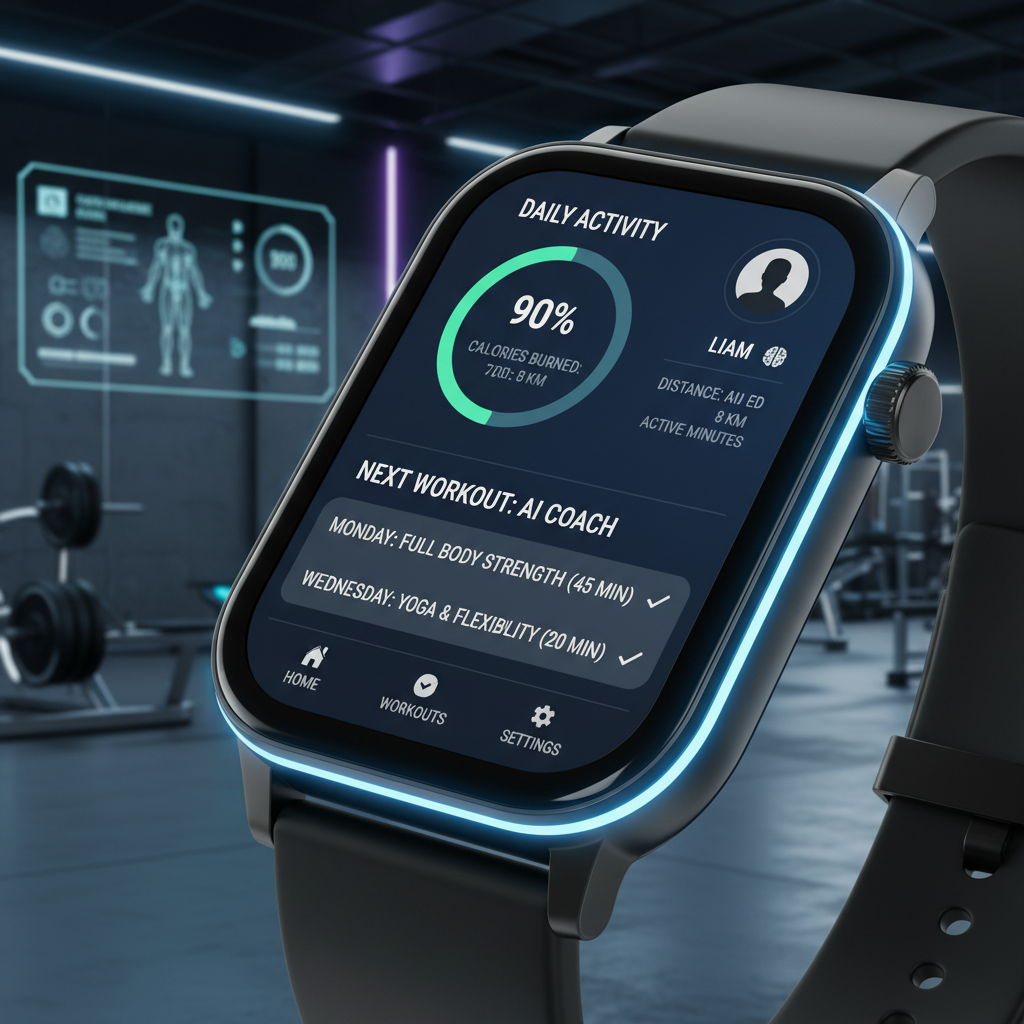
Consider the evolution: early fitness apps might suggest “3 sets of 10 push-ups.” An AI fitness coach, however, takes this basic instruction and elevates it. It observes your logged performance – perhaps you only managed 7 push-ups in the first set, or perhaps you effortlessly completed 15. It then adjusts the subsequent sets, or even future workouts, based on this immediate feedback. If your sleep quality was poor the previous night, or your heart rate variability indicates higher stress, the AI might recommend a lighter workout or more recovery-focused activities. This level of dynamic adaptation, previously the exclusive domain of highly attentive human trainers, is now automated and scaled through AI.
Moreover, recent developments in computer vision and natural language processing are further enhancing AI’s capabilities. Some advanced platforms can now use your smartphone camera to analyze your exercise form, providing real-time feedback on posture and movement, akin to a trainer standing beside you. Others use sophisticated chatbots that understand complex queries about nutrition, recovery, or specific exercises, offering intelligent and context-aware responses. This fusion of data analysis, predictive modeling, and interactive communication is fundamentally reshaping how individuals interact with their fitness journeys, moving from passive consumption of content to active, intelligent co-creation of their wellness path. The result is a more engaging, effective, and ultimately, a more accessible pathway to personal health and fitness.
2. Why Traditional Personal Coaching Remains an Elite Privilege
For all its undeniable benefits, traditional one-on-one personal training has always been characterized by its inherent limitations in terms of accessibility and cost. While the value of a dedicated human expert is immeasurable for many, the barriers to entry prevent a large segment of the population from ever experiencing it. Understanding these limitations is crucial to appreciating the disruptive potential of AI in fitness.
2.1. The Prohibitive Cost Barrier
The most significant hurdle to traditional personal training is its cost. Human trainers are highly skilled professionals who invest significant time, effort, and money into their certifications, continuing education, and business operations. Consequently, their rates reflect this expertise and dedication. A typical hourly session can range anywhere from $50 to $150, or even higher in metropolitan areas or for specialized trainers. Opting for a package of sessions often provides a slight discount, but even then, a commitment to consistent training – say, two sessions per week for a few months – can quickly accumulate into thousands of dollars. For the average individual or family, this expenditure often falls into the category of luxury rather than necessity, particularly when balancing other financial responsibilities.
2.2. Geographic and Scheduling Constraints
Beyond cost, the logistics of traditional training pose considerable challenges. Finding a qualified trainer who aligns with your specific goals, personality, and availability in your geographic location can be difficult. If you live in a less populated area, your options might be severely limited. Even in urban centers, securing a slot with an in-demand trainer often requires significant flexibility on your part. Busy professionals, parents, or individuals with unpredictable work schedules frequently struggle to align their availability with a trainer’s openings, leading to missed sessions or inconsistent progress. Travel time to and from the gym also adds to the overall commitment, further complicating an already packed schedule.
2.3. Limited Continuous Support and Accountability
While human trainers provide invaluable support during sessions, their direct influence is largely confined to those scheduled hours. The time between sessions – where most of your independent effort, nutrition choices, and recovery happen – often lacks immediate, personalized oversight. While good trainers provide homework and general advice, they cannot be with you 24/7 to adjust your form during a home workout, remind you about meal prep, or offer real-time motivation when you are considering skipping a run. This intermittent interaction, while effective during sessions, leaves gaps in continuous guidance and accountability that can be critical for sustained progress, especially for those who need constant reinforcement.
2.4. General Inaccessibility
Ultimately, traditional personal training, by its very nature, is a scarce resource. A single trainer can only serve a finite number of clients effectively. This scarcity, combined with the high cost, inherently makes it inaccessible to the masses. It creates a disparity where comprehensive, personalized fitness guidance becomes a privilege reserved for those with disposable income and flexible schedules, leaving a vast majority to navigate their fitness journeys with generic advice, self-help books, or less effective, one-size-fits-all digital solutions.
Recognizing these systemic limitations is the first step towards appreciating the transformative potential of AI. It’s not about replacing the irreplaceable human element for those who can afford and prefer it, but rather about extending the core benefits of personalized coaching – guidance, adaptation, and motivation – to a demographic that has historically been underserved by the fitness industry.
3. How AI Fitness Coaches Bridge the Gap: Accessibility and Affordability
The fundamental promise of AI fitness coaching is to dismantle the traditional barriers of cost, geography, and availability, thereby democratizing access to personalized training. By leveraging advanced algorithms and scalable technology, AI fitness platforms are making what was once an elite privilege an everyday possibility for millions.
3.1. Significant Cost Reduction and Flexible Pricing Models
Perhaps the most compelling advantage of AI fitness is its affordability. Unlike human trainers who charge by the hour, AI platforms typically operate on a subscription model. For a monthly fee often ranging from $10 to $50 – a fraction of the cost of even a single traditional personal training session – users gain access to unlimited, personalized workout plans, nutritional guidance, progress tracking, and constant adaptation. This low barrier to entry means that top-tier fitness expertise is no longer exclusive to those with significant disposable income, but becomes an accessible component of most household budgets. Many platforms also offer annual discounts, further enhancing their cost-effectiveness.
3.2. 24/7 Availability and Unparalleled Convenience
AI fitness coaches are always on. They do not have fixed working hours, scheduling conflicts, or geographic limitations. Whether you prefer to work out at 5 AM before the kids wake up, during your lunch break at the office, or late at night after your shift, your AI coach is ready. This 24/7 availability allows users to integrate fitness seamlessly into even the most unpredictable and demanding schedules. Furthermore, as long as you have your smartphone or device, your coach is with you, whether you are at home, in a hotel gym, or traveling abroad. This global accessibility means that high-quality, personalized training is truly available anywhere, anytime.
3.3. Scalability and Efficiency
A human personal trainer can only work with a limited number of clients at any given time due to physical and temporal constraints. An AI system, however, can simultaneously serve millions of users, each receiving a uniquely personalized experience. This inherent scalability is what drives the cost efficiency. The initial development of the AI algorithms and platform is significant, but the marginal cost of adding each new user is minuscule. This allows companies to offer advanced, personalized services at a mass-market price point, something utterly impossible with human-centric coaching models.
3.4. Objective and Unbiased Guidance
While human interaction is invaluable, AI brings an element of pure objectivity. It bases its recommendations solely on data, scientific principles, and your specific performance metrics, free from personal biases, subjective opinions, or the emotional fluctuations that can sometimes influence human interaction. This data-driven approach ensures that every adjustment, every recommendation, is rooted in measurable outcomes and optimized for your progress, providing a consistently rational and effective training methodology.
By effectively removing the primary obstacles of cost, availability, and geographic dependency, AI fitness coaches are not just offering an alternative; they are forging a new standard for accessible and effective personal training. They are transforming the fitness landscape, enabling individuals from all walks of life to pursue their health and wellness goals with the sophisticated support once reserved for professional athletes and the affluent.
4. The Core Pillars of AI Fitness Personalization: Beyond Basic Workouts
The power of AI fitness extends far beyond simply generating a generic workout plan. Its true value lies in its ability to create a deeply personalized and adaptive journey for each user, mirroring and often surpassing the level of customization offered by a top-tier human coach. This personalization is built upon several core pillars:
4.1. Data-Driven Customization and Goal Alignment
At its heart, AI fitness thrives on data. Upon onboarding, users typically provide extensive information: their current fitness level (beginner, intermediate, advanced), specific goals (weight loss, muscle gain, endurance, flexibility, strength), health conditions or injuries, dietary preferences, available equipment (bodyweight, dumbbells, full gym), and even their preferred workout duration and intensity. The AI then synthesizes this initial data, often augmented by questionnaires on lifestyle, stress levels, and sleep quality, to craft a foundational program. This ensures that the starting point is perfectly aligned with the individual’s current state and aspirations, rather than a one-size-fits-all approach.
4.2. Dynamic Program Adaptation and Real-time Responsiveness
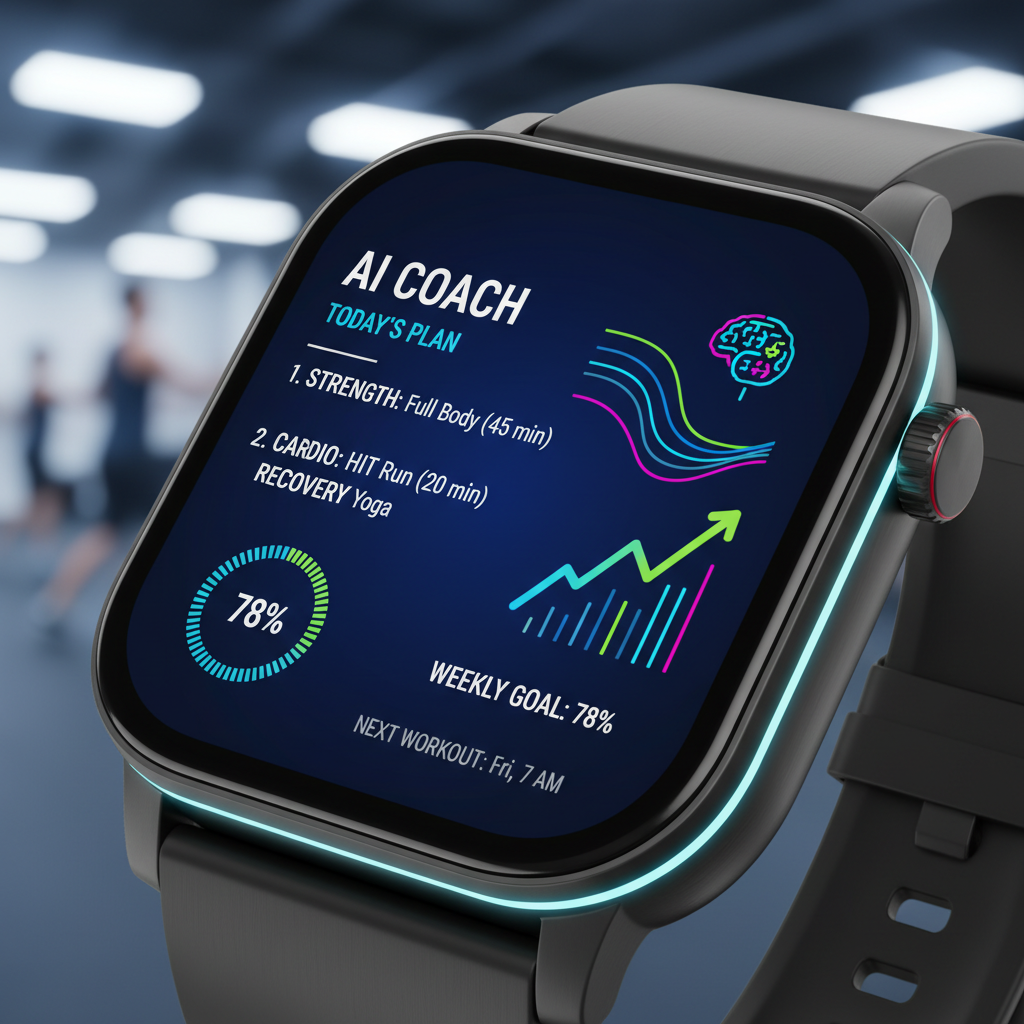
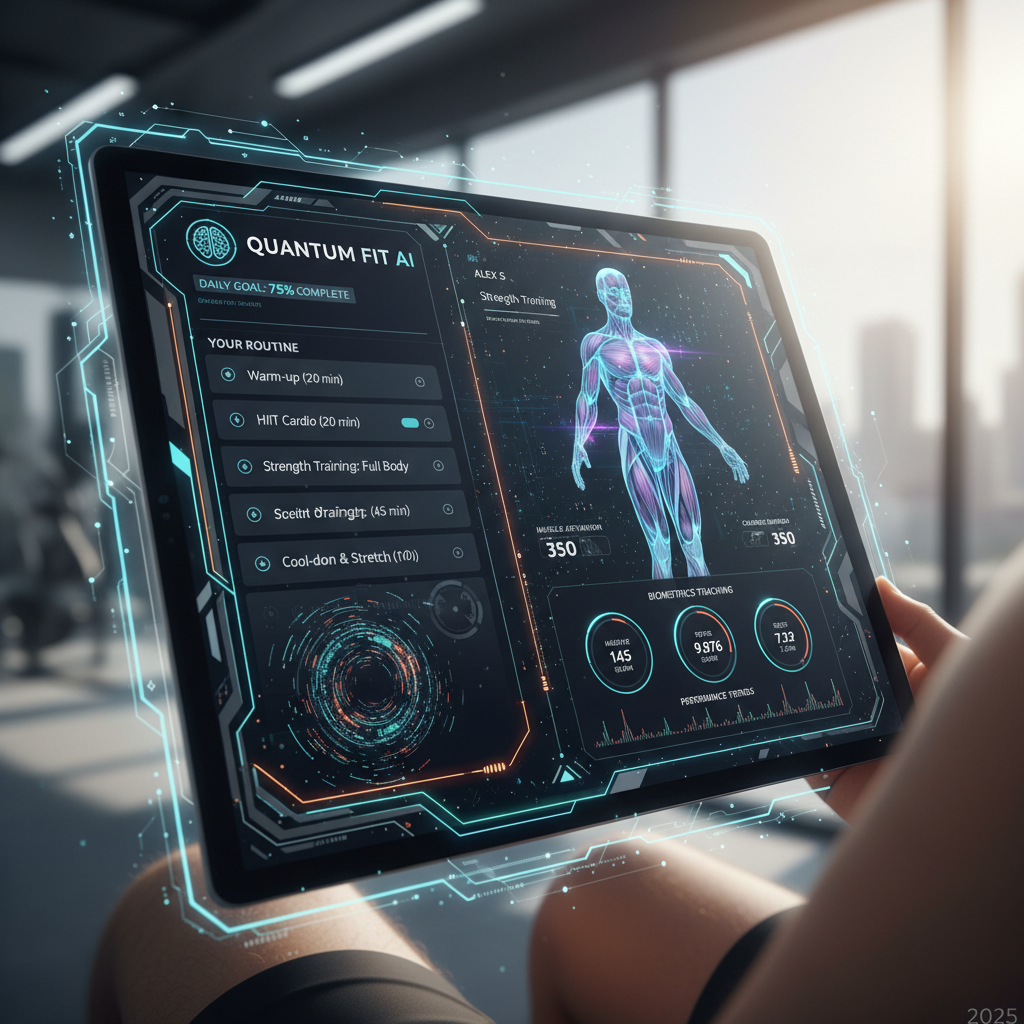
This is arguably the most crucial pillar. Unlike static programs, AI fitness coaches are constantly learning and adapting. After each workout, users typically log their performance (reps completed, weight lifted, perceived exertion). The AI processes this feedback in real-time. If you successfully completed all sets and reps with ease, the AI might recommend increasing the weight or reps for the next session (progressive overload). If you struggled or failed to complete a set, it might suggest reducing the intensity, modifying the exercise, or focusing on form. Furthermore, integration with wearables allows AI to factor in metrics like heart rate variability, sleep quality, and activity levels outside of structured workouts, adjusting future sessions to account for fatigue, recovery needs, or readiness to train. This ensures that the program is always optimal, preventing plateaus and minimizing the risk of overtraining or injury.
- Performance-based Adjustments: If you perform better than expected, the AI increases the challenge; if you struggle, it reduces it.
- Recovery-Informed Modifications: Poor sleep or high stress detected via wearables can lead to recommendations for active recovery days or lighter sessions.
- Progressive Overload Management: Intelligent algorithms ensure that the body is consistently challenged to adapt and grow.
4.3. Intelligent Nutritional Guidance and Meal Planning
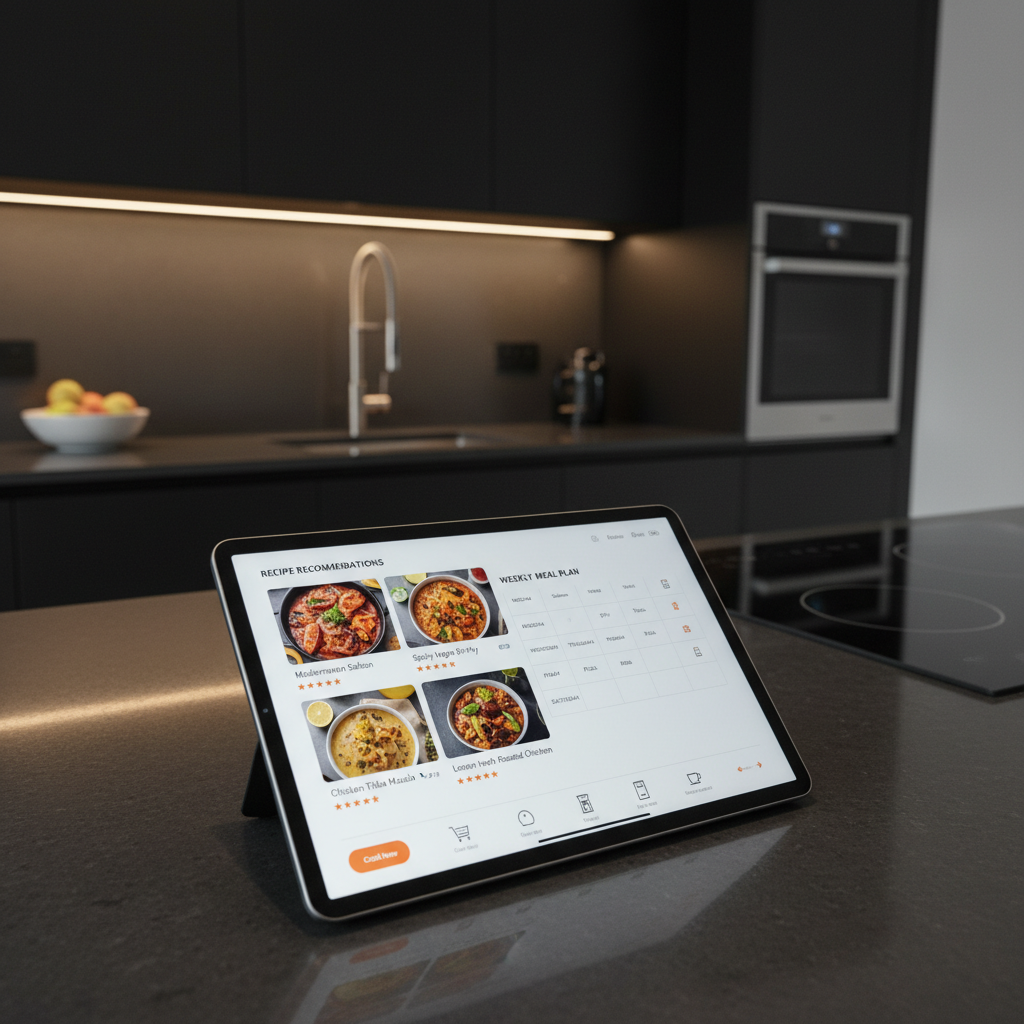
Fitness is 80% nutrition, and AI coaches understand this critical relationship. Many platforms offer sophisticated nutritional guidance, moving beyond generic calorie targets. Based on your goals, dietary preferences (vegetarian, vegan, keto, etc.), allergies, and activity levels, the AI can generate personalized meal plans, suggest recipes, and even create grocery lists. Some advanced systems can learn your food preferences over time and refine recommendations, ensuring adherence and enjoyment. They can also track macronutrient intake, provide feedback on food choices, and educate users on healthy eating habits, transforming abstract nutritional advice into actionable daily plans.
4.4. Form Correction and Safety Enhancement
While not universally available across all platforms, computer vision technology is rapidly advancing to offer real-time form correction. By analyzing video footage from a smartphone camera, AI can detect incorrect posture or movement patterns during exercises like squats, push-ups, or deadlifts. It then provides immediate, verbal, or visual cues to correct the form, significantly reducing the risk of injury and ensuring exercises are performed effectively. For platforms without computer vision, detailed video demonstrations, written cues, and prompts for self-assessment are standard, guiding users towards safer and more effective execution.
4.5. Motivation, Engagement, and Accountability
One of the biggest challenges in any fitness journey is maintaining motivation and consistency. AI fitness platforms tackle this through various mechanisms:
- Progress Tracking: Visual dashboards, graphs, and performance metrics clearly show users how far they have come, reinforcing their efforts.
- Gamification: Earning badges, unlocking new levels, or competing on leaderboards can add an element of fun and challenge.
- Personalized Reminders: Gentle nudges for upcoming workouts, meal prep, or hydration keep users on track.
- Positive Reinforcement: Automated messages celebrating milestones, personal bests, or consistent effort provide encouragement.
This multi-faceted approach helps to build habits and sustain engagement, transforming fitness from a chore into an integrated and rewarding part of daily life.
By meticulously addressing each of these pillars, AI fitness coaches transcend the limitations of generic programs, offering a truly personalized, adaptive, and supportive environment that empowers individuals to achieve their health and fitness aspirations more effectively and safely than ever before.
5. The AI Advantage: Personalized Journeys for Every Body, Every Goal
The beauty of AI fitness lies in its unparalleled ability to cater to an incredibly diverse spectrum of individuals, regardless of their current fitness level, specific goals, or unique circumstances. This universality of personalized application is a significant advantage over traditional one-size-fits-all approaches.
5.1. Tailored Experiences for Every Fitness Level
- For Beginners: Starting a fitness journey can be daunting. AI coaches provide a gentle, structured introduction. They focus on fundamental movements, proper form (often with visual guides or AI-powered form correction), and gradual progression. The AI can recommend lower intensity, shorter durations, and easier exercise variations, slowly building confidence and capability without overwhelming the user. It helps prevent injury and ensures a positive initial experience, which is crucial for long-term adherence.
- For Intermediates: Many individuals hit a plateau after initial progress. AI excels here by constantly analyzing performance and adjusting the program to introduce new challenges. This might include increasing resistance, reps, sets, workout density, or introducing more complex exercise variations. The AI ensures that the body is continually stimulated, preventing stagnation and fostering continuous improvement.
- For Advanced Enthusiasts: Even seasoned athletes can benefit from AI’s precision. AI can optimize training cycles for specific events (e.g., marathon training, powerlifting meets), fine-tune periodization, manage recovery protocols, and provide data-driven insights to break through advanced plateaus. It can offer specialized programming for strength, hypertrophy, endurance, or skill development, ensuring highly efficient and effective training blocks.
5.2. Customization for Diverse Goals
Whether your aim is shedding a few pounds, building significant muscle, improving cardiovascular health, enhancing flexibility, or simply stress reduction, AI can construct a precise roadmap:
- Weight Loss: AI integrates calorie-controlled meal plans, high-intensity interval training (HIIT), and strength workouts, dynamically adjusting based on weight loss progress and energy levels.
- Muscle Gain (Hypertrophy): Programs focus on progressive overload, optimal rep ranges, adequate rest, and protein-rich nutrition plans, adapting to strength gains and recovery needs.
- Endurance Training: AI can design running, cycling, or swimming programs with varying intensities, durations, and recovery periods, often integrating with GPS data and heart rate zones to optimize performance for events like marathons or triathlons.
- Flexibility and Mobility: Incorporates yoga, stretching routines, and mobility drills, adapting to user feedback on range of motion improvements.
- Stress Reduction & Mental Wellness: Many platforms now integrate mindfulness exercises, guided meditations, and gentle movement flows, recognizing the holistic nature of wellness.
5.3. Catering to Specific Populations and Scenarios (with caveats)
While AI is not a substitute for medical advice, it can offer adapted programs for various life stages or situations:
- Pre and Post-Natal Fitness: Some platforms offer specialized, safe workouts for expecting and new mothers, adapting to energy levels and physical changes (always consulting with a doctor first).
- Seniors: Gentle routines focusing on mobility, balance, and functional strength, adjusted for joint health and energy levels.
- Rehabilitation (Supplemental): After consulting with a physiotherapist, AI can provide structured exercises to support recovery and build strength, under professional guidance.
- At-Home Workouts: For those without gym access, AI can create effective bodyweight or minimal-equipment routines.
5.4. Hypothetical Case Studies: AI in Action
To illustrate the practical power of AI, consider these hypothetical scenarios:
Case Study 1: Emily, The Busy Professional
Emily, a 35-year-old marketing manager, travels frequently and has an unpredictable schedule. She wants to lose weight and improve her energy levels but struggles with consistency. Her AI coach tracks her daily activity via her smartwatch, notes her inconsistent sleep patterns when she travels, and adapts her workouts. On a travel day, it might suggest a short hotel room bodyweight routine. If it detects a restful night, it might push for a more intense HIIT session. It also integrates her food logging, showing her how her diet on the road impacts her progress, offering healthier alternatives specific to common travel meals. Emily appreciates the flexibility and how the AI never judges, only adapts, helping her stay on track despite her demanding life.
Case Study 2: Alex, The Budget-Conscious Student
Alex, 22, is a university student with limited funds and only access to a basic gym. He wants to build muscle but finds most online programs too generic or requiring expensive equipment. His AI coach generates a progressive strength training program specifically using the equipment available at his university gym. It carefully manages his volume and intensity, ensuring he gets sufficient rest and tracks his caloric intake to support muscle growth, all within a budget-friendly meal plan using common student grocery items. Alex is able to achieve significant gains without the financial strain of a personal trainer.
Case Study 3: David, The Aspiring Triathlete
David, 40, is an experienced runner who wants to complete his first Olympic-distance triathlon. He uses an AI coach that integrates with his GPS watch and heart rate monitor. The AI designs a multi-sport training plan, periodizing his swimming, cycling, and running workouts, gradually increasing intensity and volume as the race approaches. It monitors his recovery metrics (e.g., HRV), suggesting active recovery or rest days when needed, and provides race-specific nutrition strategies. David feels confident that his training is optimized and minimizes the risk of overtraining, something that often happens with self-coached athletes.
These examples underscore how AI is not just a technological gimmick, but a potent tool for truly democratizing personalized fitness, empowering individuals to pursue and achieve their unique wellness aspirations, irrespective of their background or current situation.
6. Addressing the Skepticism: Data Privacy, Human Touch, and Limitations
While the benefits of AI fitness are profound, it is natural and essential to address common skepticism and understand the inherent limitations. Transparency and realistic expectations are key to maximizing the value of these platforms.
6.1. Data Privacy and Security Concerns
One of the most significant concerns for users of any AI-powered platform, especially those dealing with sensitive health data, is privacy. AI fitness coaches collect a wealth of personal information, from biometric data (heart rate, sleep patterns) to performance metrics, dietary habits, and even injury history. The fear of this data being misused, breached, or sold is legitimate.
Addressing the Concern: Reputable AI fitness platforms prioritize data security and adhere to stringent privacy policies. They employ robust encryption protocols for data storage and transmission, often complying with international data protection regulations like GDPR (General Data Protection Regulation) or HIPAA (Health Insurance Portability and Accountability Act) standards where applicable. Users should diligently research the privacy policy of any platform they consider, looking for assurances regarding data anonymization, explicit consent for data usage, and the option to control or delete their data. Many platforms also commit to not selling user data to third parties. Ultimately, choosing a well-established and trusted provider with a clear track record in data security is paramount.
6.2. The ‘Lack of Human Connection’ and Motivational Impact
A frequent critique of AI coaching is the perceived absence of genuine human connection, empathy, and the unique motivational power of a human trainer. A human trainer can sense your mood, offer a comforting word, or share a personal anecdote that resonates deeply. AI, by its nature, cannot replicate this emotional intelligence.
Addressing the Concern: It is true that AI cannot replicate the nuanced emotional support of a human. However, AI’s strength lies in its objectivity, consistency, and data-driven encouragement. While it may not offer emotional empathy, it provides relentless, unbiased support based on your goals and progress. It tracks every milestone, celebrates every personal best, and consistently adapts to keep you challenged, often through gamified elements and personalized positive feedback messages. For many, this objective, data-backed motivation is highly effective. Furthermore, AI fitness is not always about replacing human interaction entirely but can serve as a powerful complement. Some platforms even integrate community features or allow for hybrid models where a human coach oversees multiple AI-assisted clients.
6.3. Limitations in Form Correction and Injury Management
While computer vision technology is advancing rapidly, its current capabilities for real-time, precise form correction can still be limited compared to an experienced human eye. A human trainer can spot subtle compensations or underlying movement dysfunctions that AI might miss, especially without sophisticated multi-angle camera setups or specialized sensors. Similarly, while AI can adapt programs around stated injuries, it cannot diagnose, treat, or provide the same level of hands-on physical therapy or rehabilitation guidance as a qualified medical professional or physiotherapist.
Addressing the Concern: Users should be aware of these limitations. For serious injuries or chronic conditions, consulting with a doctor or physical therapist is always recommended before starting any new fitness regimen, AI-based or otherwise. AI fitness platforms can then be used to support and augment professional advice, providing structured exercises within safe parameters. For form correction, relying on detailed video demonstrations, verbal cues, and user self-assessment, alongside any AI visual feedback, is crucial. If pain is experienced, the AI typically prompts for feedback and can suggest modifications or alternatives, but it cannot replace the diagnostic and prescriptive power of a human expert.
6.4. Ethical Considerations and Algorithmic Bias
As AI becomes more sophisticated, ethical questions arise. Could algorithmic biases unintentionally lead to less effective or even harmful recommendations for certain demographics if the training data was not diverse enough? How transparent are the algorithms in their decision-making?
Addressing the Concern: Developers of AI fitness platforms are increasingly aware of these ethical considerations. Efforts are made to ensure diverse and representative datasets are used to train the AI to minimize bias. Transparency, while challenging given the complexity of machine learning, is being addressed through clearer explanations of how recommendations are generated and allowing users more control over their data and preferences. As the field matures, ethical AI development will remain a critical focus.
In summary, while AI fitness offers unparalleled advantages in accessibility and personalization, it is not without its considerations. Users should approach these platforms with a clear understanding of what AI excels at and where human expertise or caution is still paramount. By doing so, they can effectively harness the power of AI to achieve their fitness goals while navigating its limitations responsibly.
7. Implementing AI Fitness into Your Life: A Step-by-Step Guide
Embarking on an AI-powered fitness journey is an exciting step towards a more personalized and affordable approach to wellness. To ensure you maximize the benefits and integrate your AI coach effectively into your daily routine, consider this step-by-step guide.
7.1. Step 1: Research and Choose the Right Platform
The market for AI fitness apps is growing rapidly, with various platforms offering different features, specializations, and pricing structures. Take time to research and compare:
- Identify Your Core Goals: Are you focused on weight loss, muscle gain, running, flexibility, or a combination? Some platforms specialize (e.g., strength training only), while others offer a broader spectrum.
- Review Key Features: Do you need nutritional guidance, form correction (via computer vision), extensive wearable integration, or specific types of workouts (e.g., bodyweight, gym-based)?
- Check Compatibility: Ensure the app is compatible with your smartphone, smartwatch, or other wearables you already own.
- Read Reviews and Trials: Look at user reviews on app stores or independent tech websites. Many platforms offer free trials, which are invaluable for testing the user interface, understanding the AI’s approach, and ensuring it aligns with your style.
- Understand the Pricing Model: Be clear on subscription costs, whether monthly or annual, and if there are any hidden fees.
Popular examples (not exhaustive and continuously evolving) include Future (human-led with AI support), Jefit, Fitbod, Peloton App (with AI features), Freeletics, and countless others.
7.2. Step 2: Set Up Your Profile Accurately and Honestly
The AI’s ability to personalize depends entirely on the quality of the data you provide. During the onboarding process:
- Be Honest About Your Current Fitness Level: Do not inflate your abilities. It is better to start slightly easier and progress quickly than to start too hard and get discouraged or injured.
- Clearly Define Your Goals: Be specific. “Lose 10 pounds” is better than “get fit.” “Run a 5k in under 30 minutes” is better than “run more.”
- Input All Relevant Health Information: Disclose any past or current injuries, chronic conditions, or physical limitations. The AI will often adapt workouts or suggest modifications based on this.
- Detail Equipment Availability: Accurately list what equipment you have access to, whether it is just bodyweight, resistance bands, dumbbells, or a full gym.
- Provide Dietary Preferences: If the platform offers nutrition, clearly state any dietary restrictions, allergies, or preferences.
7.3. Step 3: Integrate Your Wearables (if applicable)
To maximize the AI’s adaptive capabilities, connect any compatible wearables (e.g., Apple Watch, Garmin, Fitbit, Whoop, Oura Ring). This allows the AI to pull in real-time data on:
- Heart Rate: To monitor intensity during workouts and track recovery.
- Sleep Patterns: To assess recovery and readiness for training.
- Activity Levels: To understand your overall movement outside of structured exercise.
- Heart Rate Variability (HRV): An advanced metric for stress and recovery.
This continuous data stream enables the AI to make truly dynamic, day-to-day adjustments to your program, ensuring you are always training optimally for your current physiological state.
7.4. Step 4: Engage Consistently and Provide Feedback
An AI coach is only as good as the feedback it receives.
- Follow the Program: Commit to the workouts and nutritional plans it recommends. Consistency is key to seeing results.
- Log Your Performance Accurately: After each workout, faithfully log the reps, sets, weight, and your perceived effort (RPE). This data is crucial for the AI’s learning algorithms to adapt your next session.
- Provide Honest Feedback: If an exercise feels too easy or too hard, if you experience pain, or if you simply dislike a particular movement, provide that feedback within the app. The AI learns from your preferences and experiences.
- Check-in Regularly: Engage with any daily questions or prompts the AI might have about your mood, energy levels, or stress.
7.5. Step 5: Monitor Progress and Celebrate Milestones
Most AI fitness platforms offer robust progress tracking tools. Regularly review your:
- Performance Metrics: See how your weights, reps, or running times have improved.
- Body Metrics: Track weight, body fat percentage (if you measure it), or measurements.
- Consistency: Celebrate streaks of completed workouts.
- Goal Attainment: Acknowledge when you hit a mini-goal or a major milestone.
Celebrating these achievements helps maintain motivation and reinforces the positive impact of your consistent effort.
7.6. Step 6: Combine with Other Activities and Remain Open to Learning
An AI coach is a powerful tool, but it does not have to be your *only* tool. Feel free to combine your structured AI program with other activities you enjoy, like hiking, sports, or dance. Remain open to learning new exercises, nutritional facts, and fitness principles that the AI might introduce. The more engaged and proactive you are, the more rewarding your AI-powered fitness journey will be.
By following these steps, you can effectively integrate an AI fitness coach into your life, harnessing its power to achieve your health and wellness goals with unprecedented personalization, affordability, and convenience.
8. Comparison Tables
To further illustrate the unique value proposition of AI fitness, let’s compare it directly with traditional personal training and outline key features of typical AI fitness platforms.
Table 1: Traditional Personal Training vs. AI Fitness Coaching
| Feature Category | Traditional Personal Training | AI Fitness Coaching | Key Differentiator |
|---|---|---|---|
| Cost (Average) | $50 – $150 per hour session; hundreds to thousands monthly. | $10 – $50 per month subscription. | Dramatic affordability and accessible pricing model. |
| Availability | Limited by trainer’s schedule and your location; scheduled appointments only. | 24/7 on-demand access via app; available anywhere with internet. | Unrestricted access and ultimate convenience. |
| Personalization | Highly personalized based on direct human interaction and observation. | Highly personalized based on extensive data input, performance logs, and wearable metrics. | AI’s dynamic, data-driven adaptation at scale. |
| Feedback & Form Correction | Direct, real-time, hands-on physical and verbal cues from trainer. | Video demonstrations, detailed cues; some platforms offer AI-powered computer vision analysis. | AI offers objective, scalable feedback, though human touch is unique. |
| Human Interaction / Empathy | High: Direct emotional connection, subjective support, accountability from a person. | Low: Objective, data-driven motivation; some platforms offer community features or hybrid human support. | AI lacks emotional empathy but provides consistent, data-backed guidance. |
| Nutritional Guidance | Often provided by trainer (if qualified); can be highly individualized based on discussion. | Algorithm-generated meal plans, macro tracking, recipe suggestions based on preferences and goals. | AI offers immediate, scalable meal planning that adapts to dietary needs. |
| Progress Tracking | Trainer records progress; often manual or basic app integration. | Automated, detailed tracking of every metric; visual dashboards and analytics. | AI provides comprehensive, automatic, and easily visualized progress reports. |
| Injury Prevention & Management | Trainer adjusts based on observation; provides specific modifications, can refer to specialists. | Adapts workouts based on user-reported injuries; suggests modifications; *cannot* diagnose or treat. | AI aids in prevention through adaptation; human expert needed for diagnosis/treatment. |
| Scalability | Limited to one-on-one or small groups; inherently unscalable. | Infinitely scalable, serving millions simultaneously. | AI’s ability to democratize access to personalized training. |
Table 2: Key Features of Leading AI Fitness Platforms (Illustrative Examples)
| Platform Feature | Description | Benefit to User | Complexity Level (AI) |
|---|---|---|---|
| Dynamic Workout Programming | AI constantly adjusts exercises, sets, reps, and weights based on logged performance, recovery, and goals. | Ensures optimal challenge, prevents plateaus, and reduces risk of overtraining or injury. | High (Machine Learning) |
| Personalized Nutritional Planning | Generates custom meal plans, recipe suggestions, and macro breakdowns based on user’s goals, diet, and activity. | Streamlines healthy eating, supports fitness goals, and reduces guesswork in diet. | Medium (Rule-based + ML) |
| Wearable Integration | Connects with smartwatches/trackers (e.g., Apple Watch, Garmin, Whoop) to pull real-time HR, sleep, HRV data. | Provides a holistic view of user’s physiological state, enabling smarter workout adaptations. | Medium (API Integration + ML) |
| AI-Powered Form Analysis | Uses smartphone camera or sensors to analyze exercise form and provide real-time feedback. | Improves exercise effectiveness, corrects technique, and significantly reduces injury risk. | High (Computer Vision + ML) |
| Adaptive Coaching Language / Chatbot | Engages with users through natural language, answering fitness/nutrition questions and providing motivational cues. | Offers immediate, context-aware support and personalized encouragement, enhancing engagement. | High (Natural Language Processing) |
| Progress Visualization & Gamification | Presents progress through intuitive dashboards, graphs; incorporates badges, streaks, and challenges. | Maintains motivation, provides clear evidence of improvement, and makes fitness enjoyable. | Low-Medium (Data Visualization + Gamification Logic) |
| Injury Adaptation & Modification | Suggests alternative exercises or modifies existing ones based on user-reported injuries or limitations. | Allows continued training safely, avoids exacerbating existing conditions, and supports recovery. | Medium (Rule-based + ML) |
| Recovery & Readiness Tracking | Analyzes sleep, stress, and HRV data to recommend optimal rest days or intensity adjustments. | Optimizes training load, prevents burnout, and ensures the body is prepared for performance. | High (Predictive Analytics + ML) |
9. Practical Examples: Real-World Use Cases and Scenarios
The theoretical benefits of AI fitness truly come alive when observed through real-world applications. Here are practical examples demonstrating how diverse individuals can leverage AI fitness for their unique journeys:
9.1. The Parent Juggling Family Life and Fitness
Scenario: Sarah, a 32-year-old mother of two, struggles to find time for herself amidst school runs, work commitments, and household chores. Her fitness goals are to regain core strength post-pregnancy and improve overall energy levels, but traditional gym visits are almost impossible to schedule consistently.
AI Solution: Sarah subscribes to an AI fitness app that specializes in at-home, bodyweight, or minimal-equipment workouts. During onboarding, she specifies her limited equipment (a set of resistance bands), her desire for shorter, high-impact sessions, and her focus on core and pelvic floor strength. The AI creates 25-minute workout routines that Sarah can do during her children’s nap times or after they go to bed. It integrates with her wearable to track sleep quality, and on nights when her youngest keeps her awake, the AI suggests a lighter, more restorative workout with extra stretching. The app’s visual guides ensure she maintains proper form for core exercises. Sarah logs her meals, and the AI provides quick, healthy recipe suggestions for busy evenings. She appreciates that the AI never ‘judges’ her missed workouts on particularly hectic days but simply adapts her next session without fuss.
Outcome: Sarah consistently fits in effective workouts, feels stronger, and has more energy to keep up with her kids, all without the pressure of gym schedules or expensive childcare for personal training sessions.
9.2. The Entry-Level Fitness Enthusiast with a Budget
Scenario: Mark, a 24-year-old recent college graduate, is keen to get in shape, build some muscle, and improve his overall health. He has a tight budget and is intimidated by complex gym routines or the high cost of a personal trainer.
AI Solution: Mark chooses an AI fitness app known for its strength training programs and affordability. He inputs his beginner status, his goal to build muscle, and details the equipment available at his local, budget-friendly gym (basic free weights and machines). The AI generates a structured, progressive program that introduces him to foundational lifts with clear video demonstrations. It tracks his weights and reps, ensuring he’s always pushing for progressive overload. If he struggles with a certain exercise, the AI suggests an easier modification or an alternative. The app also provides a basic, budget-friendly meal plan focused on protein intake to support muscle growth. Mark uses the in-app chat function to ask simple questions about exercise technique or post-workout nutrition, receiving instant, accurate answers.
Outcome: Mark confidently navigates the gym, makes consistent strength gains, and develops healthy habits, all within his financial means and without feeling lost or overwhelmed.
9.3. The Individual Breaking Through a Performance Plateau
Scenario: Jessica, a 38-year-old avid runner, has been stuck at the same 10k time for months. She wants to improve her speed and endurance for an upcoming race but isn’t sure how to adjust her training to break her plateau.
AI Solution: Jessica opts for an AI fitness platform that integrates advanced running analytics and periodization. She links her GPS running watch, inputs her current 10k time, and her goal for the upcoming race. The AI analyzes her past training data (pace, heart rate zones, cadence) and designs a multi-week training block that incorporates speed work, tempo runs, long slow distance, and crucially, strength training tailored for runners. It monitors her daily recovery (via HRV from her wearable) and adjusts the intensity of her runs. If she shows signs of overtraining, it recommends an active recovery day or a lighter session. The AI even suggests specific running drills to improve her form and efficiency, with video examples.
Outcome: Jessica breaks her 10k personal best, feeling stronger and more prepared for her race, thanks to the AI’s intelligent optimization of her training load and specific speed work.
9.4. The Senior Focusing on Mobility and Functional Strength
Scenario: Robert, a 68-year-old retiree, wants to maintain his independence and improve his balance and mobility to enjoy his hobbies, like gardening, more safely. He’s cautious about strenuous exercise due to a past knee injury.
AI Solution: Robert selects an AI fitness app that offers specialized programs for seniors and emphasizes functional movement. He provides details about his knee injury and his primary goals of balance and mobility. The AI generates gentle, low-impact routines focusing on exercises like chair squats, wall push-ups, leg raises for balance, and various stretches. The app includes large, clear video demonstrations and verbal cues to ensure safe execution. If an exercise causes discomfort, Robert can log this feedback, and the AI immediately suggests a pain-free alternative or modification. It also includes short, guided balance practices he can do daily. The AI’s gentle reminders encourage consistency without being overwhelming.
Outcome: Robert experiences improved balance, greater ease in his daily activities, and reduced knee discomfort, allowing him to continue gardening and living an active, independent life, all guided by a program tailored precisely to his needs and limitations.
These examples highlight the versatility and profound impact of AI fitness coaching, proving its ability to provide meaningful, personalized support across a wide range of needs, budgets, and life circumstances.
10. Frequently Asked Questions
Q: What exactly is an AI Fitness Coach?
A: An AI fitness coach is a software application or platform that uses artificial intelligence, machine learning, and data analysis to provide personalized fitness and nutritional guidance. Unlike traditional, static apps, an AI coach dynamically adapts your workout plans, exercise selections, weights, reps, and even nutritional recommendations in real-time based on your goals, performance, feedback, and sometimes even biometric data from wearables (like heart rate, sleep, and recovery metrics).
Q: How accurate is the personalization offered by AI Fitness platforms?
A: The accuracy of personalization is remarkably high and continuously improving. AI fitness platforms leverage sophisticated algorithms to process vast amounts of data, including your initial fitness assessment, logged workout performance, individual feedback, and integrated wearable data. This allows for highly nuanced adjustments that can rival or even surpass the consistency of a human trainer. The more data you provide and the more consistently you engage, the more precisely the AI can tailor your journey.
Q: Is AI fitness coaching safe, especially for beginners or those with injuries?
A: Yes, AI fitness coaching can be very safe, often safer than a beginner trying to navigate fitness on their own. AI platforms are designed to start users at an appropriate level, focus on fundamental movements, and provide clear instructions with video demonstrations. For those with injuries, you typically input these conditions during onboarding, and the AI will adapt workouts by suggesting modifications or alternative exercises. However, it is crucial to remember that AI cannot diagnose or treat medical conditions. Always consult a doctor or physical therapist for serious injuries or health concerns before starting any new fitness program, including AI-guided ones.
Q: Can AI coaches provide nutritional guidance?
A: Absolutely. Most comprehensive AI fitness platforms include robust nutritional guidance. Based on your fitness goals (e.g., weight loss, muscle gain), dietary preferences (vegetarian, keto, etc.), allergies, and activity levels, the AI can generate personalized meal plans, suggest recipes, track macronutrient intake, and provide education on healthy eating habits. This helps ensure your diet supports your training effectively.
Q: What about data privacy when using AI fitness apps?
A: Data privacy is a critical concern, and reputable AI fitness platforms prioritize it. They typically employ strong encryption, adhere to strict data protection regulations (like GDPR), and have clear privacy policies outlining how your data is collected, stored, and used. Many commit to not selling your personal data to third parties. It is essential to research and choose platforms with transparent privacy practices and a solid reputation for data security.
Q: Can AI fitness replace a human personal trainer entirely?
A: While AI fitness coaches offer incredible personalization and accessibility, they generally do not entirely replace the unique benefits of a human personal trainer for everyone. AI excels at data-driven programming, adaptation, and consistent guidance. However, a human trainer provides invaluable emotional empathy, hands-on physical adjustments, the ability to read subtle body language, and immediate, nuanced problem-solving for complex situations. For many, AI is a powerful, affordable complement or a superior alternative when a human trainer is not feasible or desired.
Q: How much does AI fitness coaching typically cost compared to traditional training?
A: The cost difference is significant. Traditional personal training typically costs between $50 to $150 per hour session, leading to hundreds or thousands of dollars per month for consistent training. AI fitness coaching, on the other hand, usually operates on a subscription model, costing anywhere from $10 to $50 per month, offering unlimited access to personalized programs and features. This makes AI fitness exponentially more affordable and accessible.
Q: Do I need special equipment or wearables to use an AI fitness coach?
A: Not necessarily. Many AI fitness platforms offer comprehensive programs for bodyweight-only workouts, requiring no special equipment. Others cater to users with minimal equipment (e.g., dumbbells, resistance bands) or those with full gym access. While integrating wearables (like smartwatches) enhances the AI’s ability to gather data and personalize further, it is often optional and not a prerequisite for using the service. You can typically specify your available equipment during setup.
Q: How does AI fitness handle motivation and consistency?
A: AI fitness platforms use various strategies to foster motivation and consistency. These include clear progress tracking dashboards (visualizing gains and milestones), gamification elements (earning badges, streaks, challenges), personalized reminders for workouts and nutrition, and positive reinforcement messages. By making progress visible and celebrating achievements, AI helps build sustainable habits and keeps users engaged with their fitness journey.
Q: What are the limitations of AI fitness coaching?
A: Key limitations include the lack of true human empathy and subjective emotional support. While AI can provide feedback, its form correction via computer vision may not be as nuanced as a human’s in all complex movements or angles. AI cannot diagnose medical conditions or provide hands-on physical therapy. Additionally, the effectiveness depends heavily on the accuracy of user input and consistent engagement; “garbage in, garbage out” applies to AI. For complex medical cases or specific psychological needs, human professionals remain irreplaceable.
11. Key Takeaways
The rise of AI in fitness represents a pivotal moment, transforming how individuals approach and achieve their health and wellness goals. The shift from traditional, often inaccessible, personal training to affordable, personalized AI coaching empowers millions to embark on effective fitness journeys. Here are the key takeaways from our exploration:
- Democratization of Elite Coaching: AI fitness has broken down the traditional barriers of cost and geography, making high-quality, personalized training accessible to a far wider audience than ever before.
- Unprecedented Affordability: With subscription models costing a fraction of traditional personal training, AI platforms offer an economically viable path to expert fitness guidance.
- Hyper-Personalization at Scale: Leveraging vast amounts of data from user input, performance logs, and wearables, AI crafts dynamic, adaptive workout and nutrition plans tailored to individual needs, goals, and real-time physiological states.
- 24/7 Availability and Convenience: AI coaches are always on, providing on-demand guidance that seamlessly fits into even the most unpredictable schedules and allowing for workouts anywhere, anytime.
- Data-Driven Adaptation: The core strength of AI lies in its ability to continuously learn from user performance and recovery metrics, dynamically adjusting programs to prevent plateaus, optimize progress, and reduce injury risk.
- Holistic Wellness Support: Beyond workouts, many AI platforms integrate intelligent nutritional guidance, progress visualization, and motivational elements, fostering a comprehensive approach to health.
- Addressing Skepticism Responsibly: While AI offers immense benefits, it’s crucial to acknowledge and address concerns regarding data privacy (by choosing reputable platforms), the absence of human empathy (understanding AI’s objective strengths), and limitations in complex injury management (always consult medical professionals).
- Empowerment for Every Level: From beginners seeking a safe introduction to fitness, to advanced athletes aiming to break plateaus, AI provides customized pathways for all fitness levels and diverse goals.
- A Complementary Force: AI is not necessarily a replacement for human trainers but rather a powerful complement, especially for those for whom traditional coaching is not an option, or for augmenting human-led programs.
- Future of Fitness is Personalized: The ongoing evolution of AI, including advancements in computer vision for form analysis and more sophisticated predictive analytics, promises an even more intuitive, effective, and engaging future for personalized fitness.
Ultimately, AI fitness represents a significant stride towards making personalized health and wellness an attainable reality for everyone, fostering a healthier, more active global population.
12. Conclusion
The aspiration for a healthier, stronger, and more vibrant self is universal. Yet, for too long, the path to achieving truly personalized and expert-guided fitness has been an exclusive one, limited by the formidable barriers of cost, access, and logistical complexity inherent in traditional personal training. We stand at a transformative juncture where artificial intelligence is shattering these barriers, redefining what ‘elite coaching’ means and, more importantly, who gets to experience it.
AI fitness is not merely a technological novelty; it is a profound democratizing force in the wellness industry. By intelligently harnessing vast datasets, machine learning algorithms, and seamless digital integration, AI coaches are delivering a level of personalized, adaptive, and supportive guidance that was once the sole domain of the affluent or the professional athlete. From dynamically adjusting your next workout based on yesterday’s sleep to providing tailored nutrition plans that evolve with your progress, AI offers a 24/7, highly responsive, and unbiased partner in your fitness journey. It empowers the busy parent, the budget-conscious student, the plateaued enthusiast, and the cautious senior alike, allowing each to unlock their unique potential.
While the human touch and empathy of a traditional trainer remain invaluable for those who seek and can afford it, AI presents an equally compelling, and often superior, alternative for the masses. It addresses the practical realities of modern life, offering unparalleled flexibility and affordability without compromising on the quality or effectiveness of the training. As AI continues to evolve, integrating even more sophisticated capabilities like advanced computer vision for real-time form correction and deeper physiological insights, its role in personal wellness will only grow.
The era of ‘Elite Coaching for Everyone’ is not a futuristic dream; it is the present reality. By embracing AI fitness, we are collectively stepping into a future where individualized health and peak performance are no longer privileges, but accessible rights. It is an invitation for every individual, at every level, to embark on a truly personalized fitness journey, supported by intelligent technology that adapts, motivates, and guides them towards their best self. The power to unleash your affordable personal training journey with AI fitness is now literally at your fingertips. It is time to seize it.


























































Leave a Reply