


In an increasingly fast-paced world, the demands on our time seem to grow exponentially. Among the myriad tasks vying for our attention, preparing healthy, delicious, and consistent meals often falls by the wayside, leading to last-minute takeaways, unhealthy choices, and significant food waste. The traditional meal prep cycle, from deciding what to cook to ensuring you have all the ingredients, can be a time-consuming and often frustrating endeavor. But what if there was a way to delegate the most tedious parts of this process, freeing up your time and mental energy? Enter Artificial Intelligence, the silent orchestrator poised to revolutionize your entire meal preparation workflow, transforming your kitchen from a chore hub into a seamless culinary studio.
This comprehensive guide will delve deep into how AI is moving beyond simple recipe recommendations to orchestrate every facet of your meal prep journey. From intelligently scanning your fridge and pantry to suggest bespoke meals, to generating optimized grocery lists, streamlining your cooking process, and even minimizing food waste, AI is set to become your indispensable kitchen companion. We will explore the current capabilities, practical applications, and future potential of AI in creating a more efficient, healthier, and enjoyable relationship with food. Prepare to discover how ‘From Fridge to Feast’ is no longer just an aspiration, but an automated reality, powered by intelligent algorithms designed to cater to your unique tastes, dietary needs, and lifestyle.
The Core Problem: Navigating the Labyrinth of Traditional Meal Prep
Before we can appreciate the transformative power of AI, it is crucial to understand the inherent challenges and pain points that have plagued traditional meal preparation for generations. These obstacles often deter even the most enthusiastic home cooks, pushing them towards less healthy and more expensive alternatives.
One of the most significant hurdles is decision fatigue. After a long day of work or other responsibilities, the thought of sifting through countless recipes, checking ingredient availability, and then planning the execution can be overwhelming. This mental exhaustion often leads to resorting to quick, convenient, but often less nutritious options. The sheer volume of choices available online, in cookbooks, or from friends can paradoxically make the decision harder, not easier.
Another major issue is food waste. We often buy ingredients with good intentions, only for them to languish in the back of the fridge, eventually expiring unused. This isn’t just a financial drain; it is also a significant environmental concern. Misjudging portion sizes, forgetting what you have, or buying impulsively contribute heavily to this problem. According to recent studies, a substantial percentage of edible food is wasted at the household level, representing billions of dollars annually and contributing to greenhouse gas emissions.
Time constraints are also a perpetual challenge. Modern lifestyles leave little room for elaborate meal planning and cooking sessions. Many individuals find themselves struggling to allocate sufficient time for grocery shopping, ingredient preparation, and the actual cooking, especially during busy weekdays. The quest for speed often compromises nutritional quality and taste.
Furthermore, maintaining nutritional balance and dietary adherence can be complex. For individuals with specific dietary restrictions (e.g., allergies, intolerances, vegan, keto), health goals (e.g., weight loss, muscle gain), or chronic conditions (e.g., diabetes), ensuring meals meet precise requirements demands meticulous planning and tracking. This often requires significant knowledge and constant vigilance, which can be exhausting to maintain consistently.
Lastly, the lack of culinary inspiration often leads to cooking the same few dishes repeatedly, resulting in mealtime boredom. While variety is the spice of life, generating fresh, appealing, and suitable meal ideas on a regular basis is a creative challenge that many find difficult to overcome. This cycle of repetition can diminish the joy of cooking and eating, making meal prep feel like a mundane chore rather than an enriching experience.
These pervasive challenges highlight a clear need for a smarter, more integrated approach to meal preparation. This is precisely where Artificial Intelligence steps in, offering elegant solutions to simplify, personalize, and optimize every stage of the culinary journey.
AI at the Helm: From Inventory to Inspiration
The first pivotal step in revolutionizing meal prep with AI involves leveraging its power to understand and manage your existing kitchen inventory. Gone are the days of guessing what’s in your pantry or peering into a cluttered fridge. AI-powered systems are designed to offer a transparent, real-time view of your ingredients, fundamentally changing how you approach cooking and shopping.
Imagine a scenario where your kitchen is equipped with smart sensors, or even a simple smartphone app using computer vision, capable of identifying items as they enter and exit your pantry or refrigerator. These technologies can accurately log every ingredient, from a carton of eggs to a bunch of kale, noting quantities and even estimated expiration dates. Some advanced systems are already integrating with smart appliance cameras, allowing them to visually scan and catalog items within your fridge without manual input. This immediate and accurate inventory knowledge forms the bedrock of an AI-driven meal prep workflow.
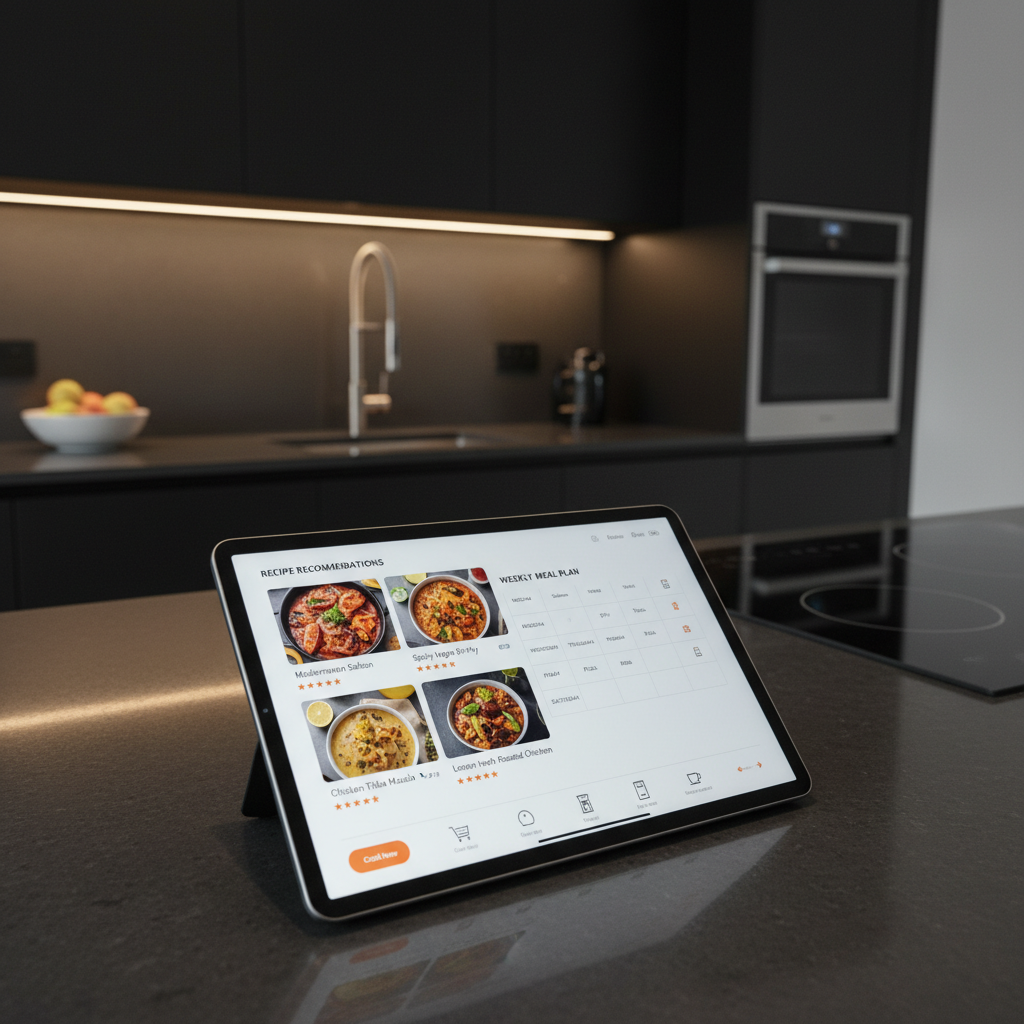
Once the AI has a comprehensive understanding of your available ingredients, its true magic begins: personalized recipe inspiration. Instead of browsing generic recipes, the AI can filter and suggest dishes that specifically utilize what you already have on hand. This is not merely a keyword search; it involves sophisticated algorithms that can understand ingredient relationships, substitute items if necessary, and suggest complementary flavors. For instance, if you have chicken breasts, bell peppers, and rice, the AI might suggest a stir-fry, fajitas, or a curry, while also considering your stated preferences and past cooking habits.
This approach drastically reduces food waste by prioritizing the use of ingredients nearing their expiration or those that have been in your inventory for a while. It transforms the common “what can I make with these leftovers?” dilemma into an opportunity for creative and delicious meals. Users report a significant decrease in forgotten ingredients and a greater sense of resourcefulness in the kitchen. The AI essentially acts as a highly organized and endlessly creative culinary assistant, constantly brainstorming possibilities based on your current stock.
Moreover, AI can learn from your past cooking successes and failures. Did you love that pasta dish the AI suggested last week? Did you struggle with a particular technique? The system adapts, fine-tuning its recommendations over time to better align with your evolving tastes and culinary skill level. This dynamic learning process ensures that the inspiration offered is not just practical but also genuinely appealing, encouraging you to explore new dishes without the fear of wasted effort or ingredients. By turning your inventory into a starting point for culinary exploration, AI moves meal prep from a burdensome necessity to an exciting journey of discovery.
Smarter Recipe Discovery: Personalization and Preferences Unleashed
The era of generic recipe browsing is rapidly fading, replaced by an intelligent, hyper-personalized approach to recipe discovery, all thanks to AI. This capability goes far beyond simple filtering by dietary type; it delves into the nuanced tapestry of your individual tastes, health goals, and lifestyle constraints to present recipes that are truly tailored for you.
At its core, AI-powered recipe discovery leverages advanced machine learning algorithms to build a detailed profile of your culinary preferences. This profile is not static; it evolves with every meal you log, every ingredient you rate, and every dietary update you make. For example, if you consistently rate spicy Asian dishes highly and avoid anything with cilantro, the AI learns to prioritize recipes aligning with these preferences while filtering out those that do not. It can even infer preferences based on recipes you’ve saved or ingredients you frequently purchase.
One of the most powerful aspects is its ability to handle complex dietary restrictions and allergies with unparalleled precision. Whether you are adhering to a strict vegan diet, managing celiac disease, avoiding nightshades, or following a low-FODMAP plan, the AI can cross-reference ingredients against extensive databases of allergens and dietary classifications. This ensures that every suggested recipe is not only safe but also fully compliant with your specific needs, significantly reducing the anxiety associated with meal planning for restricted diets. Individuals with multiple, overlapping dietary requirements often find this feature invaluable, as manually sifting through recipes for compatibility can be an arduous and error-prone task.
Beyond restrictions, AI also factors in your health and nutritional goals. Are you aiming for weight loss, muscle gain, improved heart health, or just general wellness? The AI can suggest recipes that align with specific calorie targets, macronutrient ratios (proteins, carbs, fats), and micronutrient intake (vitamins, minerals). It can even integrate with fitness trackers and health apps to adjust recommendations based on your activity levels or recent health metrics, providing a holistic approach to nutrition. For instance, after an intense workout, the AI might suggest a high-protein, nutrient-dense meal to aid recovery.
Furthermore, AI considers practical constraints such as cooking skill level and available time. If you are a beginner cook with only 30 minutes to spare on a Tuesday evening, the AI will prioritize simple, quick recipes. If you are an experienced chef with more time on a weekend, it might suggest a more intricate dish. It can also consider the number of servings needed, adapting recipes dynamically to feed a solo diner or a large family gathering.
The intelligence extends to preventing culinary boredom by introducing novel ingredients or cooking techniques that align with your overall profile but push you slightly out of your comfort zone. This curated exploration ensures a constant stream of fresh ideas without the paralysis of endless choice. By providing a truly bespoke recipe discovery experience, AI empowers individuals to eat healthier, explore new flavors, and enjoy cooking more, all while effortlessly adhering to their unique personal parameters.
Optimizing Your Grocery List: AI-Powered Shopping
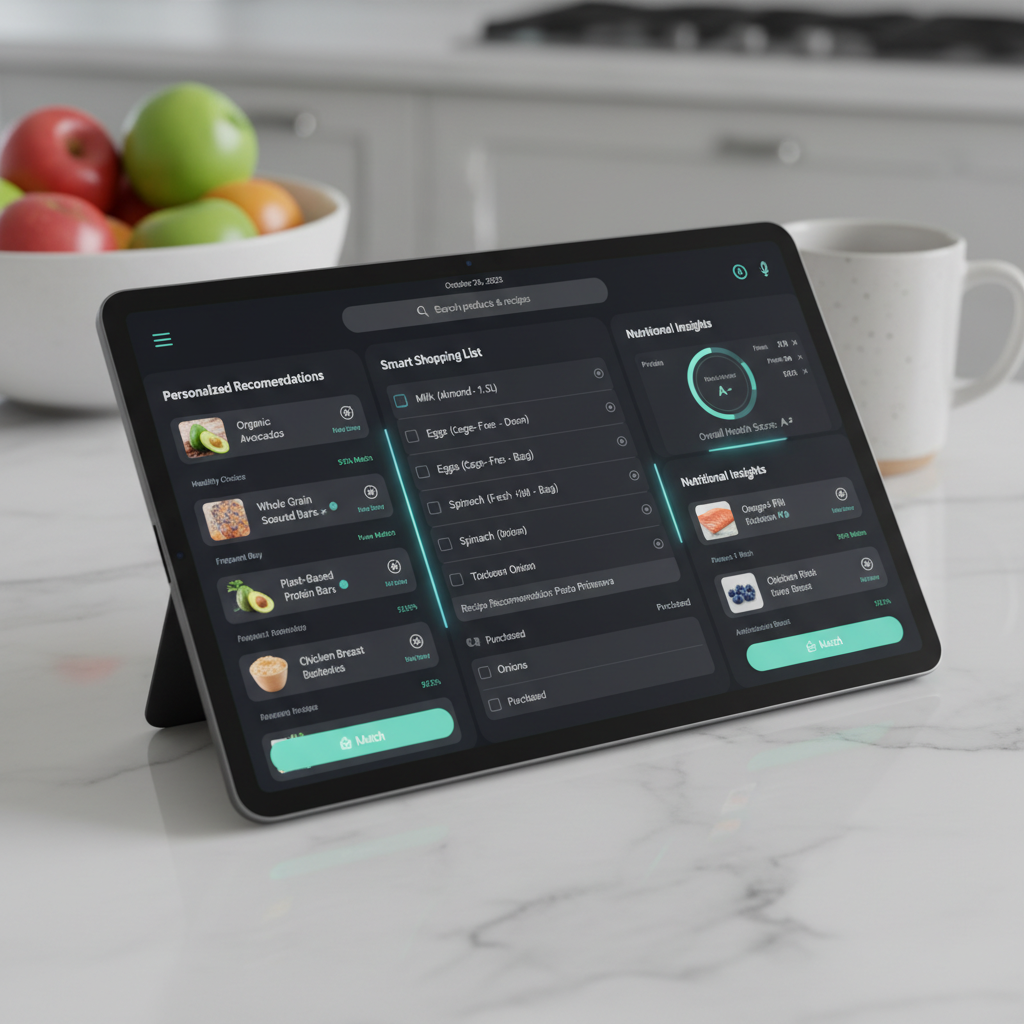
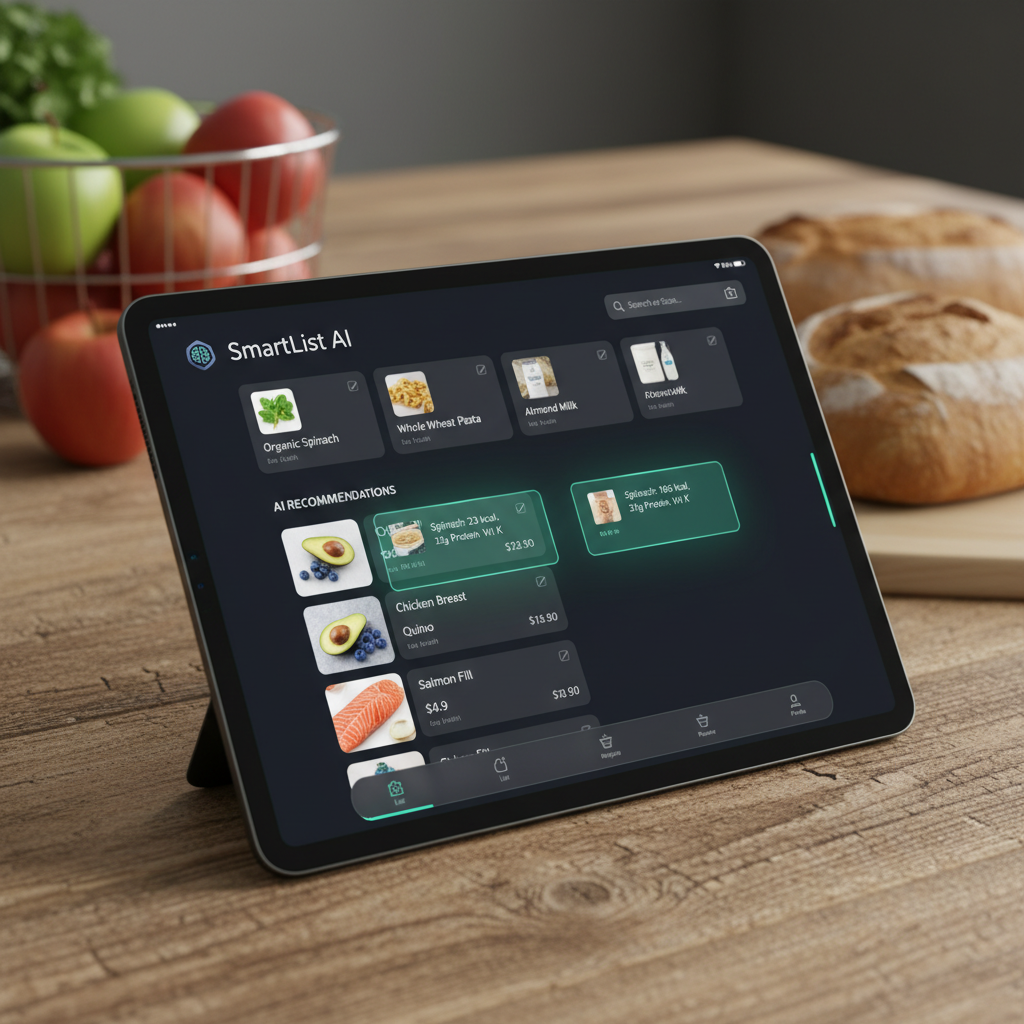
The journey from a delicious recipe idea to a prepared meal traditionally involves the often-dreaded grocery run. This segment, fraught with impulsive purchases, forgotten items, and inefficient routes, is another prime candidate for AI-driven optimization. AI transforms the grocery list from a static piece of paper into a dynamic, intelligent shopping assistant, saving you time, money, and mental effort.
The process begins seamlessly once your meal plan is established. Based on the selected recipes and your existing inventory (which the AI already knows!), the system automatically generates a comprehensive grocery list of only the missing ingredients. This eliminates the guesswork and the frustration of realizing mid-cook that you’re out of a crucial spice. The intelligence here lies not just in identifying what’s missing but also in understanding quantities, preventing overbuying or underbuying. For example, if two recipes call for half an onion, the AI will add one onion to your list, not two.
Beyond simple list generation, AI elevates the shopping experience through several advanced features:
- Price Comparison and Deal Hunting: Imagine a system that scans local grocery store flyers, online prices, and membership deals to tell you where to buy each item on your list for the best value. Some AI tools can even suggest brand alternatives that offer similar quality at a lower price point. This capability can lead to significant savings over time, especially for budget-conscious households.
- Store Optimization and Route Planning: For those who still prefer to shop in person, AI can organize your grocery list by aisle layout of your preferred store, minimizing backtracking and ensuring an efficient shopping trip. Some advanced apps can even integrate with mapping services to plan the optimal route if you need to visit multiple stores for specific deals. This can shave precious minutes off your shopping time and reduce stress.
- Integration with Online Grocery Services: The ultimate convenience comes from direct integration with online grocery delivery or curbside pickup services. With a single click, your AI-generated and optimized shopping list can be automatically transferred to your preferred retailer’s cart, ready for checkout. This completely bypasses the physical act of shopping, making it incredibly appealing for busy individuals or those with mobility challenges.
- Sustainable Choices: As environmental awareness grows, AI can also be programmed to prioritize sustainable or ethically sourced options where available, offering alternatives that align with your values without compromising on taste or budget. For instance, it might highlight seasonal produce or locally sourced items.
- Predictive Shopping: Over time, AI can even learn your consumption patterns for staple items like milk, bread, or coffee. It can then proactively suggest adding these items to your list before you even realize you’re running low, based on your typical usage rate. This predictive capability moves from reactive to proactive shopping, further streamlining your household management.
By transforming the grocery list from a manual chore into an intelligent, automated process, AI significantly reduces the friction associated with acquiring ingredients. It ensures you have everything you need, when you need it, at the best possible price, all while minimizing wasted effort and impulse buys. This is truly where the “Feast” begins to take shape, built on a foundation of smart, efficient planning.
Streamlining the Cooking Process: AI as Your Sous Chef
Once the ingredients are in hand, the actual cooking process can still be daunting for many, especially for complex recipes or when trying something new. AI steps out of the planning phase and directly into the kitchen, acting as an intelligent sous chef, guiding you through every step, optimizing timings, and even adapting to unforeseen circumstances.
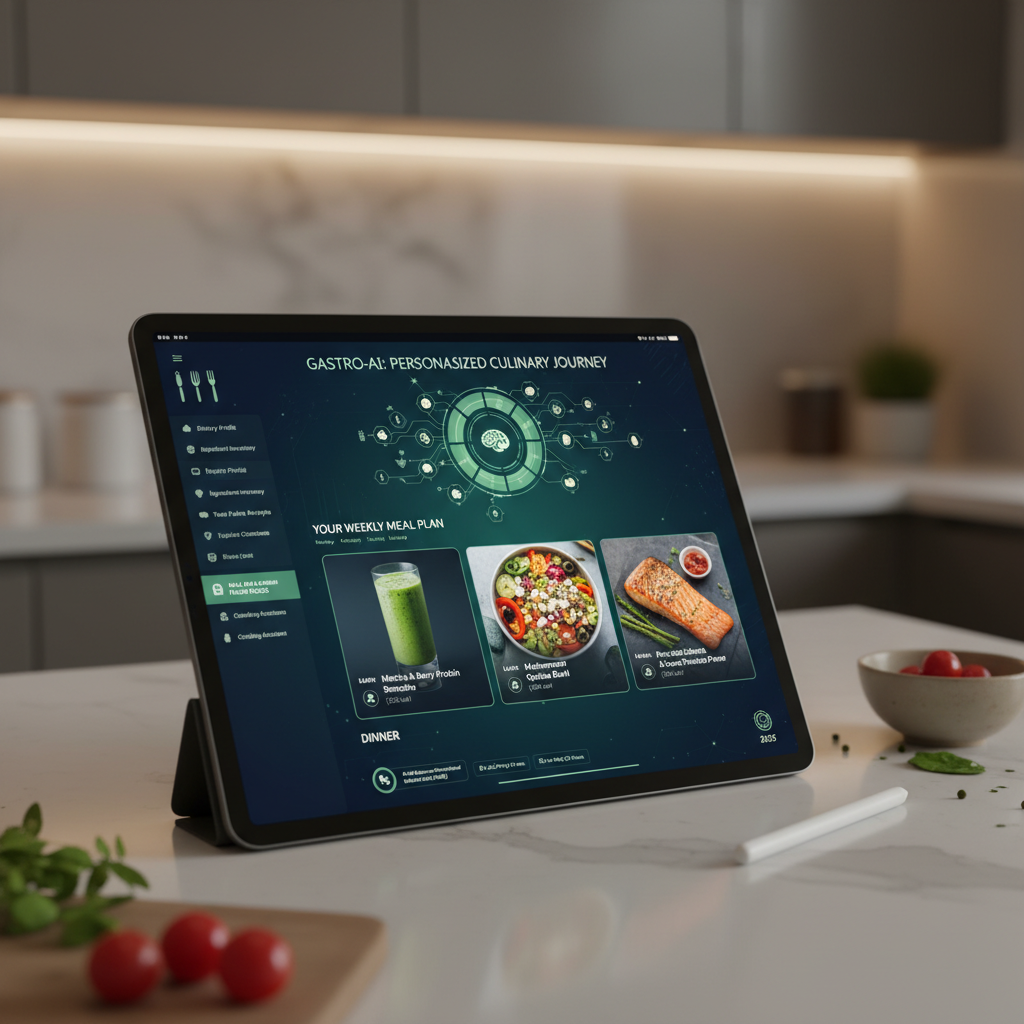
One of the most immediate benefits of AI in the cooking phase is step-by-step interactive guidance. Forget static cookbook pages or rapidly scrolling through online recipes. AI-powered cooking apps provide dynamic, voice-activated instructions, complete with visual aids, timers, and troubleshooting tips. If a step involves chopping, the app might display a video tutorial on proper knife technique. If you are searing, it can remind you of the visual cues for doneness. This hands-free assistance is invaluable, allowing you to focus on the task at hand without constantly touching your screen or device with messy hands.
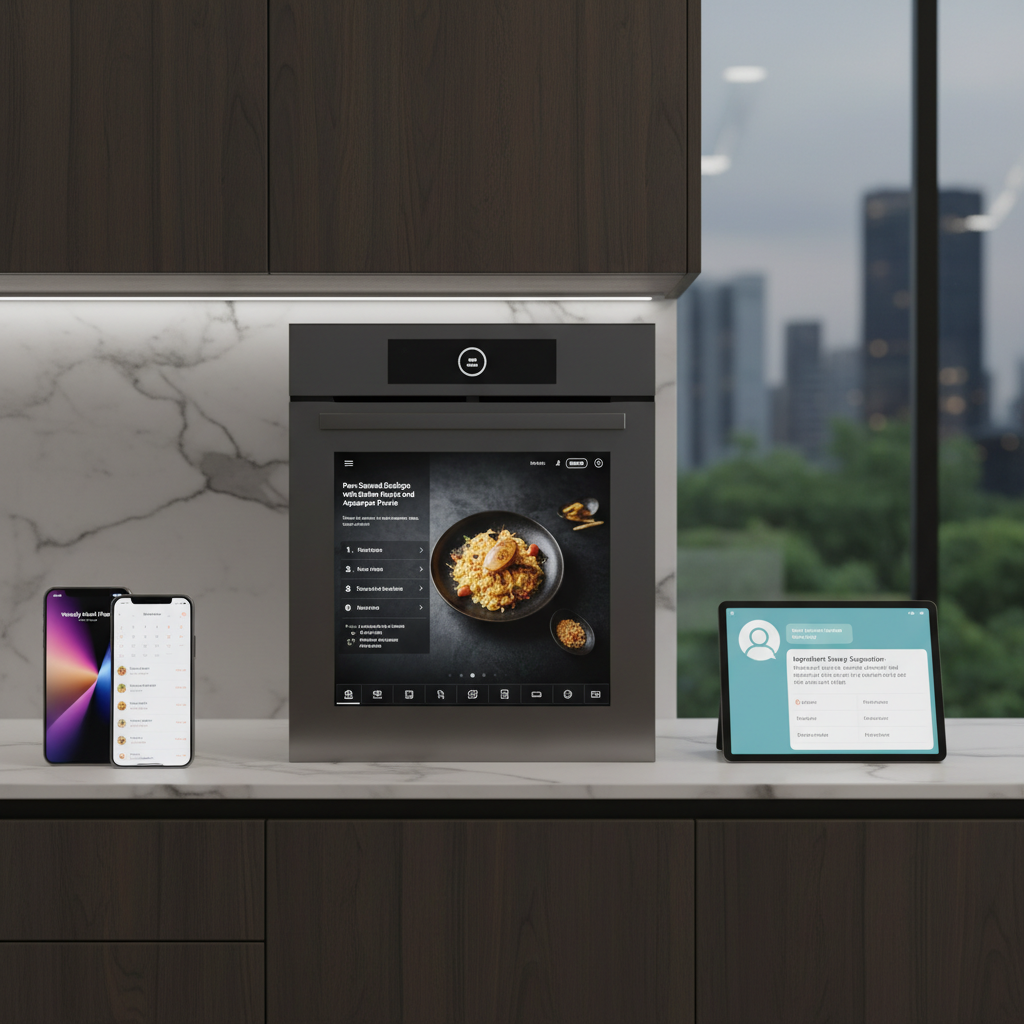
Smart appliance integration represents a significant leap forward. Imagine your AI kitchen assistant not just telling you to preheat the oven, but actually sending a command to your smart oven to do so at the correct temperature and time. Or instructing your smart induction cooktop to maintain a specific heat level for a simmer. This level of automation reduces human error, ensures precise cooking temperatures, and frees you to manage other aspects of the meal. Smart scales can even report exact ingredient weights back to the AI, allowing it to adjust liquid amounts or cooking times for optimal results.
AI also excels at dynamic timing and workflow optimization. For multi-component meals, coordinating everything to finish simultaneously can be a challenge. The AI can create a personalized cooking timeline, factoring in the preparation and cooking times for each dish, then send you timely reminders for when to start preparing the side salad, put the rice on, or check on the roasting vegetables. If you get delayed on one step, the AI can recalculate and suggest adjustments to other steps to minimize waiting times or overcooking. This intelligent orchestration ensures that all elements of your meal come together harmoniously.
Furthermore, AI can offer real-time adaptations and substitutions. What if you realize mid-recipe that you are missing a small but crucial ingredient, or that an ingredient has unexpectedly run out? The AI can quickly suggest viable substitutes based on flavor profiles and culinary principles, preventing a trip back to the store or a ruined dish. For example, if a recipe calls for fresh herbs you do not have, it might suggest a dried alternative and adjust the quantity accordingly. This adaptability makes cooking less stressful and more flexible.
Beyond individual meal preparation, AI can assist in batch cooking for meal prep. It can scale recipes efficiently, provide tips for storage, and even suggest how to repurpose components of a large batch meal into different dishes throughout the week, maximizing efficiency and preventing mealtime boredom. By taking on the role of a meticulous, ever-present sous chef, AI empowers even novice cooks to produce restaurant-quality meals, making the entire cooking process more enjoyable, less error-prone, and remarkably efficient.
Waste Not, Want Not: AI for Food Management and Sustainability
Food waste is a global challenge with significant economic, environmental, and ethical implications. Households are major contributors to this problem, often discarding perfectly edible food due to poor planning, forgetfulness, or misjudgment of expiration dates. AI offers a powerful suite of tools to combat this waste, transforming our approach to food management and fostering greater sustainability in the kitchen.
The foundation of AI’s waste reduction capability lies in its sophisticated inventory tracking and expiration management. As discussed earlier, AI systems can log every item in your fridge and pantry, complete with purchase dates and estimated shelf lives. This data allows the AI to generate timely alerts for items nearing their expiration. Instead of a forgotten container of yogurt, you receive a notification suggesting recipes that utilize yogurt, or a reminder to consume it soon. This proactive approach significantly reduces the likelihood of food spoiling unnoticed.
Beyond simple alerts, AI intelligently provides “use it up” recipe suggestions. When an item is flagged as nearing expiration, the system doesn’t just tell you it is going bad; it actively recommends meals or snacks that specifically incorporate that ingredient. For instance, if you have a handful of spinach that needs to be used, the AI might suggest adding it to a smoothie, an omelet, or a quick pasta dish. This encourages creative consumption and ensures that ingredients are utilized at their peak freshness, rather than being discarded.
Portion control and optimized meal planning also play a critical role in waste reduction. AI can help you plan meals based on the exact number of servings required, preventing the cooking of excessive quantities that might end up as leftovers forgotten in the fridge. For families, it can adapt recipes to account for varying appetites or dietary needs, ensuring that each plate has an appropriate amount, minimizing plate waste. When leftovers are generated, the AI can track them and suggest creative ways to repurpose them into entirely new meals, breathing new life into what might otherwise be thrown away. For example, leftover roasted chicken could become part of a soup, a sandwich, or a salad the next day, planned seamlessly into your weekly menu.
Furthermore, AI can contribute to a more sustainable kitchen by promoting seasonal and local eating. By integrating with local produce availability databases, the AI can recommend recipes featuring ingredients that are currently in season and readily available from nearby sources. This not only supports local farmers but also reduces the carbon footprint associated with transporting food over long distances. Some systems can even highlight opportunities to buy in bulk responsibly, advising on storage methods to extend shelf life for items purchased in larger quantities.
Ultimately, AI transforms waste management from a reactive cleanup task into a proactive planning strategy. By providing granular insights into your food inventory, offering timely “use it up” solutions, optimizing portioning, and encouraging sustainable choices, AI empowers households to dramatically reduce their food waste, save money, and contribute positively to environmental conservation. It fosters a mindset of mindfulness and resourcefulness in the kitchen, making every ingredient count.
Beyond the Kitchen: Holistic Health and Nutrition with AI
The benefits of AI in meal prep extend far beyond mere convenience and waste reduction; they delve deep into the realm of holistic health and personalized nutrition. By intelligently tracking, analyzing, and guiding your dietary choices, AI becomes a powerful ally in achieving and maintaining your health objectives.
At the forefront of this integration is advanced calorie and macronutrient tracking. While many apps offer manual logging, AI automates this tedious process. When you select a recipe planned by the AI, it automatically calculates the precise caloric content and macronutrient breakdown (protein, carbohydrates, fats) per serving. If you make a substitution, the AI adjusts these figures in real-time. This provides an incredibly accurate and effortless way to monitor your intake against your daily goals, whether you are aiming for weight loss, muscle gain, or simply maintaining a balanced diet. This real-time feedback loop allows for immediate adjustments and better adherence to nutritional plans.
AI also excels in helping you achieve specific dietary goals and manage health conditions. For individuals managing diabetes, for instance, the AI can suggest recipes with a low glycemic index and track carbohydrate intake. For those with high blood pressure, it can prioritize low-sodium options. Athletes can benefit from meal plans tailored to their training schedules, ensuring adequate fuel and recovery nutrition. The system learns what works for your body and your goals, providing increasingly relevant and effective recommendations over time.
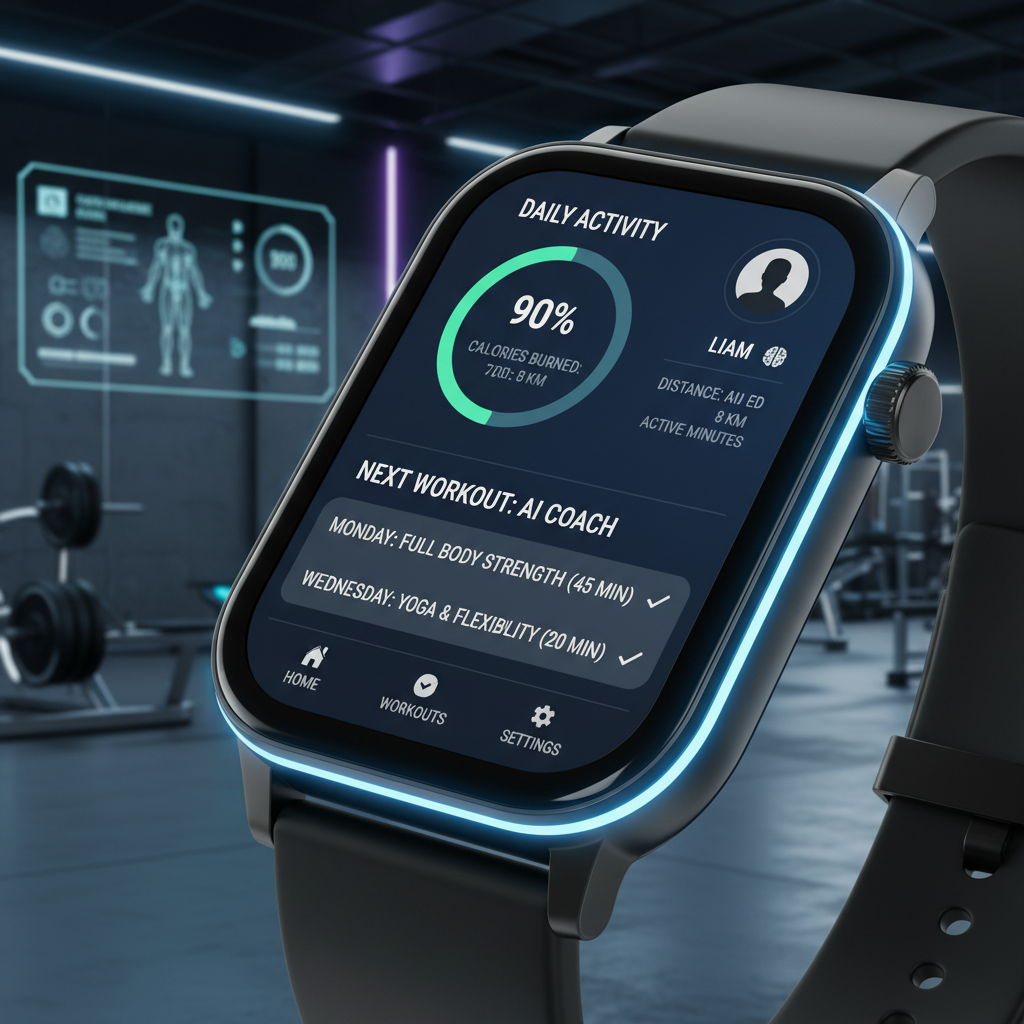
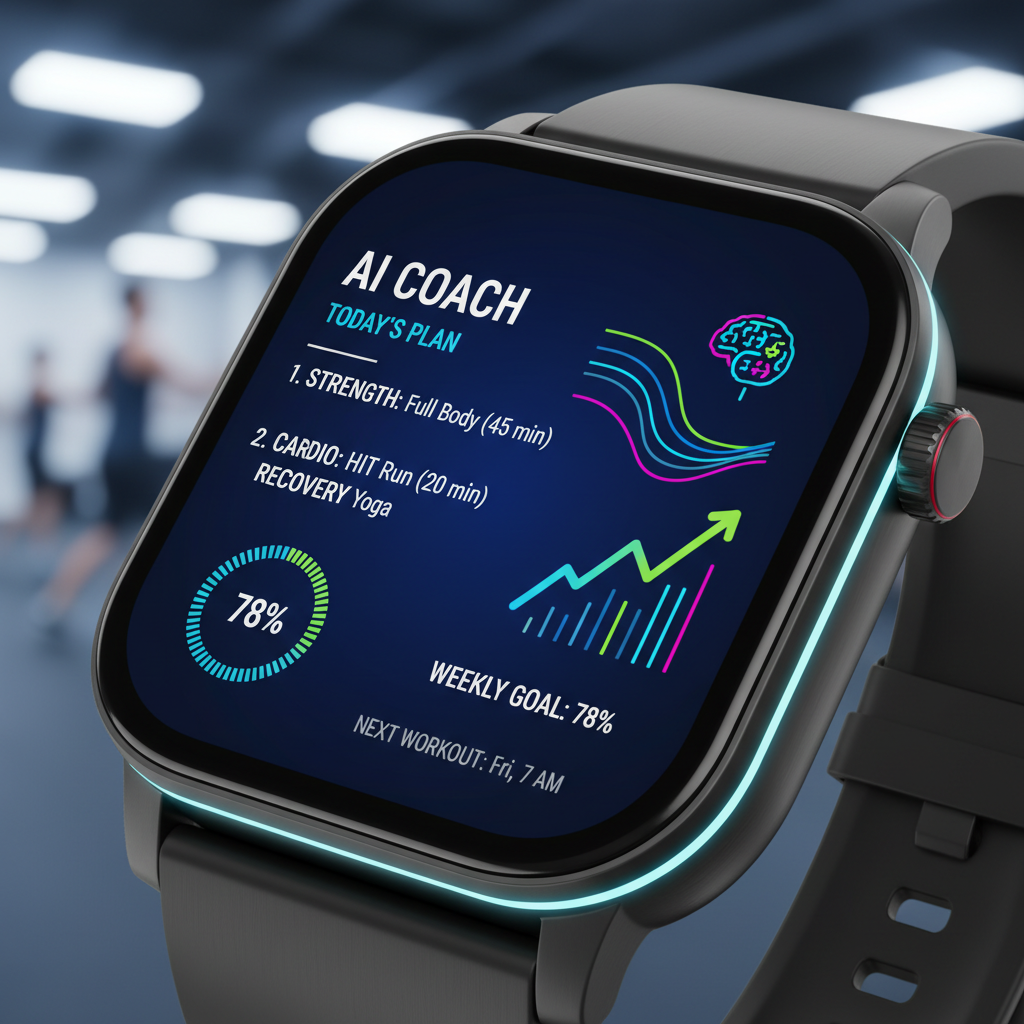
A significant advancement is the potential for integration with wearable fitness trackers and health devices. Imagine your AI meal planner receiving data directly from your smartwatch – your activity levels, heart rate, sleep patterns, and even stress indicators. Based on this real-time physiological data, the AI can dynamically adjust your meal recommendations. Did you have an unexpectedly intense workout? The AI might suggest a meal higher in protein and complex carbohydrates to aid muscle recovery. Are you experiencing a period of high stress? It might recommend comforting, nutrient-dense meals known to support mental well-being. This creates a truly adaptive and personalized nutritional strategy that responds to your body’s daily needs.
Furthermore, AI can identify and address nutritional deficiencies or imbalances in your diet over time. By analyzing your long-term consumption patterns, the AI can spot if you are consistently low in certain vitamins (e.g., Vitamin D, Iron) or minerals, and then proactively suggest recipes rich in those nutrients. This goes beyond just meeting daily macros; it ensures a comprehensive intake of micronutrients essential for overall health, energy levels, and disease prevention.
Finally, AI contributes to long-term healthy eating habits by providing consistent support and education. It demystifies nutrition, makes healthy choices easier, and reduces the mental load associated with dietary management. By automating the complexities, AI empowers individuals to build sustainable, health-conscious routines without feeling deprived or overwhelmed. This holistic approach leverages technology to nurture both physical and mental well-being through intelligent food choices, proving that AI’s impact extends far beyond the confines of the kitchen.
The Future of Food: What’s Next for AI in Meal Prep
While current AI capabilities in meal prep are already impressive, the trajectory of innovation suggests an even more integrated, intuitive, and transformative future. The progression of AI, coupled with advancements in related fields like robotics, IoT, and bioinformatics, promises a kitchen experience that borders on science fiction.
- Hyper-Personalized Nutrition Based on Biometric Data: Imagine AI meal planners that leverage real-time data from continuous glucose monitors, gut microbiome analyses, and even genetic predispositions. This would allow for ultra-specific dietary recommendations designed to optimize individual metabolic responses, prevent disease, and enhance performance at a truly molecular level. Meals would be tailored not just to preferences, but to your unique biological blueprint.
- Predictive Pantry Management and Autonomous Reordering: Future AI systems will not just track your inventory but predict your consumption patterns with uncanny accuracy. They could automatically reorder staples like milk, eggs, or even specialty ingredients just as you’re about to run out, integrating directly with your preferred grocery retailers for seamless delivery. This would eliminate the need for manual grocery list creation almost entirely.
- Robotic Kitchen Assistants: The leap from AI planning to AI execution is already underway with robotic kitchens in commercial settings. In the home, we might see increasingly sophisticated robotic arms capable of performing repetitive tasks like chopping, stirring, or even plating. These robots would work in conjunction with AI planning systems, taking a recipe from conceptualization to physical preparation with minimal human intervention.
- Holographic Recipes and Augmented Reality Cooking: Imagine holographic projections of ingredients and cooking instructions directly onto your countertop. Augmented Reality (AR) overlays could guide your knife cuts, show you exactly how much spice to add, or illustrate the desired consistency of a sauce in real-time. This immersive guidance would make even complex dishes accessible to novice cooks.
- AI-Designed Food and Personalized 3D Printing: Beyond recommending existing recipes, AI could begin to design entirely new food compositions. This could range from optimizing flavor profiles to creating nutrient-dense ‘superfoods’. Coupled with advanced 3D food printers, you might be able to print custom snacks or meal components with precise nutritional content and novel textures, all designed by AI to meet your exact needs and tastes.
- Community and Social Cooking Integration: AI could facilitate shared meal planning among families or friends, coordinating schedules, dietary needs, and shared cooking tasks for potlucks or dinner parties. It could even connect you with local food networks for ingredient sharing or communal cooking events, fostering a more connected and sustainable food community.
- Dynamic Recipe Adaptation to Local & Global Conditions: AI could factor in real-time environmental data (e.g., local produce availability impacted by weather, global supply chain disruptions) to dynamically adapt meal plans and ingredient sourcing, promoting resilience and sustainability in our food systems.
- Enhanced Sustainability Tracking: Future AI systems will provide a comprehensive environmental footprint for each meal, tracking water usage, carbon emissions from ingredient sourcing, and packaging waste, empowering users to make even more eco-conscious choices.
These advancements paint a picture of a future kitchen where meal prep is not just automated but intelligent, deeply personalized, and seamlessly integrated into every aspect of our lives. The journey from fridge to feast is evolving into a culinary symphony orchestrated by AI, making healthy eating effortless, sustainable, and endlessly enjoyable.
Comparison Tables
Table 1: Traditional Meal Prep vs. AI-Automated Meal Prep
This table highlights the stark differences and benefits of integrating AI into your meal preparation routine, showcasing how technology addresses long-standing challenges.
| Feature/Aspect | Traditional Meal Prep | AI-Automated Meal Prep | Key Benefit |
|---|---|---|---|
| Recipe Discovery | Manual browsing, cookbooks, limited by personal knowledge. | Personalized recommendations based on inventory, preferences, dietary needs, health goals. | Eliminates decision fatigue, ensures relevance and dietary compliance. |
| Inventory Management | Mental tracking, physical checks, often leads to forgotten items. | Automated scanning/logging, expiration tracking, real-time visibility. | Reduces food waste, optimizes ingredient utilization. |
| Grocery List Creation | Manual compilation, prone to omissions, no price comparison. | Automatic generation, optimized for existing inventory, price comparison, online ordering integration. | Saves time, reduces cost, minimizes forgotten items. |
| Cooking Guidance | Static recipes, manual timers, no real-time adaptation. | Interactive, voice-guided steps, smart appliance integration, dynamic timing. | Enhances cooking confidence, reduces errors, improves efficiency. |
| Food Waste Reduction | Often high due to expired items, over-purchasing, un-used leftovers. | Proactive expiration alerts, “use-it-up” suggestions, portion control. | Significant reduction in household food waste and associated costs. |
| Nutritional Tracking | Manual logging, estimation, often time-consuming and inaccurate. | Automatic calorie/macro calculations, integrates with health trackers, addresses deficiencies. | Accurate insights, supports health goals, identifies nutritional gaps. |
| Time & Effort | High mental and physical effort, significant time investment. | Reduced cognitive load, streamlined tasks, considerable time savings. | Frees up valuable time, reduces stress, makes healthy eating sustainable. |
| Cost Efficiency | Variable, often higher due to impulse buys and food waste. | Optimized shopping, reduced waste, better budget adherence. | Lower overall food expenses, smarter spending. |
Table 2: Key AI Technologies and Their Application in Meal Prep
This table details specific AI technologies and how they are applied at various stages of the meal prep workflow, illustrating the underlying mechanisms that drive automation and intelligence.
| AI Technology | Description | Application in Meal Prep | Example Outcome |
|---|---|---|---|
| Machine Learning (ML) | Algorithms that learn from data to identify patterns and make predictions or decisions without explicit programming. | Personalized recipe recommendations, predicting consumption patterns, optimizing grocery lists based on past purchases. | AI suggests a new healthy recipe that perfectly matches your taste profile and dietary needs. |
| Computer Vision | Enables computers to “see” and interpret visual information from the real world. | Scanning fridge/pantry contents, identifying ingredients, recognizing expiration dates from labels. | Your smart fridge camera automatically updates your inventory with newly bought produce. |
| Natural Language Processing (NLP) | Allows computers to understand, interpret, and generate human language. | Voice-controlled cooking instructions, understanding recipe variations, translating dietary requests. | You ask your smart speaker, “Hey AI, what can I make with chicken and broccoli?” and get a relevant recipe. |
| Predictive Analytics | Uses historical data to forecast future events or behaviors. | Anticipating ingredient needs, suggesting when to reorder staples, predicting optimal meal times. | AI alerts you that you will likely run out of coffee by Thursday based on your morning routine. |
| Recommendation Systems | Algorithms that suggest relevant items to users based on various factors. | Recommending recipes, ingredients substitutes, healthy food pairings, restaurants. | The system suggests a new dessert recipe because you enjoyed similar flavor profiles in past meals. |
| IoT (Internet of Things) Integration | Interconnection of physical devices, vehicles, home appliances, and other items embedded with sensors, software, and network connectivity. | Connecting smart ovens, scales, fridges, and wearables to share data and automate actions. | Your meal prep app preheats your oven to the correct temperature as you begin chopping vegetables. |
| Optimization Algorithms | Mathematical procedures used to find the best possible solution among a set of alternatives. | Optimizing grocery shopping routes, balancing nutrient intake, efficient batch cooking schedules. | Your grocery list is ordered by aisle to minimize time spent in the supermarket. |
| Data Fusion | Combining data from multiple disparate sources to produce more consistent, accurate, and useful information. | Integrating dietary preferences, health data, inventory, and local store deals for comprehensive planning. | Your meal plan is generated considering your recent workout, allergies, and discounted items at your local store. |
Practical Examples: AI in Action in Real-World Kitchens
To truly grasp the impact of AI on meal prep, let us explore a few real-world scenarios and hypothetical case studies demonstrating its practical application in various household settings. These examples highlight how AI seamlessly integrates into daily life, solving common culinary challenges.
Example 1: The Busy Professional (Sarah)
Sarah is a marketing manager with a demanding job and limited time during the week. She often struggles to eat healthy, resorting to takeout due to decision fatigue and lack of planning. Her AI meal prep assistant changes everything.
- Monday Morning: Sarah opens her AI meal prep app. It has already scanned her smart fridge and pantry, noting that she has leftover chicken breast, some wilted spinach, and a carton of eggs nearing expiration. It suggests three quick, high-protein recipes for the week: a spinach and feta frittata, chicken and veggie stir-fry, and a chicken Caesar salad with homemade dressing. Sarah picks the frittata for Tuesday and the stir-fry for Wednesday.
- Monday Evening: The AI automatically generates her grocery list for the remaining items needed for the stir-fry and other planned meals. It cross-references local store ads and finds that bell peppers are on sale at the supermarket near her office. With a single tap, the list is sent to her preferred grocery delivery service, scheduled for delivery that evening.
- Tuesday Evening: As Sarah heads home, the AI sends a notification: “Spinach & Feta Frittata prep in 15 minutes.” Once home, her smart oven is preheated to the correct temperature. The app provides voice-guided instructions, telling her exactly when to whisk the eggs, sauté the spinach, and pour the mixture into the pan. She effortlessly prepares a healthy dinner in under 20 minutes.
- Weekend Planning: For her weekend batch cooking, the AI suggests a slow-cooker chili, providing a recipe that uses several items in her pantry that are approaching their best-by date, thus minimizing waste. It also adjusts the recipe to yield exactly 6 servings, precisely matching her meal prep goals for the week.
Example 2: The Family with Dietary Restrictions (The Millers)
The Miller family consists of four: John (vegetarian), Emily (gluten-intolerant), and their two young children who are picky eaters. Meal planning was a constant source of stress until they adopted an AI meal prep system.
- Initial Setup: The Millers input everyone’s dietary restrictions, preferences (e.g., kids prefer mild flavors, no mushrooms), and health goals into their AI. The system builds a complex profile for the entire family.
- Weekly Meal Plan: The AI generates a diverse weekly meal plan that accommodates John’s vegetarianism, Emily’s gluten intolerance, and the children’s pickiness, often suggesting a base recipe with minor variations for each person. For example, taco night might feature lentil tacos for John, corn tortillas for Emily, and mild chicken tacos for the kids, all pre-planned by the AI using shared ingredients like toppings.
- Smart Substitutions: During a cooking session, Emily realizes she is out of a specific gluten-free flour. The AI quickly suggests a suitable alternative (e.g., almond flour with adjusted liquid amounts) from a list of ingredients she typically keeps on hand.
- Nutritional Balance: The AI monitors the family’s collective nutrient intake over the week. It notices the kids have been low on calcium and suggests a fortified smoothie for breakfast and a cheese-based side dish for dinner, ensuring a balanced diet for everyone despite their diverse needs.
Example 3: The Health Enthusiast (Mark)
Mark is an avid runner keen on optimizing his nutrition for performance and recovery. He connects his fitness tracker to his AI meal prep app.
- Post-Run Recovery: After a particularly long run, Mark’s fitness tracker automatically uploads his activity data to the AI. The AI recognizes his increased calorie burn and immediately suggests a high-protein, carbohydrate-rich recovery meal (e.g., grilled salmon with quinoa and roasted vegetables), sending the recipe directly to his smart display.
- Micronutrient Focus: Over several weeks, the AI notices that Mark’s diet, while rich in macros, might be slightly deficient in certain micronutrients like magnesium. It proactively integrates magnesium-rich foods like leafy greens, nuts, and seeds into his upcoming meal plans, subtly guiding him towards a more complete nutritional profile without him having to manually track every vitamin.
- Meal Prep for the Week: For his Sunday meal prep, the AI designs a specific menu geared towards his upcoming week’s training intensity, recommending easily digestible meals for pre-workout and robust, nutrient-dense options for post-workout recovery, complete with exact portion sizes for his individual body composition.
These examples illustrate how AI is not just a futuristic concept but a tangible solution for real people facing everyday meal prep dilemmas. By providing intelligent, personalized, and automated assistance, AI empowers individuals and families to eat better, save time, and reduce stress in the kitchen.
Frequently Asked Questions
Q: What exactly is AI meal prep, and how is it different from traditional meal planning apps?
A: AI meal prep goes far beyond traditional meal planning apps by leveraging artificial intelligence to automate and personalize every stage of your cooking workflow. While standard apps might offer recipe search and basic list-making, AI systems use machine learning, computer vision, and natural language processing to learn your preferences, scan your inventory, generate smart grocery lists, provide interactive cooking guidance, and even help manage food waste. It’s an intelligent assistant that adapts to your unique needs rather than a static tool.
Q: Is AI meal prep difficult to set up or use for someone not tech-savvy?
A: Modern AI meal prep tools are designed with user-friendliness in mind. While there might be an initial setup phase to input dietary preferences, allergies, and connect to smart devices, many platforms offer intuitive interfaces, guided onboarding, and voice commands. Many features, like inventory scanning or recipe recommendations, become more accurate and helpful over time as the AI learns from your interactions, making it progressively easier and more beneficial to use, even for non-tech-savvy individuals.
Q: How accurate is AI at scanning my fridge and pantry contents?
A: The accuracy of AI inventory scanning varies by the technology used. Basic systems might rely on manual input or barcode scanning. More advanced systems use computer vision with smartphone cameras or integrated smart fridge cameras. While these are becoming increasingly sophisticated at identifying common items and reading labels for expiration dates, human verification or occasional manual adjustments might still be needed, especially for irregularly shaped items or items without clear labels. The technology is rapidly improving.
Q: Can AI meal prep really help me save money on groceries?
A: Absolutely. AI can save you money in several ways: by suggesting recipes that primarily use ingredients you already have (reducing impulse buys), by comparing prices across local stores or online retailers, by highlighting deals and discounts, and most significantly, by drastically reducing food waste. By ensuring you use what you buy before it expires and optimizing portion sizes, AI directly impacts your grocery budget positively.
Q: How does AI handle my specific dietary restrictions or allergies?
A: AI excels at handling complex dietary needs. During setup, you can input detailed information about allergies (e.g., peanuts, shellfish), intolerances (e.g., lactose), and dietary preferences (e.g., vegan, keto, low-sodium). The AI then filters all recipe suggestions against these parameters, ensuring that every recommended meal is safe and compliant. It often cross-references ingredients against extensive databases to prevent cross-contamination or hidden allergens.
Q: What if I don’t have smart kitchen appliances? Can I still benefit from AI meal prep?
A: Yes, you can still benefit significantly! While integration with smart appliances enhances the automation, many core AI meal prep features work perfectly well with traditional kitchens. These include personalized recipe discovery, automated grocery list generation, inventory tracking (via manual input or app scanning), “use it up” suggestions, and nutritional analysis. Smart appliance integration is a bonus, not a prerequisite, for enjoying the primary advantages of AI meal prep.
Q: Will AI make me a worse cook by doing everything for me?
A: On the contrary, AI can make you a better and more confident cook. It acts as a guide and assistant, not a replacement. By providing interactive, step-by-step instructions, suggesting precise timings, and offering troubleshooting tips, AI can help you master new techniques and execute complex recipes with greater ease. It reduces the stress associated with cooking, allowing you to focus on the enjoyable aspects of creating a meal, thereby fostering culinary growth.
Q: How secure is my personal data, especially health and dietary information, with AI meal prep apps?
A: Data security is a critical concern for reputable AI meal prep providers. They typically employ robust encryption, secure servers, and adhere to privacy regulations (like GDPR or HIPAA where applicable) to protect your personal information. It’s always wise to choose well-known apps from established companies and review their privacy policies to understand how your data is collected, stored, and used. Your health and dietary information is usually anonymized and aggregated for improving services, but never shared without your explicit consent.
Q: Can AI help me with portion control and weight management?
A: Absolutely. AI can automatically calculate the precise caloric and macronutrient content of proposed recipes per serving, making it easier to adhere to specific dietary goals. It can also help scale recipes to the exact number of servings you need, preventing over-preparation. By integrating with health trackers, it can suggest meals that align with your activity levels and weight management targets, making portion control effortless and data-driven.
Q: What is the environmental impact of AI meal prep?
A: AI meal prep has a largely positive environmental impact, primarily by drastically reducing household food waste, which is a significant contributor to greenhouse gas emissions. By optimizing grocery shopping, promoting the use of existing ingredients, and offering “use it up” suggestions, AI helps consumers be more resource-efficient. It can also encourage choosing seasonal and local produce, further reducing the carbon footprint associated with food transportation.
Key Takeaways
- AI revolutionizes meal prep by automating and personalizing the entire workflow, from ingredient inventory to actual cooking and beyond.
- It effectively addresses common meal prep challenges such as decision fatigue, food waste, time constraints, and maintaining nutritional balance.
- AI-powered systems provide intelligent inventory management, offering real-time visibility into your fridge and pantry contents and proactively suggesting recipes.
- Recipe discovery becomes highly personalized, catering to individual taste preferences, complex dietary restrictions, allergies, health goals, and culinary skill levels.
- Grocery shopping is optimized through automated list generation, price comparisons, deal hunting, and seamless integration with online delivery services.
- During cooking, AI acts as an intelligent sous chef, providing interactive, voice-guided instructions, smart appliance integration, and dynamic timing adjustments.
- A significant benefit is the drastic reduction in food waste through expiration tracking, “use it up” recipe suggestions, and optimized portion control.
- AI extends to holistic health, offering accurate calorie/macronutrient tracking, supporting specific dietary goals, and integrating with wearable health devices for dynamic nutritional adjustments.
- The future promises even more advanced features like hyper-personalized biometric nutrition, robotic kitchen assistants, augmented reality cooking, and predictive pantry management.
- Embracing AI in your kitchen means saving time, reducing stress, minimizing costs, improving health, and contributing to a more sustainable lifestyle.
Conclusion
The journey from a cluttered fridge to a delightful, healthy feast has traditionally been fraught with obstacles, demanding significant time, mental energy, and often leading to food waste. However, as we have explored, Artificial Intelligence is rapidly transforming this narrative, ushering in an era where meal preparation is no longer a burden but an integrated, intelligent, and enjoyable part of daily life.
By intelligently managing your inventory, tailoring recipe discovery to your precise needs, optimizing your grocery shopping, guiding you interactively through the cooking process, and proactively combating food waste, AI offers a comprehensive solution to the perennial challenges of the modern kitchen. It empowers individuals and families to eat healthier, explore new culinary horizons, and make more sustainable choices, all while reclaiming valuable time and reducing stress.
The current capabilities of AI in meal prep are already remarkable, delivering tangible benefits to countless households. Yet, the horizon promises even more profound innovations, from hyper-personalized nutrition based on our unique biometrics to fully autonomous kitchen assistants. The convergence of AI with other smart home technologies is setting the stage for a future where our relationship with food is more intuitive, efficient, and aligned with our well-being than ever before.
Embracing AI in your kitchen is not just about adopting a new gadget; it is about investing in a smarter, healthier, and more sustainable lifestyle. It is about letting technology handle the complexities so you can savor the simple joy of cooking and the profound satisfaction of a well-prepared meal. The future of food is here, and it is intelligent, personal, and utterly delicious. From fridge to feast, AI is truly automating your entire meal prep workflow, one smart bite at a time.












































































Leave a Reply