


In a world bustling with conflicting dietary advice, fad diets, and an overwhelming array of food choices, the quest for healthier eating can often feel like an insurmountable challenge. We all know the benefits of a balanced diet: increased energy, better mood, improved physical health, and a stronger immune system. Yet, turning that knowledge into consistent, personalized action is where most people stumble. The sheer effort required to research, plan, shop, and cook meals that cater to individual needs, preferences, and goals can be exhausting.
What if there was a way to cut through the noise, bypass the guesswork, and receive a tailor-made nutrition plan that evolves with you? Enter Artificial Intelligence (AI). AI is no longer a concept confined to science fiction; it is rapidly transforming various aspects of our lives, and personalized nutrition is proving to be one of its most impactful applications. By leveraging vast amounts of data, sophisticated algorithms, and machine learning capabilities, AI tools are revolutionizing how we approach healthy eating. They are making it simpler, more accessible, and genuinely personalized, helping individuals build sustainable dietary habits that align perfectly with their unique physiological makeup and lifestyle.
This comprehensive guide will delve into the exciting world of AI-powered nutrition. We will explore the inherent difficulties of traditional diet planning, understand how AI is stepping in to bridge these gaps, and uncover the innovative features of modern AI nutrition tools. From tracking macronutrients to integrating with wearables, managing complex dietary restrictions, and even considering genetic predispositions, AI is setting a new standard for precision nutrition. Join us as we explore how these intelligent systems are not just suggesting recipes, but truly building personalized nutrition plans, making healthier eating an achievable and enjoyable reality for everyone.
The Dietary Dilemma: Why Personalized Nutrition is So Hard
For decades, the standard approach to nutrition has often been a one-size-fits-all model, or at best, a broadly categorized approach. Guidelines from health organizations provide general recommendations for calorie intake, macronutrient distribution, and food groups. While these serve as a useful baseline, they frequently fall short when applied to the rich tapestry of human individuality. The reality is that what works wonders for one person might be ineffective or even detrimental for another, leading to frustration, diet fatigue, and often, giving up on healthy eating altogether.
The Intricacies of Individual Biology
Every single human body is a complex biological system, influenced by a myriad of factors. Our genetics dictate how we metabolize nutrients, our gut microbiome affects digestion and nutrient absorption, and our current health status (e.g., chronic conditions like diabetes, heart disease, autoimmune disorders) imposes specific dietary requirements. Furthermore, factors such as age, gender, hormonal balance, and even our geographical location can significantly alter our nutritional needs. Relying on generic advice in the face of such profound biological diversity is akin to trying to fit a square peg into a round hole; it rarely leads to optimal outcomes.
Navigating the Overload of Information and Misinformation
The digital age has brought with it an unprecedented flood of information, particularly concerning diet and health. A quick online search can yield millions of results, often contradictory, confusing, or based on poorly conducted studies or anecdotal evidence. One day, carbohydrates are the enemy; the next, healthy fats are vilified. Sifting through this deluge to identify credible, science-backed advice that is also relevant to one’s personal circumstances is a daunting task that few have the time or expertise to undertake effectively. This information overload often leads to paralysis by analysis, where individuals are so overwhelmed they default to unhealthy but convenient choices.
Lifestyle Factors and Practical Constraints
Beyond biology and information, our daily lives present significant hurdles to consistent healthy eating. Busy schedules leave little time for elaborate meal preparation or detailed grocery planning. Dietary preferences, cultural backgrounds, family needs, and budget constraints all play a crucial role. For example, a single parent working two jobs needs an entirely different approach to meal planning than a fitness enthusiast with ample free time and a flexible budget. Allergies, intolerances (like gluten sensitivity, lactose intolerance), and ethical choices (veganism, vegetarianism) further complicate the landscape, requiring meticulous attention to ingredient lists and food preparation.
The cumulative effect of these challenges is a widespread struggle with maintaining healthy eating habits. People try various diets, experience initial success, only to plateau, regain weight, or simply become disillusioned. This highlights a critical need for a more intelligent, adaptable, and truly personalized approach to nutrition, one that can process complexity and offer practical, actionable solutions. This is precisely where AI steps in, offering a glimmer of hope for simplifying this intricate journey towards better health.
The Rise of AI in Nutrition: How AI is Changing the Game
The integration of Artificial Intelligence into the field of nutrition marks a pivotal shift from generalized dietary guidelines to hyper-personalized, data-driven meal planning. AI’s ability to process, analyze, and learn from vast datasets at speeds impossible for humans is fundamentally transforming how we understand and manage our nutritional health. This technological revolution is democratizing access to tailored dietary advice, previously only available through expensive one-on-one consultations with nutrition experts.
Understanding AI’s Core Capabilities in Nutrition
At its heart, AI in nutrition leverages several key technologies:
- Machine Learning (ML): This allows AI systems to learn from data without being explicitly programmed. In nutrition, ML algorithms can identify patterns in user dietary habits, health outcomes, and food compositions, constantly refining recommendations based on new information and user feedback.
- Natural Language Processing (NLP): NLP enables AI to understand and process human language. This is crucial for interpreting user input, such as dietary preferences, health goals described in free text, and even for analyzing recipe ingredients from various sources.
- Data Analytics: AI tools are adept at crunching enormous amounts of data – from food databases containing nutrient profiles of thousands of ingredients to anonymized population health data, scientific studies, and individual user metrics from wearables. This analysis helps in understanding complex interactions between diet, lifestyle, and health outcomes.
- Predictive Modeling: Based on historical data and real-time inputs, AI can predict potential dietary deficiencies, nutrient imbalances, or even cravings, allowing for proactive adjustments to meal plans.
From Generic to Hyper-Personalized
Historically, nutrition advice often followed a “top-down” approach, where general guidelines were filtered down to individuals. AI reverses this by adopting a “bottom-up” strategy. It starts with the individual – their unique biological data, lifestyle, preferences, and goals – and builds a plan outward. This involves:
- Individualized Nutrient Needs: Calculating precise caloric requirements, macronutrient ratios, and micronutrient targets based on age, gender, weight, height, activity level, and specific health conditions.
- Dietary Accommodations: Seamlessly integrating complex dietary restrictions such as allergies (e.g., peanut, shellfish), intolerances (e.g., lactose, gluten), medical diets (e.g., low FODMAP, renal diet), and ethical choices (vegan, halal) into meal suggestions.
- Preference Learning: Over time, AI learns what foods and recipes a user likes and dislikes, adapting its recommendations to increase compliance and enjoyment. If a user consistently skips certain recommended meals or rates them low, the AI will adjust its future suggestions accordingly.
- Adaptive Planning: Unlike static diet plans, AI-powered systems are dynamic. They can adjust meal plans in real-time based on actual food intake, exercise levels tracked by wearables, sleep patterns, or even reported stress levels. If a user has a particularly active day, the AI might suggest a slightly higher calorie meal. If they report feeling sluggish, it might suggest nutrient-dense options.
The integration of AI is not merely about providing a list of recipes; it is about creating a living, breathing nutritional ecosystem that learns, adapts, and supports an individual’s journey towards optimal health. This intelligence makes healthy eating less about rigid rules and more about a flexible, enjoyable, and sustainable lifestyle tailored specifically for you.
How AI Personalizes Your Plate: Data Input, Analysis, and Recommendations
The magic of AI in personalized nutrition lies in its sophisticated process of data collection, intelligent analysis, and dynamic recommendation generation. It transforms raw information about an individual into actionable, tailored dietary advice, ensuring that every meal plan is uniquely suited to their needs.
The Foundation: Comprehensive Data Input
AI-powered nutrition tools begin by gathering a wealth of information about the user. This data serves as the foundation upon which personalized plans are built and continuously refined.
- Baseline Personal Information: This includes fundamental details such as age, gender, height, current weight, target weight, and activity level. These parameters are crucial for calculating basal metabolic rate (BMR) and total daily energy expenditure (TDEE).
- Dietary Preferences and Restrictions: Users input their food preferences (e.g., likes/dislikes for specific ingredients, cuisine types), allergies (e.g., nuts, soy, dairy), intolerances (e.g., gluten, lactose), and ethical/religious dietary choices (e.g., vegan, vegetarian, halal, kosher). This also includes any specific diets they might be following or wish to explore (e.g., ketogenic, Mediterranean, DASH).
- Health Conditions and Goals: Information about existing health conditions (e.g., diabetes, hypertension, PCOS, IBS), medication use, and specific health goals (e.g., weight loss, muscle gain, managing blood sugar, improving gut health, reducing cholesterol). Some advanced tools may even allow for integration with electronic health records (with explicit user consent) for a more comprehensive health profile.
- Lifestyle and Activity Data: Integration with wearable devices (smartwatches, fitness trackers) allows AI to collect real-time data on physical activity, sleep patterns, heart rate, and even stress levels. This contextual information is vital for adjusting caloric and nutrient needs on a day-to-day basis. For example, a high-intensity workout day might trigger recommendations for increased protein or carbohydrate intake.
- Food Logging and Feedback: Users log their meals, either manually or through features like barcode scanning or photo recognition. This provides the AI with actual consumption data. Crucially, many tools allow users to rate meals, indicate satiety levels, or report how they felt after eating specific foods. This feedback loop is essential for the AI’s continuous learning and adaptation.
The Engine: Intelligent AI Analysis
Once the data is collected, AI algorithms kick into high gear, performing complex calculations and pattern recognition:
- Nutrient Calculation and Balance: AI sifts through extensive food databases to calculate the exact macronutrient (carbohydrates, proteins, fats) and micronutrient (vitamins, minerals) content of meals and ingredients. It then compares this against the user’s personalized targets, identifying any potential deficiencies or excesses.
- Pattern Recognition and Correlation: Machine learning models analyze trends in user data. For instance, they might identify that a user experiences digestive discomfort after consuming certain foods, or that specific meal timings lead to better energy levels. They can also correlate exercise patterns with optimal post-workout nutrition.
- Predictive Analytics: Based on historical data, AI can predict future needs or challenges. For example, if a user consistently struggles with evening snacking, the AI might suggest a more satisfying afternoon snack or a slightly larger dinner. It can also anticipate plateaus in weight loss and suggest adjustments to prevent them.
- Recipe Matching and Generation: Algorithms match available ingredients and user preferences with a vast library of recipes. More advanced AI can even generate entirely new recipes based on specified parameters, ensuring they meet nutritional targets, dietary restrictions, and taste preferences.
The Output: Dynamic and Actionable Recommendations
The final stage is the delivery of personalized, actionable recommendations to the user:
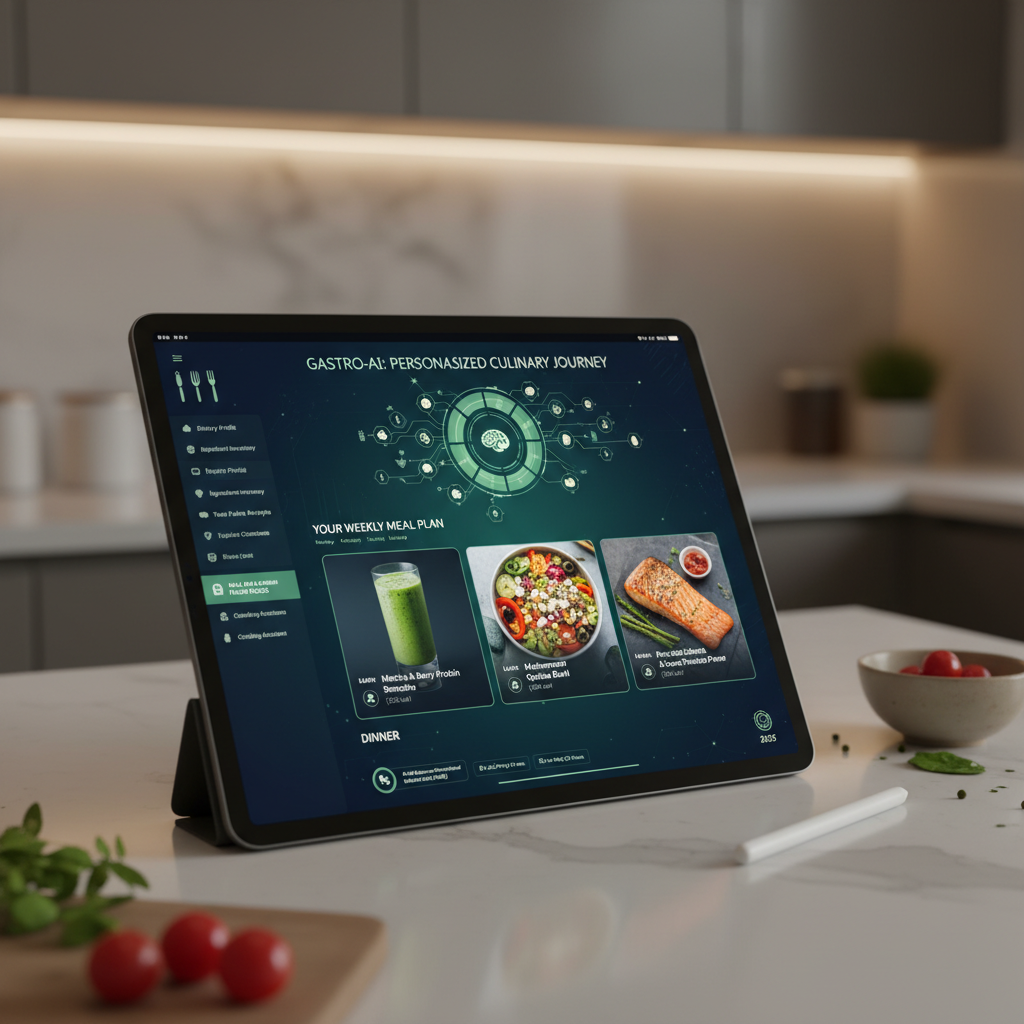
- Tailored Meal Plans: Complete daily or weekly meal plans, including breakfast, lunch, dinner, and snacks, meticulously designed to meet all nutritional goals and preferences.
- Recipe Suggestions: Specific recipes with detailed instructions, often including cooking videos or step-by-step guides.
- Portion Control Guidance: Clear recommendations on serving sizes to ensure calorie and nutrient targets are met without overeating.
- Automated Grocery Lists: Automatically generated shopping lists based on the planned meals, often categorized by aisle for convenience.
- Real-time Adjustments: If a user deviates from the plan (e.g., eats out, skips a meal), the AI can quickly recalculate and suggest adjustments for subsequent meals to stay on track.
- Educational Insights: Explanations for why certain foods are recommended, nutritional breakdowns, and tips for healthier eating habits.
- Progress Tracking and Visualization: Dashboards and charts to help users visualize their progress towards goals, showing trends in weight, body fat, nutrient intake, and more.
Through this continuous loop of data intake, intelligent processing, and adaptive output, AI truly personalizes the plate, transforming the complex art of nutrition into a manageable, highly effective science.
Key Features of AI-Powered Nutrition Tools
Modern AI-powered nutrition applications and platforms are far more than just calorie counters or recipe books. They are comprehensive digital nutritionists, equipped with an impressive array of features designed to make healthier eating not just achievable, but also highly personalized and convenient. These tools leverage AI to move beyond basic tracking, offering sophisticated insights and adaptive planning capabilities.
- Advanced Macronutrient and Micronutrient Tracking:
At its core, AI nutrition excels at tracking. Users can log meals manually, scan barcodes, or even upload photos of their food, with AI performing image recognition to identify ingredients and estimate portion sizes. The system then meticulously calculates not just total calories, but also the breakdown of carbohydrates, proteins, and fats. Crucially, it goes deeper, monitoring micronutrients such as vitamins (e.g., Vitamin C, D, B vitamins) and minerals (e.g., iron, calcium, potassium, magnesium), flagging potential deficiencies or excesses based on individual needs and recommended daily allowances.
- Dynamic Dietary Restriction Management:
One of the most powerful features is the ability to flawlessly manage complex dietary restrictions. Whether a user is gluten-intolerant, lactose-intolerant, has a severe nut allergy, follows a vegan, ketogenic, paleo, or low-FODMAP diet, the AI algorithms filter all recipe suggestions and meal plans to rigorously adhere to these constraints. This eliminates the tedious task of manually checking every ingredient and ensures safety and compliance, significantly broadening the culinary options for individuals with specific needs.
- Goal-Oriented Meal Planning and Adaptation:
AI tools are designed with specific user goals in mind. Whether the objective is weight loss, muscle gain, weight maintenance, managing blood sugar for diabetes, or optimizing athletic performance, the AI constructs meal plans that align with these targets. What sets AI apart is its adaptive nature. If a user’s weight loss plateaus, or if their training intensity increases, the AI can automatically adjust calorie targets, macronutrient ratios, and ingredient recommendations to help overcome challenges or meet new demands. It learns from progress and setbacks, continually optimizing the plan.
- Intelligent Recipe Generation and Discovery:
Beyond simply recommending recipes, some advanced AI tools can generate entirely new recipes based on available ingredients, desired cuisine, cooking time, and nutritional parameters. They can also take an existing recipe and modify it to fit dietary restrictions or enhance its nutritional profile. This transforms the meal prep experience, offering endless variety while sticking to health goals, and reducing food waste by utilizing ingredients already on hand.
- Automated Grocery List Generation:
Based on the personalized meal plan, AI tools automatically create comprehensive grocery lists. These lists are often categorized by supermarket aisle (e.g., produce, dairy, pantry) for maximum shopping efficiency. Some even integrate with online grocery delivery services, allowing users to order all necessary ingredients with just a few clicks, further simplifying the entire process from planning to consumption.
- Integration with Wearables and Smart Devices:
Many AI nutrition platforms seamlessly integrate with popular fitness trackers, smartwatches, and other health monitoring devices. This allows the AI to pull real-time data on physical activity, calorie expenditure, sleep quality, and even heart rate variability. This holistic view enables the AI to make more informed and contextualized nutritional recommendations, adjusting meal timings or portion sizes based on actual daily energy output or recovery needs.
- Meal Logging, Feedback Loops, and Behavioral Nudges:
Easy-to-use meal logging interfaces encourage consistent data input. Crucially, these tools often include feedback mechanisms, allowing users to rate meals, report satiety, or describe how they felt after eating. This human feedback is invaluable for the AI’s machine learning algorithms to fine-tune future recommendations. Furthermore, some AI tools employ behavioral science principles to offer gentle nudges and reminders, promoting consistency and adherence to the plan.
- Progress Monitoring and Visualization:
To keep users motivated and informed, AI nutrition apps provide intuitive dashboards and visual reports. These display progress towards goals (e.g., weight trends, body measurements), highlight nutrient intake over time, and show adherence to meal plans. Visualizing progress can be a powerful motivator, helping users understand the impact of their dietary choices and stay committed to their health journey.
These features collectively create a powerful ecosystem that not only guides users to healthier eating but also educates them, adapts to their changing needs, and ultimately empowers them to take control of their nutritional well-being.
Beyond the Plate: AI for Holistic Lifestyle Integration
While nutrition is undeniably a cornerstone of good health, it rarely operates in isolation. Our diet interacts profoundly with other critical lifestyle factors such as physical activity, sleep, stress management, and even our mental well-being. Recognizing this interconnectedness, cutting-edge AI nutrition tools are moving beyond mere meal planning to offer a more holistic approach, integrating dietary advice with broader lifestyle recommendations for comprehensive wellness.
The Symbiotic Relationship Between Diet and Exercise
AI’s capability to integrate with fitness trackers and wearables has opened up new avenues for optimizing the synergy between diet and exercise. If a user logs an intense cardio session or a heavy weightlifting workout, the AI system can immediately adjust the subsequent meal recommendations. This might include increasing protein intake for muscle repair, boosting complex carbohydrates for sustained energy recovery, or suggesting electrolyte-rich foods for rehydration. Conversely, on rest days or days with lower activity, the AI can intelligently scale back caloric intake to prevent overconsumption, ensuring energy balance. This dynamic adjustment prevents common pitfalls like underfueling for workouts or overeating on inactive days, optimizing both performance and recovery.
Optimizing Sleep Through Smart Nutrition
The link between diet and sleep quality is well-established. Certain foods and meal timings can significantly impact our circadian rhythm and the production of sleep-inducing hormones. AI tools can analyze user-reported sleep patterns (or data from sleep trackers) and cross-reference them with their dietary intake. For example, if a user consistently reports poor sleep, the AI might suggest:
- Avoiding heavy meals close to bedtime.
- Incorporating foods rich in magnesium or tryptophan (e.g., almonds, cherries, turkey) which are known to promote relaxation and sleep.
- Recommending specific teas or light snacks that support restful sleep.
By tailoring meal timing and food choices to support better sleep hygiene, AI contributes to an often-overlooked yet vital aspect of overall health.
Stress Management and Mindful Eating
Stress often leads to unhealthy eating patterns, such as emotional eating or reaching for comfort foods high in sugar and unhealthy fats. While AI cannot directly eliminate stress, it can play a supportive role. Some advanced AI platforms:
- Monitor reported stress levels (possibly via heart rate variability from wearables) and may suggest specific nutrient-dense foods known for their stress-reducing properties (e.g., omega-3 rich foods, certain fruits and vegetables).
- Offer prompts and gentle reminders to practice mindful eating, encouraging users to pay attention to their hunger and fullness cues rather than eating purely out of emotion.
- Integrate with mindfulness apps or provide guided meditation suggestions, subtly linking mental well-being with dietary choices.
This approach helps users develop a healthier relationship with food, moving beyond just calorie counting to address the psychological dimensions of eating.
Hydration and Micronutrient Balance
Beyond macros, AI tools provide personalized hydration recommendations based on activity level, climate, and individual needs. They can also ensure a balanced intake of essential vitamins and minerals crucial for cognitive function, immune health, and energy production. By providing alerts for potential deficiencies or suggesting foods rich in specific micronutrients, AI acts as a vigilant guardian of overall physiological balance.
By moving “beyond the plate,” AI nutrition tools are not just diet apps; they are becoming comprehensive wellness companions. They understand that true health is a symphony of interconnected factors, and by intelligently orchestrating diet with exercise, sleep, and stress management, they empower individuals to achieve a more robust and sustainable state of well-being.
Recent Advancements and Future Trends in AI Nutrition
The field of AI in nutrition is rapidly evolving, driven by breakthroughs in data science, genomics, and sensor technology. What might have seemed futuristic a few years ago is now becoming a tangible reality, pushing the boundaries of personalized health. These advancements promise an even more precise, proactive, and seamlessly integrated approach to managing our dietary health.
Genomic and Microbiome Data Integration: The Ultimate Personalization
Perhaps the most exciting frontier is the integration of individual genetic and gut microbiome data into AI nutrition platforms. Our DNA contains blueprints that influence how we metabolize nutrients, our predisposition to certain food sensitivities, and even our taste preferences. Similarly, the trillions of microorganisms in our gut (the microbiome) play a crucial role in digestion, nutrient absorption, and overall health. Advanced AI can analyze these complex biological datasets to:
- Genomic Nutrition: Recommend specific nutrients or dietary patterns based on an individual’s genetic variants. For example, if someone has a genetic predisposition for impaired folate metabolism, the AI might suggest increased intake of folate-rich foods or specific types of supplements.
- Microbiome-Optimized Diets: Based on an analysis of a user’s gut bacteria profile (e.g., from a stool sample), AI can recommend foods that foster a healthy and diverse microbiome, potentially addressing issues like IBS, inflammation, or improving nutrient extraction. This moves beyond generic probiotic advice to highly targeted interventions.
This level of precision promises to unlock truly bespoke dietary plans, optimizing health at a molecular level.
Predictive Analytics and Proactive Health Management
AI’s ability to learn from patterns and predict outcomes is becoming increasingly sophisticated. In nutrition, this means moving from reactive advice to proactive health management:
- Anticipating Cravings: By analyzing a user’s emotional state (from self-reported data or even physiological markers), activity levels, and historical eating patterns, AI could potentially predict when cravings for unhealthy foods are likely to strike, and suggest healthy alternatives or behavioral strategies to mitigate them.
- Preventing Plateaus: For weight loss or muscle gain goals, AI can identify when a user is approaching a plateau before it even happens, proactively adjusting calorie or macronutrient targets to keep progress consistent.
- Early Deficiency Detection: By continuously monitoring dietary intake and health metrics, AI can flag potential nutrient deficiencies long before symptoms appear, recommending corrective dietary changes.
Smart Kitchen Integration and Automated Cooking
The vision of a fully automated, health-optimized kitchen is gradually taking shape. AI is enabling smart kitchen appliances to communicate with nutrition apps:
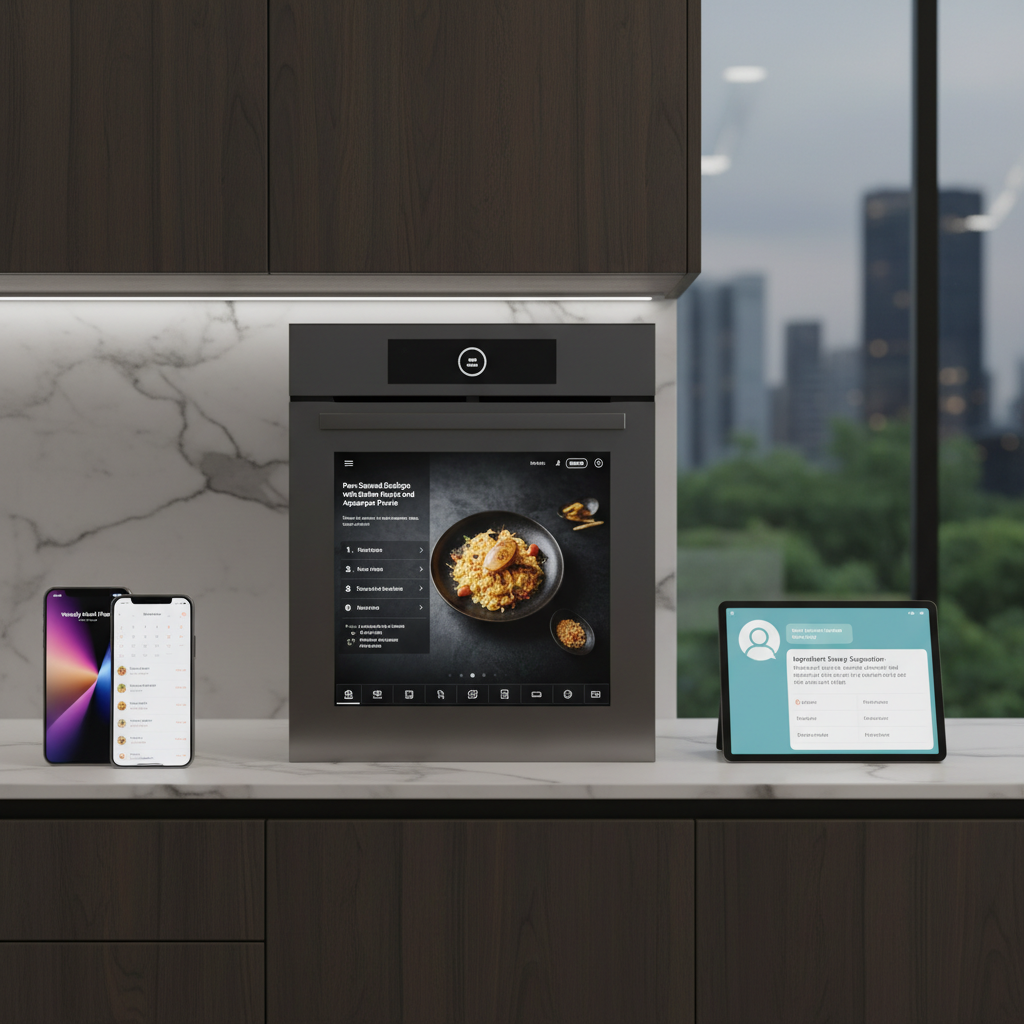
- AI-Powered Appliances: Smart ovens, refrigerators, and blenders can receive recipes from your AI nutrition plan and automatically adjust settings (temperature, time, blending speed) for optimal preparation.
- Automated Inventory Management: Smart refrigerators can track ingredients, suggest meals based on what’s available, and even automatically add depleted items to your grocery list or order them for delivery.
- Personalized Meal Kits: AI could generate highly personalized meal kits, delivered to your door, perfectly portioned and prepped according to your specific dietary requirements and preferences.
Augmented Reality (AR) for Instant Food Analysis
Imagine pointing your smartphone camera at a plate of food and instantly receiving a detailed nutritional breakdown, identifying ingredients, and assessing portion sizes against your daily targets. AR technology, combined with advanced image recognition AI, is making this a reality, offering immediate feedback and educational insights in real-time, helping users make healthier choices on the fly.
Ethical AI and Bias Mitigation
As AI becomes more pervasive, there’s a growing focus on ethical AI development. Future advancements will emphasize algorithms designed to be fair, transparent, and free from biases that could inadvertently promote unhealthy eating patterns or exclude certain cultural dietary practices. Ensuring data privacy and security will also remain paramount, with robust encryption and user consent mechanisms.
These trends paint a picture of a future where managing our nutrition is not a chore but an intelligent, effortless, and deeply personalized experience, seamlessly woven into the fabric of our daily lives, empowering us to achieve unprecedented levels of health and well-being.
Challenges and Considerations in Adopting AI Nutrition
While AI in personalized nutrition offers revolutionary potential, its adoption and widespread effectiveness are not without significant challenges and important considerations. As with any powerful technology, understanding its limitations and potential pitfalls is crucial for responsible and beneficial integration into our health routines.
Data Privacy and Security Concerns
The foundation of personalized AI nutrition is extensive personal data: health conditions, medical history, dietary preferences, activity levels, even genomic data. This highly sensitive information raises serious privacy and security questions. Users must trust that their data is protected from breaches, misuse, or unauthorized sharing. Companies developing these tools face the immense responsibility of implementing robust cybersecurity measures and adhering to strict data protection regulations (like GDPR or HIPAA), ensuring transparency about data usage and giving users full control over their information.
Accuracy and Reliability of Algorithms
The adage “garbage in, garbage out” is particularly pertinent to AI. The accuracy of AI nutrition recommendations depends entirely on the quality and comprehensiveness of the data it processes. Inaccurate food logging, incomplete health profiles, or biased training data can lead to flawed or even detrimental advice. Furthermore, AI models are built on statistical probabilities and correlations; they do not possess true understanding or intuition like a human nutritionist. There’s a risk of misinterpretation of complex physiological signals or a failure to account for nuances that are not explicitly coded into the algorithm.
Ethical Implications and Potential for Harm
The power of AI to influence dietary behavior comes with significant ethical considerations. There’s a concern that highly prescriptive AI plans, particularly those focused on calorie restriction or specific body ideals, could inadvertently contribute to disordered eating patterns or exacerbate existing body image issues. Algorithmic bias, if not carefully addressed, could lead to recommendations that are culturally inappropriate, unaffordable, or inaccessible to certain populations. Developers must prioritize user well-being, integrate feedback mechanisms for distress, and design AI to promote healthy, balanced relationships with food, rather than hyper-focusing on restrictive outcomes.
Lack of Human Oversight and Empathy
While AI excels at data processing and pattern recognition, it lacks the empathy, intuitive understanding, and holistic perspective of a human nutritionist or dietitian. A human expert can delve into psychological factors, emotional eating triggers, cultural backgrounds, and individual life circumstances that AI might overlook. They can provide emotional support, motivation, and nuanced advice that goes beyond data points. Over-reliance on AI could lead to a depersonalization of health guidance, potentially missing critical non-data-driven insights crucial for long-term behavioral change.
Cost and Accessibility
Advanced AI nutrition tools, especially those integrating genomic data or real-time sensor feedback, can be expensive. This raises questions about equitable access to such personalized health benefits. If these cutting-edge tools remain exclusive to affluent populations, it could exacerbate existing health disparities. Efforts are needed to develop more affordable and accessible AI solutions to ensure that the benefits of personalized nutrition are available to a broader demographic.
Over-reliance on Technology vs. Developing Intuitive Eating
A potential risk is that users might become overly dependent on AI for every food decision, potentially hindering the development of their own intuitive eating skills and internal hunger/satiety cues. While AI can educate and guide, the ultimate goal should be to empower individuals to make informed choices independently, foster a healthy relationship with food, and listen to their body’s signals, rather than blindly following algorithmic commands.
Addressing these challenges requires a collaborative effort from AI developers, nutrition scientists, ethicists, policymakers, and users themselves. By proactively considering these factors, we can ensure that AI nutrition evolves responsibly, maximizing its benefits while minimizing potential harm.
Comparison Tables
Table 1: Traditional Diet Planning vs. AI-Powered Nutrition Planning
| Feature | Traditional Diet Planning | AI-Powered Nutrition Planning |
|---|---|---|
| Personalization Level | General guidelines; based on broad categories (age, gender, activity). Limited adaptation for specific individual needs without constant expert input. | Hyper-personalized; considers genetics, microbiome (advanced), real-time activity, preferences, health conditions. Continuously adapts. |
| Data Processing | Manual tracking, human calculation of nutrients. Time-consuming and prone to human error. | Automated data collection (wearables, input), real-time nutrient calculation, pattern recognition. Efficient and highly accurate. |
| Recipe & Meal Prep | Requires manual recipe searching, ingredient checking for restrictions, creating grocery lists. | Automatic recipe generation, filtering for restrictions, automated grocery lists, smart kitchen integration (advanced). Streamlined. |
| Adaptability | Static plans unless actively revised by a human expert or user. Slow to adapt to changes in lifestyle or progress. | Dynamic and adaptive; adjusts plans in real-time based on activity, feedback, progress, and goals. Self-optimizing. |
| Accessibility & Cost | Can be expensive (nutritionist fees) and time-consuming. Free general advice is generic. | Varies from free basic apps to premium subscription services. Generally more accessible for personalized advice than ongoing human consultations. |
| Holistic Integration | Often focuses solely on food; manual integration with exercise/sleep data. | Seamless integration with wearables, sleep trackers; offers holistic lifestyle recommendations for exercise, hydration, and stress. |
| Learning & Feedback | Relies on explicit feedback to human expert; slow learning cycle. | Continuous machine learning from user input, feedback, and progress data; rapidly refines recommendations. |
Table 2: Key Features Comparison of Popular AI Nutrition App Approaches
| Feature Category | Basic AI Nutrition Apps (e.g., MyFitnessPal with AI features, Cronometer) | Advanced AI Nutrition Platforms (e.g., Zoe, Lumen, Nutrigenomix-integrated apps) |
|---|---|---|
| Core Functionality | Calorie/macro tracking, basic recipe suggestions, standard dietary restrictions. Goal setting for weight. | Hyper-personalized meal plans, genomic/microbiome integration, real-time metabolic feedback, predictive analytics. Holistic health goals. |
| Data Input Methods | Manual logging, barcode scanning, basic photo recognition. Wearable integration for activity. | Advanced biometric data (blood sugar monitors, breath analysis), gut microbiome tests, DNA tests. Comprehensive wearable integration. |
| Personalization Depth | Based on age, gender, weight, activity, stated preferences. Largely rule-based AI. | Based on individual genetics, microbiome, metabolic response, real-time physiological state. Advanced machine learning models. |
| Recommendation Granularity | General healthy food suggestions, adherence to broad dietary patterns. | Specific ingredient recommendations, optimal meal timing, food pairings, personalized supplement suggestions. |
| Learning & Adaptation | Learns from logged food and user feedback to refine preferences. | Continuously learns from biometric data, health outcomes, and detailed user feedback, actively optimizing metabolic responses. |
| Cost Model | Freemium model with basic features free, premium for advanced tracking and ad-free experience. | Subscription-based, often includes initial testing kits (DNA/microbiome), higher price point reflecting deep personalization. |
| Target User | Individuals seeking general healthy eating, weight management, fitness tracking. | Individuals seeking optimal health, performance, chronic disease management, or deep biological insights. |
Practical Examples: Real-World Use Cases and Scenarios
To truly grasp the transformative power of AI in personalized nutrition, let’s explore a few real-world scenarios illustrating how these tools can make a tangible difference in people’s lives.
Case Study 1: Sarah’s Weight Loss Journey with AI
Sarah, a 38-year-old marketing manager and mother of two, struggled with her weight for years. Her busy schedule meant often grabbing takeout or relying on pre-packaged meals, and she found traditional diets too restrictive and time-consuming to maintain. She decided to try an AI-powered nutrition app.
- Initial Setup: Sarah entered her age, height, current weight, target weight, activity level (moderate, given her work and family life), and specified her preference for quick-to-prepare meals and an aversion to seafood. She also linked her fitness tracker.
- AI in Action: The AI calculated her caloric deficit and macronutrient needs for sustainable weight loss. It began generating weekly meal plans featuring recipes that could be prepared in under 30 minutes, often with batch-cooking options for her lunches. It included recipes like chicken and veggie stir-fry, lentil soup, and overnight oats. When she had a particularly stressful day and reported feeling low on energy, the AI suggested a light, nutrient-dense snack instead of her usual impulse for sugary treats. After a few weeks, she noticed she was consistently slightly over her carb target and reported feeling bloated. The AI analyzed her logs and suggested slightly increasing her fiber intake from vegetables and whole grains while adjusting carb portions, alleviating the bloating and keeping her on track.
- Results: Over six months, Sarah consistently lost weight, felt more energetic, and found joy in cooking simple, healthy meals that fit her lifestyle. The automated grocery lists saved her hours, and the adaptive nature of the plan meant she never felt deprived or overwhelmed. The AI’s gentle nudges and positive reinforcement kept her motivated, and she learned healthier habits without feeling like she was “on a diet.”
Case Study 2: Mark’s Athletic Performance Enhancement
Mark, a 28-year-old amateur marathon runner, wanted to optimize his nutrition to improve his race times and recovery. He understood the importance of diet but struggled to fine-tune his macro intake for different training phases and avoid hitting “the wall” during long runs.
- Initial Setup: Mark provided his biometric data, running schedule, race goals, and dietary preferences (high protein, whole foods). Crucially, he integrated his advanced GPS running watch with the AI nutrition platform, providing real-time data on mileage, pace, heart rate, and calorie burn.
- AI in Action: During his intense training weeks, the AI automatically increased his carbohydrate recommendations to fuel his long runs and high-intensity interval training, suggesting specific complex carbs like quinoa and sweet potatoes. On recovery days, it boosted his protein intake to aid muscle repair and reduced overall calories slightly. Before his longest training runs, the AI would recommend specific pre-run snacks designed for sustained energy and easily digestible carbs. Post-run, it suggested optimal protein-to-carb ratios for rapid recovery. When Mark reported feeling sluggish during a specific training block, the AI cross-referenced his logged food with his activity data and suggested incorporating more iron-rich foods and ensuring adequate Vitamin B intake.
- Results: Mark experienced significantly improved energy levels during his training, faster recovery times, and avoided the common fatigue associated with intense marathon prep. He achieved a personal best in his next marathon, attributing much of his success to the precision nutrition plan curated and constantly adjusted by the AI. The tool taught him exactly how to fuel his body for peak performance, transforming his understanding of sports nutrition.
Case Study 3: Elena’s Management of Complex Dietary Restrictions
Elena, a 45-year-old university professor, faced a daunting challenge: she was both gluten-intolerant and allergic to dairy, soy, and peanuts. Finding recipes that were safe, delicious, and varied was a constant struggle, leading to repetitive meals and occasional accidental exposure to allergens.
- Initial Setup: Elena meticulously entered all her dietary restrictions and allergies into a specialized AI nutrition platform. She also listed her preferences for international cuisine and a dislike for overly complicated cooking processes.
- AI in Action: The AI became her culinary detective. It seamlessly filtered through millions of recipes, presenting her with options that were guaranteed to be free of gluten, dairy, soy, and peanuts. Instead of finding just a handful of safe recipes, she was presented with a diverse array of dishes, from Thai coconut curries (using coconut milk instead of dairy and peanut-free sauces) to elaborate salads with homemade vinaigrettes and gluten-free pasta dishes with vegetable-based sauces. When she traveled, the AI could even suggest safe restaurant dishes or packaged snacks based on her location. After a month, she noted that she missed baked goods, and the AI, learning her preference, started suggesting gluten-free, dairy-free, soy-free, and peanut-free baking recipes using alternative flours and plant-based milks.
- Results: Elena’s diet transformed from a monotonous and anxiety-inducing chore into an exciting culinary adventure. She discovered new ingredients and cuisines, enjoyed a wider variety of meals, and, most importantly, felt confident that her food was always safe. The AI not only managed her complex restrictions but also expanded her culinary horizons, proving invaluable for her health and peace of mind.
These examples underscore how AI nutrition tools cater to diverse needs, from general wellness to specific health goals and complex dietary requirements, making healthier eating genuinely simplified and sustainable.
Frequently Asked Questions
Q: What exactly is an AI-powered nutrition plan?
A: An AI-powered nutrition plan is a personalized dietary guide created and continuously optimized by Artificial Intelligence algorithms. Unlike generic diet plans, it uses machine learning to process extensive data about you – including your age, gender, height, weight, activity level, dietary preferences, allergies, health conditions, and even data from wearable devices. Based on this unique profile, the AI generates specific meal recommendations, recipes, portion sizes, and grocery lists that adapt over time to your progress, feedback, and changing lifestyle, aiming to help you achieve your specific health and wellness goals efficiently and effectively.
Q: How accurate are AI nutrition recommendations?
A: The accuracy of AI nutrition recommendations largely depends on the quality and quantity of the data it receives and the sophistication of its algorithms. High-quality AI tools that integrate data from reliable food databases, scientific research, and real-time user input (like logged meals and wearable data) can be highly accurate in calculating nutrient intake and suggesting appropriate meals. However, it’s crucial for users to provide accurate information and consistently log their food. While AI excels at data processing, it’s still a tool, and its advice should ideally complement, rather than completely replace, the guidance of a human nutritionist, especially for complex medical conditions.
Q: Is my personal data safe with these AI tools?
A: Data privacy and security are paramount concerns for AI nutrition tools, especially since they handle highly sensitive personal and health information. Reputable AI nutrition platforms employ robust encryption, secure servers, and adhere to strict data protection regulations (like GDPR and HIPAA) to safeguard user data. They typically have transparent privacy policies detailing how your data is collected, stored, used, and shared. Before using any app, it’s essential to review its privacy policy carefully and choose providers known for their commitment to data security. Most platforms anonymize and aggregate data for research and algorithm improvement, ensuring individual identity remains protected.
Q: Can AI nutrition plans accommodate specific allergies or medical conditions?
A: Yes, one of the significant strengths of AI-powered nutrition tools is their ability to meticulously accommodate a wide range of specific allergies (e.g., nuts, gluten, dairy), intolerances (e.g., lactose), and medical conditions (e.g., diabetes, IBS, celiac disease, high cholesterol). When you input your specific restrictions or conditions, the AI algorithms filter all recipe suggestions and meal plans to rigorously exclude problematic ingredients or tailor nutrients to manage the condition. This feature significantly simplifies meal planning for individuals who previously found it challenging to find safe and varied dietary options, making it a powerful ally in managing complex dietary needs.
Q: How do AI tools handle my changing preferences or progress?
A: AI nutrition tools are designed to be dynamic and adaptive. They continuously learn from your input and progress. If you try a new food and dislike it, you can often rate it poorly or explicitly state your dislike, and the AI will avoid recommending it in the future. As you make progress towards your goals (e.g., losing weight, gaining muscle), the AI will automatically adjust your caloric and macronutrient targets to prevent plateaus and ensure continued progress. Many tools also adapt to changes in your activity levels (via wearable integration) or self-reported energy levels, modifying your meal plan in real-time to match your body’s evolving needs, ensuring your plan remains effective and enjoyable.
Q: Do I still need a human nutritionist if I use an AI tool?
A: For general health improvement, weight management, or fitness goals, an AI nutrition tool can be an incredibly effective and often sufficient resource. However, for individuals with complex medical conditions, severe eating disorders, or those requiring highly specialized dietary interventions, a human nutritionist or registered dietitian remains invaluable. AI tools are excellent at data processing and pattern recognition, but they lack the empathetic understanding, psychological insight, and nuanced clinical judgment of a human expert. A human professional can provide personalized counseling, address emotional aspects of eating, and offer a level of tailored guidance that AI currently cannot replicate. AI can be a powerful complement to professional human guidance, not always a complete replacement.
Q: What is the typical cost of AI nutrition apps or services?
A: The cost of AI nutrition apps and services varies widely depending on their features and level of personalization. Many apps offer a freemium model, providing basic features like calorie tracking and general meal suggestions for free, with premium subscriptions (typically $5-$20 per month or $50-$150 annually) unlocking advanced features such as highly personalized meal plans, advanced nutrient tracking, integration with wearables, and access to unique recipe databases. More advanced platforms that incorporate genomic or microbiome testing often have a higher initial cost for the testing kits (hundreds of dollars) in addition to a subscription fee, reflecting the deeper level of scientific personalization they offer.
Q: Can AI help with emotional eating or behavioral aspects of diet?
A: While AI doesn’t possess human empathy or psychological understanding, it can offer supportive features that indirectly help with emotional or behavioral aspects of diet. Some AI tools monitor reported stress levels or integrate with mindfulness apps, suggesting specific foods known to aid mood regulation or prompting mindful eating practices. By providing structured meal plans and objective feedback, AI can help users build consistent routines and become more aware of their eating patterns, reducing impulsive choices driven by emotion. However, for deep-seated emotional eating issues or eating disorders, professional psychological support is crucial, with AI serving as a complementary tool rather than a primary solution.
Q: How do AI tools integrate with smart kitchen devices?
A: Advanced AI nutrition tools are increasingly integrating with smart kitchen devices to create a more seamless and automated cooking experience. This integration can manifest in several ways: your AI app might send a recipe directly to your smart oven, which then preheats to the correct temperature and sets the cooking time. Smart refrigerators, powered by AI, can track your inventory, suggest meals based on available ingredients, and even add depleted items to your AI-generated grocery list or automatically order them for delivery. This connectivity aims to simplify meal preparation, reduce food waste, and ensure that your cooking process aligns effortlessly with your personalized nutrition plan.
Q: What are the biggest limitations of current AI nutrition technology?
A: Despite rapid advancements, current AI nutrition technology has several limitations. It struggles with nuanced qualitative data, like the subtle impacts of food on mood or energy that aren’t easily quantifiable. AI lacks true intuition and can’t replicate the holistic, empathetic counseling of a human professional. There are also concerns about data privacy and the potential for algorithmic bias, especially if training data isn’t diverse. Furthermore, the accuracy relies heavily on precise user input, and inconsistent logging can lead to less effective recommendations. Lastly, while AI can process genetic data, our understanding of gene-diet interactions is still evolving, meaning full genomic personalization is an ongoing area of research.
Key Takeaways
The integration of AI into personalized nutrition marks a profound shift, offering unprecedented opportunities for individuals to achieve their health goals. Here are the key takeaways from our exploration:
- Hyper-Personalization is Now a Reality: AI moves beyond generic dietary advice, creating plans tailored to individual biology, preferences, lifestyle, and specific health conditions.
- Simplification of Complex Tasks: AI automates tedious aspects of healthy eating, such as nutrient tracking, recipe discovery, meal planning, and grocery list generation, making healthy choices convenient.
- Holistic Health Integration: Advanced AI tools connect nutrition with other vital lifestyle factors like exercise, sleep, and stress, fostering a comprehensive approach to wellness.
- Dynamic and Adaptive Plans: AI plans are not static; they continuously learn from user feedback, progress, and real-time data from wearables, adjusting recommendations for optimal results.
- Empowering Dietary Restriction Management: Individuals with allergies, intolerances, or specific medical conditions can effortlessly find safe, varied, and delicious meal options.
- Future is Even Smarter: Emerging trends like genomic/microbiome data integration, predictive analytics, and smart kitchen connectivity promise even greater precision and automation in personalized nutrition.
- Mindful Adoption is Essential: While powerful, AI tools require careful consideration regarding data privacy, accuracy, potential for bias, and should ideally complement, rather than completely replace, human expertise, especially for complex health needs.
- Empowerment Through Education: By providing clear data and insights, AI educates users about their body’s responses to food, fostering a deeper understanding of nutrition and encouraging sustainable healthy habits.
Conclusion
The journey towards healthier eating, once fraught with confusion and complexity, is being profoundly simplified and democratized by the power of Artificial Intelligence. No longer do individuals have to navigate the maze of conflicting information or struggle with generic diet plans that fail to acknowledge their unique physiology and lifestyle. AI-powered nutrition tools are ushering in an era of precision health, where dietary advice is as unique as your fingerprint.
From meticulously tracking macronutrients and micronutrients to seamlessly accommodating a myriad of dietary restrictions, and from generating personalized recipes to integrating with your fitness trackers and smart kitchen devices, AI is transforming every facet of meal preparation and consumption. It learns, adapts, and evolves with you, ensuring that your nutrition plan is always optimized for your current goals and health status. This not only makes healthier eating more accessible and convenient but also more sustainable and enjoyable.
While the technology continues to advance, promising even deeper personalization through genomic and microbiome data, it is crucial to approach AI with an understanding of its capabilities and limitations. It serves as an incredibly powerful ally, a digital nutritionist that empowers you with knowledge and actionable insights. However, the human element—your intuition, preferences, and the guidance of a human expert when needed—remains an invaluable component of your overall wellness journey.
Embracing AI in your pursuit of healthier eating is not just about adopting a new app; it’s about embracing a smarter, more informed, and ultimately more effective pathway to well-being. By leveraging these intelligent tools, we can move beyond the dietary dilemma and step into a future where personalized nutrition is not just a luxury, but an achievable standard for everyone, making healthier eating truly simplified for a healthier, happier you.




















































































Leave a Reply