

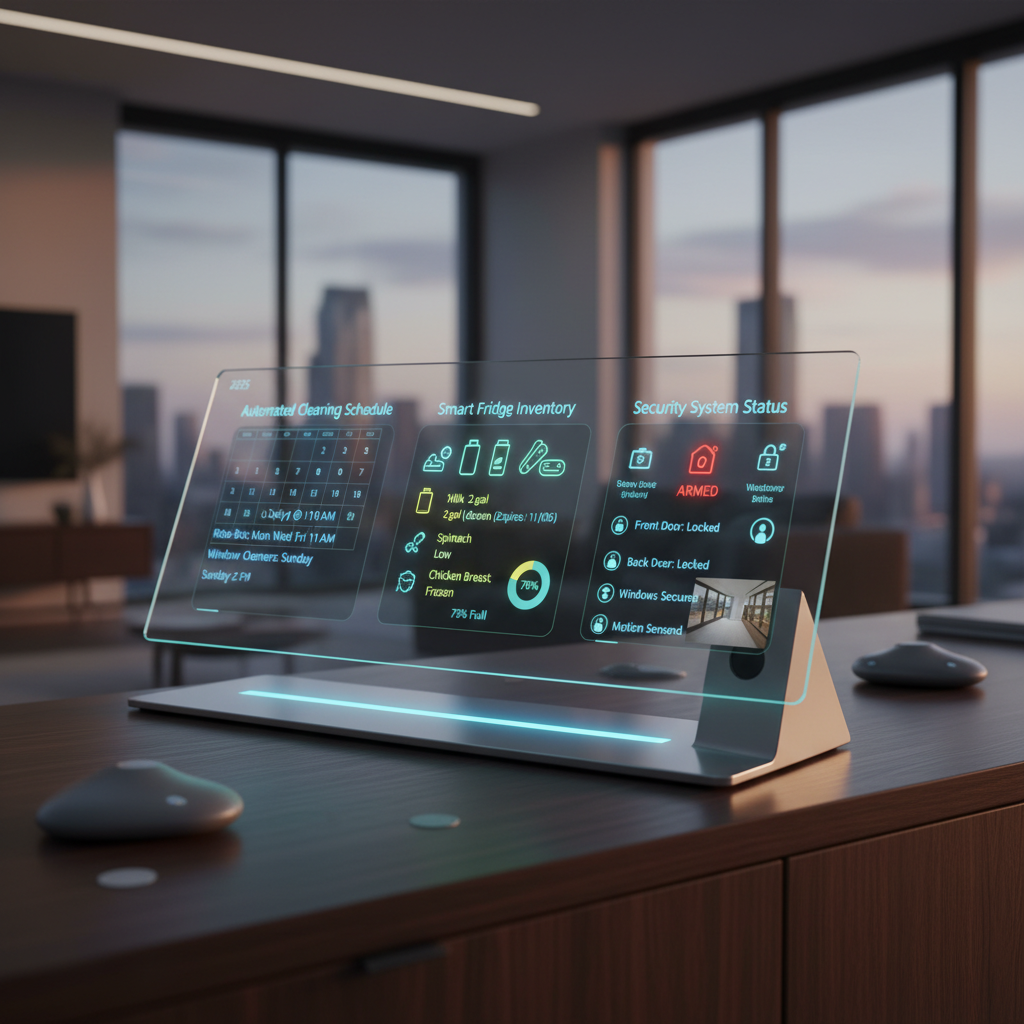
In an increasingly fast-paced world, the demands on our time seem to grow exponentially. Between work, family, social commitments, and personal well-being, the traditional list of household chores often feels like an insurmountable mountain. From mundane tasks like vacuuming and doing laundry to more complex ones such as meal planning and managing home security, these responsibilities can consume precious hours, leaving us with less time for what truly matters. However, a silent revolution is underway, driven by the remarkable advancements in Artificial Intelligence (AI) and its seamless integration into our everyday home gadgets. These aren’t just mere conveniences; they represent a fundamental shift in how we manage our living spaces, transforming tedious routines into automated efficiencies and allowing us to reclaim valuable time and mental energy.
This comprehensive guide delves into the fascinating world of AI home gadgets, exploring how they are not merely smart but truly intelligent, learning from our habits, adapting to our needs, and proactively simplifying our daily lives. We will uncover the innovative ways these devices tackle everything from cleaning and cooking to energy management and security, providing not just convenience but also boosting overall household efficiency. Prepare to discover how a smarter household, powered by AI, is no longer a futuristic dream but a tangible reality within reach, promising a life with fewer chores and more moments for joy and relaxation.
The Dawn of the Smart Home: Understanding AI’s Role
The concept of a “smart home” has been around for some time, initially encompassing devices that could be remotely controlled via an app or voice command. However, the introduction of AI has elevated these homes from merely “smart” to truly intelligent. AI in a home gadget goes beyond simple automation; it involves sophisticated algorithms that enable devices to learn, reason, and make decisions without explicit programming for every single scenario. This means your home isn’t just following commands, but anticipating needs and acting autonomously.
At its core, AI in home gadgets leverages machine learning, a subset of AI that allows systems to improve performance on a specific task over time through exposure to data. For instance, an AI-powered thermostat doesn’t just let you set a schedule; it observes your temperature preferences, learns your daily patterns, considers external factors like weather forecasts, and then intelligently adjusts settings to maintain optimal comfort while conserving energy. Similarly, robotic vacuums equipped with AI use LiDAR and other sensors to map your home, identify furniture, avoid obstacles, and even recognize different floor types, creating the most efficient cleaning paths.
The evolution has been rapid. Early smart devices offered basic remote control. Then came voice assistants like Amazon Alexa and Google Assistant, enabling natural language interaction. Now, the frontier is proactive intelligence, where devices collaborate and make predictive decisions. They integrate contextual information, understand complex routines, and even communicate with each other, forming a cohesive ecosystem that works behind the scenes. This fundamental shift from reactive control to proactive assistance is what truly defines the AI-driven smart home, paving the way for unprecedented levels of convenience and efficiency.
Effortless Cleaning: AI-Powered Vacuum Cleaners and Mops
Perhaps one of the most immediate and impactful applications of AI in the home is in the realm of cleaning. The chore of vacuuming and mopping floors, once a significant time sink, has been utterly transformed by intelligent robotic devices. These aren’t the rudimentary bump-and-go robots of yesteryear; modern AI-powered cleaners are sophisticated machines designed for precision and autonomy.
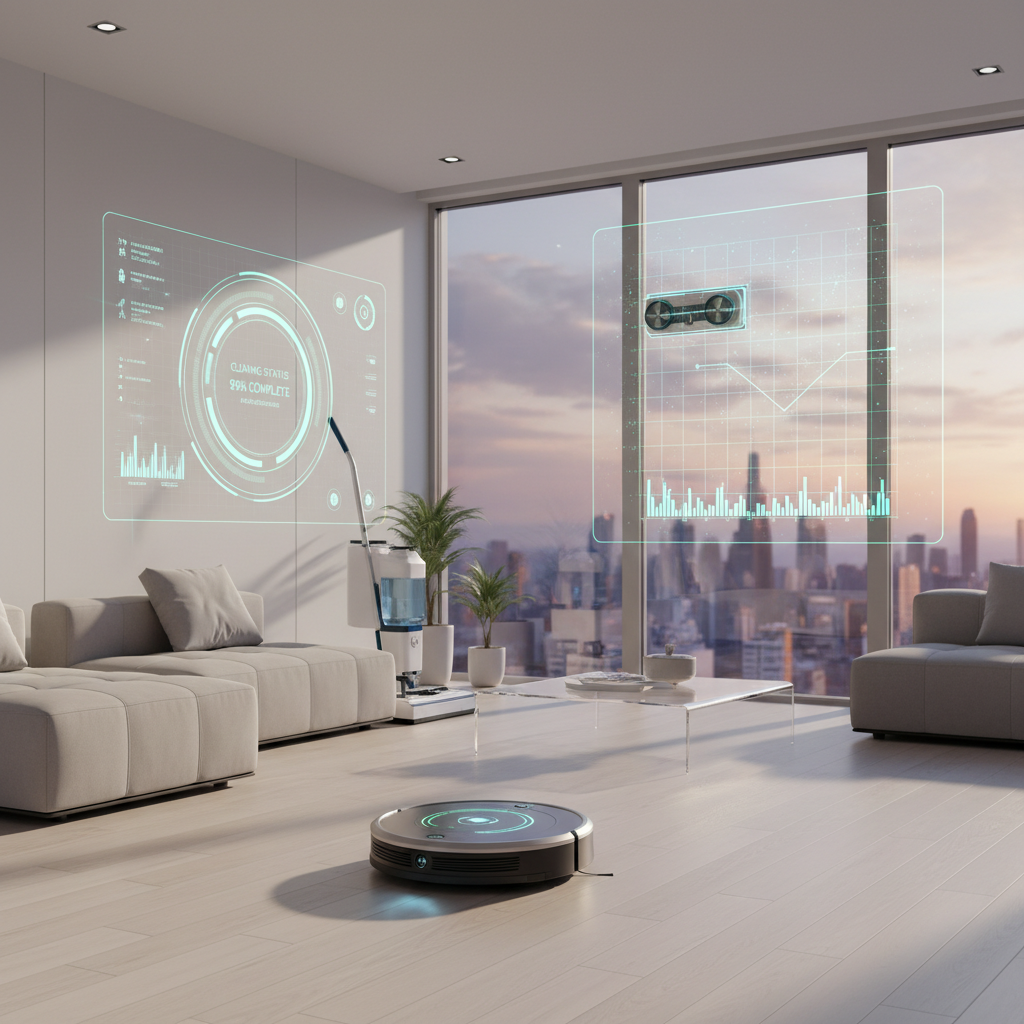
Leading the charge are AI robotic vacuums, often featuring advanced navigation technologies such as LiDAR (Light Detection and Ranging) or vSLAM (visual Simultaneous Localization and Mapping). These systems allow the robot to build incredibly accurate, detailed maps of your home, identifying walls, furniture, and even specific room types. With these maps, the robot can plan the most efficient cleaning routes, ensuring comprehensive coverage without redundant passes. Features like obstacle avoidance, powered by sophisticated sensors and AI algorithms, enable them to navigate around stray shoes, pet toys, and delicate furniture without getting stuck or causing damage. Many premium models now include self-emptying docks, meaning the robot can empty its dustbin into a larger bag or container, often holding weeks or even months of debris, further reducing manual intervention.
AI-driven robot mops work in a similar fashion, often integrating with the same mapping technology to identify areas that need a wet clean. They can distinguish between different floor types, applying the correct amount of water and pressure, and some even possess targeted stain removal capabilities, concentrating efforts on particularly dirty spots. The synergy between AI vacuums and mops is increasingly common, where a vacuum finishes its cycle, and then a mop robot takes over, ensuring a spotless finish. Integration with voice assistants is seamless; a simple command like “Alexa, clean the kitchen” or “Hey Google, mop the dining room” sets these devices into action, allowing you to delegate chores without lifting a finger.
The real-world impact is profound. Homeowners gain back hours each week, enjoying consistently clean floors without the physical effort or mental burden. For individuals with allergies, the regular, thorough cleaning cycles significantly reduce dust and allergens. For pet owners, constant pet hair is no longer a daily battle. This level of autonomous cleaning frees up mental space and physical time, allowing occupants to focus on more rewarding activities, truly simplifying a daily chore that was once a source of constant low-level stress.
Intelligent Kitchens: Cooking, Inventory, and Meal Planning
The kitchen, often considered the heart of the home, is rapidly becoming a hub of AI innovation, making cooking, meal planning, and even grocery shopping significantly easier and more efficient. AI-enabled kitchen gadgets are moving beyond simple timers and pre-set programs, offering a level of intelligence that streamlines every aspect of food preparation and management.
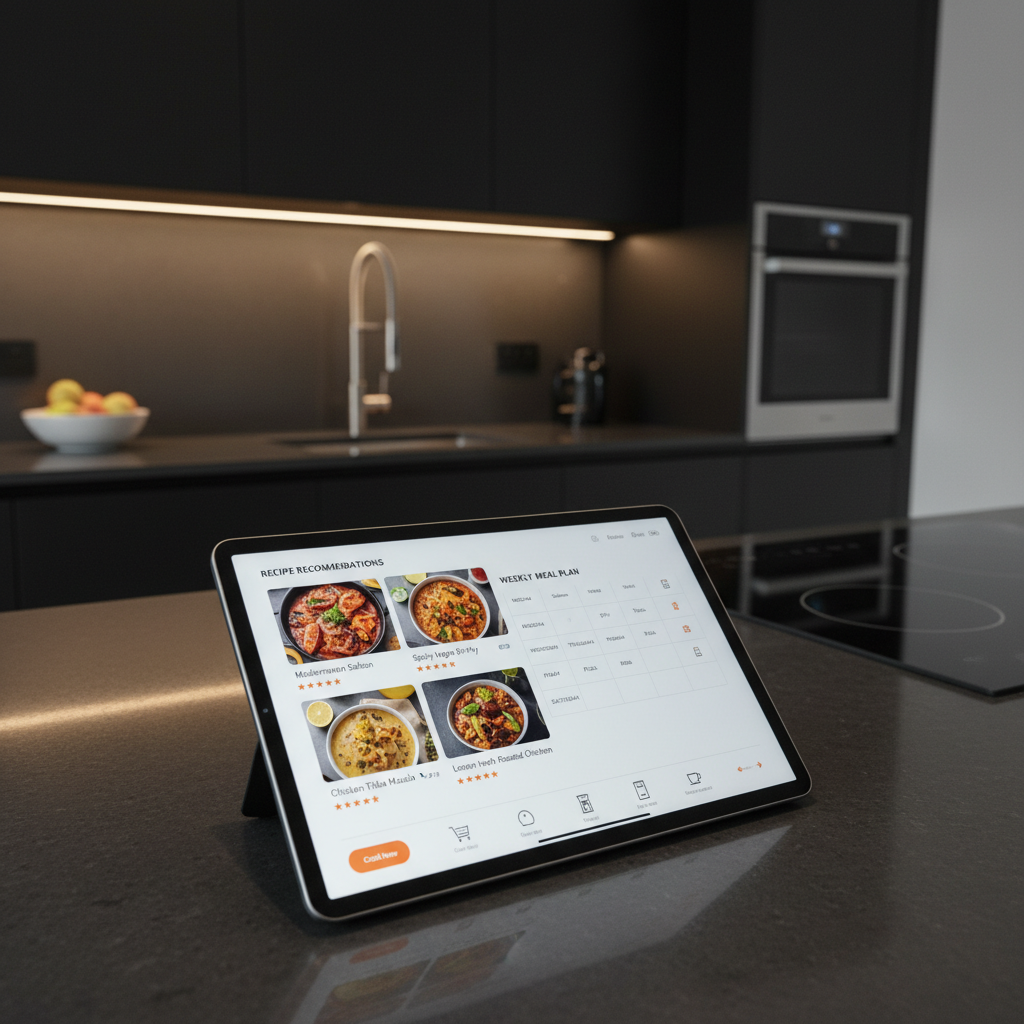
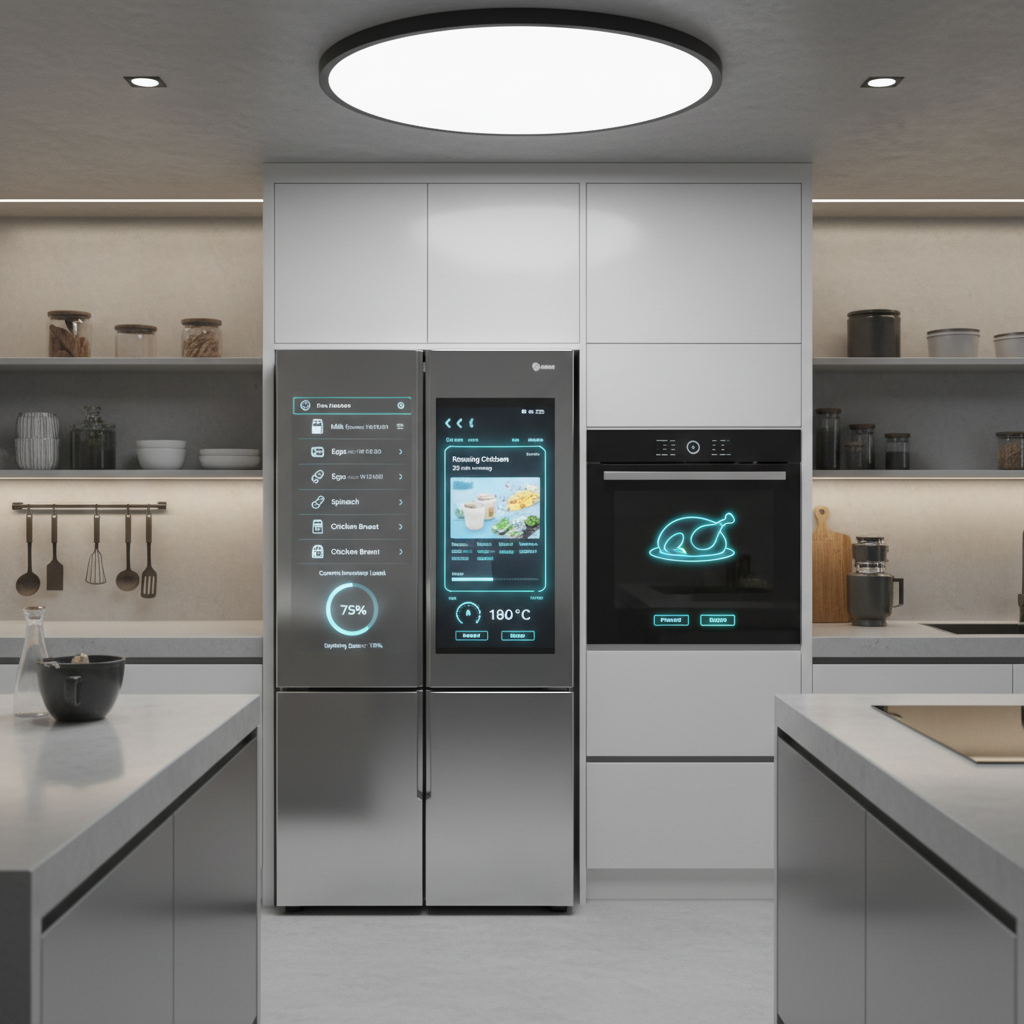
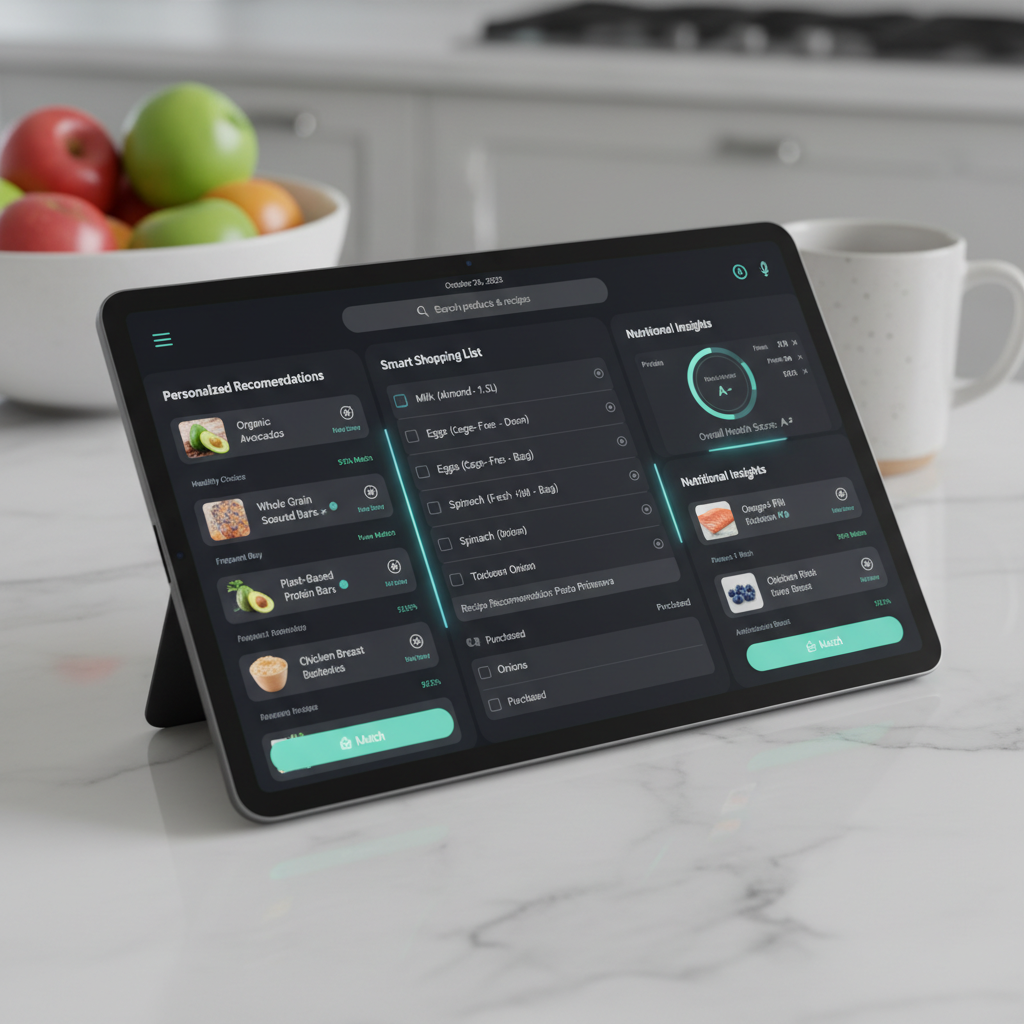
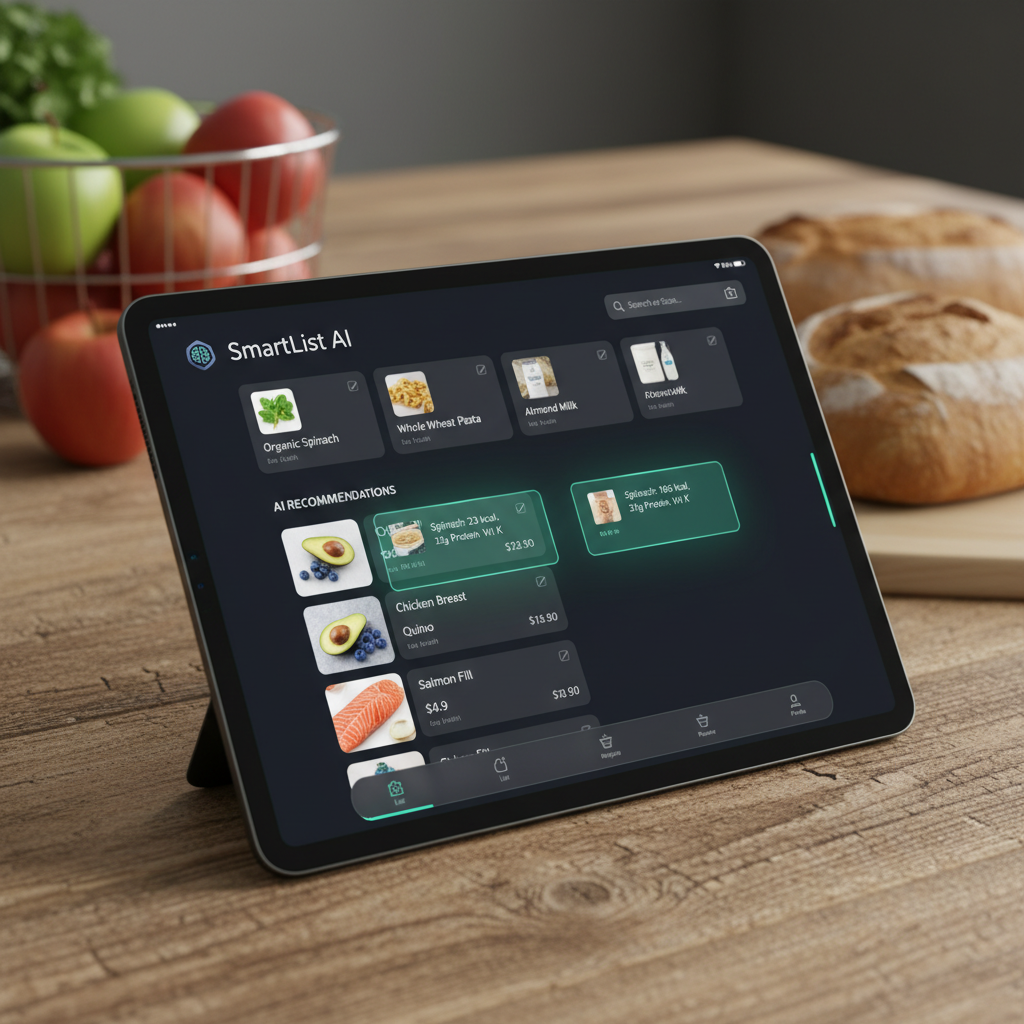
Smart refrigerators are a prime example. Equipped with internal cameras and AI vision systems, they can track your inventory, identifying what’s inside and even alerting you when items are running low or nearing their expiry dates. Some models can suggest recipes based on the ingredients you have on hand, minimizing food waste and inspiring culinary creativity. Beyond inventory, these refrigerators often feature touchscreens that integrate with calendars, family notes, and smart home ecosystems, serving as a central communication hub. Imagine getting a notification on your phone that you’re low on milk, or seeing a recipe suggestion pop up based on the chicken and vegetables already in your fridge.
AI-enabled ovens and cooktops are transforming the cooking experience. Precision cooking features allow you to set exact temperatures for specific dishes, often remotely preheating the oven on your way home from work. Some smart ovens integrate directly with recipe apps, automatically adjusting cooking times and temperatures based on the recipe’s instructions and the food’s weight or type. Advanced induction cooktops can maintain precise temperatures for delicate sauces or searing, preventing burning and ensuring consistent results. Air fryers and multi-cookers with AI features learn your preferences for crispiness or doneness, automatically adjusting settings over time to achieve perfect results for your favorite foods.
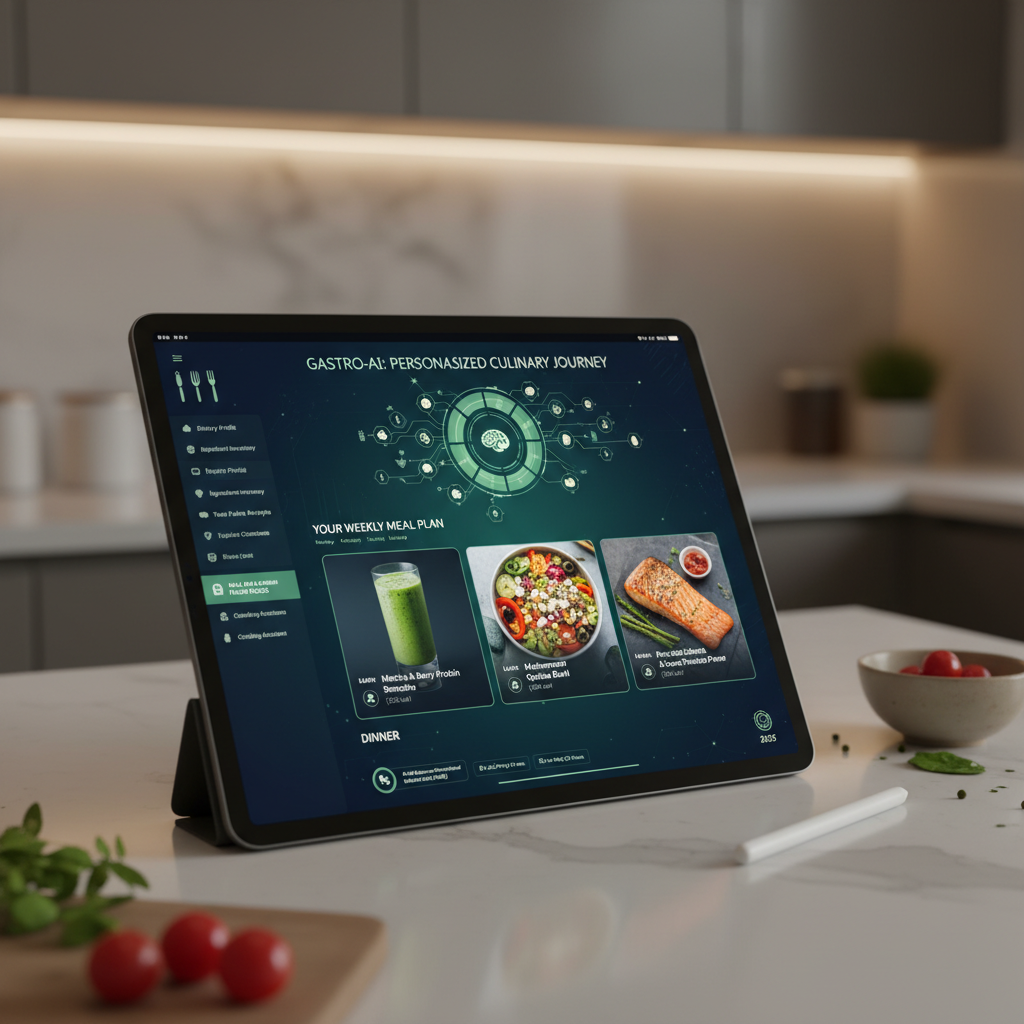
Even dishwashers are getting smarter. AI can analyze the soil level of dishes and the load size, then optimize the wash cycle for water and energy efficiency. They can also notify you when detergent is low or when the cycle is complete, integrating seamlessly into your smart home ecosystem. For busy professionals or families managing dietary needs, these intelligent kitchen appliances can be game-changers. For instance, a smart fridge could highlight allergen-free ingredients or suggest meal plans catering to specific dietary restrictions, while a smart oven ensures a perfectly cooked, healthy meal is ready right when you need it, all with minimal manual oversight.
Laundry Reimagined: Smart Washers and Dryers
The chore of laundry, encompassing washing, drying, folding, and sorting, is notoriously time-consuming and often requires careful attention to avoid shrinking or damaging clothes. AI-powered washers and dryers are revolutionizing this routine, turning it into a largely automated and optimized process that saves time, energy, and extends the life of your garments.
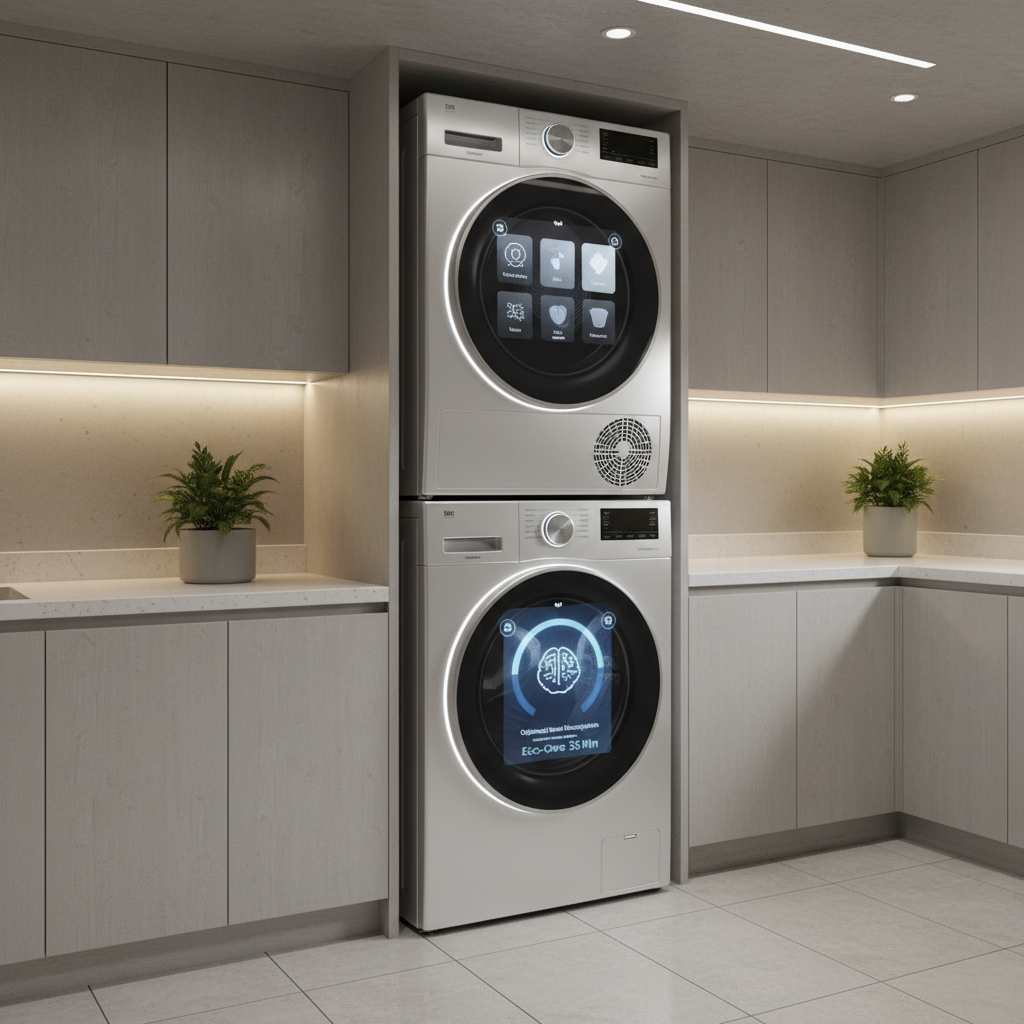
Modern smart washing machines are equipped with an array of sensors and AI algorithms that can detect the load size, fabric type, and even the soil level of your clothes. Based on this analysis, the machine automatically dispenses the precise amount of detergent and fabric softener, selects the optimal water temperature, and adjusts the agitation speed and wash cycle duration. This not only ensures a thorough clean but also prevents overuse of water and detergent, leading to significant savings over time and being more environmentally friendly. Some advanced models can even identify specific stains and apply targeted pre-treatments or wash cycles to remove them effectively.
Smart dryers complement their washing counterparts with similar intelligence. They use humidity sensors and AI to detect when clothes are perfectly dry, automatically shutting off to prevent over-drying, which can damage fabrics and waste energy. This feature is particularly valuable for delicate items that require specific drying conditions. Like smart washers, many dryers offer specialized cycles for different fabric types, from heavy duty towels to delicate silks, ensuring each item receives appropriate care. Both appliances often come with features like steam refresh, wrinkle prevention cycles, and even sanitization options.
The true power of AI in laundry lies in its connectivity and remote management capabilities. You can start, pause, or monitor laundry cycles from your smartphone, receiving notifications when a load is finished. This means you can throw in a load before leaving for work and schedule it to finish just as you arrive home, preventing clothes from sitting in the machine and developing odors or wrinkles. Predictive maintenance alerts are another crucial feature, as AI can monitor the appliance’s performance and notify you of potential issues before they become major problems, scheduling service appointments and simplifying repairs. For busy individuals or large families, this automation and remote control transform laundry from a time-consuming burden into a seamless background task.
Environmental Control and Energy Efficiency: Thermostats and Lighting
Beyond automating chores, AI home gadgets significantly contribute to creating a more comfortable and energy-efficient living environment. Smart thermostats and lighting systems are at the forefront of this revolution, learning user preferences and adapting to changing conditions to optimize comfort while simultaneously reducing energy consumption and utility bills.
AI thermostats, such as the Nest Learning Thermostat or Ecobee, are much more than programmable devices. They utilize sophisticated machine learning algorithms to understand your household’s heating and cooling patterns, often within just a few days of installation. They learn when you’re home, when you’re away, and your preferred temperatures at different times of the day. Crucially, they also incorporate external data points, like local weather forecasts, to proactively adjust the temperature. Geo-fencing capabilities mean the thermostat can detect when the last person leaves the house and automatically sets itself to an energy-saving mode, then starts warming or cooling as you head home, ensuring comfort upon arrival without wasting energy on an empty house.
Smart lighting systems, incorporating AI, take illumination to an entirely new level. Instead of simple on/off switches, these systems can adapt to the time of day, natural light levels, and even your personal preferences. Circadian lighting adjusts its color temperature and brightness throughout the day to mimic natural light cycles, supporting better sleep and wakefulness patterns. AI can also learn your usage patterns, automatically turning lights on or off as you enter or leave a room, or setting specific moods based on routines or voice commands (e.g., “dim the lights for movie night”). Motion sensors and ambient light sensors contribute data, allowing the system to make intelligent decisions about when and how brightly to illuminate a space, leading to significant energy savings, especially with energy-efficient LED bulbs.
The integration of these systems often extends to home energy management platforms. AI can analyze overall energy consumption from various appliances, identify inefficiencies, and suggest adjustments to reduce your carbon footprint and monthly expenses. Imagine a system that learns you always forget to turn off the lights in the basement, and automatically does it for you, or one that optimizes your HVAC system to run at the most energy-efficient times based on electricity rates. These intelligent environmental controls offer not just unparalleled comfort and convenience but also empower homeowners to be more sustainable and fiscally responsible, making a tangible difference to both their wallets and the planet.
Beyond Chores: Security, Personal Assistance, and Wellness
While simplifying chores is a major benefit, AI home gadgets extend their utility far beyond the mundane, encompassing critical aspects like home security, personal assistance, and even our overall wellness. These intelligent devices provide peace of mind, streamline daily logistics, and contribute to a healthier living environment.
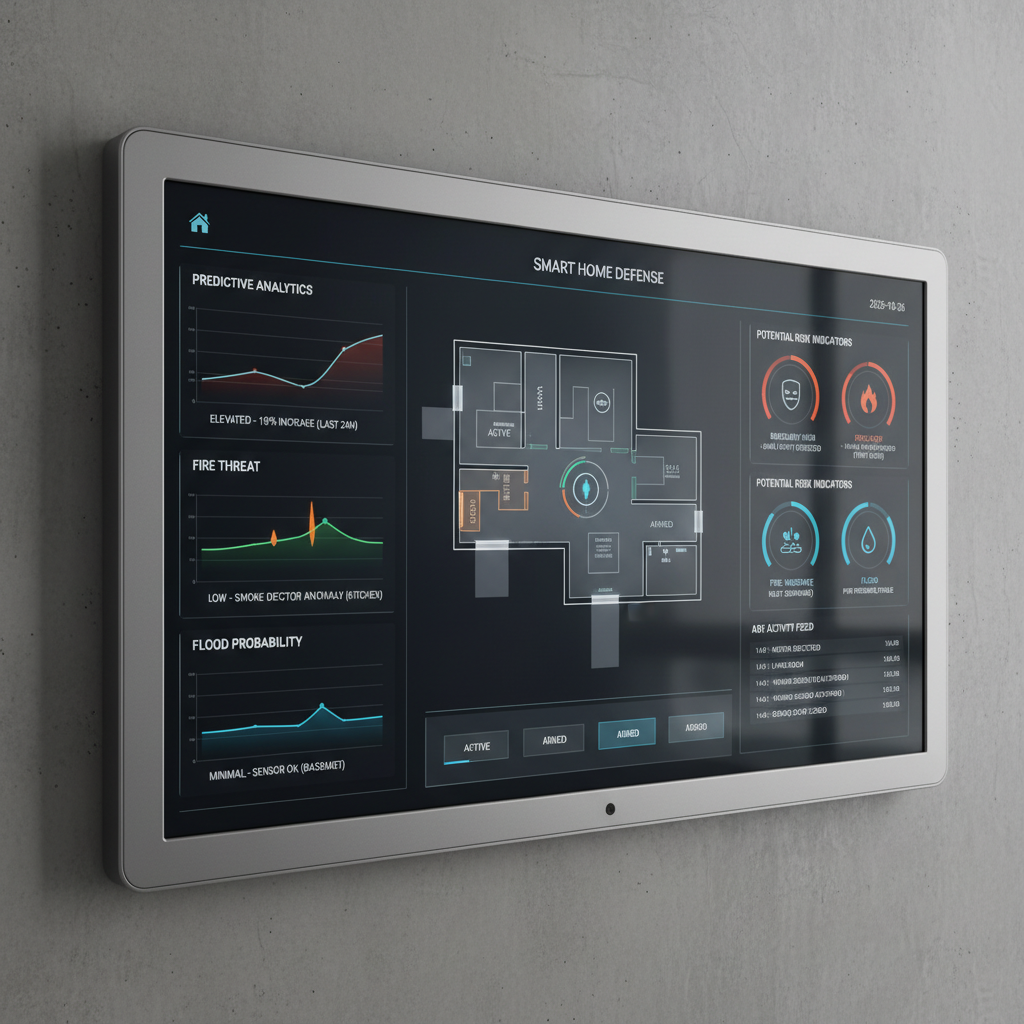
In the realm of security, AI has revolutionized traditional systems. Smart security cameras, for instance, go beyond simple motion detection. Equipped with advanced AI algorithms, they can differentiate between a pet, a car, or a person, reducing false alarms. Facial recognition technology allows cameras to identify family members or trusted visitors, sending alerts only when an unfamiliar face is detected. Anomaly detection can spot unusual patterns of activity around your property, flagging potential threats before they escalate. Integration with smart locks, video doorbells, and alarm systems creates a comprehensive, intelligent security perimeter that can be monitored and controlled remotely, providing unparalleled vigilance and responsiveness, whether you’re at home or thousands of miles away.
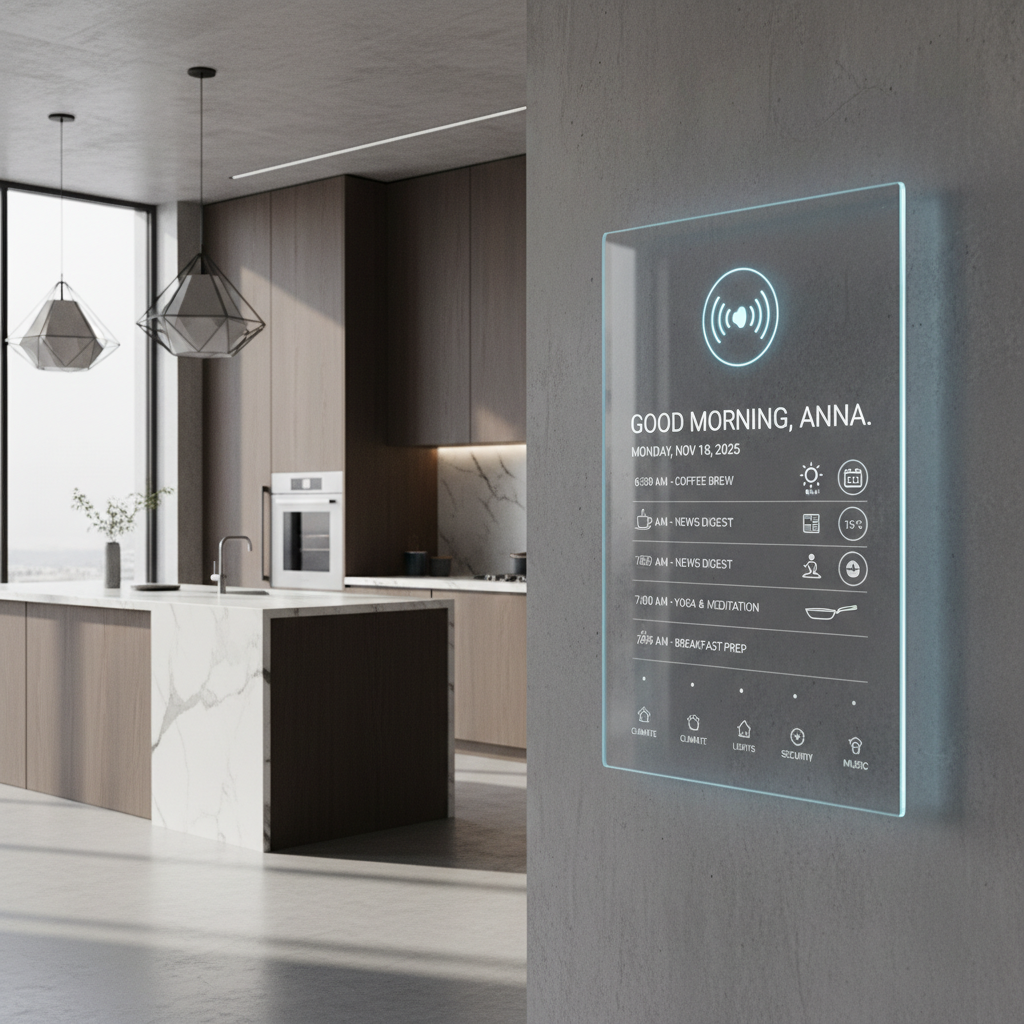
AI personal assistants, embodied by devices like Amazon Echo (Alexa) and Google Home (Google Assistant), have become indispensable in many households. These voice-activated hubs do more than just play music or answer questions. They integrate with countless smart home devices, allowing you to control lights, thermostats, and appliances with simple voice commands. More importantly, they help manage daily logistics: setting alarms, creating shopping lists, scheduling appointments, delivering personalized news briefings, and even making calls. Their ability to understand natural language and execute complex routines (e.g., “Good morning” triggering lights, news, and coffee maker) makes them central to an efficient, AI-powered household, truly acting as a digital concierge.
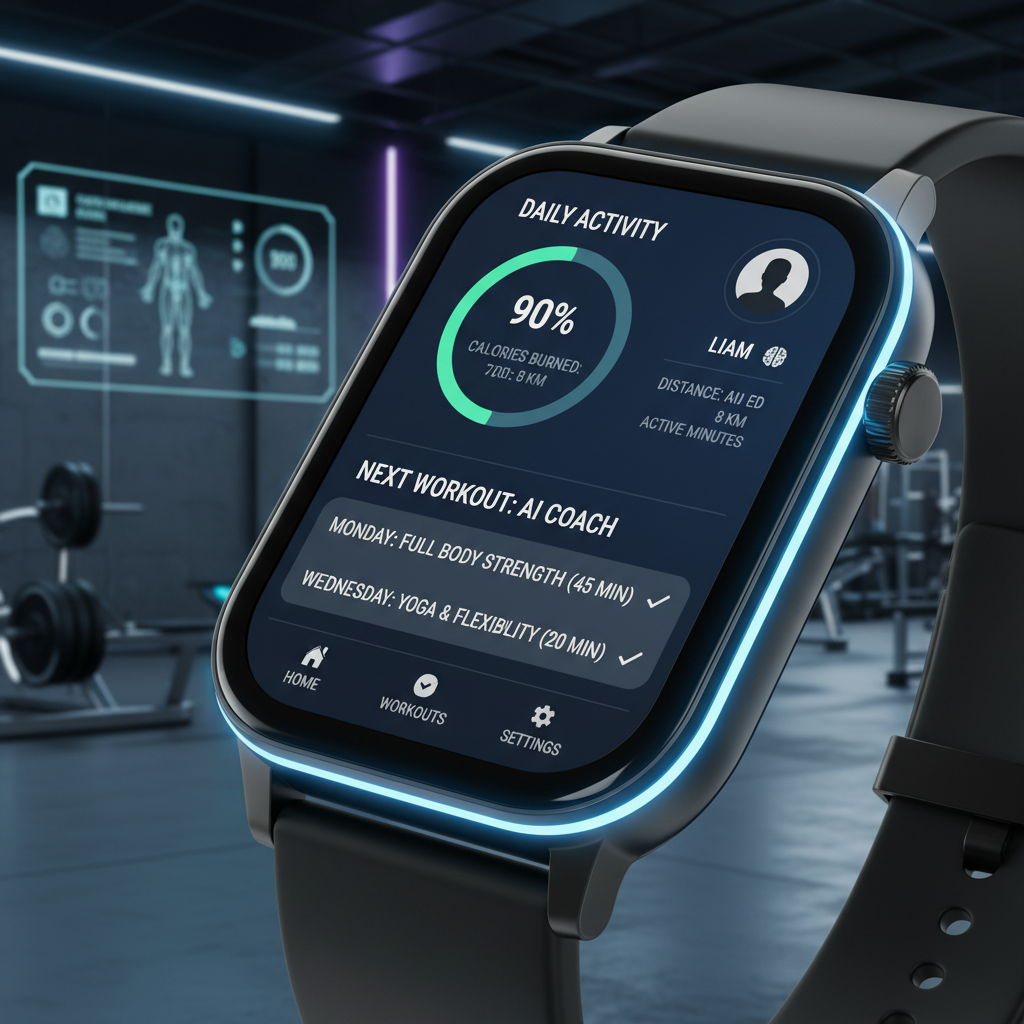
Wellness is another emerging area where AI plays a significant role. Smart air purifiers, for example, use AI to monitor real-time air quality metrics like pollen, dust, and VOC levels. They then automatically adjust their filtration intensity to maintain optimal indoor air quality, beneficial for allergy sufferers and everyone interested in breathing cleaner air. Smart mattresses and sleep trackers utilize AI to analyze sleep patterns, offering personalized insights and recommendations to improve sleep quality. Some devices even assist with elderly care and accessibility; voice assistants can provide medication reminders, connect to emergency services, or control home functions for individuals with mobility challenges, fostering greater independence and safety.
The Interconnected Home: Seamless Integration and Automation
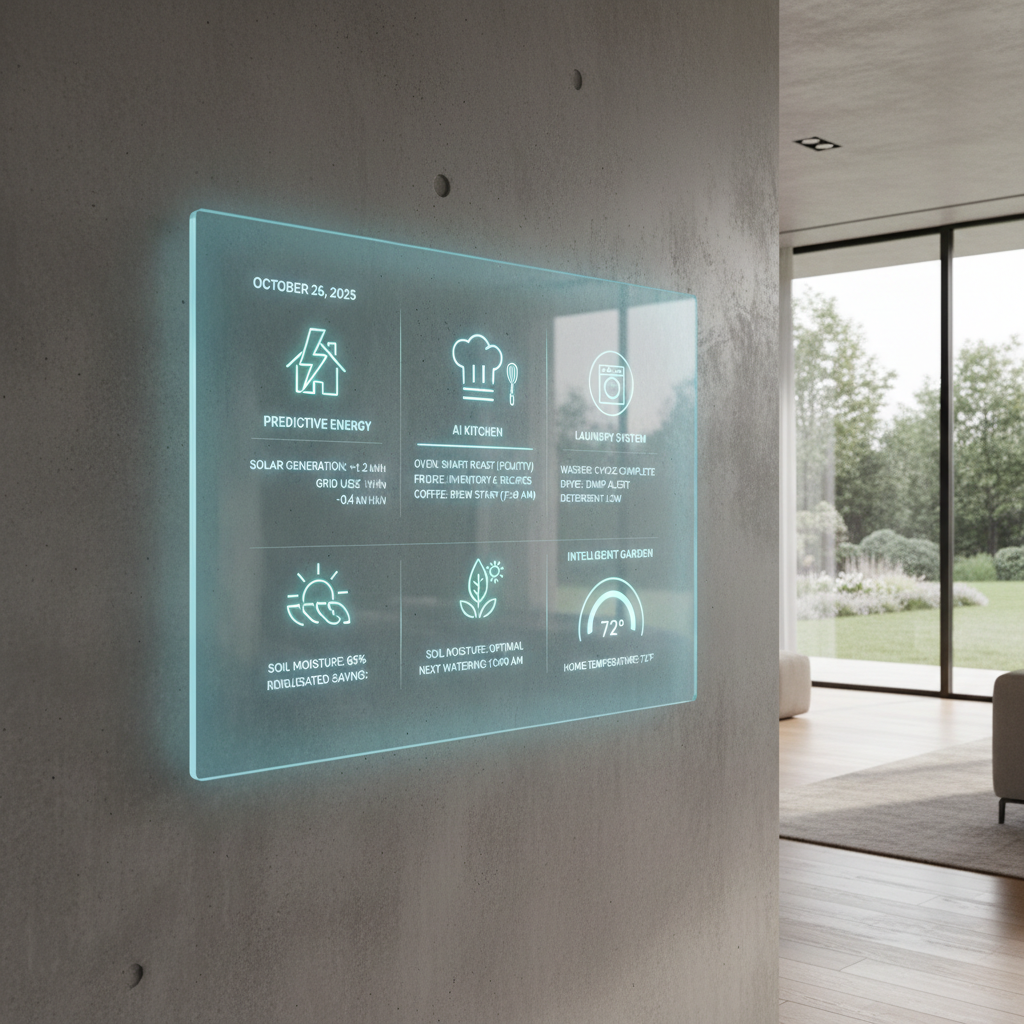
The true power of AI in simplifying daily chores and boosting efficiency is fully realized when individual gadgets are no longer isolated but operate as part of a seamlessly integrated and interconnected ecosystem. This “smart home brain” allows devices to communicate, share data, and trigger automated actions based on complex rules and user habits, leading to a truly responsive and proactive living environment.
Central to this integration is the concept of a smart home hub or a universal protocol. Technologies like Zigbee, Z-Wave, and more recently, Matter, aim to create a common language that allows devices from different manufacturers to communicate and work together harmoniously. Instead of juggling multiple apps for different devices, a single hub or a unified platform (like Apple HomeKit, Google Home, or Amazon Alexa’s ecosystem) acts as the orchestrator, bringing everything under one umbrella.
Within this interconnected framework, users can create sophisticated routines and “scenes” that automate sequences of actions. For example, a “Good Morning” routine could involve gradually brightening the bedroom lights, raising the blinds, starting the coffee maker, and playing a news briefing on a smart speaker – all triggered by a single voice command, a specific time, or even the alarm clock on your phone. A “Movie Night” scene might dim the living room lights, close the smart blinds, turn on the TV and soundbar, and adjust the thermostat to a cozy temperature.
Advanced automation platforms like IFTTT (If This Then That) further expand these possibilities, allowing users to create custom applets that connect various smart devices and web services. For instance, “If my smart doorbell detects motion, then turn on the porch lights,” or “If my smart air quality sensor detects high pollen, then start the air purifier.” The AI in these systems learns your preferences over time, refining these routines to be even more efficient and tailored to your lifestyle.
The future of the AI-powered interconnected home is one where assistance is almost invisible. Devices will proactively anticipate your needs based on a holistic understanding of your schedule, external conditions, and your past behaviors. They will manage energy, maintain comfort, ensure security, and handle chores with minimal explicit interaction, freeing up your mental and physical resources for more meaningful pursuits. This seamless integration transforms a collection of smart gadgets into a truly intelligent home that works tirelessly and efficiently to simplify your daily life.
Comparison Tables
Table 1: AI Robotic Vacuum Cleaners – Feature Comparison
| Feature Category | Basic Model (e.g., Early Robot Vacs) | Advanced Model (e.g., Mid-Range Robot Vacs) | Premium Model (e.g., High-End Robot Vacs) |
|---|---|---|---|
| Navigation & Mapping | Random bounce pattern, basic cliff/obstacle sensors | Camera-based or gyroscopic navigation, basic room mapping | LiDAR or vSLAM precision mapping, multi-floor mapping, obstacle recognition (AI-powered) |
| Cleaning Effectiveness | Standard suction, basic brush rolls, often misses spots | Improved suction, multi-surface brush, decent coverage | Strong suction, auto-adjusts power on carpets, advanced brush designs, spot cleaning, auto-mop integration |
| Automation & Convenience | Manual emptying, scheduled cleans (basic), physical buttons | App control, virtual boundaries, scheduled cleans (advanced), auto-return to dock | Self-emptying dock, auto-refill water (for mops), voice assistant integration, AI obstacle avoidance, automatic carpet boost, targeted cleaning zones |
| Smart Features | None beyond basic scheduling | Wi-Fi connectivity, basic app remote control | AI object recognition, personalized cleaning suggestions, proactive maintenance alerts, integration with smart home ecosystems (Alexa/Google Home), ‘no-go’ zones learned automatically |
| Maintenance & Longevity | Frequent manual cleaning, basic filter | Easier access for brush cleaning, washable filter | Self-cleaning brush rolls, advanced filtration (HEPA), durable components, predictive maintenance alerts |
Table 2: Smart Kitchen Appliances – Core Features and Benefits
| Appliance Type | Key AI/Smart Features | Primary Benefits | Ideal Use Case |
|---|---|---|---|
| Smart Refrigerator | Internal cameras for inventory, expiry date tracking, recipe suggestions based on ingredients, remote viewing, family hub screen, smart shopping list integration. | Reduces food waste, streamlines grocery shopping, simplifies meal planning, centralizes family communication, offers recipe inspiration. | Busy families, individuals looking to minimize food waste, health-conscious meal preppers, tech-savvy homeowners. |
| Smart Oven/Range | Remote preheating/monitoring, precision temperature control, recipe integration with automatic settings, temperature probe monitoring, AI-assisted cooking modes. | Saves time, ensures perfectly cooked meals, reduces guesswork, allows multi-tasking, enhances safety with remote shut-off. | Home cooks seeking precision, individuals with busy schedules, those who enjoy entertaining, bakers requiring exact temperatures. |
| Smart Dishwasher | Load sensing (soil level/size), optimized cycle selection, automatic detergent dispensing, remote start/monitor, cycle completion alerts, predictive maintenance. | Saves water and energy, ensures optimal cleaning, convenient remote operation, prevents overuse of detergent, reduces repair surprises. | Environmentally conscious households, those wanting maximum cleaning efficiency, individuals managing large loads, users prioritizing convenience. |
| Smart Coffee Maker | Schedule brewing remotely, personalized brew settings (strength/temperature), voice assistant integration, auto-on/off, water filter reminders. | Ensures fresh coffee is ready upon waking, saves time in the morning, customizes coffee to preference, integrates with morning routines. | Early risers, coffee enthusiasts, individuals building comprehensive morning routines, anyone valuing convenience. |
Practical Examples
To truly appreciate the transformative power of AI home gadgets, let’s explore some real-world scenarios where these intelligent devices simplify daily life and boost efficiency.
Example 1: The Seamless Morning Routine for a Working Professional
Imagine Sarah, a marketing executive, needs to be out the door by 7:30 AM every weekday. Her AI-powered home starts working even before she opens her eyes. At 6:00 AM, her smart thermostat subtly begins to raise the bedroom temperature to her preferred 72 degrees Fahrenheit, having learned her comfort zone. At 6:30 AM, her smart blinds slowly open, letting in natural light, while her circadian lighting system gradually brightens, mimicking the sunrise to gently wake her. Her smart coffee maker, linked to her alarm, automatically starts brewing her favorite blend, ensuring a fresh cup is ready the moment she steps into the kitchen. As she showers, her smart speaker provides a personalized news briefing and traffic update. While she eats breakfast, her robotic vacuum, having completed its scheduled nightly clean, empties itself and recharges for the next day. As she leaves, a single voice command, “Alexa, activate ‘Away’ mode,” locks the smart doors, arms the security system, turns off all unnecessary lights, and adjusts the thermostat to an energy-saving setting. Sarah gains valuable minutes and starts her day feeling relaxed and organized, all thanks to her AI-orchestrated home.
Example 2: Effortless Entertaining for a Weekend Gathering
Mark loves hosting friends on weekends but often finds himself stressed by preparation. With his AI-integrated kitchen, entertaining is a breeze. On Friday afternoon, he uses his smart refrigerator’s touchscreen to check ingredients for his planned dinner, seeing he’s low on specific spices. The fridge automatically adds them to his smart shopping list, which he can then access on his phone at the grocery store. Hours before his guests arrive on Saturday, he uses his smartphone to remotely preheat his smart oven to the exact temperature needed for his roast. As guests begin to arrive, he simply says, “Hey Google, activate ‘Party’ scene.” Immediately, the smart lighting dims to a warm, inviting glow, his smart speaker starts a pre-selected playlist, and the thermostat subtly adjusts to accommodate more people in the room. Throughout the evening, his smart dishwasher quietly tackles used dishes as they accumulate, optimizing cycles to ensure everything is clean without needing his constant attention. After everyone leaves, a quick “Alexa, ‘Goodnight’ routine” secures the house and sets everything back to sleep mode. Mark spends less time worrying about logistics and more time enjoying the company of his friends.
Example 3: Energy Savings and Environmental Consciousness for a Sustainable Home
The Greens are passionate about reducing their carbon footprint and saving on utility bills. Their AI-powered home significantly aids their efforts. Their smart thermostat learns their occupancy patterns and optimizes heating and cooling, reducing energy waste. If they unexpectedly leave for a spontaneous weekend trip, the geo-fencing feature automatically switches the thermostat to a super-saver mode. Their smart lighting system, equipped with motion and ambient light sensors, ensures lights are only on when and where needed, and at the optimal brightness, preventing unnecessary energy consumption. Their smart laundry appliances use AI to detect load sizes and soil levels, precisely dispensing detergent and optimizing water usage for each cycle, preventing both chemical and water waste. The smart dryer’s humidity sensors ensure clothes are never over-dried, saving electricity and extending garment life. The family can monitor their energy consumption through a central app, receiving insights and suggestions from the AI on further optimization, making sustainability an effortless part of their daily lives.
Example 4: Enhancing Independence and Safety for an Elderly Parent
John lives alone, and his daughter, Emily, worries about his well-being. Emily has installed several AI home gadgets to support him. Voice-activated smart speakers are strategically placed throughout his home, allowing John to control lights, change TV channels, and even make calls to Emily with simple commands, especially useful given his arthritis. The smart doorbell with facial recognition alerts Emily when familiar caregivers arrive, and also when an unknown person approaches, providing peace of mind. Smart plugs on his medication dispenser remind him to take his pills with a gentle audio prompt. If John doesn’t move from his bedroom by a certain time, or if an unusual pattern of inactivity is detected by smart sensors, Emily receives a discreet alert on her phone, allowing her to check in. While not a replacement for human care, these AI tools significantly enhance John’s independence and provide Emily with reassurance, ensuring he lives safely and comfortably in his own home for longer.
Frequently Asked Questions
Q: How secure are AI home gadgets?
A: The security of AI home gadgets is a paramount concern, and manufacturers are continuously improving their defenses. Most reputable brands implement robust encryption protocols for data transmission, multi-factor authentication for user accounts, and regular firmware updates to patch vulnerabilities. However, the level of security can vary. It’s crucial to purchase devices from trusted brands, use strong, unique passwords, enable two-factor authentication whenever possible, and keep device firmware updated. Connecting devices to a secure Wi-Fi network with a strong password is also essential. While no system is 100% foolproof, reputable AI gadgets are designed with security in mind, and users play a significant role in maintaining that security through best practices.
Q: Are AI gadgets really energy efficient?
A: Yes, many AI gadgets are designed with energy efficiency as a core benefit. Smart thermostats, for instance, learn your habits and adjust heating/cooling precisely, avoiding energy waste when you’re away. Smart lighting systems automatically dim or turn off lights based on occupancy and ambient light, using only what’s necessary. Smart laundry machines optimize water and electricity usage based on load size and soil level. While the devices themselves consume a small amount of power, the savings achieved through intelligent automation and optimization often significantly outweigh this, leading to lower utility bills and a reduced carbon footprint. Always check for energy star ratings or similar certifications when purchasing.
Q: What’s the typical cost of setting up an AI smart home?
A: The cost of setting up an AI smart home can vary dramatically, ranging from a few hundred dollars for a basic setup to several thousands for a comprehensive, fully integrated system. You can start small with a single smart speaker (e.g., Echo Dot or Google Nest Mini for $30-50) and a few smart bulbs ($10-20 each). Adding a smart thermostat might cost $150-300. Robotic vacuums range from $200 to over $1000 for premium AI models. Smart appliances like refrigerators or ovens can add $2000-5000+ to their non-smart counterparts. The key is to build your smart home gradually, prioritizing the gadgets that offer the most value for your lifestyle and budget, and expanding over time.
Q: Can I integrate gadgets from different brands?
A: Yes, integration across different brands is increasingly possible, though it sometimes requires a bit of effort. Most major smart home ecosystems (like Amazon Alexa, Google Home, and Apple HomeKit) are designed to be relatively open, supporting devices from numerous third-party manufacturers. Many devices also support universal smart home protocols like Zigbee, Z-Wave, or the emerging Matter standard, which are specifically designed for cross-brand compatibility. Platforms like IFTTT (If This Then That) further enable connections between otherwise incompatible devices and services. While some niche products might remain proprietary, the trend is strongly towards greater interoperability, making it easier to build a diverse smart home ecosystem.
Q: What if my internet goes down? Will my gadgets still work?
A: This depends on the specific gadget and its functionality. Devices that rely heavily on cloud processing and remote control (like voice assistants for complex queries or remote monitoring of cameras) will have limited functionality or cease to work when the internet is down. However, many smart home devices are designed with local control capabilities. For instance, smart lights might still be controllable via their physical switch or even a local smart hub. A robotic vacuum might still run its pre-scheduled clean. Smart locks typically function mechanically. It’s important to check the offline functionality of specific devices before purchase, especially for critical security or accessibility features.
Q: How do AI gadgets learn my habits?
A: AI gadgets learn your habits through continuous data collection and machine learning algorithms. For example, a smart thermostat records when you adjust the temperature, your occupancy patterns (often via motion sensors or geo-fencing), and even how long it takes your home to heat or cool. Over time, the AI identifies patterns and creates a personalized schedule. Smart lighting systems learn when you turn lights on or off in certain rooms. Robotic vacuums build and refine maps of your home with each cleaning cycle. This data is processed by the device’s onboard AI or sent to a cloud server for deeper analysis, allowing the device to make predictive adjustments and automate actions that align with your preferences.
Q: Is it complicated to set up and use AI home gadgets?
A: For the most part, modern AI home gadgets are designed for user-friendliness and straightforward setup. Most devices come with intuitive mobile apps that guide you through the installation process step-by-step. Many simply require plugging in, connecting to your Wi-Fi, and following on-screen prompts. Voice assistants simplify interaction, allowing natural language commands instead of complex button presses. While setting up advanced automations or integrating multiple brands might require a bit more technical aptitude, basic functionality is generally accessible to most users. Manufacturers prioritize ease of use to appeal to a broader market.
Q: What are the main privacy concerns with AI in the home?
A: Privacy is a significant concern with AI home gadgets due to the data they collect, which can include voice recordings, video footage, location data, and behavioral patterns. Potential risks include unauthorized access to data, data breaches, or the use of data for purposes beyond what users intend. To mitigate these risks, it’s crucial to: 1) Read privacy policies carefully. 2) Only purchase from reputable manufacturers known for their commitment to data privacy. 3) Use strong, unique passwords and enable multi-factor authentication. 4) Be mindful of device placement (e.g., cameras). 5) Disable features you don’t use. 6) Regularly review and adjust privacy settings. 7) Keep device firmware updated. Manufacturers are also increasingly offering more robust privacy controls to users.
Q: Are AI home gadgets accessible for people with disabilities?
A: Absolutely, AI home gadgets offer significant accessibility benefits for people with various disabilities. Voice control via smart speakers (Alexa, Google Assistant) allows individuals with mobility impairments to control lights, thermostats, entertainment systems, and communication tools without physical interaction. Smart locks can be opened and closed remotely, aiding those who struggle with traditional keys. Smart security systems provide peace of mind and alerts. Devices like smart plugs can make ordinary appliances controllable. Specialized AI-powered tools are also emerging, such as smart fall detection systems for the elderly or AI companions for those with cognitive impairments. These technologies can greatly enhance independence, safety, and quality of life.
Q: What’s the future outlook for AI home gadgets?
A: The future of AI home gadgets is incredibly promising and will likely see even greater levels of intelligence, integration, and personalization. We can expect more proactive assistance, with homes that anticipate needs before you even realize them. Interoperability will become seamless with standards like Matter maturing. AI will enable more sophisticated predictive maintenance for appliances, personalized wellness tracking, and adaptive environments that respond to mood and health metrics. Edge AI (processing data on the device itself) will enhance privacy and speed. Eventually, the AI in our homes might become an almost invisible, ubiquitous assistant that orchestrates every aspect of our living environment, allowing us to truly focus on living, not managing.
Key Takeaways
- AI home gadgets are transforming daily chores, turning repetitive tasks into automated efficiencies.
- They significantly boost household efficiency, freeing up valuable time and mental energy for homeowners.
- From cleaning robots with precision mapping to intelligent kitchens that manage inventory, AI streamlines various aspects of home life.
- Smart laundry appliances optimize cycles, saving water, energy, and extending garment life.
- AI thermostats and lighting systems enhance comfort while drastically improving energy efficiency and reducing utility costs.
- Beyond chores, AI bolsters home security, provides invaluable personal assistance, and supports overall wellness.
- The true power lies in the seamless integration of these gadgets, creating an interconnected home ecosystem that operates autonomously.
- While offering immense benefits, considerations for data security, privacy, and initial cost are important.
- AI home gadgets are increasingly user-friendly, accessible, and offer significant potential for enhancing independence for various users.
- The future promises even more intuitive, proactive, and deeply integrated AI that will make our homes truly intelligent partners in daily living.
Conclusion
The journey through the world of AI home gadgets reveals a landscape rapidly evolving, moving beyond mere convenience to truly transformative efficiency. What once felt like science fiction – homes that clean themselves, kitchens that plan meals, and environments that anticipate our needs – is now a tangible reality. These intelligent devices are more than just technological novelties; they are essential tools for navigating the complexities of modern life, offering a powerful antidote to the relentless demands on our time and attention.
By delegating mundane, repetitive chores to AI-powered robots and appliances, we are not just saving minutes; we are reclaiming hours, days, and even weeks over the course of a year. This freed-up time can be reinvested in personal passions, quality family time, professional development, or simply quiet moments of relaxation. Beyond time-saving, these gadgets contribute to significant energy savings, enhanced home security, and a more comfortable, personalized living environment. They represent a fundamental upgrade to our quality of life, fostering a sense of calm and control in an often chaotic world.
Embracing AI in your home is an investment in a smarter, more efficient, and ultimately more enjoyable way of living. While privacy and security considerations remain crucial, the benefits of a well-integrated AI-powered household are undeniable. As AI continues to advance, our homes will become even more intuitive, predictive, and seamlessly supportive, fading into the background to empower us to live richer, more fulfilling lives. The smart home is not just about technology; it’s about giving us back the most precious commodity of all: our time and peace of mind.




































































Leave a Reply