

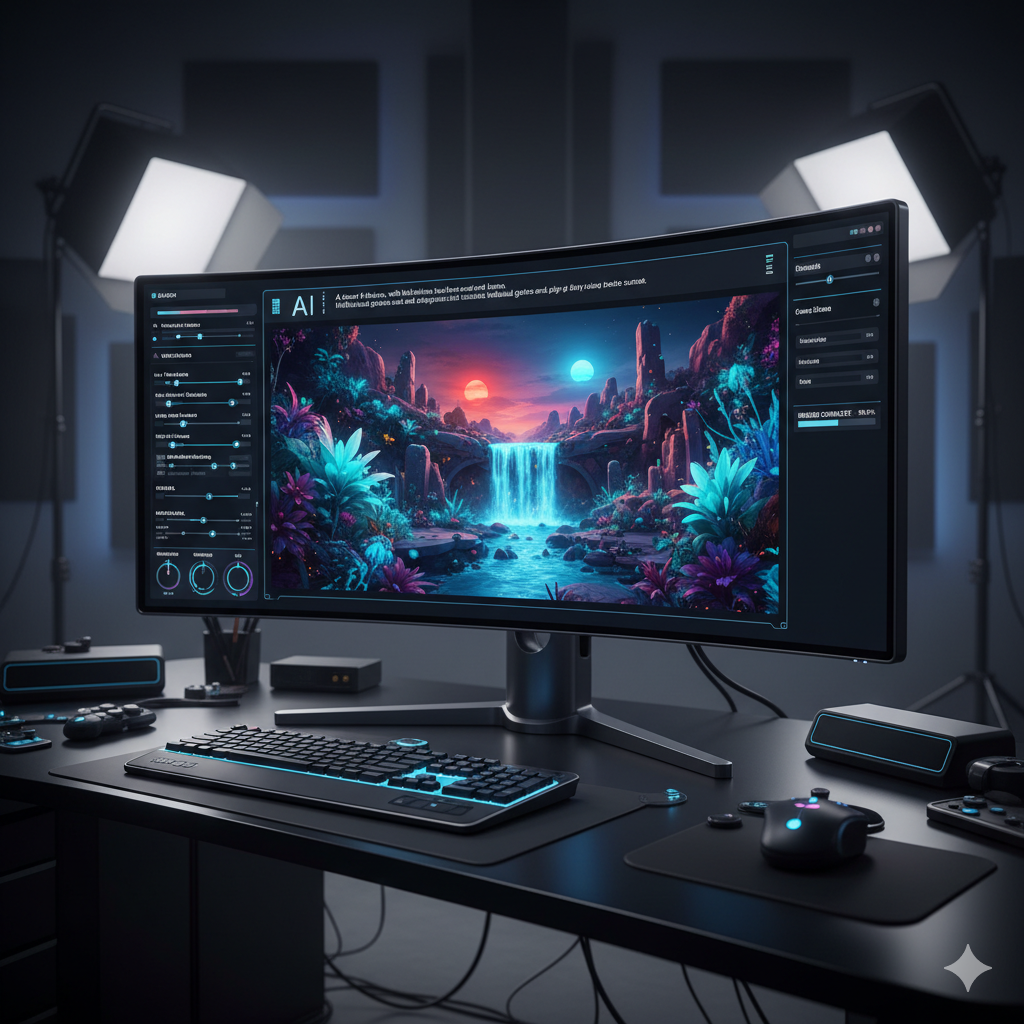
Topic: Advanced Prompt Engineering Techniques for Stunning AI Art
In the rapidly evolving landscape of artificial intelligence, the ability to generate images that blur the lines between reality and imagination has become a captivating frontier. Gone are the days when AI art was characterized by abstract blurs or stylistic interpretations that were clearly machine-made. Today, with advancements in generative models like Midjourney, Stable Diffusion, and DALL-E 3, we are entering an era where AI can produce images so startlingly real, so rich in detail, that they are virtually indistinguishable from photographs. This isn’t magic; it’s the result of highly refined models combined with an increasingly sophisticated skill: precision prompting.
Achieving hyperrealism in AI art is more than just typing a few descriptive words. It is an intricate dance of language and imagination, where every comma, every keyword, and every modifier plays a crucial role in shaping the final output. It requires an understanding of artistic principles, photographic techniques, and the unique linguistic nuances that AI models interpret. This comprehensive guide will delve deep into the world of hyperrealistic AI art prompting, equipping you with the advanced techniques needed to conjure unbelievably detailed and lifelike visuals.
We will explore how to dissect and reconstruct prompts for maximum impact, focusing on the critical elements that transform a good image into an exceptional, hyperrealistic masterpiece. From manipulating light and shadow to crafting intricate textures and controlling every minute aspect of composition, prepare to unlock a new level of creative control over your AI art generation. Join us as we journey into the meticulous art of precision prompting, turning the abstract into the exquisitely tangible.
The Evolution of Hyperrealism in AI Art
The journey of AI art from rudimentary patterns to hyperrealistic masterpieces has been nothing short of astonishing. Just a few years ago, early generative adversarial networks (GANs) could produce interesting, albeit often abstract or distorted, imagery. The textures were frequently smudged, faces were inconsistent, and the overall coherence lacked the sharp precision we associate with real-world photography or painting.
However, with the advent of more powerful diffusion models, significant breakthroughs occurred. Models like Midjourney V3-V4, Stable Diffusion 1.5, and early DALL-E versions began showing glimpses of true realism. The ability to understand context, interpret stylistic cues, and render complex scenes improved dramatically. The shift was propelled by massive datasets, advanced neural network architectures, and increasingly sophisticated training methodologies that allowed these models to grasp the intricate relationships between light, shadow, texture, and form.
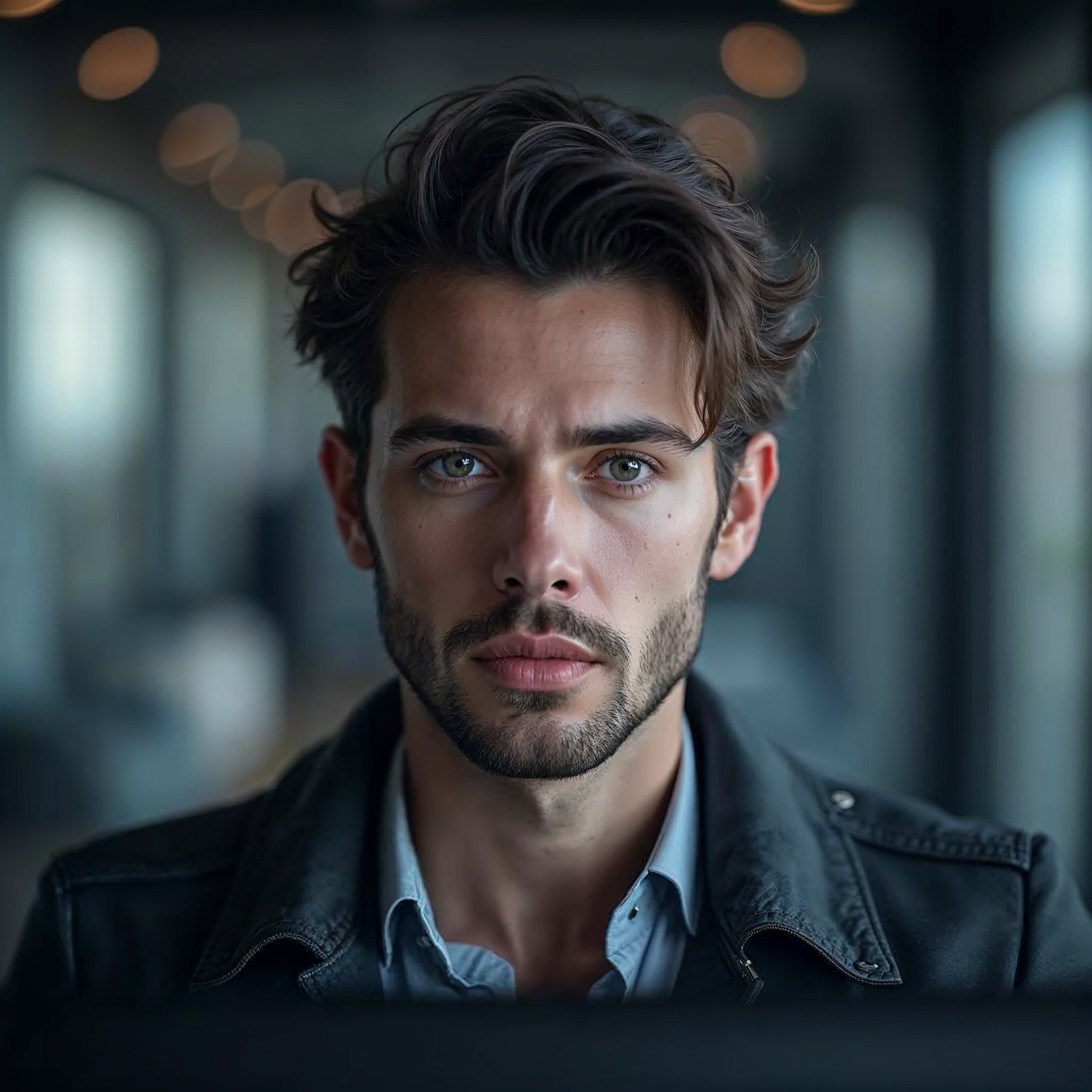
The current generation of models, exemplified by Midjourney V5 and V6, Stable Diffusion XL (SDXL), and DALL-E 3, has taken hyperrealism to an unprecedented level. These models are not just “better” at generating images; they possess an unparalleled understanding of photographic fidelity, cinematic aesthetics, and the minute details that define reality. They can render individual strands of hair, pores on skin, reflections in eyes, and the subtle imperfections that make a scene feel authentic. This evolution has made hyperrealism not just an aspirational goal but an achievable standard for those who master the art of prompting.
The key to harnessing this power lies in recognizing that these advanced models respond best to prompts that mirror the complexity and specificity of human observation. They move beyond simple descriptions and require a linguistic blueprint that leaves little to the AI’s discretion, guiding it towards a precise, hyperrealistic vision. This transition from general to highly specific prompting is the cornerstone of generating unbelievable detail.
Deconstructing the Hyperrealistic Prompt
To consistently generate hyperrealistic AI art, you must approach prompt writing with the mindset of a director, cinematographer, and set designer rolled into one. A hyperrealistic prompt is not a single sentence but a carefully constructed sequence of directives, each contributing to the overall realism and detail. Understanding its core components is the first step towards mastery.
Core Components of a Precision Prompt:
- Subject Definition: This is the central focus of your image. Describe it with unparalleled detail. Beyond “a woman,” think “a young woman with freckles, deep-set hazel eyes, and windswept auburn hair, wearing a knitted cashmere sweater.” The more specific, the better.
- Artistic Style / Medium: While we are aiming for hyperrealism, specifying the artistic medium often helps. Keywords like “photorealistic,” “cinematic photograph,” “documentary photography,” “8K ultra-detailed,” or even referring to specific camera types (e.g., “shot on a Canon EOS R5”) can guide the AI.
- Lighting: Lighting is perhaps the most critical element for realism. It dictates mood, defines form, and creates atmosphere. Describe light sources (e.g., “natural sunlight,” “studio softbox lighting,” “backlit”), direction (e.g., “rim light,” “side light,” “overhead light”), intensity (e.g., “soft, diffused light,” “harsh direct sunlight”), and color (e.g., “warm golden hour light,” “cool blue twilight”).
- Environment / Setting: Where is your subject? Describe the surroundings in vivid detail. “A bustling Tokyo street at night, neon reflections on wet pavement,” or “a serene ancient forest with dappled sunlight filtering through autumn leaves.” Consider atmospheric effects like “misty,” “foggy,” “rainy,” “dusty.”
- Composition and Camera Details: This is where you act as the cinematographer. Specify camera angles (e.g., “low angle shot,” “wide shot,” “close-up portrait”), framing (e.g., “rule of thirds,” “leading lines,” “Dutch angle”), focal length (e.g., “85mm prime lens,” “macro shot,” “wide-angle perspective”), and depth of field (e.g., “shallow depth of field, bokeh background”).
- Micro-Details and Textures: This is the secret sauce for “unbelievable detail.” These are the granular elements that elevate an image from realistic to hyperrealistic. Think “glistening sweat,” “individual strands of hair,” “worn leather texture,” “creases in fabric,” “reflections in eyes,” “subtle imperfections on skin.”
- Mood and Emotion: Even in hyperrealism, emotional resonance is powerful. Describe the desired mood (e.g., “somber,” “joyful,” “mysterious”) or the subject’s expression (e.g., “intense gaze,” “subtle smile”).
- Quality and Resolution Modifiers: Keywords like “8K,” “4K,” “ultra high definition,” “photorealistic,” “award-winning photo,” “masterpiece,” “intricate detail,” “hyperdetailed” all signal the AI to push for higher fidelity.
The power of “show, don’t tell” is paramount here. Instead of saying “a pretty landscape,” describe “a majestic mountain range at sunrise, jagged peaks piercing a sky painted in hues of orange and purple, a thin layer of mist clinging to the valleys below.” Each word adds a layer of information, leaving less room for the AI’s interpretation and guiding it towards your precise vision of reality.
Mastering Subject and Style Specificity
The journey to hyperrealism begins with an obsession for detail in your subject description. It is not enough to simply name an object or person; you must imbue it with tangible qualities that the AI can render. Think like a sculptor, describing every curve, texture, and nuance.
Describing Subjects with Extreme Detail:
- Physical Attributes: Go beyond basic descriptions. Instead of “a dog,” try “a golden retriever puppy with soft, fluffy fur, bright curious eyes, and a slightly wet nose.” For humans, specify age, ethnicity, hair color, eye color, skin tone, facial features (e.g., “chiseled jawline,” “high cheekbones”), and any unique characteristics like scars, tattoos, or birthmarks.
- Materials and Textures: This is crucial. Use descriptive adjectives that evoke tactile sensations.
- For fabrics: “rough denim,” “silky smooth satin,” “crumpled linen,” “velvet texture,” “delicate lace,” “frayed edges.”
- For surfaces: “polished chrome,” “rusty metal,” “weathered wood grain,” “glossy ceramic,” “rough concrete,” “smooth marble,” “shimmering glass.”
- For organic elements: “dew-kissed petals,” “cracked earth,” “velvety moss,” “glistening scales,” “individual strands of hair.”
- Condition and State: Is the object new or old? Pristine or worn? “A vintage leather briefcase, scuffed and creased from years of use,” or “a brand-new, polished smartphone with a pristine glass screen.”
- Emotion and Expression: For living subjects, subtle expressions contribute immensely to realism. “A melancholic gaze,” “a subtle smirk,” “eyes filled with wonder,” “a look of intense concentration.”
Integrating Artistic Styles and Photographic Techniques:
Even when aiming for hyperrealism, specifying a “style” in terms of photographic quality can be highly effective. The AI understands the nuances associated with these terms:
- Photorealistic: The most direct approach. Often paired with “8K,” “ultra-detailed,” or “award-winning photography.”
- Cinematic Photography: Evokes a grand, film-like quality. Often includes terms like “wide aspect ratio,” “cinematic lighting,” “shallow depth of field,” “film grain.”
- Documentary Photography: Suggests an authentic, unposed, often grittier realism. “Candid shot,” “natural light,” “raw, unfiltered.”
- Product Photography: For objects, this implies crisp, clean, often studio-lit images with a focus on highlighting details. “High key lighting,” “clean background,” “sharp focus.”
- Specific Photographers/Artists (Use with Caution): Sometimes, referencing a real-world photographer known for hyperrealism (e.g., “style of Gregory Crewdson” for cinematic realism, “style of Richard Avedon” for striking portraits) can guide the AI. Always ensure ethical considerations and respect for artists when using such references.
By meticulously defining your subject’s appearance and then framing it within a recognized photographic aesthetic, you provide the AI with a robust framework for generating truly stunning and believable detail.
The Art of Lighting and Environment Control
Lighting is the sculptor of realism in any visual art, and AI generation is no exception. A poorly lit scene, no matter how detailed its subject, will always feel artificial. Mastering lighting prompts is perhaps the most powerful tool in your hyperrealism arsenal.
Describing Light Sources, Direction, and Intensity:
Think about how light interacts with your subject and environment. Every description adds depth and dimension:
- Light Source Types:
- “Natural sunlight,” “moonlight,” “starlight.”
- “Studio lighting,” “softbox lighting,” “ring light,” “spotlight,” “fluorescent light,” “neon light.”
- “Candlelight,” “fireplace glow,” “lantern light.”
- Direction and Placement: This defines shadows and highlights.
- “Front-lit,” “backlit,” “side-lit,” “top-down light,” “rim light” (a beautiful effect where light highlights the edges of your subject, separating it from the background).
- “Underlight” (for dramatic, eerie effects).
- “Volumetric lighting” (light beams visible in the air, often through dust or fog).
- Intensity and Quality: This impacts the mood and texture visibility.
- “Soft, diffused light,” “harsh direct sunlight,” “bright ambient light,” “subtle illumination.”
- “High key lighting” (bright, minimal shadows), “low key lighting” (dark, dramatic shadows).
- Color Temperature: Light isn’t just bright or dim; it has color.
- “Warm golden hour light,” “cool blue twilight,” “emerald green light,” “fiery orange glow.”
- “Chromatic aberration” (a lens effect where colors separate, adding a subtle touch of photographic realism).
Example: Instead of “bright light,” try “dramatic rim lighting from a setting sun, casting long, sharp shadows, with a warm golden hour glow illuminating the subject’s face.“
Environmental Details and Atmospheric Effects:
The environment is more than just a backdrop; it’s an active participant in creating realism. Atmospheric effects are particularly potent for achieving depth and a sense of presence.
- Weather Conditions: “Rainy street, reflections on wet asphalt,” “foggy morning, mist clinging to trees,” “snowfall, soft flakes accumulating,” “windy desert, swirling sand.”
- Time of Day/Season: “Early morning fog,” “late afternoon sun,” “midnight city lights,” “autumnal scene with crisp air,” “summer heat haze.”
- Specific Elements: “Dappled sunlight through leaves,” “dust motes dancing in a sunbeam,” “steam rising from a hot cup,” “ripples on water,” “gentle breeze rustling leaves.”
- Background Details: Don’t neglect the background. A hyperrealistic foreground with a generic background will break the illusion. “Out-of-focus cityscape lights in the background (bokeh),” “lush, overgrown jungle foliage blurring into the distance,” “ancient cobblestone streets wet from recent rain.”
By orchestrating your lighting and meticulously detailing your environment, you construct a believable world for your subject, lending an undeniable sense of reality to your AI-generated art.
Composition, Camera Angles, and Lens Effects
To truly mimic photographic realism, you must prompt the AI as if you are holding a physical camera. Every decision a photographer makes – from where they stand to the lens they choose – contributes to the final image. Incorporating these details into your prompts gives the AI a blueprint for a professional shot.
Framing and Composition:
These terms guide the arrangement of elements within your image, making it aesthetically pleasing and dynamically realistic.
- Camera Angles:
- “Low angle shot” (makes subjects appear powerful or large).
- “High angle shot” (makes subjects appear smaller, vulnerable).
- “Eye-level shot” (most common, natural perspective).
- “Dutch angle” (tilted horizon, often used for disorientation or dramatic effect).
- “Worm’s eye view,” “Bird’s eye view.”
- Shot Types:
- “Close-up portrait,” “medium shot,” “full body shot,” “wide shot,” “establishing shot.”
- “Extreme close-up” (e.g., “extreme close-up of an eye, showing individual lashes and reflections”).
- Compositional Rules:
- “Rule of thirds” (subject off-center, more dynamic).
- “Leading lines” (elements in the scene guide the viewer’s eye).
- “Symmetry,” “asymmetrical balance.”
- “Negative space” (empty space around the subject for emphasis).
Camera Specifications and Lens Effects:
These details add authenticity and specific photographic characteristics.
- Camera Type/Brand: While not always necessary, terms like “shot on a DSLR camera,” “shot on a cinema camera,” “shot on a Canon EOS R5,” “shot on a Sony Alpha” can subtly influence the image quality.
- Focal Length: This dictates perspective and depth.
- “Wide-angle lens” (e.g., “24mm lens,” “16mm lens” – creates a broad view, can introduce distortion).
- “Standard lens” (e.g., “50mm lens” – approximates human vision, natural perspective).
- “Telephoto lens” (e.g., “100mm lens,” “200mm lens” – compresses perspective, good for isolating subjects, shallow depth of field).
- “Macro lens” (for extreme close-ups of tiny details, e.g., “macro shot of a beetle’s iridescent shell”).
- Aperture and Depth of Field: This controls what’s in focus.
- “Shallow depth of field” (wide aperture like “f/1.8,” “f/2.8” – foreground sharp, background blurred with beautiful “bokeh”). This is key for portraits.
- “Deep depth of field” (narrow aperture like “f/11,” “f/16” – everything from foreground to background is sharp, good for landscapes).
- ISO and Shutter Speed (Less Common but Possible): “Low ISO” (for clean images), “high ISO, slight grain” (for artistic effect), “fast shutter speed, freezing motion,” “slow shutter speed, motion blur.”
- Lens Effects:
- “Lens flare” (streaks of light from a bright source).
- “Vignette” (darkening around the edges of the frame).
- “Chromatic aberration” (color fringing at high contrast edges).
- “Film grain,” “noise” (can add texture and analog realism).
By incorporating these technical camera and compositional terms, you instruct the AI to not just generate an image, but to capture one, replicating the visual language of professional photography.
Micro-Details and Texture Generation
The difference between “realistic” and “hyperrealistic” often lies in the microscopic. It’s the sweat on a brow, the individual strands of hair, the subtle imperfections in skin, or the minute variations in a fabric’s weave. These are the “unbelievable details” that trick the eye into believing it’s looking at a photograph. To achieve this, your prompts must move beyond broad strokes and delve into the intricate.
Keywords for Extreme Detail:
Use an arsenal of descriptors to emphasize the need for meticulous rendering:
- “Ultra-detailed,” “hyperdetailed,” “intricate detail,” “fine detail.”
- “High fidelity,” “photorealistic,” “award-winning photo quality.”
- “8K,” “16K,” “ultra high definition.”
- “Sharp focus,” “crisp details.”
- “Masterpiece,” “best quality,” “extremely detailed.”
Specific Micro-Detail Prompting:
Think about the minute elements that define reality and articulate them explicitly:
- Skin and Facial Details:
- “Visible pores,” “subtle skin imperfections,” “fine wrinkles,” “glistening sweat beads,” “peach fuzz,” “individual eyelashes,” “catchlight in eyes,” “vascularity (veins).”
- For specific textures: “dry cracked lips,” “dewy skin,” “blemishes and beauty marks.”
- Hair and Fur:
- “Individual strands of hair,” “flyaway hairs,” “wet messy hair,” “intricate braided hairstyle,” “each fur strand visible,” “texture of coarse whiskers.”
- Fabric and Clothing:
- “Woven texture of denim,” “fine silk threads,” “creases and folds in fabric,” “frayed edges,” “loose threads,” “knitted pattern detail.”
- “Scuffed leather,” “worn fabric,” “pilling on a sweater.”
- Reflections and Translucency:
- “Realistic reflections in eyes,” “reflections on wet surfaces,” “subtle translucency of skin,” “light passing through glass,” “glistening water droplets.”
- Natural Elements:
- “Veins on leaves,” “texture of tree bark,” “individual blades of grass,” “roughness of stone,” “grains of sand.”
- “Slight imperfections in a polished surface,” “scratches on a metal object.”
Even small imperfections can enhance realism, as perfect surfaces often look artificial. Adding “subtle imperfections,” “slight wear,” or “dust motes” can push the image closer to photographic authenticity.
Some advanced models (like Midjourney) allow for “prompt weighting” using double colons (e.g., `word::2`). If available, you can use this to emphasize critical detail keywords, signaling to the AI that these elements are of higher priority. Experimentation is key to discovering which micro-details resonate most effectively with your chosen AI model.
Negative Prompting for Flawless Output
While positive prompting tells the AI what you want, negative prompting tells it what you absolutely do not want. For hyperrealistic results, a robust negative prompt is as crucial as your positive one, preventing common AI artifacts and ensuring a clean, high-quality image.
AI models, despite their sophistication, can sometimes introduce undesirable elements. These might include:
- Distortions or mutations (e.g., extra limbs, fused fingers, strange facial features).
- Blurriness or lack of focus.
- Unrealistic or cartoonish styles.
- Low resolution artifacts.
- Unwanted watermarks or text.
- Repetitive patterns or tiling.
Building an Effective Negative Prompt List:
Your negative prompt should be a comprehensive list of undesirable qualities. A good starting point often includes:
blurry, blurred, out of focus, hazy, unclearugly, bad anatomy, deformed, disfigured, poor quality, low quality, worst quality, jpeg artifacts, noise, pixelatedmutated, extra limbs, missing limbs, fused fingers, too many fingers, malformed hands, extra digitscartoon, anime, 3d render, illustration, painting, drawing, sketch, comic, graphic, abstract, low resolutionwatermark, text, signature, logo, copyright, labelunrealistic, childish, amateur, poor lighting, dark, monotonedisproportionate, distorted, weird, creepy
Iterative Refinement of Negative Prompts:
Just like positive prompts, negative prompts benefit from iterative refinement. If you notice a recurring issue in your generations, add a specific keyword to your negative prompt. For instance, if faces consistently come out looking “plastic,” you might add plastic skin, artificial skin to your negative prompt.
Different AI models may also have different sensitivities to negative prompts. For example, some Stable Diffusion checkpoints respond very well to extensive negative prompts, while Midjourney often integrates negative concepts implicitly if your positive prompt is strong enough, but can still benefit from explicit exclusions like --no text or a short list of common deformities.
A well-constructed negative prompt acts as a quality control filter, ensuring that the incredible detail you’ve prompted for isn’t undermined by distracting flaws, allowing your hyperrealistic vision to shine through unimpeded.
Iterative Refinement and Experimentation
Generating hyperrealistic AI art is rarely a one-shot process. It’s a journey of discovery, experimentation, and continuous refinement. Think of it as sculpting: you start with a rough block, and then gradually chip away, adding finer details and making adjustments until you achieve your desired form. The same iterative approach applies to prompt engineering.
The Cycle of Refinement:
- Initial Prompt: Start with a strong, detailed prompt incorporating many of the techniques discussed.
- Generate and Analyze: Produce several images. Critically evaluate each output. What worked? What didn’t? Where does it fall short of hyperrealism? Is the lighting correct? Are the textures convincing? Are there any unwanted artifacts?
- Identify Weaknesses: Pinpoint specific areas that need improvement. For instance, “the skin looks too smooth,” “the background is blurry in the wrong places,” “the light isn’t dramatic enough.”
- Adjust Prompt: Make precise changes to your prompt based on your analysis.
- Add more specific keywords for missing details (e.g.,
visible pores, fine wrinkles). - Modify lighting descriptions (e.g., change
soft lighttoharsh cinematic lighting, strong rim light). - Adjust compositional elements (e.g., add
shallow depth of field, f/1.8). - Refine or add to your negative prompt to remove unwanted elements.
- Add more specific keywords for missing details (e.g.,
- Repeat: Generate new images with the refined prompt and go through the analysis cycle again. Small, incremental changes are often more effective than large overhauls.
Advanced Experimentation Techniques:
- Prompt Variations: Many AI platforms offer tools to generate variations of an image or prompt. Use these to explore subtle differences that might lead to a breakthrough.
- Seed Values: The “seed” value in AI generation is like a random number that initializes the generation process. Using the same seed with slightly modified prompts can help you understand the impact of your changes more directly, as the underlying “randomness” is kept consistent.
- Image-to-Image Prompting (Img2Img): Some models (especially Stable Diffusion) allow you to start with an existing image (either AI-generated or real) and guide the AI to transform it based on your prompt. This is incredibly powerful for maintaining specific compositions or styles while enhancing detail. You can use a less-detailed AI image as a base and then prompt for hyperrealism, or even use a simple sketch.
- Weighted Prompts: As mentioned, some models allow you to assign weights to different parts of your prompt (e.g.,
(hyperdetailed face):1.2). Experiment with these to emphasize crucial elements. - A/B Testing: If you’re unsure which keyword is more effective, create two prompts that are identical except for the one variable you’re testing, and compare the results.
Embrace the experimental nature of AI art. Keep a log of your successful prompts and the keywords that yield the best results for specific details. Your personal library of effective prompt components will become an invaluable resource as you continue to push the boundaries of hyperrealism.
Comparison Tables
To further illustrate the impact of different prompting elements and the capabilities of various AI models, here are two comparison tables.
Table 1: Prompt Component Impact on Hyperrealism
This table highlights how different elements within your prompt contribute to the overall realism and detail of the AI-generated image.
| Prompt Component | Example Keyword/Phrase | Impact on Realism | Typical Detail Level Contribution |
|---|---|---|---|
| Subject Specificity | “A young woman, emerald green eyes, subtle freckles, windswept auburn hair” | Defines the core identity and unique features, preventing generic outputs. | High: Individual facial features, hair strands, skin texture. |
| Artistic/Photo Style | “Photorealistic, 8K ultra-detailed, cinematic photography” | Establishes the desired visual fidelity and aesthetic quality. | High: Overall sharpness, color grading, perceived resolution. |
| Lighting Description | “Dramatic rim lighting, golden hour glow, volumetric light rays” | Crucial for depth, atmosphere, defining form, and creating believable shadows/highlights. | Very High: Shadow detail, reflections, material definition, mood. |
| Environment & Atmosphere | “Misty forest, dappled sunlight, wet cobblestone street” | Grounds the subject in a believable context, adds depth and sensory input. | Medium-High: Background textures, atmospheric effects, sense of scale. |
| Composition & Camera | “Shallow depth of field (f/1.8), 85mm prime lens, low angle shot” | Mimics professional photography, creating visual interest and focus. | High: Bokeh quality, perspective, focal sharpness, framing. |
| Micro-Details | “Visible pores, individual fabric threads, glistening sweat, reflections in eyes” | Elevates realism from ‘good’ to ‘unbelievable’, adding microscopic authenticity. | Extremely High: Fine textures, surface imperfections, granular elements. |
| Negative Prompting | “blurry, deformed, ugly, mutated, low quality, jpeg artifacts” | Prevents common AI errors and artifacts, ensuring clean, flawless output. | Indirect (Quality Control): Prevents reduction of all other detail levels. |
Table 2: Leading AI Art Models for Hyperrealism
This table provides a comparison of popular AI models in the context of generating hyperrealistic art, highlighting their strengths and learning curves.
| AI Model | Key Strength for Hyperrealism | Best Use Case | Learning Curve for Precision | Recent Development / Feature |
|---|---|---|---|---|
| Midjourney (V6) | Exceptional aesthetic quality, cinematic rendering, strong understanding of complex prompts. Generates stunning light and composition out-of-the-box. | High-quality portraits, conceptual art with photorealistic finish, landscapes with dramatic lighting, fashion photography. | Moderate to High: Unique syntax and parameters (e.g., `–style raw`, `–stylize`), iterative prompting is key. | V6 improved prompt adherence, better realism, and ability to render text (though still imperfect). |
| Stable Diffusion XL (SDXL) | Highly customizable, open-source nature, robust control via advanced techniques (e.g., ControlNet, LoRAs). Excellent for fine-tuning specific details. | Any niche requiring specific control (e.g., architectural visualization, detailed product shots), character design with consistent features, artistic experimentation, image-to-image. | High: Requires deeper understanding of models, checkpoints, samplers, and external tools; powerful but complex. | SDXL base and refiner models offer improved aesthetic quality and greater resolution out of the box compared to previous SD versions. |
| DALL-E 3 (via ChatGPT Plus/Copilot) | Exceptional prompt understanding and adherence, intuitive for natural language prompts, strong with complex scene construction and text integration. | Complex scenes with multiple objects, narrative-driven images, accurate text rendering within images, easy iteration with conversational AI. | Low to Moderate: Benefits from detailed, conversational prompts. Strengths lie in how it interprets natural language. | Integrated into conversational AI (ChatGPT, Copilot), allowing for iterative text-based prompt refinement and image generation. |
Practical Examples: Crafting Hyperrealistic Prompts
Let’s put these techniques into practice with a couple of real-world scenarios. We’ll start with a basic concept and progressively refine the prompt to achieve stunning hyperrealism.
Case Study 1: Photorealistic Portrait of an Elderly Man
Initial Concept: A portrait of an old man.
Simple Prompt: A portrait of an old man.
(Likely result: A generic, perhaps slightly stylized or cartoonish image, lacking specific detail or emotion.)
Refined Hyperrealistic Prompt:
An ultra-detailed, photorealistic close-up portrait of a wise elderly man, approximately 80 years old, with deep-set sky-blue eyes that hold a subtle melancholic gaze. His face is weathered by time, showing fine wrinkles around his eyes and mouth, and slightly visible sun spots on his forehead. He has sparse, wispy white hair neatly combed to the side, and a short, well-groomed grey beard with individual strands visible. His skin has a natural, slightly dewy texture with visible pores. He is wearing a finely woven, charcoal grey wool sweater with subtle pilling, slightly out of focus.
Shot on a Canon EOS R5 DSLR camera with an 85mm f/1.4 prime lens, shallow depth of field, beautiful bokeh in the background. Dramatic softbox lighting from the left, creating subtle rim light on his right cheek and highlighting the texture of his skin and beard. Low contrast, natural skin tones.
8K, high resolution, award-winning photography, masterpiece, intricate detail, hyperdetailed, sharp focus.
Negative Prompt: blurry, deformed, ugly, bad anatomy, low quality, cartoon, painting, illustration, text, watermark, mutated, extra limbs, jpeg artifacts.
Explanation of Refinements:
- Subject Specificity: Added age, eye color, expression (“melancholic gaze”), skin details (“weathered by time,” “fine wrinkles,” “sun spots,” “dewy texture,” “visible pores”), hair description (“sparse, wispy white hair,” “individual strands visible”), and clothing material (“finely woven, charcoal grey wool sweater with subtle pilling”).
- Camera & Composition: Specified camera model, lens type (85mm f/1.4 prime), and aperture (f/1.4 for shallow depth of field and bokeh). Emphasized “close-up portrait.”
- Lighting: Defined “dramatic softbox lighting from the left,” “subtle rim light,” and “highlighting texture,” along with “low contrast, natural skin tones.”
- Micro-Details: Keywords like “individual strands visible,” “visible pores,” “subtle pilling” push for extreme granular detail.
- Quality Modifiers: Reinforce the desire for high fidelity with “ultra-detailed,” “photorealistic,” “8K,” “award-winning photography,” “masterpiece.”
- Negative Prompt: Comprehensive list to prevent common AI flaws like blurriness, deformities, and non-photographic styles.
Case Study 2: Detailed Architectural Scene – Ancient Temple in a Misty Forest
Initial Concept: An ancient temple in a forest.
Simple Prompt: An ancient temple in a forest.
(Likely result: A generic, perhaps stylized temple, lacking atmosphere or specific architectural detail.)
Refined Hyperrealistic Prompt:
An extreme wide shot, hyperdetailed photorealistic depiction of an ancient, moss-covered stone temple ruin, partially overgrown with vibrant green ivy and delicate ferns. The temple's weathered grey stones show intricate carvings of forgotten deities, with fine cracks and subtle erosion visible. The scene is set deep within an old-growth forest at dawn, with thick, ethereal mist swirling gracefully between towering, moss-laden ancient trees. Dappled sunlight filters through the canopy, creating volumetric light rays that illuminate dust motes dancing in the humid air. The forest floor is covered in a rich tapestry of fallen leaves and damp, earthy soil with visible fungal growth.
Shot on a medium format camera, wide-angle lens (e.g., 20mm f/11), deep depth of field, crisp focus from foreground to background. Cool blue tones from the dawn light blending with warm golden hues of the sun rays. High dynamic range, cinematic grade.
16K, ultra high definition, intricate details, masterpiece, award-winning landscape photography, atmospheric, realistic textures, sharp focus.
Negative Prompt: blurry, cartoon, painting, illustration, low quality, deformed, ugly, abstract, text, watermark, modern elements, plastic, smooth.
Explanation of Refinements:
- Subject & Environment Specificity: Described the temple as “moss-covered stone ruin, partially overgrown with vibrant green ivy and delicate ferns.” Emphasized “weathered grey stones,” “intricate carvings,” “fine cracks,” and “subtle erosion.” The forest is “old-growth,” “thick, ethereal mist swirling,” “towering, moss-laden ancient trees.” Forest floor details: “rich tapestry of fallen leaves,” “damp, earthy soil,” “visible fungal growth.”
- Lighting & Atmosphere: Specified “at dawn,” “dappled sunlight filters,” “volumetric light rays,” “dust motes dancing in humid air,” “cool blue tones blending with warm golden hues.”
- Camera & Composition: Used “extreme wide shot,” “medium format camera,” “wide-angle lens (20mm f/11),” and “deep depth of field, crisp focus from foreground to background.”
- Micro-Details: “Intricate carvings,” “fine cracks,” “subtle erosion,” “dust motes,” “visible fungal growth” all contribute to granular realism.
- Quality Modifiers: Boosted with “16K,” “ultra high definition,” “masterpiece,” “award-winning landscape photography,” “atmospheric,” “realistic textures.”
- Negative Prompt: Excludes common flaws and ensures no modern elements or artificial smoothness.
These examples demonstrate how a meticulous approach to every component of your prompt can transform a simple idea into an incredibly detailed and hyperrealistic visual experience.
Frequently Asked Questions
Q: What exactly is hyperrealistic AI art?
A: Hyperrealistic AI art refers to images generated by artificial intelligence models that are so lifelike and detailed they closely resemble high-quality photographs or paintings, often to the point of being indistinguishable from real-world imagery. It focuses on rendering intricate textures, realistic lighting, and minute details that create an illusion of reality.
Q: Which AI models are best for achieving hyperrealism?
A: Currently, top-tier models for hyperrealism include Midjourney (especially V5.2 and V6), Stable Diffusion XL (SDXL), and DALL-E 3 (often accessed via conversational AI platforms like ChatGPT or Copilot). Each has its unique strengths, but all are capable of producing stunningly detailed and lifelike results with precise prompting.
Q: How important is negative prompting for hyperrealism?
A: Negative prompting is critically important. It acts as a quality control filter, telling the AI what to avoid. For hyperrealism, this means preventing common AI artifacts like deformities, blurriness, low-resolution textures, or stylized elements that would break the illusion of reality. A well-crafted negative prompt ensures clean, flawless outputs.
Q: Can I achieve hyperrealism with short, simple prompts?
A: While advanced AI models are getting better at interpreting shorter prompts, consistently achieving true hyperrealism and unbelievable detail almost always requires lengthy, highly specific, and multi-component prompts. Simple prompts leave too much to the AI’s interpretation, often resulting in generic or less-detailed images.
Q: What are common pitfalls to avoid when prompting for hyperrealism?
A: Common pitfalls include: being too vague; neglecting lighting details; forgetting to specify camera/composition (e.g., focal length, depth of field); not using enough micro-detail keywords; relying on generic quality modifiers; and failing to use a comprehensive negative prompt. Over-prompting with contradictory terms can also confuse the AI.
Q: How do I describe textures effectively in my prompts?
A: To describe textures effectively, use evocative adjectives that appeal to the sense of touch and sight. Examples include “rough denim,” “silky smooth satin,” “weathered wood grain,” “glistening scales,” “visible pores,” “creases in fabric,” “polished chrome,” or “brittle dry leaves.” Be as specific as possible about the material and its condition.
Q: Is resolution important for hyperrealism in prompts?
A: Yes, specifying high resolutions like “8K,” “16K,” or “ultra high definition” in your prompt is very important. These terms signal to the AI that you desire maximum fidelity and detail, pushing it to render images with more pixels and finer graphical information, which is crucial for a hyperrealistic appearance.
Q: What’s the role of ‘seed’ in detailed AI art generation?
A: A ‘seed’ value is a number that initializes the random elements of the AI’s generation process. Using a specific seed allows you to re-generate an image with the same initial randomness. This is incredibly useful for iterative refinement: you can keep the seed constant while making small changes to your prompt, allowing you to isolate the impact of those changes on the image without introducing new random variations.
Q: How often do I need to update my prompting techniques?
A: The field of AI art is advancing rapidly, with new model versions and features being released frequently. It’s advisable to stay updated with the latest developments of your preferred AI model (e.g., reading release notes, joining communities). While core principles remain, specific keywords or optimal prompt structures can evolve with each major update.
Q: Can I use real-world artists’ or photographers’ styles for hyperrealism?
A: Yes, referencing styles of real-world artists or photographers known for hyperrealism (e.g., “style of Gregory Crewdson” for cinematic realism, “style of Richard Avedon” for striking black-and-white portraits) can be effective. However, it’s essential to consider ethical implications, ensure proper attribution if sharing, and avoid direct replication of copyrighted works. Focus on learning why their style works and integrating those principles into your prompts rather than simply copying names.
Key Takeaways
Generating hyperrealistic AI art is an advanced skill that combines artistic vision with technical prompting expertise. Here are the core principles to remember:
- Specificity is Paramount: The more detailed and precise your prompt, the closer you get to hyperrealism. Leave no room for ambiguity.
- Master Lighting: Lighting is the single most impactful element for realism. Describe light sources, direction, intensity, and color with meticulous care.
- Embrace Micro-Details: The “unbelievable detail” comes from specifying granular elements like visible pores, individual hair strands, and fabric textures.
- Think Like a Photographer: Incorporate camera angles, focal lengths, aperture settings (for depth of field), and lens effects to mimic professional photography.
- Leverage Negative Prompts: A robust negative prompt is crucial for filtering out imperfections, blurriness, and common AI artifacts, ensuring a clean output.
- Iterate and Experiment: Hyperrealism is a journey of continuous refinement. Test, analyze, adjust, and repeat. Use seed values and variations to fine-tune your results.
- Understand Your Model: Different AI models have different strengths and prompt sensitivities. Familiarize yourself with the nuances of your chosen platform (Midjourney, SDXL, DALL-E 3).
- Build Your Keyword Library: Keep a personal log of effective keywords and prompt structures that yield the best hyperrealistic results for different scenarios.
Conclusion
The pursuit of hyperrealism in AI art is a testament to both the incredible power of generative artificial intelligence and the boundless creativity of the human mind. By meticulously crafting prompts that account for every facet of visual reality—from the grand sweep of a landscape to the microscopic detail of a skin pore—we can guide these intelligent machines to create images that challenge our perceptions and ignite our imagination.
Precision prompting is more than just a technical skill; it’s an evolving art form that demands observation, patience, and a deep appreciation for the visual world. It empowers artists, designers, and enthusiasts to transcend traditional boundaries, generating visuals of breathtaking fidelity that were once the exclusive domain of cameras and master painters. As AI models continue to advance, the potential for even more unbelievable detail will only grow, making the journey of prompt engineering an ever-exciting one.
So, take these advanced techniques, experiment fearlessly, and push the boundaries of what you thought was possible. The canvas is limitless, and with precision prompting, you hold the power to bring truly hyperrealistic visions to life, one exquisitely detailed pixel at a time.












































































Leave a Reply