

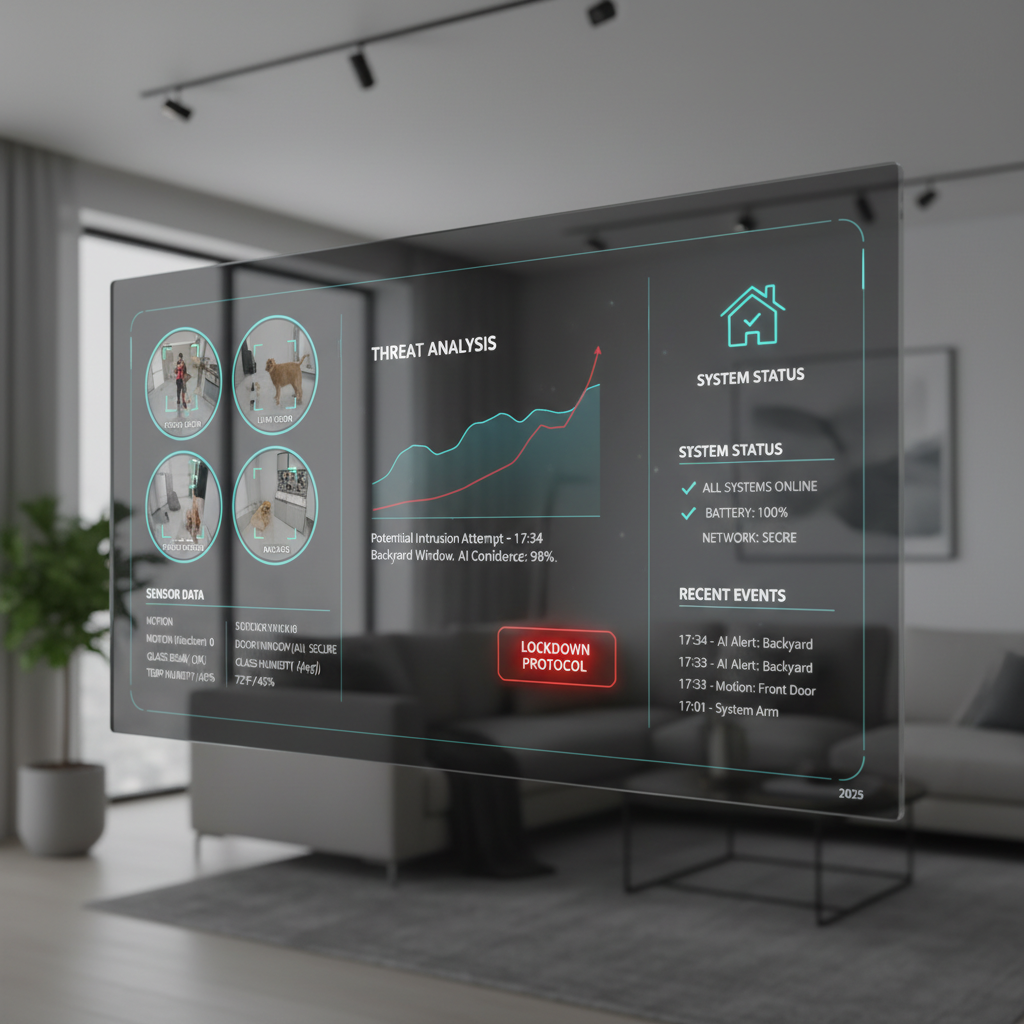
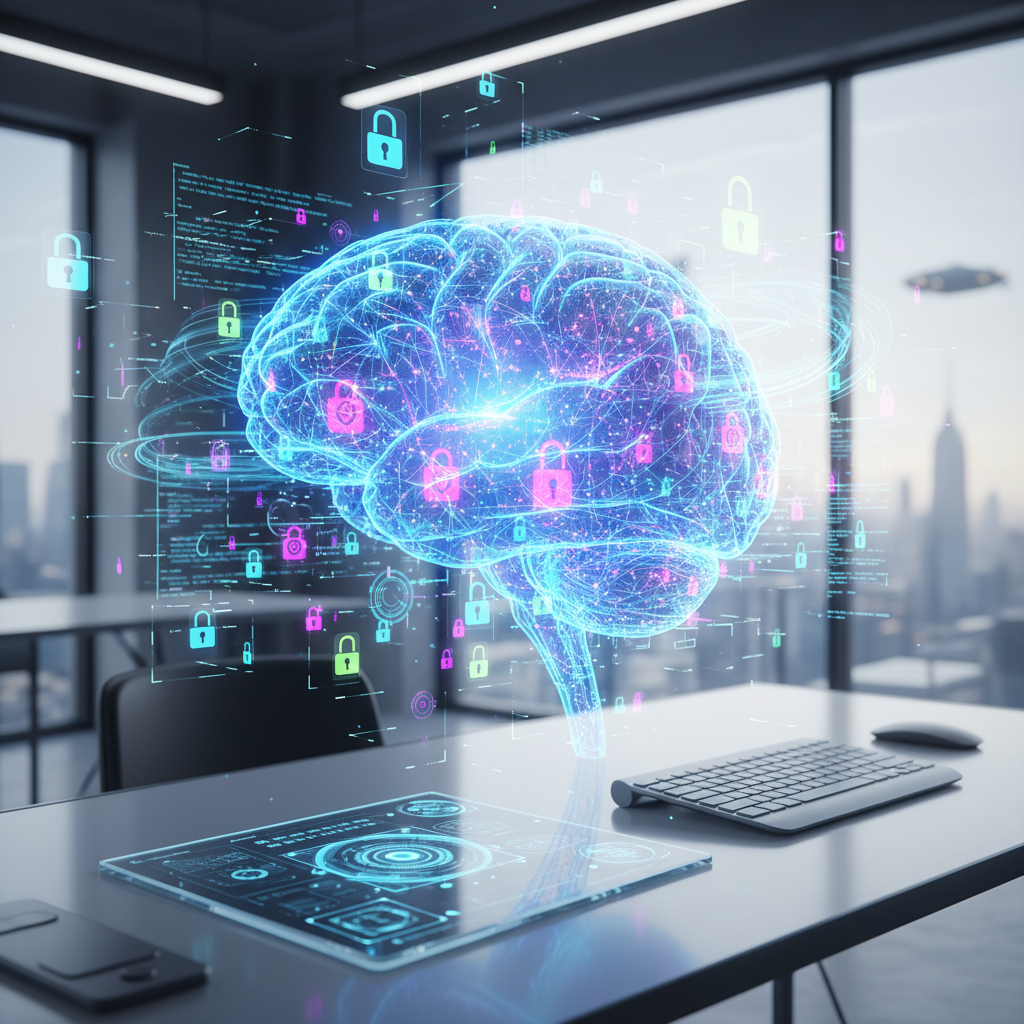
In an increasingly connected world, our homes are becoming smarter, more responsive, and more intuitive. While smart thermostats and lighting systems enhance comfort and convenience, the true revolution lies in how artificial intelligence (AI) is transforming home security. Gone are the days of simple alarms that merely react to an intrusion. Today, we stand at the precipice of building truly intelligent, proactive protective ecosystems that anticipate threats, learn from their environment, and provide unparalleled peace of mind. This comprehensive guide delves into the intricate process of integrating AI security devices, exploring the technologies, benefits, challenges, and the future of safeguarding your sanctuary.
From sophisticated AI-powered cameras that can distinguish between a pet and a person, to smart sensors that detect anomalies before they become problems, AI is redefining what it means to protect our homes. This article will walk you through the journey of understanding, selecting, and integrating these cutting-edge devices to create a cohesive, responsive, and robust security framework. We will examine the core components of an AI security system, discuss how seamless integration elevates protection, highlight practical applications, and address the crucial considerations necessary for a secure and private smart home. Prepare to discover how AI is not just an addition to your home security, but the very foundation of a truly smart protective ecosystem.
The Evolution of Home Security: From Alarms to Intelligent AI Systems
For decades, home security relied on rudimentary systems: locked doors, barred windows, and the ubiquitous alarm siren designed to deter intruders and alert neighbors. These early systems, while effective to a degree, were largely reactive. They would only trigger after a breach occurred, or based on simple binary events like a door opening or a window breaking. Monitoring services offered an additional layer of professional response, but the core technology remained fundamentally limited. The advent of the internet and wireless communication brought about the first wave of “smart” security, enabling remote arming/disarming and basic video feeds. However, these systems often operated in silos, lacking true intelligence or the ability to understand context.
The paradigm shifted dramatically with the integration of Artificial Intelligence. AI brought the capacity for machines to learn, reason, perceive, and understand, much like humans do. In security, this means moving beyond simple rule-based triggers to sophisticated pattern recognition and predictive analytics. Instead of just sensing motion, an AI camera can now identify what caused the motion – a tree swaying, a car passing, a family member returning, or an unfamiliar person lingering. This ability to interpret vast amounts of data in real-time has transformed security from a reactive mechanism into a proactive, intelligent guardian. For instance, early motion detectors would be triggered by a gust of wind rattling a bush, leading to countless false alarms. Modern AI cameras, however, are trained on millions of images and video clips to recognize distinct forms and movements, allowing them to differentiate between a human intruder and a harmless animal. This crucial transition has set the stage for understanding the building blocks of modern AI-powered protective ecosystems.
This evolution underscores a fundamental change in how we conceive of home protection. It is no longer about simply reacting to an event, but about creating an intelligent layer that constantly monitors, learns, and anticipates. The goal is to make the home not just safe, but truly resilient against a broad spectrum of threats, both known and unforeseen. The shift from basic alarms to AI systems represents a move towards a security framework that is dynamic, adaptable, and deeply integrated into the fabric of the smart home itself.
Understanding AI in Home Security: Beyond Simple Automation
When we talk about AI in home security, we are referring to a suite of technologies that allow devices to perform tasks that typically require human intelligence. This goes far beyond basic automation, where a sensor merely triggers a light. True AI security leverages advanced machine learning algorithms to process data from various sensors, identify complex patterns, and make informed decisions. It is not just about detecting an event; it is about understanding the context of that event, predicting potential threats, and responding intelligently. Let us delve into the core AI concepts that power these advanced systems.
Machine Learning (ML) and Deep Learning (DL)
At the heart of AI security are machine learning algorithms. These algorithms enable systems to learn from data without being explicitly programmed for every single scenario. For example, an AI camera fed with millions of images of humans, animals, and vehicles can learn to differentiate between them. Over time, as it processes more data from your specific environment – such as the familiar postal carrier versus an unknown person – it refines its understanding, significantly reducing false alarms. Deep Learning, a subset of ML, uses neural networks with multiple layers to learn from data with increasing levels of abstraction. This is particularly powerful for complex tasks like highly accurate facial recognition, nuanced object detection, and understanding subtle human behavior patterns, like distinguishing between someone simply walking by and someone actively loitering.
Consider a scenario where a child is playing in the backyard. A basic motion sensor might repeatedly trigger alerts, causing frustration. An AI-powered camera, having learned to identify the child and their typical play patterns, would recognize this as normal activity and suppress unnecessary notifications, while still being alert to an unfamiliar adult entering the yard. This learning capability is what makes AI truly intelligent.
Computer Vision
Computer vision is the AI field that enables computers to “see” and interpret visual information from the world, much like human eyes and brains do. In home security, this is crucial for smart cameras. AI-powered cameras utilize computer vision to perform a variety of sophisticated tasks:
- Object Detection: Identifying specific objects such as people, pets, packages, or vehicles. This allows the system to differentiate between a cat walking across the lawn and a person approaching the front door.
- Facial Recognition: Differentiating between known individuals (family, friends, regular visitors) and unknown persons. This can be used to send specific alerts (e.g., “Sarah arrived home”) or even automate actions, like unlocking a smart door for a recognized family member.
- Activity Detection: Recognizing specific actions like loitering, running, or forced entry attempts. Advanced systems can detect unusual patterns such as someone lingering near a window for an extended period, which might indicate casing the property.
- Anomaly Detection: Flagging unusual patterns or events that deviate from learned norms. For instance, if a car is parked in an unusual spot for an extended period, or if activity occurs at an odd hour, the AI can flag it as suspicious.
Natural Language Processing (NLP) – Emerging Use
While primarily associated with voice assistants, NLP is finding its way into advanced security systems. It allows for more intuitive interaction with the system, enabling users to issue complex voice commands or receive more informative, context-rich alerts. For example, instead of just “Motion detected,” an NLP-enhanced system might alert, “A person is standing near your front door with a package,” or allow you to ask, “Show me all recordings of deliveries today.” This adds a layer of conversational intelligence to your security interactions.
By combining these AI capabilities, a smart security system moves beyond being a collection of disparate devices. It becomes a cohesive, intelligent entity capable of nuanced threat assessment and automated, informed responses, truly elevating home protection. This comprehensive understanding of its environment allows the AI system to act as a truly intelligent guardian, capable of filtering out noise and focusing on genuine security concerns, providing peace of mind without constant false alarms.
Key AI Security Devices for Your Home Sanctuary
Building a robust AI protective ecosystem begins with selecting the right intelligent devices. Each component plays a vital role, contributing data and capabilities that, when integrated, create a comprehensive shield around your home. Here are the core AI-powered devices central to any modern smart security setup:
Smart Cameras with AI Capabilities
These are the eyes of your smart home security system. Unlike traditional IP cameras, AI-powered smart cameras leverage advanced computer vision to do more than just record video. They are capable of intricate analysis and intelligent decision-making:
- Person, Pet, and Vehicle Detection: This is a cornerstone feature, significantly reducing false alarms by distinguishing between relevant threats and everyday occurrences. You will no longer receive alerts for squirrels on the lawn or cars driving past, but only for human activity in designated areas.
- Facial Recognition: This advanced feature identifies familiar faces (family members, frequent visitors) and sends specific alerts for unknown individuals. This can even automate actions, like unlocking a smart door for a recognized family member, or sending a specific alert if an unrecognised face is at the door.
- Activity Zones and Detection: Allowing you to define specific areas within the camera’s view (e.g., your driveway, a window, a package drop-off area) and only receive alerts for activity within those zones. Some systems can even detect specific behaviors, like a package being dropped off or taken away, or someone lingering for an unusual amount of time.
- Sound Recognition: Detecting specific sounds like glass breaking, smoke alarms, carbon monoxide alarms, or even a baby crying, and sending alerts or triggering other integrated devices like smart lights.
- AI-Powered Spotlights and Sirens: Many outdoor AI cameras integrate smart lighting that can automatically activate based on AI detection of an intruder, and sirens that can be triggered manually or automatically by the system, often accompanied by pre-recorded messages.
For example, a camera might detect a person at the back gate, recognize them as an unknown individual, and then automatically activate a floodlight and send a discreet notification to your phone, all without a general alarm being triggered unnecessarily.
AI-Powered Smart Sensors
Sensors are the nervous system, providing critical environmental and status data. AI elevates these sensors from simple tripwires to intelligent monitoring tools, capable of nuanced data interpretation:
- Smart Motion Sensors: Beyond basic PIR (Passive Infrared) detection, AI motion sensors can differentiate between humans and pets, reducing unnecessary notifications. They can also learn patterns of movement to identify unusual activity, such as movement in a normally unoccupied room late at night.
- Smart Contact Sensors: Placed on doors and windows, these sensors alert you if an entry point is opened. AI integration can analyze patterns of opening/closing, alerting you if a door that is usually closed at night is suddenly ajar, or if there is an unusual number of entries/exits during off-hours.
- Environmental Sensors (AI-Enhanced): Smoke, CO, water leak, and temperature sensors can be enhanced with AI to not just detect a problem, but to analyze trends, predict potential issues (e.g., a slow leak turning into a burst pipe), and integrate with other systems for preventative actions (e.g., automatically shutting off the water main).
- Glass Break Sensors with AI: These sensors are designed to distinguish the specific frequency and acoustic signature of breaking glass from other loud noises, minimizing false alarms from dropped objects, thunder, or loud music.
Imagine a water leak sensor, typically just sending an alert, now enhanced with AI. It could learn the usual water pressure patterns and detect a minor, consistent drop, indicating a slow leak before it becomes a catastrophic burst pipe, and proactively alert you.
Smart Locks and Access Control with Biometrics
Access control is a crucial layer of security, and AI brings unprecedented sophistication, offering both convenience and enhanced protection:
- Biometric Locks: Fingerprint and facial recognition locks offer keyless entry and a high level of security, as biometrics are unique to an individual. AI ensures rapid, accurate, and secure recognition, minimizing spoofing attempts.
- Geofencing Integration: Your smart locks can automatically lock when you leave a defined geofenced area around your home and unlock as you approach, based on your smartphone’s location and AI learning your routines. This means no more fumbling for keys or worrying if you remembered to lock up.
- Temporary Access Management: Granting temporary, time-sensitive access codes or biometric permissions to visitors, pet sitters, cleaners, or delivery personnel, all managed through an intuitive app and securely logged by the AI system for auditing.
- Anomaly Detection in Access: The AI system can learn typical entry/exit times for different family members. If an unknown fingerprint attempts entry repeatedly, or a recognized user attempts to enter at an unusual hour that deviates from their pattern, the system can flag it as suspicious, send an alert, and even temporarily disable access until verified.
Integrated AI Hubs and Central Controllers
The AI hub is the brain of your ecosystem, orchestrating all devices and processing the collected data. It serves as the central point for intelligent decision-making:
- Data Aggregation and Analysis: Collecting information from all connected devices – cameras, sensors, locks, environmental monitors – and using AI algorithms to synthesize this vast amount of data into a comprehensive understanding of your home’s security status.
- Automated Rule Execution: Setting up complex “if-then” scenarios based on AI insights. For example, if a person is detected by the backyard camera after midnight (AI differentiates from a pet), then turn on floodlights, lock all doors, and send an alert to your phone with a short video clip.
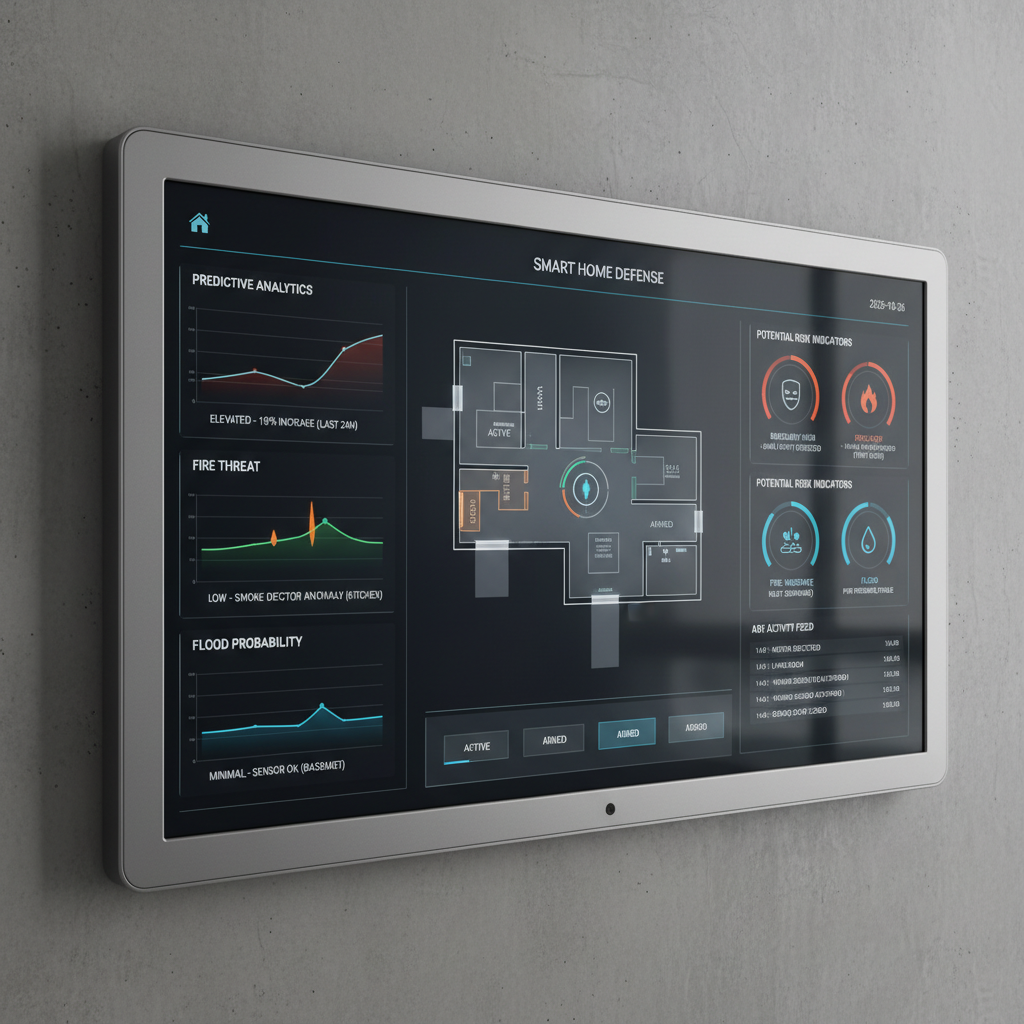
- Predictive Analytics: Learning from past events and routine patterns to anticipate potential threats. If an AI system notices a pattern of unusual activity around your home over several days (e.g., the same car passing by multiple times), it can proactively escalate monitoring or alert you to potential reconnaissance attempts.
- Communication and Notification: Managing all alerts, sending them to your smartphone, and potentially directly to professional monitoring services or emergency contacts based on the severity and nature of the detected event.
By carefully selecting and deploying these AI-powered devices, homeowners can lay the groundwork for a truly intelligent and adaptive protective ecosystem that goes far beyond traditional security measures, offering a comprehensive, multi-layered defense.
Building the Ecosystem: Seamless Integration and Interoperability
The true power of AI in home security is unleashed not by individual smart devices, but by their seamless integration into a unified ecosystem. A collection of disparate smart gadgets, however advanced, will only provide fragmented protection. A genuine “smart protective ecosystem” requires these devices to communicate, share data, and act in concert, guided by a central AI brain. This section emphasizes the critical role of interoperability and how different technologies facilitate a cohesive security network, ensuring that your various devices work together intelligently, rather than as isolated tools.
The Importance of Interoperability Standards
For devices from different manufacturers to work together effectively, they must speak the same language. This is where interoperability standards come into play. Historically, the smart home market has been fragmented, with proprietary systems often locking users into a single brand. However, recent developments are pushing for greater openness and compatibility, making true ecosystems more achievable.
- Matter (formerly Project CHIP): This new, open-source connectivity standard is poised to revolutionize smart home integration. Backed by industry giants like Apple, Google, Amazon, and Samsung, Matter aims to enable smart home devices to work seamlessly together, regardless of brand or platform. For security, this means your AI camera from one brand could trigger a smart lock from another, or your motion sensor from a third, all controlled through a single app or voice assistant, simplifying management and enhancing responsiveness.
- Zigbee and Z-Wave: These are mesh network protocols specifically designed for low-power, short-range communication in smart home devices. They are highly reliable for sensors, smart locks, and smart lighting, creating a robust network where devices can relay signals to each other, extending coverage and stability without relying heavily on Wi-Fi. Many AI security hubs are compatible with these protocols.
- Wi-Fi and Bluetooth: While ubiquitous, Wi-Fi can be power-intensive for battery-operated sensors and may suffer from congestion in densely populated areas. Bluetooth is excellent for direct device-to-phone connections and proximity-based triggers but has limited range. AI systems often use Wi-Fi for high-bandwidth devices like cameras and hubs, and Bluetooth for initial setup, local control, or geofencing applications.
Choosing devices that adhere to common standards or are part of an established integrated ecosystem (like Google Home, Apple HomeKit, Amazon Alexa, or dedicated security platforms such as Vivint or Ring Alarm Pro) is paramount. This ensures that your AI cameras can communicate with your smart locks, your motion sensors can inform your lighting system, and your central AI hub can pull all this information together for comprehensive analysis and intelligent decision-making.
Centralized Dashboards and Unified Control
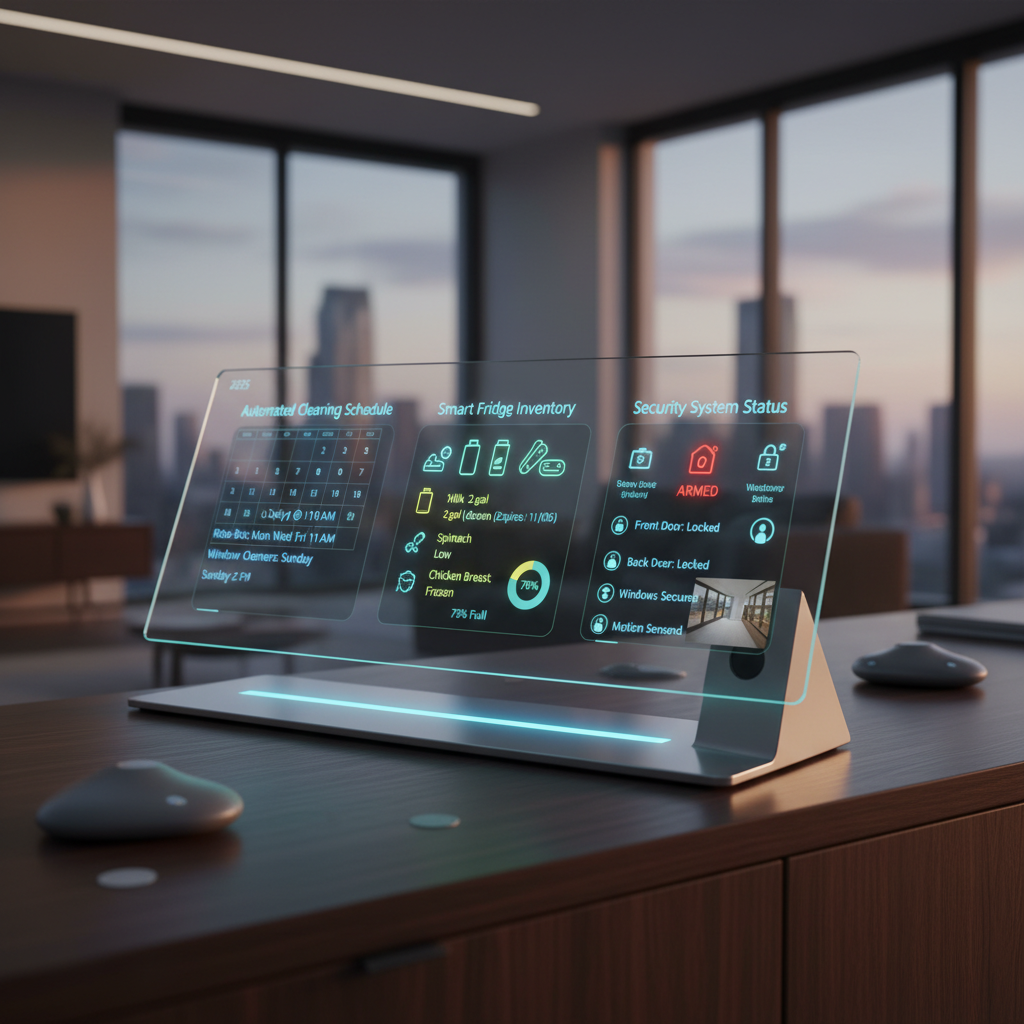
An integrated ecosystem means having a single, intuitive interface to monitor and control all your AI security devices. This centralized dashboard, typically an app on your smartphone, a dedicated touchscreen panel, or a web portal, provides a holistic view of your home’s security status at a glance:
- Real-time video feeds from all cameras, with AI-highlighted events.
- Status updates for all sensors (open/closed, motion detected, environmental conditions, battery levels).
- Lock status and detailed access logs, including who entered and when.
- A consolidated event history with AI-generated alerts and accompanying media (e.g., video clips).
- Arming and disarming capabilities for the entire system or specific zones, with customized modes (e.g., “Home,” “Away,” “Sleep”).
This unification simplifies management, reduces the complexity of juggling multiple apps, and allows the AI to correlate data across different devices more effectively, leading to more accurate threat assessments, fewer false alarms, and a truly responsive system.
Automated Rules and Intelligent Scenarios
With seamless integration, you can create powerful automation rules and intelligent scenarios that elevate your security from reactive to proactive and highly personalized. These “if-this-then-that” (IFTTT) rules are powered by the AI’s understanding of context and learned behaviors, making your home respond intelligently to various situations:
- If an AI camera detects an unfamiliar person loitering in the driveway after 10 PM (AI differentiates from familiar faces, animals, and typical passersby), then turn on floodlights, flash exterior smart lights in a specific pattern, and send a priority alert to the homeowner with a video clip. Simultaneously, an indoor smart speaker could issue a warning like, “Motion detected outside. Please verify.”
- If a smart contact sensor on a basement window is opened while the system is armed (AI knows this is an unusual event, potentially indicating forced entry), then trigger the alarm siren at maximum volume, lock all interior smart doors, turn on all interior lights to disorient an intruder, and immediately notify the professional monitoring service with event details.
- If an AI-enhanced smoke detector senses smoke (verified by AI to be a real fire and not just burnt toast), then automatically unlock all smart locks for emergency egress, turn on interior lights to aid visibility, shut down the HVAC system to prevent smoke circulation, and notify emergency services with the home’s address and the nature of the emergency.
- Upon leaving home (detected via geofencing or manual arming), then ensure all smart locks are engaged, AI cameras begin active monitoring with enhanced sensitivity, selected interior lights cycle on/off randomly to simulate occupancy, and the smart thermostat adjusts to an energy-saving “away” setting.
These intelligent scenarios, built upon the foundation of integrated AI devices, create a dynamic and responsive protective layer that adapts to your lifestyle and effectively anticipates potential threats, making your home truly a smart sanctuary, where security and convenience are interwoven.
Advanced AI Capabilities for Enhanced Protection
Beyond the fundamental functions of object detection and automated responses, cutting-edge AI is pushing the boundaries of home security into realms of predictive analysis, autonomous patrolling, and robust cyber defense. These advanced capabilities transform a smart home into a truly intelligent fortress, capable of anticipating and neutralizing threats with unprecedented sophistication. They represent the next generation of home security, where the system actively thinks and adapts.
Predictive Threat Detection and Behavioral Analytics
One of the most profound advancements AI brings to security is its ability to learn normal routines and identify deviations that might signal a potential threat. Instead of just reacting to an event, the system tries to predict one:
- Routine Learning: The AI observes and learns your family’s daily patterns: when people leave and return, typical delivery times, pet movements, and normal neighborhood activity. It builds a detailed profile of your home’s “normal.”
- Anomaly Detection: Any activity that significantly deviates from these learned patterns is flagged. For example, a car driving slowly past your house several times a day for multiple days, someone lingering near your property for an unusual duration (AI differentiates this from a postal worker or neighbor), or a gate being opened at an odd hour.
- Proactive Alerts: Based on these anomalies, the system can issue pre-emptive alerts (e.g., “Unusual vehicle activity detected near your home for the third time today”), suggest increased vigilance, or even activate deterrents before an actual intrusion attempt occurs. This shifts security from reactive to truly proactive, giving you a head start.
A real-world example might be an AI system noticing a consistent pattern of someone checking car door handles in the neighborhood and then focusing enhanced surveillance on vehicles in your driveway, potentially even sending an early alert if a specific person is repeatedly detected near cars.
Perimeter Protection with Emerging Technologies: Drones and Robots
While still nascent for mainstream consumer use, the integration of autonomous drones and ground robots represents the next frontier in perimeter security for larger properties and estates:
- Autonomous Patrolling: Small, AI-enabled drones or ground robots can autonomously patrol your property’s perimeter on a schedule or in response to sensor triggers. They can stream live video back to your central hub, provide a dynamic viewpoint, and even carry deterrents like spotlights or sirens, covering areas that fixed cameras might miss.
- Intelligent Detection: Equipped with advanced cameras, thermal imaging (for night vision), and AI, these units can detect intruders, animals, or environmental hazards (like brush fires) even in challenging conditions or dense foliage.
- Rapid Response: In the event of an alarm, an autonomous drone could be dispatched to the exact location of the trigger, providing immediate visual verification to you or a monitoring service, potentially before human responders can arrive. This provides crucial real-time intelligence.
Companies like Ring have already introduced indoor “Always Home Cam” drones for basic internal patrol, hinting at the future of integrated autonomous security agents that can dynamically monitor areas of concern.
Cybersecurity for Smart Home Devices: Protecting Your Digital Perimeter
As more devices connect to your home network, the digital attack surface expands, making cybersecurity a critical component of any protective ecosystem. AI plays a crucial role in securing this digital perimeter:
- Network Anomaly Detection: AI-powered routers and network monitors can learn normal network traffic patterns for each smart device. They can then detect unusual data transfers, attempts by unknown devices to join the network, or suspicious activity (e.g., a camera trying to communicate with an unfamiliar server) that might indicate a hacking attempt on a smart device.
- Automated Vulnerability Scanning: Some AI security platforms can periodically scan your smart devices for known vulnerabilities and alert you to potential risks, prompting you to update firmware or reconfigure settings. This is like having an invisible security guard constantly checking your devices for weaknesses.
- Device Isolation: In case a device is compromised, advanced AI systems can automatically isolate it from the rest of your network to prevent the spread of malware or unauthorized access to other sensitive smart home data.
Securing your smart home ecosystem means protecting both the physical and the digital gateways to your sanctuary. AI is becoming indispensable in this dual defense strategy, guarding against both physical intrusion and cyber threats.
AI for Emergency Response and Automation Integration
Beyond deterrence, AI enhances the response capabilities of your security system, potentially saving lives and mitigating damage:
- Direct Communication with Emergency Services: Some AI security systems can directly alert and transmit relevant data (e.g., video clips of an intrusion, location of a fire, occupant information) to professional monitoring services or directly to emergency responders, speeding up response times and providing critical information.
- Automated Environmental Adjustments: In case of a fire (detected by an AI smoke sensor), the system can automatically unlock doors, turn on lights, shut off HVAC systems to prevent smoke circulation, and even guide occupants with voice prompts or visual cues from smart displays, creating a safer evacuation path.
- Medical Alert Integration: For elderly residents, AI can monitor activity patterns, detect unusual inactivity or falls (via motion sensors, smart floor mats, or integrated wearable tech), and automatically trigger emergency alerts to designated family members or caregivers, providing an added layer of safety and independent living.
These advanced AI capabilities demonstrate how a truly smart protective ecosystem moves beyond simple alerts to offer comprehensive, intelligent, and even life-saving protection, continually evolving to meet the complex demands of modern home security, creating a truly responsive and caring environment.
The Benefits of an AI-Powered Protective Ecosystem
Migrating from traditional security setups to an integrated AI protective ecosystem offers a myriad of advantages that fundamentally enhance the safety, efficiency, and peace of mind for homeowners. These benefits stem directly from AI’s capacity to learn, adapt, and make intelligent decisions based on a wealth of data, transforming security from a static barrier into a dynamic guardian.
Proactive and Predictive Security
Perhaps the most significant advantage of AI security is its shift from reactive to proactive protection. Instead of merely alerting you after an event has occurred, AI systems are designed to anticipate and prevent. By learning routines and identifying anomalies, they can flag suspicious activity before it escalates into a full-blown threat. This means potential intruders are deterred earlier, and homeowners are empowered with forewarning, allowing for pre-emptive action such as activating a siren or calling authorities before a breach occurs. This capability reduces the chances of an incident ever taking place.
Significantly Reduced False Alarms
Traditional motion sensors are notorious for triggering false alarms due to pets, wildlife, or even swaying branches. AI virtually eliminates this frustration. Advanced computer vision and machine learning enable cameras and sensors to accurately differentiate between humans, animals, vehicles, and environmental factors. This precision means you only receive alerts for events that genuinely matter, drastically reducing “cry wolf” scenarios and the associated inconvenience and potential penalties from emergency services, allowing you to trust your system more fully.
Personalized and Adaptive Protection
An AI ecosystem isn’t a one-size-fits-all solution; it learns and adapts to your specific home, family, and lifestyle. It understands your peak activity hours, recognizes family members, adjusts its sensitivity based on your presence or absence, and even modifies alert patterns according to your preferences. This personalization ensures that the security system operates optimally for your unique needs, providing protection that feels tailored rather than generic, and evolving with your changing routines.
Enhanced Remote Monitoring and Control
With AI integration, remote monitoring transcends simple video feeds. You gain comprehensive control and real-time, intelligent insights from anywhere in the world. AI can summarize critical events, provide context-rich notifications (e.g., “Person detected at front door, known face John Smith, package delivered”), and allow you to interact with your home’s security, such as speaking through a smart camera or unlocking a door for a delivery. This level of control offers unparalleled convenience and reassurance, whether you are at work or on vacation.
Data-Driven Insights and Continuous Improvement
The vast amount of data collected by an AI security system isn’t just for immediate alerts; it is also used for continuous improvement. Over time, the AI learns from every interaction, every false positive, and every verified event. This data can also provide valuable insights into activity patterns around your home, helping you identify areas that might need stronger physical deterrents or better lighting. Software updates from manufacturers often leverage this collective learning to enhance algorithms, making your system smarter and more effective over time, often without the need for hardware upgrades.
Integration with Other Smart Home Functions
A truly smart ecosystem leverages AI security devices to enhance more than just protection. Your AI cameras can inform your smart lighting to turn on when you arrive home or when an unknown person is detected. Your smart locks can trigger your thermostat to adjust settings upon your departure. Your environmental sensors can coordinate with air purifiers. This seamless integration creates a truly intelligent living environment where security is a fundamental, integrated layer of home automation, contributing to both safety and convenience, making your home truly responsive to your presence and needs.
These collective benefits underscore why integrating AI security devices is not just an upgrade but a transformative step towards a more secure, intelligent, and responsive home sanctuary. The peace of mind derived from a system that actively protects and anticipates, rather than merely reacts, is invaluable in today’s increasingly complex and interconnected world.
Challenges and Important Considerations
While the benefits of an AI-powered protective ecosystem are compelling, it is crucial for homeowners to be aware of the potential challenges and important considerations before embarking on such an integration. Addressing these aspects upfront ensures a smoother implementation, greater user satisfaction, and most importantly, robust security and privacy. A well-informed approach will help mitigate risks and maximize the system’s effectiveness.
Privacy Concerns and Data Security
The extensive data collection (video, audio, behavioral patterns, access logs) by AI security devices raises significant privacy concerns. Who has access to this data? How is it stored? How long is it kept? Homeowners must approach this with vigilance:
- Understand Data Policies: Thoroughly read the privacy policies and terms of service of all manufacturers and service providers. Understand what data is collected, how it is used, and if it is shared with third parties. Prioritize companies with strong privacy commitments.
- Secure Data Transmission and Storage: Ensure devices and cloud services use robust encryption for both data in transit (when sent over the internet) and at rest (when stored on servers). Look for systems that offer local storage options (like microSD cards or local Network Video Recorders – NVRs) to reduce reliance on cloud services for sensitive data.
- Implement Strong Authentication: Use strong, unique passwords for all accounts associated with your smart home system and enable two-factor authentication (2FA) wherever possible. This is a critical first line of defense against unauthorized access.
- Limit Access: Be mindful of who has access to your security feeds and recordings. Limit sharing access credentials, and use temporary access features for visitors or service providers.
- Ethical AI Use: Be aware of the potential for misuse of facial recognition or other biometric data. Ensure you are comfortable with how these technologies are being applied in your home and always prioritize systems that give you control over your biometric data.
Cost of Implementation
Advanced AI security systems often come with a higher upfront cost compared to basic alarm systems. This includes the price of sophisticated cameras with on-device AI processing, smart sensors, biometric locks, and the central AI hub. Furthermore, many advanced AI features, such as enhanced analytics, extended cloud storage for video recordings, and professional monitoring, may require ongoing subscription fees. Homeowners should budget not only for the initial hardware but also for these recurring costs to fully leverage the system’s capabilities and ensure continuous operation and support.
Complexity of Setup and Integration
While many smart home devices are designed for DIY installation, building a truly integrated AI ecosystem can be complex. It involves: configuring multiple devices from potentially different manufacturers, ensuring network stability and sufficient bandwidth, setting up intricate automation rules, and troubleshooting interoperability issues between various brands or communication protocols. While intuitive apps simplify much of this, some users may find professional installation or expert consultation beneficial, especially for larger or more complex setups involving many devices. Patience, technical aptitude, and a willingness to learn are key for successful self-installation.
Reliance on Internet Connectivity and Power
Most AI security devices rely heavily on a stable internet connection for real-time alerts, cloud storage, remote access, and many AI processing tasks. A loss of internet connectivity can severely degrade or completely disable certain smart features. Similarly, power outages can render many devices inoperable unless they have robust battery backups. Consider:
- Reliable Internet: Invest in a robust and stable internet service provider and a strong Wi-Fi network capable of handling multiple connected devices.
- Battery Backups: Ensure your central hub, cameras, and critical sensors have reliable battery backups. An uninterruptible power supply (UPS) for your modem and router is also a wise investment.
- Local Processing/Storage: Prioritize devices that offer local AI processing (edge AI) and local storage capabilities, allowing some security functions (like local recording and basic detection) to continue even without internet access.
- Cellular Backup: For professional monitoring, consider systems that offer cellular backup to ensure alerts can still be sent even if your internet is down.
Potential for Hacking and Cyber Threats
Any internet-connected device is a potential target for cyberattacks. Smart home security devices, because of the sensitive information they handle (video feeds, access codes), are particularly attractive targets. A compromised security system could provide unauthorized access to your home network, personal data, or even direct control over your devices. Regular firmware updates, strong network security practices (firewalls, strong Wi-Fi passwords, guest networks for smart devices), and choosing reputable manufacturers with a track record of security are paramount. Think of your smart home as a mini-network that needs defense.
False Sense of Security
While AI significantly enhances security, no system is infallible. Over-reliance on technology without maintaining basic physical security practices (e.g., locking doors and windows, maintaining physical deterrents like strong locks and proper lighting) can lead to a false sense of security. AI systems are powerful tools; they are most effective when combined with common-sense security habits and good physical infrastructure. They augment, rather than replace, traditional security measures.
By understanding and proactively addressing these challenges, homeowners can mitigate risks and build an AI protective ecosystem that is not only smart and effective but also secure, private, and reliable, providing true peace of mind without unforeseen complications.
Comparison Tables: Traditional vs. AI Security & AI Camera Features
Table 1: Traditional Security Systems vs. AI-Powered Protective Ecosystems
| Feature | Traditional Security Systems | AI-Powered Protective Ecosystems |
|---|---|---|
| Detection Mechanism | Simple sensors (PIR motion, contact) with binary (on/off) triggers. Basic cameras for recording. | AI-enhanced cameras (person/pet/vehicle detection, facial recognition), smart sensors (behavioral analytics), biometric access controls. |
| Intelligence Level | Reactive. Triggers alarm after an event occurs. Minimal context awareness. Limited learning capabilities. | Proactive and Predictive. Learns routines, identifies anomalies, anticipates threats. Understands context and differentiates events. |
| False Alarms | High susceptibility to false alarms from pets, weather, environmental factors, or simple movement. | Significantly reduced due to intelligent differentiation (e.g., person vs. pet, car vs. intruder) and contextual analysis. |
| Monitoring & Control | Basic remote arm/disarm, limited video access. Often requires dedicated control panel. Notifications are generic. | Comprehensive mobile app control, real-time context-rich alerts, remote two-way talk, unified dashboard for all devices. |
| Customization & Automation | Limited to basic schedules and simple sensor-based triggers (e.g., motion turns on a light). | Extensive “if-then” scenarios across devices, personalized responses, adaptive learning based on user behavior and preferences. |
| Integration with Smart Home | Often standalone or limited to specific brand ecosystems. Integration with other smart devices is rare or complex. | Seamless integration with various smart home devices (lighting, thermostats, voice assistants) via common protocols (Matter, Zigbee, Z-Wave). |
| Cost Model | Lower initial hardware cost, often requires mandatory monthly monitoring subscription. | Higher initial hardware cost, optional subscription for advanced AI features, cloud storage, and/or professional monitoring. |
| Privacy & Data | Minimal data collection beyond alarm events and basic activity logs. | Extensive data collection (video, audio, behavior patterns). Requires careful management of privacy settings and robust data security. |
Table 2: Key AI Camera Features Comparison
| Feature | Basic AI Camera (Entry-Level) | Advanced AI Camera (Mid-Range) | Professional-Grade AI Camera (High-End) |
|---|---|---|---|
| Core AI Functionality | Basic person detection, general motion zones, basic push notifications. | Person, pet, vehicle detection; customizable activity zones with behavioral rules; sound detection (e.g., glass break, dog barking). | All advanced features plus accurate facial recognition, package detection/removal alerts, loitering detection, advanced anomaly detection, advanced sound analytics. |
| Video Resolution | 1080p (Full HD), often with lower frame rates. | 1080p to 2K (Quad HD), with smoother frame rates (20-30fps). | 2K to 4K (Ultra HD) for superior detail, high frame rates, and often HDR support. |
| Storage Options | Cloud storage (subscription often required), limited local storage (e.g., microSD card up to 64GB). | More extensive cloud storage plans, local microSD support (up to 256GB), sometimes basic NAS/NVR integration. | Robust local NVR/NAS integration with large capacities, secure cloud backup, edge AI processing for faster alerts and local data retention. |
| Connectivity | Wi-Fi (2.4GHz only), sometimes unreliable in congested areas. | Dual-band Wi-Fi (2.4/5GHz), Ethernet option for more stable connection, generally stronger antennas. | Dual-band Wi-Fi, PoE (Power over Ethernet) for reliable power and data, sometimes Matter/Zigbee for local integration with hubs. |
| Integration Capabilities | Basic integration with common voice assistants (Alexa, Google Home). Limited IFTTT. | Broader smart home platform integration (Apple HomeKit, SmartThings), extensive IFTTT support for complex automation. | Deep integration with professional security systems, open APIs for custom solutions, extensive Matter/Thread support, compatible with specialized security software. |
| Advanced Features | Basic two-way audio, digital zoom. Standard infrared night vision. | Enhanced two-way audio, smart spotlights/sirens, privacy zones (masking areas), advanced night vision (color night vision). | Optical zoom, 360-degree views (PTZ), thermal imaging, advanced analytics dashboards, tamper detection, line crossing, heat mapping. |
| Typical Use Case | Front door monitoring, simple indoor surveillance, baby monitoring. | Comprehensive property monitoring (indoors/outdoors), package delivery monitoring, monitoring specific high-traffic areas. | High-security applications, large properties, commercial integration, detailed forensic analysis, remote property management. |
Practical Examples: Real-World AI Security Scenarios
To truly grasp the power of an integrated AI protective ecosystem, it is helpful to visualize its capabilities through practical, real-world scenarios. These examples demonstrate how AI moves beyond simple alerts to provide intelligent, adaptive, and comprehensive protection, often preventing incidents before they even begin.
Scenario 1: Vacation Home Monitoring with Predictive AI
Imagine you are on a month-long vacation in another country, far from your primary residence. In a traditional security setup, you might get an alarm notification after a break-in, or numerous false alerts triggered by a pet sitter or a gust of wind. With an AI-powered ecosystem, the situation is entirely different:
- Learned Routines: Before you left, the AI system learned the normal patterns of your home – the mail delivery time, the neighbor checking plants, the occasional passing car, the garbage collection schedule. It understands what “normal” looks like for your property.
- Anomaly Detection: A week into your vacation, an AI-enabled outdoor camera detects a car slowly circling your block several times, then pausing near your driveway for an unusual duration. The AI, recognizing this as a pattern that deviates significantly from learned norms, flags it as suspicious, rather than just a regular passerby.
- Proactive Deterrence: Instead of waiting for an intrusion, the system sends a “Suspicious vehicle activity detected near driveway” alert to your phone with a short video clip. Simultaneously, it could automatically turn on exterior smart lights, trigger a motion-activated voice message (“Warning: This property is under active AI surveillance!”), and start recording high-definition video with enhanced sensitivity.
- Smart Response: You review the live feed and, seeing an unfamiliar person approach your door and linger, you can activate a loud siren remotely and use the two-way audio feature to directly address the individual, deterring them before any attempt at forced entry. The system also logs the entire event with video evidence and can notify your professional monitoring service with critical context and pre-verified information.
This proactive approach, driven by AI’s ability to identify and respond to deviations from the norm, provides a far superior level of protection than simply reacting to a triggered alarm, offering true peace of mind while you are away.
Scenario 2: Secure Package Deliveries and Porch Protection
Porch piracy is a growing concern for many homeowners, leading to frustration and financial loss. AI security devices offer robust, intelligent solutions to combat this:
- AI-Powered Video Doorbell: An AI video doorbell with advanced package detection capability not only alerts you when a package is delivered but also continuously monitors it. The AI can differentiate between a package, a plant, or a bag of groceries.
- Intelligent Notification: When the delivery person places the package, the AI recognizes it and sends you a precise alert: “Package delivered from Amazon at front door, detected at 10:15 AM.” It might even include a snapshot of the package.
- Theft Deterrence: If an unknown person later approaches your porch and attempts to pick up the package, the AI system immediately detects this “package removal” event. It can then trigger a bright spotlight, a loud recorded warning message (“Please do not touch that package!”), or even activate a siren to startle the potential thief.
- Evidence Collection: High-quality video of the entire event, from the person’s approach to the theft, is immediately recorded and securely stored in the cloud and/or locally, providing undeniable evidence for law enforcement and insurance claims. The AI can even tag the relevant segment of the video for quick review, saving you time.
This integrated system ensures that your deliveries are monitored from drop-off to pickup, actively deterring theft and providing immediate alerts and irrefutable evidence if a threat emerges, protecting your purchases and your peace of mind.
Scenario 3: Elderly Care and Emergency Response Integration
AI security extends beyond intrusion detection to provide invaluable assistance for vulnerable family members, such as elderly parents living alone, offering both safety and the ability to maintain independence:
- Activity Monitoring: AI-powered motion sensors and cameras, strategically placed (always with consent and careful privacy considerations), can learn the daily routines of an elderly individual. The AI monitors patterns like waking times, movement within the home, meal preparation times, and typical occupancy of rooms.
- Fall Detection and Inactivity Alerts: If the AI detects an unusual period of inactivity (e.g., no movement for several hours during a time when the person is usually active) or even a fall (through advanced visual analytics from cameras or integrated wearable devices), it can immediately send an alert to designated family members or caregivers, providing specific room information.
- Automated Emergency Call: In conjunction with a smart hub, an inactivity alert or detected fall could trigger an automated voice prompt asking if assistance is needed. If there is no response, the system can automatically call emergency services or a pre-selected contact, relaying crucial information like the person’s name, address, and the nature of the emergency.
- Environmental Safety: AI-enhanced smoke and CO detectors don’t just alert; they can automatically unlock doors for emergency responders, turn on interior lights, shut off HVAC systems, and provide clear voice guidance for evacuation, creating a safer environment during critical situations. Smart water leak detectors can prevent major damage by alerting to leaks and potentially shutting off the main water supply automatically.
In this context, AI security transforms into an intelligent, compassionate safety net, offering peace of mind to families by actively monitoring and responding to potential emergencies, promoting independent living while ensuring support is always at hand, respectfully and non-intrusively.
Scenario 4: Smart Perimeter Defense Against Intruders
A well-integrated AI ecosystem provides multiple layers of defense, making your home a difficult target for potential intruders by detecting and deterring them at the earliest possible stage:
- Initial Detection: An AI outdoor camera, using advanced computer vision, detects an unfamiliar person attempting to scale your perimeter fence (distinguishing them accurately from a squirrel, a large bird, or a falling leaf). The AI recognizes this as suspicious, non-routine behavior, not just generic motion.
- Multi-Device Coordinated Response: The AI central hub receives this priority alert. It then triggers multiple coordinated actions across your smart home devices simultaneously:
- Exterior floodlights immediately illuminate the area where the person was detected, startling them and exposing their presence.
- An outdoor smart speaker broadcasts a clear warning message: “You are being recorded. Please leave the property immediately.”
- Indoor smart lights briefly flash throughout the house, alerting anyone inside to potential activity.
- All smart locks automatically engage a secondary deadlock for enhanced security, even if they were already locked.
- Alert and Verification: You receive a priority alert on your phone with a short video clip of the detected activity. The AI even categorizes the threat level as “High Suspicion: Attempted Perimeter Breach,” providing immediate context.
- Professional Monitoring Integration: If you have a professional monitoring service, the AI system can automatically transmit the video feed and detailed event details to them. This allows the monitoring center to immediately verify the threat, reducing false dispatches, and dispatch law enforcement with accurate, actionable information, significantly speeding up genuine responses.
This coordinated, intelligent response, orchestrated by AI, creates a formidable deterrent, significantly increasing the chances of preventing a break-in before it even begins. It demonstrates the ecosystem’s ability to act as a unified, vigilant guardian, making your home a truly uninviting target.
Frequently Asked Questions
Q: What is the primary difference between a traditional security system and an AI-powered one?
A: The primary difference lies in their intelligence and approach. Traditional systems are largely reactive, using basic sensors to detect events (like a door opening or simple motion) and then triggering an alarm. They have limited context awareness and are prone to false alarms from pets, weather, or passing cars. An AI-powered system, on the other hand, is proactive and intelligent. It uses machine learning and computer vision to understand context, differentiate between threats (e.g., a person vs. a pet), learn your home’s routines, and even anticipate potential threats. This leads to significantly fewer false alarms, more relevant and context-rich alerts, and the ability to take intelligent, automated actions based on nuanced situations rather than just binary triggers. It moves from simply reacting to actively understanding and protecting.
Q: Is AI home security truly more secure, or just more convenient?
A: It is genuinely both, but fundamentally more secure. While AI systems offer immense convenience through automation, remote control, and personalized settings, their core advantage in security is the enhanced detection accuracy and proactive capabilities. By significantly reducing false alarms, professional monitoring services can respond more efficiently to real threats, as they are not bogged down by numerous non-events. AI’s ability to differentiate, learn patterns, and predict suspicious behavior makes it much harder for intruders to bypass the system undetected compared to a basic alarm. The contextual awareness allows for more intelligent and escalating responses that can deter threats earlier, making your home a more difficult and less appealing target, thereby enhancing overall security.
Q: What are the main privacy concerns with AI security devices, and how can I mitigate them?
A: The main privacy concerns revolve around the extensive collection of personal data, including video, audio, and behavioral patterns. To mitigate these:
- Choose Reputable Brands: Select manufacturers with transparent privacy policies and a strong commitment to data security.
- Encryption: Ensure devices and cloud services use robust encryption for both data in transit and at rest.
- Privacy Zones: Utilize features like privacy zones on cameras to mask sensitive areas that do not require monitoring.
- Local Storage: Prioritize systems that offer local storage options (e.g., microSD cards, NVRs) to keep sensitive data within your home.
- Strong Authentication: Use strong, unique passwords and enable two-factor authentication (2FA) for all associated accounts.
- Mindful Placement: Strategically place cameras and sensors to only monitor necessary areas, avoiding intrusive views into private spaces.
- Regular Updates: Keep device firmware and software updated, as these often include critical security patches and privacy enhancements.
- Limit Sharing: Be judicious about who has access to your security feeds and recordings.
Q: Do I need a professional to install an AI security system, or can I do it myself?
A: Many entry-level and mid-range AI security devices are designed for DIY installation, especially consumer-grade products like smart video doorbells and single cameras. They often come with user-friendly apps and step-by-step guides. However, building a truly integrated “ecosystem” with multiple devices from different brands, complex automation rules, optimal placement for comprehensive coverage, and ensuring network stability can be challenging for those without technical expertise. For larger homes, intricate setups, or a desire for seamless integration across many different brands, professional installation can ensure optimal performance, proper network configuration, and comprehensive coverage, often saving time and frustration. It largely depends on your comfort level with technology and the complexity of your desired system.
Q: What happens to my AI security system if my internet goes down?
A: The functionality of your AI security system during an internet outage depends on the specific devices and your setup. Many core functions, like local recording on cameras (to a microSD card or local NVR) and local alarm triggering (sirens), often continue to work. However, remote access (viewing feeds, receiving alerts on your phone), cloud storage, AI processing that relies on cloud servers, and communication with professional monitoring services will likely be interrupted. Look for systems with local processing capabilities (edge AI) and robust battery backups for critical components to maintain a baseline level of security during outages. Cellular backup options are also available for professional monitoring services to ensure continued communication.
Q: How much does an AI-powered protective ecosystem typically cost?
A: The cost can vary significantly depending on the scale and sophistication of the system. A basic AI-enabled video doorbell might start from $100-$250. Building a comprehensive ecosystem for an average home with multiple AI cameras, smart sensors for every entry point, smart locks, and a central hub could range from $500 to several thousand dollars for hardware alone, depending on brand, features, and the number of devices. On top of this, many systems require monthly subscription fees for cloud storage, advanced AI features (like facial recognition libraries, extended video history), and professional monitoring, which can add $10-$60+ per month. While an investment, it provides enhanced security and peace of mind.
Q: Can AI security systems integrate with my existing smart home devices?
A: Yes, seamless integration is a core strength of AI protective ecosystems. Modern AI security systems are increasingly designed to integrate with a wide range of smart home devices and platforms, including popular voice assistants (Amazon Alexa, Google Assistant, Apple HomeKit), smart lighting systems, thermostats, smart plugs, and other smart appliances. Connectivity standards like Matter (the newest universal standard), Zigbee, and Z-Wave facilitate this interoperability, allowing you to create complex automation rules where your security system can trigger or be triggered by other smart devices, enhancing both safety and convenience throughout your smart home environment.
Q: What are some emerging trends in AI home security?
A: Emerging trends in AI home security point towards even greater intelligence and autonomy:
- Hyper-Personalization: Systems that adapt even more precisely to individual habits, preferences, and contextual situations.
- Autonomous Security Agents: The increasing use of indoor and outdoor drones or ground robots for dynamic patrolling and targeted monitoring, especially for larger properties.
- Proactive Health Monitoring: Integration with health technology for advanced fall detection and activity monitoring for elderly or vulnerable residents, often non-invasively.
- Enhanced Cybersecurity: AI-powered network security that actively detects and mitigates threats to smart home devices at the network level, safeguarding the entire digital ecosystem.
- More Sophisticated Biometrics: Beyond fingerprints and basic facial recognition, exploring gait analysis, voice biometrics, or behavioral biometrics for highly secure and seamless access control.
- Advanced Threat Analysis: AI systems that can cross-reference local data with broader threat intelligence networks to identify coordinated or evolving threats.
Q: How does AI help reduce false alarms compared to traditional systems?
A: AI significantly reduces false alarms through its advanced ability to interpret data and understand context, which traditional systems lack. Traditional systems might trigger an alarm simply from a leaf blowing past a motion sensor, a small animal crossing a tripwire, or a car’s headlights. AI-powered cameras use sophisticated computer vision to differentiate precisely between a human, an animal, a vehicle, or environmental disturbances like swaying trees or rain. They learn normal environmental conditions and activity patterns. If a system is trained to only alert for “unfamiliar human detected in restricted zone,” it will intelligently ignore pets, mail carriers, and environmental disturbances, thus sending alerts only for genuine, relevant events, dramatically increasing the reliability and trustworthiness of your security system.
Q: Is AI home security susceptible to hacking?
A: Like any internet-connected technology, AI home security systems are susceptible to hacking if not properly secured. The more connected devices you have, the larger your potential attack surface. However, reputable manufacturers implement strong encryption, regular security updates (firmware and software), and robust network protocols to protect against cyber threats. Users also play a critical role by employing strong, unique passwords, enabling two-factor authentication, keeping device firmware updated, and using secure Wi-Fi networks (e.g., WPA3, strong password, guest networks for IoT devices). The risk is manageable with proper vigilance and adherence to security best practices, and the benefits of AI-enhanced security often outweigh the inherent cyber risks common to all smart devices.
Key Takeaways: Building Your Smart Protective Ecosystem
- AI Transforms Security: Artificial Intelligence fundamentally shifts home security from reactive alarms to proactive, predictive protection, anticipating threats before they escalate.
- Understanding AI: Core AI technologies like Machine Learning, Deep Learning, and Computer Vision enable devices to understand context, accurately identify objects, and learn complex patterns.
- Core AI Devices: Smart cameras with advanced analytics, AI-powered smart sensors, biometric smart locks, and integrated AI hubs form the indispensable foundation of a robust protective ecosystem.
- Seamless Integration is Key: Interoperability standards such as Matter, Zigbee, and Z-Wave, alongside centralized control dashboards, are crucial for devices to communicate and act as a unified, intelligent system.
- Advanced Capabilities: Cutting-edge AI security includes predictive threat detection, behavioral analytics, emerging autonomous patrolling technologies, and robust cybersecurity defenses for your digital perimeter.
- Significant Benefits: Homeowners enjoy dramatically reduced false alarms, highly personalized and adaptive protection, enhanced remote monitoring and control, data-driven insights for continuous improvement, and seamless integration with other smart home functions.
- Consider Challenges: It is important to proactively address privacy concerns, the cost of implementation, setup complexity, reliance on internet connectivity, and potential cyber threats for a successful and secure deployment.
- Practical Applications: AI excels in real-world scenarios such as vacation monitoring, secure package delivery protection, non-invasive elderly care with emergency response, and multi-layered smart perimeter defense against intruders.
- Continuous Evolution: The field of AI security is constantly advancing, promising even more intelligent, autonomous, and integrated protection capabilities in the near future.
- Empowered Peace of Mind: An integrated AI protective ecosystem provides not just a collection of security devices, but a truly intelligent, adaptive guardian for your sanctuary, offering unparalleled peace of mind and control.
Conclusion: Securing Your Sanctuary with Intelligent Foresight
The journey from basic alarms to a fully integrated AI-powered protective ecosystem represents a monumental leap in home security. We have moved beyond mere deterrence and reaction to an era of intelligent foresight, where our homes are equipped with the capacity to observe, learn, predict, and respond with remarkable precision. This transformation is not just about adopting new gadgets; it is about embracing a holistic philosophy of protection where every device contributes to a unified, vigilant guardian, ensuring a truly resilient sanctuary.
Integrating AI security devices means creating a sanctuary that is dynamic, adaptive, and uniquely tailored to your needs. It empowers you with granular control, insightful data, and the profound confidence that your home is safeguarded by an intelligent network constantly on alert. While the initial investment and the crucial considerations of privacy, data security, and technical setup are significant, the peace of mind derived from a system that actively anticipates and neutralizes threats before they materialize is immeasurable. As AI technology continues to evolve, these protective ecosystems will only become more sophisticated, more intuitive, and more integral to our daily lives, blending seamlessly into the fabric of our homes.
Embrace the future of home security. Take the proactive step to understand, plan, and integrate AI into your home’s defense strategy. By building a truly smart protective ecosystem, you are not just installing security devices; you are investing in an intelligent, ever-learning guardian that tirelessly protects what matters most, ensuring your sanctuary remains safe and secure for years to come, adapting to new challenges with intelligent foresight and unparalleled responsiveness.
































































Leave a Reply