


Welcome to Beyond the Prompt: Advanced Techniques for AI Image Generation Mastery. In the rapidly evolving world of artificial intelligence, generating stunning images from text prompts has transitioned from a niche curiosity to a powerful creative tool. While basic prompts can yield impressive results, truly mastering AI image generation requires a deeper understanding of composition and scene control. This comprehensive guide will take you beyond mere keywords, diving into advanced prompt engineering techniques that empower you to orchestrate every visual element within your AI-generated scenes, transforming your ideas into precisely crafted visual narratives.
Imagine not just asking for “a cat,” but specifying “a majestic Siamese cat with piercing blue eyes, perched gracefully on a sun-drenched windowsill overlooking a bustling Parisian street at dawn, captured with a wide-angle lens, low angle shot, volumetric light, in the style of a classical oil painting.” This level of detail is no longer aspirational; it is achievable through strategic prompt engineering. We will explore how to dissect a scene into its fundamental components and then reassemble it with unparalleled precision using the power of advanced prompts. Get ready to elevate your AI art to new heights.
Beyond Basic Prompts: The Need for Scene Control
When most users first experiment with AI image generators like Midjourney, DALL-E, or Stable Diffusion, they start with simple, descriptive prompts. “A forest,” “a dragon,” or “a spaceship” are common initial queries. These often produce interesting, sometimes even beautiful, images. However, the outcomes are largely left to the AI’s interpretation, drawing from its vast training data to create a default representation of those concepts. While this can be a fun and exploratory process, it quickly becomes limiting when you have a specific vision in mind.
The core limitation of basic prompts lies in their lack of specificity regarding composition. Composition is the arrangement of visual elements within an image. It dictates where the subject is placed, how light falls upon it, the angle from which it’s viewed, and the overall mood and balance of the scene. Without explicit instructions, the AI tends to generate generic compositions that, while technically correct, often lack artistic intent, narrative depth, or the precise aesthetic you desire.
This is where scene control comes into play. Scene control is the deliberate act of guiding the AI to arrange and render specific elements in specific ways, influencing everything from the primary subject’s position to the atmospheric conditions and camera lens effects. It’s about moving from being a passive observer of the AI’s output to becoming an active director of its creative process. Advanced prompt engineering provides the lexicon and grammar to communicate these complex compositional desires to the AI.
The necessity for scene control becomes evident when dealing with projects that require consistency, brand adherence, or a precise narrative. For artists, designers, marketers, and storytellers, generic AI outputs are simply not enough. They need the ability to:
- Position subjects accurately: Place an object in the foreground, background, left, or right.
- Define camera parameters: Specify shot types (wide, close-up), angles (low, high, eye-level), and even focal lengths.
- Control lighting and mood: Dictate the direction, intensity, and color of light to set a specific atmosphere.
- Manage depth and perspective: Create a sense of distance and dimension within the scene.
- Incorporate specific artistic styles: Ensure the generated image aligns with a particular aesthetic or art movement.
- Avoid unwanted elements: Precisely exclude objects or characteristics that detract from the vision.
Without these controls, AI image generation remains a game of chance. With them, it transforms into a potent tool for visual precision and creative expression. The techniques we will explore in the following sections are designed to empower you with this level of mastery.
Deconstructing the Scene: Core Elements of Composition
To effectively control an AI-generated scene, one must first understand its fundamental building blocks. Just as an architect blueprints a structure, a prompt engineer designs a visual composition by breaking it down into manageable, promptable elements. By explicitly defining these components, we can guide the AI to construct the desired image layer by layer.
1. Subject and Object Placement
This is perhaps the most fundamental aspect of scene control. Simply naming a subject isn’t enough; you need to specify where it resides within the frame relative to other elements or the frame itself.
- Primary Subject: Clearly define the main focus. Example: “A sleek black sports car.”
- Positional Modifiers: Use terms like foreground, background, left, right, center, upper-left, lower-right. Example: “A sleek black sports car in the foreground, with a futuristic city skyline in the background.”
- Relative Placement: Describe relationships between objects. Example: “A golden retriever sitting beside a young girl, under an oak tree.”
2. Environment and Setting
The environment provides context and atmosphere. Be descriptive about the location, time of day, and general surroundings.
- Location: Ancient ruins, dense jungle, futuristic space station, serene beach.
- Time of Day: Sunrise, golden hour, midnight, dusk, midday sun.
- Weather/Conditions: Stormy sky, gentle breeze, heavy snowfall, desert heat haze.
- Specific Architectural/Natural Features: Colonial architecture, towering redwoods, crystal caves.
3. Camera Angle and Shot Type
These modifiers emulate photographic and cinematic techniques, significantly impacting how the viewer perceives the subject and the scene.
- Shot Types:
- Wide shot or establishing shot: Shows the subject and its surroundings in full.
- Medium shot: Focuses on the subject from the waist up.
- Close-up: Details a specific part of the subject, often emphasizing emotion or detail.
- Extreme close-up: Even tighter, revealing intricate textures or intense emotions.
- Full shot: Captures the subject’s entire body.
- Point of view (POV): Shows the scene from a character’s perspective.
- Camera Angles:
- Low angle: Looking up at the subject, making it appear powerful or imposing.
- High angle: Looking down on the subject, making it seem vulnerable or small.
- Eye-level shot: Most natural, placing the viewer on par with the subject.
- Bird’s eye view or top-down shot: Directly overhead, often used for mapping or scale.
- Dutch angle or canted angle: Tilted horizon line, creating a sense of unease or disorientation.
- Lens Effects:
- Wide-angle lens: Expansive view, exaggerates perspective.
- Telephoto lens: Compresses depth, isolates subjects.
- Macro lens: Extreme close-ups of small objects.
- Fisheye lens: Extreme wide-angle, distorted, spherical effect.
- Shallow depth of field: Blurry background, sharp subject (often implied with “bokeh”).
4. Lighting and Atmosphere
Light is crucial for mood, depth, and highlighting details. Atmospheric effects add realism and emotional resonance.
- Lighting Direction: Backlighting, rim light, side lighting, front lighting.
- Lighting Quality: Soft light, hard light, diffused light, dramatic lighting.
- Light Source: Sunlight, moonlight, studio lighting, neon glow, candlelight, volumetric light (light rays visible in the air).
- Color of Light: Warm light, cool light, sepia tones, vibrant colors.
- Atmospheric Effects: Fog, mist, rain, snow, smoke, dust particles, god rays (crepuscular rays).
5. Artistic Style and Aesthetic
Guiding the AI toward a specific artistic aesthetic ensures the final image aligns with your creative vision.
- Artistic Movements: Impressionism, Surrealism, Cubism, Art Deco, Baroque.
- Mediums: Oil painting, watercolor, ink drawing, digital art, photorealistic, pixel art.
- Specific Artists: By Vincent van Gogh, in the style of Hayao Miyazaki, inspired by Zdzisław Beksiński.
- Render Styles: Cinematic render, unreal engine render, octane render, anime style, cartoon style.
By thoughtfully combining these elements, you construct a rich and detailed blueprint for the AI to follow, moving beyond generic outputs to precisely engineered compositions.
Advanced Prompting Modifiers for Layout and Framing
Beyond simply listing objects, advanced prompt engineering involves using specific modifiers that dictate the spatial arrangement and visual structure of your image. This is where you become the director, orchestrating the scene’s layout and how the viewer experiences it.
Compositional Rules and Techniques
Photographers and artists have long employed compositional rules to create visually appealing and balanced images. AI models, trained on vast datasets of art and photography, understand these concepts.
- Rule of Thirds: Imagine a tic-tac-toe grid over your image. Placing key elements along these lines or at their intersections creates balance and interest. Prompt: “Subject positioned on the rule of thirds, engaging composition.”
- Leading Lines: Use lines (roads, fences, rivers) to draw the viewer’s eye towards the main subject. Prompt: “Leading lines converging towards the main subject in the distance.”
- Symmetry: Create a balanced image with mirrored halves. Prompt: “Perfect symmetry, reflection in water.”
- Golden Ratio / Golden Spiral: A more complex compositional guide based on a mathematical ratio, often found in nature and art, creating aesthetically pleasing proportions. Prompt: “Golden ratio composition, dynamic spiral.”
- Framing: Use elements within the scene (doorways, windows, tree branches) to frame the main subject, adding depth and context. Prompt: “Natural framing with ancient archway, subject framed in the center.”
- Negative Space: Deliberately leaving areas empty around the subject to draw attention to it. Prompt: “Minimalist composition, ample negative space around the central figure.”
Camera Perspective and Framing
These modifiers are crucial for controlling the viewer’s viewpoint and the overall feel of the image. Think like a cinematographer choosing a lens and camera movement.
- Field of View:
- Ultra-wide angle, super wide angle: Exaggerates perspective and includes a vast scene.
- Wide angle: Broader view, more context.
- Standard lens: Natural perspective, similar to human vision.
- Telephoto lens, long lens: Compresses distance, isolates subject from background.
- Macro lens: Extreme close-ups for intricate detail.
- Camera Movement/Techniques (Simulated):
- Tracking shot, dolly shot: Implies movement alongside a subject.
- Pan shot: Suggests a horizontal sweep.
- Tilt shot: Implies a vertical movement.
- Zoom in, zoom out: Changes the field of view.
- Steadycam shot: Smooth, flowing motion (if applied to dynamic scenes).
- Aspect Ratios: While often set in the AI interface, describing the desired look can reinforce the aspect ratio’s impact.
- 16:9 cinematic: Wide, often for filmic scenes.
- 1:1 square: Balanced, often for social media or portraits.
- 3:2 photographic: Classic camera ratio.
- 9:16 portrait: Vertical orientation.
Example: “Epic landscape, 16:9 cinematic aspect ratio, telephoto lens perspective.”
Depth and Spatial Relationships
Creating a sense of three-dimensionality is vital for realistic and engaging scenes.
- Foreground, Midground, Background: Explicitly populate each layer. Prompt: “A delicate spiderweb in the extreme foreground, a lone hiker on a winding path in the midground, towering snow-capped mountains in the distant background.”
- Depth of Field: Control focus.
- Shallow depth of field, bokeh effect: Subject is sharp, background is blurred. Emphasizes the main subject.
- Deep depth of field: Everything from foreground to background is in sharp focus. Used for grand landscapes or showing context.
- Perspective:
- One-point perspective: All parallel lines converge to a single vanishing point.
- Two-point perspective: Two vanishing points, often for angular objects.
- Atmospheric perspective: Distant objects appear hazier and lighter in color, mimicking how the atmosphere affects vision over distance. Prompt: “Rolling hills fading into atmospheric perspective, blue haze.”
By intricately weaving these layout and framing modifiers into your prompts, you gain unprecedented control over the visual structure of your AI-generated images, moving from generic portrayals to precisely composed masterpieces.
Controlling Light, Color, and Atmosphere
Light, color, and atmosphere are the emotional architects of an image. They can transform a mundane scene into a dramatic tableau, a cheerful vista, or a melancholic dreamscape. Mastering these elements in AI prompting allows you to set the perfect mood and convey specific emotions without relying on chance.
The Art of Lighting Prompts
Lighting is arguably the most impactful compositional element after the subject itself. Different lighting conditions evoke different feelings and reveal different aspects of a scene.
- Directional Lighting:
- Backlighting, contre-jour: Light comes from behind the subject, creating a silhouette or a glowing rim around its edges. Evokes drama, mystery.
- Side lighting: Light from the side, emphasizing texture and form, creating strong shadows and highlights. Adds depth and dimension.
- Front lighting: Light directly on the subject, flattening it but ensuring even illumination.
- Top-down lighting, overhead lighting: Light from above, often creating deep shadows under brows, noses. Can be dramatic or harsh.
- Underlighting, up lighting: Light from below, often used for horror or unsettling effects.
- Quality and Intensity of Light:
- Soft light, diffused light: Gentle, even illumination, minimizing harsh shadows. Evokes calm, beauty.
- Hard light, harsh light: Strong, direct light with sharp, defined shadows. Creates drama, intensity, realism in bright conditions.
- Dramatic lighting, chiaroscuro: Strong contrasts between light and shadow, often used in classical painting.
- Low key lighting: Predominantly dark tones and shadows, few bright areas. Mysterious, melancholic.
- High key lighting: Predominantly bright tones, minimal shadows. Optimistic, airy, cheerful.
- Specific Light Sources and Effects:
- Golden hour, magic hour: Warm, soft, golden light just after sunrise or before sunset. Highly aesthetic.
- Blue hour: Twilight, before sunrise or after sunset, when the sky is a deep, rich blue. Creates a serene, mysterious mood.
- Volumetric light, god rays: Light rays made visible by atmospheric haze or dust, often beaming through clouds or windows. Adds ethereal quality.
- Neon glow, cyberpunk lighting: Vibrant, artificial light sources, often multicolored, associated with futuristic or urban night scenes.
- Candlelight, fireplace glow: Warm, flickering, intimate light.
- Spotlight, stage lighting: Concentrated beams of light on specific subjects.
- Lens flare, anamorphic flare: Optical effects created by light hitting the camera lens.
Example: “A lone wizard casting a spell in an ancient library, dramatic backlighting, volumetric dust motes dancing in the magical light, chiaroscuro effect.”
Color Palettes and Mood
Color profoundly impacts emotion and perception. Guide the AI to use specific color schemes.
- Warm Colors: Red, orange, yellow. Evoke energy, passion, comfort. Prompt: “Warm color palette, fiery reds and oranges.”
- Cool Colors: Blue, green, purple. Evoke calm, serenity, sadness, mystery. Prompt: “Cool tones, ethereal blues and purples.”
- Monochromatic: Variations of a single color. Creates unity and sophistication. Prompt: “Monochromatic blue scheme.”
- Complementary Colors: Colors opposite on the color wheel (e.g., blue and orange). Create high contrast and vibrancy. Prompt: “Vibrant complementary colors, blue-orange contrast.”
- Analogous Colors: Colors next to each other on the color wheel. Creates harmony and pleasing blends. Prompt: “Harmonious analogous colors, forest greens and earthy yellows.”
- Muted Tones: Desaturated colors. Creates a subdued, classic, or melancholic feel. Prompt: “Muted color palette, faded vintage aesthetic.”
- Vibrant Colors: Highly saturated, bright colors. Energetic, lively. Prompt: “Explosion of vibrant, hyper-saturated colors.”
Atmospheric Effects for Immersion
Atmosphere adds realism, depth, and a sense of place. These modifiers create a tangible environment.
- Fog, mist: Adds mystery, softness, often obscures distant elements.
- Rain, drizzle, heavy downpour: Creates a melancholic, dramatic, or refreshing mood.
- Snowfall, blizzard: Evokes cold, quietude, or harsh conditions.
- Smoke, haze: Can imply industrial settings, fire, or an ethereal quality.
- Dust clouds, sandstorm: Common in desert or arid environments, adds gritty realism.
- Steam, vapor: Often used in urban scenes, industrial settings, or for hot environments.
- Lens condensation, raindrops on window: Adds a subjective, immersive quality.
By skillfully blending prompts for light, color, and atmosphere, you can infuse your AI-generated images with profound emotional depth and visual storytelling capabilities, moving far beyond mere descriptions to true creative direction.
Injecting Narrative and Emotion into Scenes
A compelling image often tells a story or evokes a strong feeling. Advanced prompt engineering isn’t just about placing objects; it’s about imbuing those objects and the entire scene with narrative elements and emotional resonance. This is where AI art truly begins to transcend simple representation and ventures into the realm of storytelling.
Character Expression and Pose
When subjects are people or anthropomorphic figures, their demeanor is paramount to the narrative.
- Facial Expressions: Smiling joyfully, frowning thoughtfully, eyes wide with surprise, grimacing in pain, serene contemplation, intense focus.
- Body Language and Poses: Standing tall with confidence, crouching defensively, leaping dynamically, sitting relaxed, hands clasped in prayer, arms outstretched in welcome.
- Interaction: Describe how characters interact with each other or with objects. Example: “Two friends laughing heartily, one gently nudging the other’s shoulder.” or “A scientist meticulously examining a glowing artifact.”
- Action Verbs: Use strong verbs to convey activity. Example: “A knight battling a dragon,” “a dancer gracefully twirling,” “a child whispering secrets to a toy.”
Storytelling Elements and Props
Small details can speak volumes, providing clues about the scene’s history, context, or future events.
- Props: Objects that belong to the character or setting and add meaning. Example: “An old leather-bound journal open on a desk,” “a cracked teacup beside a wilting flower,” “a futuristic device held carefully in an astronaut’s hand.”
- Environmental Clues: Describe elements in the background that hint at a larger story. Example: “Faint tire tracks disappearing into the snow,” “a half-eaten meal on a table, implying recent departure,” “ancient runes carved into stone walls.”
- Symbolism: Incorporate elements that carry symbolic meaning. Example: “A white dove taking flight against a stormy sky,” “a single red rose on a desolate landscape.”
Dynamic vs. Static Scenes
Decide whether you want to capture a moment of action or a peaceful, contemplative stillness.
- Dynamic: Use action words and describe movement. “Explosive action shot,” “blurred motion,” “flying debris,” “mid-jump,” “glowing energy streaks.”
- Static: Focus on serenity, calm, and stillness. “Peaceful scene,” “tranquil moment,” “quiet contemplation,” “still waters.”
Conveying Emotion and Mood
Beyond explicit expressions, the overall scene can evoke emotions through its atmosphere, colors, and composition.
- Emotional Adjectives: Use words like melancholic, joyful, ominous, hopeful, tense, serene, eerie, majestic, chaotic.
- Color and Light (revisited for emotion): A warm, soft light with bright colors typically suggests joy or comfort, while harsh shadows and cool, desaturated colors can imply dread or sadness.
- Composition (revisited for emotion): A wide-angle, low-angle shot can make a subject appear heroic (hopeful), while a high-angle shot might make them seem vulnerable (sad). Dutch angles convey unease.
Example: “A lone explorer stands on a barren alien planet, silhouetted against a binary sunset, a look of weary determination on their face, holding a tattered map, an overwhelming sense of isolation and wonder, cinematic quality.”
By consciously integrating narrative and emotional prompts, you transform your AI-generated images from mere depictions into powerful visual stories that resonate with viewers on a deeper level. This is where advanced prompt engineering truly becomes an art form.
Iterative Refinement and Prompt Stacking
Generating the perfect image rarely happens on the first try, especially with complex scene compositions. The true mastery of advanced prompt engineering lies in an iterative process of generation, evaluation, and refinement. This often involves a technique called “prompt stacking,” where multiple, precise modifiers are layered together to achieve intricate control.
The Iterative Process
Think of prompt engineering as a conversation with the AI. You propose an idea, the AI provides an interpretation, and you respond with clarifications and adjustments. This cycle is crucial:
- Initial Prompt: Start with a clear, but perhaps not exhaustive, description of your core idea. Focus on the main subject, setting, and desired style. Example: “A futuristic city at night, neon lights, cyberpunk aesthetic.”
- Generate and Evaluate: Generate several variations based on your initial prompt. Analyze each image carefully.
- What worked well?
- What didn’t meet expectations?
- Are there missing elements?
- Is the mood correct?
- Does the composition feel balanced?
- Refine and Add Modifiers: Based on your evaluation, modify your prompt. Add more specific details, compositional cues, lighting instructions, or atmospheric effects. This is where prompt stacking begins. Example refinement: “A sprawling futuristic city at night, dominated by towering skyscrapers, vibrant neon lights reflecting on wet streets, deep shadows, cinematic low angle, volumetric fog, cyberpunk aesthetic, intricate details.”
- Repeat: Continue generating and refining until you achieve the desired outcome. Sometimes a minor word change or the addition of a single adjective can drastically alter the output.
This process benefits greatly from careful observation and a critical eye. Learn to identify what aspects of your prompt are having the strongest impact and which are being ignored or misinterpreted by the AI.
Prompt Stacking: Layering for Precision
Prompt stacking is the technique of combining numerous descriptive words, phrases, and modifiers into a single, comprehensive prompt. Instead of relying on a few keywords, you build a detailed instruction set that leaves little to the AI’s default interpretation.
Consider the difference between:
“A cat in a garden.” (Basic)
And:
“A majestic Siamese cat with piercing sapphire blue eyes, poised gracefully on a sun-drenched stone wall in an English rose garden, surrounded by dew-kissed pink and white roses in full bloom, soft backlighting from a golden hour sunset, shallow depth of field, delicate bokeh, serene atmosphere, photorealistic, cinematic shot, low angle, rule of thirds composition, hyperdetailed, 8K, f/1.8.” (Stacked)
Each phrase in the stacked prompt adds a layer of instruction, guiding the AI with increasing precision. Key aspects of effective prompt stacking include:
- Specificity: Replace general terms with precise adjectives and nouns (e.g., “cat” becomes “majestic Siamese cat with piercing sapphire blue eyes”).
- Categorization: Group related modifiers together or separate them with commas to help the AI parse instructions (e.g., “lighting: soft backlighting from a golden hour sunset”).
- Weighting (Model Dependent): Some AI models (like Stable Diffusion) allow you to assign weights to different parts of your prompt using syntax like `(word:1.2)` or `[word:0.8]`. This gives more or less emphasis to certain instructions. While not universal across all platforms, understanding this concept is useful.
- Order Matters (Sometimes): For some models, the order of terms can subtly influence the outcome, with earlier terms having more weight. Experimentation is key.
- Synonyms and Reinforcement: Sometimes using multiple synonyms or reinforcing a concept with slightly different phrasing can help the AI grasp a nuanced idea (e.g., “photorealistic, hyperrealistic, ultra detailed”).
The art of prompt stacking is about building a mental model of your desired image and then translating every detail of that model into textual instructions. It’s a continuous learning process as you discover which modifiers yield the most predictable and impactful results with your chosen AI model.
Leveraging Negative Prompts for Precision
While positive prompts tell the AI what you want to see, negative prompts are equally crucial for specifying what you absolutely do not want to see. This technique is a powerful tool for refinement, allowing you to clean up images, remove undesirable artifacts, and guide the AI away from common pitfalls or misinterpretations.
What are Negative Prompts?
Negative prompts are a list of keywords or phrases that you provide to the AI model, instructing it to actively avoid generating those elements or characteristics in the final image. They act as a filter, helping to sculpt the output by exclusion.
Most advanced AI image generators offer a dedicated field for negative prompts, often labeled “Negative Prompt” or “Undesired Content.”
Why are Negative Prompts Crucial for Precision?
Even with highly detailed positive prompts, AI models can sometimes introduce:
- Common Artifacts: Blurry faces, deformed limbs, extra fingers, text in images, grainy textures.
- Misinterpretations: Generating elements that are tangentially related but not desired (e.g., asking for “a cat” and getting a “cat-shaped cloud”).
- Aesthetic Deviations: A default style or quality that clashes with your vision (e.g., cartoonish elements in a photorealistic prompt).
- Unwanted Objects: Background clutter, distracting elements, or objects that detract from the main subject.
Negative prompts allow you to proactively address these issues, leading to cleaner, more focused, and higher-quality outputs.
Common and Advanced Uses of Negative Prompts
Here’s how you can effectively use negative prompts:
1. General Quality and Cleanliness
These are often standard negative prompts for improving overall image quality, regardless of content:
- blurry, distorted, ugly, bad anatomy, bad hands, missing fingers, extra fingers, malformed limbs, deformed, disfigured, low quality, jpeg artifacts, poorly drawn face, mutation, cropped, watermark, signature, text, writing, noise, grain, lowres, poor details, poor quality, bad proportions, tiling, out of frame, out of focus
2. Removing Specific Unwanted Elements
If the AI consistently adds something you don’t want, explicitly negate it.
- Prompt: “A futuristic cityscape with flying cars.” Negative Prompt: cars on road, traffic jam, old buildings, rust
- Prompt: “A serene forest glade with a deer.” Negative Prompt: hunters, guns, dead animals, humans, buildings
- Prompt: “A portrait of a woman.” Negative Prompt: glasses, hat, tattoos, wrinkles, acne
3. Guiding Style and Aesthetic
You can push the AI away from certain styles or qualities that conflict with your desired output.
- Prompt: “Photorealistic close-up of a tiger.” Negative Prompt: cartoon, anime, painting, drawing, low saturation, low contrast, abstract
- Prompt: “Vibrant fantasy landscape.” Negative Prompt: monochromatic, black and white, grim, depressing, mundane, blurry
4. Controlling Composition (Advanced)
While often handled by positive prompts, negative prompts can reinforce compositional choices by excluding alternatives.
- Prompt: “A single, isolated tree in a vast field.” Negative Prompt: multiple trees, forest, bushes, crowded, complex background
- Prompt: “Close-up portrait of an old man.” Negative Prompt: wide shot, full body, crowd, children, young person
- Prompt: “Subject looking at viewer.” Negative Prompt: looking away, side profile, back to viewer
5. Preventing Model Hallucinations
Sometimes, the AI “hallucinates” odd combinations or non-existent objects. Negative prompts can help. Example: If generating a “sandwich” and it keeps adding weird, non-food items, you might use: Negative Prompt: insects, dirt, strange objects, metallic, plastic
Tips for Effective Negative Prompting:
- Be Specific: Just like positive prompts, specificity matters. “Bad hands” is better than just “hands” if you want to fix anatomical errors.
- Experiment: Different models and different image types will require different negative prompts. Keep a list of effective ones.
- Don’t Overdo It: Too many negative prompts can sometimes restrict the AI too much, leading to generic or bland outputs, or even causing it to struggle to generate anything coherent. Find a balance.
- Combine with Positive Prompts: Negative prompts work best in conjunction with strong, detailed positive prompts. They are a refining tool, not a primary instruction set.
By skillfully employing negative prompts, you gain an additional layer of control, ensuring that your AI-generated images are not only what you envision but also free from distracting imperfections, leading to a much higher standard of quality and precision in your artistic output.
Comparison Tables
To highlight the evolution and impact of advanced prompt engineering, let’s examine how basic and advanced approaches differ, and then delve into a table summarizing key scene composition modifiers.
Table 1: Basic vs. Advanced Prompt Engineering for Scene Control
| Feature | Basic Prompt Engineering | Advanced Prompt Engineering |
|---|---|---|
| Focus | Describing primary subjects and simple actions. | Orchestrating every visual element: subjects, environment, lighting, camera, emotion. |
| Output Quality | Often generic, aesthetically pleasing but lacking specific artistic direction. AI interprets freely. | Highly specific, art-directed, aligned with precise creative vision. Minimal AI interpretation of core elements. |
| Control Level | Low to Medium. Relies on AI’s default interpretations. | High to Expert. Directs composition, mood, and style explicitly. |
| Prompt Length | Short, 1-5 keywords/phrases. | Long, detailed, stacked with many modifiers, often 20+ elements. |
| Iteration Process | Generate, see what happens, maybe add/remove 1-2 words. | Iterative refinement, careful analysis, systematic addition/removal of specific modifiers. |
| Negative Prompts Usage | Rarely or never used. | Routinely used for quality control, artifact removal, and refining aesthetics. |
| Skill Required | Beginner-friendly, trial-and-error. | Requires understanding of photography, art composition, and AI model nuances. |
| Use Cases | Quick concept generation, casual experimentation, discovering AI capabilities. | Professional design, specific artistic projects, branding, visual storytelling, concept art. |
Table 2: Key Scene Composition Modifiers and Their Effects
| Modifier Category | Specific Prompt Term Examples | Desired Effect / Impact on Scene |
|---|---|---|
| Camera Angle | Low angle shot, high angle, bird’s eye view, worm’s eye view, eye-level | Changes perspective, influences perception of subject (power, vulnerability, neutrality). |
| Shot Type | Wide shot, close-up, medium shot, full shot, extreme close-up, POV shot | Controls the amount of scene visible, emphasizes detail or context, draws focus. |
| Lighting Quality | Soft light, hard light, dramatic lighting, volumetric light, rim light | Sets mood (serene, intense, mysterious), enhances texture, creates depth. |
| Time of Day/Light Source | Golden hour, blue hour, moonlight, neon glow, midday sun, candlelit | Establishes specific atmosphere, color temperature, and shadow characteristics. |
| Compositional Rule | Rule of thirds, leading lines, symmetric composition, golden ratio, framed subject | Creates visual balance, guides viewer’s eye, adds artistic sophistication. |
| Depth of Field | Shallow depth of field, bokeh, deep depth of field | Controls focus, isolates subject, creates realism or artistic blur. |
| Atmospheric Effects | Fog, mist, rain, snow, dust haze, god rays, smoke | Adds realism, mood, obscures/reveals elements, creates sense of environment. |
| Color Palette | Warm tones, cool tones, monochromatic, complementary colors, vibrant, muted | Evokes emotion (joy, sadness, calm, excitement), establishes aesthetic harmony/contrast. |
| Subject Placement | Foreground, background, center, left, right, upper-left | Dictates spatial arrangement, establishes hierarchy, balances visual weight. |
| Art Style / Render | Photorealistic, oil painting, watercolor, cyberpunk, cinematic render, Unreal Engine | Defines the overall aesthetic and fidelity of the generated image. |
Practical Examples: Real-World Use Cases and Scenarios
Theory is only as good as its application. Let’s look at several practical examples demonstrating how advanced prompt engineering for scene control can be utilized across various disciplines, moving beyond simple descriptions to achieve specific, high-quality visual outcomes.
Case Study 1: Architectural Visualization for a Modern Home
Goal: Generate a photorealistic image of a minimalist, modern home at sunset, integrated into a natural landscape, with a specific warm, inviting feel.
Initial (Basic) Prompt: “Modern house, landscape, sunset.”
Likely result: A generic modern house, possibly with an uninspired landscape or inconsistent lighting. The AI chooses the composition and style freely.
Advanced (Stacked) Prompt:
“Exterior architectural rendering of a minimalist modern home, clean lines, large panoramic windows, constructed from concrete and natural wood, nestled subtly into a rolling green hillside. Golden hour sunset lighting, soft diffused light illuminating the facade, long warm shadows cast across the lawn. The sky shows vibrant orange and purple hues. A serene reflecting pool in the foreground, calm water. Low angle shot, wide lens perspective to capture the expanse, deep depth of field, photorealistic, cinematic, Unreal Engine 5 render, extremely detailed, 8K.
Negative Prompt: blurry, ugly, distorted, bad architecture, old house, night, rain, over-saturated, cartoon, drawing, text, watermark, busy background.”
Analysis: This prompt dissects the scene:
- Subject: “minimalist modern home, clean lines, large panoramic windows, concrete and natural wood.”
- Environment: “rolling green hillside,” “serene reflecting pool.”
- Lighting: “Golden hour sunset lighting, soft diffused light, long warm shadows, vibrant orange and purple hues.”
- Camera: “Low angle shot, wide lens perspective, deep depth of field, cinematic.”
- Style/Quality: “photorealistic, architectural rendering, Unreal Engine 5 render, extremely detailed, 8K.”
- Negative Prompts: Actively removes common flaws and conflicting aesthetics.
Expected Result: A highly detailed, aesthetically pleasing image that precisely captures the architectural vision and desired mood, suitable for a client presentation or design portfolio.
Case Study 2: Concept Art for a Fantasy Creature in a Dynamic Scene
Goal: Create a dynamic concept art piece of a powerful, majestic dragon in flight, specifically emphasizing motion, scale, and dramatic atmosphere.
Initial (Basic) Prompt: “Dragon flying, fantasy art.”
Likely result: A static dragon, possibly lacking dramatic flair or a sense of movement, in a generic fantasy setting.
Advanced (Stacked) Prompt:
“Epic concept art of a colossal, ancient dragon, scales shimmering obsidian, powerful wings fully extended mid-flight, soaring through a lightning-torn, stormy sky. Dynamic action pose, mouth slightly agape, breathing faint wisps of smoke. Below, a rugged mountain range shrouded in mist. Extreme wide shot, slightly low angle looking up at the dragon, dramatic backlighting from distant lightning flashes, high contrast, strong cinematic atmosphere, detailed volumetric clouds, particle effects of rain and swirling wind, painted by Frank Frazetta and Zdzisław Beksiński, ultra detailed, 16K, photorealistic render.
Negative Prompt: cartoon, anime, cute dragon, small, blurred, unclear, multiple dragons, text, watermark, poorly rendered wings, human, building, city.”
Analysis:
- Subject: “colossal, ancient dragon, scales shimmering obsidian, powerful wings fully extended.”
- Action/Emotion: “mid-flight, soaring, dynamic action pose, mouth slightly agape, breathing faint wisps of smoke.”
- Environment: “lightning-torn, stormy sky,” “rugged mountain range shrouded in mist,” “volumetric clouds.”
- Lighting/Atmosphere: “Dramatic backlighting from distant lightning flashes, high contrast, strong cinematic atmosphere, particle effects of rain and swirling wind.”
- Camera: “Extreme wide shot, slightly low angle looking up.”
- Style/Quality: “Epic concept art, painted by Frank Frazetta and Zdzisław Beksiński, ultra detailed, 16K, photorealistic render.”
- Negative Prompts: Avoids common pitfalls like cartoonish dragons and ensures desired stylistic consistency.
Expected Result: A visually stunning and emotionally charged piece of concept art that conveys the power and scale of the dragon within a tempestuous environment, ideal for game development or fantasy illustration.
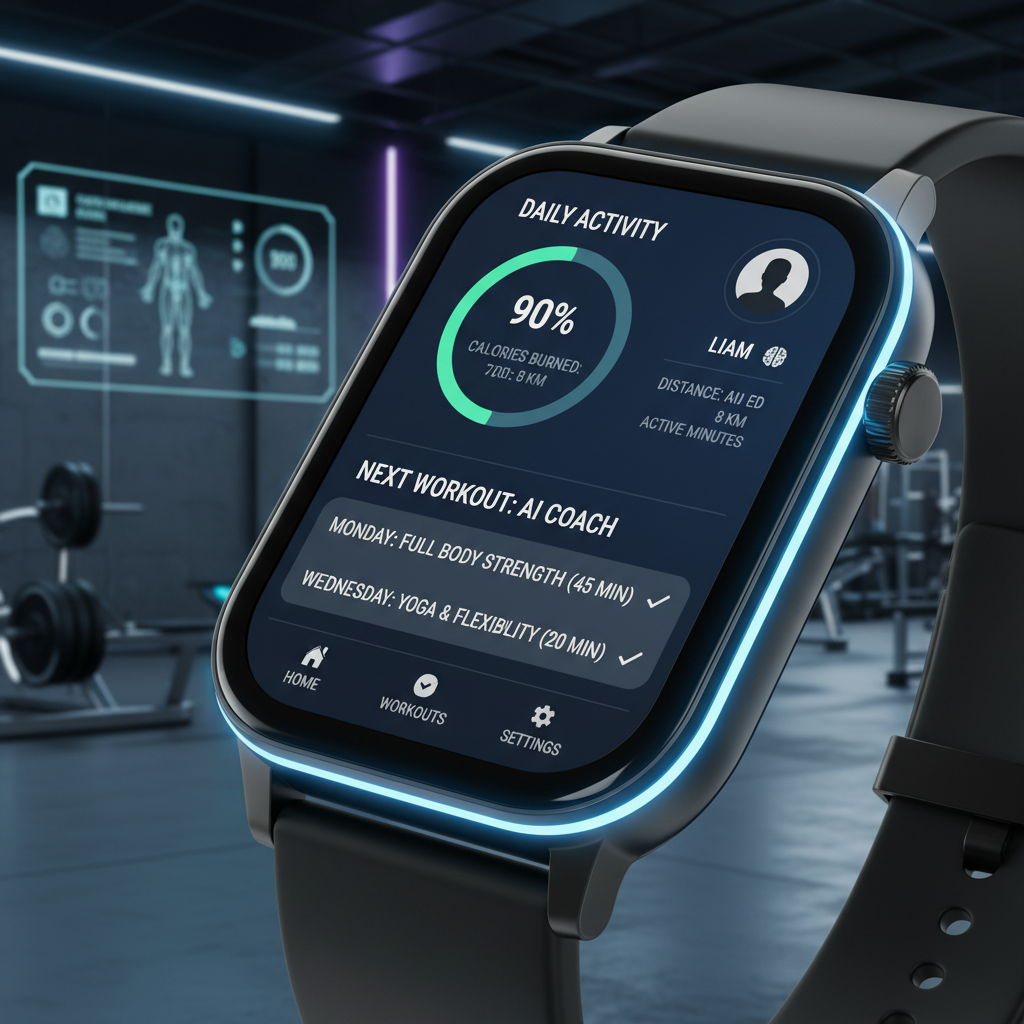
Case Study 3: Product Photography for a Smartwatch
Goal: Generate a clean, crisp product shot of a futuristic smartwatch, highlighting its design and screen, against a minimalist background suitable for e-commerce.
Initial (Basic) Prompt: “Smartwatch, product photo.”
Likely result: A functional image of a smartwatch, but potentially with inconsistent lighting, distracting background elements, or a lack of emphasis on key features.
Advanced (Stacked) Prompt:
“Product photography: ultra-sleek, metallic silver smartwatch, glowing minimalist digital display showing time 10:09, pristine condition, sharp focus on watch face. Placed on a smooth, gradient charcoal grey surface, subtle reflections. Soft, diffused studio lighting from the top-right, creating gentle highlights and minimal shadows. Shallow depth of field, blurred background to emphasize product. Eye-level shot, slightly off-center composition, minimalist aesthetic, commercial advertisement style, high resolution, 4K, crisp details.
Negative Prompt: blurry, ugly, distorted, messy, busy background, human hand, wrist, text on background, poor lighting, low quality, cheap, old, dirty, cartoon, painting, watermark, signature.”
Analysis:
- Subject: “ultra-sleek, metallic silver smartwatch, glowing minimalist digital display showing time 10:09, pristine condition, sharp focus on watch face.”
- Environment: “smooth, gradient charcoal grey surface, subtle reflections, blurred background.”
- Lighting: “Soft, diffused studio lighting from the top-right, creating gentle highlights and minimal shadows.”
- Camera: “Shallow depth of field, Eye-level shot, slightly off-center composition.”
- Style/Quality: “Product photography, minimalist aesthetic, commercial advertisement style, high resolution, 4K, crisp details.”
- Negative Prompts: Ensures a clean, professional look free from distractions or anatomical errors.
Expected Result: A professional-grade product image ready for marketing materials, showcasing the smartwatch with precise lighting and composition.
These examples illustrate how advanced prompt engineering moves beyond guesswork. By meticulously detailing every aspect of the desired scene, from the subject’s expression to the quality of light and the chosen camera lens, you transform AI image generation into a powerful tool for achieving highly specific and artistically controlled visual outcomes.
Frequently Asked Questions
Q: What is the single most important concept to grasp for advanced AI image composition?
A: The single most important concept is to think like a film director or a photographer, breaking down your desired image into its core visual components: subject, environment, lighting, camera angle, and style. Instead of just describing what’s in the picture, describe how it’s seen and how it feels. Understanding that the AI has been trained on billions of images and can interpret these specific visual cues is key. Mastering the vocabulary of composition, such as “low angle shot,” “volumetric lighting,” or “shallow depth of field,” allows you to communicate your vision effectively.
Q: How do I know which prompt modifiers are most effective for my AI model (e.g., Midjourney, Stable Diffusion, DALL-E)?
A: The effectiveness of prompt modifiers can vary slightly between different AI models due to their distinct training data and architectural nuances. The best approach is rigorous experimentation. Start with common, well-known modifiers (like camera angles, lighting terms, and artistic styles), then observe the results. Pay attention to community guides and wikis specific to your chosen model, as they often share lists of highly effective keywords. Many models also publish their own recommended prompting best practices. What works for photorealism in Stable Diffusion might differ from a painterly style in Midjourney, so testing and learning from others’ experiences are crucial.
Q: Is there an optimal length for an advanced prompt?
A: There isn’t a strict “optimal” length, but advanced prompts tend to be significantly longer and more detailed than basic ones. The goal is to provide enough specificity to guide the AI without over-saturating it with redundant or contradictory information. A good advanced prompt might range from 50 to 200 words, often incorporating multiple clauses separated by commas. The focus should be on clarity and precision for each desired element. Too short, and you lose control; too long and rambling, and the AI might struggle to prioritize. It’s about density of information rather than sheer word count.
Q: Can I combine multiple artistic styles in one prompt, and how?
A: Yes, absolutely! Combining artistic styles is a powerful technique for creating unique aesthetics. You can do this by listing multiple styles, often separated by “in the style of” or “inspired by,” or simply by listing artists. For example: “A cyberpunk city in the style of Vincent van Gogh” or “A portrait by Alphonse Mucha and Gustav Klimt, digital painting.” Experiment with the order and the combination; some styles blend seamlessly, while others might create interesting, unexpected juxtapositions. Some models also allow you to weight the influence of different styles in the prompt.
Q: How can I ensure consistency across multiple images, especially for characters or objects?
A: Achieving consistency is one of the most challenging aspects of AI image generation. For specific characters or objects, you need to be extremely descriptive and consistent with your naming and traits across all prompts. For example, “A young woman with fiery red hair, a prominent beauty mark on her left cheek, wearing a green velvet cloak.” Use the exact same descriptive phrase every time. Some advanced techniques include using “seed” values (if your model supports them) to maintain a base image structure, or leveraging “in-painting” and “out-painting” features to modify or extend existing consistent images. Researching model-specific tools for character consistency (like character sheets in Midjourney or LoRAs/embeddings in Stable Diffusion) is highly recommended.
Q: What are the ethical considerations when using advanced prompt engineering?
A: Ethical considerations remain paramount. Advanced prompting gives you more control, which means more responsibility. Key points include: avoiding generating harmful, biased, or discriminatory content; respecting intellectual property (be mindful when using specific artists’ names, especially living ones, unless it’s for transformative, non-commercial purposes or with permission); being transparent about AI-generated content when appropriate; and being aware of potential privacy implications if generating images of identifiable individuals without consent. Always aim to use these powerful tools for positive, creative, and ethical endeavors.
Q: What if the AI consistently ignores a specific part of my prompt?
A: If the AI ignores a specific part of your prompt, try these troubleshooting steps: 1. Rephrase: Use synonyms or different descriptive terms. 2. Increase Emphasis: Some models allow weighting (e.g., `(word:1.2)` in Stable Diffusion, or repeating words in Midjourney). 3. Simplify Surrounding Prompt: A very long or complex prompt might dilute the importance of certain terms; try isolating the problematic element in a simpler prompt first. 4. Use Negative Prompts: If it’s generating something undesirable instead, use a negative prompt to push it away from that. 5. Iterate and Observe: Keep adjusting and generating, noting what changes affect the problematic element. 6. Consult Documentation/Community: Other users might have encountered similar issues and found solutions for your specific AI model.
Q: How important is understanding art fundamentals (e.g., color theory, composition rules) for advanced prompting?
A: Understanding art fundamentals is incredibly important and highly beneficial for advanced prompting. While AI can generate images, it doesn’t inherently understand the principles that make art compelling. Knowledge of color theory allows you to choose palettes that evoke specific emotions; an understanding of composition rules (like the rule of thirds or leading lines) enables you to create balanced and engaging layouts; and a grasp of lighting techniques helps you craft mood and depth. These human art principles provide the framework for your prompt engineering, allowing you to articulate sophisticated visual ideas that the AI can then interpret and render. It transforms you from a button-pusher into a true visual artist collaborating with an AI.
Q: What are some emerging trends in advanced prompt engineering for scene control?
A: Several exciting trends are emerging. One is the increased use of multi-modal inputs, combining text with images (e.g., ControlNet for Stable Diffusion, Midjourney’s image prompts) to guide composition and style with even greater precision. Another is the development of more sophisticated prompt chaining and scripting tools that allow users to programmatically generate and refine complex scenes. We’re also seeing advancements in 3D-aware generation, where prompts might soon directly influence 3D scene construction before rendering. Finally, the integration of AI feedback loops that suggest prompt improvements based on desired outcomes is a promising area, making the iterative refinement process even more intuitive.
Q: Can advanced prompt engineering help with creating animated sequences or 3D models from scratch?
A: While the core of this article focuses on static 2D image generation, the principles of advanced prompt engineering are highly transferable and increasingly relevant to animation and 3D model generation. For animated sequences, you would apply consistent scene control prompts across multiple frames or keyframes to maintain visual continuity. Emerging tools are allowing prompts to generate 3D assets or control camera movement in virtual 3D spaces. While still in early stages, the ability to precisely describe object geometry, textures, lighting, and animation (e.g., “a sphere with metallic texture, rotating slowly”) through text prompts is a burgeoning field, and advanced scene control is its foundation.
Key Takeaways
Mastering AI image composition through advanced prompt engineering is a journey of precision, creativity, and continuous learning. Here are the core principles to remember:
- Beyond Description, Towards Direction: Shift from merely describing subjects to actively directing the AI on how to compose the entire scene, including camera, light, and mood.
- Deconstruct and Reconstruct: Break down desired images into fundamental compositional elements (subject placement, environment, camera angle, lighting, atmosphere, style) and prompt each component individually.
- Embrace Specificity: Use detailed adjectives, verbs, and technical terms from photography and art to leave less room for AI misinterpretation.
- Master the Modifiers: Leverage a rich vocabulary of modifiers for camera angles (low angle, wide shot), lighting (golden hour, volumetric light), composition (rule of thirds, leading lines), and atmosphere (fog, rain).
- Inject Narrative and Emotion: Use prompts to convey character expressions, body language, storytelling props, and overall emotional tone, making your images resonate deeply.
- Iterate and Stack: Recognize that perfection is achieved through an iterative process of generation, evaluation, and refinement. Layer multiple specific modifiers in “prompt stacking” for intricate control.
- Utilize Negative Prompts: Powerfully sculpt your images by specifying what you absolutely do not want to see, improving quality, removing artifacts, and refining aesthetics.
- Learn from Art Fundamentals: A strong understanding of photography, art history, and compositional rules significantly enhances your ability to craft effective prompts.
- Experiment Relentlessly: AI models are constantly evolving. The best way to master prompt engineering is through hands-on experimentation, observing results, and adapting your techniques.
- Stay Updated: Keep an eye on new features, model updates, and community findings specific to your AI platform, as the field is rapidly advancing.
Conclusion
The journey from basic text prompts to sophisticated scene control in AI image generation is transformative. It’s the difference between asking an artist to “draw something nice” and providing a detailed storyboard, a lighting plan, and character sketches. By embracing advanced prompt engineering, you are no longer a passive recipient of AI’s interpretations but an active, visionary director, orchestrating every pixel to align with your precise creative intent.
The tools and techniques discussed in this guide empower you to move beyond the superficial, allowing you to craft images that are not just visually appealing but also compositionally sound, emotionally resonant, and narratively rich. Whether you’re a designer seeking precise product visualizations, an artist pushing creative boundaries, or a storyteller bringing complex worlds to life, mastering these advanced methods unlocks an unprecedented level of control and artistic freedom. The canvas of AI image generation is vast and ever-expanding; with advanced prompt engineering, you hold the brush to paint your most intricate visions into stunning reality. Now, go forth and create masterpieces!

























































Leave a Reply