


In an increasingly noisy world, where constant pings, notifications, and endless information streams vie for our attention, the ability to focus has become a superpower. We live in an era of unprecedented digital distraction, making it harder than ever to concentrate on tasks that truly matter. But what if the very technology that contributes to our distraction could also be the key to reclaiming our focus? Enter Artificial Intelligence (AI) – a transformative force now being harnessed to help us build lasting attention habits.
This comprehensive guide explores how AI-powered applications are revolutionizing the way we approach focus and productivity. From personalized coaching to intelligent distraction blocking, these tools offer innovative solutions to combat the attention crisis. We will delve into the mechanisms behind these apps, their practical applications, and how you can leverage them to cultivate unwavering concentration, minimize daily distractions, and achieve your goals.
Understanding the Attention Crisis in the Digital Age
Our modern lives are characterized by an unprecedented bombardment of stimuli. Smartphones, social media, email, instant messaging, and a never-ending stream of online content constantly compete for our cognitive resources. This perpetual state of partial attention has significant consequences:
- Reduced Productivity: Frequent task switching and context shifting lead to less efficient work and higher error rates. Each interruption requires significant time to regain the original focus.
- Increased Stress and Burnout: The feeling of being constantly “on” and unable to concentrate can contribute to mental fatigue, anxiety, and burnout.
- Diminished Deep Work: The ability to engage in prolonged, uninterrupted focus on cognitively demanding tasks – what Cal Newport calls “deep work” – is severely hampered, impacting creativity and problem-solving.
- Impaired Learning and Memory: Fragmented attention makes it difficult to absorb and retain new information effectively.
- Erosion of Well-being: A constant state of distraction can detract from present moment awareness, impacting personal relationships and overall life satisfaction.
The human brain, while remarkably adaptable, struggles to cope with this continuous onslaught. Our prefrontal cortex, responsible for executive functions like planning and focus, can become overwhelmed, leading to decision fatigue and difficulty in maintaining sustained attention. This is where AI steps in, offering a tailored and adaptive approach to support our natural cognitive abilities.
How AI Transforms Focus: Beyond Simple Timers
Traditional focus techniques often involve self-discipline, timers (like the Pomodoro Technique), and environmental changes. While effective, they often lack personalization and the ability to adapt to an individual’s unique patterns and challenges. AI, however, brings a new dimension to focus enhancement:
Personalized Insights and Analytics
AI-powered apps collect data on your usage patterns, distraction triggers, and periods of peak productivity. They can then analyze this information to provide personalized insights. For example, an app might learn that you are most productive between 9 AM and 11 AM, or that you tend to get distracted by social media notifications around 3 PM. These insights are crucial for understanding your unique attention landscape.
Adaptive Distraction Blocking
Unlike simple blockers that turn off certain apps, AI can dynamically assess your activity and intelligently block or mute distractions when you need to focus most. Some advanced apps can even differentiate between urgent and non-urgent notifications, allowing critical alerts through while silencing the rest.
Cognitive Training and Gamification
Many AI focus apps incorporate elements of cognitive psychology and gamification. They offer brain-training exercises designed to improve working memory, processing speed, and sustained attention. By turning focus into a game with rewards and progress tracking, they make the habit-building process more engaging and sustainable.
Proactive Nudging and Habit Formation
AI can act as a proactive coach, nudging you towards better habits. This might involve reminding you to take breaks, suggesting optimal times for deep work based on your energy levels, or prompting you to review your focus goals. These gentle, timely interventions are key to embedding lasting habits.
Environmental Sensing and Optimization
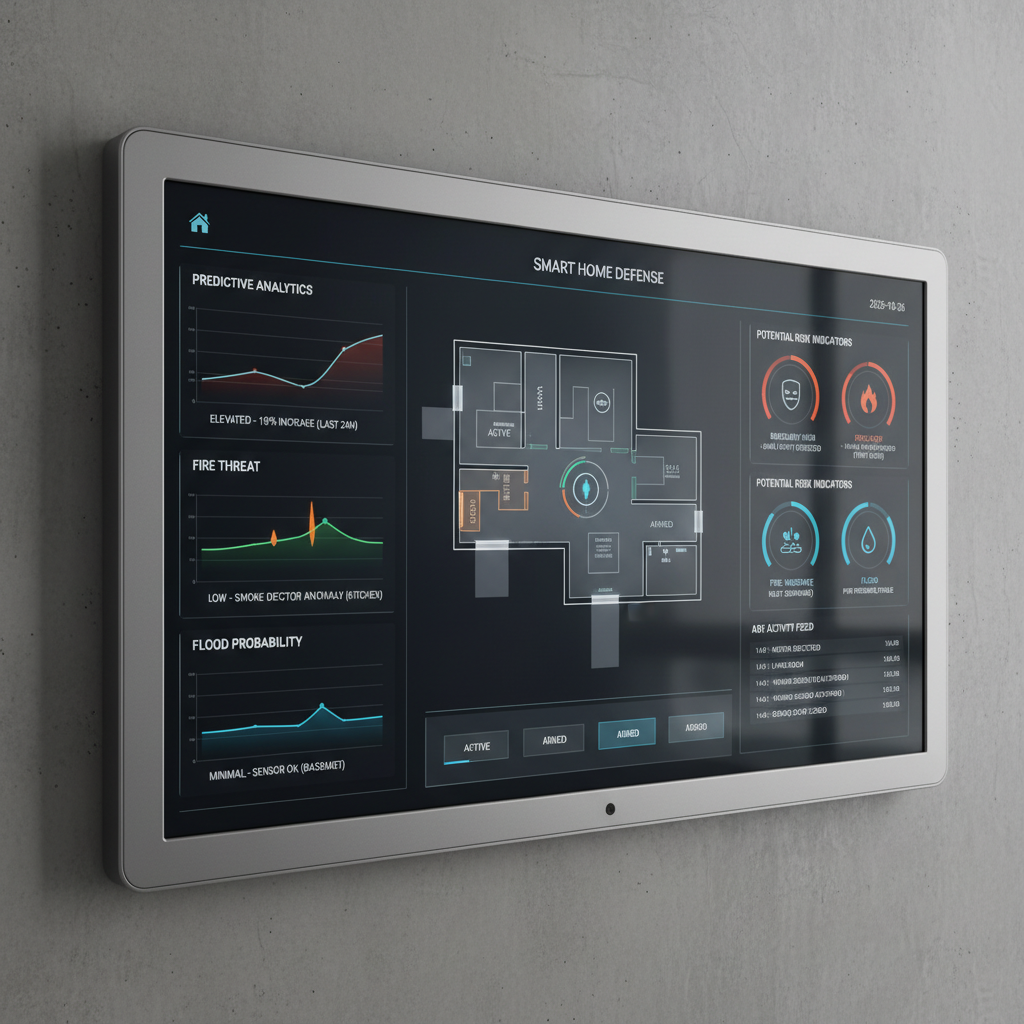
Some cutting-edge AI tools can even integrate with smart home devices to optimize your physical environment for focus. Imagine an AI dimming lights, adjusting temperature, or playing specific ambient sounds when it detects you’re entering a deep work session.
Key Features to Look for in AI Focus Apps
When selecting an AI focus app, consider features that align with your specific needs and work style. Here are some critical functionalities to prioritize:
- Personalized Focus Modes: Ability to customize settings (e.g., app blocking, notification filtering, soundscapes) for different types of tasks or work sessions.
- Real-time Distraction Alerts: Intelligent detection and alerts when you stray from your intended task, helping you self-correct.
- Usage Analytics and Reports: Detailed insights into your digital habits, time spent on productive vs. distracting apps, and focus patterns over time.
- Goal Setting and Progress Tracking: Tools to set specific focus goals and monitor your progress, offering a sense of accomplishment and motivation.
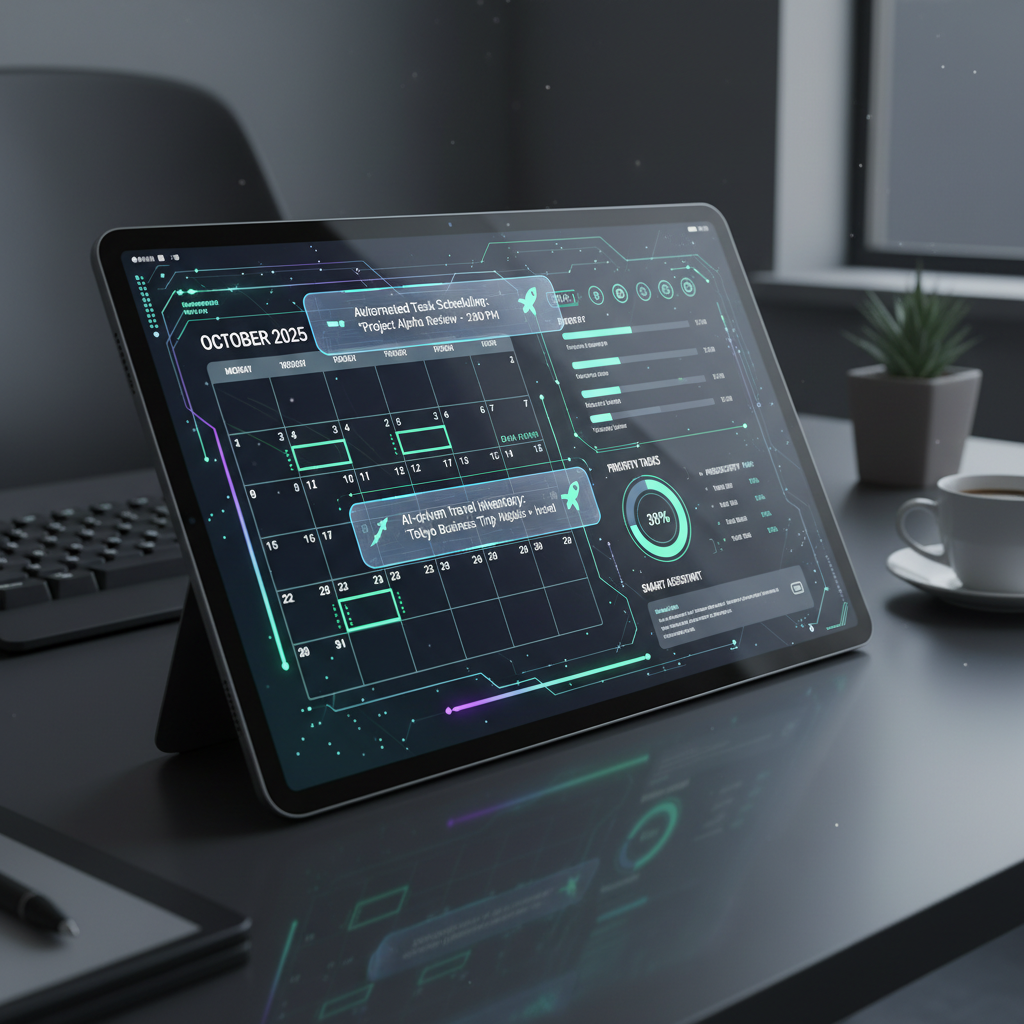
- AI-Powered Scheduling and Task Prioritization: Suggestions for optimal work blocks and task sequencing based on your historical productivity data.
- Integration Capabilities: Seamless integration with your existing calendars, project management tools, and communication platforms.
- Mindfulness and Break Reminders: Prompts for short breaks, stretching, or mindfulness exercises to prevent fatigue and sustain attention.
- Ambient Soundscapes and Binaural Beats: Curated audio environments designed to enhance concentration and reduce external noise.
- Offline Mode Support: Ensuring the app functions even when internet connectivity is limited, promoting truly distraction-free work.
- Ethical Data Handling: Transparency about how your data is collected, used, and protected.
Top AI Apps for Attention Management and Habit Building
The market for AI-powered focus tools is rapidly expanding, with various applications targeting different aspects of attention and productivity. Here are some categories and examples of types of AI apps making a difference:
1. Intelligent Distraction Blockers and Limiters
- Focus Modes (Built-in OS features): Modern operating systems (iOS Focus Modes, Android Digital Wellbeing) increasingly use AI to learn your habits and suggest optimal times to silence notifications or enable specific app access.
- Advanced Website/App Blockers: Tools like Freedom or Cold Turkey, while not purely AI, integrate smart scheduling and block lists. AI enhances these by predicting when you’re most likely to break focus and suggesting blocks, or by learning which apps are genuine distractions for you.
2. Personalized Productivity Coaches
- Time Management AI: Apps that analyze your calendar, to-do lists, and energy levels to suggest the best times for certain tasks. Examples include Motion, which uses AI to intelligently schedule your day, or Reclaim.ai, which dynamically blocks time for habits and tasks.
- Cognitive AI Assistants: Tools that learn your cognitive patterns and offer personalized strategies to improve focus, memory, and learning. These often include gamified brain training exercises.
3. Ambient Soundscapes and Focus Music
- AI-Generated Soundscapes: Apps like Noisli or Coffitivity provide ambient sounds. AI takes this further by dynamically mixing sounds based on your stated mood or even biofeedback (if integrated), creating personalized auditory environments optimized for concentration.
4. Habit Trackers with Intelligent Nudges
- Smart Habit Builders: Apps that go beyond simple checkbox tracking. They use AI to analyze your habit streaks, identify common failure points, and send personalized reminders or motivational messages at optimal times to reinforce positive behaviors.
It is important to note that many modern productivity suites and operating systems are now integrating AI functionalities into their core offerings, making focus assistance more seamless and ubiquitous.
Building Lasting Focus Habits with AI: A Step-by-Step Approach
Adopting AI tools for focus isn’t a magic bullet; it’s a strategic partnership. Here’s how to effectively integrate these apps into your routine to build truly lasting habits:
- Self-Assessment and Goal Setting:
- Understand Your Distractions: Before using any app, take a week to observe your own attention patterns. What triggers your distractions? When are you most productive?
- Define Your Focus Goals: Do you want to increase deep work hours, reduce social media time, improve memory, or finish tasks faster? Be specific.
- Choose the Right AI Companion:
- Research and Trial: Select an app that aligns with your specific goals and preferred work style. Most offer free trials.
- Start Simple: Don’t try to implement too many new tools at once. Begin with one or two key AI apps.
- Initial Setup and Calibration:
- Personalize Settings: Spend time configuring the app’s settings – block lists, notification preferences, focus modes, and scheduling.
- Allow Learning Time: AI needs data to learn your patterns. Be patient during the initial weeks as the app gathers information and fine-tunes its recommendations.
- Consistent Usage and Data Collection:
- Use It Daily: The more consistently you use the app, the better its AI will become at understanding and assisting you.
- Engage with Prompts: Respond to nudges and complete suggested activities. This feedback loop is vital for the AI’s learning process.
- Review, Reflect, and Adjust:
- Analyze Reports: Regularly review the analytics and insights provided by the app. Are you making progress towards your goals?
- Refine Strategies: Based on the data, adjust your app settings, daily routine, or even your focus goals. For instance, if the app shows you consistently get distracted by news sites at lunchtime, modify your blocking schedule.
- Journal Your Experience: Supplement AI insights with your own subjective observations about what feels effective and what doesn’t.
- Gradual Habit Internalization:
- Don’t Over-rely: The goal is not to be permanently tethered to an app, but to use it as a training wheel. Over time, you should start internalizing the habits it helps cultivate.
- Practice Mindful Awareness: Even with AI assistance, cultivate your own internal awareness of when your focus drifts and how to gently bring it back.
Integrating AI Focus Tools into Your Daily Workflow
To maximize the benefits of AI focus apps, strategic integration is key. Think of them as extensions of your existing productivity ecosystem, not replacements.
For the Remote Professional:
Utilize AI-powered schedulers like Reclaim.ai to automatically block out “deep work” slots in your calendar, protecting them from meeting invites. Configure AI distraction blockers to silence communication apps (Slack, Teams) during these periods, allowing only urgent calls from specific colleagues to come through. Use AI-generated ambient soundscapes to create a productive home office environment.
For the Student or Researcher:
Leverage AI tools that analyze your study habits and recommend optimal study blocks based on your cognitive peaks. Use intelligent blockers to prevent access to social media or gaming sites during study sessions. Some AI apps can even help summarize long research papers or organize notes, indirectly freeing up cognitive load for focused learning.
For the Creative Professional:
Artists, writers, and designers often need uninterrupted flow states. AI apps can create personalized “creative zones” where all non-essential notifications are muted and specific inspirational tools (e.g., mood boards, research tabs) are easily accessible, while distracting ones are blocked. AI can also help track creative output and identify patterns in when you’re most prolific.
For General Daily Productivity:
Even for managing personal tasks and daily routines, AI can be invaluable. Use smart habit trackers to remind you to exercise, meditate, or engage in a hobby. Employ personalized focus modes on your phone to differentiate between “work mode,” “family mode,” and “personal time,” each with customized notification and app access rules.
The Future of Focus: AI and Emerging Technologies
The synergy between AI and attention management is still in its nascent stages, with exciting developments on the horizon:
- Advanced Biometric Integration: Future AI apps may integrate more deeply with wearables and other biometric sensors (heart rate, brainwave activity, eye tracking) to gain even more precise insights into your real-time cognitive state and tailor interventions accordingly. Imagine an app detecting early signs of mental fatigue and proactively suggesting a micro-break or a shift in task.
- Brain-Computer Interfaces (BCIs): While still largely experimental for consumer use, BCIs offer the potential for direct brain state monitoring and even neurofeedback-based focus training, guided by AI. This could lead to unprecedented levels of personalized cognitive enhancement.
- Hyper-Personalized Learning Environments: AI could create adaptive learning and work environments that constantly optimize everything from lighting and sound to content delivery, based on an individual’s unique cognitive profile and real-time focus levels.
- Ethical AI for Well-being: As AI becomes more integrated, there will be a strong emphasis on developing ethical AI that prioritizes user well-being, privacy, and autonomy, ensuring it aids rather than dictates our attention.
Potential Challenges and Ethical Considerations
While the promise of AI for focus is immense, it is essential to acknowledge potential challenges and ethical considerations:
- Data Privacy and Security: AI focus apps collect highly personal data about your habits and behaviors. Ensuring robust data privacy and security measures is paramount. Users must be aware of how their data is used and protected.
- Over-reliance and Loss of Autonomy: There is a risk of becoming overly dependent on AI to manage our attention, potentially eroding our intrinsic ability to self-regulate and choose where to direct our focus. The goal should be augmentation, not replacement, of our cognitive faculties.
- Algorithmic Bias: If not carefully designed, AI algorithms could inadvertently perpetuate or create new biases in how they nudge users, potentially reinforcing certain behaviors or limiting exploration.
- The “Filter Bubble” Effect: By optimizing for specific tasks, AI might inadvertently narrow our exposure to diverse information or unexpected ideas, potentially limiting creativity that sometimes springs from serendipitous discovery.
- Cost and Accessibility: Advanced AI focus tools might come with subscription costs, limiting access for some individuals.
- Defining “Optimal Focus”: What constitutes “optimal focus” can be subjective. AI’s definition might not always align with an individual’s broader well-being or creative needs, which sometimes benefit from periods of mind-wandering.
Addressing these concerns requires thoughtful design, transparent policies, and ongoing dialogue between developers, users, and ethicists.
Comparison Tables
Table 1: Comparison of Popular AI Focus App Categories/Features
| App Category/Feature | Primary Benefit | Key AI Enhancement | Best For |
|---|---|---|---|
| Intelligent Distraction Blockers | Minimizes external interruptions. | Learns your distraction triggers; adapts blocking based on activity. | Anyone easily sidetracked by social media/notifications. |
| AI Time Management/Scheduler | Optimizes your daily schedule for productivity. | Analyzes calendar, tasks, and energy levels to suggest optimal work blocks. | Professionals with complex schedules, those struggling with task prioritization. |
| Cognitive Training/Brain Games | Improves underlying cognitive functions (memory, attention span). | Personalizes exercises based on performance; tracks cognitive progress. | Individuals looking to sharpen mental acuity and sustained focus. |
| AI-Generated Ambient Soundscapes | Creates an optimal auditory environment for concentration. | Dynamically mixes sounds based on mood/biofeedback; adapts to task type. | Anyone sensitive to noise, those needing a sound cocoon for focus. |
| Smart Habit Trackers/Coaches | Helps build and sustain positive routines. | Identifies habit patterns, provides timely and personalized nudges. | Individuals aiming to establish new routines or break bad ones. |
Table 2: AI-Powered Focus Techniques vs. Traditional Methods
| Aspect | Traditional Focus Method (e.g., Pomodoro) | AI-Powered Focus Method | Advantage of AI |
|---|---|---|---|
| Personalization | One-size-fits-all approach (e.g., 25 min work, 5 min break). | Dynamically adjusts work/break times based on your individual productivity patterns and energy levels. | Tailored to your unique cognitive rhythm, maximizing efficiency. |
| Distraction Management | Manual blocking, willpower, “do not disturb” mode. | Intelligent, adaptive blocking that learns your triggers and allows critical notifications through. | Proactive, less willpower-dependent, context-aware. |
| Habit Formation | Self-discipline, external reminders (alarms), manual tracking. | Proactive, personalized nudges, gamification, and data-driven insights into habit streaks/failures. | More engaging, consistent, and provides actionable feedback. |
| Insights & Analytics | Subjective feeling, manual logging. | Objective data on screen time, app usage, focus duration, and productivity peaks. | Provides clear, measurable understanding of your attention patterns. |
| Environmental Optimization | Manual adjustments (lights, music). | Integration with smart devices to automatically adjust environment based on focus mode. | Seamless, automatic creation of optimal work/study conditions. |
| Cognitive Training | Reading books on focus, practicing mindfulness. | Gamified brain exercises, personalized training modules to enhance specific cognitive skills. | Structured, measurable improvement in core attention abilities. |
Practical Examples and Case Studies
Let’s illustrate how AI focus apps can be applied in real-world scenarios:
Case Study 1: The Overwhelmed Marketing Manager
Sarah, a marketing manager, constantly felt overwhelmed by emails, Slack messages, and ad-hoc requests. She struggled to find time for strategic planning and creative ideation.
- AI Solution: Sarah implemented an AI-powered scheduler (e.g., Motion) that automatically blocked out 2-hour “deep work” slots in her calendar each morning. It learned her peak creative times were between 9 AM and 11 AM.
- Impact: During these blocks, the AI automatically silenced Slack and email notifications, allowing only urgent calls from her direct report. She used an AI ambient soundscape app to play focus-enhancing music. Within weeks, Sarah reported feeling less stressed, completing strategic tasks with higher quality, and having more mental clarity for creative work. Her productivity reports showed a significant increase in uninterrupted work time.
Case Study 2: The Procrastinating University Student
Ben, a university student, frequently found himself scrolling through social media or watching videos instead of studying. He knew he needed to focus but lacked the discipline to stay on track.
- AI Solution: Ben started using an intelligent distraction blocker that learned his common procrastination apps. He set it to activate for 90-minute study sessions, followed by a 15-minute break. The app would gently nudge him back to his study material if it detected him switching to a blocked app. It also integrated a cognitive training module, offering short, gamified exercises to improve his sustained attention.
- Impact: The blocker provided the external accountability Ben needed. The nudges helped him build awareness of his distraction triggers. Over time, the cognitive training made it easier for him to stay focused for longer periods, even without the app’s full intervention. His grades improved, and he felt more in control of his study habits.
Case Study 3: The Creative Freelancer with ADHD
Lena, a graphic designer with ADHD, often struggled to maintain focus on client projects, jumping between tasks and getting lost in details. She needed structure but also flexibility for her creative process.
- AI Solution: Lena adopted an AI focus app that offered flexible “focus zones” tailored to her projects. For design work, it would block social media but allow access to specific inspiration sites. For administrative tasks, it would create stricter blocking rules. The app also provided smart break reminders, learning that short, frequent breaks were more effective for her than longer, less frequent ones.
- Impact: The AI provided a personalized structure that adapted to her unique needs, reducing the mental effort required to manage her attention. She found herself completing projects more efficiently and with less mental exhaustion. The app’s analytics helped her understand her own focus fluctuations, allowing her to schedule demanding tasks during her peak concentration times.
Frequently Asked Questions
Q: What exactly is an “AI focus app”?
A: An AI focus app is a software application that leverages artificial intelligence to help users improve their concentration, reduce distractions, and build lasting habits related to attention and productivity. Unlike traditional timers or simple blockers, AI apps analyze user behavior, learn individual patterns, and provide personalized, adaptive interventions, insights, and guidance.
Q: How do AI apps help build lasting focus habits?
A: AI apps build lasting focus habits through several mechanisms: by providing personalized insights into distraction triggers, intelligently blocking or limiting access to distracting elements, offering proactive nudges and reminders based on learned patterns, incorporating gamified cognitive training, and providing objective data and progress tracking. This adaptive and data-driven approach makes habit formation more effective and sustainable than purely willpower-based methods.
Q: Are these AI focus apps constantly monitoring me? What about privacy?
A: Most AI focus apps monitor your digital usage patterns (e.g., which apps you use, how long, when you switch tasks) to provide their benefits. Reputable apps should have clear privacy policies explaining what data is collected, how it’s used, and how it’s protected. It’s crucial to choose apps from trusted developers, read their privacy policies carefully, and understand what permissions you are granting. Some apps offer options to control data sharing or operate with local-only data processing.
Q: Can AI apps completely eliminate distractions?
A: No AI app can completely eliminate all distractions, especially those stemming from our internal thoughts or external physical environment. However, they are highly effective at minimizing digital distractions (notifications, tempting websites/apps) and helping you develop the self-awareness and discipline to manage other forms of distraction. They are tools to augment, not replace, your own efforts.
Q: Will using AI apps make me dependent on technology for focus?
A: The risk of over-reliance exists if not used mindfully. The goal of AI focus apps should be to help you train your brain and internalize good habits, gradually reducing the need for constant external intervention. Think of them as training wheels; you use them to learn and eventually ride on your own. Regularly reviewing your progress and practicing mindful awareness can help prevent over-dependence.
Q: Are AI focus apps effective for people with ADHD or other attention disorders?
A: Many individuals with ADHD report significant benefits from AI focus apps, particularly those offering structured time management, intelligent distraction blocking, and personalized nudges. The external structure and adaptive support can be invaluable. However, these apps are not a substitute for professional medical advice or treatment. They should be used as a supportive tool in conjunction with other strategies recommended by healthcare professionals.
Q: What’s the difference between an AI focus app and my phone’s built-in “Focus Mode”?
A: While built-in “Focus Modes” (like on iOS or Android) use some level of AI to learn usage patterns and suggest quiet times, dedicated AI focus apps often offer more advanced features. This includes deeper analytics, personalized cognitive training, dynamic blocking based on real-time activity, proactive nudging, and integration with a wider ecosystem of productivity tools. They generally provide a more comprehensive and adaptive approach to attention management.
Q: How much do AI focus apps typically cost?
A: Pricing varies widely. Some apps offer a free basic version with premium features available through a subscription (monthly or annually). Others are solely subscription-based. Prices can range from a few dollars per month to over $20 per month for highly advanced or enterprise-level solutions. Many offer free trials, allowing you to test their effectiveness before committing.
Q: Can AI apps help with more than just work-related focus?
A: Absolutely. Focus is a universal skill. AI apps can assist in building focus habits for personal development (e.g., meditation, reading), hobbies, exercise routines, or even simply being more present in daily life by reducing phone-checking habits during family time or meals. Their principles of habit formation and distraction reduction are applicable across all areas of life.
Q: How do I choose the best AI focus app for me?
A: To choose the best app, first identify your primary struggles (e.g., email distractions, procrastination, lack of consistent routine). Then, research apps that specialize in those areas (e.g., intelligent blockers, AI schedulers, habit trackers). Look for apps with features that resonate with your workflow, read reviews, and take advantage of free trials. The “best” app is the one that effectively helps you achieve your personal focus goals.
Key Takeaways
- The digital age has created an attention crisis, making sustained focus a critical skill for productivity and well-being.
- AI transforms focus by offering personalized insights, adaptive distraction blocking, cognitive training, proactive nudges, and environmental optimization.
- Key features to look for in AI focus apps include personalized focus modes, real-time distraction alerts, usage analytics, goal setting, and integration capabilities.
- Popular AI app categories include intelligent blockers, personalized productivity coaches, AI soundscapes, and smart habit trackers.
- Building lasting focus habits with AI requires a step-by-step approach: self-assessment, choosing the right app, consistent usage, reviewing insights, and gradual internalization.
- AI tools can be integrated into various daily workflows, benefiting remote professionals, students, creatives, and general daily productivity.
- The future of AI for focus includes advanced biometric integration, Brain-Computer Interfaces, and hyper-personalized environments.
- It’s crucial to consider data privacy, avoid over-reliance, and be aware of potential biases and accessibility issues associated with AI focus tools.
- AI focus apps are powerful allies in reclaiming our attention, but they are most effective when combined with mindful self-awareness and intentional practice.
Conclusion
The quest to master our attention in a world designed for distraction is one of the most pressing challenges of our time. While technology often contributes to this problem, artificial intelligence is now emerging as a powerful part of the solution. AI-powered applications are moving beyond simple productivity hacks, offering sophisticated, personalized, and adaptive tools that understand our unique cognitive patterns and help us build lasting habits of focus.
By leveraging AI for personalized insights, intelligent distraction management, and proactive habit formation, we can systematically dismantle the barriers to our concentration. These tools empower us not just to block out noise, but to actively train our brains, cultivate deep work capabilities, and reclaim precious mental bandwidth for what truly matters. As AI continues to evolve, its potential to enhance human focus and well-being will only grow, paving the way for a more intentional, productive, and fulfilling future. The journey to master your attention begins now, with a smart partnership between human intention and intelligent technology.























































































Leave a Reply