

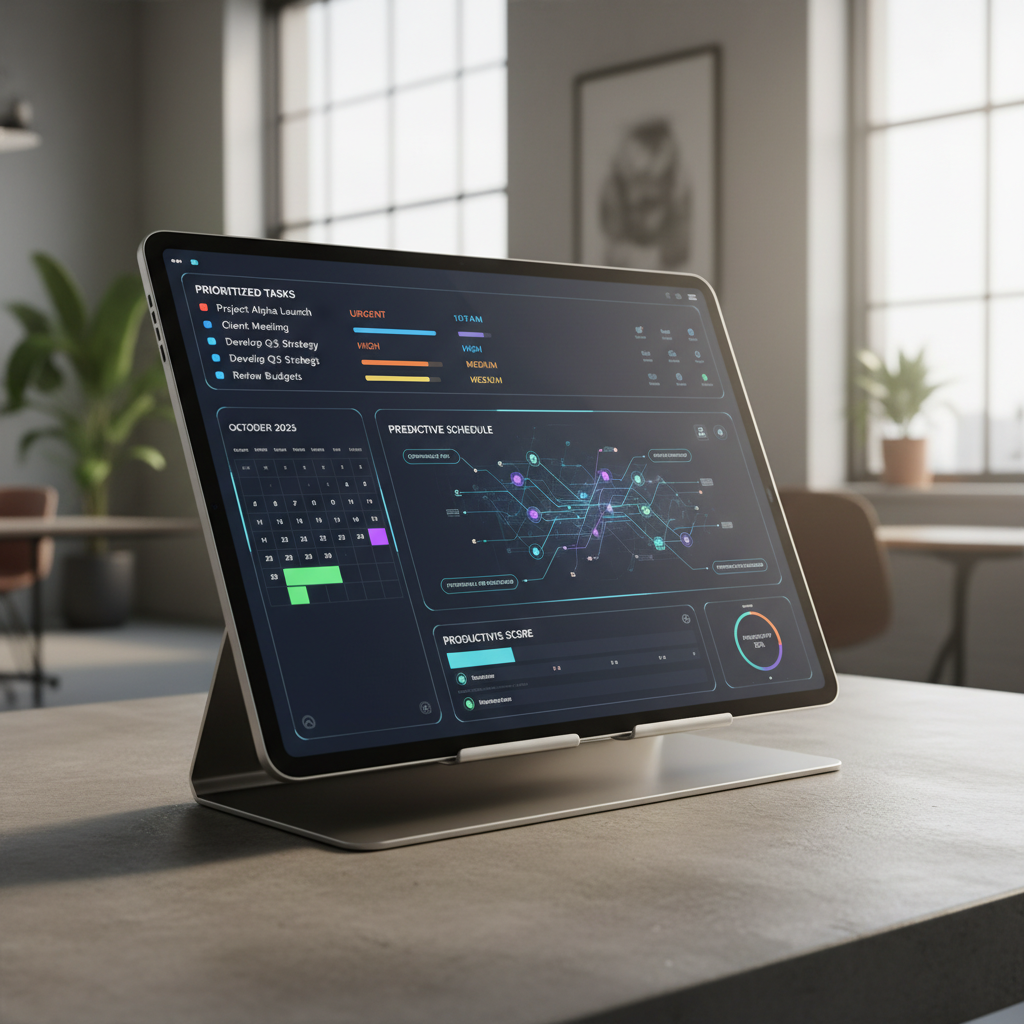
In a world that constantly demands more from our time, managing an ever-growing list of tasks, projects, and commitments can feel like an insurmountable challenge. Deadlines loom, priorities shift, and the sheer volume of information often leads to overwhelm, missed opportunities, and increased stress. Traditional planning methods, from simple to-do lists on paper to basic digital calendars, often fall short in providing the dynamic, intelligent support needed to navigate the complexities of modern life. They remind us of what we need to do, but rarely help us understand when, how, or if those tasks align with our overarching goals and real-time capacity.
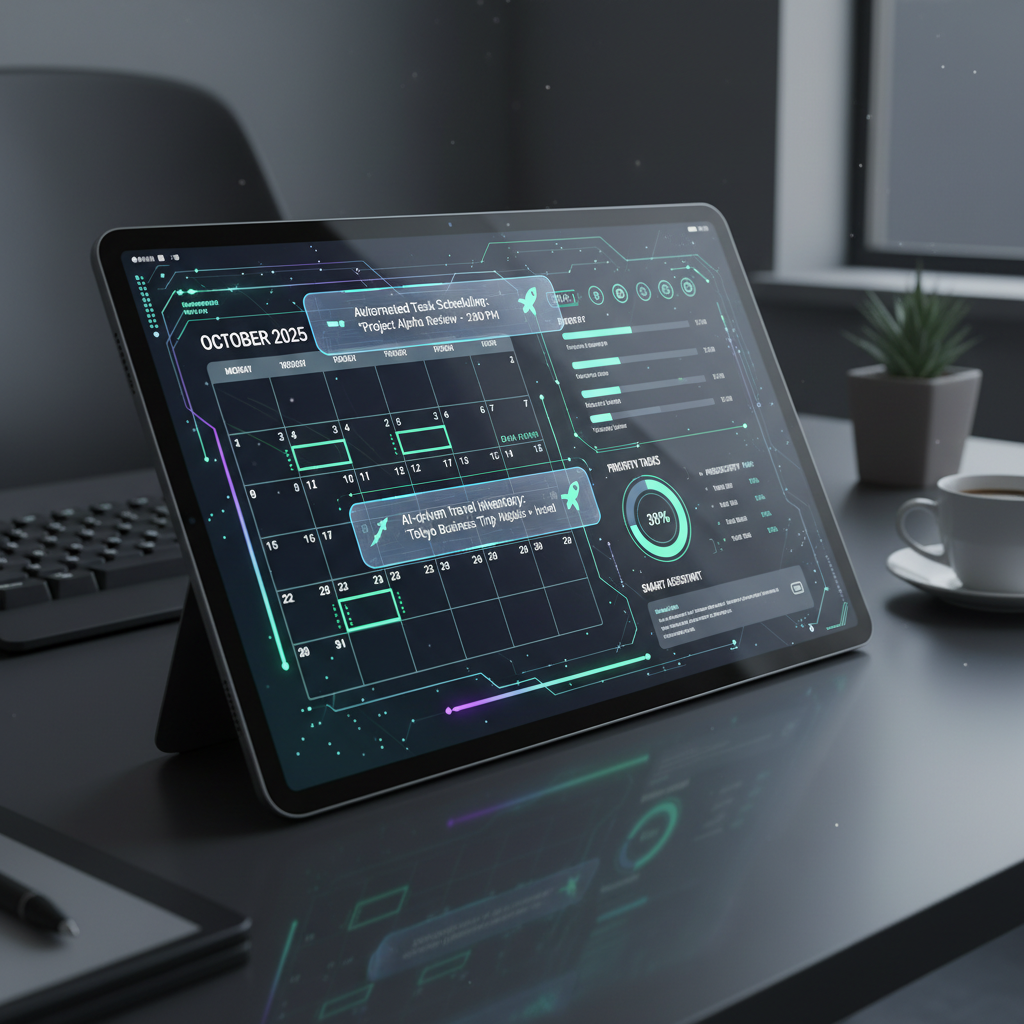
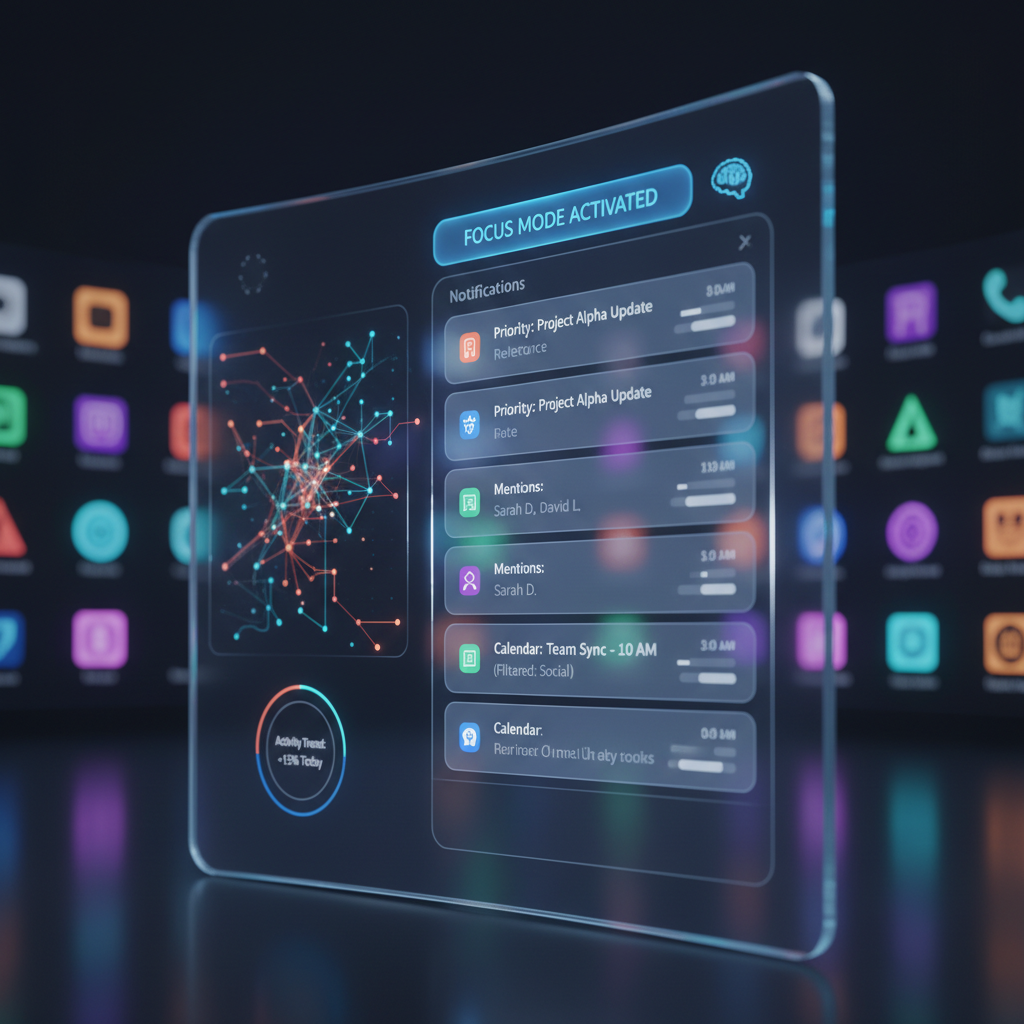
This is where Artificial Intelligence steps in, transforming the very foundation of how we plan and execute our daily schedules. AI-driven planners are not just glorified digital calendars; they are sophisticated personal productivity assistants, equipped with the ability to learn, adapt, and even predict. They move beyond static task lists, offering dynamic prioritization, intelligent resource allocation, and proactive problem-solving to ensure that you not only meet your deadlines but also optimize your workflow, reduce cognitive load, and achieve your objectives with unprecedented efficiency. This comprehensive guide will explore how these intelligent tools are revolutionizing personal and professional productivity, diving deep into their core functionalities, practical applications, and the profound impact they have on our ability to control our time and achieve our ambitions.
The Evolution of Planning: From Paper to Digital to AI
Humanity’s quest for better organization is a journey spanning centuries, evolving from simple notations to complex algorithms. Initially, planning was a tactile experience, etched onto cave walls, papyrus scrolls, or printed on the pages of notebooks. These methods, while fundamental, were inherently static. A written schedule offered structure but no flexibility; a sudden change meant manual re-writing, often leading to frustration and disorganization. The discipline of time management, pioneered by figures like Stephen Covey with his time management matrix, provided theoretical frameworks but still relied on manual application and constant human oversight.
The advent of the digital age brought a significant leap forward. Personal digital assistants (PDAs), followed by sophisticated calendar applications and project management software, moved planning from paper to pixels. These tools offered convenience, allowing for easy editing, synchronization across devices, and the ability to set recurring tasks and reminders. Suddenly, schedules could be shared, updated in real-time, and accessed from anywhere. However, even these digital solutions had their limitations. They were powerful storage devices for tasks and appointments, but they lacked genuine intelligence. They would notify you of a looming deadline but wouldn’t suggest reordering your entire day when an urgent meeting popped up. They wouldn’t analyze your past performance to estimate how long a similar task might take, nor would they dynamically adjust priorities based on your energy levels or external factors like traffic delays.
Enter the era of Artificial Intelligence. The integration of AI into planning tools represents the third major paradigm shift in productivity. This isn’t just about digitizing a calendar; it’s about infusing it with cognitive abilities. AI-driven planners leverage machine learning, natural language processing, and predictive analytics to move beyond simple reminders. They don’t just store your tasks; they understand them. They learn your working habits, peak productivity times, preferred work sequences, and even your procrastination patterns. By analyzing vast amounts of data—from your calendar entries and email to your task completion rates and external environmental factors—these planners can offer truly personalized, dynamic, and proactive scheduling solutions. This transition from passive information storage to active, intelligent assistance marks a fundamental change in how we approach time management, transforming a reactive process into a proactive, optimized strategy.
What Makes AI Planners Different? Core Technologies
The distinctive power of AI-driven planners stems from their integration of several cutting-edge artificial intelligence technologies. These aren’t just buzzwords; they are the engines that enable these tools to understand, adapt, and optimize your schedule in ways traditional planners simply cannot. Understanding these core technologies illuminates why AI planners are so revolutionary.
Machine Learning for Personalized Insights
At the heart of every effective AI planner is machine learning (ML). ML algorithms continuously process and learn from your interactions and data. This includes your past task completion times, the type of tasks you undertake, your reported energy levels at different times of the day, and even external data points like weather forecasts or public transport delays. Over time, the planner builds a comprehensive model of your unique work patterns and preferences. For instance, if you consistently take longer to complete creative tasks in the afternoon but excel at administrative work, the ML model will learn this and automatically schedule future creative tasks for your peak morning hours, reserving afternoons for less cognitively demanding activities. This constant learning and adaptation lead to schedules that are not just efficient on paper but genuinely optimized for your personal workflow and capacity.
Natural Language Processing (NLP) for Intuitive Interaction
Natural Language Processing is the technology that allows AI planners to understand and process human language. Instead of manually entering every detail into rigid fields, NLP enables you to interact with your planner much like you would with a human assistant. You can type or even speak commands like, “Add a meeting with John tomorrow at 2 PM about the marketing campaign, and remind me to prepare notes for it an hour before,” or “Reschedule all my afternoon tasks if my morning meeting runs over.” The AI parses these natural language inputs, extracts key information (dates, times, task descriptions, dependencies), and integrates them seamlessly into your schedule. This intuitive interaction significantly reduces the friction involved in planning, making it faster, more accessible, and less of a chore, thus encouraging greater adoption and consistency.
Predictive Analytics for Proactive Scheduling
Predictive analytics uses historical data and statistical algorithms to forecast future outcomes. In the context of AI planners, this means anticipating potential bottlenecks, estimating task completion times with higher accuracy, and even predicting when you might feel overwhelmed. For example, if your planner observes that similar complex reports typically take you four hours, and you have three such reports due this week alongside multiple meetings, it can predict potential clashes or overloads days in advance. It might then suggest splitting one report into two smaller sessions, moving a less critical meeting, or even prompting you to delegate a task. This proactive capability is crucial for avoiding last-minute rushes and preventing burnout, allowing you to address potential issues before they become crises.
Adaptive Algorithms for Dynamic Re-prioritization
Life is unpredictable, and static schedules quickly become obsolete. Adaptive algorithms are what allow AI planners to be truly dynamic. When an unexpected event occurs—a sudden urgent request, a cancelled meeting, or even a personal emergency—these algorithms can instantly re-evaluate your entire schedule. They consider dependencies, deadlines, your learned priorities, and available time slots to intelligently re-prioritize and re-arrange tasks. Unlike traditional planners where you would manually drag and drop items, an AI planner can instantaneously present an optimized new schedule, explaining its rationale. This constant, intelligent adaptation ensures that your schedule remains relevant, optimized, and responsive to the real-time demands of your day, ensuring that even amidst chaos, your most critical tasks remain on track.
Personalized Planning: Beyond Simple Reminders
The true power of AI-driven planners lies in their capacity for deep personalization, moving far beyond the generic ‘set-it-and-forget-it’ functionality of traditional reminder apps. They understand that no two individuals work alike, and no two days are identical. This level of customization transforms a passive tool into an active partner in your productivity journey.
Learning Your Unique Habits and Preferences
At its core, personalization in AI planners is driven by continuous learning. These systems don’t just record your tasks; they observe how you complete them. They learn your peak performance hours for different types of activities. For example, you might be a morning person for creative work but find your focus for administrative tasks wanes by lunchtime. An AI planner will pick up on this pattern. It will notice if you consistently complete quick emails in the hour after lunch or if complex problem-solving sessions are always more productive for you on Tuesdays and Thursdays. By recognizing these unique rhythms, the planner can then intelligently suggest optimal times for tasks, aligning them with your natural energy ebbs and flows, rather than simply slotting them into the next available gap.
Furthermore, AI planners can learn your preferred work sequences. Do you like to tackle the hardest task first to get it out of the way? Or do you prefer to warm up with smaller, easier tasks before diving into a major project? The AI adapts to these preferences, structuring your day in a way that feels natural and maximizes your comfort and productivity, rather than imposing a generic ‘best practice’ schedule.
Smart Suggestions and Proactive Recommendations
Beyond simply scheduling, AI planners offer intelligent suggestions that enhance your workflow. If it notices you repeatedly adding “follow up with client X” after a meeting with client X, it might proactively suggest creating a follow-up task automatically immediately after similar future meetings. If you frequently group certain types of tasks together (e.g., batching all your phone calls at one time), the AI can suggest this grouping automatically, optimizing for context switching and efficiency. Some advanced planners can even suggest breaking down large, daunting projects into smaller, more manageable sub-tasks, helping to overcome procrastination and provide clearer steps towards completion.
This goes a step further into proactive recommendations. If the AI detects a looming deadline and sees your schedule is tight, it might suggest dedicating an extra hour to that project tomorrow morning, or even recommend pushing back a less critical, flexible task to make room. It can also learn your typical lunch breaks or exercise routines and ensure that essential personal time is protected within your work schedule, promoting a healthier work-life balance.
Context Awareness for Relevant Prioritization
Modern life is rarely confined to a single environment. AI planners leverage context awareness to make their recommendations even more relevant. This means taking into account your location, device, and even external conditions. For instance, if your planner knows you are currently commuting, it might suggest tasks that are suitable for mobile completion, like reading documents, replying to emails, or making quick phone calls, rather than recommending tasks that require your desktop setup. If it detects you are at a specific client’s office, it might highlight pending tasks related to that client. Some planners can even integrate with smart home devices, understanding when you are home and suggesting household chores or personal errands during those times. This dynamic contextualization ensures that the suggestions and schedule adjustments provided by the AI are always practical and actionable given your current circumstances, minimizing wasted time and effort.
Dynamic Prioritization and Resource Allocation
One of the most profound capabilities of AI-driven planners is their ability to dynamically prioritize tasks and intelligently allocate your most valuable resource: your time and cognitive energy. This goes far beyond the static ‘urgent/important’ matrices of traditional methods, offering a living, breathing schedule that adapts to reality.
Real-time Re-prioritization Based on Shifting Demands
In a fast-paced environment, priorities are rarely static. A critical new client request can emerge, a project dependency might shift, or an unexpected personal appointment can disrupt your carefully laid plans. Traditional planners would require you to manually shuffle tasks, a time-consuming and often inaccurate process. AI planners, however, excel in real-time re-prioritization. They continuously monitor your task list, calendar, and external inputs (like emails flagged as urgent). When a new, higher-priority item enters the system, or an existing task’s deadline becomes imminent, the AI doesn’t just add it to the list; it re-evaluates your entire schedule.
Using algorithms that consider urgency, importance, dependencies, estimated time, and your personal capacity, the AI instantly reorders your tasks. It might move less critical tasks to later in the day or week, suggest delegating certain items, or even flag potential conflicts before they arise. This dynamic adaptation ensures that you are always working on the most impactful tasks at any given moment, safeguarding your progress on critical objectives even when the unexpected occurs. The transparency of these systems often means they can even explain *why* a particular task was moved, helping you understand and trust the new priority order.
Intelligent Allocation of Time and Energy
Time is a finite resource, but so is your mental and physical energy. An AI planner understands that not all hours are created equal. Through its continuous learning, it identifies your personal “prime time” for focused, high-cognitive-load work and distinguishes it from periods when you’re better suited for routine, administrative tasks or creative brainstorming. For instance, if the AI observes that you’re most effective at writing complex reports between 9 AM and 11 AM, it will strive to schedule those types of tasks during that window. Conversely, it might slot in email responses or data entry during your post-lunch dip or later in the afternoon when sustained deep work is less feasible.
Beyond daily energy levels, AI planners can also assist with broader resource allocation by considering the context of tasks. If a task requires collaboration, the AI might check team members’ availability (if integrated with shared calendars) before suggesting a meeting time. If a task requires specific tools or an internet connection, it can account for that when scheduling, ensuring you are in the right environment to complete the work efficiently. This intelligent allocation ensures that not only are tasks prioritized correctly, but they are also scheduled at times when you are most capable of completing them, minimizing effort and maximizing output.
Handling Dependencies and Smart Task Splitting
Many tasks are not standalone; they depend on the completion of other tasks, or they involve multiple steps. AI planners are adept at understanding these dependencies. If ‘Task B’ cannot start until ‘Task A’ is finished, the AI will ensure this sequence is maintained, even when other tasks are being juggled. If ‘Task A’ is delayed, ‘Task B’ and all subsequent dependent tasks will be automatically rescheduled, saving you the manual effort of adjusting an entire project timeline.
Furthermore, for large or overwhelming projects, AI can employ smart task splitting. Instead of seeing “Develop Q4 Marketing Strategy” as one monolithic entry, the AI can suggest breaking it down into smaller, more manageable sub-tasks based on its understanding of similar projects and your past performance. For example: “Research market trends (2 hours)”, “Outline strategy document (1.5 hours)”, “Draft key initiatives (3 hours)”, “Review with team (1 hour)”. This breakdown not only makes daunting tasks seem less intimidating but also allows the AI to schedule these smaller chunks strategically throughout your day or week, interleaving them with other commitments and preventing the project from dominating your entire schedule in one go. This intelligent approach significantly improves project manageability and reduces the likelihood of procrastination on large, complex endeavors.
Predictive Scheduling and Proactive Problem Solving
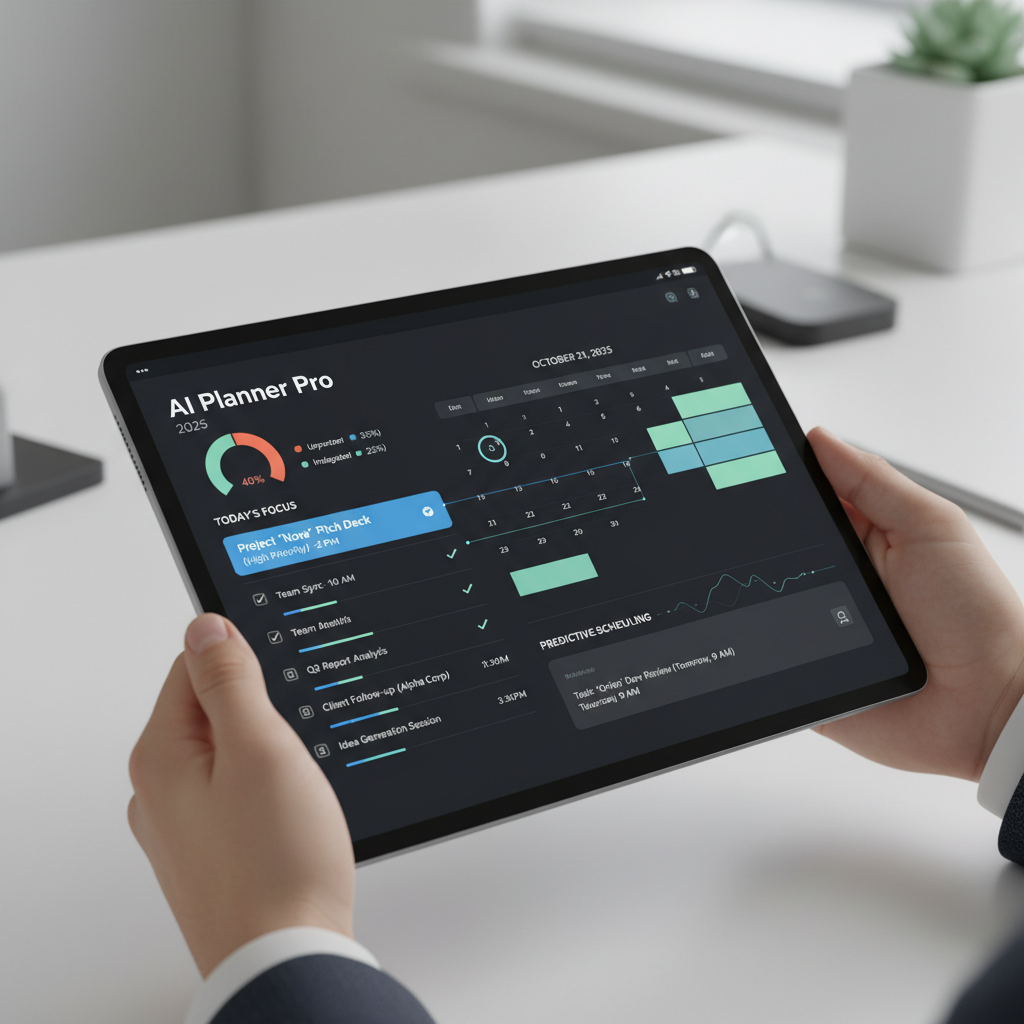
One of the most advanced and valuable aspects of AI-driven planners is their capacity for predictive scheduling and proactive problem solving. This goes beyond merely reacting to changes; it involves anticipating future challenges and offering solutions before they even fully materialize. This foresight transforms planning from a retrospective or current-moment activity into a forward-looking strategic advantage.
Identifying Bottlenecks Before They Occur
A significant source of stress and missed deadlines stems from unexpected bottlenecks. These could be an overlooked dependency, an underestimation of task duration, or simply an overloaded schedule. AI planners, armed with predictive analytics and continuous learning, are uniquely positioned to identify these potential blockages well in advance. By analyzing your current commitments, upcoming deadlines, historical task completion data, and even the complexity scores of new tasks, the AI can foresee scenarios where your available time might not match your workload.
For example, if the AI observes that you have three critical reports due on Friday, and based on your past performance, each typically requires six hours of focused work, it will flag this potential overload early in the week. It won’t wait until Thursday evening for you to realize you’re in trouble. Instead, it might issue an alert on Monday, highlighting the impending time crunch and suggesting immediate actions, such as dedicating an additional two hours each day to the reports, or pushing back a less urgent meeting to create more concentrated work blocks. This early warning system is invaluable for preventing reactive firefighting and promoting a more controlled and calm workflow.
Forecasting Completion Times with Higher Accuracy
Human beings are notoriously poor at estimating how long tasks will take, a cognitive bias known as the “planning fallacy.” We often underestimate the time required, leading to perpetually overbooked schedules and missed deadlines. AI planners significantly mitigate this problem. Through machine learning, they analyze your past performance on similar tasks. If you consistently take 20 minutes longer than estimated for routine email management or finish coding tasks faster than average, the AI learns this. When you add a new task, it uses this personalized historical data, along with general data about task types, to generate a much more accurate completion time estimate. This accuracy improves over time as the AI gathers more data specific to your work habits.
This improved forecasting doesn’t just help with individual tasks; it provides a more realistic overall picture of your daily or weekly capacity. If your AI planner predicts that you genuinely only have five hours of productive work time available after meetings and breaks, it won’t allow you to cram eight hours of tasks into that window. Instead, it will propose a more achievable schedule, encouraging a sustainable pace and reducing the likelihood of burnout caused by overcommitment.
Suggesting Solutions and Proactive Interventions
The true power of predictive capabilities lies in their ability to drive proactive interventions. When the AI identifies a potential problem—be it an overloaded day, a conflicting appointment, or a risk of missing a deadline—it doesn’t just flag it; it suggests concrete solutions. These suggestions can be incredibly varied and context-sensitive:
- Rescheduling: Automatically suggesting alternative time slots for non-urgent tasks to free up time for critical ones.
- Task Splitting: Recommending breaking down a large, time-consuming task into smaller, more manageable segments spread across your schedule.
- Delegation Prompts: If integrated with team management tools, it might suggest delegating a task to a team member whose schedule has more capacity.
- Focus Time Blocks: Proactively suggesting blocking out “deep work” periods in your calendar to prevent interruptions for critical tasks.
- Resource Optimization: Reminding you to gather necessary materials or information for an upcoming task well in advance, preventing delays due to lack of resources.
- Breaks and Recovery: Identifying periods of intense work and proactively scheduling short breaks or even longer recovery periods to prevent fatigue and maintain cognitive performance.
These proactive interventions transform the planner from a simple reminder tool into a strategic advisor, actively working to keep your schedule optimized, your stress levels managed, and your deadlines consistently met. It empowers you to address potential issues before they escalate, fostering a sense of control and calm over your busy schedule.
Seamless Integration with Your Digital Ecosystem
In today’s interconnected digital landscape, individual tools rarely operate in isolation. The true value of an AI-driven planner is amplified exponentially when it seamlessly integrates with the myriad of other digital applications and services you use daily. This integration creates a holistic productivity ecosystem, allowing the AI to gather more comprehensive data, make more informed decisions, and provide a more unified user experience.
Connecting Calendars and Communication Tools
At the most fundamental level, AI planners connect effortlessly with popular calendar applications like Google Calendar, Outlook Calendar, and Apple Calendar. This ensures that all your appointments, meetings, and scheduled events are visible in one central hub, preventing conflicts and double-bookings. When a new meeting invite is accepted in your email, the AI planner can automatically add it to your schedule, analyze its impact on existing tasks, and suggest adjustments if necessary. Furthermore, integration with communication platforms such as Slack, Microsoft Teams, or email clients allows the AI to monitor for urgent messages, extract actionable tasks from conversations, or even schedule follow-up actions based on communication threads. For instance, if an email contains phrases like “Please send me the report by Friday,” the AI can intelligently identify this as a task, prompt you to add it to your planner, and even suggest a deadline.
Integration with Project Management and CRM Systems
For professionals and teams, integration with project management software (like Trello, Asana, Jira, or Monday.com) and Customer Relationship Management (CRM) systems (like Salesforce or HubSpot) is a game-changer. Tasks assigned to you within these platforms can be automatically pulled into your AI planner, eliminating the need for manual duplication. The AI can then prioritize these tasks alongside your personal ones, considering overall project deadlines and dependencies. As you complete tasks in your planner, their status can be updated automatically in the project management system, ensuring team visibility and streamlined workflows. Similarly, for sales and customer service professionals, CRM integration means that follow-up calls, client meetings, and proposal deadlines can be intelligently incorporated into your daily schedule, ensuring no client slips through the cracks and commitments are always met.
Harmonizing with Note-Taking Apps and File Storage
Many AI planners also integrate with popular note-taking applications (Evernote, Notion, OneNote) and cloud storage services (Google Drive, Dropbox, OneDrive). This allows you to link relevant notes, documents, or research materials directly to your tasks. When you’re about to start a task, the planner can proactively present you with the associated files or notes, saving you time searching for information and ensuring you have everything you need at your fingertips. This contextual linking means your planner isn’t just a list of things to do, but a comprehensive workspace for execution.
Smart Home and Location-Based Integrations
Beyond professional tools, some advanced AI planners are beginning to integrate with smart home devices and location services. This opens up possibilities for even deeper context awareness. For example, if your planner knows you’re heading home from work, it could suggest household chores or personal errands that can be completed efficiently. If it’s integrated with your smart lighting, it might dim the lights at the end of your scheduled work block as a gentle reminder to take a break. While still an emerging area, the potential for AI planners to coordinate your professional and personal life across various digital and physical touchpoints is vast, creating an unparalleled level of seamless organization and efficiency.
This extensive integration means that your AI planner becomes the central nervous system of your digital life, an intelligent orchestrator that pulls information from all your disparate tools, processes it, and presents you with an optimized, cohesive, and actionable plan for your day. It reduces context switching, minimizes manual data entry, and ensures that your schedule is always built upon the most current and complete information available.
Overcoming Challenges and Embracing the Future of Productivity
While AI-driven planners offer transformative benefits, their adoption and full potential also come with certain considerations and challenges. Understanding these allows for a more effective and responsible integration of these powerful tools into our daily lives, paving the way for a truly optimized future of productivity.
Addressing Data Privacy and Security Concerns
The reliance on personal data—your habits, schedules, communications, and even location—is central to the effectiveness of AI planners. This naturally raises legitimate concerns about data privacy and security. Users must be confident that their sensitive information is protected from breaches, misuse, and unauthorized access. Reputable AI planner providers typically employ robust encryption, adhere to strict data protection regulations (like GDPR or CCPA), and often offer transparency about how data is collected, used, and stored. However, it remains crucial for individuals to choose platforms with strong privacy policies, understand consent agreements, and be mindful of the information they share. The industry continues to evolve, with advancements in differential privacy and federated learning potentially offering ways for AI to learn from data without directly accessing sensitive individual information, enhancing trust and security.
Navigating the Learning Curve and Over-reliance
Like any sophisticated tool, AI planners come with a learning curve. Users need time to input initial preferences, allow the AI to learn their habits, and understand how to best interact with its recommendations. Overcoming initial inertia and dedicating time to “train” the AI is essential for maximizing its benefits. Furthermore, there’s a potential risk of over-reliance. While AI can optimize, human judgment, creativity, and intuition remain indispensable. Blindly following every AI suggestion without critical thinking can lead to a loss of agency or a failure to adapt to truly unique, non-patterned situations. The goal is to use AI as an intelligent assistant, not a complete replacement for human decision-making, ensuring a balanced approach where AI augments rather than dictates your productivity.
Ethical Considerations and Bias
AI systems are built by humans and learn from human-generated data, which means they can inadvertently inherit biases present in that data. If an AI planner is trained on data reflecting gender or racial biases in work patterns or task assignments, it could potentially perpetuate or even amplify those biases in its scheduling recommendations. Ethical AI development demands continuous scrutiny of algorithms and training data to ensure fairness, inclusivity, and equitable treatment. Developers are increasingly focused on creating transparent AI models, allowing users to understand the logic behind recommendations and ensuring that planning is optimized for individual well-being rather than reinforcing societal or organizational biases.
The Future of AI-Powered Productivity
The trajectory of AI-driven planners is towards even greater autonomy, deeper integration, and more nuanced understanding of human behavior. We can anticipate future developments such as:
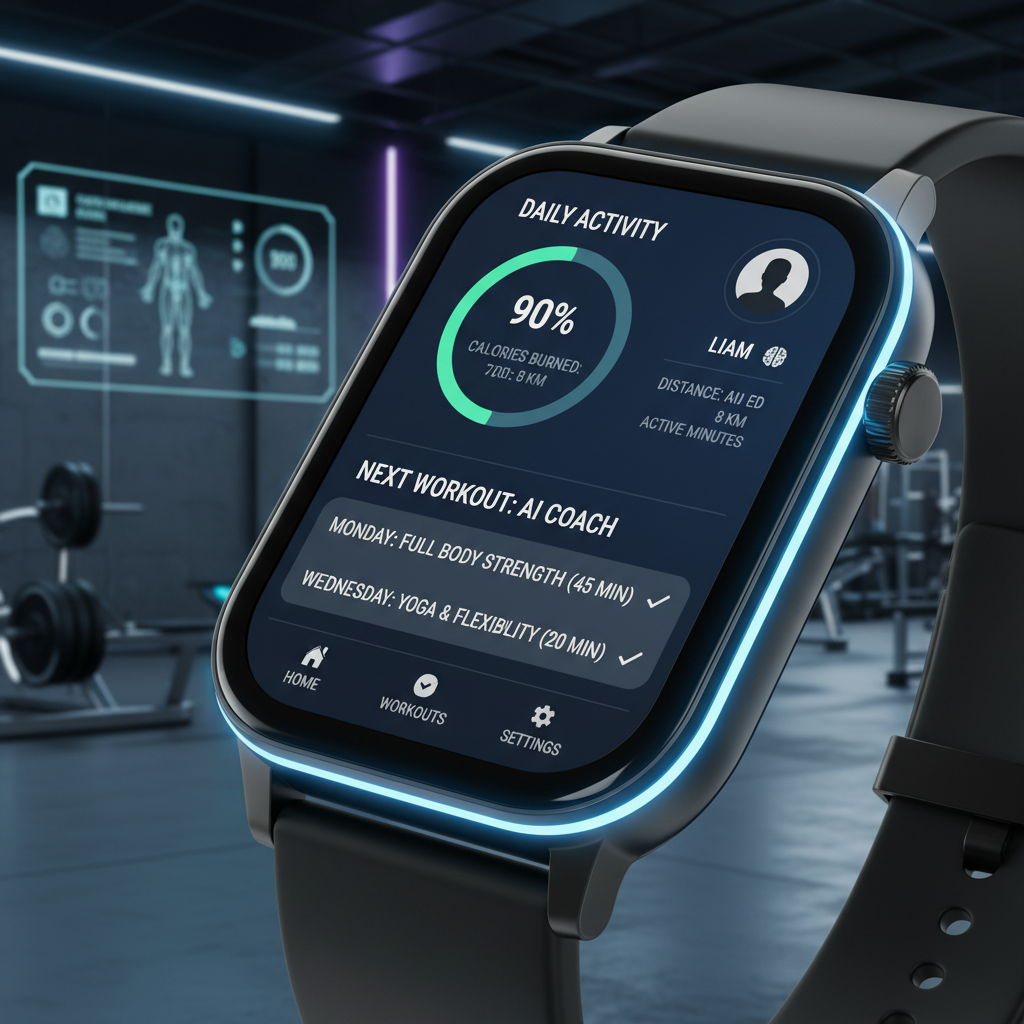
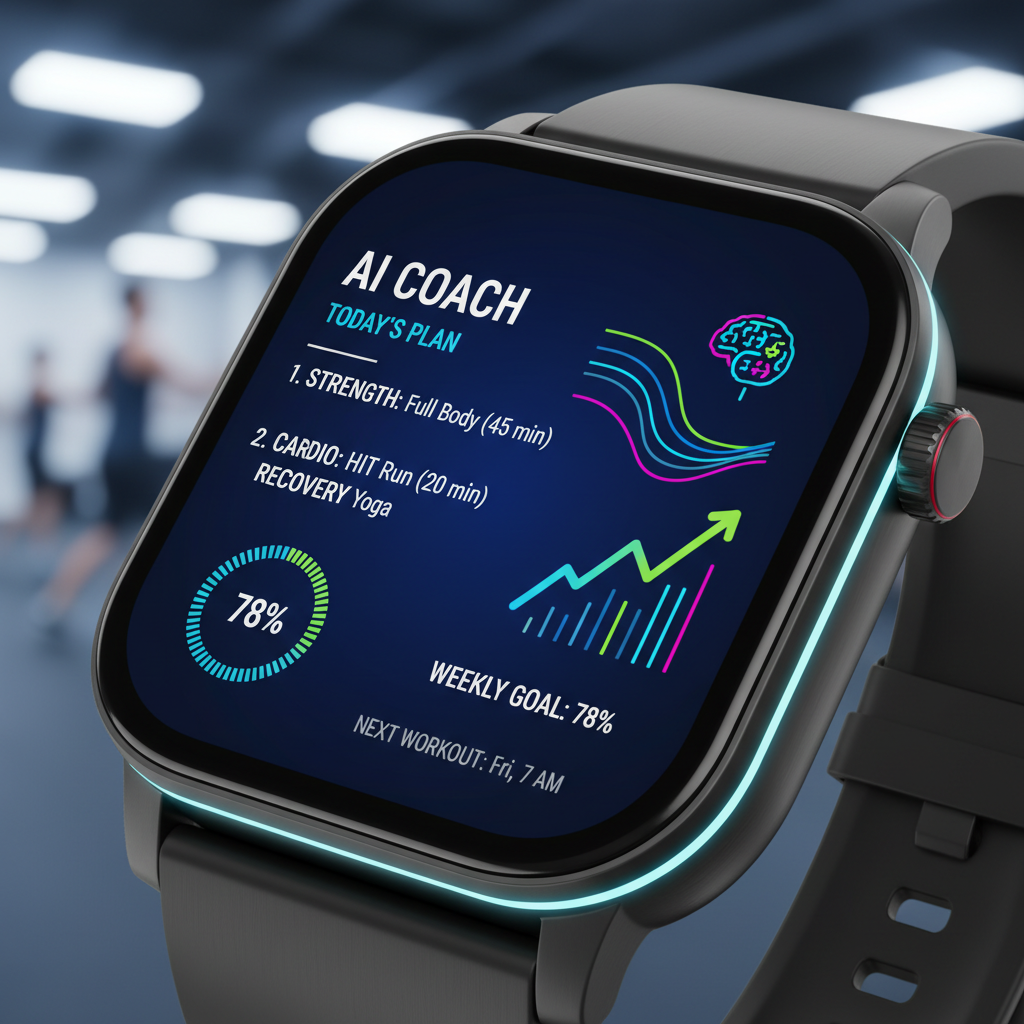
- Proactive Wellness Integration: AI planners might integrate with wearable tech to monitor stress levels, sleep patterns, and activity, dynamically adjusting schedules to prevent burnout and promote well-being.
- Hyper-Personalized Learning: Beyond task management, AI could suggest learning resources or skill development opportunities based on your career goals and current tasks, seamlessly integrating personal growth into your schedule.
- Enhanced Contextual Awareness: Leveraging more advanced sensors and real-time data from smart environments, AI could understand not just your location, but your current state (e.g., in a noisy cafe vs. quiet home office) and adapt task suggestions accordingly.
- Smarter Delegation and Collaboration: AI could facilitate more intelligent delegation within teams, identifying the best person for a task based on skills, availability, and workload, and coordinating complex collaborative projects with minimal human intervention.
- Adaptive Workflow Creation: Instead of just scheduling existing tasks, AI could assist in creating entire workflows for new projects, suggesting optimal sequences of tasks and estimated timelines based on project type and team resources.
Ultimately, the future points to an AI that is less of a separate tool and more of an omnipresent, invisible layer of intelligence guiding our work and life, allowing us to focus on higher-level thinking, creativity, and the human elements of our endeavors, while the AI handles the complex orchestration of our time and priorities.
Comparison Tables
To further illustrate the distinct advantages of AI-driven planners, let us compare them against traditional planning methods. Understanding these differences highlights why the shift towards AI represents a significant leap forward in personal and professional productivity.
Table 1: Traditional Planners vs. AI-Powered Planners
| Feature/Aspect | Traditional Planner (Paper or Basic Digital) | AI-Powered Planner |
|---|---|---|
| Input Method | Manual entry (writing, typing) of tasks, deadlines. | Manual entry, voice commands (NLP), email/calendar integration, task extraction from communication. |
| Prioritization | Static (user-defined importance, urgency matrix). Manual re-ordering. | Dynamic (AI-driven based on deadlines, dependencies, context, learned habits). Automatic re-prioritization. |
| Scheduling | Static time slots, manual adjustments for conflicts. | Dynamic allocation based on learned productivity patterns, predictive analytics, real-time availability. Automatic conflict resolution. |
| Adaptability to Change | Low. Requires manual re-writing/re-organizing entire schedule. | High. Instantly re-optimizes schedule upon new input or change. Proactive problem-solving. |
| Personalization | Minimal. Reflects user’s current manual input. | High. Learns user’s habits, energy levels, preferences, and suggests optimal task placement. |
| Task Estimation | User-defined, often inaccurate (planning fallacy). | AI-predicted based on historical performance data and task complexity, improving accuracy over time. |
| Integration | Limited to basic calendar sync for digital. None for paper. | Extensive with calendars, email, project management tools, CRM, note-taking apps, smart devices. |
| Proactive Assistance | None. Primarily a reminder system. | Identifies bottlenecks, suggests solutions, recommends task splitting, focus blocks, and breaks. |
| Cognitive Load | High. User constantly manages prioritization, scheduling, and adjustments. | Low. AI handles much of the organizational overhead, freeing up mental space for execution. |
As evident from the table, AI-powered planners transcend the limitations of their predecessors, offering a level of intelligence and adaptability that fundamentally changes the user’s relationship with their schedule.
Table 2: Key AI Features and Their Productivity Impact
Delving deeper into specific AI functionalities reveals the direct benefits they bring to daily productivity.
| AI Feature | Description | Direct Productivity Impact |
|---|---|---|
| Machine Learning (ML) | Learns user’s unique work patterns, peak productivity times, and task completion habits over time. | Optimizes task scheduling for maximum personal efficiency; reduces procrastination by aligning tasks with natural energy cycles. |
| Natural Language Processing (NLP) | Allows interaction with the planner using natural spoken or written language; extracts tasks from emails/messages. | Reduces time spent on manual data entry; makes planning more intuitive and less of a chore; captures tasks quickly from various sources. |
| Predictive Analytics | Forecasts potential conflicts, bottlenecks, and realistic task completion times based on historical data. | Prevents last-minute rushes and missed deadlines; allows for proactive schedule adjustments; provides a more realistic workload overview. |
| Dynamic Prioritization | Automatically re-orders tasks based on urgency, importance, dependencies, and real-time changes. | Ensures focus on the most critical tasks at all times; adapts to unexpected events without manual intervention; reduces decision fatigue. |
| Context Awareness | Considers location, device, time of day, and external factors when suggesting tasks or making adjustments. | Provides highly relevant and actionable task suggestions; optimizes for current environment (e.g., mobile tasks during commute); maximizes usable time. |
| Smart Task Splitting | Breaks down large, complex projects into smaller, manageable sub-tasks with estimated durations. | Reduces overwhelm and procrastination on big projects; facilitates steady progress; allows complex tasks to be interleaved with other commitments. |
| Intelligent Resource Allocation | Allocates not just time, but also considers cognitive energy, team availability, and necessary tools for tasks. | Ensures tasks are done when most effective; minimizes burnout; optimizes collaborative efforts by considering all relevant factors. |
| Proactive Suggestions | Offers suggestions for focus blocks, breaks, delegation, or pushing back less critical tasks to manage workload. | Actively helps manage workload and prevents burnout; maintains work-life balance; ensures sustained productivity and well-being. |
These tables underscore the comprehensive nature of AI-driven planning, showcasing how these tools go beyond mere organization to actively enhance every facet of your productive life.
Practical Examples: Real-World Use Cases and Scenarios
Theoretical benefits are one thing, but how do AI-driven planners actually perform in real-world situations? Let’s explore several practical examples that demonstrate their transformative impact across different domains.
Case Study 1: The Overwhelmed University Student
Scenario: Sarah is a university student juggling three demanding courses, a part-time job, and volunteer commitments. She constantly struggles with essay deadlines, exam preparation, and managing her social life. Her traditional paper planner is a chaotic mess of crossed-out tasks and overdue assignments.
AI Planner in Action:
- Initial Setup: Sarah inputs all her course syllabi, assignment deadlines, exam dates, work shifts, and volunteer schedule into her AI planner.
- Dynamic Prioritization: The AI automatically breaks down large assignments (e.g., a 5000-word essay) into smaller, manageable tasks like “Research for Introduction (2 hours)”, “Draft Outline (1 hour)”, “Write Body Paragraph 1 (1.5 hours)”. It prioritizes these based on deadlines and dependencies.
- Personalized Scheduling: The AI learns that Sarah is most focused for deep study between 9 PM and 11 PM after her work shifts, and better at reading during her bus commute. It schedules her essay writing sessions for the evening and assigns readings during her travel time.
- Conflict Resolution: When a new group project meeting is scheduled, conflicting with a planned study block, the AI immediately flags the conflict. It suggests moving the study block to an open slot the following morning and sending a polite “unavailable” response for the conflicting social event.
- Proactive Reminders: Days before an exam, the AI notices Sarah hasn’t allocated sufficient revision time based on her past performance for similar subjects. It proactively suggests blocking out dedicated “exam prep” slots, even nudging her to review specific chapters if integrated with her online learning platform.
Outcome: Sarah feels less overwhelmed, manages to submit all assignments on time, and even has more free time because her study and work efforts are optimized. The AI acts as her academic co-pilot, ensuring she stays on track without constant manual planning.
Case Study 2: The Freelancer Juggling Multiple Clients
Scenario: David is a freelance graphic designer working with five different clients, each with unique project demands, communication styles, and payment schedules. He frequently misses internal deadlines, struggles to invoice on time, and often feels stressed trying to balance client expectations with his limited availability.
AI Planner in Action:
- Integrated Project Management: David connects his AI planner to Trello (where client projects are tracked) and his email. New tasks assigned in Trello or mentioned in client emails are automatically imported.
- Dynamic Prioritization: The AI understands the urgency of client deadlines, the importance of specific project milestones, and even the “value” of each client (if David configures this). When an urgent client revision request comes in, the AI dynamically re-prioritizes it above less critical internal marketing tasks.
- Time Blocking and Focus: Based on David’s learned habit of deep focus in the mornings for design work, the AI schedules his complex creative tasks from 9 AM to 12 PM. It then allocates afternoons for client communication, administrative tasks, and invoicing.
- Predictive Overload Alert: Mid-week, the AI detects that David has committed to too many projects for the coming Friday, based on his historical completion rates. It alerts him, suggesting he either communicate a slightly later delivery to one client or defer a non-critical internal task to the following week.
- Automated Follow-ups: After a client meeting, the AI automatically prompts David to create follow-up tasks (e.g., “Send revised mock-up to Client B by end of day”) and schedules them appropriately. It also reminds him to send invoices for completed projects at the correct billing intervals.
Outcome: David enjoys improved client satisfaction due to consistent on-time deliveries, reduced stress from managing multiple parallel projects, and better financial management through timely invoicing. His AI planner essentially acts as his personal project manager and administrative assistant.
Case Study 3: The Project Manager Leading a Remote Team
Scenario: Emily is a project manager leading a remote team across different time zones. She struggles to keep track of individual team members’ progress, anticipate roadblocks, and ensure overall project milestones are met without constant, manual check-ins.
AI Planner in Action:
- Team Integration: Emily’s AI planner is integrated with her team’s project management software (e.g., Jira) and collaborative communication tools (e.g., Microsoft Teams).
- Dependency Mapping: When a team member updates a task status in Jira, the AI immediately checks for dependencies. If “Task B” (assigned to John) depends on “Task A” (assigned to Sarah), and Sarah’s task is delayed, the AI automatically flags John’s task as potentially delayed and notifies Emily.
- Resource Balancing: The AI monitors team members’ assigned tasks and estimated loads. If John is consistently overloaded while Lisa has capacity, the AI might suggest reassigning a non-critical task from John to Lisa, or prompt Emily to discuss workload rebalancing.
- Proactive Risk Identification: The AI analyzes historical project data and current task progress to predict if a critical project milestone is at risk of being missed, days or even weeks in advance. It highlights specific tasks or individuals contributing to the risk and suggests potential interventions (e.g., “Consider a daily stand-up on Project X for the next three days”).
- Optimized Meeting Scheduling: When Emily needs to schedule a cross-timezone meeting, the AI checks team members’ calendars for optimal overlaps, considering individual preferences for early morning or late evening calls, minimizing disruption for everyone.
Outcome: Emily maintains clear oversight of project progress, anticipates and mitigates risks proactively, and fosters better team collaboration and workload distribution. The AI empowers her to be a more effective leader, focusing on strategy rather than getting bogged down in granular task management.
These examples highlight that AI-driven planners are not just theoretical tools but practical solutions that address real-world productivity challenges, offering tailored support to individuals and teams alike.
Frequently Asked Questions
The concept of AI-driven planners often brings with it a host of questions. Here, we address some of the most common inquiries to provide clarity and comprehensive understanding.
Q: What exactly is an AI-driven planner?
A: An AI-driven planner is an advanced productivity tool that leverages artificial intelligence technologies like machine learning, natural language processing, and predictive analytics to do more than just list your tasks. Unlike a traditional digital calendar or to-do list app, it actively learns your work habits, preferences, and productivity patterns. It uses this intelligence to dynamically prioritize, schedule, and re-arrange your tasks in real-time, optimizing your schedule to ensure deadlines are met, and your time and energy are utilized most effectively. It acts as an intelligent assistant, offering proactive suggestions and managing much of the organizational overhead, allowing you to focus on execution rather than planning.
Q: How does AI truly personalize my schedule?
A: The personalization capabilities of an AI planner are built on continuous learning. Through machine learning algorithms, the AI observes how you interact with your tasks over time. It identifies your peak productivity hours for different types of work (e.g., creative vs. administrative), your typical task completion times, your preferred work sequences, and even your tendencies towards procrastination. It also considers your explicit inputs, like preferred work-life balance settings or designated focus times. Based on this rich profile, it dynamically schedules tasks to align with your natural rhythms, suggesting breaks when you need them, and ensuring that your schedule is not a generic template but a bespoke plan tailored precisely to your unique working style and current capacity. This level of personalization makes the schedule feel more natural and sustainable.
Q: Can AI planners help with procrastination?
A: Yes, AI planners can be highly effective in combating procrastination, often in several ways. Firstly, by breaking down large, daunting tasks into smaller, more manageable sub-tasks, they make the initial step less intimidating. Secondly, through personalized scheduling, they aim to assign tasks during your peak productivity windows, when you’re naturally more inclined to start and complete work. Thirdly, proactive reminders and gentle nudges from the AI can serve as timely prompts to begin work before deadlines become overwhelming. Fourthly, by providing realistic task estimates based on your past performance, they help prevent overcommitment, which is a common cause of feeling overwhelmed and leading to procrastination. Finally, some planners even incorporate gamification elements or provide positive reinforcement upon task completion, which can further motivate users.
Q: What about data privacy and security? How safe is my information?
A: Data privacy and security are critical considerations for any AI-driven tool handling personal information. Reputable AI planner providers prioritize these aspects by employing robust encryption protocols for data in transit and at rest, adhering to international data protection regulations (like GDPR and CCPA), and often undergoing independent security audits. They typically outline their data handling practices in transparent privacy policies, detailing what data is collected, how it’s used, and who has access. When choosing an AI planner, it’s essential to research the provider’s reputation, review their privacy policy carefully, and ensure they offer features like multi-factor authentication. While no system is entirely impervious, leading AI planners invest heavily in protecting user data, making it a generally safe option when chosen wisely.
Q: How do these planners handle unexpected events or emergencies?
A: This is where AI planners truly shine compared to traditional methods. When an unexpected event occurs (e.g., an urgent client request, a sudden illness, a meeting cancellation), the AI’s adaptive algorithms spring into action. Instead of you manually sifting through your schedule to re-prioritize and reschedule everything, the AI instantaneously re-evaluates your entire task list. It considers the new event’s urgency, its impact on existing deadlines and dependencies, and your remaining available capacity. Within moments, it can generate an optimized new schedule, often providing explanations for why certain tasks were moved or re-prioritized. This dynamic adaptability ensures that your most critical tasks remain on track, and your schedule stays relevant and manageable even amidst chaos, significantly reducing stress and wasted time.
Q: Are AI planners suitable for everyone, or just tech-savvy individuals?
A: While the technology behind AI planners is sophisticated, most modern AI planner interfaces are designed to be intuitive and user-friendly, making them accessible to a broad audience, not just tech-savvy individuals. Many utilize natural language processing (NLP) to allow users to interact using simple spoken or typed commands, making the initial learning curve minimal. While there might be a period of adjustment as the AI learns your habits, the long-term benefit of reduced manual planning and optimized schedules often outweighs the initial effort. They are beneficial for anyone struggling with time management, missed deadlines, or feeling overwhelmed by their tasks, from students and freelancers to busy professionals and parents.
Q: What’s the difference between an AI planner and a regular calendar app?
A: The fundamental difference lies in intelligence and proactivity. A regular calendar app is primarily a static repository for appointments and reminders. It shows you what you’ve manually entered and when, and might send basic notifications. An AI planner, however, is an active, intelligent assistant. It doesn’t just store information; it processes, analyzes, and learns from it. It can dynamically prioritize tasks, suggest optimal scheduling based on your habits, predict potential conflicts, and even recommend solutions. It moves beyond passive reminders to actively manage, optimize, and adapt your schedule, reducing your cognitive load and ensuring you’re always working on the right thing at the right time.
Q: How long does it take to ‘train’ an AI planner to my habits?
A: The “training” period for an AI planner can vary depending on the specific application and your usage frequency, but generally, you’ll start seeing personalized recommendations and optimizations within a few days to a couple of weeks of consistent use. The AI needs a certain amount of data to build a reliable profile of your habits, such as how long you take for different tasks, your most productive hours, and how you react to scheduling changes. The more consistently you use the planner and accurately log your tasks and their completion, the faster and more precise the AI’s understanding of your workflow will become. It’s an ongoing learning process, with the AI continuously refining its recommendations over time.
Q: What are some common misconceptions about AI planners?
A: One common misconception is that AI planners will completely take over your life or remove human agency. In reality, they are designed as assistants to augment human decision-making, not replace it. You always retain control and can override AI suggestions. Another misconception is that they are overly complex and difficult to use; as mentioned, most are built with intuitive interfaces. Some believe they are only for highly technical roles, but their benefits span across all professions and personal lives. Finally, some might think they are just another trend, but the underlying AI technologies are robust and continuously evolving, signaling a long-term shift in productivity tools rather than a passing fad.
Q: What does the future hold for AI-powered productivity tools?
A: The future of AI-powered productivity tools is incredibly promising and will likely involve even deeper integration, greater predictive capabilities, and a stronger focus on holistic well-being. We can expect AI planners to become more proactive in preventing burnout, perhaps by integrating with health trackers to monitor stress and suggest breaks. They will likely offer more sophisticated context awareness, understanding not just your location but also your environment (e.g., noise levels, lighting) to optimize task suggestions. Enhanced collaboration features, smarter delegation suggestions within teams, and even personalized learning recommendations to integrate skill development into your schedule are also on the horizon. Ultimately, AI will aim to become an even more seamless, invisible, and integral part of our daily lives, making productivity effortless and sustainable.
Key Takeaways
The journey into AI-driven planners reveals a future where managing our daily schedules is no longer a burden but an intelligently guided process. Here are the core insights to remember:
- AI planners represent the third wave of productivity tools, moving beyond static paper and basic digital calendars to offer dynamic, intelligent assistance.
- Core AI technologies like Machine Learning, Natural Language Processing, Predictive Analytics, and Adaptive Algorithms enable unparalleled personalization and efficiency.
- These tools learn your unique work habits, energy levels, and preferences to craft schedules that are genuinely optimized for your individual workflow.
- AI facilitates dynamic prioritization, ensuring that your most critical tasks are always at the forefront, even amidst shifting demands and unexpected events.
- Predictive scheduling capabilities help identify potential bottlenecks and overloads well in advance, allowing for proactive adjustments and preventing missed deadlines.
- Seamless integration with your digital ecosystem (calendars, email, project management, CRM) creates a unified and intelligent hub for all your commitments.
- AI planners effectively combat common productivity pitfalls like procrastination and poor time estimation by breaking down tasks and providing realistic timelines.
- While powerful, it is crucial to address challenges such as data privacy, the learning curve, and the importance of maintaining human oversight.
- The future promises even more autonomous, integrated, and well-being-focused AI tools that will further simplify and enhance our productive lives.
- Ultimately, AI-driven planners empower you to reclaim control over your time, reduce stress, and achieve your goals with greater consistency and ease.
Conclusion
The relentless pace of modern life often leaves us feeling perpetually behind, drowning in a sea of deadlines and competing priorities. Traditional planning methods, while foundational, simply lack the agility and intelligence required to keep pace with the complexities we face daily. However, the advent of AI-driven planners marks a profound turning point, offering a powerful antidote to this endemic overwhelm.
These sophisticated tools are not just a technological upgrade; they represent a fundamental shift in our relationship with time management. By learning our unique rhythms, anticipating challenges, dynamically prioritizing tasks, and seamlessly integrating with our digital lives, AI planners transform the chaotic art of juggling into a precise, optimized science. They free up our mental bandwidth, allowing us to focus our creative energy and critical thinking on the tasks themselves, rather than getting bogged down in the intricate logistics of scheduling and re-scheduling.
The promise of AI-driven planning is not merely to help us avoid missing a deadline; it is to empower us to live more intentionally, to achieve our professional aspirations with greater ease, and to safeguard our personal well-being by ensuring a healthier balance. As these technologies continue to evolve, they will become even more intuitive, integrated, and indispensable, truly revolutionizing how we approach our daily schedules and shaping a future where productivity is synonymous with purpose and peace of mind.
Embracing an AI-driven planner is an investment in your most valuable resource: your time. It’s an invitation to experience a new level of control, clarity, and calm in your daily life. Why continue to wrestle with an ever-growing to-do list when an intelligent partner is ready to optimize your path to success?






























































Leave a Reply