

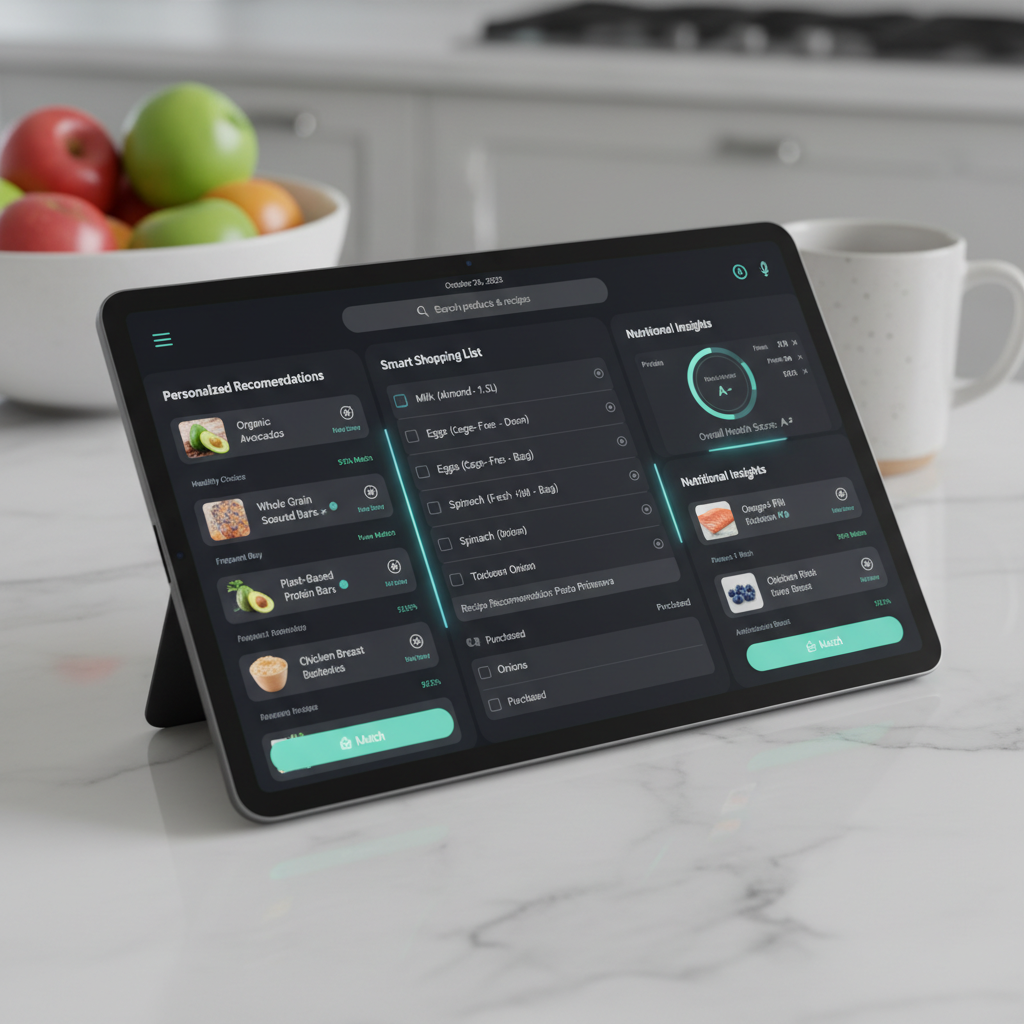
The weekly grocery run, once a mundane chore, is undergoing a revolutionary transformation thanks to the power of Artificial Intelligence (AI). Gone are the days of aimlessly wandering aisles, forgetting essential items, or grappling with an overflowing cart of impulse buys. Welcome to the era of personalized grocery shopping, where AI-driven recommendation engines are not just suggesting products but are fundamentally reshaping how we plan, purchase, and consume our food. This article delves into the intricate ways AI is making your weekly haul smarter, more efficient, and perfectly tailored to your unique lifestyle, under the overarching theme of ‘The Future of Grocery Shopping: AI-Driven Recommendation Engines’.
1. The Evolution of Grocery Shopping and the Need for Personalization
For centuries, grocery shopping was a deeply personal, often sensory experience, involving direct interaction with vendors at local markets. The advent of supermarkets in the 20th century introduced unparalleled choice and convenience, but at the cost of that personalized touch. Suddenly, consumers were faced with vast arrays of products, leading to decision fatigue and the challenge of navigating an overwhelming selection.
The rise of online grocery platforms and delivery services in the late 20th and early 21st centuries offered a new layer of convenience, allowing consumers to shop from home. However, even these platforms initially mimicked the physical store experience, presenting digital aisles of products without much intelligence. As consumer lifestyles became more complex, marked by busy schedules, diverse dietary needs (vegan, gluten-free, keto), budget constraints, and a growing desire for healthier choices, the need for a more intelligent, personalized shopping experience became paramount.
Traditional methods simply could not keep up. Shoppers wasted time creating lists, searching for specific items, comparing prices, and often succumbing to impulse purchases. Food waste at the household level remained a significant problem, partly due to poor planning and overbuying. This is where AI steps in, bridging the gap between vast choice and individual needs, making the grocery experience not just convenient, but truly intuitive.
2. What Are AI-Driven Recommendation Engines?
At its core, an AI-driven recommendation engine is a sophisticated algorithm designed to predict user preferences and suggest items they are likely to be interested in. Think of it as a highly intelligent personal shopper that learns about you over time, adapting its suggestions based on a wealth of data points.
How They Work: The Data Foundation and Machine Learning
The magic of these engines lies in their ability to process and understand vast amounts of data. Here’s a breakdown of the key components:
- Data Collection: AI systems gather information from various sources. This includes your past purchase history (what you buy, how often, quantities), browsing behavior (what you view, add to cart, remove), explicit preferences (dietary restrictions, favorite cuisines, brand loyalties), demographic data, location, time of day, and even external factors like weather or local events.
- Pattern Recognition: Once data is collected, AI algorithms look for patterns. For example, if you consistently buy oats, berries, and almond milk, the system recognizes a pattern indicative of breakfast preferences. If many users who buy a particular brand of pasta also buy a specific sauce, that’s a pattern it will leverage.
- Machine Learning Models: This is where the “intelligence” comes in. Different types of machine learning algorithms are employed:
- Collaborative Filtering: This is perhaps the most common. It works on the principle that if two people agree on the preferences of an item in the past, they will likely agree on other items in the future. For instance, “users who bought Item A also bought Item B.” This can be user-based (finding similar users) or item-based (finding similar items).
- Content-Based Filtering: This approach recommends items similar to those a user has liked in the past. If you frequently buy organic produce, the system will recommend other organic items. It analyzes attributes of items and matches them with your preferences.
- Hybrid Recommendation Systems: Most modern systems combine both collaborative and content-based methods to overcome the limitations of each, providing more robust and accurate recommendations. They might also incorporate context-aware filtering, considering factors like time of day, current sales, or your current location.
- Deep Learning and Natural Language Processing (NLP): More advanced systems use deep neural networks to understand complex relationships in data, such as analyzing product reviews for sentiment or understanding recipe ingredients to suggest compatible items. NLP can also help interpret vague search queries or voice commands.
- Feedback Loop: The system continuously learns and refines its recommendations based on your interactions. If you purchase a suggested item, it reinforces the recommendation. If you ignore or dismiss it, the system learns to avoid similar suggestions in the future. This iterative process is what makes AI recommendations increasingly accurate and relevant over time.
3. Beyond Basic Suggestions: The Layers of AI Personalization
AI’s influence extends far beyond a simple “you might like this” prompt. It weaves itself into every aspect of the grocery journey, offering sophisticated layers of personalization.
Personalized Product Recommendations
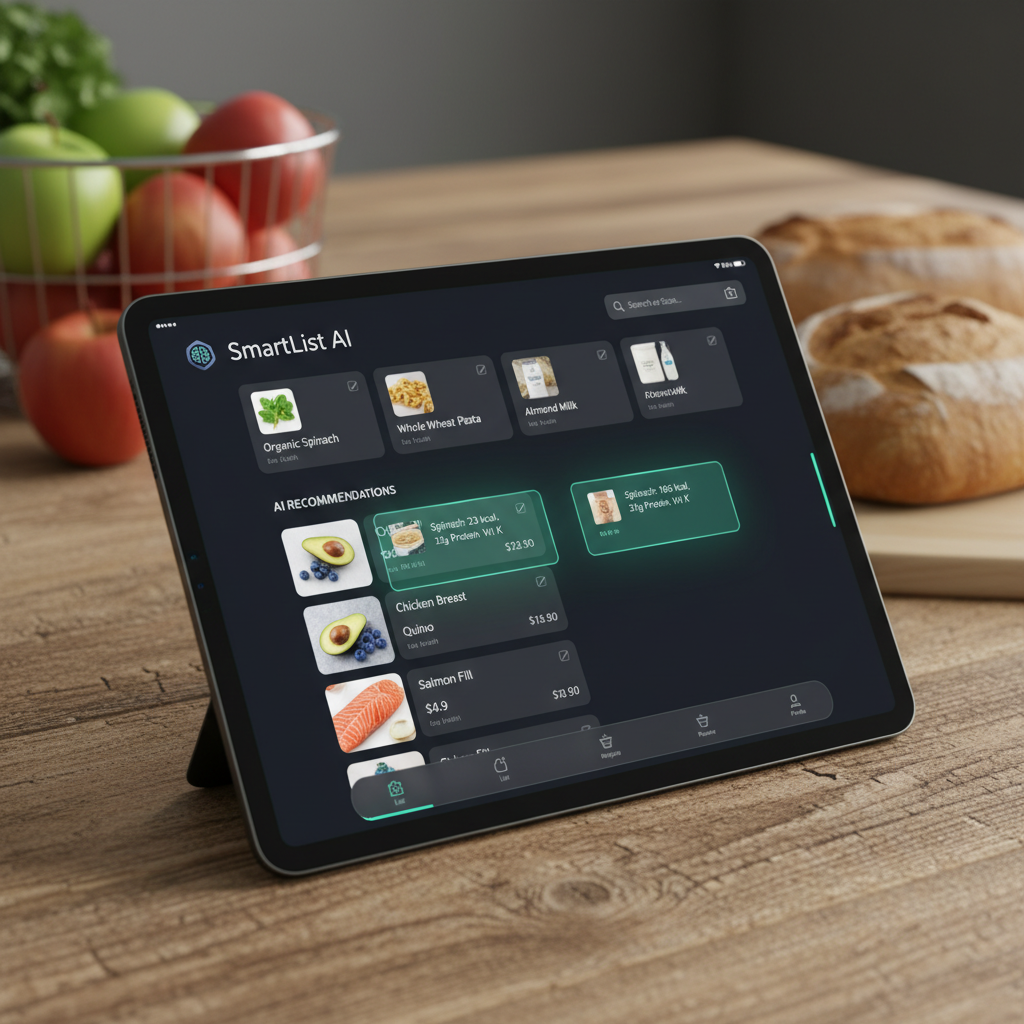
This is the most visible application. Based on your historical purchases, browsing data, and even real-time contextual information, AI suggests products. If you always buy whole wheat pasta, it won’t suggest white pasta unless there’s a specific promotion or an identified shift in your purchasing habits. It can introduce you to new brands that align with your preferences or suggest complementary items, like a specific cheese for the wine you’re buying.
Dietary and Allergen Filtering
For individuals with specific dietary needs or allergies, AI is a lifesaver. You can input your restrictions (e.g., gluten-free, dairy-free, nut allergy, vegan), and the AI will automatically filter out unsuitable products. It can even analyze ingredient lists of complex products to ensure they meet your criteria, preventing accidental purchases that could lead to health issues. This level of granular filtering would be impossible to manage manually.
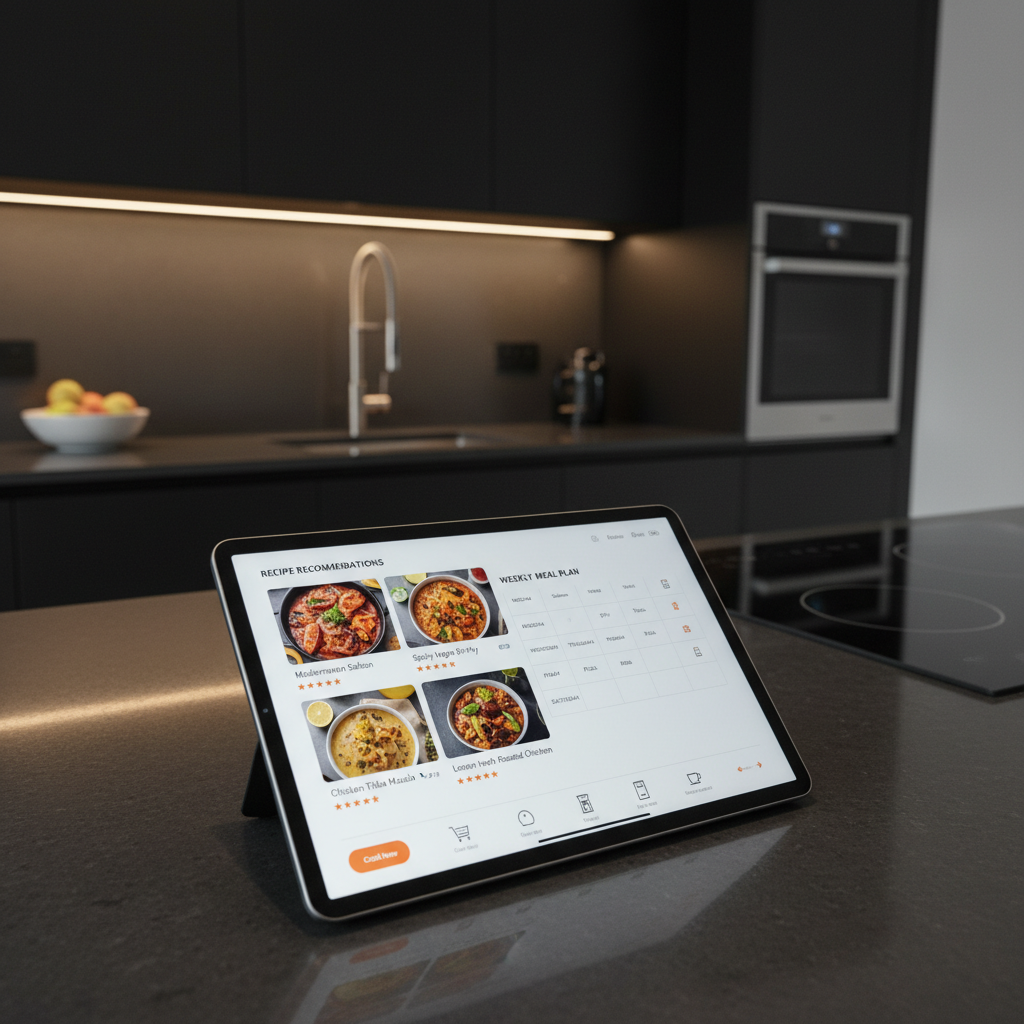
Recipe Inspiration and Meal Planning
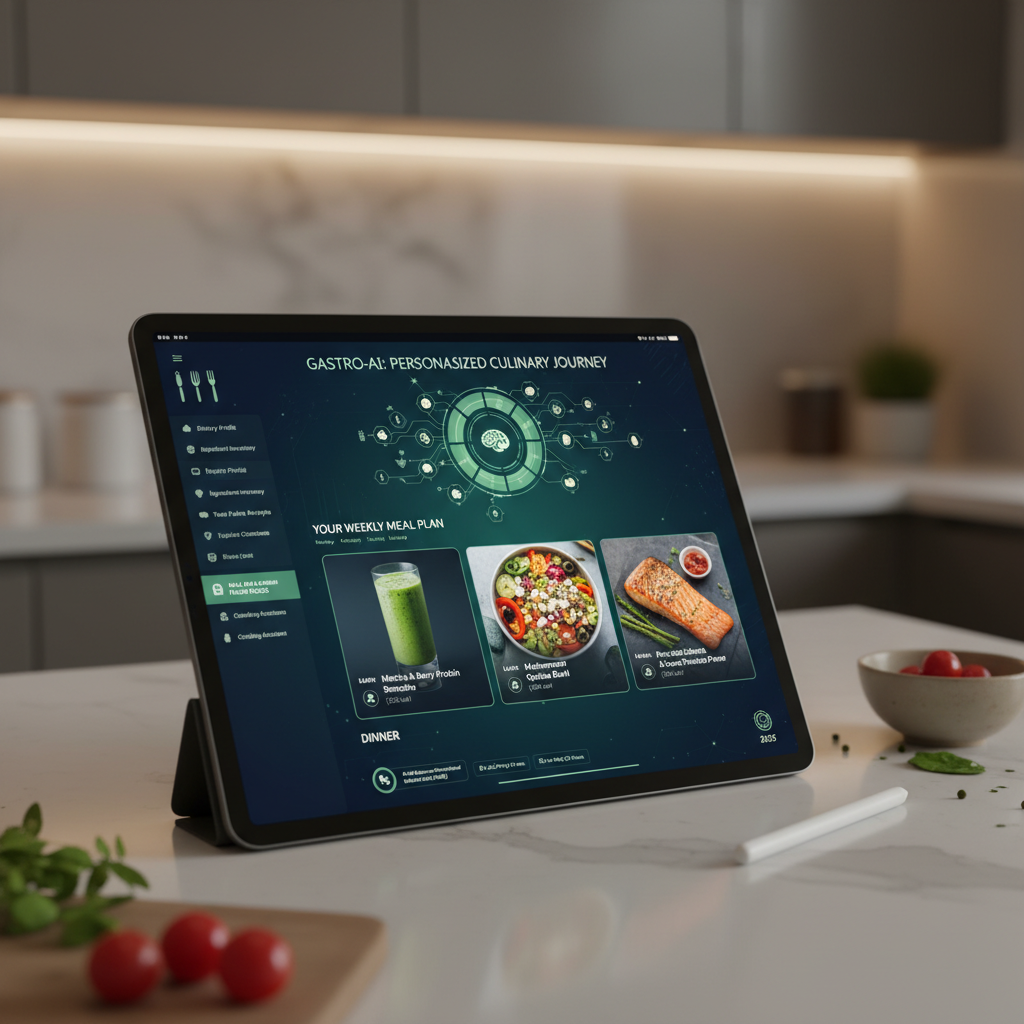
Struggling with dinner ideas? AI can be your culinary muse. By analyzing the ingredients you already have (if linked to smart pantry systems), your dietary preferences, past meal choices, and even current sales, AI can suggest personalized recipes. It can then automatically generate a shopping list for the missing ingredients, making meal planning effortless. Imagine an AI suggesting a delicious, healthy, gluten-free dinner recipe that uses up the leftover chicken in your fridge and automatically adds the required vegetables to your cart.
Smart Shopping List Optimization
AI doesn’t just create lists; it optimizes them. For online shopping, it can group items by aisle or category for more efficient picking, which benefits both the consumer and the fulfillment center. For in-store shopping, some apps can even generate an optimized walking path through the store, minimizing time spent navigating aisles. Furthermore, AI can suggest quantities based on your household size and consumption patterns, helping to prevent overbuying and subsequent food waste.
Predictive Ordering and Subscription Services
For staple items you regularly purchase – milk, eggs, bread, coffee – AI can predict when you’re likely to run out. It can then prompt you to reorder, or, with your permission, automatically add these items to your next scheduled delivery. This predictive capability is especially useful for subscription boxes, where AI customizes contents based on evolving preferences, seasonality, and consumption rates, ensuring you always have what you need without actively thinking about it.
Dynamic Pricing and Personalized Deals
AI can analyze your buying patterns and offer hyper-personalized discounts and promotions. Instead of generic flyers, you might receive a notification for 20% off your favorite brand of yogurt, or a special deal on a new product that perfectly aligns with your known preferences. This not only saves you money but also makes the offers highly relevant, encouraging purchases.
4. The Benefits for Consumers: A Smarter, Simpler Haul
The embrace of AI in grocery shopping translates into a multitude of tangible benefits for the end-user, transforming a necessary errand into a streamlined, even enjoyable, experience.
- Time Savings: Perhaps the most immediate benefit. AI significantly reduces the time spent on planning, searching for items, and navigating digital or physical aisles. By presenting relevant options upfront and automating list creation, it frees up valuable minutes, or even hours, each week.
- Cost Savings: Personalized deals and promotions tailored to your shopping habits mean you’re more likely to save money on items you actually need. AI can also help identify cheaper alternatives for your preferred products and prevent impulse purchases by encouraging a focused list.
- Reduced Food Waste: By suggesting optimal quantities based on consumption patterns and providing meal planning assistance that utilizes existing pantry items, AI helps minimize food spoilage at home. This is a significant step towards more sustainable household practices.
- Healthier Choices: With dietary filtering and recommendations aligned with nutritional goals, AI empowers consumers to make healthier decisions without extensive manual research. It can highlight healthier alternatives or suggest recipes that fit specific health regimens.
- Discovery of New Products: While personalization might seem to narrow choices, effective AI also introduces consumers to new products and brands that align with their established preferences, expanding their culinary horizons within a curated context. This means discovering new flavors or brands without the risk of blind purchases.
- Enhanced Convenience: From seamless online ordering to optimized in-store navigation, the entire shopping journey becomes smoother and more intuitive. AI integrates into daily life, anticipating needs and proactively offering solutions, making grocery shopping feel less like a chore and more like a helpful service.
5. The Benefits for Retailers: Driving Loyalty and Efficiency
The advantages of AI-driven personalization aren’t limited to consumers; retailers stand to gain immensely, fostering stronger customer relationships and optimizing their operational efficiency.
- Increased Sales and Basket Size: By offering relevant recommendations and personalized promotions, retailers can encourage larger purchases and increase the average order value. Customers are more likely to buy when suggestions perfectly match their needs.
- Improved Customer Loyalty and Retention: A highly personalized and efficient shopping experience fosters satisfaction and builds trust. Customers are more likely to return to a retailer that understands their needs and consistently provides value, leading to increased loyalty and reduced churn.
- Better Inventory Management and Reduced Waste: Predictive analytics powered by AI allows retailers to forecast demand more accurately. This leads to optimized inventory levels, reducing spoilage for perishable goods and minimizing instances of out-of-stock items, which ultimately cuts down on operational costs and waste.
- Personalized Marketing Effectiveness: AI enables highly targeted marketing campaigns. Instead of mass advertising, retailers can deliver tailored messages and promotions to specific customer segments or even individual shoppers, significantly increasing conversion rates and return on investment for marketing spend.
- Data-Driven Insights for Store Layout and Product Placement: The vast amount of data collected by AI systems provides invaluable insights into consumer behavior. Retailers can use this information to optimize physical store layouts, merchandise placement, and even product assortment decisions, enhancing the in-store experience and driving sales.
- Competitive Advantage: Retailers that successfully implement advanced AI personalization distinguish themselves from competitors, attracting tech-savvy customers and those seeking a superior, hassle-free shopping experience.
6. Challenges and Ethical Considerations
While the benefits of AI in grocery are compelling, its widespread adoption also brings forth several challenges and ethical considerations that need careful navigation.
Data Privacy Concerns
The personalization engine thrives on data – lots of it. This raises significant questions about how personal information (purchase history, dietary restrictions, location data) is collected, stored, used, and secured. Consumers are increasingly wary of data breaches and the potential misuse of their sensitive information. Retailers must ensure robust data encryption, clear privacy policies, and compliance with regulations like GDPR and CCPA to maintain trust.
Algorithm Bias
AI algorithms are only as good as the data they are trained on. If historical data reflects existing biases (e.g., gender, race, socioeconomic status), the recommendations might inadvertently perpetuate or even amplify these biases. For instance, an algorithm might predominantly recommend unhealthy food options to certain demographics if their past purchase history indicates a trend, without offering healthier alternatives due to lack of diverse training data or explicit health goals from the user. Ensuring diverse, representative datasets and rigorous testing for bias is crucial.
The “Filter Bubble” Effect
While personalization aims to make shopping easier, it can also create a “filter bubble” or “echo chamber.” By constantly recommending items similar to past purchases, AI might inadvertently limit a consumer’s exposure to new products, brands, or culinary experiences. This could stifle discovery and potentially lead to a monotonous shopping list over time. Designing algorithms that balance personalization with serendipitous discovery is an ongoing challenge.
Technical Implementation Costs and Complexity for Retailers
Developing, integrating, and maintaining sophisticated AI recommendation engines requires significant investment in technology, infrastructure, and skilled personnel. Smaller grocery chains or independent stores might find these costs prohibitive, potentially widening the gap between large and small retailers in terms of technological capability and customer experience.
Ensuring Transparency and User Control
Consumers deserve to understand how recommendations are generated and to have control over their data and preferences. Opaque algorithms can lead to distrust. Providing users with dashboards to view their data profile, adjust preferences, or opt out of certain types of recommendations is essential for building a positive relationship with AI-driven services.
Ethical Use of Predictive Analytics
The ability of AI to predict future behavior raises ethical questions. For example, if an AI detects patterns indicating a potential health issue or financial struggle based on shopping data, how should that information be used (or not used)? The line between helpful personalization and intrusive surveillance can become blurry, necessitating clear ethical guidelines for the application of predictive analytics.
7. The Future Landscape: What’s Next for AI in Grocery?
The journey of AI in grocery is still in its early stages, with exciting developments on the horizon that promise even greater levels of personalization and efficiency.
- Hyper-personalization with Real-Time Context: Future AI systems will go beyond static profiles, incorporating real-time data like current location (e.g., proximity to a store, or specific aisle within a store), current weather (suggesting soup ingredients on a cold day, BBQ items on a hot one), and even real-time inventory levels to offer truly contextualized recommendations.
- Integration with Smart Home Devices: Imagine your smart refrigerator automatically detecting low milk levels and adding it to your grocery list, or even placing an order. Pantry sensors could track inventory, expiry dates, and suggest recipes to use up ingredients before they spoil. This seamless integration will make shopping almost invisible.
- Voice-Activated Shopping Assistants: As smart speakers and virtual assistants become more ubiquitous, voice-activated grocery shopping will become standard. Consumers will simply tell their assistant, “Order my usual groceries,” or “Add ingredients for pasta primavera to my list,” and AI will handle the rest, understanding natural language commands and managing the complex logistics behind the scenes.
- Advanced Supply Chain Optimization: Beyond consumer-facing recommendations, AI will continue to revolutionize the back-end of grocery operations. From predicting regional demand fluctuations to optimizing delivery routes to minimize fuel consumption and delivery times, AI will make the entire supply chain more resilient, efficient, and sustainable.
- Personalized Nutrition Coaching: AI will evolve to act as a personal nutritionist, providing tailored dietary advice, tracking macronutrient intake, and suggesting specific foods to meet health goals (e.g., increasing protein, reducing sugar) based on individual biological data (if integrated with wearable tech) and health records.
- Sustainability Focus: AI will increasingly help consumers make eco-conscious choices by recommending products with lower carbon footprints, identifying locally sourced options, suggesting alternatives to minimize packaging waste, and aiding in meal planning to reduce household food waste even further.
- Augmented Reality (AR) Shopping: AR could allow shoppers to virtually “try out” products in their homes before buying, or enhance in-store experiences by overlaying product information, nutritional facts, and personalized reviews directly onto items when viewed through a smartphone or smart glasses.
Comparison Tables
To better understand the paradigm shift AI brings, let’s compare traditional grocery shopping with its AI-personalized counterpart, and then look at the different types of AI algorithms at play.
Table 1: Traditional vs. AI-Personalized Grocery Shopping
| Feature | Traditional Grocery Shopping | AI-Personalized Grocery Shopping |
|---|---|---|
| Shopping List Creation | Manual, based on memory or handwritten notes. Often incomplete. | AI-generated/optimized, based on past purchases, recipes, pantry inventory. |
| Product Discovery | Browsing aisles, relying on advertising or impulse. | Personalized recommendations, dietary-filtered suggestions, new product alerts aligned with preferences. |
| Time Commitment | High (planning, travel, browsing, checkout). | Low (streamlined planning, quick online selection, optimized delivery/pickup). |
| Cost Management | Manual price comparison, susceptibility to impulse buys. | Personalized deals, budget-friendly suggestions, quantity optimization. |
| Dietary Needs | Manual label reading, constant vigilance. | Automated filtering, allergen alerts, ingredient analysis, compliant recipe suggestions. |
| Food Waste | Higher due to overbuying, poor planning, forgotten items. | Lower due to precise quantity suggestions, meal planning, inventory tracking. |
| Overall Experience | Often a chore, can be stressful and time-consuming. | Convenient, efficient, tailored, often enjoyable, more informed. |
Table 2: Types of AI Recommendation Algorithms
Different AI approaches power the personalization experience, each with its strengths and typical use cases.
| Algorithm Type | How It Works | Strengths | Limitations | Grocery Use Case Example |
|---|---|---|---|---|
| Collaborative Filtering | Recommends items based on the preferences of similar users (“users who bought X also bought Y”). | Highly effective for discovering popular items; requires minimal item data. | “Cold start” problem for new users/items; difficulty with niche preferences. | “Customers who purchased this organic almond milk also frequently buy this gluten-free granola.” |
| Content-Based Filtering | Recommends items similar to those a user has liked in the past, based on item attributes. | Good for new users if preferences are clear; explains why items are recommended. | Limited to recommending similar items; can lead to a “filter bubble.” | If you regularly buy unsalted butter, it recommends other unsalted dairy products or butter from different brands. |
| Hybrid Recommendation Systems | Combines multiple algorithms (e.g., collaborative and content-based) to leverage their strengths. | More accurate and robust; addresses “cold start” and filter bubble issues better. | More complex to implement and maintain; computationally intensive. | Suggests a new brand of vegan cheese (content-based) also bought by users with similar profiles (collaborative). |
| Context-Aware Recommendations | Incorporates contextual information (time, location, weather, special events) into recommendations. | Highly relevant suggestions based on immediate circumstances; enhances real-time experience. | Requires real-time data integration; privacy concerns related to context tracking. | Recommends BBQ essentials on a sunny Saturday afternoon, or comfort food on a rainy evening. |
| Deep Learning-Based Models | Uses neural networks to learn complex, non-linear patterns in vast datasets. | Can uncover subtle relationships; handles diverse data types (text, images, purchase sequences). | Requires huge datasets and significant computational power; “black box” nature. | Predicts future purchasing intent based on subtle browsing patterns and product review sentiment. |
Practical Examples: Real-World AI in Grocery Shopping
AI isn’t just a theoretical concept; it’s actively shaping the way leading grocery platforms and retailers operate today.
Online Grocers and Delivery Platforms
Companies like Instacart, Amazon Fresh, and Walmart Grocery heavily rely on AI. When you add items to your cart, these platforms suggest complementary products (“frequently bought with”). Their AI also powers substitutions: if an item is out of stock, it intelligently suggests the best alternative based on your past preferences, price sensitivity, and product attributes. Furthermore, AI optimizes delivery routes, ensuring your groceries arrive quickly and efficiently, managing thousands of orders simultaneously across complex logistics networks.
Subscription Boxes
Meal kit services such as HelloFresh and Blue Apron use AI to personalize weekly meal suggestions. Based on your dietary preferences, past ratings of recipes, and even the seasonality of ingredients, their algorithms curate a menu that is most likely to appeal to you, encouraging new culinary experiences while staying within your comfort zone.
Smart Shopping Apps and In-Store Technology
Many major retailers have mobile apps that integrate AI. These apps can learn your shopping habits, send you personalized coupons when you’re near a store, or even help you navigate the store with optimized routes. Some stores are experimenting with “smart carts” equipped with screens that display personalized offers and help you find items as you push the cart around, essentially bringing the online personalization experience into the physical store.
Predictive Inventory Management
On the retailer’s side, AI is crucial for predictive inventory management. Large chains like Kroger and Target use AI to forecast demand for specific products, down to individual store locations and times of day. This not only ensures shelves are stocked but also drastically reduces waste of perishable goods, improving profitability and sustainability.
Voice Commerce Integration
Companies like Amazon are pushing the envelope with voice-activated grocery shopping through devices like Alexa. AI interprets your natural language commands (“Alexa, add olive oil to my shopping list”) and leverages your past purchase history and preferences to ensure the correct brand and quantity are selected, making hands-free shopping a reality.
Frequently Asked Questions
Q: How does AI know what I like in terms of groceries?
A: AI learns your preferences through several data points. Primarily, it analyzes your past purchase history: what items you buy, how often, and in what quantities. It also considers your browsing behavior on online platforms – what products you view, add to your cart, or remove. Explicit feedback, such as rating products or setting dietary preferences, also feeds into the AI’s understanding. Additionally, it can infer preferences from similar users (collaborative filtering) or from product attributes that match items you’ve liked (content-based filtering). Over time, this constant stream of data allows the AI to build an increasingly accurate profile of your tastes and needs.
Q: Is my personal data safe with AI grocery platforms?
A: Data security is a significant concern for AI grocery platforms. Reputable retailers and online grocers invest heavily in robust cybersecurity measures, including data encryption, secure servers, and strict access controls, to protect your personal information. They also typically adhere to data privacy regulations such as GDPR (General Data Protection Regulation) or CCPA (California Consumer Privacy Act). However, no system is entirely immune to breaches, so it’s always wise to use strong, unique passwords and be mindful of the information you share. Most platforms aim to use data ethically, primarily to enhance your shopping experience, not for illicit purposes.
Q: Can AI help me stick to a budget when grocery shopping?
A: Absolutely! AI can be a powerful tool for budget-conscious shoppers. It can analyze your spending patterns and suggest more affordable alternatives for items you frequently purchase. AI-driven platforms can highlight personalized deals and promotions on products you actually use, helping you save money without compromising on your usual haul. Some advanced systems can even notify you if your current cart total exceeds a set budget or suggest removing non-essential items. By optimizing your shopping list and reducing impulse buys through focused recommendations, AI makes it easier to stay within your financial limits.
Q: What if I want to try new things; will AI limit my choices to only what I’ve bought before?
A: This is a common concern, often referred to as the “filter bubble” effect. While AI’s primary goal is to personalize, good recommendation engines are designed to balance personalization with discovery. They often incorporate mechanisms to introduce novelty, such as recommending “trending” items among users with similar profiles, suggesting products that are new to the market but align with your broader interests, or offering items from categories you occasionally explore. Sometimes, a “serendipity” factor is built in to randomly present a few less predictable but potentially interesting items, ensuring you’re not entirely confined to your past purchasing habits.
Q: How does AI handle dietary restrictions or allergies?
A: AI excels at managing dietary restrictions and allergies, making shopping much safer and simpler for those with specific needs. When you input your dietary profile (e.g., vegan, gluten-free, nut allergy), the AI filters out all unsuitable products from its recommendations and search results. It can analyze ingredient lists of complex processed foods to ensure compliance, flagging potential allergens or non-compliant ingredients. This proactive filtering means you don’t have to meticulously read every label, significantly reducing the risk of purchasing items that could cause an adverse reaction.
Q: Is personalized grocery shopping more expensive?
A: Not necessarily. While some premium services or features might come with a cost (like expedited delivery), the core personalization features powered by AI often lead to savings rather than increased expenses. By offering personalized deals, reducing impulse buys through targeted recommendations, and helping you optimize quantities to prevent food waste, AI can actually lower your overall grocery bill. The enhanced efficiency and time savings also represent an indirect cost saving. The main cost is typically built into the platform’s operating model, not an extra charge to the consumer for the AI features themselves.
Q: Can small local grocers or independent stores use AI for personalization?
A: Yes, absolutely. While large chains have the resources to build proprietary AI systems, smaller grocers can leverage AI through third-party platforms and software-as-a-service (SaaS) solutions. Many tech companies offer white-label e-commerce platforms with integrated AI recommendation engines, loyalty programs, and inventory management tools that are scalable and affordable for smaller businesses. This democratizes access to advanced AI capabilities, allowing independent stores to offer a personalized shopping experience and compete more effectively with larger retailers.
Q: What’s the difference between AI recommendations and just sorting by ‘bestsellers’ or ‘top rated’?
A: The key difference lies in the level of personalization and intelligence. “Bestsellers” or “top rated” are static, aggregate metrics based on general popularity or overall customer satisfaction. They tell you what most people like, but not necessarily what *you* specifically will like. AI recommendations, on the other hand, are dynamic and unique to each individual. They consider your specific purchase history, dietary profile, browsing behavior, and even contextual data to suggest items that are personally relevant to you, not just generally popular. It’s the difference between a generic top 40 radio station and a personalized music playlist curated just for your tastes.
Q: How does AI help reduce food waste?
A: AI significantly contributes to reducing food waste at multiple levels. For consumers, it helps by: 1) suggesting optimal purchase quantities based on household size and consumption patterns, preventing overbuying; 2) facilitating meal planning that utilizes existing pantry ingredients before they expire; and 3) recommending recipes that use up specific items you already have. For retailers, AI’s predictive analytics precisely forecast demand, which leads to optimized inventory management, reducing spoilage of perishable goods and ensuring that stores order only what is likely to be sold, thereby minimizing waste throughout the supply chain.
Q: What is the future potential of AI in grocery beyond just recommendations?
A: The potential is vast. Beyond recommendations, AI is set to revolutionize grocery shopping by enabling: 1) Seamless Smart Home Integration: Fridges that automatically reorder items when low; 2) Hyper-Personalized Nutrition: AI as a personal nutritionist, suggesting foods based on health goals and even biometric data; 3) Advanced Supply Chain Optimization: Real-time tracking and prediction to minimize waste and maximize freshness from farm to table; 4) Voice and Gesture Commerce: Ordering groceries through natural language conversations or even subtle gestures; 5) Augmented Reality Shopping: Visualizing products in your home or getting real-time info in-store via AR. The goal is to make grocery shopping incredibly intuitive, efficient, and almost invisible.
Key Takeaways
- AI-driven recommendation engines are fundamentally transforming grocery shopping, moving it from a chore to a highly personalized and efficient experience.
- These systems learn from extensive data, including purchase history, browsing behavior, and explicit preferences, using advanced machine learning models.
- Beyond basic suggestions, AI offers layers of personalization such as dietary filtering, recipe inspiration, smart list optimization, and predictive ordering.
- Consumers benefit from significant time and cost savings, reduced food waste, healthier choices, and enhanced convenience.
- Retailers gain improved customer loyalty, increased sales, better inventory management, and valuable data-driven insights.
- Challenges include data privacy, potential algorithmic bias, and the “filter bubble” effect, necessitating ethical considerations and transparent practices.
- The future of AI in grocery promises even deeper integration with smart homes, advanced predictive capabilities, and a focus on hyper-personalization and sustainability.
- AI is democratizing access to intelligent shopping, benefiting both large chains and smaller independent grocers through scalable solutions.
Conclusion
The grocery store of tomorrow is not just a place where you buy food; it’s an intelligent ecosystem that understands your needs, anticipates your desires, and proactively helps you make better, smarter choices. AI-driven recommendation engines are at the heart of this transformation, moving us light-years away from the days of generic shopping experiences.
From curating your weekly list to suggesting meals that delight your palate while adhering to your dietary restrictions, AI is empowering consumers with unprecedented control and convenience. It’s fostering a more sustainable approach to food consumption by reducing waste and optimizing supply chains. While ethical considerations surrounding data privacy and algorithmic bias remain crucial discussion points, the overwhelming trajectory points towards a future where personalized grocery shopping is not just a luxury, but an expected standard.
As AI continues to evolve, integrating with smart home technologies and offering increasingly sophisticated insights, our weekly haul will become an almost invisible, perfectly orchestrated part of our lives. The future of grocery shopping isn’t just about efficiency; it’s about creating a truly personal, intuitive, and ultimately more enjoyable relationship with the food we bring into our homes.

















































































Leave a Reply