

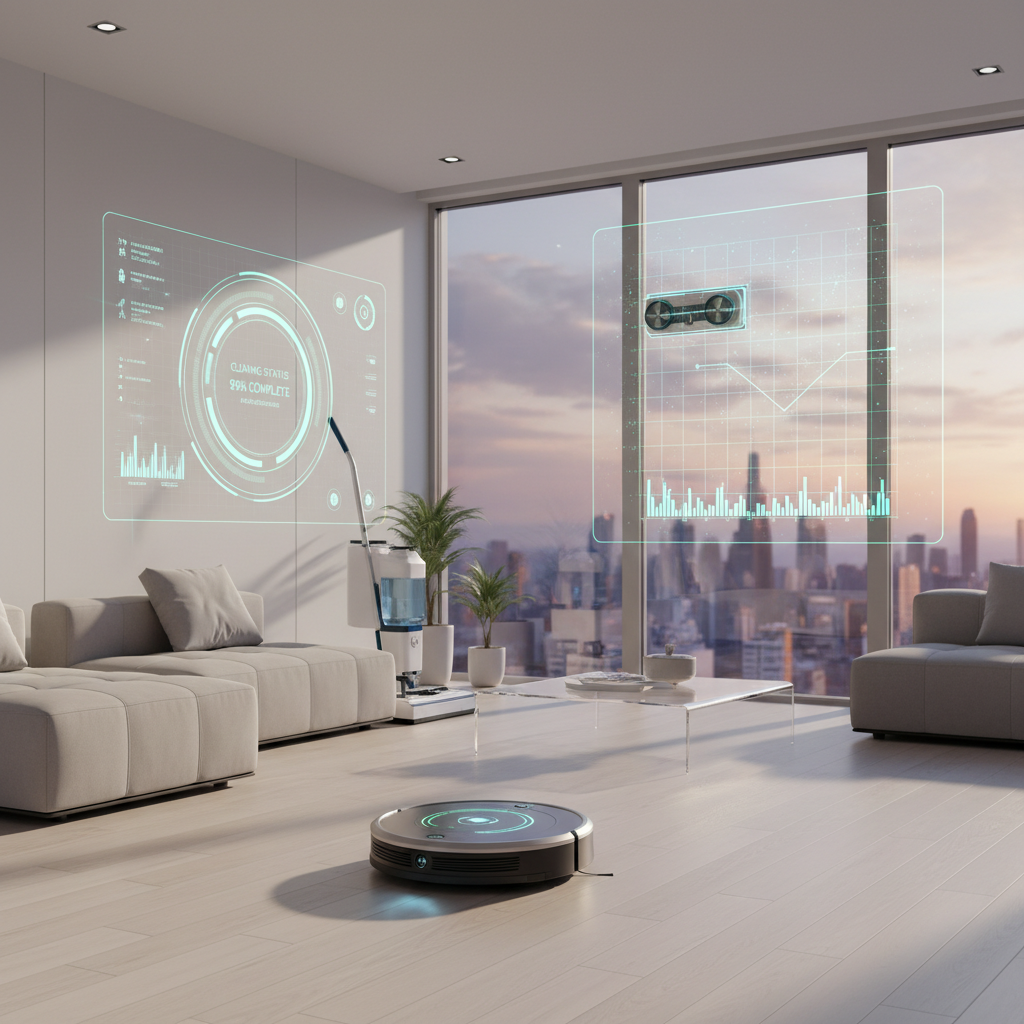
In an era defined by technological acceleration, our homes are rapidly transforming into intelligent ecosystems designed to enhance comfort, convenience, and efficiency. Among the most significant beneficiaries of this revolution are our mundane, time-consuming household chores. Gone are the days when cleaning meant endless scrubbing, sweeping, and mopping by hand. Today, artificial intelligence (AI) has stepped onto the scene, fundamentally reshaping how we approach cleanliness and domestic management. This comprehensive guide delves into the fascinating world of AI-powered cleaning gadgets, exploring how these ingenious devices are not just automating tasks but are genuinely simplifying our lives, freeing up precious time, and fostering a smarter, more hygienic living environment.
The promise of a truly smart home hinges on its ability to intelligently assist with daily routines, and nowhere is this more impactful than in the realm of cleaning. From sophisticated robot vacuums that map your entire home with laser precision to automated window cleaners that sparkle panes effortlessly, AI is at the heart of these innovations. We will embark on a journey through the current landscape of AI cleaning technology, examining its evolution, the diverse range of gadgets available, the profound benefits they offer, and what the future holds for a home where cleaning becomes an afterthought rather than a burden. Prepare to discover how AI is not just cleaning your home, but making your household truly smarter.
The Evolution of AI in Cleaning: From Basic Bots to Intelligent Assistants
The journey of AI in cleaning began with relatively simple robotic devices, often characterized by random navigation patterns and a tendency to get stuck under furniture. Early robot vacuums, while novel, required significant human intervention, from clearing obstacles to emptying dustbins frequently. They offered a glimpse into a future of automated cleaning but were far from truly smart. Fast forward to today, and the landscape is dramatically different.
Modern AI cleaning gadgets are equipped with an array of advanced sensors, powerful processors, and sophisticated algorithms that enable them to learn, adapt, and perform tasks with unprecedented efficiency and autonomy. This evolution can be broken down into several key stages:
- Initial Random Navigation (Early 2000s): The first generation of robot vacuums largely relied on bump-and-go navigation. They would move until they hit an obstacle, change direction, and continue. While they covered ground, their cleaning paths were inefficient and often missed spots.
- Pre-programmed Patterns and Basic Sensors (Mid-2000s): Manufacturers began incorporating more structured cleaning patterns (like spirals or wall-following) and basic sensors to detect cliffs (stairs) and avoid major collisions. This improved coverage but still lacked true intelligence.
- Mapping and Spatial Awareness (Early 2010s): The introduction of technologies like Visual Simultaneous Localization and Mapping (vSLAM) and later LiDAR (Light Detection and Ranging) marked a significant leap. These technologies allowed robots to build detailed maps of their environment, understand their precise location within that map, and plan efficient, systematic cleaning routes. This meant no more random bouncing; robots could clean in neat rows and cover every accessible area.
- Object Recognition and Environmental Adaptation (Mid-2010s to Present): Current AI cleaning devices go beyond mere mapping. They utilize advanced AI vision systems and machine learning to identify specific objects on the floor (e.g., cables, pet waste, shoes) and navigate around them intelligently, preventing tangles or mishaps. They can distinguish between different floor types, automatically adjust suction power, and even detect areas requiring more intensive cleaning based on accumulated dirt.
- Integration and Personalization (Present): The latest generation of AI cleaning gadgets integrates seamlessly with smart home ecosystems, responding to voice commands, linking with smart schedules, and even learning your cleaning preferences over time. They can suggest optimal cleaning times, avoid specific “no-go zones,” and provide detailed cleaning reports. Self-emptying docks, self-cleaning mop pads, and automatic detergent dispensing further reduce human intervention, moving closer to true hands-free operation.
This rapid progression showcases how AI has transformed cleaning robots from simple automated tools into truly intelligent, indispensable assistants that significantly reduce the burden of household chores.
Diverse Applications: Types of AI Cleaning Gadgets Revolutionizing Your Home
The impact of AI on cleaning extends far beyond the traditional robot vacuum. A wide array of specialized gadgets now harness AI to tackle various cleaning challenges throughout the home. Each device is engineered with specific tasks in mind, leveraging AI to optimize its performance, navigation, and overall effectiveness.
AI-Powered Robot Vacuums: The Flagship of Smart Cleaning
These are arguably the most ubiquitous and recognizable AI cleaning devices. Modern robot vacuums are far more than just automatic dust collectors. They are sophisticated machines that:
- Map and Navigate: Use LiDAR, vSLAM, or kameror to create accurate floor plans, enabling systematic cleaning paths and obstacle avoidance.
- Object Recognition: AI vision identifies and steers clear of common household clutter like pet waste, shoes, power cords, and socks, preventing costly tangles and accidents.
- Adaptive Cleaning: Automatically adjust suction power based on floor type (e.g., boosting suction on carpets) and detect heavily soiled areas for deeper cleaning.
- Personalized Schedules: Learn user habits and allow for customized cleaning zones, no-go areas, and routine scheduling via smartphone apps or voice commands.
- Self-Maintenance: Many models feature self-emptying dustbins, reducing the frequency of manual intervention to weeks or even months.
Smart Robot Mops: Beyond Basic Wet Wipes
While some robot vacuums offer a basic mopping function, dedicated robot mops provide a more thorough and intelligent solution for hard floors.
- Precision Mopping: They use advanced navigation to avoid carpets and rugs while meticulously cleaning hard surfaces.
- Variable Cleaning Modes: Offer different scrubbing patterns, water flow levels, and even disposable or reusable pad options for various cleaning needs.
- Detergent Dispensing: Some models can automatically dispense cleaning solution for enhanced stain removal.
- Self-Cleaning: High-end versions include self-washing and self-drying mop pads, ensuring hygiene and minimizing manual effort.
AI Window Cleaning Robots: Sparkling Panes with No Effort
Tackling windows, especially those on upper floors or large glass panels, can be arduous and even risky. AI window cleaning robots are designed to adhere to glass surfaces and systematically clean them.
- Suction and Navigation: They use powerful suction to stay attached to the window and employ AI algorithms to map the surface and move in efficient patterns, covering every inch.
- Edge Detection: Built-in sensors detect window frames and edges, preventing the robot from falling off.
- Multi-Surface Capability: Some advanced models can also clean tiled walls, shower screens, and other smooth vertical surfaces.
Automated Pool Cleaners: Keeping Your Oasis Pristine
Maintaining a swimming pool requires significant effort to keep it free from debris and algae. AI-powered pool cleaners automate this task.
- Intelligent Mapping: They map the pool’s contours, identifying walls, floors, and even steps to ensure comprehensive cleaning coverage.
- Obstacle Avoidance: Navigate around ladders, drains, and other permanent fixtures within the pool.
- Surface Scrubbing: Equipped with brushes to scrub away algae and dirt from pool surfaces, not just vacuum debris.
- Filter Systems: Integrate their own filtration systems to capture fine particles, reducing the load on the pool’s main filter.
Smart Air Purifiers with AI Capabilities: Invisible Cleaning for Health
While not traditionally seen as “cleaning” gadgets in the physical sense, smart air purifiers with AI play a crucial role in maintaining a clean and healthy indoor environment.
- Environmental Sensing: They continuously monitor air quality, detecting pollutants like VOCs, particulate matter (PM2.5, PM10), and allergens.
- Adaptive Operation: AI algorithms analyze the data and automatically adjust fan speed and filtration intensity to optimize purification, only working harder when needed.
- Pattern Learning: Some can learn periods of high pollution (e.g., cooking times, pollen seasons) and pre-emptively increase purification.
- Integration: Connect with smart home systems to provide real-time air quality reports and respond to voice commands.
Each of these categories demonstrates the pervasive and specialized application of AI in making various aspects of home cleaning more manageable, efficient, and increasingly autonomous.
How AI Transforms the Cleaning Experience: Beyond Simple Automation
AI’s role in cleaning extends far beyond simply automating tasks; it fundamentally redefines the entire cleaning experience, making it smarter, more efficient, and incredibly user-friendly. This transformation isn’t just about saving time; it’s about optimizing performance, personalizing routines, and ensuring a consistently cleaner home.
Smart Navigation and Mapping: The Brains Behind the Movement
At the core of modern AI cleaning gadgets is their ability to intelligently understand and navigate their environment. Unlike their predecessors that moved randomly, current devices leverage:
- LiDAR and vSLAM: These technologies allow robots to create highly accurate, real-time maps of your home. This map isn’t just for navigation; it becomes a blueprint for personalized cleaning.
- Systematic Cleaning Paths: With a clear understanding of the layout, robots plan the most efficient cleaning routes, often cleaning in neat, overlapping rows, ensuring comprehensive coverage without redundant passes.
- Zoning and No-Go Areas: Users can define specific zones for targeted cleaning (e.g., “clean the kitchen after dinner”) or set up virtual boundaries to keep robots out of sensitive areas (e.g., a child’s play area with small toys).
- Multi-Floor Mapping: Advanced models can store maps for multiple floors, making them ideal for multi-story homes.
Object Recognition and Avoidance: Seeing and Understanding
One of the most significant advancements is the integration of AI-powered vision and machine learning for object recognition. Robots are no longer blind machines; they can “see” and interpret their surroundings:
- Clutter Identification: AI models, trained on vast datasets, can identify common household items like power cords, pet waste, socks, shoes, and even furniture legs.
- Intelligent Avoidance: Instead of bumping into or getting tangled in these items, the robot intelligently navigates around them, preventing damage to itself or your belongings. This is particularly valuable for pet owners, preventing messy “smear-gate” incidents.
- Adaptive Cleaning Strategies: The robot can differentiate between a permanent fixture (like a table leg) and a temporary obstacle (like a toy), informing its long-term cleaning strategy.
Personalized Cleaning Schedules and Preferences: Tailored to Your Lifestyle
AI allows cleaning devices to adapt to your specific needs and habits, moving beyond one-size-fits-all cleaning:
- Learning Algorithms: Some robots can learn your cleaning preferences over time, suggesting optimal cleaning times or areas based on your past usage and detected dirt levels.
- Customizable Routines: Users can easily set up daily, weekly, or specific time-based cleaning schedules for the entire home or particular rooms.
- Integration with Voice Assistants: Seamless integration with Google Assistant or Amazon Alexa allows for intuitive voice commands, making it easier to start, stop, or direct cleaning tasks.
- Dynamic Adjustments: AI can analyze data from various sensors (dust, allergens) and external sources (weather, pollen counts) to dynamically adjust cleaning intensity or trigger air purification.
Self-Maintenance and Autonomy: Reducing Your Involvement
The latest AI cleaning gadgets are designed to minimize human intervention, pushing towards true autonomy:
- Self-Emptying Docks: Robot vacuums can automatically empty their dustbins into a larger sealed bag in their charging dock, extending the time between manual cleanings to weeks or months.
- Self-Washing/Drying Mop Pads: Robot mops can return to their base station to wash and dry their mop pads, ensuring hygienic cleaning and preventing odors. Some even refill their water tanks automatically.
- Smart Diagnostics: AI can monitor the robot’s health, alerting users to issues like tangled brushes, full dustbins, or required maintenance, often with troubleshooting tips.
- Over-the-Air Updates: AI capabilities are continually improved through software updates, enhancing features and performance without requiring new hardware.
By integrating these advanced AI features, cleaning gadgets transcend simple automation, becoming intelligent partners that adapt to your home and lifestyle, significantly enhancing the cleanliness and convenience of your living space.
Benefits Beyond Basic Cleaning: The Real Value of AI in Your Home
While the primary function of AI cleaning gadgets is to clean, their benefits extend far beyond mere dirt removal. These devices contribute significantly to overall household well-being, efficiency, and even mental peace, providing value that touches various aspects of modern living.
Unprecedented Time Savings: Reclaiming Your Schedule
This is perhaps the most immediate and tangible benefit. Manual cleaning, especially in larger homes or those with pets and children, can consume several hours a week. AI cleaning gadgets automate these tasks entirely:
- Automated Routines: Set a schedule, and the robots handle the rest, freeing up hours you would have spent vacuuming, mopping, or scrubbing.
- Passive Cleaning: Cleaning happens in the background, often while you’re at work, sleeping, or enjoying leisure activities, maximizing productive or relaxation time.
- Less Frequent Deep Cleaning: Consistent daily maintenance by robots can reduce the frequency and intensity of arduous deep cleaning sessions.
Improved Hygiene and Allergen Reduction: A Healthier Home Environment
AI cleaning devices contribute to a consistently cleaner and healthier living space:
- Regular Dirt and Dust Removal: Daily vacuuming and mopping by robots prevent the accumulation of dust, dander, and microscopic allergens that can trigger respiratory issues.
- Targeted Cleaning: AI can identify high-traffic or particularly dirty areas and focus cleaning efforts there, maintaining higher hygiene standards where it matters most.
- Air Quality Improvement: Smart air purifiers with AI adapt to real-time air quality, actively removing pollutants, viruses, and allergens, creating a healthier indoor atmosphere.
- Reduced Exposure to Chemicals: Automated cleaning reduces the need for frequent manual cleaning, potentially minimizing exposure to harsh cleaning chemicals.
Enhanced Accessibility for All: Bridging Physical Gaps
AI cleaning offers significant advantages for individuals with mobility challenges, elderly residents, or those with chronic conditions:
- Reduced Physical Strain: Eliminates the need for bending, lifting, and strenuous repetitive motions associated with traditional cleaning.
- Independent Living: Allows individuals who might otherwise struggle with cleaning to maintain a tidy home independently, enhancing their quality of life and autonomy.
- Voice Control: Integration with smart assistants makes controlling cleaning tasks effortless, even for those with limited dexterity.
Reduced Mental Load and Stress: A Calmer Household
The psychological benefit of offloading chores is immense:
- No More “To-Do” List Item: One less thing to worry about on a busy day, reducing mental fatigue and allowing focus on more enjoyable or productive activities.
- Consistently Tidy Home: The satisfaction of returning to a clean home every day, without having lifted a finger, contributes significantly to a sense of calm and order.
- Fewer Domestic Disputes: For multi-person households, automated cleaning can reduce arguments over chore division.
Optimal Resource Utilization: Smart and Sustainable Cleaning
AI helps in making cleaning more efficient, not just in terms of time, but also resources:
- Targeted Water Usage: Smart mops use precise water dispensing, avoiding excessive wetting and conserving water compared to manual mopping.
- Energy Efficiency: AI-driven scheduling ensures devices operate during off-peak hours or when energy rates are lower, and adaptive power settings ensure only the necessary energy is used.
- Extended Device Lifespan: Intelligent navigation and obstacle avoidance reduce wear and tear on the robots themselves, extending their operational life.
In essence, AI cleaning gadgets aren’t just tools; they are investments in a more convenient, healthier, accessible, and stress-free lifestyle, fundamentally elevating the standard of living within a smart home.
Seamless Integration: AI Cleaning Gadgets in the Smart Home Ecosystem
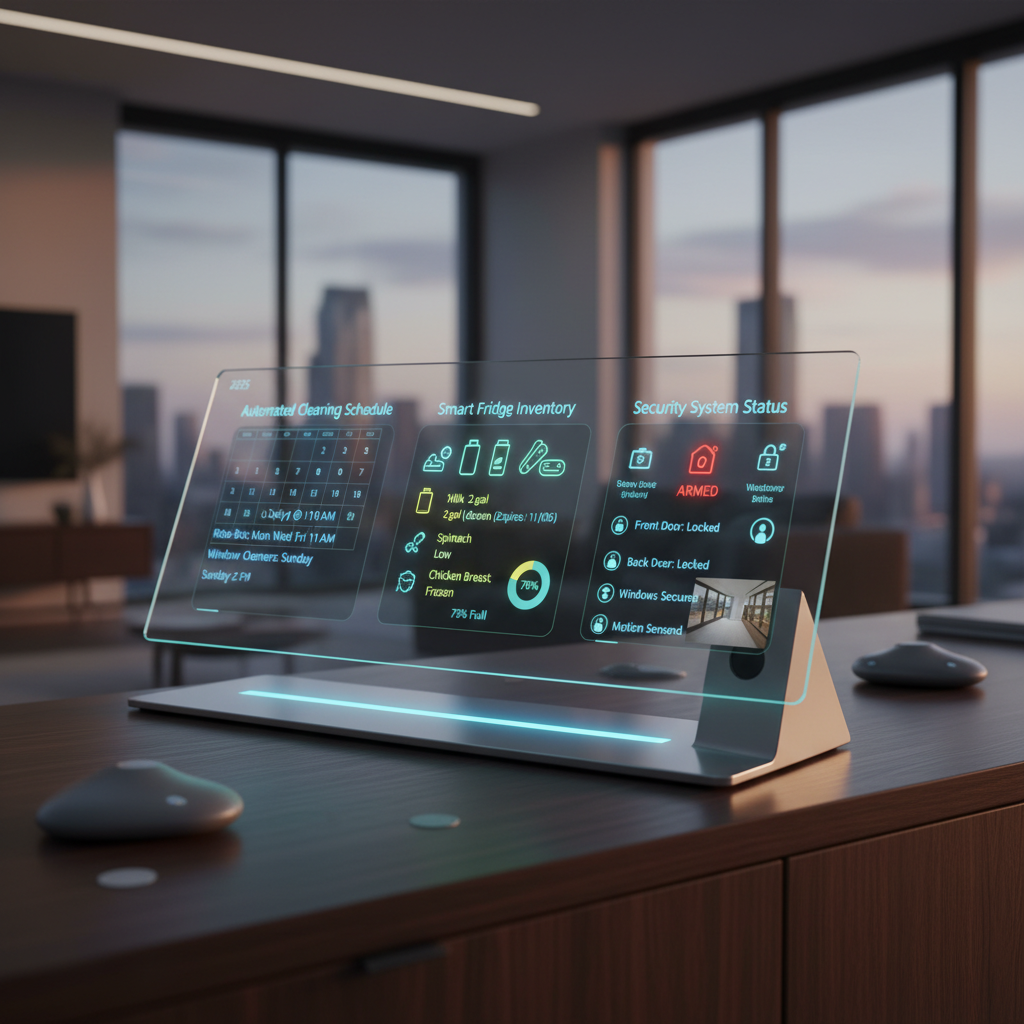
The true power of AI cleaning gadgets is fully realized when they operate not in isolation, but as integral components of a larger smart home ecosystem. This integration allows for a level of automation, coordination, and responsiveness that transforms a collection of smart devices into a truly intelligent household. The goal is a cohesive environment where different technologies communicate and collaborate to provide a seamless living experience.
Voice Control: Command Your Clean with a Word
One of the most accessible and popular forms of integration is voice control. AI cleaning devices are increasingly compatible with leading voice assistants:
- Amazon Alexa: “Alexa, tell the robot vacuum to clean the living room.”
- Google Assistant: “Hey Google, start the mop in the kitchen.”
- Apple HomeKit (limited but growing): Siri can also be used for certain compatible devices.
This hands-free control simplifies the user experience, allowing for immediate cleaning actions without needing to open an app or push a button, which is particularly beneficial for those with mobility challenges or when your hands are full.
App-Based Control and Monitoring: Your Cleaning Command Center
While voice control is convenient, dedicated smartphone apps provide a comprehensive control center for your AI cleaning devices:
- Real-time Status: Monitor cleaning progress, battery levels, and current location of your robots.
- Customizable Maps: View the robot’s generated map, define no-go zones, virtual walls, and specific room cleaning orders.
- Scheduling and Routines: Set up detailed cleaning schedules for different days, times, and areas.
- Cleaning Reports: Access historical cleaning data, showing cleaned areas, duration, and any issues encountered.
- Firmware Updates: Receive over-the-air updates that continuously improve the robot’s AI capabilities and add new features.
Interoperability with Other Smart Home Devices via IFTTT and APIs
The magic of a smart home often lies in devices communicating with each other through platforms like IFTTT (If This Then That) or direct API integrations. This enables complex, multi-device routines:
- “Leaving Home” Scenario: When your smart lock registers you’ve left the house, the robot vacuum automatically starts a full home clean.
- Air Quality Triggers: If your smart air quality monitor detects a spike in pollen or dust, your robot vacuum could be triggered to run an extra cycle.
- Motion Detection: After your pet feeder dispenses food, motion sensors could detect your pet has finished eating, triggering a quick spot clean in the feeding area.
- Voice Assistant Routines: A single voice command like “Goodnight” could turn off lights, arm the security system, and send the robot vacuum to clean the downstairs.
Centralized Smart Home Hubs: A Unified Experience
Many users opt for a central smart home hub (like Samsung SmartThings, Amazon Echo Hub, or Google Nest Hub) to manage all their devices from a single interface. While not all AI cleaning gadgets integrate directly with every hub, the trend is towards greater compatibility:
- Unified Dashboard: Control all your smart devices, including cleaning robots, from one central screen or app.
- Simplified Automation: Create complex scenes and automations involving multiple devices without needing separate apps for each.
This level of integration transforms individual AI cleaning gadgets into intelligent components of a responsive, adaptive, and truly smart home, enhancing convenience and automating routines in ways that were once purely in the realm of science fiction.
Challenges and Considerations: Navigating the Smart Cleaning Landscape
While AI cleaning gadgets offer a wealth of benefits, it’s essential to approach their adoption with an understanding of the challenges and considerations involved. Like any emerging technology, they come with their own set of prerequisites, potential drawbacks, and areas for improvement. A realistic perspective ensures that users can make informed decisions and manage expectations effectively.
Initial Investment and Cost: The Price of Progress
- Higher Upfront Cost: Advanced AI-powered robot vacuums, mops, and other cleaners are significantly more expensive than traditional manual cleaning tools or even basic robotic models. Premium features like LiDAR mapping, AI object recognition, and self-emptying docks drive up prices.
- Maintenance Costs: Consumables such as replacement brushes, filters, mop pads, and self-emptying dust bags need to be factored into the long-term cost of ownership.
- Value Proposition: While the initial outlay can be substantial, the investment often pays off in terms of time saved, convenience gained, and a consistently cleaner home, but this balance must be weighed by the individual consumer.
Setup Complexity and Learning Curve: Getting Started
- Initial Setup: Setting up advanced robots, especially those with mapping capabilities, can require some technical proficiency. This includes connecting to Wi-Fi, pairing with apps, and potentially troubleshooting network issues.
- App Navigation: While apps offer extensive control, some can be complex, requiring users to navigate various menus for scheduling, zoning, and feature customization.
- Environmental Preparation: For optimal performance, the home environment often needs some initial preparation, such as clearing excessive clutter or ensuring consistent Wi-Fi coverage.
Privacy and Data Security: Trusting Your Home to AI
- Mapping Data: Robot vacuums create detailed maps of your home’s layout, which are stored either locally on the device or in the cloud. Concerns exist about how this sensitive spatial data is used, stored, and protected by manufacturers.
- AI Vision Data: Robots with AI object recognition utilize cameras to “see” their environment. While manufacturers typically process this data on-device and don’t transmit raw video, the potential for data breaches or misuse remains a concern.
- Cloud Connectivity: Many features rely on cloud services, raising questions about data encryption, server security, and compliance with privacy regulations.
- Mitigation: Users should choose reputable brands with strong privacy policies, ensure strong Wi-Fi security, and be aware of what data their devices collect.
Limitations of Current Technology: Not a Magic Bullet
- Stairs and Level Changes: Robot vacuums cannot climb stairs, meaning multi-story homes require either multiple robots or manual transfer.
- Small Spaces and Edges: While vastly improved, robots can still struggle with very tight corners, intricate furniture arrangements, and perfectly cleaning right up to every baseboard.
- Deep Cleaning vs. Maintenance: AI cleaners excel at consistent maintenance but are not typically substitutes for occasional deep cleaning by hand or professional services, especially for ingrained dirt or specific spills.
- Obstacle Limitations: While AI object recognition is advanced, it’s not foolproof. Very small, reflective, or uniquely shaped objects might still be missed or cause issues.
- Wet vs. Dry: Combo vacuum/mop robots are improving, but a dedicated robot mop often provides a superior wet cleaning experience compared to a combined unit.
Despite these challenges, the continuous advancements in AI technology are rapidly addressing many of these limitations, making smart cleaning solutions more robust, accessible, and user-friendly with each generation. Understanding these factors allows consumers to harness the power of AI cleaning effectively while navigating its nuances.
The Future of AI Cleaning: Towards Fully Autonomous and Adaptive Homes
The current landscape of AI cleaning gadgets, while impressive, represents just the beginning of a truly autonomous and adaptive future. As AI, robotics, and sensor technologies continue to evolve, we can anticipate a radical transformation in how our homes maintain their cleanliness, moving towards systems that are not just automated but truly intelligent, predictive, and seamlessly integrated into our lives.
Advanced Robotics and Dexterity: Beyond Wheels
- Multi-Limb Robots: Imagine cleaning robots with articulated arms capable of picking up clutter, dusting shelves, or even scrubbing countertops. Research in robotics is pushing towards greater dexterity and manipulation capabilities.
- Adaptive Mobility: Robots that can navigate stairs fluidly, traverse different floor levels without manual intervention, or even climb walls for comprehensive cleaning.
- Swarm Robotics: Instead of a single robot, a coordinated fleet of smaller, specialized robots working in tandem, each tackling a specific task (e.g., one vacuums, another mops, a third dusts).
Predictive Cleaning and Proactive Maintenance: Learning Your Lifestyle
- Predictive Analytics: AI will move beyond reactive cleaning (e.g., “clean now”) to predictive cleaning. By analyzing patterns of use, occupancy, external weather data, and even calendar events, the system will anticipate cleaning needs. For example, knowing you’re hosting a party, it might initiate a pre-emptive deep clean.
- Autonomous Stain Removal: Integration of advanced sensors that can detect spills or stains in real-time and dispatch a specialized spot-cleaning robot or module to address them immediately.
- Self-Diagnosis and Repair: Robots that can not only identify their own malfunctions but potentially order replacement parts or even perform minor self-repairs, significantly reducing user intervention.
Hyper-Personalization and Holistic Home Management: The Truly Smart Home
- Deep Learning of Preferences: AI cleaning systems will learn nuanced individual preferences beyond simple schedules – understanding specific cleanliness levels desired in different rooms, preferred cleaning solutions, or even anticipating when certain areas will become dirty based on household activities.
- Full Home Integration: Seamless operation with every other smart device. Your home might open blinds for optimal natural light for an AI window cleaner, or automatically adjust ventilation after a cleaning cycle.
- Environmental Co-adaptation: AI cleaning systems could interact with smart home climate control, air purification, and even lighting to optimize the cleaning process and subsequent environment.
- AI-Driven Design: Future homes might be designed from the ground up to facilitate robotic cleaning, with integrated charging stations, optimized layouts, and materials that are easier for robots to clean.
Energy Harvesting and Sustainability: Greener Cleaning
- Self-Sustaining Power: Research into miniature energy harvesting technologies could lead to robots that recharge passively from ambient light, vibration, or even movement, reducing reliance on conventional power outlets.
- Eco-Friendly Cleaning: AI could optimize water and detergent usage to minimize environmental impact, suggesting eco-friendly cleaning agents or even developing new bio-degradable cleaning methods.
The future vision for AI cleaning is one where maintaining a spotless and healthy home requires virtually no human effort. These systems will not just clean; they will understand, predict, adapt, and integrate so thoroughly into our lives that a consistently clean home becomes an invisible, effortless reality, truly embodying the promise of a smarter household.
Comparison Tables: A Closer Look at AI Cleaning Gadgets
To better understand the diverse offerings in the AI cleaning market, let’s compare some key features and benefits across different types of devices, as well as a look at common features found in top-tier robot vacuums.
Table 1: Comparing Types of AI Cleaning Gadgets
| Gadget Type | Primary Function | Key AI/Smart Features | Ideal Use Case | Typical Price Range (USD) |
|---|---|---|---|---|
| Robot Vacuum | Automated floor cleaning (dry) | LiDAR/vSLAM mapping, object recognition, adaptive suction, auto-empty dock, app/voice control. | Daily maintenance for varied floor types, busy individuals, pet owners. | $250 – $1200+ |
| Robot Mop (Dedicated) | Automated hard floor cleaning (wet) | Precision navigation (avoids carpets), self-washing/drying pads, intelligent water dispensing, stain detection. | Homes with significant hard floor areas, requiring frequent wet cleaning, allergy sufferers. | $300 – $1500+ |
| Window Cleaning Robot | Automated window/glass cleaning | Path planning, edge detection, powerful suction, remote control/app, multiple cleaning modes. | Large or hard-to-reach windows, glass doors, tile walls. | $150 – $600 |
| Smart Air Purifier | Continuous air quality improvement | Real-time air quality monitoring, adaptive fan speed, pollutant detection (VOCs, PM2.5), schedule optimization, smart home integration. | Allergy/asthma sufferers, urban dwellers, homes with pets or smokers, proactive health management. | $100 – $800+ |
| Automated Pool Cleaner | Debris removal and scrubbing of pool surfaces | Intelligent mapping (pool contours), obstacle avoidance, active scrubbing brushes, self-contained filtration. | Homeowners with in-ground or above-ground pools, reducing manual pool maintenance. | $400 – $2000+ |
Table 2: Key Features of Modern AI Robot Vacuums
| Feature | Description | Benefit to User | Commonly Found In |
|---|---|---|---|
| LiDAR Navigation | Uses laser sensors to create precise, real-time maps of the home. | Efficient, systematic cleaning paths; rarely misses spots; fast mapping; works in darkness. | Mid-range to High-end models |
| AI Object Recognition | Uses kamera and AI algorithms to identify and avoid common floor clutter (cables, pet waste, shoes). | Prevents tangles, damage to objects/robot; reduces need for pre-cleaning. | High-end models |
| Self-Emptying Dock | Robot automatically empties its dustbin into a larger bag in the charging dock. | Weeks/months of hands-free operation; reduces exposure to dust/allergens; improved hygiene. | Mid-range to High-end models |
| Smart Mopping (Integrated) | Combines vacuuming with simultaneous or separate mopping function; often with intelligent water control. | Dual cleaning capability; saves time; keeps hard floors polished. | Mid-range to High-end models |
| Multi-Floor Mapping | Ability to store and recognize maps for different levels of a home. | Convenient for multi-story homes (though still requires manual transfer between floors). | Mid-range to High-end models |
| Voice Assistant Integration | Compatibility with Amazon Alexa, Google Assistant for voice commands. | Hands-free control; seamless integration into smart home routines. | Almost all modern models |
| Zoning & No-Go Zones | Ability to define specific areas for cleaning or avoidance via the app. | Targeted cleaning; protects delicate areas; prevents robot from getting stuck. | Mid-range to High-end models |
| Adaptive Suction Power | Robot automatically adjusts suction strength based on floor type (e.g., carpet vs. hard floor). | Optimizes cleaning performance; conserves battery life; quieter operation on hard floors. | Almost all modern models |
Practical Examples: AI Cleaning in Real-World Scenarios
Understanding the features and benefits of AI cleaning gadgets is one thing; seeing how they integrate into real-life situations truly brings their value to light. Here are a few practical examples demonstrating how AI is simplifying home chores for different types of households.
Case Study 1: The Busy Professional Couple
Scenario: Sarah and Mark are both high-powered executives, often working long hours. They love their two cats but find that pet hair and daily dust accumulation are constant battles, leaving little time for enjoying their beautifully furnished apartment. Coming home to a messy floor only adds to their stress.
AI Solution: They invest in a top-tier robot vacuum with LiDAR mapping, AI object recognition, and a self-emptying dock. They also add a dedicated robot mop for their hardwood floors and a smart air purifier.
- Morning Routine: As they leave for work, Sarah simply says, “Alexa, tell the vacuum to clean the living room.” The robot, having learned their home layout, efficiently vacuums the designated area, avoiding the cats’ food bowls and any stray toys.
- During the Day: The air purifier, connected to their smart home system, monitors air quality. When it detects an increase in pet dander or dust, it automatically ramps up its filtration, ensuring the air remains fresh.
- Evening Arrival: Mark arrives home to clean, hair-free floors. While he showers, he might trigger the robot mop to clean the kitchen and dining area. The mop intelligently avoids the rugs and self-cleans its pads after each cycle. The self-emptying vacuum dock means they only interact with the dustbin once every few weeks, minimalizing contact with allergens.
Outcome: Sarah and Mark reclaim several hours a week, significantly reducing their stress levels. Their home is consistently clean, and the air quality is improved, leading to a healthier environment for them and their pets, all with minimal effort on their part.
Case Study 2: The Family with Young Children and a Messy Lifestyle
Scenario: Emily and David have three young children and a dog. Their home is a constant flurry of activity, crumbs, spills, and toys. Manual cleaning is a never-ending chore, and they often feel like they’re just chasing dirt.
AI Solution: They opt for a robust robot vacuum with advanced object avoidance (crucial for toys and occasional “accidents”), powerful suction for varied messes, and multi-floor mapping for their two-story house. They also have a small, portable window cleaner for their large sliding glass doors.
- Post-Meal Cleanup: After breakfast, instead of sweeping crumbs, Emily activates the robot vacuum for a quick kitchen and dining room cleanup via her smartphone app. The robot navigates around chairs and even recognizes stray food bits, focusing its cleaning there.
- After Playtime: David uses the app to define “no-go zones” around the kids’ main play areas when they are actively playing, preventing the robot from getting stuck. Once the kids are in bed, he can remove these zones and let the robot do a full pass, even scheduling it for the middle of the night.
- Weekend Refresh: On Saturday mornings, while the kids are occupied, they deploy the window cleaning robot to tackle the smudged glass doors leading to the backyard, a task that used to take considerable effort and ladder work.
Outcome: Emily and David find they spend less time cleaning and more time with their children. Their home maintains a much higher baseline of cleanliness, making impromptu playdates or unexpected guests less stressful. The robot handles the daily grind, allowing them to focus on deeper, less frequent cleaning tasks.
Case Study 3: The Elderly Individual Seeking Independence
Scenario: Margaret, a senior citizen, lives alone in her two-bedroom bungalow. While she values her independence, physical limitations make vacuuming and mopping increasingly difficult and risky. She worries about maintaining a clean home and potentially losing her autonomy.
AI Solution: Her family sets her up with an easy-to-use robot vacuum/mop combo that responds to simple voice commands and a smart air purifier.
- Daily Routine: Each morning, Margaret simply says, “Hey Google, start the vacuum.” The robot efficiently cleans her living room and kitchen, carefully navigating around furniture.
- Fall Prevention: Because the robot keeps the floors consistently clean, there are fewer loose dust bunnies or small debris to potentially trip over, improving safety.
- Air Quality: The smart air purifier quietly maintains healthy air, especially important during allergy season, without Margaret needing to remember to turn it on or adjust settings.
- Reduced Strain: Margaret no longer has to bend, push, or lift heavy cleaning equipment, reducing the risk of strain or falls. The self-emptying dock means she rarely has to handle the dustbin.
Outcome: Margaret maintains her independence and a clean, comfortable living environment without physical strain. Her family has peace of mind knowing she is safe and her home is tidy. The simplicity of voice control makes the technology accessible and empowering.
These examples illustrate how AI cleaning gadgets are not just luxury items but practical, transformative tools that enhance daily life for a diverse range of users, making homes smarter, cleaner, and more enjoyable.
Frequently Asked Questions About AI Cleaning Gadgets
Q: What exactly makes an AI cleaning gadget “smart”?
A: An AI cleaning gadget is considered “smart” because it utilizes artificial intelligence, machine learning, and advanced sensors to perform tasks intelligently, beyond simple automation. This includes abilities like creating and navigating detailed maps of your home (LiDAR, vSLAM), recognizing and avoiding specific objects (AI vision), adapting its cleaning approach based on floor type or dirt level, learning user preferences, and integrating with other smart home systems for seamless control and automation (voice commands, app control, IFTTT). It’s about adaptive problem-solving and proactive cleaning, rather than just following a pre-programmed path.
Q: Are AI robot vacuums good for homes with pets?
A: Absolutely, AI robot vacuums are often a game-changer for pet owners. Modern models excel at picking up pet hair, dander, and litter. Crucially, advanced AI object recognition features can identify and avoid pet waste, preventing messy “smear-gate” incidents. Self-emptying docks are also incredibly beneficial, as they store weeks of pet hair and dust, reducing your direct contact with allergens and the frequency of dustbin emptying. Their consistent, scheduled cleaning helps keep pet-related messes under control daily.
Q: How do robot vacuums avoid stairs and falling?
A: Robot vacuums employ “cliff sensors” located on their underside. These infrared sensors detect changes in elevation, such as the edge of a stair or a drop-off. When a sensor detects a drop, the robot’s AI immediately stops it from moving forward in that direction and redirects it along a safe path. This technology is highly reliable in preventing falls down stairs or off elevated surfaces.
Q: Do AI cleaning gadgets work on all floor types?
A: Most AI robot vacuums are designed to work effectively on various floor types, including hardwood, tile, laminate, and carpets (low-pile to medium-pile). Many feature adaptive suction, automatically boosting power when transitioning from hard floors to carpet. Dedicated robot mops are specifically for hard floors and will intelligently avoid carpets and rugs. Always check the manufacturer’s specifications for compatibility with very high-pile carpets or specialty rugs.
Q: How often do I need to empty the dustbin or clean the mop pads?
A: This depends heavily on the model and your home’s needs. For robot vacuums with a self-emptying dock, you might only need to replace the sealed dust bag in the dock every 30-60 days, depending on pet hair and overall dirt accumulation. For robots without this feature, the onboard dustbin typically needs to be emptied after every 1-3 cleaning cycles. Dedicated robot mops with self-washing/drying bases can go for extended periods without manual intervention, while others require manual pad cleaning after each use. Filters and brushes usually need cleaning weekly and replacement every 3-6 months.
Q: Is my home mapping data secure and private?
A: Privacy is a valid concern with devices that map your home and use cameras. Reputable manufacturers employ robust security measures, including data encryption (both in transit and at rest) and secure cloud storage. Most process sensitive visual data locally on the device rather than sending raw footage to the cloud. However, it’s crucial to review the privacy policy of the specific brand and model you purchase. Always ensure your home Wi-Fi network is secure with a strong password to prevent unauthorized access.
Q: Can AI cleaning gadgets replace all manual cleaning?
A: While AI cleaning gadgets significantly reduce the need for manual cleaning, they don’t typically replace it entirely. They excel at daily maintenance and keeping a consistently high level of cleanliness. However, you’ll likely still need to perform occasional deep cleaning, tackle unique spills, clean very tight corners, or reach elevated surfaces that robots cannot access. Think of them as intelligent assistants that handle the routine, freeing you for the less frequent, more intensive tasks.
Q: What is the average lifespan of an AI robot cleaner?
A: The average lifespan of a well-maintained AI robot cleaner is typically 3-5 years, though some models can last longer. Factors influencing lifespan include usage frequency, quality of materials, proper maintenance (cleaning brushes, filters, sensors), and battery health. Batteries are often the first component to degrade and may need replacement within 2-3 years. Reputable brands often offer replacement parts, extending the life of the device.
Q: How do I set up and control an AI cleaning gadget?
A: Setup generally involves downloading the manufacturer’s smartphone app, connecting the device to your home Wi-Fi network, and following on-screen instructions for initial mapping. Once set up, you can control the gadget via the app (scheduling, zone cleaning, viewing maps), voice commands (via Alexa or Google Assistant), or physical buttons on the device itself. Most apps provide intuitive interfaces for managing all features and settings.
Q: Are AI window cleaning robots safe and effective?
A: Yes, AI window cleaning robots are generally safe and effective for designated tasks. They use powerful suction to adhere securely to the glass and have built-in sensors to detect edges, preventing them from falling. They move in systematic patterns to ensure thorough coverage, often with multiple passes. While they may not achieve the absolute streak-free perfection of a professional human cleaner every single time, they significantly reduce the effort and risk associated with cleaning large or high windows, delivering a very satisfactory result for routine maintenance.
Key Takeaways: Embracing a Smarter, Cleaner Future
- AI is Revolutionizing Home Cleaning: From basic automation, AI has propelled cleaning gadgets into intelligent, adaptive assistants that truly simplify daily chores.
- Diverse Solutions for Every Need: Beyond robot vacuums, AI powers smart mops, window cleaners, pool cleaners, and air purifiers, tackling various cleaning challenges.
- Beyond Time Savings: Benefits extend to improved hygiene, enhanced accessibility, reduced mental load, and optimized resource utilization, fostering a healthier, more stress-free home.
- Seamless Smart Home Integration: AI cleaning gadgets thrive within ecosystems, offering voice control, app-based management, and interoperability with other smart devices for cohesive automation.
- Considerations for Adoption: While transformative, factors like initial cost, setup complexity, privacy concerns, and current technological limitations should be weighed.
- A Glimpse into the Future: The trajectory points towards even more autonomous, predictive, and hyper-personalized cleaning, with advanced robotics and full home integration on the horizon.
- Invest in Convenience and Well-being: Embracing AI cleaning is an investment in reclaiming your time, ensuring a consistently clean environment, and enhancing the overall quality of life in your smart home.
Conclusion: Your Home, Elevated by AI and Effortless Cleanliness
The journey through the world of AI-powered cleaning gadgets reveals a clear truth: the future of home maintenance is here, and it’s intelligent, efficient, and increasingly effortless. What began as simple robotic vacuums has evolved into a sophisticated suite of devices capable of mapping, learning, adapting, and even anticipating our cleaning needs. These innovations are not just about scrubbing floors or dusting surfaces; they are about fundamentally transforming our relationship with our living spaces, making them smarter, healthier, and more enjoyable.
By delegating the mundane and repetitive tasks to AI, we are reclaiming valuable time, reducing physical and mental burdens, and ensuring a consistently pristine environment that actively contributes to our well-being. Whether it’s the busy professional returning to a spotless apartment, the active family managing daily messes with ease, or the elderly individual maintaining independence, AI cleaning gadgets offer tangible, life-enhancing solutions.
While considerations such as initial investment and privacy are important to acknowledge, the relentless pace of technological advancement promises even more intuitive, affordable, and integrated solutions in the years to come. The smart home is no longer a distant dream but a living, breathing entity, and AI cleaning gadgets are at its very heart, tirelessly working to elevate your household to an unprecedented level of comfort and cleanliness. Embrace the revolution, and step into a future where your home truly takes care of itself, allowing you to focus on what truly matters.































































Comments (1)
Smart Kitchen Revolution: AI Appliances That Streamline Meal Prep and Organization - techswaraj.comsays:
November 10, 2025 at 2:20 pm[…] to discover how the smart kitchen is not just a futuristic concept but a tangible solution for simplifying home chores and embracing a smarter […]