


In a world grappling with environmental challenges and economic pressures, the issue of food waste stands as a monumental concern. Annually, an astounding one-third of all food produced globally for human consumption is lost or wasted. This translates to roughly 1.3 billion tons of food, with staggering financial implications and severe environmental consequences, from greenhouse gas emissions to wasted water and land resources. Yet, amidst this daunting reality, a beacon of hope emerges from the realm of technology: Artificial Intelligence. AI is rapidly transforming various sectors, and its potential to revolutionize our approach to food, particularly in the domain of meal preparation and smart ingredient utilization, is nothing short of revolutionary.
Imagine a kitchen where every ingredient is accounted for, its shelf life precisely tracked, and its potential seamlessly integrated into delicious, personalized meal plans. This isn’t a futuristic fantasy but a burgeoning reality thanks to AI. Under the broader umbrella of ‘Revolutionizing Meal Prep: AI Tools for Recipe Discovery and Planning,’ this comprehensive blog post delves into how AI-powered strategies are empowering individuals and households to dramatically slash food waste. We will explore the intricate mechanisms through which AI can optimize everything from inventory management and intelligent recipe generation to smart shopping lists and personalized nutrition, ultimately leading to a more sustainable, efficient, and cost-effective culinary journey. Join us as we uncover the power of AI in creating a smarter, waste-free food future.
The Alarming Scale of Food Waste and Its Multifaceted Impact
Before we dive into the solutions, it’s crucial to grasp the sheer magnitude of the problem we are addressing. Food waste is not merely about uneaten leftovers; it’s a systemic issue with profound economic, environmental, and social repercussions that touch every corner of the globe. From farm to fork, food is lost or wasted at every stage, but a significant portion occurs at the consumer level in households and retail.
Environmental Consequences of Food Waste
- Greenhouse Gas Emissions: When food rots in landfills, it produces methane, a potent greenhouse gas significantly more impactful than carbon dioxide over a 20-year period. Reducing food waste is a crucial climate action, directly mitigating these harmful emissions.
- Wasted Resources: Producing food requires vast amounts of water, land, energy, and labor. Wasting food means all these precious resources were expended in vain. For instance, the water footprint of global food waste is equivalent to three times the volume of Lake Geneva, a staggering amount of freshwater squandered.
- Biodiversity Loss: Agricultural expansion, often driven by the need to produce more food for a growing population, contributes to deforestation, habitat destruction, and the loss of biodiversity. Wasting food exacerbates this pressure, as more land is cleared unnecessarily.
- Pollution: The intensive use of fertilizers and pesticides in conventional food production can lead to water and soil pollution, further straining natural ecosystems and impacting human health. When food goes to waste, these pollutants have been released for no beneficial outcome.
Economic Repercussions of Food Waste
- Financial Loss for Consumers: Households routinely throw away perfectly edible food they’ve purchased, essentially tossing money directly into the bin. This adds up to hundreds, if not thousands, of dollars annually for families, representing a significant drain on household budgets.
- Supply Chain Inefficiencies: Businesses along the food supply chain incur losses from spoilage during storage and transit, inefficient logistics, and unpredictable demand. Food waste magnifies these challenges, leading to higher operational costs and reduced profitability for farmers, distributors, and retailers.
- Increased Disposal Costs: Municipalities face substantial costs for collecting, transporting, and managing food waste. This often requires investments in specialized composting facilities, anaerobic digesters, or the expansion of landfills, burdens that ultimately fall on taxpayers.
Social and Ethical Dimensions of Food Waste
- Food Insecurity Amidst Abundance: Globally, millions suffer from hunger and food insecurity, lacking consistent access to nutritious food. Simultaneously, vast quantities of perfectly edible food are discarded elsewhere. This stark contrast highlights a profound ethical dilemma and systemic imbalance in how food resources are distributed and valued.
- Labor Exploitation: The effort of countless farmers, agricultural workers, and transporters goes unrecognized and unrewarded when the food they painstakingly help produce is ultimately wasted. This undervalues human labor and perpetuates inefficiencies within the food system.
Understanding these profound impacts underscores the urgency of finding effective solutions. AI offers a powerful, data-driven approach to tackle this complex problem from multiple angles, starting right in our kitchens and extending across the entire food supply chain.
How AI is Revolutionizing Kitchen Management and Food Utilization
Artificial Intelligence, with its unparalleled ability to process vast datasets, identify intricate patterns, and make highly accurate predictive analyses, is perfectly positioned to transform our relationship with food. From ingredient sourcing to plate, AI tools are introducing an unprecedented level of precision and insight into kitchen management, promising a future where food waste is drastically minimized.
The Core AI Capabilities Applied to Food Waste Reduction
- Advanced Data Collection and Analysis: AI systems can gather data from a multitude of sources. This includes direct user input (e.g., manually adding items), external databases (e.g., standard food expiration dates, nutritional information), and even sensory input from smart appliances (e.g., smart fridge cameras, weight sensors in pantry bins). It then analyzes this diverse data to comprehensively understand food inventory levels, typical consumption patterns within a household or business, and potential spoilage rates.
- Sophisticated Predictive Analytics: Based on historical data, current inventory, and external factors (like weather or upcoming events for commercial uses), AI can accurately predict which ingredients are likely to spoil soon, when certain items will run out, or what quantities of specific foods are typically consumed by a household or restaurant. This proactive foresight is absolutely critical for timely intervention and proactive waste reduction.
- Intelligent Recommendation Engines: Similar to how popular streaming services suggest movies or e-commerce platforms recommend products, AI can generate highly personalized recipe recommendations. These suggestions are based on a complex interplay of available ingredients, user-defined dietary preferences (e.g., vegetarian, gluten-free), preferred cooking skills, and crucially, the “use-by” or “best-by” dates of items in the inventory, prioritizing those nearing spoilage.
- Optimization Algorithms: AI employs powerful optimization algorithms to create highly efficient meal plans and shopping lists. These algorithms work to maximize ingredient utility, minimize overall waste, and help users achieve specific nutritional goals (e.g., calorie targets, macronutrient balance) simultaneously, balancing multiple constraints.
- Natural Language Processing (NLP) and Computer Vision: NLP allows AI to seamlessly understand and respond to spoken or typed requests for recipes, ingredient queries, or dietary adjustments, making interaction intuitive. Meanwhile, computer vision enables smart appliances (like refrigerators) to “see,” identify, and track items in a fridge or pantry, automatically updating inventory without manual input.
These powerful capabilities form the backbone of several innovative AI-powered strategies, each meticulously designed to make our kitchens smarter, more efficient, and ultimately, significantly more sustainable. Let’s explore these cutting-edge strategies in detail.
AI-Powered Inventory Tracking and Expiration Management
One of the primary and most pervasive drivers of household food waste is a simple lack of awareness regarding what specific ingredients are currently available in the kitchen and, even more critically, when those ingredients are likely to expire. AI-powered systems are stepping in to provide unprecedented visibility and proactive management for your pantry and refrigerator, turning guesswork into precise data.
Smart Sensors and RFID Technology for Automated Tracking
- Automated Inventory Updates: Imagine a truly smart pantry or refrigerator where every item is either tagged with an RFID (Radio-Frequency Identification) chip or tracked by integrated smart weight sensors in bins and shelves. As items are added or removed, the inventory system updates automatically and instantaneously. This revolutionary approach completely eliminates the tedious and error-prone manual entry traditionally associated with inventory management, providing a perpetually accurate count.
- Real-time Kitchen Visibility: Users gain the ability to view their entire kitchen inventory in real-time via a dedicated mobile app, a smart display built into an appliance, or a web interface. This comprehensive overview typically includes not just quantities, but also the physical location of items, and most importantly, an estimated dynamic shelf life, allowing for immediate assessment of what’s available and what’s urgent.
Image Recognition and Computer Vision for Item Identification
- Integrated Smart Refrigerators: Modern smart refrigerators are increasingly equipped with internal wide-angle cameras that capture snapshots every time the door is closed. Advanced AI algorithms then utilize computer vision and image recognition to identify items (e.g., “a carton of milk,” “a head of lettuce”), estimate their remaining quantities, and even detect early, subtle signs of spoilage such as wilting produce, discoloration, or the nascent appearance of mold.
- Assisted Manual Input: For kitchens without high-tech smart appliances, AI apps offer a highly efficient alternative. Users can quickly scan barcodes of groceries upon arrival or simply take pictures of their produce. The AI then intelligently processes this visual or barcode information, categorizing items, and automatically assigning estimated expiration dates based on product type and a vast database of typical shelf life data.
Predictive Analytics for Dynamic Shelf Life and Proactive Alerts
- Dynamic Expiration Estimates: Moving far beyond static “best-by” or “use-by” dates printed on packaging, AI can employ sophisticated predictive analytics to offer much more accurate, dynamic expiration estimates. Factors considered include how long an item has been open, how it’s stored (e.g., precise temperature fluctuations inside the fridge), and observed typical consumption patterns within the household.
- “Use It Or Lose It” Notifications: The system is designed to send proactive, timely notifications when specific ingredients are nearing their dynamically estimated expiration date. These alerts actively prompt users to incorporate those items into upcoming meals. This might include instant suggestions for quick, compatible recipes specifically designed to utilize those soon-to-expire ingredients, turning potential waste into delicious meals.
- Batch and Unlabeled Item Tracking: For items bought in bulk, fresh produce from a farmer’s market without clear dates, or homemade leftovers, AI can help track when they were acquired or prepared. It then provides informed guidance on their remaining freshness based on general food science principles and safe storage duration guidelines, filling a critical gap in traditional inventory methods.
By providing a clear, constantly updated, and intelligently analyzed picture of what’s available in the kitchen and what needs to be used soon, AI empowers consumers to make incredibly informed decisions, significantly reducing the amount of perfectly good food that, in the past, would have inadvertently ended up in the bin.
Intelligent Recipe Generation and Meal Planning
Once you possess a precise understanding of what ingredients you have in your kitchen, the next significant challenge is often figuring out what delicious and appropriate meals to cook. This is precisely where AI truly shines, transforming the often daunting and time-consuming task of meal planning into an effortless, highly creative, and inherently waste-conscious endeavor.
Ingredient-First Recipe Suggestions for Maximum Utilization
- Core Recipe Matching: The fundamental functionality of these AI systems is to intelligently generate recipes based primarily on the ingredients you already have in your dynamically tracked inventory. Instead of the traditional approach of searching for a recipe and then compiling a shopping list for new ingredients, AI flips the script, ensuring that existing items are prioritized and nothing goes to waste.
- Prioritizing Near-Expiry Items: Advanced AI algorithms are specifically programmed to prioritize and highlight ingredients that are closest to their estimated expiration date. These critical items are then automatically and seamlessly woven into suggested meal plans for the coming days, guaranteeing they are used while still fresh and safe.
- Creative and Intelligent Substitutions: If a recommended recipe calls for a particular ingredient that you don’t currently have in your pantry, AI can suggest intelligent and culinarily appropriate substitutions. These suggestions are based on flavor profiles, functional roles in the recipe (e.g., thickener, acid), and crucially, the availability of alternative ingredients within your existing inventory, further reducing the need for unplanned grocery runs and potential waste.
Personalized Meal Planning and Dynamic Adaptation
- Comprehensive Dietary Preferences and Restrictions: AI-powered meal planners can integrate complex and multiple dietary needs, such as vegetarian, vegan, gluten-free, keto, paleo, or specific allergy considerations (e.g., nut-free, dairy-free). The system ensures that all suggested recipes strictly adhere to these parameters, providing peace of mind and safety.
- Achieving Nutritional Goals: Users can input specific health objectives (e.g., weight loss, muscle gain, balanced diet, managing blood sugar). The AI will then craft meal plans that intelligently align with desired caloric intake, macronutrient ratios (protein, carbohydrates, fats), and micronutrient requirements, all while ingeniously utilizing available ingredients.
- Learning Cuisine Preferences and Skill Level: AI possesses the capability to learn and adapt to your preferred cuisines (e.g., Mediterranean, Asian, comfort food), desired flavor profiles (e.g., spicy, mild, savory), and even your current cooking skill level. This ensures that recipe suggestions are not only appealing but also realistically achievable, enhancing the cooking experience.
- Dynamic Plan Adjustment: Life is unpredictable. If your plans change unexpectedly (e.g., an impromptu dinner out, unexpected guests), the AI can dynamically adjust the remaining meal plan for the week. It can re-prioritize ingredient usage, suggest alternative recipes to prevent spoilage of critical items, or seamlessly integrate new requirements.
Precise Portion Control and Recipe Scalability
- Smart Portioning: AI can accurately calculate optimal portion sizes based on a range of factors including the number of people being served, their age, and estimated activity levels. This precise calculation helps users cook just the right amount of food, significantly minimizing the creation of unnecessary leftovers that might otherwise go uneaten and wasted.
- Effortless Recipe Scaling: Users can easily scale recipes up or down to suit their needs. Whether you’re cooking for one individual or hosting a large family reunion, the AI ensures that ingredient usage is perfectly optimized for the desired yield, preventing both shortages and excessive surplus.
By making meal planning intelligent, highly personalized, and acutely ingredient-aware, AI transforms the kitchen into a hub of efficient culinary creativity, ensuring that every edible item finds its delicious and intended purpose.
Smart Shopping Lists and Purchase Optimization
The journey to effectively reducing food waste doesn’t just begin and end in the kitchen; it starts much earlier, specifically in the grocery store. AI-powered tools are fundamentally revolutionizing how we plan and execute our purchases, making shopping significantly more efficient, less wasteful, and ultimately more economical for every household.
Automated and Intelligent Shopping List Generation
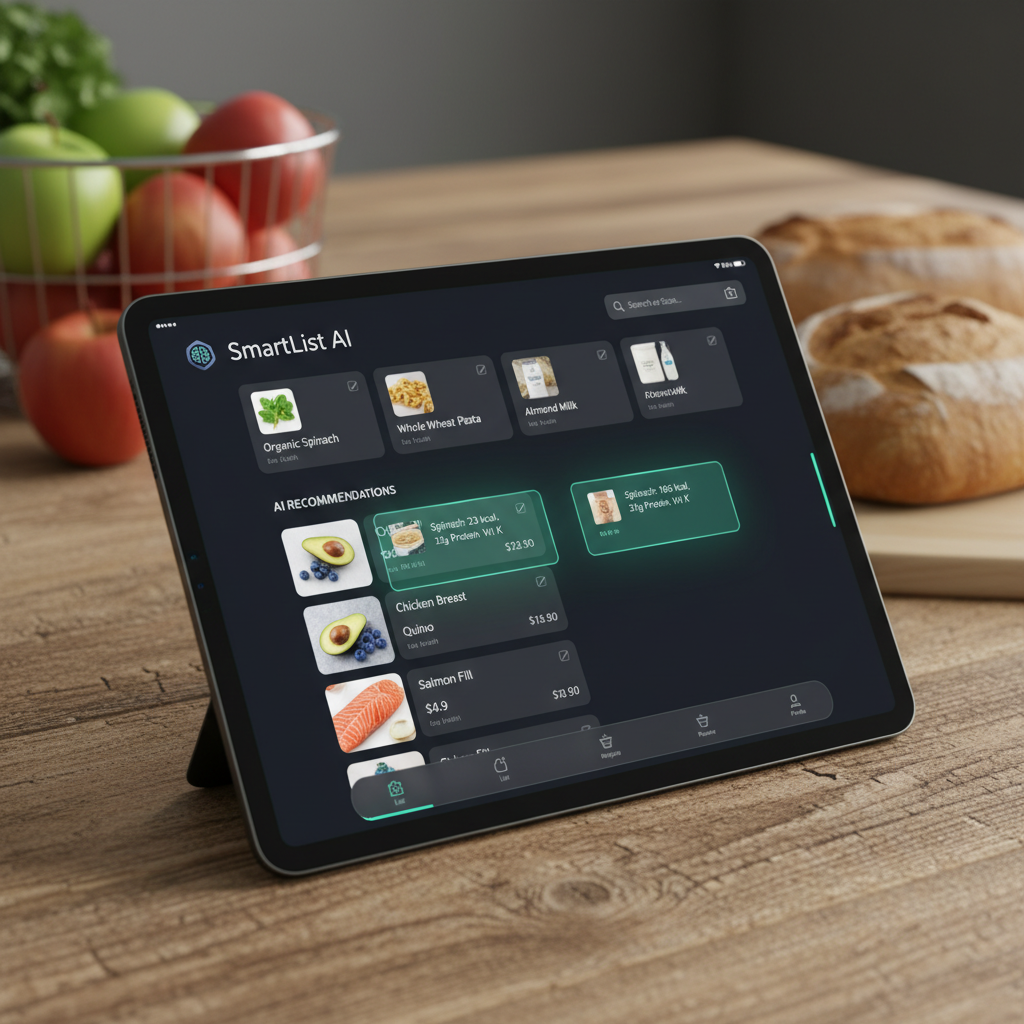
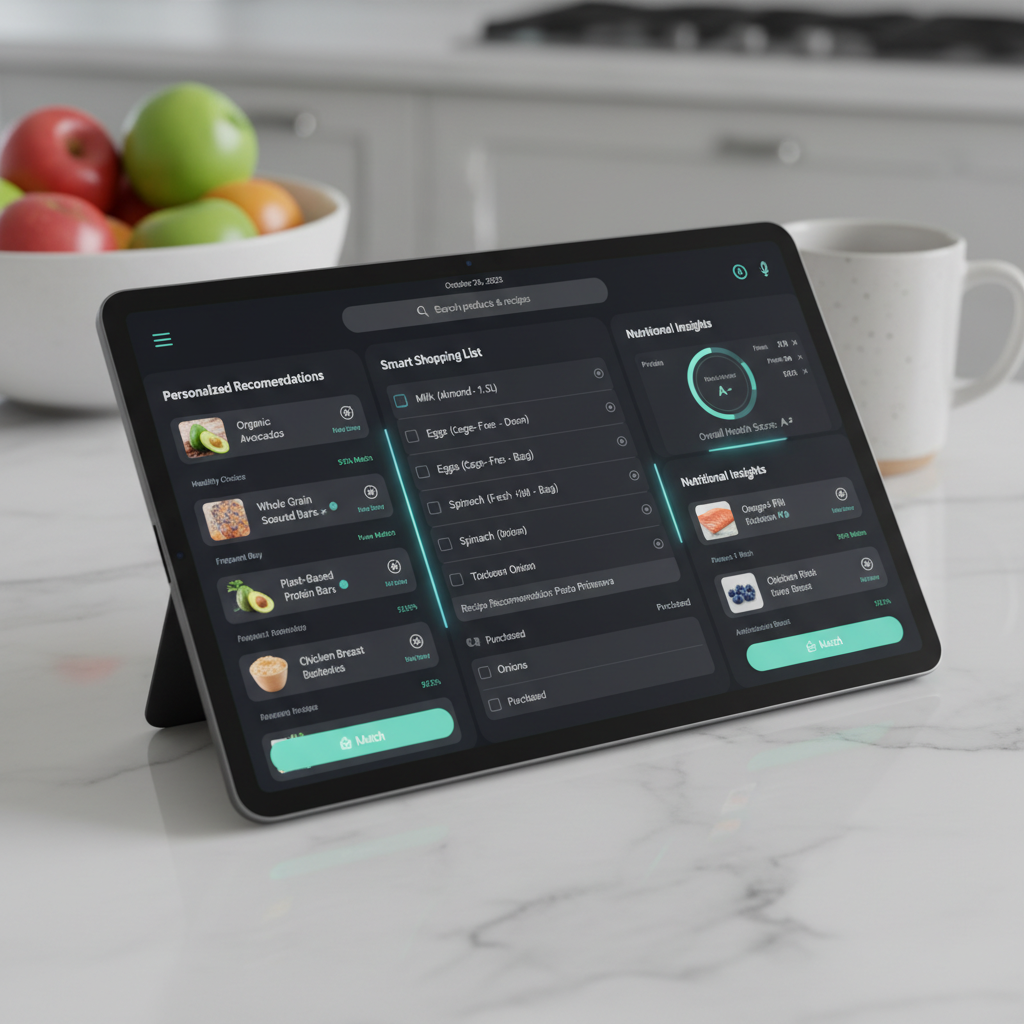
- Inventory-Driven Lists: Based on your existing, real-time inventory and your meticulously planned meals for the upcoming period, AI can automatically generate a precise shopping list. This list includes only the items you genuinely need to purchase, critically preventing duplicate purchases or buying ingredients that are likely to spoil before you can use them.
- Seamless Recipe Integration: Once you’ve selected a specific recipe or a comprehensive meal plan within your AI app, the system automatically identifies all necessary ingredients that are not currently present in your inventory. These missing items are then directly and effortlessly added to your shopping list, eliminating the frustration of forgotten items and ensuring you have everything required for your chosen meals.
- Smart Replenishment Suggestions: For common staple items like milk, bread, coffee, or spices, AI can track your historical consumption patterns and predict when it’s time to repurchase. This ensures you never unexpectedly run out of essentials but, crucially, also prevents overstocking of perishable goods that could lead to waste.
Purchase Optimization and Cost Savings
- Cost-Effective Ingredient Choices: Some advanced AI systems possess the capability to compare prices across different local grocery stores or suggest alternative, more budget-friendly ingredients that serve the same culinary purpose without compromising the integrity or nutritional value of the meal plan.
- Guidance for Bulk Buying: While bulk buying can offer significant cost savings, it also carries the risk of increased waste if items spoil before they can be consumed. AI can intelligently advise on which specific items are suitable for bulk purchase based on your household’s historical consumption rate and available storage capacity, thereby preventing wasteful over-purchasing of perishable goods.
- Coupon and Deal Integration: Future iterations of AI shopping assistants are expected to integrate seamlessly with local grocery store loyalty programs, digital deals, and coupons. This will help users save money on necessary items, aligning cost savings directly with waste reduction efforts.
Reduced Impulse Buys and Mitigated Food Waste
- Highly Targeted Shopping: By providing a precise and well-researched list of actual needs, AI helps consumers adhere strictly to their shopping plan. This significantly reduces the likelihood of impulse purchases of items that might not be used, ultimately contributing to preventable food waste.
- Proactive “What Not to Buy” Guidance: In advanced scenarios, AI could even highlight items in your physical or digital shopping cart that you already have at home or that conflict with your established meal plan, acting as a crucial final check before you complete your checkout.
By comprehensively streamlining the purchasing process and making it highly data-driven and intelligent, AI ensures that virtually every item brought into the home serves a deliberate purpose, thereby cutting down waste right from its very source.
Personalized Nutrition and Dietary Adaptation with AI
Beyond its primary role in reducing food waste, AI is also significantly elevating the nutritional aspect of meal preparation. It can provide highly personalized dietary guidance, intelligently adapting recipes and meal plans to individual health goals, specific restrictions, and evolving preferences, all while ingeniously utilizing available ingredients to their fullest potential.
Tailored Health and Wellness Support
- Precise Macro and Micronutrient Tracking: Users can input their specific macro (protein, carbohydrates, fat) and micronutrient (vitamins, minerals) targets or dietary recommendations from a healthcare professional. AI will then meticulously suggest recipes and meal combinations that help meet these targets, always drawing from your current ingredient inventory first.
- Comprehensive Allergy and Intolerance Management: For individuals managing severe allergies (e.g., nuts, dairy, soy, shellfish) or intolerances (e.g., lactose, gluten), AI rigorously filters all recipe and ingredient suggestions. This ensures strict adherence to dietary safety requirements, preventing accidental consumption of problematic foods and providing immense peace of mind.
- Specialized Health Condition Support: Advanced AI systems can be trained on specific dietary guidelines for various health conditions such as diabetes, heart disease, kidney issues, or autoimmune disorders. It recommends meals that proactively support specific therapeutic diets, moving beyond simple exclusion to holistic health management.
Adaptable Preferences and Seamless Lifestyle Integration
- Evolving Tastes and Preferences: As your culinary preferences change, or you discover new ingredients and cuisines you enjoy, AI can dynamically adapt its recommendations. It continuously learns from your “likes” and “dislikes,” past meal ratings, and any modifications you make to suggested recipes, ensuring relevance.
- Activity Level Adjustment: AI can seamlessly integrate with wearable fitness trackers or accept user-input activity levels. Based on this data, it can dynamically adjust caloric recommendations and meal sizes, ensuring that energy intake perfectly matches energy expenditure for optimal health and performance.
- Ethical and Sustainable Choices: For users who prioritize ethical sourcing, local produce, organic options, or strict vegetarian/vegan diets, AI can filter recipes and suggest ingredients that align with these deep-seated values. This effectively connects food waste reduction with broader sustainability and ethical consumption goals.
Real-Time Dietary Feedback and Continuous Learning
- Ingredient Swaps for Health: If a user selects a recipe that contains a less healthy ingredient (e.g., high saturated fat), AI might proactively suggest a more nutritious alternative from your pantry that still fits the flavor profile and, importantly, helps reduce waste by utilizing an existing healthier option.
- “What Can I Eat With This?” Functionality: If you have a specific dietary requirement for a particular day (e.g., “high protein post-workout meal”), AI can instantly scan your current ingredients and suggest compatible options. If a single crucial item is missing, it can add it to your shopping list, optimizing for both health and ingredient use.
This unprecedented level of personalization ensures that reducing food waste doesn’t come at the expense of health or culinary enjoyment; instead, it significantly enhances both, making healthy eating more accessible, more enjoyable, and profoundly more sustainable for everyone.
Community and Commercial Applications of AI for Food Waste
While individual households are significant contributors to food waste, the problem extends throughout the entire complex food supply chain. AI’s capabilities are also being rigorously harnessed at a much larger scale, impacting businesses, entire communities, and even humanitarian efforts to reduce waste and improve food security.
Restaurants and the Food Service Industry
- Highly Accurate Demand Forecasting: AI systems meticulously analyze a vast array of data inputs, including historical sales data, local weather patterns, upcoming local events (e.g., concerts, festivals), and even social media trends. This enables restaurants to predict customer demand for specific dishes more accurately, which in turn optimizes ingredient purchasing, dramatically reducing overstocking and subsequent spoilage.
- Dynamic Menu Optimization: AI can identify unpopular dishes or specific ingredients that frequently go to waste, providing chefs with data-driven insights to adjust menus. This helps maximize overall ingredient utilization and minimize leftovers. It can also suggest dynamic daily specials based on surplus ingredients that need to be used promptly.
- Advanced Inventory Management: Similar to household applications but on a grander scale, AI systems track restaurant inventory in real-time, alert staff to near-expiry items, and automatically generate precise reorder lists. This streamlines back-of-house operations, prevents stockouts, and significantly reduces waste.
- Intelligent Dynamic Pricing: Some sophisticated AI systems can suggest dynamic pricing strategies for menu items or prepared foods nearing their optimal consumption window. This incentivizes faster sales, reduces the likelihood of disposal, and recovers potential losses.
Supply Chain Optimization and Efficiency
- Logistics and Route Optimization: AI significantly improves efficiency in food transportation. It optimizes delivery routes, predicts traffic congestion, and ensures precise temperature control throughout transit, all of which are critical for reducing spoilage and maintaining food quality from farm to retail.
- Automated Quality Control: AI-powered cameras, sensors, and hyperspectral imaging can inspect produce for defects, signs of spoilage, or ripeness much faster and more consistently than manual human inspection. This ensures that only high-quality goods proceed through the supply chain and identifies potential issues early, preventing large-scale waste.
- Predictive Maintenance for Equipment: AI can analyze operational data from refrigeration units, freezers, and other critical storage equipment to predict when they are likely to fail. This allows for proactive maintenance, preventing catastrophic breakdowns and large-scale spoilage of perishable goods.
Food Sharing and Donation Platforms
- Matching Surplus Food with Need: AI-powered platforms are instrumental in connecting businesses (such as restaurants, supermarkets, and catering companies) with surplus, perfectly edible food to charities, local food banks, or individuals in need. The AI can optimize complex logistics for collection and distribution based on factors like location, type of food, quantity, and specific recipient requirements, ensuring efficient transfer.
- Community-Wide Waste Reduction Initiatives: Entire communities are leveraging AI to comprehensively understand local food waste patterns and hotspots. This data-driven insight enables targeted educational campaigns, more efficient resource allocation for composting programs, and the expansion of effective food recovery initiatives, fostering a more sustainable local food ecosystem.
By deploying AI across these various scales—from individual kitchens to national supply chains—we can collectively create a more resilient, efficient, and equitable food system, ensuring that significantly less food is wasted and more people are nourished.
Challenges and the Future Outlook for AI in Food Waste Reduction
While the promise of AI in tackling the monumental challenge of food waste is immense and transformative, its widespread adoption and maximum impact are not without significant challenges. Understanding these hurdles is absolutely crucial for paving the way for a more sustainable and waste-free future.
Current Challenges in AI for Food Waste Reduction
- Data Privacy and Security Concerns: AI systems often require access to highly personal information, including individual consumption habits, specific dietary restrictions, and potentially even financial data related to grocery purchases. Ensuring the robust privacy and security of this sensitive information is paramount for building and maintaining user trust and fostering widespread adoption.
- Data Quality, Collection, and Availability: The ultimate effectiveness of AI hinges entirely on the quality, comprehensiveness, and consistency of the data it processes. For household applications, the necessity of manual input can be a significant barrier for some users. Automated systems might also struggle with the sheer variety, unstructured nature, and fluctuating conditions of typical home kitchens. For commercial applications, integrating disparate data sources from various points in the supply chain can be complex and resource-intensive.
- Accessibility and Bridging the Digital Divide: AI-powered solutions typically require access to smartphones, reliable internet connectivity, and a certain degree of digital literacy. This can inadvertently create an accessibility barrier for certain demographics, potentially excluding those communities and individuals who could benefit most from waste reduction and cost savings.
- Initial Investment and Perceived Cost: While the long-term savings generated by reducing food waste can be substantial, the upfront cost of acquiring smart appliances, advanced sensors, or sophisticated software subscriptions can be prohibitive for many households and even small to medium-sized businesses operating on tight budgets.
- Resistance to Behavioral Change: Even with the most sophisticated and user-friendly AI tools, overcoming ingrained human habits of over-purchasing, poor food storage practices, or simply discarding perfectly edible food requires a conscious effort and a fundamental willingness to change. AI is a powerful enabler, but sustained human action and adaptation remain absolutely essential for its success.
- Standardization and Interoperability Issues: As the market for AI-powered devices and applications for food management grows, ensuring that these diverse systems can communicate and integrate seamlessly (e.g., a smart fridge from one brand interacting with a meal planning app from another) will be vital for creating a truly holistic and efficient solution. A lack of standardization can fragment the user experience.
Future Outlook and Innovations in AI for Food Waste
- Enhanced Sensory AI: We can anticipate the development of far more sophisticated sensors that can not only identify food items but also accurately assess their precise freshness, ripeness, and early signs of spoilage through advanced techniques like olfactory (smell) analysis, textural analysis, and hyperspectral imaging, providing even more granular and precise expiration predictions.
- Hyper-Personalized AI Chefs and Assistants: Future AI systems could evolve beyond merely suggesting recipes to offering dynamic, real-time cooking guidance. These “AI chefs” might adapt instructions on the fly based on your current cooking style, the specific tools available in your kitchen, and even your preferred level of doneness or texture, making cooking an even more intuitive experience.
- Blockchain Integration for Transparency: Combining the analytical power of AI with the immutable ledger capabilities of blockchain technology could create incredibly transparent and fully traceable food supply chains. This would make it significantly easier to pinpoint exact points of waste, verify ethical sourcing, and ensure food safety from its origin at the farm all the way to the consumer’s table.
- Augmented Reality (AR) in the Kitchen: Imagine innovative AR overlays on your smart fridge door or projected onto your pantry shelves, instantly displaying expiration dates, suggesting recipes based on the items you’re physically looking at, or highlighting ingredients that need to be used soon. This would make interaction with your inventory incredibly intuitive and engaging.
- Collaborative AI Networks: Future AI systems operating in individual households or businesses could securely share anonymized and aggregated data (with explicit user consent) to contribute to vast, collective datasets. This would significantly improve predictive models and optimize the entire food system at a community, regional, or even national level, fostering collective intelligence against waste.
- Advanced AI for Food Rescue Logistics: Expect more sophisticated AI algorithms specifically designed to optimize the complex logistics of food rescue and redistribution. These systems will ensure that surplus, perfectly edible food reaches food banks and individuals in need with maximum efficiency, minimal spoilage during transit, and precise matching of supply to demand.
The journey towards a truly waste-free food system is a continuous and evolving process, but with ongoing innovation, thoughtful ethical considerations, and strategic implementation, AI stands as an incredibly powerful and indispensable ally in this critical global endeavor. The future promises even more intuitive, integrated, and profoundly impactful AI solutions that will redefine our relationship with food and pave the way for a more sustainable planet.
Comparison Tables
To further illustrate the transformative power of AI in managing food, let’s compare traditional methods of ingredient utilization and management with their AI-powered counterparts. Following that, we’ll examine different AI technologies and their specific contributions to food waste reduction.
Table 1: Traditional vs. AI-Powered Ingredient Management
| Feature | Traditional Ingredient Management | AI-Powered Ingredient Management | Primary Benefit |
|---|---|---|---|
| Inventory Tracking | Manual checks, reliance on memory, often informal physical lists. Prone to errors and forgotten items. | Automated via smart sensors, image recognition, barcode scanning, manual input features. | Real-time accuracy, significantly less effort, ensures no items are forgotten or overlooked. |
| Expiration Alerts | Reliance on printed packaging dates, visual inspection, personal memory of purchase dates. | Predictive analytics based on multiple factors, proactive notifications, dynamic freshness estimates. | Prevents premature spoilage, maximizes ingredient use, drastically reduces discards. |
| Recipe Generation | Browsing physical cookbooks, general online searches, relying on personal knowledge. Often leads to buying new ingredients. | Ingredient-first suggestions, dietary adaptation, prioritization of near-expiry items, smart substitutions. | Creative utilization of existing food, personalized meal experiences, minimizes impulse buys for new ingredients. |
| Meal Planning | Manual planning, often leading to repetitive meals, unused ingredients, or last-minute stress. | Optimized for current inventory, dietary needs, budget, and dynamic adjustments based on changes. | Highly efficient resource allocation, promotes healthier eating habits, significantly reduces planning stress. |
| Shopping List Creation | Manual list creation, often based on memory or general meal ideas, leading to missed items or over-purchasing. | Automated generation based on current inventory, selected meal plan, and predicted needs. Optimizes purchases. | Reduces over-purchasing, prevents forgotten items, saves time and money, avoids unnecessary trips. |
| Portion Control | Estimation, cooking experience, recipes that may not accurately match household size or needs. | Precise calculations based on household size, age, activity levels, and dietary goals. | Minimizes creation of excessive leftovers, ensures accurate nutrient intake, avoids overcooking. |
| Cost Savings | Incidental, often reactive (e.g., using coupons found at the store, buying sale items). | Proactive optimization of purchases, direct reduction of discarded food, efficiency gains. | Significant long-term financial benefits for households and businesses by eliminating waste. |
Table 2: Key AI Technologies and Their Role in Food Waste Reduction
| AI Technology | Brief Description | Specific Application in Food Waste Reduction | Example Implementation |
|---|---|---|---|
| Machine Learning (ML) | Algorithms that enable systems to learn from data, identify patterns, and make predictions or decisions without explicit programming. | Predicting ingredient shelf life, forecasting demand (e.g., for restaurants), personalizing recipe recommendations. | An AI app suggesting a “chicken curry” because chicken is nearing its expiry and the user frequently cooks Indian cuisine. |
| Computer Vision (CV) | Enables computers to “see,” interpret, and understand visual information from the real world. | Identifying ingredients in a smart fridge, monitoring food quality, detecting early signs of spoilage (e.g., mold, wilting). | Smart fridge cameras automatically recognizing a new carton of eggs and updating the inventory count. |
| Natural Language Processing (NLP) | Allows computers to understand, interpret, and generate human language, both written and spoken. | Interacting with voice assistants for recipe searches, parsing recipe ingredients from text, understanding user queries. | A user asking their smart kitchen speaker, “What can I cook with the broccoli and feta in my fridge?” |
| Predictive Analytics | Uses historical data, statistical algorithms, and machine learning techniques to identify the likelihood of future outcomes. | Estimating dynamic expiration dates based on multiple factors, predicting household consumption patterns over time. | An alert for “milk needs to be used by tomorrow” based on typical usage, purchase date, and fridge temperature. |
| Recommendation Systems | Algorithms that suggest relevant items or content to users based on their preferences, past behavior, and available inventory. | Suggesting recipes based on available ingredients, dietary needs, cooking skill level, and culinary preferences. | An app recommending a specific “lentil soup” recipe because lentils are a pantry staple and the user likes vegetarian options. |
| Robotics & Automation | The development of machines capable of performing tasks autonomously or semi-autonomously. | Automated inventory scanning in large warehouses, smart dispensing systems, waste sorting in commercial settings. | Robotic systems in large commercial kitchens pre-sorting food waste into compostable, recyclable, and landfill categories. |
Practical Examples and Real-World Scenarios
The theoretical benefits of AI in food waste reduction become even more compelling when seen through the lens of real-life applications. Here are a few compelling scenarios illustrating how AI is already making a tangible and positive difference for individuals and small businesses:
Scenario 1: The Busy Professional’s Waste-Free Week
Meet Sarah, a busy marketing manager living alone in a bustling city. She often found herself frustrated, frequently throwing away wilted spinach, half-used avocados, and forgotten leftovers because she simply didn’t have the time or mental energy after long workdays to plan her meals effectively or track her groceries. This led to significant financial waste and personal guilt.
AI Intervention: Sarah decides to take action and downloads an intuitive AI-powered meal planning and inventory app. This app seamlessly integrates with her smart fridge’s internal camera, which automatically updates her inventory whenever she opens or closes the door. When she goes grocery shopping, she quickly scans barcodes, and the AI immediately updates her inventory with precise product details and estimated expiration dates. On Sunday evening, instead of struggling, the app presents her with a meticulously crafted meal plan for the entire week. Crucially, it prioritizes the chicken breasts expiring on Wednesday and the slightly soft bell peppers that need to be used promptly. It intelligently suggests a delicious stir-fry for Tuesday’s dinner and a refreshing chicken salad for lunch on Wednesday. For her healthy eating goals, it also includes a low-carb veggie bake using her remaining zucchini and tomatoes for Thursday. At the end of the week, the app automatically generates her shopping list for the next week, only including items not currently in her inventory or those needed for new meals after the current week’s ingredients are fully utilized.
Outcome: Thanks to the AI, Sarah now rarely throws out any food. Her weekly grocery bills have decreased by a noticeable 15-20% because she only purchases what she genuinely needs. Her meals are not only more varied and nutritionally balanced but she also saves precious time and significantly reduces her mental load, allowing her to enjoy healthy, home-cooked meals without the previous stress of planning and ingredient management.
Scenario 2: Chef Leo’s Sustainable Bistro
Chef Leo runs a small, critically acclaimed farm-to-table bistro renowned for its fresh, seasonal ingredients. Despite his passion for quality and meticulous efforts, predicting daily customer demand was an ongoing challenge. This unpredictability frequently led to significant spoilage of highly perishable fresh produce, artisanal cheeses, and premium cuts of meat, impacting both his bottom line and his commitment to sustainability.
AI Intervention: Leo makes a strategic investment in an AI-driven inventory and demand forecasting system tailored for the restaurant industry. This sophisticated system ingests a vast array of data: historical sales data (including dish popularity and peak times), local weather forecasts, upcoming city-wide events (e.g., a concert down the street, a major sporting event), and even real-time social media sentiment analysis (e.g., trending food hashtags). Based on this rich dataset, the AI precisely predicts how many servings of each popular dish are likely to be ordered, and consequently, how much of each ingredient to order from his local suppliers. It also tracks his current kitchen inventory in real-time, down to the granular level. If there’s an unexpected surplus of, say, heirloom tomatoes from a farmer’s delivery, the AI proactively suggests a “Chef’s Special” for the day, prominently featuring the tomatoes, and even adjusts pricing recommendations to encourage quick sales. It also sends critical alerts if any expensive ingredients are nearing their optimal use-by date, prompting him to incorporate them into staff meals, daily specials, or even a catering order.
Outcome: Chef Leo reduces his food waste by an impressive 30-35%, leading to substantial cost savings on ingredient procurement and reduced disposal fees. His kitchen operations are now significantly more efficient, and his menu feels more dynamic and responsive to both customer preferences and ingredient availability, consistently delighting patrons while powerfully bolstering his bistro’s reputation for sustainability.
Scenario 3: The Dietary-Restricted Student’s Balanced Budget
Maria, a diligent university student, manages a tight budget while adhering to a strict gluten-free and dairy-free diet due to severe allergies. She constantly struggled to find varied and appealing recipes that fit her restrictions and often bought specialty ingredients she couldn’t fully use before they spoiled, exacerbating her financial constraints and leading to dietary monotony.
AI Intervention: Maria discovers and adopts an AI recipe discovery platform. She meticulously inputs all her dietary restrictions, her precise budget constraints, and her current, often limited, pantry items. The AI immediately goes to work, prioritizing recipes that ingeniously utilize her existing gluten-free pasta, rice, and almond milk. It suggests creative and flavorful ways to use her half-bag of potatoes and nearly-expired kale, perhaps a hearty potato and kale hash with a dairy-free creamy sauce. When she needs to buy groceries, the AI generates a budget-friendly shopping list, explicitly highlighting affordable store-brand gluten-free options and suggesting versatile ingredients that can be used across multiple meals to further minimize waste. It also recommends single-serving or easily scalable recipes to avoid excessive leftovers that might spoil in her small dorm fridge.
Outcome: Maria now enjoys a significantly more varied and nutritionally balanced diet without exceeding her tight student budget. She dramatically reduces food waste from unused specialty ingredients, which were previously a major problem. Crucially, the stress and mental burden of meal planning with complex dietary restrictions are greatly alleviated, allowing her to focus more on her demanding studies and personal well-being.
These compelling real-world examples powerfully highlight how AI is not just a theoretical solution but a practical, impactful tool actively addressing real-world challenges across incredibly diverse settings, from individual kitchens to commercial enterprises.
Frequently Asked Questions
As AI tools for meal prep and food waste reduction gain significant traction, many pertinent questions arise regarding their functionality, tangible benefits, and practical implementation in daily life. Here are detailed answers to some of the most common inquiries:
Q: What exactly is ‘AI-powered ingredient utilization’?
A: AI-powered ingredient utilization refers to the application of Artificial Intelligence technologies to intelligently optimize how we manage, plan, and consume food ingredients. This encompasses a range of capabilities including automated inventory tracking, precise prediction of expiration dates, intelligent generation of recipes based on available ingredients, and the creation of smart shopping lists specifically designed to minimize waste and maximize efficiency in the kitchen. The overarching goal is to ensure that every edible ingredient in your possession serves a purposeful role in your meals, thereby drastically reducing discards and fostering a more sustainable approach to food.
Q: How can AI specifically help me reduce food waste at home?
A: AI assists in several crucial ways to reduce household food waste: 1) It meticulously tracks your inventory, providing a real-time overview of everything you have. 2) It proactively alerts you to ingredients nearing their expiration or optimal freshness date, prompting you to use them. 3) It intelligently suggests recipes tailored to your available ingredients, dietary preferences, and even prioritizes items that need to be used up. 4) It generates smart shopping lists, which prevents over-purchasing and reduces impulse buys of unnecessary items. 5) Some advanced systems even assist with accurate portion control, minimizing the creation of uneaten leftovers.
Q: Are AI food waste reduction apps expensive or challenging to use?
A: Many basic AI-powered meal planning and inventory apps are readily available for free, while others offer premium features through affordable subscription models. While advanced features like seamless smart fridge integration might require specific, compatible hardware, the core software applications are typically designed with highly intuitive user interfaces, making them accessible even for individuals who are not particularly tech-savvy. The learning curve is generally minimal, and the significant long-term financial savings realized from reduced food waste often far outweigh any initial costs or subscription fees.
Q: How does AI accurately know my dietary restrictions or preferences?
A: Most AI meal planning and recipe discovery tools include a comprehensive onboarding process where you can explicitly input your dietary restrictions (e.g., vegetarian, vegan, gluten-free, specific allergies, low-carb) and culinary preferences (e.g., preferred cuisines, ingredients to avoid, spice level). Over time, the AI continuously learns from your interactions – noting which recipes you “like” or “dislike,” which you frequently cook, which you skip, and how you modify suggested recipes – to further refine and personalize its recommendations, ensuring they align perfectly with your evolving tastes and specific nutritional needs.
Q: What if I don’t own a smart fridge? Can I still benefit from AI for food waste reduction?
A: Absolutely! While smart fridges offer highly convenient automated inventory tracking, many excellent AI apps are designed to work perfectly well without them. You can simply manually input items by scanning barcodes with your phone’s camera, taking quick photos of produce, or typing them in. You just need to remember to update your inventory when you purchase new groceries or use up existing ones. The AI can then still provide all the powerful benefits of intelligent recipe generation, proactive expiration alerts, and smart shopping lists based on your manually maintained inventory, making it accessible to a wide audience.
Q: Is my personal data (such as my eating habits and dietary choices) safe with these AI tools?
A: Reputable AI app developers place a high priority on user privacy and data security. They typically employ robust encryption and data anonymization techniques. Personal consumption data is usually aggregated and anonymized to improve overall algorithms and identify broader trends, not to identify or track individual users. It is always a wise practice to carefully review an app’s privacy policy before use to fully understand how your data is collected, stored, and utilized. Many apps also offer granular options for what data you choose to share.
Q: Can AI assist me with portion control to prevent cooking too much food?
A: Yes, many advanced AI meal planning tools are specifically designed with this capability. They can precisely scale recipes based on the exact number of servings you specify. Some even take into account additional factors such as the age and activity level of family members to suggest even more precise portion sizes, helping you cook just the right amount and significantly minimize the creation of unnecessary leftovers that might otherwise go uneaten and subsequently wasted.
Q: How does AI differentiate between “best-by” vs. “use-by” dates and general food spoilage?
A: AI systems are programmed to understand the nuances between these date labels. “Use-by” dates are generally for food safety, indicating when a product might no longer be safe to consume. “Best-by” or “best if used by” dates typically refer to optimal quality and flavor. AI can utilize sophisticated predictive analytics, taking into account how long an item has been open, its precise storage conditions (e.g., actual temperature fluctuations in your fridge), and even external factors like ambient kitchen temperature. This allows it to provide more dynamic and accurate “use-it-soon” alerts, often overriding or enhancing generic packaging dates based on real-world conditions to provide a more reliable freshness indicator.
Q: Beyond individual households, where else is AI effectively reducing food waste?
A: AI is making incredibly significant strides in various commercial and large-scale settings. Restaurants actively use AI for highly accurate demand forecasting and inventory optimization, minimizing ingredient over-ordering. Supermarkets leverage it to manage stock rotation, implement dynamic pricing for items nearing expiration, and optimize store layouts. Throughout the entire food supply chain, AI optimizes logistics, enhances cold chain management, and improves quality control checks, ensuring far less food is lost from the farm all the way to the consumer. Furthermore, it’s increasingly utilized in advanced food rescue and redistribution platforms to efficiently connect surplus food with individuals and communities in need.
Q: What’s the single biggest challenge for AI in completely eliminating food waste globally?
A: The single biggest challenge is arguably the complex interplay of human behavior and the persistent digital divide. While AI provides incredibly powerful tools and data-driven insights, users must actively engage with these tools consistently and be willing to modify ingrained habits of over-purchasing, improper storage, or simply discarding perfectly edible food. Overcoming cultural norms around food waste requires significant education and a collective willingness to change. Additionally, ensuring these cutting-edge technologies are truly accessible, affordable, and easy to use for everyone, regardless of socio-economic status or technological literacy, remains a crucial and multifaceted hurdle for achieving universal impact.
Key Takeaways
The strategic integration of Artificial Intelligence into our kitchens and broader food systems represents a pivotal and transformative shift towards achieving greater sustainability and enhanced efficiency in how we manage food. Here are the core insights and fundamental takeaways from our comprehensive exploration:
- Food Waste is a Critical Global Issue: It carries profound environmental (methane emissions, resource depletion), economic (financial losses for consumers and businesses), and social (food insecurity amidst abundance) costs, making its reduction an urgent global priority.
- AI Offers Comprehensive and Data-Driven Solutions: Artificial Intelligence provides a powerful, multi-faceted, and data-driven approach to tackle the complex problem of food waste from numerous angles, offering precision and foresight previously unavailable.
- Smart Inventory Management is Key: AI-powered tools, utilizing advanced sensors, computer vision, and predictive analytics, provide real-time, highly accurate tracking of ingredients and generate dynamic expiration alerts, fundamentally preventing spoilage.
- Intelligent Meal Planning Transforms Kitchens: AI intelligently generates recipes based on available ingredients, prioritizing those nearing expiration, and seamlessly adapts to individual dietary needs, health goals, and culinary preferences.
- Optimized Shopping Habits Reduce Waste at Source: AI creates smart shopping lists by factoring in existing inventory and meal plans, effectively reducing impulse buys and ensuring that purchases align perfectly with actual needs, minimizing overstocking.
- Personalized Nutrition Meets Sustainability: AI helps users not only meet specific health goals and manage complex dietary restrictions but does so while efficiently and intelligently utilizing available ingredients, marrying health with waste reduction.
- Widespread Impact Across the Food System: AI’s benefits extend significantly beyond individual households, impacting restaurants, optimizing vast supply chains, and enhancing food donation initiatives, thereby creating a more efficient and equitable food ecosystem.
- Challenges Remain, but Innovation Continues Relentlessly: While hurdles such as data privacy, technological accessibility, and the need for behavioral change exist, ongoing technological advancements promise increasingly sophisticated, intuitive, and integrated AI solutions.
- Significant Financial and Environmental Benefits: Reducing food waste through the strategic application of AI leads to substantial cost savings for both consumers and businesses, alongside profound positive environmental impacts through reduced greenhouse gas emissions and resource conservation.
- Empowering the Consumer for a Sustainable Future: AI tools effectively put unprecedented control, real-time insight, and powerful planning capabilities directly into the hands of consumers, making sustainable eating and efficient meal prep easier, more engaging, and ultimately more achievable for everyone.
Conclusion
The journey towards a world with significantly less food waste is not merely an idealistic aspiration but an increasingly achievable and tangible goal, and Artificial Intelligence is proving to be an indispensable and revolutionary ally in this critical endeavor. From the quiet hum of a smart refrigerator diligently tracking your ingredients to sophisticated algorithms meticulously crafting personalized meal plans, AI is empowering individuals, families, and industries alike to make smarter, more sustainable, and profoundly more conscious choices about the food we produce, purchase, and consume.
AI moves us beyond reactive disposal to proactive utilization, fundamentally transforming our relationship with every single ingredient that enters our kitchen. By leveraging these cutting-edge AI-powered strategies for smart ingredient utilization, we are not only saving valuable money and substantially reducing our environmental footprint but also actively fostering a more mindful, efficient, and ethical approach to food consumption. The revolution in meal prep is not a distant future concept; it is here now, driven by intelligent systems that promise a future where culinary creativity thrives hand-in-hand with environmental sustainability, where the stark reality of food insecurity diminishes, and where the alarming statistics of food waste become a regrettable relic of the past. Embracing these powerful AI tools is not just about adopting new technology; it is about making a proactive investment in a healthier planet, fostering a more equitable society, and creating a smarter, more delicious, and infinitely more sustainable way of living for all.
























































































Leave a Reply