
In our fast-paced modern world, the quest for optimal sleep often feels like an elusive dream. We’re bombarded with conflicting advice, generic tips, and the ever-present pressure to do more with less rest. Yet, the profound importance of sleep for our physical health, mental acuity, emotional resilience, and overall well-being cannot be overstated. It is during sleep that our bodies repair, our minds consolidate memories, and our immune systems recharge. Without adequate, high-quality rest, every aspect of our lives suffers.
For decades, understanding and improving sleep was largely a matter of trial and error, often guided by broad recommendations that failed to account for individual differences. However, the advent of Artificial Intelligence (AI) has ushered in a transformative era for sleep management. No longer are we limited to one-size-fits-all solutions. Instead, AI-powered applications are revolutionizing how we understand, track, and ultimately personalize our rest for profound, deep recovery. These intelligent tools delve into the nuances of our unique sleep patterns, daily habits, and even biological markers, offering insights and interventions that are precisely tailored to our individual needs.
This comprehensive guide will explore the fascinating world of AI-driven sleep personalization. We will journey from the fundamental science of sleep to the sophisticated mechanisms by which AI apps gather and interpret data. We will uncover how these apps move beyond mere tracking to deliver actionable, personalized recommendations, optimize our wake-up cycles, and even address specific sleep challenges. Furthermore, we will peek into the future of sleep AI, examine practical examples of its impact, and provide essential guidance on choosing the right app for your journey to smarter, more restorative sleep. Prepare to unlock the secrets to deep recovery and a truly personalized path to a better, more energized you.
The Science of Sleep and the Imperative for Personalization
To truly appreciate the power of AI in sleep optimization, it is crucial to first grasp the complexity of sleep itself. Sleep is not a monolithic state of unconsciousness but rather a dynamic, multi-stage process, each stage serving distinct biological purposes. Broadly, sleep is divided into two main categories: Rapid Eye Movement (REM) sleep and Non-REM (NREM) sleep, which is further subdivided into three stages.
- NREM Stage 1 (N1): This is the lightest stage of sleep, a transitional period between wakefulness and sleep. Muscles relax, heart rate slows, and brain activity begins to wind down. It typically lasts only a few minutes.
- NREM Stage 2 (N2): As we drift deeper, our brain waves slow considerably, and eye movements stop. Our body temperature drops, and heart rate slows further. This stage constitutes about 50% of our total sleep time.
- NREM Stage 3 (N3): Often referred to as “deep sleep” or “slow-wave sleep,” this is the most restorative stage. Brain waves are very slow (delta waves), and it is difficult to wake someone during this period. Deep sleep is vital for physical repair, growth hormone release, immune system function, and energy restoration.
- REM Sleep: Characterized by rapid eye movements, increased brain activity (often similar to wakefulness), and vivid dreaming. Muscles are temporarily paralyzed to prevent us from acting out our dreams. REM sleep is crucial for cognitive functions like memory consolidation, learning, and emotional processing.
We cycle through these stages multiple times throughout the night, with the duration of each stage varying across cycles. A healthy adult typically needs between 7 to 9 hours of sleep, but this is merely an average. The “imperative for personalization” arises from the fact that individual sleep needs and patterns are incredibly diverse. Factors like age, genetics, lifestyle, diet, exercise, stress levels, environment, and underlying health conditions all profoundly influence how much sleep we need, when we need it, and the ideal proportion of each sleep stage for our optimal functioning.
For example, some individuals are “larks,” naturally inclined to wake early and be productive in the morning, while others are “owls,” thriving later in the day and evening. Genetic variations can influence everything from caffeine metabolism to sleep duration requirements. A demanding job might increase an individual’s deep sleep needs for physical recovery, while intense mental work might demand more REM sleep for cognitive processing. Traditional, generic advice, such as “always go to bed at 10 PM,” fails to account for these intricate individual differences, often leading to frustration and continued sleep deprivation. AI, however, thrives on this complexity, making personalization not just desirable, but essential for truly effective sleep improvement.
How AI Apps Track and Analyze Your Sleep
The magic of AI-powered sleep apps begins with their remarkable ability to gather and process vast amounts of personal physiological and behavioral data. Unlike simple timers or alarm clocks, these apps employ sophisticated sensor technology and advanced algorithms to paint a detailed picture of your nightly rest.
Diverse Sensor Technologies for Data Collection
AI sleep apps leverage a variety of hardware to collect sleep data, each with its strengths and limitations:
- Wearable Devices:
- Smartwatches (e.g., Apple Watch, Fitbit, Garmin): These devices are ubiquitous and use accelerometers to detect movement, photoplethysmography (PPG) sensors to measure heart rate and heart rate variability (HRV), and sometimes even skin temperature sensors. They infer sleep stages based on these parameters.
- Smart Rings (e.g., Oura Ring, Circular Ring): Often considered highly accurate due to their close contact with the skin (usually on a finger), smart rings also use accelerometers, temperature sensors, and PPG sensors. They can provide very precise readings of HRV and skin temperature, which are critical for sleep stage analysis and overall recovery metrics.
- Headbands (e.g., Muse S): These devices are unique in that they can incorporate electroencephalography (EEG) sensors, which measure brainwave activity directly. EEG is the gold standard for sleep stage detection in clinical settings, making these devices potentially very accurate for identifying NREM and REM stages.
- Bedside Devices:
- Dedicated Sleep Trackers (e.g., Withings Sleep Analyzer): These are usually thin mats placed under the mattress. They use pneumatic sensors to detect micro-movements caused by breathing and heartbeats, providing data on sleep cycles, respiratory rate, and even detecting snoring and potential signs of sleep apnea.
- Radar-based Sensors: Some advanced devices use low-power radar technology to non-invasively detect breathing and heart rate from a distance, without any physical contact, offering a completely unobtrusive experience.
- Smartphone-based Tracking:
- Accelerometers: Many apps utilize the accelerometer in your smartphone to detect movement, inferring sleep based on periods of inactivity. The phone is typically placed on the mattress next to you.
- Microphones: Some apps use the phone’s microphone to record ambient sounds in your bedroom, specifically listening for snoring, sleep talking, or other sleep disturbances. This data can be crucial for identifying issues like sleep apnea or restless sleep.
The Role of AI Algorithms in Data Interpretation
Once the raw data (movement, heart rate, breathing, sounds, temperature, brainwaves) is collected, AI takes center stage. Machine learning algorithms are trained on vast datasets, often including polysomnography (PSG) data from sleep labs (the clinical gold standard), to learn how to identify distinct patterns corresponding to different sleep stages and events.
- Pattern Recognition: AI identifies recurring patterns in your physiological signals. For instance, a decrease in heart rate, coupled with reduced movement and specific variations in HRV, might indicate a transition into deep sleep. Increased brainwave activity with muscle paralysis points to REM sleep.
- Anomaly Detection: AI is adept at flagging deviations from your typical sleep patterns. This could be unusually prolonged periods of light sleep, frequent awakenings, or irregular heart rate patterns, which might signal a sleep disturbance or an underlying issue.
- Correlation Analysis: Beyond just identifying sleep stages, AI can correlate your sleep data with other inputs you provide, such as caffeine intake, exercise times, meal timings, stress levels, or even menstrual cycles. This allows for a much richer, contextual understanding of what positively or negatively impacts your sleep.
- Predictive Analytics: Some advanced AI models can even predict potential sleep issues based on evolving patterns. For example, consistently poor deep sleep coupled with high stress might trigger an alert for potential burnout or a recommendation to focus on stress-reduction techniques.
The precision of AI in distinguishing sleep stages varies significantly between apps and hardware. Devices with direct brainwave monitoring (EEG headbands) offer the highest accuracy for sleep stage detection, while wearables rely on sophisticated algorithms to infer these stages from proxies like heart rate and movement. Regardless of the specific technology, the core strength of AI lies in its ability to process complex, multi-dimensional data continuously, identifying subtle changes and trends that would be impossible for a human to track manually. This analytical power forms the foundation for truly personalized sleep insights.
Unlocking Personalized Insights: Beyond Basic Tracking
The real power of AI sleep apps extends far beyond simply telling you how long you slept or how many times you woke up. Their true value lies in their ability to translate raw data into deeply personalized, actionable insights. Instead of generic advice, AI provides recommendations meticulously crafted for your unique physiology and lifestyle.
Identifying Your Sleep Chronotype and Optimal Sleep Window
One of the foundational insights AI can provide is the identification of your sleep chronotype. Are you a “lark” (early riser, productive in the morning), an “owl” (prefers late nights, peak productivity in the evening), or something in between (a “hummingbird”)? By analyzing your natural sleep and wake times, preferred activity peaks, and sleep latency (how long it takes you to fall asleep), AI can help pinpoint your intrinsic circadian rhythm. Knowing your chronotype allows the app to suggest an optimal bedtime and wake-up window that aligns with your body’s natural clock, rather than fighting against it.
For instance, an owl trying to force a 9 PM bedtime might experience prolonged wakefulness, while a lark sleeping until 9 AM might feel sluggish. AI apps gather data over weeks to accurately profile your chronotype, then offer personalized schedules that maximize restorative sleep and minimize sleep inertia.
Correlation with Daily Habits: The Holistic View
AI apps truly shine by correlating your sleep quality with your daily habits. They can process data you manually input (or sometimes automatically detect from integrated apps) regarding:
- Caffeine Intake: Tracking when and how much caffeine you consume and seeing its direct impact on sleep latency and deep sleep duration.
- Exercise Timing and Intensity: Observing how a late-night intense workout might disrupt sleep, versus a morning walk that improves sleep quality.
- Screen Time: Highlighting the negative effects of blue light exposure from devices close to bedtime on melatonin production and sleep onset.
- Meal Timings and Content: Understanding how heavy meals close to bedtime, or specific foods, might cause digestive discomfort and disrupt sleep.
- Alcohol Consumption: Illustrating how alcohol might initially induce sleep but then fragments sleep later in the night, particularly affecting REM sleep.
- Stress Levels: Some apps can integrate with mindfulness trackers or use HRV data to infer stress, then correlate high stress days with poorer sleep outcomes.
- Medication Intake: Tracking how certain medications might impact sleep architecture.
By identifying these correlations, AI apps can offer incredibly precise advice. For example, instead of a generic “avoid caffeine,” the app might tell you, “Your data suggests that caffeine consumed after 2 PM significantly delays your sleep onset by an average of 45 minutes and reduces your deep sleep by 15%.” This data-backed feedback is far more compelling and effective.
Personalized Recommendations and Proactive Adjustments
Based on all this integrated analysis, AI apps generate tailored recommendations that evolve with your patterns:
- Optimal Bedtime Windows: Dynamic suggestions for when to go to bed and wake up, adjusted daily based on your previous night’s sleep debt, upcoming schedule, and current recovery needs.
- Sleep Environment Adjustments: Recommendations for ideal bedroom temperature, light exposure (e.g., using blackout curtains), and sound (e.g., suggesting white noise for specific nights when ambient noise was detected).
- Winding-Down Routines: Personalized suggestions for pre-sleep rituals, such as guided meditations, specific breathing exercises, gentle stretching, or reading, based on what has proven effective for your sleep quality.
- Dietary and Lifestyle Changes: Advice on when to stop eating, specific foods to avoid before bed, ideal exercise timing, and strategies for stress reduction that directly benefit your sleep.
- Predictive Modeling for Potential Issues: Some advanced AI can identify trends that might lead to sleep problems. If your HRV consistently declines or your deep sleep repeatedly drops below your personalized baseline, the app might warn you of potential overtraining, increased stress, or impending illness, prompting you to adjust your routine proactively before issues become severe.
This level of personalization transforms sleep tracking from a passive monitoring tool into an active, intelligent coach, guiding you towards truly restorative rest and deep recovery, day after day.
Smart Alarms and Sleep-Cycle Optimization
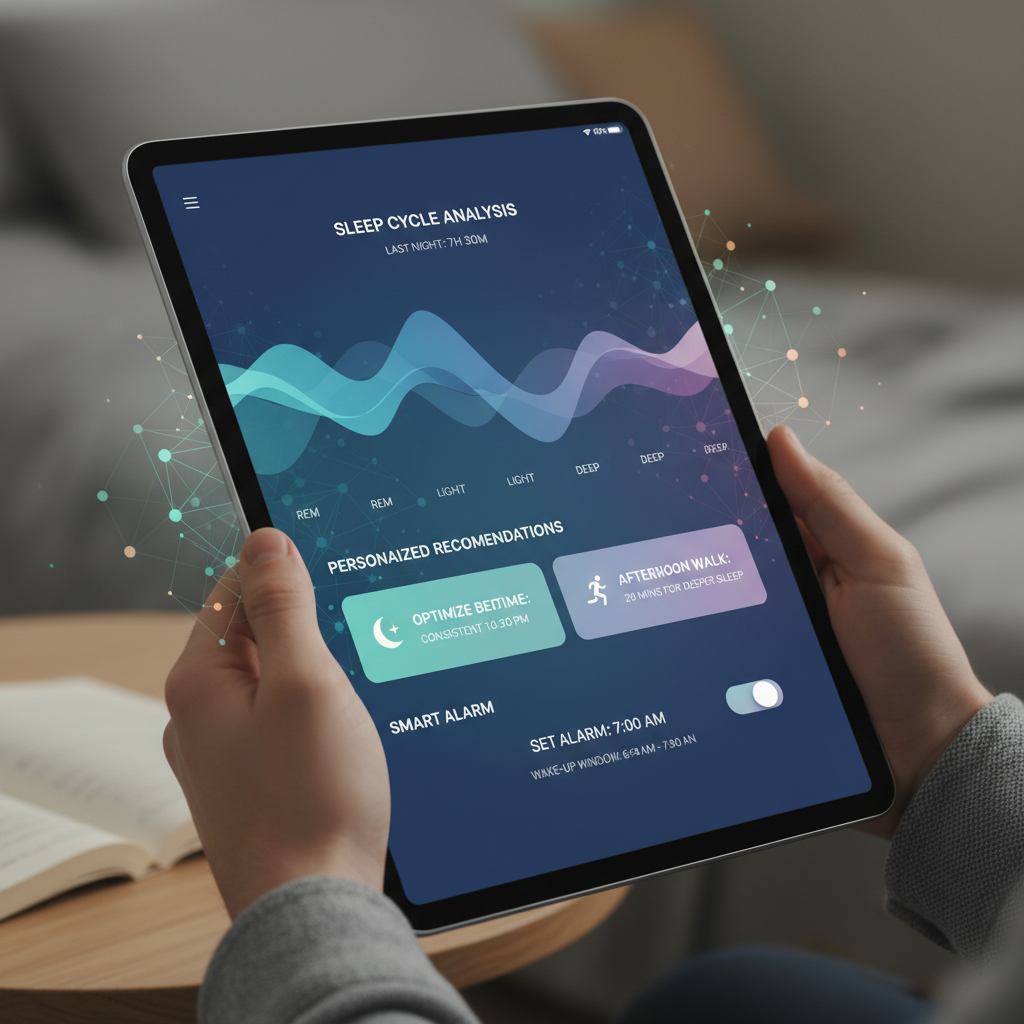
Waking up feeling groggy, disoriented, and irritable is a common experience, often referred to as “sleep inertia.” This unpleasant sensation typically occurs when an alarm jolts us awake during the deepest stages of our sleep cycle. AI-powered smart alarms are specifically designed to circumvent this problem by leveraging our body’s natural sleep architecture, aiming to wake us when we are in the lightest stage of sleep, leading to a much more gentle and refreshing awakening.
The Principle of Waking in Light Sleep
Our sleep cycles, which typically last around 90 minutes, involve transitions between light sleep, deep sleep, and REM sleep. Waking from deep sleep is particularly jarring because our brain activity is at its slowest, and our body is in a profound state of rest. Conversely, waking during a light sleep stage is much easier and results in less grogginess, as the body and brain are closer to a waking state.
Traditional alarms operate on a fixed time, ignoring your current sleep stage. This is why some mornings you might feel relatively refreshed even with less sleep, while on others, a full 8 hours leaves you feeling drained – it all depends on which sleep stage you were in when the alarm went off.
How AI Calculates the Optimal Wake-Up Window
AI smart alarms work by setting a “wake-up window” rather than a precise wake-up time. This window is typically 15 to 45 minutes before your absolute latest desired wake-up time. For example, if you need to be up by 7:00 AM, you might set a smart alarm for a window between 6:30 AM and 7:00 AM.
During this window, the AI app continuously monitors your sleep stages using data from its sensors (movement, heart rate, brainwaves if available). Its algorithms identify the most opportune moment – when you are in the lightest stage of NREM sleep – to trigger the alarm. If you remain in deep sleep throughout the window, the alarm will gently activate at the end of the window to ensure you still wake up on time.
The AI’s ability to learn your individual sleep patterns over time further refines this process. It understands how long your typical sleep cycles are, when you tend to enter light sleep, and even accounts for factors like sleep debt or perceived stress to adjust the window and alarm intensity.
Integration with Smart Home Devices
The functionality of smart alarms is further enhanced by integration with smart home ecosystems, creating a truly personalized wake-up experience:
- Smart Lighting: Instead of an abrupt sound, some smart alarms can gradually increase the brightness of smart lights in your bedroom, mimicking a natural sunrise. This gentle exposure to light helps suppress melatonin production and signals to your body that it’s time to wake up, further reducing grogginess.
- Smart Thermostats: Your core body temperature naturally dips during sleep and begins to rise as you prepare to wake. AI can communicate with smart thermostats to gradually increase your bedroom temperature during the wake-up window, assisting your body’s natural warming process.
- Gentle Sounds and Aromas: Beyond standard alarm tones, some integrations can trigger gentle, nature-inspired sounds, white noise gradually fading in, or even smart diffusers releasing invigorating aromas like peppermint or citrus.
This orchestrated environment creates a smoother transition from sleep to wakefulness, enhancing energy levels and improving morning mood.
Beyond Just Waking: AI-Driven Napping Suggestions
AI’s sleep optimization capabilities aren’t limited to nighttime sleep. Many advanced apps also offer personalized napping suggestions. Based on your chronotype, daily activity levels, and previous night’s sleep quality, the AI can recommend:
- Optimal Nap Duration: Suggesting a “power nap” of 20-30 minutes to boost alertness without entering deep sleep, or a longer 90-minute nap to complete a full sleep cycle if significant recovery is needed.
- Best Nap Time: Identifying the ideal window during your post-lunch dip or early afternoon, avoiding napping too late in the day which could interfere with nighttime sleep.
- Napping Environment: Reminding you to create a dark, quiet space for your nap to maximize its restorative potential.
By leveraging AI for both nighttime sleep and strategic napping, individuals can truly optimize their rest and maintain peak cognitive and physical performance throughout their day, moving beyond simply waking up to truly thriving.
Addressing Specific Sleep Challenges with AI
One of the most impactful applications of AI in sleep is its ability to provide personalized support and insights for a range of common and complex sleep challenges. While AI apps are not substitutes for medical diagnosis or professional treatment, they can act as powerful tools for monitoring, self-management, and guiding individuals towards better sleep habits, often working in conjunction with healthcare professionals.
Insomnia: AI-Guided Cognitive Behavioral Therapy for Insomnia (CBT-I)
Insomnia, characterized by difficulty falling or staying asleep, is a prevalent and debilitating condition. Cognitive Behavioral Therapy for Insomnia (CBT-I) is widely recognized as the most effective non-pharmacological treatment. AI apps are now making CBT-I principles more accessible and personalized:
- Structured Programs: Many apps offer guided CBT-I programs that walk users through sleep restriction, stimulus control, cognitive restructuring, and relaxation techniques.
- Personalized Feedback: Based on your tracked sleep data (sleep onset latency, wake after sleep onset, total sleep time), the AI dynamically adjusts recommendations. For example, if you’re consistently taking a long time to fall asleep, the app might recommend stricter adherence to a sleep restriction schedule or specific relaxation exercises before bed.
- Guided Meditations and Soundscapes: AI can suggest specific meditations, mindfulness exercises, or adaptive soundscapes (sounds that change based on your sleep stage or detected disturbances) proven to help you fall asleep faster and stay asleep longer, based on your historical data.
Case Study: Emily, a 45-year-old marketing manager, struggled with chronic insomnia for years. Her AI sleep app, integrated with a CBT-I program, helped her track her sleep patterns diligently. The app recommended a strict sleep window, gradually extending it as her sleep efficiency improved. It also suggested specific guided meditations on nights when her heart rate variability indicated high stress. Within two months, Emily reported significantly reduced sleep onset latency and fewer nocturnal awakenings, attributing her success to the app’s personalized, data-driven guidance.
Sleep Apnea: Early Detection and Monitoring
Sleep apnea is a serious condition where breathing repeatedly stops and starts during sleep. While AI apps cannot diagnose sleep apnea, they can provide valuable indicators that warrant a consultation with a doctor:
- Snoring Analysis: Many apps use your phone’s microphone or dedicated sensors to detect and record snoring patterns, including their intensity and duration.
- Respiratory Rate Monitoring: Devices that track breathing patterns can identify pauses in breathing or shallow breathing episodes that are characteristic of apnea.
- Oxygen Saturation (SpO2): Some advanced wearables include pulse oximeters that can measure blood oxygen levels. Significant drops in SpO2 during sleep are strong indicators of sleep apnea.
- Integration with CPAP Devices: For those already diagnosed, AI apps can often integrate with CPAP machines, allowing users and their doctors to track compliance, mask fit, and the effectiveness of treatment, providing a holistic view of therapy adherence and outcomes.
The AI can flag these patterns and prompt users to discuss them with a healthcare provider, facilitating earlier diagnosis and treatment.
Restless Leg Syndrome (RLS): Tracking Movement Patterns
RLS causes an irresistible urge to move the legs, often accompanied by uncomfortable sensations, disrupting sleep. AI apps, particularly those using accelerometers in wearables or under-mattress sensors, can:
- Identify Nocturnal Leg Movements: Accurately track the frequency, intensity, and timing of leg movements during sleep.
- Correlate with Sleep Quality: Show the direct impact of these movements on sleep fragmentation and overall sleep efficiency.
- Track Triggers and Remedies: Allow users to log potential RLS triggers (e.g., certain foods, medications) or remedies (e.g., stretching, hot baths) and see which ones alleviate or worsen their symptoms, providing data for discussions with their doctor.
Jet Lag: Pre-emptive Advice for Travel
Frequent travelers often suffer from jet lag, a desynchronization of the body’s circadian rhythm with a new time zone. AI apps can offer proactive and personalized advice:
- Circadian Rhythm Adjustment Plans: Before a trip, the app can provide a personalized plan to gradually shift your sleep schedule by small increments over several days, preparing your body for the new time zone.
- Light Exposure Guidance: Recommend specific times to seek or avoid light exposure (using natural or artificial light therapy) to accelerate circadian adaptation.
- Melatonin Timing: Suggest optimal timing for melatonin supplementation based on your destination’s time zone and your sleep profile.
- Napping Strategies: Offer guidance on strategic napping upon arrival to minimize grogginess without disrupting nighttime sleep.
Example: Sarah, an international business consultant, frequently travels across multiple time zones. Her AI app creates a personalized “jet lag plan” before each trip, advising her to shift her sleep by 30 minutes each day leading up to departure, and recommending specific times to get sunlight or use light-blocking glasses at her destination. This proactive approach has significantly reduced her jet lag symptoms, allowing her to be more productive immediately upon arrival.
By offering sophisticated tracking, personalized insights, and targeted interventions, AI sleep apps are empowering individuals to take a proactive role in managing their specific sleep challenges, leading to improved rest and a better quality of life.
The Future of Sleep AI: Integration and Advanced Biometrics
The current capabilities of AI in sleep tracking are impressive, but the trajectory of innovation points towards an even more integrated, predictive, and holistic future. We are on the cusp of a new era where sleep health is not just monitored in isolation but becomes a central pillar of an individual’s complete digital health profile.
Seamless Integration with Overall Health Platforms
One of the most significant future developments will be the deeper integration of AI sleep data with broader health and wellness ecosystems. Imagine your sleep app:
- Connecting with Electronic Health Records (EHR): Securely sharing relevant sleep data with your physician, allowing them to gain a more complete picture of your health. This could aid in diagnosing underlying conditions, monitoring treatment effectiveness, and offering personalized preventative care.
- Integrating with Fitness Trackers and Nutrition Apps: Creating a unified dashboard where sleep quality, physical activity, dietary intake, and mental well-being are analyzed together. AI could then identify powerful correlations, such as how specific macronutrient ratios impact deep sleep, or how certain types of exercise optimize recovery, offering truly holistic recommendations.
- Environmental Controls: Beyond current smart home integrations, future AI could proactively adjust not just temperature and light, but also air quality (e.g., activating purifiers when pollen counts are high and affecting sleep), humidity, and even subtle environmental soundscapes based on real-time external data and your personal sleep preferences.
Advanced Biometrics and Non-Invasive Brainwave Analysis
The precision and depth of data collection will continue to evolve:
- Continuous Glucose Monitoring (CGM) Integration: Research shows a strong link between blood sugar levels and sleep quality. Future AI sleep apps could integrate with CGM data to identify how post-dinner glucose spikes impact sleep fragmentation or how sleep debt affects insulin sensitivity, leading to highly personalized dietary and activity recommendations for metabolic health alongside sleep.
- Advanced Heart Rate Variability (HRV) Analysis: While current apps use HRV, future AI will delve deeper, using advanced signal processing to extract more nuanced markers of autonomic nervous system balance, stress resilience, and recovery states from HRV, providing even more precise insights into your physiological readiness.
- Consumer-Grade Brainwave Analysis (EEG): While some headbands currently offer EEG, future devices may become more comfortable, unobtrusive, and accurate, bringing clinical-grade sleep stage detection and even real-time brainwave modulation (e.g., neurofeedback to enhance deep sleep) into the consumer realm. Imagine a pillow or a thin patch that unobtrusively monitors brainwaves throughout the night.
- Bioimpedance and Hydration Tracking: AI could integrate data from smart beds or rings that track body composition and hydration, understanding how these factors influence overnight recovery and thermal regulation during sleep.
AI Coaches and Virtual Sleep Therapists
The personalized recommendations we see today are just the beginning. The future will bring highly sophisticated AI coaches that can:
- Provide Dynamic Coaching: Engage in natural language conversations, understanding your specific concerns and offering empathetic, evidence-based guidance in real-time.
- Simulate CBT-I Sessions: Offer highly personalized, interactive CBT-I modules that adapt to your progress and challenges, providing a level of support akin to a human therapist but available 24/7.
- Proactive Health Interventions: Based on continuous monitoring of sleep metrics, HRV, activity levels, and other biometric data, the AI could proactively flag early signs of stress, burnout, or even impending illness, suggesting preventative measures before symptoms manifest. For example, if your recovery score consistently drops after high-stress workdays, the AI might recommend mandatory mindfulness breaks or earlier bedtimes.
Ultimately, the future of sleep AI is about creating a truly predictive, preventive, and highly personalized health experience. Sleep will no longer be an afterthought but a central, intelligently managed component of our overall well-being, continuously optimized by AI to ensure deep recovery and peak performance in every aspect of life.
Choosing the Right AI Sleep App: What to Look For
With the proliferation of AI sleep apps and devices on the market, selecting the right one can feel overwhelming. Each app boasts unique features, data collection methods, and analytical approaches. To make an informed decision that aligns with your specific needs and goals, consider the following critical factors:
1. Accuracy of Sensors and Algorithms
This is paramount. An app is only as good as the data it collects and interprets. Look for apps and devices that:
- Cite Scientific Validation: Does the developer provide information on how their tracking accuracy compares to clinical polysomnography (PSG)? While no consumer device can fully replicate PSG, some come closer than others.
- Utilize Multiple Data Points: Devices that combine movement, heart rate variability (HRV), skin temperature, and potentially respiratory rate or brainwaves tend to be more accurate in inferring sleep stages than those relying solely on movement.
- Have a Strong Reputation: Read reviews from independent sources and established tech reviewers. Look for consistent feedback regarding the reliability of sleep stage detection and biometric measurements.
2. User Interface and Ease of Use
A sophisticated app won’t be beneficial if it’s too complicated to navigate or integrate into your daily routine. Consider:
- Intuitive Design: Is the app’s interface clean, easy to understand, and visually appealing?
- Effortless Data Entry: If manual logging is required for habits (e.g., caffeine, exercise), is the process quick and simple?
- Clear Data Presentation: Are the sleep metrics and insights presented in an easy-to-digest format? Can you quickly identify trends and understand the meaning of the data?
3. Data Privacy and Security
Your sleep data is highly personal and sensitive. Ensuring its protection is crucial:
- Read the Privacy Policy: Understand exactly what data is collected, how it’s used, who it’s shared with (if anyone), and for how long it’s retained.
- Encryption: Does the app and its associated device use robust encryption protocols to protect your data both in transit and at rest?
- Anonymization: Does the company anonymize data for research or improvement purposes? Can you opt out of data sharing?
- GDPR and HIPAA Compliance: For European users, GDPR compliance is a must. For apps dealing with health information in the US, HIPAA compliance is a strong indicator of robust privacy practices.
4. Integration Capabilities
How well does the app play with others?
- Health Platforms: Can it integrate with Apple HealthKit, Google Fit, or other health aggregation apps?
- Smart Home Devices: Does it connect with smart lights, thermostats, or other devices for an optimized sleep environment?
- Other Wearables/Apps: If you already use a fitness tracker or mindfulness app, check if the sleep app can sync data with them for a more holistic view.
5. Cost and Subscription Models
Many advanced AI features come with a price, often a subscription fee. Evaluate:
- Upfront Device Cost: If a wearable or bedside device is required, factor in its initial purchase price.
- Subscription Fees: Understand what features are locked behind a subscription. Is it a monthly or annual fee? Is there a free trial period?
- Value for Money: Does the cost align with the depth of insights, personalized recommendations, and advanced features you receive?
6. Reputation and Scientific Backing
A strong foundation adds credibility:
- Company Background: Is the developer a reputable company with a history of developing health-related technology?
- Research and Development: Does the company invest in scientific research and collaborate with sleep experts? Are their algorithms based on peer-reviewed studies?
- Customer Support: Good customer service indicates a company that stands behind its product.
7. Specific Features Relevant to Your Goals
What are you trying to achieve with a sleep app?
- If you want to reduce grogginess: Prioritize smart alarm functionality.
- If you have insomnia: Look for CBT-I guided programs.
- If you’re an athlete: Focus on recovery metrics like HRV and deep sleep analysis.
- If you snore: Choose an app with robust audio tracking and analysis.
By carefully evaluating these criteria, you can select an AI sleep app that not only tracks your sleep but genuinely empowers you to understand, optimize, and personalize your rest for deep recovery and improved overall well-being.
Comparison Tables
Table 1: Comparison of Popular AI Sleep Tracking Apps/Devices
| Feature/Device | Data Collection Method | Key AI-Powered Insights | Primary Benefit | Typical Price Model |
|---|---|---|---|---|
| Oura Ring | Finger-worn device: PPG (HRV), Accelerometer, Skin Temp | Readiness Score, Sleep Stages (NREM/REM), Body Temperature deviation, Activity/Rest balance, Menstrual cycle predictions. Highly personalized recommendations for activity, sleep, and recovery. | Holistic recovery tracking, high accuracy, discreet design. | Device purchase + Monthly Subscription (for advanced features) |
| Whoop Strap | Wrist-worn device: PPG (HRV), Accelerometer, Skin Temp | Recovery Score, Sleep Performance (strain vs. sleep needed), Sleep Stages, Respiratory Rate. Coaching on optimal sleep times, workout strain. | Performance optimization for athletes, detailed recovery metrics. | Subscription only (device included) |
| Apple Watch/Fitbit Premium | Wrist-worn device: Accelerometer, PPG (HRV), Skin Temp (newer models) | Sleep Stages (inferred), Sleep Duration, Sleep Goal tracking, Respiratory Rate, Blood Oxygen (SpO2). Basic personalized insights, smart alarm. | Convenience for existing users, general wellness tracking. | Device purchase + Optional Monthly Subscription (for advanced insights) |
| Withings Sleep Analyzer | Under-mattress mat: Pneumatic sensor, Sound sensor | Sleep Cycles, Respiratory Rate, Heart Rate, Snoring detection, Sleep Apnea detection (risk assessment). Smart home integration (IFTTT). | Non-wearable tracking, good for partners, specific apnea risk assessment. | One-time device purchase |
| Sleep Cycle (App Only) | Smartphone: Microphone (snoring), Accelerometer (movement) | Sleep Cycles (inferred), Snoring detection, Sleep quality index. Smart alarm, wake-up statistics. | Affordable, easy entry point, smart alarm focus. | Freemium (Paid subscription for advanced features) |
Table 2: Key Sleep Metrics: AI Tracking vs. Traditional Self-Reporting
| Sleep Metric | Traditional Self-Reporting (Diaries/Memory) | AI-Powered Tracking (Apps/Devices) | Advantage of AI Tracking |
|---|---|---|---|
| Sleep Onset Latency | “Rough guess” based on perceived time to fall asleep. Highly subjective. | Precise measurement of time from ‘lights out’ (or assumed sleep start) to first sleep stage. | Objective accuracy, identifies subtle changes, crucial for insomnia management. |
| Sleep Stages (Deep, REM, Light) | Impossible to self-report accurately. | Inferred from movement, heart rate, HRV, breathing, or EEG. Provides percentage of time in each stage. | Fundamental for understanding restorative quality, links to physical/cognitive recovery. |
| Wake After Sleep Onset (WASO) | Recalling awakenings and their duration, often underestimated or forgotten. | Detects every micro-awakening (even brief ones) and total time spent awake during the night. | Reveals sleep fragmentation, crucial for identifying sleep disturbances. |
| Heart Rate Variability (HRV) | Not measurable without specific tools. | Continuously monitored during sleep, provides insight into autonomic nervous system balance and recovery. | Key indicator of stress, recovery, and overall physiological readiness for the day. |
| Respiratory Rate | Not measurable without specific tools. | Monitored for consistency and changes during sleep. | Can indicate respiratory disturbances like sleep apnea, especially when combined with snoring data. |
| Snoring/Sleep Sounds | Relies on a partner’s report or self-awareness (rare). | Records and analyzes snoring intensity, duration, and other sleep-related sounds (e.g., sleep talking). | Identifies potential sleep apnea, noise disruptions, or restless sleep. |
| Body Temperature | Manual thermometer (inaccurate for sleep context). | Continuous skin temperature tracking, identifying deviations from baseline. | Indicates potential illness, ovulatory cycle (for women), or general body stress/recovery. |
| Personalized Recommendations | Based on generic advice or personal anecdotal experience. | Dynamically generated based on correlation of all tracked metrics with daily habits, learning what works for *you*. | Actionable, data-driven, and continuously evolving advice for optimal sleep. |
Practical Examples: Real-World Scenarios of AI Sleep Apps in Action
Understanding the features and technologies behind AI sleep apps is one thing; seeing their impact in real-life scenarios truly brings their value into focus. Here are a few practical examples illustrating how individuals leverage these intelligent tools for profound improvements in their sleep and overall well-being:
Case Study 1: Sarah, the Busy Professional, Optimizing Energy and Focus
Sarah, a 32-year-old marketing manager, often found herself feeling sluggish mid-afternoon, despite aiming for 7-8 hours of sleep. She was using a popular AI sleep tracking app with her smartwatch. The app consistently showed she was getting enough total sleep, but her “readiness score” or “recovery index” was frequently low. Digging into the data, the AI highlighted two recurring patterns:
- Late-Night Screen Time: Sarah often worked on her laptop until 10 PM, then scrolled through social media for another hour. The app correlated this with significantly longer sleep onset latency and reduced deep sleep duration.
- Irregular Dinner Times: Her dinner schedule varied wildly, sometimes eating a heavy meal as late as 9:30 PM. The AI noted a direct link between late, heavy meals and increased wakefulness after sleep onset, as her body worked to digest food.
The app’s personalized recommendations were simple yet profound: finish all screen time by 9 PM and aim for dinner no later than 7 PM. It also suggested a 15-minute guided meditation before bed. Within a month, Sarah’s deep sleep consistently improved, her sleep onset latency dropped from 45 minutes to under 15, and her daily readiness score became consistently high. She no longer experienced the afternoon slump, reporting sustained energy and improved focus throughout her demanding workday.
Case Study 2: Mark, the Athlete, Enhancing Recovery and Performance
Mark, a 28-year-old amateur triathlete, was meticulous about his training but often neglected his recovery. He started using an AI-powered smart ring to track his sleep. The app focused heavily on metrics like Heart Rate Variability (HRV), resting heart rate, and deep sleep percentage, generating a daily “recovery score.”
Initially, Mark noticed his recovery scores were low after intense training days, even when he felt he slept well. The AI indicated insufficient deep sleep for muscle repair and elevated resting heart rate. The app started recommending:
- Pre-Bed Routine for Recovery: Emphasizing cold showers or contrast therapy an hour before bed and specific stretching routines.
- Dynamic Sleep Targets: On heavy training days, the app suggested extending his sleep by 30-60 minutes, and sometimes even recommended a 20-minute power nap mid-day if his recovery was significantly down.
- Hydration and Nutrition Timings: It suggested increased hydration earlier in the day and highlighted how certain supplements or late-night protein shakes affected his sleep latency and gut discomfort.
By following these AI-driven recovery protocols, Mark saw a remarkable improvement in his performance. His consistent recovery scores meant he could push harder in training without risking injury or burnout. He PR’d in his next triathlon, attributing a significant portion of his success to his optimized, AI-guided sleep recovery.
Case Study 3: Emily, Seeking Relief from Insomnia with AI-Guided CBT-I
Emily, a 55-year-old teacher, had struggled with chronic insomnia for years, often spending hours awake in bed, dreading bedtime. She was hesitant about medication and decided to try an AI app that offered an integrated Cognitive Behavioral Therapy for Insomnia (CBT-I) program.
The app started by having Emily log her sleep patterns daily, even if she wasn’t sleeping. Based on this, the AI recommended a strict “sleep restriction” schedule, initially limiting her time in bed to only the hours she was actually sleeping, even if it meant less total sleep for a few days. The app’s gentle smart alarm ensured she woke up at a consistent time. It also guided her through stimulus control techniques, such as only going to bed when sleepy and leaving the bedroom if she couldn’t sleep after 20 minutes.
Crucially, the app included guided meditations and cognitive restructuring exercises within its program. When Emily reported thoughts like “I’ll never sleep,” the AI module offered prompts to challenge these negative thought patterns. Over several weeks, the app gradually extended her time in bed as her sleep efficiency improved. Emily, who once spent 2-3 hours falling asleep, now found herself asleep within 30 minutes most nights, waking up feeling significantly more refreshed and less anxious about bedtime. The AI provided the consistent, data-backed guidance and support she needed to break free from her insomnia cycle.
Case Study 4: David, the Frequent Traveler, Conquering Jet Lag
David, a 40-year-old consultant, frequently traveled between New York and London for work, and severe jet lag always impacted his productivity for days. He decided to use an AI app that specialized in circadian rhythm management for travelers.
Before his next trip, David entered his departure and destination cities and times into the app. The AI generated a personalized 3-day pre-travel plan:
- Sleep Schedule Shift: It recommended gradually shifting his bedtime by 30 minutes earlier each night for three nights before flying east, to slowly align his internal clock.
- Light Exposure: On arrival, the app sent reminders to seek bright natural light in the morning and avoid it in the late afternoon/evening, providing specific time windows based on the local time.
- Melatonin Timing: It suggested a small dose of melatonin at a precise time on the first two nights in London to help induce sleep and reinforce the new schedule.
- Strategic Napping: The app advised against long naps during the day, suggesting only a 20-minute power nap if absolutely necessary, ensuring it didn’t disrupt his nighttime sleep.
David followed the plan diligently. For the first time, he arrived in London feeling far less disoriented and was able to participate effectively in meetings on his first day, something previously impossible. The AI transformed his travel experience from a struggle against his body clock into a managed, strategic adjustment.
These examples underscore that AI sleep apps are not just gadgets; they are powerful, personalized tools that empower individuals to take control of their sleep health, leading to tangible improvements in energy, performance, and overall quality of life.
Frequently Asked Questions
Q: How accurate are AI sleep apps in tracking sleep stages?
A: The accuracy of AI sleep apps in tracking sleep stages varies significantly depending on the technology used. Devices that incorporate electroencephalography (EEG) sensors (which measure brainwaves directly), such as some smart headbands, are generally considered the most accurate, often approaching the clinical gold standard of polysomnography (PSG). Wearables like smartwatches and rings infer sleep stages using algorithms that analyze movement, heart rate, heart rate variability (HRV), and skin temperature. While these are not as precise as EEG for distinguishing every nuance of a sleep stage, modern AI algorithms are continuously improving, offering a very good approximation that is sufficient for identifying overall sleep architecture, trends, and personalized insights for most users. It’s important to look for apps that have validated their algorithms against PSG data or have strong scientific backing.
Q: Can AI apps diagnose sleep disorders like insomnia or sleep apnea?
A: No, AI sleep apps cannot officially diagnose sleep disorders. Diagnosis of conditions like insomnia, sleep apnea, or narcolepsy requires evaluation by a qualified healthcare professional, often involving clinical sleep studies (PSG). However, AI apps can be incredibly valuable tools for *detecting potential signs* of sleep disorders. For example, an app might flag consistent irregular breathing patterns, frequent and loud snoring, or significant drops in blood oxygen saturation, prompting you to consult a doctor. Similarly, for insomnia, while they can’t diagnose, many apps offer AI-guided programs based on Cognitive Behavioral Therapy for Insomnia (CBT-I), which is a proven treatment, helping individuals manage their symptoms and improve sleep habits effectively.
Q: What is the difference between an AI sleep app and a regular sleep tracker?
A: The key differentiator lies in the “AI” component – Artificial Intelligence and machine learning. A regular sleep tracker might simply record your sleep duration and tell you how many times you moved. An AI sleep app, on the other hand, does much more:
- Analysis Beyond Raw Data: It processes raw data (movement, heart rate, temperature, etc.) using complex algorithms to infer sleep stages, identify patterns, and correlate sleep quality with daily habits.
- Personalized Insights: Instead of generic statistics, AI provides customized recommendations tailored to *your* unique sleep patterns, chronotype, and lifestyle.
- Predictive Capabilities: Some AI can predict potential sleep issues, identify trends, and offer proactive advice for improvement.
- Adaptive Interventions: Features like smart alarms or guided CBT-I programs adapt based on your real-time data and progress.
In essence, a regular tracker gives you data; an AI app gives you intelligence and actionable guidance.
Q: Are my sleep data private and secure when using these apps?
A: Data privacy and security are critical concerns when using any health-related app. Reputable AI sleep app developers typically implement robust security measures, including data encryption (both in transit and at rest) and secure server storage. However, the extent of privacy can vary. It’s crucial to:
- Read the Privacy Policy: Understand what data is collected, how it’s used, and whether it’s shared with third parties (e.g., for research or advertising).
- Check for Compliance: Look for companies that adhere to data protection regulations like GDPR (General Data Protection Regulation) in Europe or indicate HIPAA compliance for handling protected health information in the US.
- Opt-Out Options: See if you can opt-out of certain data sharing or anonymization practices.
Q: Do I need a special device for AI sleep tracking, or can I use just my phone?
A: It depends on the level of detail and accuracy you seek. Many basic AI sleep apps can function solely with your smartphone by using its accelerometer to detect movement and its microphone to detect sounds like snoring. These apps offer a convenient and affordable entry point to sleep tracking. However, for more comprehensive and accurate data, especially regarding heart rate variability (HRV), skin temperature, and more precise sleep stage inference, dedicated wearable devices (smartwatches, smart rings) or bedside sensors are generally recommended. These devices can collect more physiological data points consistently throughout the night, leading to richer AI-driven insights.
Q: How long does it take to see results from using an AI sleep app?
A: The time it takes to see noticeable results can vary. For immediate benefits, like feeling less groggy in the morning due to a smart alarm waking you in light sleep, you might notice a difference within a few nights. For more significant improvements in overall sleep quality, energy levels, or addressing specific challenges like insomnia, it typically takes a few weeks to a few months. This is because AI needs time to collect sufficient data to accurately learn your unique patterns, identify correlations with your habits, and for your body to adapt to any recommended lifestyle changes. Consistency in using the app and adhering to its personalized recommendations is key to achieving lasting improvements.
Q: Can AI apps help with specific conditions like insomnia or sleep apnea?
A: Yes, AI apps can be incredibly supportive for individuals with specific sleep challenges, but it’s important to remember they are not medical diagnostic or treatment devices on their own. For insomnia, many apps offer structured, AI-guided Cognitive Behavioral Therapy for Insomnia (CBT-I) programs, which are proven non-pharmacological treatments. For sleep apnea, while they can’t diagnose, apps with microphone, respiratory rate, or SpO2 tracking can detect patterns (like significant snoring, breathing pauses, or oxygen drops) that indicate a high risk, prompting users to seek professional medical evaluation. They can also help monitor the effectiveness of existing treatments like CPAP therapy. Always consult a doctor for diagnosis and treatment plans for any sleep disorder.
Q: Is it safe to have my phone in my bed for sleep tracking?
A: Generally, yes, it is considered safe to have your smartphone in your bed for sleep tracking, as long as it’s not under your pillow or covers where it could overheat. Modern smartphones emit very low levels of radiofrequency (RF) radiation, and current scientific consensus, including major health organizations like the WHO, suggests that these levels pose no proven health risk. If you are concerned about RF exposure, you can place your phone on a bedside table instead, as many apps can still track sleep patterns effectively from a slight distance using microphones for sound and accelerometers for vibration data transmitted through the mattress. Alternatively, consider a dedicated bedside sleep tracker that doesn’t rely on your phone’s proximity.
Q: What is HRV, and why is it important for sleep tracking?
A: HRV stands for Heart Rate Variability, which is the variation in the time interval between consecutive heartbeats. It’s not the same as your heart rate (how many beats per minute) but rather how much that beat-to-beat interval fluctuates. HRV is a key indicator of your autonomic nervous system (ANS) activity, which controls involuntary bodily functions. A higher HRV generally indicates a well-balanced ANS, good recovery, and readiness for stress, while a lower HRV can suggest physiological stress, overtraining, or illness. During sleep, AI apps monitor HRV to assess the quality of your recovery, the depth of your sleep, and your overall physiological state. It’s a powerful metric for understanding how well your body is truly recharging and adapting to daily stressors.
Q: How do AI apps personalize recommendations?
A: AI apps personalize recommendations through a multi-faceted approach:
- Baseline Data Collection: Initially, they collect several weeks of your sleep data (duration, stages, HRV, etc.) to establish your unique baseline patterns.
- Correlation with Lifestyle Factors: They allow you to log daily habits (caffeine, exercise, meals, stress) or integrate with other apps. AI algorithms then find correlations between these habits and your sleep quality. For example, if you consistently have poorer deep sleep after consuming caffeine past a certain hour, the AI identifies this link.
- Learning Algorithms: The AI continuously learns and refines its understanding of your body. It adapts to changes in your routine, health, and environment.
- Individualized Benchmarks: Instead of comparing you to generic averages, AI compares your current sleep metrics against your personalized baseline and optimal ranges.
This allows the app to offer precise, dynamic advice, such as “Your data suggests you need 15 minutes more deep sleep tonight,” or “Your HRV is low, consider a lighter workout today and an earlier bedtime.”
Key Takeaways
The journey into AI-powered sleep apps reveals a future where rest is no longer a passive act but a strategically optimized pillar of personal health. Here are the central insights to remember:
- Beyond Basic Tracking: AI apps move far beyond simply recording sleep duration, delving into the intricate details of sleep stages, physiological markers, and daily habits.
- Deep Personalization is Key: Generic sleep advice is giving way to AI-driven, highly individualized recommendations that align with your unique chronotype, lifestyle, and biometric responses.
- Actionable Insights for Improvement: These apps translate complex data into clear, actionable advice on everything from optimal bedtimes and winding-down routines to dietary adjustments.
- Smart Alarms Revolutionize Awakenings: AI-powered smart alarms optimize wake-up times by identifying light sleep windows, reducing grogginess and improving morning vitality.
- Targeted Solutions for Sleep Challenges: AI offers valuable support for managing specific issues like insomnia (via CBT-I programs), detecting potential signs of sleep apnea, and mitigating jet lag effects.
- The Future is Integrated and Predictive: Expect deeper integration with overall health platforms, more advanced biometric analysis, and sophisticated AI coaching for proactive wellness management.
- Informed Choice is Crucial: When selecting an app, prioritize accuracy, user-friendliness, robust data privacy, integration capabilities, and alignment with your specific sleep goals.
- Empowerment Through Understanding: Ultimately, AI empowers individuals with unprecedented insights into their sleep, transforming the quest for better rest into an achievable and sustainable reality.
Conclusion
In a world that constantly demands more from us, the profound significance of quality sleep for deep recovery cannot be overstated. For too long, the pursuit of optimal rest has been a frustrating and often generalized endeavor. However, the revolutionary capabilities of Artificial Intelligence have fundamentally reshaped this landscape, transforming our understanding and approach to sleep from a passive necessity into an active, personalized science.
AI-powered sleep apps are more than just gadgets; they are intelligent companions that learn the unique rhythms of our bodies and minds. They translate complex physiological data into clear, actionable insights, guiding us toward bespoke strategies for better rest. From precisely tracking our sleep stages and identifying our chronotypes to providing personalized recommendations that align with our daily habits, these tools are meticulously crafted to optimize every aspect of our nightly recovery.
As we’ve explored, whether it’s the gentle nudge of a smart alarm waking us at the optimal point in our sleep cycle, an AI-guided program helping us conquer insomnia, or a pre-emptive plan to mitigate jet lag, the power of personalization is undeniable. The future promises even more sophisticated integration with our broader health ecosystem, advanced biometric analysis, and proactive AI coaching that will make truly personalized wellness not just a possibility, but a tangible reality.
Embracing AI in your sleep journey is an investment in your physical health, mental clarity, and emotional resilience. It’s about moving beyond generic advice to a data-driven understanding of what *your* body needs to achieve profound recovery. By choosing the right tools and committing to the insights they provide, you can unlock a smarter, more restorative sleep experience, leading to a more energized, productive, and vibrant life. It’s time to stop just sleeping and start sleeping smarter, powered by the intelligence of AI.




















































Leave a Reply