

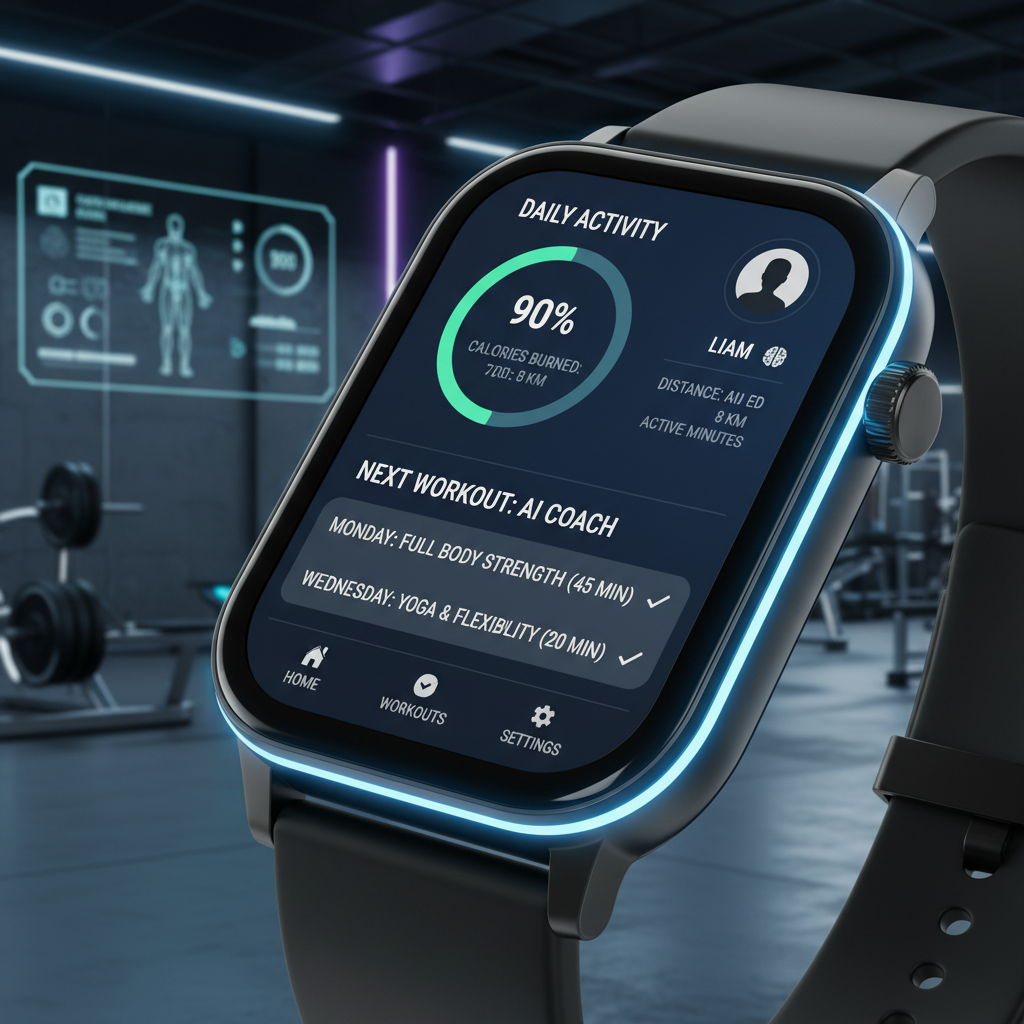
In an era defined by rapid technological advancements, the landscape of personal fitness is undergoing a profound transformation. Gone are the days when personalized coaching was an exclusive luxury, accessible only to a select few who could afford human trainers and dedicated gym memberships. Today, artificial intelligence has stepped into the arena, democratizing access to tailored fitness guidance and making it an integral part of our daily lives. AI fitness coaches are no longer futuristic concepts; they are sophisticated, data-driven platforms designed to understand your unique physiology, lifestyle, and aspirations, delivering a fitness experience that is as unique as you are.
The allure of an AI fitness coach lies in its ability to offer unparalleled flexibility, objectivity, and cost-effectiveness. Imagine having a personal trainer available 24/7, adapting your workout regimen based on your sleep quality, daily energy levels, and even weather conditions, all while providing insights that help you avoid plateaus and injuries. This personalized approach stands in stark contrast to generic workout plans, often leading to higher engagement, better adherence, and ultimately, more sustainable results. However, with a burgeoning market flooded with various AI-powered solutions, choosing the right one can feel overwhelming.
This comprehensive guide is designed to empower you with the knowledge and tools needed to navigate the exciting world of AI fitness coaches. We will delve into the core benefits, explore the diverse range of available technologies, and provide a structured framework for evaluating different platforms against your specific fitness goals. From understanding the nuances of personalization and data integration to deciphering subscription models and user experience, we will equip you to make an informed decision that aligns perfectly with your individual needs, ensuring your personalized fitness journey is not just effective, but truly transformative. Prepare to unlock a smarter, more efficient path to achieving your health and fitness aspirations.
Understanding the Evolution of AI in Fitness Coaching
The journey of artificial intelligence in the fitness industry is a testament to technological progress, evolving from rudimentary step counters to highly sophisticated virtual trainers. Initially, fitness technology focused on basic data collection: pedometers counted steps, heart rate monitors tracked beats per minute. These early devices provided raw numbers but offered little in the way of personalized advice or actionable insights. Users were left to interpret the data themselves, often struggling to connect it to their broader fitness objectives.
The advent of smartphones and wearables marked a significant turning point. Devices like early fitness trackers began to aggregate data, providing a more holistic view of activity, sleep, and caloric expenditure. However, the true revolution began when machine learning algorithms were integrated. Instead of just presenting data, AI started to analyze patterns, identify trends, and make predictive models. For instance, an AI could learn that your heart rate consistently spikes during certain exercises or that your sleep quality directly impacts your next day’s performance. This shift from data presentation to data interpretation was critical.
From Simple Trackers to Intelligent Trainers
Modern AI fitness coaches leverage advanced algorithms, including deep learning and natural language processing, to create highly adaptive and responsive systems. Today’s AI coaches can:
- Process vast amounts of data: Integrating information from wearables (heart rate, HRV, sleep, recovery), user input (perceived exertion, mood, diet), and environmental factors (weather, location).
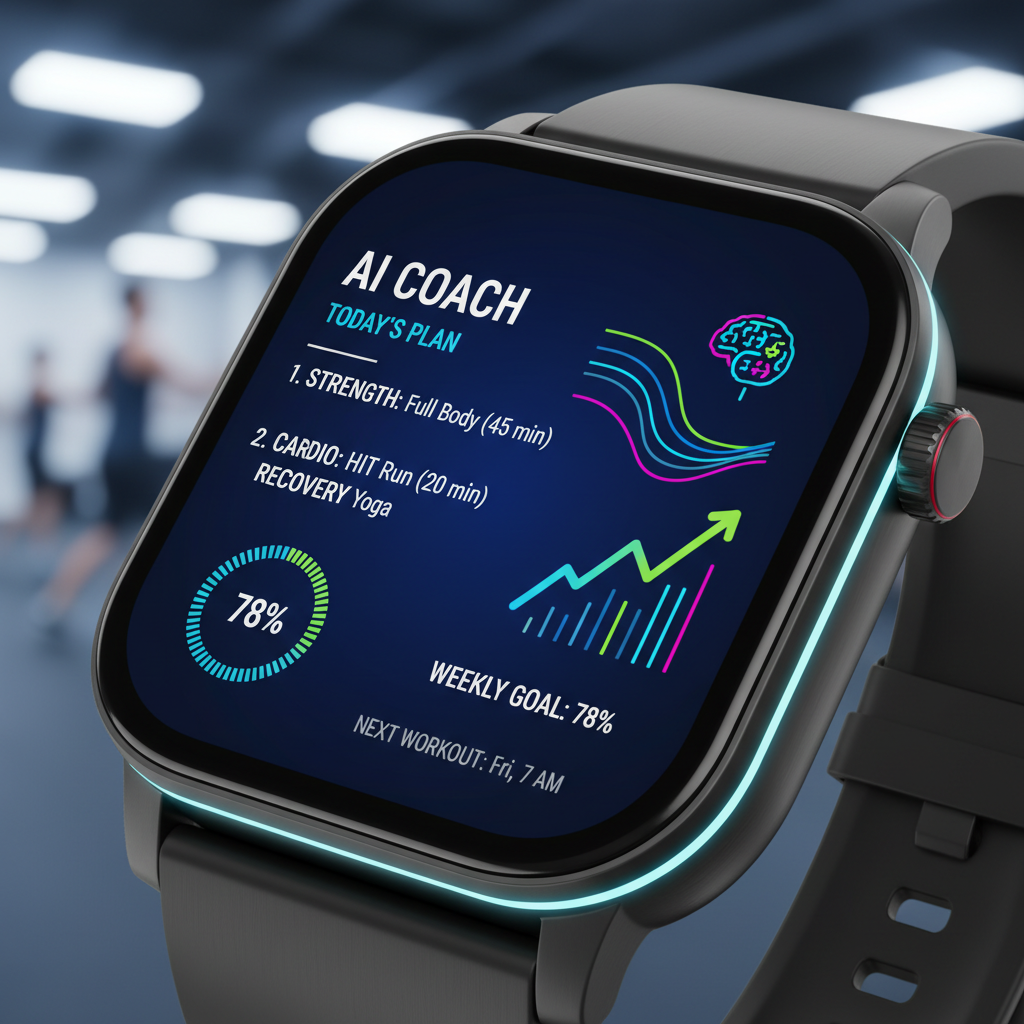
- Generate dynamic workout plans: Unlike static plans, AI coaches can modify your workout on the fly, suggesting heavier weights if you’re feeling strong, or recommending a lighter session if your recovery data indicates fatigue.
- Provide real-time feedback: Some advanced systems use computer vision to analyze your form during exercises, offering immediate corrections to prevent injury and maximize effectiveness. Others use conversational AI to answer your questions and provide motivational support.
- Offer nutritional guidance: Many AI coaches extend their capabilities to diet, providing meal plans, macro tracking, and personalized recommendations based on your activity levels and goals.
- Monitor progress comprehensively: Beyond just tracking metrics, AI coaches can analyze your overall progress, identify plateaus, and adjust strategies to keep you moving towards your goals.
Recent developments include the integration of large language models (LLMs) which enable more human-like, conversational interactions, making the AI feel more like a genuine coach. Furthermore, advancements in sensor technology and bio-feedback mechanisms allow AI coaches to gain an even deeper understanding of your body’s physiological responses, pushing the boundaries of truly personalized fitness experiences. This continuous evolution means that AI fitness coaches are not just tools, but intelligent partners in your wellness journey.
Why an AI Fitness Coach? The Undeniable Benefits
The appeal of AI fitness coaches extends far beyond mere convenience. They offer a unique blend of advantages that address many of the common hurdles individuals face when trying to achieve their fitness goals. Understanding these benefits is crucial for appreciating the value an AI coach can bring to your life.
Here are the primary reasons why millions are turning to AI for their fitness needs:
- Unprecedented Accessibility and Affordability: Traditional personal trainers, while highly effective, often come with a significant financial commitment and require scheduling within specific timeframes. AI fitness coaches, on the other hand, are typically subscription-based, offering a fraction of the cost of a human trainer. They are available 24/7, meaning you can work out whenever and wherever suits you best, removing barriers of time and location. This democratizes personalized fitness, making it available to a much broader audience.
- Hyper-Personalization and Adaptability: This is arguably the strongest selling point. A good AI coach doesn’t offer a one-size-fits-all plan. It begins with a detailed assessment of your current fitness level, goals, past injuries, equipment availability, and even your preferred workout intensity. Crucially, it learns from your performance. If a workout was too easy or too hard, the AI adjusts the next one. If your recovery metrics (like heart rate variability or sleep quality from a wearable) indicate fatigue, it might recommend an active recovery day or a lighter session. This dynamic adaptation ensures you are always challenged appropriately without risking overtraining or injury.
- Objective, Data-Driven Insights: Human trainers, despite their best intentions, can sometimes be influenced by subjective factors. AI operates purely on data. It analyzes thousands of data points from your performance, biometrics, and historical trends to provide objective insights into your progress. This scientific approach helps identify patterns you might miss, such as specific exercises that yield the best results for you, or times of day when you are most effective. Visual dashboards and detailed reports keep you informed and motivated.
- Enhanced Motivation and Consistency: Many AI fitness apps incorporate gamification elements, such as streaks, badges, and progress tracking, which can be incredibly motivating. Regular reminders, personalized feedback, and the satisfaction of seeing tangible progress through data visualization contribute significantly to consistency. For individuals who struggle with internal motivation, the external structure and positive reinforcement provided by an AI coach can be a game-changer.
- Privacy and Comfort: Some individuals prefer the anonymity and lack of social pressure that comes with an AI coach. There’s no judgment, no need to feel self-conscious, and complete control over your workout environment. This can be particularly beneficial for beginners or those working through body image issues.
- Prevention of Overtraining and Injury: By integrating recovery data and understanding your body’s signals, advanced AI coaches can recommend adequate rest and adjust intensity to prevent common pitfalls like overtraining, burnout, and injuries. Some even offer form correction, further reducing the risk of improper movement patterns.
In essence, an AI fitness coach combines the precision of data science with the convenience of modern technology, offering a highly individualized, flexible, and affordable path to achieving your fitness and wellness goals with greater efficacy and enjoyment.
Identifying Your Fitness Goals: The First Crucial Step
Before you even begin to research specific AI fitness coaches, the most critical foundational step is to clearly define your own fitness goals. Without a clear understanding of what you want to achieve, selecting the ideal coach becomes a shot in the dark, akin to embarking on a journey without a destination. Your goals will dictate the type of AI coach you need, the features that are most important, and ultimately, the success of your personalized fitness journey.
Take some time for introspection. Be specific, measurable, achievable, relevant, and time-bound (SMART) with your objectives. Avoid vague statements like “I want to get fit.” Instead, aim for something like “I want to run a 10K race in under 60 minutes within six months” or “I aim to lose 15 pounds of body fat and increase my squat strength by 20% in four months.”
Common Fitness Goals and AI Suitability
Let’s explore some common fitness goals and how different AI coaches are better suited for each:
-
Weight Loss and Body Recomposition:
Goal: Reduce body fat, build lean muscle, improve overall body composition.
AI Suitability: You’ll need an AI coach that strongly integrates nutritional tracking, calorie management, and macro-nutrient guidance. It should offer a variety of cardio and strength training workouts, dynamically adjusting intensity to maximize calorie burn and muscle preservation. Look for features like progress photo tracking, body measurement logging, and weight trend analysis. -
Strength Building and Muscle Hypertrophy:
Goal: Increase muscle mass, improve lifting strength, develop specific muscle groups.
AI Suitability: An ideal AI coach for this goal will feature a robust exercise library with detailed video demonstrations, progressive overload programming, and the ability to track specific weights, reps, and sets. Look for coaches that recommend appropriate rest times, deload weeks, and potentially offer computer vision for form correction to ensure safety and effectiveness. Data analytics on 1RM (one-rep max) estimations and volume accumulation are highly beneficial. -
Endurance Training (Running, Cycling, Triathlons):
Goal: Improve cardiovascular fitness, increase stamina, prepare for specific races (e.g., marathons, half-marathons, cycling events).
AI Suitability: Choose an AI coach that excels in adaptive running or cycling plans. This means integration with GPS, heart rate monitors, and power meters (for cycling). The AI should adjust training based on your current pace, heart rate zones, recovery status, and even external factors like weather. Look for features like pace guidance, interval training protocols, long-run planning, and performance prediction. -
Flexibility, Mobility, and Recovery:
Goal: Improve range of motion, reduce muscle stiffness, enhance recovery, and prevent injury.
AI Suitability: While often overlooked, this is crucial. An AI coach focusing here might offer guided stretching routines, yoga flows, foam rolling protocols, and dynamic warm-ups/cool-downs. It should ideally integrate with recovery metrics from wearables (e.g., HRV, sleep scores) to recommend optimal recovery strategies, ensuring your body is ready for the next challenge. -
General Health and Wellness:
Goal: Maintain an active lifestyle, manage stress, improve overall well-being without specific performance targets.
AI Suitability: For general health, an AI coach that offers a broad range of activities (cardio, strength, mindfulness), encourages consistent movement, and integrates with sleep and stress tracking can be very effective. It should be easy to use, adaptable to varying schedules, and provide positive reinforcement for sustained activity. -
Rehabilitation and Injury Prevention (with medical clearance):
Goal: Safely recover from an injury, strengthen vulnerable areas, and reduce future injury risk.
AI Suitability: This is a more specialized area. If considering an AI coach for rehab, it’s paramount to have medical clearance and guidance from a healthcare professional. Look for coaches with highly customizable programs, precise exercise instructions, and features that prevent overexertion. Computer vision for form correction is exceptionally valuable here. Some physical therapy apps are incorporating AI for this purpose.
By aligning your specific goals with the inherent strengths of various AI coaching platforms, you lay a solid foundation for a successful and fulfilling fitness journey. Do not skip this introspective step; it is the compass that guides your selection process.
Key Features to Look for in an AI Fitness Coach
Once you’ve clearly defined your fitness goals, the next step is to evaluate the features offered by various AI fitness coaches. Not all coaches are created equal, and the ideal platform for you will be one that boasts the features most relevant to your specific aspirations and lifestyle. Here’s a detailed breakdown of essential features to consider:
-
Personalization and Adaptability: This is the cornerstone of any effective AI coach.
- Initial Assessment: How thorough is the onboarding process? Does it ask about your fitness level, experience, goals, available equipment, time constraints, past injuries, and even dietary preferences?
- Dynamic Programming: Does the AI adjust workouts based on your performance, feedback (e.g., “too easy,” “too hard”), and real-time biometric data (e.g., sleep, heart rate variability, energy levels)? An adaptable coach will modify volume, intensity, and exercise selection day-to-day.
- Goal Progression: Does it intelligently implement progressive overload, periodization, and deloading cycles to prevent plateaus and ensure continuous improvement without burnout?
-
Data Integration and Tracking Capabilities: The more data an AI coach can access, the smarter its recommendations can be.
- Wearable Connectivity: Compatibility with popular smartwatches (Apple Watch, Garmin, Fitbit), fitness trackers (Whoop, Oura Ring), and other sensors (heart rate monitors, power meters).
- Biometric Tracking: Monitors heart rate, steps, calories burned, sleep stages, heart rate variability (HRV), and even blood oxygen.
- Performance Metrics: Tracks reps, sets, weights lifted, pace, distance, elevation, and personal records.
-
Exercise Library and Guidance:
- Extensive Library: A wide range of exercises with clear instructions.
- High-Quality Demonstrations: Video tutorials (preferably from multiple angles) for each exercise, often with verbal cues.
- Form Correction (Computer Vision): Advanced coaches use your device’s camera to analyze your form in real-time, providing immediate feedback and corrections to ensure safety and effectiveness.
- Equipment Flexibility: Can it generate workouts for different equipment scenarios (full gym, home gym, bodyweight only)?
-
Nutritional Support: For many goals, especially weight loss or muscle gain, nutrition is paramount.
- Meal Planning: Offers personalized meal suggestions based on your dietary preferences, allergies, and calorie/macro goals.
- Food Logging & Tracking: Tools to log your food intake, often with a large database or barcode scanner.
- Macro and Calorie Guidance: Provides recommendations and tracks your intake against targets.
- Hydration Tracking: Reminders and tracking for water intake.
-
Progress Monitoring and Feedback: Seeing progress is a huge motivator.
- Visual Dashboards: Easy-to-understand charts and graphs that show your progress over time (weight, strength gains, endurance improvements).
- Performance Analytics: Detailed reports on workout consistency, intensity, and areas for improvement.
- Milestone Recognition: Celebrates personal bests and goal achievements.
- Predictive Analytics: Some coaches can predict future performance or highlight potential plateaus.
-
Motivation and Community Features:
- Gamification: Streaks, badges, and challenges to keep you engaged.
- Reminders: Notifications for upcoming workouts or activity.
- Community Support: In-app forums, leaderboards, or social sharing options to connect with other users.
- Coaching Messages: Personalized motivational messages and encouragement.
-
Safety and Injury Prevention:
- Overtraining Alerts: Warns you if your training load is too high based on recovery data.
- Rest Day Recommendations: Intelligently advises when to take rest days or active recovery.
- Modification Suggestions: Offers alternative exercises for specific movements that might cause discomfort or due to limited mobility.
- Warm-up and Cool-down Protocols: Guides you through proper preparation and recovery for each session.
-
User Interface and Experience (UI/UX):
- Intuitive Design: Easy to navigate, clean layout, and user-friendly interface.
- Responsiveness: Smooth performance without lag.
- Customization: Ability to customize dashboard views, notifications, and workout preferences.
-
Cost and Subscription Model:
- Free vs. Premium: Many offer basic free versions with premium paid tiers unlocking advanced features.
- Subscription Options: Monthly, quarterly, annual plans, and often lifetime options. Compare pricing against the features offered and your budget.
By carefully weighing these features against your goals and preferences, you can narrow down your choices and select an AI fitness coach that truly supports and enhances your fitness journey.
Understanding Different Types of AI Fitness Coaches
The AI fitness coaching landscape is diverse, offering various approaches to personalization and interaction. Understanding these different types can help you identify which model best suits your technological comfort, preferred workout environment, and specific needs.
App-Based AI Coaches
These are the most common and accessible forms of AI fitness coaching. They primarily reside on your smartphone or tablet, utilizing the device’s capabilities (sensors, camera, screen) to deliver personalized workouts and track progress.
- How they work: Users input their goals, experience, and available equipment. The AI then generates daily or weekly workout plans, complete with video demonstrations and verbal cues. You typically log your completed reps, sets, and weights directly into the app.
- Examples: Freeletics, Fitbod, Future, Nike Training Club, Peloton Digital (for guided classes with AI-driven recommendations).
- Best for: Individuals who prefer flexibility, home or gym workouts without needing dedicated smart equipment, and those comfortable interacting with a mobile interface. They are often highly adaptable for various fitness levels and goals, from strength training to HIIT and yoga.
Wearable-Integrated AI Coaches
These coaches leverage the rich stream of biometric data collected by advanced wearables (smartwatches, rings, chest straps) to provide highly personalized insights and recommendations, often with less direct user input during workouts.
- How they work: The AI analyzes continuous data such as heart rate variability (HRV), sleep patterns, recovery scores, skin temperature, and activity levels. Based on this physiological readiness, it suggests optimal training zones, recommends rest days, or advises on intensity adjustments for upcoming workouts. While some provide workout plans, their core strength lies in intelligent recovery and readiness insights.
- Examples: Whoop, Oura Ring, Garmin Connect with AI features (like Training Status and Daily Suggested Workouts), Apple Fitness+ (with Apple Watch integration).
- Best for: Athletes or serious fitness enthusiasts who want deep physiological insights, prioritize recovery, and aim to optimize performance by understanding their body’s readiness. They are excellent for preventing overtraining and fine-tuning endurance training.
AI Coaches with Computer Vision
This cutting-edge category utilizes cameras to “see” and analyze your movements in real-time, providing immediate feedback on form and technique. They often require specific hardware, like a smart mirror, smart gym equipment, or a phone/tablet positioned strategically.
- How they work: Using computer vision algorithms, the AI compares your body’s kinematics during an exercise against a perfect form model. It can detect errors like shallow squats, rounded backs, or incorrect joint angles, offering verbal or on-screen corrections. Some can also count reps automatically.
- Examples: Tonal, Tempo, Form (for swimming goggles), and some advanced features within apps like Peloton Guide.
- Best for: Individuals serious about strength training, rehabilitation, or learning new complex movements safely. They are invaluable for injury prevention and ensuring you get the most out of every rep. The investment can be higher due to specialized hardware.
Conversational AI Coaches
A newer but rapidly developing type, these coaches leverage large language models (LLMs) to engage in natural language conversations with users, providing support, answering questions, and offering guidance in a highly interactive manner.
- How they work: Users can chat with the AI coach as they would with a human. They can ask for workout modifications, nutritional advice, motivational support, or explanations of exercises. The AI understands context and provides relevant, empathetic responses, often integrating data from other sources.
- Examples: Specific AI chatbot integrations within existing fitness apps, or standalone platforms focusing solely on conversational interaction (still emerging strongly in fitness but gaining traction).
- Best for: Users who thrive on direct interaction, need consistent motivation, or prefer a more “human-like” coaching experience without the cost or scheduling constraints of a human trainer. They are excellent for clarifying doubts and getting immediate, personalized advice beyond just workout programming.
Each type of AI fitness coach offers distinct advantages. Your ideal choice might even involve a combination of these types, for instance, an app-based coach integrated with your wearable for comprehensive data insights, or an app with conversational AI to enhance your overall engagement.
Evaluating AI Coach Personalization and Adaptability
The true power of an AI fitness coach lies in its ability to be truly “personal” and to “adapt” to your evolving needs. This isn’t just about giving you a generic plan; it’s about a dynamic system that learns from you, with you, and for you. Evaluating a coach’s personalization and adaptability features is paramount for long-term success and satisfaction. Without it, you might as well be following a free PDF workout plan.
Initial Assessment and Goal Setting
A superior AI coach starts strong with a thorough initial assessment. This isn’t just a few questions about your gender and weight. It delves much deeper:
- Comprehensive Fitness Profile: Does it ask about your current fitness level (beginner, intermediate, advanced), exercise history, past injuries or chronic conditions, and any physical limitations?
- Equipment Availability: Can it customize workouts based on whether you have a full gym, a home gym with limited equipment, or strictly bodyweight options?
- Time Constraints and Schedule: Does it factor in how many days per week you can train, how long each session can be, and even preferred times of day?
- Preferences and Dislikes: Can you input exercises you love or hate? Does it offer different workout styles (e.g., strength, HIIT, yoga)?
- Dietary Habits: For coaches with nutritional components, how detailed is the dietary assessment regarding allergies, preferences (vegan, keto, etc.), and current eating habits?
The quality of the initial data collection directly impacts the intelligence of the subsequent programming. A coach that gathers robust information from the outset can create a much more relevant and effective starting point for your journey.
Real-time Feedback and Adjustments
Where an AI coach truly shines is its ability to adjust on the fly. This adaptability transforms a static program into a living, breathing guide.
- Performance-Based Modifications: During or after a workout, does the AI prompt you for feedback? For example, “How did that set of squats feel? Too easy? Just right? Very hard?” Based on your input and logged performance (e.g., you completed more reps than expected with a given weight), the AI should dynamically adjust future recommendations, perhaps increasing the weight or reps for the next session.
- Biometric Data Integration: Does it connect with your wearable devices to incorporate real-time physiological data? If your heart rate variability (HRV) or sleep score from your Oura Ring or Whoop strap indicates low recovery, a truly adaptive AI might suggest a lighter workout, an active recovery session, or even a complete rest day instead of the scheduled intense session. This is critical for preventing overtraining and injury.
- Progress-Driven Changes: As you get stronger or fitter, the AI should recognize these improvements and gradually increase the challenge, either by adding more weight, increasing reps, reducing rest times, or introducing more complex movements. It should also be able to recognize when you might be hitting a plateau and suggest a deload week or a change in training stimulus.
Progressive Overload and Deloading
These are fundamental principles of effective strength and endurance training, and an intelligent AI coach will incorporate them seamlessly.
- Intelligent Progression: The AI should not just randomly increase your weights or reps. It should follow a structured program that gradually increases the demand on your body over time (progressive overload) to stimulate continuous adaptation and growth. This might involve linear progression, undulating periodization, or block periodization, tailored to your goals.
- Strategic Deloading: Just as important as pushing hard is knowing when to pull back. Deload weeks (periods of reduced intensity or volume) are vital for recovery, preventing burnout, and allowing your body to consolidate gains. An advanced AI will strategically program these based on your training history, perceived fatigue, and objective recovery metrics.
- Avoiding Plateaus: By constantly analyzing your progress and making micro-adjustments, a highly adaptable AI can help you circumvent common plateaus, keeping your training fresh and effective without needing constant manual intervention from your side.
In essence, an AI coach’s personalization and adaptability are what differentiate it from a simple workout generator. It should feel like a partner that learns and grows with you, always pushing you forward in a smart, sustainable way. Look for transparency in how the AI makes these adjustments; some apps provide explanations for their recommendations, which further builds trust and understanding.
Comparison Tables: A Snapshot of Leading AI Fitness Coaches
To aid in your decision-making process, here are two illustrative tables comparing various AI fitness coaching platforms based on their key features and suitability for different goals. Please remember that specific features and pricing can change rapidly, and this data is for comparative purposes, reflecting general strengths. Always check the latest offerings directly from the provider.
| AI Coach Name | Core Focus | Personalization Score (1-5, 5=High) | Computer Vision for Form | Nutrition Support | Wearable Integration | Price Range (Monthly Avg.) |
|---|---|---|---|---|---|---|
| Future | 1-on-1 Virtual Coaching with AI assistance | 5 | Limited (via trainer review) | Yes (guidance) | Extensive (Apple Watch primary) | $150 – $200 |
| Freeletics | Bodyweight, Gym & Running Workouts | 4 | No | Yes (meal plans) | Limited (Apple Health, Google Fit) | $15 – $25 |
| Fitbod | Strength Training & Progressive Overload | 4.5 | No | No | Limited (Apple Health) | $10 – $15 |
| Tonal | Smart Home Gym with Integrated AI | 5 | Yes (real-time form correction) | Limited (integrates with MyFitnessPal) | Good (Apple Watch, BT HRMs) | $49 (subscription only, machine additional) |
| Whoop | Recovery, Sleep, & Strain Optimization | 5 | No | No | Proprietary strap essential | $30 – $40 |
| Peloton Digital (App only) | Class-based workouts with some AI Recs | 3 | Yes (with Peloton Guide) | No | Good (Apple Watch, BT HRMs) | $12 – $20 |
| Fitness Goal | Recommended AI Coach Type(s) | Key Considerations for Selection | Example AI Coach Type Match |
|---|---|---|---|
| Weight Loss / Body Recomposition | App-based (nutrition focus), Conversational AI | Strong nutrition tracking, varied cardio/strength, progress visualization, calorie/macro guidance. | Freeletics (with nutrition add-on), Future, MyFitnessPal (food tracking) + Workout AI |
| Strength Building / Hypertrophy | App-based (progression focus), Computer Vision AI, Smart Gyms | Progressive overload, detailed exercise library, form correction, specific weight/rep tracking, deloading. | Fitbod, Tonal, Tempo, Strong (app for tracking) + AI programming |
| Endurance Training (Running, Cycling) | Wearable-integrated AI, Specialized Apps | GPS integration, heart rate zone training, adaptive pacing, recovery optimization, race planning. | Garmin Connect (built-in AI), Strava (with advanced analysis), Whoop (for recovery) |
| Flexibility, Mobility & Recovery | Wearable-integrated AI, App-based (yoga/stretching focus) | HRV/sleep tracking, guided stretching/yoga, mindfulness, active recovery suggestions. | Oura Ring, Whoop, Peloton Digital (yoga/stretch classes), Calm/Headspace (mindfulness) |
| General Health & Wellness | App-based (broad activities), Conversational AI | Ease of use, variety of workouts, gentle encouragement, stress/sleep integration, consistency focus. | Nike Training Club, Peloton Digital, basic fitness trackers with AI prompts |
| Injury Prevention / Rehabilitation | Computer Vision AI, Highly customizable App-based AI (under PT guidance) | Precise form correction, careful progression, modifiable exercises, strong safety protocols. | Tonal, specialized PT apps with AI (e.g., Kaia Health), Tempo (for specific movements) |
Practical Examples: AI Coaches in Action
To truly appreciate the transformative potential of AI fitness coaches, let’s explore a few real-world scenarios that illustrate how individuals leverage these intelligent systems to achieve their unique goals. These case studies highlight the versatility and effectiveness of AI across different fitness journeys.
Case Study 1: Weight Loss and Lifestyle Change – Sarah’s Journey
Sarah, a 35-year-old marketing professional, had always struggled with her weight. After years of yo-yo dieting and inconsistent gym attendance, she felt overwhelmed by the sheer volume of fitness information online. Her goal was to lose 30 pounds, improve her energy levels, and create sustainable healthy habits. She found traditional gym environments intimidating and personal trainers too expensive.
Sarah decided to try an AI fitness app that offered comprehensive nutrition tracking alongside personalized workouts (let’s say a combination of Freeletics and MyFitnessPal for food logging). During the initial assessment, she provided details about her current weight, dietary preferences (vegetarian), and her busy work schedule. The AI generated a caloric target with balanced macronutrient ratios and suggested a mix of bodyweight HIIT workouts and strength training, each lasting 30-40 minutes, three times a week.
The AI coach excelled in several ways:
- Nutritional Guidance: It provided daily meal suggestions for vegetarians, which made meal prepping easier. Sarah meticulously logged her food, and the AI offered feedback on her daily intake, highlighting areas where she could improve.
- Adaptive Workouts: If Sarah felt particularly drained after a long day, she could tell the AI, and it would suggest a slightly less intense session or offer an active recovery option. If she crushed a workout, the AI would subtly increase the challenge for the next one.
- Motivation and Progress Tracking: The app’s visual dashboard allowed Sarah to track her weight loss, body measurements, and workout consistency. Seeing her progress laid out clearly motivated her to stay consistent. The AI’s positive reinforcement messages after each workout also kept her engaged.
Over six months, Sarah successfully lost 28 pounds, significantly improved her cardiovascular fitness, and felt more energetic than ever. The AI coach provided the structure, accountability, and personalized adjustments she needed, transforming her relationship with food and exercise into a sustainable lifestyle.
Case Study 2: Marathon Training and Performance Enhancement – David’s Ambition
David, a 42-year-old avid runner, had completed several half-marathons but harbored a dream of running a full marathon under a specific time. He had a good base level of fitness but struggled with periodization and optimizing his training to avoid injury and peak performance on race day. He wore a Garmin watch and was interested in leveraging its data.
David opted for an AI-powered coaching platform that deeply integrates with wearable data, specifically his Garmin watch (like Garmin Coach or a third-party app with strong Garmin integration). He set his marathon goal and target time. The AI immediately began collecting data from his watch: daily activity, heart rate variability, sleep quality, and previous running metrics.
Here’s how the AI optimized his training:
- Dynamic Training Plan: The AI generated a 16-week marathon plan, but it wasn’t static. If David had a poor night’s sleep (indicated by his Garmin data), the AI might suggest reducing the intensity of his scheduled long run or swapping it for a cross-training session.
- Pace and Zone Guidance: During his runs, the AI provided real-time audio cues through his watch, guiding him through specific heart rate zones or pace targets for intervals, tempo runs, and easy runs.
- Recovery Optimization: Based on his training load and recovery metrics, the AI recommended specific active recovery days or advised him to take a full rest day, preventing overtraining syndrome which had plagued his previous attempts.
- Race Day Simulation: Closer to the race, the AI structured workouts to simulate race day conditions, helping David mentally and physically prepare.
David completed his marathon two minutes faster than his target time, felt stronger throughout the race, and experienced a quicker recovery, attributing much of his success to the intelligent, adaptive guidance of his AI coach which helped him train smarter, not just harder.
Case Study 3: Strength Building and Injury Recovery – Maria’s Return to Form
Maria, a 28-year-old who loved weightlifting, suffered a minor shoulder injury that sidelined her from her regular routine. After physical therapy, she was cleared to gradually return to strength training, but she was hesitant about reinjury and unsure how to safely rebuild her strength without a human coach watching her form.
Maria invested in a smart home gym with integrated AI and computer vision technology (such as Tonal). Her goal was to regain full shoulder strength, improve overall body strength, and ensure perfect form to prevent any recurrence of her injury.
The AI coach with computer vision proved invaluable:
- Precision Form Correction: As Maria performed exercises like overhead presses and bench presses, the smart gym’s cameras analyzed her movements in real-time. If her elbow flared out too much or her back arched, the AI would immediately provide visual and verbal cues, instructing her to adjust her posture or range of motion.
- Adaptive Weight and Spotter Mode: The AI dynamically adjusted the resistance based on her performance. If she struggled on the last few reps, the “spotter mode” would kick in, reducing the weight slightly to help her complete the set safely. Conversely, as she got stronger, the AI would automatically increase the digital weight.
- Structured Progression for Recovery: The AI system designed a phased program that started with lighter weights and higher repetitions, gradually increasing intensity as her shoulder strength improved. It ensured balanced muscle development to prevent imbalances that could lead to future injuries.
Within eight months, Maria not only fully recovered her shoulder strength but surpassed her pre-injury lifting numbers, feeling more confident and knowledgeable about her form than ever before. The AI’s constant vigilance on her technique provided the safety net she needed to push her limits effectively and securely.
Frequently Asked Questions
Q: Are AI fitness coaches as effective as human personal trainers?
A: The effectiveness of AI fitness coaches compared to human trainers often depends on individual needs and preferences. AI coaches excel in data-driven personalization, 24/7 accessibility, and cost-effectiveness. They can analyze vast amounts of data to dynamically adjust workouts, track progress objectively, and provide consistent motivation. However, they currently lack the nuanced human connection, empathy, and ability to physically spot during lifts or provide hands-on form correction that a human trainer offers. For highly complex movements, specific medical conditions requiring a human expert, or those who thrive on direct interpersonal interaction, a human trainer might be superior. For most general fitness goals, an AI coach offers a highly effective and convenient alternative, often bridging the gap between generic workouts and expensive personal training.
Q: How accurate are AI form corrections using computer vision?
A: The accuracy of AI form correction has advanced significantly, especially with dedicated smart gym equipment or specific apps utilizing high-quality cameras and sophisticated algorithms. These systems can accurately track joint angles, movement paths, and body positioning in real-time, often detecting subtle errors a human eye might miss. They provide immediate, objective feedback, which is invaluable for learning proper technique and preventing injury. However, their effectiveness can be influenced by camera angles, lighting conditions, and the complexity of the exercise. While highly beneficial, they serve as an excellent complement to, rather than a complete replacement for, expert human instruction, particularly for very intricate movements or rehabilitative exercises.
Q: Can AI coaches genuinely help with nutrition planning?
A: Yes, many AI fitness coaches offer robust nutrition planning features. They can analyze your goals (weight loss, muscle gain, maintenance), dietary preferences (vegan, keto, gluten-free), allergies, and caloric needs to generate personalized meal plans. They often include extensive food databases for logging, track macronutrients (proteins, carbs, fats) and micronutrients, and provide feedback on your daily intake. While they can’t physically cook for you or assess your specific cravings in real-time like a human nutritionist, they offer data-driven guidance and structured support to help you make informed food choices and maintain dietary consistency.
Q: What if I have an existing injury or special health condition?
A: If you have an existing injury or special health condition, it is absolutely crucial to consult with a medical professional or physical therapist before starting any new fitness program, including one guided by an AI coach. While some AI coaches can adapt workouts for certain limitations, they are not a substitute for professional medical advice or personalized rehabilitation. Once cleared by a professional, you can communicate your specific limitations or areas of concern to the AI coach during its initial assessment. Look for AI coaches that allow for extensive customization, exercise modifications, and have features for injury prevention. Always prioritize safety and listen to your body, overriding AI suggestions if they cause discomfort or pain.
Q: Is my personal and fitness data safe with AI fitness apps?
A: Reputable AI fitness apps employ strong data security measures, including encryption, secure servers, and adherence to privacy regulations (like GDPR or CCPA). They typically have clear privacy policies outlining how your data is collected, stored, and used. Your fitness data (workout logs, biometric readings, goals) is generally anonymized and aggregated for improving AI algorithms, but your personal identifying information is kept separate. However, it’s always wise to review the privacy policy of any app before committing, understand what data they collect, and how they use it. Choose well-established apps with a strong track record of data protection.
Q: How much do AI fitness coaches typically cost?
A: The cost of AI fitness coaches varies widely depending on their features, level of personalization, and whether they require specialized hardware. Basic app-based coaches can range from free (with limited features) to $10-25 per month for premium subscriptions. More advanced apps offering deep personalization or nutritionist support might be $30-50 monthly. Virtual 1-on-1 coaching with AI assistance (like Future) can cost $150-200 per month. Smart gym equipment with integrated AI (e.g., Tonal, Tempo) often involves a significant upfront hardware cost (thousands of dollars) plus a monthly subscription fee for the AI coaching and content (around $40-60). Always look for free trials to test the service before committing to a subscription.
Q: Can AI coaches help prevent overtraining and burnout?
A: Yes, one of the significant advantages of advanced AI fitness coaches, especially those integrated with wearables, is their ability to help prevent overtraining and burnout. By continuously monitoring your recovery metrics such as heart rate variability (HRV), sleep quality, resting heart rate, and training load, the AI can detect signs of fatigue or insufficient recovery. Based on these insights, it can then recommend adjusted workout intensities, suggest active recovery sessions, or advise complete rest days, ensuring you push your limits without exceeding your body’s capacity to recover. This intelligent adaptation is crucial for sustainable progress and long-term health.
Q: What equipment do I need to use an AI fitness coach?
A: The equipment needed depends entirely on the specific AI coach and your chosen workout style.
- For App-Based Coaches: A smartphone or tablet is usually sufficient. Some might suggest basic resistance bands or dumbbells for home workouts, or you can use them at a gym.
- For Wearable-Integrated Coaches: You’ll need the specific wearable device (e.g., Whoop strap, Oura Ring, Apple Watch, Garmin device) that the AI system integrates with.
- For Computer Vision AI Coaches: This typically requires a smart home gym system (like Tonal or Tempo), or a smartphone/tablet positioned correctly for camera-based feedback.
- General: Comfortable workout clothes, appropriate footwear, and access to a safe space to exercise are always recommended.
Many AI coaches are designed to be flexible with equipment, allowing you to specify what you have available.
Q: How often should I update my goals or feedback with an AI coach?
A: You should update your goals and provide feedback to your AI coach regularly to ensure optimal personalization and effectiveness.
- Goals: Revisit your primary goals every few months, or whenever your circumstances or aspirations change significantly (e.g., shifting from weight loss to muscle gain, or deciding to train for a race).
- Feedback: Provide feedback after every workout, or at least regularly, on how easy or hard the session felt. This is crucial for the AI to learn your exertion levels and adapt future workouts.
- Lifestyle Changes: Inform the AI about any significant changes to your sleep, stress levels, dietary habits, or injury status, as these directly impact your training readiness and recovery.
The more consistent and honest your feedback, the better the AI can tailor your journey.
Key Takeaways for Choosing Your AI Fitness Coach
Navigating the landscape of AI fitness coaches can seem daunting, but by focusing on these key takeaways, you can make an informed decision that truly aligns with your personal fitness journey:
- Define Your Goals Clearly: The absolute first step is to articulate specific, measurable, and realistic fitness objectives. Your goals (weight loss, strength, endurance, general wellness) will be the compass guiding your selection.
- Prioritize Deep Personalization and Adaptability: Look for coaches that go beyond static plans. An ideal AI learns from your performance, feedback, and biometric data, dynamically adjusting workouts and recovery to prevent plateaus and injury.
- Match Features to Your Needs: Evaluate features like nutrition support, exercise library quality, computer vision for form, wearable integration, and motivation tools against your specific requirements and preferences.
- Consider Your Budget and Equipment: AI coaches vary widely in cost and hardware requirements. Choose a solution that fits your financial plan and works with the equipment you have access to (or are willing to invest in).
- Assess Data Integration Capabilities: The more intelligently an AI coach can integrate and analyze data from your wearables and lifestyle, the more precise and effective its recommendations will be.
- Look for Strong User Experience and Support: An intuitive interface, clear instructions, and responsive customer support (if needed) are vital for long-term engagement and satisfaction.
- Read Reviews and Utilize Free Trials: Before committing, research user reviews and, whenever possible, take advantage of free trials to experience the coach firsthand and see if its approach resonates with you.
- Emphasize Safety and Injury Prevention: Especially if you have specific physical limitations or are recovering from an injury (with medical clearance), choose an AI that prioritizes proper form, balanced programming, and adequate recovery.
- Remember AI is a Tool, Not a Miracle: An AI coach is a powerful assistant, but consistent effort, honest feedback, and adherence to its guidance are ultimately up to you.
Conclusion: Empowering Your Fitness Journey with Smart AI Choices
The advent of AI fitness coaches has undeniably democratized personalized fitness, making it more accessible, affordable, and flexible than ever before. We stand at a thrilling juncture where cutting-edge technology merges with health and wellness, offering a bespoke experience that adapts to our unique physiology, lifestyle, and aspirations. From dynamic workout adjustments based on recovery data to real-time form correction through computer vision, the capabilities of these digital trainers are continuously expanding, empowering individuals to take control of their fitness journeys with unprecedented intelligence.
Making the smart choice in selecting your ideal AI fitness coach is not merely about picking the most popular app or the flashiest technology. It is a thoughtful process rooted in self-awareness, where your clearly defined goals serve as the guiding light. By meticulously evaluating an AI coach’s personalization capabilities, data integration prowess, feature set, and user experience against your individual needs, you are not just choosing a tool; you are investing in a partnership that promises to accelerate your progress, enhance your understanding of your own body, and foster sustainable healthy habits.
Remember that while AI coaches offer unparalleled benefits, your commitment and active participation remain paramount. Provide honest feedback, stay consistent, and embrace the iterative nature of fitness. As technology continues to evolve, AI fitness coaches will become even more integrated, intuitive, and indispensable partners in our pursuit of healthier, stronger, and more vibrant lives. The power to transform your fitness journey is now firmly within your grasp – make a smart choice, and embark on a personalized path to optimal well-being.






















































Leave a Reply