


In an increasingly complex and fast-paced world, managing our daily schedules can feel like a constant battle against the clock. From juggling work deadlines and personal appointments to remembering mundane chores and finding time for self-care, the modern individual is often overwhelmed by an ever-growing list of commitments. Traditional planning methods, while foundational, often fall short in providing the dynamic, adaptive, and personalized support truly needed to thrive. Enter the era of AI-powered planners – a groundbreaking innovation that promises to transform how we approach time management, productivity, and overall life organization.
These intelligent systems are not just glorified digital calendars or static to-do lists; they are sophisticated analytical tools that leverage the power of artificial intelligence to understand our habits, predict our needs, and optimize our schedules in ways previously unimaginable. They move beyond simple reminders, offering proactive suggestions, automating routine tasks, and providing deep insights into our productivity patterns. This blog post will delve into the transformative potential of AI-powered planners, exploring their core technologies, advanced features, practical applications, and the profound impact they are having on both individual lives and organizational efficiency.
Prepare to discover how ‘Smart Insights’ derived from AI are not just improving our daily routines, but fundamentally revolutionizing the very fabric of our scheduled existence, empowering us to achieve more, stress less, and regain control over our most precious resource: time.
Understanding the Modern Scheduling Dilemma
Before we fully appreciate the brilliance of AI-powered planners, it is crucial to understand the intricate challenges that characterize modern scheduling. The digital age, while connecting us globally, has also introduced an unprecedented level of information overload and constant demands on our attention. For many, a typical day is a mosaic of fragmented tasks, urgent emails, impromptu meetings, and an ever-present feeling of being behind.
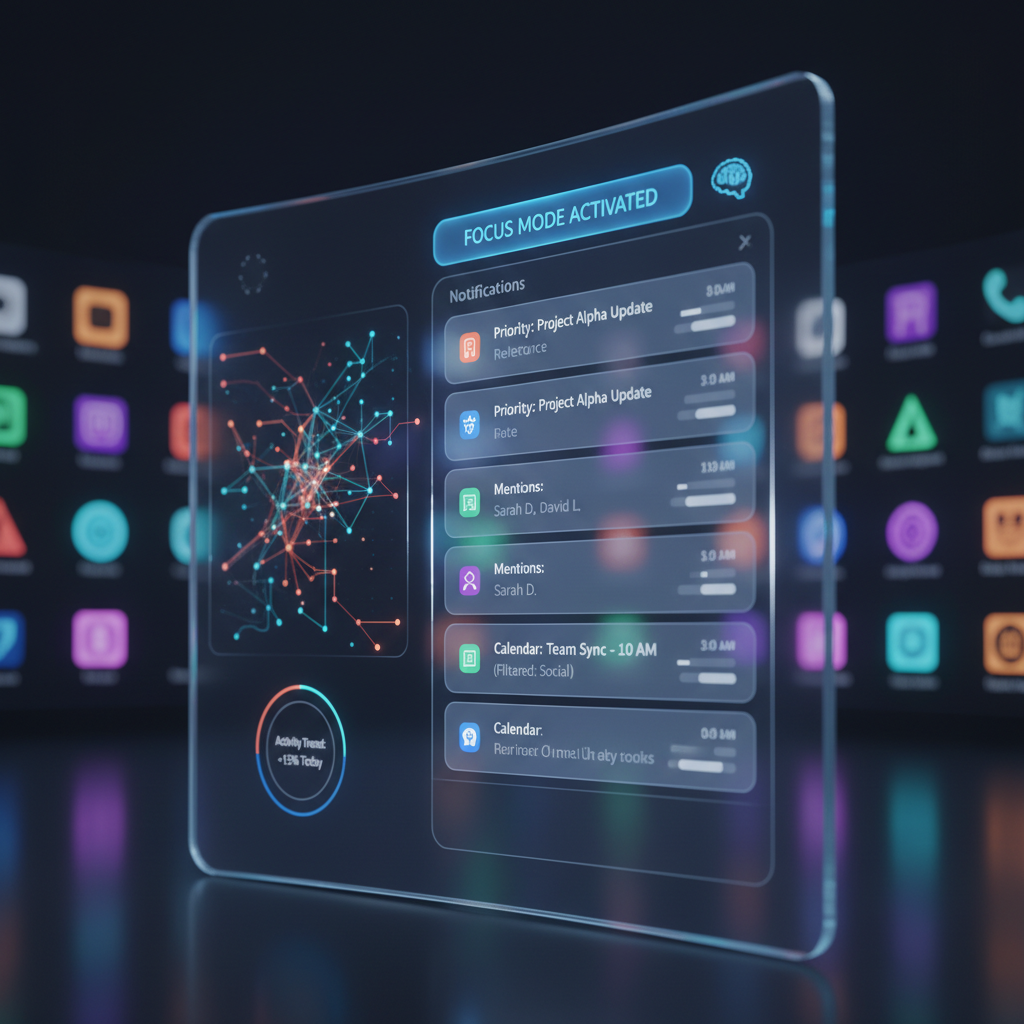
One of the primary issues is the sheer volume of inputs. Notifications from multiple platforms, project management tools, communication apps, and personal calendars all vie for our attention. This fragmentation makes it incredibly difficult to get a holistic view of our commitments. We often find ourselves toggling between various applications, manually transferring information, and spending valuable time trying to synchronize disparate pieces of our lives.
Another significant hurdle is the unpredictable nature of modern work and life. Unexpected requests, last-minute cancellations, and shifting priorities are commonplace. Traditional planners, whether paper-based or basic digital versions, struggle to adapt dynamically to these changes. They require constant manual updates, which can be time-consuming and often leads to errors or omissions. The rigidity of these systems can quickly turn them into sources of frustration rather than solutions.
Furthermore, many individuals grapple with accurately estimating the time required for tasks. We often underestimate how long something will take, leading to over-scheduling and a perpetual state of rushing. This lack of realistic time allocation is compounded by the human tendency to procrastinate on daunting tasks, often pushing them to the last minute and creating unnecessary stress. The result is often burnout, missed deadlines, and a pervasive sense of inefficiency.
Finally, there’s the challenge of balancing professional aspirations with personal well-being. In the relentless pursuit of productivity, vital aspects like breaks, exercise, family time, and relaxation are often relegated to an afterthought, or worse, completely sacrificed. A truly effective scheduling tool should not just help us cram more into our day, but help us optimize our day for both achievement and sustainability. This complex interplay of demands, unpredictability, and human cognitive biases creates a perfect storm for scheduling chaos, making the need for intelligent, adaptive solutions more urgent than ever.
What Exactly Are AI-Powered Planners?
AI-powered planners represent a paradigm shift from conventional scheduling tools. At their core, they are intelligent software applications designed to go beyond simple task listing and calendar management. Instead, they leverage advanced artificial intelligence algorithms to understand, analyze, and optimize an individual’s or team’s schedule and tasks. These planners are built to be proactive, adaptive, and deeply personalized, learning from user behavior and environmental factors to create the most efficient and effective plan.
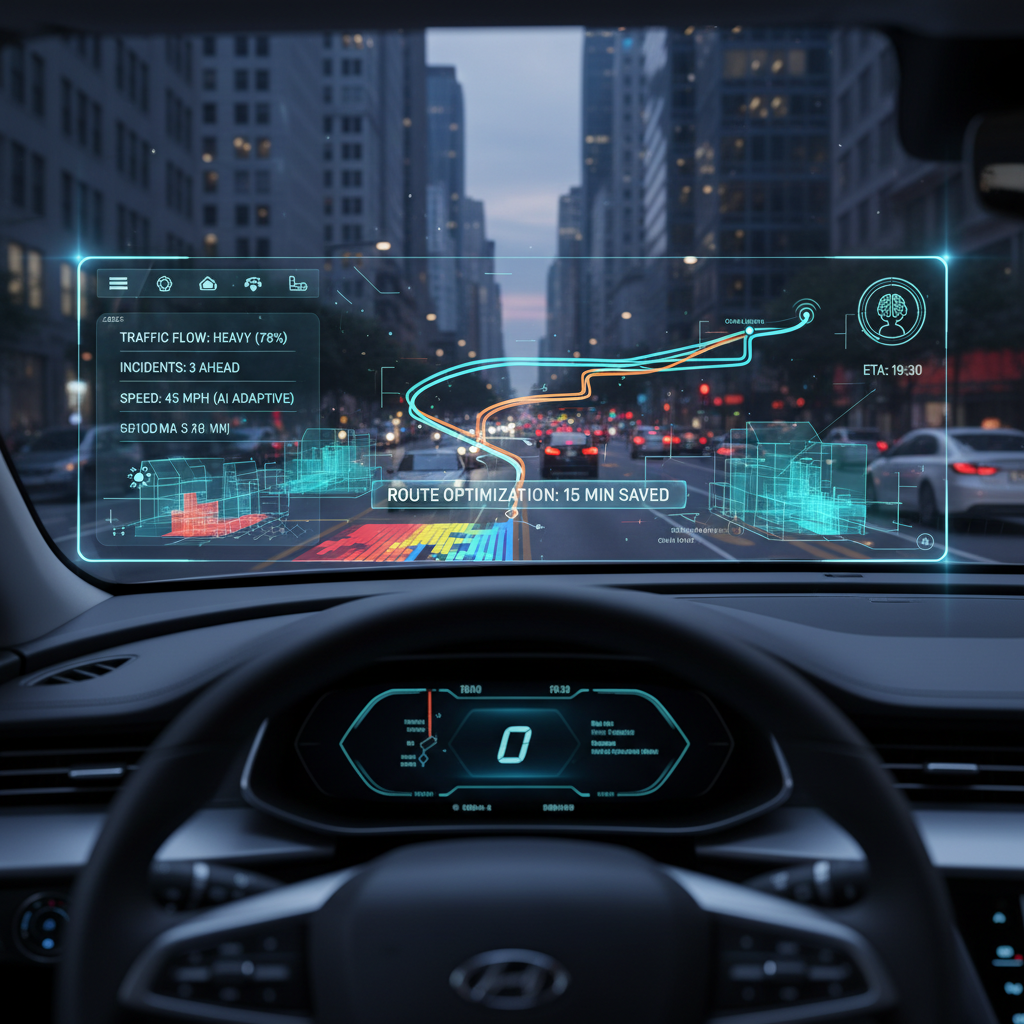
Unlike a standard digital calendar where you manually input every event and task, an AI planner observes patterns. It learns when you are most productive, how long certain tasks typically take you, and even factors in external variables like traffic conditions or meeting locations to suggest optimal scheduling. Imagine a planner that not only reminds you of an upcoming appointment but also suggests the best time to leave based on real-time traffic data, or automatically reschedules a low-priority task if a high-priority, urgent request comes in.
These systems often integrate with various aspects of your digital life – your email, messaging apps, project management software, and even fitness trackers – to gather a comprehensive understanding of your commitments and energy levels. By synthesizing data from multiple sources, they can offer a holistic view of your day, rather than just a siloed list of activities.
The “AI” in these planners comes from their ability to process vast amounts of data, recognize patterns, make predictions, and adapt their recommendations over time. This includes machine learning (ML) for pattern recognition and prediction, natural language processing (NLP) for understanding user input, and optimization algorithms for finding the best possible schedule given a set of constraints. They are designed to minimize manual effort, reduce cognitive load, and empower users to make more informed decisions about their time allocation.
Ultimately, an AI-powered planner acts as a smart, personal assistant that constantly works in the background, analyzing, predicting, and optimizing your schedule so you can focus on the tasks themselves, rather than the logistics of managing them. It aims to transform your daily chaos into a streamlined, stress-free, and highly productive routine.
The Core Technologies Driving AI Planners
The intelligence embedded within AI-powered planners is not magic, but rather the sophisticated application of several cutting-edge artificial intelligence technologies. Understanding these foundational components helps demystify how these tools achieve their remarkable capabilities.
Machine Learning (ML)
Machine Learning is arguably the most critical component. It enables the planner to learn from data without being explicitly programmed for every scenario. Specifically, ML algorithms allow the planner to:
- Understand User Habits: By observing your past behavior (e.g., when you typically respond to emails, when you schedule deep work, how long you take for breaks), the ML model builds a profile of your unique productivity patterns.
- Predict Task Duration: Over time, if you consistently mark tasks as completed, the ML model can learn to predict more accurately how long similar tasks will take you in the future, improving scheduling precision.
- Identify Optimal Times: It can determine your peak productivity hours for certain types of tasks (e.g., creative work in the morning, administrative tasks in the afternoon) and suggest scheduling accordingly.
- Prioritization Learning: By analyzing how you prioritize tasks, and the outcomes of those prioritizations, it can learn to suggest a more effective task order.
Natural Language Processing (NLP)
NLP is the technology that allows computers to understand, interpret, and generate human language. In AI planners, NLP is used for:
- Intelligent Task Entry: You can often simply type or speak naturally (e.g., “Schedule a meeting with John for project X next Tuesday at 2 PM” or “Remind me to call mom on Friday afternoon”) and the planner will understand and create the corresponding event or task.
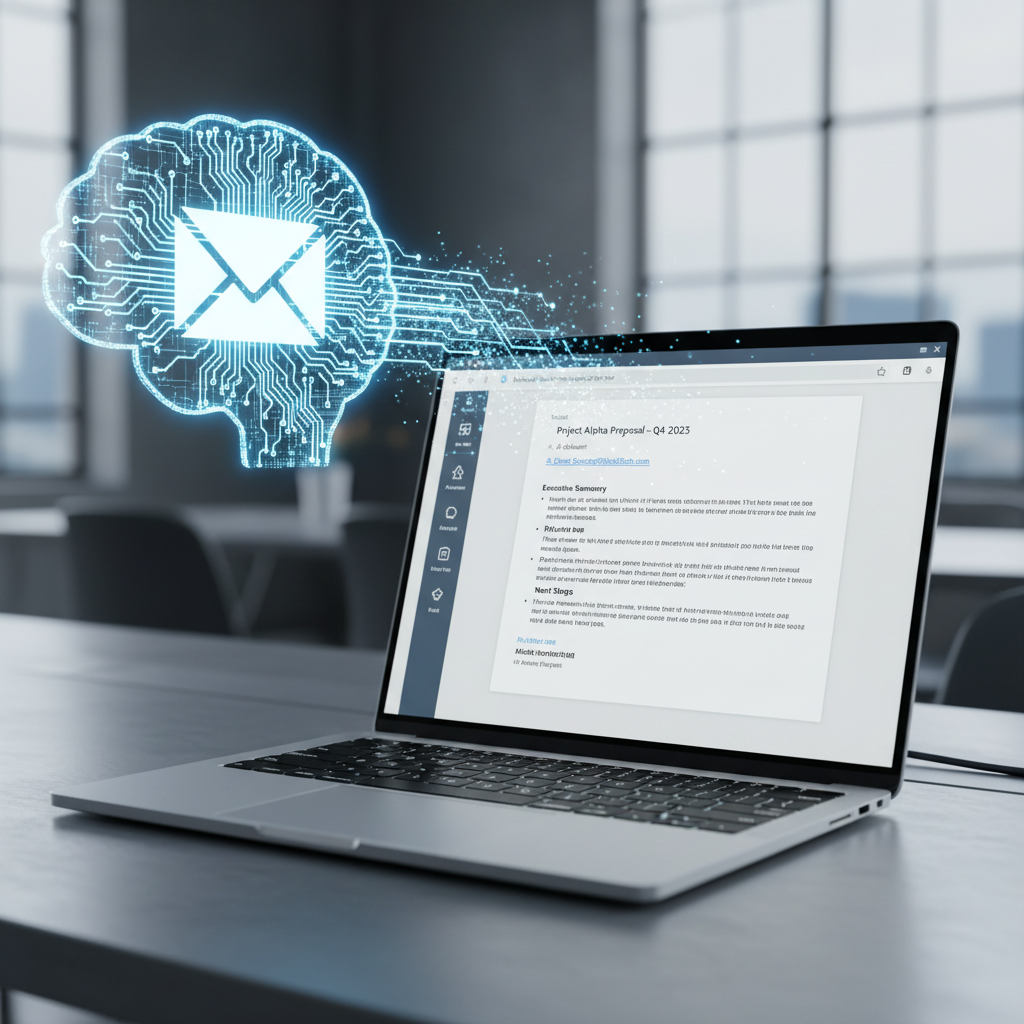
- Contextual Understanding: NLP helps the planner extract relevant information from emails or messages (e.g., detecting meeting invitations, deadlines, or actionable items) and automatically suggest adding them to your schedule.
- Smart Search: It allows you to search for tasks or events using natural language queries, making information retrieval effortless.
Predictive Analytics
Building on ML, predictive analytics uses historical data to forecast future outcomes. For AI planners, this translates into:
- Forecasting Future Workload: By analyzing upcoming projects, deadlines, and your typical pace, the planner can foresee periods of high workload and suggest proactive measures to mitigate stress, like starting certain tasks earlier.
- Real-time Adaptability: Integrating with external data sources (e.g., weather forecasts, traffic updates, public transport schedules) allows the planner to predict potential disruptions and adjust your schedule accordingly, offering alternatives like “leave 15 minutes earlier” or “take this alternative route.”
- Resource Allocation: For team-based planners, it can predict resource availability and potential bottlenecks in project timelines.
Optimization Algorithms
These algorithms are the mathematical brains that sift through countless possibilities to find the “best” schedule given a set of goals and constraints. They work to:
- Minimize Conflicts: Automatically identify and resolve scheduling conflicts, suggesting optimal alternative times.
- Maximize Efficiency: Arrange tasks to minimize context switching, group similar activities, or schedule energy-intensive tasks during peak focus times.
- Balance Workload: Distribute tasks evenly across days or weeks to prevent burnout, ensuring a sustainable pace.
- Goal Alignment: Prioritize tasks that align with your stated goals and objectives, ensuring that your schedule is always driving you towards what truly matters.
By synergistically combining these advanced technologies, AI-powered planners transcend the capabilities of traditional tools, offering a truly intelligent and responsive approach to managing our complex lives.
Beyond Basic To-Do Lists: Advanced Capabilities
While the humble to-do list remains a fundamental tool for organization, AI-powered planners elevate this concept into a dynamic, intelligent system that goes far beyond simple enumeration. Their advanced capabilities transform task management from a static record-keeping exercise into an active, strategic process.
Dynamic Prioritization and Reprioritization
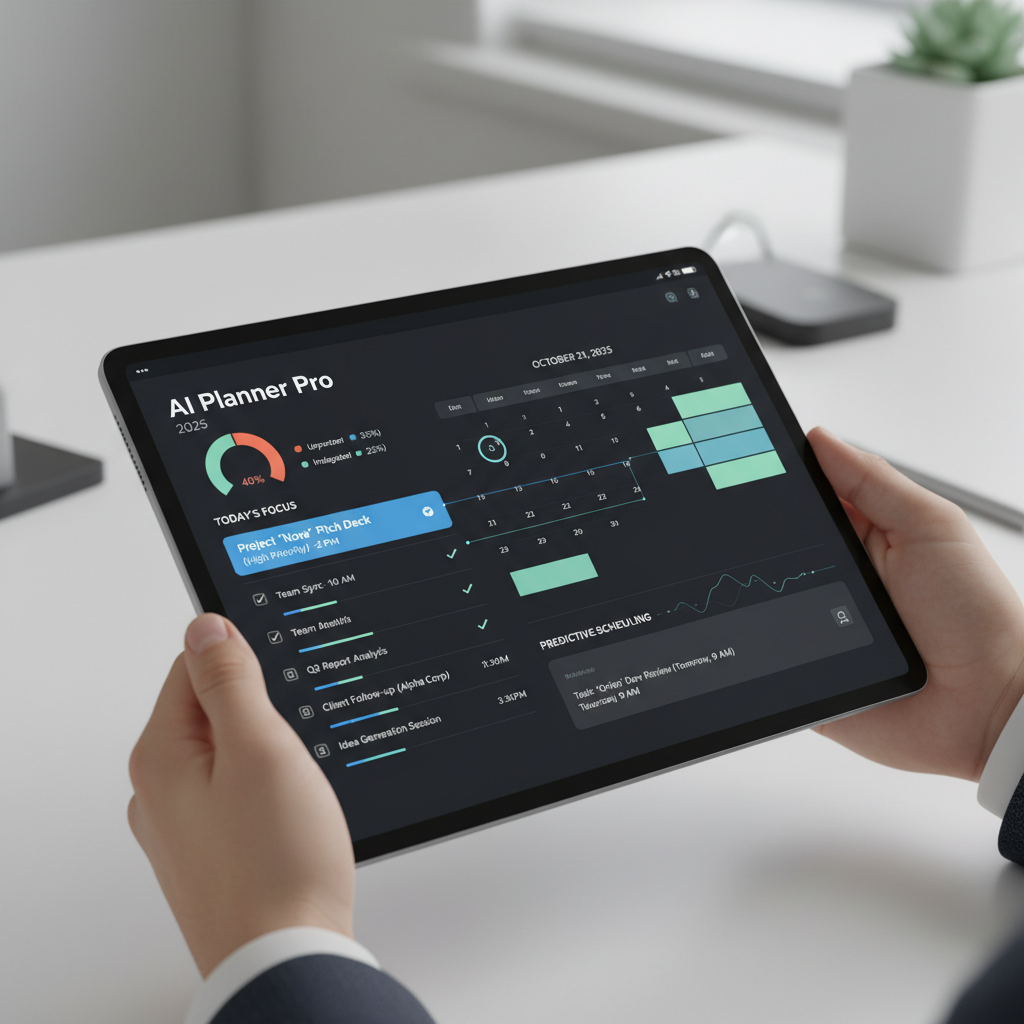
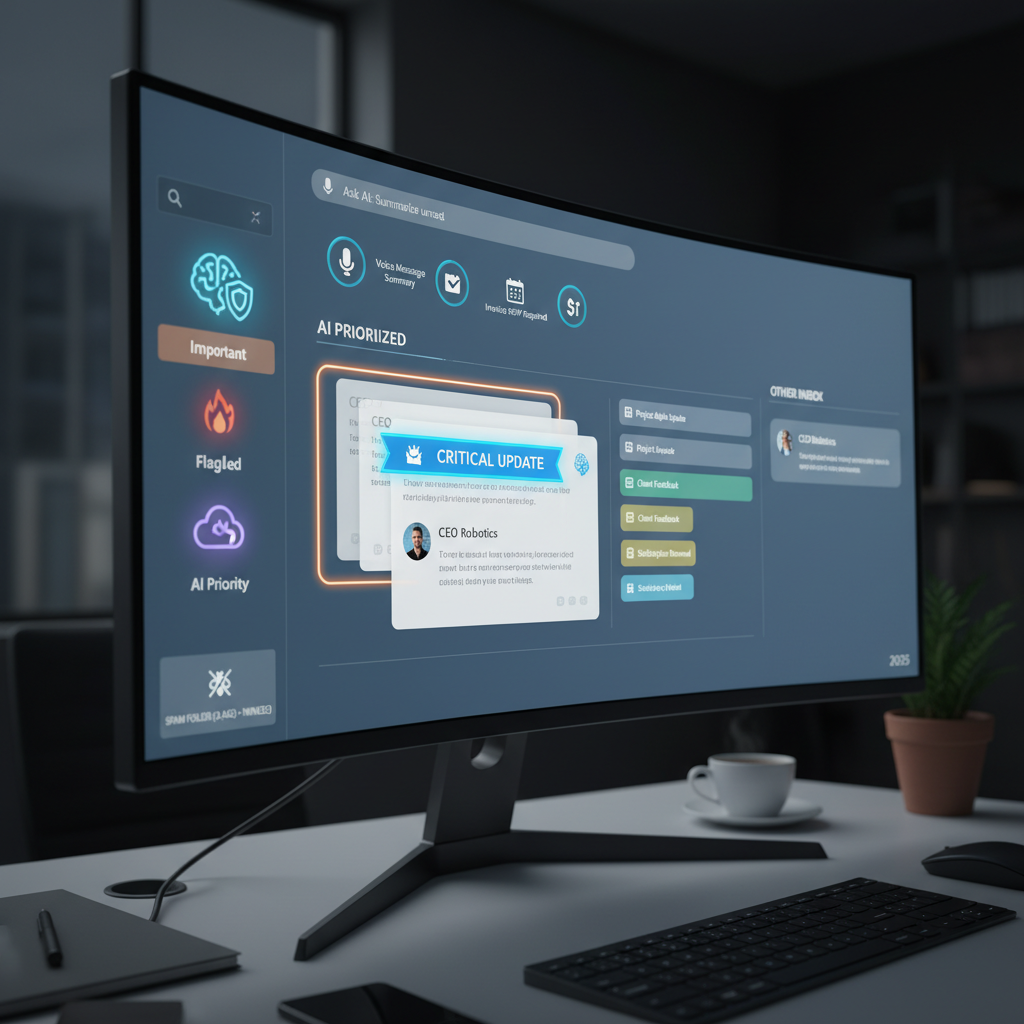
One of the most significant advancements is the ability to dynamically prioritize tasks. Instead of you manually assigning “high,” “medium,” or “low” urgency, an AI planner can assess a task’s importance based on factors like deadlines, dependencies, your stated goals, and even its impact on other scheduled items. More impressively, it can automatically reprioritize your list as new tasks emerge, deadlines shift, or your available time changes. If an urgent client request comes in, the AI can intelligently push back less critical tasks to make room, ensuring you’re always working on what matters most.
Intelligent Time Blocking and Slotting
Traditional time blocking requires careful manual allocation. AI planners automate this. They can analyze your calendar, identify open slots, and intelligently suggest when and where to place your tasks, considering their estimated duration, your energy levels at specific times, and existing appointments. Some even suggest “focus blocks” for deep work or “buffer time” between meetings to prevent back-to-back scheduling fatigue. This proactive slotting ensures that tasks aren’t just listed, but actually assigned dedicated time for completion.
Contextual Reminders and Nudges
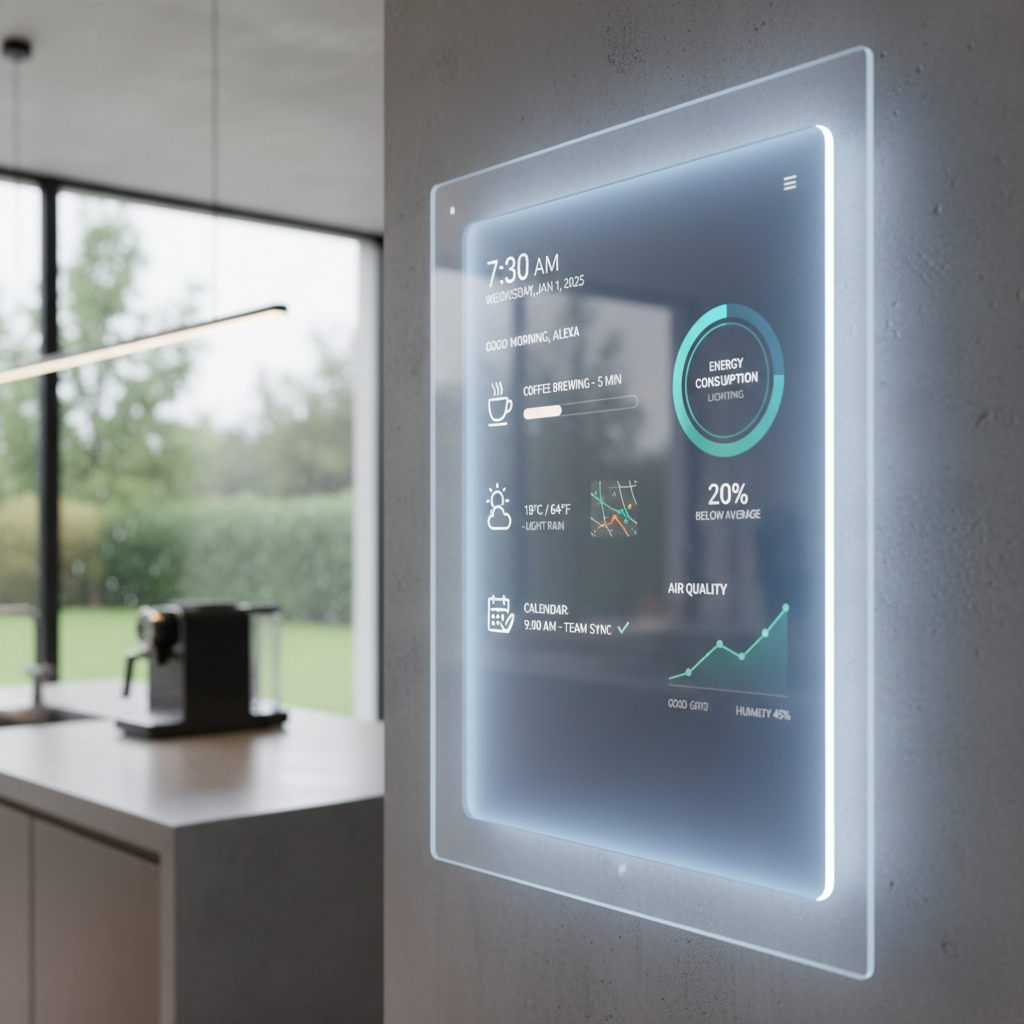
Forget generic hourly reminders. AI planners offer contextual nudges. This means a reminder for grocery shopping might only appear when you’re physically near a supermarket (geo-fencing), or a reminder to call a colleague might pop up only when they become available or you are free from meetings. They can also provide “smart nudges” – gentle prompts to take a break if you’ve been working intensely for too long, or to start a task earlier if a looming deadline is detected and your progress seems slow. These intelligent prompts are designed to be helpful, not intrusive.
Automated Task Breakdown and Dependency Management
For larger projects, AI planners can often help break down complex tasks into smaller, more manageable sub-tasks. By understanding the natural flow of work, they can suggest a logical sequence of actions. Furthermore, they excel at dependency management: if task B cannot start until task A is complete, the AI will ensure task B is not scheduled prematurely. If task A gets delayed, it will automatically adjust the timeline for task B and subsequent tasks, keeping your project timeline realistic and up-to-date.
Goal Integration and Progress Tracking
Many advanced AI planners allow you to input long-term goals (e.g., “learn a new skill,” “complete a major project,” “improve fitness”). The AI then works backward, suggesting daily or weekly tasks that contribute directly to these overarching objectives. It provides visual dashboards and reports that track your progress towards these goals, offering insights into your consistency and areas where you might need to adjust your efforts. This turns your planner into a strategic partner in achieving your ambitions, not just a recorder of daily chores.
These sophisticated features transform the simple act of planning into a dynamic, responsive, and highly effective strategy for personal and professional growth. They free up cognitive load, allowing users to focus their mental energy on executing tasks rather than constantly managing them.
Personalization at Its Core: Learning Your Habits
The true genius of AI-powered planners lies in their profound ability to personalize the scheduling experience. Unlike one-size-fits-all templates or rigid systems, these intelligent tools continuously learn and adapt to your unique preferences, work style, and even physiological rhythms. This deep personalization is what elevates them from mere utility to an indispensable personal assistant.
Understanding Your Chronotype and Energy Levels
Are you a morning lark or a night owl? Do you experience a mid-afternoon slump? AI planners can begin to understand your natural chronotype and energy fluctuations throughout the day. By tracking when you mark tasks as completed, when you typically take breaks, and even potentially integrating with wearable devices that monitor sleep and activity, the AI can identify your peak focus times. It then intelligently schedules demanding, high-concentration tasks during these periods and relegates less intensive, administrative work to times when your energy naturally dips.
For example, if the AI observes you consistently tackling creative writing tasks with high efficiency between 9 AM and 11 AM, but struggle with administrative tasks after 3 PM, it will prioritize scheduling your writing during the former block and move data entry to the latter, thereby maximizing your inherent productivity.
Adapting to Your Work Style
Some people thrive on focused, uninterrupted blocks of work, while others prefer to switch between tasks more frequently. An AI planner learns this too. If you consistently break down large tasks into smaller chunks and intersperse them with other activities, the AI will adapt its recommendations to facilitate this multi-tasking approach. Conversely, if you block out large segments for deep work, it will protect those blocks, minimizing interruptions and consolidating related tasks.
It also learns how you categorize and prioritize. If you frequently tag specific tasks as “urgent client work” and complete them immediately, the AI will infer a higher implicit priority for such tasks, even if not explicitly stated, and adjust future suggestions accordingly.
Learning from Your Feedback (Explicit and Implicit)
The learning process is continuous. Every interaction you have with the planner contributes to its understanding of you. Explicit feedback, such as marking a task as “too long” or “too short,” or adjusting a suggested schedule, directly informs the AI. Implicit feedback, such as consistently delaying certain types of tasks or completing others ahead of schedule, also provides valuable data points. The more you use the planner, the smarter and more accurate its predictions and recommendations become.
This iterative learning cycle means that the planner doesn’t just apply a static set of rules; it evolves with you. As your job changes, your personal life shifts, or your productivity patterns evolve, the AI adapts its strategies to remain relevant and effective.
Personalized Wellness Integration
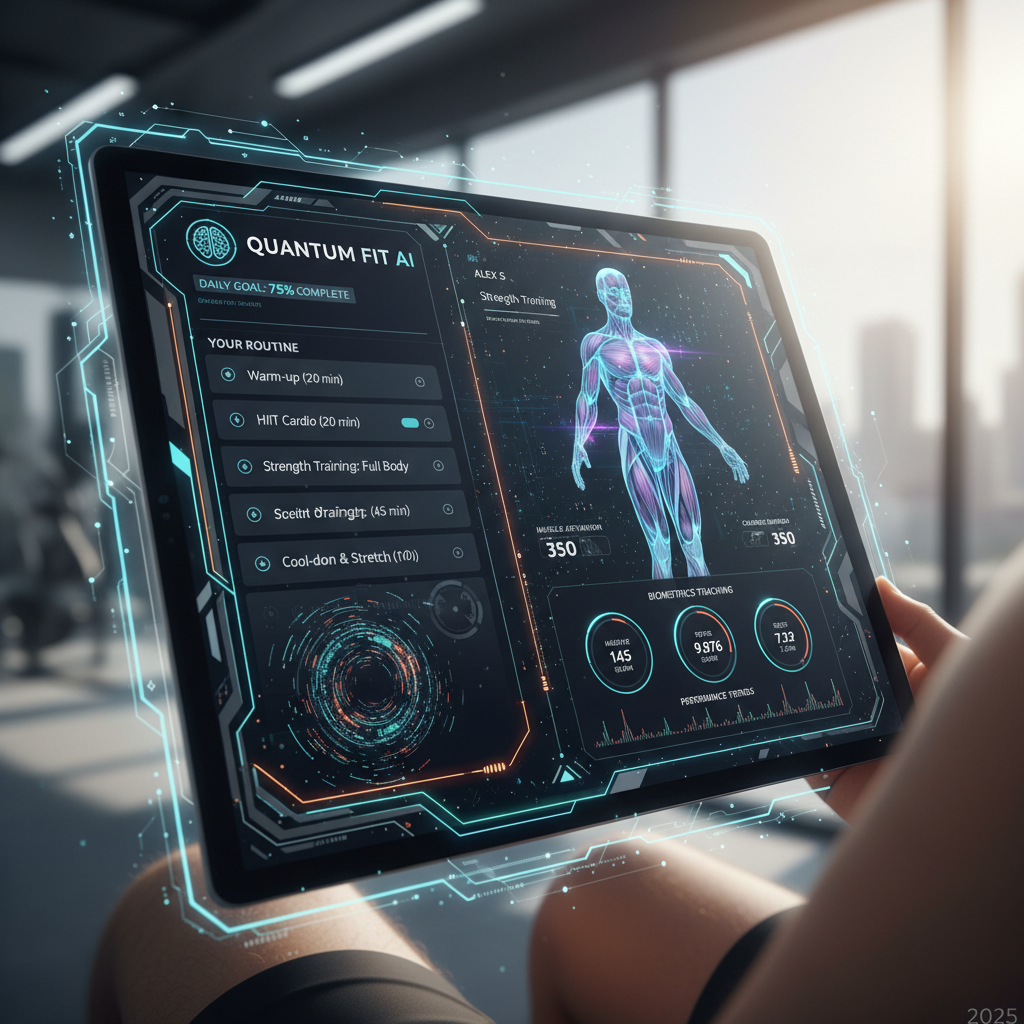
Beyond just tasks, some advanced AI planners extend personalization to wellness. They can integrate with your personal goals around fitness, mindfulness, or learning. If you aim to meditate daily, the AI might find a quiet 10-minute slot in your morning routine. If you want to exercise, it might suggest optimal times based on your typical activity levels and schedule. This holistic approach ensures that your schedule isn’t just productive, but also supportive of your overall well-being.
This deep level of personalization transforms the planner from a generic tool into a truly indispensable digital companion, finely tuned to support your unique journey towards optimal productivity and life balance.
Predictive Scheduling and Proactive Problem Solving
One of the most revolutionary aspects of AI-powered planners is their capacity for predictive scheduling and proactive problem solving. This capability moves beyond merely reacting to your inputs to actively anticipating challenges and optimizing your future, effectively turning your planner into a strategic foresight tool.
Anticipating Future Overload and Burnout
By analyzing your upcoming tasks, project deadlines, meeting schedules, and historical data on your workload capacity, an AI planner can predict periods of potential overload weeks or even months in advance. For instance, if it sees multiple large projects converging with personal commitments and limited available hours, it can issue an alert. This foresight allows you to take proactive steps, such as delegating tasks, adjusting deadlines, or requesting additional resources, long before the stress becomes overwhelming. It acts as an early warning system against burnout, promoting a more sustainable pace of work.
Dynamic Time Allocation and Buffer Management
AI planners understand that unexpected events are an inevitable part of life. They can dynamically allocate time, not just for tasks, but also for ‘buffer zones’. These buffers are intelligently inserted around meetings, complex tasks, or between different types of activities to absorb minor delays or allow for quick transitions. If a task runs over, the AI can intelligently re-allocate time from subsequent buffer zones or less critical tasks to minimize disruption, without you having to manually reshuffle your entire day.
Furthermore, if it detects consistent underestimation of time for specific task types, it can automatically adjust future estimates for similar tasks, ensuring your schedule remains realistic and achievable.
External Factor Integration for Real-time Adjustments
The true power of predictive scheduling comes from integrating external, real-time data. Imagine your planner connected to:
- Traffic Updates: If your afternoon meeting is across town and traffic suddenly spikes, the planner can notify you to leave earlier, suggest an alternative route, or even prompt you to notify attendees of a potential slight delay, all automatically.
- Weather Forecasts: If you had planned an outdoor activity, and rain is suddenly predicted, the AI could suggest an indoor alternative or reschedule it for a clearer day.
- Public Transport Information: For those relying on public transport, delays or cancellations can be immediately factored into your commute times, providing real-time adjusted departure suggestions.
- Colleague Availability: If you’ve scheduled a collaborative task, and a key team member’s status changes (e.g., they’re in another meeting or out of office), the AI could suggest adjusting the task time or prompting you to check their availability before starting.
This constant monitoring and real-time adaptation ensure that your schedule is not just a static plan, but a living, breathing entity that responds to the world around you.
Optimizing for Flow States and Context Switching
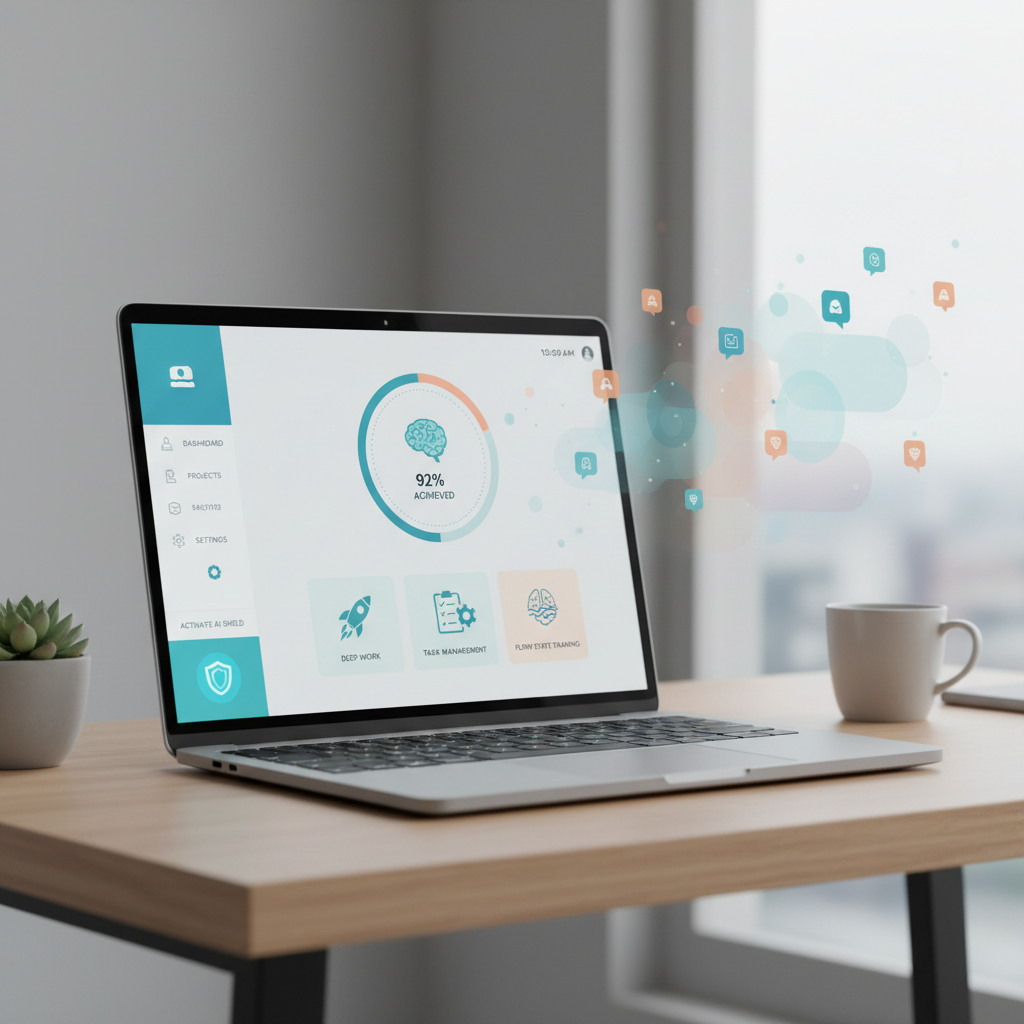
Proactive problem solving also extends to optimizing your cognitive state. The AI can learn that constantly switching between vastly different types of tasks (e.g., creative writing, then budgeting, then customer service calls) is inefficient due to ‘context switching’ costs. It will then proactively group similar tasks together or schedule demanding tasks back-to-back to maximize your ‘flow state’ and minimize mental friction, leading to higher quality work and less mental fatigue.
By constantly looking ahead, analyzing data, and integrating real-world variables, AI-powered planners offer an unparalleled level of foresight and adaptability, empowering you to navigate your daily life with greater calm and effectiveness.
Seamless Integration into Your Digital Ecosystem
The modern digital landscape is a sprawling network of applications and platforms, each designed to manage a specific facet of our lives. A standalone planning tool, no matter how intelligent, would quickly become another siloed app contributing to fragmentation. AI-powered planners, however, are designed with seamless integration as a core principle, acting as a central hub that harmonizes your entire digital ecosystem.
Email and Calendar Integration
This is perhaps the most fundamental integration. AI planners can connect directly with popular email clients (e.g., Gmail, Outlook) and calendar services (e.g., Google Calendar, Outlook Calendar, Apple Calendar). This means:
- Automatic Event Detection: Meeting invitations, flight bookings, and even actionable items mentioned in emails can be automatically detected and suggested for addition to your schedule, often with pre-filled details.
- Conflict Resolution: New tasks or events you add to the AI planner are automatically cross-referenced with your existing calendar, highlighting potential conflicts and suggesting optimal alternative times.
- Unified View: Your planner can pull all your scheduled events from various calendars into a single, cohesive view, eliminating the need to check multiple sources.
Project Management and Task Management Tools
For professionals and teams, integration with platforms like Asana, Trello, Jira, or Monday.com is invaluable. The AI planner can:
- Import Tasks and Deadlines: Tasks assigned to you within these project management tools, along with their deadlines and descriptions, can be automatically imported into your personal AI planner.
- Sync Progress: As you complete tasks in your AI planner, their status can be updated in the corresponding project management system, ensuring team visibility and reducing manual reporting.
- Estimate Time Allocations: Based on the project scope and your historical performance, the AI can help allocate realistic time slots for project tasks within your daily schedule.
Communication and Collaboration Platforms
Integration with tools like Slack, Microsoft Teams, or Zoom allows for a more fluid workflow:
- Meeting Link Generation: When scheduling a meeting, the AI can automatically generate a video conference link and include it in the invite.
- Meeting Prep Reminders: It can pull relevant documents or discussion points from shared channels or drives just before a meeting, ensuring you are prepared.
- Action Item Capture: Some advanced planners can even process meeting notes (or integrate with note-taking apps) to identify and schedule action items discussed during a call.
Note-Taking and Document Storage Services
Connecting with services like Evernote, Notion, Google Drive, or Dropbox enhances the context of your tasks:
- Attach Relevant Resources: You can link specific notes, documents, or research papers directly to tasks or events, making all necessary information easily accessible when you need it.
- Contextual Search: When searching for a task, the planner might also suggest related notes or documents from your connected services.
Fitness Trackers and Wellness Apps
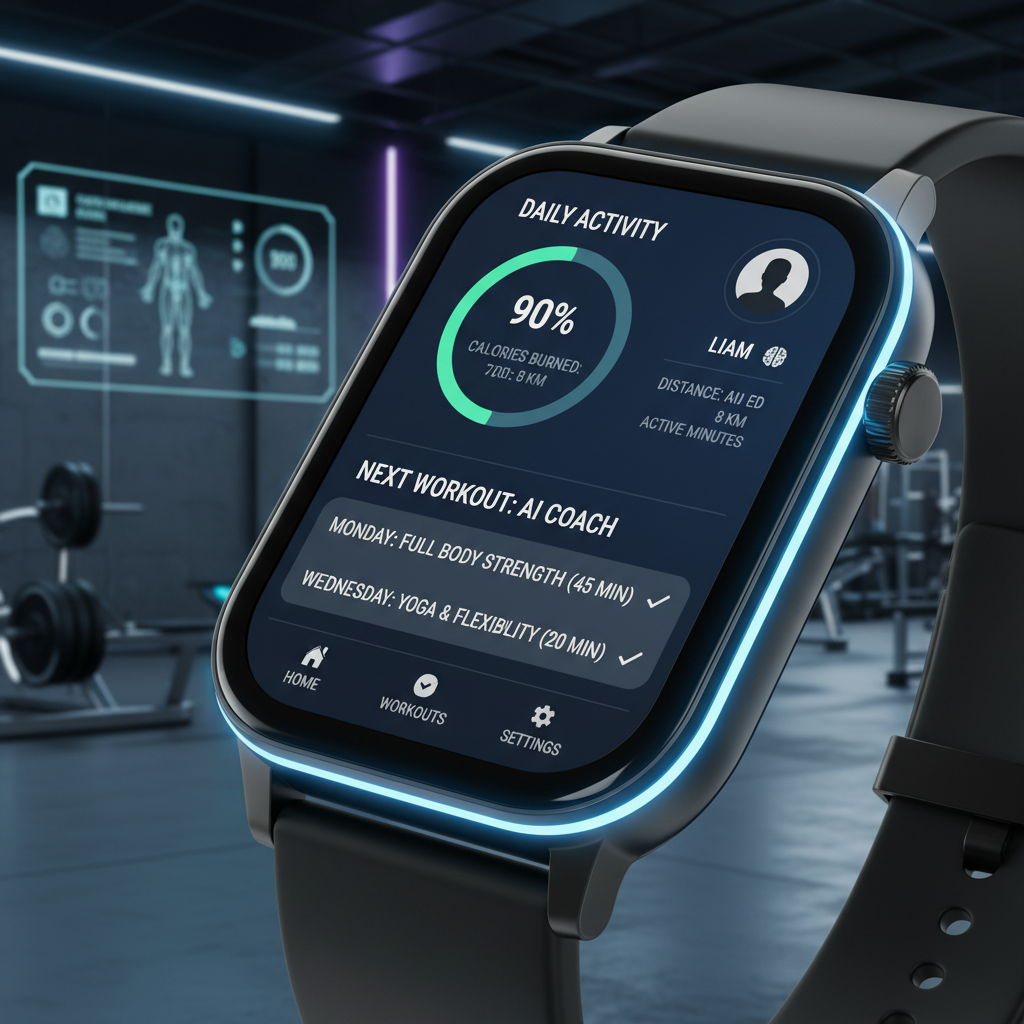
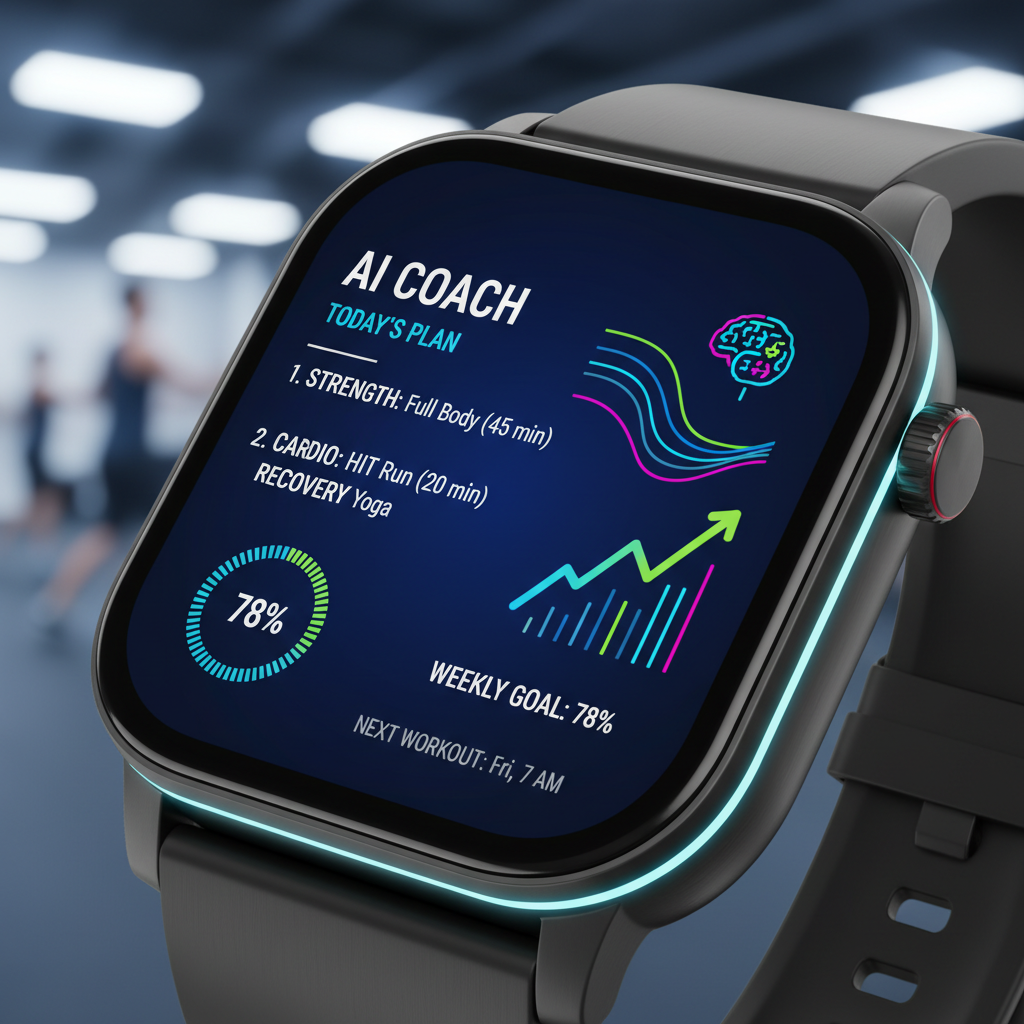
For a truly holistic approach, some AI planners integrate with wearables (e.g., Apple Watch, Fitbit) or health apps:
- Energy Level Insights: Data on sleep quality, activity levels, and heart rate variability can inform the AI about your physical and mental state, helping it schedule demanding tasks when you’re most alert.
- Wellness Reminders: It can intelligently prompt you for breaks, walks, or mindfulness exercises based on your activity and work intensity.
This robust integration capability positions AI-powered planners not just as another app, but as the orchestrator of your digital life, creating a coherent, interconnected, and highly efficient workflow that adapts to your every need across all platforms.
The Broader Impact: From Individuals to Enterprises
The transformative power of AI-powered planners extends far beyond individual productivity, rippling through teams, organizations, and even entire industries. Their ability to optimize, personalize, and predict has a profound impact on efficiency, well-being, and strategic execution at every level.
For Individuals: Enhanced Well-being and Life Balance
At the personal level, the impact is immediate and deeply felt. By automating the mental overhead of scheduling, AI planners free up cognitive space, reducing stress and decision fatigue. Individuals gain a clearer, more realistic understanding of their capacity, leading to fewer missed deadlines and less overcommitment. The emphasis on smart scheduling for breaks, personal appointments, and even leisure activities fosters a healthier work-life balance. When tasks are organized efficiently and energy levels are respected, individuals experience increased job satisfaction, greater personal fulfillment, and a reduced risk of burnout. It moves them from merely surviving their schedule to truly thriving within it.
For Small Teams: Streamlined Collaboration and Resource Allocation
In small teams, AI planners become indispensable for seamless collaboration. They can provide a consolidated view of team members’ availability, automatically identify optimal meeting times, and help distribute workloads more equitably. For example, if one team member is consistently overloaded, the AI can flag this and suggest reallocating tasks to others with available capacity. By integrating with shared project management tools, these planners ensure everyone is aware of dependencies, deadlines, and individual contributions, minimizing miscommunication and maximizing collective output. This leads to fewer project bottlenecks, improved team morale, and higher quality deliverables.
For Large Enterprises: Operational Efficiency and Strategic Foresight
At the enterprise level, the impact scales dramatically. AI-powered planning tools can optimize complex operational schedules, resource allocation across departments, and project portfolio management. For instance, in a large consulting firm, AI can help allocate consultants to projects based on their skills, availability, and even their travel schedule, minimizing travel costs and maximizing billable hours. In manufacturing, it can optimize production line schedules, maintenance routines, and supply chain logistics to reduce downtime and improve throughput.
Furthermore, the predictive analytics capabilities offer invaluable strategic foresight. By analyzing trends in project completion, resource utilization, and potential bottlenecks, leadership can make more informed decisions about future investments, hiring needs, and strategic direction. The aggregated data from individual and team schedules provides ‘smart insights’ into organizational efficiency, identifying systemic inefficiencies and opportunities for improvement. This leads to better strategic planning, more resilient operations, and a significant competitive advantage.
Consider a large marketing agency. An AI planner could optimize campaign launches by integrating freelancer availability, internal team capacity, and client review cycles, ensuring that every piece of content goes out on time and within budget, all while flagging potential delays weeks in advance. This level of optimization is simply impossible with manual scheduling methods.
From empowering individuals to regain control of their day to enabling complex enterprises to operate with unprecedented efficiency and foresight, AI-powered planners are not just tools; they are foundational technologies reshaping the future of work and organization. Their widespread adoption promises a future where productivity is intuitive, stress is minimized, and strategic goals are achieved with greater precision and ease.
Comparison Tables
Table 1: Traditional Planners vs. AI-Powered Planners
| Feature | Traditional Planner (Paper/Basic Digital) | AI-Powered Planner | Impact on User |
|---|---|---|---|
| Task Entry | Manual input, often fragmented. | Intelligent NLP input (voice/text), auto-detection from emails/messages. | Saves significant time, reduces manual error. |
| Scheduling & Prioritization | Static, manual, requires constant review and adjustment. | Dynamic, intelligent prioritization based on deadlines, dependencies, user habits; automatic rescheduling. | Ensures focus on high-impact tasks, reduces stress from reprioritization. |
| Time Estimation | Manual, often inaccurate due to human bias. | Learns from historical data to provide accurate, personalized task duration estimates. | More realistic schedules, avoids overcommitment. |
| Adaptability to Changes | Rigid, requires extensive manual updating for conflicts/delays. | Proactive conflict resolution, real-time adjustments based on external factors (traffic, weather, urgent tasks). | Minimizes disruption, maintains schedule integrity automatically. |
| Personalization | Minimal or non-existent. | Learns user’s chronotype, work style, energy levels; offers tailored suggestions. | Optimizes productivity by aligning tasks with personal peak performance times. |
| Integrations | Limited, often manual data transfer. | Seamless integration with emails, calendars, project management tools, communication apps, wearables. | Unified workflow, centralizes information, eliminates app switching. |
| Predictive Insights | None. | Forecasts future workload, potential bottlenecks, suggests proactive measures. | Prevents burnout, enables strategic planning, reduces last-minute crises. |
| Feedback & Learning | None. | Continuously learns from user interactions, explicit feedback, and task completion data. | Gets smarter over time, improving accuracy and relevance of suggestions. |
Table 2: Key Features of Advanced AI Planners and Their Impact
| Advanced Feature | Description | Practical Impact |
|---|---|---|
| Smart Task Grouping | Analyzes task types and schedules similar activities together to minimize context switching. | Boosts focus, reduces mental fatigue, increases efficiency for focused work. |
| Energy Level Optimization | Learns your daily energy fluctuations (e.g., peak focus, low energy periods) and schedules tasks accordingly. | Maximizes productivity by aligning demanding tasks with peak cognitive performance, prevents burnout. |
| Automated Break Scheduling | Intelligently inserts short breaks throughout the day based on work intensity and duration. | Enhances mental clarity, reduces eye strain, improves overall well-being and sustained productivity. |
| Dependency Mapping | Automatically identifies task dependencies and adjusts schedules if a preceding task is delayed. | Ensures project timelines remain realistic, prevents premature starts on dependent tasks, improves project flow. |
| Proactive Conflict Resolution | Detects potential scheduling conflicts (e.g., double bookings) and suggests optimal alternative times before they arise. | Saves time and stress from manual rescheduling, prevents missed appointments. |
| Geo-fenced Reminders | Delivers reminders based on your physical location (e.g., “Buy milk” when near a grocery store). | Enhances convenience, ensures tasks are remembered at the most opportune moment. |
| Goal-Oriented Planning | Breaks down long-term goals into actionable daily/weekly tasks and tracks progress. | Aligns daily activities with strategic objectives, provides clear pathways to achieving ambitions. |
| Workload Forecasting | Predicts future periods of high workload or availability based on upcoming projects and historical data. | Enables proactive workload adjustment, prevents stress and burnout, supports better resource planning. |
Practical Examples
To truly grasp the transformative power of AI-powered planners, let’s explore a few real-world scenarios:
Case Study 1: The Overwhelmed Freelance Graphic Designer (Sarah)
Sarah is a freelance graphic designer juggling multiple client projects, administrative tasks, and personal appointments. Her traditional planner was a chaotic mess of crossed-out items and scribbled notes, leading to missed deadlines and constant stress.
- Before AI: Sarah would manually list client deadlines, but often underestimated task complexity. She’d forget to factor in revision rounds or unexpected client calls. Her personal life, like exercise or family time, often got pushed aside. She’d spend evenings trying to reorganize her schedule for the next day, feeling perpetually behind.
- With AI: Sarah adopted an AI planner. She connects it to her email and project management tool (Trello). When a new project brief comes in, the AI automatically extracts the deadline and breaks it down into suggested sub-tasks (e.g., “Initial Concept Design,” “Client Feedback Meeting,” “Final Revisions”), estimating time for each based on her past performance. It identifies a potential clash with another client’s deadline and suggests starting the new project’s initial research a day earlier. The AI also observes that Sarah is most creative in the mornings, so it schedules design work for those hours, pushing administrative tasks like invoicing to the afternoon slump. When her child’s school notifies her of an early pickup, the AI instantly finds a free slot to accommodate it, automatically rescheduling a non-urgent meeting by suggesting an alternative time to the attendees. It even reminds her to take a 15-minute break every two hours, proactively preventing burnout.
- Outcome: Sarah’s schedule is now dynamically optimized. She consistently meets deadlines, feels less stressed, and has dedicated time for her personal life, including exercise. Her clients are happier, and her mental clarity has significantly improved.
Case Study 2: The Busy Sales Professional (Mark)
Mark is a regional sales manager constantly on the road, balancing client meetings, travel, team check-ins, and administrative duties. His biggest challenge was optimizing travel time and ensuring he made the most of his client visits.
- Before AI: Mark would manually plan his routes and meeting times. A sudden traffic jam could throw off his entire day, leading to hurried calls to reschedule. He’d often miss opportunities to squeeze in an extra client visit because he hadn’t accounted for efficient geographical grouping. Lunch breaks were often forgotten, leading to energy dips.
- With AI: Mark uses an AI planner integrated with his CRM, calendar, and a live traffic app. When he schedules a series of client meetings in different cities, the AI intelligently plots the most efficient travel route, suggesting optimal times to leave based on real-time traffic data and public transport schedules. If an unforeseen road closure occurs, the AI instantly recalculates his route, updates his ETA, and can even automatically send a polite “running slightly late” message to his next client. It groups geographically close clients together, suggesting he visit them consecutively to minimize travel time. The planner also ensures he schedules a proper lunch break and even prompts him to follow up with clients post-meeting based on notes he dictated into the app.
- Outcome: Mark’s travel is optimized, reducing wasted time and stress. He’s able to fit in more client meetings, leading to increased sales. He feels more organized and less reactive to unforeseen circumstances, allowing him to focus on building stronger client relationships.
Case Study 3: The Project Manager Leading a Distributed Team (Aisha)
Aisha manages a software development team distributed across three time zones. Coordinating tasks, meetings, and ensuring everyone had clear objectives was a logistical nightmare.
- Before AI: Aisha spent hours manually creating project timelines in spreadsheets, constantly adjusting for individual availability, time zone differences, and task dependencies. Finding a common meeting time that worked for everyone was a monumental effort. Delays in one team member’s task would often go unnoticed until it impacted downstream tasks, causing project bottlenecks.
- With AI: Aisha implemented an AI-powered team planner integrated with Jira and Slack. The AI automatically pulls tasks, deadlines, and dependencies from Jira. It analyzes each team member’s availability across time zones and suggests optimal meeting slots that minimize disruption for all. If a developer completes a task ahead of schedule, the AI automatically re-evaluates the project timeline, potentially accelerating subsequent dependent tasks and suggesting optimal starts to those resources. If a developer reports an unexpected roadblock, the AI flags potential downstream impacts and helps Aisha reallocate resources or adjust timelines proactively. It also helps identify potential workload imbalances among team members, suggesting where tasks could be redistributed to prevent burnout.
- Outcome: Project timelines are more accurate and dynamic. Meeting scheduling is effortless. Bottlenecks are identified and resolved proactively, leading to smoother project execution. Aisha spends less time on administrative coordination and more time on strategic leadership, and her team reports feeling more supported and less overwhelmed.
These examples illustrate how AI-powered planners move beyond simple organization, becoming intelligent partners that adapt to complex, real-world demands, ultimately empowering individuals and teams to perform at their best.
Frequently Asked Questions
Q: What is the main difference between an AI-powered planner and a regular digital calendar?
A: The main difference lies in intelligence and proactivity. A regular digital calendar is a passive tool where you manually input events and tasks. It reminds you of what you’ve put in. An AI-powered planner, on the other hand, is an active, intelligent assistant. It uses machine learning, natural language processing, and predictive analytics to understand your habits, suggest optimal scheduling, automatically prioritize tasks, predict potential conflicts, and adapt your schedule dynamically based on real-time data (like traffic or new urgent tasks). It learns from your behavior and becomes more effective over time, whereas a basic calendar simply stores information.
Q: How do AI planners learn my habits and preferences?
A: AI planners learn through a combination of explicit and implicit data. Explicit data includes any preferences you manually set, such as your working hours, preferred break times, or specific goals. Implicit data is gathered by observing your interactions: when you complete tasks, how long tasks take you, when you’re most active on your device, what tasks you prioritize or postpone, and even potentially integrating with external sources like fitness trackers. Over time, machine learning algorithms analyze these patterns to build a comprehensive profile of your unique productivity rhythm, energy levels, and work style, which then informs its scheduling recommendations.
Q: Are AI-powered planners suitable for both personal and professional use?
A: Absolutely. Many AI planners are designed with features that cater to both personal and professional needs. For personal use, they can help manage chores, appointments, family commitments, and personal goals like fitness or learning. For professional use, they excel at managing project deadlines, team collaboration, meeting scheduling, task prioritization, and integrating with professional tools like email and project management software. Some offer different modes or integrations to switch between personal and professional contexts seamlessly, making them versatile for a wide range of users.
Q: What kind of data do AI planners collect, and what about privacy concerns?
A: AI planners typically collect data related to your schedule, tasks, task completion times, communication patterns (from integrated email/messaging), and potentially location data for geo-fencing or traffic analysis. Some may integrate with wellness apps, requiring access to health-related data. Privacy is a significant concern for many users, and reputable AI planner providers prioritize data security and transparency. They usually adhere to strict data protection regulations (like GDPR or CCPA) and offer clear privacy policies explaining what data is collected, how it’s used, and how it’s protected. Users should always review the privacy policy of any AI planner before committing to ensure it aligns with their comfort level.
Q: Can AI planners integrate with my existing tools like Google Calendar, Outlook, or Slack?
A: Yes, seamless integration is a core strength of most AI-powered planners. They are typically designed to connect with a wide array of popular services, including major calendar platforms (Google Calendar, Outlook Calendar, Apple Calendar), email clients (Gmail, Outlook), communication tools (Slack, Microsoft Teams), and project management software (Asana, Trello, Jira). This allows the planner to pull in all your commitments from various sources into a single, unified view, and often push updates back to those platforms, creating a centralized and efficient workflow.
Q: How do AI planners handle unexpected changes or urgent tasks?
A: This is where AI planners truly shine. They are designed for dynamic adaptability. When an unexpected change occurs or an urgent task arises, the AI can quickly analyze its impact on your existing schedule. It will then proactively suggest the most optimal way to adjust your schedule, potentially by rescheduling less critical tasks, creating buffer time, or proposing alternative times for conflicting events. Some can even send automated notifications to relevant parties about schedule changes. Their predictive capabilities help them anticipate and mitigate disruptions before they become major problems.
Q: Do I lose control over my schedule with an AI planner?
A: No, rather you gain more control. The AI acts as an intelligent assistant, offering suggestions and optimizations, but you always retain the final say. You can accept, modify, or reject any of its recommendations. The goal of an AI planner is to reduce your cognitive load and empower you to make more informed decisions about your time, not to dictate your day. It provides the ‘smart insights’ and automation, freeing you to focus on strategic choices and execution.
Q: How much do AI-powered planners typically cost?
A: The pricing for AI-powered planners varies significantly. Many offer a freemium model, providing basic features for free and more advanced AI capabilities (like deep integrations, advanced personalization, or team features) through a monthly or annual subscription. Subscription costs can range from a few dollars per month for individual plans to significantly more for enterprise-level team solutions. Some may also offer one-time purchase options. It’s recommended to explore the free trials often provided to see if a particular planner meets your needs before committing to a subscription.
Q: Can AI planners help with procrastination?
A: Yes, AI planners can indirectly help combat procrastination. By breaking down large tasks into smaller, more manageable steps, estimating realistic completion times, and intelligently slotting these tasks into your schedule, they reduce the feeling of overwhelm that often leads to procrastination. Contextual reminders and gentle nudges can prompt you to start tasks at optimal times. Furthermore, by providing clear visibility into your progress towards goals and highlighting the impact of delays, they can motivate you to stay on track. The structured and optimized environment they create makes it easier to engage with tasks rather than deferring them.
Q: What is the future outlook for AI-powered planners?
A: The future of AI-powered planners is incredibly promising. We can expect even deeper personalization, more sophisticated predictive capabilities that anticipate needs beyond just scheduling (e.g., suggesting learning opportunities, networking events), and seamless integration with emerging technologies like augmented reality or brain-computer interfaces. They will likely become even more proactive, anticipating and resolving conflicts before they’re even fully formed, and moving towards truly holistic life management systems that balance productivity, well-being, and personal growth. The intelligence will continue to evolve, making them increasingly indispensable tools for navigating the complexities of modern life.
Key Takeaways
- Beyond Basic Organization: AI-powered planners are not just digital calendars; they are intelligent systems that learn, adapt, and optimize your schedule.
- Core Technologies: Machine Learning, Natural Language Processing, Predictive Analytics, and Optimization Algorithms drive their advanced capabilities.
- Deep Personalization: They learn your unique habits, energy levels, and work style to create a truly tailored and efficient schedule.
- Proactive Problem Solving: AI planners anticipate conflicts, manage dependencies, and adjust dynamically to real-time changes (e.g., traffic, urgent tasks).
- Seamless Integration: They act as a central hub, connecting with emails, calendars, project management tools, and other digital services for a unified workflow.
- Broad Impact: Benefits extend from reducing individual stress and boosting productivity to enhancing team collaboration and providing strategic foresight for enterprises.
- Empowerment, Not Control: AI planners offer intelligent suggestions and automation, giving users more control over their time and decisions.
- Continuous Learning: The more you use them, the smarter and more effective they become, constantly refining their recommendations.
- Holistic Approach: Many aim to balance professional achievement with personal well-being, integrating breaks, wellness goals, and sustainable pacing.
- Future-Proofing Productivity: These tools represent the next frontier in time management, essential for navigating an increasingly complex world.
Conclusion
The journey from rudimentary paper diaries to sophisticated AI-powered planners marks a monumental leap in our quest for optimal time management and productivity. We’ve moved from simply recording our commitments to actively having an intelligent assistant that understands our patterns, anticipates our needs, and proactively optimizes our most valuable resource: time.
AI-powered planners are no longer a futuristic concept but a present-day reality, offering ‘Smart Insights’ that empower individuals and organizations alike. They liberate us from the mental burden of constant scheduling adjustments, allowing us to dedicate our cognitive energy to meaningful work and personal pursuits. By learning our unique rhythms, integrating seamlessly into our digital lives, and adapting to the unpredictable nature of modern existence, these tools transform chaos into clarity, overwhelm into efficiency, and mere task completion into strategic goal achievement.
As we continue to navigate an ever-accelerating world, the demand for intelligent, adaptive, and personalized solutions will only grow. AI-powered planners stand at the forefront of this evolution, promising not just a better way to manage our daily schedules, but a more balanced, productive, and ultimately more fulfilling way of life. Embracing these smart tools isn’t just about staying organized; it’s about reclaiming control, fostering well-being, and unlocking our full potential in every aspect of our lives. The revolution in daily scheduling is here, and it’s powered by AI.


















































Leave a Reply