

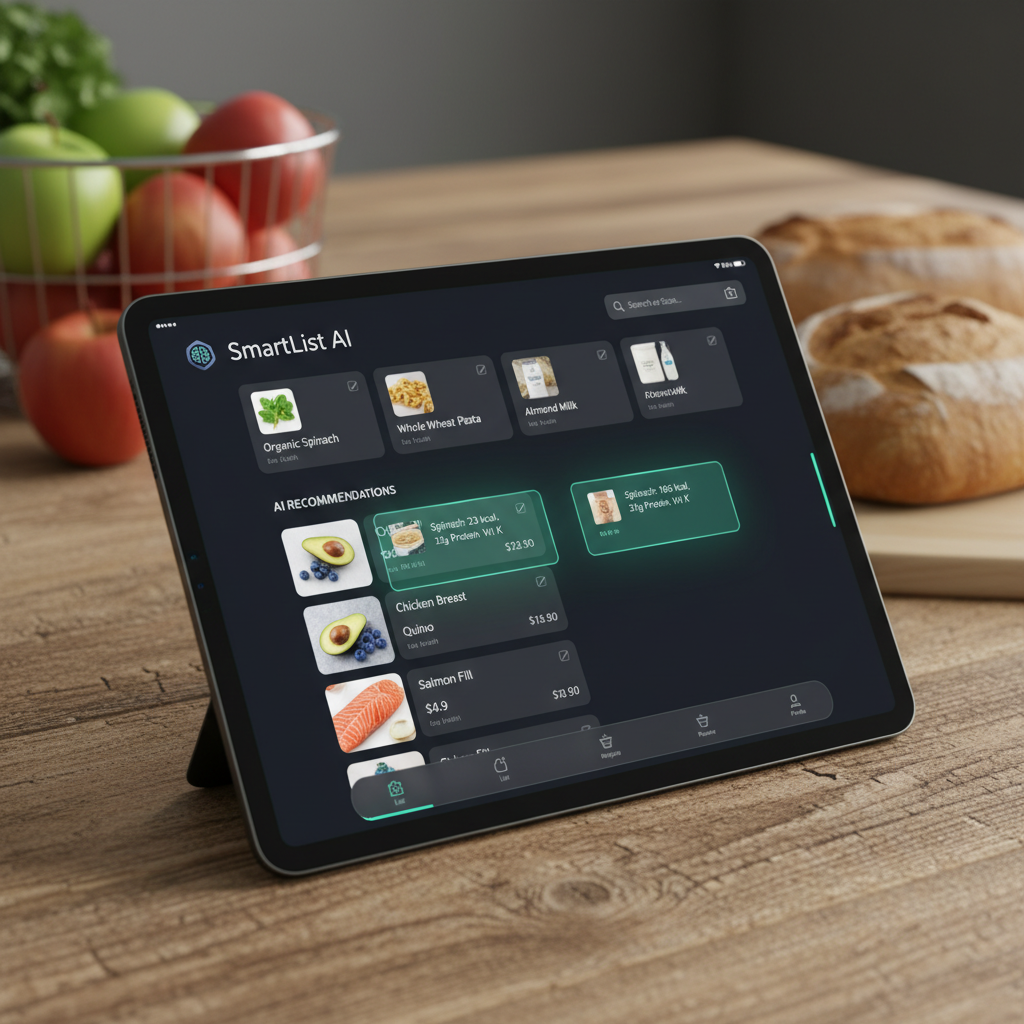
In an increasingly fast-paced world, the simple act of grocery shopping often feels like a significant chore. From remembering what you’ve run out of to planning meals, comparing prices, and navigating crowded aisles, the process can be time-consuming and prone to oversight. But what if your shopping list could practically write itself, anticipate your needs, suggest personalized recipes, and even help you save money? Welcome to the era of AI-powered smart shopping lists, a groundbreaking innovation under the umbrella of ‘The Future of Grocery Shopping: AI-Driven Recommendation Engines’. This isn’t just about digitizing your handwritten notes; it’s about an intelligent assistant that learns your habits, preferences, and pantry, transforming the mundane into a streamlined, efficient, and even enjoyable experience.
Imagine a world where you never forget an essential item, where your dietary goals are effortlessly supported, and where meal planning becomes a seamless part of your weekly routine. AI engines are no longer just a futuristic concept; they are actively shaping how we approach our grocery needs, promising a perfect grocery cart tailored specifically for you. This comprehensive guide will delve deep into the mechanics, benefits, challenges, and future potential of these revolutionary tools, providing you with a complete picture of how artificial intelligence is crafting the perfect grocery cart. We will explore how these smart systems leverage vast amounts of data to provide hyper-personalized recommendations, optimize your shopping trips, and reduce food waste, fundamentally redefining our relationship with food procurement.
The Evolution of Shopping Lists: From Paper to Predictive Power
For centuries, the humble shopping list has been a cornerstone of household management. Initially, it was a mental checklist, then scribbled notes on scraps of paper, evolving into more organized notebooks. The digital age brought us basic digital lists on smartphones and computers, offering convenience like easy sharing and cloud synchronization. These digital lists represented a significant leap forward, eliminating forgotten notes and providing a central place for family members to collaborate. However, even these digital iterations were largely passive; they recorded what you told them to, but offered little in the way of intelligence or proactive assistance.
The true revolution began with the advent of artificial intelligence and machine learning. This marked a paradigm shift from reactive listing to proactive, predictive assistance. No longer are we merely dictating items; instead, we are engaging with systems that understand context, learn patterns, and anticipate needs. Early versions of smart lists might have simply suggested items based on previous purchases. Today’s AI engines go far beyond that, integrating with a multitude of data points to create a truly dynamic and intelligent shopping companion. They represent the culmination of decades of technological advancement, bringing sophisticated algorithms directly into our everyday lives to solve a very real and common problem. This transition highlights a broader trend: how technology is moving from simply automating tasks to genuinely enhancing human decision-making and efficiency.
What are AI-Powered Smart Shopping Lists?
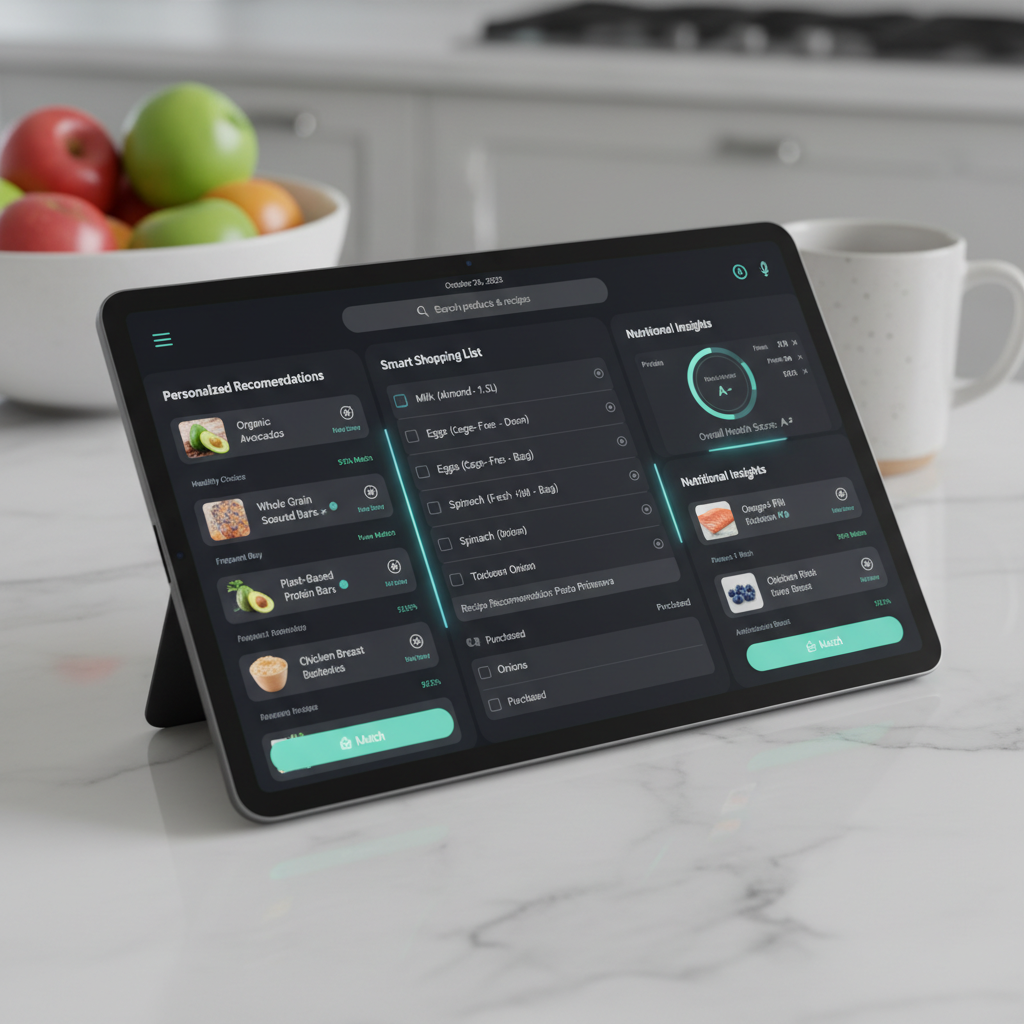
An AI-powered smart shopping list is much more than a digital checklist; it’s an intelligent assistant designed to optimize your grocery buying process. At its core, it leverages sophisticated artificial intelligence and machine learning algorithms to learn your unique shopping habits, dietary preferences, household needs, and even your cooking style. Unlike a traditional list that simply holds items you manually input, a smart list actively suggests items, removes them when no longer needed, and helps you plan your purchases strategically.
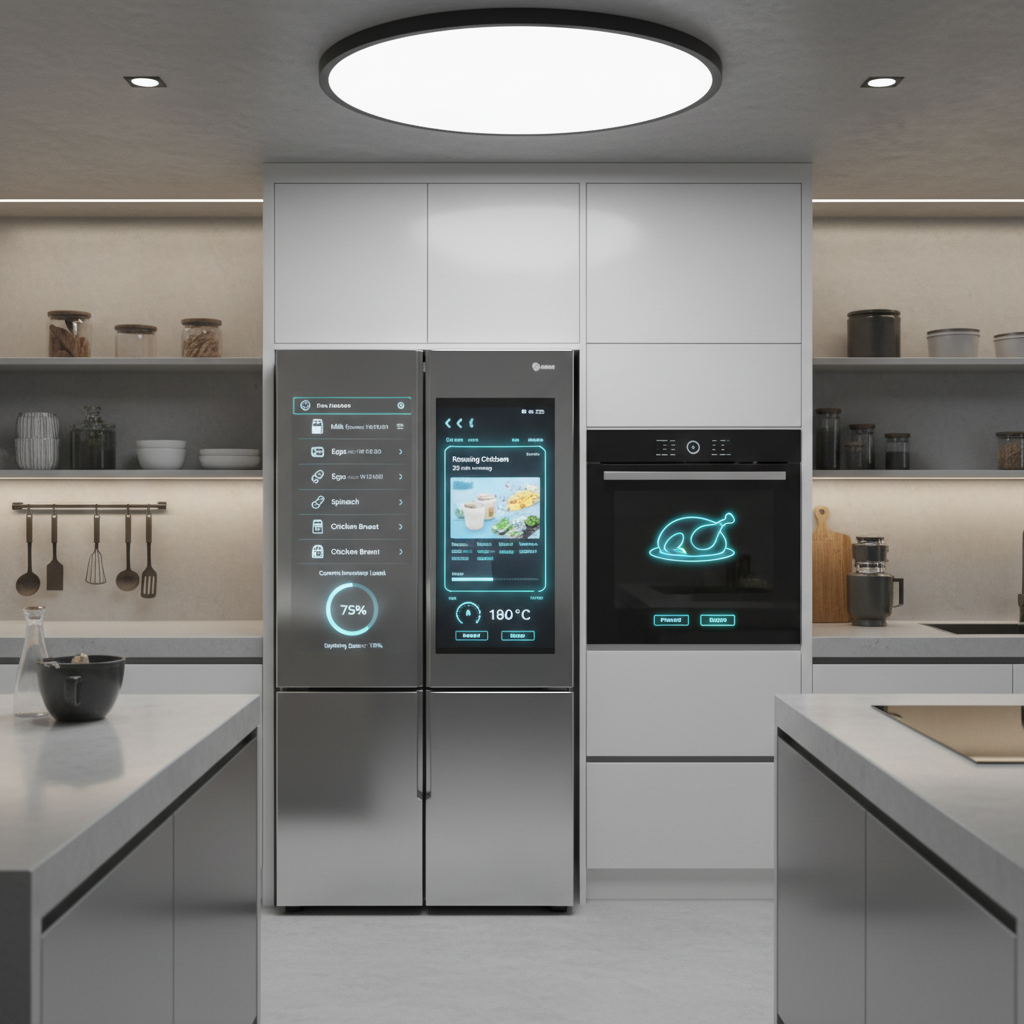
These systems draw data from a variety of sources. Your past purchase history, whether from a specific grocery store loyalty program or directly through the app itself, forms a crucial foundation. The AI analyzes frequency, quantity, and brand preferences. Beyond this, it can integrate with recipe apps, meal planners, and even smart home devices that track pantry inventory. For instance, if your smart refrigerator detects low milk levels, it can automatically add milk to your list. If you’ve just cooked a meal from a recipe, the AI can cross-reference the ingredients and suggest items you might be running low on or need for upcoming meals. The goal is to create a list that is comprehensive, personalized, and predictive, reducing forgotten items, impulse buys, and ultimately, food waste. It’s about creating a seamless bridge between your consumption patterns and your purchasing decisions, ensuring that your pantry is always stocked with what you need, when you need it.
How AI Algorithms Work Their Magic
The intelligence behind smart shopping lists lies in the sophisticated algorithms that process vast amounts of data to generate accurate and personalized recommendations. This “magic” isn’t really magic at all; it’s the result of advanced machine learning techniques working tirelessly in the background.
1. Data Collection and Analysis: The Foundation of Intelligence
The first step involves collecting a broad spectrum of data. This includes:
- Purchase History: Every item you’ve ever bought, the quantity, frequency, and brand. This is the bedrock of understanding your staples.
- Browsing and Engagement Data: Items you view, recipes you save, categories you explore within the app or linked services.
- Explicit Preferences: Information you directly input, such as dietary restrictions (vegetarian, gluten-free), allergies, favorite cuisines, household size, and budget.
- Contextual Data: Time of year (seasonal produce), local weather (barbecue items in summer), current sales and promotions from your preferred stores.
- External Integrations: Data from linked smart appliances (refrigerators, pantry sensors), fitness trackers (dietary goals), and recipe databases.
Once collected, this data is analyzed to identify patterns, correlations, and anomalies. The more data points an AI has, the more nuanced and accurate its recommendations become.
2. Machine Learning Techniques: Learning Your Habits
Several machine learning models are employed to interpret this data:
- Collaborative Filtering: This technique is popular in recommendation systems. It identifies users with similar tastes or shopping behaviors and suggests items bought by those “similar” users. For example, if many users who buy almond milk also buy organic granola, the AI might suggest organic granola to an almond milk buyer.
- Content-Based Filtering: This model recommends items similar to those you’ve liked or purchased in the past. If you frequently buy dairy-free products, the system will prioritize other dairy-free alternatives or recipes. It analyzes the attributes of items you prefer and finds new items with similar attributes.
- Association Rule Mining: This method discovers relationships between items that are frequently bought together. It might find that when you buy pasta, you often buy tomato sauce and basil. This allows the AI to suggest a complementary set of items for a meal.
- Sequence Prediction: By analyzing the order and timing of your purchases, the AI can predict when you’re likely to run out of an item. If you buy milk every week, the system can anticipate when your next purchase will be due.
3. Natural Language Processing (NLP): Understanding Your Needs
Many smart list applications also incorporate NLP to better understand user input. This allows you to add items using voice commands (“Hey AI, add bananas to my list”) or even analyze text messages or photos for potential grocery items. NLP helps the AI interpret context and intent, making the interaction feel more natural and intuitive. For instance, if you say “I need ingredients for tacos,” the NLP engine can translate that into specific items like tortillas, ground beef, salsa, and cheese.
4. Predictive Analytics: Anticipating the Future
This is where AI truly shines. By combining historical data, current trends, and learned patterns, predictive models forecast your future needs. This could mean:
- Suggesting you might need more coffee before you even realize you’re low, based on your consumption rate.
- Proposing seasonal produce or holiday-specific items in advance of major events.
- Highlighting deals on items you frequently buy, just as you’re likely to run out.
Through this intricate dance of data collection, intelligent algorithms, and predictive modeling, AI engines craft a shopping list that is not merely a record, but a proactive, intelligent partner in managing your household and your diet. This sophisticated process not only simplifies grocery shopping but also introduces a level of personalization that was previously unimaginable, making every trip to the store more purposeful and efficient.
Key Features and Capabilities of Smart Lists
The true power of AI-powered smart shopping lists lies in their rich set of features, which extend far beyond basic item listing. These capabilities are designed to streamline every aspect of grocery procurement, from meal planning to in-store navigation.
1. Automated Item Addition and Removal
- Predictive Auto-Addition: Based on your purchase history and consumption patterns, the AI can automatically add staples like milk, bread, or eggs when it anticipates you’re running low.
- Pantry Integration: Some advanced systems link with smart home devices (like smart refrigerators or pantry sensors) or allow manual input of pantry inventory. When an item runs low or is consumed, it’s automatically added to your list.
- Recipe-Based Generation: Plan a meal, and the AI instantly generates a list of all necessary ingredients, cross-referencing what you already have in stock.
- Smart Removal: Once you mark an item as purchased, it’s removed from your current list. Some systems even learn that certain items are bought together and suggest removing related items after one is checked off.
2. Hyper-Personalized Recommendations
- Dietary and Allergy Filters: Input your dietary restrictions (vegan, gluten-free, keto, low-sodium) and allergies (nuts, dairy), and the AI will only recommend suitable products and recipes.
- Brand and Preference Learning: Over time, the AI learns your preferred brands, organic vs. conventional choices, and budget sensitivity, tailoring suggestions accordingly.
- Seasonal and Event-Based Suggestions: As holidays approach or seasons change, the list might suggest festive ingredients, seasonal produce, or items for specific events like barbecues or baking.
- Health and Wellness Goals: Integrate with fitness trackers or health apps, and the AI can suggest ingredients that support your nutritional targets, like high-protein foods or fiber-rich vegetables.
3. Optimized Store Navigation and Price Comparison
- Store-Specific Lists: Generate a list tailored to a specific grocery store, often organized by aisle or department for efficient shopping.
- Deal and Coupon Integration: The AI can scan current flyers, digital coupons, and loyalty program offers, alerting you to discounts on items on your list or suggesting cheaper alternatives.
- Price Comparison: Compare prices for the same item across different local stores, helping you choose where to shop for maximum savings.
- Location-Based Reminders: Receive a notification when you’re near a grocery store on your list, prompting you to remember any forgotten items.
4. Meal Planning and Recipe Integration
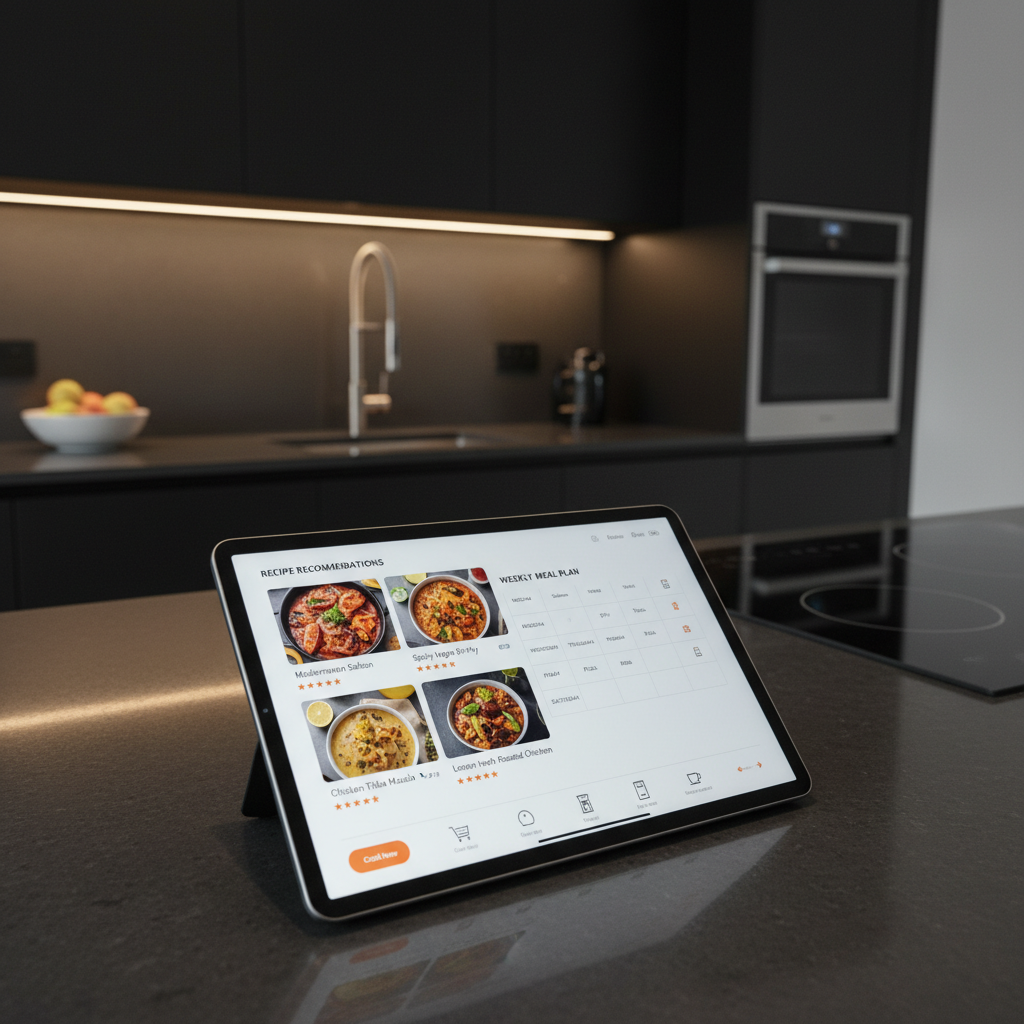
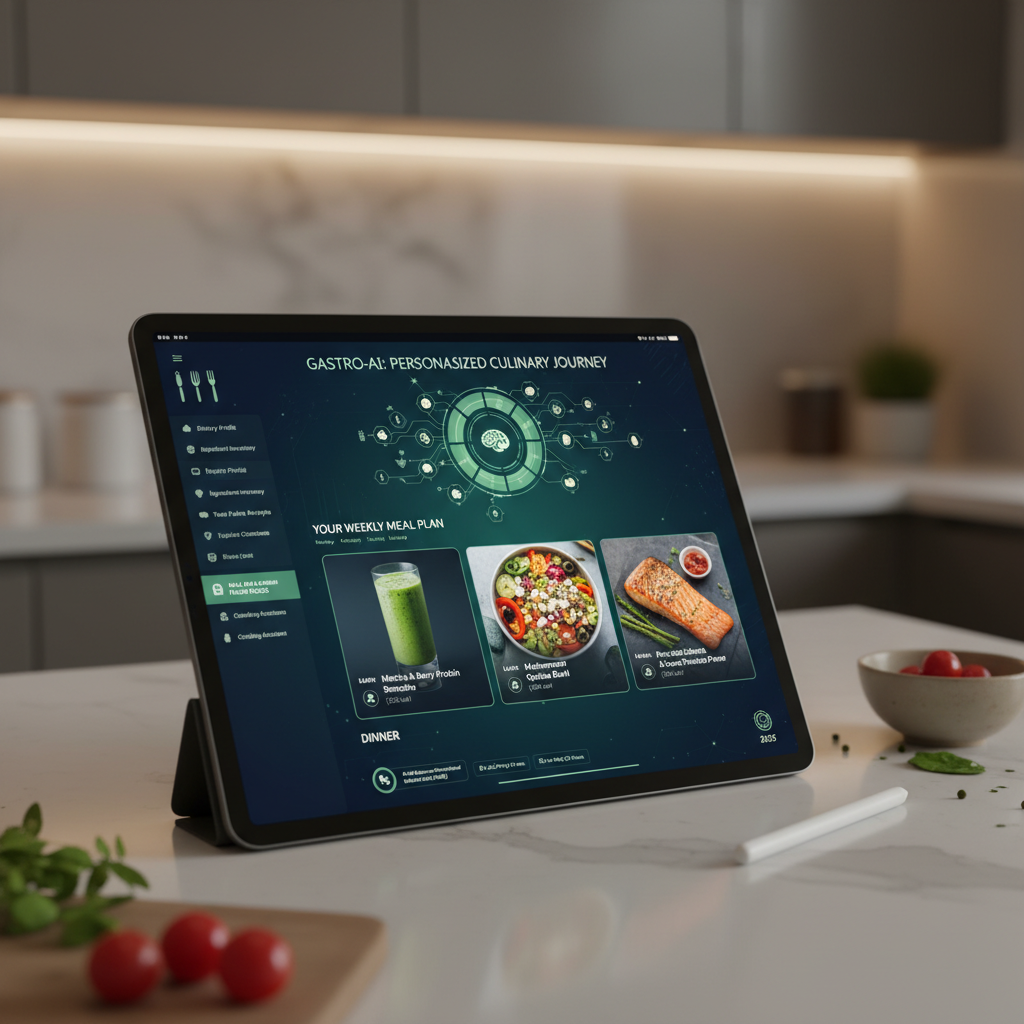
- Dynamic Meal Planning: The AI can suggest entire meal plans for the week based on your preferences, dietary needs, and what ingredients you currently have.
- Recipe Discovery: Discover new recipes using ingredients already on your list or those on sale, reducing food waste and expanding your culinary repertoire.
- Ingredient Swaps: Suggest healthier alternatives or ingredient swaps within recipes based on your pantry or dietary goals.
5. Multi-User Synchronization and Collaboration
- Shared Lists: Multiple household members can access, add, and remove items from the same list in real-time, preventing duplicate purchases and ensuring everyone’s needs are met.
- Personalized Profiles: Each user can have their own preferences, and the AI can reconcile these to create a comprehensive list that caters to the whole household.
6. Waste Reduction and Budget Management
- Expiration Tracking: For items in your smart pantry, the AI can track expiration dates and suggest using items before they go bad, reducing food waste.
- Budget Tracking: Estimate the cost of your shopping cart before you even leave home, helping you stay within your budget.
These features collectively transform grocery shopping from a fragmented, often frustrating task into a cohesive, intelligent, and highly personalized experience. By anticipating needs and providing smart solutions, AI-powered shopping lists are setting a new standard for household management and consumer convenience. They not only save time and money but also empower individuals to make healthier, more sustainable choices.
Beyond Basic Recommendations: Personalization and Predictive Analytics
The real ingenuity of AI in smart shopping lists extends far beyond simply remembering what you bought last week. It delves into hyper-personalization and sophisticated predictive analytics, creating a truly bespoke shopping experience. This level of intelligence aims to understand not just what you buy, but why you buy it, and what you might need even before you realize it yourself.
1. Deep Personalization Based on Lifestyle and Health
- Dietary Evolution: The AI learns if you’re experimenting with new diets (e.g., trying a plant-based month) and adapts recommendations accordingly, suggesting new ingredients, recipes, and brands that align with your evolving choices. It doesn’t just filter; it actively educates and guides.
- Health and Fitness Goals Integration: Connecting with wearable fitness devices or health apps allows the AI to recommend foods that support your current goals. Training for a marathon? Expect suggestions for energy-dense carbohydrates and protein sources. Focusing on weight loss? The list might emphasize lean proteins and fresh vegetables, offering calorie estimates for proposed items.
- Allergy and Sensitivity Management: Beyond simple filtering, the AI can proactively flag potential cross-contamination risks or suggest safe alternatives for complex allergies, providing peace of mind for those with severe dietary restrictions.
- Cultural and Family Preferences: For diverse households, the AI can learn and juggle multiple family members’ culinary backgrounds and preferences, ensuring the list includes items that cater to everyone, from traditional staples to specific ethnic ingredients.
2. Advanced Predictive Analytics for Proactive Assistance
- Anticipatory Replenishment: AI doesn’t wait for you to run out of coffee; it predicts when your current supply will deplete based on your historical consumption rate and prompts you to add it to your list days in advance. This avoids last-minute dashes to the store.
- Event-Driven Suggestions: Is a holiday approaching? The AI can suggest traditional ingredients. Hosting a party? It might prompt for snacks, drinks, and party supplies. It intelligently anticipates your needs based on calendar events, local happenings, and even your social calendar if integrated.
- Weather-Based Recommendations: A heatwave might trigger suggestions for ice cream, cold beverages, or ingredients for no-bake desserts. A cold snap could lead to recommendations for soup ingredients or hot chocolate.
- Dynamic Meal Planning: Instead of static recipe suggestions, the AI can create dynamic meal plans that evolve with your schedule, ingredients on hand, and current sales. It can even suggest meals that utilize expiring pantry items first, significantly reducing food waste.
- “What If” Scenarios: Some advanced systems might even allow you to explore “what if” scenarios, like “What if I wanted to try a vegan diet next week?” and instantly generate a preliminary shopping list and meal plan.
3. Contextual Awareness and Smart Home Integration
- Smart Pantry Monitoring: Beyond simple “low on milk” alerts, advanced systems might use image recognition or weight sensors in smart pantries to give you a real-time visual inventory, automatically updating your shopping list as items are used.
- Voice Assistant Integration: Seamless integration with voice assistants like Amazon Alexa or Google Assistant allows for natural language interaction. You can simply say, “Alexa, what do I need from the grocery store?” or “Hey Google, add apples to my shopping list for next week,” and the AI understands the context.
- Cross-Device Learning: The AI learns from your interactions across various devices – your phone, tablet, smart speaker, or even smart car – ensuring a consistent and up-to-date understanding of your needs.
By moving beyond simple data recall to genuinely understanding user intent, context, and future needs, AI-powered smart shopping lists are not just tools for efficiency; they are becoming intelligent lifestyle partners. They empower consumers to make smarter, healthier, and more sustainable choices, all while minimizing the cognitive load associated with managing a household’s grocery needs. This level of personalized and predictive assistance is what truly differentiates these modern solutions from their more rudimentary predecessors.
Benefits for Consumers and Retailers
The transformative power of AI-powered smart shopping lists extends far beyond individual convenience, creating significant advantages for both consumers and the retail industry.
Benefits for Consumers:
- Time-Saving and Convenience:
- Reduced Planning Time: No more agonizing over meal plans or manually checking pantry shelves. The AI handles most of the cognitive load.
- Faster Shopping Trips: Optimized lists organized by aisle or store layout mean less wandering and quicker checkout times.
- Never Forget an Item: Predictive suggestions drastically reduce the chance of forgetting essential items, saving extra trips to the store.
- Cost Savings and Budget Management:
- Deal Alerts: AI can highlight sales, coupons, and loyalty program discounts on items you need, ensuring you get the best prices.
- Reduced Impulse Buys: A well-organized, pre-planned list helps shoppers stick to their needs, minimizing unplanned purchases.
- Estimated Cart Cost: Many apps provide an estimated total cost, allowing for budget adjustments before reaching the checkout.
- Reduced Food Waste:
- Pantry Tracking: By knowing what you have, the AI prevents duplicate purchases and suggests recipes that utilize expiring ingredients.
- Optimal Portions: Recipe integration can adjust ingredient quantities based on household size, preventing over-buying.
- Healthier Eating Habits:
- Dietary Support: Easily adhere to dietary restrictions, allergies, and health goals with tailored suggestions and recipe filtering.
- Discovery of Healthy Options: AI can introduce new, healthy ingredients or meal ideas that align with personal wellness objectives.
- Personalized Experience:
- Tailored to Taste: Recommendations evolve with your changing preferences and culinary explorations.
- Less Decision Fatigue: With intelligent suggestions, the mental burden of meal planning and grocery list creation is significantly reduced.
Benefits for Retailers:
- Enhanced Customer Loyalty and Engagement:
- Personalized Offers: Retailers can leverage AI insights to send highly relevant promotions, increasing the likelihood of purchase and fostering loyalty.
- Improved Customer Experience: By supporting customers with smart lists, retailers become integral to their efficient lifestyle, driving repeat visits.
- Data-Driven Understanding: Deep insights into customer preferences, dietary needs, and purchasing patterns allow for better service and product offerings.
- Increased Sales and Basket Size:
- Intelligent Upselling/Cross-selling: AI can suggest complementary items or premium alternatives based on shopping history.
- Reduced Out-of-Stocks: By understanding predicted demand through aggregated smart list data, retailers can optimize inventory, ensuring popular items are always in stock.
- Optimized Inventory and Supply Chain Management:
- Predictive Demand Forecasting: Aggregated, anonymized data from smart lists provides powerful insights into future demand, allowing retailers to optimize stocking levels and reduce waste.
- Efficient Store Layouts: Understanding common shopping paths can inform better store design and product placement.
- Data Monetization and Insights:
- Valuable Market Research: Anonymized data offers unparalleled insights into consumer trends, new product interest, and regional preferences, valuable for both retailers and their suppliers.
- Targeted Marketing: Develop more effective marketing campaigns by understanding what customers truly want and need.
- Competitive Advantage:
- Innovation Leader: Offering advanced AI tools positions retailers as innovators, attracting tech-savvy customers.
- Differentiated Service: Provides a unique value proposition that goes beyond just offering products.
In essence, AI-powered smart shopping lists create a symbiotic relationship. Consumers enjoy unparalleled convenience, savings, and healthier choices, while retailers gain deeper insights, increased sales, and operational efficiencies. This technological advancement is a win-win, driving both consumer satisfaction and business growth in the competitive grocery market.
Challenges and Ethical Considerations
While AI-powered smart shopping lists offer a multitude of benefits, their widespread adoption also brings forth a unique set of challenges and ethical considerations that warrant careful examination. Addressing these issues is crucial for building trust and ensuring that this technology serves humanity responsibly.
1. Data Privacy and Security:
- Vast Data Collection: These systems thrive on personal data – purchase history, dietary habits, location data, and even health information. The sheer volume and sensitivity of this data raise significant privacy concerns. Who owns this data? How is it stored and protected?
- Risk of Breaches: Any centralized database of personal information is a target for cyberattacks. A breach could expose intimate details about an individual’s lifestyle, health, and spending habits, leading to identity theft or targeted exploitation.
- Third-Party Sharing: How is data shared with third parties (e.g., product manufacturers, advertisers)? Users need clear transparency and control over their data, including opt-out options for sharing.
- Anonymization vs. Re-identification: While data may be anonymized for analytical purposes, there’s always a theoretical risk of re-identification, especially with highly detailed behavioral patterns.
2. Algorithmic Bias and Filter Bubbles:
- Bias in Training Data: If the data used to train the AI reflects existing societal biases (e.g., gender stereotypes in product recommendations, or limited demographic representation), the AI may perpetuate or even amplify these biases.
- Lack of Diversity in Recommendations: Over-reliance on past preferences can lead to “filter bubbles,” where users are only exposed to familiar products or recipes, stifling culinary exploration and limiting discovery of new brands or healthier alternatives.
- Ethical Implications of “Nudging”: AI can be incredibly effective at nudging consumer behavior. The ethical question arises when this nudging moves from helpful suggestions to manipulative tactics, perhaps promoting higher-margin products over healthier options, or encouraging overconsumption.
3. Over-Reliance and Loss of Human Agency:
- Loss of Skills: As AI takes over more planning tasks, there’s a risk that individuals may lose the skills associated with meal planning, budgeting, and conscious consumption.
- Reduced Critical Thinking: If we blindly follow AI recommendations, we might stop critically evaluating our needs, diet, or budget, potentially leading to suboptimal outcomes.
- “Creepy” Factor: Hyper-personalization, while convenient, can sometimes feel intrusive or “creepy,” making users feel their privacy is being invaded even if technically allowed by terms of service.
4. Implementation and Accessibility Challenges:
- Cost of Development: Developing and maintaining sophisticated AI systems is expensive, which might limit their availability or lead to subscription models that exclude lower-income users.
- Digital Divide: Access to smartphones, reliable internet, and the technical literacy to use these apps effectively can create a digital divide, leaving some demographics behind.
- Interoperability: Ensuring seamless integration between different brands of smart appliances, retail loyalty programs, and third-party apps remains a significant technical hurdle.
5. Environmental Impact:
- Energy Consumption: The vast data processing required for AI models consumes significant energy, contributing to carbon emissions.
- Obsolescence: Rapid technological advancement can lead to quick obsolescence of smart devices, contributing to electronic waste if not managed responsibly.
Addressing these challenges requires a multi-faceted approach involving robust data governance, ethical AI design principles, transparent user agreements, and ongoing dialogue between developers, policymakers, and consumers. The goal should be to harness the immense potential of AI in grocery shopping while safeguarding individual rights and promoting a balanced, informed approach to technology integration in our daily lives.
The Future Landscape of Smart Grocery Shopping
The journey of AI-powered smart shopping lists is just beginning. As technology advances and consumer expectations evolve, the future landscape of grocery shopping promises an even more integrated, intuitive, and autonomous experience. We are heading towards a future where the line between our physical pantry and our digital shopping list blurs completely.
1. Hyper-Personalization Beyond Imagination:
- Genomic and Biometric Integration: Imagine an AI that, with your consent, analyzes your DNA or real-time biometric data (from wearables) to recommend foods that optimize your unique metabolic needs, prevent deficiencies, or manage chronic conditions. This moves beyond general dietary advice to truly individualized nutrition.
- Emotional and Mood-Based Recommendations: AI might eventually detect your mood (via subtle cues from smart devices or explicit input) and suggest “comfort food” ingredients or uplifting, healthy meal options tailored to your emotional state.
- Dynamic Pricing Based on Preferences and Needs: While controversial, AI could offer personalized discounts on items it knows you need or prefer, optimizing both your savings and the retailer’s inventory management.
2. Seamless Integration and Automation:
- Autonomous Replenishment Systems: The ultimate vision for many is a fully automated pantry. Smart refrigerators and cupboards, equipped with advanced sensors and AI, will not only track inventory but automatically reorder staples from your preferred retailer when supplies run low, without any manual input.
- Drone Delivery and Robotic Fulfillment: Your smart list could directly trigger an order to a local micro-fulfillment center, where robots pick and pack your groceries, which are then delivered by autonomous vehicles or drones straight to your door, potentially within minutes.
- Augmented Reality (AR) Shopping: In-store AR applications could overlay information about products (nutritional facts, allergens, reviews) directly onto your view, or guide you efficiently through the aisles based on your smart list, highlighting promotions as you pass them.
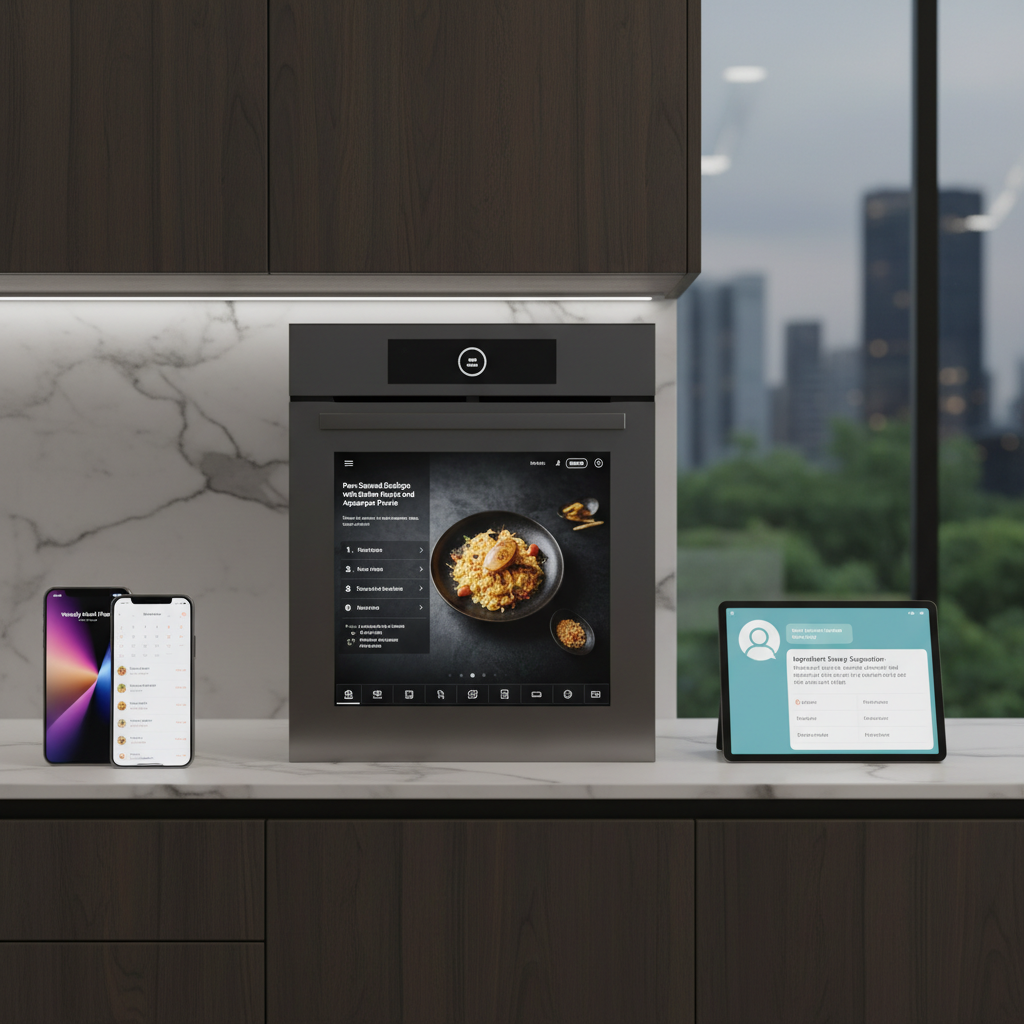
- Predictive Kitchen Assistants: Your smart oven or smart cutting board might integrate directly with your shopping list, suggesting specific recipes based on expiring ingredients and even guiding you through the cooking process step-by-step.
3. Sustainability and Ethical Consumption at the Forefront:
- Ethical Sourcing Transparency: AI could provide detailed information on the origin of products, labor practices, and environmental impact, allowing consumers to make more informed and ethical purchasing decisions.
- Advanced Waste Reduction: Beyond current capabilities, future AI might optimize family meal plans to near-zero waste, calculating precise portions and suggesting creative uses for every scrap of food.
- Circular Economy Integration: Smart lists could integrate with systems for returning packaging, refilling containers, or composting food waste, actively closing the loop on consumption.
4. The Rise of “Curated Commerce”:
- Subscription Box Evolution: AI will refine subscription services, not just for general categories but for hyper-specific needs, offering curated boxes of specialty items or ingredients for specific dietary protocols, arriving precisely when needed.
- Personal Shopping Bots: Dedicated AI assistants that learn your entire consumption profile, not just groceries, but also household items, clothing, and entertainment, acting as an ultimate personal concierge for all your purchasing needs.
The future of smart grocery shopping is not just about convenience; it’s about creating a hyper-efficient, highly personalized, and environmentally conscious ecosystem. While challenges regarding data privacy and ethical implications will persist, ongoing innovation promises to refine these systems, making them indispensable tools that seamlessly blend into the fabric of our daily lives, redefining how we interact with our food and household needs.
Comparison Tables
Table 1: Traditional vs. AI Smart Shopping Lists
| Feature Category | Traditional Shopping List (Paper/Basic Digital) | AI-Powered Smart Shopping List | Impact on User Experience |
|---|---|---|---|
| Creation Method | Manual input, memory-based, often handwritten or typed. | Manual input, voice commands, predictive auto-addition, recipe integration, pantry syncing. | Significantly less effort, fewer forgotten items, dynamic updates. |
| Personalization | None, reflects only what user explicitly adds. | Hyper-personalized based on purchase history, dietary needs, preferences, health goals. | Tailored recommendations, discovery of new suitable products, supports lifestyle. |
| Intelligence & Automation | Passive, no automation. User must remember everything. | Active and predictive. Suggests items, tracks inventory, identifies sales, generates meal plans. | Reduces cognitive load, automates mundane tasks, proactive problem-solving. |
| Cost & Waste Management | No direct tools. Relies on user’s budgeting and awareness. | Finds deals, compares prices, estimates cart cost, tracks pantry expiration dates, suggests using expiring items. | Significant cost savings, dramatic reduction in food waste, better budget control. |
| Integration | Limited to manual transfer or basic sharing. | Integrates with smart home devices, recipe apps, loyalty programs, voice assistants, health trackers. | Seamless ecosystem, interconnected convenience, holistic life management. |
| Real-Time Updates | Static once written, manual edits needed for changes. | Dynamic, real-time updates across multiple users and devices. | Eliminates duplicate purchases, ensures everyone is on the same page, adaptable. |
Table 2: Key Features Across Different Smart Shopping List AI Levels
| Feature | Basic AI List (e.g., Simple predictive add) | Advanced AI List (e.g., Recipe/Pantry integration) | Cutting-Edge AI List (e.g., Hyper-personalized, multi-sensor) |
|---|---|---|---|
| Core Functionality | Item storage, basic sharing, reordering based on past purchases. | All basic features, plus recipe integration, meal planning, dietary filtering. | All advanced features, plus biometric/genomic integration, mood-based suggestions, full autonomous reordering. |
| Data Sources | User input, limited purchase history. | Expanded purchase history, linked loyalty cards, recipe databases, user preferences. | All advanced sources, plus smart home inventory, health/fitness trackers, weather data, potentially genomic data. |
| Personalization Level | Generic suggestions based on popularity or broad category. | Personalized based on individual preferences, dietary needs, and cooking habits. | Hyper-personalized, anticipatory, adapts to evolving health, mood, and lifestyle changes. |
| Automation & Prediction | Reminds you of frequently bought items after a set period. | Predicts consumption rate, suggests items you might need soon, optimizes for sales. | Proactive replenishment, autonomous reordering, predictive event-based suggestions. |
| Retailer Integration | May link to a single retailer’s online ordering. | Compares prices across multiple stores, applies digital coupons, provides aisle-by-aisle guidance. | Dynamic pricing based on user profile, real-time stock alerts, drone/robot delivery integration. |
| Complexity & Cost | Low complexity, often free or basic subscription. | Medium complexity, usually subscription-based with premium features. | High complexity, often requires advanced hardware, potentially higher subscription tiers or premium ecosystem. |
Practical Examples
To truly grasp the impact of AI-powered smart shopping lists, let’s look at a few real-world scenarios illustrating their practical applications and benefits:
Example 1: The Busy Professional – Sarah’s Seamless Week
Sarah is a marketing manager with a demanding job and two young children. Meal planning and grocery shopping used to be a source of constant stress. She would often forget ingredients, leading to multiple small trips to the store or last-minute takeout.
- AI Intervention: Sarah uses a smart shopping list app integrated with her family’s shared calendar and a recipe planning service.
- The Scenario:
- On Sunday evening, Sarah quickly selects five dinner recipes for the week from her app, favoring quick, kid-friendly options. The AI instantly scans these recipes, cross-references them with items it knows are already in her smart pantry (which tracks basic staples like pasta, rice, and spices), and generates a comprehensive grocery list.
- Mid-week, her smart refrigerator detects that the milk is running low and automatically adds it to her list. Sarah remembers her daughter’s birthday is coming up; she adds “birthday cake ingredients” via a voice command to her smart speaker, and the AI suggests flour, sugar, eggs, and frosting, along with candles, knowing her past purchases.
- Before her usual Thursday grocery run, the app notifies her of a “buy one, get one free” deal on her favorite yogurt at a nearby store and suggests a slight detour to take advantage of it. It also reorganizes her list based on the optimal path through the store she’s chosen.
- Outcome: Sarah completes her shopping in record time, forgets nothing, saves money on deals, and avoids food waste by using up pantry items. The mental load of managing family meals is significantly reduced, allowing her to focus on work and family time.
Example 2: The Health-Conscious Senior – Robert’s Dietary Support
Robert, a 70-year-old widower, lives alone and needs to manage his Type 2 diabetes and high cholesterol. He finds it challenging to remember all the dietary restrictions and track his health goals while grocery shopping.
- AI Intervention: Robert uses a smart shopping list app that allows him to input his health conditions and dietary requirements (low sugar, low sodium, high fiber). He has also linked it to a basic fitness tracker that monitors his activity levels.
- The Scenario:
- When Robert starts his list, the AI automatically filters out high-sugar or high-sodium items in its suggestions. If he tries to add something like “regular soda,” the app gently prompts him with healthier alternatives like sparkling water or diet soda, explaining why based on his health profile.
- The AI suggests recipes specifically designed for diabetics, showing estimated nutritional values for each ingredient. It also notes that he typically buys a specific brand of low-sodium soup, and reminds him when he’s likely due for a repurchase, checking for current sales.
- After a particularly active week (detected by his fitness tracker), the AI might suggest ingredients for a high-protein, low-carb recovery meal, aligning with his doctor’s recommendations.
- Outcome: Robert consistently makes healthier food choices tailored to his medical needs without feeling overwhelmed. The AI acts as a discreet, knowledgeable dietary coach, helping him manage his health through informed grocery purchases and reducing the risk of diet-related complications.
Example 3: The Environmentally Aware Household – The Green Family’s Zero-Waste Mission
The Green family is passionate about reducing their environmental footprint, especially food waste and plastic consumption. They often buy in bulk and use reusable containers.
- AI Intervention: Their smart list app includes features for pantry inventory, expiration date tracking, and preference for bulk/unpackaged items.
- The Scenario:
- Their app tracks items in their bulk pantry containers. When their oats are running low, it adds “oats (bulk)” to the list and reminds them to bring their reusable container.
- If they add “strawberries,” the AI suggests looking for local, seasonal, unpackaged options first, based on their declared preferences and current local farmer’s market availability.
- The AI flags items in their pantry that are nearing their expiration date (e.g., yogurt, cream cheese) and suggests recipes that specifically incorporate those ingredients, preventing them from being thrown away. For example, if they have ripe bananas, it might suggest banana bread ingredients.
- When generating a meal plan, the app optimizes for ingredients they already have, minimizing new purchases and further reducing waste.
- Outcome: The Green family significantly reduces their food waste and plastic consumption. The AI supports their eco-conscious lifestyle, making it easier to adhere to their values and contribute to a more sustainable household.
These examples illustrate how AI-powered smart shopping lists are not just a convenience but a powerful tool that adapts to diverse needs and goals, fundamentally improving the efficiency, health, and sustainability of our food procurement processes. They move beyond simple automation to become true personal assistants, making our lives easier and smarter.
Frequently Asked Questions
Q: What exactly makes a shopping list “smart” or AI-powered?
A: A shopping list becomes “smart” when it integrates artificial intelligence and machine learning algorithms. This means it doesn’t just store items you manually add; it actively learns your habits, preferences, and needs. It can automatically suggest items you’re likely to need, create lists from recipes, track pantry inventory, find deals, and personalize recommendations based on your dietary restrictions or health goals. Unlike a basic digital list, an AI-powered list is proactive, predictive, and adaptable.
Q: How do these AI systems learn my personal preferences and habits?
A: AI systems learn in several ways. Firstly, they analyze your past purchase history, looking at what items you buy, how often, and in what quantities. Secondly, they consider explicit inputs you provide, such as dietary restrictions, allergies, favorite brands, and household size. Thirdly, some systems integrate with recipe apps, smart home devices (like smart fridges), or even fitness trackers to gather more contextual data about your consumption and lifestyle. Over time, machine learning algorithms identify patterns in this data to create a highly accurate profile of your needs.
Q: Are AI smart shopping lists compatible with voice assistants like Alexa or Google Assistant?
A: Yes, many leading AI-powered smart shopping list applications offer seamless integration with popular voice assistants such as Amazon Alexa, Google Assistant, and Apple Siri. This allows users to add items to their list using simple voice commands, check what’s on the list, or even ask for recipe suggestions hands-free, making the experience even more convenient, especially when your hands are busy in the kitchen.
Q: Can AI smart lists help me save money on groceries?
A: Absolutely. AI smart lists are excellent tools for budget management and cost savings. They can identify items on your list that are currently on sale at your preferred stores, apply digital coupons, and even compare prices for the same item across different retailers. By prompting you to check for deals and helping you stick to a planned list, they significantly reduce impulse buys and enable you to optimize your spending. Some apps even provide an estimated total cost before you check out.
Q: How do these lists help reduce food waste?
A: AI smart lists contribute to reducing food waste by providing better inventory management. Many can link to a digital pantry, allowing you to track what you already have. The AI then prevents you from buying duplicates and suggests recipes that use ingredients nearing their expiration date. By ensuring you only buy what you need and utilize what you have, they play a crucial role in minimizing unnecessary food spoilage and waste.
Q: What about data privacy? Is my shopping data safe with these AI applications?
A: Data privacy is a significant concern, and reputable developers of AI smart shopping lists prioritize it. They typically employ robust encryption, secure servers, and adhere to data protection regulations (like GDPR or CCPA). However, it’s crucial for users to review the app’s privacy policy to understand what data is collected, how it’s used, and whether it’s shared with third parties. Users should also ensure they are comfortable with the level of data sharing required for certain features.
Q: Can I share my smart shopping list with family members or roommates?
A: Yes, collaboration is a key feature of most AI-powered smart shopping lists. They allow for real-time synchronization, meaning multiple users (e.g., family members, roommates) can access, add, and remove items from a shared list simultaneously. This ensures everyone is on the same page, preventing duplicate purchases and making household grocery management much more efficient.
Q: Do these lists work with specific grocery stores, or are they universal?
A: The functionality can vary. Some AI smart lists are integrated directly into a specific grocery store’s app or website, offering store-specific deals, aisle mapping, and direct online ordering. Others are third-party apps designed to be universal, allowing you to build lists for any store and potentially compare prices across multiple retailers. The most advanced universal apps can often connect to loyalty programs of various stores to pull in your purchase history and deals.
Q: What happens if I have very specific dietary restrictions or allergies?
A: AI smart lists are particularly beneficial for individuals with specific dietary restrictions or allergies. You can input these details into your profile, and the AI will filter out unsuitable products, suggest appropriate alternatives, and recommend recipes that comply with your needs. This makes grocery shopping safer and less stressful for those managing complex dietary requirements.
Q: Is there a learning curve for using AI-powered shopping lists?
A: While the basic functionality of adding items is usually intuitive, getting the most out of an AI-powered smart list might involve a slight learning curve. This primarily involves setting up your preferences, linking accounts (like loyalty programs or recipe apps), and allowing the AI time to learn your habits. However, most modern apps are designed with user-friendliness in mind, offering tutorials and intelligent prompts to guide you through the process, making the advanced features accessible over time.
Key Takeaways
- Beyond Basic Digital: AI-powered smart shopping lists transcend traditional digital lists by offering proactive, personalized, and predictive assistance.
- AI Algorithms Drive Intelligence: Machine learning techniques like collaborative filtering, content-based filtering, and predictive analytics analyze user data to offer tailored recommendations.
- Rich Feature Set: Capabilities include automated item addition, hyper-personalization for diet and health, optimized store navigation, recipe integration, multi-user syncing, and waste reduction tools.
- Dual Benefits: Consumers gain significant time savings, cost reductions, healthier choices, and reduced food waste. Retailers benefit from increased loyalty, higher sales, and optimized inventory management.
- Ethical Considerations are Crucial: Data privacy, algorithmic bias, potential for over-reliance, and accessibility challenges need careful management for responsible technology adoption.
- The Future is Integrated: Future developments point towards even deeper personalization (genomic, biometric), seamless automation (autonomous replenishment, drone delivery), and strong emphasis on sustainability.
- Practical Impact: Real-world examples demonstrate how these lists streamline daily life for busy professionals, support health goals for seniors, and aid environmentally conscious households.
- Learning and Adaptation: The more you use these systems and provide feedback, the smarter and more accurate their recommendations become.
Conclusion
The advent of AI-powered smart shopping lists marks a significant leap forward in the consumer experience, fundamentally transforming one of life’s most persistent chores into an efficient, personalized, and even enjoyable activity. What began as simple handwritten notes has evolved into a sophisticated ecosystem where artificial intelligence anticipates our needs, respects our preferences, manages our budgets, and even champions our health and environmental goals.
These intelligent engines are not just about adding items to a list; they are about understanding the intricate patterns of our consumption, the nuances of our diets, and the rhythm of our households. They empower us to be more organized, more economical, and more mindful consumers, effectively crafting a “perfect grocery cart” tailored precisely to our individual lives. For retailers, this technology opens doors to unprecedented customer loyalty, operational efficiencies, and invaluable market insights.
While the journey towards a fully autonomous and seamlessly integrated shopping future presents challenges, particularly concerning data privacy and ethical implications, the ongoing advancements in AI promise to address these concerns with robust solutions. As we move forward, AI-driven recommendation engines will continue to refine and enhance every facet of grocery shopping, making it less of a task and more of a supportive, intelligent partnership. Embrace the future of grocery shopping; it’s smart, it’s personalized, and it’s already here, ensuring your next trip to the store is as effortless and effective as possible. The era of the intelligent grocery cart has dawned, promising to simplify our lives one thoughtfully curated item at a time.














































































Leave a Reply