


Discovering Hidden Gems: AI Tools for Personalized Learning
In an increasingly competitive world, the pursuit of knowledge and skill development is a continuous journey. However, the traditional one-size-fits-all approach to education often leaves many learners struggling to keep pace, feeling disengaged, or simply not reaching their full potential. We all learn differently; some thrive with visual aids, others absorb information best through auditory explanations, some need hands-on experience, while others prefer to read and write extensively. This fundamental truth highlights a significant challenge in conventional learning environments: how do we cater to the vast spectrum of individual learning styles effectively and efficiently?
Enter the transformative power of Artificial Intelligence (AI). What if your learning materials could dynamically adjust to your pace, your preferred method of understanding, and even your current mood or level of fatigue? What if a digital tutor could pinpoint your exact weaknesses and strengths, offering targeted exercises and explanations precisely when and where you need them most? This is no longer the realm of science fiction but a present-day reality, thanks to sophisticated AI tools that are revolutionizing personalized learning. This comprehensive guide will delve into how these AI-powered platforms adapt to your unique learning style, promising not just faster progress, but a deeper, more meaningful understanding of any subject.
Join us as we explore the exciting landscape of AI in education, uncovering hidden gems that are making smarter study and faster progress an achievable goal for everyone. We will examine the mechanisms behind these intelligent systems, explore practical applications, discuss their profound benefits, and address important considerations for their ethical and effective use.
Understanding Personalized Learning in the Age of AI
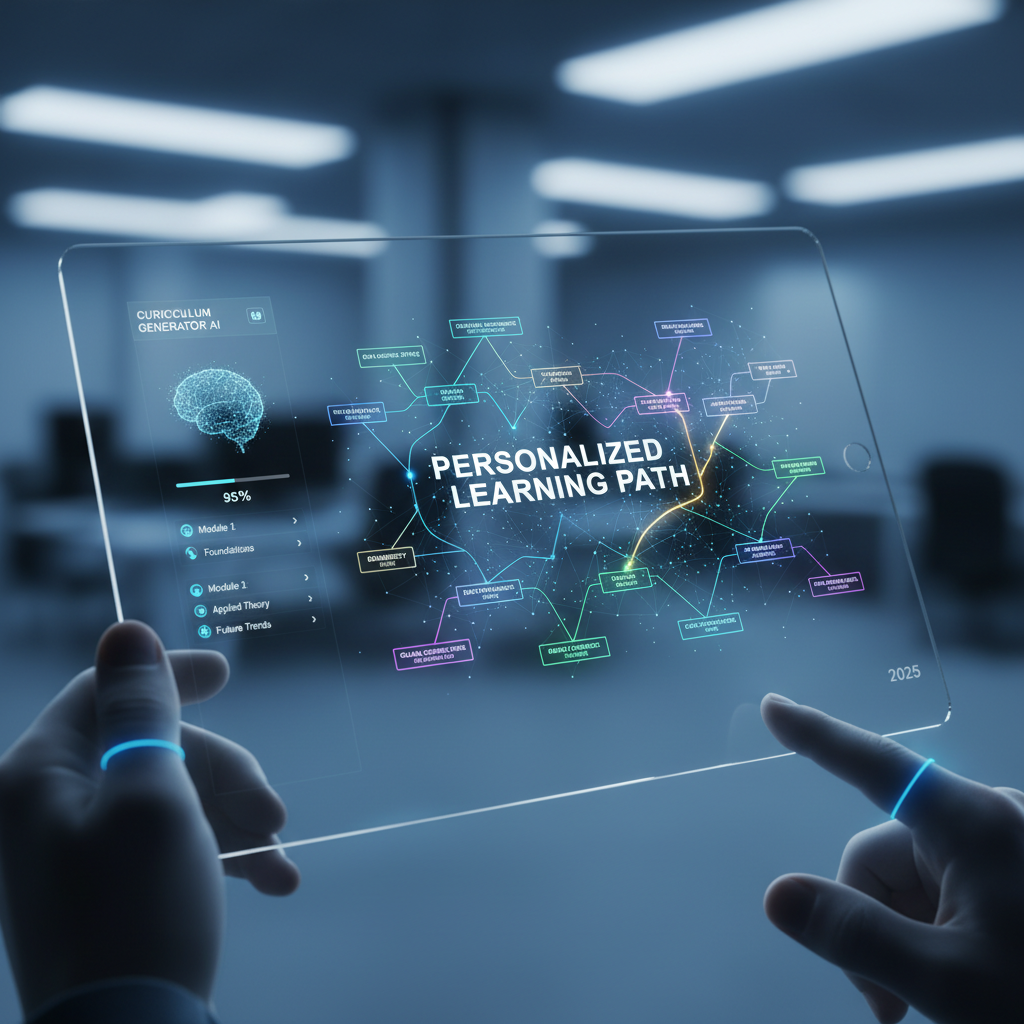
Personalized learning is an educational approach that tailors learning to meet individual students’ needs, preferences, and interests. While the concept isn’t new, AI has injected unprecedented capabilities into its implementation. Traditionally, personalization might have involved a teacher trying to give individual attention in a crowded classroom, or students choosing from a limited set of electives. AI elevates this to a micro-level, adapting moment by moment, click by click.
At its core, AI-driven personalized learning begins by understanding the learner. This involves an intricate process where the AI system collects data on how you interact with content: what you click, how long you spend on a page, your answers to questions, the types of mistakes you make, and even your navigation patterns. This data then feeds into advanced algorithms that analyze your performance, identify patterns, and infer your cognitive preferences, knowledge gaps, and optimal learning pathways. For instance, if you consistently perform better on visual quizzes after watching a video, the AI might prioritize video content and image-rich explanations for new topics. If you struggle with conceptual understanding but excel at rote memorization, the system might introduce more analytical problems while providing spaced repetition exercises for factual recall.
This dynamic adaptation means the learning experience is no longer static. It’s a living, breathing curriculum that evolves with you. It moves beyond simple adaptive questioning to truly adaptive content delivery, adjusting not just the difficulty, but the format, the examples, and the scaffolding provided. The goal is to keep you in the “zone of proximal development,” where the challenge is just right – not too easy to be boring, not too hard to be frustrating, ensuring optimal engagement and accelerated learning.
The AI Revolution in Educational Technology
The integration of Artificial Intelligence into education marks a profound shift, moving beyond simple automation to genuine cognitive assistance. This revolution is powered by several key AI disciplines:
- Machine Learning (ML): The backbone of adaptive systems, ML algorithms learn from vast datasets of student interactions and performance. They identify correlations, predict future outcomes, and continuously refine their models to deliver increasingly precise personalization. For example, an ML model can identify that students who struggle with fractions often also struggle with algebra, prompting earlier intervention.
- Natural Language Processing (NLP): NLP enables AI tools to understand, interpret, and generate human language. This is crucial for intelligent tutoring systems that engage in conversational dialogue, provide nuanced feedback on written assignments, or summarize complex texts to match a learner’s comprehension level. Imagine an AI tutor understanding the subtle confusion in your typed question and responding with a clear, targeted explanation.
- Computer Vision: While less prevalent in direct content delivery, computer vision can play a role in monitoring student engagement (e.g., detecting signs of distraction or frustration, though this raises privacy concerns), or in interactive simulations where visual feedback is critical.
- Recommendation Systems: Similar to those used by streaming services or e-commerce sites, these AI systems suggest relevant learning materials, courses, or exercises based on your past performance, interests, and the learning paths of similar students. They can uncover “hidden gems” of content you might not have found otherwise.
These technologies coalesce to create a learning environment where the AI acts as a highly knowledgeable, infinitely patient, and hyper-attentive personal tutor. It’s constantly analyzing, adapting, and optimizing the learning path to maximize your potential. The AI isn’t just delivering information; it’s learning how you learn, making the educational journey significantly more effective and enjoyable.
Key AI Tools and Their Adaptive Superpowers
The market for AI-powered learning tools is rapidly expanding, offering diverse solutions for various educational needs. Here’s a look at some of the prominent types and how they leverage AI:
1. Adaptive Learning Platforms
These are comprehensive systems that dynamically adjust content, pace, and difficulty based on a learner’s performance and interactions. They create a personalized learning path for each student. Examples include Knewton Alta, McGraw Hill Connect, and Smartly.io. They often begin with a diagnostic assessment to gauge initial knowledge and then continuously adapt. If a student masters a concept quickly, the platform moves them forward; if they struggle, it provides additional resources, different explanations, or prerequisite material until mastery is achieved. This ensures efficient use of time and resources, focusing efforts where they are most needed.
2. Intelligent Tutoring Systems (ITS)
ITS go beyond simple adaptive platforms by simulating one-on-one human tutoring. They use AI to understand student responses, provide hints, correct misconceptions, and engage in dialogue. Carnegie Learning’s MATHia and ALEKS (Assessment and Learning in Knowledge Spaces) are prime examples. These systems track every step a student takes, offering real-time, context-sensitive feedback. If a student makes a mistake in a multi-step problem, the ITS can identify precisely where the error occurred, explain the underlying concept, and guide them through the correct process, much like a human tutor would.
3. AI-Powered Content Curation and Recommendation Engines
These tools leverage AI to sift through vast amounts of educational content – articles, videos, courses, research papers – and recommend resources tailored to a learner’s specific interests, goals, and current knowledge level. Platforms like Coursera, edX, and even YouTube’s recommendation algorithms use AI to suggest relevant courses or videos based on your viewing history and declared interests. More sophisticated tools might use NLP to analyze the complexity of texts and match them to your reading comprehension level, or identify trending topics in your field of study. This ensures learners are always exposed to the most relevant and engaging material.
4. Gamified Learning Platforms with AI Enhancement
Gamification uses game design elements in non-game contexts to increase engagement. AI supercharges this by personalizing the game experience. Duolingo, for instance, uses AI to adapt language exercises, track progress, and provide immediate feedback, personalizing the learning path based on common error patterns and individual learning speed. Similarly, platforms like Kahoot! or Quizlet use AI to generate varied question formats and adapt difficulty, making learning feel less like a chore and more like an engaging challenge.
5. AI for Language Learning and Pronunciation Feedback
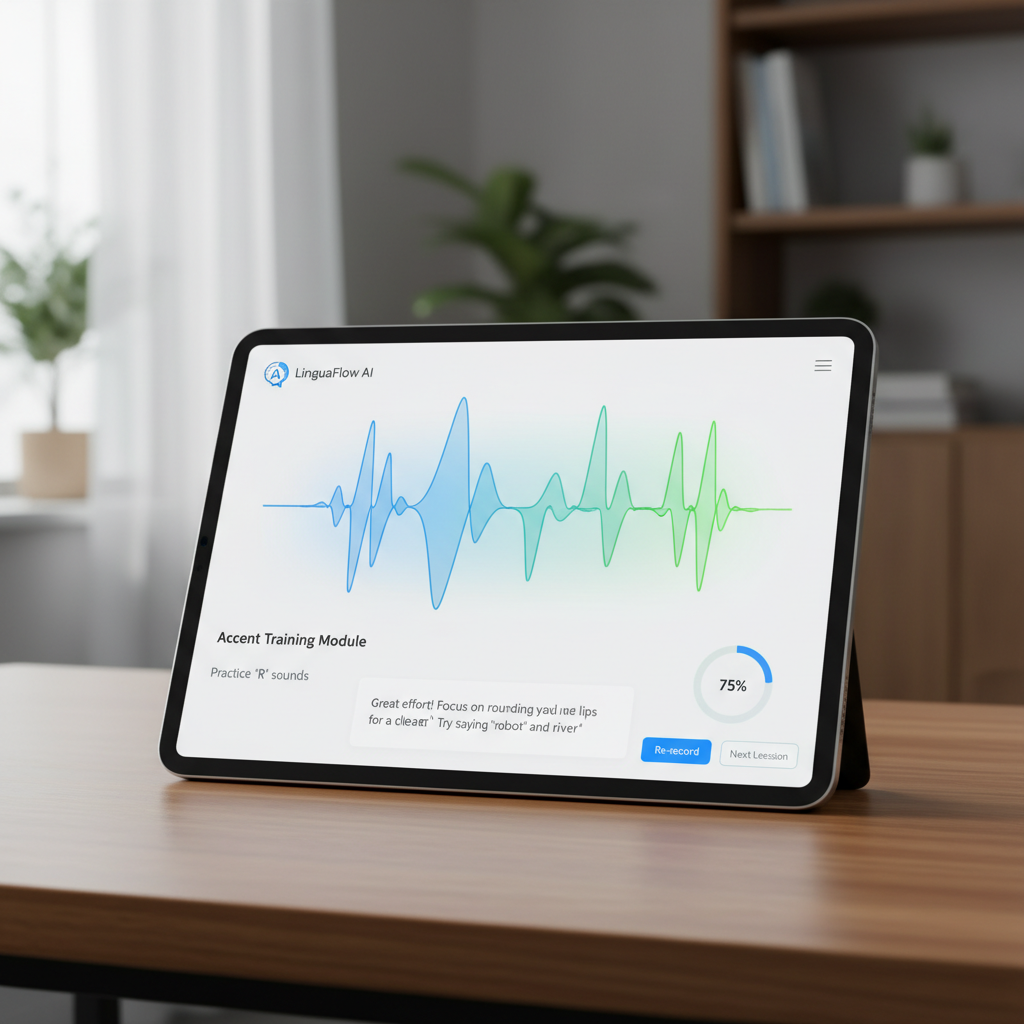
Beyond traditional language apps, advanced AI tools offer real-time pronunciation analysis and conversational practice. Apps like ELSA Speak use AI to listen to your speech, identify specific pronunciation errors, and provide targeted feedback on how to correct them, even showing tongue and mouth positions. AI chatbots can also provide practice partners for conversational fluency, adapting scenarios and vocabulary to your progress and interests, creating an immersive and highly personalized language acquisition experience.
6. AI-Driven Assessment and Feedback Tools
AI can revolutionize how we assess learning. Beyond automated grading of multiple-choice questions, AI can grade essays, identify stylistic issues, grammatical errors, and even assess the logical flow of arguments (e.g., tools like Grammarly’s advanced features, or specific academic writing aids). For complex problem-solving, AI can analyze solution steps to identify conceptual misunderstandings rather than just marking an answer right or wrong. This provides learners with far more actionable and immediate feedback than traditional methods, helping them understand “why” they made a mistake, not just “that” they made one.
7. AI for Accessibility and Inclusivity
AI plays a critical role in making education accessible to a wider audience. Text-to-speech and speech-to-text functionalities (e.g., Google’s Live Caption, Microsoft’s Immersive Reader) assist learners with visual impairments or learning disabilities. AI-powered translation tools break down language barriers. Future developments include AI that can adapt user interfaces or content presentation to individuals with specific cognitive processing differences, creating truly inclusive learning environments where every student can thrive regardless of their challenges.
How AI Identifies Your Unique Learning Style
The ability of AI to adapt truly hinges on its capacity to accurately identify and respond to your individual learning style. This is a sophisticated process involving continuous data collection and algorithmic analysis:
- Initial Assessment: Many platforms begin with a diagnostic test or a short questionnaire to establish a baseline. This might gauge your prior knowledge, your comfort level with different content types (text, video, interactive), and even your self-identified learning preferences.
- Behavioral Data Collection: This is where the real magic happens. As you interact with the platform, the AI silently collects a wealth of behavioral data:
- Time on task: How long do you spend on a particular explanation, exercise, or video?
- Engagement patterns: Do you pause videos frequently? Rewind sections? Skip parts of a text?
- Performance data: Which questions do you answer correctly? Which do you get wrong? What types of mistakes do you consistently make?
- Navigation choices: Do you prefer to click on hints, detailed explanations, or move directly to practice?
- Interaction modes: Do you prefer typing, speaking, drawing, or selecting options?
- Algorithmic Analysis and Pattern Recognition: Sophisticated machine learning algorithms process this vast stream of data. They look for correlations and patterns. For example:
- If you consistently perform better on quizzes after engaging with visual content (diagrams, infographics, videos), the AI might infer a preference for visual learning.
- If you frequently replay audio explanations or thrive in interactive verbal exercises, an auditory preference might be detected.
- Consistent struggles with text-heavy material, coupled with success in hands-on simulations, could indicate a kinesthetic or experiential learning style.
- The AI can also identify knowledge gaps (e.g., struggling with a particular mathematical concept across different problem types) or common misconceptions.
- Dynamic Adaptation: Based on these ongoing analyses, the AI system continuously adjusts the learning experience in real-time. This adaptation can manifest in several ways:
- Content Delivery: Presenting information in preferred formats (e.g., more videos for visual learners, more audio for auditory learners, interactive simulations for kinesthetic learners).
- Pacing: Speeding up or slowing down the delivery of new material.
- Difficulty Adjustment: Providing easier scaffolded problems when struggling, or more challenging problems when a concept is mastered.
- Feedback Type: Offering more detailed explanations for analytical learners, or practical examples for applied learners.
- Resource Recommendations: Suggesting supplementary materials that align with identified learning preferences and areas of weakness.
This iterative process ensures that the AI’s understanding of your learning style is not static but evolves with your progress and changing needs, creating a truly dynamic and personalized educational journey.
Benefits of AI-Adapted Learning: Unlocking Your Full Potential
The implications of AI adapting to unique learning styles are far-reaching, promising significant advantages for learners of all ages and abilities:
- Increased Engagement and Motivation: When learning feels tailored, relevant, and challenging but achievable, learners are more likely to stay engaged. Frustration decreases, and the joy of discovery increases, fostering intrinsic motivation.
- Improved Retention and Understanding: By presenting information in the most effective format for an individual, and by reinforcing concepts through personalized practice and spaced repetition, AI significantly enhances long-term memory retention and deeper conceptual understanding.
- Accelerated Progress: Learners can move at their own optimal pace, spending less time on already mastered concepts and more time on areas where they need support. This efficiency leads to faster mastery of subjects and more rapid advancement.
- Reduced Frustration and Stress: The personalized scaffolding provided by AI means learners are less likely to encounter overwhelming challenges or feel “left behind.” This reduces academic stress and builds confidence.
- Time Efficiency: By cutting out irrelevant content and focusing precisely on what a learner needs, AI tools optimize study time, making every minute count. This is invaluable for busy students, professionals, and lifelong learners.
- Deeper Customization Beyond Style: AI can go beyond just learning styles to adapt to cognitive load, emotional state (if inferred), and even cultural background, making learning truly holistic and responsive.
- Identification of Hidden Gaps: AI’s analytical capabilities can pinpoint subtle knowledge gaps or misconceptions that might go unnoticed in traditional settings, allowing for targeted intervention before they become larger problems.
- Accessibility and Inclusivity: As mentioned, AI tools can adapt to various learning needs and disabilities, making education more accessible to a broader population, providing equal opportunities for learning.
The ultimate benefit is that AI empowers learners to take ownership of their education, providing them with the tools and insights to navigate their learning journey in the most effective way possible, leading to smarter study habits and faster, more profound progress.
Challenges and Ethical Considerations in AI Education
While the promise of AI in education is immense, it’s crucial to approach its implementation with a critical eye, acknowledging potential challenges and ethical concerns. Addressing these proactively will ensure AI serves as a beneficial tool rather than creating new problems:
- Data Privacy and Security: AI learning tools collect vast amounts of personal data, including performance metrics, interaction patterns, and potentially even biometric data. Ensuring this sensitive information is securely stored, used responsibly, and protected from breaches is paramount. Clear policies and robust encryption are non-negotiable.
- Algorithmic Bias: AI algorithms are only as unbiased as the data they are trained on. If training data disproportionately represents certain demographics or learning styles, the AI might inadvertently perpetuate biases, leading to suboptimal or unfair experiences for underrepresented groups. Continuous auditing and diverse data sets are essential.
- The “Human Touch” in Education: While AI excels at personalized content delivery and feedback, it cannot replicate the empathy, motivational guidance, social interaction, and critical thinking development fostered by human teachers and peers. AI should augment, not replace, human educators, focusing on tasks that free up teachers to concentrate on higher-order pedagogical functions.
- Digital Divide: Access to reliable internet, suitable devices, and digital literacy skills remains uneven globally. Over-reliance on AI learning tools could exacerbate the existing digital divide, creating a two-tiered educational system where those with access benefit disproportionately.
- Over-reliance on AI: Learners might become overly dependent on AI to identify their weaknesses or provide solutions, potentially diminishing their own problem-solving skills, self-regulation, and metacognitive abilities. Developing self-directed learning skills alongside AI use is vital.
- Verification and Transparency: The “black box” nature of some AI algorithms can make it difficult to understand why a particular recommendation or assessment was made. Transparency in how AI systems operate and providing mechanisms for human oversight are important for trust and accountability.
- Cost and Equity: Developing and maintaining advanced AI educational tools can be expensive. Ensuring these tools are accessible and affordable for all educational institutions and learners, not just those with significant resources, is a significant challenge for equitable adoption.
Addressing these challenges requires a collaborative effort from educators, technologists, policymakers, and learners themselves. By maintaining a human-centered approach and prioritizing ethical considerations, we can harness the power of AI to create a truly inclusive and effective future for education.
Comparison Tables
Table 1: Traditional Learning vs. AI-Personalized Learning
| Feature | Traditional Learning | AI-Personalized Learning |
|---|---|---|
| Pace | Fixed, dictated by curriculum or instructor | Adaptive, determined by individual learner’s progress |
| Content Delivery | One-size-fits-all, same material for everyone | Tailored to individual learning style (visual, auditory, kinesthetic) and preferences |
| Feedback | Delayed, often generic (e.g., test scores, broad comments) | Immediate, specific, actionable, and context-sensitive |
| Identification of Gaps | Often broad, through summative assessments | Precise, real-time identification of specific knowledge gaps and misconceptions |
| Engagement Level | Varies, can be low for those not matching the teaching style | Generally higher due to relevance and adaptive challenge level |
| Resource Utilization | Inefficient, spending time on known material | Efficient, focusing on areas needing improvement and personalized resources |
| Role of Learner | Passive recipient of information | Active participant, self-directed with AI guidance |
Table 2: Types of AI Learning Tools and Their Primary Focus
| AI Tool Type | Primary AI Technology Used | Core Functionality | Best Suited For |
|---|---|---|---|
| Adaptive Learning Platforms | Machine Learning, Recommendation Systems | Dynamically adjusting curriculum difficulty, pace, and content presentation. | Structured course learning, skill mastery in specific subjects (e.g., math, science). |
| Intelligent Tutoring Systems (ITS) | NLP, Machine Learning, Expert Systems | Simulating one-on-one human tutoring, providing deep conceptual feedback and hints. | Complex problem-solving, deep understanding of specific domains, error remediation. |
| Content Curation/Recommendation | Recommendation Systems, NLP | Suggesting relevant articles, videos, courses based on user profile and performance. | Exploratory learning, staying updated, interdisciplinary studies, personal interest development. |
| AI Language Learning Tools | NLP, Speech Recognition, Machine Learning | Pronunciation analysis, conversational practice, personalized vocabulary/grammar exercises. | Language acquisition, improving fluency and accent. |
| AI Assessment/Feedback Systems | NLP, Machine Learning (for pattern recognition) | Automated grading of essays, identifying specific errors, providing actionable feedback. | Writing improvement, identifying knowledge gaps in complex responses. |
Practical Examples: AI in Action for Diverse Learners
To truly appreciate the power of AI-adapted learning, let’s look at some real-world scenarios:
Case Study 1: The Struggling Math Student – Sarah
Sarah, a high school student, consistently struggled with algebra. Traditional classroom methods, which moved at a collective pace, often left her feeling lost and frustrated. Her teacher recommended an Intelligent Tutoring System like ALEKS. After an initial assessment, ALEKS identified that Sarah’s difficulties in algebra stemmed not from a lack of understanding of new concepts, but from foundational gaps in fractions and pre-algebra. The AI then created a personalized learning path, starting her with targeted modules on these prerequisites. When she encountered a new algebra concept, the system would present it with visual aids (her preferred learning style), provide step-by-step guidance, and offer specific hints when she made mistakes, explaining the ‘why’ behind the correct steps. Within a few months, Sarah not only caught up but began to excel in algebra, feeling empowered by the system’s ability to cater to her exact needs.
Case Study 2: The Busy Professional Upskilling – Mark
Mark, a marketing manager, needed to quickly acquire new skills in data analytics to advance his career. With a demanding job, he couldn’t attend traditional classes. He enrolled in an online course on an adaptive learning platform. The platform’s AI quickly recognized that Mark was a fast learner for theoretical concepts but preferred hands-on, practical exercises to solidify his understanding. It adjusted the course material to offer more interactive data manipulation labs and real-world case studies, while presenting core theories in concise, targeted readings. It also spaced out quizzes and practice problems based on his performance and suggested optimal times for him to revisit challenging topics, leveraging spaced repetition techniques. This adaptive approach allowed Mark to absorb complex material efficiently, applying his new skills in his job much faster than a standard online course would have permitted.
Case Study 3: The Language Enthusiast – Elena
Elena, passionate about learning Japanese, found traditional textbooks dry and often felt self-conscious about her pronunciation. She started using an AI-powered language learning app that integrated speech recognition. The app first assessed her baseline pronunciation and identified specific sounds she struggled with. It then generated personalized exercises focusing on those sounds, providing instant visual feedback on her waveforms compared to a native speaker. Beyond individual sounds, an AI chatbot in the app allowed her to practice conversational Japanese in various scenarios, adapting the vocabulary and complexity based on her responses and current progress. This highly personalized and immediate feedback loop dramatically boosted Elena’s confidence and accelerated her fluency, allowing her to speak with greater accuracy and less hesitation.
Case Study 4: The Visual Learner in Science – Ben
Ben, a middle school student, struggled with reading dense science textbooks but excelled when concepts were explained visually. His science teacher introduced a new AI-driven adaptive science platform. The AI quickly detected Ben’s visual learning preference. For new topics like cellular biology, instead of long paragraphs, the platform primarily presented animated 3D models of cells, interactive diagrams, and short explanatory videos. When it came to quizzes, the questions were often paired with illustrative scenarios or required him to manipulate visual elements. If Ben struggled, the AI wouldn’t just repeat the text; it would offer a different animation, a simplified diagram, or an analogy with strong visual components. This approach transformed science from a daunting subject into an engaging exploration for Ben, significantly improving his comprehension and test scores.
Frequently Asked Questions
Q: What exactly is “adaptive learning” and how is it different from traditional online courses?
A: Adaptive learning is a highly personalized educational approach where the learning experience dynamically adjusts to meet each individual’s unique needs, strengths, and weaknesses in real-time. Traditional online courses often follow a linear path, presenting the same content and assessments to all students. Adaptive learning, powered by AI, goes much further. It continuously assesses your understanding, adapts the pace, varies the content format (e.g., text, video, interactive), provides tailored exercises, and offers targeted feedback, ensuring you spend time on what you need most and bypass what you’ve already mastered. This creates a highly efficient and effective learning journey.
Q: How does AI actually know my learning style? Is it just guessing?
A: AI doesn’t “guess” your learning style; it infers it through sophisticated data analysis. When you interact with an AI learning tool, it collects a vast amount of behavioral data: what content types you engage with most (videos, text, interactive simulations), how long you spend on specific tasks, the types of mistakes you make, your navigation patterns, and your performance on various assessments. Machine learning algorithms process this data to identify patterns and correlations, like consistently performing better after watching a video or struggling with purely textual explanations. Based on these observed patterns, the AI builds a dynamic profile of your preferences and adapts the content delivery accordingly. It’s a continuous, data-driven inference, not a static categorization.
Q: Are AI learning tools designed to replace human teachers?
A: No, AI learning tools are designed to augment and empower human teachers, not replace them. AI excels at tasks like personalized content delivery, real-time feedback, and identifying knowledge gaps, freeing up teachers from repetitive grading and administrative tasks. This allows educators to focus on higher-order teaching functions: fostering critical thinking, facilitating collaborative projects, providing emotional support, addressing complex misconceptions, and nurturing creativity. The ideal scenario is a hybrid model where AI handles individualized instruction and basic remediation, while human teachers provide the invaluable social, emotional, and complex pedagogical guidance that AI cannot replicate.
Q: Are these AI-powered learning tools expensive or only accessible to large institutions?
A: The accessibility and cost of AI-powered learning tools vary widely. Some advanced platforms designed for large educational institutions can be significant investments. However, many consumer-friendly AI learning apps and platforms are available at reasonable subscription costs, or even have free tiers with limited features (e.g., Duolingo, Khan Academy’s AI initiatives, certain adaptive math apps). There’s a growing trend towards making these tools more affordable and accessible, recognizing the widespread demand for personalized learning. Many universities and schools are also integrating these tools into their existing curriculum, often covering the cost for students.
Q: What about data privacy? How safe is my personal learning data with these AI tools?
A: Data privacy is a significant and valid concern. Reputable AI learning tool providers are typically transparent about their data collection practices and adhere to strict privacy regulations (like GDPR in Europe or COPPA in the US for children’s data). They employ robust encryption, anonymization techniques, and secure servers to protect user data. It’s crucial for users to review the privacy policies of any platform they use. Look for companies that clearly state how your data is collected, stored, used, and whether it’s shared with third parties. Prioritizing platforms with strong privacy commitments is essential to ensure your learning data is handled responsibly.
Q: Can AI genuinely help with all types of subjects, including creative arts or humanities?
A: AI’s capabilities are strongest in subjects with structured data, clear problem sets, and definable mastery pathways, such as STEM fields or language learning. However, AI is rapidly advancing in its ability to support humanities and creative arts. For example, NLP can provide feedback on writing style, grammar, and logical structure in essays. AI can analyze musical compositions or art pieces for patterns and suggest stylistic improvements. While AI might not replace the subjective, nuanced feedback of a human mentor in creative fields, it can certainly act as a powerful assistant for foundational skill development, concept exploration, and even providing creative prompts. The “how” it helps varies, but its utility extends far beyond just math and science.
Q: How accurate are AI assessments, and can they truly gauge complex understanding?
A: The accuracy of AI assessments has improved dramatically, especially with advancements in machine learning and natural language processing. For structured questions (multiple choice, fill-in-the-blank, coding problems), AI can be highly accurate. For more complex assessments like essays or open-ended problem-solving, AI can now analyze grammar, syntax, coherence, logical flow, and even attempt to gauge conceptual understanding by identifying key terms and arguments. While human expert review may still be necessary for the most nuanced evaluation, AI can provide excellent initial grading, identify common misconceptions, and offer formative feedback that significantly aids learning. Its strength lies in consistency and the ability to process vast amounts of data quickly to identify patterns that might be missed by human graders.
Q: What are the main limitations of relying heavily on AI for learning?
A: While beneficial, heavy reliance on AI for learning has limitations. Firstly, AI currently lacks true empathy, emotional intelligence, and the ability to foster strong interpersonal relationships crucial for holistic development. Secondly, AI can struggle with unstructured, ambiguous, or highly creative tasks that require out-of-the-box thinking. There’s a risk of algorithmic bias if the training data is not diverse, potentially perpetuating inequities. Over-reliance might also stifle a learner’s ability to self-regulate, develop independent problem-solving strategies, or adapt to less structured learning environments. Finally, the “black box” nature of some AI means it can be hard to understand why certain decisions or recommendations are made, potentially hindering trust and critical engagement.
Q: How can I, as a learner, get started with using AI tools for my own personalized learning?
A: Getting started is easier than ever!
- Identify Your Need: What subject or skill do you want to improve? Are you looking for help with math, language, coding, or general study skills?
- Research Specific Tools: Look for well-regarded apps or platforms in that area (e.g., Duolingo for languages, Khan Academy for various subjects, specific adaptive math programs like ALEKS or Knewton, Grammarly for writing).
- Start with Free Trials or Free Tiers: Many platforms offer free versions or trials. This allows you to test them out and see if their adaptive approach resonates with your learning style.
- Be Proactive with Feedback: Engage actively with the tool. Pay attention to the feedback it gives and try to understand why it’s adapting content.
- Combine with Human Interaction: Don’t abandon human teachers or study groups. Use AI tools to solidify your understanding and identify specific questions you can then bring to your instructors or peers for deeper discussion.
The key is to experiment and find the tools that best complement your unique learning journey.
Q: Is there a risk of becoming too dependent on AI and losing my own learning autonomy?
A: This is a legitimate concern. While AI tools offer incredible support, it’s important to use them as a guide and an accelerator, not as a crutch. To maintain learning autonomy, actively engage with the AI’s feedback, try to understand the underlying concepts it’s reinforcing, and challenge yourself to solve problems independently before resorting to hints. Periodically step away from the AI and test your knowledge through traditional methods or by explaining concepts to others. Cultivate metacognitive skills – thinking about how you learn – and use the AI’s insights to refine your personal study strategies, rather than simply following its directives passively. The goal is to become a smarter, more efficient learner with AI, not to delegate your entire learning process to it.
Key Takeaways: Mastering Your Learning with AI
- AI is revolutionizing education by enabling truly personalized learning experiences that adapt to individual needs and styles.
- Adaptive learning platforms, intelligent tutoring systems, and AI-powered content curation are leading the charge.
- AI identifies learning styles and knowledge gaps through continuous data collection and sophisticated algorithmic analysis of user interactions and performance.
- Benefits include increased engagement, improved retention, accelerated progress, reduced frustration, and greater time efficiency in learning.
- Key AI technologies like Machine Learning, Natural Language Processing, and Recommendation Systems underpin these adaptive capabilities.
- Ethical considerations such as data privacy, algorithmic bias, and maintaining the “human touch” are crucial for responsible AI implementation in education.
- Practical examples demonstrate how AI helps diverse learners overcome challenges and achieve their educational goals across various subjects.
- AI tools empower learners to take a more active and effective role in their own educational journey, leading to smarter study habits and profound progress.
Conclusion: The Future is Personalized, Intelligent, and Within Your Reach
The journey of learning is deeply personal, a unique expedition for every individual. For too long, educational systems have struggled to accommodate this fundamental truth, often forcing diverse learners into a singular, undifferentiated mold. However, the advent of Artificial Intelligence has irrevocably changed this landscape, offering a beacon of hope for smarter study and faster progress, tailored precisely to your unique learning style.
We’ve explored how AI transcends traditional educational barriers, transforming a passive intake of information into an active, responsive, and deeply engaging dialogue between you and your learning material. From adaptive platforms that dynamically adjust difficulty to intelligent tutors that provide surgical precision in feedback, and from AI-powered language coaches to smart content curators, the tools are now available to unlock potential previously constrained by conventional methods. The beauty of these AI systems lies not just in their ability to deliver information, but in their capacity to understand how you learn, to adapt, to anticipate, and to guide you along the most efficient and effective path to mastery.
While we must remain vigilant regarding ethical considerations like data privacy and the essential role of human educators, the trajectory of AI in learning points towards an exciting future. A future where education is inherently inclusive, endlessly patient, and profoundly personalized. This is an era where your individual strengths are amplified, your weaknesses are meticulously addressed, and your curiosity is continuously fueled by content that speaks directly to you.
Embrace these intelligent companions on your learning journey. Experiment with the tools, understand how they work, and allow them to empower you. The future of learning is not about robots replacing teachers; it is about AI augmenting human potential, making sophisticated, adaptive education accessible to everyone. By harnessing these hidden gems, you are not just studying smarter or progressing faster; you are actively shaping a more effective, enjoyable, and truly personalized educational experience for yourself, unlocking a world where knowledge is truly within reach for all.











































































Leave a Reply