


In a world that constantly demands more of our time and attention, the dream of a perfectly clean and organized home often feels like an unattainable luxury. The relentless cycle of vacuuming, mopping, dusting, and tidying can be exhausting, consuming precious hours that could be spent on family, hobbies, or simply relaxing. What if there was a way to delegate these mundane yet essential tasks to an intelligent, tireless assistant? Welcome to the dawn of a new era, where artificial intelligence (AI) is transforming our homes into self-managing sanctuaries of cleanliness and order.
This comprehensive exploration delves into the fascinating world of AI-powered cleaning and organization systems. We will journey from the foundational technologies that enable these marvels to the specific devices making a tangible difference in homes today. Beyond just sweeping floors, we will uncover how AI is revolutionizing home organization, offering predictive maintenance, and creating truly smart, interconnected living spaces. Prepare to discover how intelligent AI systems are not just simplifying home chores but are fundamentally redefining what it means to have a spotless and organized home.
The Evolution of Home Cleaning: From Manual Labor to Smart Automation
For centuries, home cleaning was an arduous, manual endeavor, relying on brooms, mops, and sheer elbow grease. The 20th century brought the advent of mechanical aids: the electric vacuum cleaner, washing machines, and dishwashers began to automate some of the heaviest lifting. These innovations dramatically reduced physical strain and time investment, but the need for human initiation and supervision remained absolute. You still had to push the vacuum, load the dishwasher, and sort the laundry.
The late 20th and early 21st centuries introduced the first wave of robotic cleaning devices. The pioneering robot vacuums, while novel, were often simplistic. They navigated randomly, bumped into furniture, and sometimes missed entire sections of a room. While they offered a taste of automation, they lacked true intelligence. They were reactive rather than proactive, performing tasks only when commanded and with limited understanding of their environment.
Today, we stand at the precipice of a profound transformation, moving beyond mere automation to genuine intelligence. Modern AI systems are no longer just performing tasks; they are learning, adapting, predicting, and integrating seamlessly into our lives. They see, they hear, they map, and they remember. This leap from simple robotics to intelligent AI systems is not just about making chores easier; it is about creating an entirely new paradigm of home management, where your home actively participates in its own upkeep, anticipating needs and maintaining an optimal state of cleanliness and organization with minimal human intervention. This evolution represents a shift from tools that assist us in cleaning to systems that manage cleaning for us, marking a monumental step forward in domestic technology.
Defining Intelligence in Home Cleaning AI Systems
When we talk about “intelligent AI systems” for home cleaning, what exactly does “intelligence” entail in this context? It goes far beyond simply moving around and picking up dirt. True intelligence in these systems is multifaceted, drawing upon several advanced computational capabilities that allow them to mimic, and in some cases surpass, human efficiency and foresight in maintaining a home. Understanding these core components is crucial to appreciating the power and potential of current and future AI cleaning solutions.
Perception and Environmental Awareness
A cornerstone of AI intelligence is the ability to perceive its surroundings. Modern AI cleaning robots are equipped with an array of sophisticated sensors that act as their eyes, ears, and touch. These include:
- Lidar (Light Detection and Ranging): Utilizes laser pulses to measure distances and create highly accurate 3D maps of a room, including furniture, walls, and obstacles. This is critical for precise navigation and mapping.
- Infrared (IR) Sensors: Detect cliffs (stairs) and close-range obstacles, preventing falls and collisions.
- Ultrasonic Sensors: Emit sound waves to detect objects and determine their distance, providing an additional layer of obstacle avoidance.
- Optical Cameras: Capture visual information, allowing for object recognition, identification of specific types of debris (e.g., pet waste, socks), and even security monitoring in some advanced models.
- Bumper Sensors: Provide tactile feedback upon contact, helping the robot confirm obstacles and adjust its path.
This sensor fusion allows AI systems to build a comprehensive understanding of their environment, far beyond what early, bump-and-go robots could achieve.
Mapping and Navigation (SLAM)
Simultaneous Localization and Mapping (SLAM) is perhaps the most revolutionary AI feature in modern cleaning robots. SLAM algorithms enable a robot to construct a map of an unknown environment while simultaneously keeping track of its own location within that map. This means the robot can:
- Create persistent, detailed floor plans of your home.
- Identify individual rooms and allow for zone cleaning.
- Plan the most efficient cleaning paths, ensuring thorough coverage without repetition.
- Remember cleaned areas and areas yet to be cleaned.
- Navigate around temporary obstacles and return to its charging dock with precision.
The ability to accurately map and navigate transforms a random cleaning device into a strategic, efficient cleaner.
Learning and Adaptation (Machine Learning)
AI systems leverage machine learning (ML) to improve their performance over time. This learning manifests in several ways:
- Path Optimization: Over multiple cleaning cycles, the robot learns the most effective routes for your home, avoiding common hang-up spots and refining its strategy.
- Object Recognition Improvement: Through continuous data collection and software updates, AI models become better at distinguishing between different types of obstacles (e.g., a power cord versus a pet toy) and reacting appropriately.
- User Preference Learning: Some advanced systems can learn your cleaning habits, preferred times, and even suggest cleaning schedules based on your lifestyle patterns.
- Predictive Maintenance: AI can analyze operational data from the robot itself to predict when maintenance (e.g., brush replacement, filter cleaning) might be needed, alerting you proactively.
Decision Making and Autonomy
Based on their perception, mapping, and learned data, AI systems make autonomous decisions. This can include:
- Determining Cleaning Modes: Automatically switching from hard floor mode to carpet boost, or intensifying cleaning in high-traffic areas.
- Avoiding Hazards: Identifying and navigating around hazardous spills, pet waste, or delicate objects rather than simply bumping into them.
- Self-Emptying/Refilling: Deciding when to return to a base station to empty its dustbin or refill its water tank, then resuming cleaning where it left off.
- Integration with Smart Home Ecosystems: Responding to voice commands, initiating cleaning routines based on geofencing (leaving home), or coordinating with other smart devices.
In essence, “intelligence” in these systems means they are not just executing pre-programmed commands; they are understanding their environment, learning from experience, making informed decisions, and acting autonomously to maintain cleanliness, thereby significantly reducing the mental and physical burden on human occupants. This level of sophistication is what truly defines the future of clean.
Key AI Technologies Powering Smart Homes for Cleaning and Organization
The intelligence we observe in modern AI cleaning and organization systems is not magic; it is the result of sophisticated interplay between several cutting-edge AI technologies. These foundational pillars enable devices to perceive, understand, learn, and act, transforming our homes into dynamic, responsive environments.
Machine Learning (ML) and Deep Learning (DL)
Machine learning is the core engine behind AI’s ability to learn from data without being explicitly programmed. In home cleaning:
- Pattern Recognition: ML algorithms analyze vast amounts of sensor data to recognize recurring patterns, such as the layout of a room, common obstacles, or areas that accumulate more dirt. This helps robots optimize their cleaning paths and strategies over time.
- Predictive Maintenance: By analyzing the robot’s operational data (motor strain, battery cycles, sensor readings), ML models can predict when a component might fail or require maintenance, prompting the user for intervention before a breakdown occurs.
- Adaptive Cleaning: ML allows robots to adapt their cleaning intensity and methods based on floor type or dirt levels detected, ensuring efficient and thorough cleaning.
Deep learning, a subset of ML using neural networks, is particularly powerful for processing complex data like images and sounds, enabling advanced computer vision and natural language processing capabilities.
Computer Vision (CV)
Computer vision grants AI devices the ability to “see” and interpret visual information from cameras. This is crucial for:
- Object Recognition and Avoidance: Advanced robot vacuums can distinguish between a stray sock, a pet’s toy, a charging cable, and even pet waste, allowing them to navigate around specific items rather than just bumping into them or getting tangled. This prevents messy incidents and protects belongings.
- Spatial Awareness: CV works alongside Lidar and other sensors to create an even richer understanding of the environment, identifying room boundaries, furniture types, and potential problem areas.
- Dirt Detection: Some robots use cameras to identify areas with concentrated dirt or debris, prompting a more focused cleaning effort in those spots.
- Security Monitoring: Certain robot vacuum models double as mobile security cameras, offering remote viewing of your home while cleaning.
Natural Language Processing (NLP)
NLP is the technology that allows computers to understand, interpret, and generate human language. In smart homes, NLP is primarily used for:
- Voice Control: Integration with popular voice assistants like Amazon Alexa, Google Assistant, and Apple Siri enables users to initiate cleaning tasks, set schedules, or inquire about cleaning status using simple voice commands (e.g., “Alexa, tell the vacuum to clean the kitchen”).
- User Interface and Feedback: While less common for direct interaction with the cleaning robot itself, NLP facilitates more intuitive app interfaces and allows robots to provide audible status updates or alerts in natural language.
Robotics and Autonomous Navigation
This category encompasses the hardware and software that enable physical movement and self-direction. While not exclusively AI, AI greatly enhances their capabilities:
- Simultaneous Localization and Mapping (SLAM): As discussed, SLAM is an AI-driven technique that allows robots to build a map of an unknown environment while simultaneously tracking their own position within it. This is fundamental for efficient, systematic cleaning paths.
- Obstacle Avoidance Algorithms: Beyond simply detecting obstacles, AI-powered algorithms help robots intelligently navigate complex layouts, predicting movement paths and making real-time adjustments.
- Path Planning: AI determines the most optimal and energy-efficient route for a robot to cover an entire area, avoiding redundant passes and ensuring comprehensive cleaning.
Sensor Fusion
No single sensor provides a complete picture of an environment. Sensor fusion is the process of combining data from multiple disparate sensors (Lidar, IR, cameras, bumper, cliff sensors) to produce a more accurate and comprehensive understanding of the robot’s surroundings. AI algorithms then process this fused data to make more informed decisions, enhancing navigation, object avoidance, and overall operational safety and efficiency.
By harnessing these powerful AI technologies, intelligent cleaning and organization systems transcend simple automation. They become perceptive, learning, and adaptive entities, capable of understanding the nuances of a home environment and contributing actively to its upkeep, thereby truly earning the moniker of “smart” home devices.
AI-Powered Cleaning Devices: A Deep Dive into Spotless Automation
The theoretical underpinnings of AI find their most tangible expression in a growing array of smart cleaning devices. These gadgets are not just tools; they are sophisticated robots designed to tackle some of the most persistent household chores with unprecedented efficiency and autonomy.
Robot Vacuums: The Flagship of Smart Cleaning
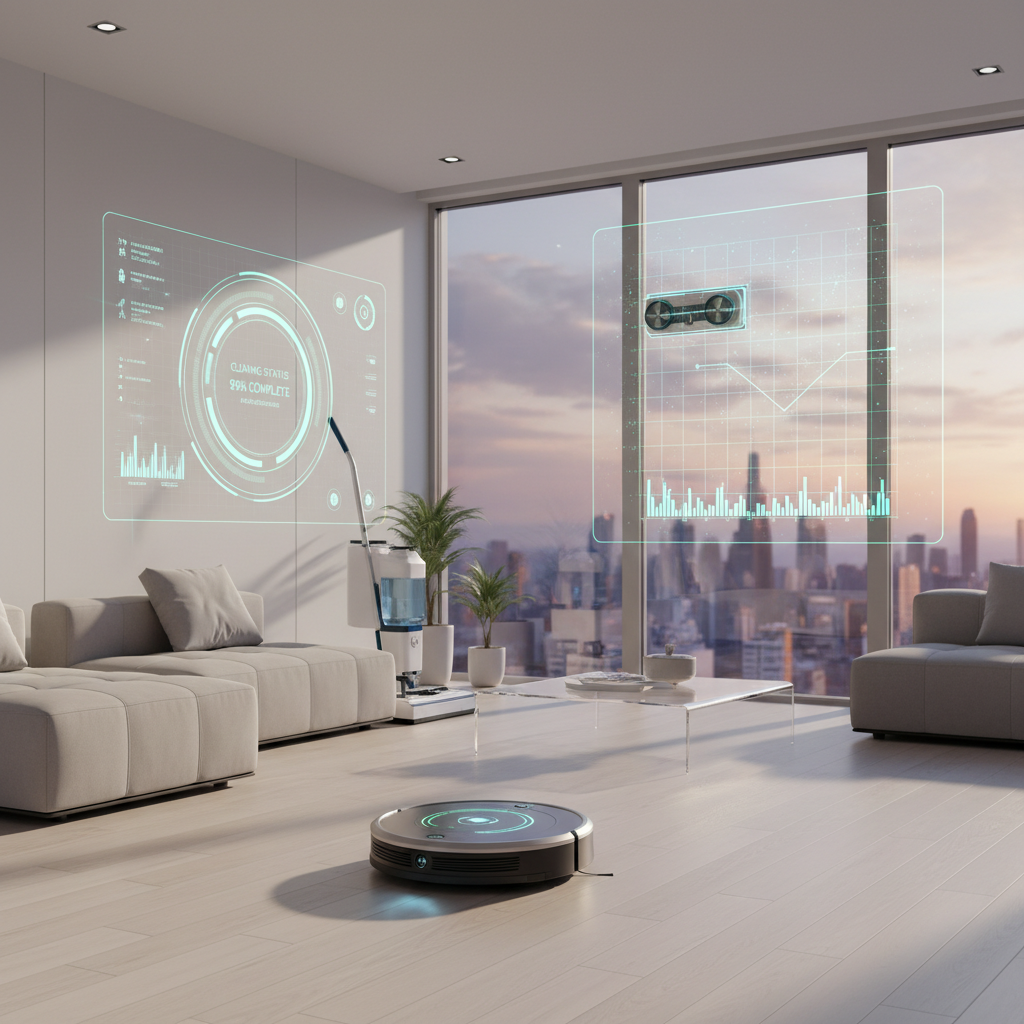
The robot vacuum is arguably the most recognizable AI cleaning device. Modern iterations are a far cry from their early predecessors:
- Advanced Mapping and Navigation: Utilizing Lidar and VSLAM (Visual SLAM), robots like the iRobot Roomba j7+ or Roborock S7 MaxV Ultra create precise, multi-floor maps of your home. This allows for room-specific cleaning, virtual no-go zones, and targeted spot cleaning.
- AI Object Avoidance: High-end models integrate front-facing cameras with computer vision to identify and actively avoid common household hazards such as pet waste, charging cables, shoes, and socks. This feature significantly reduces the chances of messy incidents or the robot getting stuck.
- Self-Emptying Bins: Many robots now come with docking stations that automatically empty the robot’s dustbin into a larger sealed bag, sometimes holding weeks or even months of debris, drastically reducing manual interaction.
- Adaptive Cleaning Power: AI sensors detect carpeted areas and automatically boost suction power. They can also differentiate between light dust and heavier debris, adjusting their cleaning intensity accordingly.
- Voice Assistant Integration: Seamlessly connect with Alexa or Google Assistant to start, stop, or schedule cleaning with simple voice commands.
Real-life example: A busy professional can schedule their Roborock S7 MaxV Ultra to clean the living room every weekday morning after they leave for work. If their cat has an accident, the robot’s AI camera will identify and navigate around it, sending an alert to the owner, preventing a widespread mess.
Robot Mops: Precision Wet Cleaning
While some robot vacuums offer a mopping function, dedicated robot mops provide a superior wet cleaning experience:
- Targeted Mopping: Devices like the iRobot Braava jet m6 use precision jet sprays and specialized pads to tackle sticky messes and grime on hard floors.
- Smart Mapping: Like vacuums, advanced robot mops map your home, allowing for zone mopping and exclusion of carpeted areas.
- Dry and Wet Modes: Many offer interchangeable pads for dry sweeping or wet mopping, with the robot intelligently identifying the pad type and adjusting its cleaning method.
- Self-Refilling/Self-Drying: High-end mop stations (e.g., Ecovacs Deebot X1 Omni) can automatically refill the mop’s water tank, clean the mop pads, and even dry them with hot air to prevent mildew.
Real-life example: A family with young children can set their Braava jet m6 to mop the kitchen and dining area after dinner, tackling spills and food debris without them lifting a finger, maintaining hygiene daily.
Window Cleaning Robots: A Clear View with AI
Tackling vertical surfaces, window cleaning robots are becoming more sophisticated:
- Path Planning: These robots (e.g., Hobot, Ecovacs Winbot series) use AI to calculate the most efficient cleaning path across a windowpane, ensuring full coverage.
- Edge Detection: Sensors detect the edges of windows, preventing the robot from falling.
- Suction Technology: Powerful suction keeps them securely adhered to glass surfaces, even when moving.
- Remote Control and App Integration: Allows users to direct the robot and monitor its progress from a distance.
Real-life example: For homes with large, hard-to-reach windows, an AI window cleaner can safely and effectively clean them, eliminating the need for ladders or expensive professional services.
Pool Cleaning Robots: Intelligent Underwater Maintenance
Keeping a pool sparkling clean is another chore being revolutionized by AI:
- Intelligent Navigation: Modern pool robots (e.g., Dolphin Nautilus CC Plus, Aiper Seagull Pro) use algorithms to map the pool’s dimensions and obstructions, then plan an efficient cleaning route for the floor, walls, and waterline.
- Debris Detection: Sensors help identify areas with higher concentrations of leaves or dirt, directing the robot to focus its efforts.
- Cordless Options: Many advanced models are now cordless, offering greater freedom of movement and easier deployment.
Real-life example: A pool owner can deploy their AI pool cleaner and let it autonomously handle the daily removal of debris, ensuring the pool is always ready for a swim without constant manual scrubbing.
Emerging and Niche Cleaning Robots
- Gutter Cleaning Robots: While still niche, prototypes are being developed to autonomously navigate and clear gutters, a notoriously dangerous and unpleasant task.
- Grill Cleaning Robots: Small, specialized robots are designed to scrub grill grates, using AI to identify dirty areas and apply appropriate pressure.
- Bathroom Cleaning Concepts: Although not yet widely commercialized, researchers are exploring robots capable of tackling toilets, showers, and sinks, leveraging advanced dexterity and object recognition.
These diverse applications of AI across various cleaning domains underscore a clear trend: the intelligent automation of every conceivable household chore, freeing up human time and ensuring a consistently spotless environment.
Beyond Dirt: AI for Home Organization and Maintenance
While cleaning robots dominate the spotlight, the reach of AI in creating a truly spotless and organized home extends far beyond mere dirt removal. AI is increasingly being leveraged to manage inventories, provide personalized organization insights, and even anticipate maintenance needs, transforming our homes into proactive, self-managing entities.
Smart Pantries and Refrigerators: The Organized Kitchen
The kitchen, often the heart of the home, can also be a source of disorganization. AI is stepping in to manage consumables:
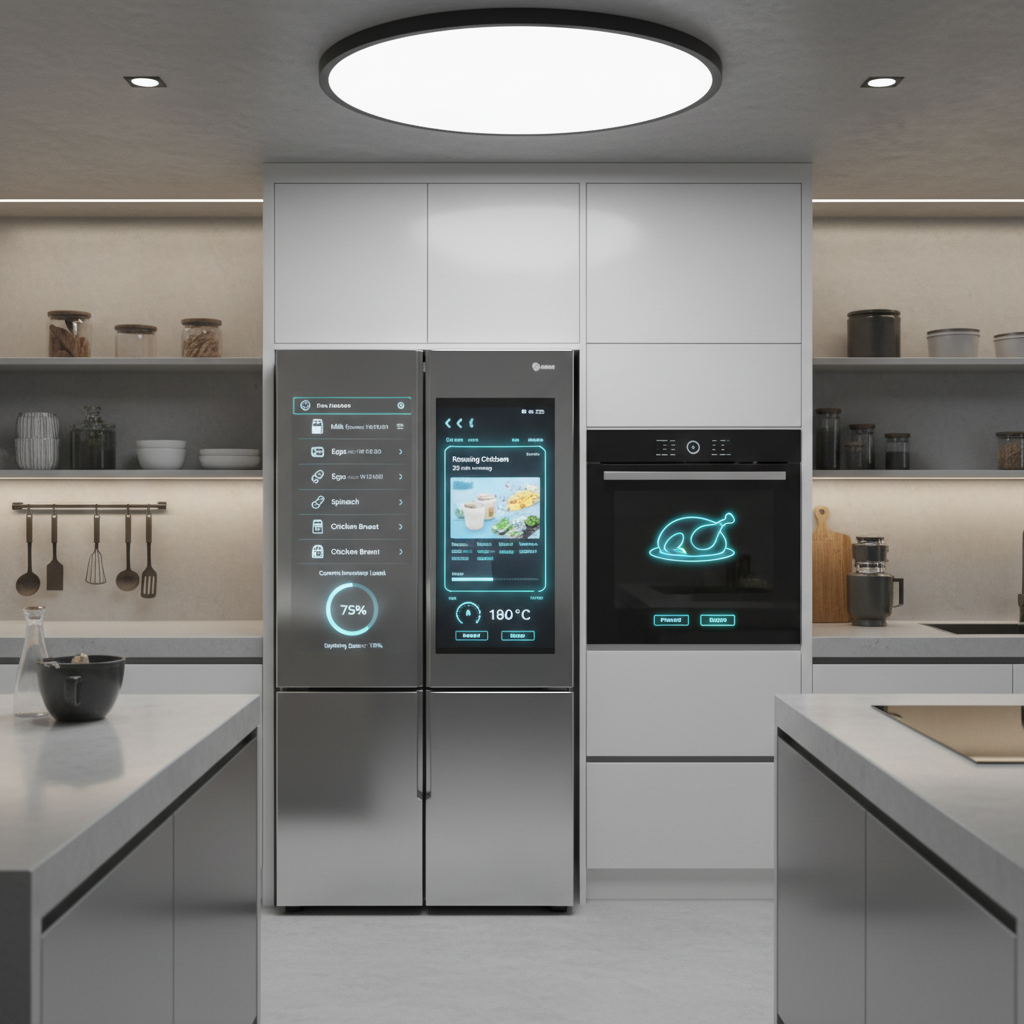
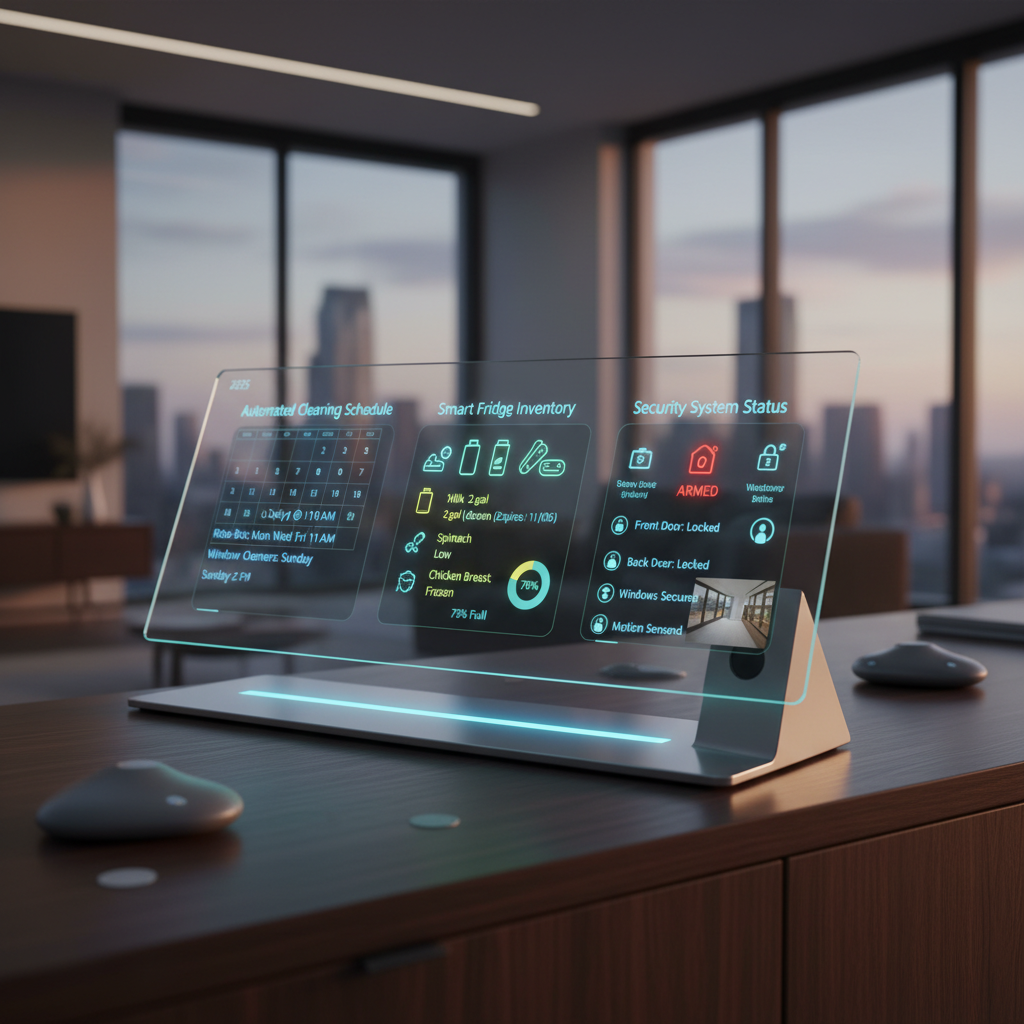
- Inventory Management: Smart refrigerators like the Samsung Family Hub use internal cameras and AI to track what items are inside, their expiration dates, and suggest what needs to be restocked.
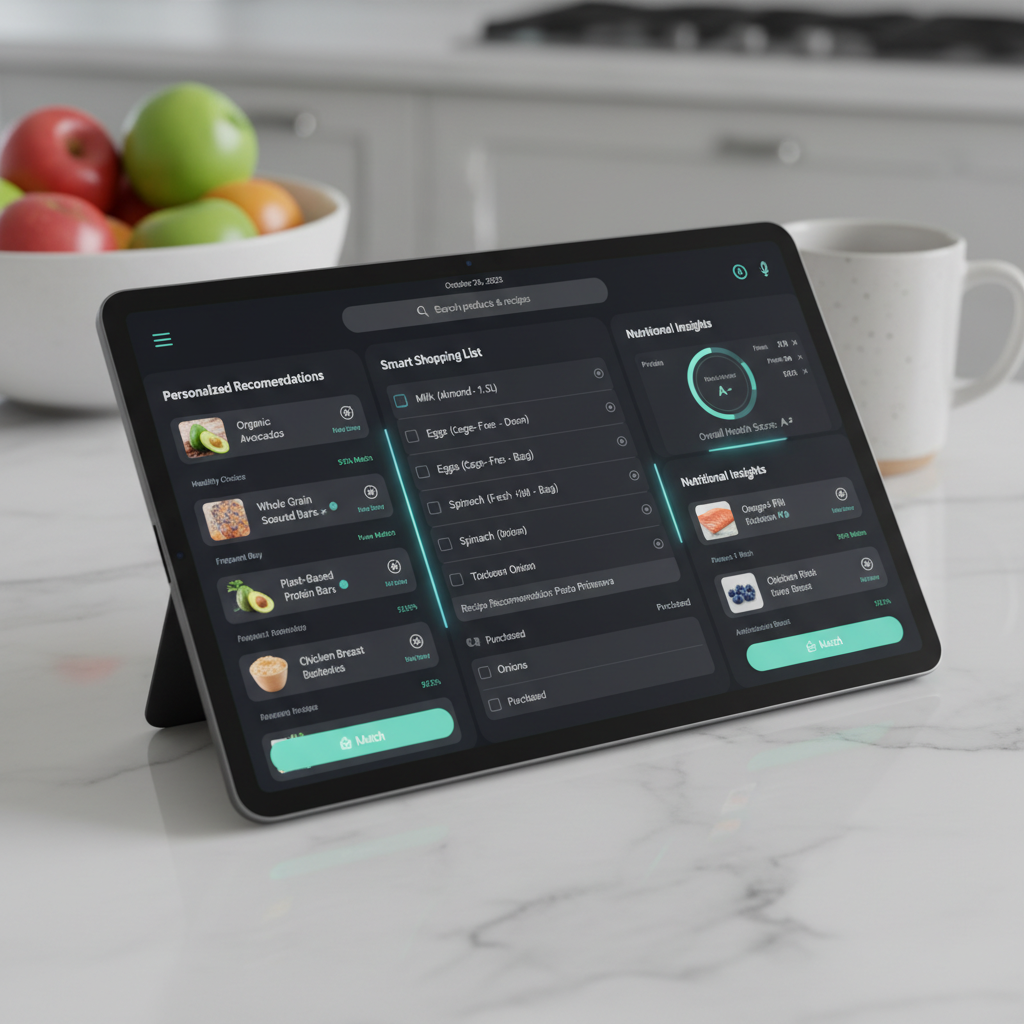
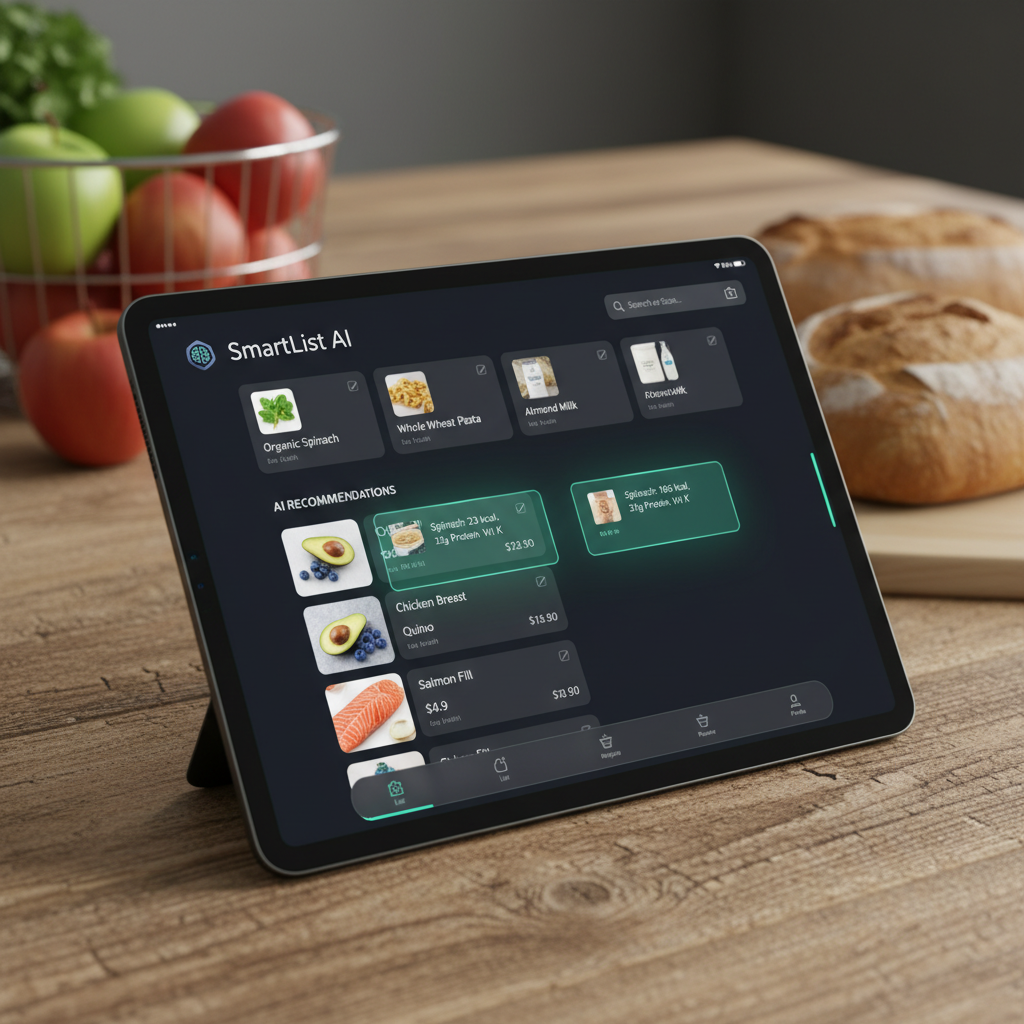
- Automated Shopping Lists: Based on inventory and consumption patterns, the fridge can automatically generate shopping lists, or even place orders directly with grocery delivery services.
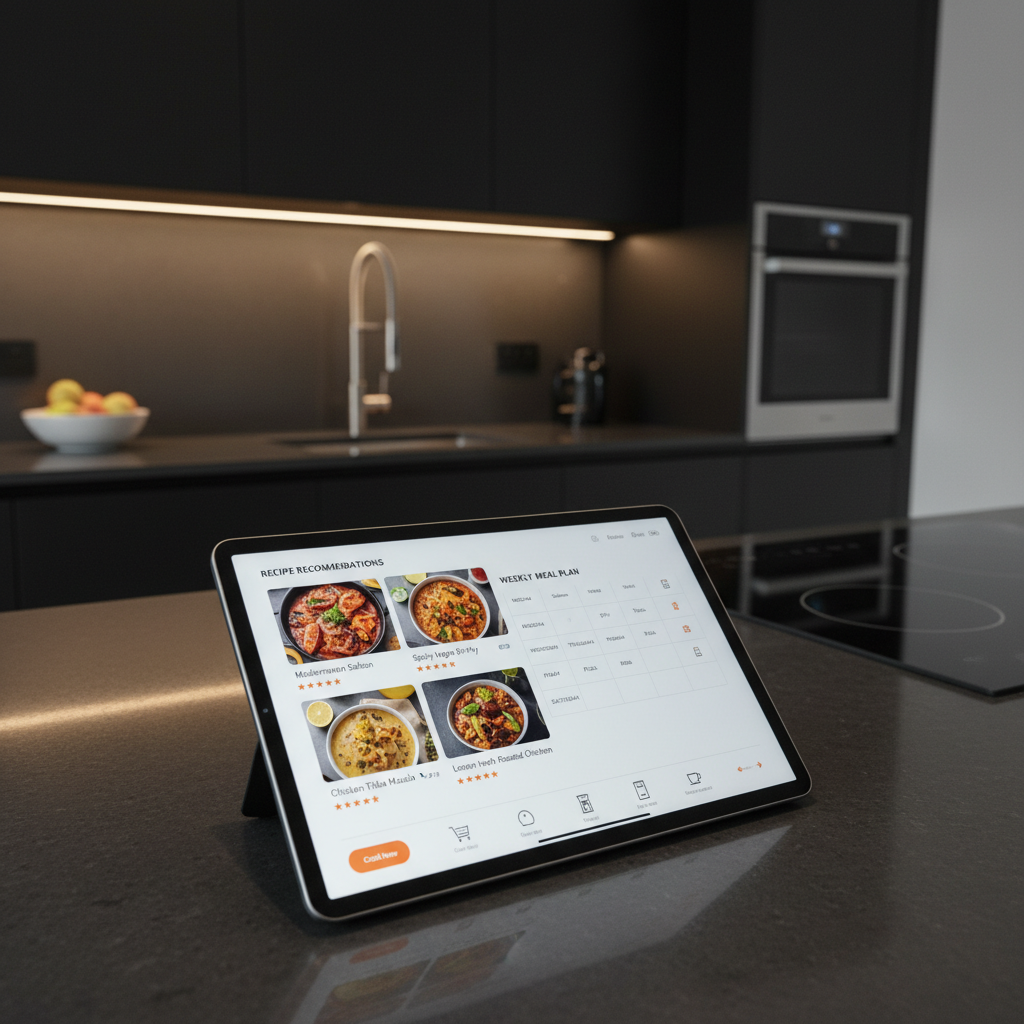
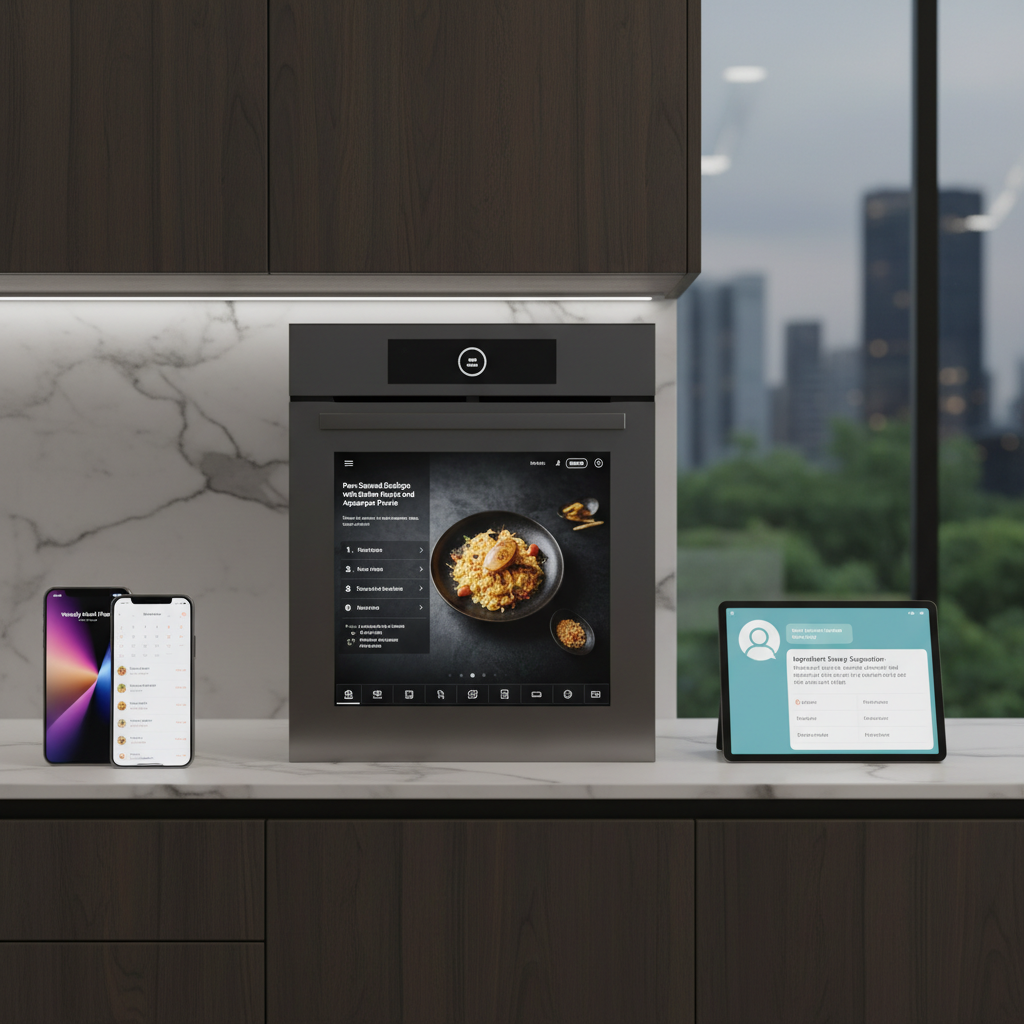
- Recipe Suggestions: AI can analyze available ingredients and suggest recipes, reducing food waste and meal planning stress.
- Pantry Optimization: Beyond the fridge, smart pantry systems or labels (often combined with an app) use image recognition or barcode scanning to keep track of dry goods, suggesting ideal storage locations and prompting for replenishment.
Practical Example: Imagine your smart fridge alerting you that you are low on milk and eggs, adding them to your grocery list, and then suggesting a quiche recipe using ingredients you already have and need to use soon. This proactive organization prevents last-minute grocery runs and food waste.
Intelligent Storage Solutions and Decluttering
Maintaining an organized home often involves knowing where everything is and actively decluttering. AI can assist here:
- Automated Retrieval Systems: While still emerging, concepts exist for smart storage units that can retrieve specific items upon request, ideal for garages or large wardrobes.
- Usage Pattern Analysis: AI can monitor how frequently certain items are accessed. If a particular item in a smart storage container hasn’t been touched in a year, the AI could gently suggest it might be time to declutter or donate, offering personalized organization advice.
- Categorization and Labeling Assistance: Future AI systems could use computer vision to help categorize items as they are put away, suggesting optimal storage locations based on frequency of use and logical groupings.
Practical Example: An AI system monitoring your wardrobe might notice a coat you haven’t worn in two years. It could then send a notification to your phone suggesting you consider donating it, linking you to local charities. This nudges you towards a more organized and clutter-free lifestyle.
Predictive Maintenance for Appliances
An organized home isn’t just about tidiness; it is also about functionality. AI plays a crucial role in preventing disruptions by anticipating appliance failures:
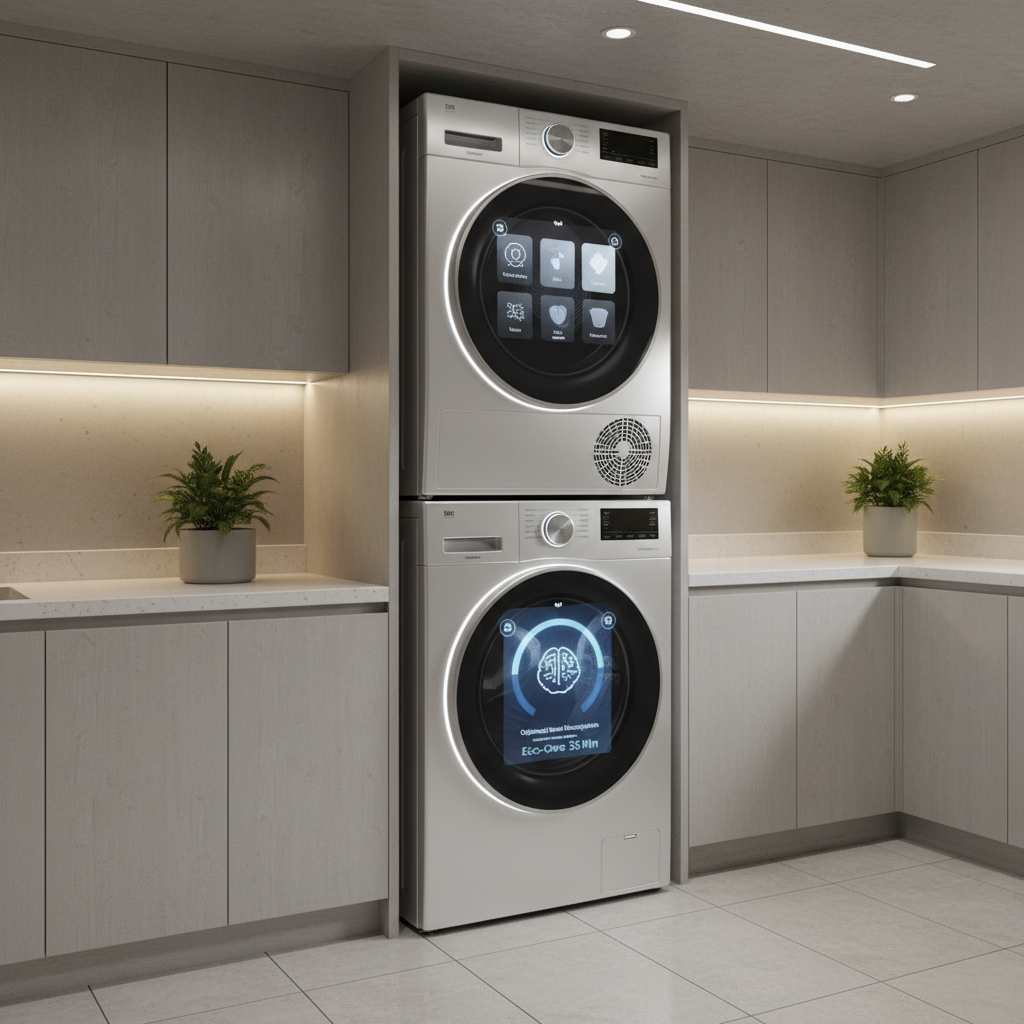
- Appliance Monitoring: Smart washing machines, dryers, dishwashers, and HVAC systems equipped with AI continuously monitor their own performance metrics (vibration, temperature, energy consumption, error codes).
- Anomaly Detection: AI algorithms detect subtle deviations from normal operating patterns that might indicate an impending issue, such as an unusual noise in the washing machine or a drop in refrigerator cooling efficiency.
- Proactive Alerts and Troubleshooting: Users receive alerts about potential problems before a complete breakdown occurs, often with suggestions for troubleshooting or automatically scheduling a service appointment. This minimizes downtime and avoids costly emergency repairs.
Practical Example: Your smart dishwasher’s AI detects a slight increase in water pressure anomalies over several weeks. It sends you an alert suggesting a filter cleaning or a service check, potentially preventing a leak or a complete failure during a crucial dinner party.
Personalized Home Environment Management
Beyond specific tasks, AI aims for holistic home management, tailoring the environment to your preferences:
- Adaptive Routines: AI learns your daily schedule, optimizing lighting, temperature, and even air purification based on occupancy and time of day.
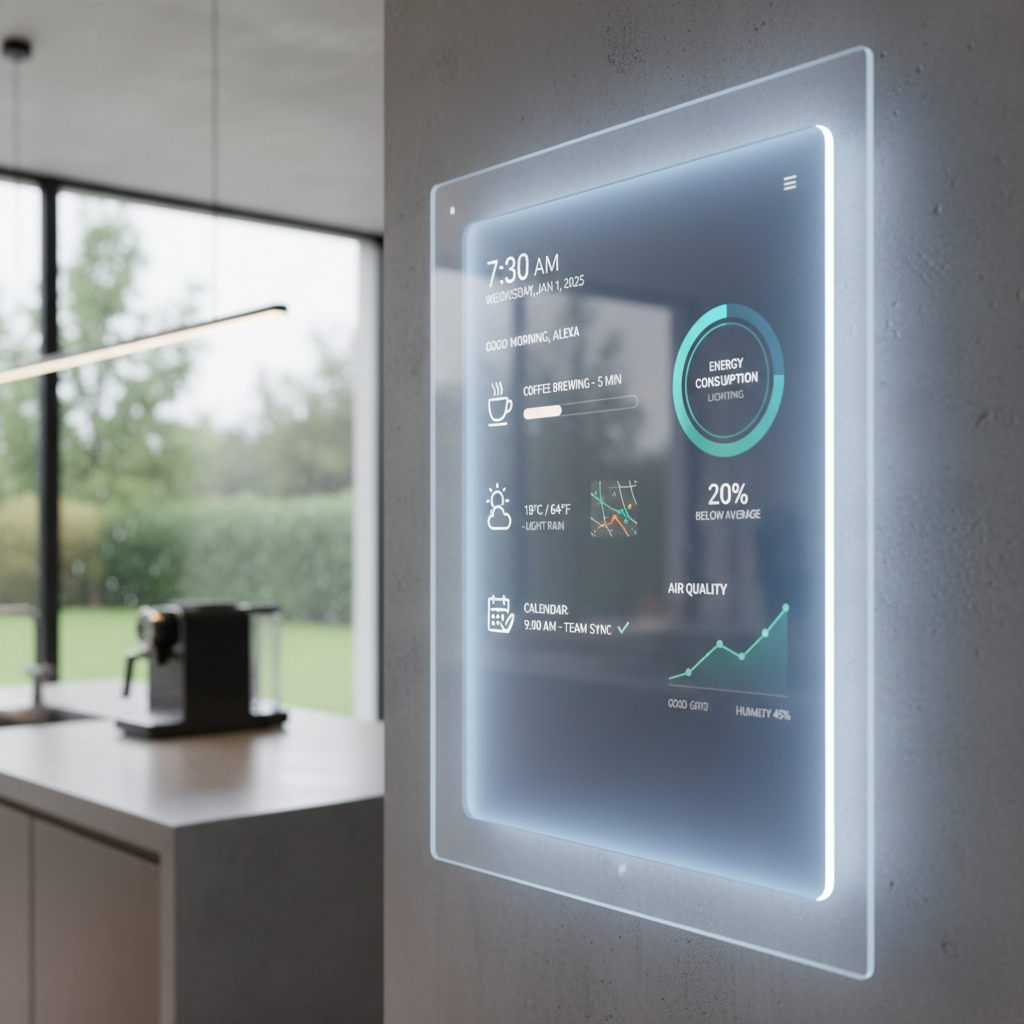
- Energy Optimization: By analyzing usage patterns and external factors, AI can fine-tune heating, cooling, and lighting to reduce energy consumption without sacrificing comfort.
- Health and Wellness Integration: AI can monitor air quality sensors, automatically triggering air purifiers or humidifiers when thresholds are crossed, contributing to a healthier living space.
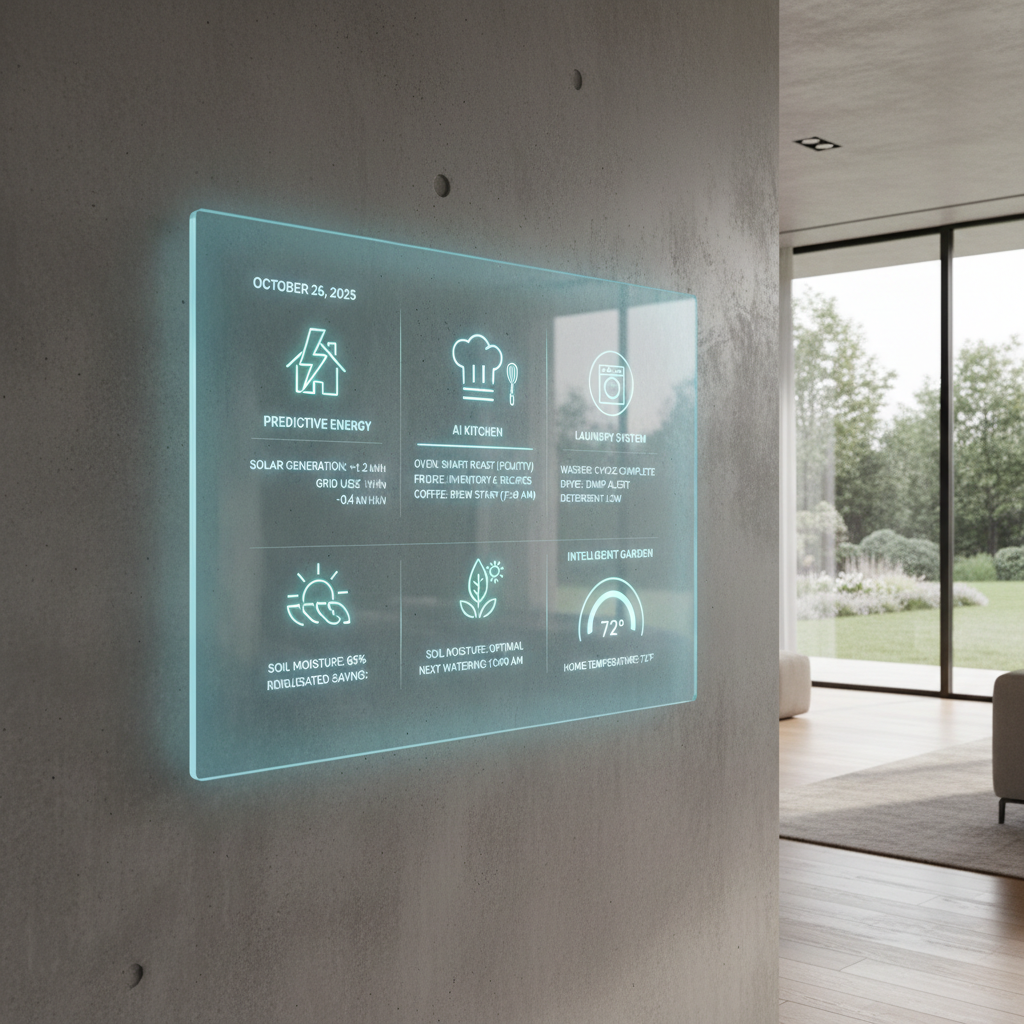
The integration of AI into these diverse aspects of home life demonstrates a shift from simply automating chores to creating a truly intelligent living environment that anticipates needs, prevents problems, and actively contributes to a more organized, efficient, and comfortable lifestyle.
The Integration Ecosystem: AI, IoT, and Voice Assistants for Seamless Home Management
The true power of AI in home cleanliness and organization is unlocked when individual intelligent devices are not isolated but operate as part of a larger, interconnected ecosystem. This ecosystem is built upon the pillars of Artificial Intelligence (AI), the Internet of Things (IoT), and intelligent Voice Assistants, working in concert to create a truly smart, responsive, and autonomous home.
The Internet of Things (IoT): The Foundation of Connectivity
IoT refers to the network of physical objects embedded with sensors, software, and other technologies for the purpose of connecting and exchanging data with other devices and systems over the internet. In the context of home cleaning and organization:
- Device Interoperability: Robot vacuums, smart light bulbs, intelligent thermostats, smart refrigerators, and even door locks are all IoT devices. They are designed to communicate with each other and with central hubs.
- Data Exchange: IoT enables devices to share crucial information. For instance, a smart door sensor might tell the robot vacuum when everyone has left the house, signaling it’s time to start cleaning.
- Remote Control and Monitoring: Through smartphone apps, users can remotely control and monitor their IoT cleaning devices, checking cleaning status, adjusting schedules, or troubleshooting issues from anywhere in the world.
IoT provides the nervous system for the smart home, allowing diverse devices to “talk” to each other.
Voice Assistants: The Command Center and User Interface
Voice assistants like Amazon Alexa, Google Assistant, and Apple Siri act as the primary interface between humans and the complex web of smart home devices. Powered by sophisticated Natural Language Processing (NLP) and AI, they translate natural human speech into actionable commands for IoT devices:
- Intuitive Control: Instead of navigating menus, users can simply say, “Hey Google, tell the vacuum to clean the living room,” or “Alexa, run the laundry robot.” This makes managing chores incredibly convenient and accessible.
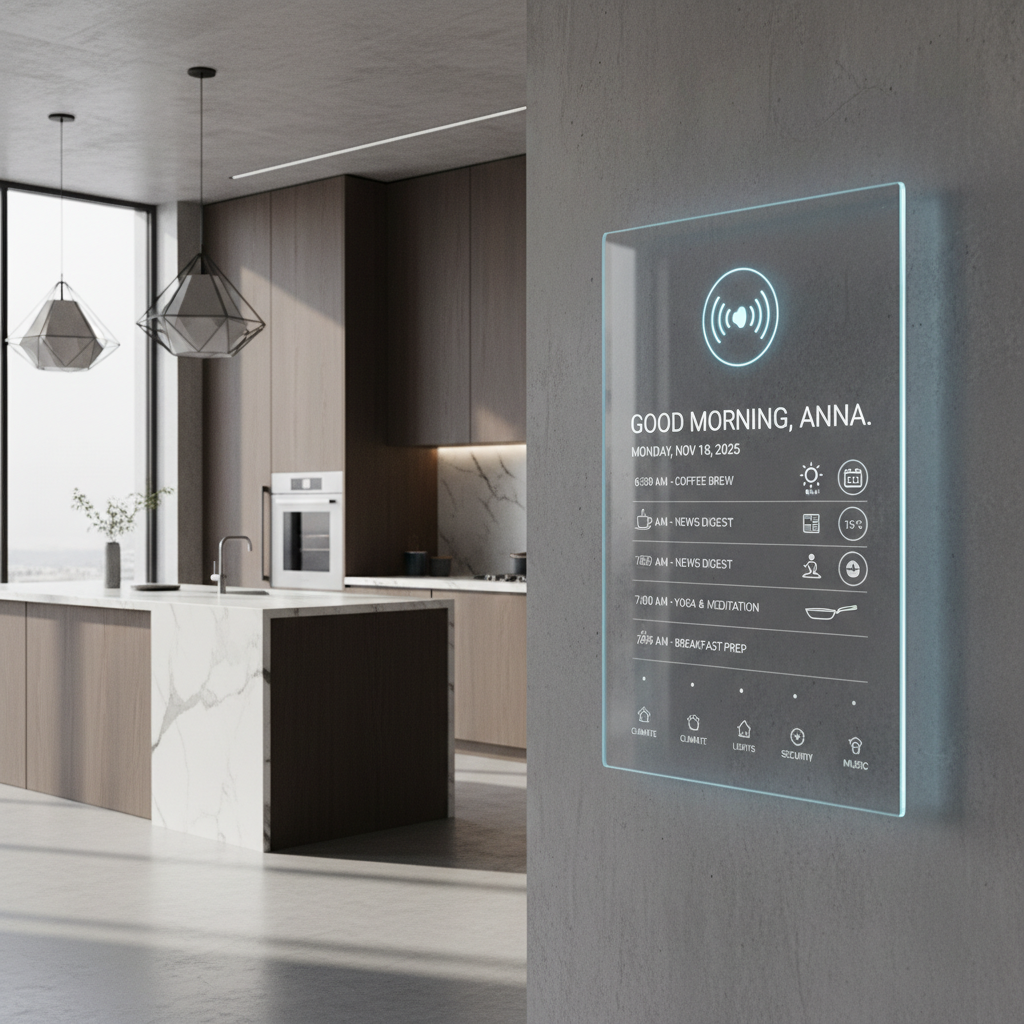
- Routine Automation: Voice assistants allow users to create custom routines. For example, a “Leaving Home” routine might automatically turn off lights, adjust the thermostat, lock doors, and then command the robot vacuum to start a full house clean.
- Status Updates: Users can ask their voice assistant for updates on cleaning progress, battery levels, or maintenance alerts from their smart appliances.
Voice assistants democratize access to smart home technology, making it intuitive for everyone, regardless of tech savviness.
AI: The Brain of the Ecosystem
While IoT provides the connections and voice assistants offer the interface, AI is the intelligence that binds everything together, making the home truly smart and autonomous:
- Orchestration and Coordination: AI algorithms residing in central hubs or in the cloud analyze data from various IoT devices to orchestrate complex tasks. For example, AI might ensure the robot vacuum finishes before the robot mop starts, or pause cleaning if a video conference is detected.
- Contextual Awareness: AI processes data from multiple sensors (occupancy sensors, weather forecasts, user schedules) to make intelligent decisions. It might suggest postponing outdoor window cleaning if rain is predicted or prioritize kitchen cleaning after a meal.
- Learning and Personalization: AI observes user habits and preferences across all connected devices, continuously refining routines, adjusting environmental settings, and optimizing cleaning schedules to suit the household’s unique needs and lifestyle.
- Proactive Management: Beyond just responding to commands, AI aims to anticipate needs. It can analyze the cleanliness patterns of different areas of your home, suggesting deeper cleans for high-traffic zones or adjusting frequency based on pet shedding cycles.
Practical Example of Integration: Imagine waking up. Your smart coffee maker starts brewing. As you leave for work, your smart door lock registers your departure. This triggers a “Workday Clean” routine via your voice assistant. The AI-powered robot vacuum starts cleaning the downstairs, while the robot mop focuses on the kitchen floor. Meanwhile, your smart fridge updates your grocery list based on depleted items, and your smart washing machine sends a notification that a load of laundry is done, prompting your (future) laundry folding robot to begin its task. All of this happens seamlessly, orchestrated by AI, making your home a truly intelligent partner in daily life.
This integrated ecosystem represents the zenith of smart home technology, promising a future where homes are not just equipped with smart devices, but are themselves intelligent, self-regulating environments that minimize chores and maximize comfort and efficiency.
Comparison Tables: A Look at AI Cleaning Innovations
To better understand the landscape of AI-powered cleaning, let’s compare different types of devices and the evolution of cleaning technology.
Table 1: Comparison of AI-Powered Home Cleaning Device Categories
| Device Category | Primary Function | Key AI Features | Typical Use Case | Complexity/Cost Range |
|---|---|---|---|---|
| Robot Vacuums | Dry floor cleaning (dust, debris, pet hair) | SLAM mapping, object recognition (pet waste, cords), multi-floor plans, self-emptying, adaptive suction, voice control | Daily maintenance of hard floors and carpets; managing pet hair and common household dirt. | Medium to High (US$300 – US$1500+) |
| Robot Mops | Wet floor cleaning (spills, grime, sticky messes) | Precision navigation (avoiding carpets), zone mopping, self-refilling, automatic pad cleaning/drying, coordinated cleaning with vacuums | Routine cleaning of kitchens, bathrooms, and other hard floor areas; tackling specific spills. | Medium to High (US$400 – US$1300+) |
| Robot Vacuum/Mop Combos | Integrated dry and wet floor cleaning | All features of vacuums and mops, often with auto-lifting mop pads, advanced base stations for auto-empty/fill/dry | Comprehensive daily floor maintenance in homes with mixed floor types. | High (US$700 – US$1800+) |
| Window Cleaning Robots | Cleaning vertical glass surfaces | Path planning, edge detection, suction adhesion, remote control, safety features | Large, hard-to-reach windows, glass doors, tiled walls (in some cases). | Medium (US$250 – US$700) |
| Pool Cleaning Robots | Automated pool debris removal, scrubbing floors/walls | Intelligent navigation, debris detection, wall climbing, programmable schedules, cordless operation | Regular maintenance of residential swimming pools; reducing manual scrubbing and skimming. | Medium to High (US$500 – US$1500+) |
| Laundry Folding Robots (Emerging) | Automated folding of clothes | Garment recognition, robotic manipulation, user-selectable folding styles | Reducing manual laundry folding time in busy households; niche luxury item or commercial use. | Very High (US$900 – US$3000+ for conceptual/early models) |
Table 2: Evolution of Home Cleaning Methods vs. AI Intelligence
| Cleaning Method Era | Primary Technology | Effort Required from User | Level of Automation | Level of Intelligence | Common Challenges/Limitations |
|---|---|---|---|---|---|
| Manual Cleaning (Pre-20th Century) | Brooms, mops, rags, muscle | Very High (Physical labor, planning, execution) | None | Human (User’s intelligence) | Time-consuming, physically demanding, inconsistent results, human error. |
| Early Mechanical/Electric (Early 20th Century) | Electric vacuums, washing machines, dishwashers | Medium (Guidance, loading/unloading, starting/stopping) | Task-specific automation | Low (Pre-programmed cycles, no environmental awareness) | Requires constant human supervision, no adaptation, limited scope of tasks. |
| Early Robotic (Late 20th – Early 21st Century) | Basic robot vacuums (e.g., first-gen Roomba) | Medium (Deployment, basic scheduling, frequent emptying/intervention) | Random/Reactive movement within a defined space | Minimal (Simple obstacle detection, no mapping or learning) | Random navigation, often missed spots, got stuck easily, no smart features. |
| Advanced AI Robotic (Current) | Lidar/VSLAM robots, computer vision, ML, NLP | Low (Setup, occasional maintenance, voice commands) | Autonomous, systematic cleaning, self-maintenance | High (Mapping, learning, object recognition, predictive capabilities, integration) | Initial cost, privacy concerns, occasional edge case failures, still requires some human input. |
| Future Integrated AI Home (Conceptual) | Holistic AI, general-purpose robots, pervasive sensors | Very Low (Preferences setting, minimal intervention) | Proactive, anticipatory, fully autonomous | Very High (Advanced prediction, complex problem-solving, seamless human-AI collaboration) | Ethical dilemmas, extreme complexity, potential for over-reliance, universal standardization. |
Practical Examples and Real-World Scenarios
The true value of AI in home cleaning and organization becomes apparent through its real-world impact on diverse households. These practical examples showcase how intelligent systems are not just theoretical concepts but are actively simplifying lives and enhancing living environments.
1. The Busy Professional’s Sanctuary
Scenario: Sarah is a marketing manager who works long hours and travels frequently. Her apartment, while cherished, often falls victim to dust and disorganization due to her demanding schedule.
AI Solution: Sarah installs a premium AI robot vacuum and mop combo (e.g., Roborock S8 Pro Ultra) that automatically empties its dustbin, refills its water tank, and dries its mop pads at a sophisticated docking station. Her smart refrigerator (e.g., Samsung Family Hub) tracks her groceries. Both are integrated with her Google Assistant.
Impact:
- Automated Cleaning: Sarah sets a routine via Google Assistant for the robot to clean the entire apartment every weekday morning after she leaves for work. The robot’s AI navigation efficiently covers all areas, intelligently boosting suction on rugs and avoiding potential pet accidents from her dog.
- Always Stocked Kitchen: Her smart fridge notifies her when staples like milk or eggs are low and automatically adds them to a digital shopping list, which she can then send directly to a grocery delivery service. It also suggests recipes based on ingredients she has, minimizing food waste.
- Peace of Mind: Sarah returns home to clean floors, a stocked pantry, and a sense of order. She no longer has to dedicate her precious weekend hours to intensive cleaning, freeing up time for relaxation and hobbies.
2. The Allergy Sufferer’s Breath of Fresh Air
Scenario: David suffers from severe dust allergies, making regular manual cleaning a necessity but also a trigger for his symptoms. He needs a consistently allergen-free environment.
AI Solution: David invests in an AI robot vacuum with advanced filtration (HEPA filter) and powerful suction, paired with an intelligent air purifier (e.g., Coway Airmega). Both communicate via his smart home hub.
Impact:
- Continuous Allergen Removal: The robot vacuum is scheduled to run daily, even multiple times, ensuring dust, pet dander, and pollen are constantly removed from floors. Its AI mapping ensures thorough coverage, and its self-emptying bin keeps accumulated allergens contained.
- Optimized Air Quality: The smart air purifier, equipped with sensors, monitors indoor air quality in real-time. When it detects elevated particle levels (perhaps after the robot vacuum stirs up some dust initially, or when windows are open), its AI automatically adjusts fan speed to filter the air more aggressively, then returns to a quieter mode when the air is clean.
- Improved Health: David experiences a significant reduction in allergy symptoms, as his home environment remains consistently clean and the air quality is actively managed without him needing to manually intervene.
3. Assisting the Elderly with Home Maintenance
Scenario: Eleanor, an elderly woman, lives alone. While she cherishes her independence, physical limitations make heavy cleaning tasks difficult and risky (e.g., reaching high windows, repetitive vacuuming).
AI Solution: Eleanor’s family sets her up with an easy-to-use AI robot vacuum, an AI window cleaning robot, and a smart appliance monitoring system.
Impact:
- Safe Floor Cleaning: The robot vacuum ensures her floors are always clean, reducing tripping hazards and the physical strain of manual vacuuming. Its simple app interface or voice commands make it easy for her to operate.
- Hazard-Free Window Cleaning: The window cleaning robot handles her large bay windows, a task that would otherwise require dangerous ladder use. It cleans efficiently and safely, maintaining her bright home without risk.
- Proactive Appliance Care: The smart monitoring system alerts her family to potential issues with her refrigerator or washing machine before they become critical failures, allowing for timely repairs and preventing disruptions to her daily life.
- Maintained Independence: These AI tools empower Eleanor to maintain a comfortable and clean living environment independently for longer, reducing the need for external help for routine chores.
4. The Pet Owner’s Best Friend
Scenario: Mark owns two shedding dogs and a messy cat. Pet hair, dander, and occasional “accidents” are a constant challenge, requiring daily cleaning to keep his home hygienic.
AI Solution: Mark uses a top-tier AI robot vacuum designed for pet homes (e.g., iRobot Roomba j7+ with P.O.O.P. guarantee) and a robot mop (e.g., iRobot Braava jet m6) with coordinated cleaning capabilities.
Impact:
- Pet Waste Avoidance: The Roomba j7+’s AI camera intelligently identifies and navigates around solid pet waste, preventing it from spreading messes throughout the house and sending Mark an alert. This feature alone saves immense hassle.
- Superior Hair Collection: The robot vacuum effectively picks up pet hair from both hard floors and carpets, and its self-emptying bin means Mark only has to interact with pet hair a few times a month, not daily.
- Coordinated Floor Care: The robot vacuum cleans first, followed by the robot mop, ensuring a comprehensive clean that tackles both hair and paw prints.
- Reduced Allergens: Consistent cleaning significantly reduces pet dander and allergens in the air and on surfaces, benefiting both Mark and his pets.
These scenarios illustrate that AI cleaning and organization systems are not just conveniences; they are powerful tools that address specific needs, enhance well-being, and fundamentally transform how we manage and experience our homes, making them truly spotless and organized sanctuaries.
Frequently Asked Questions About AI in Home Cleaning and Organization
Q: Are AI cleaning robots truly “intelligent,” or just automated?
A: Modern AI cleaning robots go far beyond simple automation. They are truly intelligent due to features like Simultaneous Localization and Mapping (SLAM) for efficient navigation, machine learning for adapting to your home layout and improving cleaning paths over time, and computer vision for recognizing and avoiding specific objects (like pet waste or cables). They learn, adapt, and make autonomous decisions based on sensor data and user preferences, which is the hallmark of intelligence in this context. Early robots were automated; current ones are intelligent.
Q: How do these AI systems avoid obstacles and map my home accurately?
A: They use a combination of advanced sensors. Lidar (Light Detection and Ranging) creates precise 3D maps, while optical cameras, infrared sensors, and ultrasonic sensors detect objects, furniture, and drop-offs (like stairs). AI algorithms then process this data through SLAM (Simultaneous Localization and Mapping) to build and store accurate floor plans. This allows them to navigate systematically, avoid hazards, and plan optimal cleaning routes, remembering where they’ve been and what’s left to do.
Q: Can AI cleaning systems completely replace human cleaning services or manual chores?
A: While AI cleaning systems significantly reduce the frequency and intensity of manual chores, they are not yet capable of completely replacing comprehensive human cleaning for all tasks. They excel at routine, repetitive tasks like vacuuming, mopping, and basic organization (e.g., inventory management). However, deep cleaning (e.g., scrubbing bathrooms, detailed dusting of intricate objects, moving furniture for cleaning underneath), specialized tasks, and complex organization requiring fine motor skills or nuanced judgment still largely require human intervention. They are powerful assistants, not complete replacements.
Q: What about privacy concerns with cameras and sensors in AI cleaning robots?
A: Privacy is a valid concern, especially for robots equipped with cameras. Reputable manufacturers implement strong security measures like end-to-end encryption for data transmission, local processing of sensitive visual data (to avoid sending it to the cloud), and secure data storage. Users should research a brand’s privacy policy, understand what data is collected and how it’s used, and be aware of camera placement. Features like restricted zones or disabling camera use for certain areas can offer additional control. Ultimately, it’s a balance between convenience and privacy that each user must weigh.
Q: Are AI cleaning and organization systems difficult to set up and maintain?
A: Initial setup typically involves connecting the device to your home Wi-Fi, downloading a companion app, and allowing the robot to perform an initial mapping run of your home. While this process has become much more user-friendly, it does require some technical interaction. Maintenance usually involves regularly emptying dustbins (less frequent with self-emptying bases), cleaning brushes and filters, and refilling water tanks. The AI itself manages much of its operational optimization. Overall, the long-term effort is significantly less than manual cleaning, but it’s not entirely maintenance-free.
Q: How do AI cleaning systems handle pet hair and allergens?
A: Many AI robot vacuums are specifically designed for pet owners. They feature tangle-free brushes, stronger suction, and high-efficiency (HEPA) filters to capture pet hair, dander, and other allergens. Their intelligent navigation ensures thorough coverage, preventing allergen buildup. Advanced models with AI object recognition can even identify and avoid pet waste, preventing messy incidents. Consistent, automated cleaning helps significantly reduce allergens in the home, benefiting allergy sufferers.
Q: What’s the typical cost range for a good AI cleaning system?
A: The cost varies widely based on the type of device and its feature set. Basic AI robot vacuums with mapping might start around US$300-US$500. Mid-range models with better navigation, self-emptying, and some object avoidance can be US$500-US$1000. Premium robot vacuum/mop combos with advanced AI vision, sophisticated docking stations, and comprehensive mapping can range from US$1000 to US$1800+. Dedicated robot mops, window cleaners, and pool cleaners also fall within similar ranges, with high-end models commanding higher prices for enhanced capabilities.
Q: Can AI help with home organization beyond just cleaning?
A: Absolutely. AI extends into home organization through smart appliances like refrigerators with inventory management (tracking food, suggesting recipes, creating shopping lists). Emerging technologies are exploring AI-powered smart storage solutions that track what’s stored and suggest decluttering based on usage patterns. Predictive maintenance, another AI application, contributes to an organized home by preventing appliance breakdowns, which can cause significant disruption and mess. The goal is to create a holistic, self-managing home environment.
Q: What are the current limitations of AI home cleaning technology?
A: Current limitations include: difficulty with complex clutter (AI struggles with piles of clothes or small, numerous items), navigating very high-pile carpets or intricate layouts, managing multi-level homes without manual intervention (though multi-floor mapping is improving), and the inability to clean vertical surfaces beyond windows (e.g., dusting shelves). They also require some user setup and ongoing maintenance. Furthermore, initial costs can be high, and there’s a reliance on good Wi-Fi connectivity and power.
Q: How do you envision AI cleaning and organization evolving in the next 5-10 years?
A: In the next 5-10 years, we can expect:
- More dexterous general-purpose robots capable of handling a wider range of tasks, including picking up items, loading dishwashers, and folding clothes.
- More seamless integration with home architecture, potentially built-in cleaning systems.
- Hyper-personalized AI that learns individual family members’ habits and preferences more deeply, anticipating needs proactively.
- Enhanced predictive capabilities for home maintenance, not just for individual appliances but for the entire home system.
- Greater energy efficiency and sustainability in robot design and operation.
- Improved human-robot interaction, making them feel more like helpful companions than mere machines.
The trend is towards more autonomy, greater versatility, and deeper integration into the fabric of daily life.
Key Takeaways: Embracing the Future of Clean
The journey through the world of intelligent AI systems for a spotless and organized home reveals a profound transformation in how we approach domestic chores. Here are the key takeaways from our exploration:
- AI is Redefining Home Management: We’ve moved beyond simple automation to genuine intelligence, where devices perceive, learn, adapt, and make autonomous decisions to maintain home cleanliness and order.
- Core Technologies Drive Intelligence: Machine Learning, Computer Vision, Natural Language Processing, and advanced Robotics (especially SLAM) are the foundational AI technologies enabling these smart systems.
- Diverse Devices for Every Chore: From highly sophisticated robot vacuum/mop combos and precise window cleaners to intelligent pool robots, AI is tackling a wide array of specific cleaning tasks.
- Beyond Cleaning: AI for Organization: AI’s capabilities extend to managing home inventories (smart fridges/pantries), offering decluttering suggestions, and providing crucial predictive maintenance for appliances.
- The Power of Integration: The seamless interplay between AI, IoT devices, and voice assistants creates a holistic, interconnected smart home ecosystem that orchestrates tasks, learns preferences, and responds dynamically.
- Real-World Impact is Significant: AI cleaning and organization solutions are liberating busy professionals, aiding allergy sufferers, empowering the elderly, and simplifying life for pet owners, providing tangible benefits in time, health, and peace of mind.
- Challenges and Considerations Remain: While transformative, concerns regarding cost, privacy, and the limitations of current technology are important factors to acknowledge and address as the field evolves.
- A Future of Greater Autonomy: The trajectory points towards even more versatile, dexterous, and deeply integrated AI systems that will proactively manage nearly every aspect of home upkeep, making “chore-free living” an increasingly attainable reality.
Conclusion: A Smarter Home, A Simpler Life
The vision of a spotless and organized home, effortlessly maintained, is no longer a distant dream but a rapidly unfolding reality, thanks to the relentless march of artificial intelligence. We stand at a pivotal moment where intelligent AI systems are not merely augmenting our efforts but are becoming active, indispensable partners in managing our living spaces. From meticulously mapping and vacuuming floors to intelligently tracking pantry items and predicting appliance malfunctions, AI is systematically dismantling the mountain of daily chores that once consumed so much of our time and energy.
The integration of AI with the Internet of Things and intuitive voice assistants is crafting a future where our homes are not just collections of smart devices, but truly intelligent entities – responsive, adaptive, and anticipatory. They are learning our habits, understanding our needs, and proactively contributing to our well-being and peace of mind. This evolution promises to free up countless hours, allowing us to reclaim time for passions, relationships, and relaxation, thereby enriching the quality of our lives.
While challenges such as cost, data privacy, and the refinement of complex dexterity persist, the trajectory is clear: AI will continue to advance, making these systems more accessible, more capable, and even more seamlessly woven into the fabric of our daily existence. Embracing these intelligent innovations is not just about adopting new gadgets; it’s about investing in a simpler, smarter, and more serene future for our homes and ourselves. The future of clean is here, and it is intelligent, autonomous, and incredibly promising.




























































Leave a Reply