

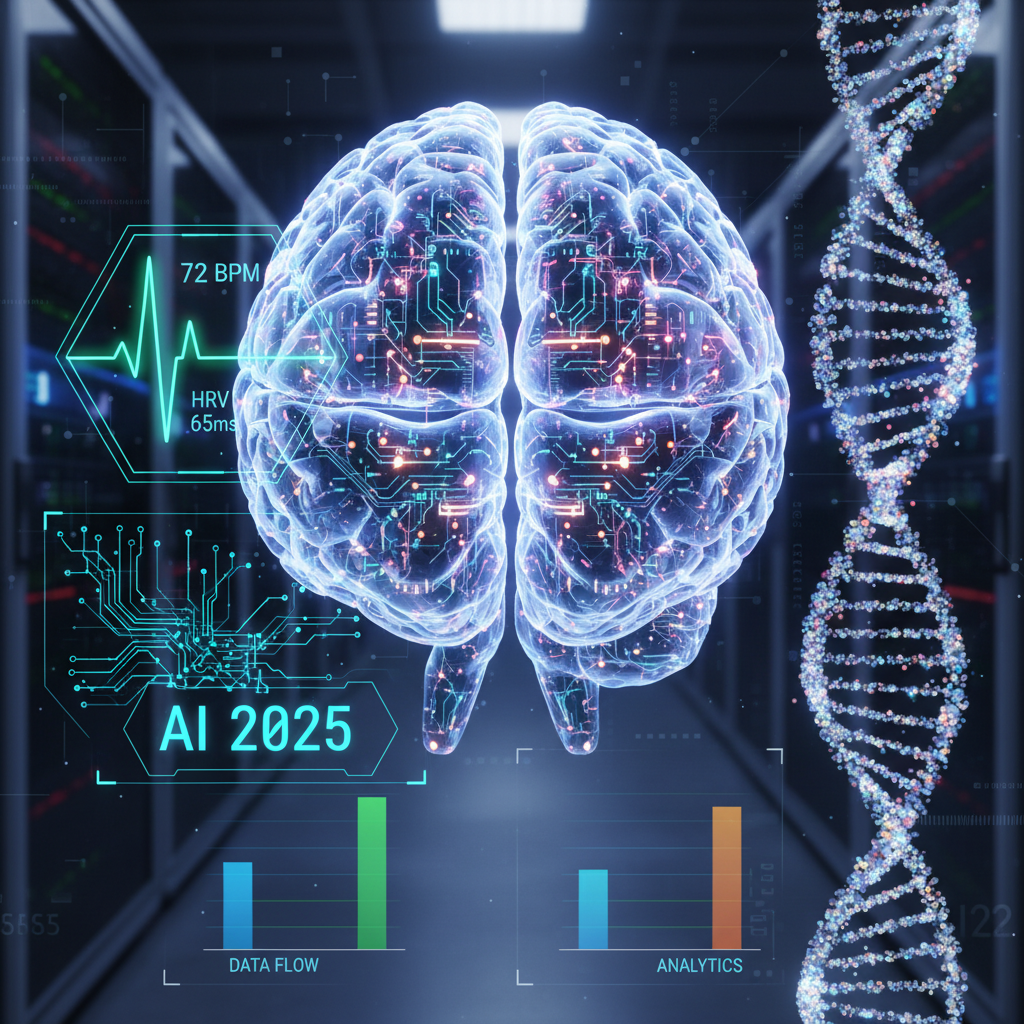
Personalized Health and Wellness: AI Apps for a Better You
In an increasingly fast-paced and demanding world, the pursuit of optimal well-being has become more critical than ever. We’re constantly seeking ways to manage stress, improve our physical health, and nurture our mental resilience. Historically, these aspects of wellness were often treated in silos, with a clear distinction between physical and mental health. However, the advent of Artificial Intelligence (AI) is rapidly blurring these lines, ushering in a new era where wellness is holistic, deeply personalized, and incredibly proactive. Welcome to the future of wellness, where AI isn’t just a tool, but a synergistic partner in integrating your mind and body for a healthier, happier you.
The journey towards personalized health has seen significant advancements, from fitness trackers to nutrition apps. Yet, many of these tools still offer a somewhat fragmented view of an individual’s health. What if an AI could analyze your sleep patterns, heart rate variability, daily activity levels, and even your conversational tone, then offer bespoke recommendations that simultaneously address your physical energy and emotional state? This is no longer science fiction. AI is now capable of weaving together these disparate threads of data, creating a rich tapestry of insights that lead to truly integrated mind-body wellness. From sophisticated algorithms that detect early signs of mental health fluctuations to personalized cognitive training programs, AI is empowering individuals to take charge of their well-being in unprecedented ways.
This comprehensive article will delve into the transformative power of AI in personalizing health and wellness. We will explore how AI applications are moving beyond basic data tracking to provide intelligent, predictive, and preventative solutions that cater to the unique needs of each individual. We will examine the cutting-edge technologies at play, discuss real-world examples, and address the ethical considerations that come with such powerful tools. Join us as we uncover how AI is not just changing how we approach wellness, but fundamentally redefining what it means to be well.
The Dawn of Digital Wellness: From Trackers to Intelligent Assistants
The journey of digital wellness began with simple pedometers and calorie counters, evolving into sophisticated wearable devices that track everything from heart rate to blood oxygen levels. These early innovations laid the groundwork by making personal health data accessible. However, the data itself, while valuable, often lacked actionable insights. Users were presented with numbers and graphs but rarely a clear, personalized roadmap to improvement. This is where AI steps in, transforming raw data into intelligent, tailored guidance.
Initially, fitness apps might have suggested generic workout routines or dietary plans. With AI, these apps can now learn your preferences, analyze your genetic predispositions (if integrated), understand your current fitness level, and even adapt recommendations based on your daily schedule, energy levels, and mood. For instance, an AI-powered fitness app might notice a dip in your energy after a particularly stressful work week, and instead of pushing a high-intensity interval training (HIIT) session, it might suggest a restorative yoga flow or a mindful walk, recognizing the interplay between your mental state and physical capacity. This level of personalized adaptation signifies a monumental leap from mere data tracking to intelligent, context-aware assistance. It means moving beyond a “one-size-fits-all” approach to truly bespoke wellness journeys.
Moreover, the integration of AI extends beyond simple recommendations. Consider the rise of conversational AI in health. Chatbots powered by natural language processing (NLP) can engage users in dialogue, assess their emotional state through text analysis, and provide immediate support or direct them to appropriate resources. These AI assistants can offer guided meditations, cognitive behavioral therapy (CBT) exercises, or simply be a non-judgmental listening ear, available 24/7. This omnipresence and responsiveness are particularly impactful in areas like mental health, where timely access to support can be crucial. The evolution from passive data collection to active, intelligent guidance marks a pivotal moment in how we interact with and benefit from digital wellness tools.
Understanding the Mind-Body Connection in the AI Era
The intricate relationship between our mental and physical states has been recognized by ancient philosophies and modern science alike. Stress, for example, doesn’t just manifest as anxiety; it can lead to physical symptoms like headaches, digestive issues, and even weakened immunity. Conversely, physical ailments can significantly impact mental health, often leading to depression or heightened stress. AI’s unique strength lies in its ability to process vast quantities of diverse data points from both realms, uncovering patterns and correlations that human analysis might miss.
Wearable technology, for instance, can collect physiological data such as heart rate variability (HRV), sleep quality, respiration rate, and skin conductance. When combined with self-reported mood data from an AI wellness app, or even passive data from phone usage patterns (like screen time or communication frequency), AI algorithms can begin to paint a comprehensive picture of an individual’s mind-body equilibrium. A sustained low HRV, coupled with fragmented sleep and increased screen time late at night, might indicate a rising stress level long before an individual consciously recognizes it. AI can then proactively suggest interventions, such as a mindfulness exercise, an earlier bedtime, or a short break from digital devices.
Furthermore, AI can help us understand the subtle impacts of lifestyle choices on our holistic well-being. Eating certain foods, engaging in specific types of exercise, or even interacting with certain social groups can have profound effects on both our physical energy and our emotional resilience. AI models, by continuously learning from individual data, can identify these personalized triggers and enhancers. For example, it might observe that specific dietary patterns lead to improved focus and reduced anxiety for one person, while for another, a particular type of morning workout significantly boosts mood and productivity throughout the day. This data-driven understanding moves beyond general advice, offering highly specific and actionable insights into optimizing the delicate balance between our mental and physical selves. This capability represents a paradigm shift from reactive treatment to proactive, personalized preventative care.
AI-Powered Mental Health Support: Beyond the Couch
Mental health care has long faced challenges related to accessibility, stigma, and affordability. AI is emerging as a powerful ally in bridging these gaps, offering innovative solutions for mood tracking, personalized interventions, and even supplemental therapeutic support. While AI is not designed to replace human therapists, it can significantly augment mental health care, making it more democratic and immediate.
Mood Tracking and Early Detection
AI-powered apps can track mood fluctuations over time using various inputs. Users can manually log their feelings, but more advanced systems analyze passive data. This includes speech patterns during phone calls (tone, pace, vocabulary), typing speed and error rates, social media engagement, and even facial micro-expressions captured by smartphone cameras (with user consent). By identifying subtle shifts and deviations from an individual’s baseline, AI can detect early warning signs of conditions like depression, anxiety, or even bipolar episodes. For example, a sudden drop in communication frequency, coupled with changes in sleep patterns detected by a wearable, could trigger a gentle prompt from an AI assistant asking the user to reflect on their feelings or suggesting a mood check-in. This proactive monitoring allows for timely intervention, potentially preventing a crisis.
Personalized Interventions and Cognitive Behavioral Therapy (CBT)
Many AI wellness apps integrate elements of evidence-based therapies, most notably Cognitive Behavioral Therapy (CBT). AI can deliver personalized CBT exercises, guiding users through thought records, challenging negative automatic thoughts, and practicing relaxation techniques. Unlike generic self-help books, AI can adapt the exercises based on the user’s progress, responses, and specific challenges. For someone struggling with social anxiety, the AI might suggest gradually increasing social interactions and provide coping strategies, while for another experiencing burnout, it might focus on boundary setting and stress reduction techniques. Generative AI is also being explored to create more dynamic and empathetic conversational experiences, offering responses that feel genuinely supportive and tailored to the user’s emotional state. These AI companions can provide a safe, non-judgmental space for users to explore their thoughts and feelings, anytime, anywhere.
Meditation, Mindfulness, and Stress Reduction
AI also plays a significant role in making mindfulness and meditation more accessible and effective. Beyond simply playing guided meditations, AI can customize sessions based on a user’s current physiological state (e.g., heart rate, breath), reported stress levels, and even their preferred style of guidance. Some apps use biofeedback, where AI monitors physiological responses during meditation and provides real-time adjustments to guide the user towards deeper states of relaxation. For example, if your heart rate remains elevated during a calm meditation, the AI might suggest a different technique or a slower pace. By personalizing these practices, AI helps users build consistent habits and achieve greater efficacy in managing stress and cultivating inner peace.
Cognitive Enhancement and Brain Training with AI
Beyond addressing mental health challenges, AI is also being harnessed to optimize cognitive function, enhance memory, improve focus, and accelerate learning. The brain, like any muscle, benefits from targeted exercise, and AI provides the ultimate personalized training regimen.
Personalized Brain Games and Exercises
Traditional brain training games often offer a fixed set of challenges. AI-powered platforms, however, adapt to the individual’s performance in real-time. If you excel at memory tasks, the AI will increase the difficulty or introduce new, more complex memory exercises. If you struggle with attention, it might focus on tasks that gradually improve sustained focus and inhibit distractions. These platforms use sophisticated algorithms to identify cognitive strengths and weaknesses, then craft a unique training path designed to push your boundaries optimally without causing frustration. This ensures that every training session is productive and directly contributes to cognitive growth, making the brain more agile and efficient.
AI for Learning and Skill Development
AI’s role in cognitive enhancement extends to learning and skill acquisition. Intelligent tutoring systems, for instance, can assess a student’s current knowledge level, identify specific areas where they struggle, and then provide tailored learning modules and practice questions. These systems can even predict which concepts a student is likely to find challenging before they encounter them, offering pre-emptive support. For professionals seeking to acquire new skills, AI can curate learning pathways from vast online resources, recommending courses, articles, and practical exercises based on their learning style, career goals, and current competencies. This personalized approach to learning significantly boosts retention and accelerates mastery, transforming how individuals acquire knowledge and develop expertise throughout their lives.
Enhancing Focus and Productivity
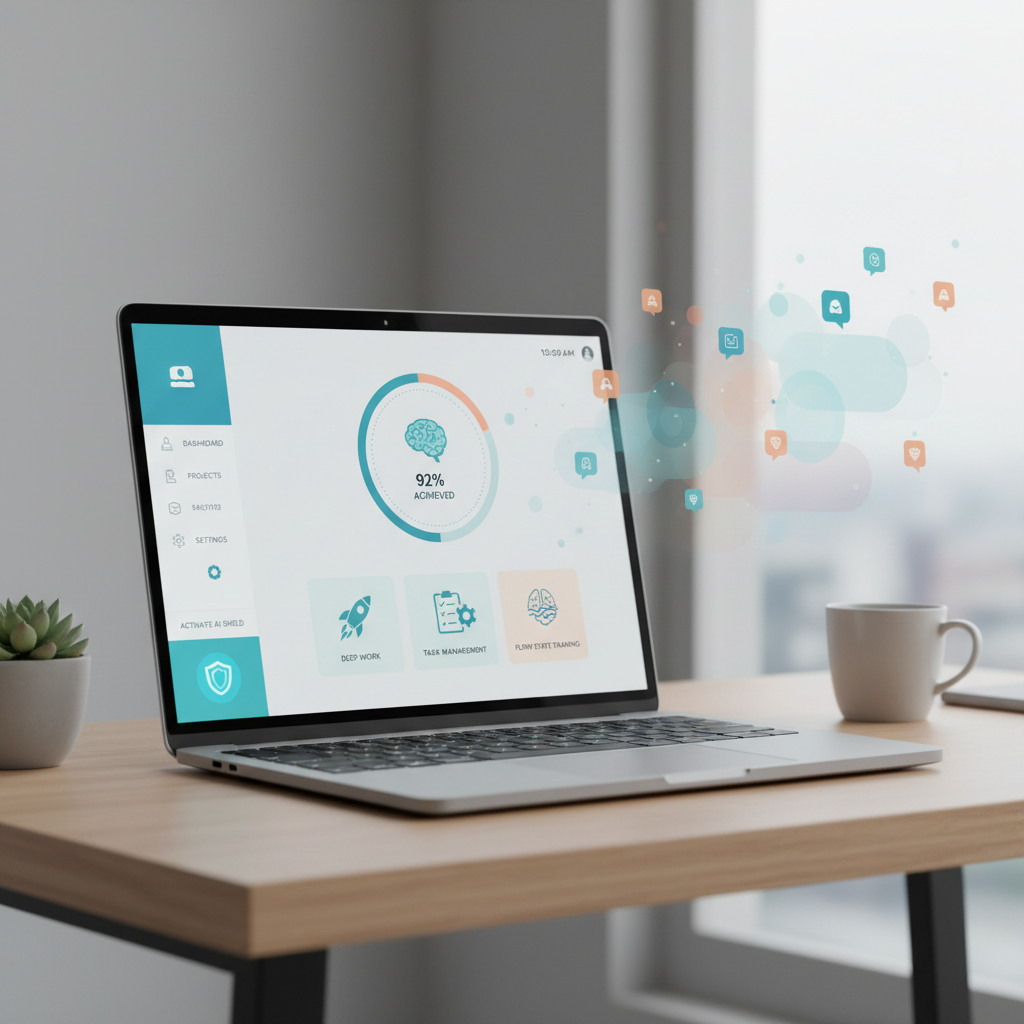
In an age of constant digital distractions, maintaining focus is a significant challenge. AI-powered tools can help by creating optimal work environments and fostering better habits. Some apps monitor digital activity, identifying patterns of distraction and suggesting timed breaks or ‘focus modes’ that block non-essential notifications. Others integrate with smart home devices to adjust lighting, soundscapes, or even scent diffusion to create an environment conducive to concentration. By understanding individual work rhythms and external triggers, AI can proactively help users minimize interruptions and maximize periods of deep work, leading to higher productivity and reduced cognitive fatigue. This intelligent scaffolding of our daily routines frees up mental energy, allowing us to engage more deeply with tasks that truly matter.
Personalized Physical Wellness Driven by AI: A Mind-Body Synergy
While often seen as separate, physical wellness profoundly impacts mental clarity, emotional stability, and cognitive function. AI-driven solutions are now creating seamless integrations between physical health management and mental well-being, fostering a truly holistic approach.
Optimizing Sleep for Mental Resilience
Sleep is a cornerstone of both physical and mental health. AI-powered sleep trackers go beyond simply recording duration; they analyze sleep stages (REM, deep, light), detect disturbances (snoring, restlessness), and correlate these patterns with daily activities, stress levels, and even dietary intake. An AI might notice that late-night caffeine consumption or intense evening workouts negatively impact deep sleep, leading to reduced concentration and increased irritability the next day. It can then offer personalized advice: suggesting a wind-down routine, recommending specific relaxation techniques before bed, or even adjusting your daily workout schedule. Some advanced systems can integrate with smart beds or light therapy devices to optimize bedroom environments for ideal sleep cycles, recognizing that a well-rested body is a foundation for a resilient mind.
Tailored Nutrition for Mood and Energy
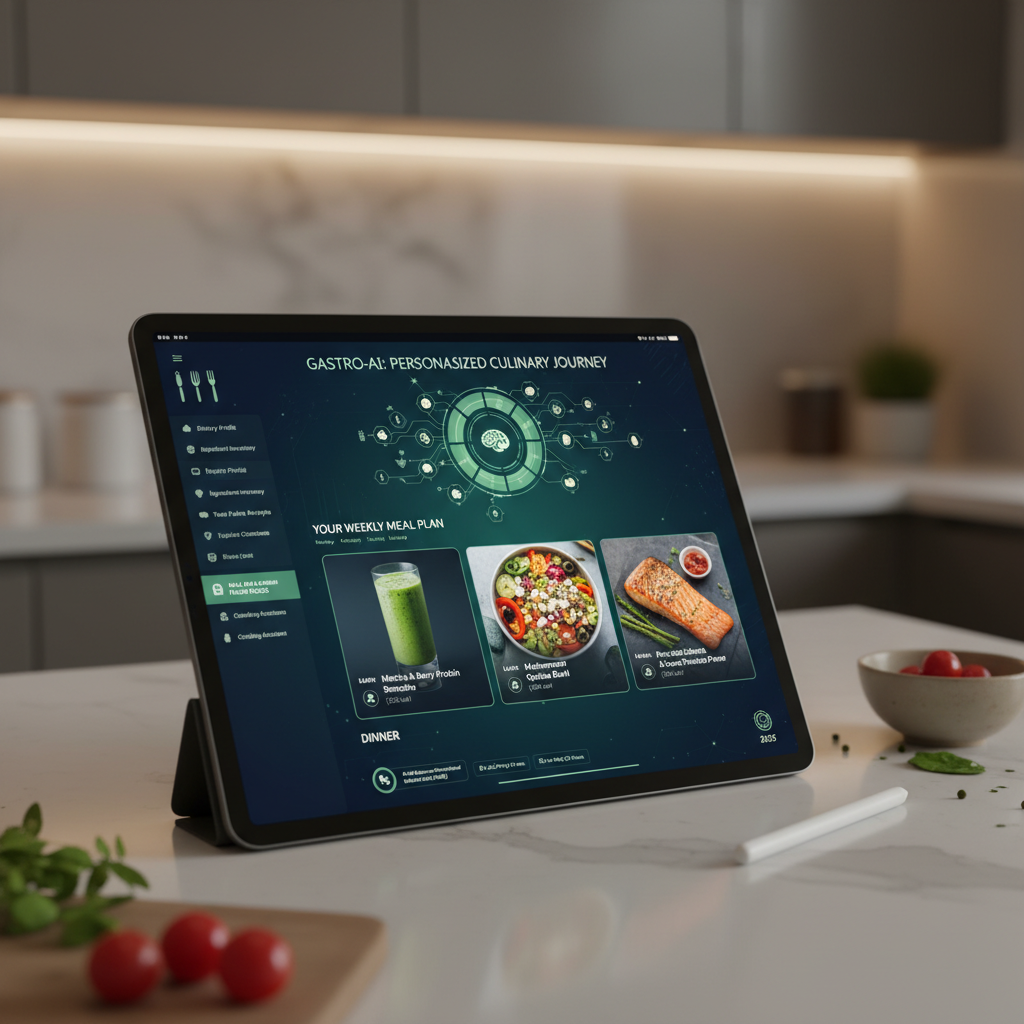
The saying “you are what you eat” holds significant truth for both physical vitality and mental state. AI can analyze your dietary habits, body composition, activity levels, and even genetic predispositions to create highly personalized nutrition plans. But it goes further: AI can detect how specific foods or meal timings affect your energy levels, mood, and cognitive performance. For example, it might observe that after consuming a meal high in refined sugars, you experience a “sugar crash” leading to lethargy and difficulty concentrating. The AI could then suggest alternative food choices or meal compositions that provide sustained energy and support stable mood, understanding the direct link between gut health, nutrient intake, and brain function. This shifts nutrition from simply weight management to an intelligent strategy for optimizing mental and physical performance.
Intelligent Exercise for Holistic Balance
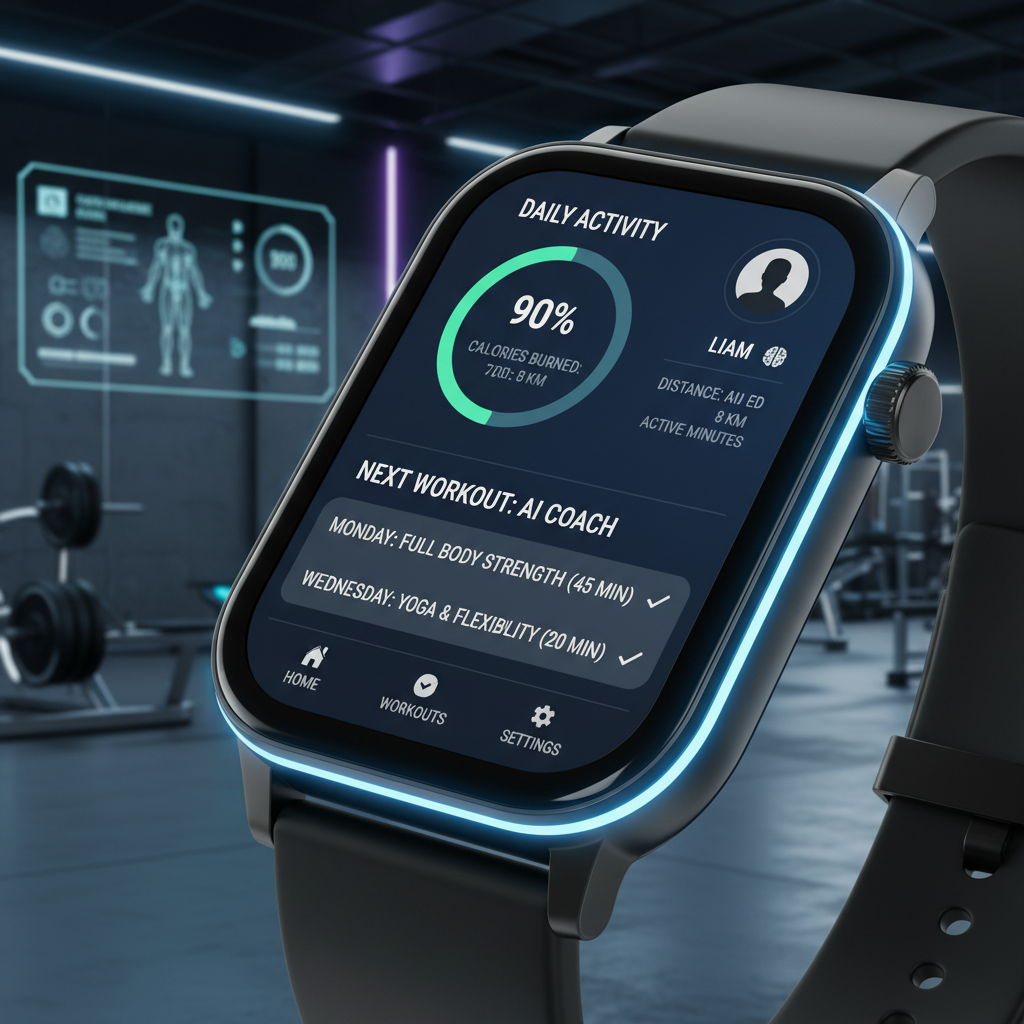
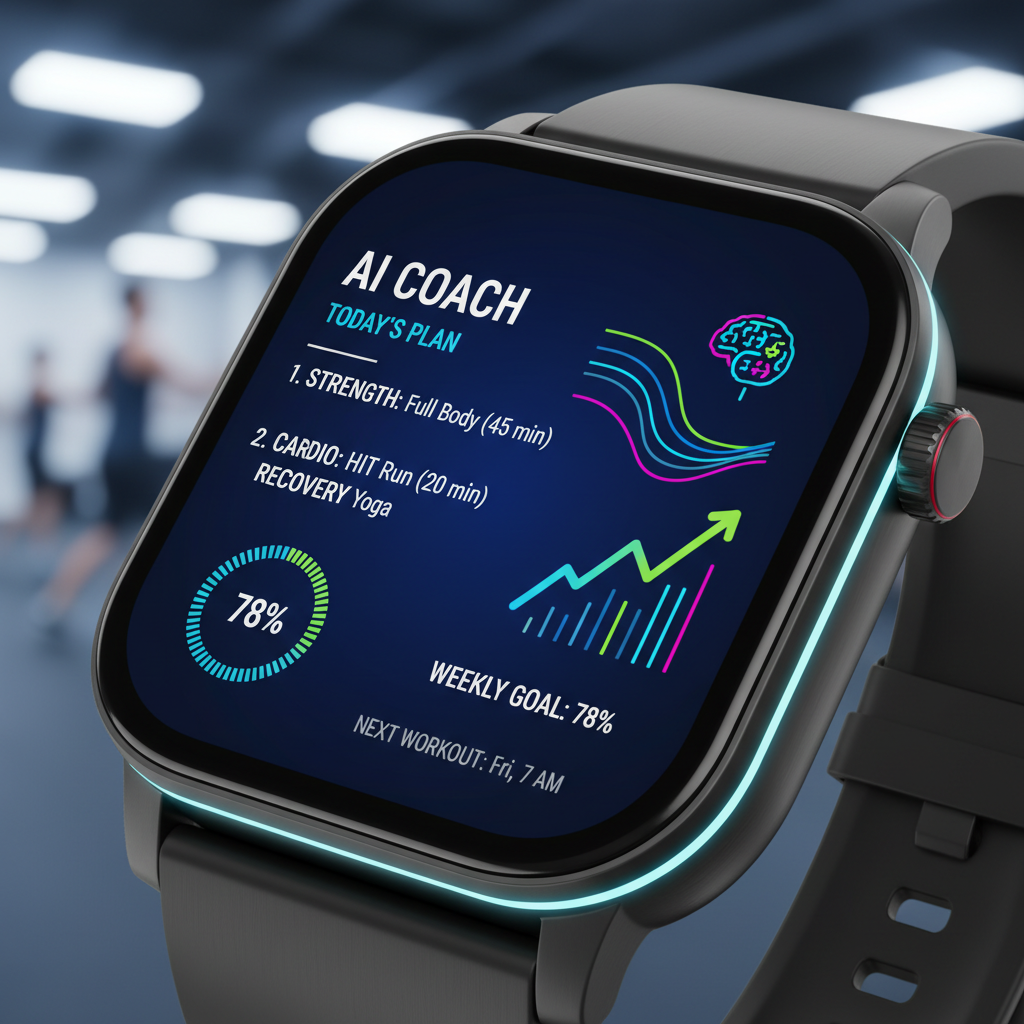
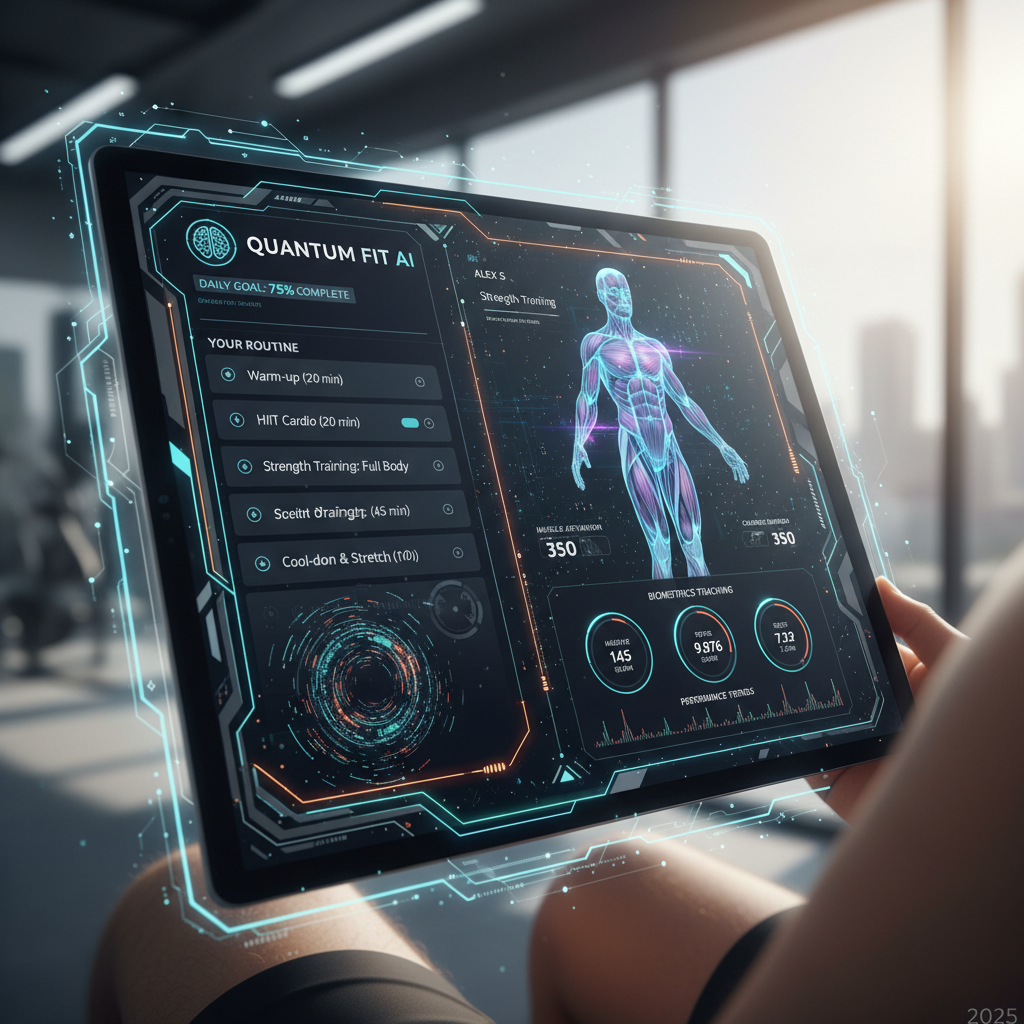
AI transforms exercise from a chore into a personalized journey for holistic balance. Instead of generic workout plans, AI-powered apps design routines that consider your fitness goals, physical limitations, recovery needs, and even your daily stress load. An AI might integrate data from your work calendar, sleep tracker, and mood log to recommend a high-intensity session on a day you’re well-rested and feeling motivated, or a gentle stretching and mindfulness session when you’re feeling stressed or fatigued. It can even adjust exercise intensity in real-time based on your heart rate, ensuring you’re working effectively without overtraining. By linking physical activity directly to mental outcomes, AI helps users understand how consistent, appropriate exercise not only sculpts the body but also sharpens the mind, reduces anxiety, and boosts overall mood.
Emotional Intelligence and Stress Management through AI
Emotional intelligence, the ability to understand and manage one’s own emotions and recognize those of others, is crucial for well-being. AI is increasingly being developed to enhance this human trait and provide proactive stress management.
AI for Emotional Recognition and Regulation
Advanced AI systems are beginning to understand and interpret human emotions through various modalities. This includes analyzing tone of voice, facial expressions (from video calls or images with consent), text sentiment in written communications, and even physiological markers like galvanic skin response or heart rate variability. By recognizing early signs of distress, frustration, or anxiety, AI can prompt users to engage in self-regulation strategies. For example, if an AI detects elevated stress markers during a busy workday, it might suggest a quick breathing exercise, a short walk, or a “micro-break” to prevent burnout. This proactive emotional check-in helps individuals develop greater self-awareness and better emotional regulation skills, transforming reactive coping into proactive management.
Personalized Mindfulness and Biofeedback Tools
Mindfulness and biofeedback are powerful techniques for stress reduction, and AI is making them more accessible and effective. AI-powered mindfulness apps can analyze a user’s progress, identify common distractions, and tailor meditation practices accordingly. For instance, if the AI notices frequent mind-wandering during a session, it might introduce specific focus techniques or guided visualizations to improve concentration. Biofeedback devices, often integrated with AI, monitor physiological responses like heart rate, muscle tension, or brainwave activity. The AI then provides real-time feedback, allowing users to consciously learn to control these involuntary bodily functions. For example, a visual display might show a calm, expanding circle as your heart rate lowers, guiding you to master relaxation techniques. This direct, data-driven feedback loop empowers individuals to gain greater control over their physiological responses to stress, building resilience from within.
Building Resilience and Coping Mechanisms
Beyond immediate stress relief, AI can play a long-term role in building emotional resilience. By analyzing patterns in how an individual responds to various stressors over time, AI can identify triggers and suggest personalized coping mechanisms. It might recommend journaling prompts for emotional processing, guide users through problem-solving frameworks for specific challenges, or suggest positive affirmation practices. For someone struggling with negative self-talk, the AI could offer gentle challenges to those thoughts, drawing from CBT principles. The goal is to equip individuals with a robust toolkit of emotional intelligence skills, enabling them to navigate life’s challenges with greater composure and adaptability. This continuous, personalized support helps foster a mindset of growth and resilience, transforming how we interact with our emotional world.
Ethical Considerations and the Human Touch
As AI delves deeper into our personal lives and well-being, crucial ethical considerations arise, particularly concerning data privacy, algorithmic bias, and the indispensable role of human interaction. Addressing these challenges is paramount to building trust and ensuring AI serves humanity responsibly.
Data Privacy and Security
The foundation of personalized AI wellness is vast amounts of personal data: physiological markers, mood logs, dietary habits, sleep patterns, and potentially even voice or facial recognition data. This information is incredibly sensitive. Robust encryption, secure data storage, and transparent data usage policies are non-negotiable. Users must have clear control over their data, including the right to know how it’s used, who has access to it, and the ability to revoke consent. Regulations like GDPR and HIPAA provide frameworks, but continuous vigilance and technological advancements in privacy-preserving AI are essential to protect individuals from potential misuse or breaches. Trust in AI wellness tools hinges entirely on the absolute assurance that personal health information remains private and secure.
Algorithmic Bias and Equity
AI algorithms are trained on data, and if that data is biased, the AI will perpetuate and even amplify those biases. For instance, if an AI mental health app is predominantly trained on data from a specific demographic, its recommendations or diagnostic capabilities might be less accurate or even harmful for individuals from underrepresented groups. This could lead to health inequities, where certain populations receive less effective or inappropriate AI-driven care. Addressing algorithmic bias requires diverse training datasets, rigorous testing across various demographics, and continuous auditing of AI models for fairness and equity. Developers must actively work to ensure AI wellness tools are inclusive and beneficial for everyone, regardless of background, ethnicity, or socioeconomic status.
The Indispensable Role of Human Professionals
While AI can provide invaluable support, it is not a replacement for human connection, empathy, and professional expertise. In mental health, for example, AI chatbots can offer initial support and guided exercises, but they cannot replicate the nuanced understanding, clinical judgment, and genuine therapeutic relationship a human therapist provides. Similarly, in physical wellness, an AI might create a perfect diet plan, but a human nutritionist can offer empathetic coaching and tailored advice that accounts for complex life circumstances. The “human touch” provides context, emotional intelligence, and accountability that AI currently cannot match. The future of wellness lies in a synergistic model where AI augments human professionals, empowering them with better data and insights, and extending their reach, rather than replacing them. AI should be viewed as a sophisticated assistant, enabling human experts to focus on the most complex and human-centric aspects of care.
The Future Vision: Proactive, Predictive, and Preventative Wellness
The current state of AI in wellness, while impressive, is merely a glimpse into a much grander vision. The future promises an era of truly proactive, predictive, and preventative health, where AI acts as a deeply integrated personal health guardian, working tirelessly in the background to optimize our well-being before issues even arise.
Continuous, Passive Monitoring and Predictive Analytics
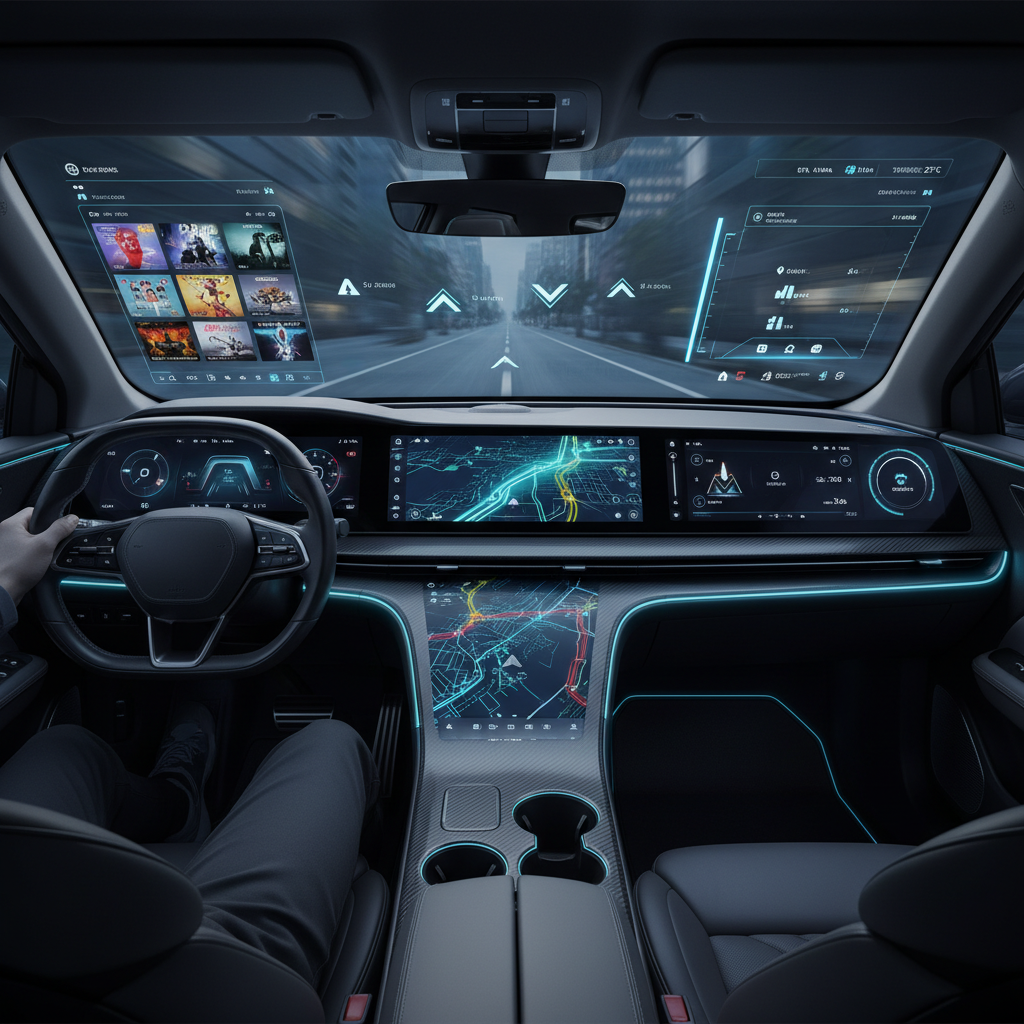
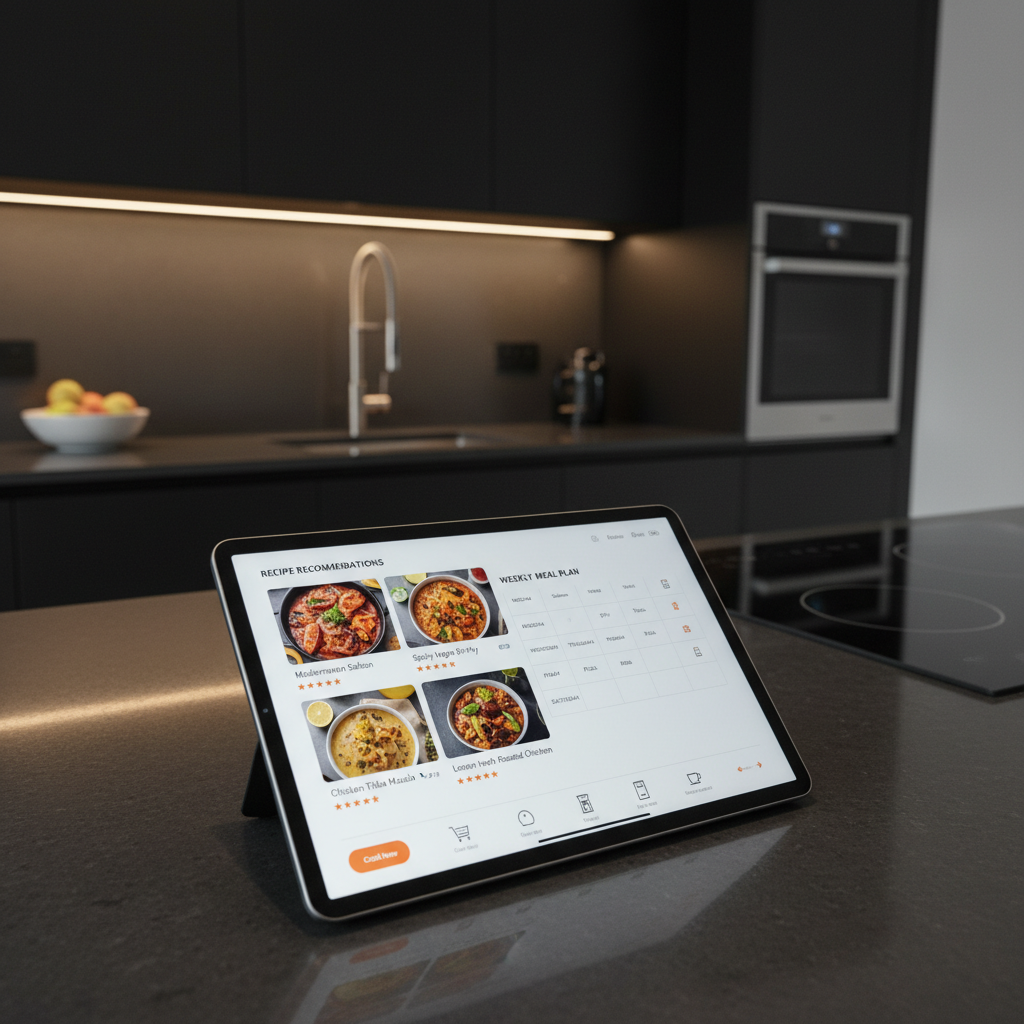
Imagine a future where AI, integrated across an ecosystem of smart devices (wearables, smart homes, vehicles), continuously and passively monitors your physiological and behavioral patterns. It wouldn’t just track your sleep but analyze your cognitive performance during your commute, assess your stress levels during a work meeting via subtle vocal cues, and even understand your dietary habits through smart kitchen appliances. This constant stream of data, processed by advanced predictive analytics, would allow AI to identify minute deviations from your personal baseline, long before you consciously feel unwell. For example, a slight, consistent elevation in resting heart rate combined with changes in voice tone and sleep fragmentation might trigger an AI alert suggesting early signs of viral infection or elevated stress, prompting preventative action like increased hydration, rest, or specific stress-reduction exercises.
Hyper-Personalized Interventions and Environmental Adaptations
Building on predictive insights, future AI will offer hyper-personalized interventions that go beyond app-based recommendations. It could dynamically adjust your living and working environment. As an example, if AI predicts an impending period of high stress based on your upcoming schedule and current physiological markers, it might subtly modify your smart home’s lighting to a calming hue, play soothing ambient sounds, or even activate an aromatherapy diffuser to promote relaxation. Similarly, your smart office chair might prompt you to adjust posture or take a micro-break based on your ergonomic data and attention span. These interventions would be seamless, context-aware, and designed to gently steer you towards optimal well-being without requiring conscious effort, making preventative wellness an intrinsic part of your daily life.
Integrated Ecosystems for Holistic Life Management
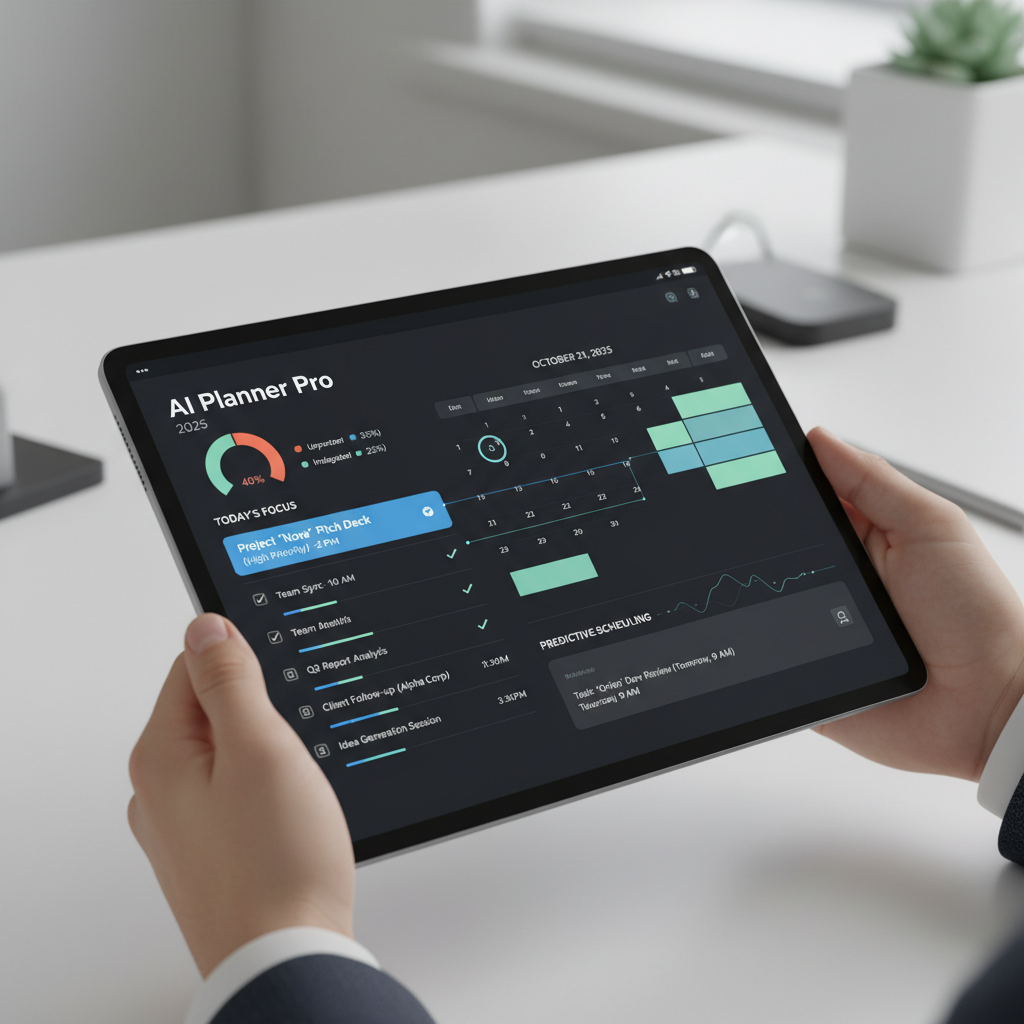
The ultimate vision involves an integrated AI wellness ecosystem that connects all aspects of your life. Your health data could securely interact with your schedule, work tasks, social interactions, and even environmental factors. If your AI notices a dip in mental clarity and energy, it might not just suggest a meditation, but also subtly re-prioritize your calendar for less demanding tasks, suggest a healthy meal recipe based on your pantry inventory, or even schedule a virtual check-in with a human wellness coach. This holistic integration would allow AI to manage your well-being across all domains, creating a truly optimized and harmonious life. The focus shifts from merely reacting to illness to proactively cultivating a state of sustained health, resilience, and flourishing, empowering individuals to live their fullest, healthiest lives.
Comparison Tables
Table 1: Traditional vs. AI-Powered Wellness Approaches
| Feature | Traditional Wellness Approach | AI-Powered Wellness Approach |
|---|---|---|
| Data Collection | Manual logging, doctor visits, self-reporting, generic wearables. | Continuous passive monitoring (wearables, smart home, app usage), multi-modal data (physiological, behavioral, emotional). |
| Personalization Level | Generic advice, “one-size-fits-all” plans, based on broad categories. | Hyper-personalized, adaptive recommendations based on individual data, preferences, and real-time context. |
| Intervention Style | Reactive, scheduled appointments, self-initiated changes. | Proactive, predictive, real-time prompts, subtle environmental adjustments, personalized coaching. |
| Accessibility | Limited by time, location, cost of professionals. | 24/7 availability, on-demand support, often more affordable (app subscriptions). |
| Mind-Body Integration | Often siloed, separate physical and mental health treatments. | Holistic, understanding the deep interconnections between mental and physical states. |
| Scalability | Limited by human professional capacity. | Highly scalable, can support millions of users simultaneously. |
Table 2: Types of AI Wellness Apps and Their Focus
| App Type / Focus | Primary Goal | Key AI Capabilities | Example Features |
|---|---|---|---|
| Mental Health & Emotional Well-being | Stress reduction, mood improvement, early detection of mental health shifts. | Sentiment analysis, NLP, pattern recognition in mood data, personalized CBT delivery. | Guided meditations, mood tracking with insights, conversational AI for support, digital CBT exercises. |
| Physical Fitness & Nutrition | Workout optimization, personalized diet plans, injury prevention, performance enhancement. | Activity tracking, physiological data analysis (HRV, sleep), adaptive workout algorithms, dietary analysis. | Customized workout plans, smart meal suggestions, real-time form correction, recovery recommendations. |
| Sleep Optimization | Improving sleep quality and duration, addressing sleep disorders. | Sleep stage analysis, correlation with daily activities/stressors, environmental control. | Smart alarms, sleep soundscapes, personalized bedtime routines, smart bed integration. |
| Cognitive Enhancement & Brain Training | Improving memory, focus, problem-solving, and learning abilities. | Adaptive difficulty algorithms, personalized learning paths, attention monitoring. | Brain games, memory exercises, focus timers, adaptive learning modules. |
| Holistic & Integrated Wellness Platforms | Comprehensive mind-body balance, preventive health, lifestyle optimization. | Multi-modal data fusion, predictive analytics, cross-domain recommendations, environmental integration. | Personalized wellness scores, interconnected health insights, proactive health alerts, smart home integration for wellness. |
Practical Examples: AI in Action for a Better You
To truly grasp the impact of AI in wellness, let’s explore some real-world scenarios and practical applications that illustrate how these technologies are making a tangible difference in people’s lives.
Case Study 1: Sarah, the Overwhelmed Professional
Sarah is a marketing manager with a demanding job, often working long hours. She frequently feels overwhelmed and struggles with anxiety, leading to poor sleep and low energy.
An AI wellness app integrated with her wearable device and calendar starts by monitoring her sleep patterns, heart rate variability (HRV), and activity levels. It learns that her HRV drops significantly on days following late-night work sessions, correlating with restless sleep and increased self-reported anxiety the next morning. The AI also notes recurring patterns of stress spikes before major project deadlines.
Based on these insights, the AI proactively sends Sarah a gentle notification suggesting a 10-minute guided meditation on days with high-stress predictions. On evenings when her HRV is low, it recommends a warm bath and a calming audiobook instead of late-night screen time. It also suggests short, mindful walks during her lunch breaks, which the AI observes improves her afternoon focus. Over time, Sarah reports significant improvements in sleep quality, reduced anxiety levels, and a greater sense of control over her emotional state, all guided by the AI’s personalized and timely interventions.
Case Study 2: Mark, the Fitness Enthusiast with a Mental Block
Mark loves to work out but often hits plateaus and sometimes feels demotivated. He’s also noticed that during periods of high training intensity, his mood tends to dip.
Mark uses an AI-powered fitness app that integrates with his smart gym equipment and a mood-tracking module. The AI analyzes his workout performance, recovery times, and mood scores. It discovers that pushing for personal bests (PBs) too frequently leads to overtraining, manifested as prolonged muscle soreness and a noticeable decrease in his positive mood scores. The AI also identifies that listening to specific music genres during his workouts significantly boosts his motivation and performance.
The AI adjusts Mark’s training schedule to include more active recovery days when it detects signs of overtraining. It also recommends varying his workout intensity to prevent burnout and suggests a playlist tailored to his preferences for peak performance. Furthermore, on days when Mark reports lower mood, the AI suggests a restorative yoga session instead of a heavy lifting day, recognizing the mind-body connection. Mark finds himself breaking through plateaus more effectively, enjoying his workouts more, and maintaining a consistently better mood, all thanks to the AI’s intelligent, holistic coaching.
Case Study 3: Emily, the Student Struggling with Focus
Emily is a university student who finds it challenging to maintain focus during study sessions, often getting distracted and feeling overwhelmed by large amounts of information.
Emily uses an AI-powered cognitive training app that integrates with a productivity tracker. The AI observes her study habits: frequent switching between tabs, short bursts of intense focus followed by long periods of distraction, and a tendency to procrastinate on complex subjects. The app also monitors her performance on various cognitive exercises.
The AI recommends the Pomodoro Technique, a time management method, and dynamically adjusts the focus and break intervals based on Emily’s attention span data. It curates personalized learning modules for her difficult subjects, breaking them down into digestible chunks and testing her understanding at optimal intervals to maximize retention. When Emily’s focus wavers, the AI sends a gentle notification, prompting her to take a short, guided breathing break. It also suggests specific brain training games designed to improve her sustained attention and working memory. Emily reports a significant improvement in her ability to focus, better retention of study material, and a reduced sense of overwhelm, leading to improved academic performance and reduced study-related stress.
These examples highlight how AI is moving beyond generic advice to provide personalized, timely, and integrated solutions that address the unique needs of each individual, fostering a truly holistic approach to wellness.
Frequently Asked Questions
Q: What exactly is AI wellness, and how is it different from traditional health apps?
A: AI wellness refers to the application of artificial intelligence technologies to personalize, optimize, and manage an individual’s physical and mental health. While traditional health apps might track data (like steps or calories) or offer generic programs, AI wellness apps go much further. They use algorithms to analyze vast amounts of diverse data (from wearables, self-reports, even behavioral patterns) to understand individual needs, predict potential health issues, and provide adaptive, real-time, and highly personalized recommendations. This means the AI learns from your unique data profile to offer tailored advice for your sleep, nutrition, exercise, and mental well-being, rather than a one-size-fits-all approach.
Q: How can AI really help with mental health? Can it replace a therapist?
A: AI can significantly augment mental health support but is not designed to replace human therapists. For mental health, AI apps can provide 24/7 accessible tools like mood tracking, personalized mindfulness exercises, and cognitive behavioral therapy (CBT) techniques. They can analyze communication patterns or physiological markers to detect early signs of stress or mood fluctuations, offering timely, proactive interventions. For instance, an AI might suggest a guided meditation during a stressful period or provide journaling prompts. However, AI lacks the empathy, nuanced understanding of human experience, and ethical judgment of a trained human therapist. It serves as a valuable support system, providing accessible tools and insights, but complex psychological issues still require professional human interaction and diagnosis.
Q: Is my personal health data safe with AI wellness apps?
A: Data privacy and security are paramount concerns for AI wellness apps, as they handle highly sensitive personal information. Reputable AI wellness providers implement robust security measures, including advanced encryption for data transmission and storage, strict access controls, and adherence to privacy regulations like GDPR and HIPAA. Many also use anonymization and aggregation techniques to protect individual identities. However, it is crucial for users to choose apps from trusted developers, read their privacy policies carefully, and understand how their data will be used and shared. Always be cautious about sharing overly sensitive information and ensure the app explicitly states its data protection protocols.
Q: How accurate are AI’s recommendations for things like diet and exercise?
A: The accuracy of AI’s recommendations depends on several factors: the quality and quantity of data it collects from you, the sophistication of its algorithms, and the integration of diverse data sources. Modern AI wellness apps, especially those integrated with high-quality wearables and robust databases (e.g., nutritional information, exercise science), can provide highly accurate and effective recommendations. As AI learns more about your body’s unique responses to different foods and exercises, its advice becomes even more precise. It moves beyond generic guidelines to truly personalized plans, often outperforming generalized human advice by continuously adapting to your real-time physiological and behavioral feedback.
Q: Can AI predict future health issues, or is it just reactive?
A: One of AI’s most powerful capabilities in wellness is its potential for predictive analytics, moving beyond reactive responses. By continuously monitoring subtle changes in your physiological data (e.g., heart rate variability, sleep patterns, biomarkers) and behavioral patterns over time, AI can identify early warning signs or risk factors for certain health issues long before symptoms become apparent. For example, it might detect patterns indicative of increased stress leading to burnout, or subtle shifts in vital signs that could suggest an impending illness. This allows for proactive, preventative interventions, enabling individuals to make lifestyle adjustments or seek professional advice much earlier, potentially preventing serious health problems from developing.
Q: Are AI wellness apps expensive, or are there free options?
A: The cost of AI wellness apps varies widely. Many popular apps offer a freemium model, providing basic features for free and charging a subscription fee for premium functionalities like personalized coaching, advanced analytics, or access to a wider library of guided programs. Standalone apps might range from a few dollars for a one-time purchase to $10-$30 per month for subscriptions. More comprehensive platforms or those integrated with smart devices may have higher price points or require hardware purchases. There are indeed free options available, but they typically offer less depth in personalization and features compared to their paid counterparts. It is always wise to research and compare options based on your budget and specific wellness goals.
Q: How can AI help me build healthy habits if I struggle with consistency?
A: AI is particularly effective in fostering consistency and building healthy habits through several mechanisms. Firstly, its personalized recommendations are more likely to be adopted because they are tailored to your preferences and daily life, reducing friction. Secondly, AI can provide timely nudges and reminders based on your schedule and progress, acting as a digital coach. Thirdly, by tracking and visualizing your progress, AI offers positive reinforcement and a sense of accomplishment, which are powerful motivators. Some apps also use gamification elements, challenges, and virtual rewards to make habit formation engaging. The continuous feedback loop helps you understand the impact of your actions, making it easier to stay committed and consistent over the long term.
Q: What are the main limitations or risks of relying on AI for wellness?
A: Despite its benefits, AI in wellness has limitations and risks. One major concern is data privacy and security, as highly sensitive personal data is involved. There’s also the risk of algorithmic bias, where AI recommendations might not be equally effective or fair for all demographic groups if not trained on diverse data. Over-reliance on AI could lead to a decreased sense of personal agency or a detachment from intuitive self-awareness. AI also lacks true empathy and cannot replicate the nuanced human judgment of medical or mental health professionals. Misinterpretation of data or false positives/negatives could cause unnecessary anxiety or lead to delayed professional intervention. It’s crucial to view AI as a supportive tool, not a replacement for human wisdom, medical expertise, or genuine human connection.
Q: Will AI change the role of doctors and health professionals?
A: Yes, AI is expected to significantly change, but not eliminate, the role of doctors and health professionals. Instead of replacing them, AI will augment their capabilities, enabling them to provide more personalized, efficient, and preventative care. AI can handle routine tasks like data analysis, initial screenings, and symptom checking, freeing up professionals to focus on complex cases, patient relationships, and empathetic care. Doctors will likely become more proficient in interpreting AI-generated insights, collaborating with AI tools for diagnosis, treatment planning, and monitoring. This shift will allow for a more proactive healthcare system, where professionals intervene earlier and with more precise information, enhancing the overall quality and accessibility of care.
Q: How do I choose the right AI wellness app for me?
A: Choosing the right AI wellness app involves considering several factors. First, identify your primary wellness goals (e.g., mental health, fitness, sleep, holistic). Second, research reputable apps from well-known developers with strong privacy policies and positive user reviews. Look for apps that offer transparency about their AI methodology and data usage. Third, check for compatibility with your existing devices (wearables, smartphone). Fourth, consider the level of personalization and features offered – some apps are very specialized, while others are more holistic. Finally, explore free trials or freemium versions to test the app’s interface and effectiveness before committing to a subscription. Prioritize apps that emphasize evidence-based practices and complement, rather than replace, professional advice when needed.
Key Takeaways
- AI is revolutionizing wellness by moving beyond generic advice to provide deeply personalized and proactive solutions.
- It fosters a holistic approach by integrating physical health data with mental and emotional well-being insights.
- AI offers accessible mental health support through mood tracking, personalized therapeutic interventions, and stress management tools.
- Cognitive enhancement and brain training apps use AI to adapt to individual performance, improving memory, focus, and learning.
- Physical wellness, including sleep, nutrition, and exercise, is optimized by AI to directly impact mental clarity and emotional stability.
- AI is developing emotional intelligence capabilities to help individuals recognize and regulate their emotions and manage stress more effectively.
- Ethical considerations like data privacy, algorithmic bias, and the indispensable role of human professionals must be carefully addressed.
- The future of wellness with AI is envisioned as proactive, predictive, and preventative, integrating seamlessly into daily life to sustain optimal health.
- AI serves as a powerful augmentation tool for human expertise, enhancing overall well-being and empowering individuals.
Conclusion
The integration of Artificial Intelligence into our personal health and wellness journeys marks a profound shift, offering an unprecedented level of personalization, insight, and proactive care. We’ve moved beyond simple trackers to intelligent ecosystems that understand the intricate dance between our mind and body, providing tailored guidance that adapts to our unique needs and evolving circumstances. From detecting early signs of mental health fluctuations to optimizing our sleep, nutrition, and cognitive functions, AI is proving to be a transformative force, empowering us to take charge of our well-being in ways previously unimaginable.
While the ethical considerations surrounding data privacy and algorithmic bias require continuous vigilance and thoughtful development, the potential for AI to democratize access to high-quality wellness support is undeniable. It’s a future where preventative care becomes the norm, where insights are delivered before problems fully manifest, and where our personal health is seamlessly managed across all facets of our lives. AI is not here to replace the human element of care but to augment it, providing powerful tools that enable both individuals and professionals to achieve better outcomes.
Embracing AI in wellness means stepping into an era where being “well” is not just about the absence of illness, but about the active, data-driven pursuit of optimal physical, mental, and emotional flourishing. It’s about a more intuitive understanding of ourselves, fostered by intelligent systems that learn and grow with us. The future of wellness is intelligent, integrated, and deeply personal, promising a healthier, more resilient, and ultimately, a better you.
































































Leave a Reply