

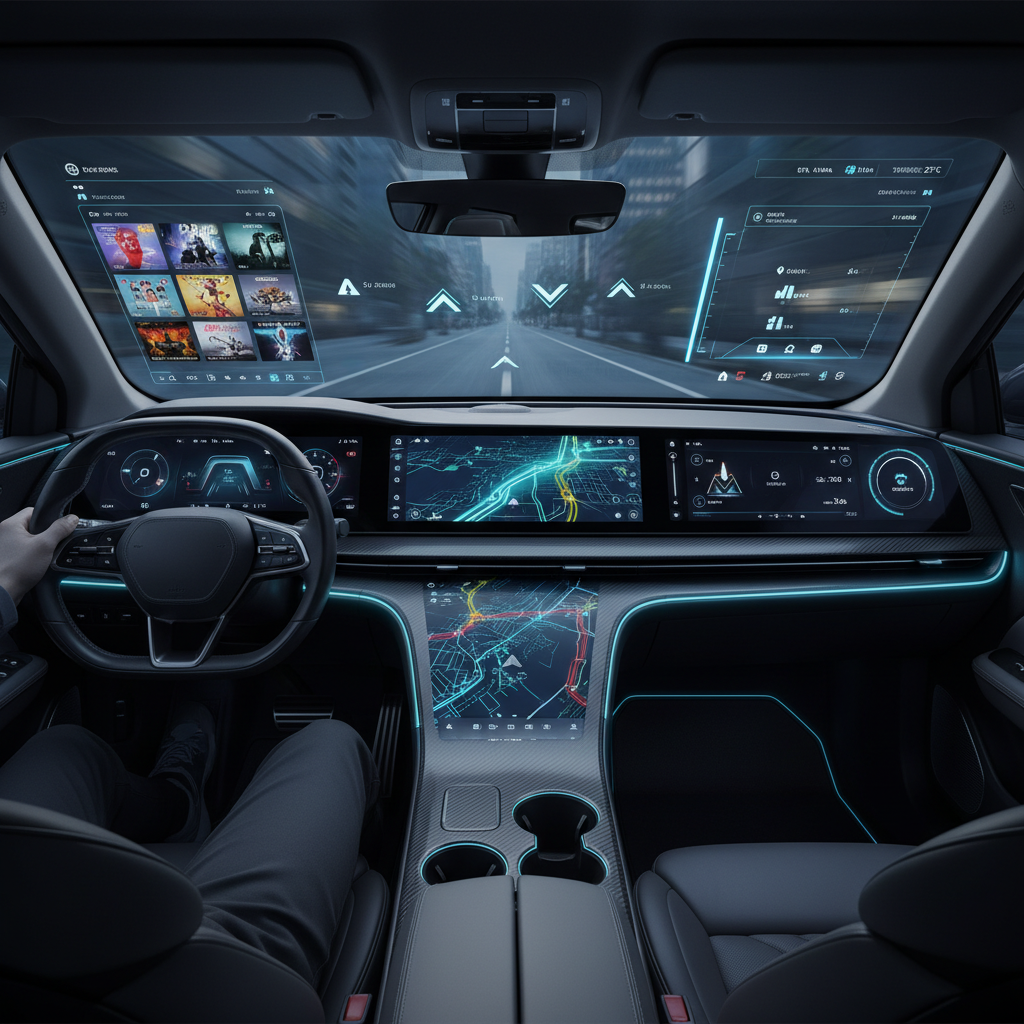
The daily commute is a universal experience, often synonymous with stress, wasted time, and frustrating delays. For many, it’s the least enjoyable part of the day, a mundane necessity that drains energy and productivity even before the workday begins. However, thanks to the rapid advancements in Artificial Intelligence (AI), this narrative is undergoing a radical transformation. What was once a tedious trek is evolving into an intelligent journey, promising not just efficiency but also enhanced safety, personalized entertainment, and even a renewed sense of calm.
AI is no longer confined to science fiction or specialized labs; it’s increasingly woven into the fabric of our everyday lives, and its impact on personal mobility is profound. From predicting traffic patterns with uncanny accuracy to curating the perfect soundtrack for your drive, AI solutions are redefining what it means to travel from point A to point B. This comprehensive blog post will delve into how AI is revolutionizing various facets of your daily commute, exploring innovative navigation systems, intelligent in-car entertainment, sophisticated safety features, and even its role in optimizing public transportation. We will examine real-world applications, discuss the underlying technologies, address ethical considerations, and cast a gaze into the exciting future of intelligent mobility. Prepare to unlock the potential of a smarter, safer, and more enjoyable journey every single day.
The Modern Commute: A Daily Challenge and a Growing Problem
For millions across the globe, the daily commute is a significant source of frustration, eating away at valuable time and contributing significantly to stress levels. Urbanization has led to increasingly congested roadways, turning what should be a straightforward journey into a test of patience. The average commuter in major cities can spend hundreds of hours annually stuck in traffic, time that could otherwise be dedicated to family, hobbies, work, or rest. This relentless grind exacts a toll not just on individual well-being but also on the economy, with productivity losses and increased fuel consumption.
Beyond the personal inconvenience, the modern commute presents a host of broader challenges. Environmental concerns loom large, as internal combustion engine vehicles contribute significantly to air pollution and carbon emissions. Road safety remains a critical issue, with accidents causing injuries, fatalities, and further traffic disruptions. Moreover, the sheer unpredictability of daily travel—from sudden detours and unexpected construction to adverse weather conditions—adds another layer of complexity that traditional planning methods often fail to mitigate effectively. These multifaceted problems highlight an urgent need for innovative solutions that can address efficiency, safety, sustainability, and personal experience simultaneously. This is where Artificial Intelligence steps in, offering a suite of tools designed to tackle these entrenched issues head-on, promising a paradigm shift in how we perceive and undertake our daily travels. The quest for a smarter commute is not merely about saving a few minutes; it’s about reclaiming lost time, reducing stress, enhancing safety, and paving the way for more sustainable urban environments.
AI at the Wheel: Revolutionizing Navigation and Route Optimization
Gone are the days when navigation simply meant following static map directions or basic GPS prompts. AI has fundamentally transformed how we find our way, moving beyond a reactive system to one that is proactive, predictive, and intensely personal. At its core, AI-powered navigation leverages vast datasets and sophisticated algorithms to offer routes that are not only efficient but also dynamic and responsive to real-time conditions.
Real-Time Data Analysis and Predictive Routing
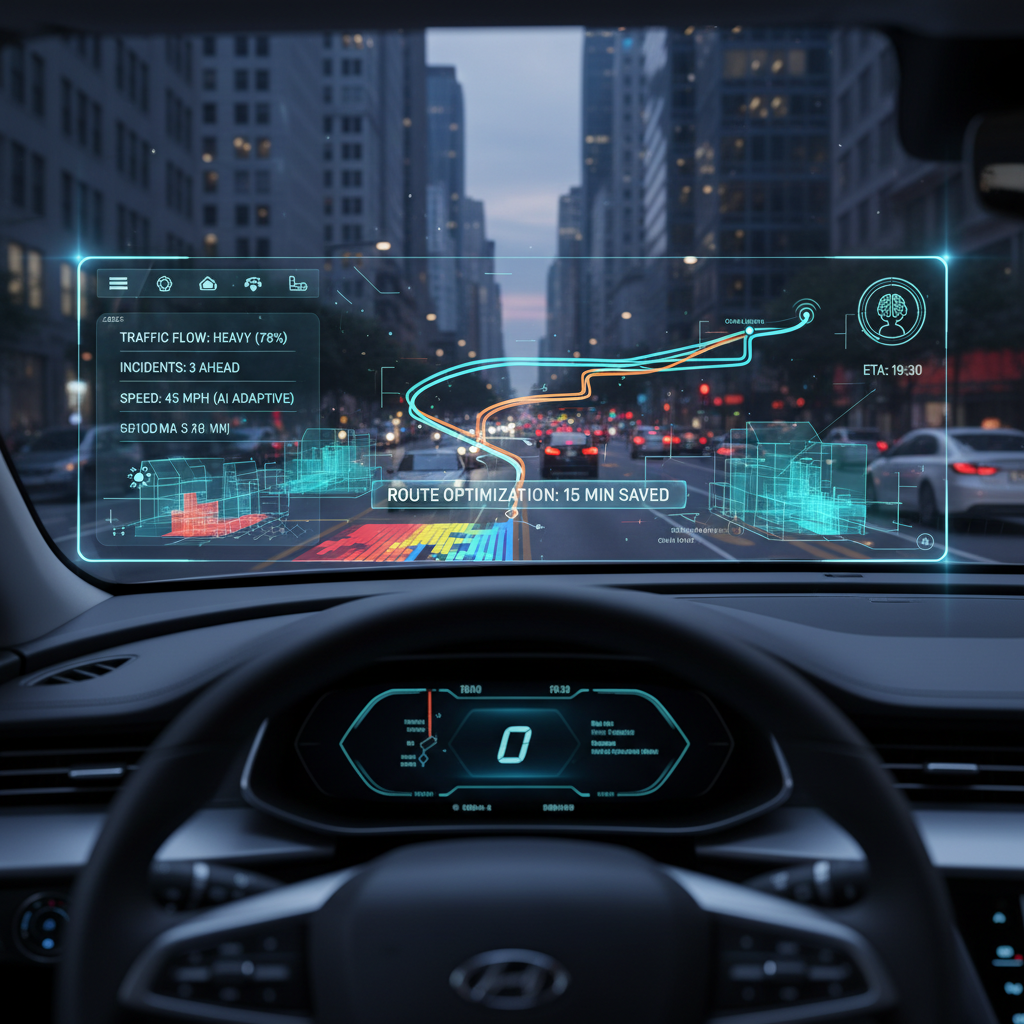
The prowess of AI navigation lies in its ability to process an unprecedented volume of real-time data. This includes live traffic feeds, accident reports, road closures, construction updates, public transport delays, and even weather patterns. Unlike traditional GPS systems that might only recalculate based on immediate conditions, AI algorithms, often powered by machine learning, can analyze historical traffic data alongside current events to predict future traffic flow. This predictive capability is a game-changer. For example, AI can learn that a specific intersection always bottlenecks at 8 AM on weekdays, even if current traffic is light, and will proactively suggest an alternative route, saving commuters precious time and frustration.
Dynamic Re-routing and Adaptive Algorithms
One of the most immediate benefits of AI in navigation is its capacity for dynamic re-routing. If an unexpected accident occurs miles ahead on your current route, or if a sudden rain shower causes a new slowdown, the AI system instantly detects this change. It then quickly re-evaluates millions of potential alternative paths, considering factors like distance, estimated time of arrival, and current speeds on those alternative routes, to suggest the fastest possible diversion. This constant, adaptive adjustment ensures that commuters are always on the most optimal path, minimizing delays and maximizing efficiency. Advanced algorithms even consider the collective impact of multiple drivers rerouting, attempting to distribute traffic to prevent new bottlenecks.
Personalized Routes and Preferences
AI goes beyond just speed; it learns your preferences. Do you prefer scenic routes over highways? Are you trying to conserve fuel? Do you want to avoid tolls, even if it means a slightly longer journey? AI-powered systems can observe your driving habits and preferences over time, or allow you to input specific criteria, to tailor routes that align with your personal needs. For instance, an AI might learn that you frequently stop for coffee at a particular chain and proactively suggest routes that pass by your favorite barista, or integrate charging station stops for electric vehicles based on your battery level and destination. This level of personalization transforms navigation from a generic utility into a highly customized co-pilot.
Integration with Smart City Infrastructure
Looking ahead, AI navigation is becoming increasingly integrated with smart city infrastructure. This means real-time communication between vehicles (V2V), vehicles and infrastructure (V2I), and even vehicles and pedestrians (V2P). Imagine traffic lights that dynamically adjust their timing based on the actual flow of traffic detected by AI, or public transport systems that optimize their routes and schedules in real-time to meet demand. This interconnected ecosystem, orchestrated by AI, promises to reduce urban congestion on a massive scale, benefiting both individual drivers and the entire urban transport network.
The shift from passive mapping to active, intelligent route management is revolutionizing the commute, making it less stressful, more predictable, and ultimately, more productive. As AI continues to evolve, our navigation systems will only become more intuitive, insightful, and indispensable.
Intelligent Entertainment and Productivity on the Go
The daily commute, once a period of passive waiting, is rapidly transforming into an opportunity for personalized entertainment and enhanced productivity, largely thanks to the integration of Artificial Intelligence. Modern vehicles are becoming extensions of our digital lives, offering seamless connectivity and intelligent assistance that makes the journey as engaging as the destination.
Voice Assistants: Your Hands-Free Co-Pilot
Central to this transformation are AI-powered voice assistants, such as Apple’s Siri, Google Assistant, Amazon Alexa, and various proprietary in-car systems. These assistants allow drivers to interact with their vehicle and digital services using natural language commands, eliminating the need to divert attention from the road. Imagine simply saying, “Hey Google, play my driving playlist,” or “Alexa, navigate to the nearest gas station,” or “Siri, call my office.” These commands enable hands-free control over music, navigation, phone calls, text messages, and even vehicle climate settings. This not only enhances convenience but significantly boosts safety by keeping drivers’ hands on the wheel and eyes on the road. Voice assistants can also provide real-time information, from weather updates to sports scores, turning downtime into informed time.
Personalized Media: AI-Curated Content
AI excels at understanding individual preferences and patterns. This capability is harnessed to provide hyper-personalized media experiences during the commute. Streaming services like Spotify and Apple Music use AI algorithms to create dynamic playlists based on your listening history, mood, time of day, and even driving conditions. Commuters can enjoy AI-generated playlists specifically tailored for relaxed driving, energetic morning commutes, or calming evening drives. Similarly, AI can recommend podcasts, audiobooks, and news summaries that align with your interests, ensuring that the content you consume is always relevant and engaging. This personalized curation turns the commute into a rich content consumption opportunity.
Audiobooks and Learning: Making the Most of Commute Time
For many, the commute is prime time for personal growth and learning. AI-driven platforms facilitate this by recommending audiobooks and educational podcasts that align with your professional development goals or personal interests. With AI, you can pick up where you left off in a course, listen to a summary of a recent industry report, or dive into a new language lesson, all hands-free. This transforms previously unproductive travel time into valuable learning opportunities, enabling commuters to arrive at their destination feeling more enriched and prepared.
Smart Vehicle Integration: Connecting Your Worlds
The intelligent journey extends beyond the car itself. AI enables seamless integration between your vehicle and your smart home ecosystem. Imagine pulling into your driveway and your car automatically communicates with your home system to adjust the thermostat, turn on the lights, unlock the front door, or even start brewing coffee. This level of interconnectedness, orchestrated by AI, creates a holistic and effortless transition between your mobile and static environments, enhancing comfort and convenience from the moment you leave until you arrive. Furthermore, AI can monitor your schedule, proactively suggest leaving times, and integrate with calendar appointments, ensuring you are always on track.
Augmented Reality (AR) Heads-Up Displays (HUDs): The Future Vision
While still evolving, augmented reality heads-up displays represent the next frontier for in-car entertainment and information. AI will power these systems to overlay navigation directions, points of interest, safety warnings, and even personalized entertainment elements directly onto the driver’s view of the road. Imagine seeing arrows projected onto the road itself, guiding you through a complex intersection, or having real-time information about nearby restaurants appear seamlessly in your field of vision. These AR HUDs, driven by AI, promise an immersive and intuitive experience that blends digital information with the physical world, making the intelligent journey even more engaging and informative.
By leveraging AI, the daily commute is no longer just about getting from one place to another; it’s an opportunity to stay connected, entertained, informed, and productive, transforming a chore into a valued part of the day.
Safety and Driver Assistance: AI as Your Co-Pilot
Perhaps one of the most impactful applications of AI in transforming the daily commute lies in its ability to significantly enhance vehicle safety and driver assistance. Modern cars are increasingly equipped with sophisticated AI-powered systems that act as vigilant co-pilots, constantly monitoring the road, the vehicle, and even the driver, working tirelessly to prevent accidents and mitigate risks. These advancements are not merely luxury features; they are becoming essential components of vehicle design, contributing to a substantial reduction in road incidents and improving overall safety for everyone.
Advanced Driver-Assistance Systems (ADAS)
ADAS technologies are at the forefront of AI-powered safety. These systems utilize a combination of sensors—radars, cameras, ultrasonic sensors, and lidar—to gather comprehensive data about the vehicle’s surroundings. AI algorithms then process this data in real-time to make informed decisions and intervene when necessary. Key ADAS features include:
- Adaptive Cruise Control (ACC): This system uses radar or lidar to maintain a safe following distance from the vehicle ahead, automatically adjusting speed and even bringing the car to a complete stop in stop-and-go traffic. AI predicts traffic flow and reacts smoothly.
- Lane Keeping Assist (LKA) and Lane Departure Warning (LDW): Cameras monitor lane markings, and AI alerts the driver if the vehicle drifts out of its lane unintentionally. LKA can even gently steer the vehicle back into its lane.
- Automatic Emergency Braking (AEB): Employing sensors to detect imminent collisions with other vehicles, pedestrians, or cyclists, AI can initiate automatic braking to either prevent an accident entirely or significantly reduce its severity.
- Blind Spot Monitoring (BSM): Radars detect vehicles in the driver’s blind spots, providing visual or auditory warnings to prevent lane-change collisions.
- Cross-Traffic Alert: Useful when backing out of a parking space, this system uses sensors to detect approaching vehicles from the side, alerting the driver to potential hazards.
- Traffic Sign Recognition: Cameras read traffic signs (like speed limits or stop signs) and display them on the dashboard, helping drivers stay compliant and aware.
These systems work in concert, creating a comprehensive safety shield that actively assists the driver in navigating complex road conditions and reacting to unforeseen events faster than humanly possible.
Driver Monitoring Systems: Battling Fatigue and Distraction
Beyond monitoring the external environment, AI is also increasingly focused on the driver themselves. Driver Monitoring Systems (DMS) use in-cabin cameras and sensors to track head position, eye movements, and even blink rates. AI algorithms analyze these data points to detect signs of fatigue, drowsiness, or distraction (such as looking away from the road for too long or using a mobile phone). When such conditions are detected, the system can issue warnings through sounds, vibrations, or visual alerts, prompting the driver to refocus or take a break. This proactive approach to driver awareness is crucial in preventing accidents caused by human error, which accounts for a vast majority of road incidents.
Predictive Maintenance: Keeping Your Vehicle Roadworthy
AI’s safety contributions extend to the very health of the vehicle itself. Predictive maintenance systems use AI to continuously analyze vehicle performance data, including engine parameters, tire pressure, brake wear, and battery health for electric vehicles. By identifying subtle deviations from normal operating conditions, AI can predict potential mechanical failures before they occur. For example, a slight change in engine vibration or an unusual temperature reading might trigger an alert recommending a service check, potentially preventing a breakdown on the highway or a more serious safety issue. This proactive maintenance not only enhances safety but also reduces unexpected repair costs and inconvenient breakdowns.
The integration of AI into vehicle safety systems is transforming the driving experience by providing an unprecedented level of protection and assistance. As these technologies become more refined and widespread, the daily commute will undoubtedly become a much safer journey for all. AI truly acts as an indispensable co-pilot, constantly vigilant and ready to assist, making roads safer for drivers, passengers, and pedestrians alike.
Optimizing Public Transport: AI for the Collective Commute
While AI’s impact on individual car commutes is significant, its potential to revolutionize public transportation systems is equally profound, if not more so, given the broader societal and environmental benefits. By applying AI to buses, trains, subways, and even demand-responsive shuttles, urban centers can achieve unprecedented levels of efficiency, accessibility, and sustainability, transforming the collective commute for millions.
Smart Traffic Light Systems and Congestion Management
One of the immediate applications of AI in urban public transport optimization is through smart traffic light systems. Traditional traffic lights operate on fixed timers, which often fail to respond to real-time traffic flow, leading to unnecessary delays and congestion. AI-powered traffic lights, however, use sensors, cameras, and predictive algorithms to monitor vehicle density, pedestrian movement, and public transport schedules. They can dynamically adjust signal timings in real-time, prioritizing buses and trams, or adapting to sudden surges in traffic or unexpected road closures. This intelligent synchronization can significantly reduce travel times for public transport vehicles, making them a more attractive and reliable option for commuters. Furthermore, AI can predict congestion hotspots and proactively reroute buses or adjust train schedules to mitigate bottlenecks before they fully form.
Demand-Responsive Transit and On-Demand Shuttles
AI is enabling a new generation of flexible, demand-responsive public transport services. Unlike fixed-route buses that often run empty during off-peak hours, AI-powered on-demand shuttles or micro-transit services can dynamically route vehicles based on real-time requests from passengers. Using algorithms similar to ride-sharing apps, AI optimizes routes to pick up multiple passengers heading in similar directions, minimizing detours and wait times. This model is particularly effective in suburban areas, during late-night hours, or for connecting commuters to main transit hubs, offering a more convenient and cost-effective alternative to private cars or taxis while reducing overall vehicle miles traveled.
Predictive Maintenance for Fleets
Just as AI aids in predictive maintenance for private vehicles, it plays a critical role in keeping public transport fleets running smoothly. AI systems continuously monitor the performance of buses, trains, and trams, analyzing sensor data from engines, brakes, doors, and other critical components. By detecting anomalies and predicting potential failures before they occur, AI allows maintenance teams to perform timely repairs, reducing unexpected breakdowns, minimizing service disruptions, and extending the lifespan of valuable public assets. This not only improves reliability for commuters but also lowers operational costs for transit agencies.
AI-Powered Scheduling and Real-Time Updates
Complex public transport networks, involving multiple lines, vehicles, and interconnections, benefit immensely from AI-powered scheduling. AI algorithms can optimize schedules to account for variables like passenger demand fluctuations, driver availability, and maintenance requirements, ensuring maximum efficiency and minimal delays. For passengers, AI translates into more accurate real-time information. Mobile apps can provide precise arrival and departure times, predict crowding levels on specific routes, and suggest alternative routes in case of disruptions, all powered by AI’s ability to process and interpret vast amounts of dynamic data. This transparency and predictability significantly enhance the passenger experience, making public transport a more reliable and less stressful choice.
Optimized Resource Allocation and Carbon Footprint Reduction
By optimizing routes, schedules, and fleet management, AI helps public transport agencies allocate resources more effectively. This means deploying vehicles where and when they are most needed, reducing empty runs, and minimizing fuel consumption. The cumulative effect is a significant reduction in the carbon footprint of urban mobility, contributing to cleaner air and more sustainable cities. AI’s ability to coordinate large, complex systems is central to developing truly smart and sustainable urban transport solutions for the future.
Through these varied applications, AI is transforming public transport from a sometimes-unpredictable necessity into a highly efficient, reliable, and user-friendly service, encouraging more people to choose collective over individual travel, thereby easing urban congestion and fostering environmental health.
Ethical Considerations and the Future of AI Commuting
As AI continues to deeply integrate into our daily commutes, offering unparalleled convenience, safety, and efficiency, it also brings forth a spectrum of ethical considerations and challenges that must be carefully addressed. The future of intelligent mobility is not just about technological advancement; it’s also about building trust, ensuring fairness, and navigating complex societal shifts.
Data Privacy and Security
AI-powered commute solutions, particularly those involving personalized navigation, driver monitoring, and smart city integration, rely heavily on collecting and processing vast amounts of personal data. This includes location history, driving patterns, in-car conversations (with voice assistants), and even biometric data from driver monitoring systems. The primary ethical concern here is data privacy: who owns this data, how is it stored, who can access it, and how is it protected from misuse or cyberattacks? Robust encryption, clear consent policies, and transparent data handling practices are paramount to maintaining public trust. The potential for surveillance, tracking, and data breaches poses significant risks that must be proactively mitigated through stringent regulations and ethical design.
Bias in Algorithms
AI algorithms are trained on data, and if that data is biased, the algorithms will perpetuate and even amplify those biases. In the context of commuting, this could manifest in several ways:
- Route Optimization: Algorithms might inadvertently favor routes that lead through affluent neighborhoods, or prioritize certain demographics over others, leading to unequal access to efficient transportation or disproportionate delays for certain communities.
- Pedestrian/Cyclist Detection: If training data predominantly features certain types of vehicles or pedestrians, AI might be less accurate at detecting others, potentially increasing risks for underrepresented groups.
- Predictive Policing: Integration with smart city systems could lead to biased enforcement if AI identifies certain areas or behaviors as high-risk based on flawed historical data.
Ensuring diverse and representative datasets, alongside rigorous auditing of AI models, is crucial to building fair and equitable intelligent transportation systems.
Job Displacement and Socioeconomic Impact
The rise of AI in transportation, especially the move towards fully autonomous vehicles, has significant implications for employment. Industries reliant on human drivers, such as trucking, taxi services, and ride-sharing, face potential job displacement. While new jobs in AI development, maintenance, and fleet management may emerge, there is a societal responsibility to manage this transition, providing retraining opportunities and social safety nets for those affected. The economic ripple effects on related industries (e.g., roadside assistance, auto insurance) also need consideration.
Regulatory Challenges and Liability
The rapid pace of AI innovation often outstrips existing legal and regulatory frameworks. Questions of liability in the event of an accident involving an AI-driven vehicle are complex: Is the manufacturer, the software developer, the vehicle owner, or the AI itself responsible? Developing clear, comprehensive, and internationally harmonized regulations is essential to facilitate the safe and ethical deployment of AI in transportation. These regulations must also address standards for AI performance, safety testing, and cybersecurity.
The Vision of Fully Autonomous Vehicles and Smart Cities
Looking to the future, AI is the bedrock of fully autonomous vehicles (AVs) and truly smart cities.
- Autonomous Vehicles: While challenges remain, AI is steadily pushing towards Level 5 autonomy, where vehicles can operate entirely without human intervention in all conditions. This promises to drastically reduce accidents caused by human error, alleviate congestion, and provide mobility to those currently unable to drive. AVs will require sophisticated AI for perception, decision-making, and prediction, operating within an intricate network of other AVs and smart infrastructure.
- Smart Cities: AI will be the central nervous system of future smart cities, orchestrating traffic flow, public transport, emergency services, and even energy management. Sensors embedded throughout the urban environment will feed data to AI systems, which will optimize every aspect of urban mobility in real-time. This could lead to a dramatic reduction in congestion, pollution, and travel times, creating more livable and sustainable urban environments. AI will enable predictive urban planning, allowing cities to adapt proactively to changing mobility needs.
The future intelligent journey envisions a seamless, interconnected, and highly optimized transportation ecosystem where AI acts as the ultimate orchestrator, making every movement safer, greener, and more efficient. However, realizing this future responsibly requires continuous dialogue, robust ethical frameworks, and a commitment to addressing the profound societal implications of these powerful technologies.
Challenges and Solutions in AI Integration
While the promise of AI in transforming daily commutes is immense, its widespread integration is not without significant challenges. Overcoming these hurdles requires concerted effort from technologists, policymakers, urban planners, and the public. Understanding these obstacles and the proposed solutions is crucial for a realistic and successful rollout of intelligent mobility solutions.
Infrastructure Requirements: The Need for a Robust Backbone
Challenge: Many advanced AI commute solutions, especially those involving vehicle-to-everything (V2X) communication (vehicle-to-vehicle, vehicle-to-infrastructure, vehicle-to-pedestrian) and real-time data processing, demand a highly robust and pervasive digital infrastructure. This includes widespread 5G connectivity, edge computing capabilities, and interconnected sensor networks across roads and urban environments. Many regions currently lack this advanced infrastructure, particularly in rural or less developed areas.
Solution: Governments and private sector companies need to invest heavily in upgrading communication networks (e.g., deploying 5G, implementing dedicated short-range communication DSRC, or cellular V2X C-V2X technologies). Smart city initiatives that integrate sensors into existing infrastructure (traffic lights, road surfaces, public buildings) are vital. Developing hybrid systems that can leverage both advanced connectivity and operate effectively in areas with limited infrastructure (e.g., through robust on-board AI processing) can also bridge the gap during the transition period.
Cost of Implementation: An Investment in the Future
Challenge: The development, installation, and maintenance of AI hardware (sensors, powerful processors) and software (complex algorithms, large datasets) are currently expensive. This cost can make advanced AI features inaccessible in lower-end vehicles, exacerbating the digital divide. Furthermore, the overhaul of public transport systems and urban infrastructure for AI integration represents a massive financial undertaking for municipalities.
Solution: As AI technology matures and scales, costs are expected to decrease, similar to other technological advancements. Government subsidies, public-private partnerships, and innovative financing models can help defray the initial investment for both consumers and municipalities. Phased implementation strategies, focusing on high-impact areas first, can also make the transition more manageable. The long-term savings in reduced accidents, congestion, and fuel consumption can justify the upfront costs.
Public Trust and Acceptance: Overcoming Skepticism
Challenge: Despite the demonstrable benefits, there is often a degree of public skepticism or fear regarding AI, particularly concerning safety, job displacement, and data privacy. Accidents involving autonomous vehicles, though rare, receive significant media attention and can erode public confidence. Without public acceptance, even the most advanced AI solutions will struggle to gain widespread adoption.
Solution: Transparent communication about AI’s capabilities and limitations, rigorous safety testing, and clear public education campaigns are essential. Engaging the public in the development process, addressing their concerns directly, and showcasing successful, reliable implementations can build trust. Gradual rollout of features, starting with driver-assist systems and moving towards higher levels of autonomy, allows people to adapt and build familiarity. Robust regulatory frameworks that ensure safety and accountability will also foster confidence.
Standardization Across Manufacturers: Ensuring Interoperability
Challenge: The automotive and technology industries are highly competitive, leading to proprietary AI systems and varied standards across different manufacturers. This lack of standardization can hinder interoperability, complicate maintenance, and create fragmentation in the ecosystem, especially for V2X communication where different brands of vehicles need to communicate seamlessly.
Solution: Industry consortia, international standards bodies (like ISO, IEEE), and governmental organizations must collaborate to develop common protocols and standards for AI in transportation. Open-source initiatives for certain AI components could also encourage broader adoption and ensure compatibility. The goal is to create a cohesive ecosystem where different AI systems can communicate and cooperate effectively, regardless of their origin.
Cybersecurity Threats: Protecting Against Malicious Actors
Challenge: As vehicles become more connected and reliant on AI, they also become more vulnerable to cyberattacks. Malicious actors could attempt to hack into vehicle systems, disrupt navigation, steal data, or even take control of autonomous functions, posing severe safety and privacy risks.
Solution: Implementing multi-layered cybersecurity measures, including strong encryption, secure boot processes, intrusion detection systems, and regular over-the-air (OTA) security updates, is critical. Automotive manufacturers and software developers must adopt a “security-by-design” approach, embedding cybersecurity from the initial stages of development. Collaboration with cybersecurity experts and continuous monitoring for new threats are also essential to protect intelligent vehicles and infrastructure from evolving cyber risks.
Addressing these challenges systematically will pave the way for a more intelligent, safe, and efficient future of commuting, ensuring that AI’s transformative potential is fully realized for the benefit of all.
Comparison Tables
Table 1: Traditional GPS vs. AI-Powered Navigation
| Feature | Traditional GPS Navigation | AI-Powered Navigation |
|---|---|---|
| Data Source | Static map data, basic real-time traffic (limited). | Real-time traffic, historical data, user-generated reports, weather, events, satellite imagery, V2X data. |
| Route Calculation | Primarily based on shortest distance or fastest legal speed limit, with minimal real-time adjustments. | Dynamic calculation based on predictive analytics, machine learning of traffic patterns, user preferences, and constant real-time updates. |
| Predictive Capability | Very limited; reacts to current conditions. | High; anticipates future traffic, road closures, and delays based on historical data and current trends. |
| Personalization | Basic options like ‘avoid tolls’ or ‘shortest route’. | Learns driver preferences (e.g., scenic routes, fuel efficiency, preferred stops), suggests personalized POIs, integrates with calendar. |
| Real-Time Responsiveness | Slow to re-route; may miss new congestion. | Instantaneous re-routing based on evolving conditions; proactively suggests alternatives before bottlenecks form. |
| Integration | Standalone device or basic in-car system. | Integrated with voice assistants, smart vehicles, smart home, public transport data, and potentially smart city infrastructure. |
| User Experience | Functional, but can be frustrating with unexpected delays. | Smooth, less stressful, more predictable, and highly informative. |
Table 2: Commute Experience: Before AI vs. With AI
| Aspect of Commute | Before AI Integration | With AI Integration (Current & Near Future) |
|---|---|---|
| Stress Level | High, due to unpredictability, congestion, and time pressure. | Significantly reduced, thanks to predictable routes, real-time alerts, and personalized assistance. |
| Time Efficiency | Often wasted due to unexpected traffic, poor route choices, and detours. | Optimized travel times, proactive avoidance of congestion, efficient route planning. Time can be used for productivity. |
| Entertainment/Productivity | Limited to radio, CDs, or self-managed tasks. Distraction risk for phone use. | Personalized media, audiobooks, voice-controlled infotainment, hands-free communication, smart home integration. |
| Safety | Relies solely on driver vigilance; prone to human error. | Enhanced by ADAS (automatic emergency braking, lane keeping), driver monitoring, predictive maintenance. AI acts as co-pilot. |
| Environmental Impact | Often higher due to idling in traffic, inefficient routes, and breakdowns. | Potentially lower through optimized routes, reduced congestion, efficient public transport, and predictive maintenance. |
| Preparation/Planning | Manual checking of traffic apps, weather; guesswork. | AI proactively suggests optimal departure times, predicts weather impact, integrates with calendar, automated pre-conditioning of car. |
| Overall Control/Autonomy | Full manual control; responsibility entirely on driver. | Driver assistance features, partial automation (Level 2/3), leading towards fully autonomous vehicles. Shared responsibility. |
Practical Examples: Real-World Use Cases and Scenarios
The theoretical benefits of AI in commuting come to life through numerous real-world applications and innovative companies that are actively shaping the future of transportation. These examples demonstrate how AI is already making a tangible difference in our daily journeys.
Case Study 1: Waze’s Predictive Traffic and Community-Driven Intelligence
Waze, now owned by Google, is a prime example of AI leveraging collective intelligence to revolutionize navigation. Unlike older GPS systems, Waze’s strength lies in its real-time, user-generated data. Millions of drivers (Wazers) contribute information about traffic jams, accidents, road hazards, speed traps, and construction in real-time. AI algorithms then process this massive inflow of dynamic data, combined with historical traffic patterns and official road closure information, to provide highly accurate predictions and the fastest possible routes.
For instance, if a major accident suddenly blocks a highway, Waze’s AI instantly detects the event through multiple user reports and slowing traffic data. Within seconds, it recalculates routes for all affected users, diverting them to alternative roads before they even encounter the congestion. This predictive capability and adaptive re-routing, powered by sophisticated AI, often saves commuters significant time and stress compared to traditional navigation apps that might only react once traffic has already formed. The AI also learns individual driving habits and preferred routes, fine-tuning suggestions over time.
Case Study 2: Tesla’s Autopilot and Full Self-Driving (FSD) Capabilities
Tesla has been at the forefront of integrating AI into its vehicles for advanced driver assistance and eventual full autonomy. The company’s Autopilot and optional Full Self-Driving (FSD) features showcase AI’s power in vehicle control. Tesla cars use an array of cameras, ultrasonic sensors, and radar (though Tesla has moved away from radar in favor of camera-only “Tesla Vision” for FSD Beta in some markets) to gather environmental data. AI neural networks then process this data to perceive the surroundings, identify lane lines, other vehicles, pedestrians, traffic lights, and road signs.
Autopilot enables features like traffic-aware cruise control, automatic lane keeping, and auto lane change. FSD Beta aims for complete autonomy, allowing the car to navigate urban streets, make turns, stop at traffic lights, and handle complex intersections. The AI continually learns from billions of miles of driving data collected from its fleet, refining its decision-making algorithms and improving its ability to handle increasingly complex scenarios. While full autonomy is still under development and human supervision is required, Tesla’s approach demonstrates the profound capabilities of AI in transforming driving from an active task to a supervised experience, ultimately aiming to enhance safety and comfort.
Case Study 3: Ride-Sharing Optimization by Uber and Lyft
Ride-sharing platforms like Uber and Lyft rely heavily on AI to operate their vast networks efficiently. AI algorithms are central to dynamic pricing, driver-passenger matching, and route optimization.
When you request a ride, AI instantly matches you with the nearest available driver, considering factors like estimated arrival time, driver rating, and vehicle type. Dynamic pricing (surge pricing) is also AI-driven, adjusting fares in real-time based on demand and supply in specific areas, ensuring that enough drivers are incentivized to be on the road during peak hours or in high-demand locations.
Furthermore, AI optimizes the routes for drivers, not just for the shortest distance, but also considering current traffic conditions, potential tolls, and even the likelihood of future ride requests. For shared rides (e.g., Uber Pool), AI algorithms create complex multi-stop routes that efficiently pick up and drop off multiple passengers with minimal detours, significantly reducing the cost and environmental impact per passenger. This intelligent orchestration ensures a smooth, cost-effective, and responsive service for millions of daily commuters.
Case Study 4: Smart City Traffic Management in Singapore
Singapore is renowned for its progressive approach to urban planning and its integration of smart technologies, including AI, for traffic management. The country employs advanced AI systems to monitor and manage its intricate road network. Sensors embedded in roads, traffic cameras, and real-time data from vehicles feed into a central AI system.
This AI analyzes traffic flow, identifies congestion points, predicts potential bottlenecks, and then dynamically adjusts traffic light timings across the city. For instance, if a major event causes a surge in traffic on one arterial road, the AI can extend green light durations on that road while temporarily shortening others to ease the flow. It also prioritizes public buses and emergency vehicles. This proactive, AI-driven approach significantly reduces overall travel times, minimizes idling, and improves air quality. Singapore also uses AI to optimize public transport schedules and even manage parking, demonstrating a holistic, AI-centric approach to urban mobility that benefits all commuters.
These examples illustrate that AI is not a futuristic concept for commuting but a present-day reality, continuously evolving and delivering tangible benefits for individual travelers and entire urban populations.
Frequently Asked Questions
Q: What is AI’s main benefit for commuters?
A: The primary benefit of AI for commuters is the transformation of the travel experience from a stressful, unpredictable chore into a more efficient, safer, and enjoyable journey. AI significantly reduces commute times through intelligent route optimization, enhances safety via advanced driver assistance systems, offers personalized in-car entertainment and productivity tools, and makes public transport more reliable. Ultimately, AI aims to reclaim lost time, reduce stress, and improve the overall quality of daily life for commuters.
Q: Is AI navigation truly better than traditional GPS?
A: Yes, AI navigation is demonstrably superior to traditional GPS. While traditional GPS provides static directions based on pre-loaded maps, AI navigation incorporates real-time data from countless sources (live traffic, user reports, weather, historical patterns) and uses predictive analytics to anticipate future conditions. This allows AI systems to offer dynamic re-routing, avoid upcoming congestion before it forms, and provide highly personalized routes based on individual preferences, something static GPS cannot achieve.
Q: How does AI personalize my commute experience?
A: AI personalizes your commute in several ways. It learns your preferred routes, desired stops (e.g., coffee shops, charging stations), and driving style to suggest tailored navigation. In terms of entertainment, AI-powered systems curate personalized music playlists, podcast recommendations, and audiobooks based on your listening history and mood. Furthermore, voice assistants integrate with your personal digital ecosystem, allowing hands-free control of your preferences and connectivity with your smart home devices.
Q: What are the safety benefits of AI in cars?
A: AI dramatically enhances car safety through Advanced Driver-Assistance Systems (ADAS). These include features like Automatic Emergency Braking (AEB), Adaptive Cruise Control (ACC), Lane Keeping Assist (LKA), and Blind Spot Monitoring (BSM), which use sensors and AI to detect potential hazards and intervene to prevent accidents. Additionally, AI-powered driver monitoring systems can detect fatigue or distraction, while predictive maintenance AI can identify potential vehicle malfunctions before they become critical safety issues.
Q: Can AI help with public transport, or is it just for private cars?
A: AI has a profound impact on public transport. It is used to optimize public transit schedules, predict passenger demand, and implement dynamic routing for on-demand shuttle services. AI-powered smart traffic lights can prioritize buses and trams, reducing delays. Furthermore, AI contributes to predictive maintenance for public transport fleets, ensuring reliability, and provides passengers with real-time, accurate updates on routes and arrival times, significantly improving the collective commute experience.
Q: Are there privacy concerns with AI commute solutions?
A: Yes, privacy is a significant concern. AI commute solutions collect vast amounts of data, including location history, driving habits, and potentially in-car voice commands or even biometric data from driver monitoring systems. Ethical considerations arise regarding who owns this data, how it’s stored, and how it’s protected from misuse or cyber threats. Robust data encryption, clear consent policies, and transparent data governance are essential to address these privacy concerns and build public trust.
Q: Is AI making autonomous vehicles a reality for daily commuting?
A: AI is absolutely central to making autonomous vehicles (AVs) a reality. While fully autonomous vehicles (Level 5) are still some time away from widespread deployment in all conditions, AI powers the current advanced driver assistance systems (Level 2/3) found in many cars today. These systems handle aspects of driving like steering, acceleration, and braking under certain conditions. AI’s continuous learning from vast driving data, combined with advancements in sensor technology, is steadily progressing towards safer and more capable self-driving cars that will eventually transform daily commuting.
Q: What’s the cost of integrating AI into my car, and is it worth it?
A: The cost of AI integration varies. Many modern cars come with basic AI-powered features (like advanced navigation, voice assistants, and some ADAS) as standard or optional extras, adding to the vehicle’s overall price. Aftermarket solutions also exist for specific features. While the initial investment might seem significant, the benefits in terms of time saved, reduced stress, enhanced safety, and improved productivity often make AI features a worthwhile investment for many commuters, potentially also reducing insurance premiums in some cases.
Q: How does AI contribute to reducing commute stress?
A: AI reduces commute stress by bringing predictability and control to the journey. Intelligent navigation systems minimize unexpected delays by providing optimal routes and dynamic re-routing. Driver assistance features reduce the cognitive load of driving and enhance safety, allowing drivers to feel more secure. Personalized entertainment and voice assistants make the time spent commuting more enjoyable and productive, shifting the focus from frustration to engagement. This comprehensive approach transforms a typically stressful experience into a calmer, more manageable one.
Q: What is the future outlook for AI in commuting?
A: The future outlook for AI in commuting is incredibly promising. We can expect further advancements in autonomous driving, leading to safer roads and potentially car-free ownership models in cities. AI will integrate even more deeply with smart city infrastructure, creating seamless, interconnected transportation networks. Predictive analytics will become even more sophisticated, anticipating not just traffic but also individual mobility needs. The ultimate vision is a highly efficient, sustainable, and personalized mobility ecosystem that dramatically improves quality of life for urban dwellers.
Key Takeaways
- AI Revolutionizes Navigation: Moving beyond basic GPS, AI-powered systems offer predictive routing, dynamic re-routing, and highly personalized suggestions based on real-time data and historical patterns.
- Enhances In-Car Experience: AI enables intelligent entertainment through personalized media recommendations and hands-free control via voice assistants, turning commute time into productive or enjoyable personal time.
- Boosts Safety Significantly: Advanced Driver-Assistance Systems (ADAS) like automatic emergency braking and lane-keeping assist, along with driver monitoring and predictive maintenance, make vehicles safer co-pilots.
- Optimizes Public Transportation: AI is crucial for smart traffic light systems, demand-responsive transit, predictive maintenance for fleets, and real-time updates, making public transport more efficient and reliable.
- Addresses Complex Challenges: While promising, AI integration faces hurdles such as infrastructure requirements, high costs, public trust issues, lack of standardization, and cybersecurity threats, all requiring proactive solutions.
- Presents Ethical Considerations: Data privacy, algorithmic bias, job displacement, and regulatory challenges are critical ethical issues that must be carefully managed as AI’s role in mobility expands.
- Paves the Way for Smart Cities: AI is the foundational technology for future fully autonomous vehicles and truly smart urban environments, aiming for a highly optimized, sustainable, and stress-free mobility ecosystem.
Conclusion
The journey from a frustrating, traffic-laden daily grind to an intelligent, intuitive, and enjoyable commute is no longer a distant dream but a rapidly unfolding reality, primarily driven by the transformative power of Artificial Intelligence. From the moment we step into our vehicles to the moment we arrive at our destinations, AI is meticulously weaving itself into every aspect of our travel, promising not just incremental improvements but a fundamental paradigm shift in personal and public mobility.
We have explored how AI revolutionizes navigation, making routes smarter and more predictable; how it transforms downtime into productive or entertaining moments with personalized media and voice assistants; and perhaps most crucially, how it acts as an ever-vigilant co-pilot, significantly enhancing safety through advanced driver-assistance systems and predictive maintenance. Beyond individual vehicles, AI is also optimizing our public transportation networks, making collective travel more efficient, reliable, and environmentally friendly.
While the road ahead is not without its challenges—from ensuring data privacy and addressing ethical biases to overcoming infrastructure limitations and building public trust—the trajectory is clear. The collaborative efforts of technologists, policymakers, and urban planners are steadily working to mitigate these obstacles, paving the way for a future where our commutes are not just about reaching a destination, but about experiencing a seamless, safe, and stress-free part of our daily lives. The intelligent journey is here, and it promises to reshape our relationship with travel, making every trip a testament to human ingenuity and the boundless potential of AI. Prepare to embrace a smarter way to move.







































































Leave a Reply